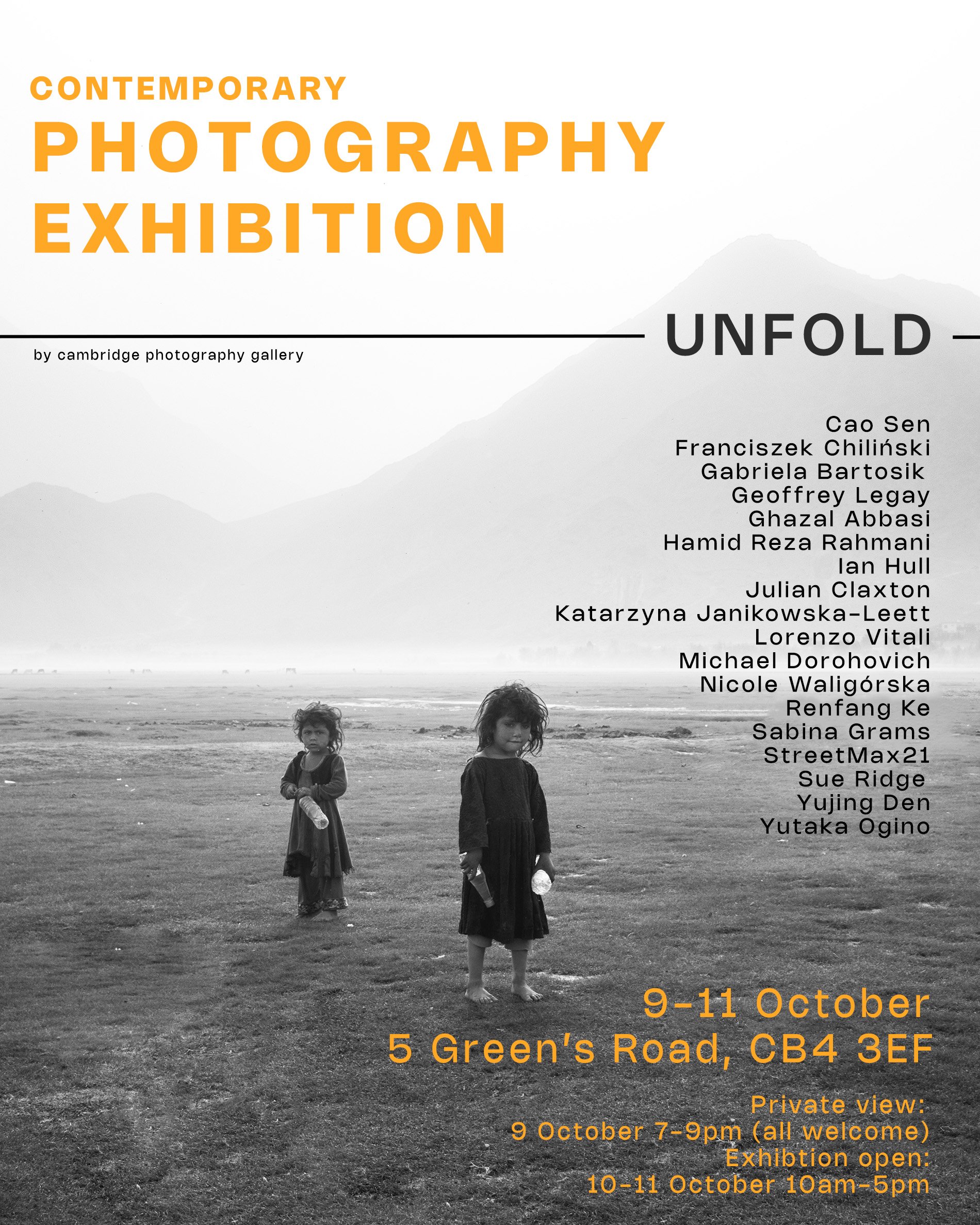
This exhibition marks the first anniversary of Cambridge Photography Gallery, and we are very happy to present amazing works by photographers from around the world.
If you are in Cambridge during the exhibition, please come and see it! We would be very happy to have you there!
If you missed the exhibition, or would simply like to explore the participating projects, you can find all the works from UNFOLD below, together with full descriptions and links to the artists’ social media.
UNFOLD
contemporary photography exhibition
featuring
Cao Sen
Franciszek Chiliński
Gabriela Bartosik
Geoffrey Legay
Ghazal Abbasi
Hamid Reza Rahmani
Renfang Ke
Sabina Grams
StreetMax21
Sue Ridge
Yunjing Deng
Yutaka Ogino
Lorenzo Vitali
-
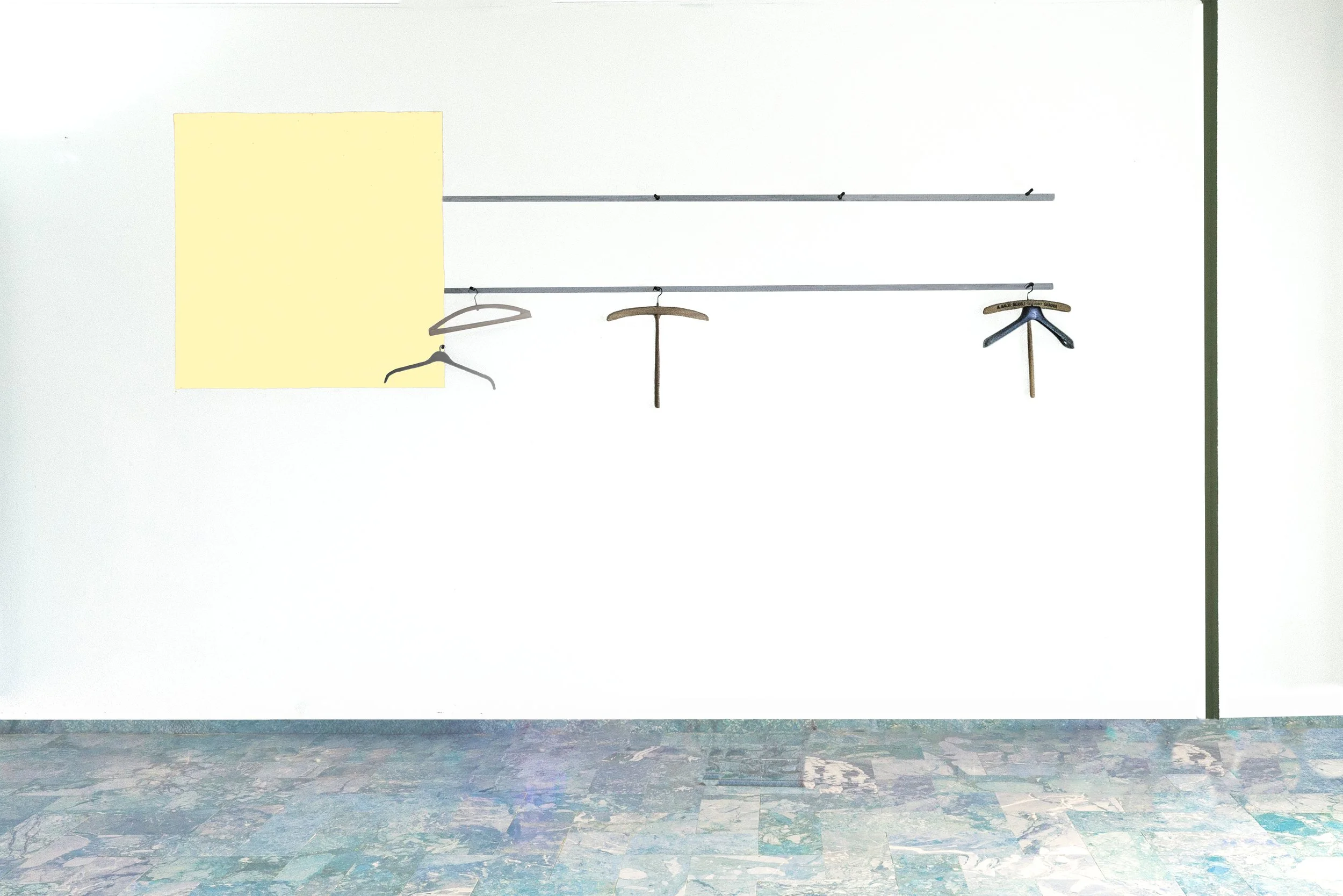
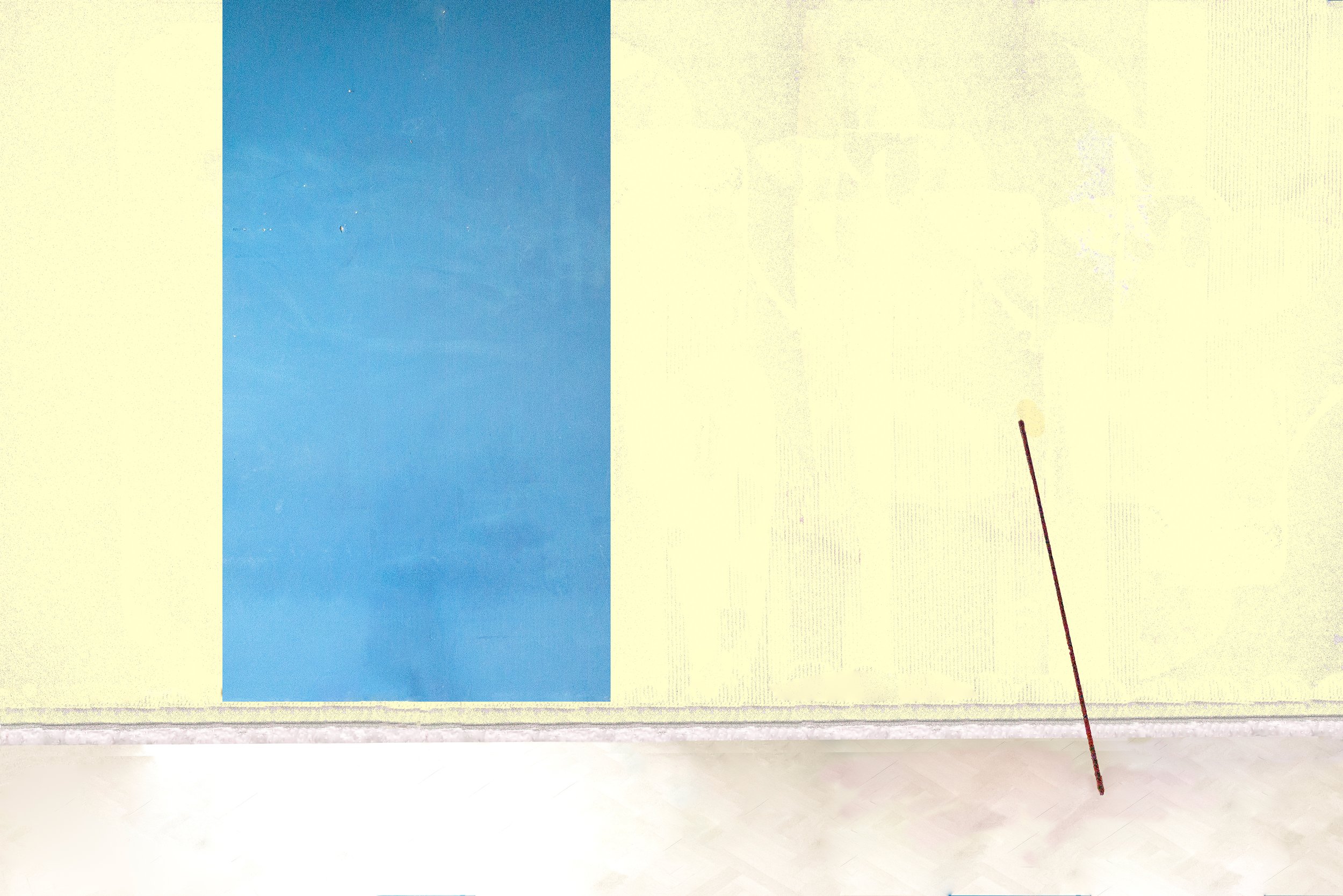
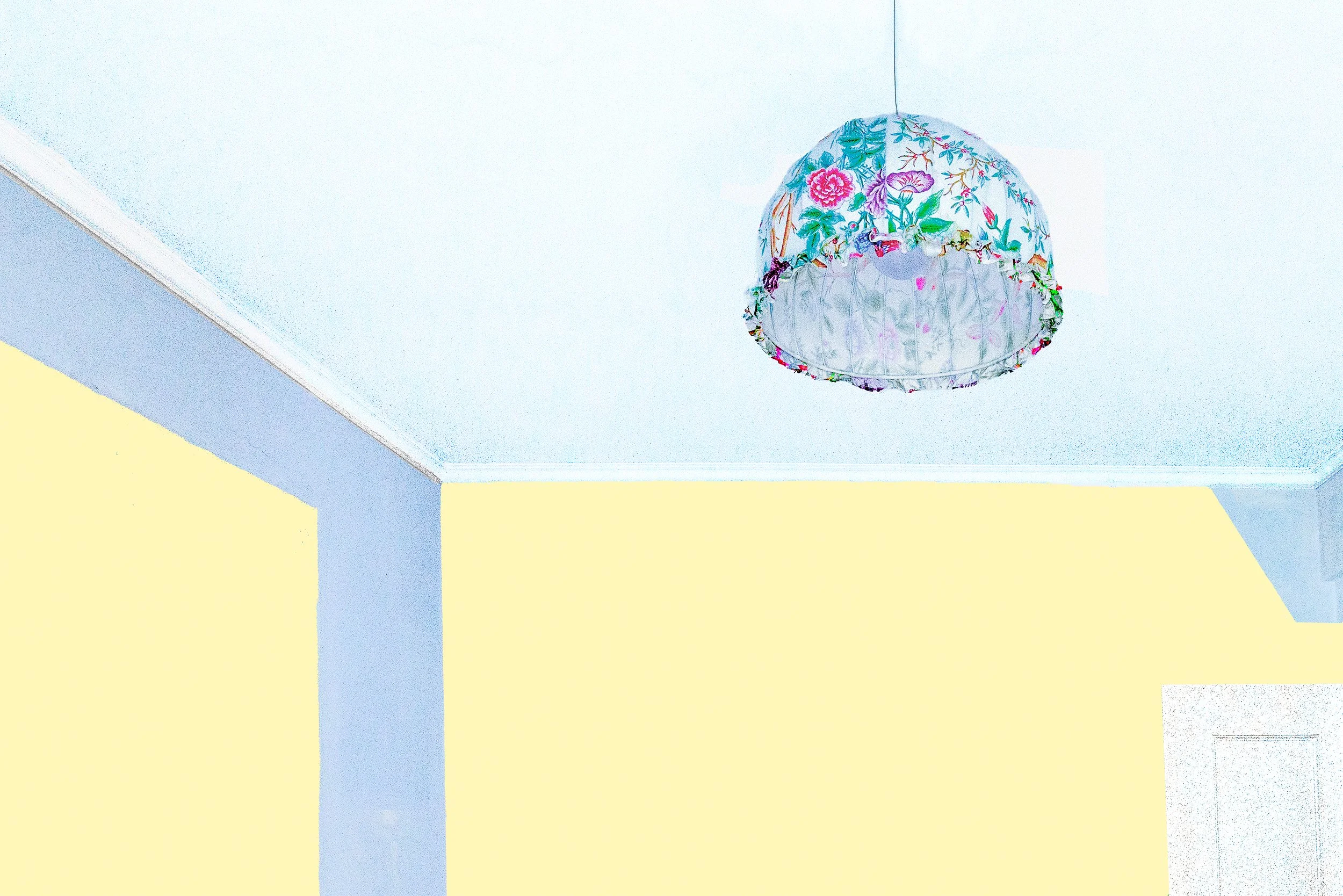
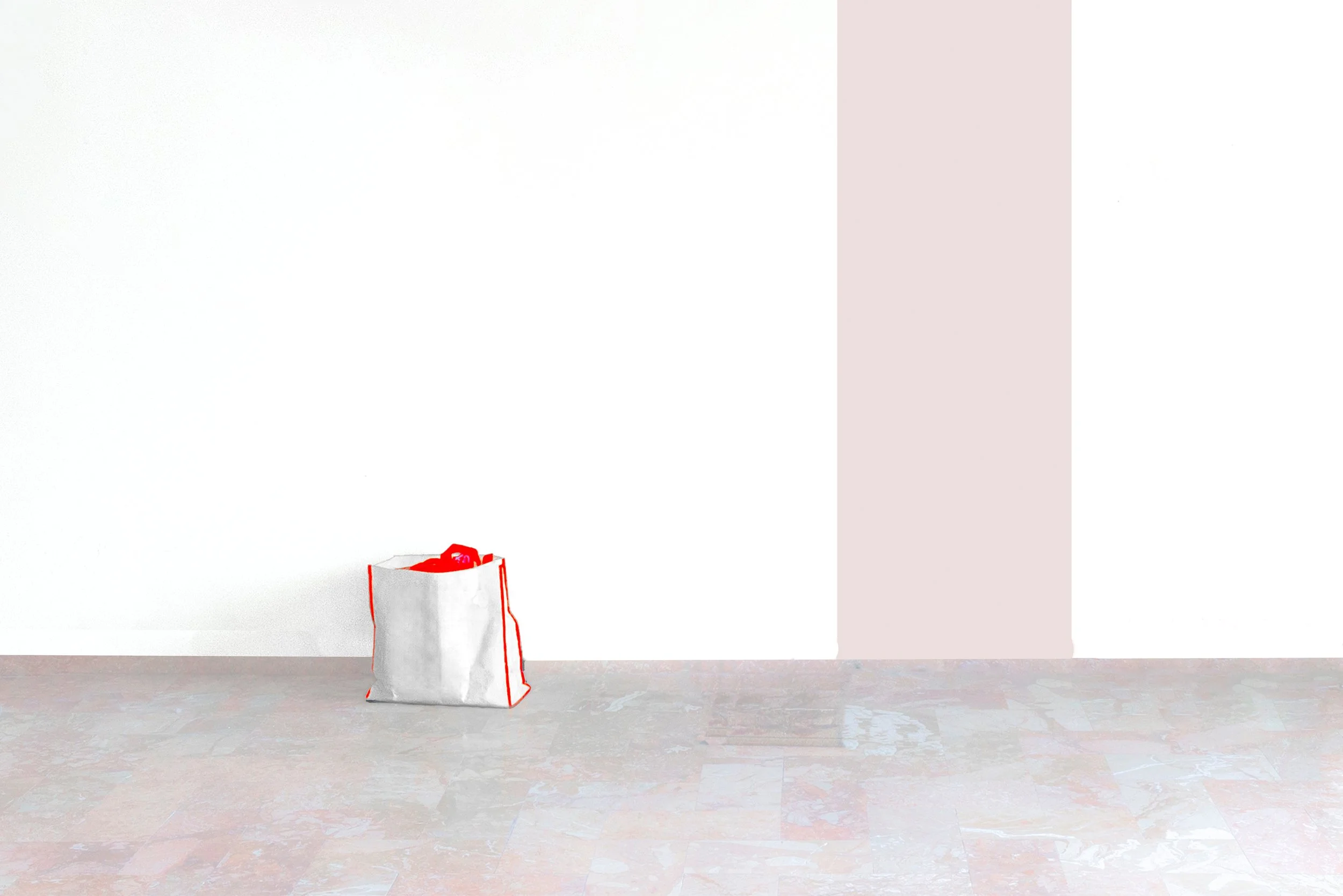
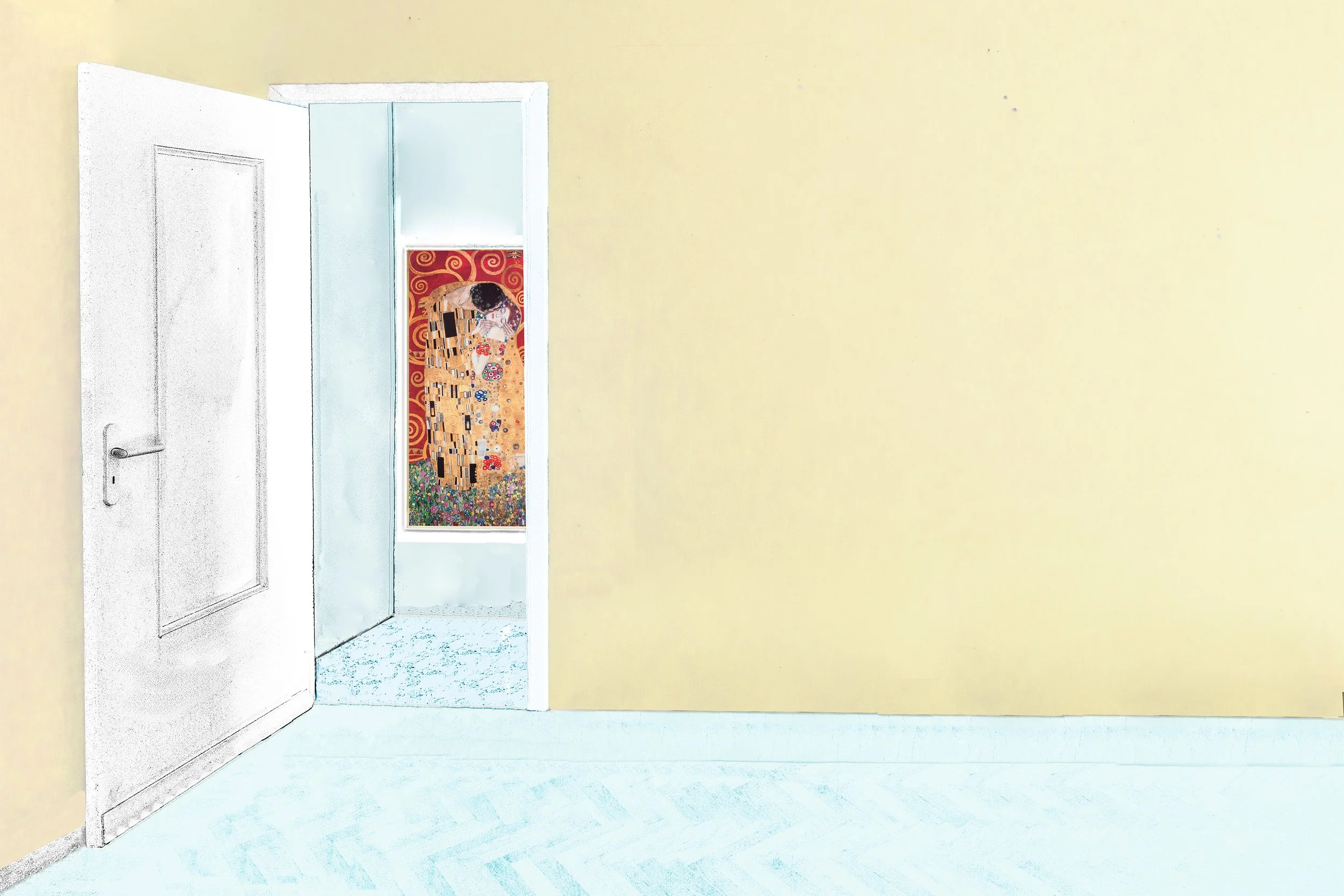
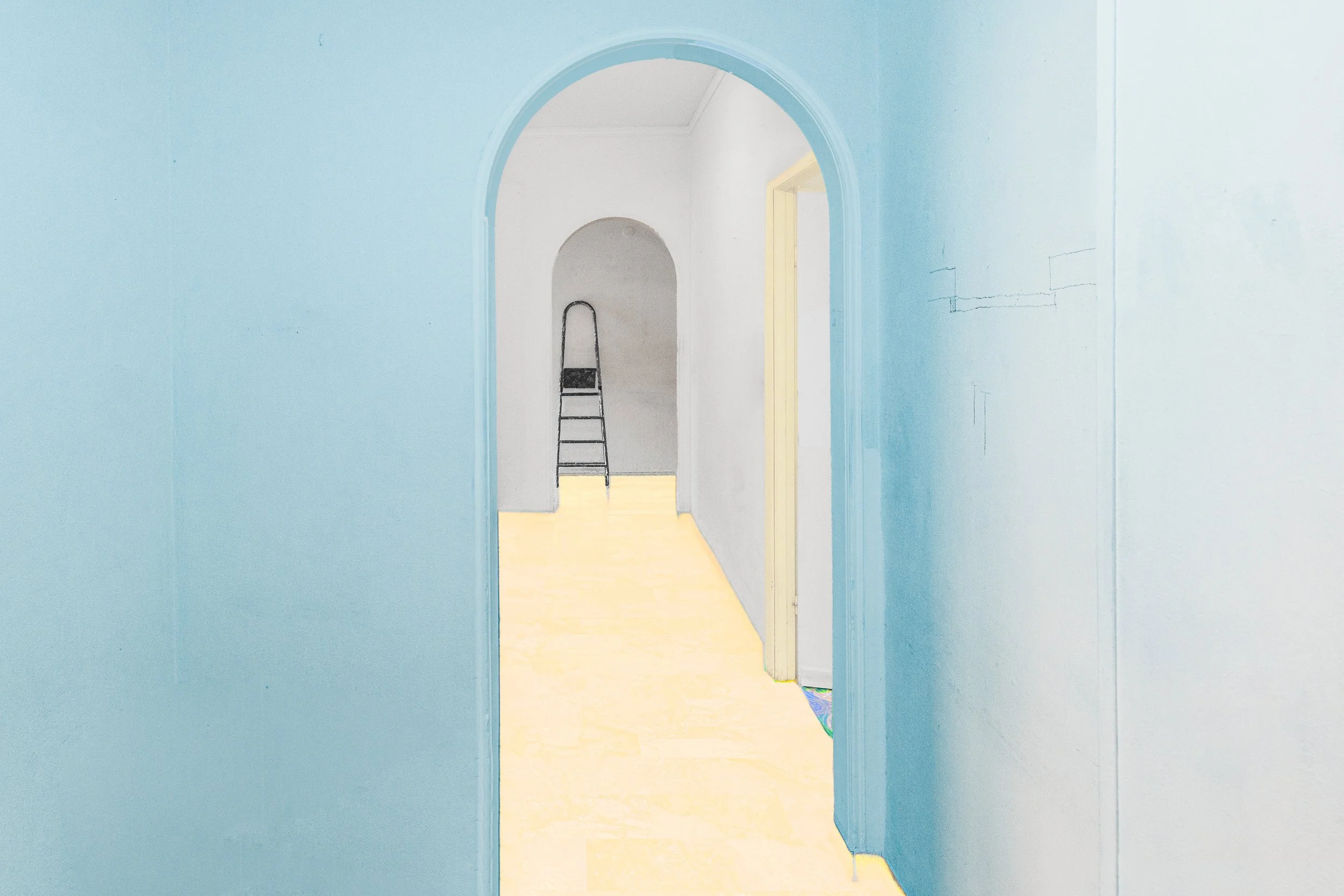
In a time when, in every field, the bumpy and sometimes painful learning process is being temporally erased in a matter of fractions of a second due to the widespread use of AI, capable of surpassing any experiential path, rapidly rendering it obsolete thanks to the ease of interaction that allows one to quickly reach the final result anywhere, I felt the urgent need to pause and observe a reality, searching for a defined, physical and material starting point from which to embark on a real journey yet to be imagined. This allowed me to highlight the added value of being present and avoid reaching abstraction without passing through the various stages of transformation, leaving a clearly visible and recognizable trace of the physical reality from which everything originated. I therefore sought simple places with suspended dimensions, through which I could invent space and thus capture it through a specific field of vision, creating a sort of still life, in which flat light pervades everything and transcends its limits, while color determines the character of the place. It is not a rigorous method but an empirical search for a “cognitive shortcut” that can make the ordinary extraordinary, transfiguring photographic reality to capture its beauty, allowing it to emerge slowly and “spontaneously” in its true and sometimes contradictory, non-standardized materiality. I used a diffused light, a “slow” light, which allows color to outline places on a white sheet, in the absence of shadow and black. I repeatedly sought those atmospheres that, suspended between the real and the imaginary, would convey the perception of spaces reflected in my mind, populated by my thoughts, and in which the liberating presence of emptiness would allow me to carve furrows capable of guiding the gaze toward the final junction of character and thought, color and light. The result is necessarily imperfect, thanks to the absence of artificial harmonizing mechanisms that we might associate with more or less sophisticated algorithms. In this sought-after imperfection, I believe this project fulfills its stated purpose as a journey slowly and laboriously completed entirely in the real world.
Renfang Ke
-
“Through Them” is a portrait project of Asian gay men.
I meet each person without a script—only the intention to see them clearly, and to let the photograph hold whatever surfaces: hesitation, warmth, desire, or silence. Each portrait is a quiet attempt at intimacy, shaped by the moment we share. Some encounters are soft, some open quickly, some remain at the edges. Through them, I begin to understand more of myself—what I recognize, what I fear, and what I love.
streetmax21
-
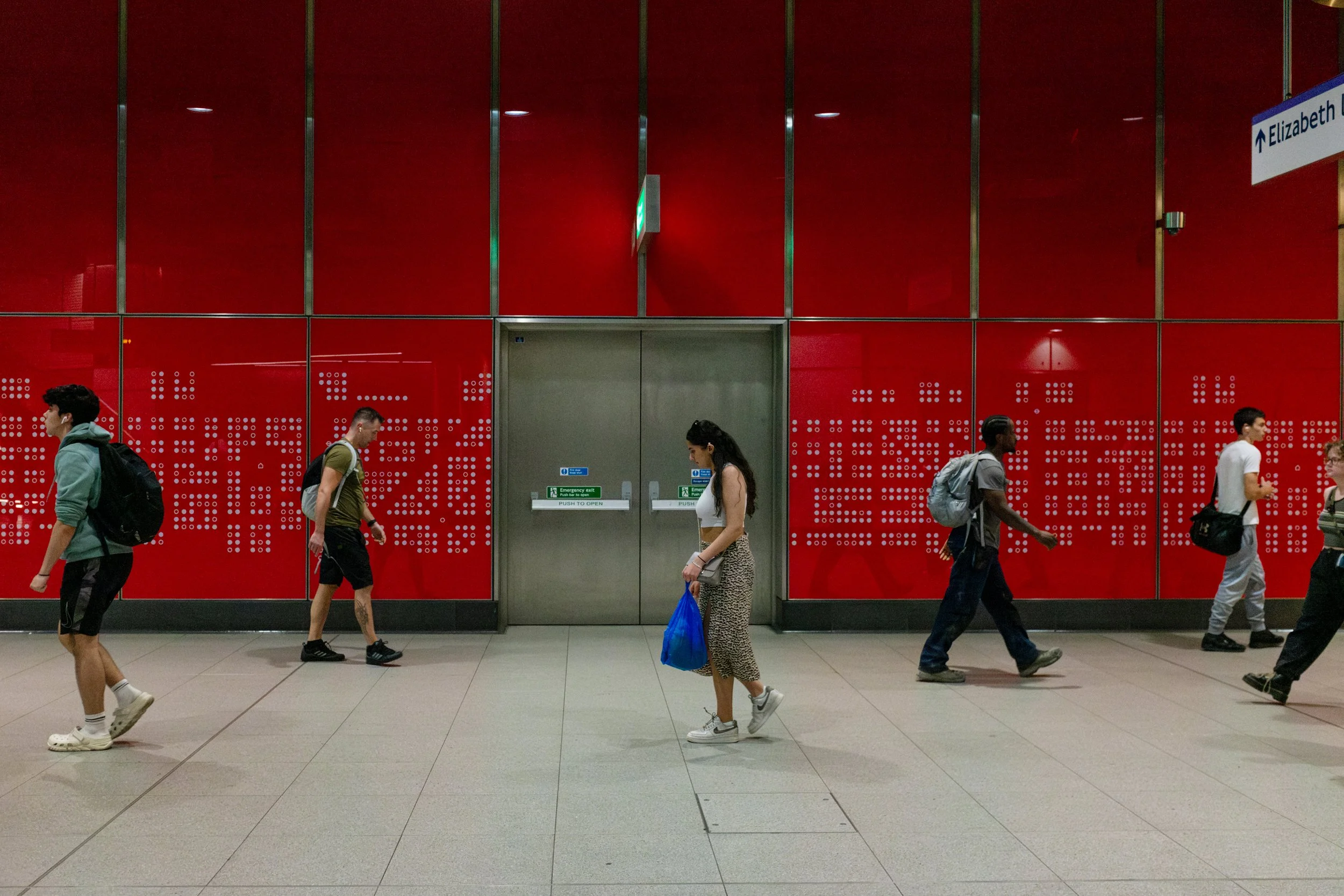
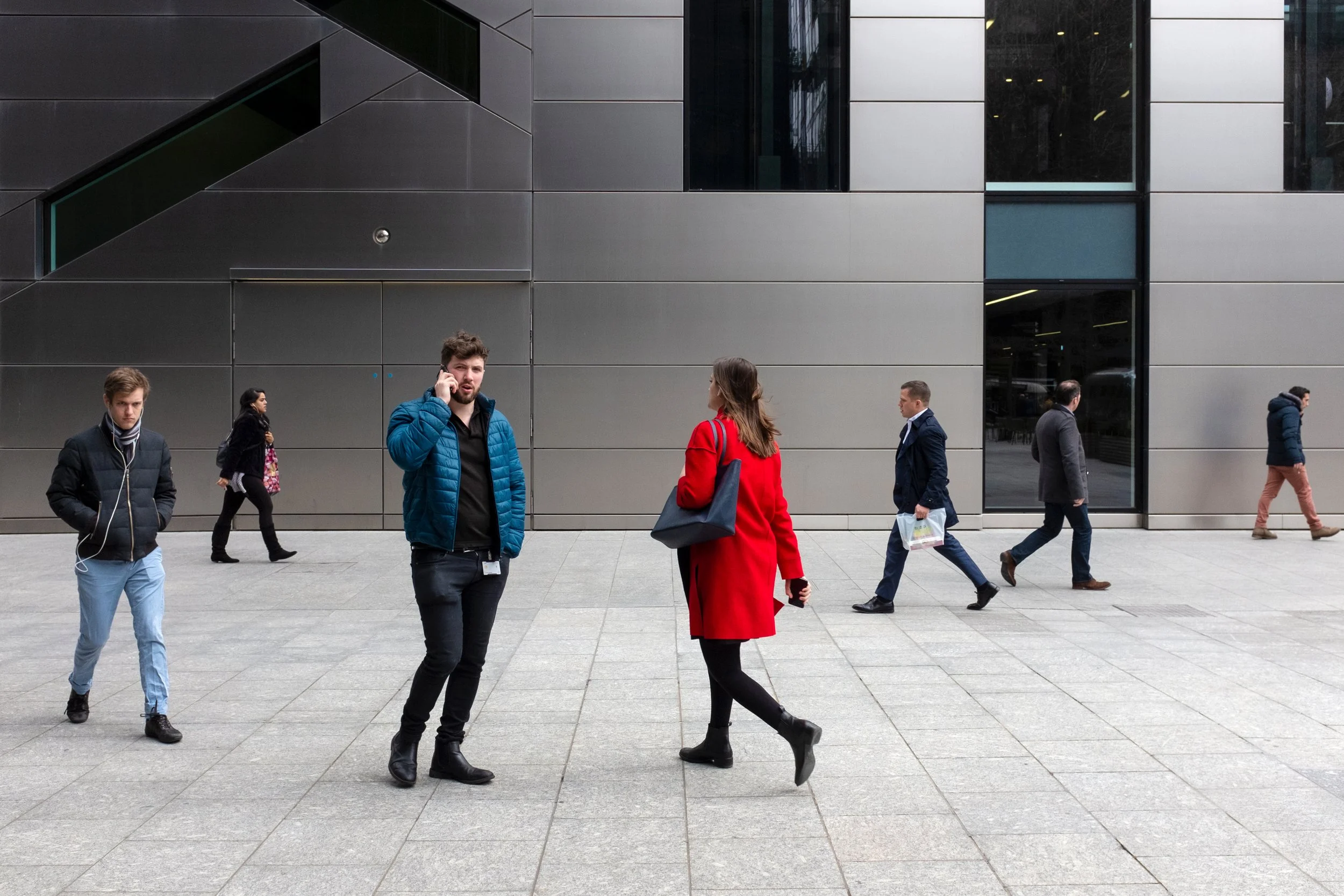
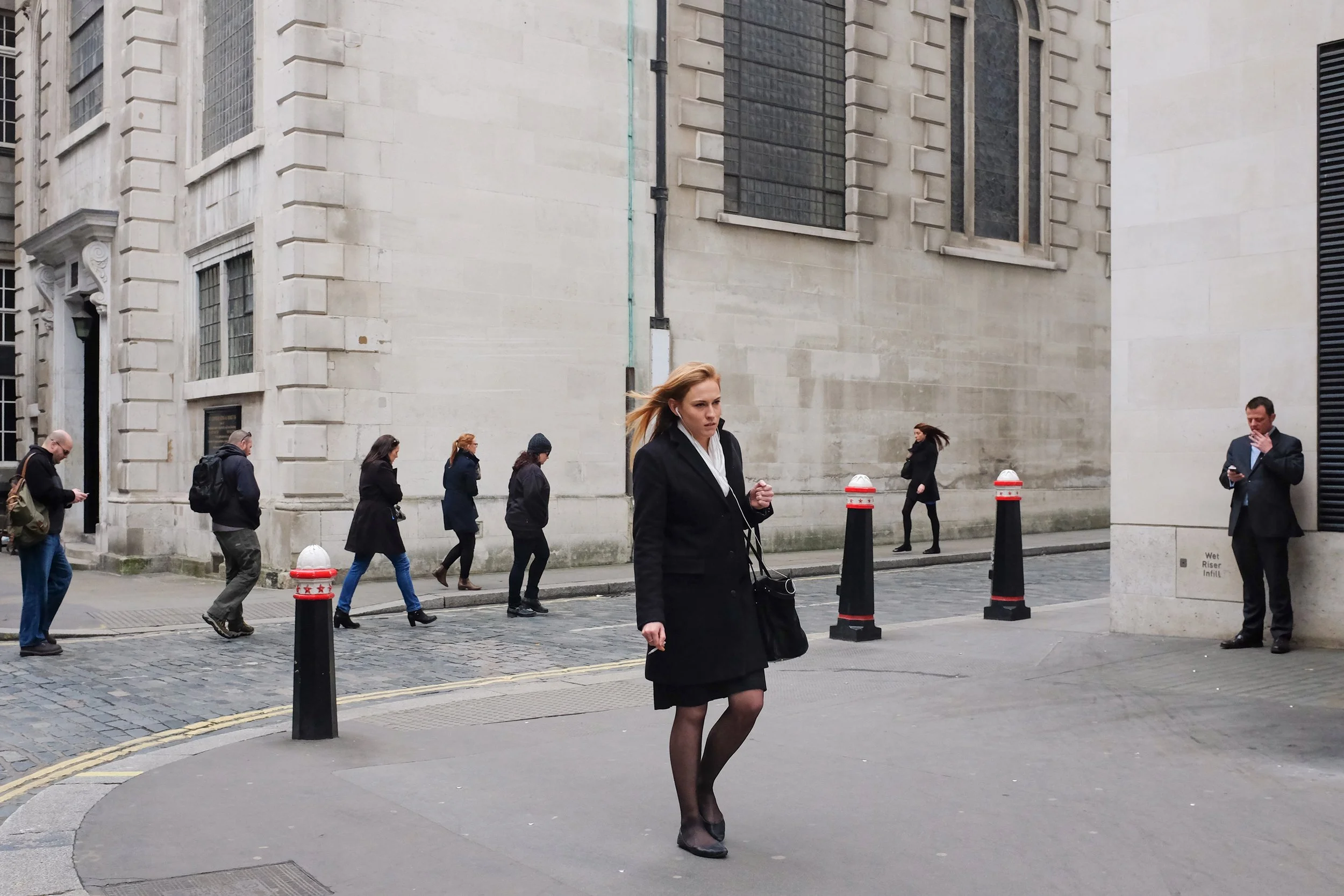
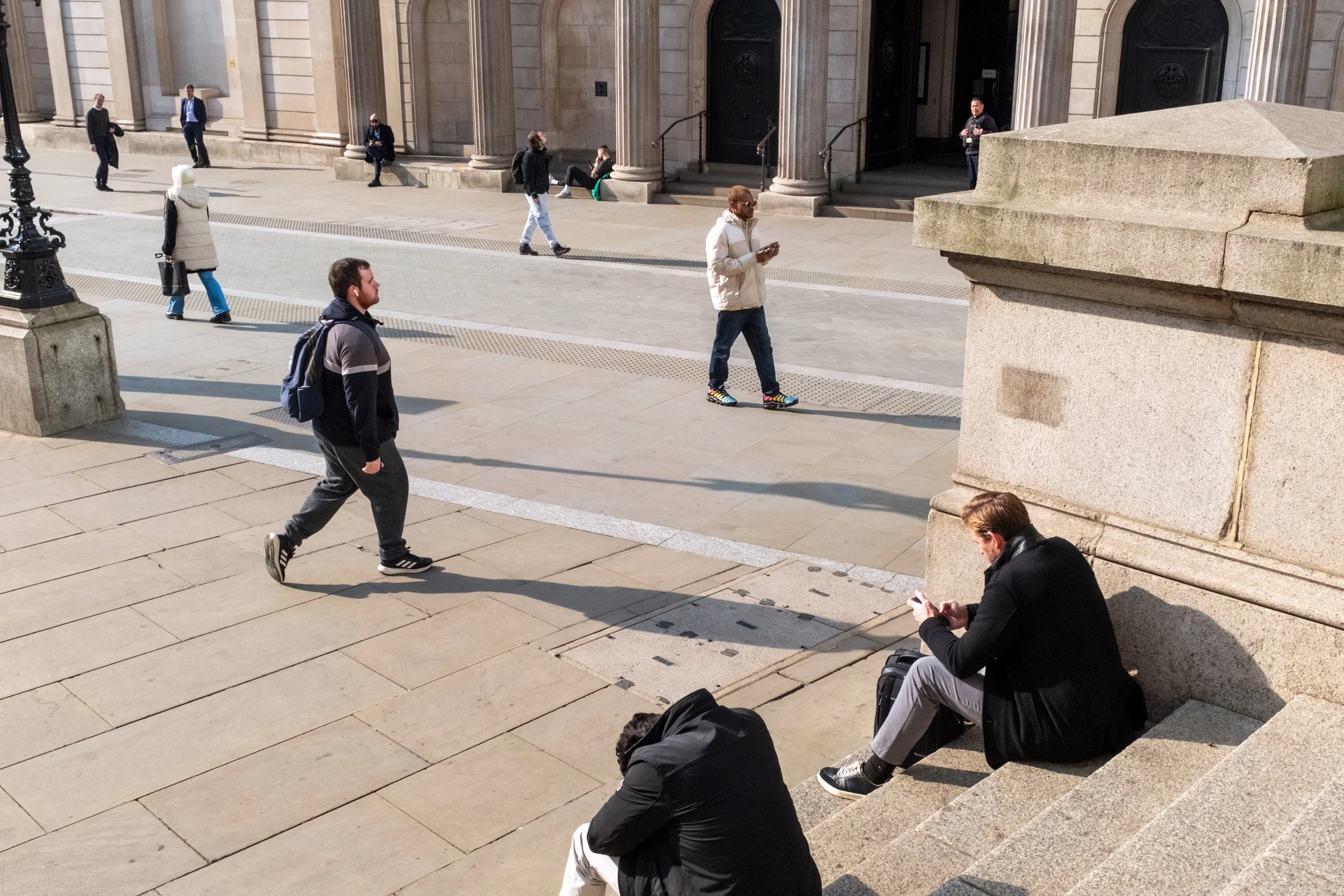
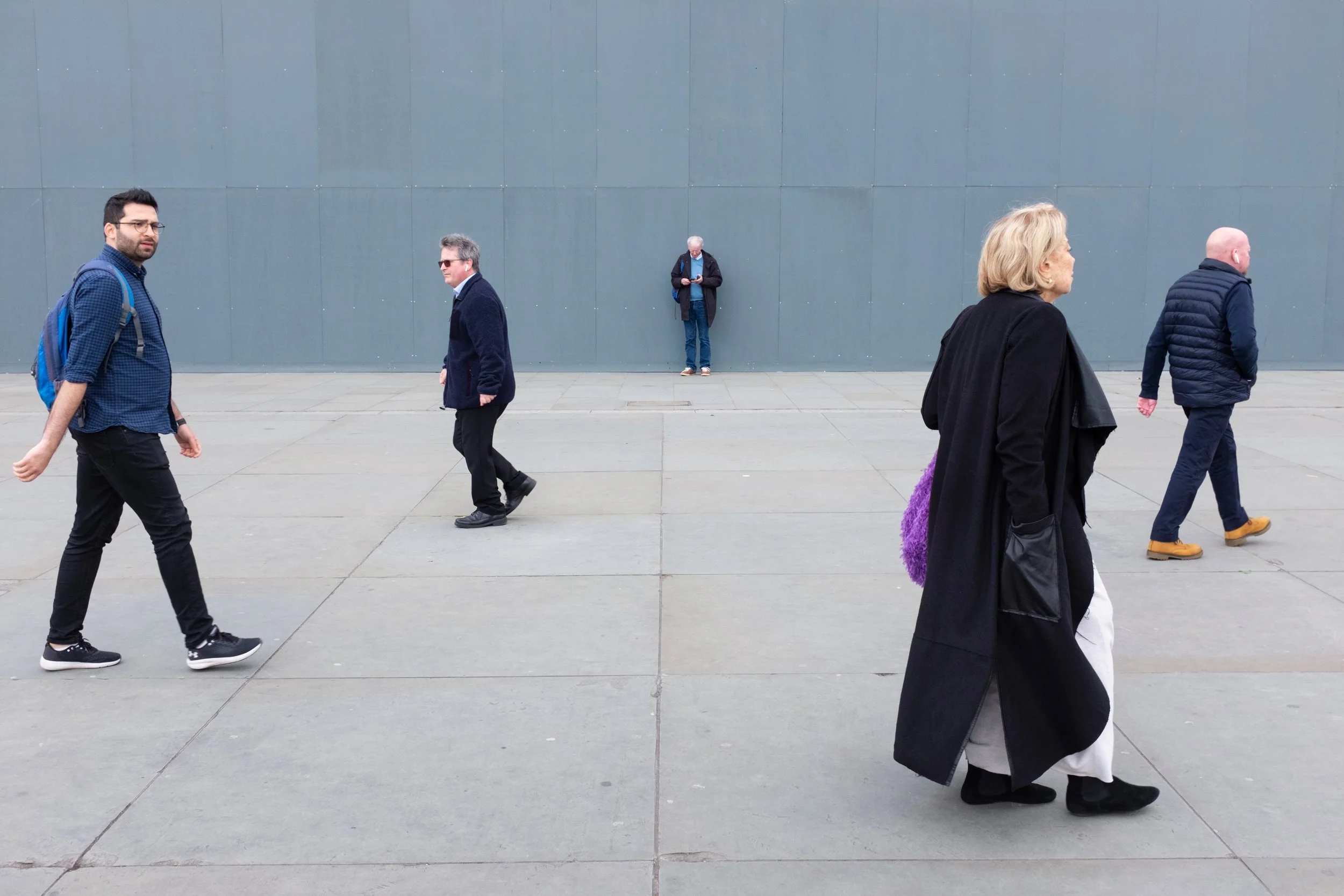
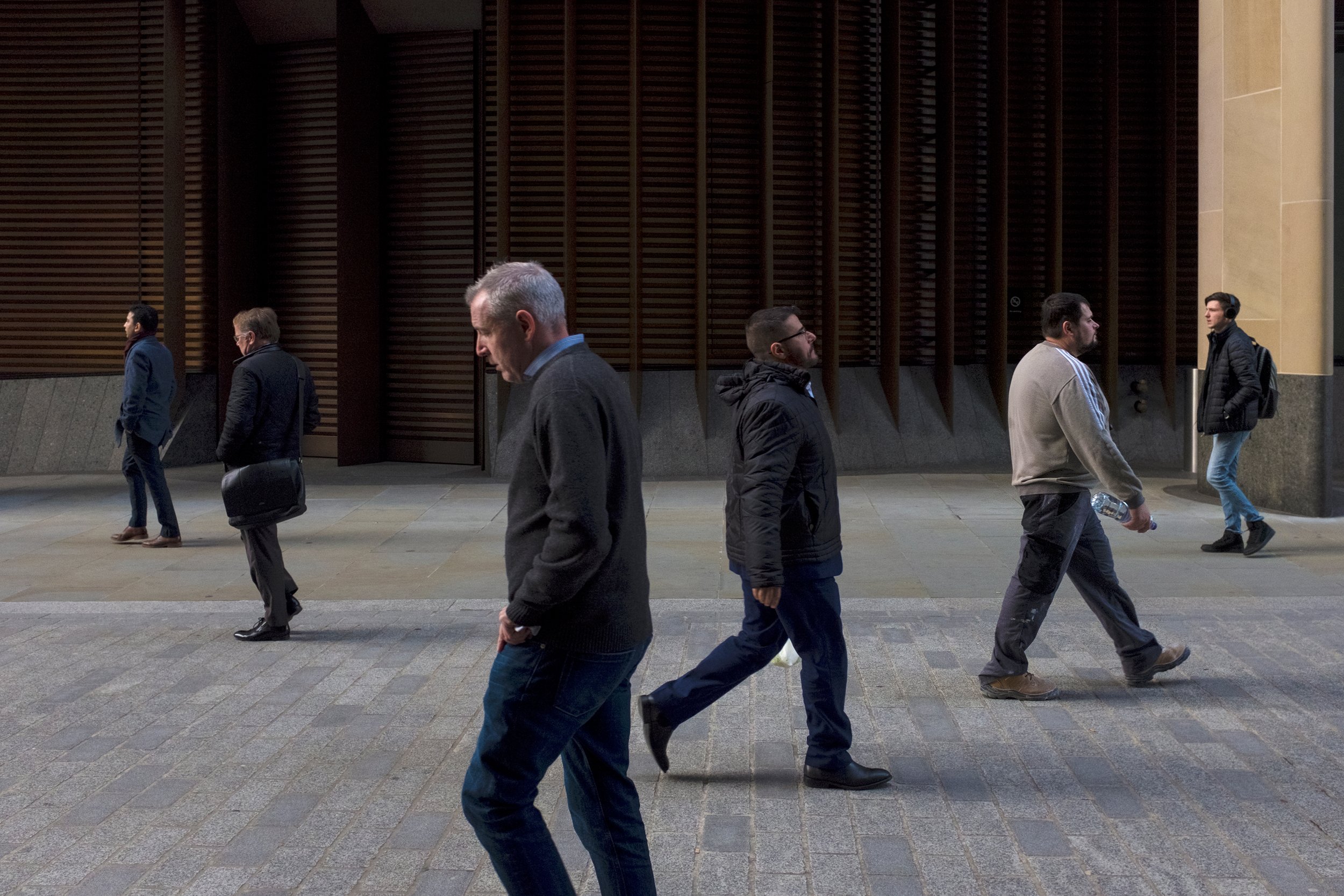
These images form part of a larger project. They attempt an other-worldly street scene designed to create tension between appearance and reality. They are intended to challenge how we interpret photographic evidence and where we place the boundary between artifice and observation. By waiting, often for long periods, for the right organic distribution of people, the images are made to appear fictitious and constructed but are nevertheless shot in real time. Non-speaking city dwellers are spatially arranged as if carefully directed. They appear as ciphers preconditioned to act like self-absorbed passersby, connected by no means other than where they were when the photograph was taken. Conceptually, these are simple recordings of people walking with undisclosed purpose, isolated in seemingly choreographed but otherwise uninteresting tableaux. Perhaps, by making a real city look like a science fictional one, they mark a time when we began to question what was and wasn't human.
Julian Claxton
-
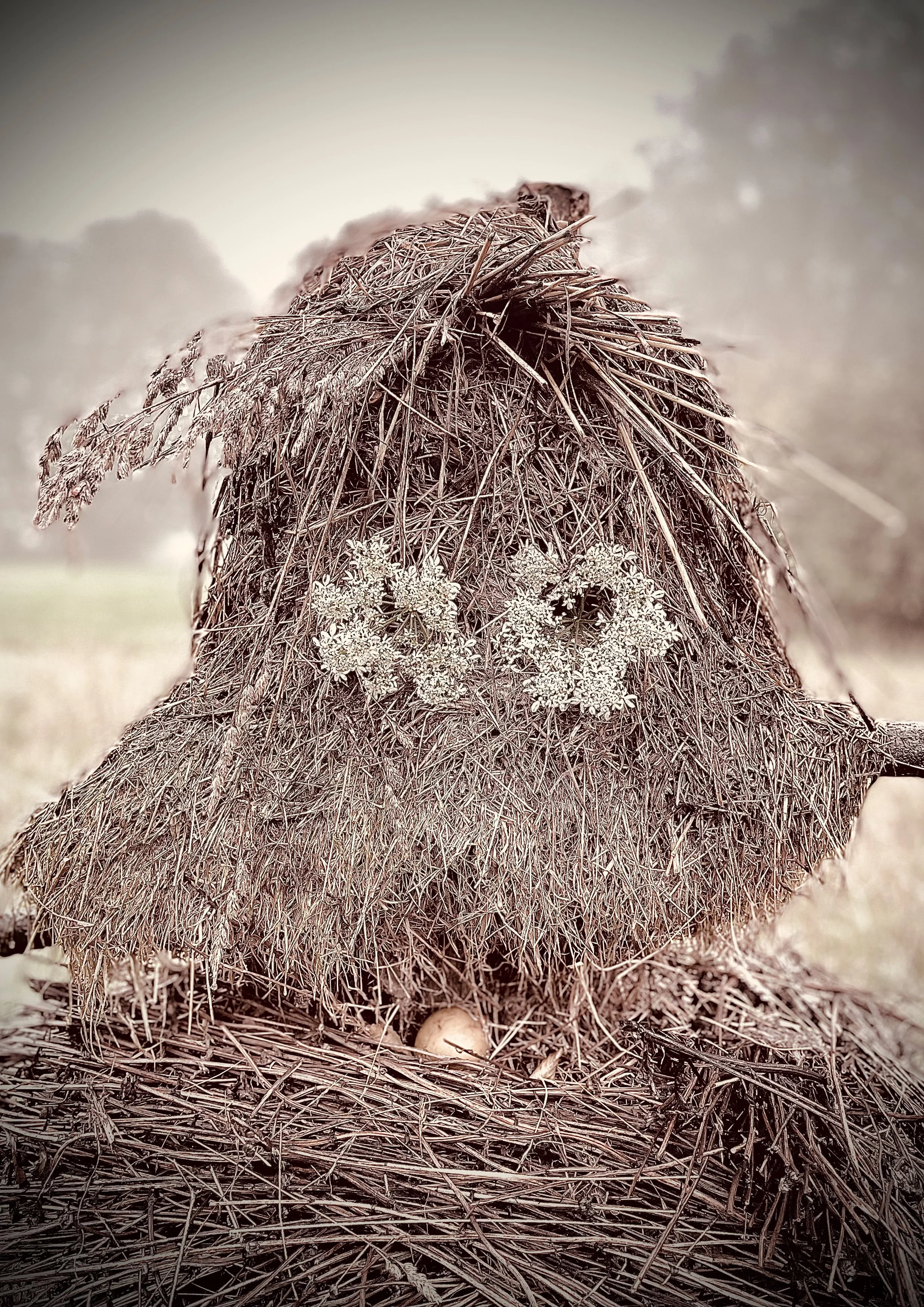
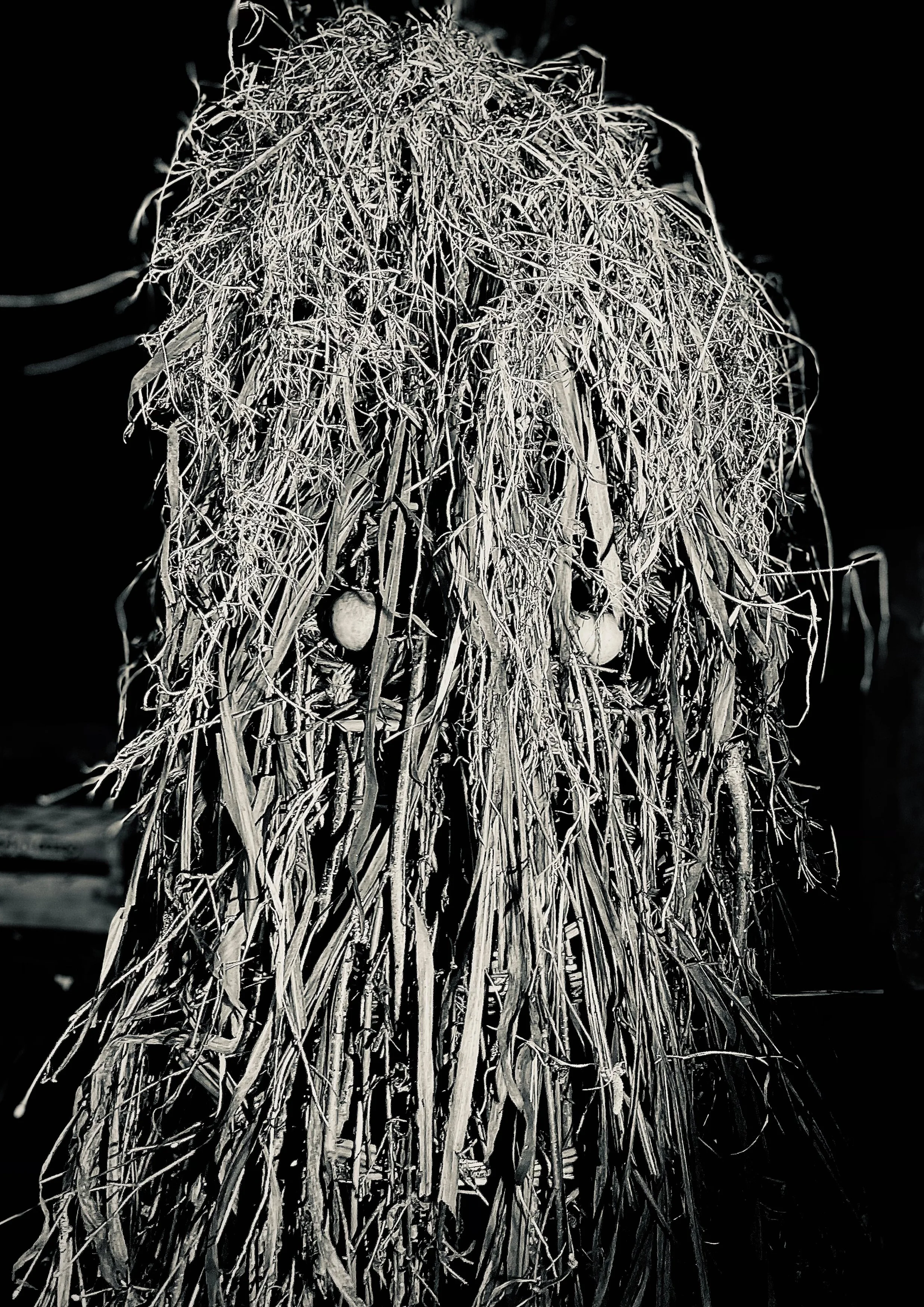
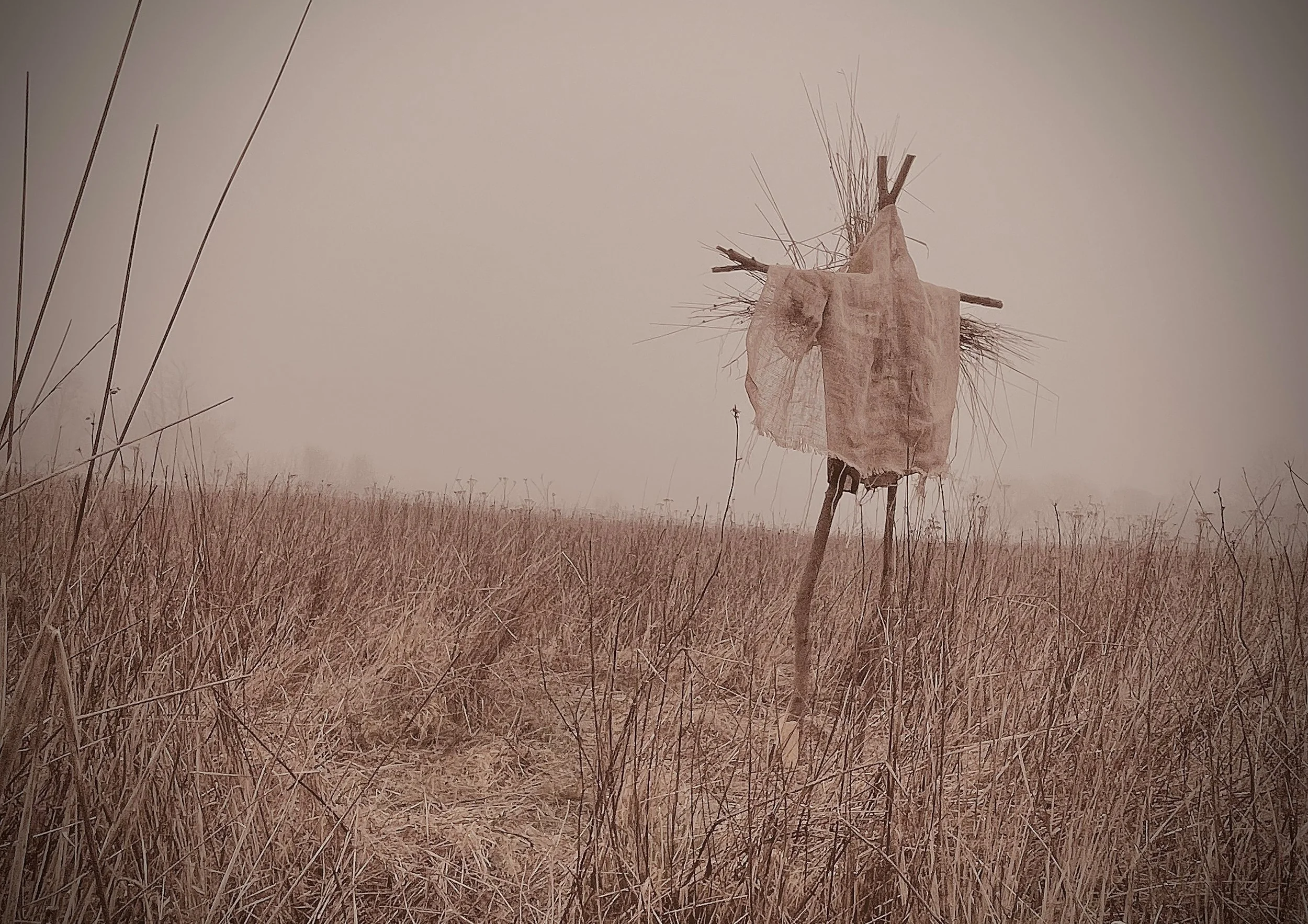
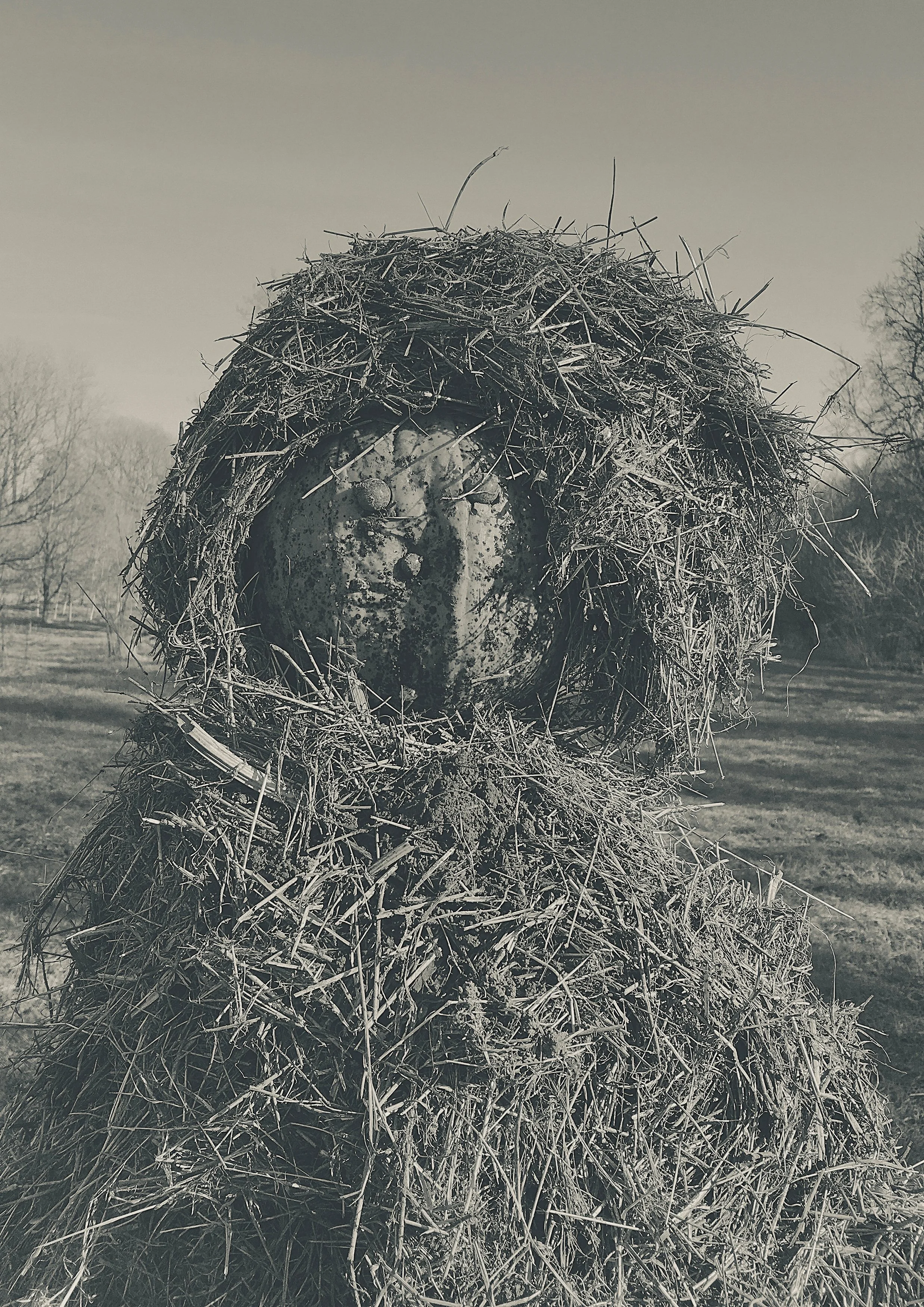
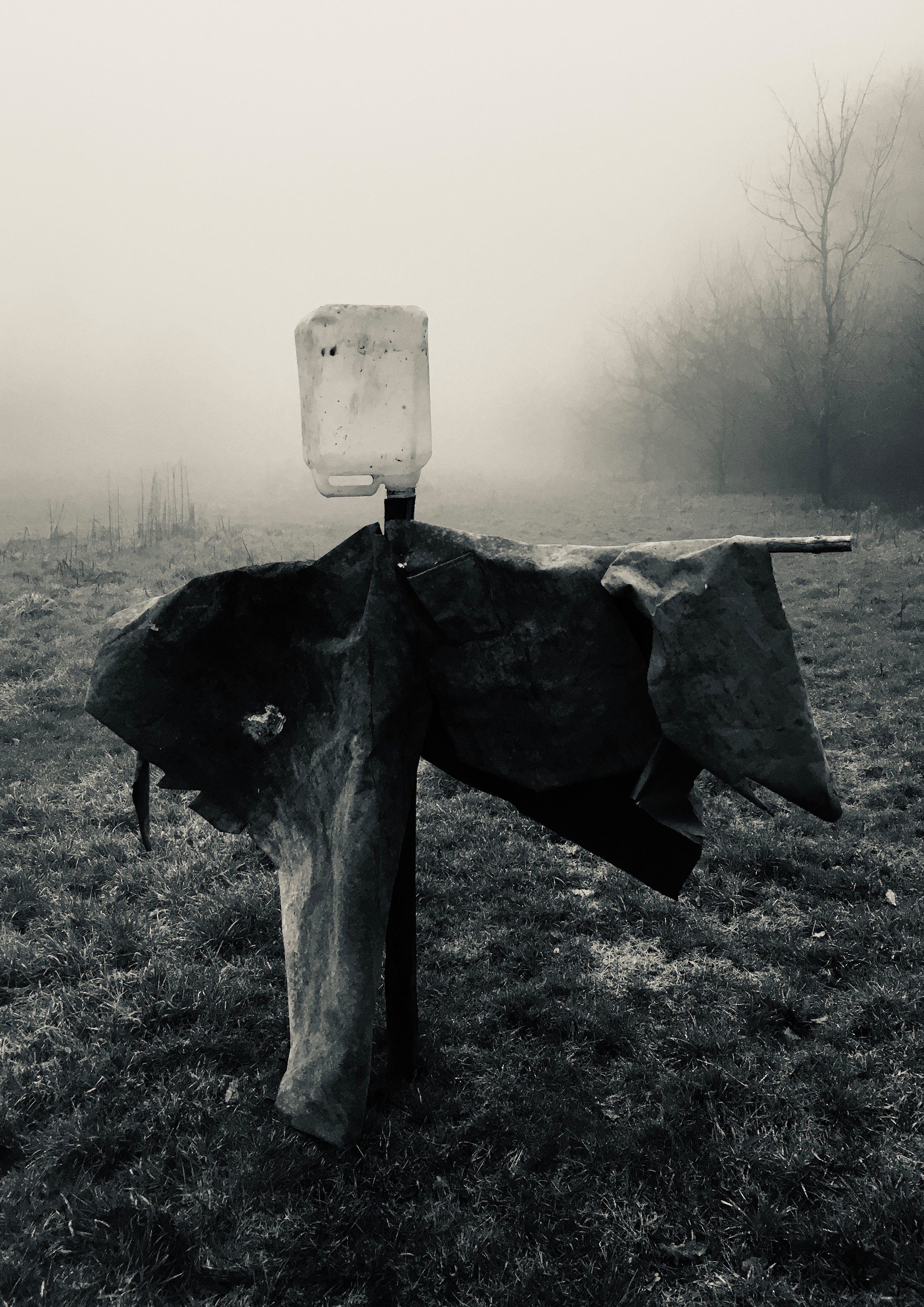
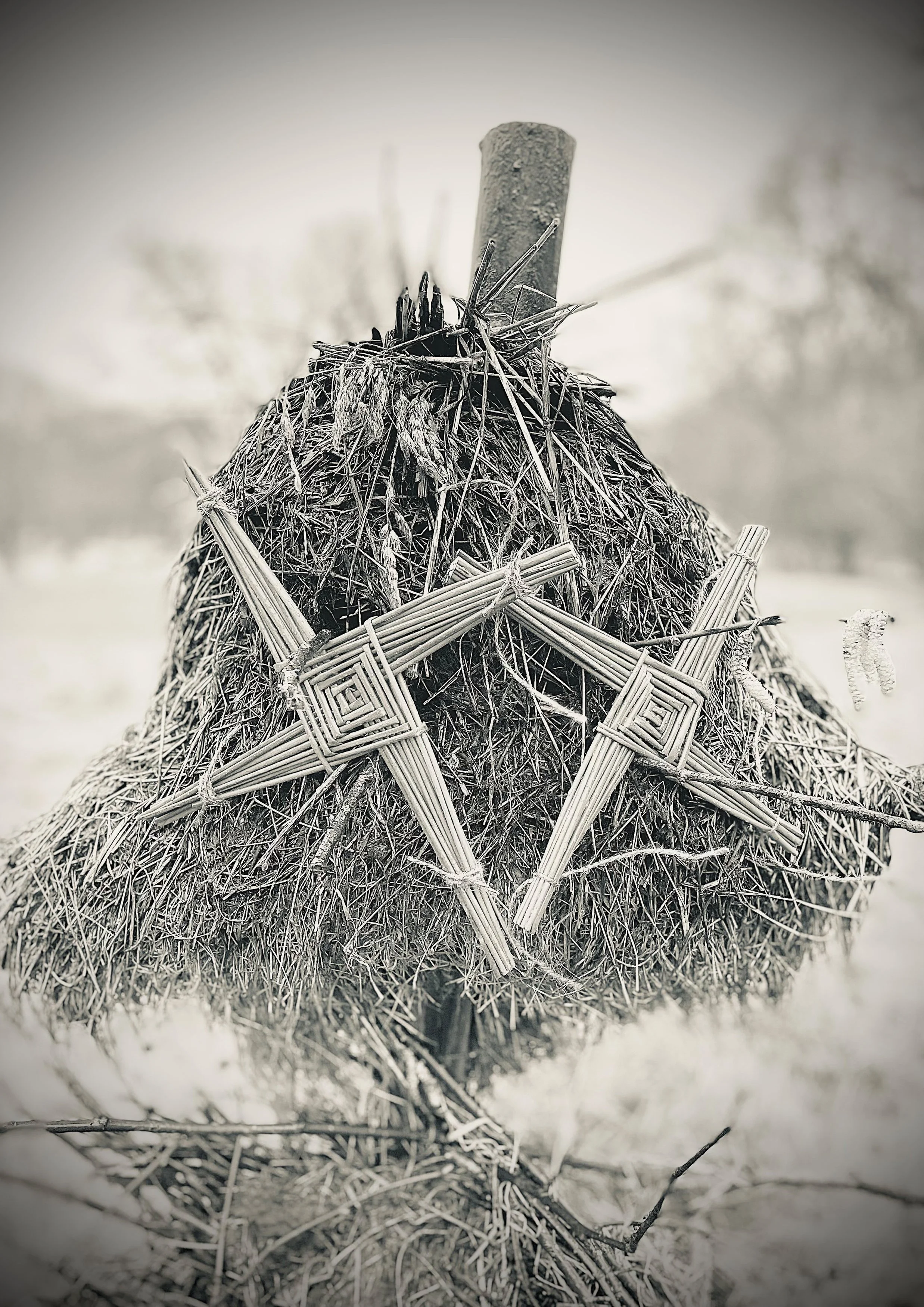
pryddywyrd is an ongoing project by Julian Claxton started in 2023. Firmly based in its particular locale on the Mendip Plateau, the work moves between representation of objects, animals and events to the making of objects, working within tropes of folk, gothic and folk horror. The work is mainly seen through monochrome photographs posted on the pryddywyrd Instagram account. These exist in the grey zone, approaching dusk with mist and fog ever present.
Franciszek Chiliński
-
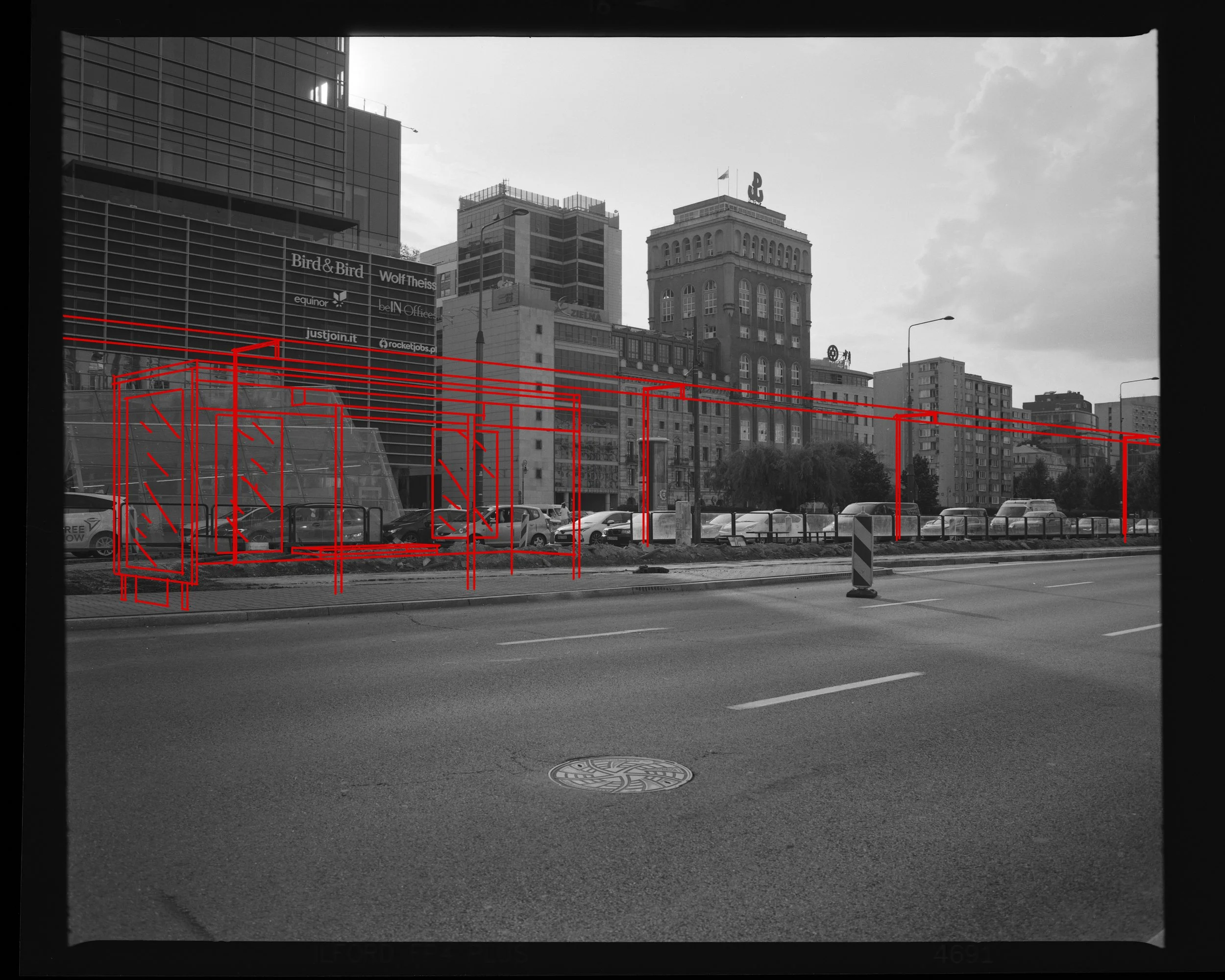
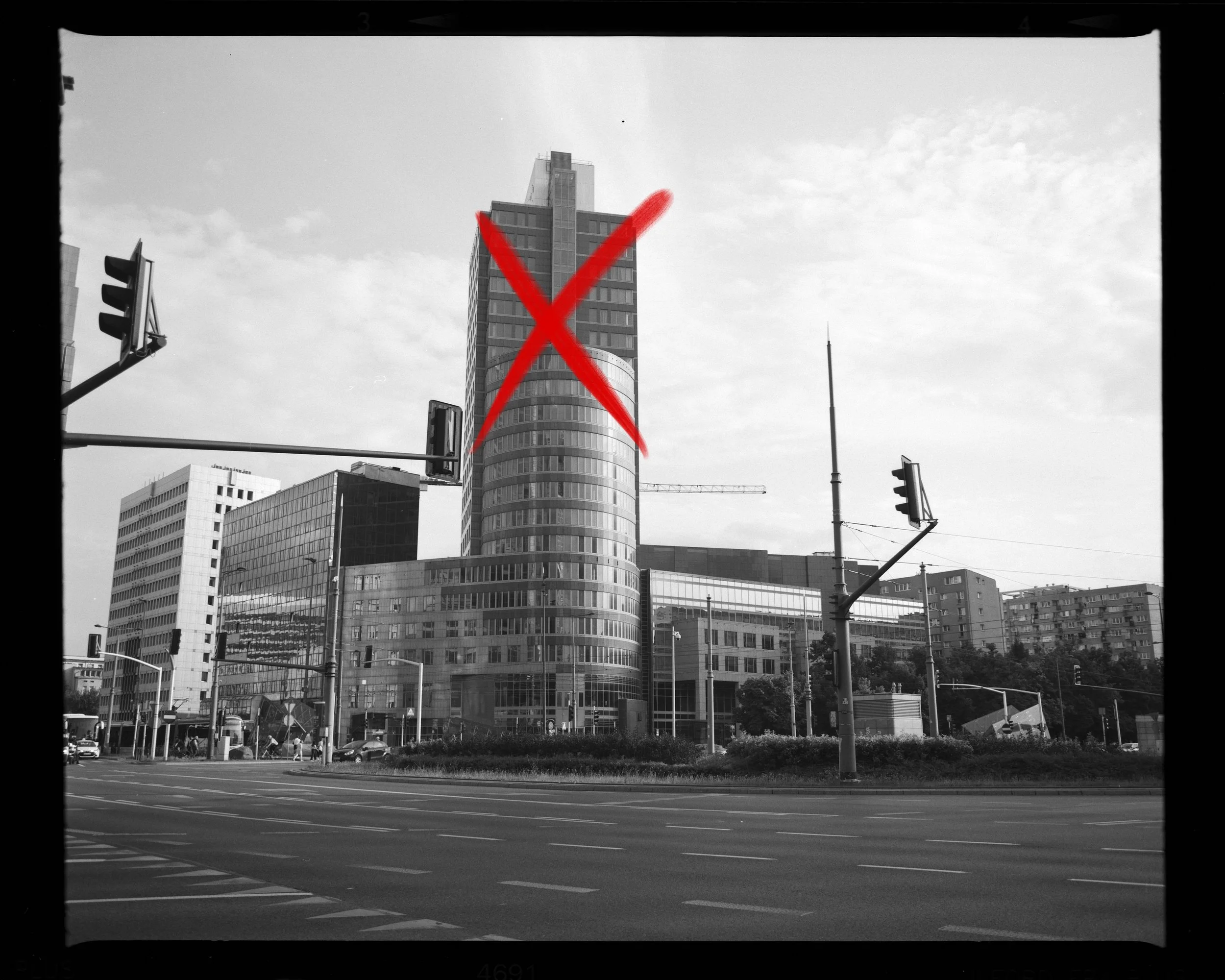
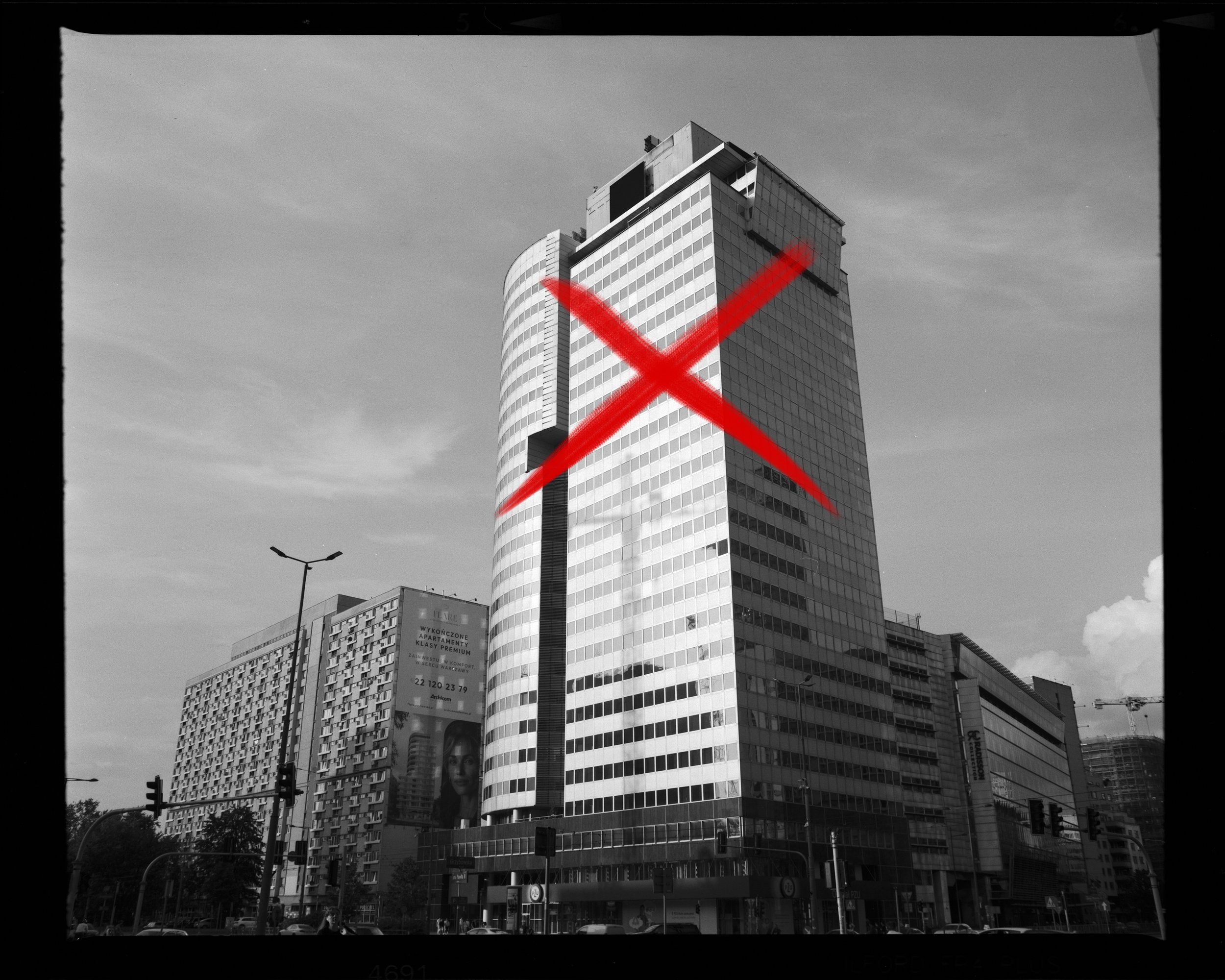
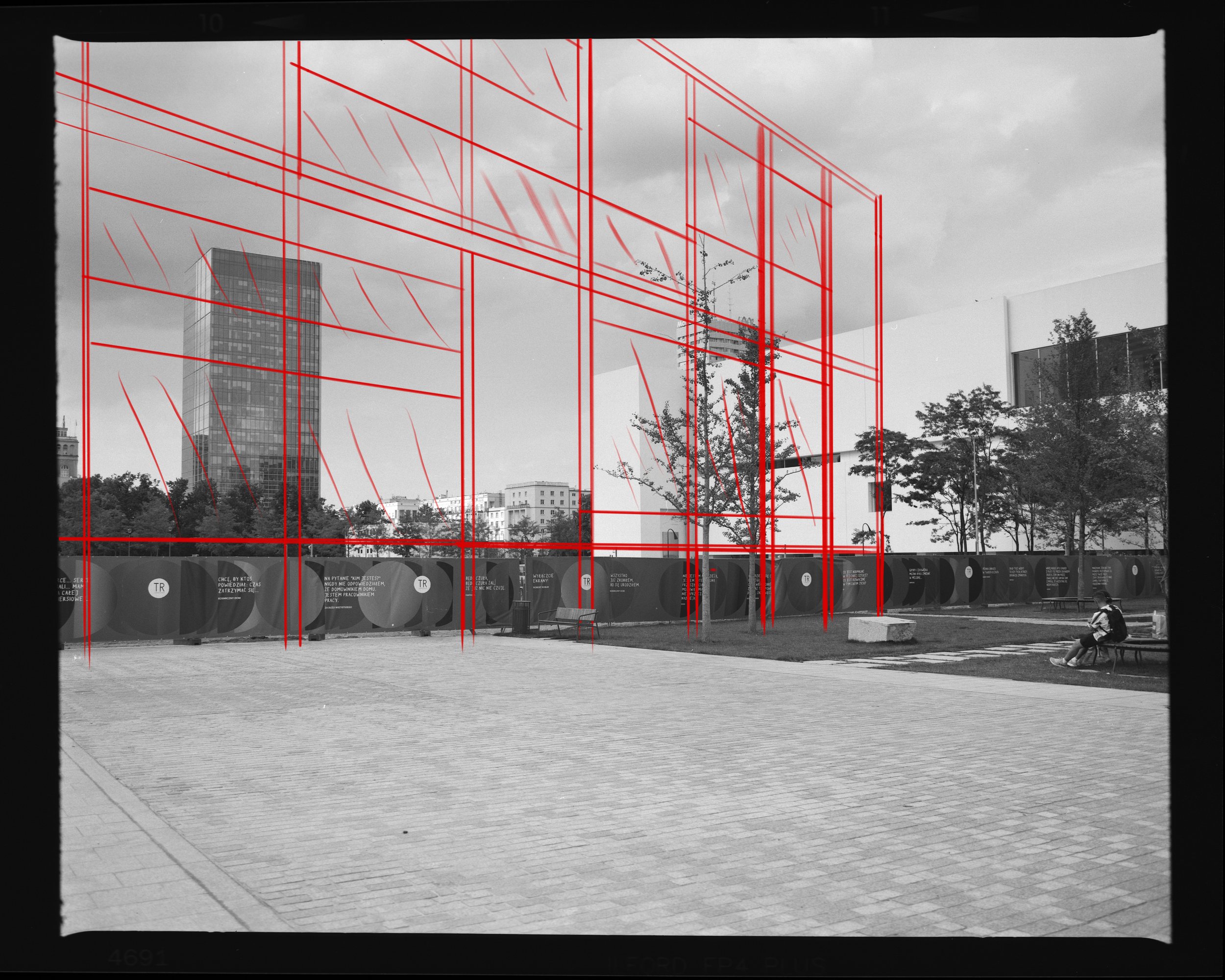
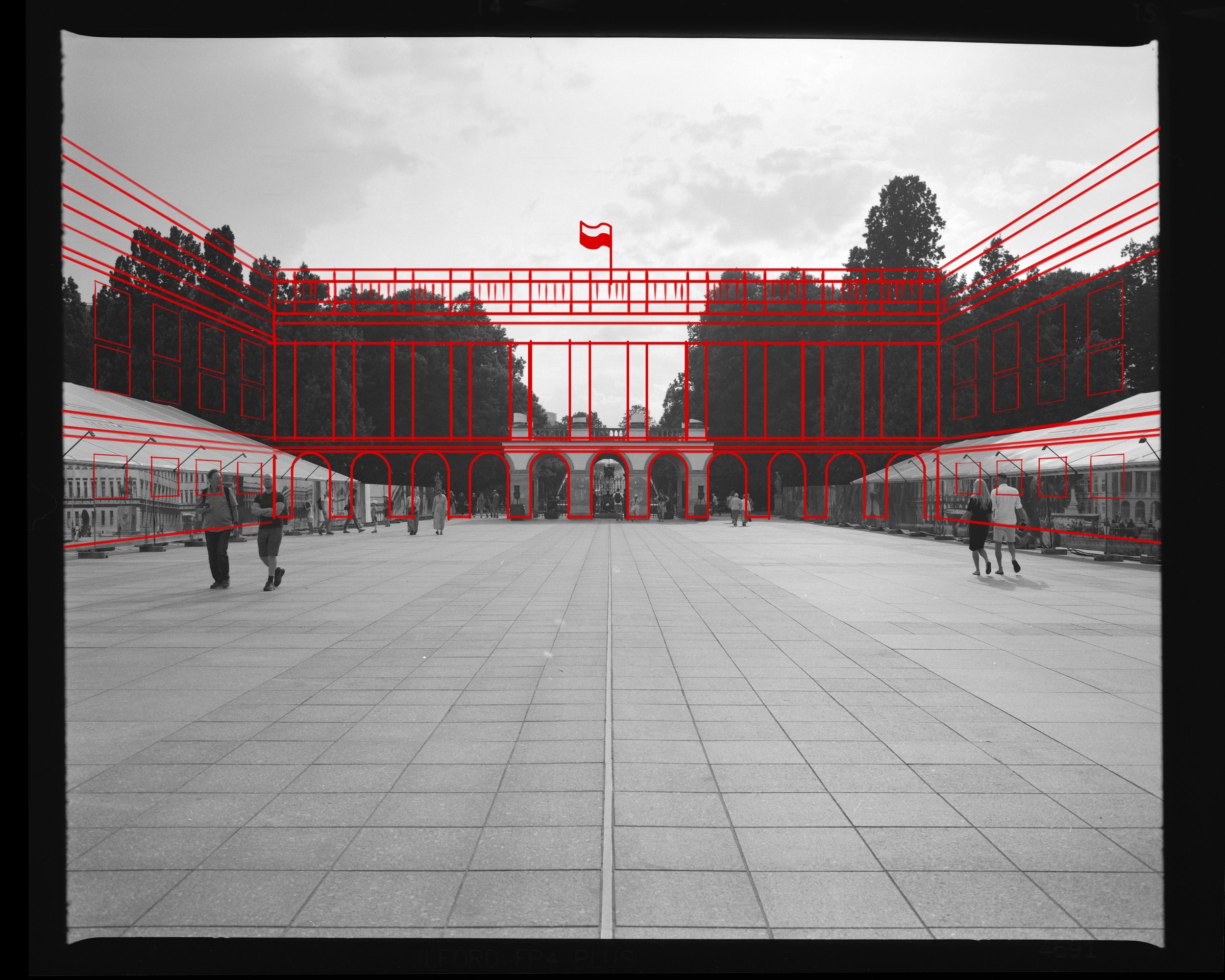
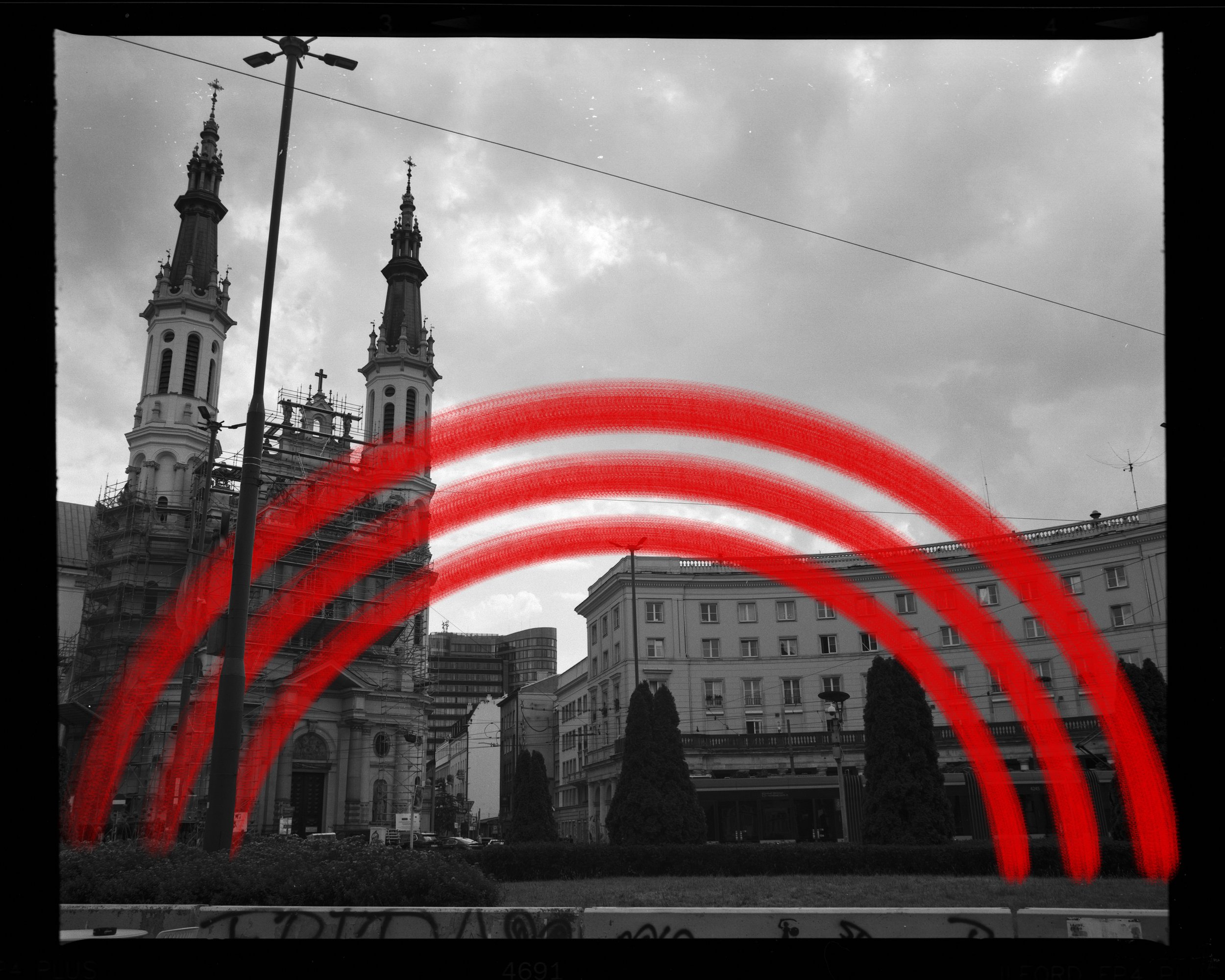
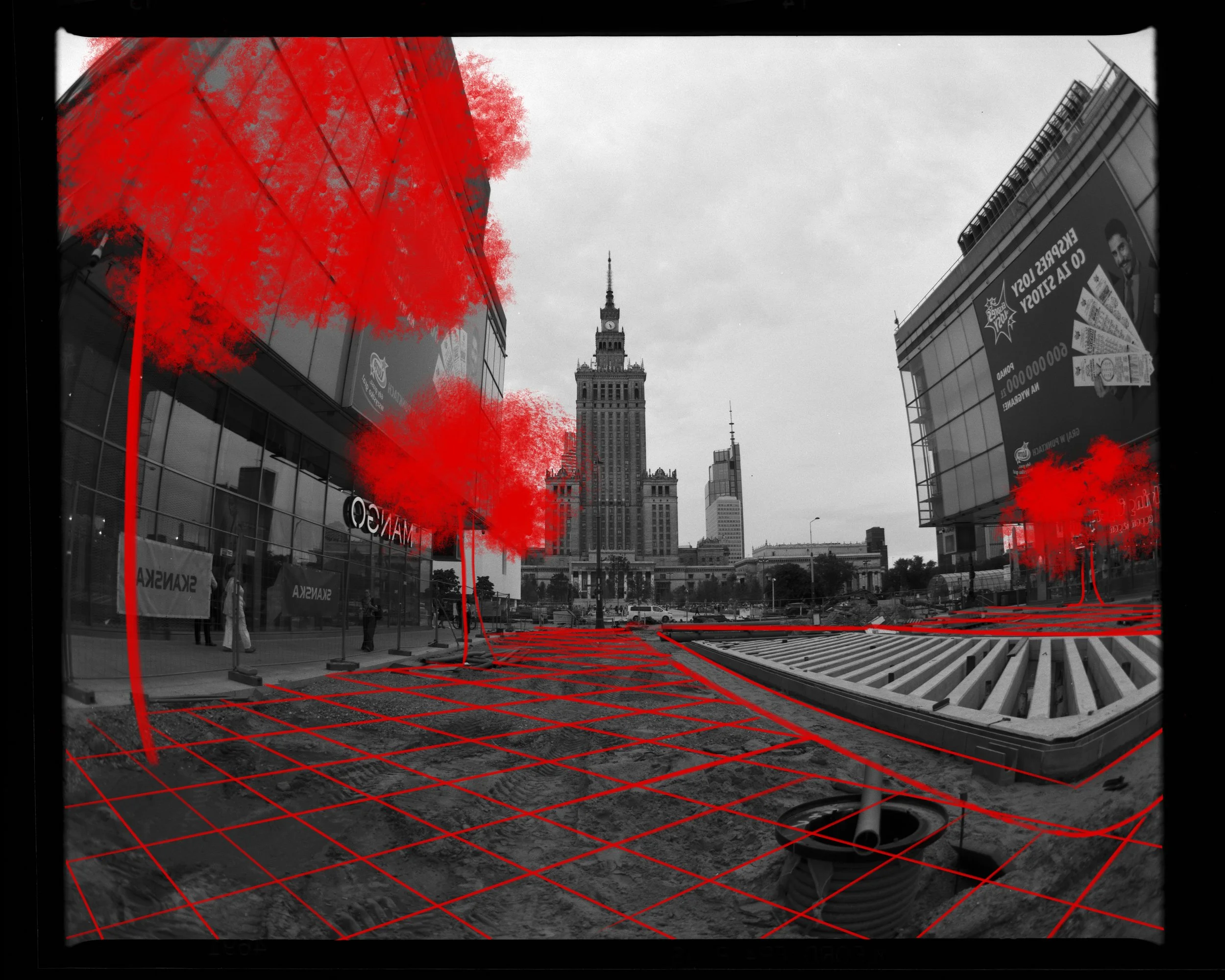
Archive of the Future is a photographic project exploring how the changing urban landscape of Warsaw may affect the spaces in which people meet, gather and share everyday life. Using medium-format film, I photograph streets, public spaces and urban infrastructure as they exist today. I then work directly on the contact sheets, introducing possible future changes inspired by planned developments, urban transformations and the constant reshaping of the city. The project looks at the city not simply as architecture, but as a shared environment. Streets, squares, parks, passages and other informal public spaces create opportunities for encounters between people who might otherwise never meet. They are places where social life happens spontaneously, outside the boundaries of home and work. By projecting future transformations onto photographs of existing places, I ask what happens to these forms of collective space when the city changes. Which places will remain open and accessible? Which will disappear, be redesigned or become controlled by new forms of infrastructure? And how will these changes influence our ability to meet, interact and simply occupy the same space? Archive of the Future treats the city as something constantly negotiated between its present inhabitants and its imagined future. The contact sheet becomes a record of this tension — preserving spaces that exist today while questioning what kind of shared urban life they will allow tomorrow. Rather than predicting a single future, the project opens a space for speculation about the future of public life: whether our cities will continue to create places for unexpected encounters, coexistence and community, or whether these spaces will gradually become more fragmented, controlled and predetermined.
Hamid Reza Rahmani
-
We had gone around Kabul before sunrise for a photography project when I came across this scene with local people.
Sabina Grams
-
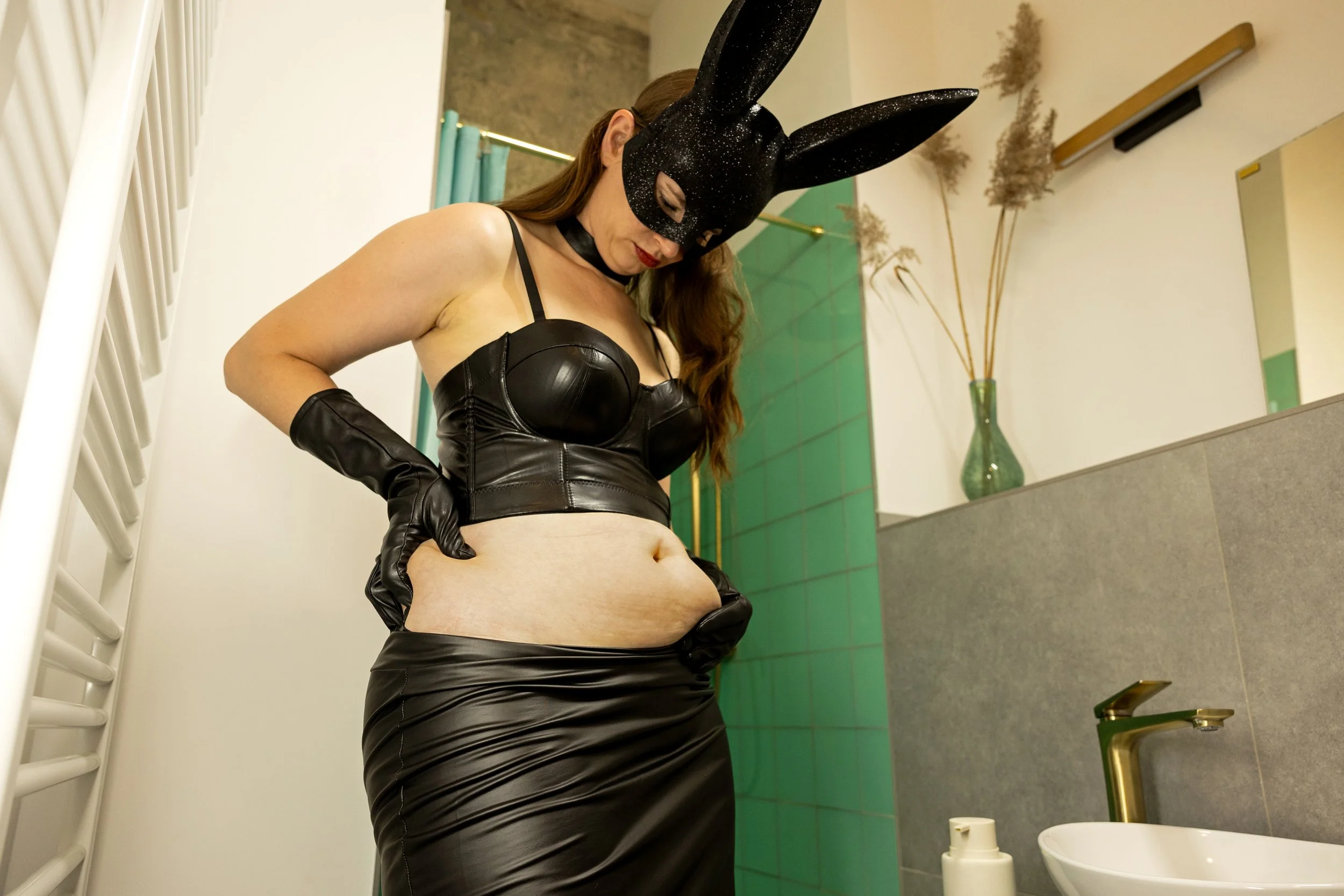
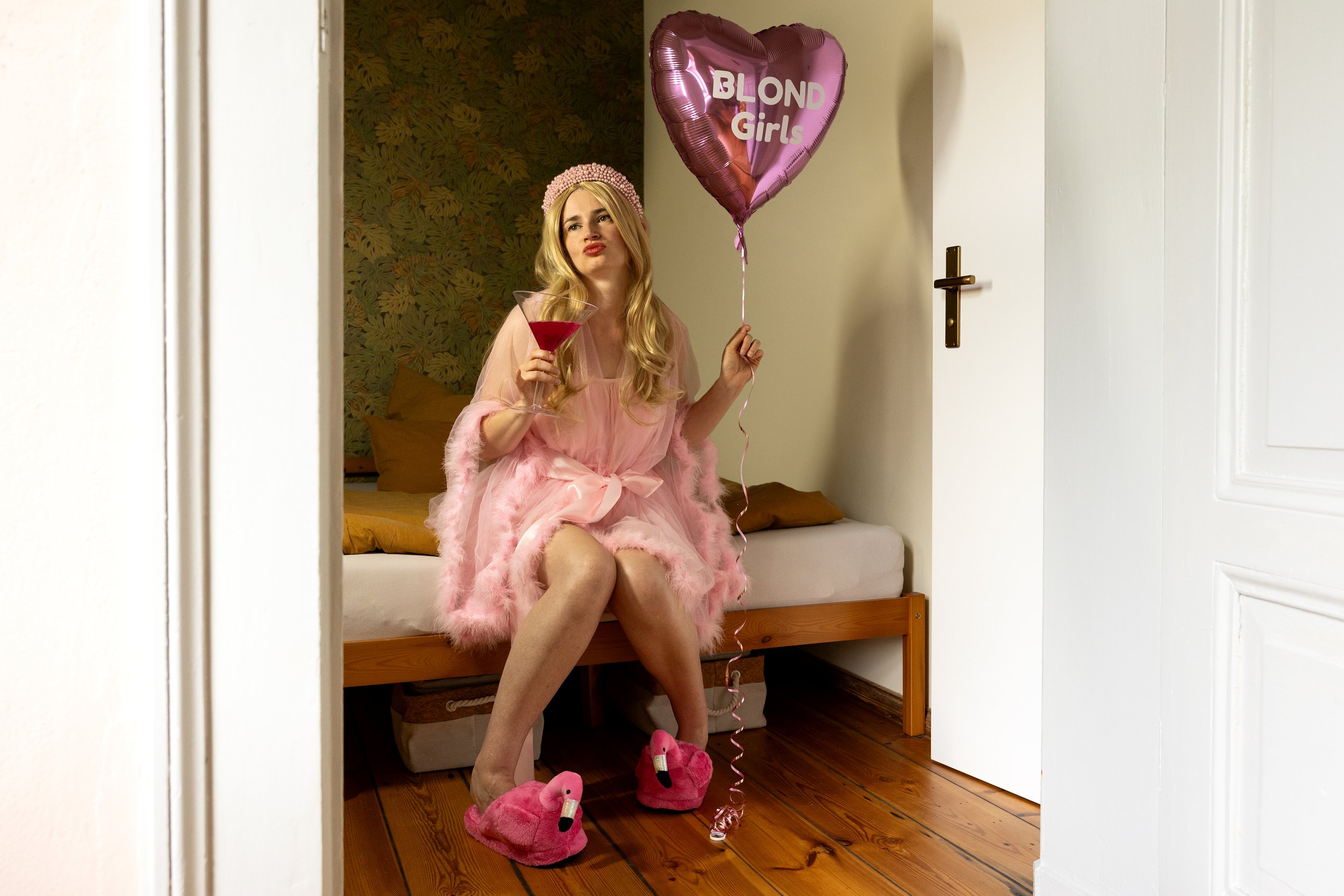
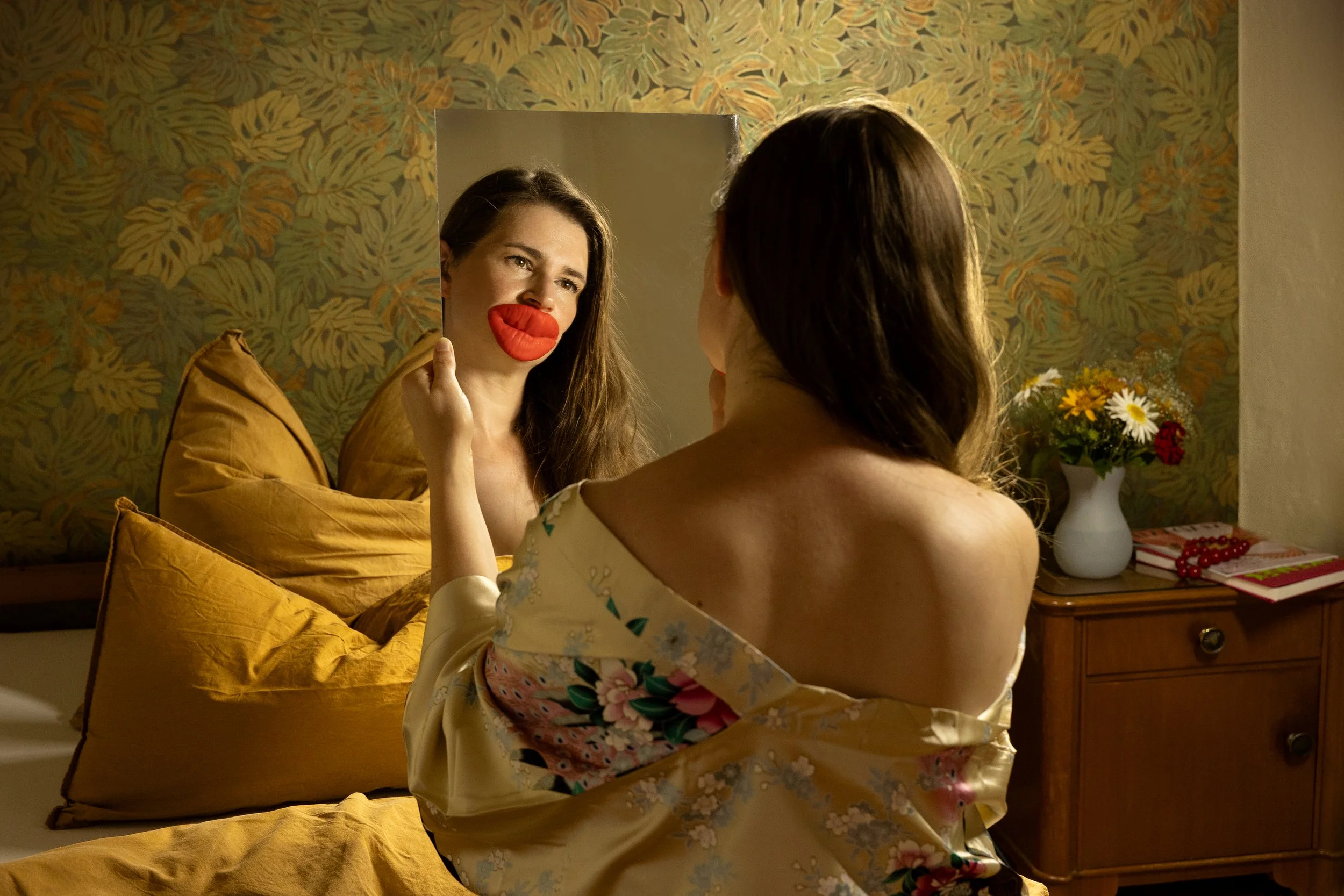
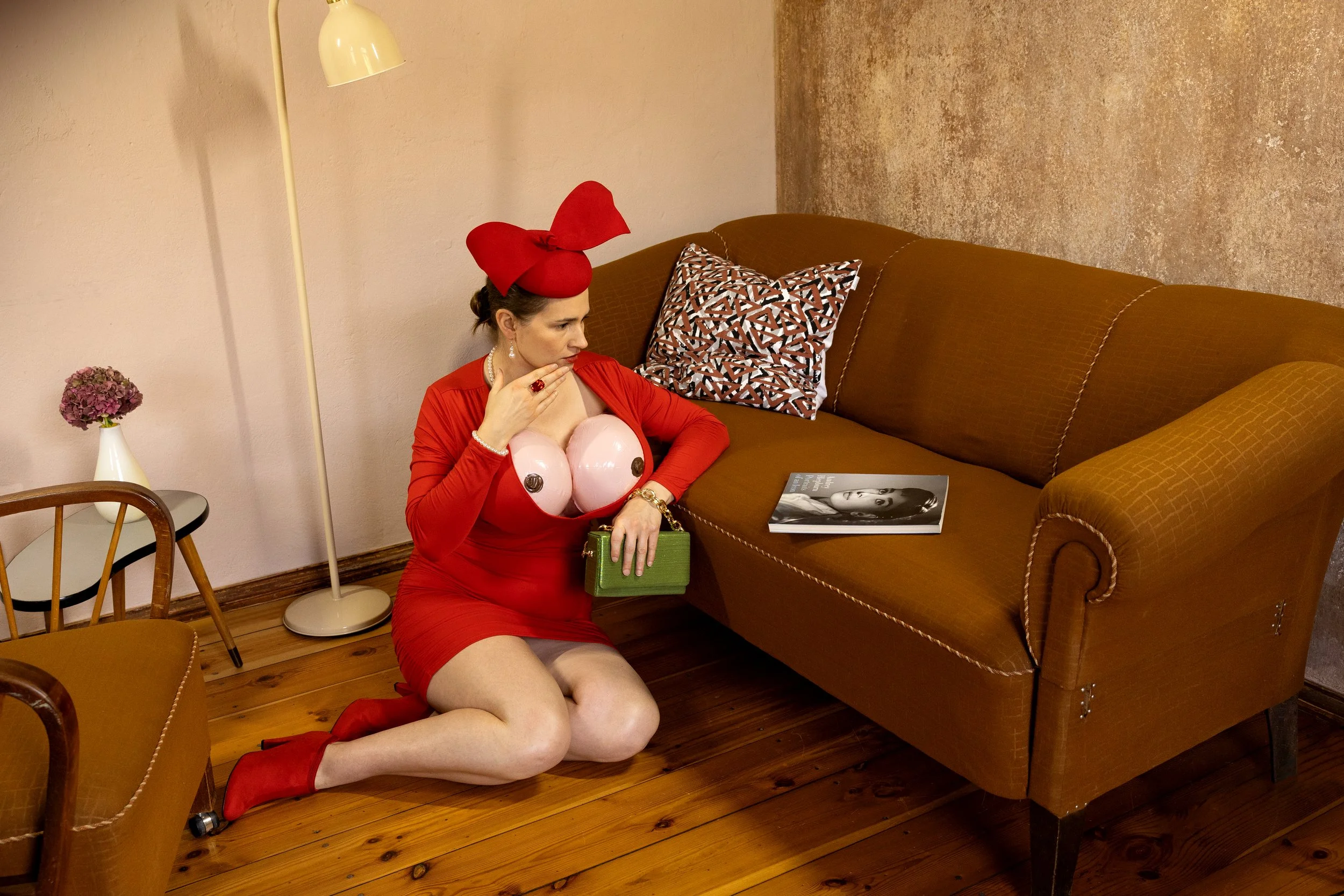
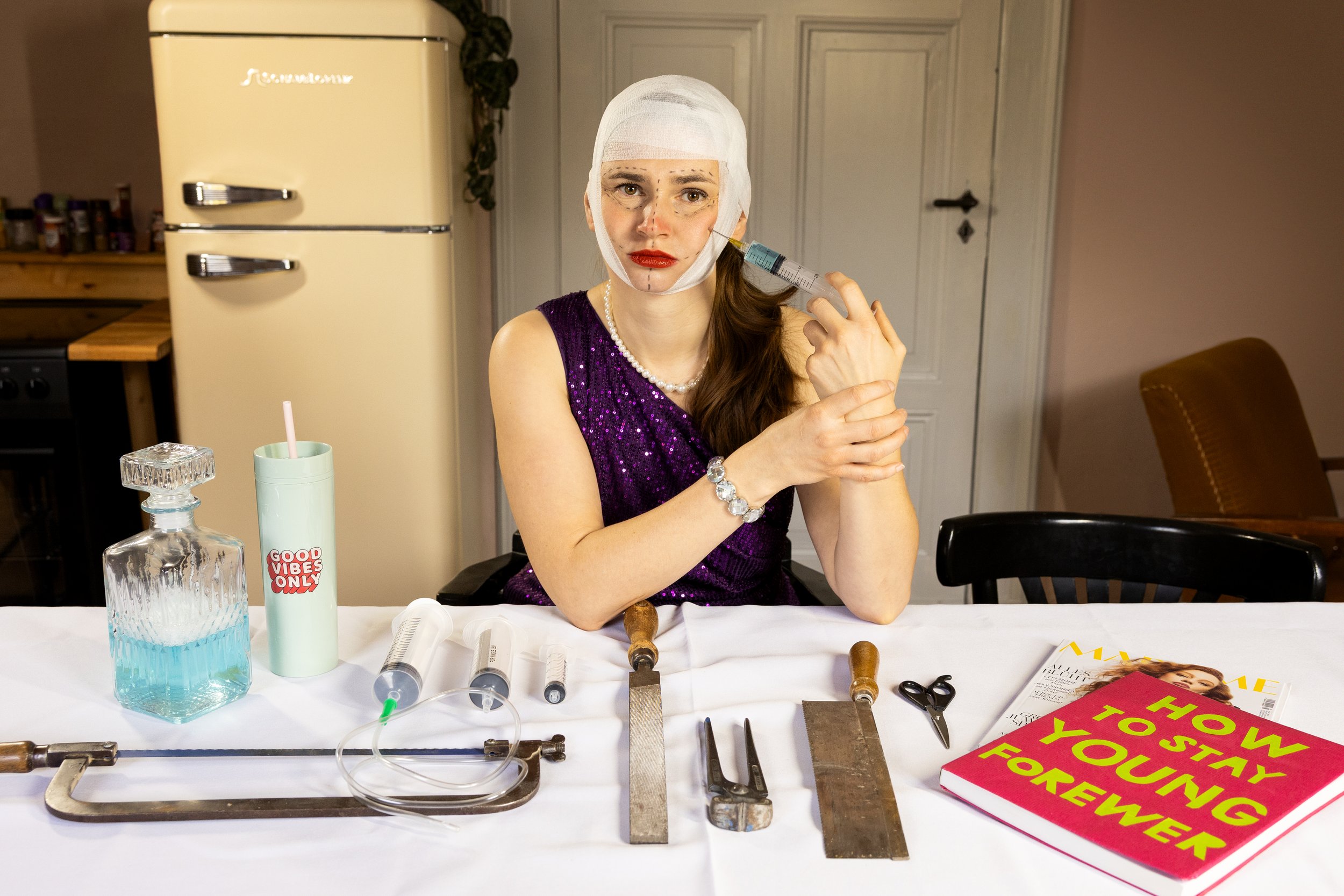
«BEAUTY MADNESS» explores modern beauty ideals that distort women, making them look like dolls instead of celebrating their individuality. I want to question these ideals in a satirical way, as our society seems to be growing increasingly weary of them – with egalitarianism and imposed beauty standards. In truth, these ideals simply reflect the workings of the beauty industry: money is made by exploiting women’s insecurities. Images of “beauty” – whether full lips or an exaggerated bottom – are constantly pushed on us through the media. Of course, every era has had its own notions of female beauty. Today, though, women are too often portrayed as sex objects. Sadly, many women today have internalized these standards and focus excessively on “improving” themselves. Whether this makes them any happier is another question entirely. With this color photo series, I want to highlight just how banal and degrading these modern beauty clichés are – clichés that diminish women rather than empower them.
Ian hull
-
Capturing the beauty of the natural world, whilst keeping the shape and form in minimalist style.
Sue Ridge
-
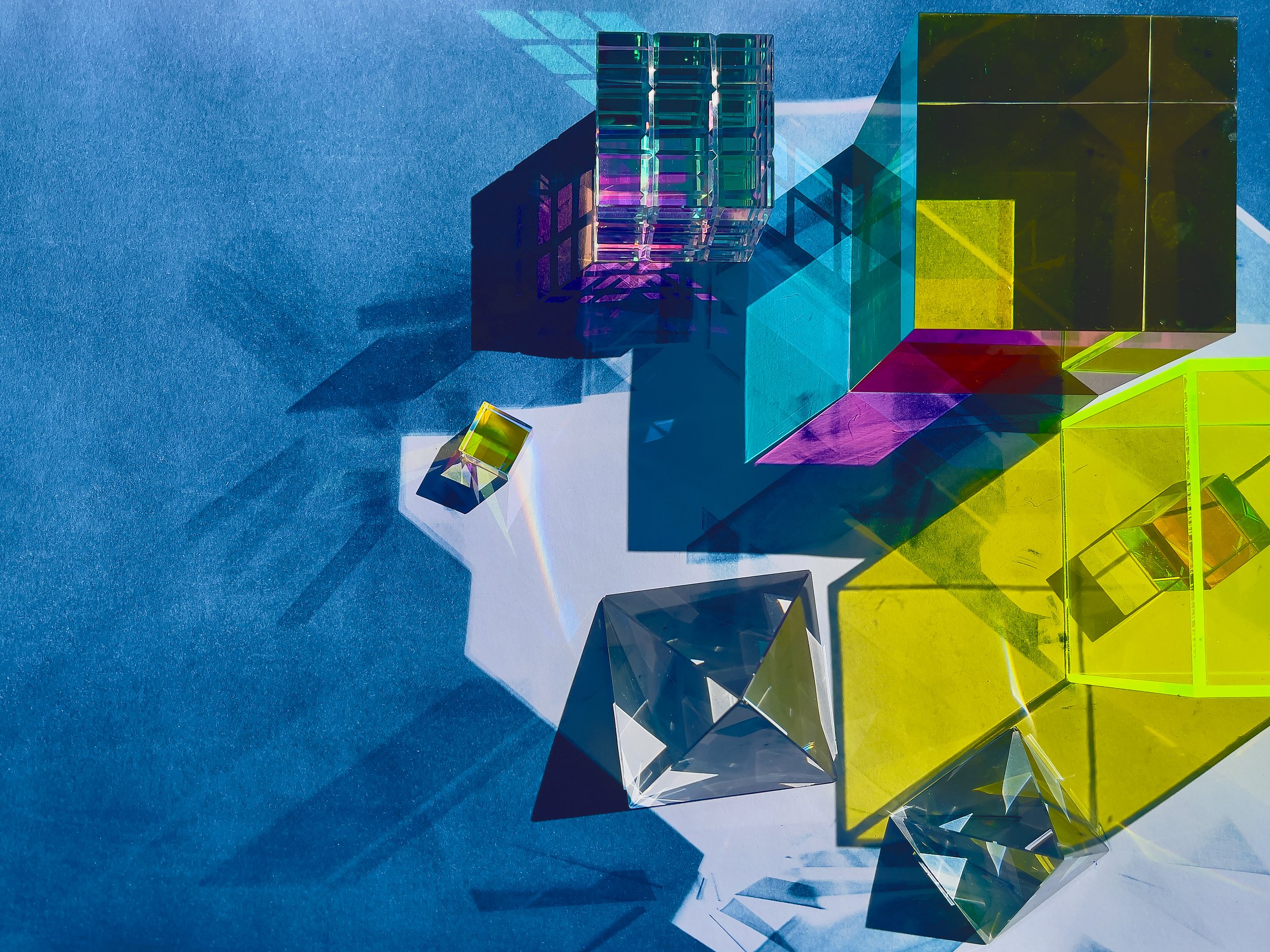
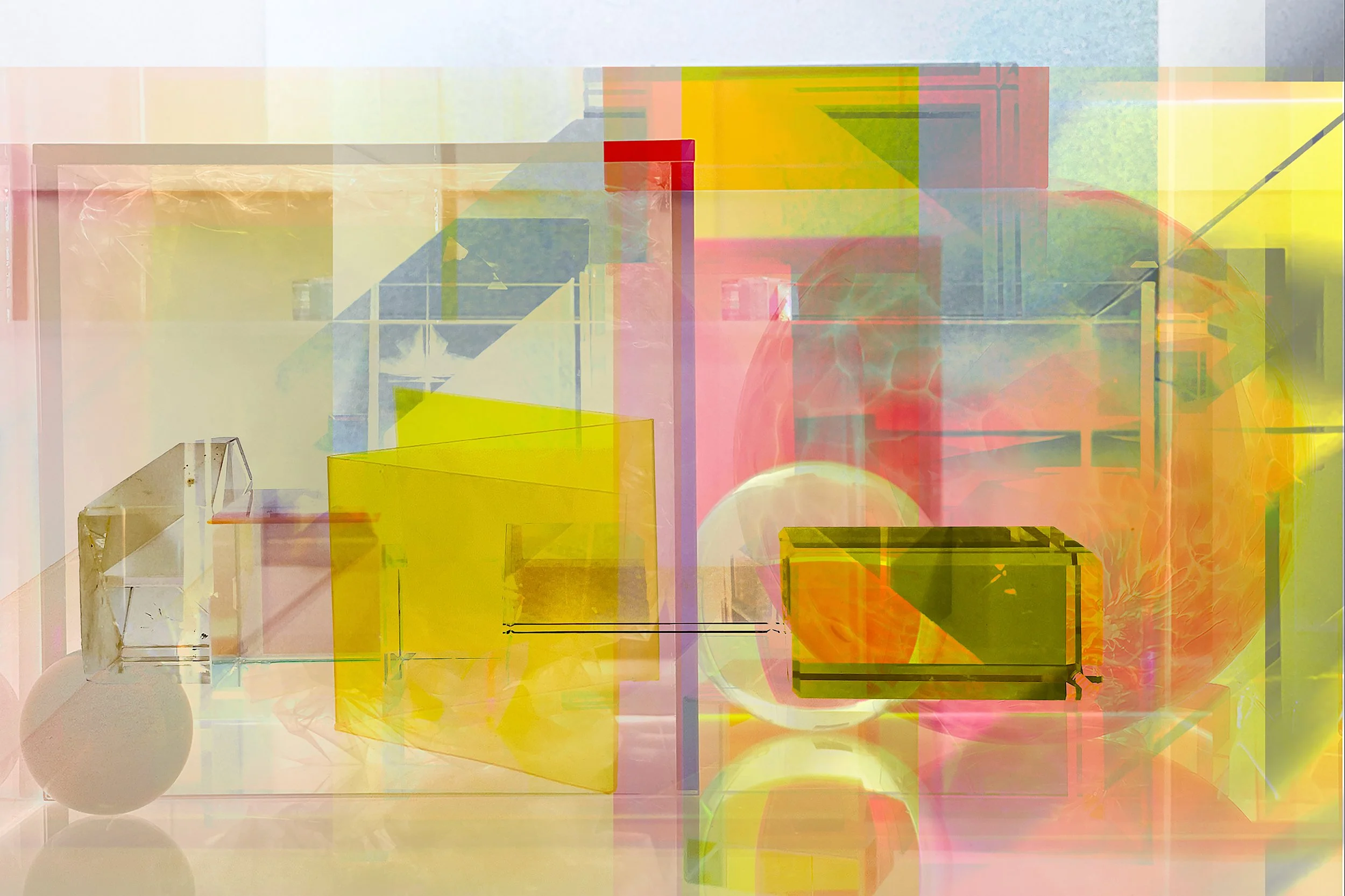
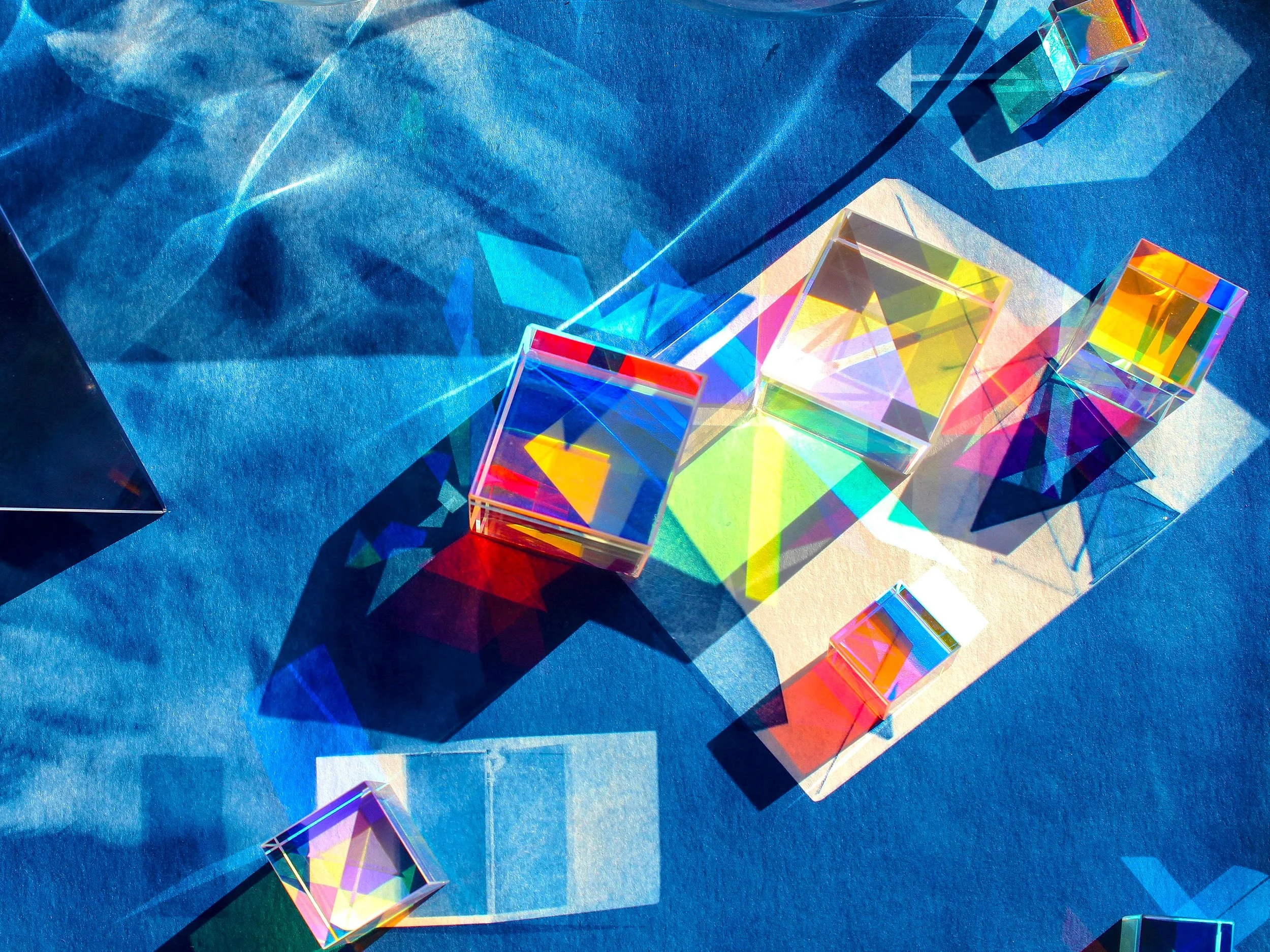
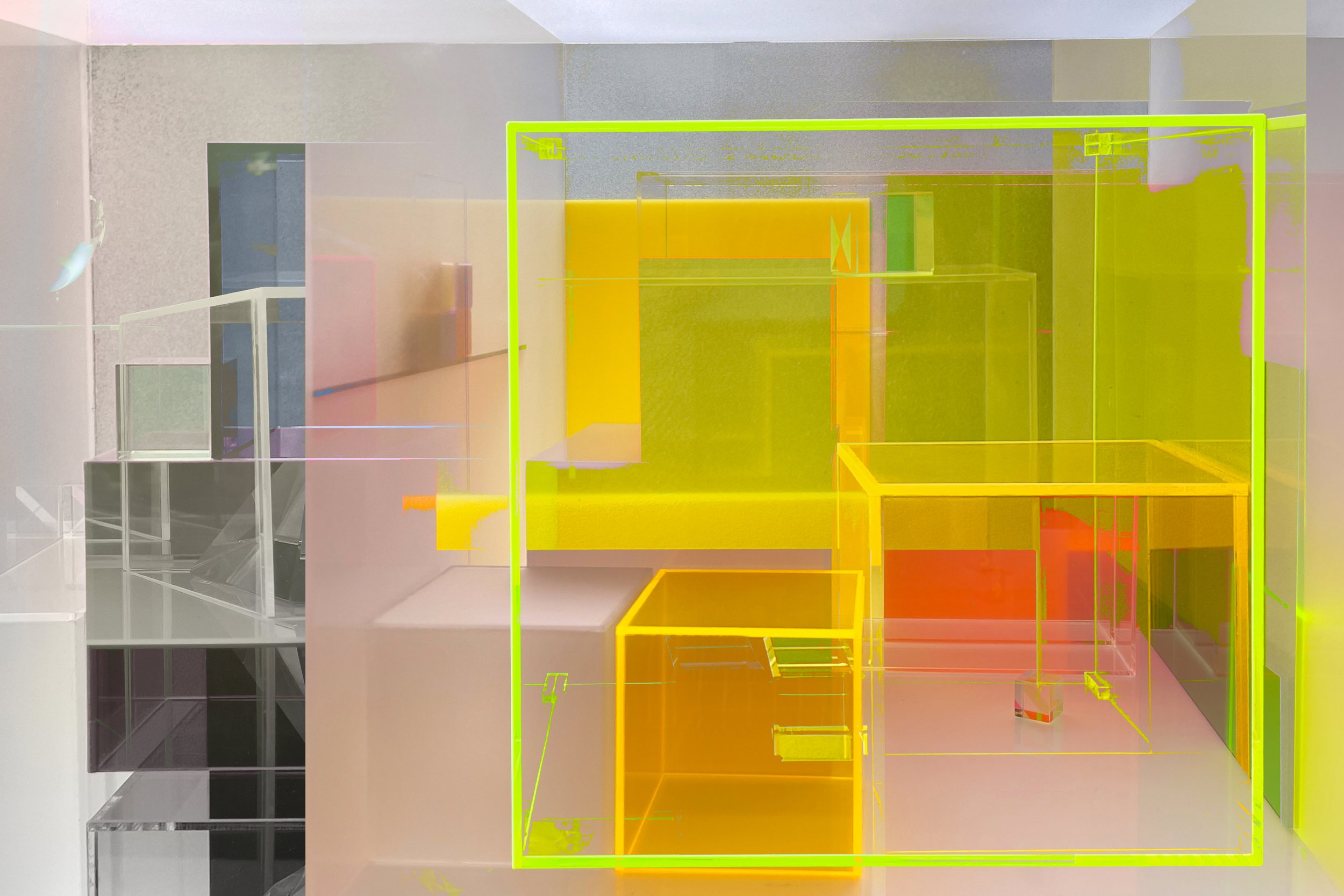
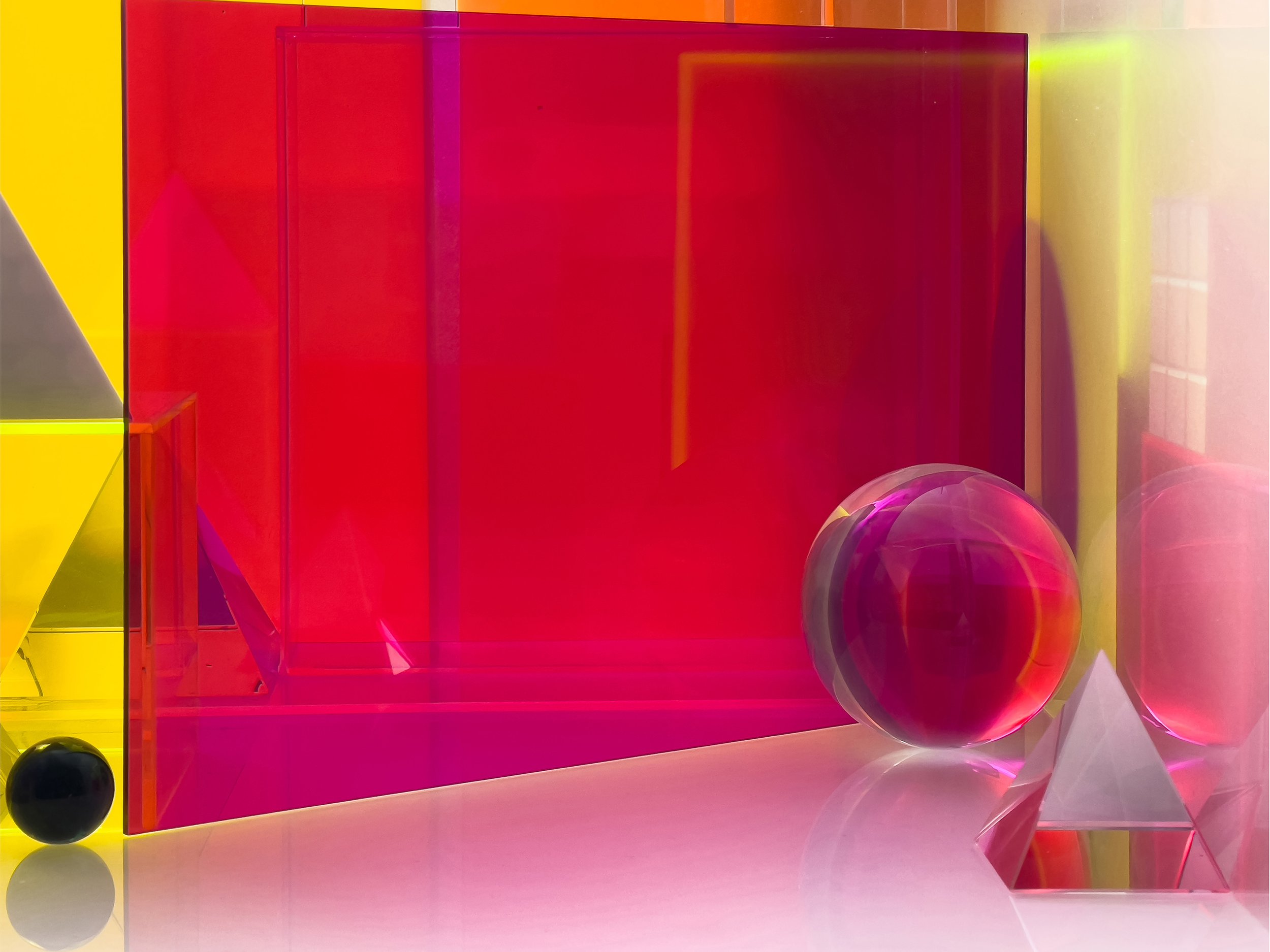
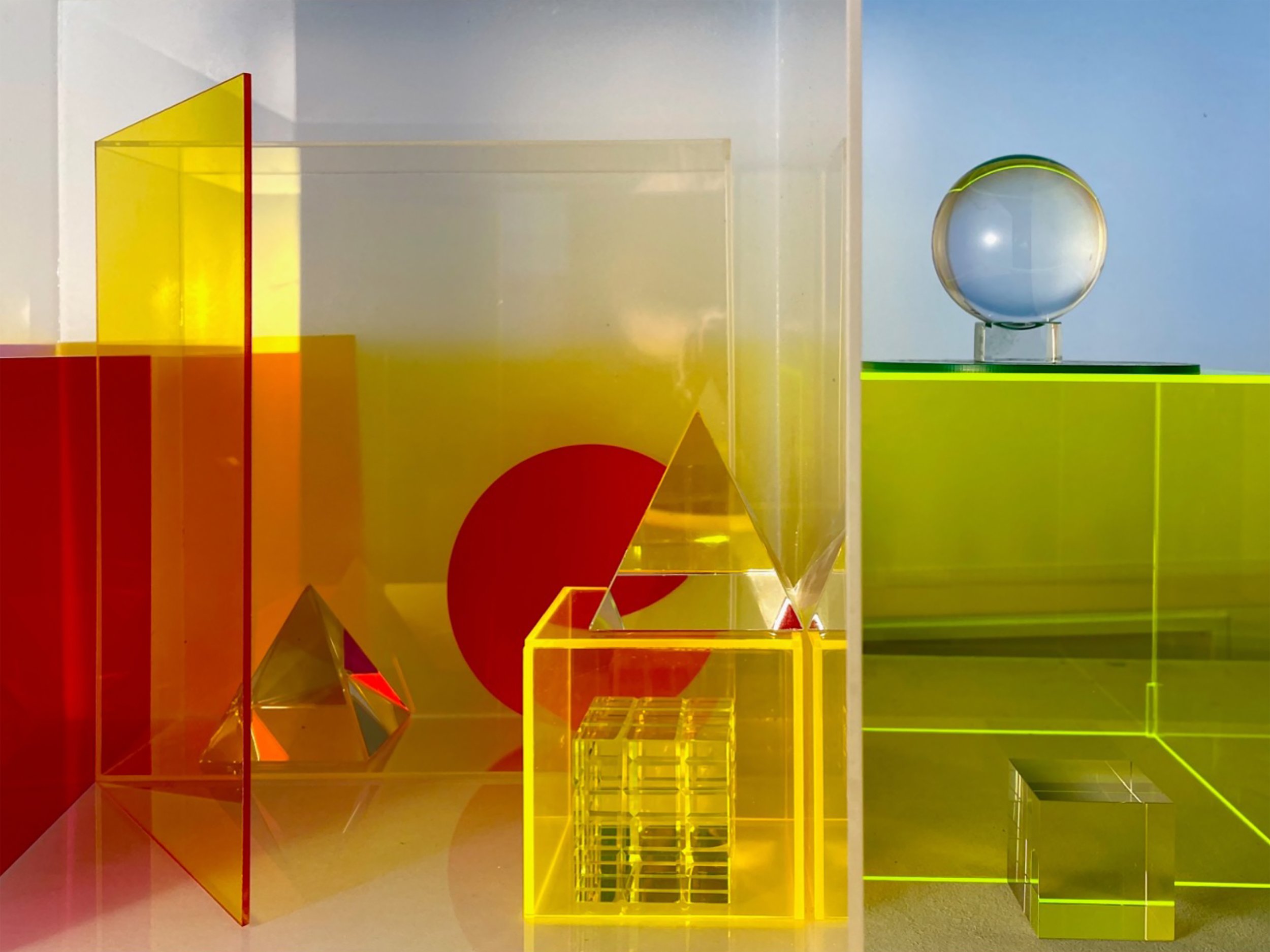
This series investigates light, form and spatial composition through sculptural photography, as a study in light, geometry, and chromatic interaction. The work sits at the intersection of still life tradition, modernist abstraction. There has been an element of play throughout the series, — a careful balance between the fragility of light refraction and the solidity of built structures. The coloured Perspex and glass objects evoke a sense of 1930’s children’s coloured building blocks. My images made in my south facing studio in London’s low winter sun, the colour still-life’s treat light as a material. The early cyanotypes were exposed beneath glass prisms. After processing, I return the prisms to the print and photograph the changing patterns and shadows, preserving one moment from a transient artwork. A 2023 visit to Japan focused the work on Japanese architecture and its use of light, transparency and contemplative space. The latest cyanotypes evolved into Perspex-box and glass-object studies of Japanese perspective, referencing fukinuki yatai (“blown-off roof”), where interior and exterior are seen together. The work thus shifts from recording temporary light to constructing layered spaces through it. Later images use simple geometry, saturated colour and translucent acrylic structures, informed by Tadao Ando, Shigeru Ban and SANAA, who treat light as an active part of space. More recently, layered composites form palimpsests suggesting imagined dystopian urban horizons. They extend the project’s concerns with memory, architecture and distance, turning the studio into a place where observed light and imagined space coexist.
Yunjing Deng
-
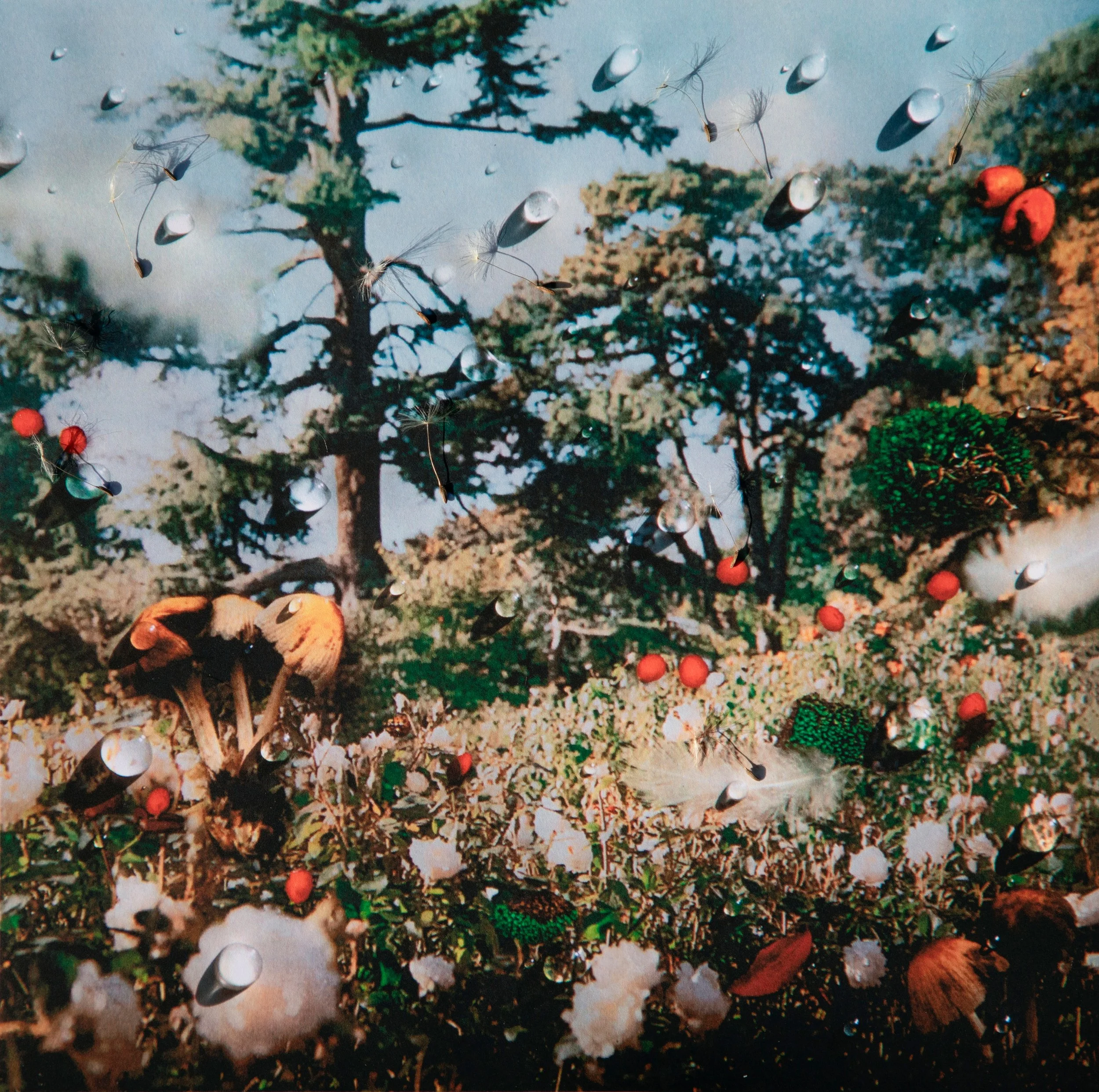
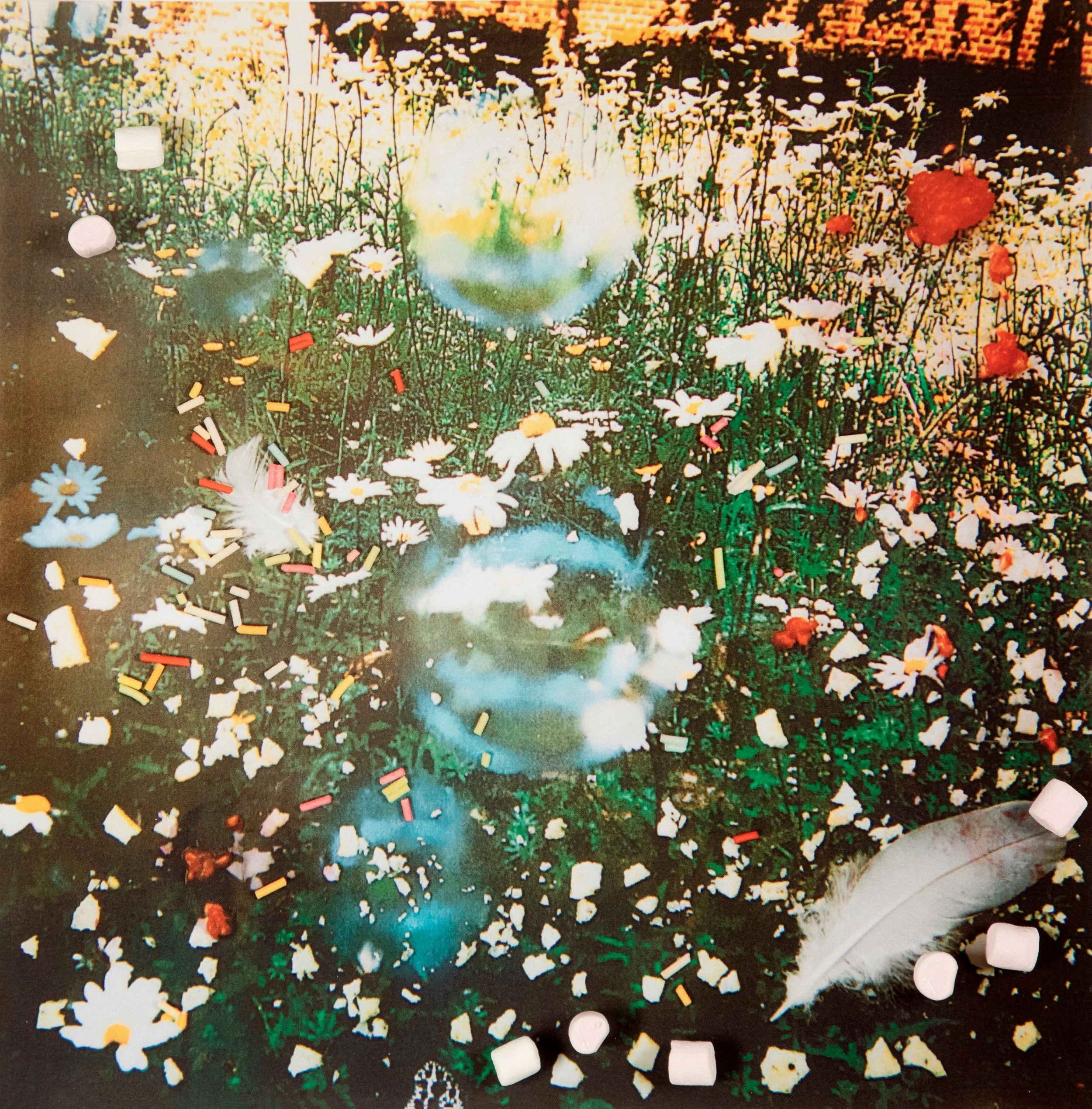
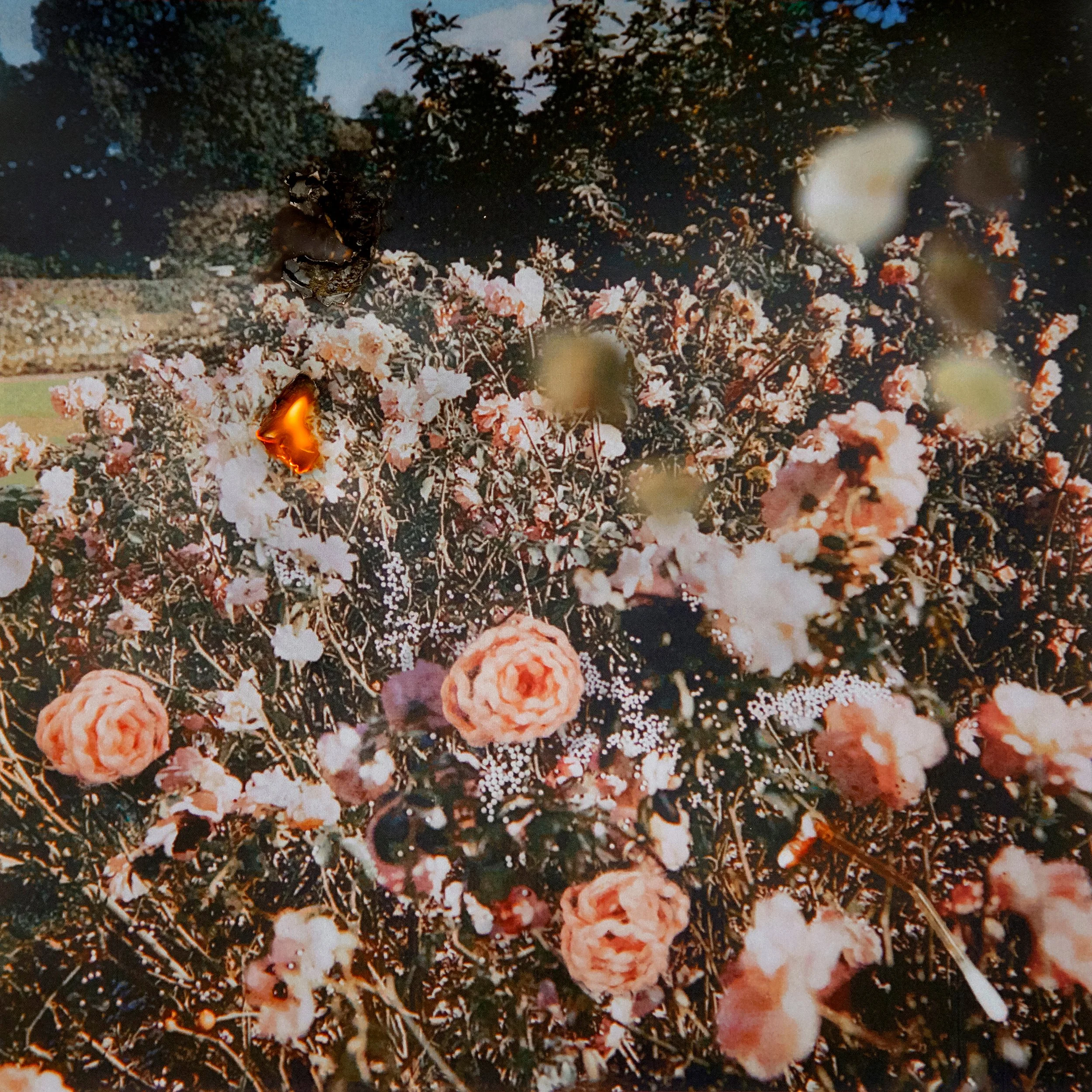
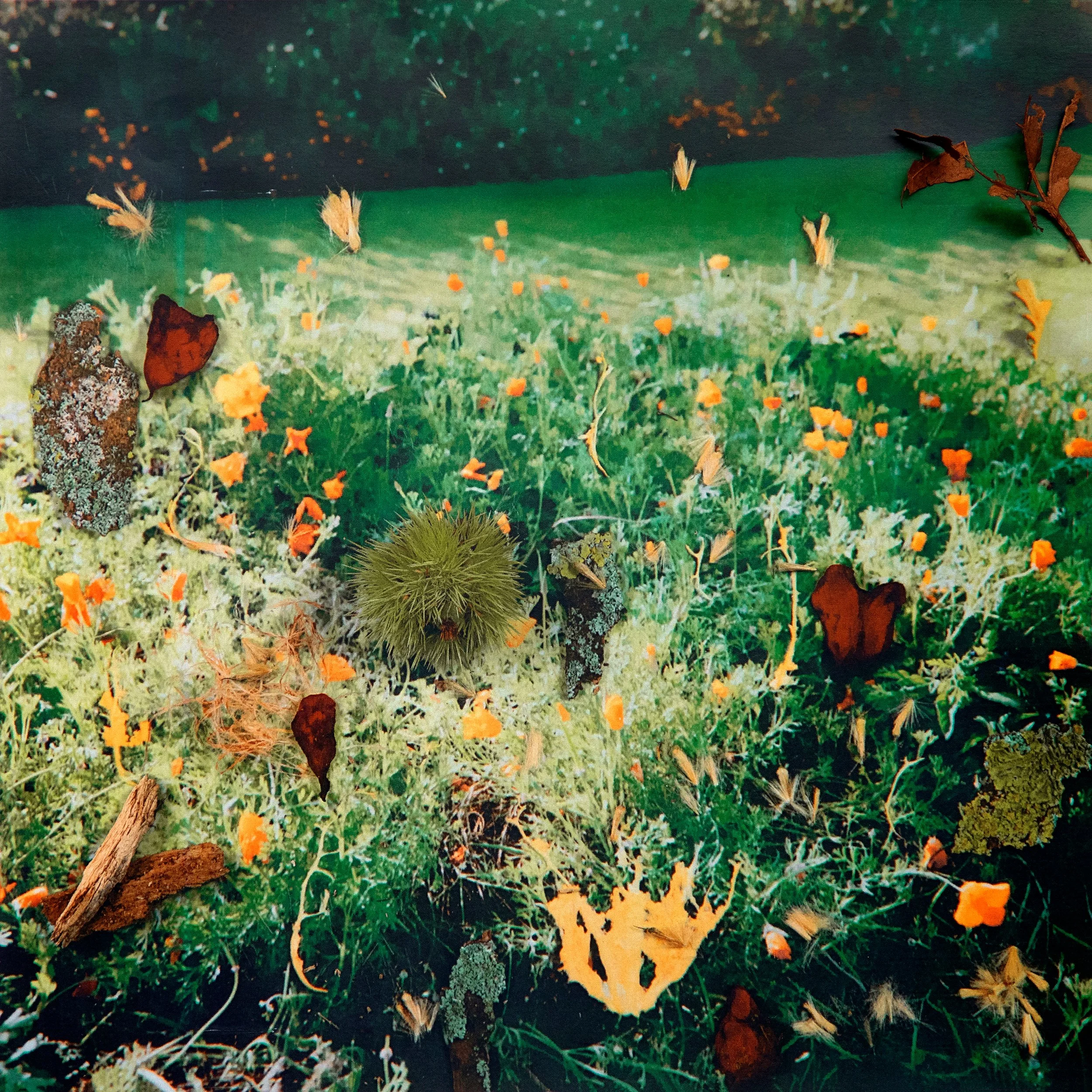
This work explores the fluidity of memory by reconstructing and layeringpersonal recollections and collective imagination through re-photographing the photograph. Challenging the notion that photographs preserve memory, the project reassembles fragmented elements of past experiences, revealing how memories evolve and overlap over time. The garden, as a “heterotopia,” symbolizes the merging of individual and collective memory. Each material element added to the image reconstructs past memories while challenging our perception of photographic “truth”. By questioning the reliability of memory, the work reflects on how much of what we recall is real and how much is shaped by imagination and cultural context.
Geoffrey Legay
-
I try to isolate ordinary people within extraordinary settings. Here, a cable car worker dwarfed by Mount Fuji. My goal is to shift the focus back onto the people who quietly maintain and inhabit these iconic places, usually overlooked in favor of the landscape itself.
Cao Sen
-
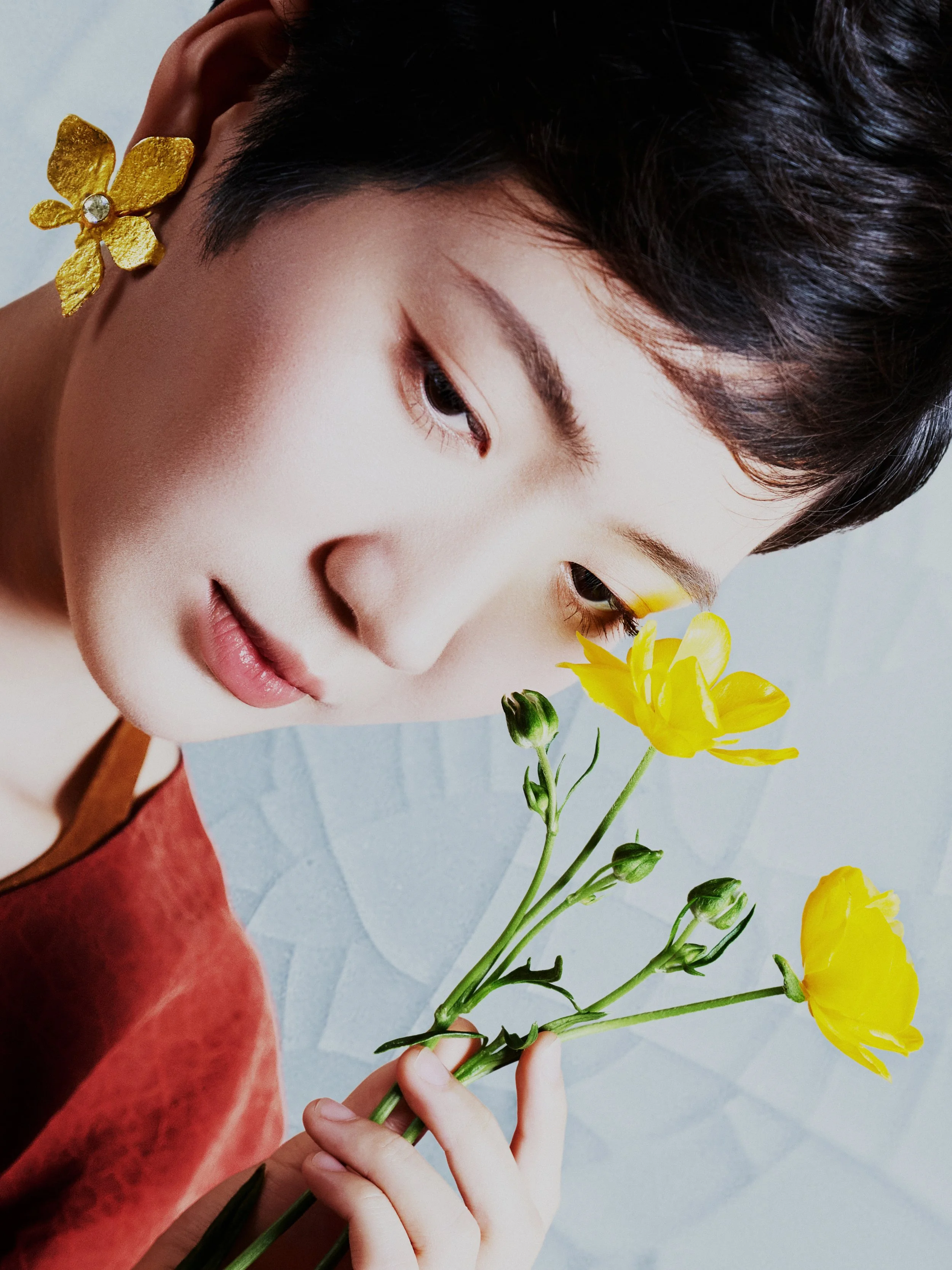
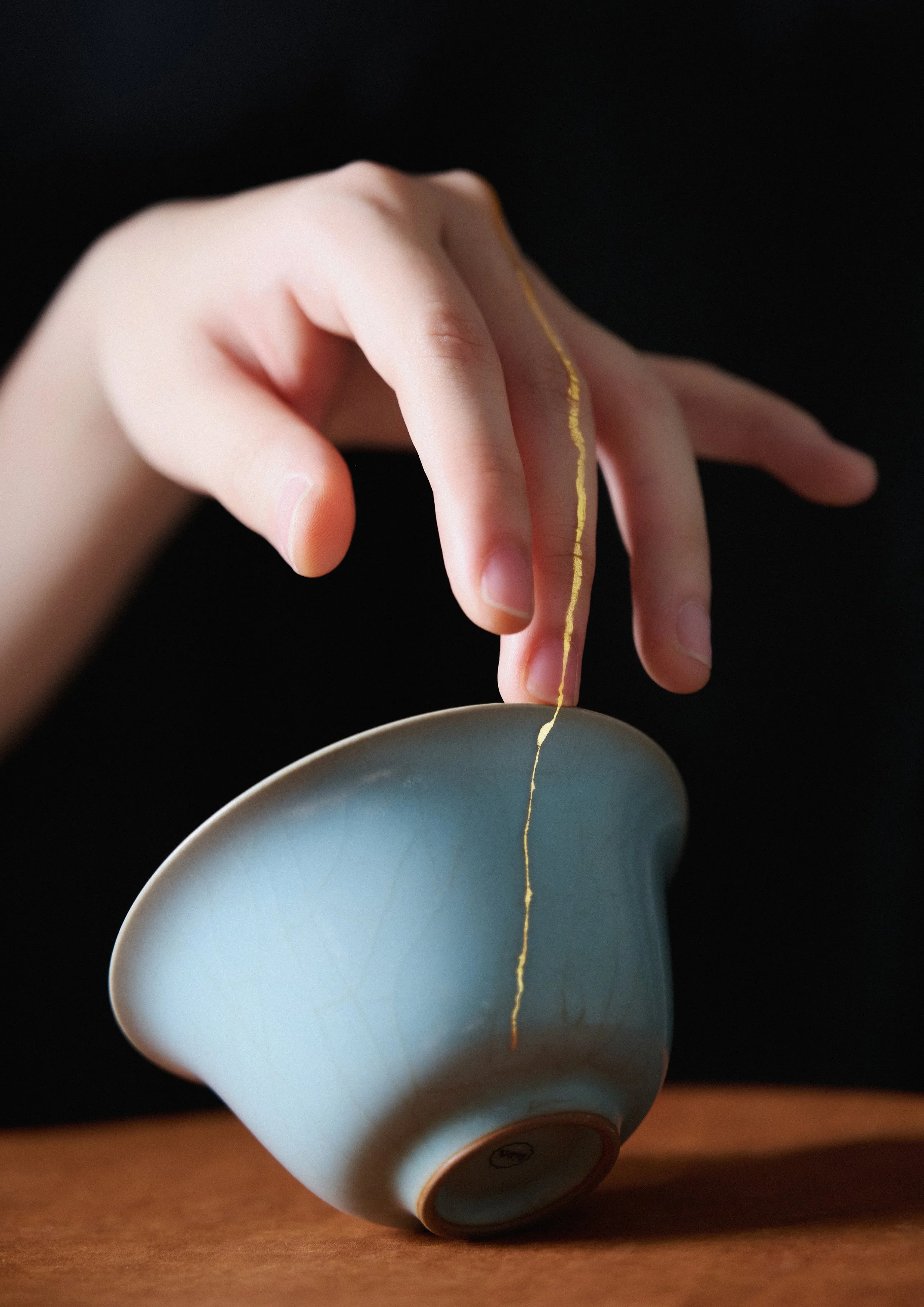
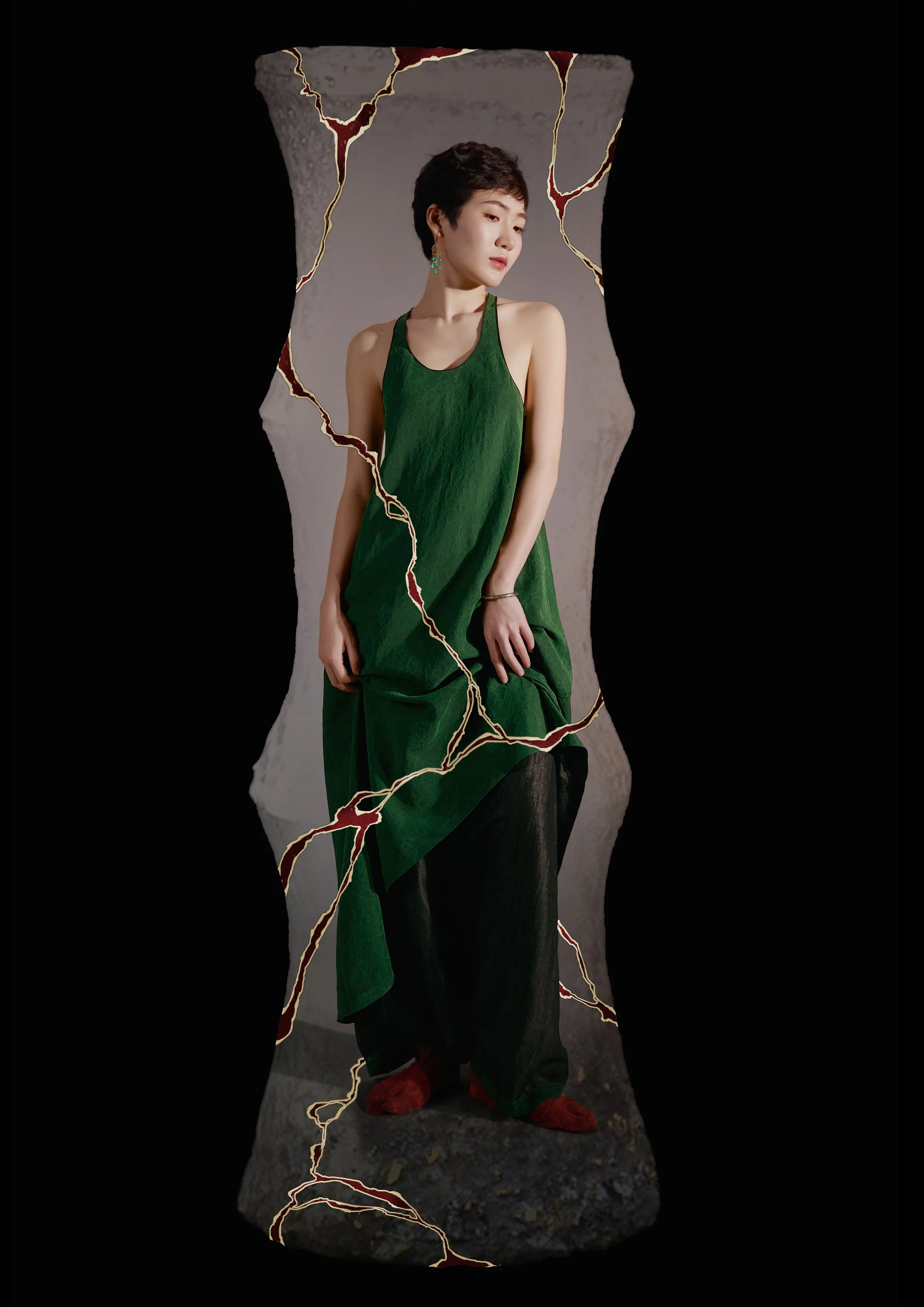
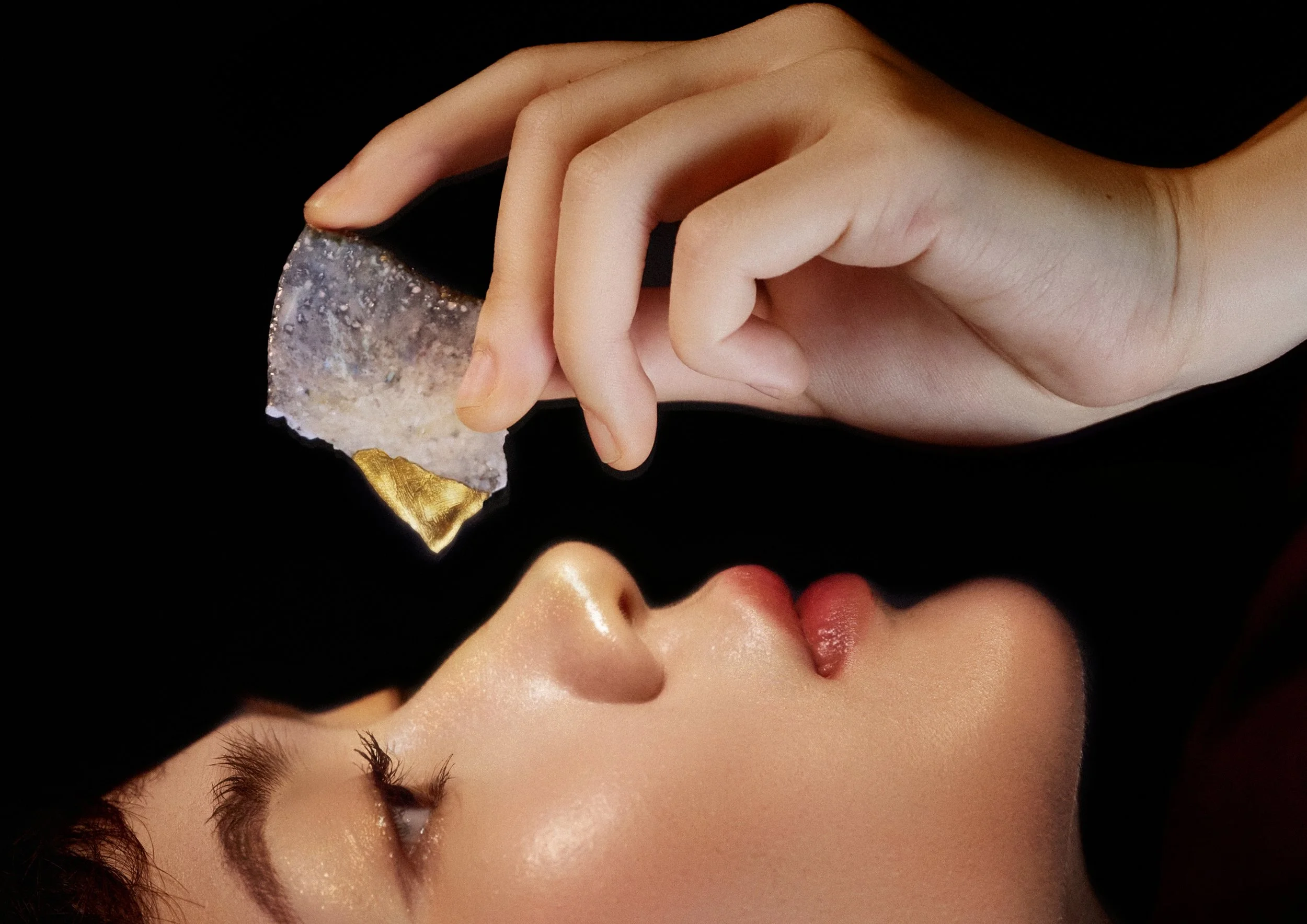
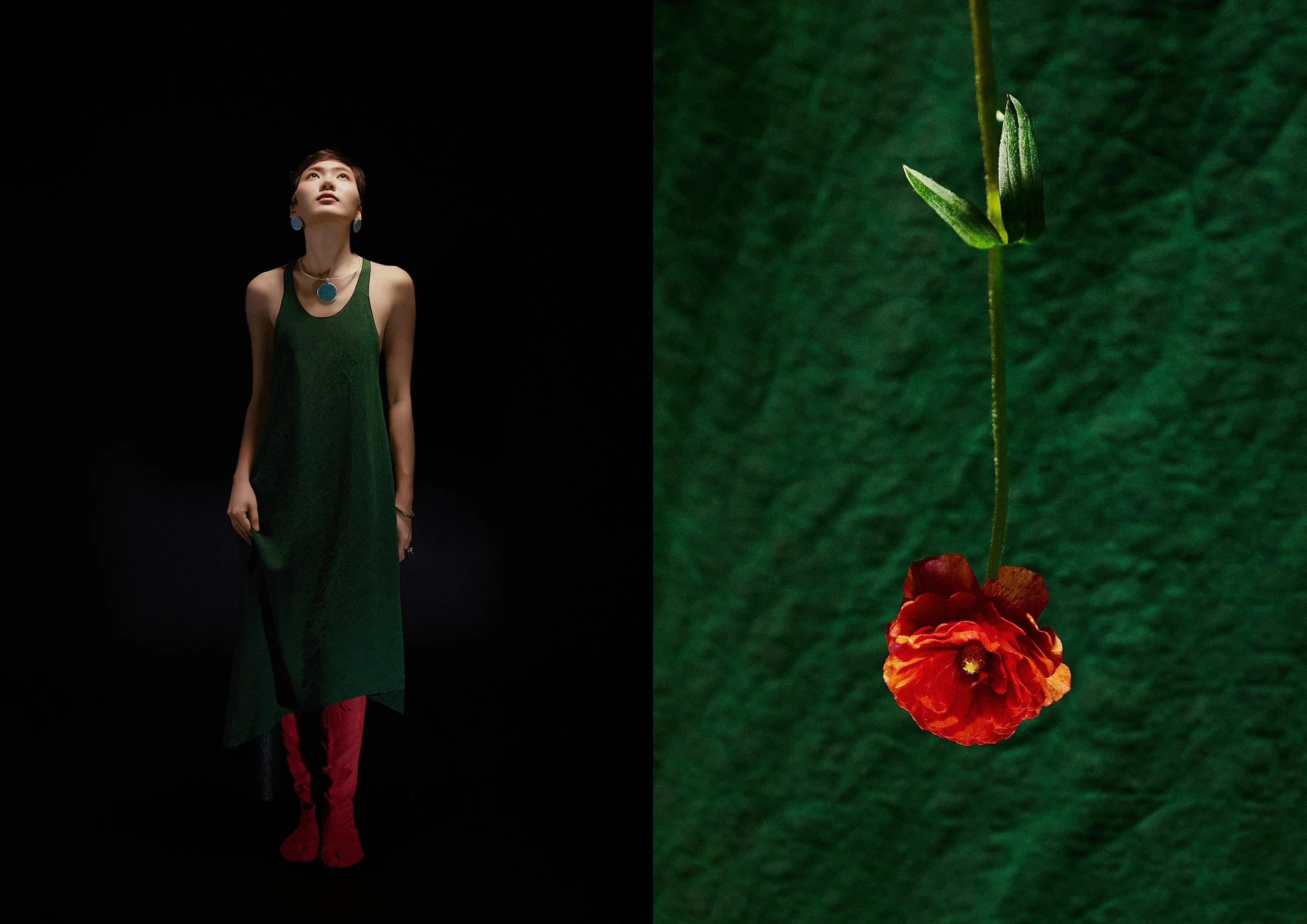
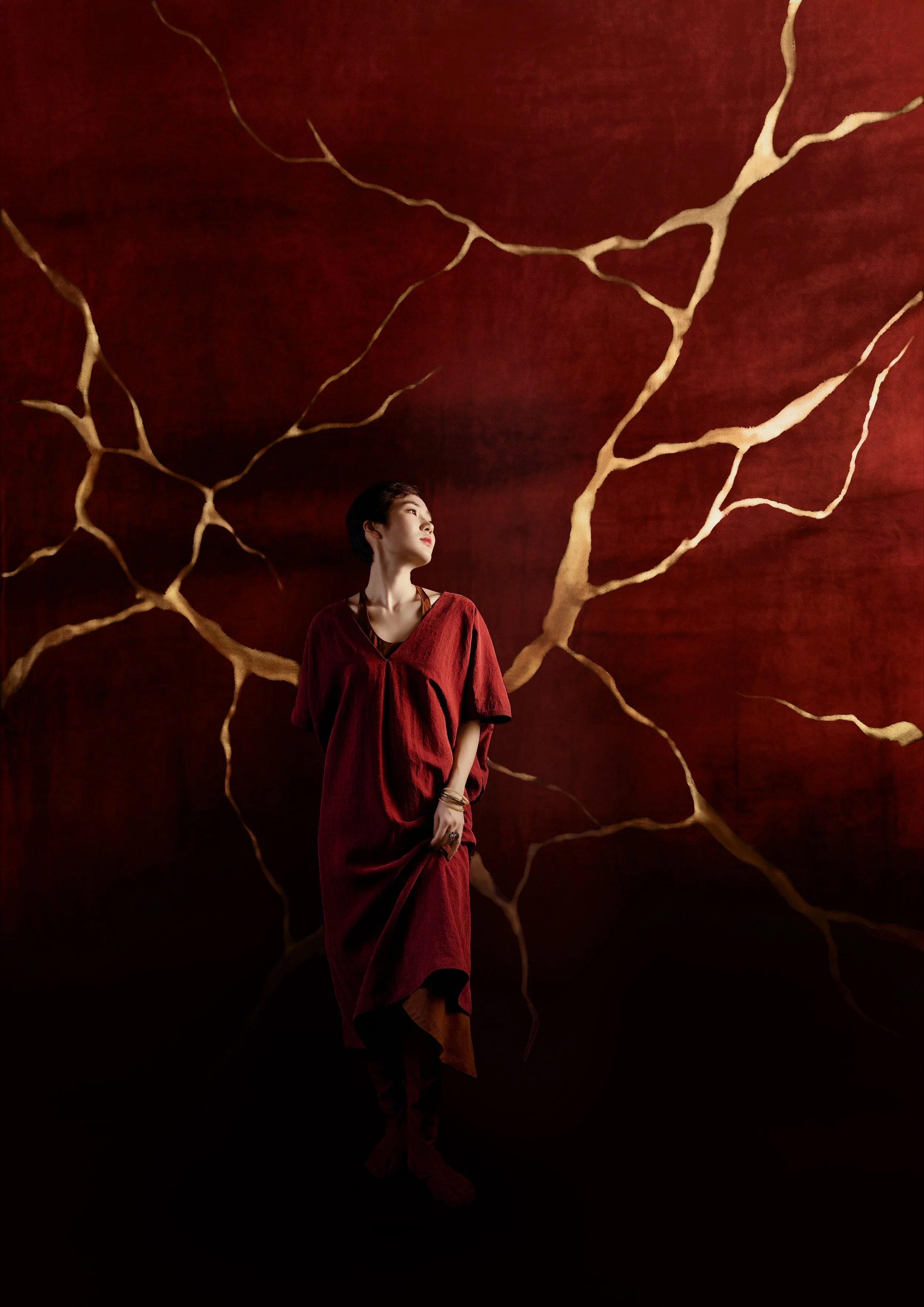
This portrait series features a young Kintsugi artisan based in Hanoi, Vietnam. To her, Kintsugi is the tangible embodiment of a living philosophy. Rather than discarding broken objects or replacing them, it offers a way to preserve them while embracing their imperfections. Far beyond mere repair, the craft honors the history of each piece, giving it a renewed appearance and a second life. The gold-dusted seams become more than mere aesthetic details, they serve as quiet witnesses to the object’s journey, reflecting the deep care of both its owner and the artisan. Ultimately, Kintsugi is an act of rebirth.
Nicole Waligórska
-
Photograph of Wroclaw cafe, inspired by Edward Hopper works.
Yutaka Ogino
-
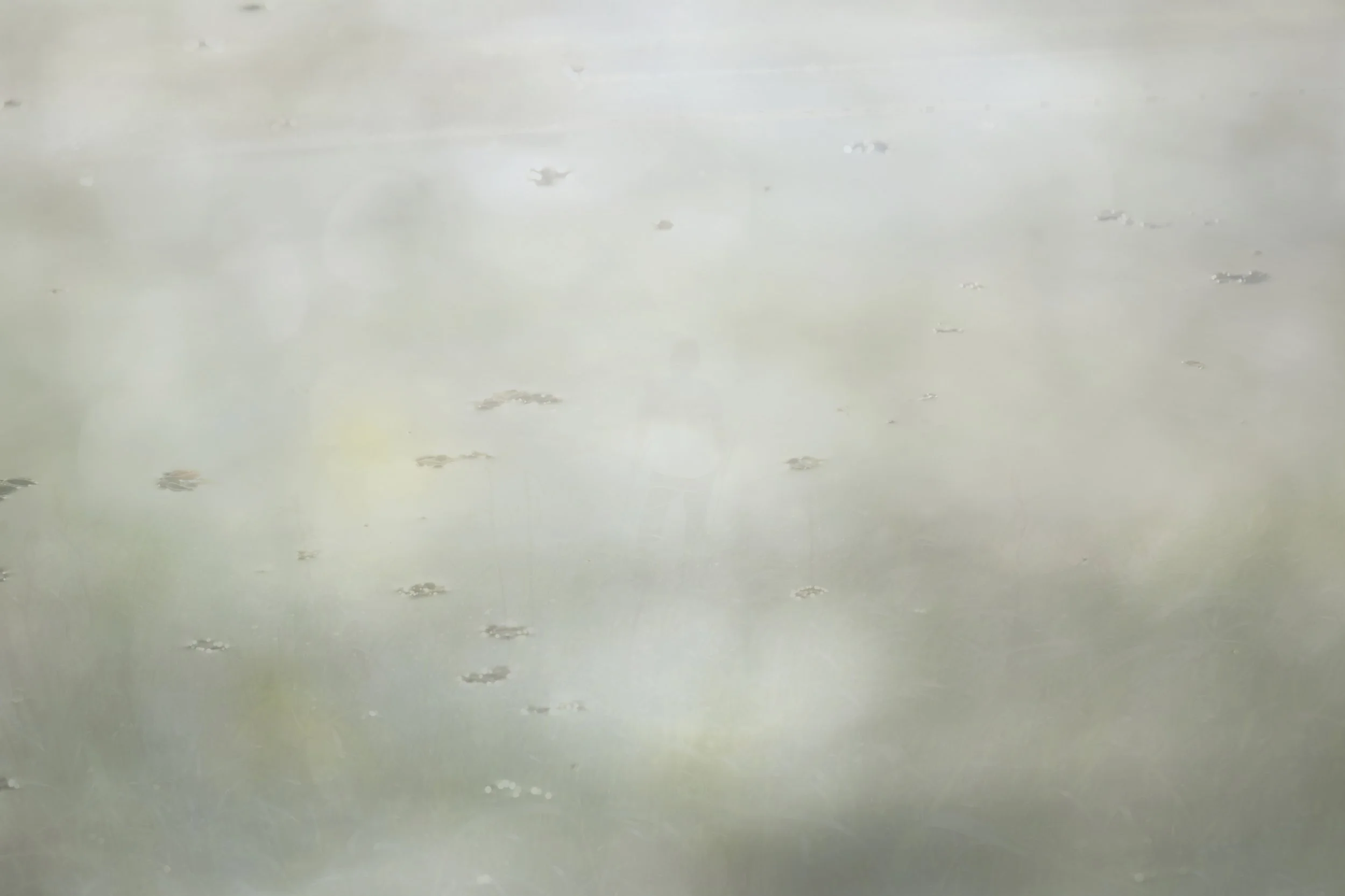
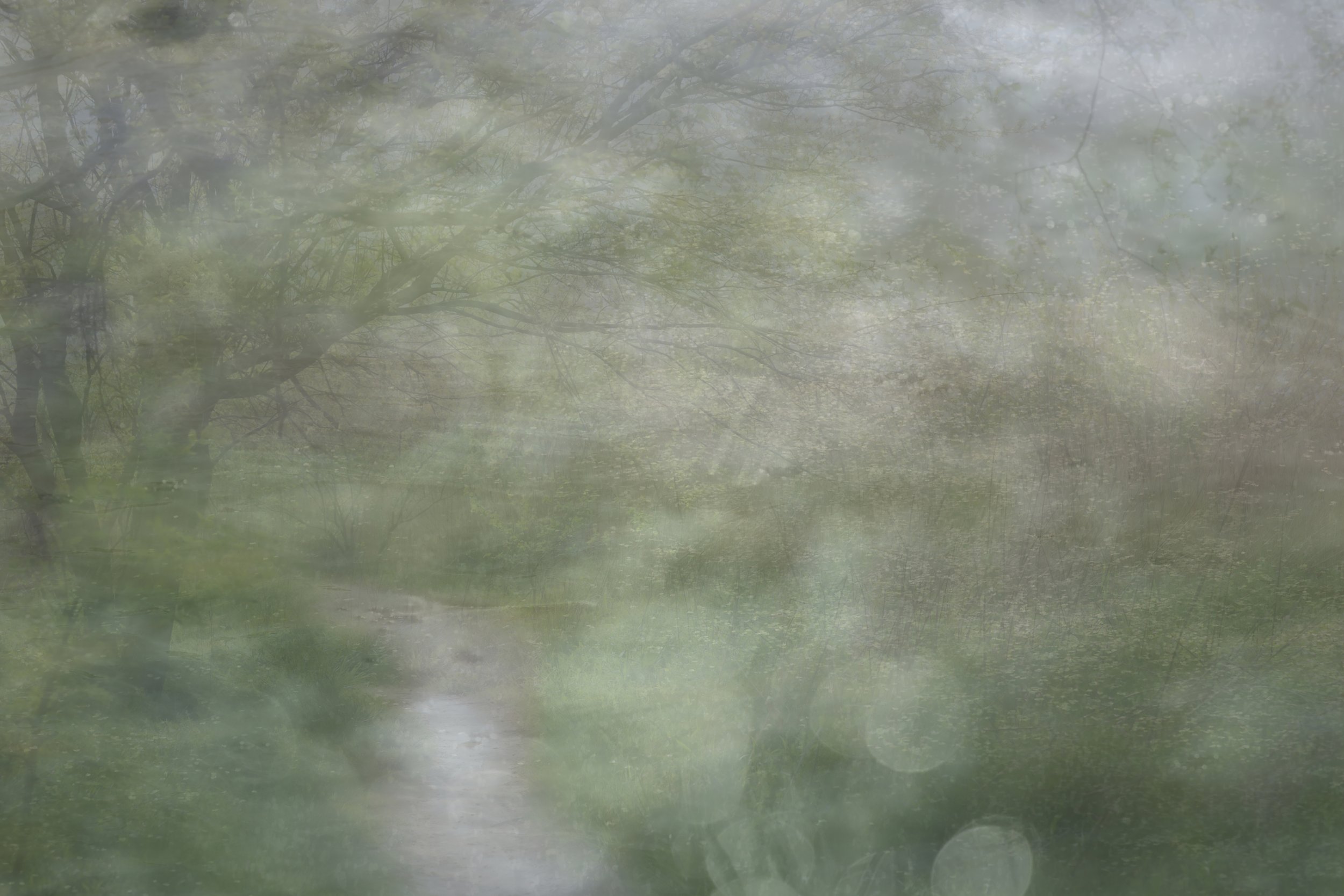
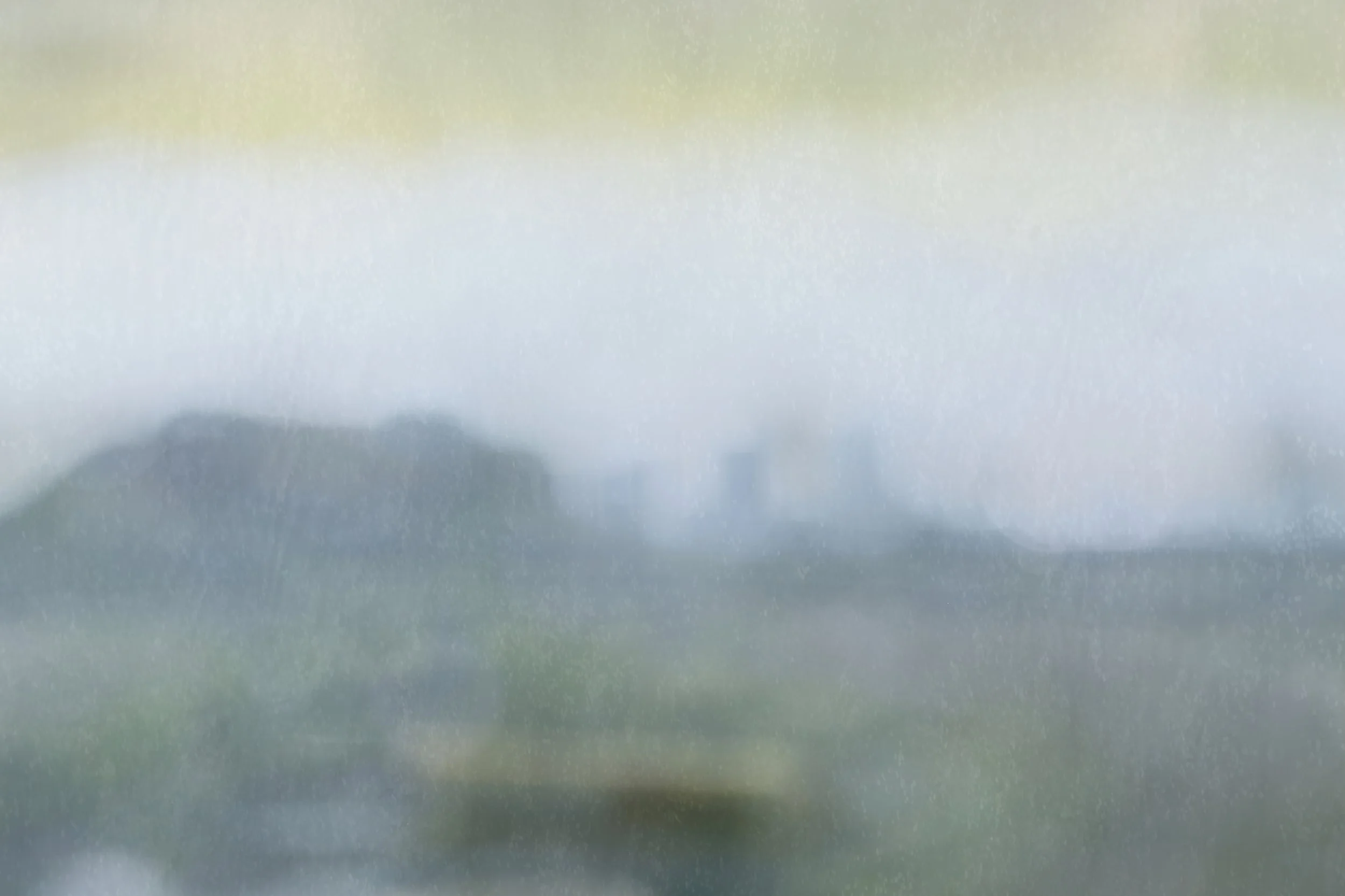
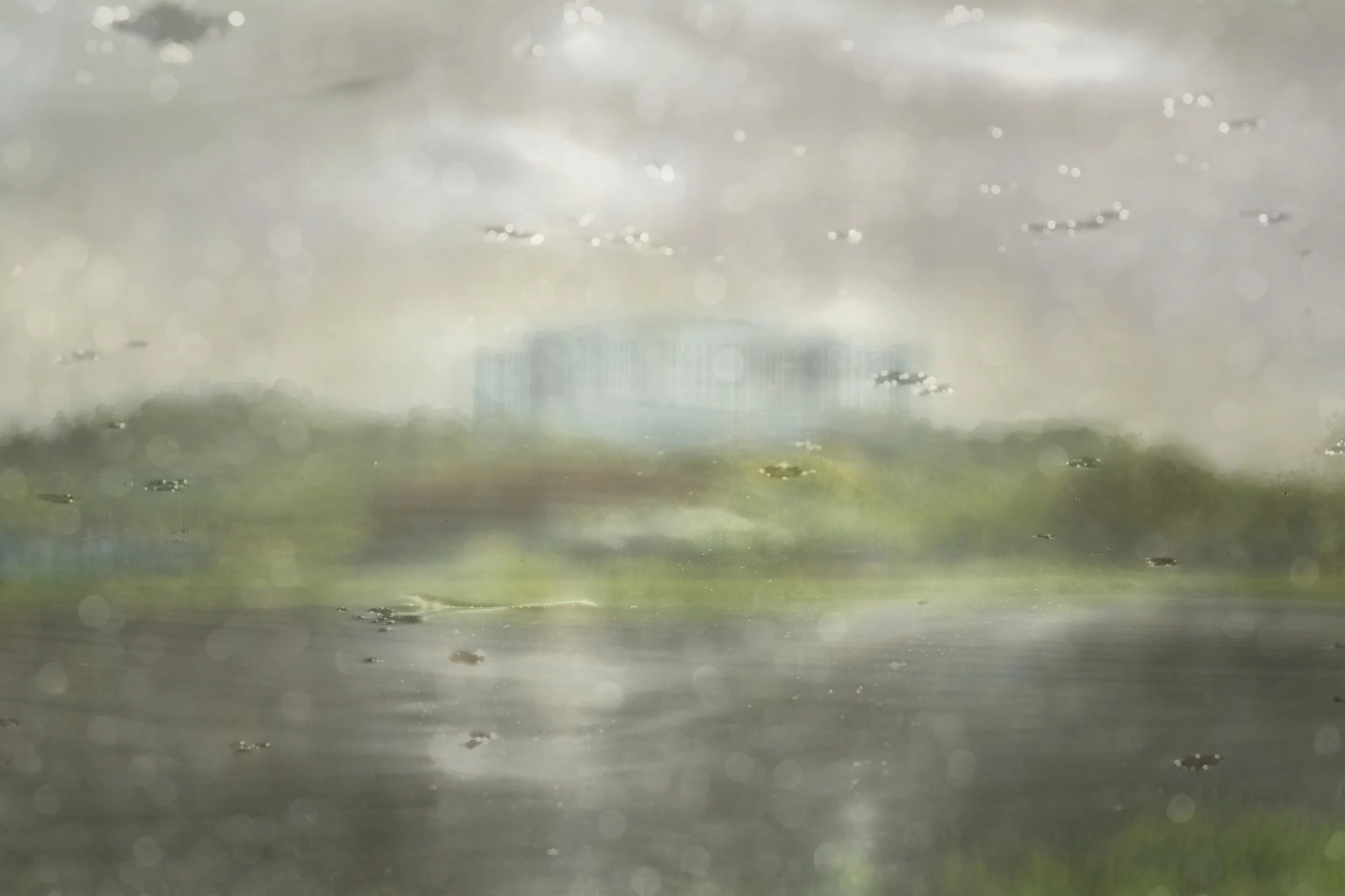
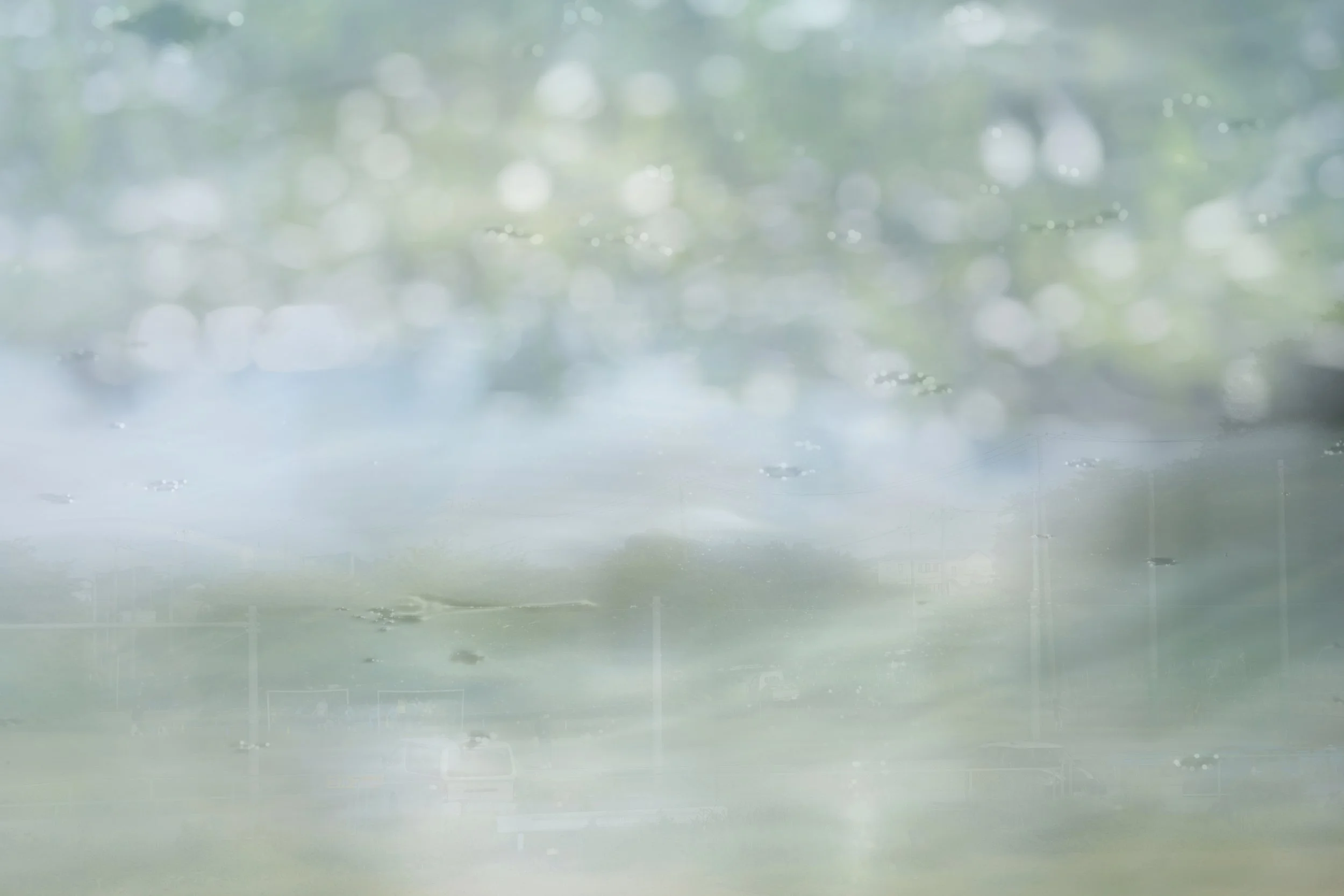
The central theme is the intersection of the external world perceived through sight and a latent external world that eludes the naked eye. Through the medium of photography, I explore the possibilities of worlds that might exist—or could have existed. This project does not aim for empirical verification; rather, through my own introspective process, it is an attempt to visualize the eternal nature of water and its role as a "medium" that carries the memories of life and the land. For billions of years, the total volume of water on Earth has remained virtually constant, undergoing a ceaseless cycle. Water from oceans, rivers, and lakes evaporates due to solar heat, forms clouds, and returns to the surface as rain or snow. It flows into seas and rivers, only to return once more to the atmosphere. This unchanging cycle—this eternity of water—transcends mere physical phenomena to symbolize the continuity of life and time. Living organisms, and the human body in particular, are composed largely of water. Water nurtures life, and life holds water within itself. While water can at times be a destructive force that threatens life, new life is nonetheless born from it, becoming part of the cycle once again. Our existence is but a tiny fragment of this grand circulation. If water is indeed a "medium" that encapsulates the memories of all life and connects the world, how does it appear to my eyes? How do familiar landscapes transform in this attempt to visualize the unseen? Might the everyday presence of water—in the form of vapor, watersides, or scattered puddles—harbor traces of memories belonging to people and the land, existing like ghosts: formless, yet possessing a powerful sense of reality? Perhaps the past, present, and future coexist there, or their boundaries blur and merge. Photography seems to be one of the most fitting mediums for capturing this uncertain, multi-layered world.
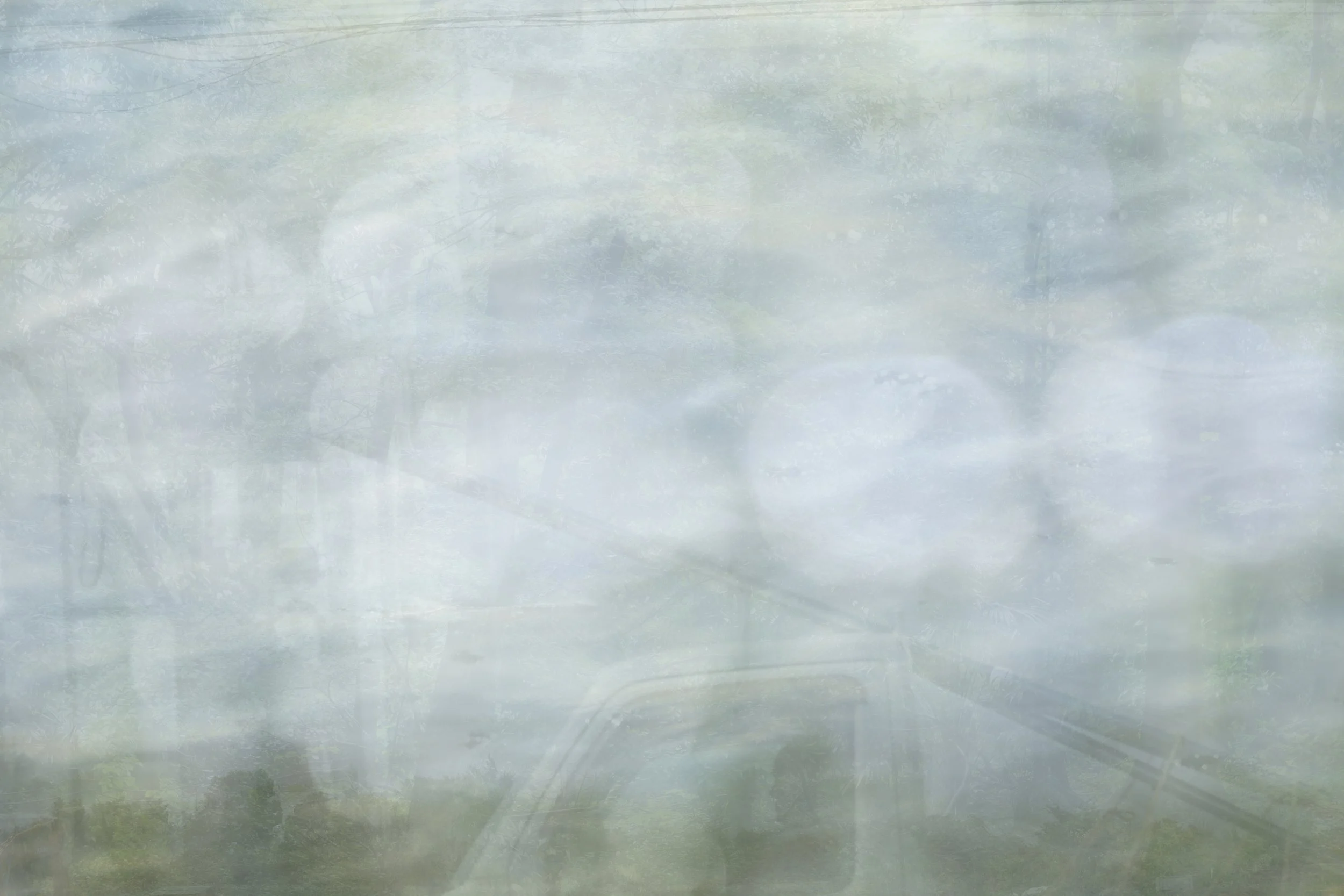
Gabriela Bartosik
-
I bring landfill photos back to the world. I take you on a journey into my world. I give them new names and faces.
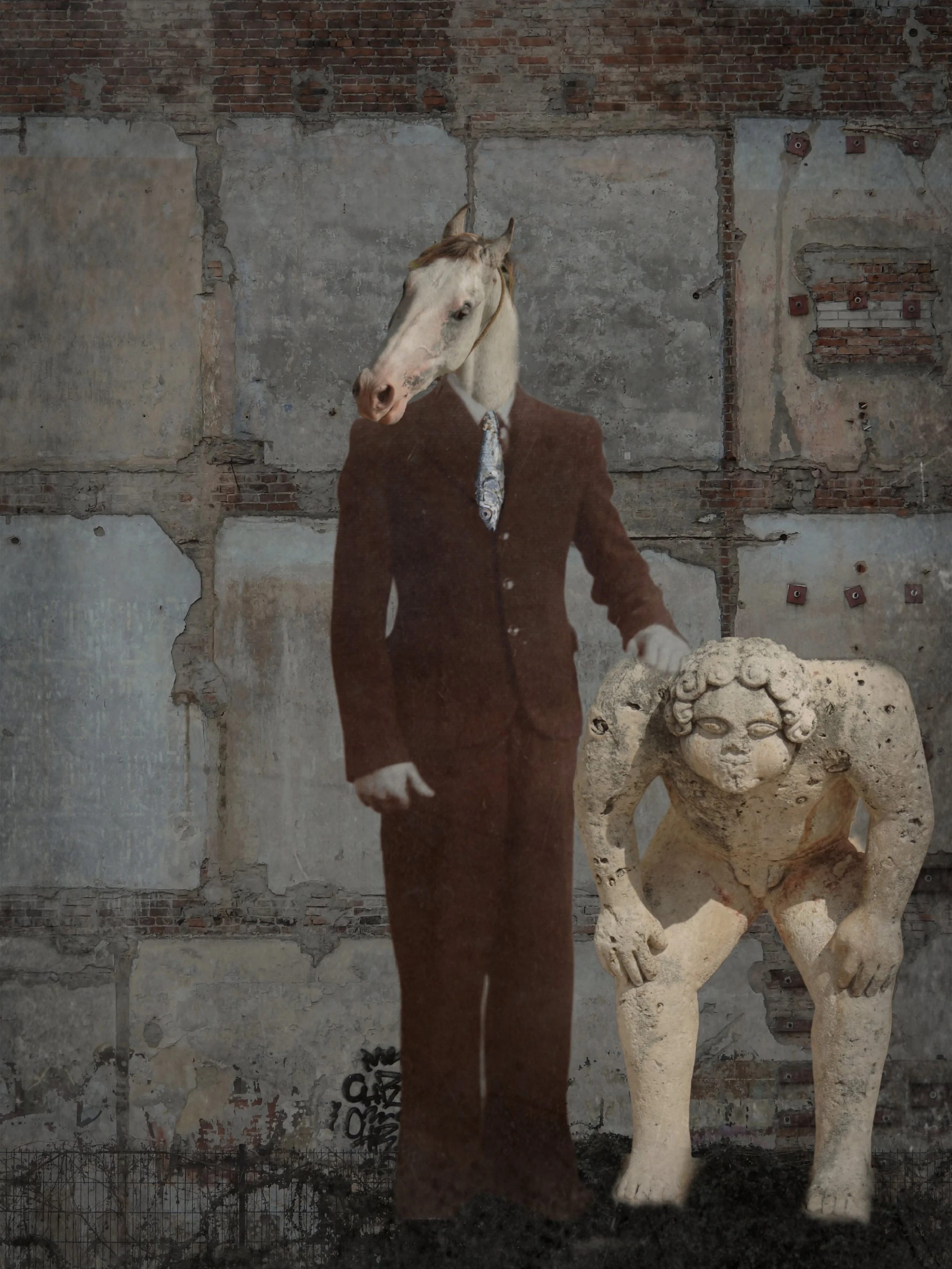
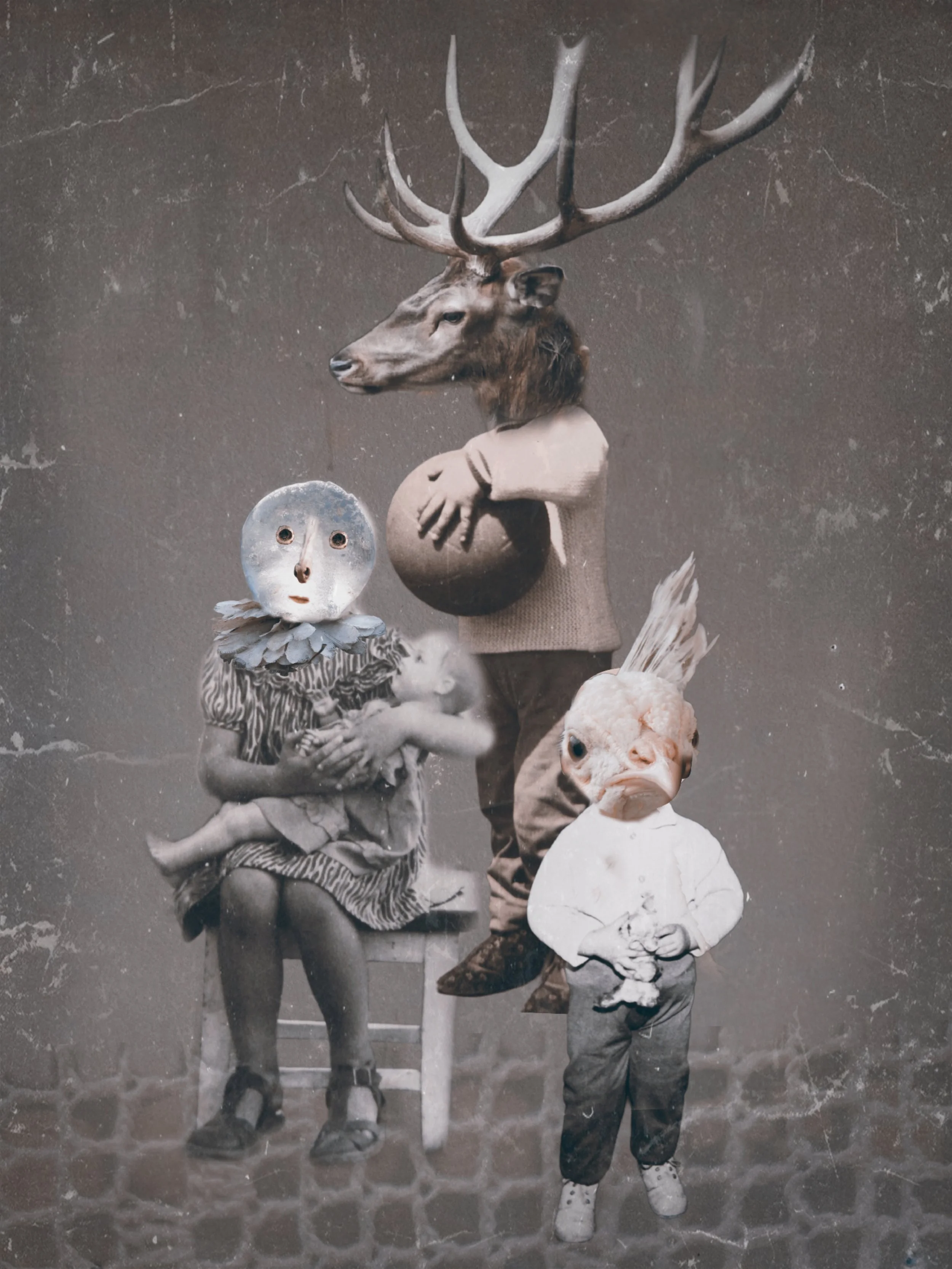
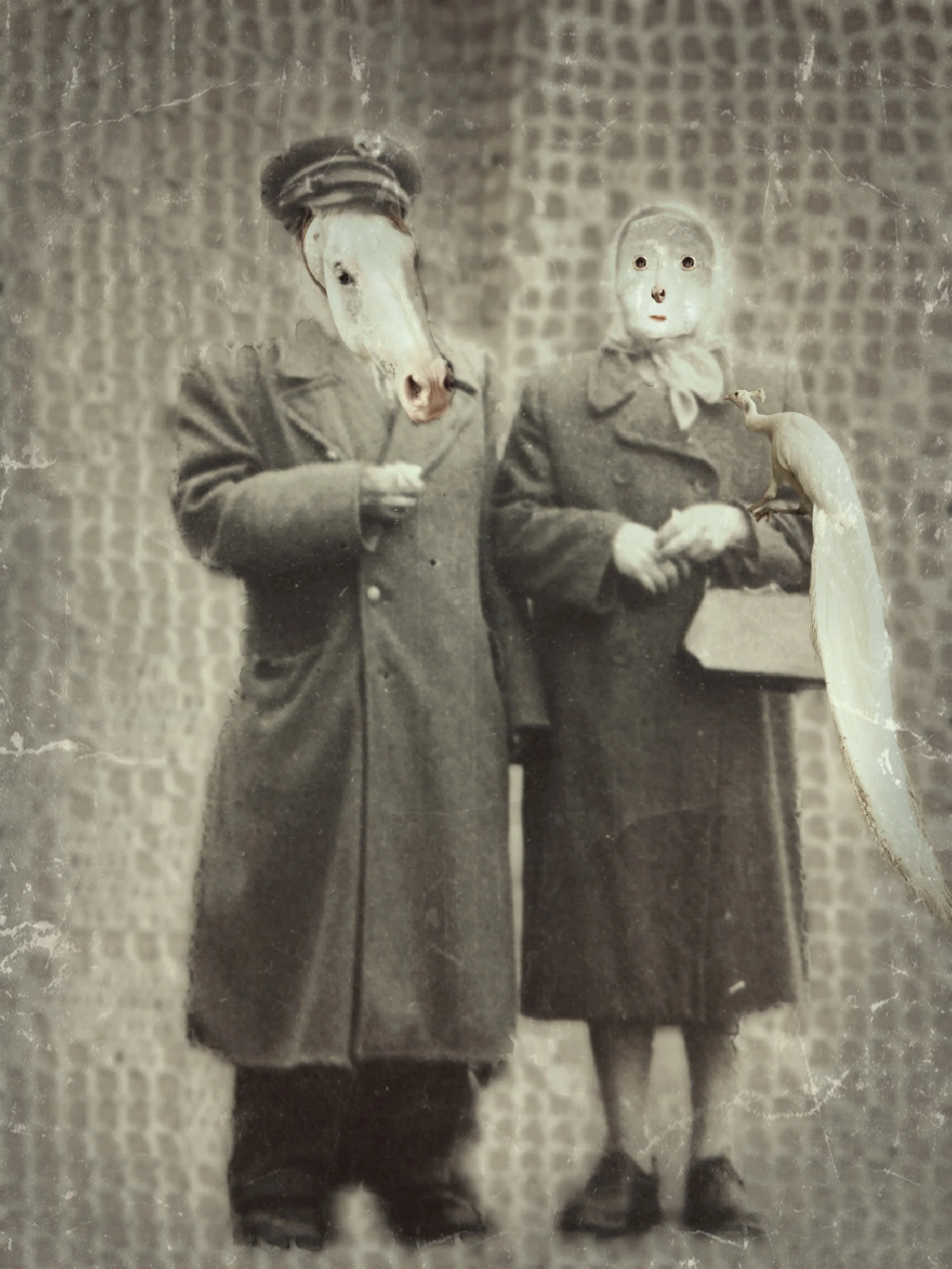
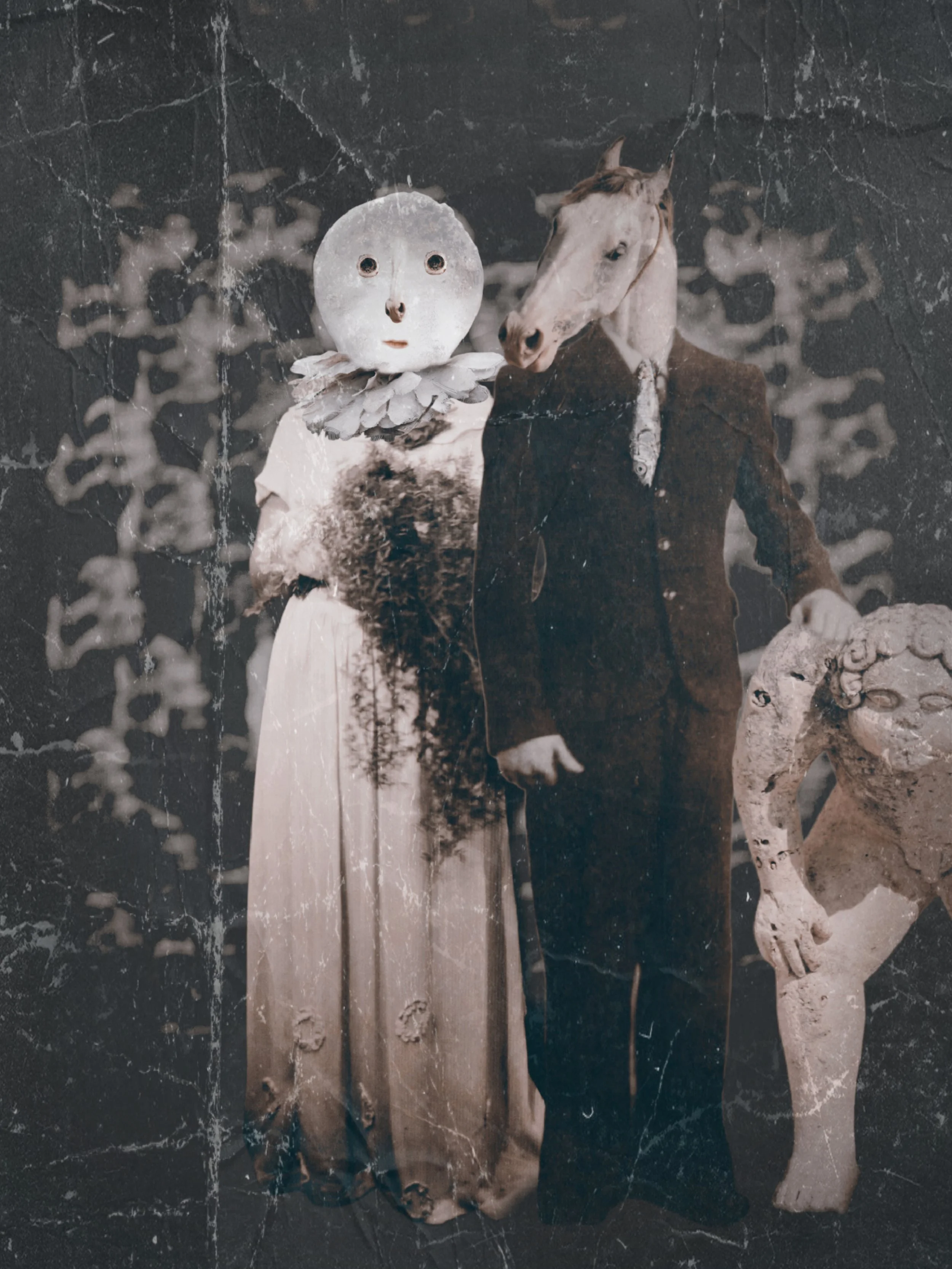
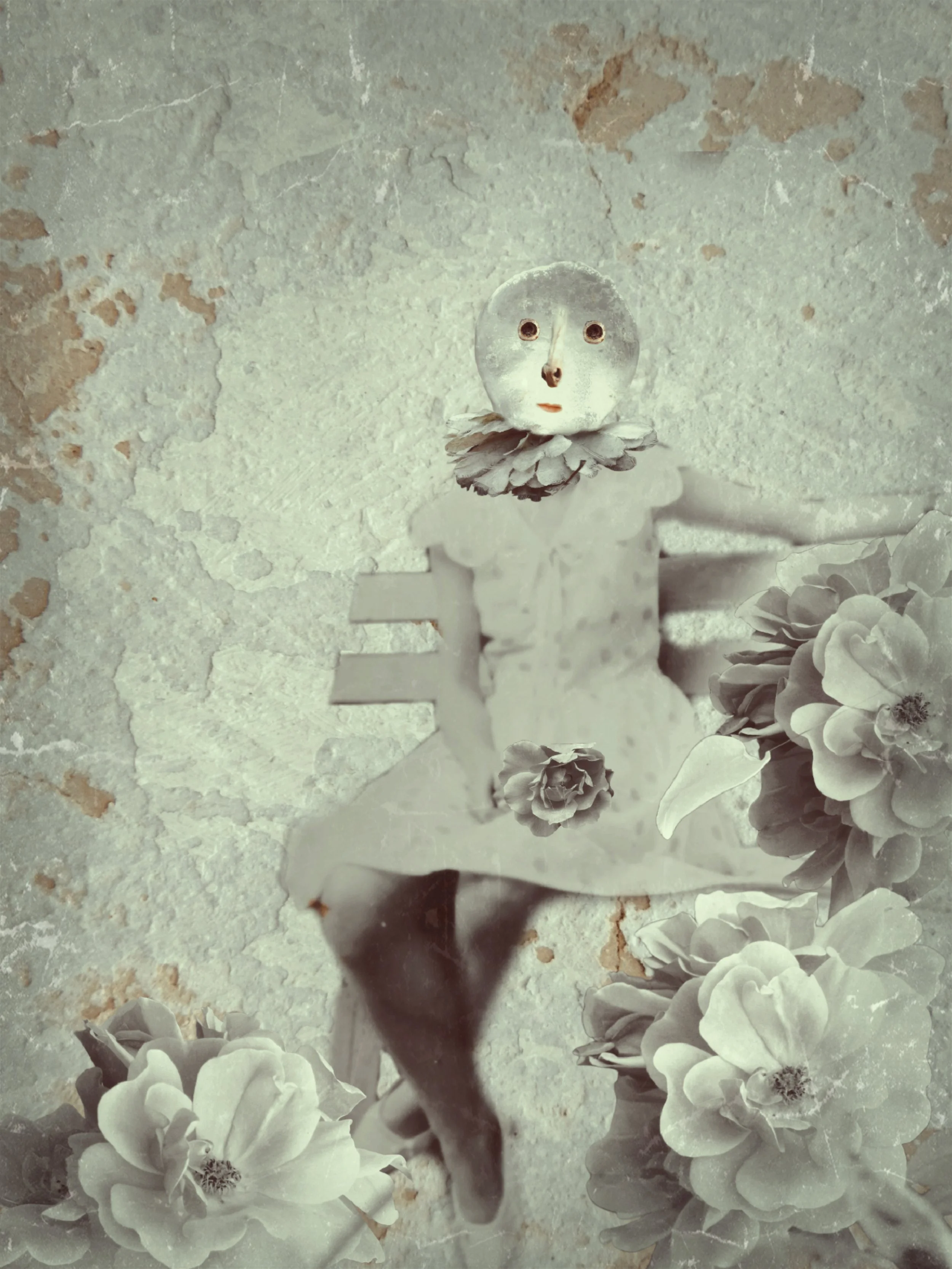
Ghazal Abbasi
-
The Finite reflects on the gradual disconnection between humans, their inner selves, and the natural world. The work considers how our relationship with nature unfolds through time, leaving traces of human presence within the environments we inhabit. It explores the tension between our desire to control and shape the world around us and our inevitable place within its cycles of change and decay. Rather than presenting a fixed conclusion, the image invites the viewer to unfold its meaning gradually, moving between ideas of nature, memory, human impact, and our search for connection
Michael Dorohovich
-
TETYANA LITUS - is a potter, ceramist, blogs on social networks about the specifics of work, life on a prosthesis. The girl who overcame oncology lost her leg, but did not lose herself. Specially does not hide the absence of a limb and a prosthesis, believing that people in our society should treat people with disabilities tolerantly, not considering them deprived. He leads an active lifestyle, rides a bicycle, swims. And has a motto for life: - Nothing is impossible.
Katarzyna Janikowska-Leett
Discussion :) With Georgia O’Keeffe’s Joyful Flowers In My Murdering Perimenopausal Mood
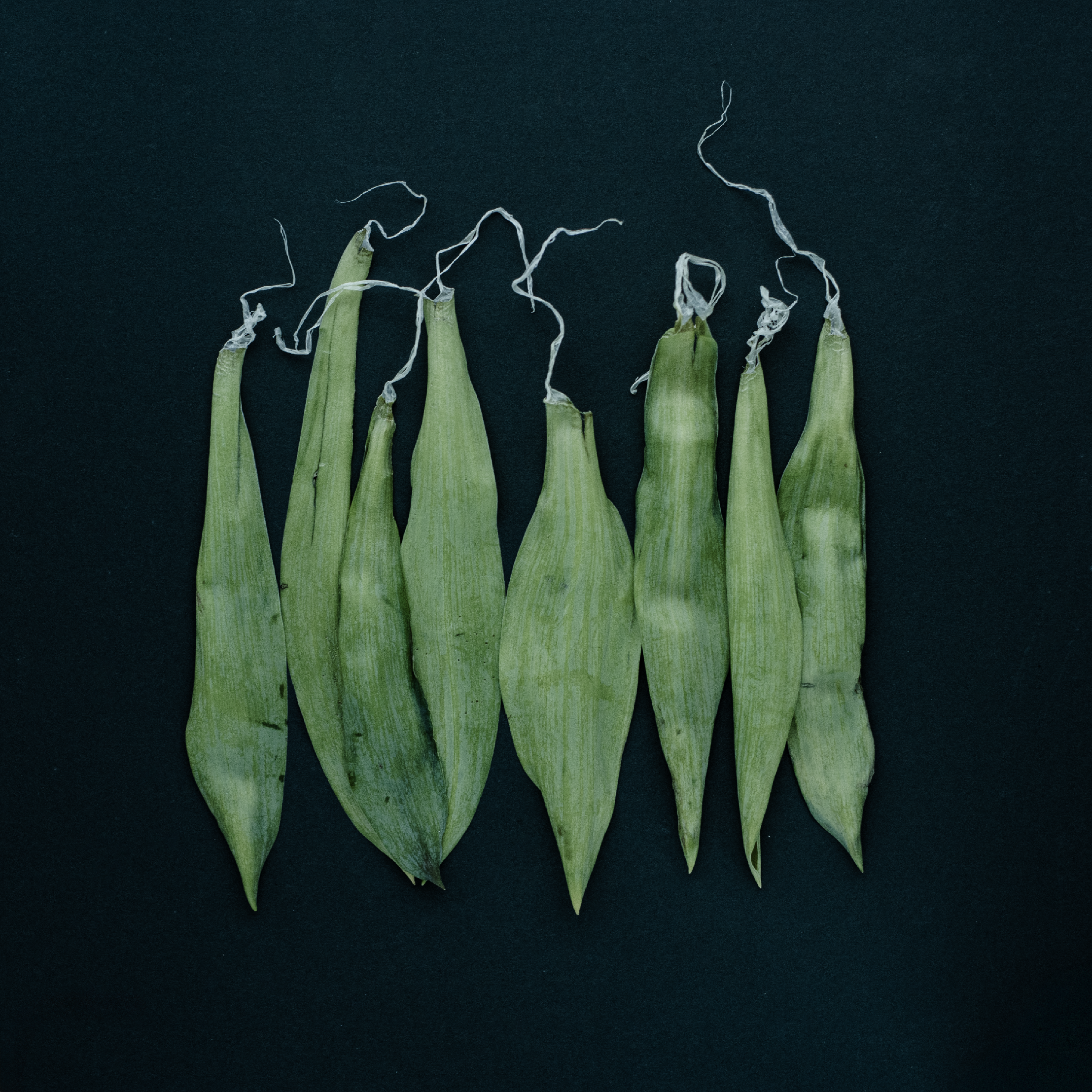
'Girls Are Going Out'
This is basically how my perimenopausal friends and I look: a little
disheveled, a little bruised, a little headless, but here we go…
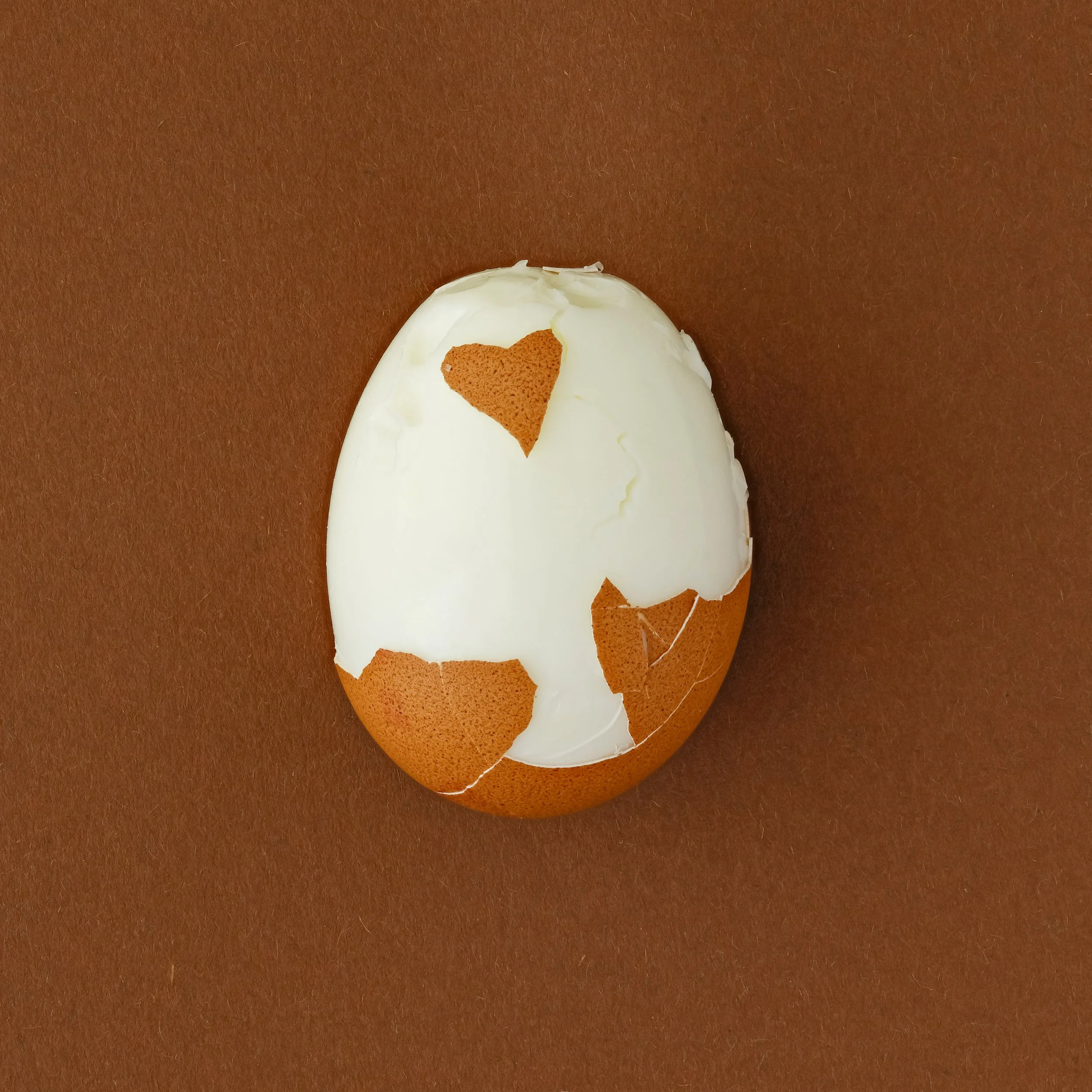
'No Good Egg Anymore'
I am no longer able to produce a good egg. Nature refuses to forgive me for an insubordination she commanded herself. She is letting me know my time is up, that it is time to make room in her embrace. I am no longer a good egg.
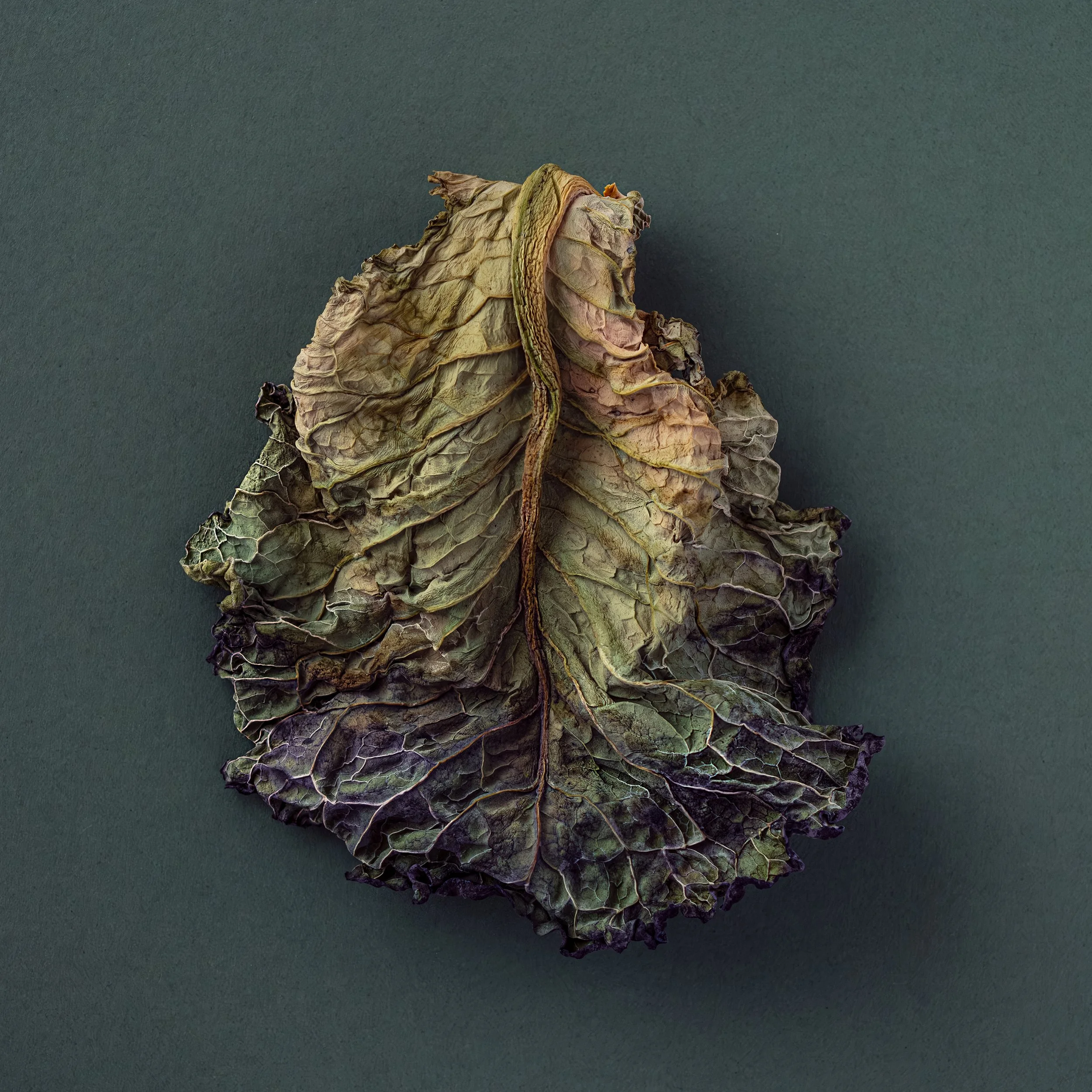
'Dress to Kill'
My body dress betrayed me; wrinkling terribly. I am gaining weight even if I breathe, but then these wrinkles will smooth out a bit. Good
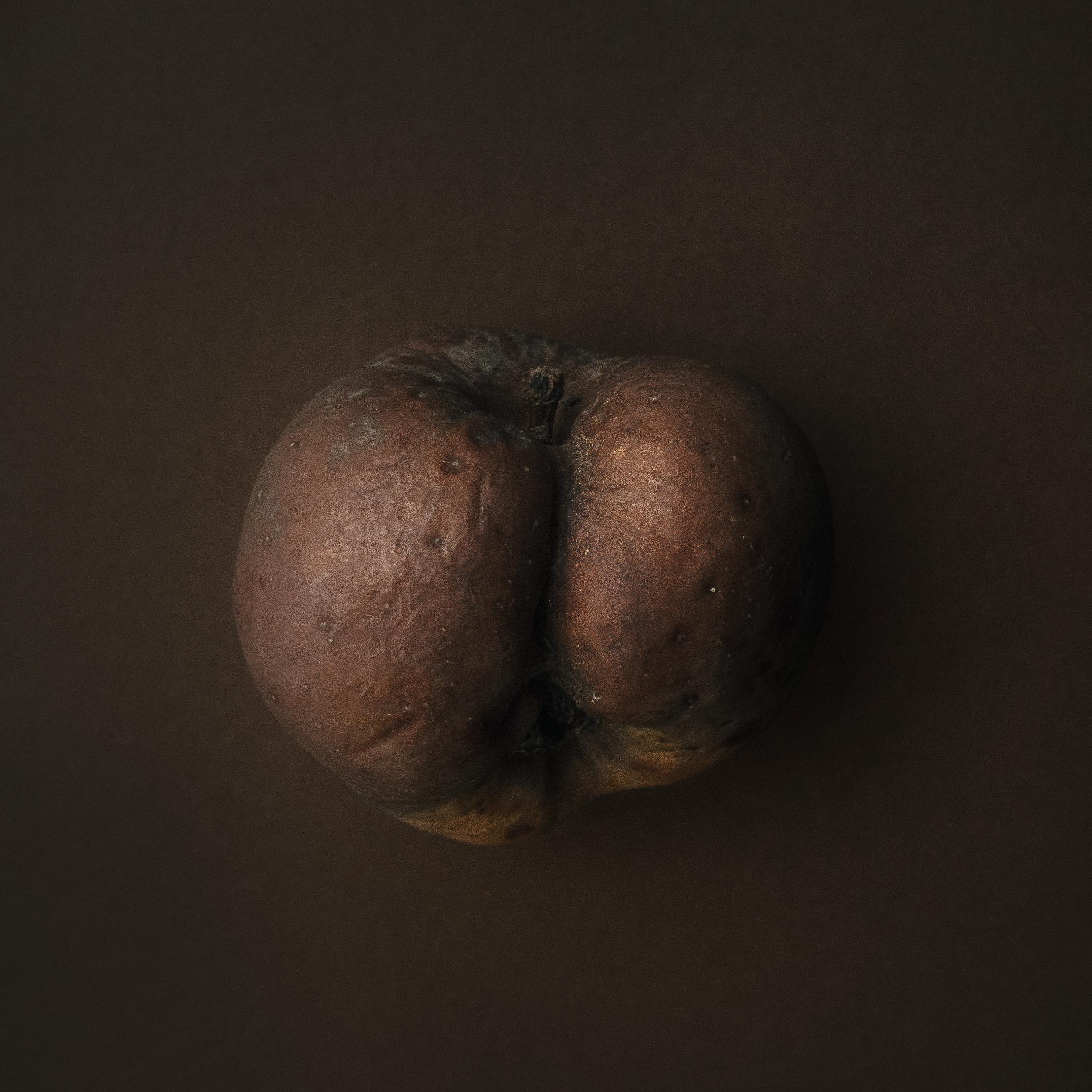
'Eve’s Second Thoughts '
Used to be the cherry on my body‑cake. Now I am eyeing the apple
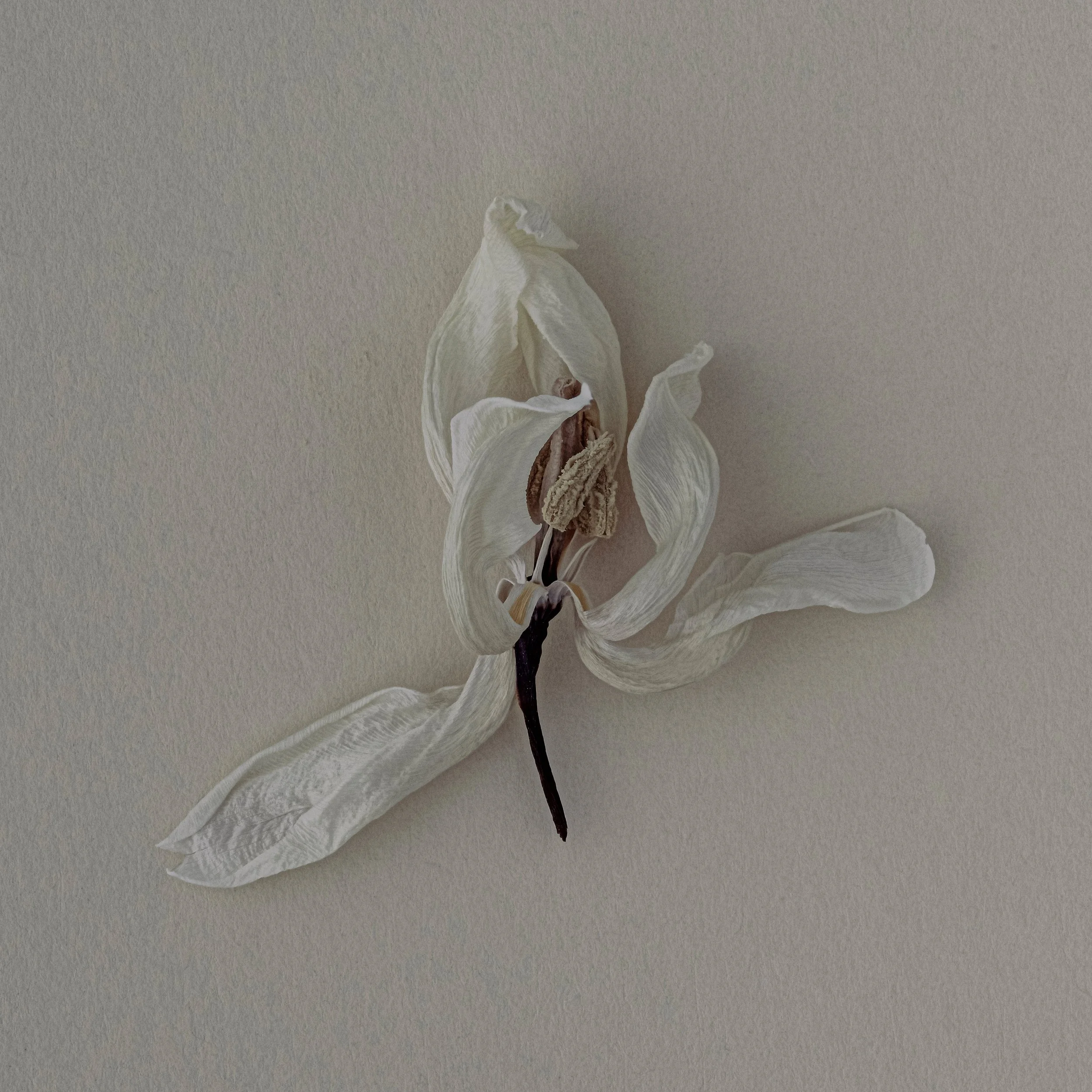
'Gymnastic'
I drop a knife. Picking it up requires a sweeping, dramatic dance — purely to avoid falling over. Moments later, a tomato half hits the floor. Then the knife again. I’ll wait for the other half of the tomato — oh wait, now there goes a cucumber. Clumsy? Hardly. It’s phenomenal — self-taught gymnastics
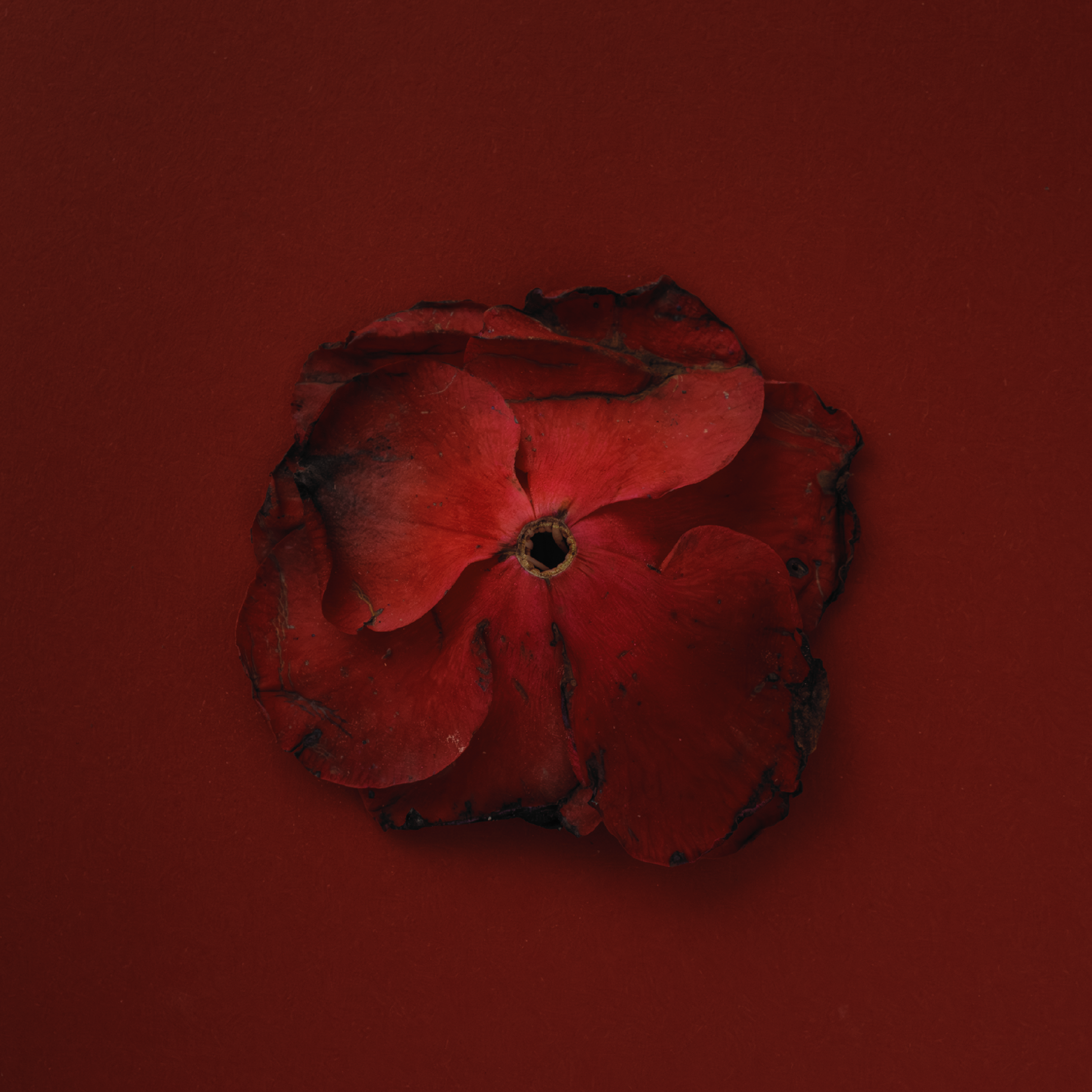
'Lady Camellia on Probation'
I am ashamed with my thoughts, no control of my body, how I look like. After that I am ashamed for thinking like that
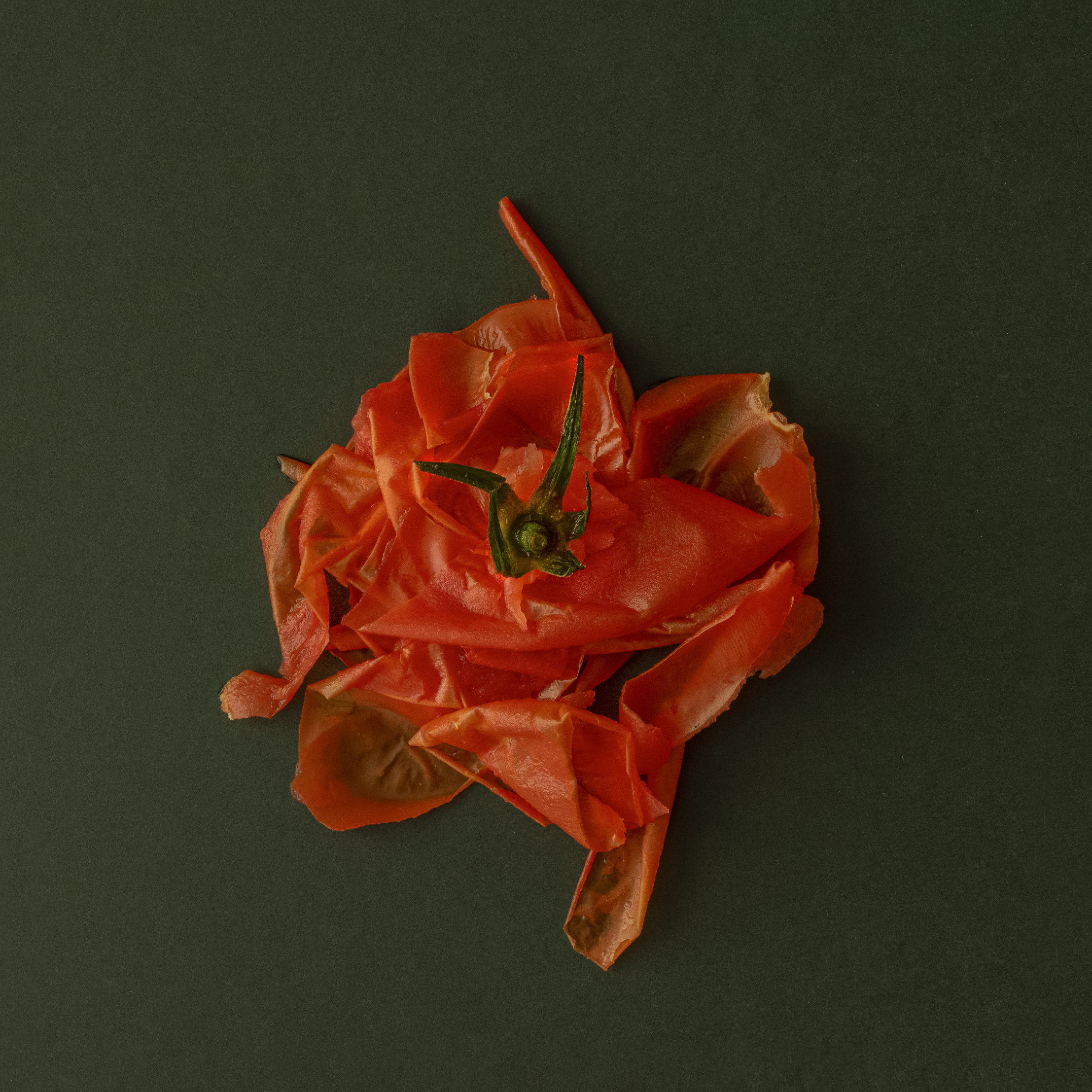
'Everything Went Good, Until It Did Not'
You have to love me despite knowing that sometimes it will be muddy mess.
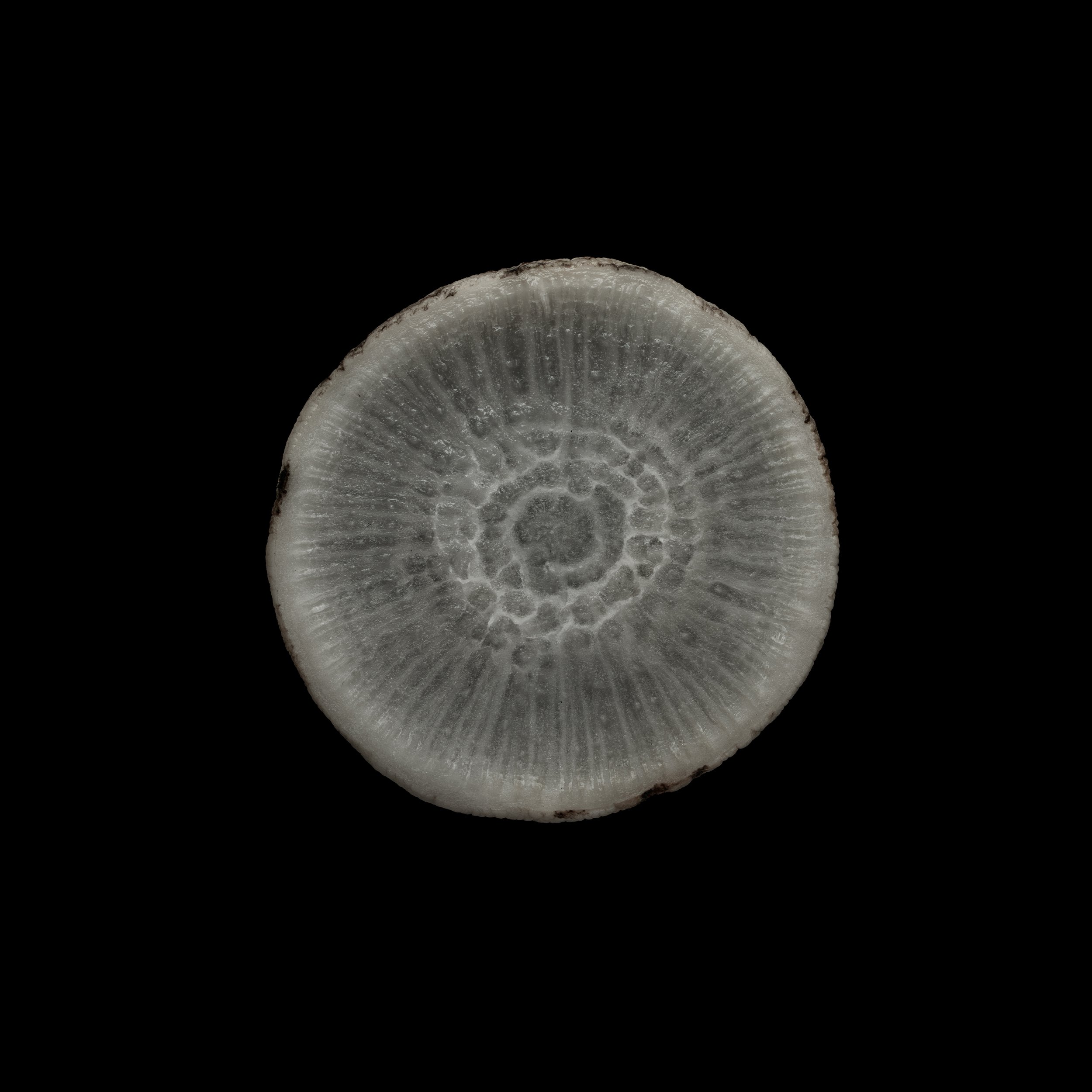
'Medusa'
Hormone therapy eliminated my suicidal thoughts and everything else — ruined my life by keeping me alive.
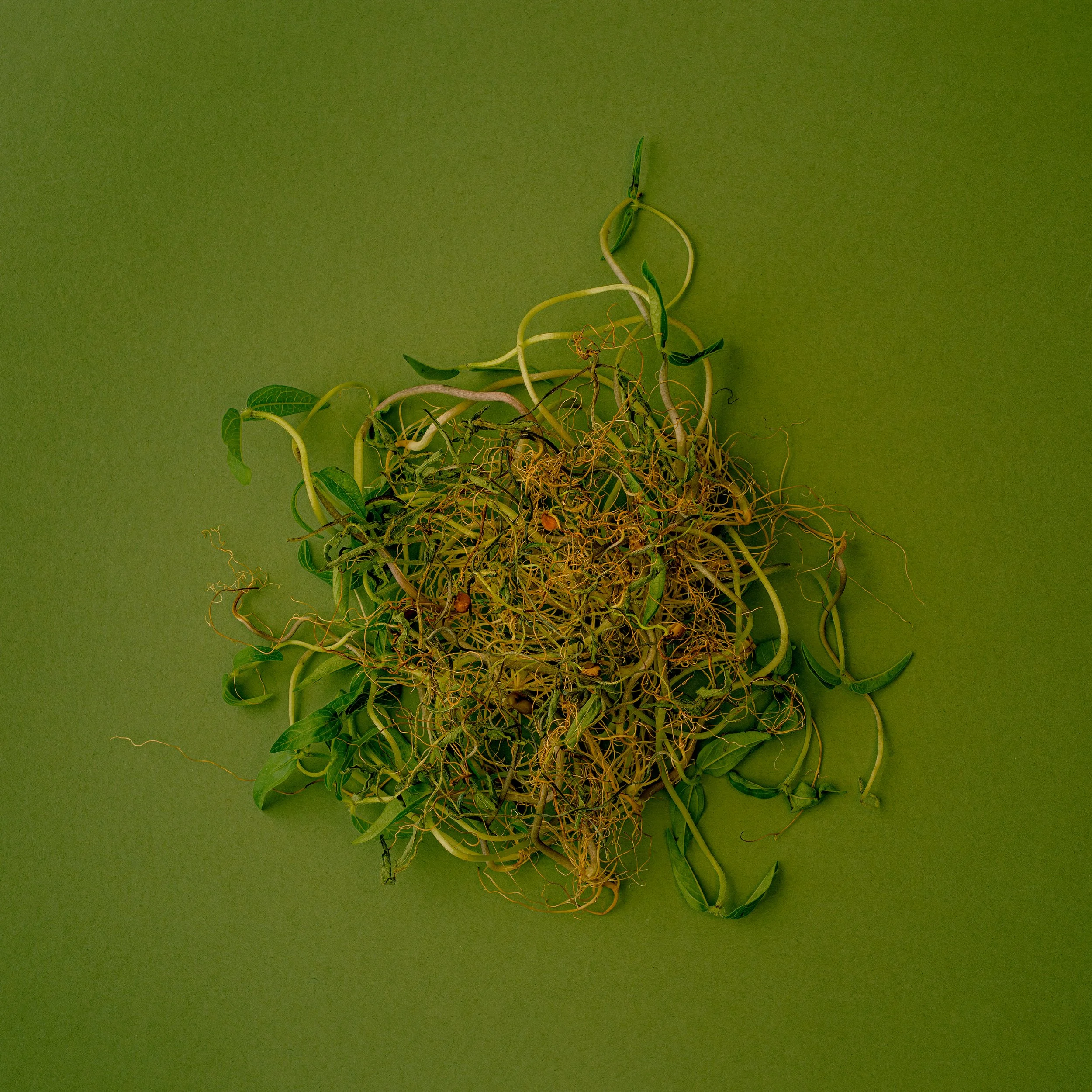
'Sprout, Then Silence'
The moment after something interesting sprouts in my head, it dries up and I have absolutely no idea, what I was thinking about.