ECHOES
contemporary photography exhibition
featuring
a word from the curator
When we began thinking about this exhibition, we wanted to explore photography's ability both to speak about the past and to speak about things that never happened. But the way artists responded to this theme exceeded all our expectations.
Among the works you will see today are many different stories - echoes of events and emotions, echoes of places and impressions, echoes of personal histories and world events that continue to affect millions of people.
It never stops surprising me that a single medium, preserving a moment seen through the camera, is capable of speaking about such different things, and in so many different ways.
One of the greatest pleasures is seeing how every exhibition begins to develop its own internal narratives and visual rhymes. The works start to speak to one another, and certain themes, questions, and even places seem to return again and again, like echoes.
We now invite you to wander through these works and follow the echoes wherever they lead you.
How to Experience This Exhibition at Its Best
As always, for the best experience, we recommend viewing this exhibition on a desktop device. While we understand the convenience of smartphones, the works reveal themselves more fully in their intended scale and layout when seen on a larger screen.
Some projects are accompanied by a short description. We encourage you to open and read the texts. They often function as small keys, helping you enter the artist’s world and perceive their ideas more clearly. While we value personal interpretations, some projects truly unfold only after engaging with the concept that forms the foundation of the photographic series. Take your time. Let the images and words unfold together.
Sue Ridge
-
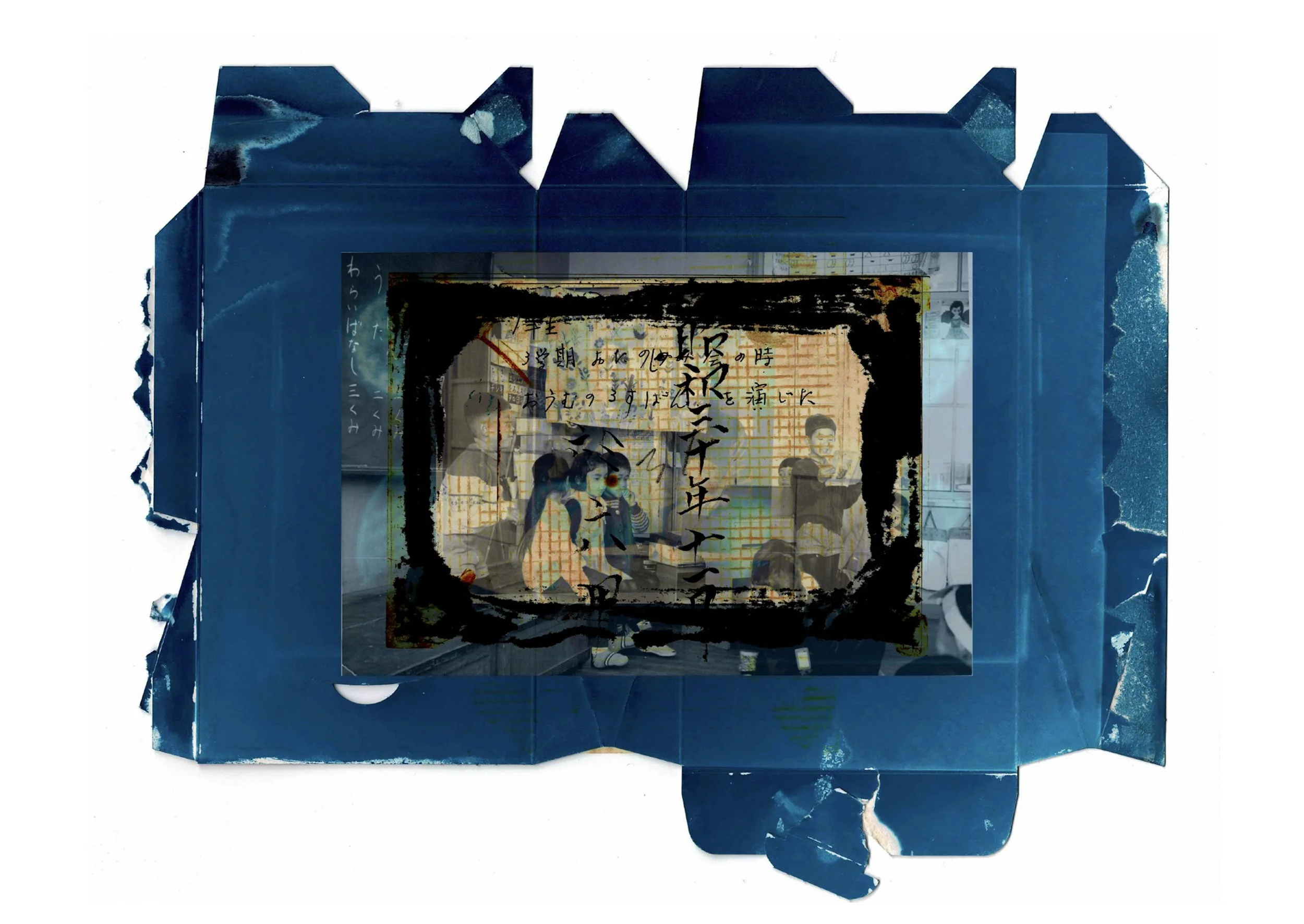
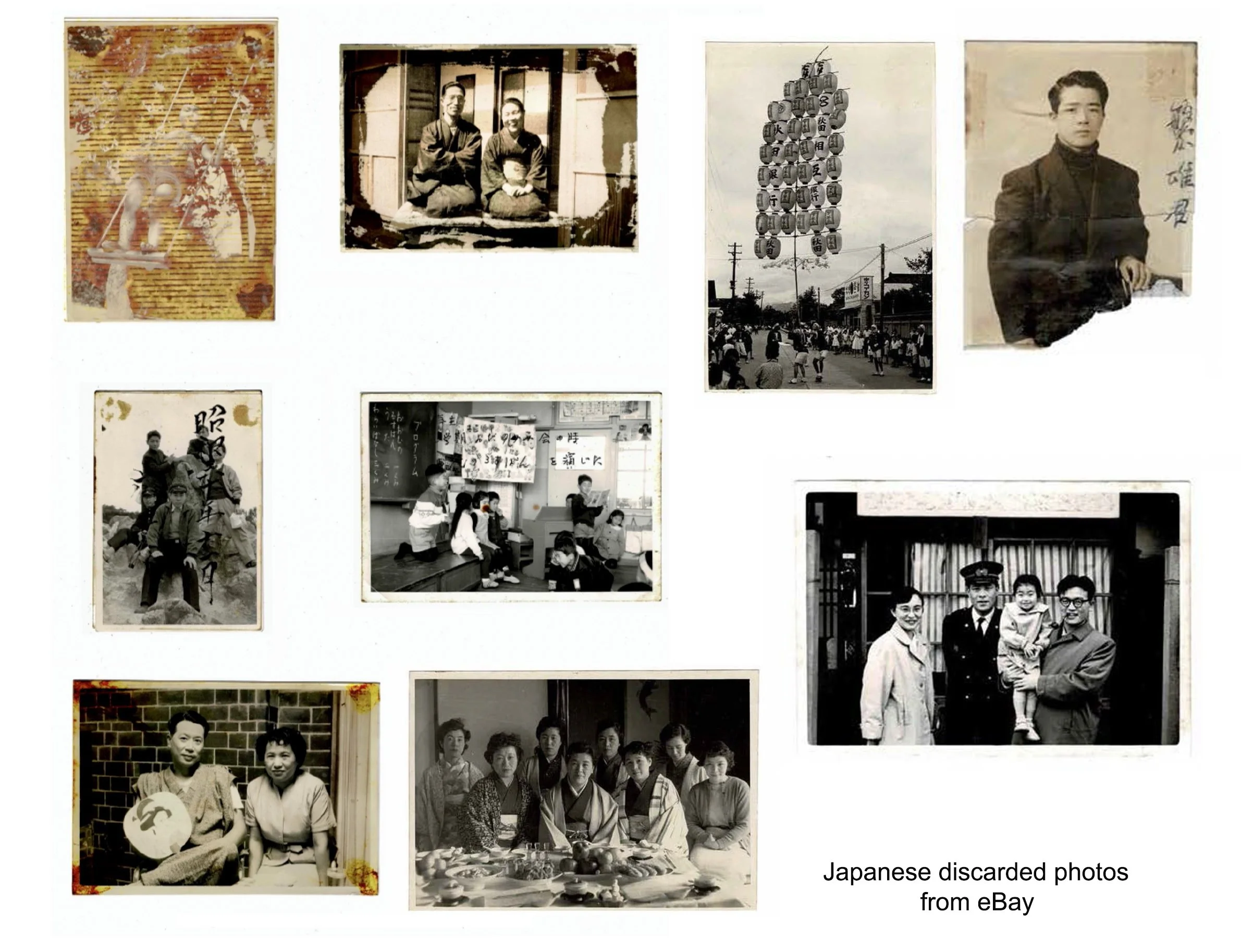
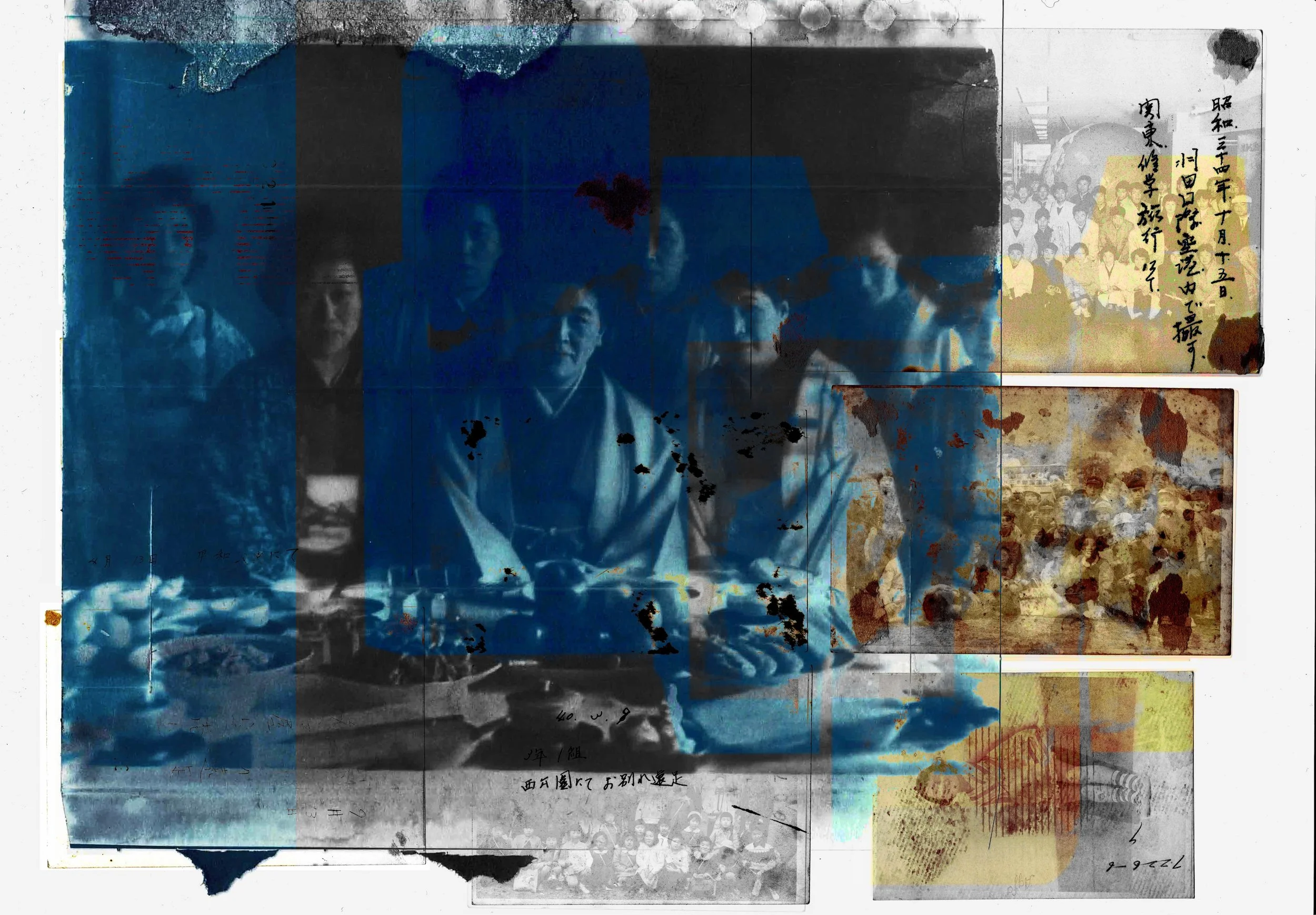
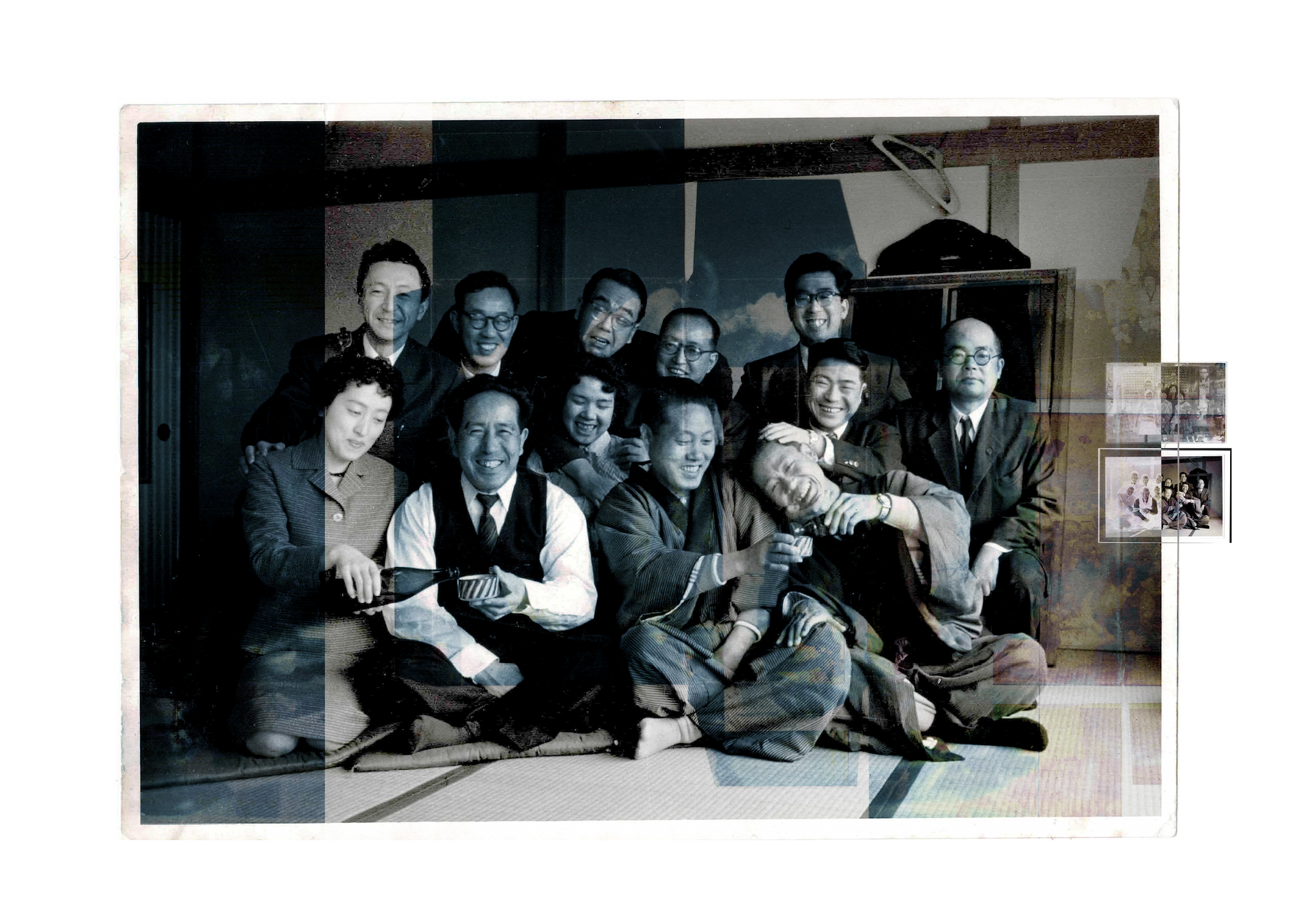
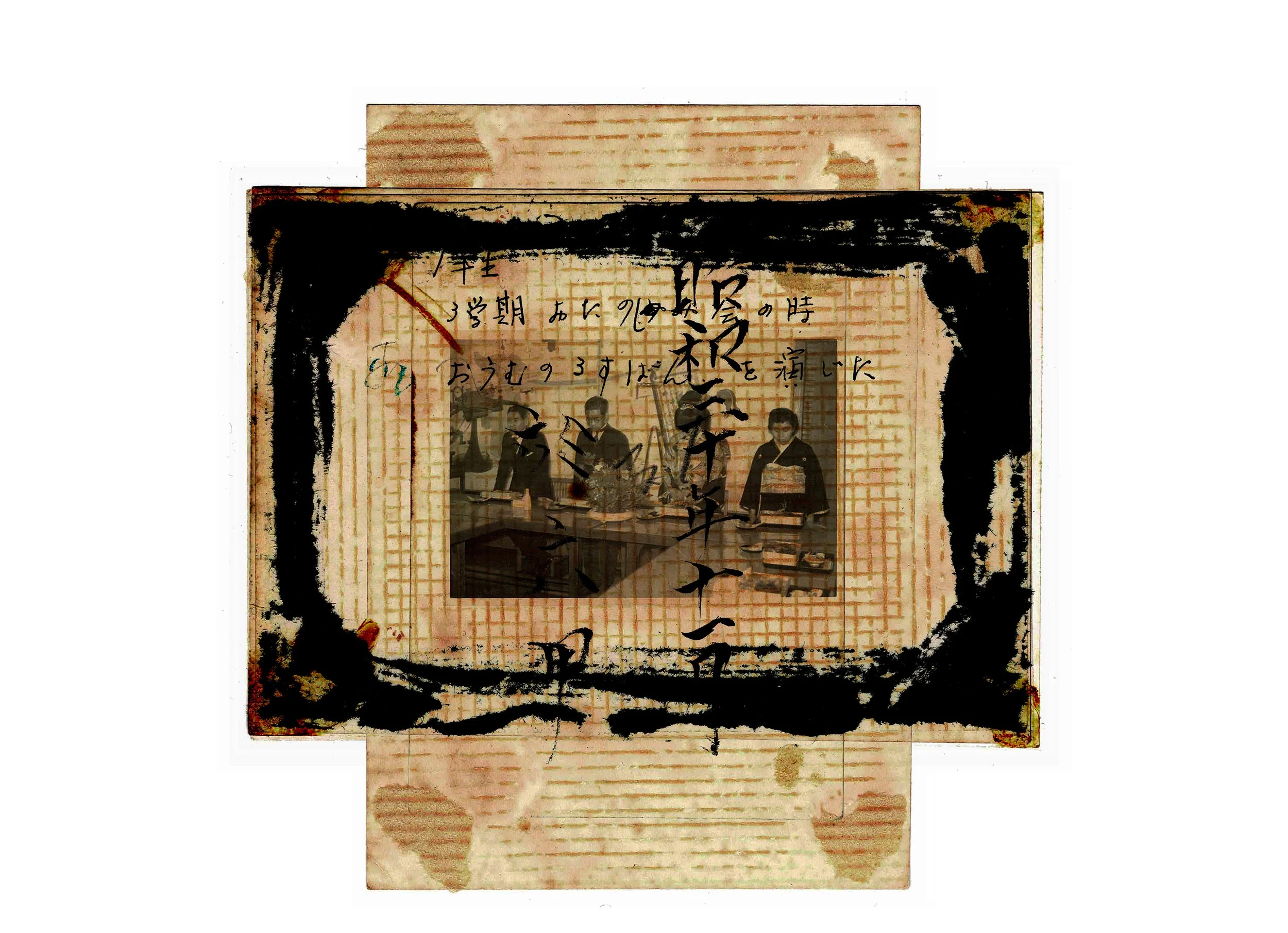
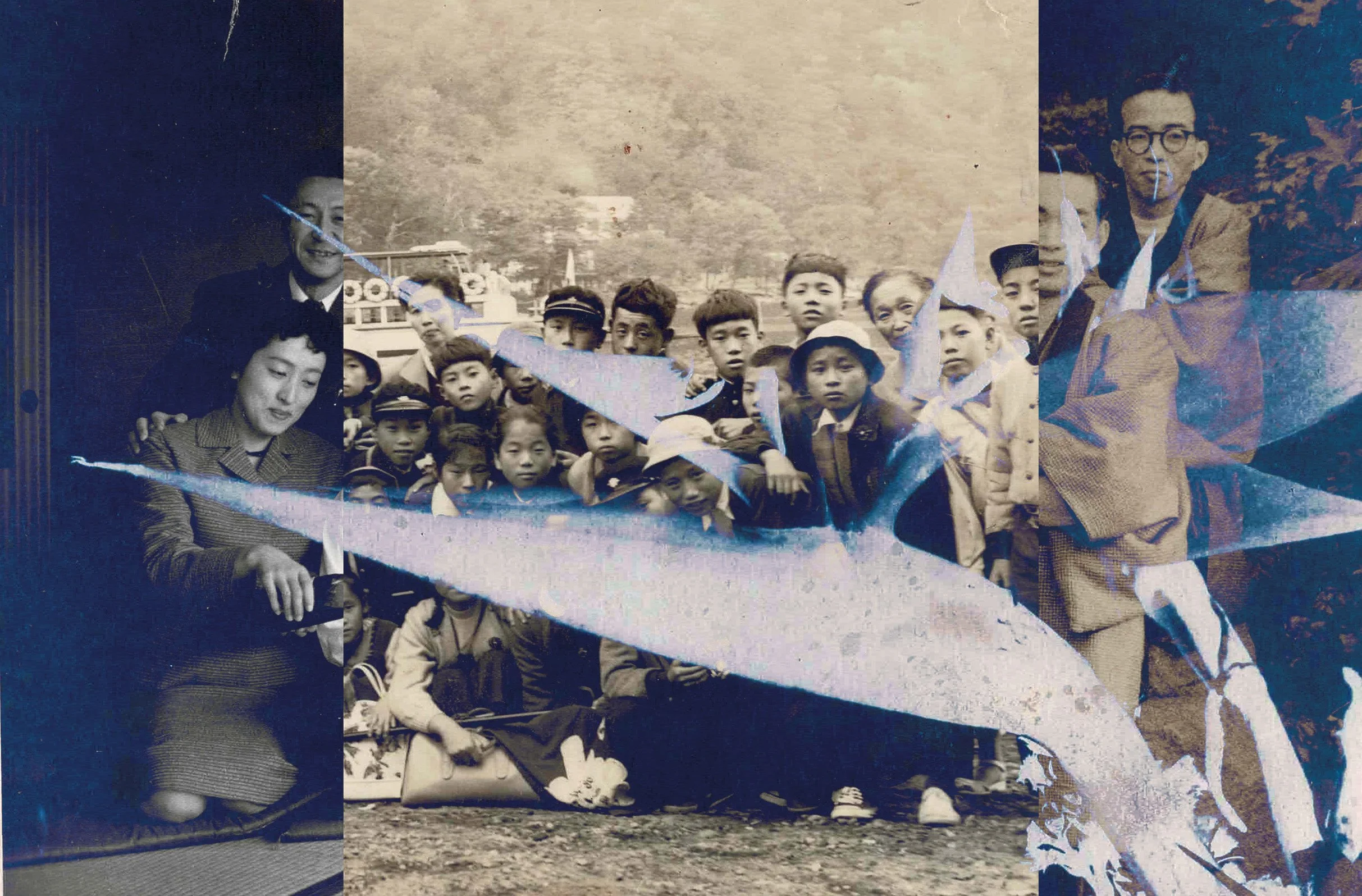
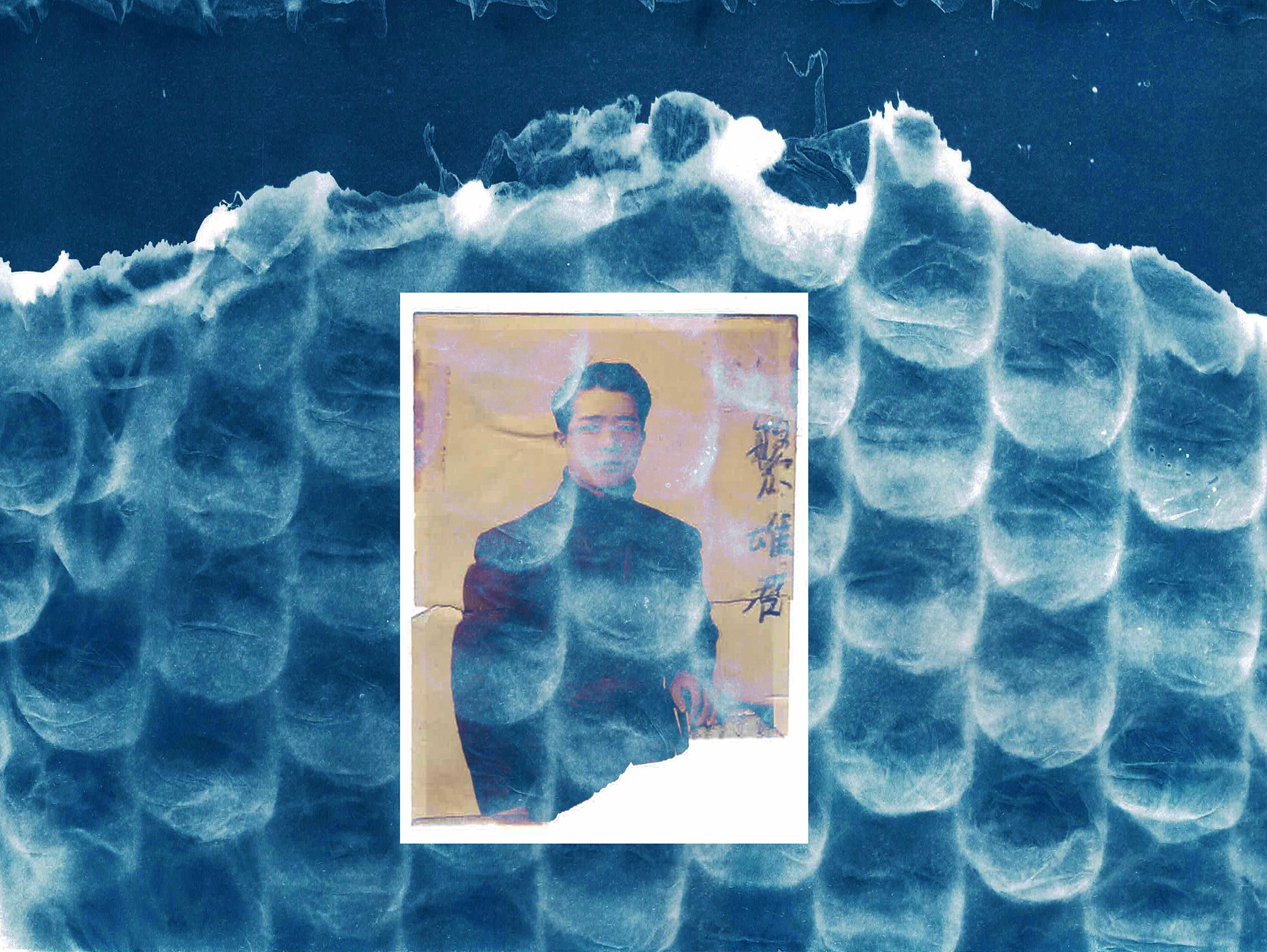
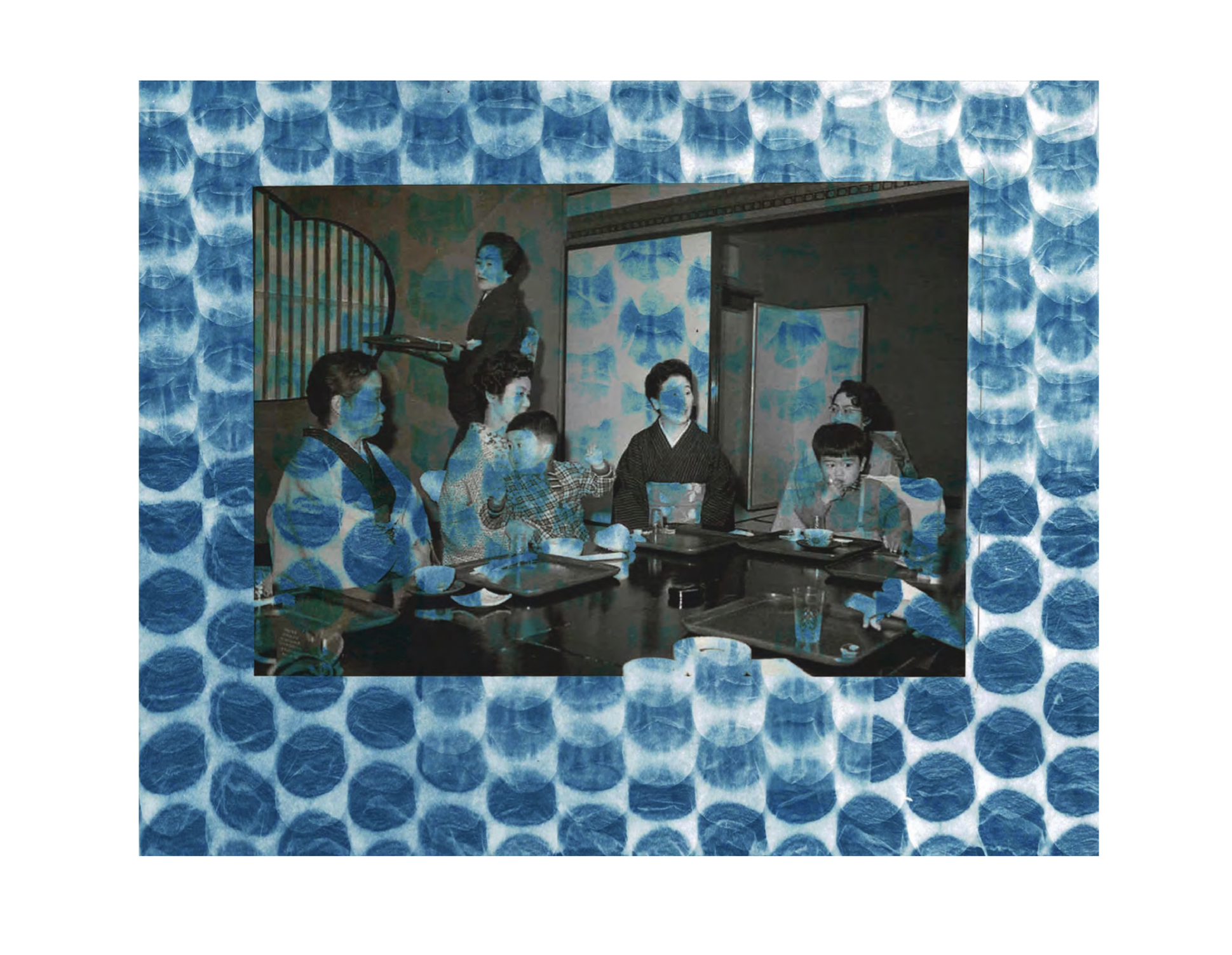
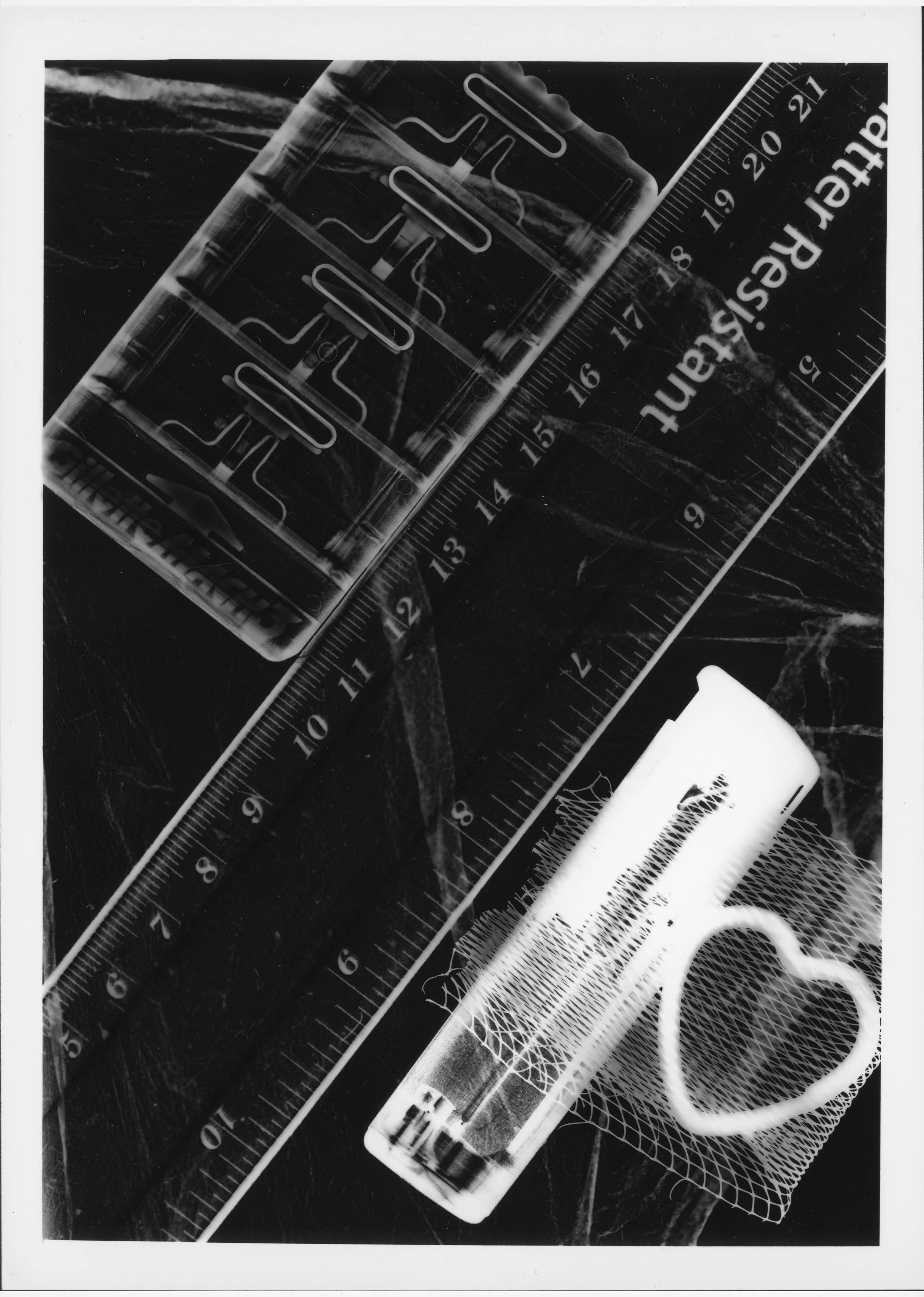
Just before Covid I wanted to go to Japan, but it wasn't to be. So I brought Japan to me buying a hundred old Japanese photographs from eBay. I don't know where or when they were taken or who the people are. I hope to liberate and transform them. Some of the images show the reverse of the photographs including handwritten titles, the glue creating another layer of pattern. I have incorporated my cyanotype images of plastic bubble-wrap as references to Japanese seigaiha pattern which means blue sea and waves. The seigaiha pattern is composed of overlapping concentric circles as waves and scales symbolising a peaceful sea, quiet strength and good fortune. But today the ocean’s are full of plastic including bubble-wrap.


Katarzyna Janikowska-Leett
ECHOES
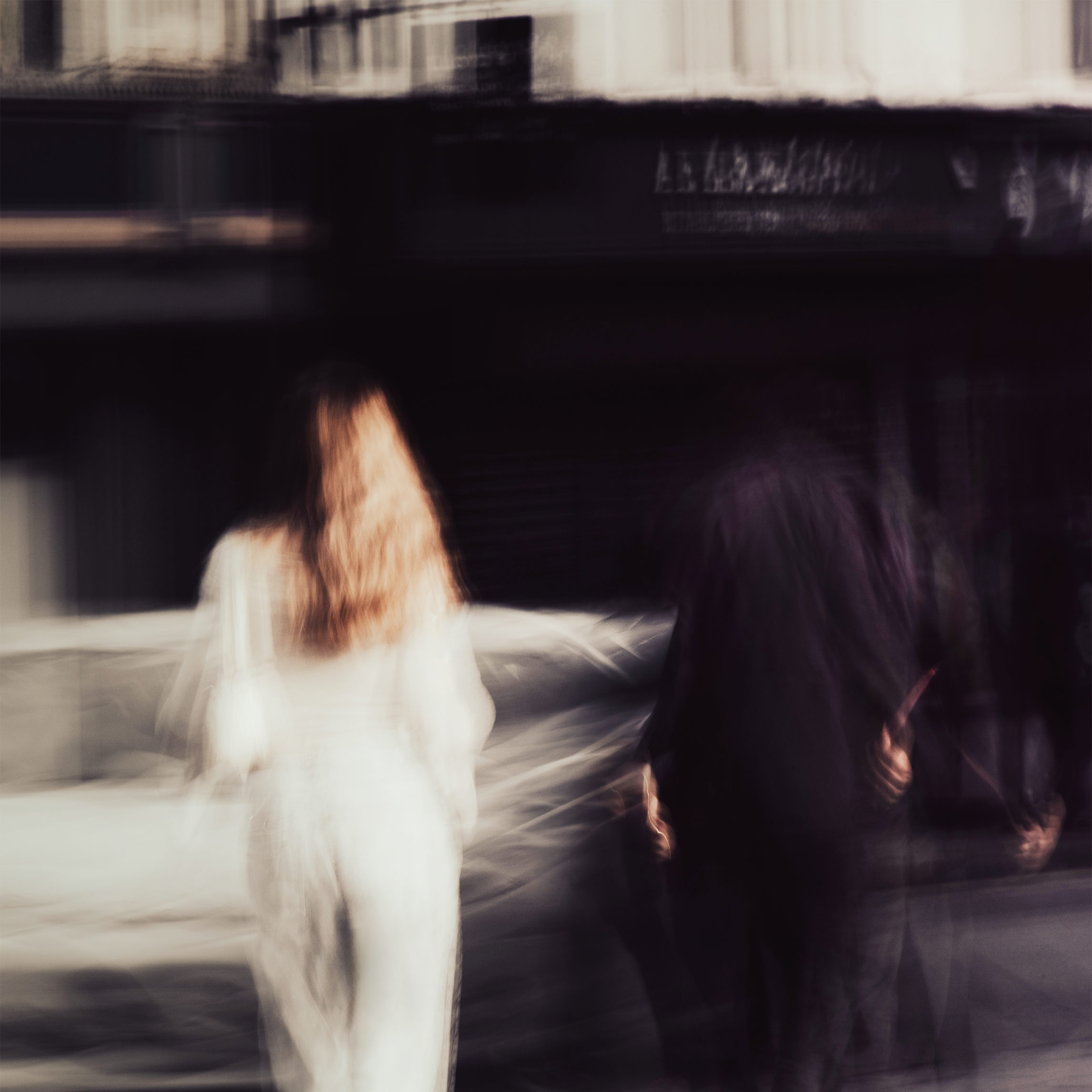
'Always Together'
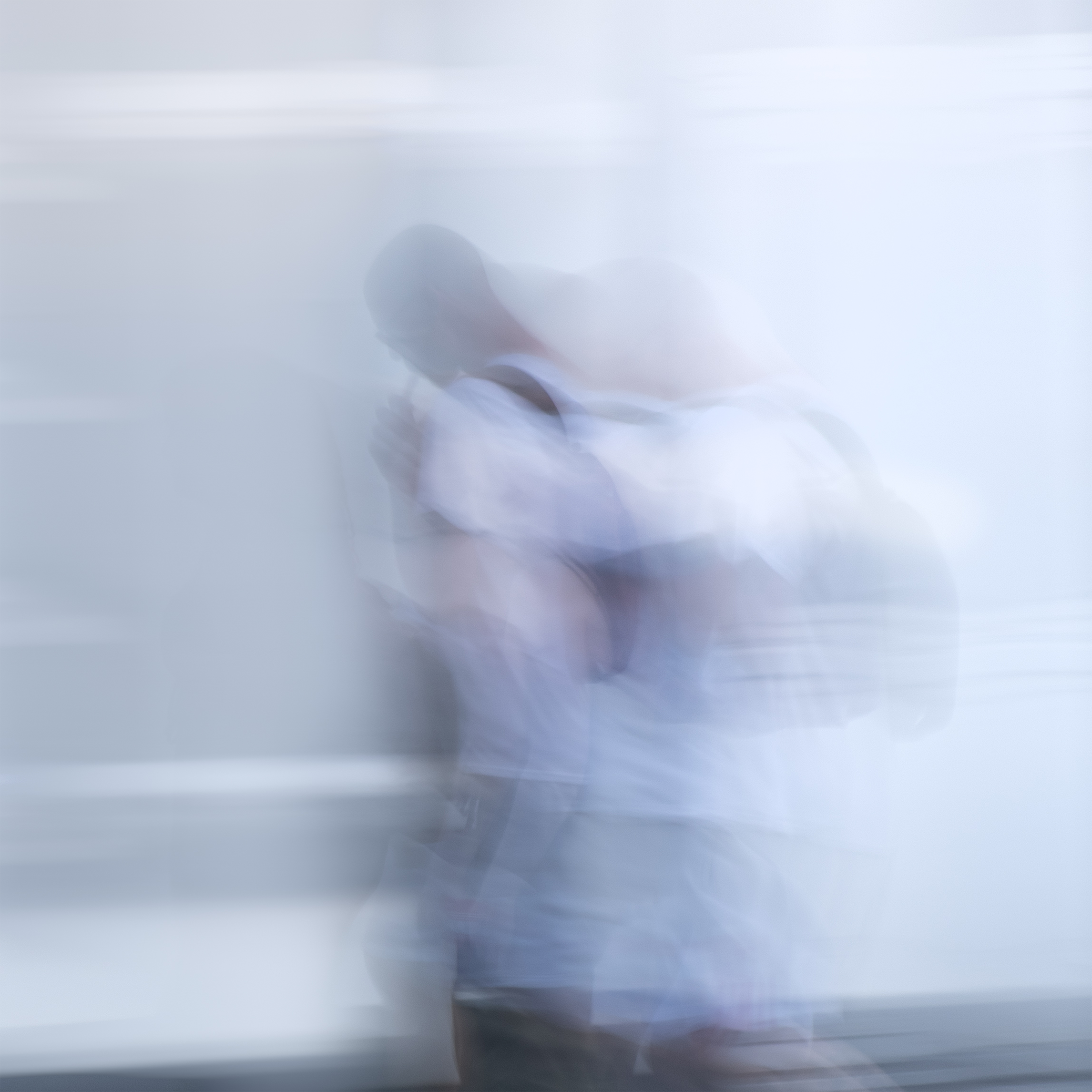
'My Personal Tired Angel'
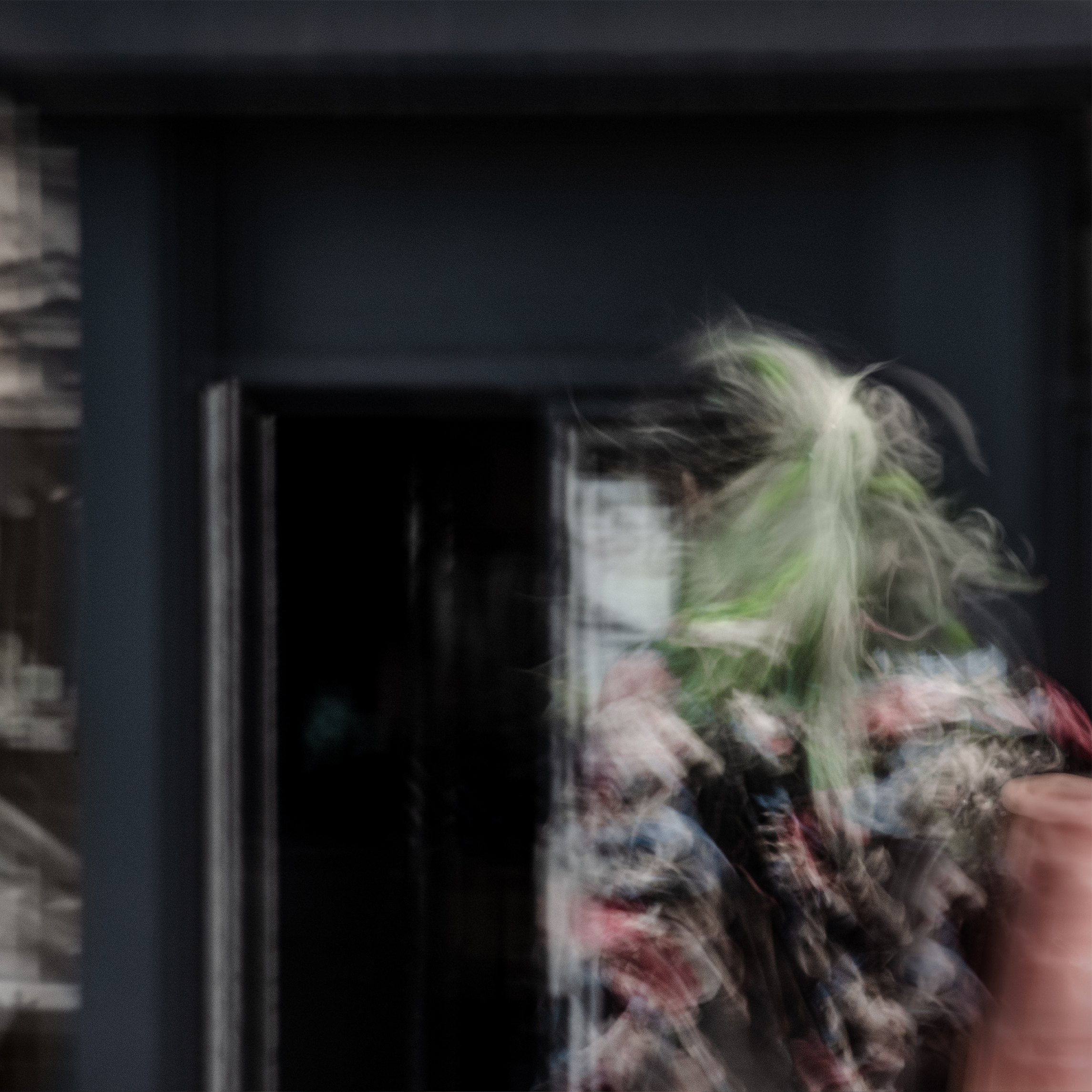
'Call Me Warsaw'
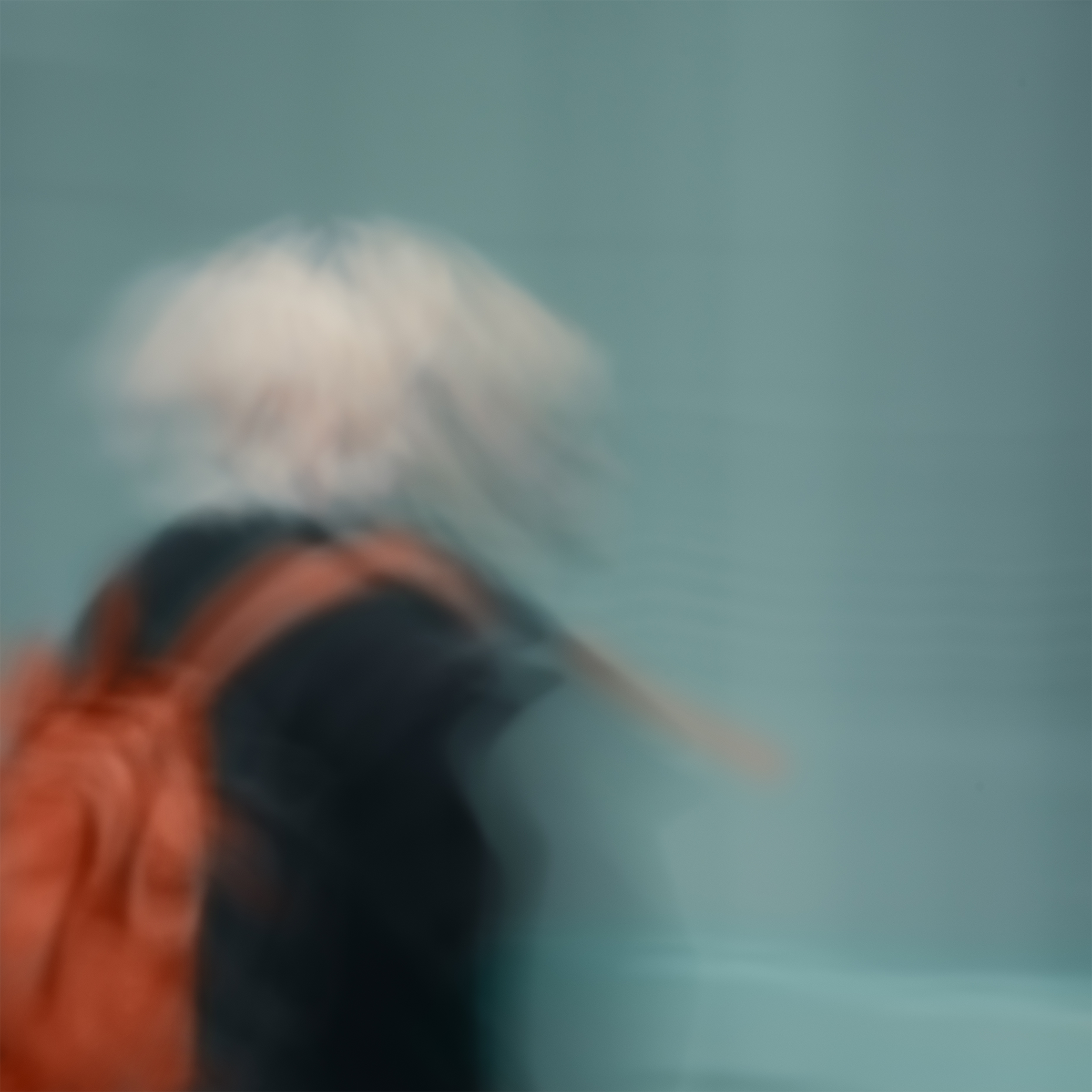
'Call Me Tromso'
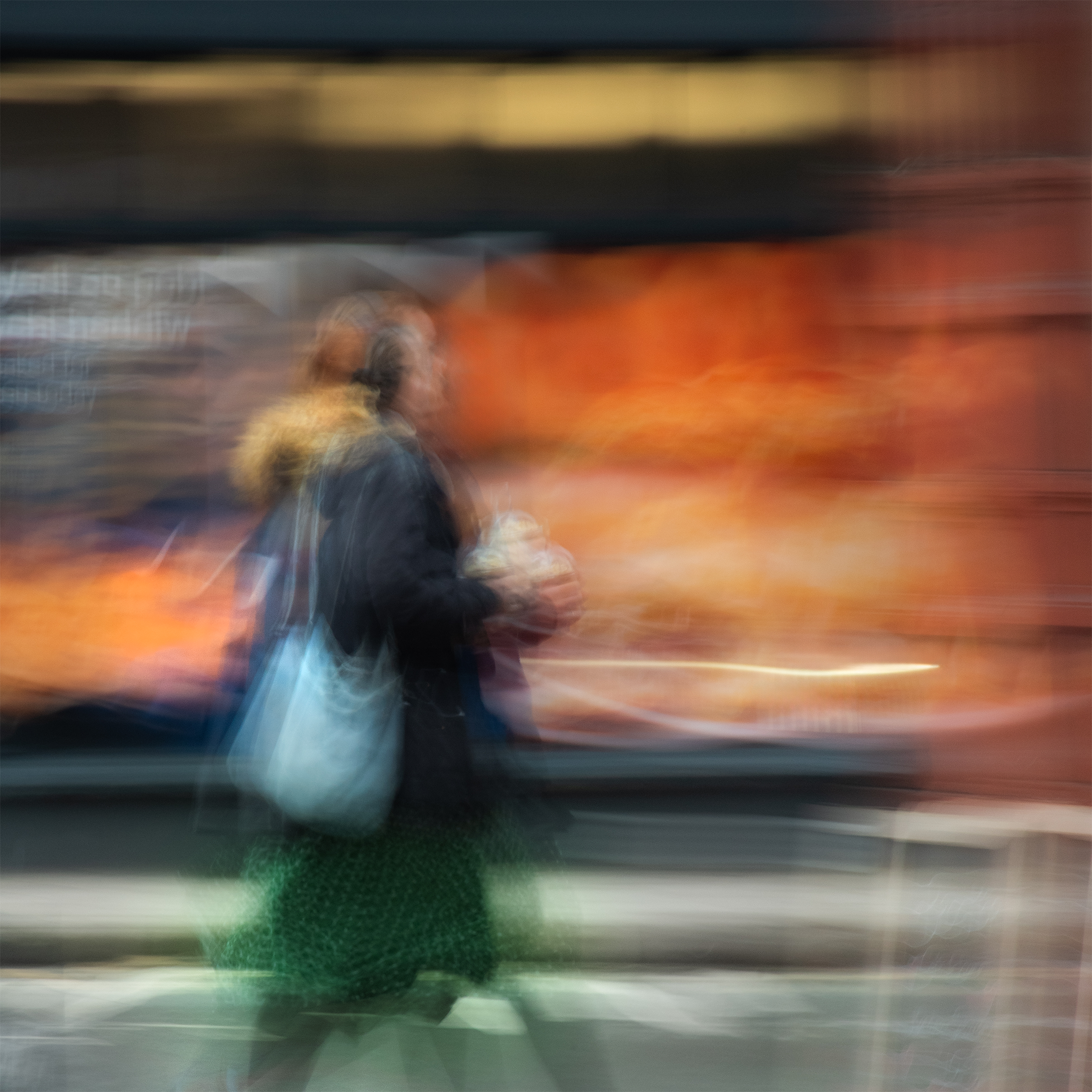
'Call Me Dundee'
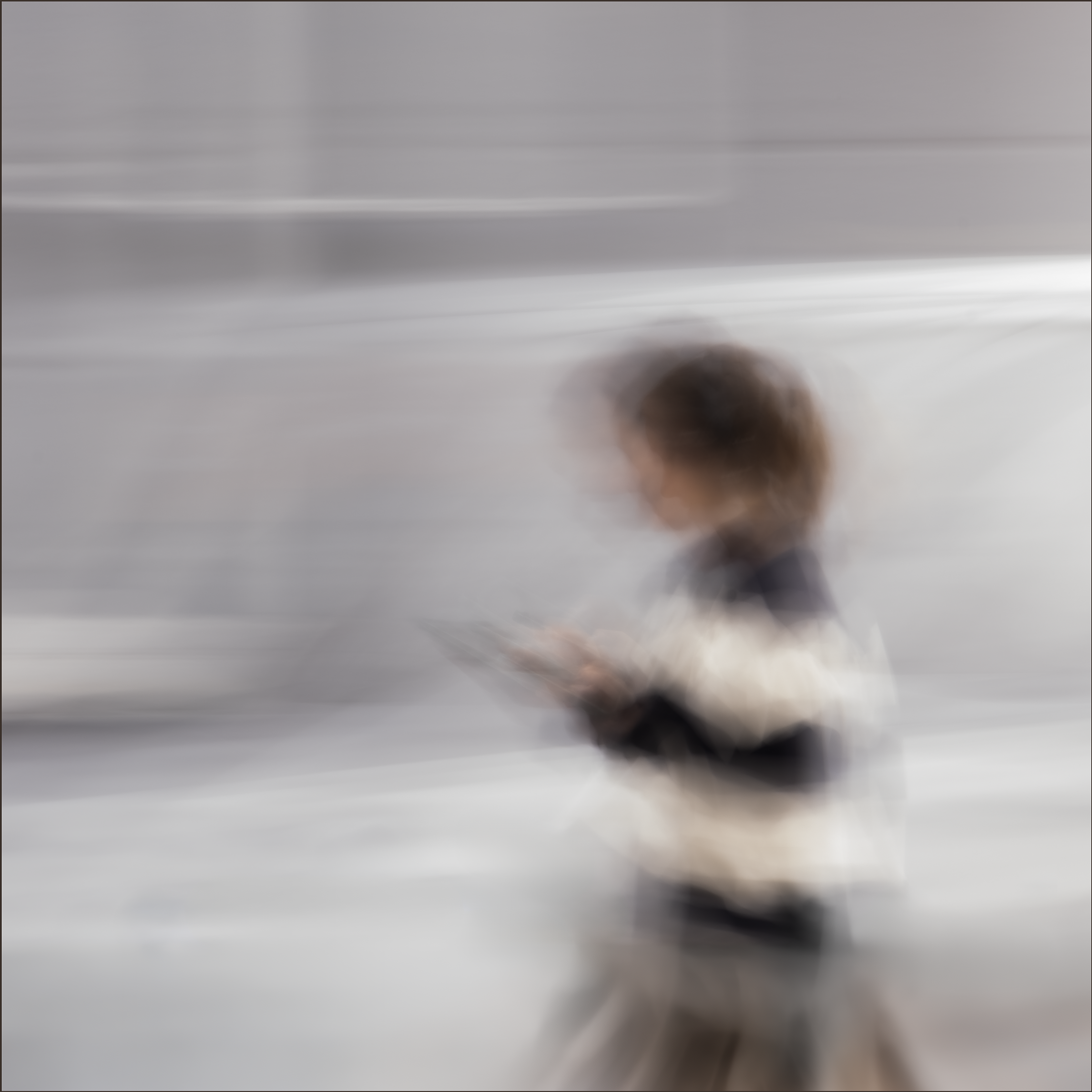
'Call Me Vienna'
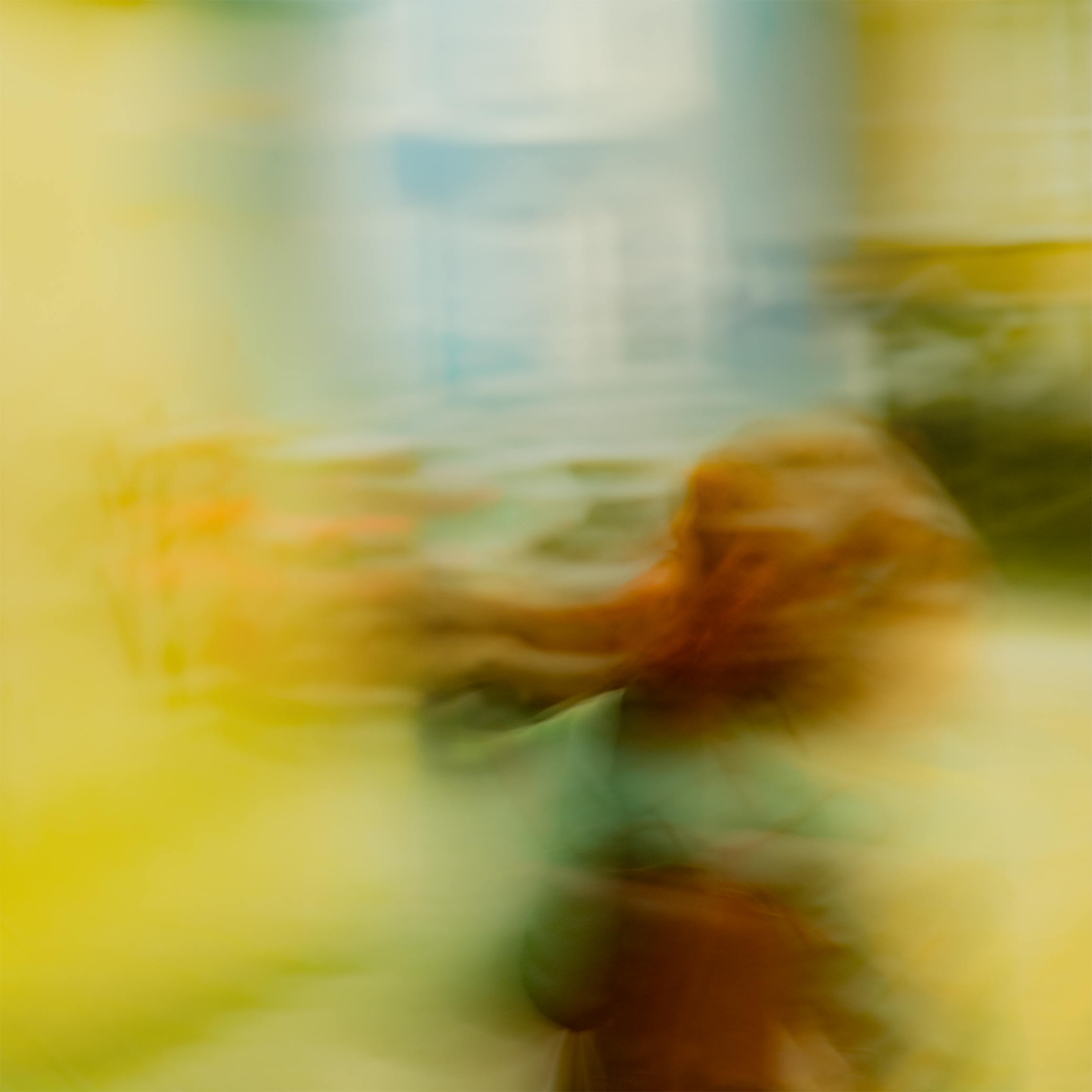
'Call Me Eire'
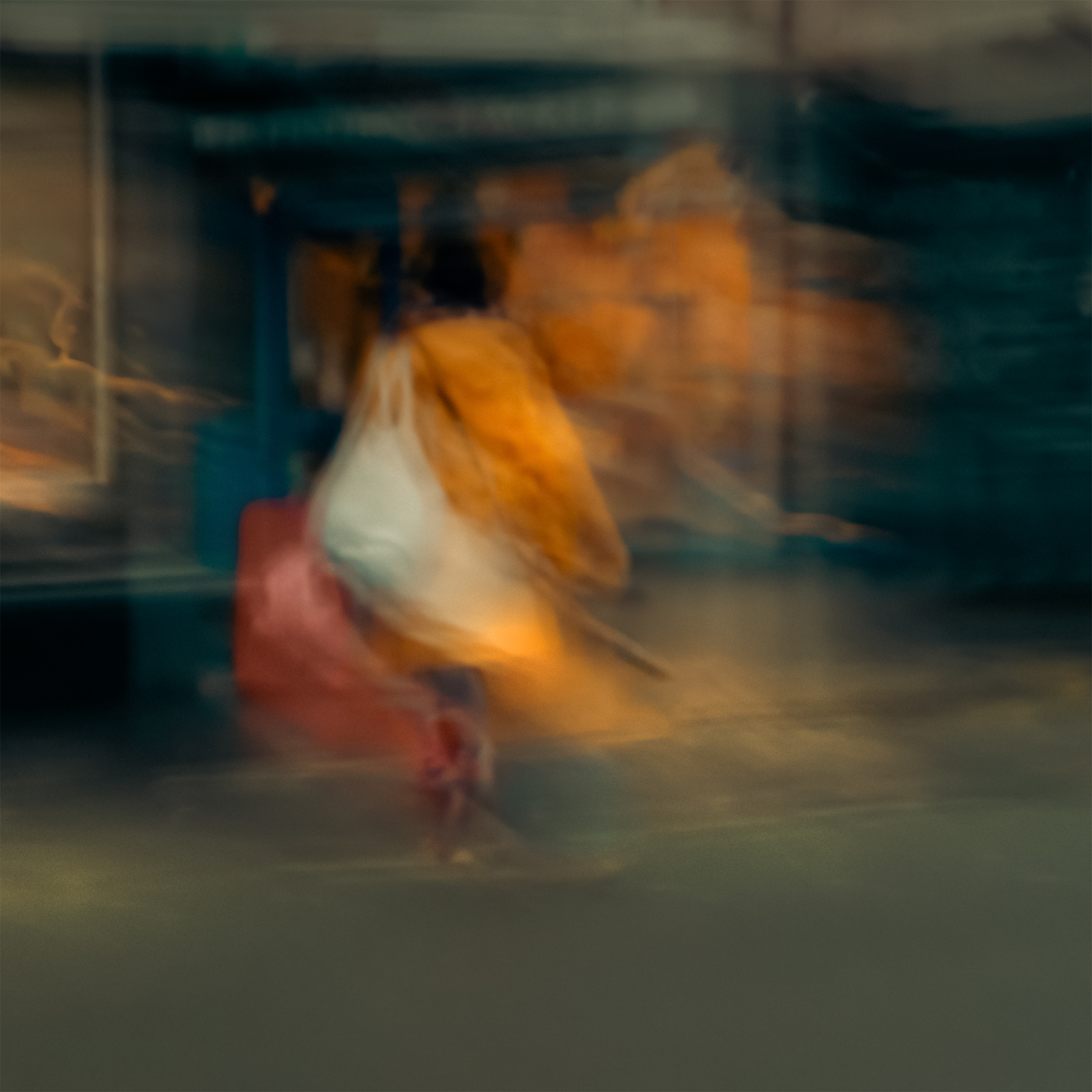
'…Somethin' in the orange Tells me you're never comin' home'
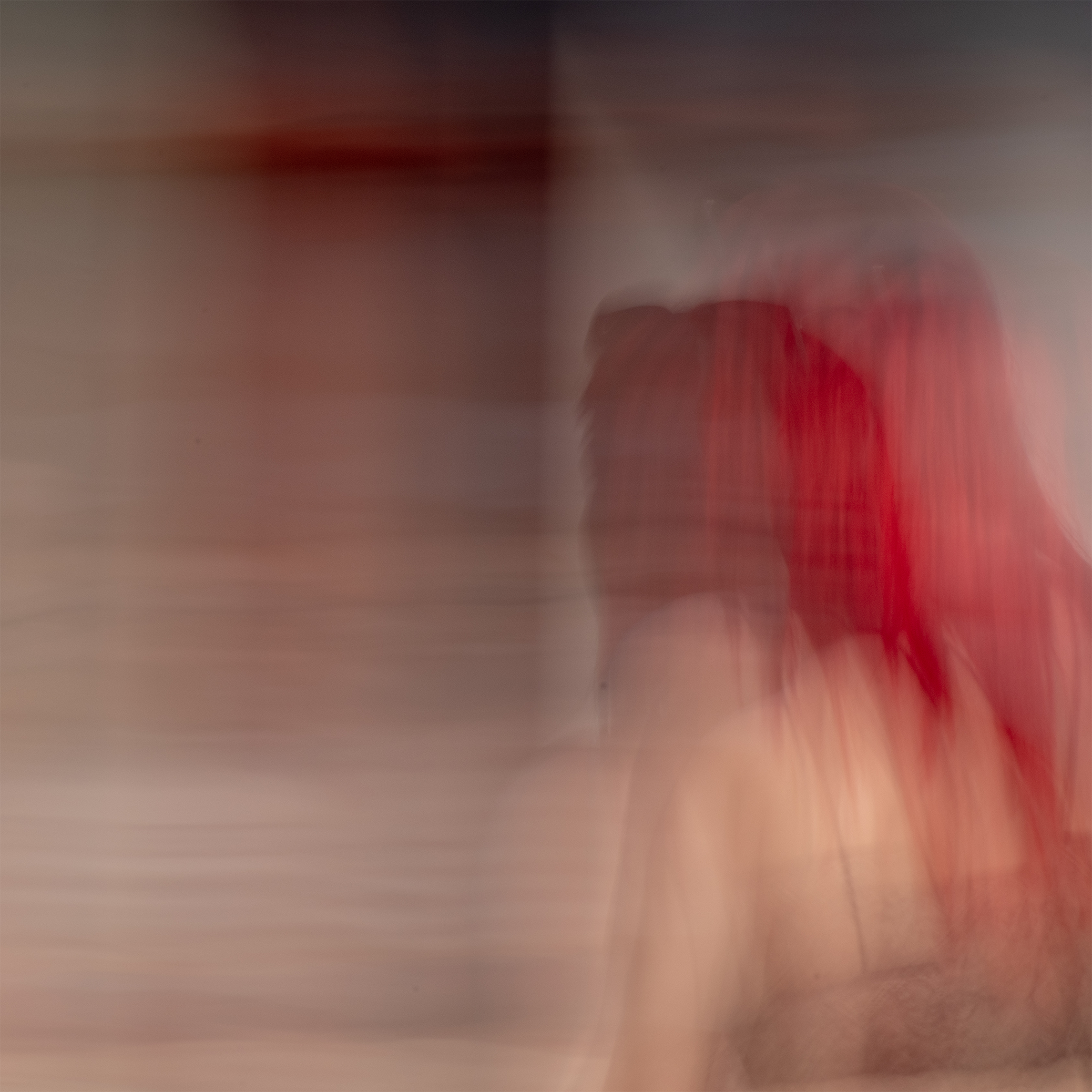
'Call Me Berlin'
Xinshuo Zhuo
-
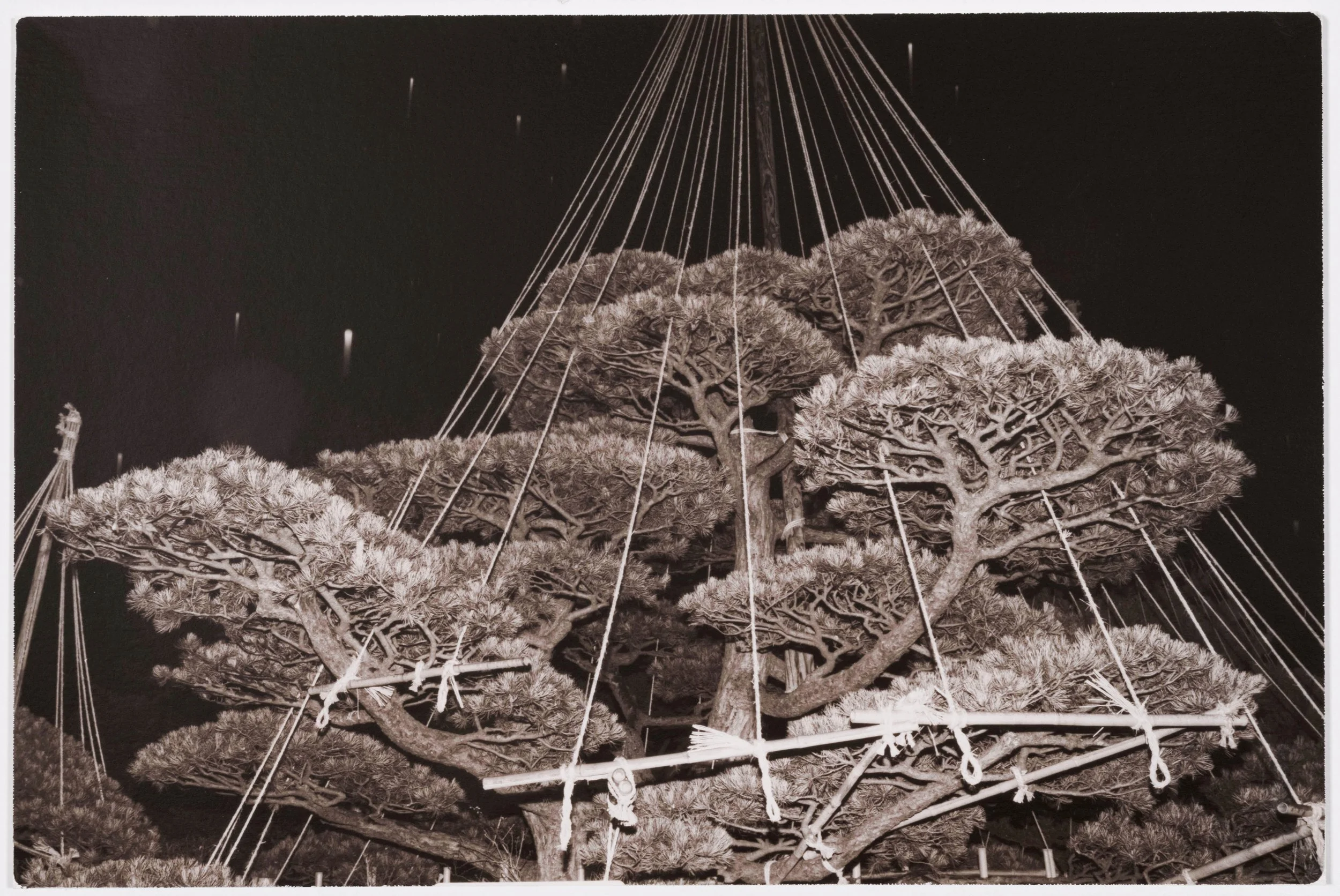
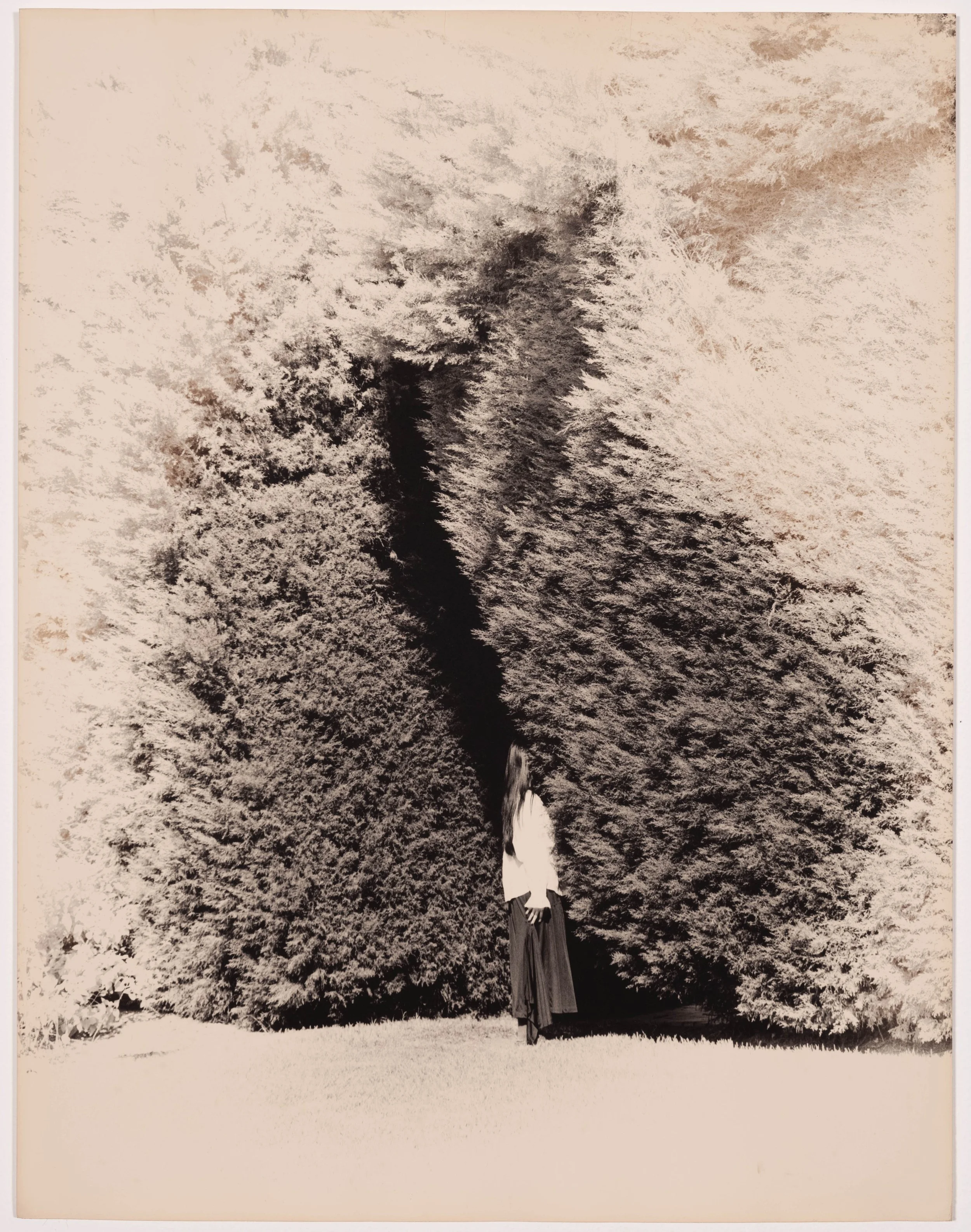
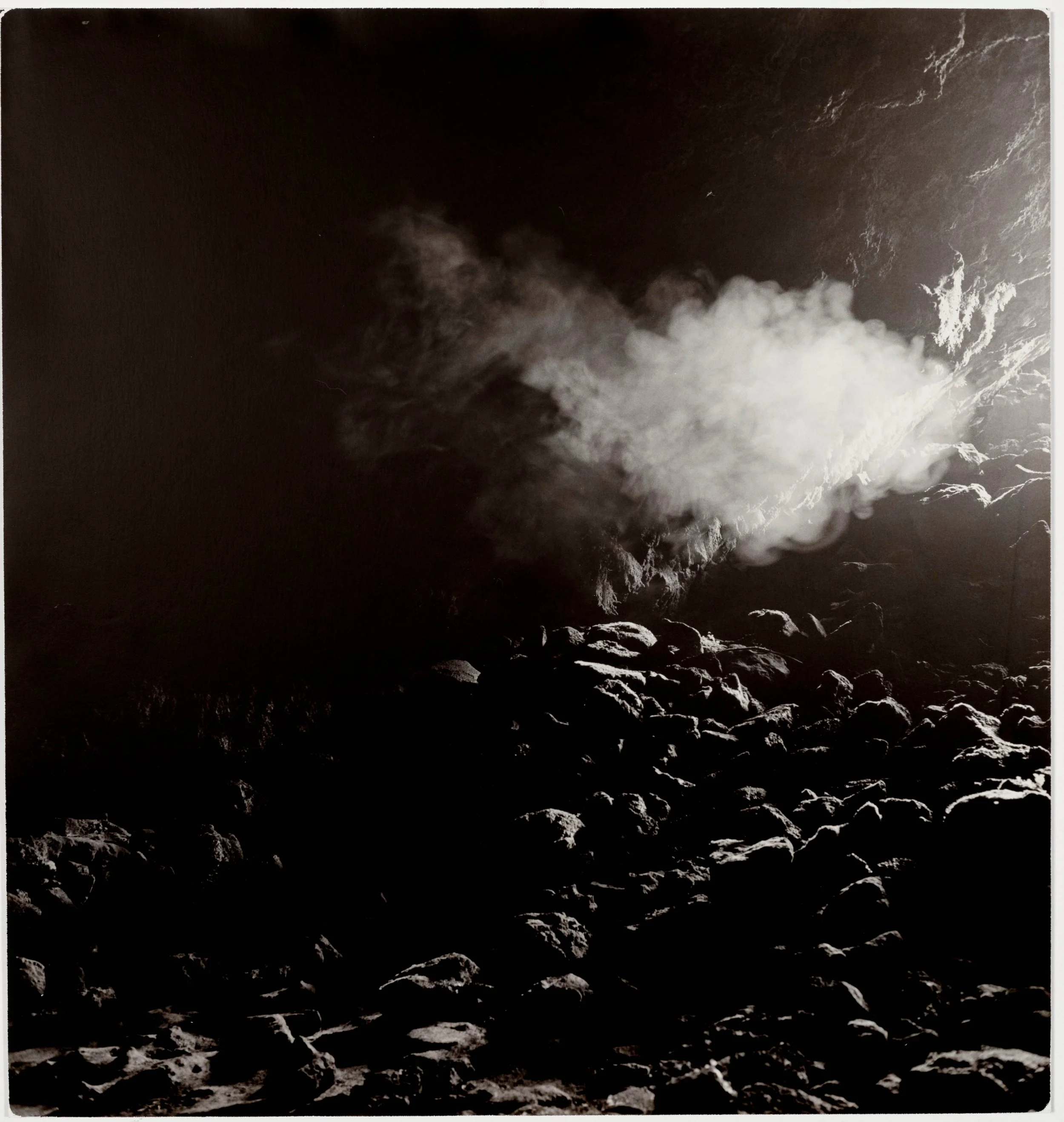
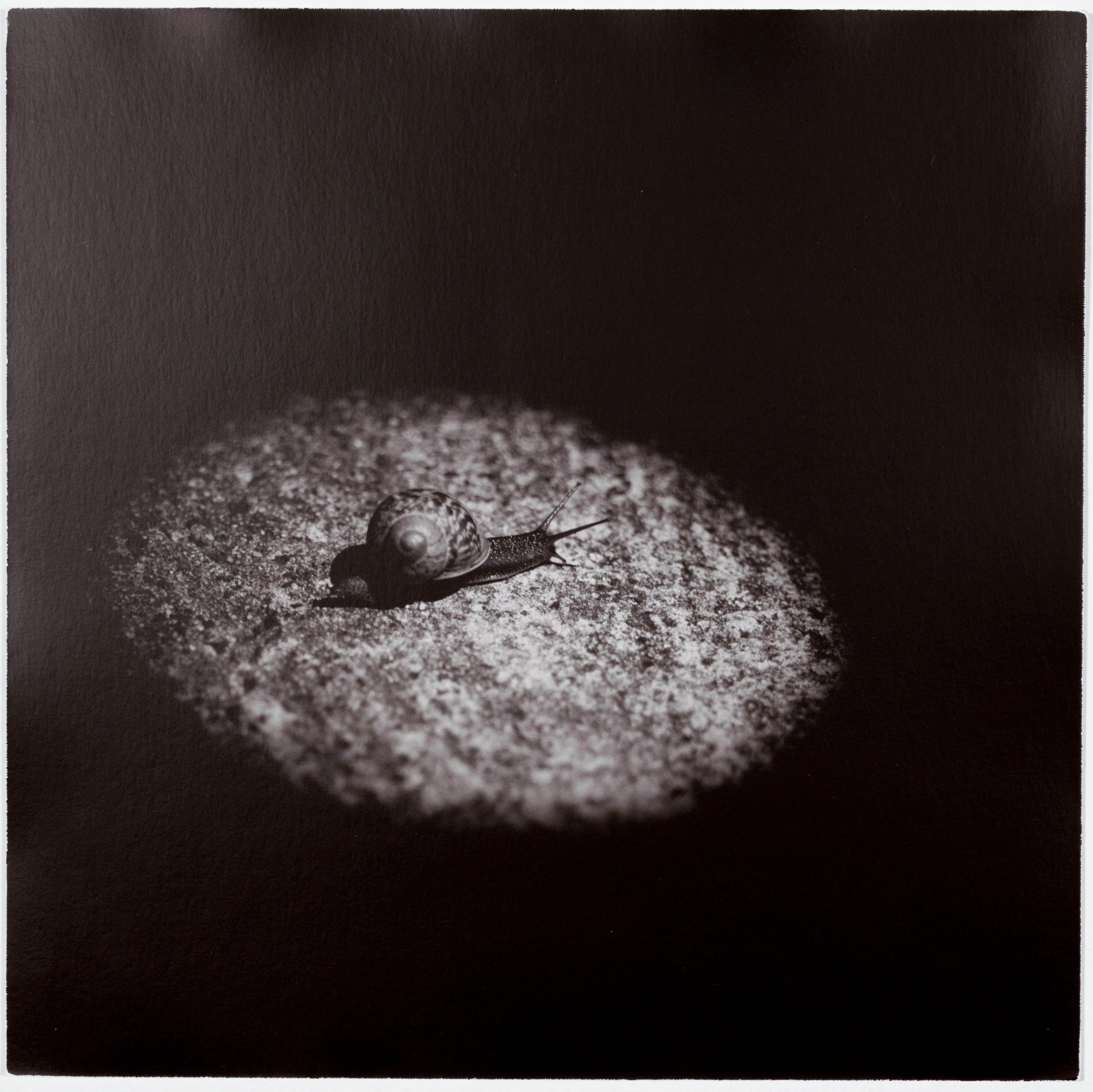
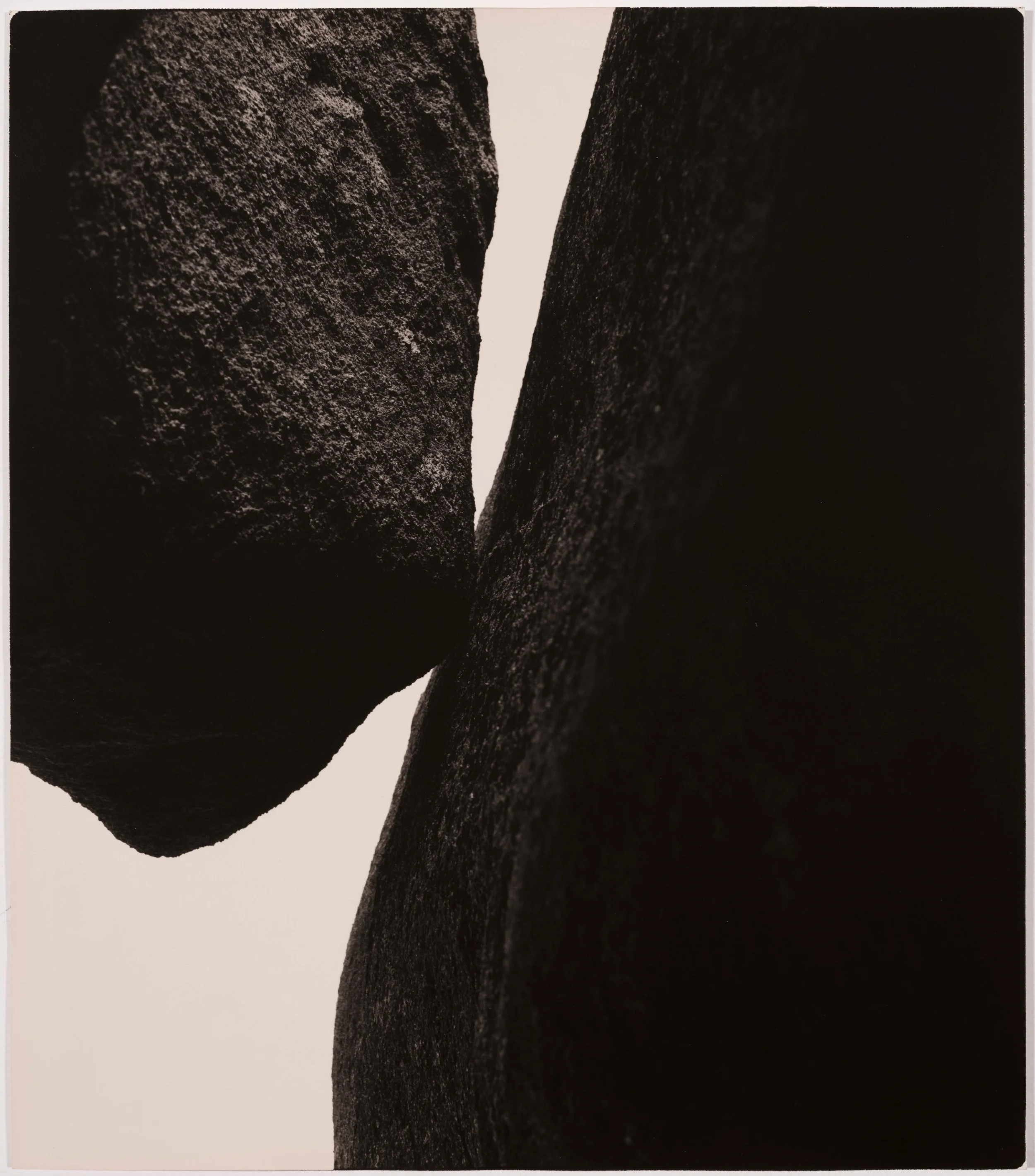
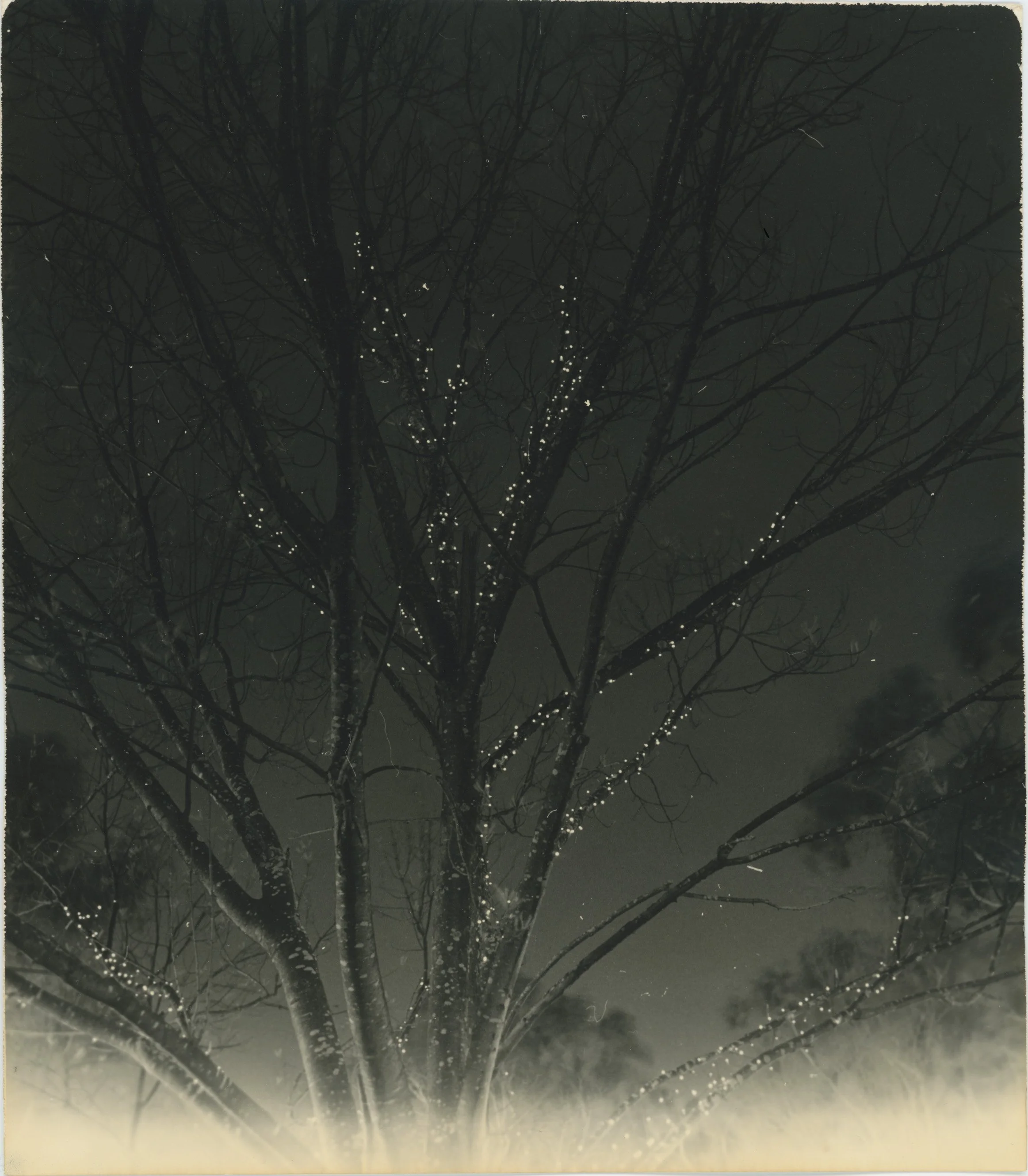
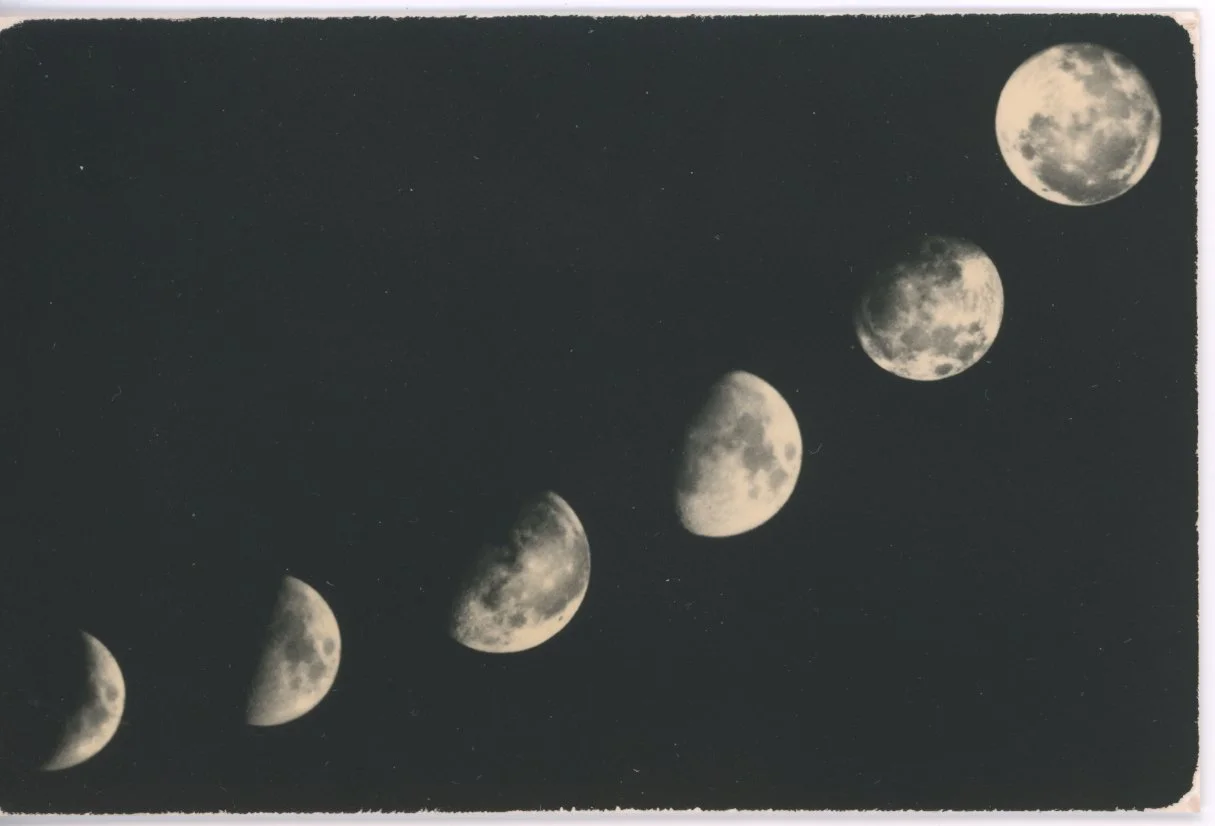
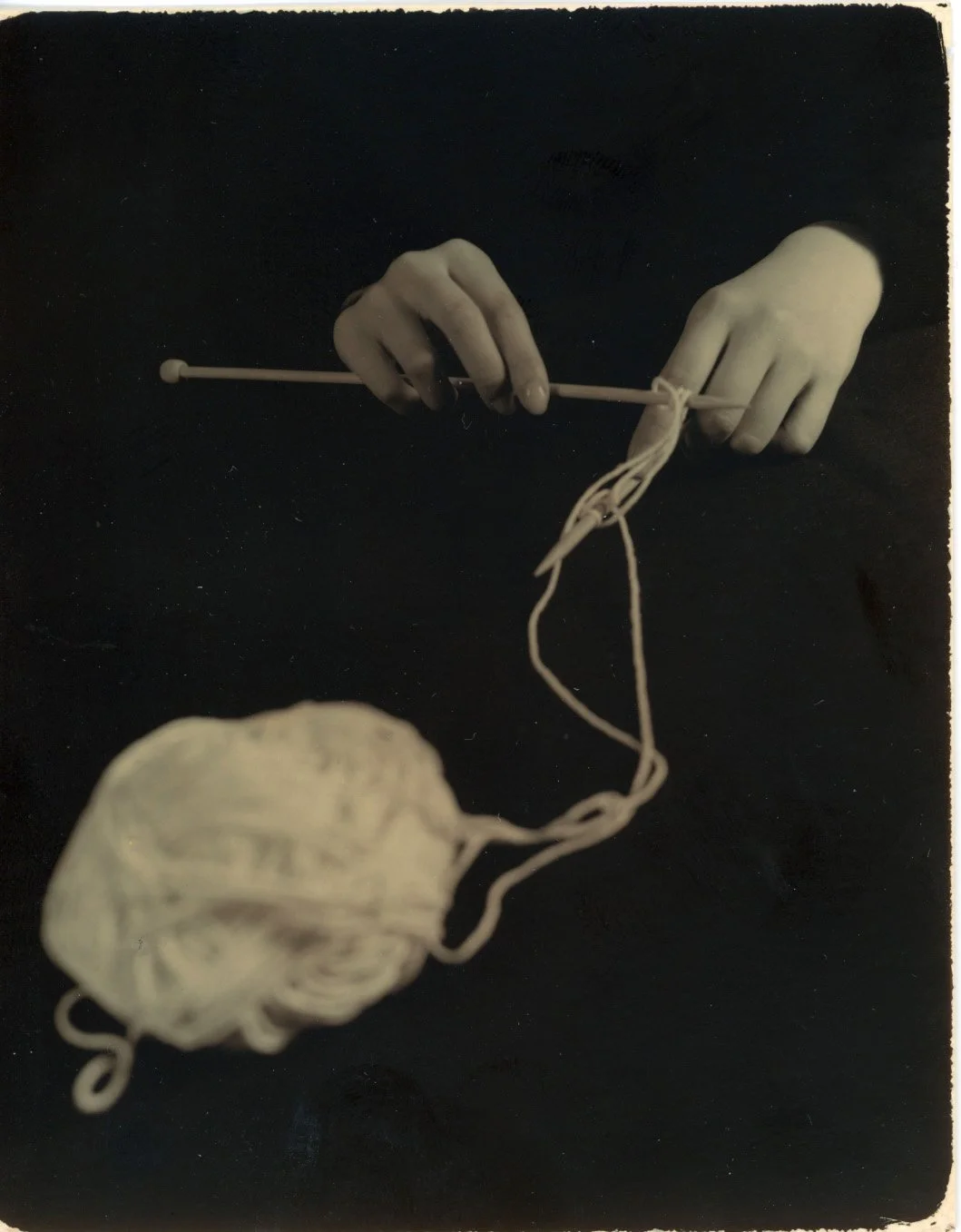
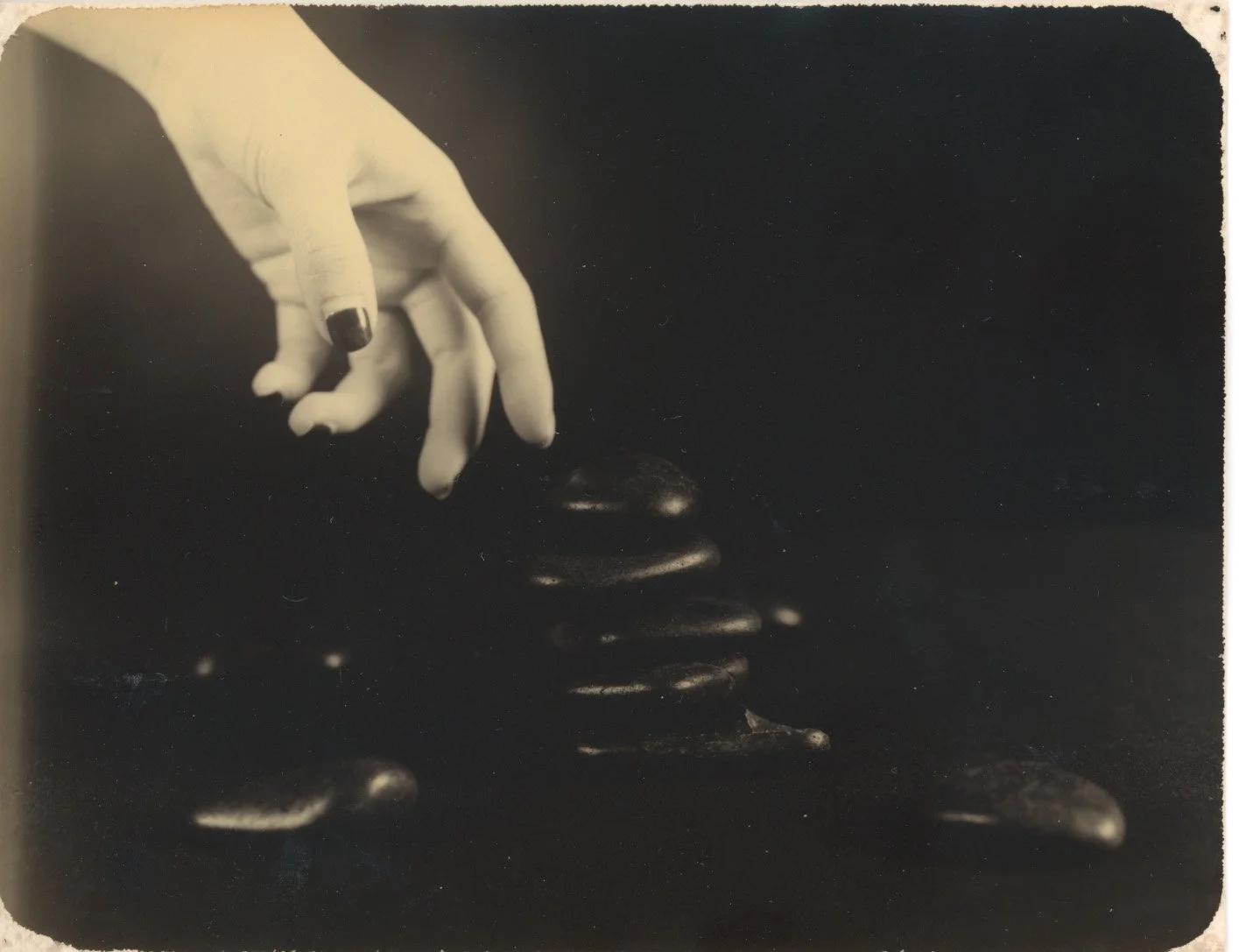
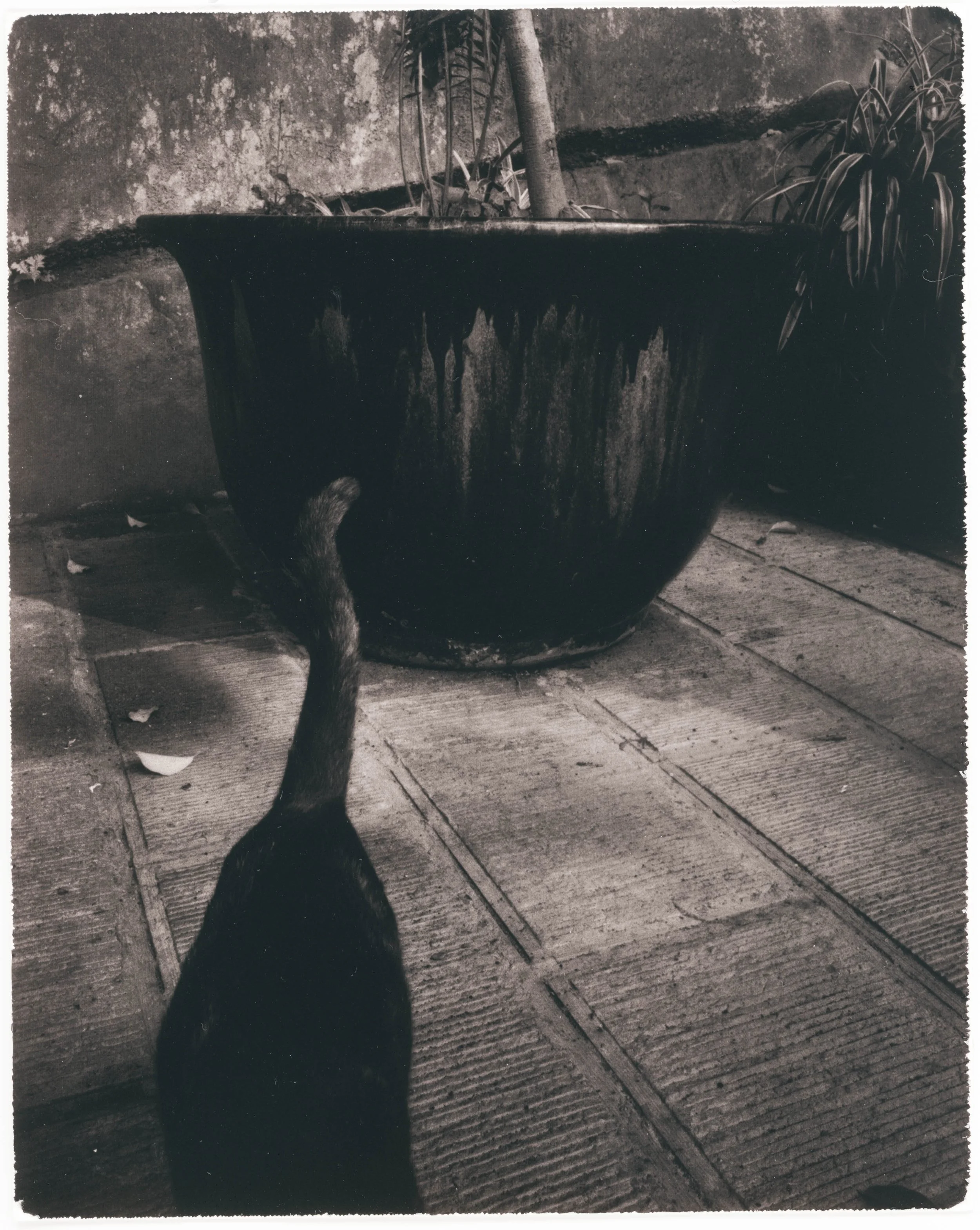
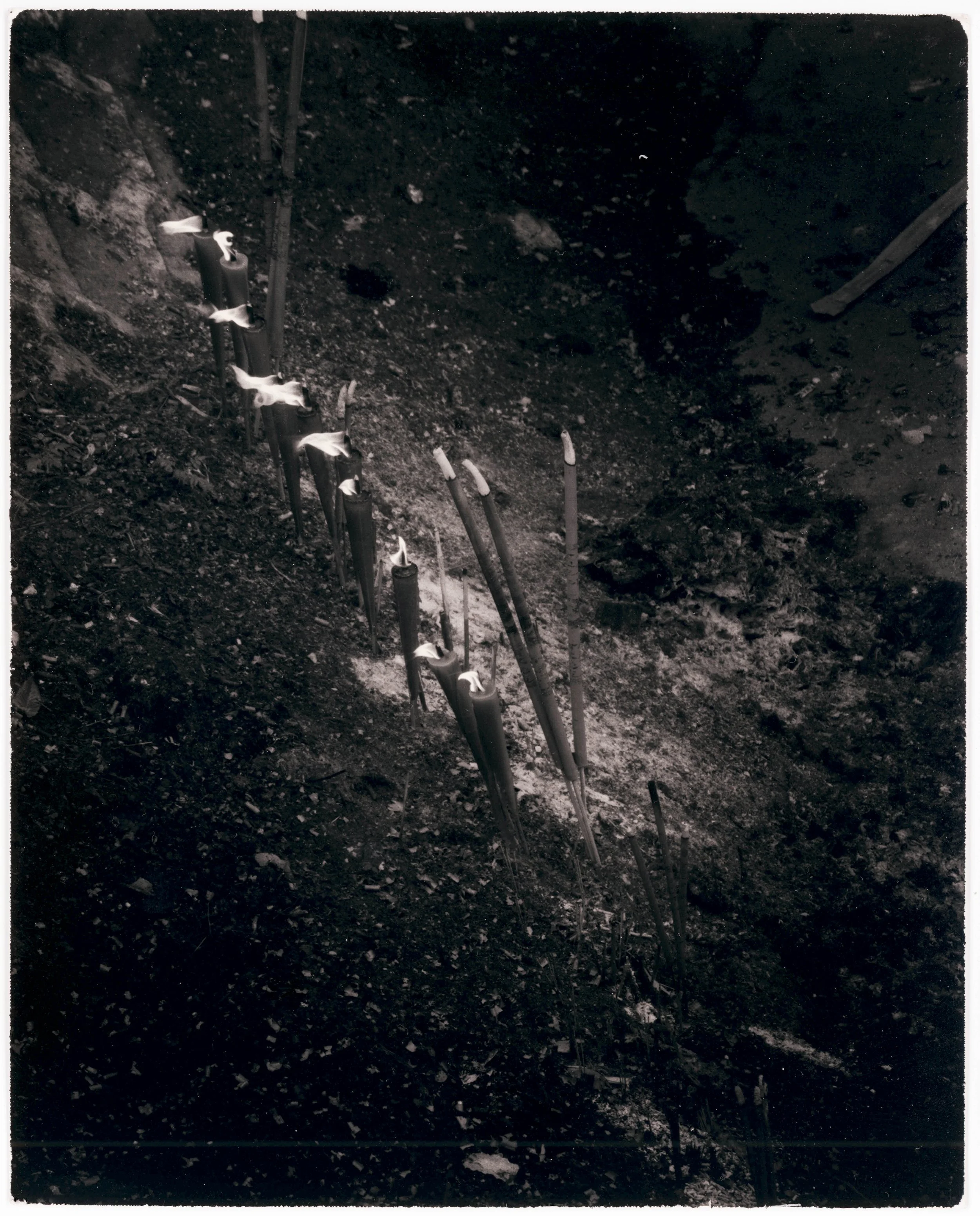
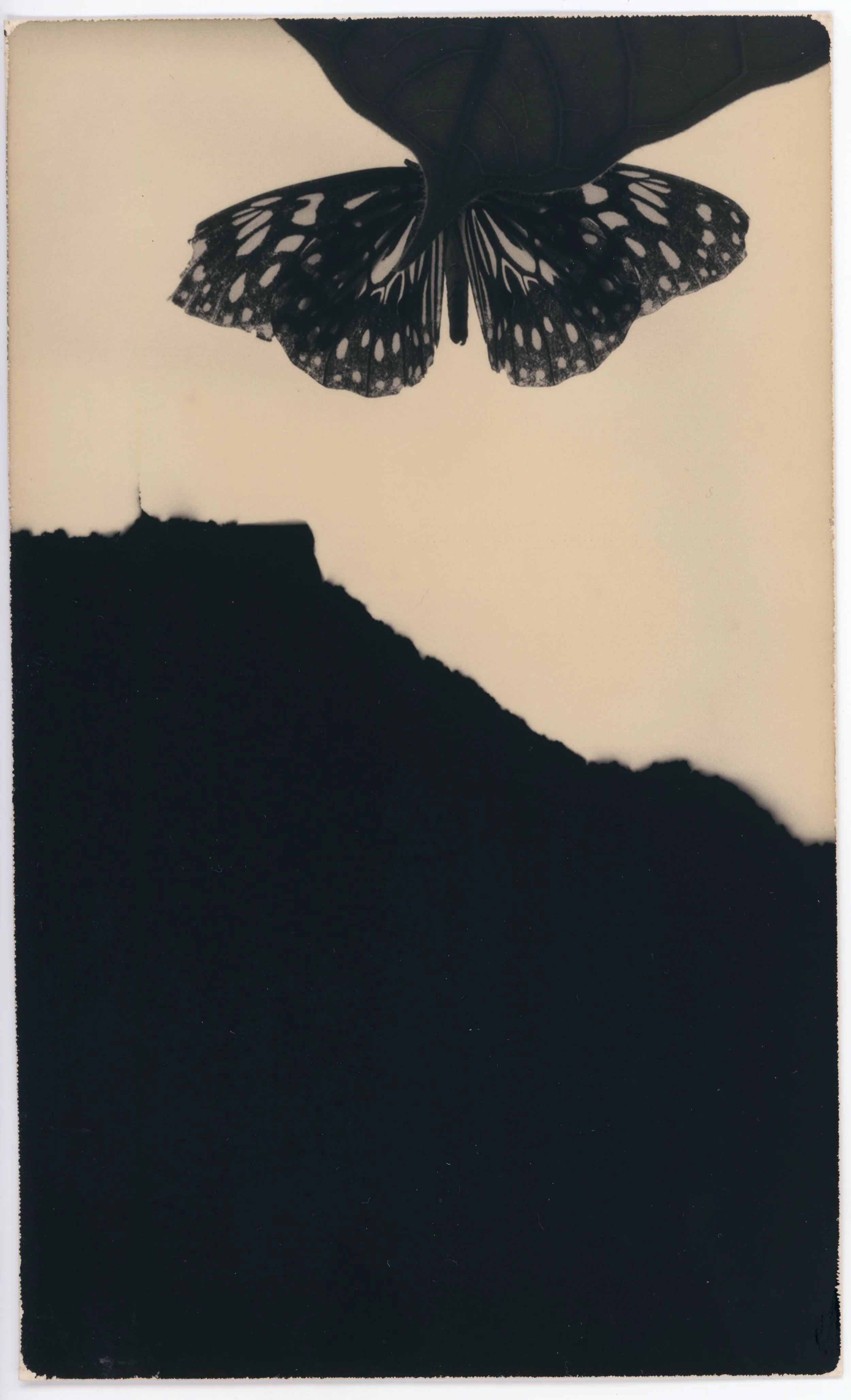
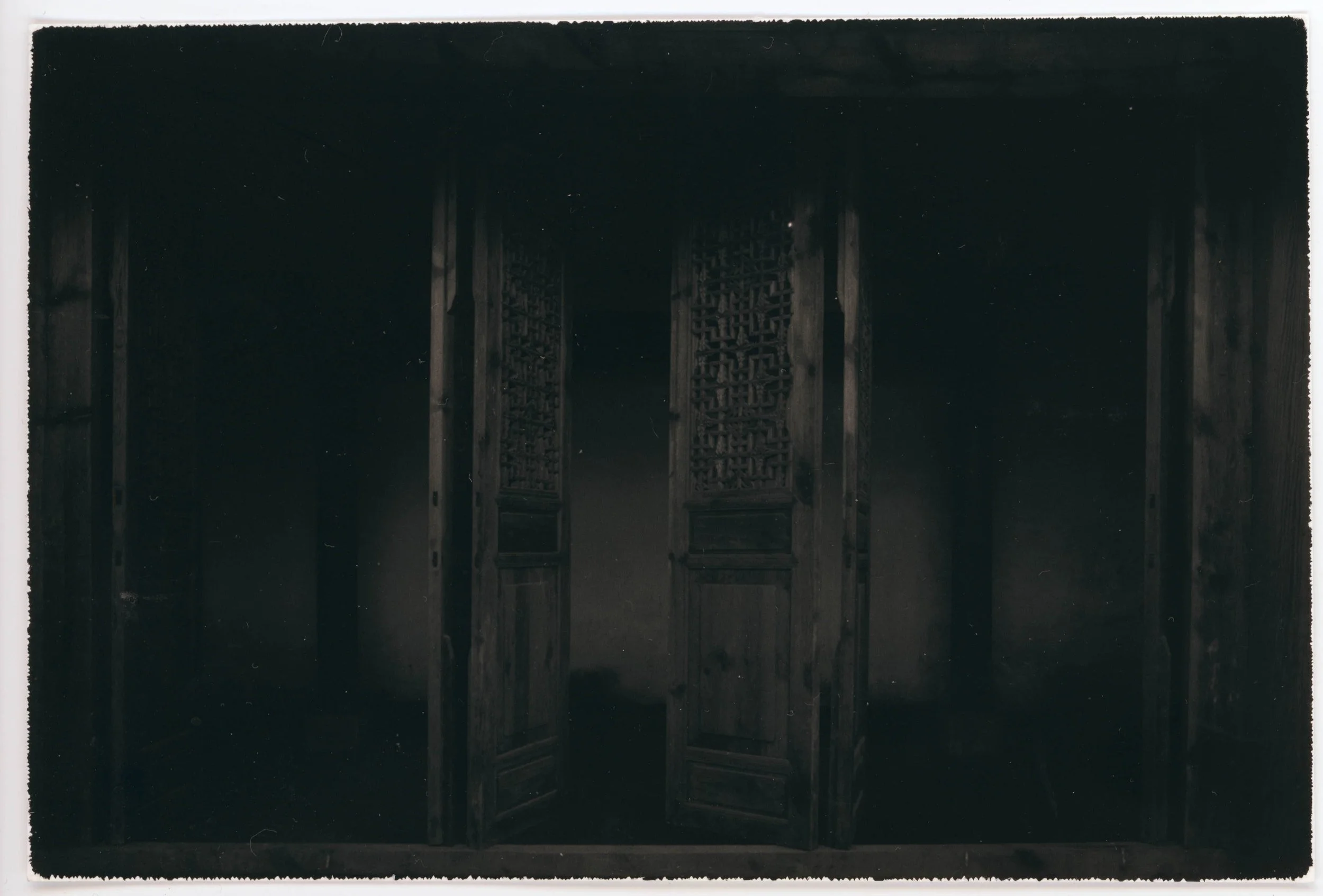
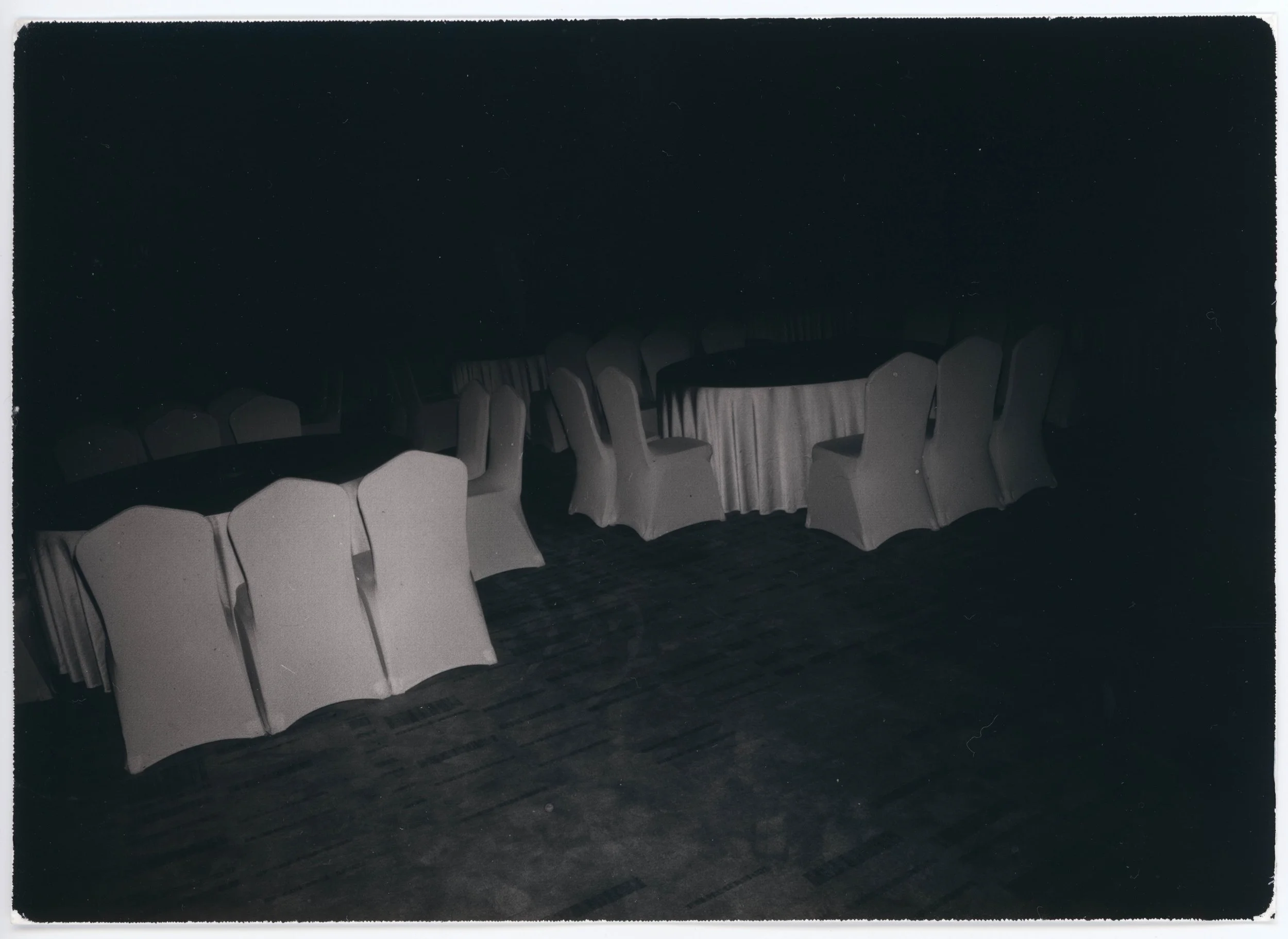
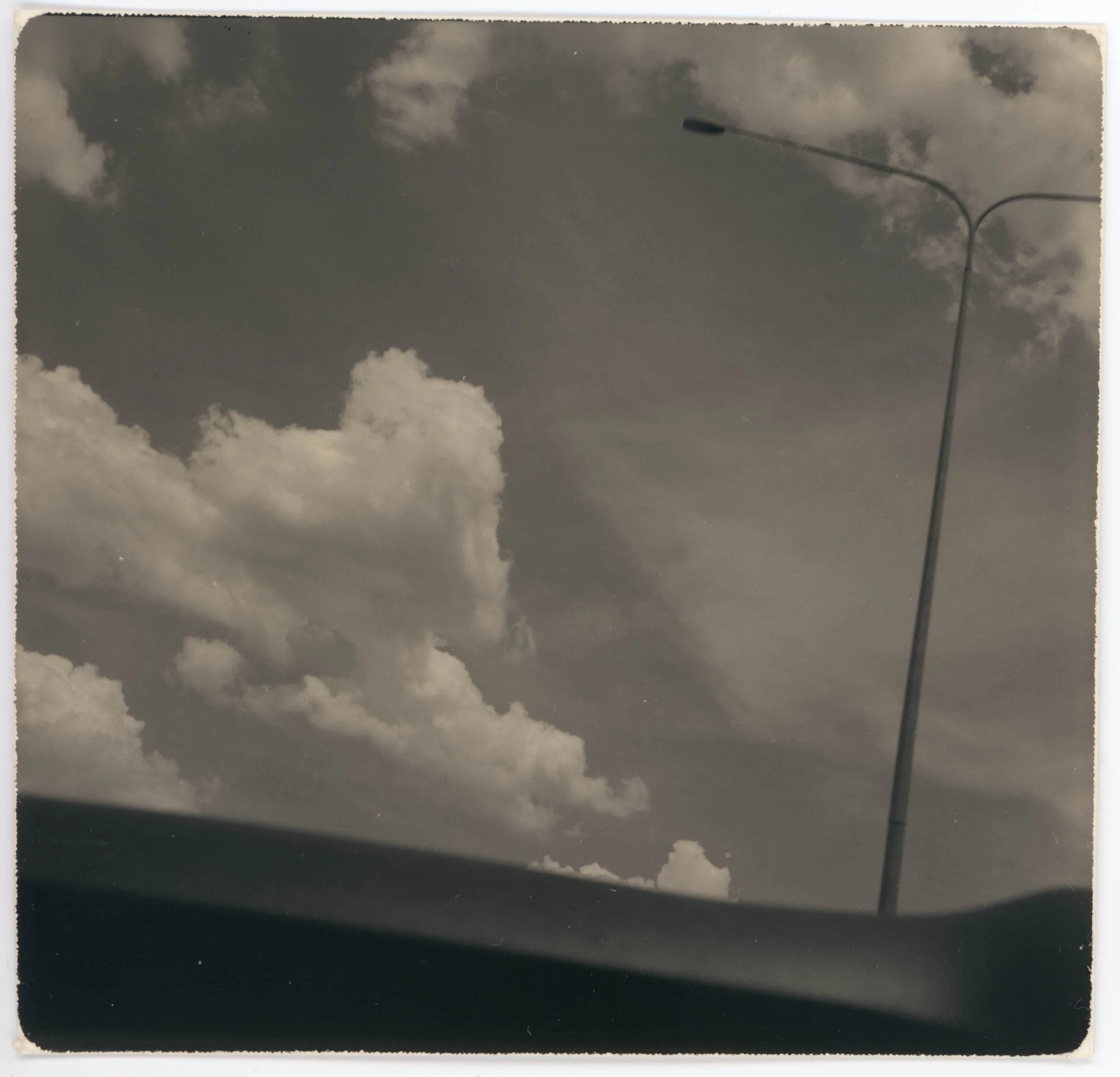
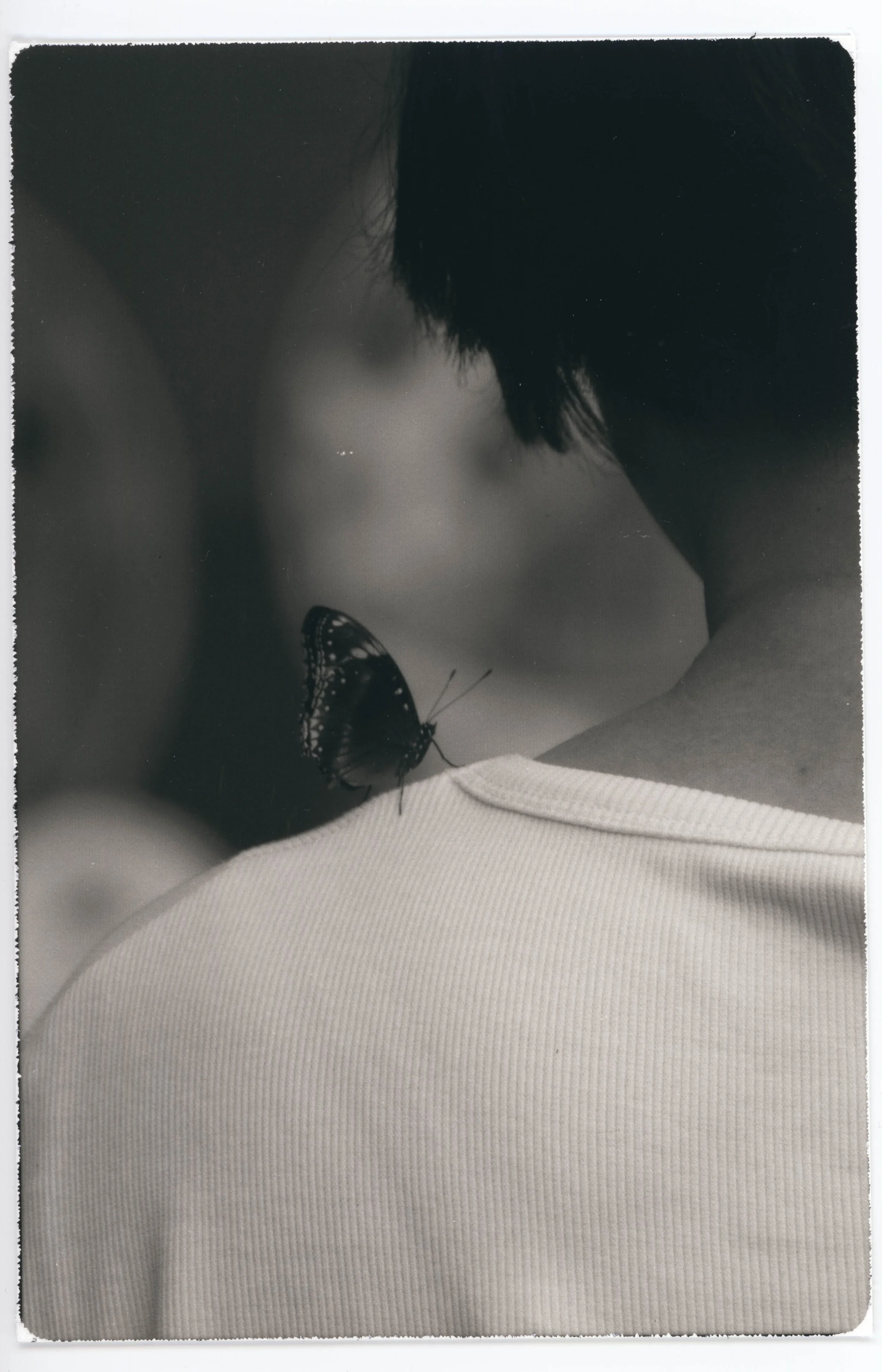
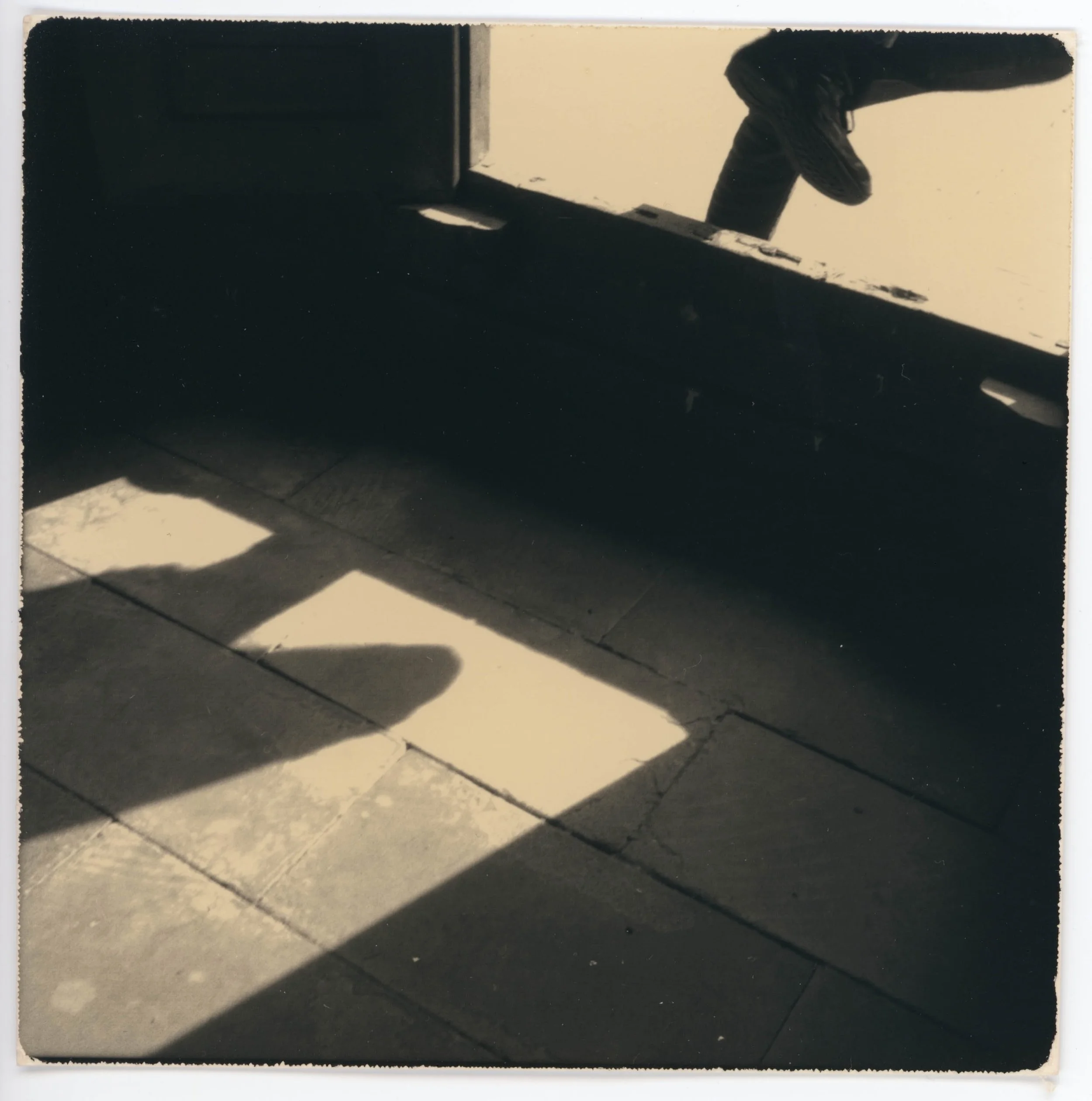
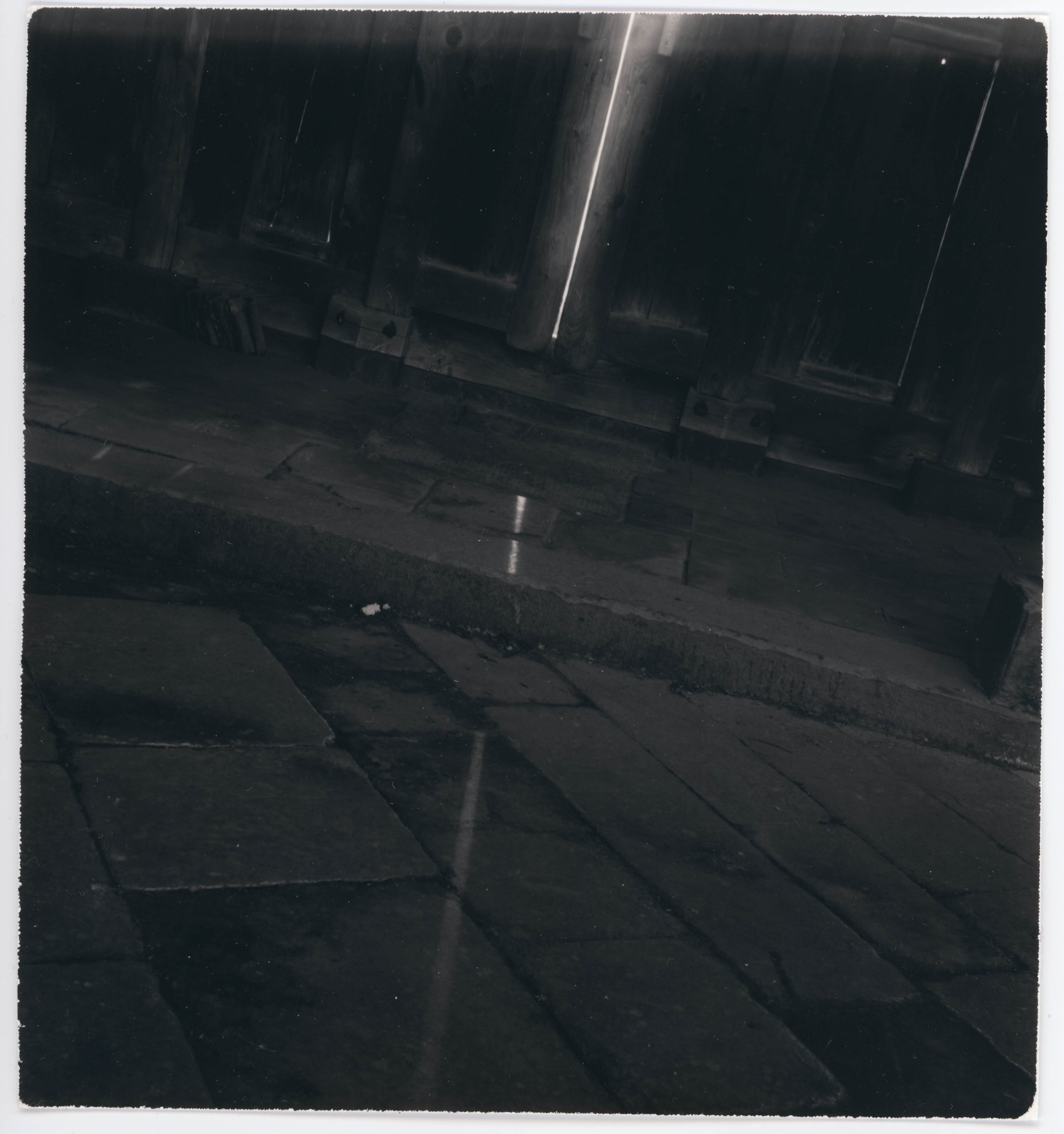
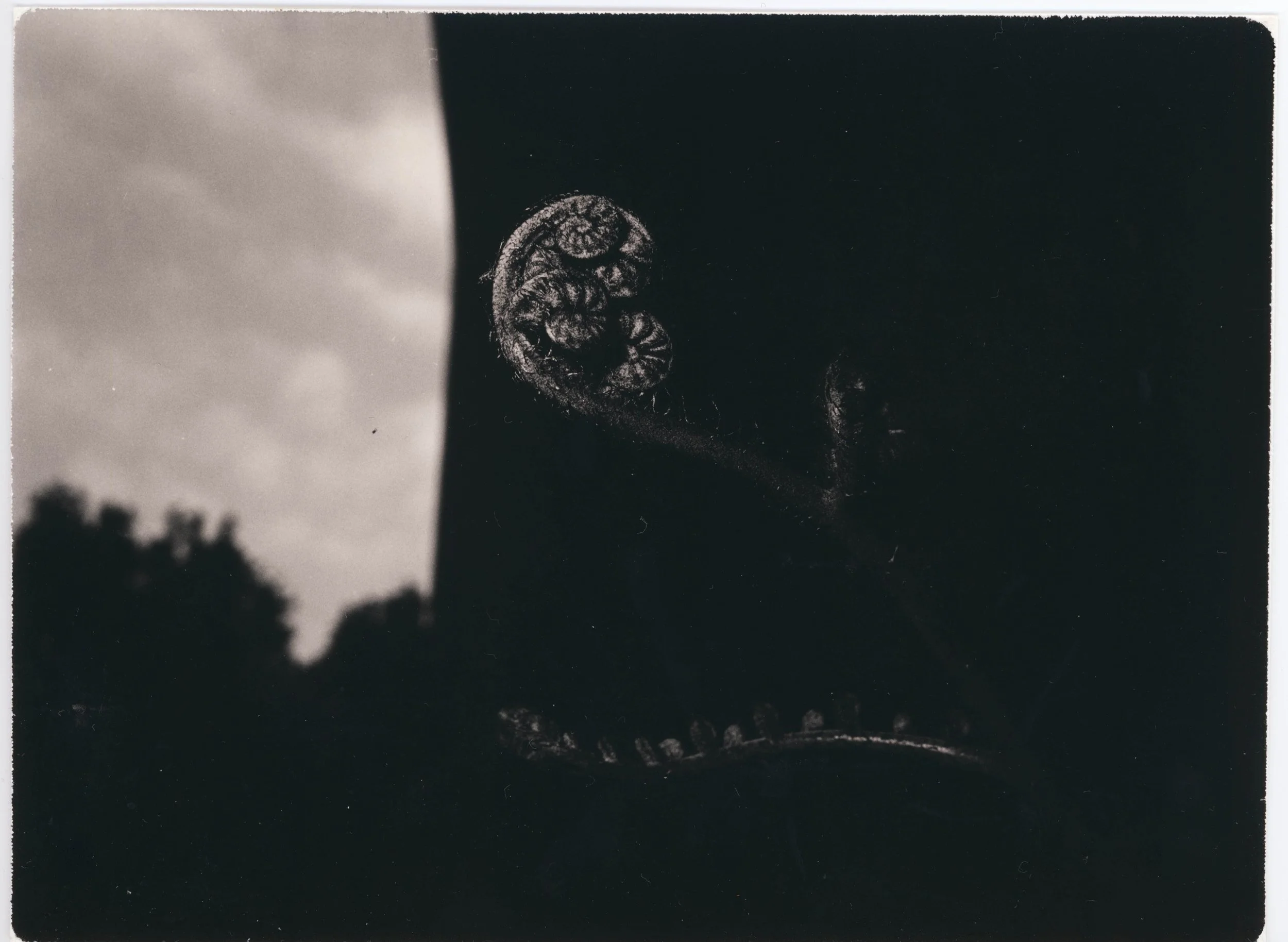
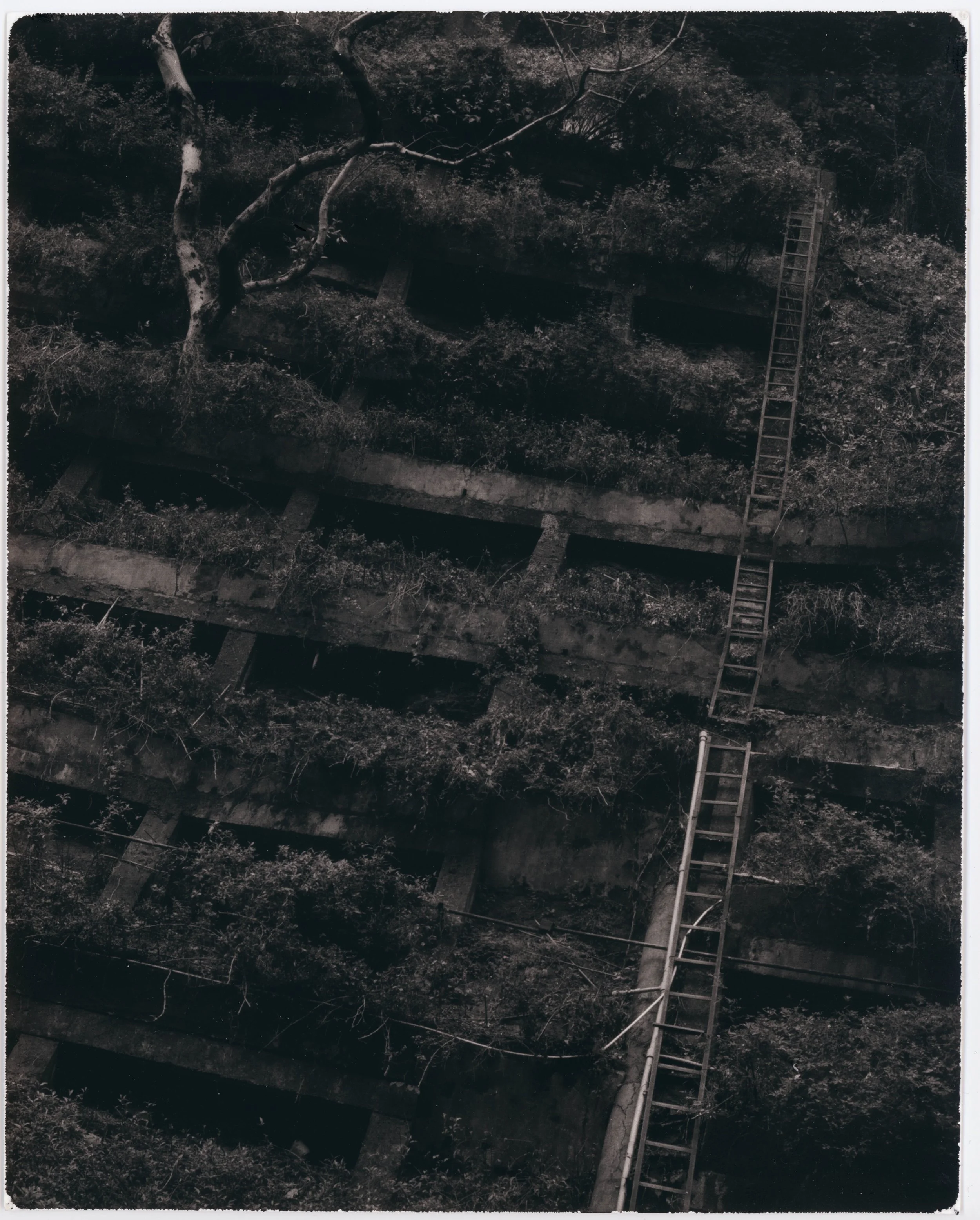
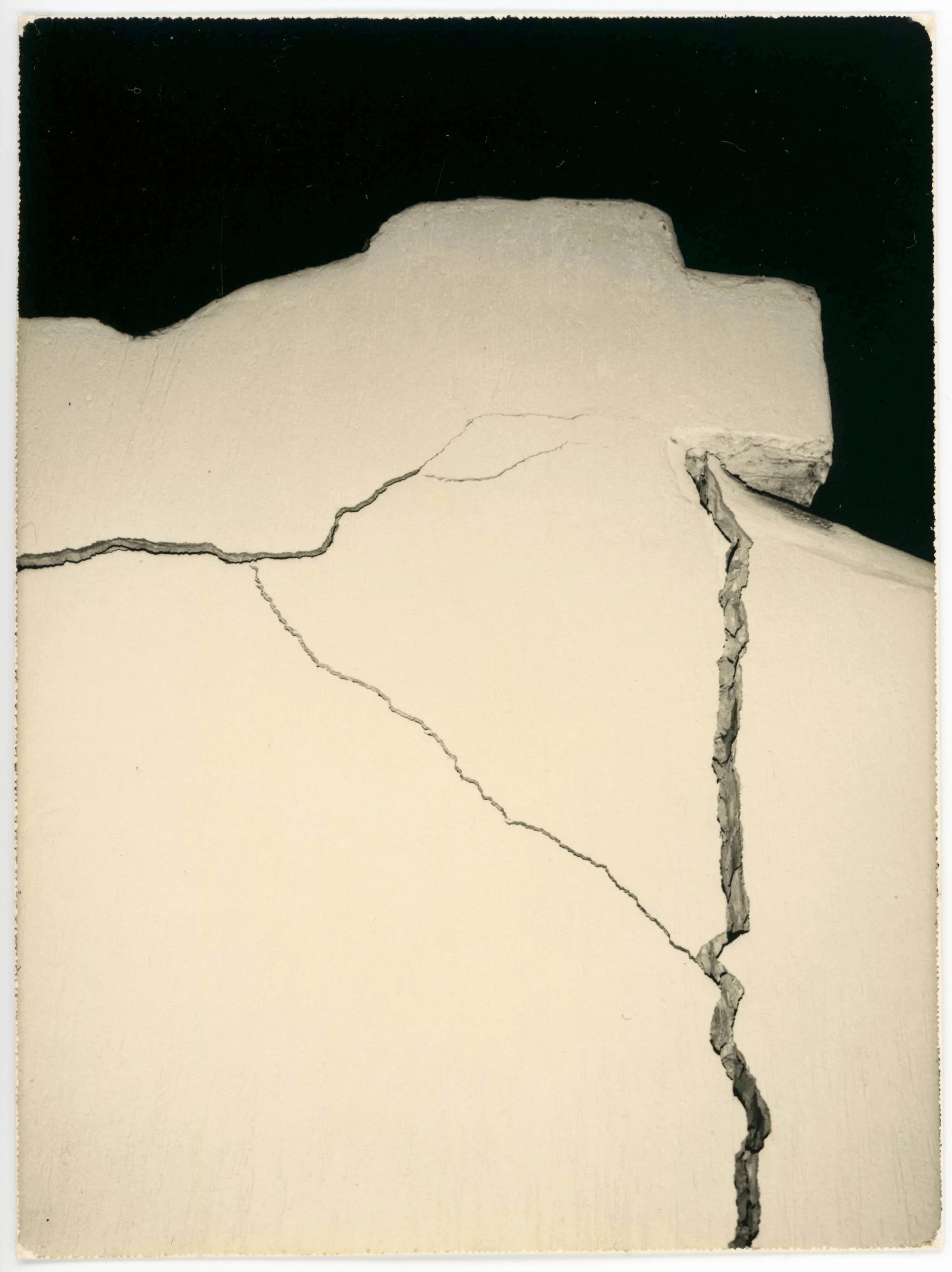
'Among the Interstices' employs the darkroom as a site to explore how bodily labour and the traces of handmade photographic artefacts can carry the residue of Confucian social discipline and trauma of the Chinese diaspora, sedimented within the post-migratory body.
PAUL FISK
-
This is an analogue photograph, shot on Lomography medium format film, with a Mamiya Super 23 press camera.
It is all done in camera using internal masks and on one frame. The only digital part to it is when I scan the negative.
It's important to me to keep everything totally analogue and in camera without using photoshop. I like a challenge, using lens masks and internal masks gives me that. I see it as doing a jigsaw puzzle. Some of these types of photos can take days to shoot, in fact the actual shooting can be the quick part. The time consuming part is making all the internal masks and modifying cameras. I think that's the art for me.
Miriam Neal
-
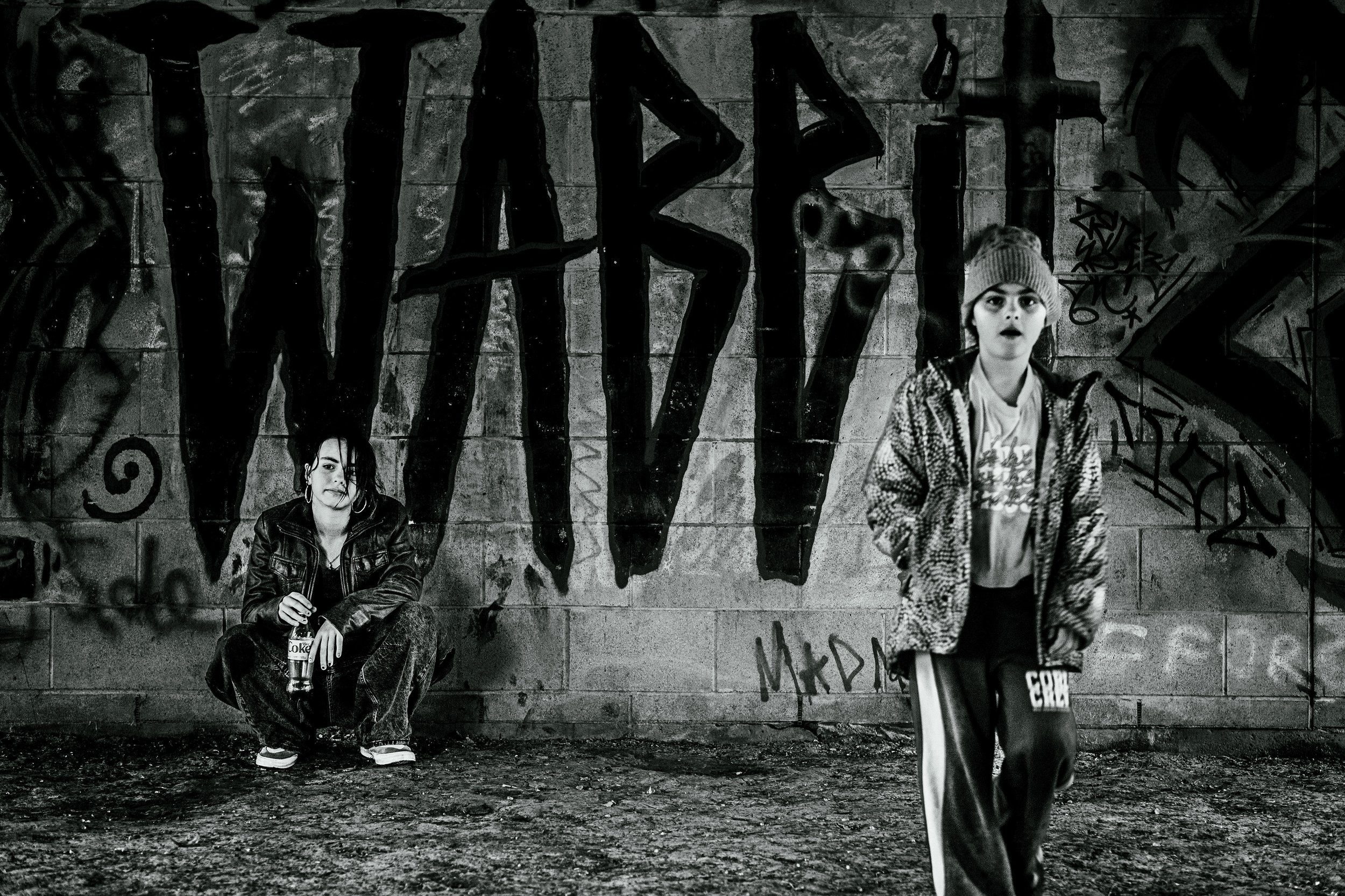
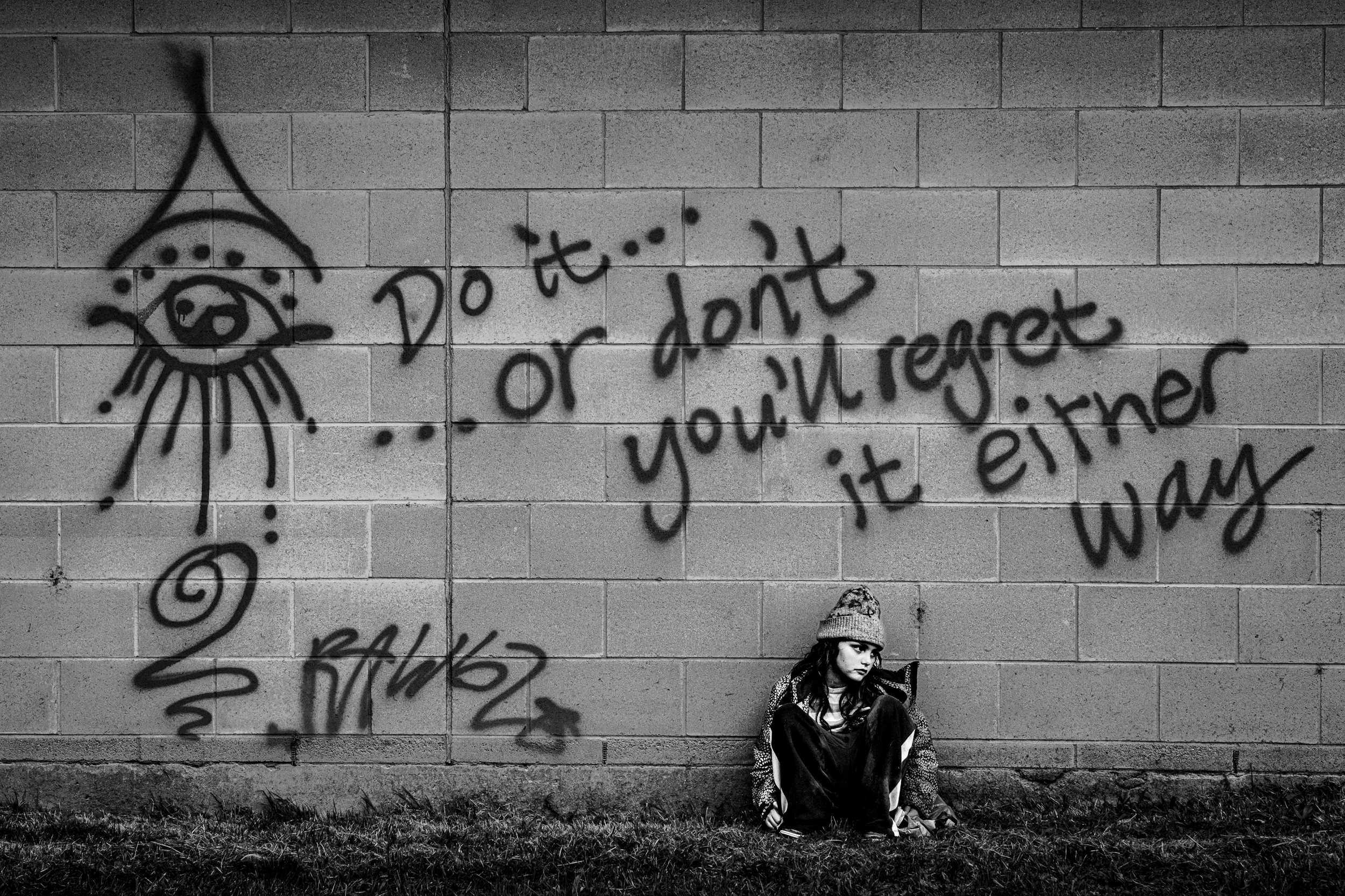
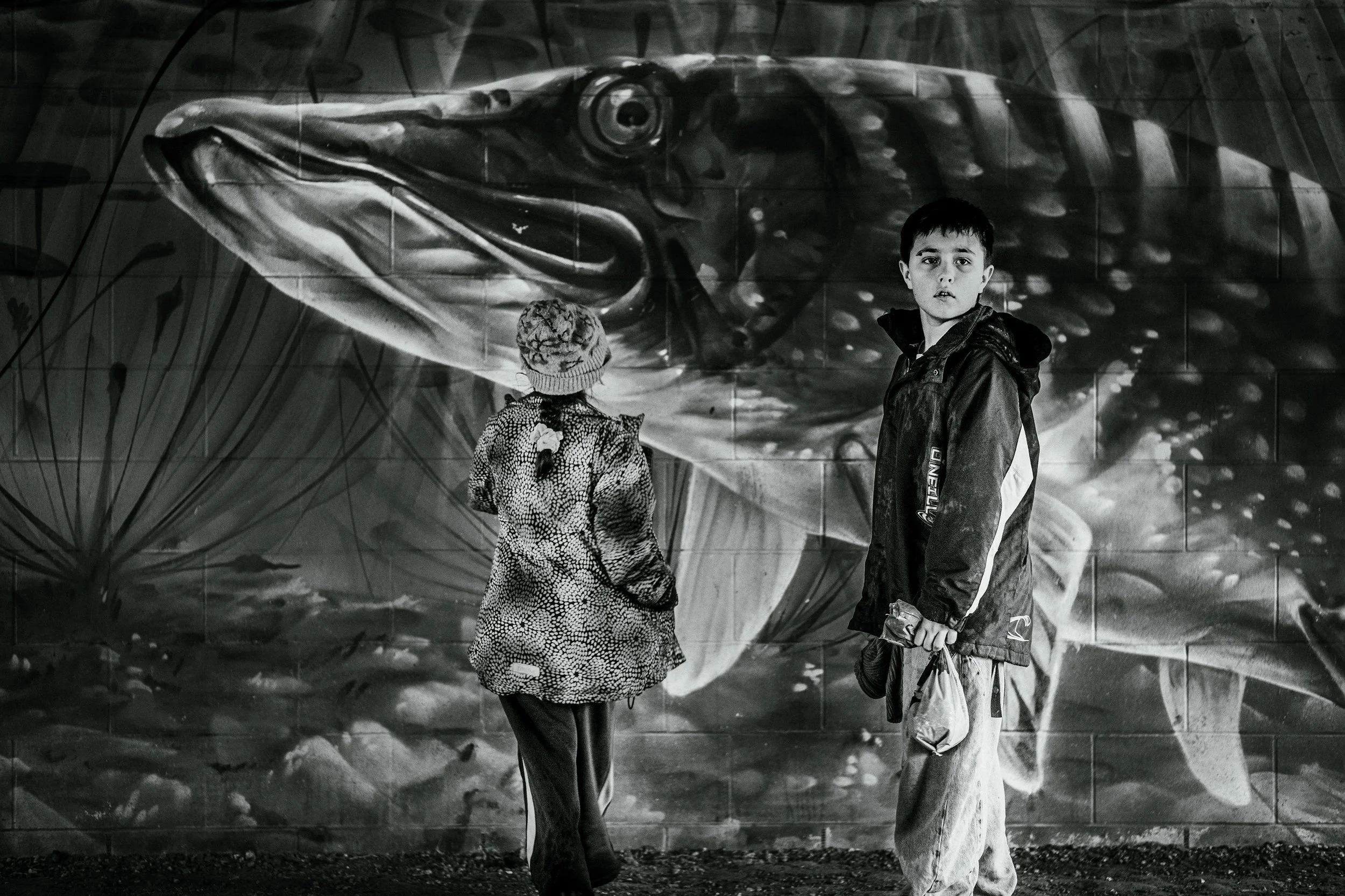
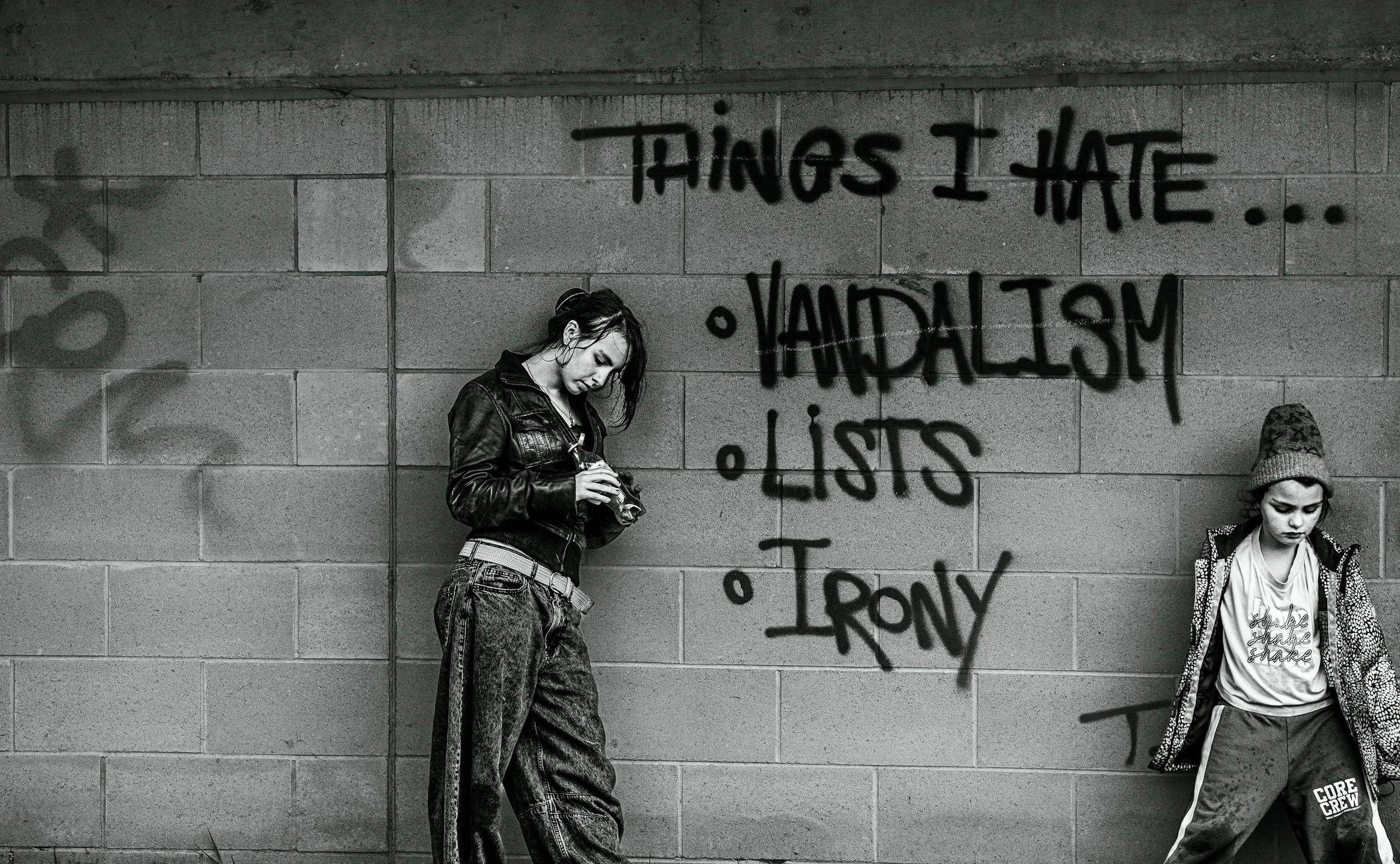
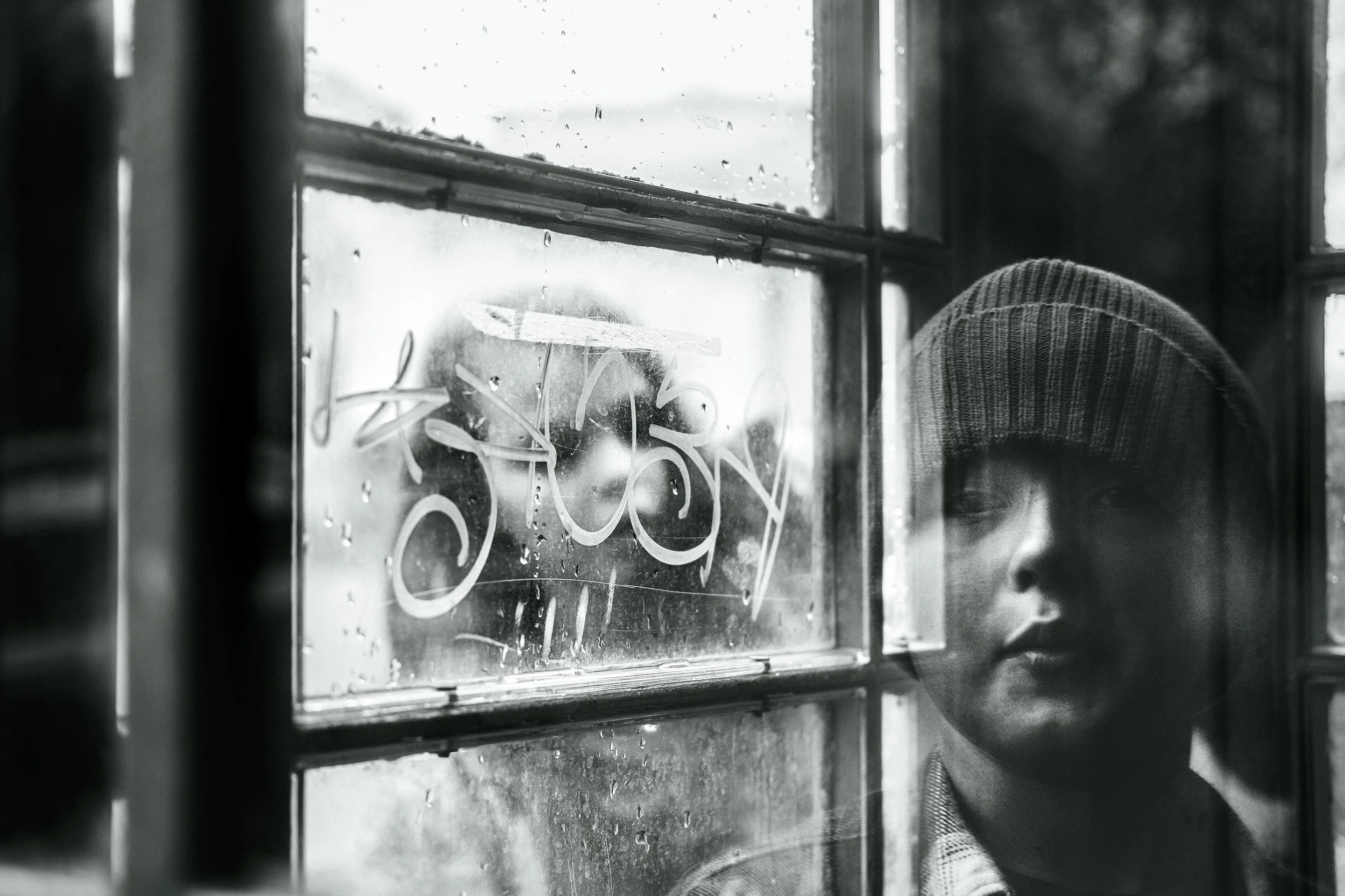
The series consists of five images made around Cambridgeshire, documenting my family moving through spaces marked by the language and art of others. The words and images left on walls by unknown hands become messages from people who were here before us, forming a silent dialogue across time and a connection to the present.
Enikő Dorogi
-
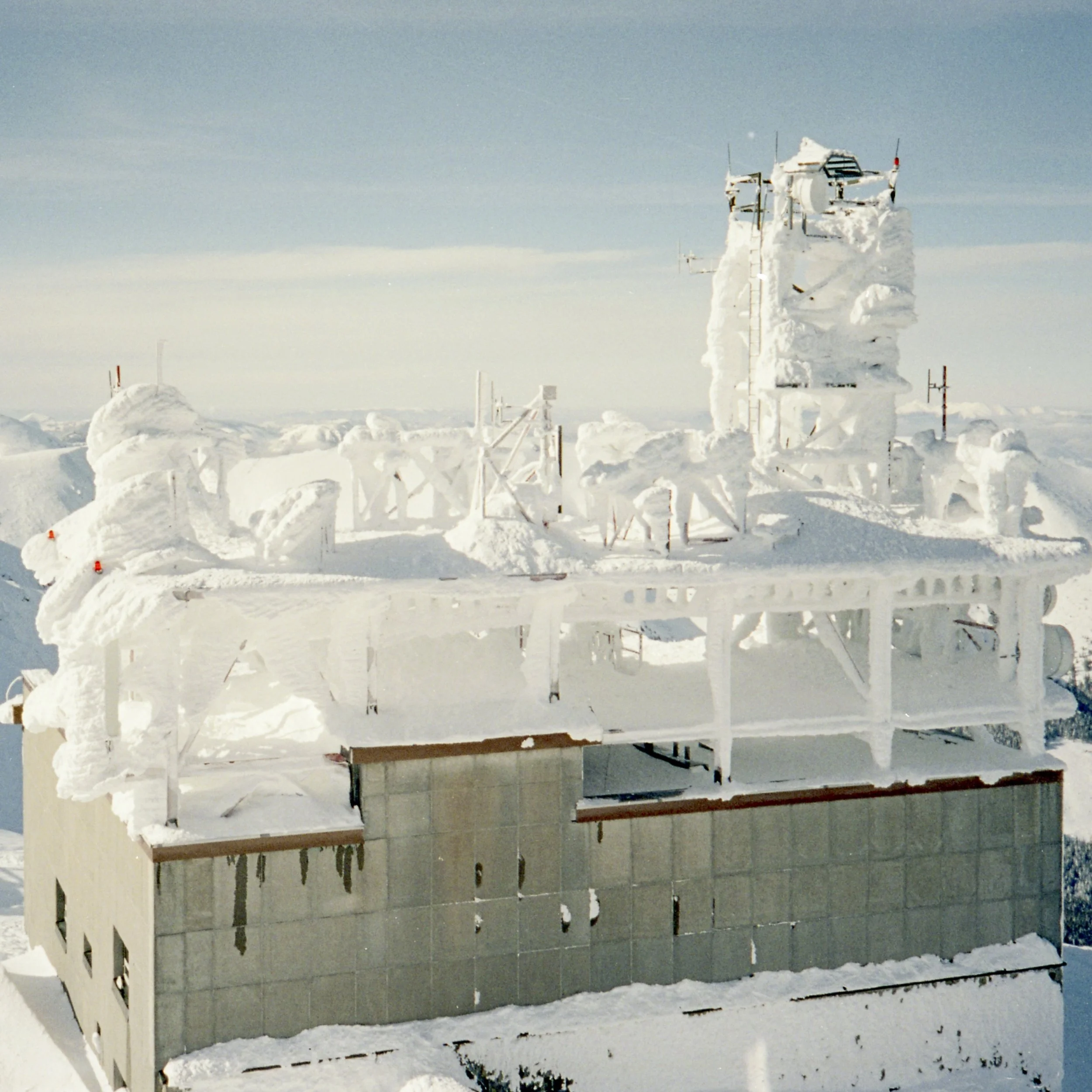
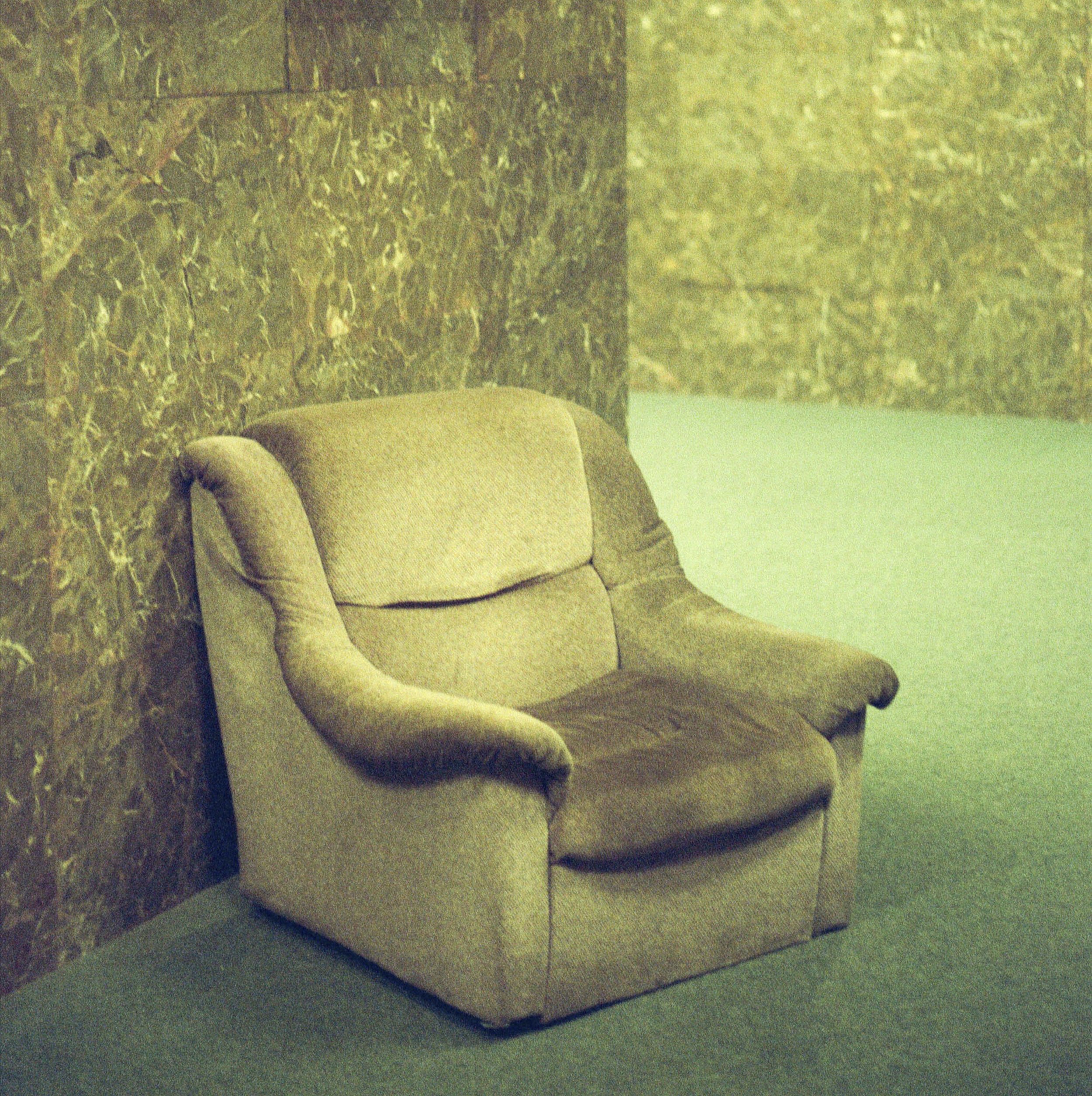
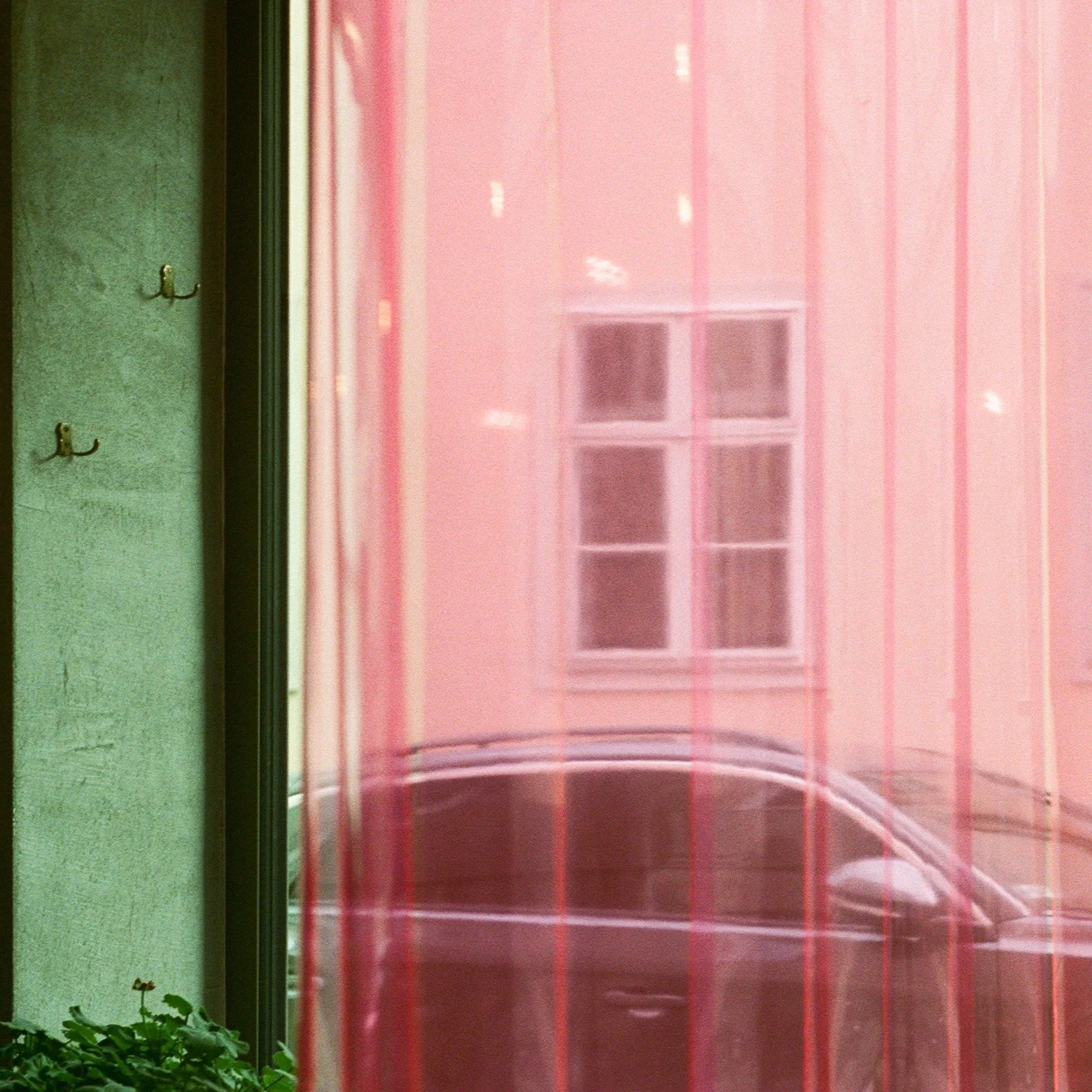
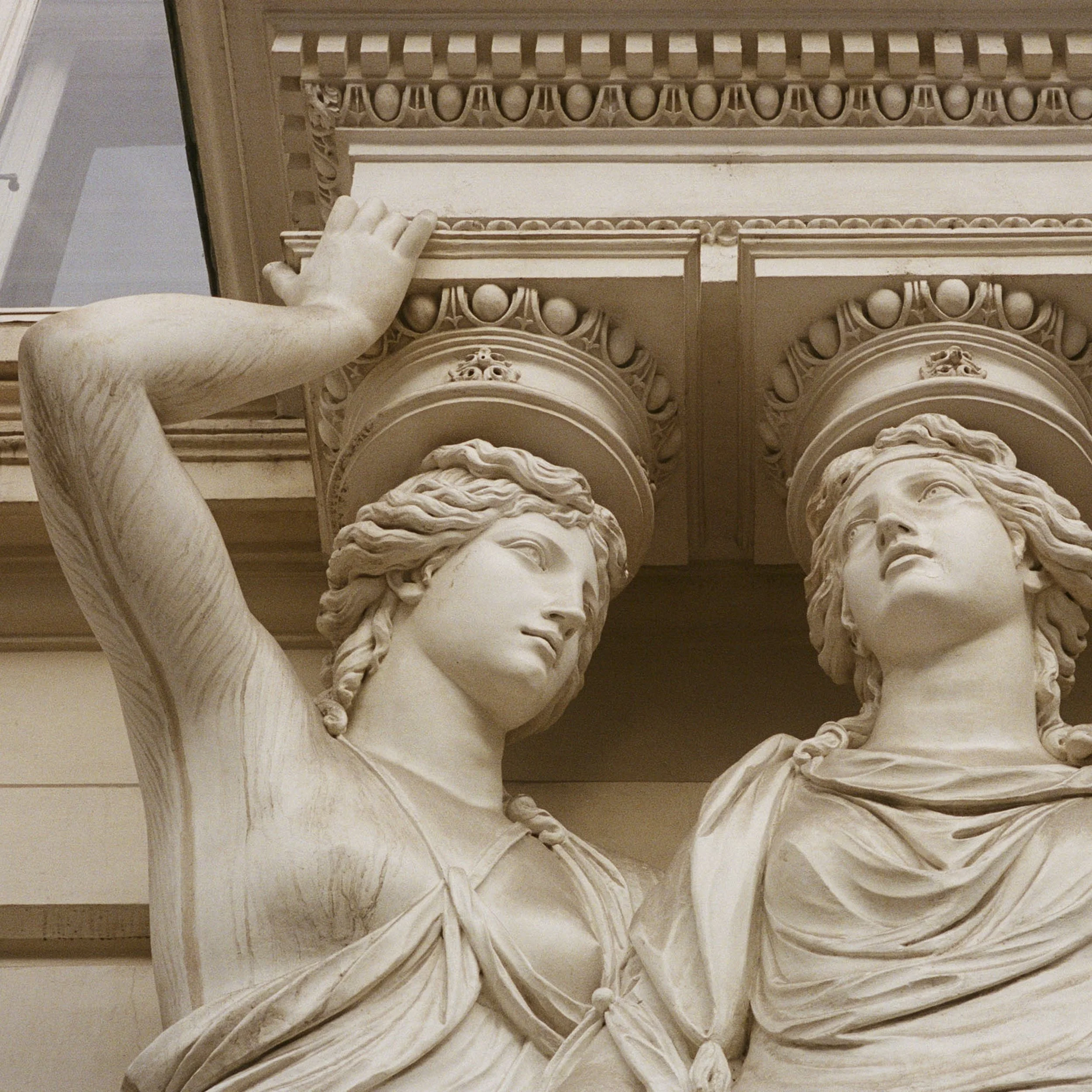
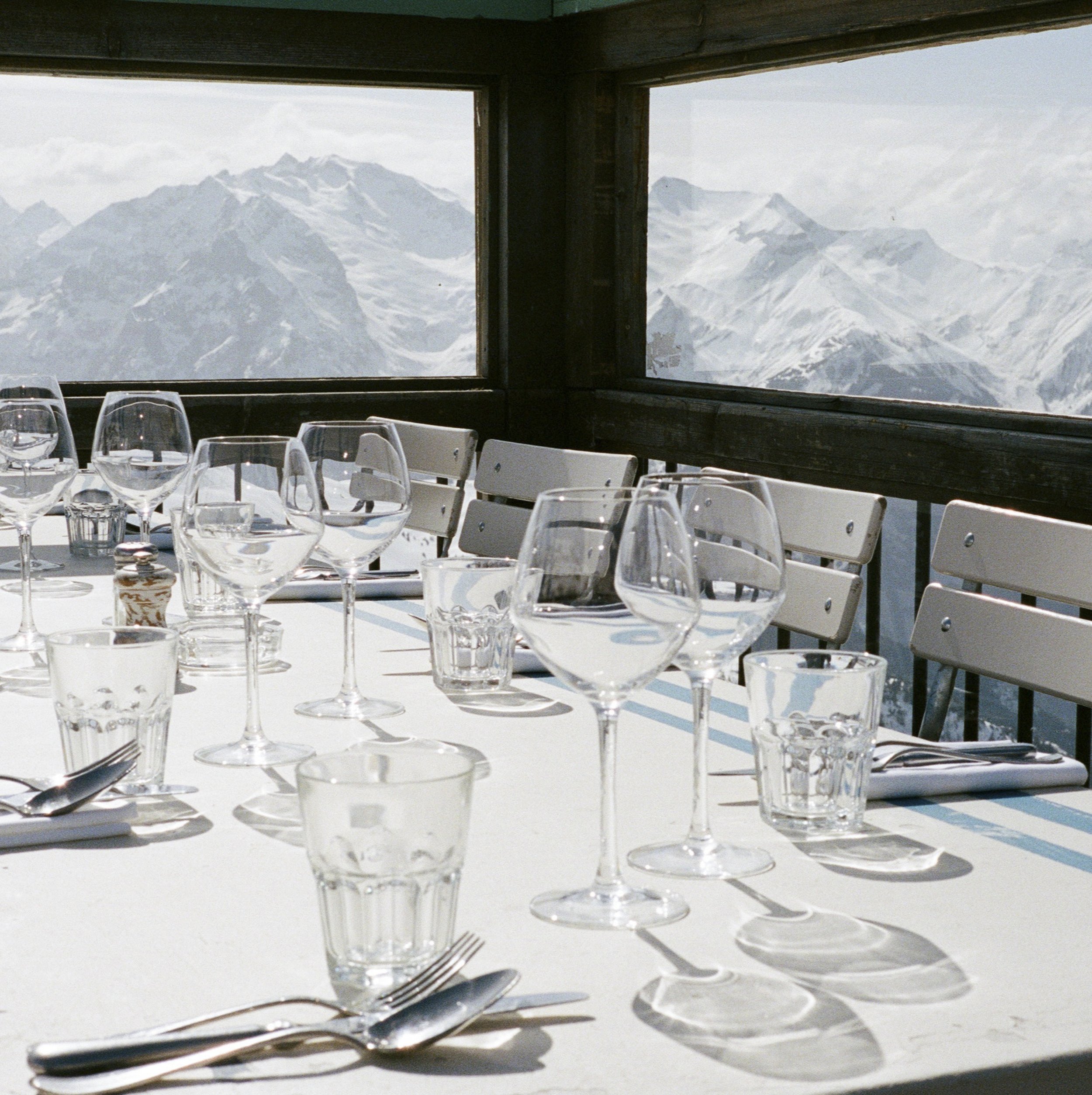
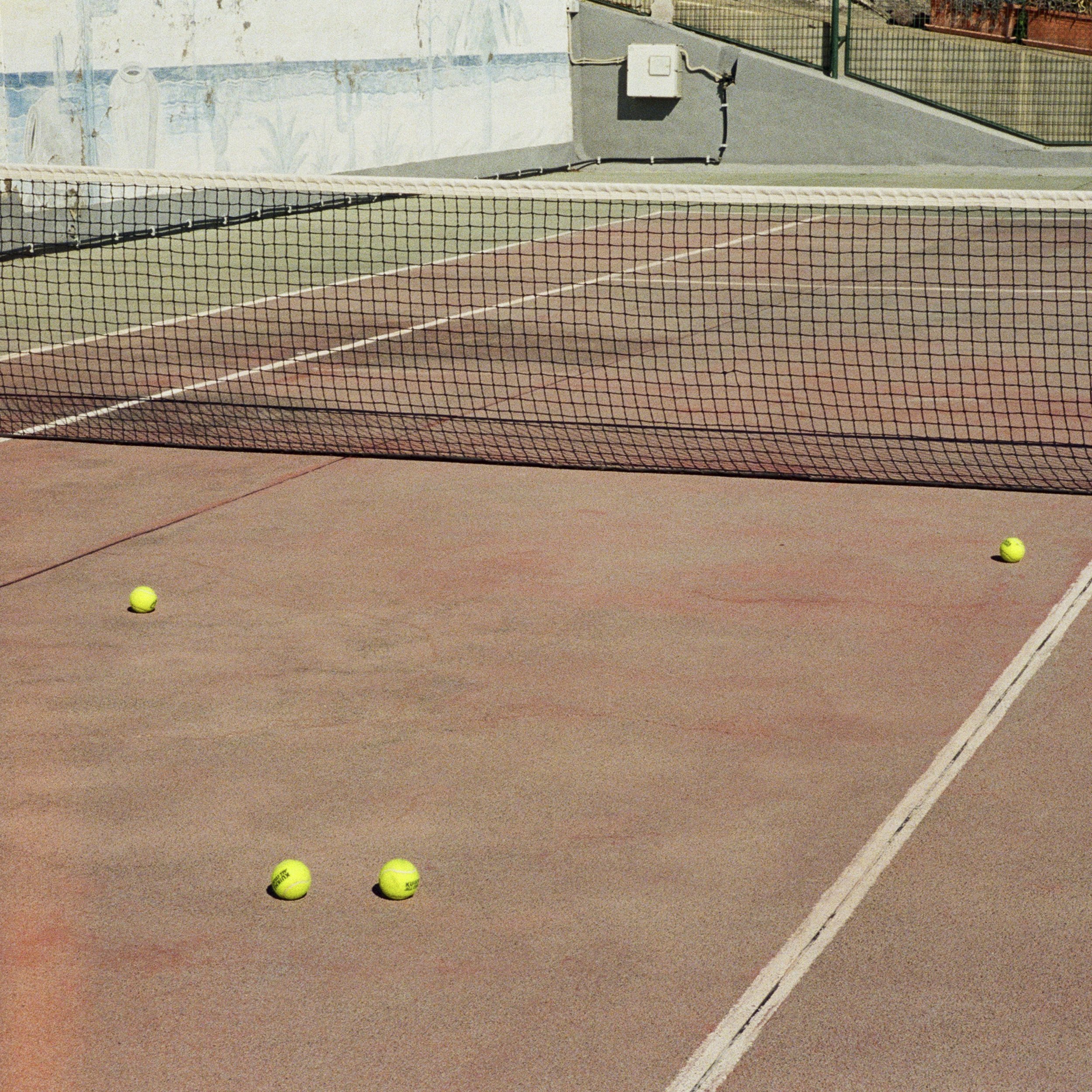
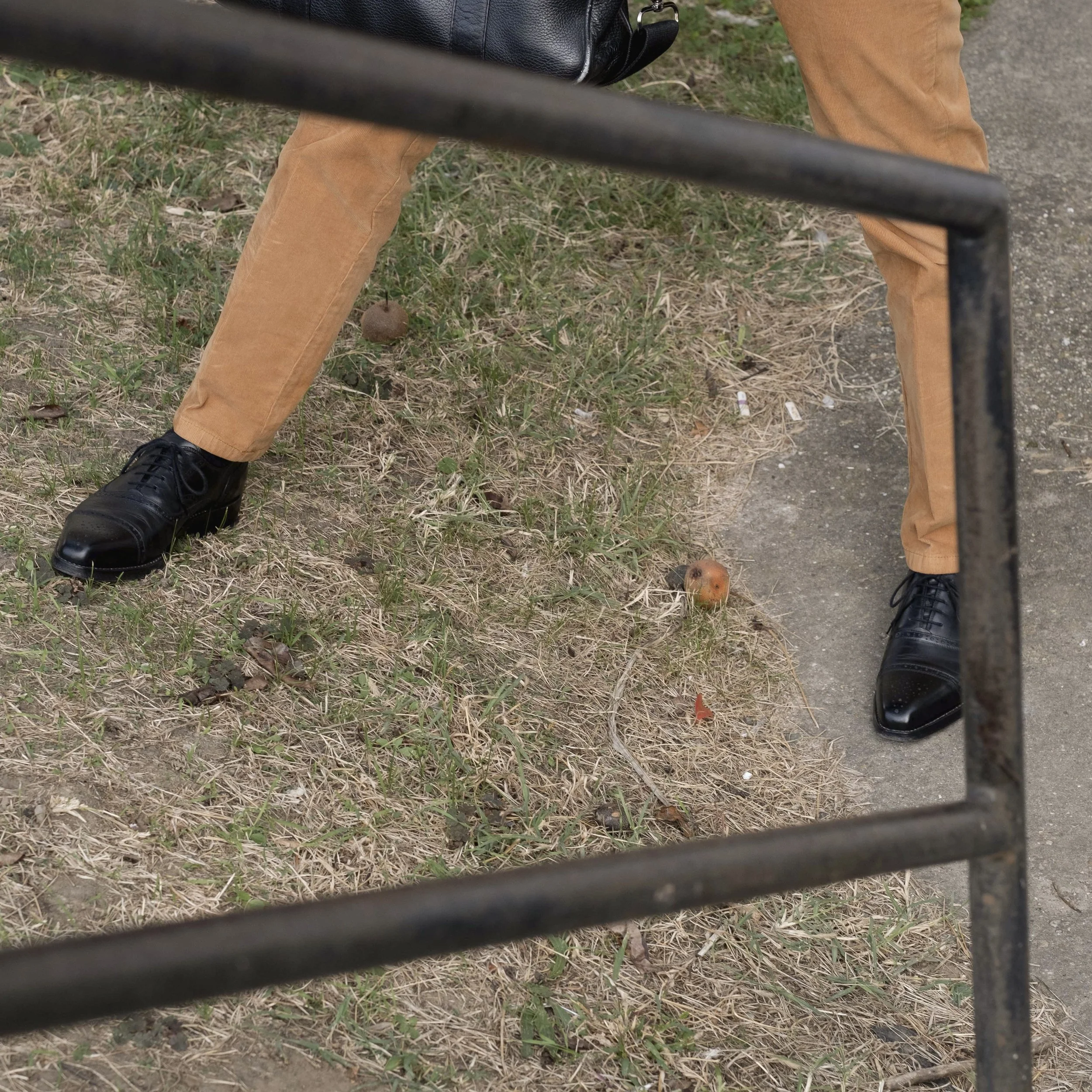
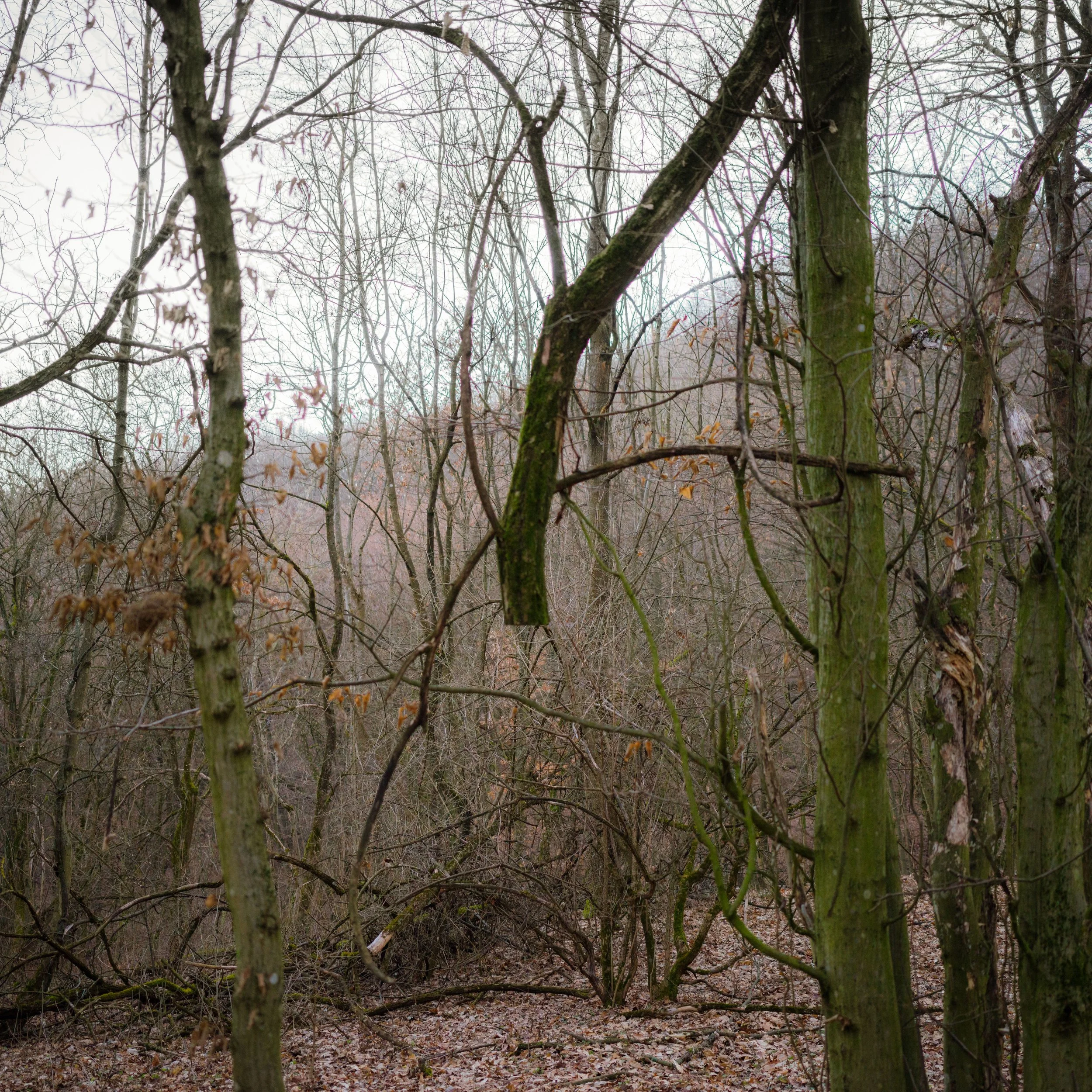
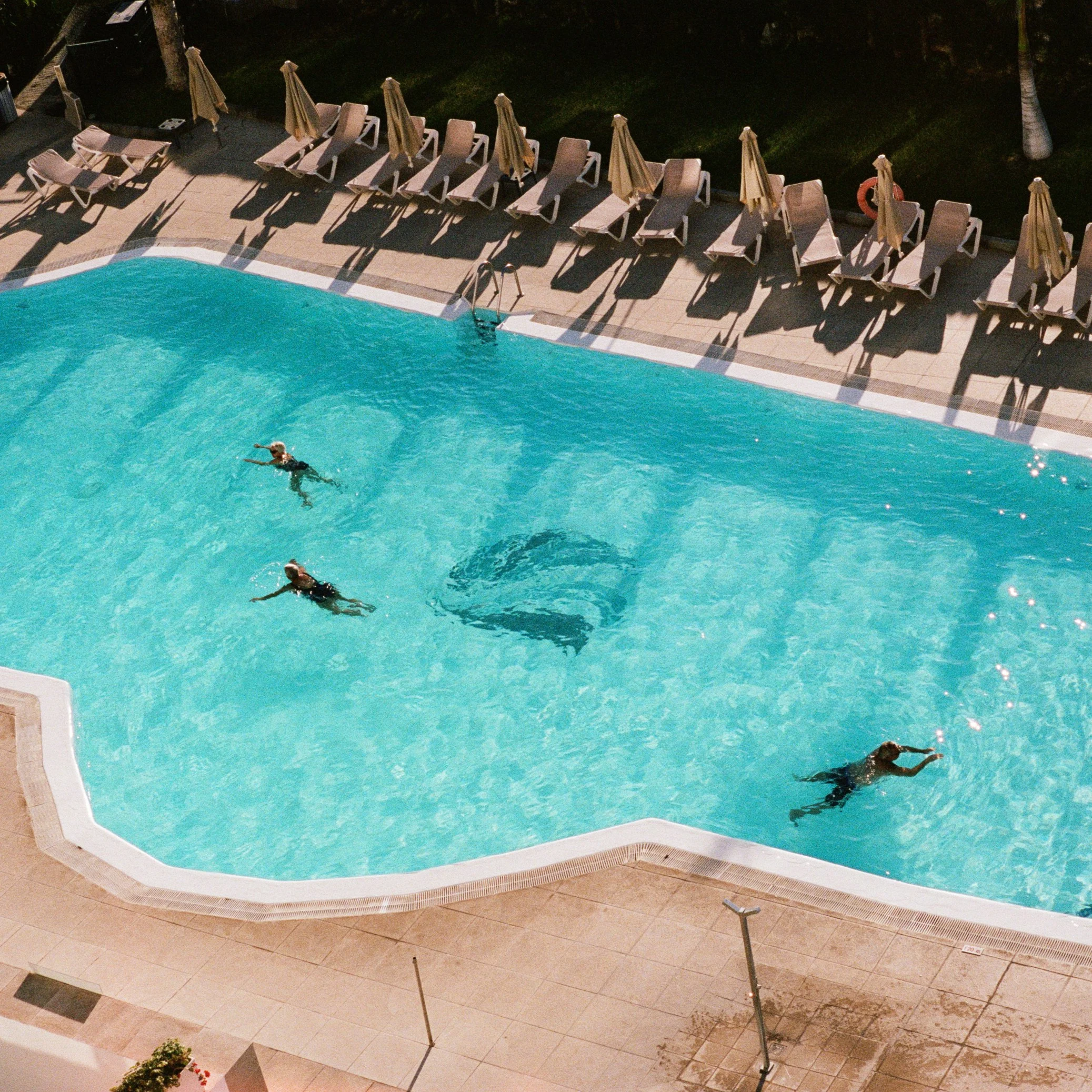
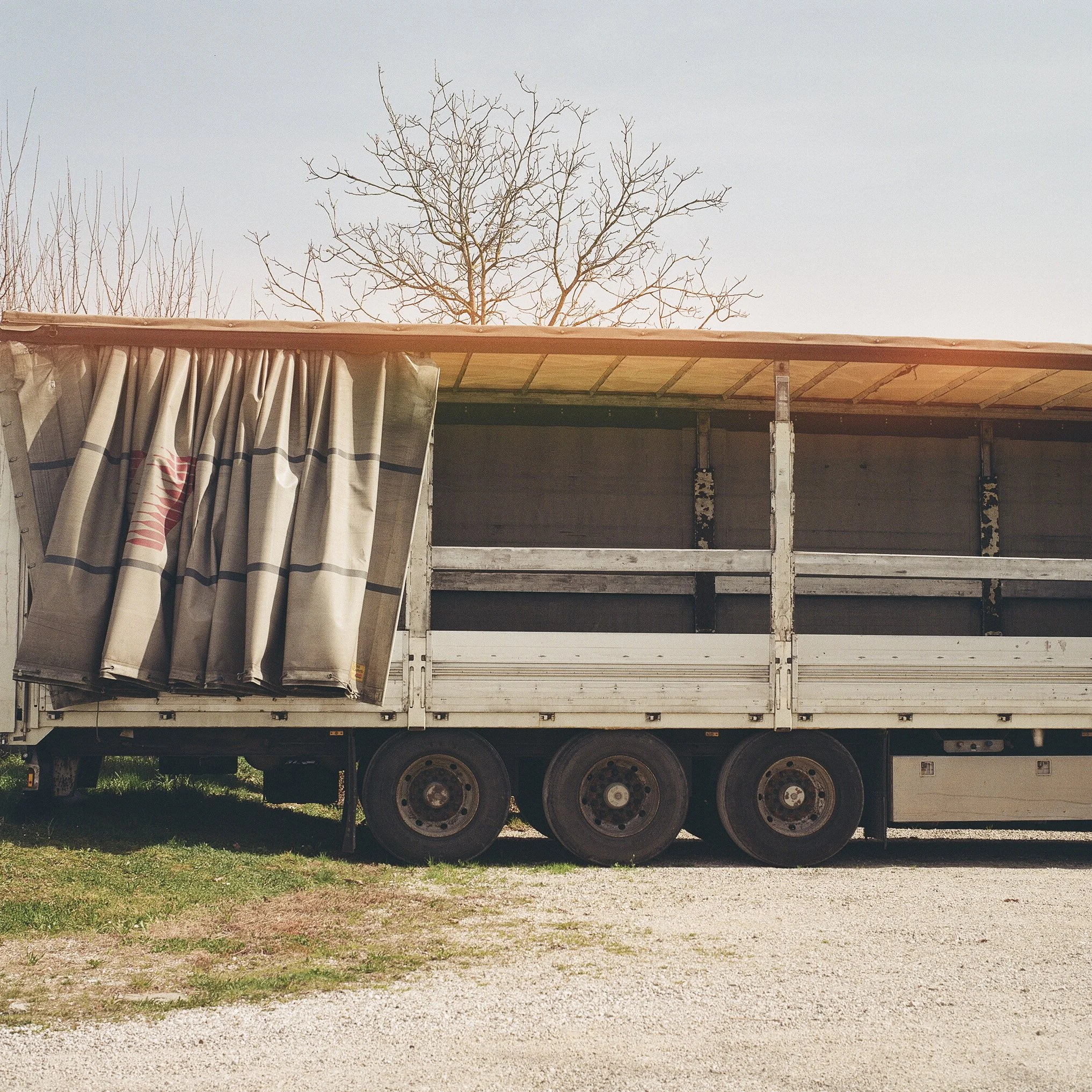
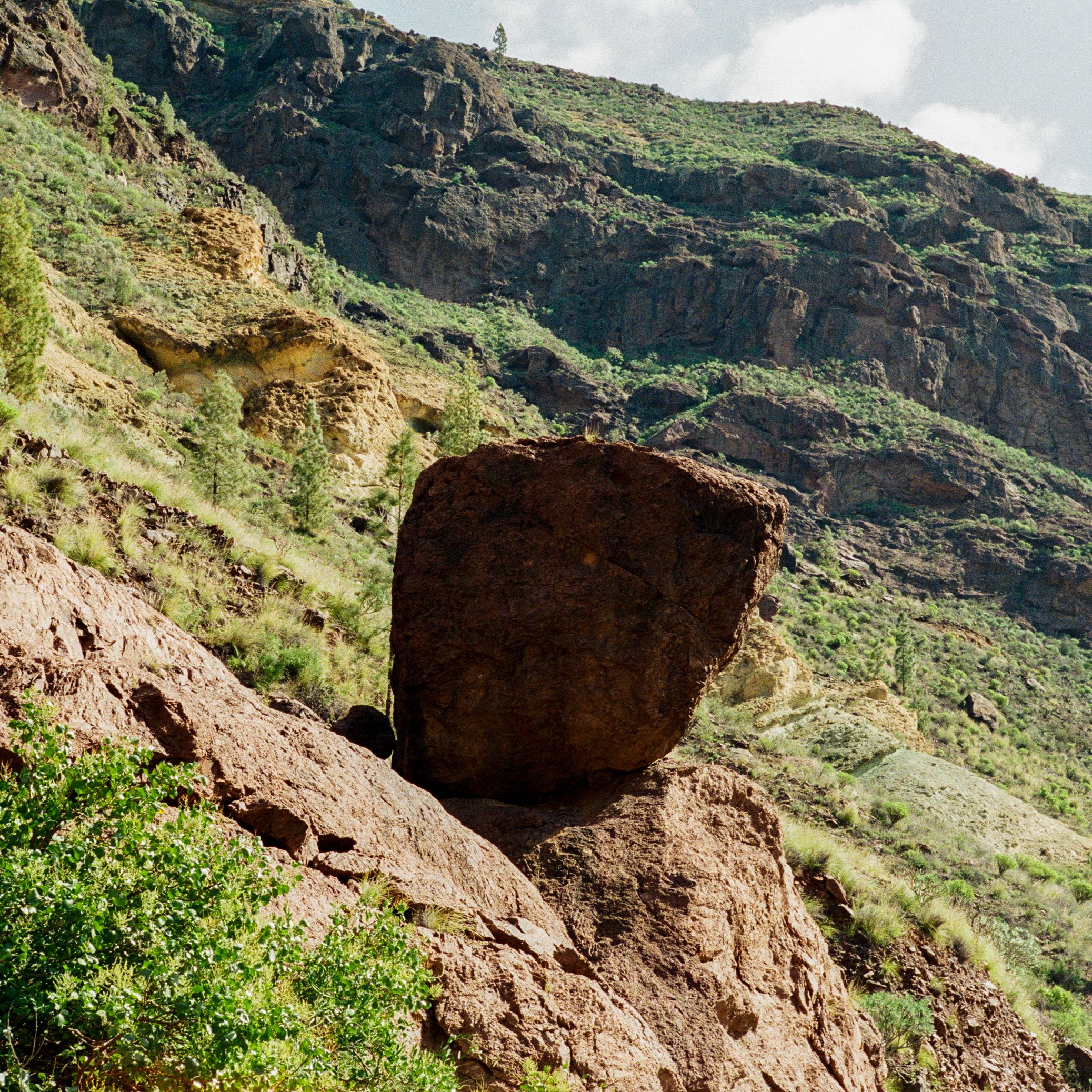
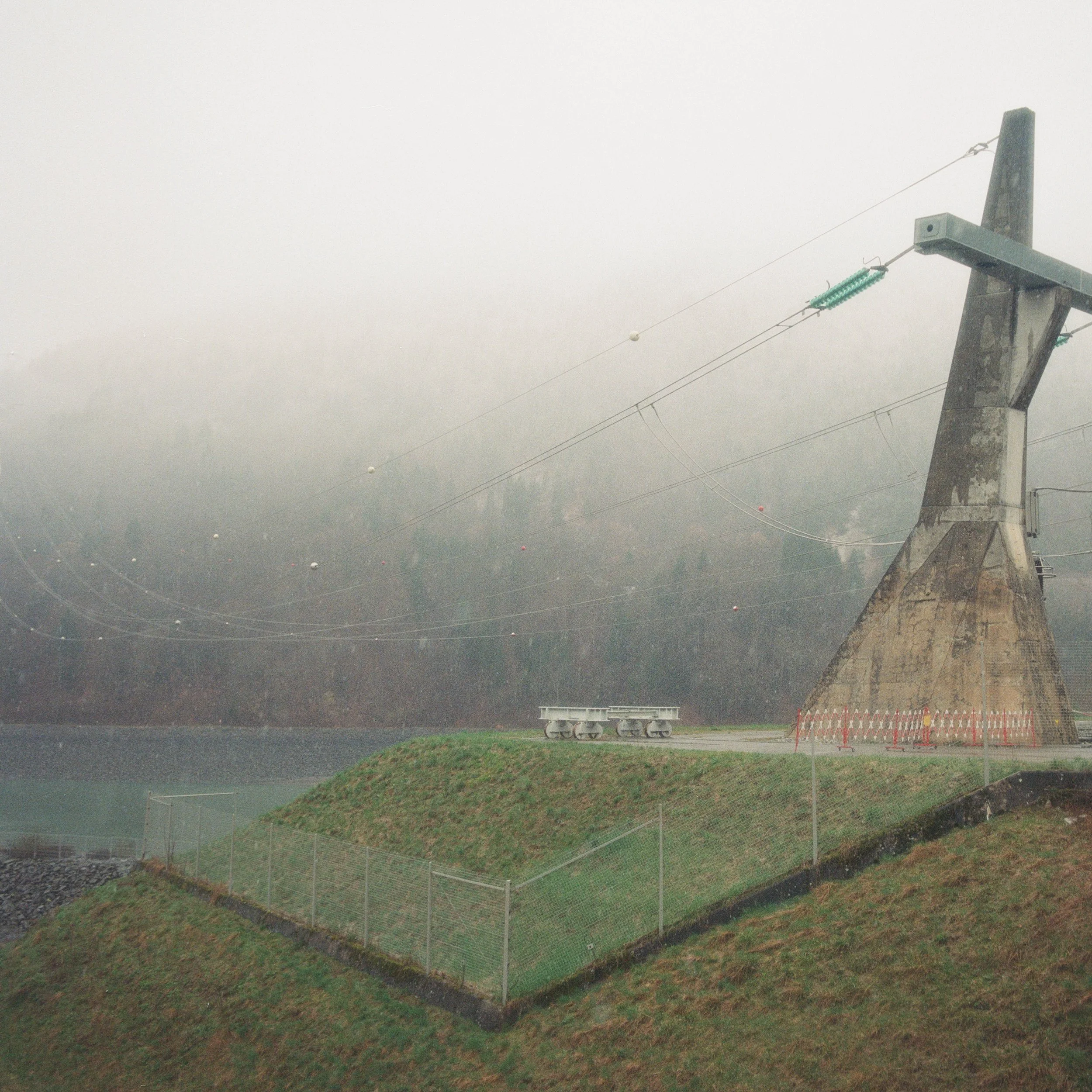
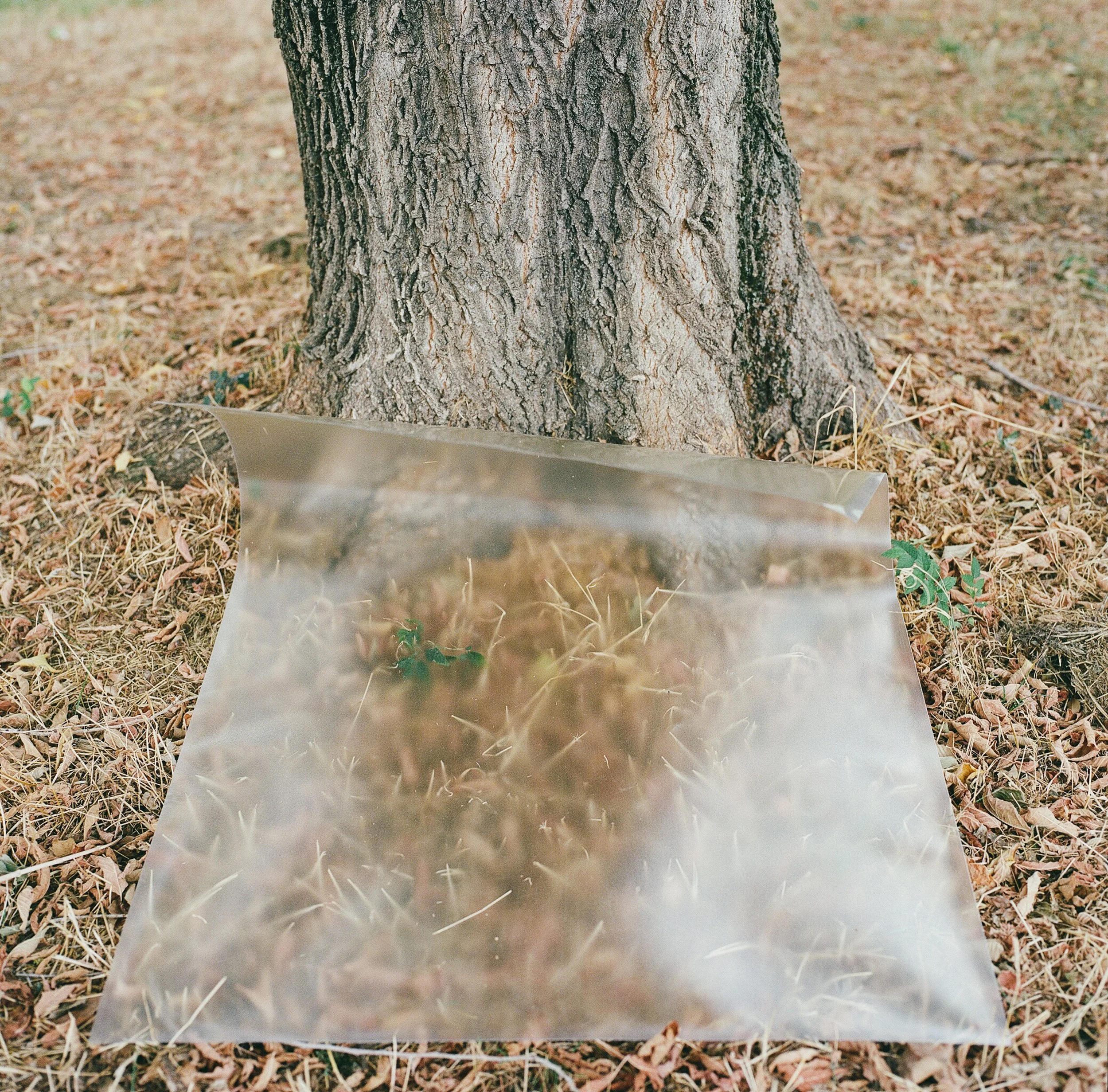
Out of the Blue explores how moments of wonder, ambiguity, and quiet disruption shape our perception and understanding of the world.
It reflects on the subtle interplay between presence and attention, inviting a slower way of seeing and connecting in a world of noise and urgency.
The work considers whether a photograph can become an echo of what never happened - an image that resonates not with documented events but with unlived possibilities, imagined encounters, and future memories. Through its atmospheric fragments and open-ended sequence, Out of the Blue suggests that photography can hold space for the intangible: the stories that remain unspoken, the moments that almost occurred, and the quiet futures that shimmer just beyond perception.
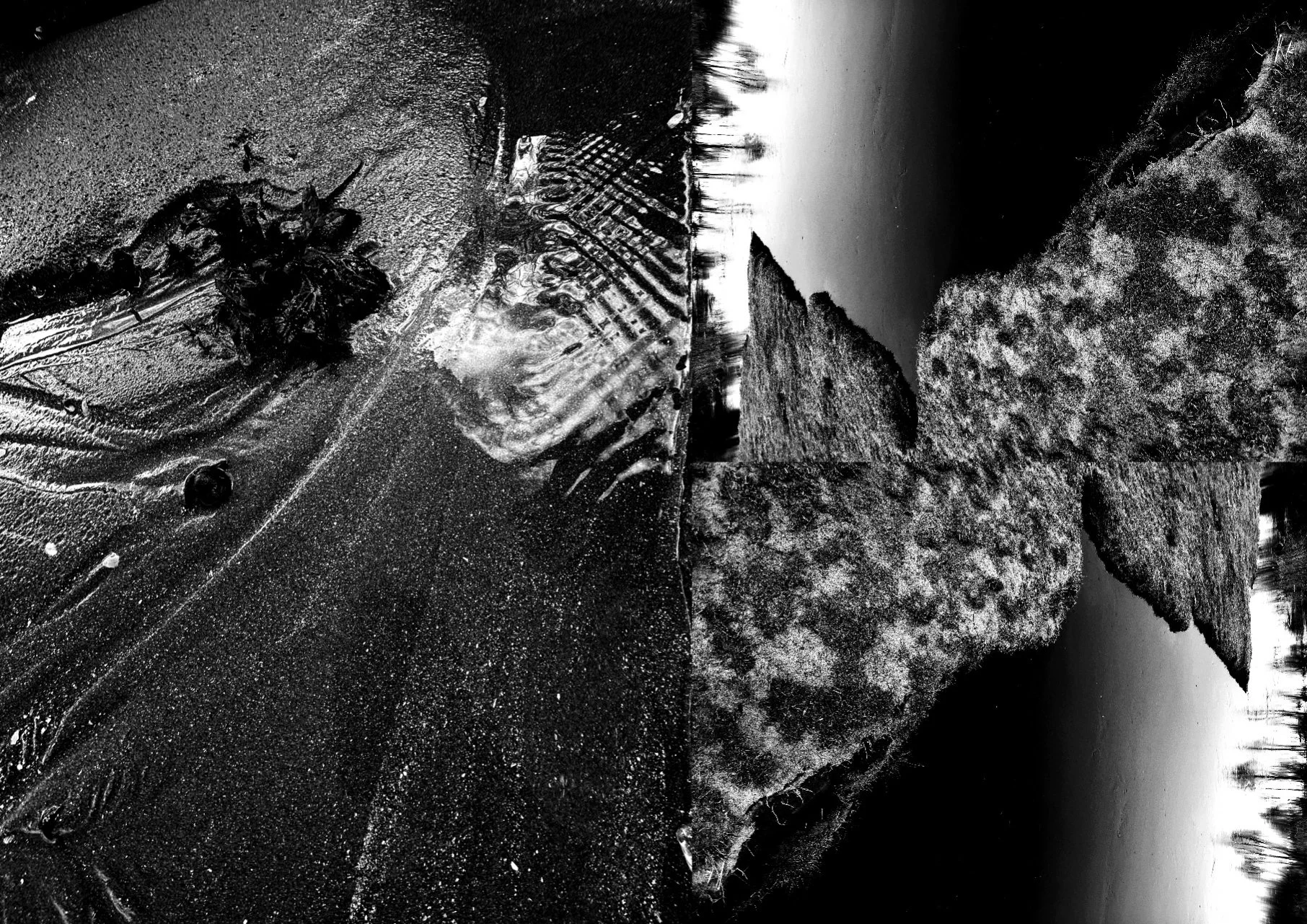
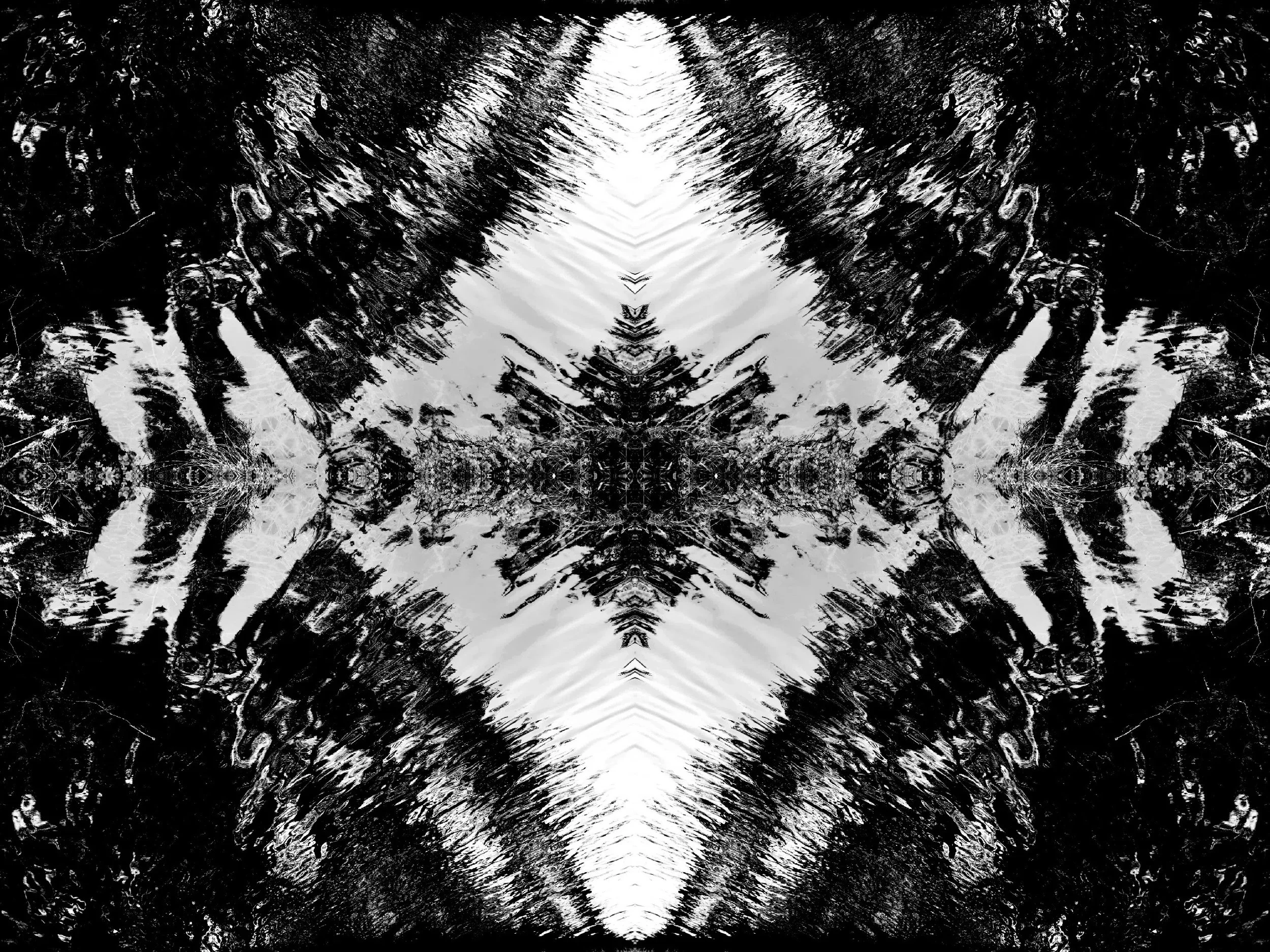
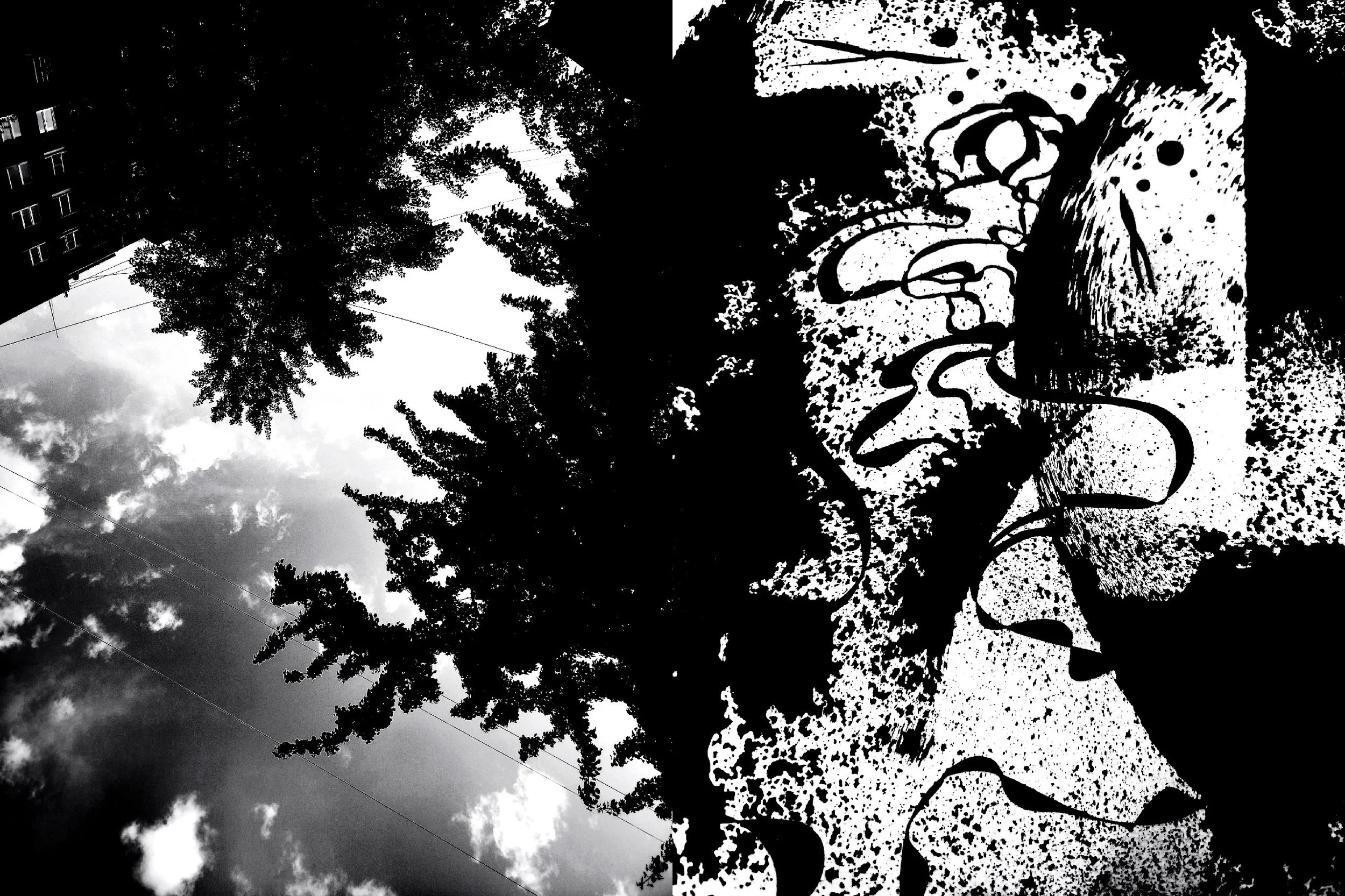
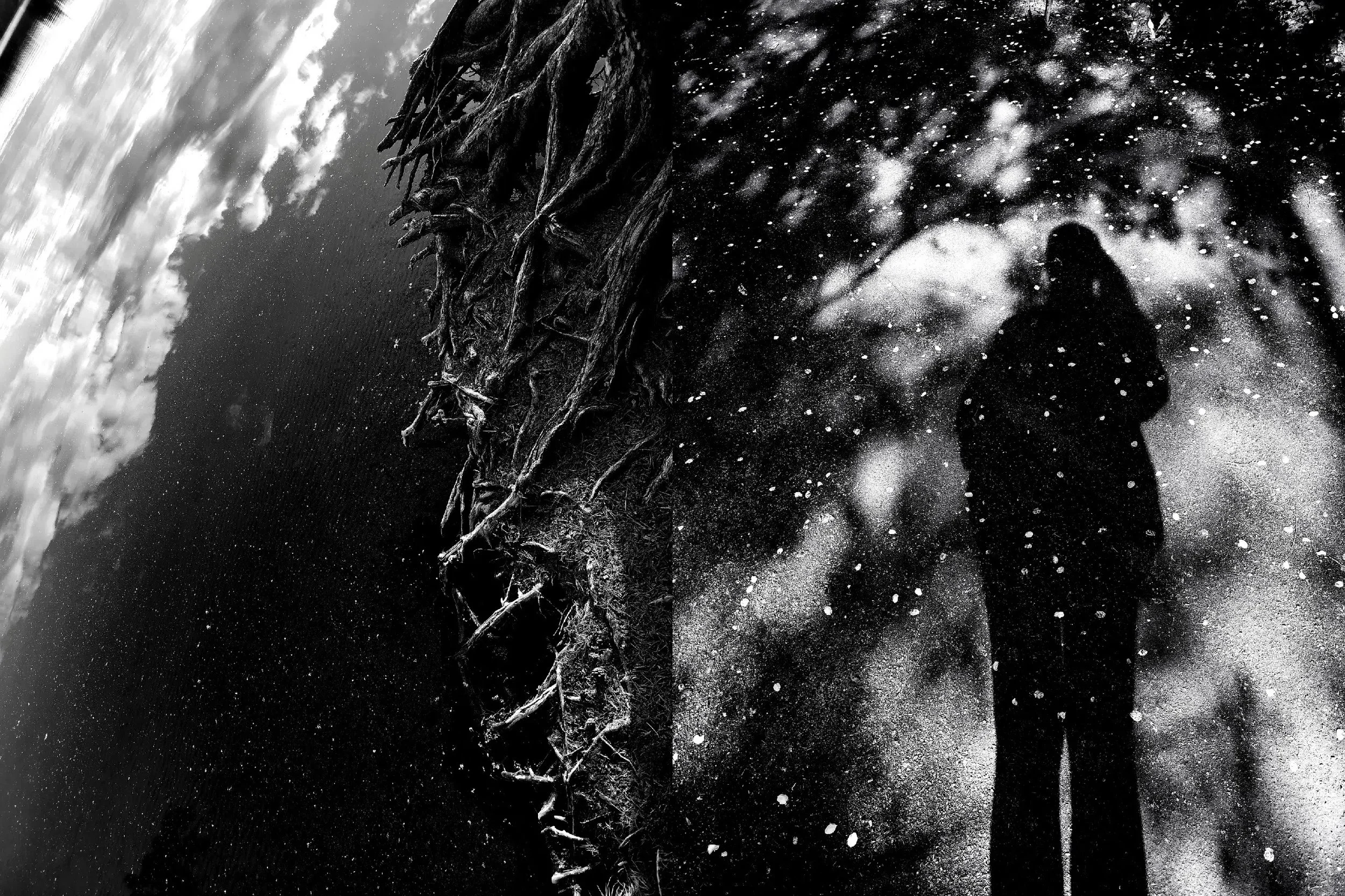
Diana Petrova
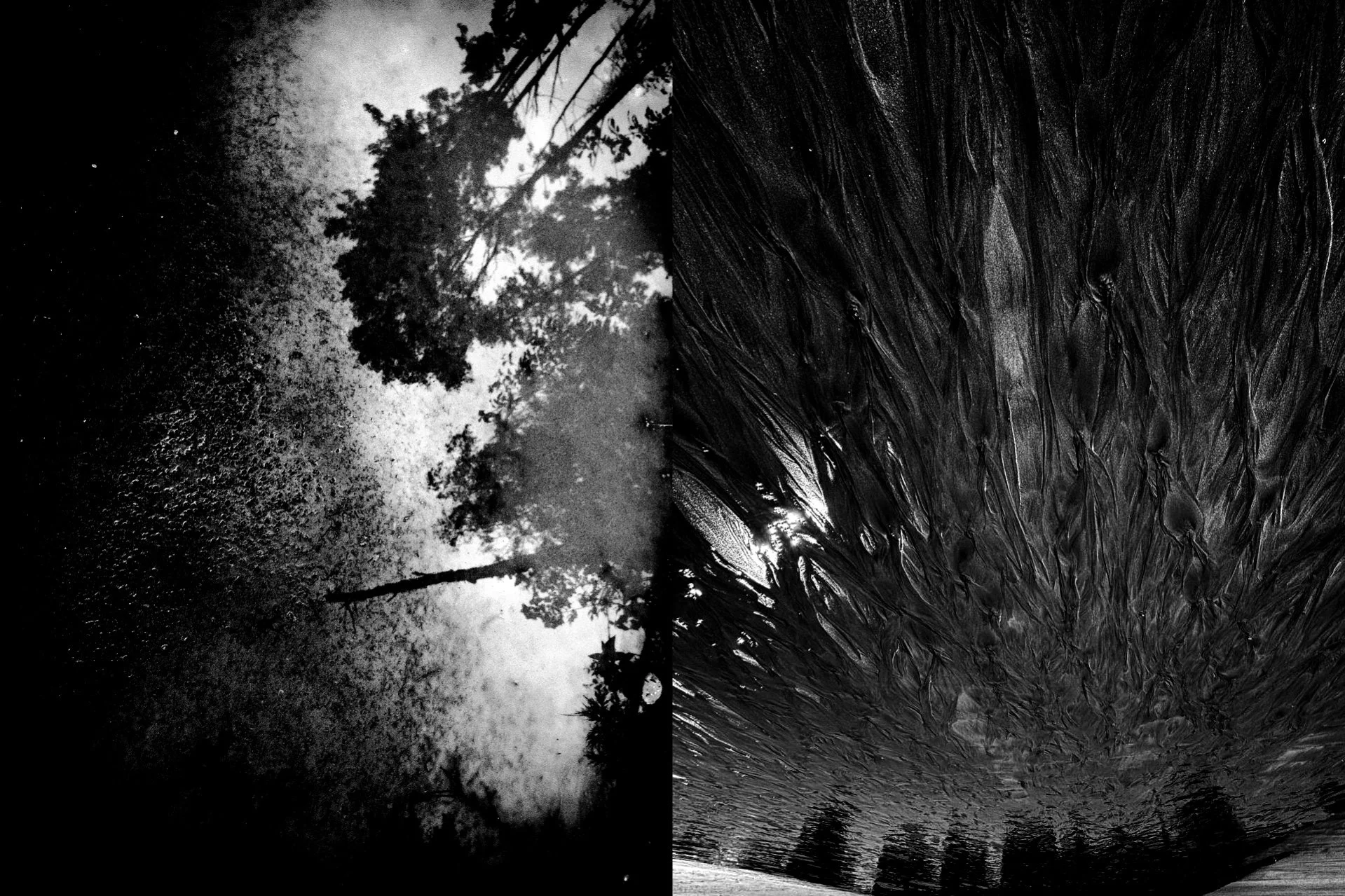
'Depth'
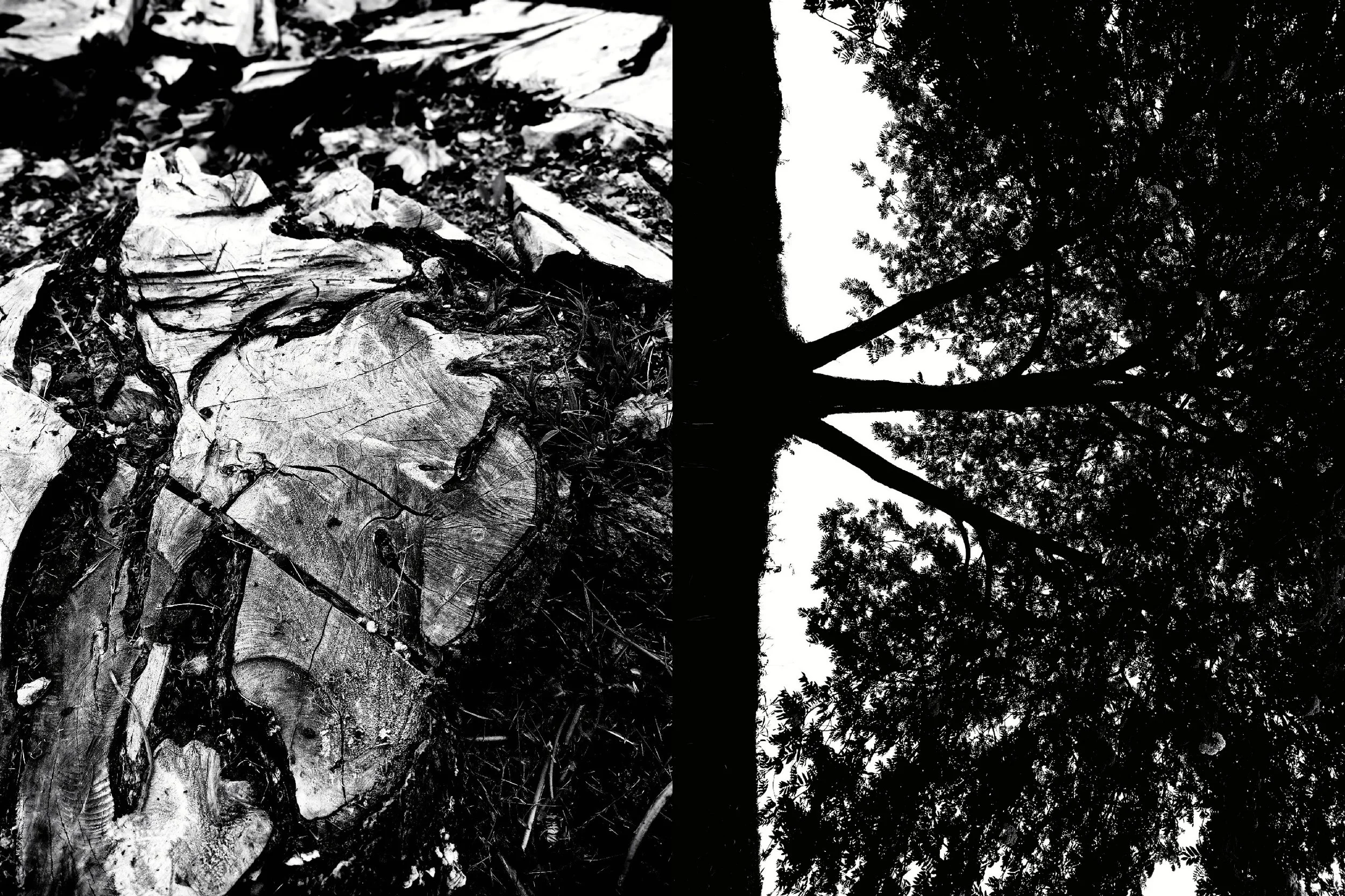
'Someone'
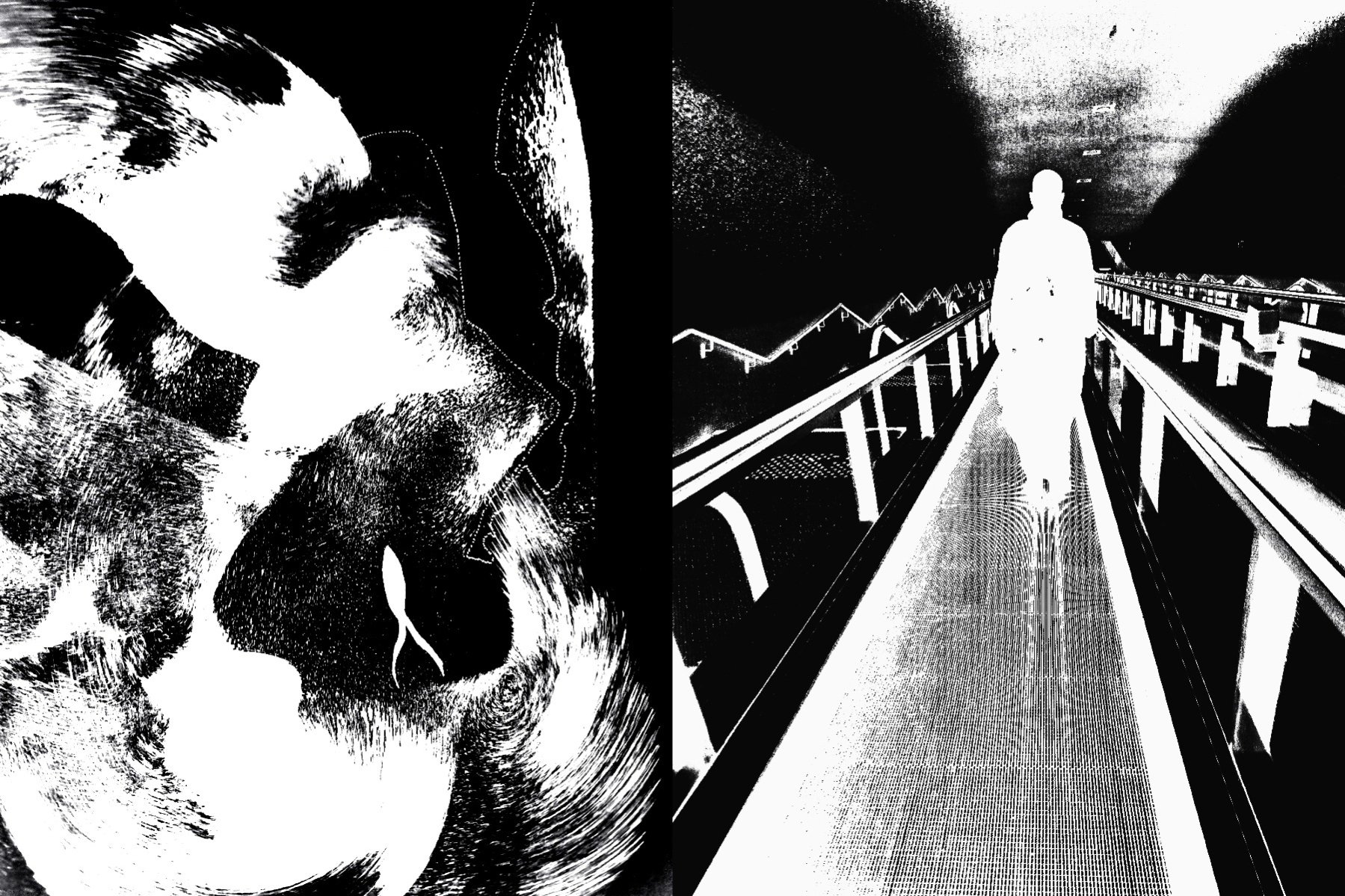
'Search'
'Transition'
'Infinity'
'Flight'
'Shadows of memories'
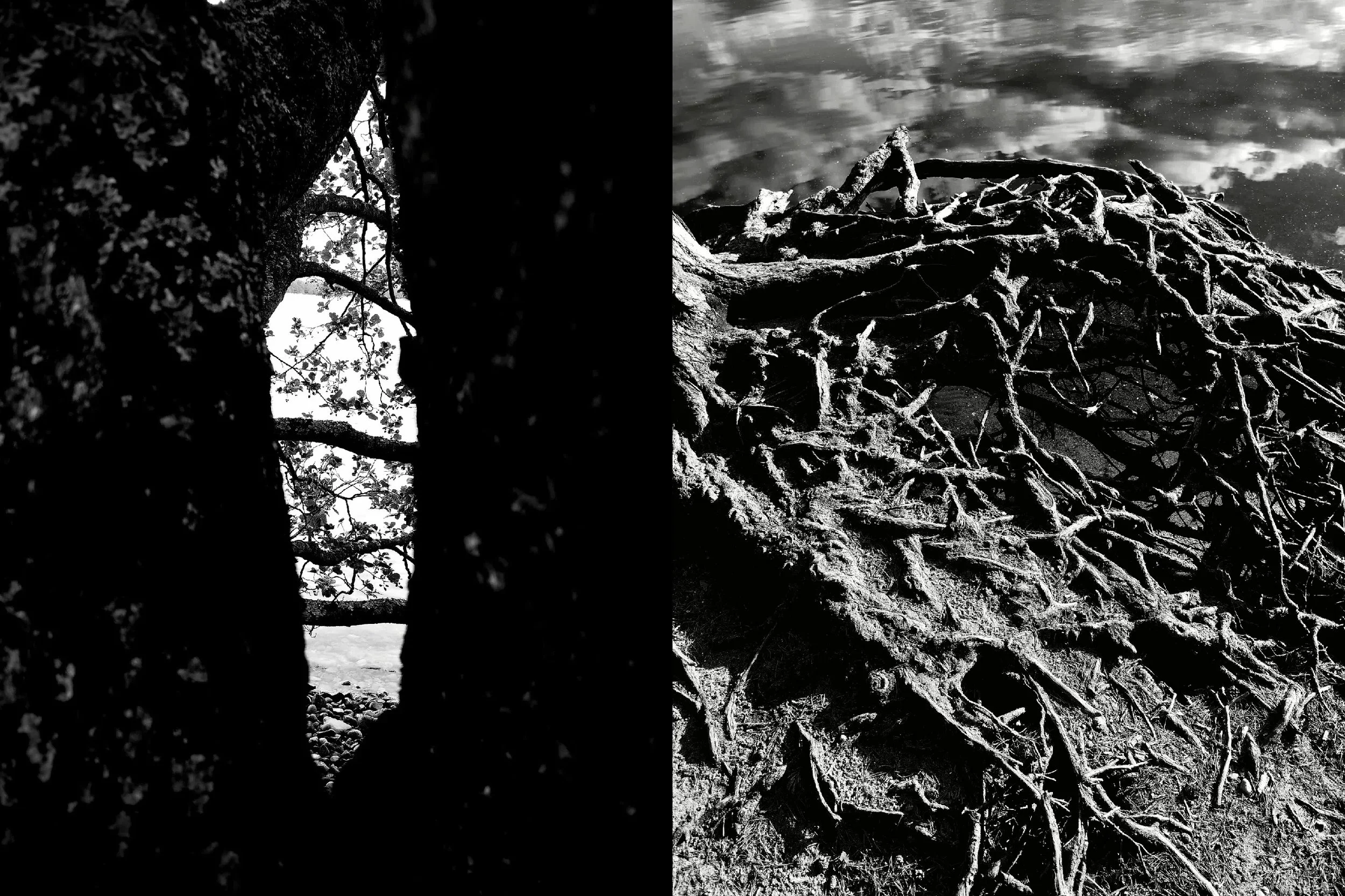
'The Eye'
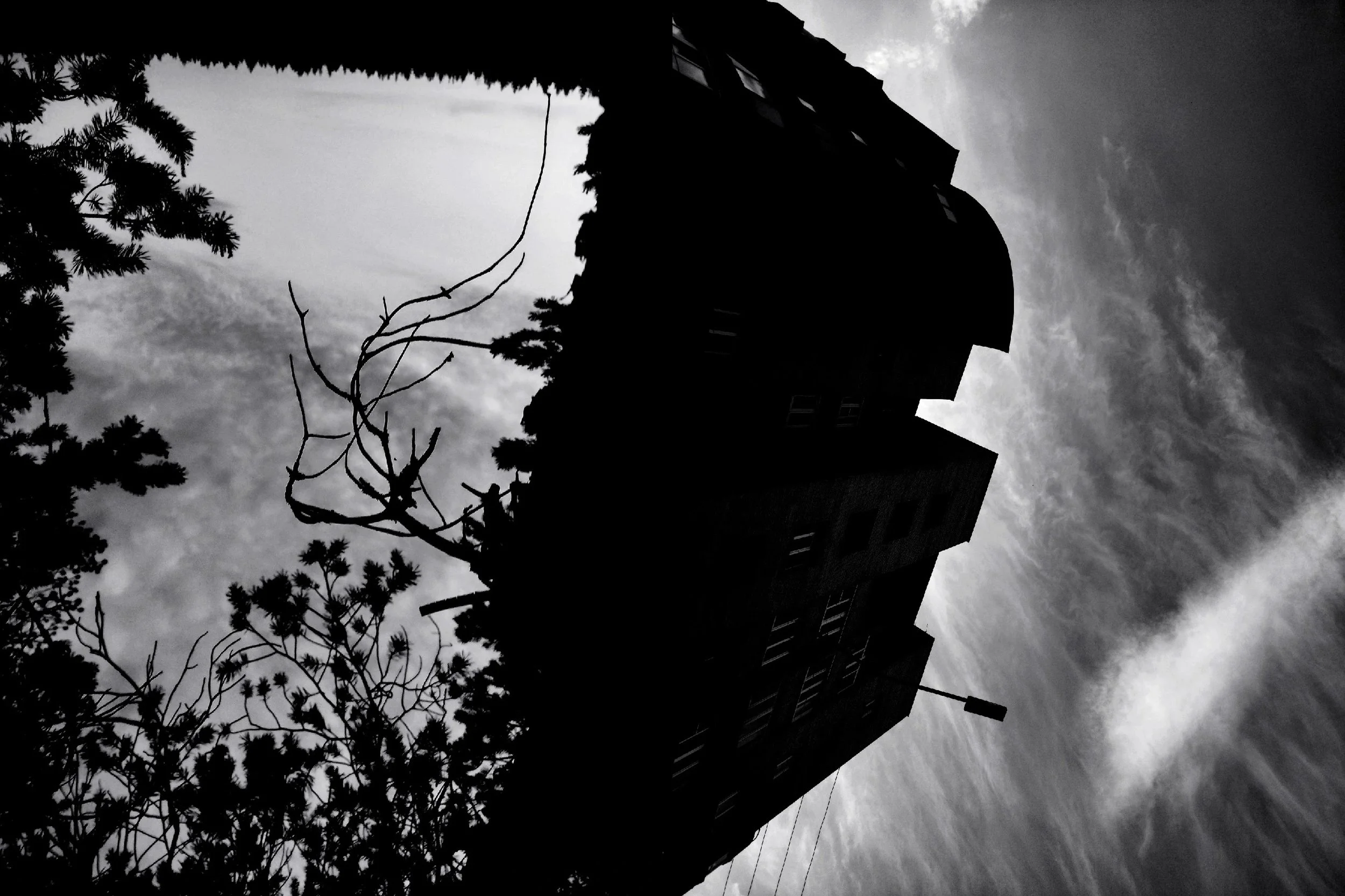
'Homeland'
Allegra Beckwith
-
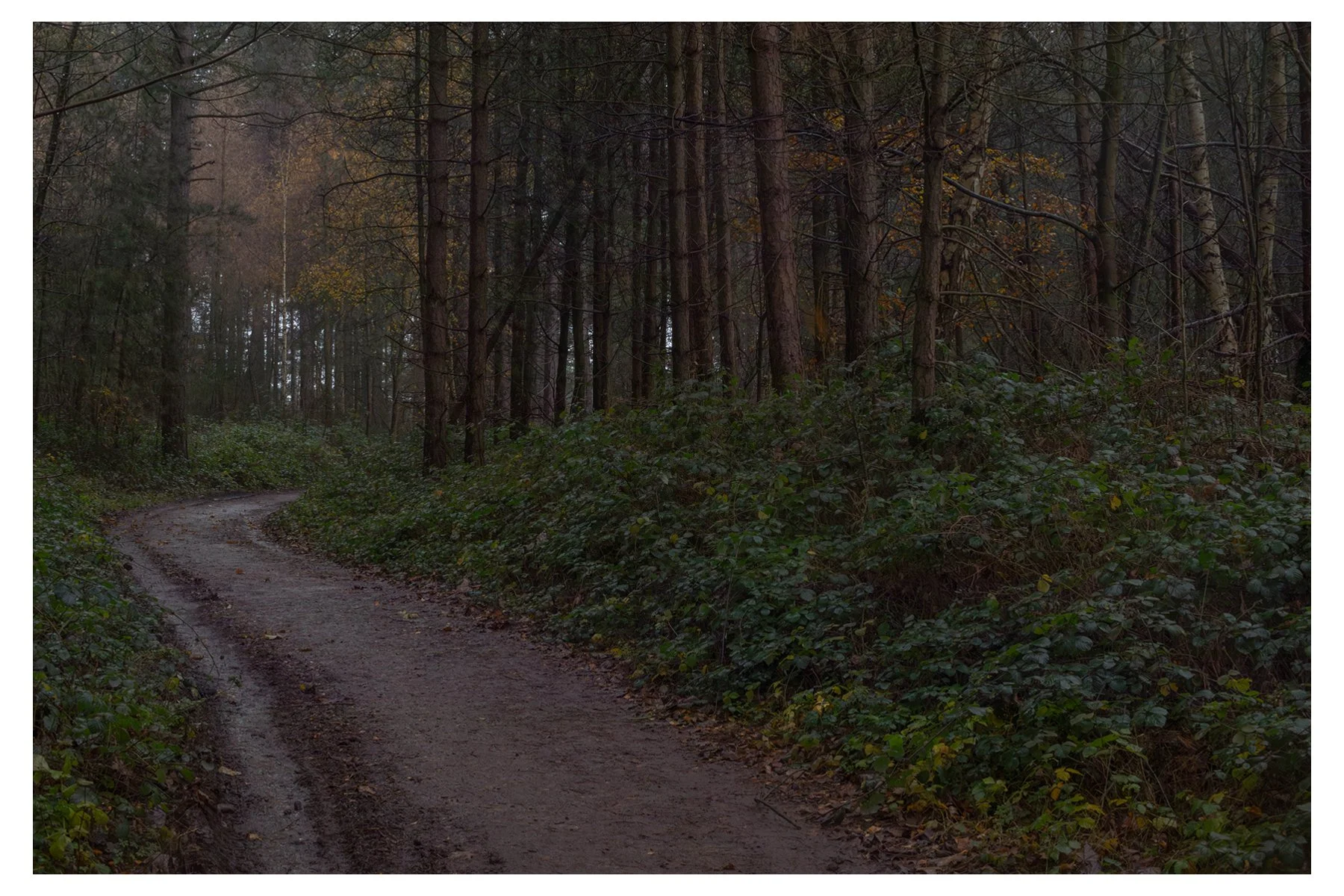
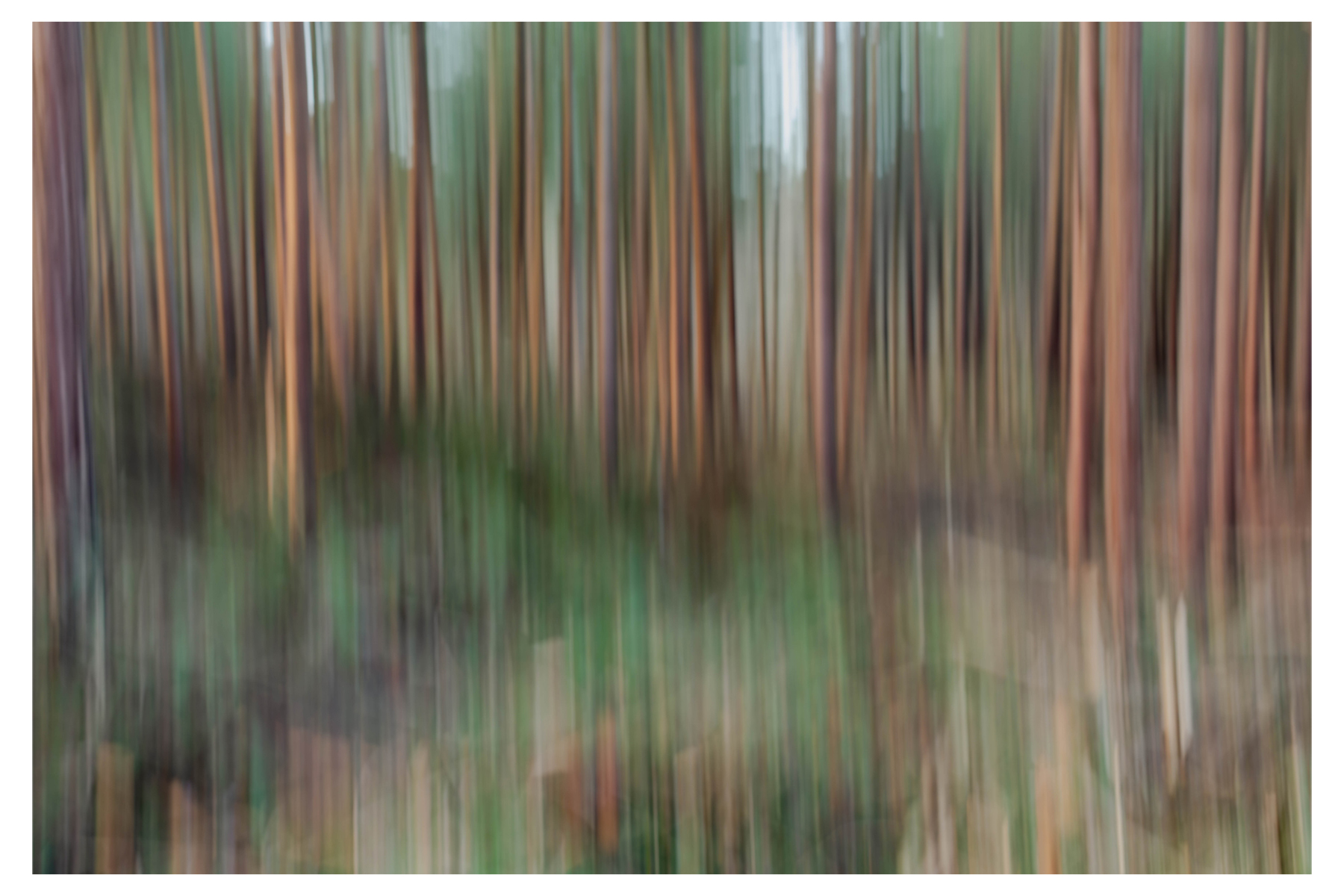
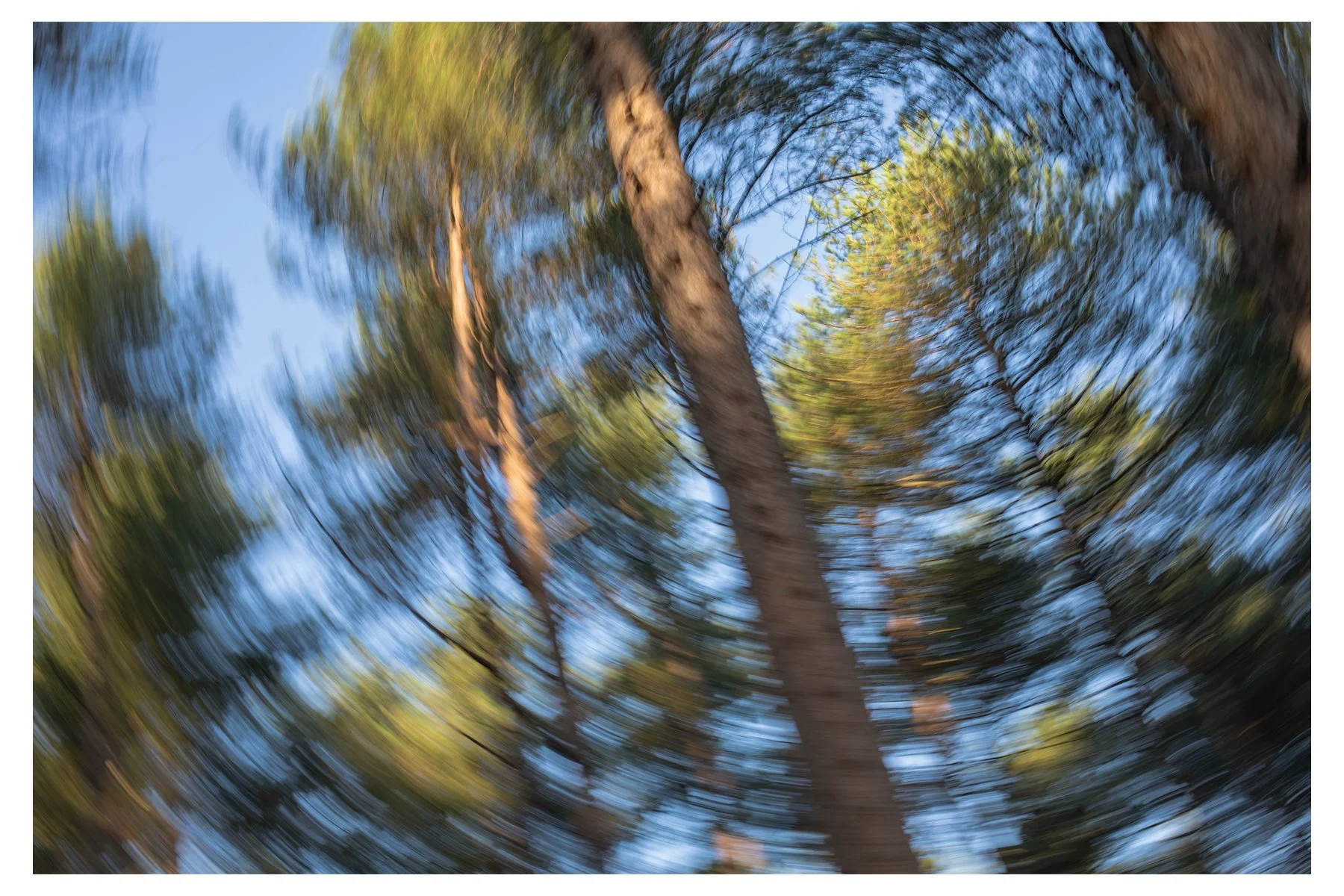
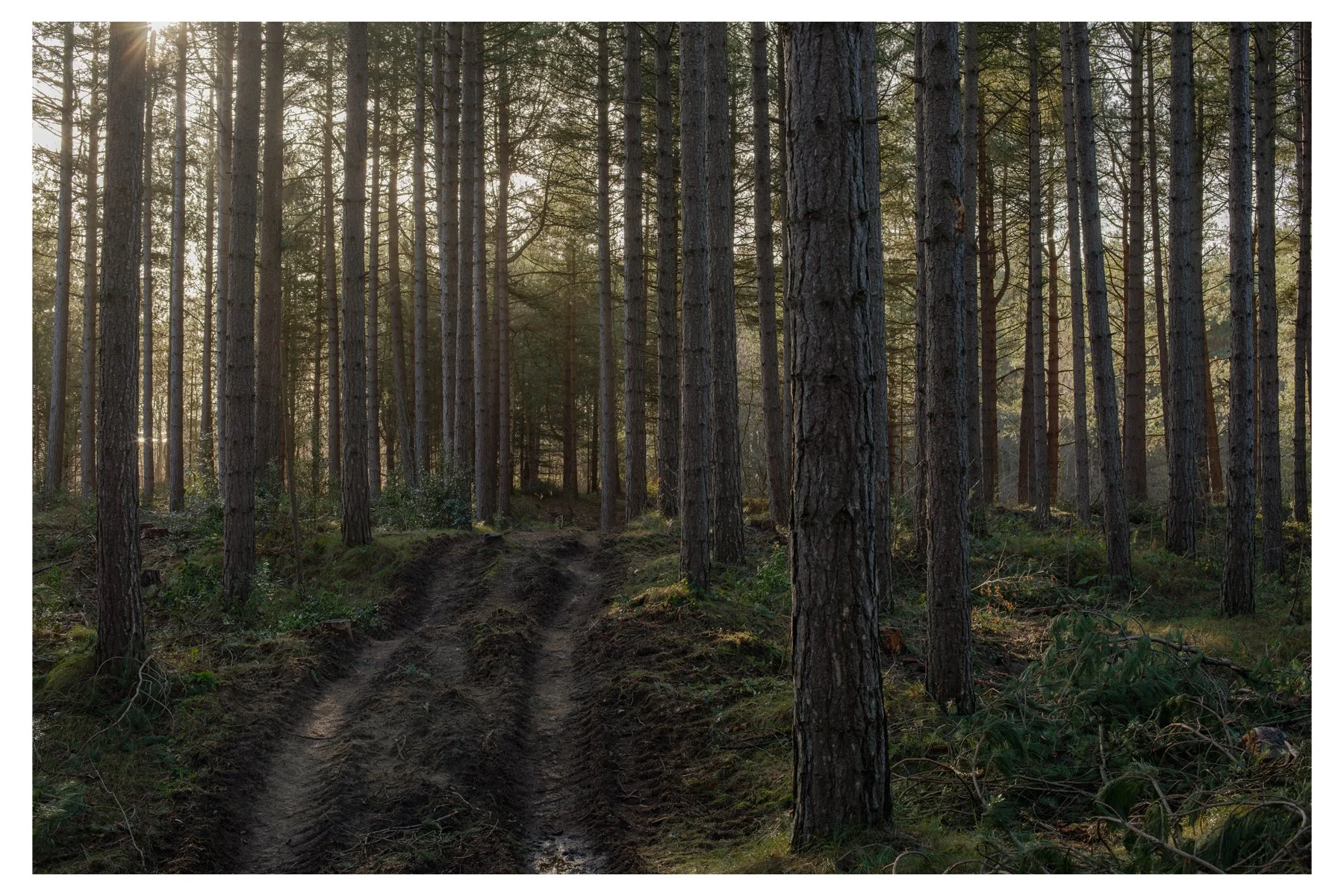
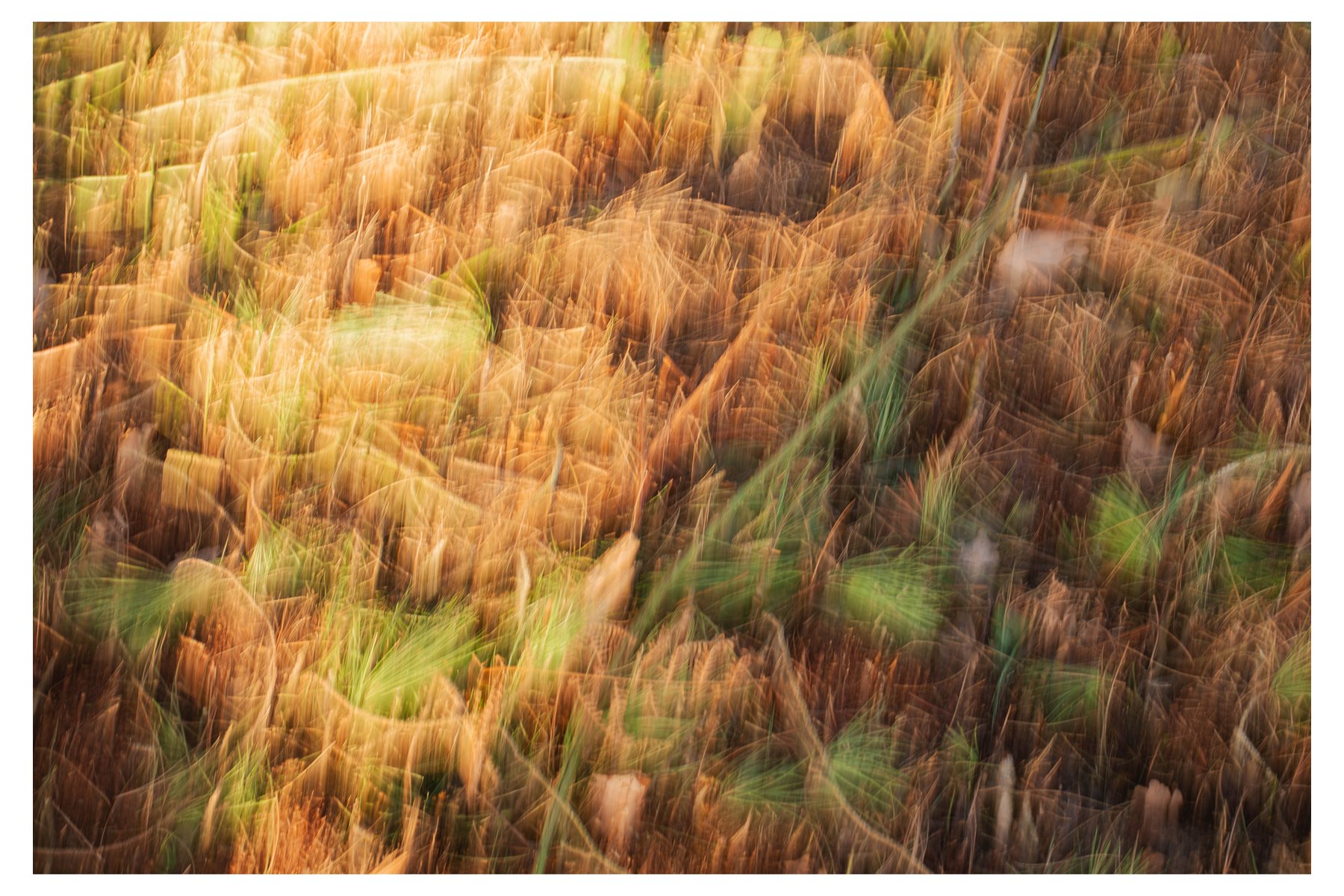
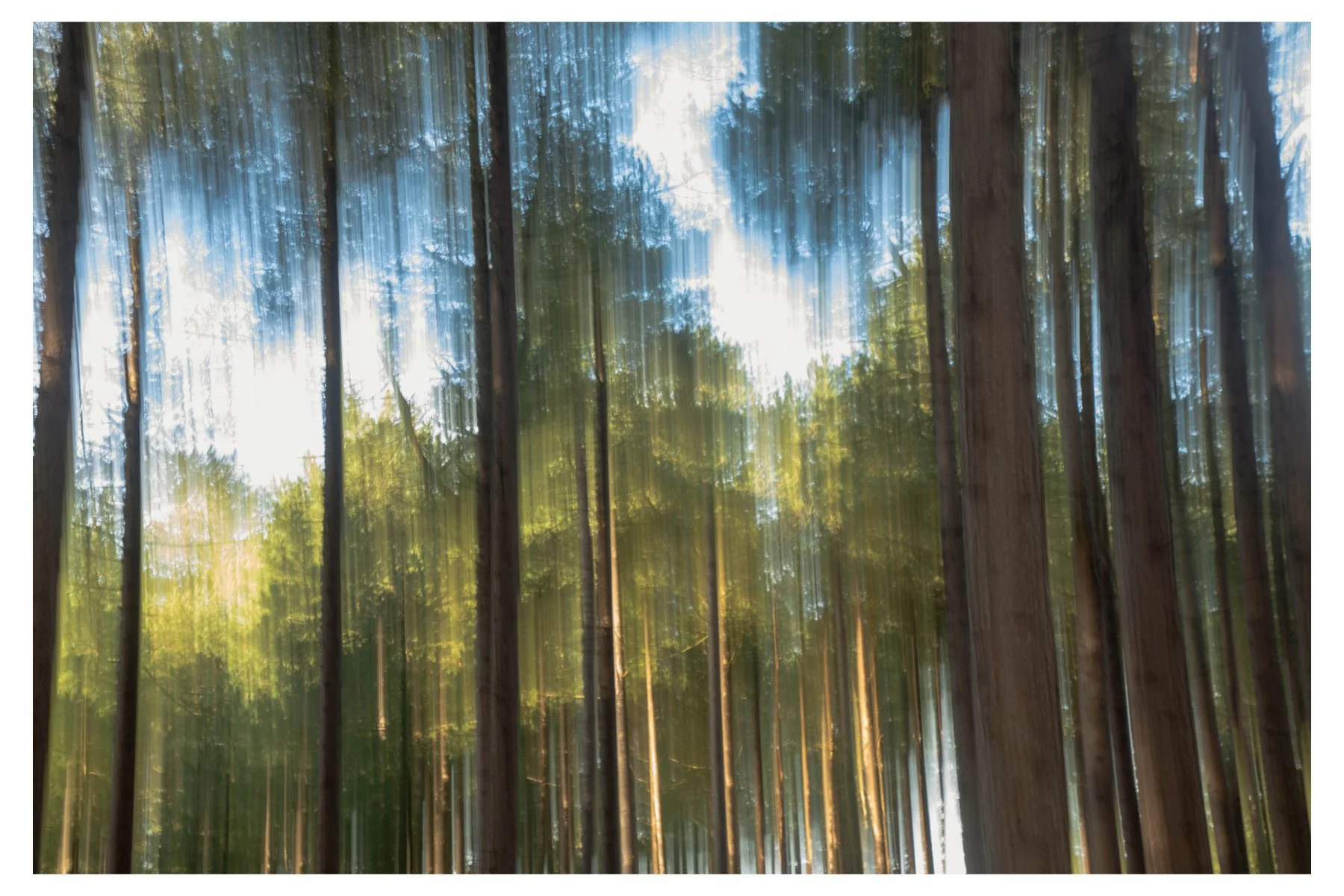
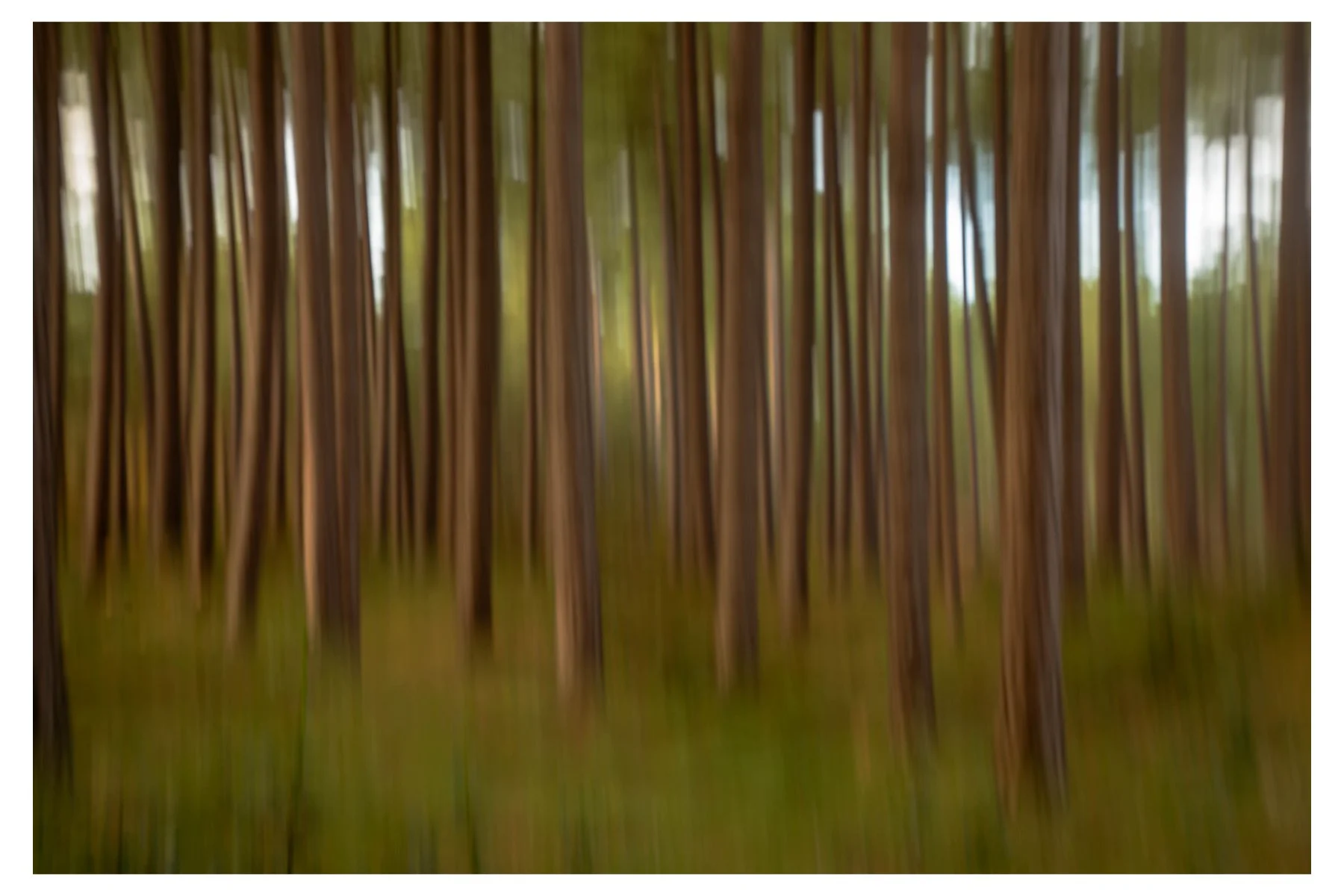
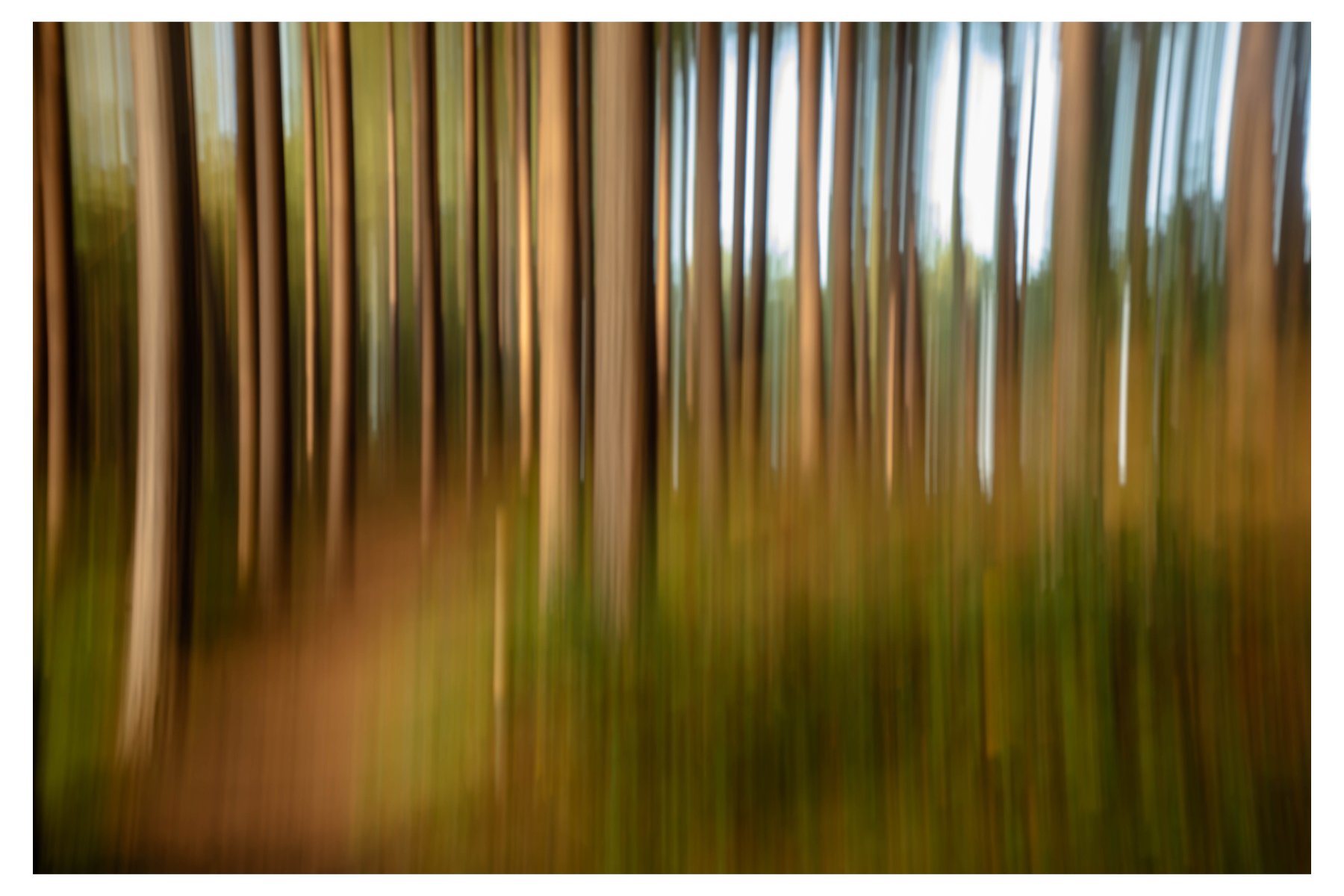
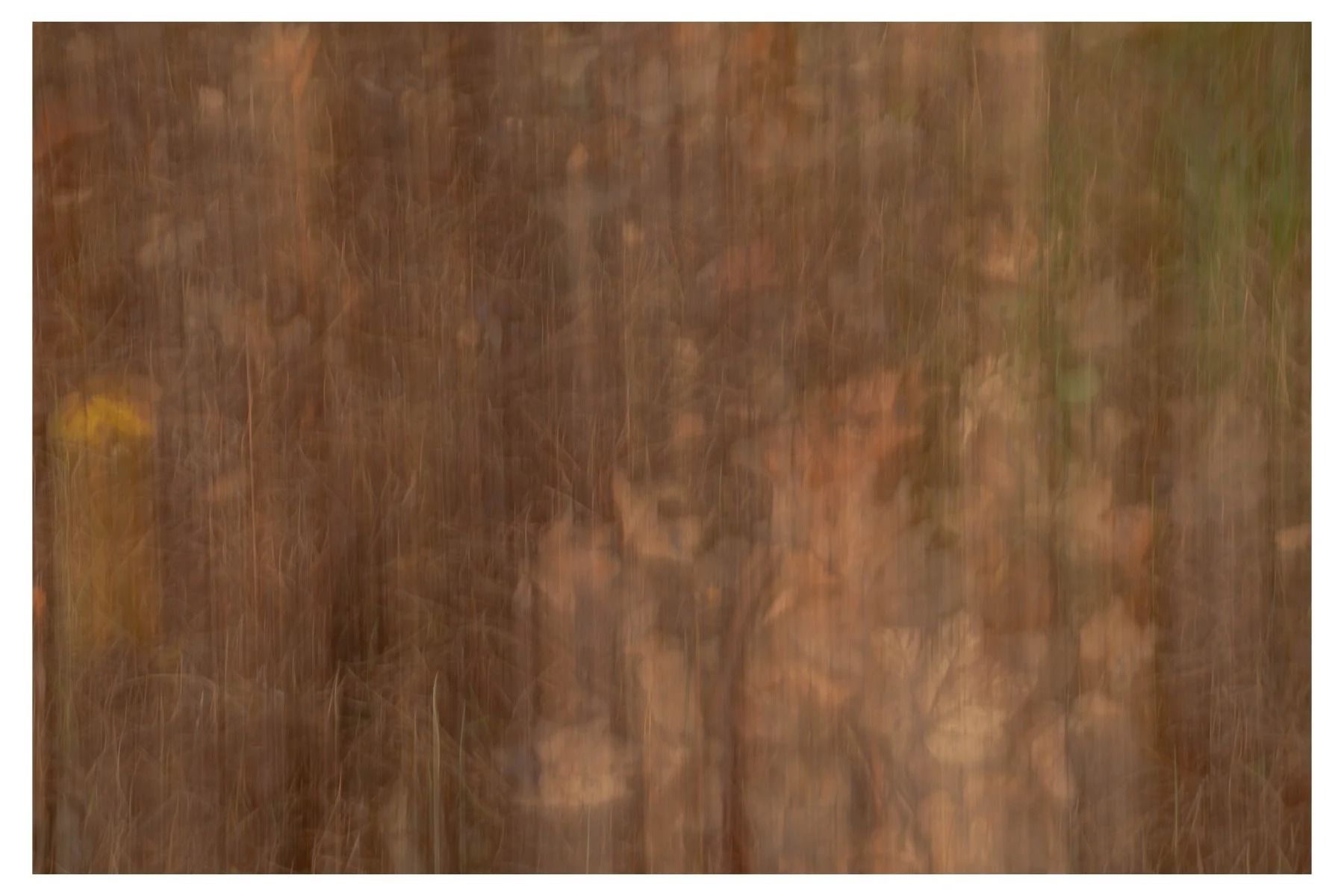
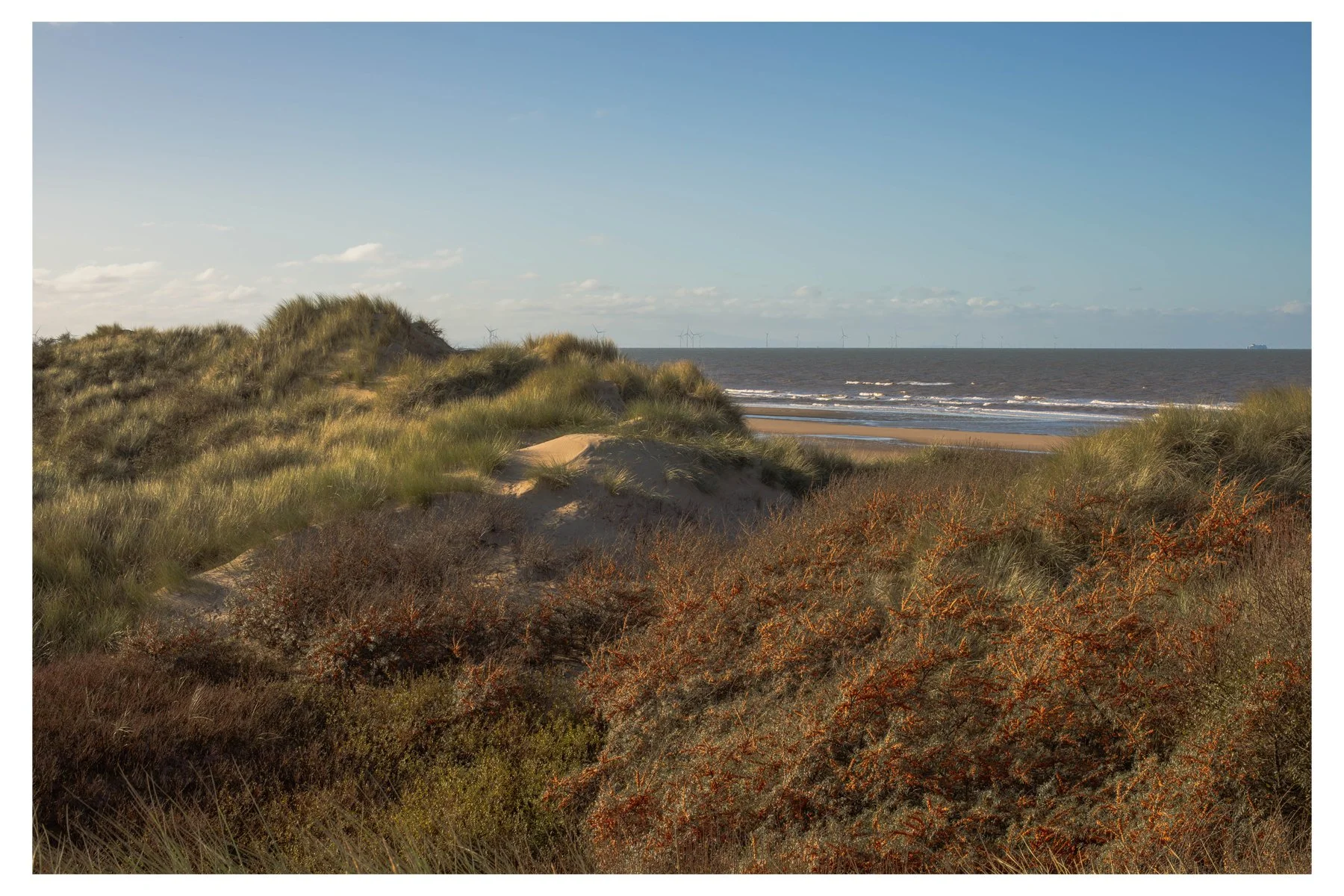
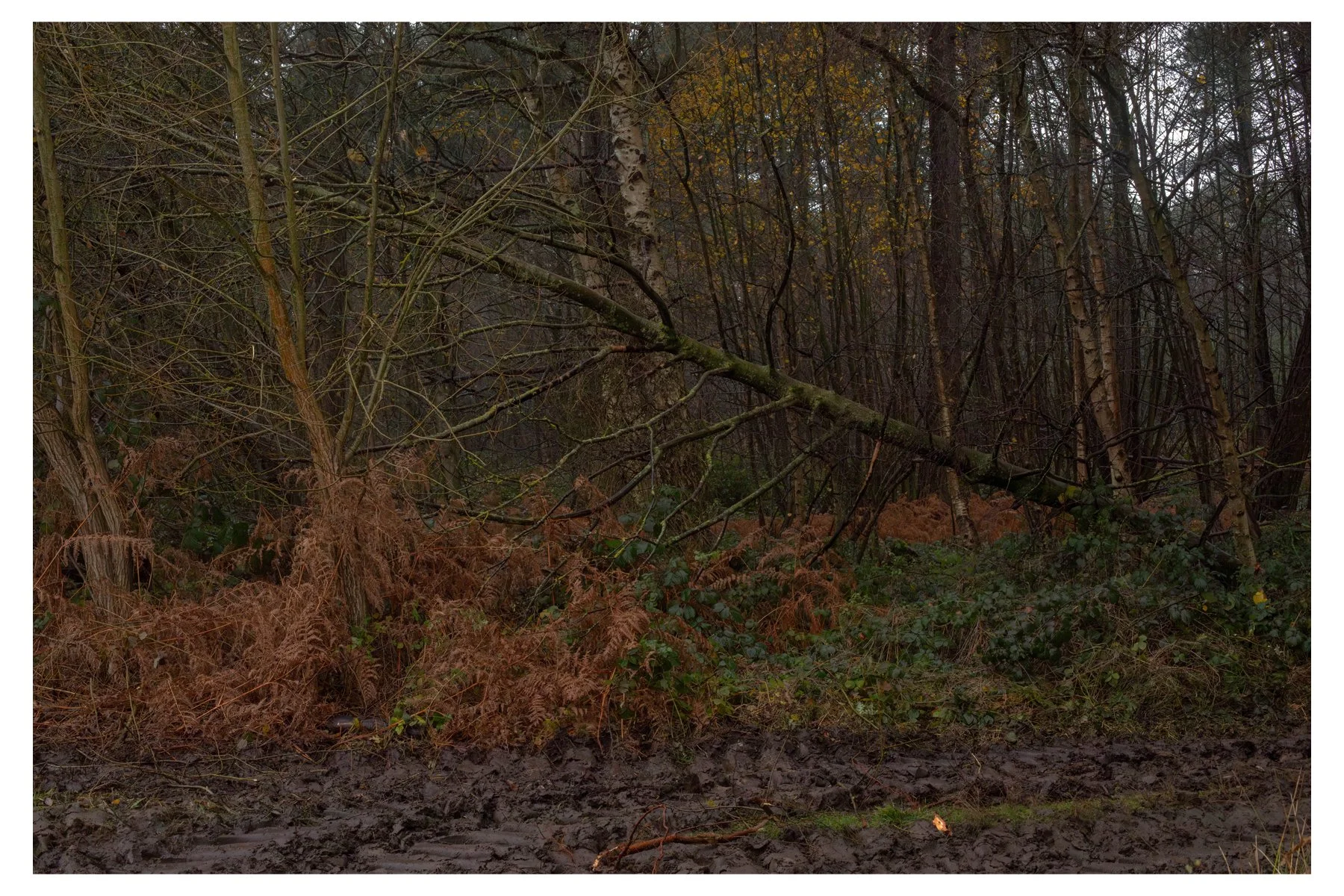
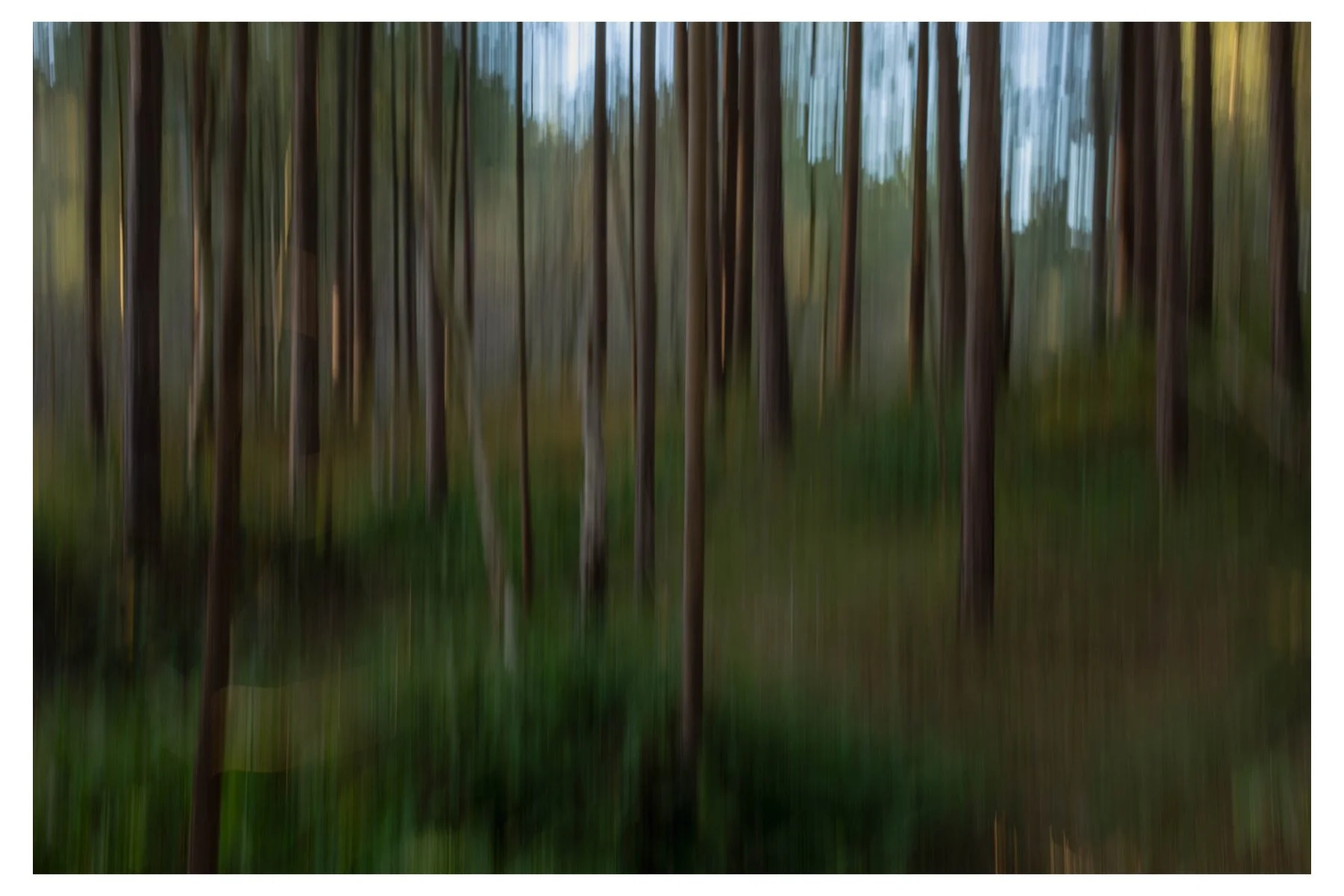
‘Emotional States’ consists of me exploring my different emotions through the use of long exposure and intentional camera movement.
I don’t cope well with stress, my emotions often build up inside me.
When I walk through the local woods, they finally come pouring out in different stages.
Photography and exploring are my way of processing and managing those feelings.
Gema Ganeswara
-
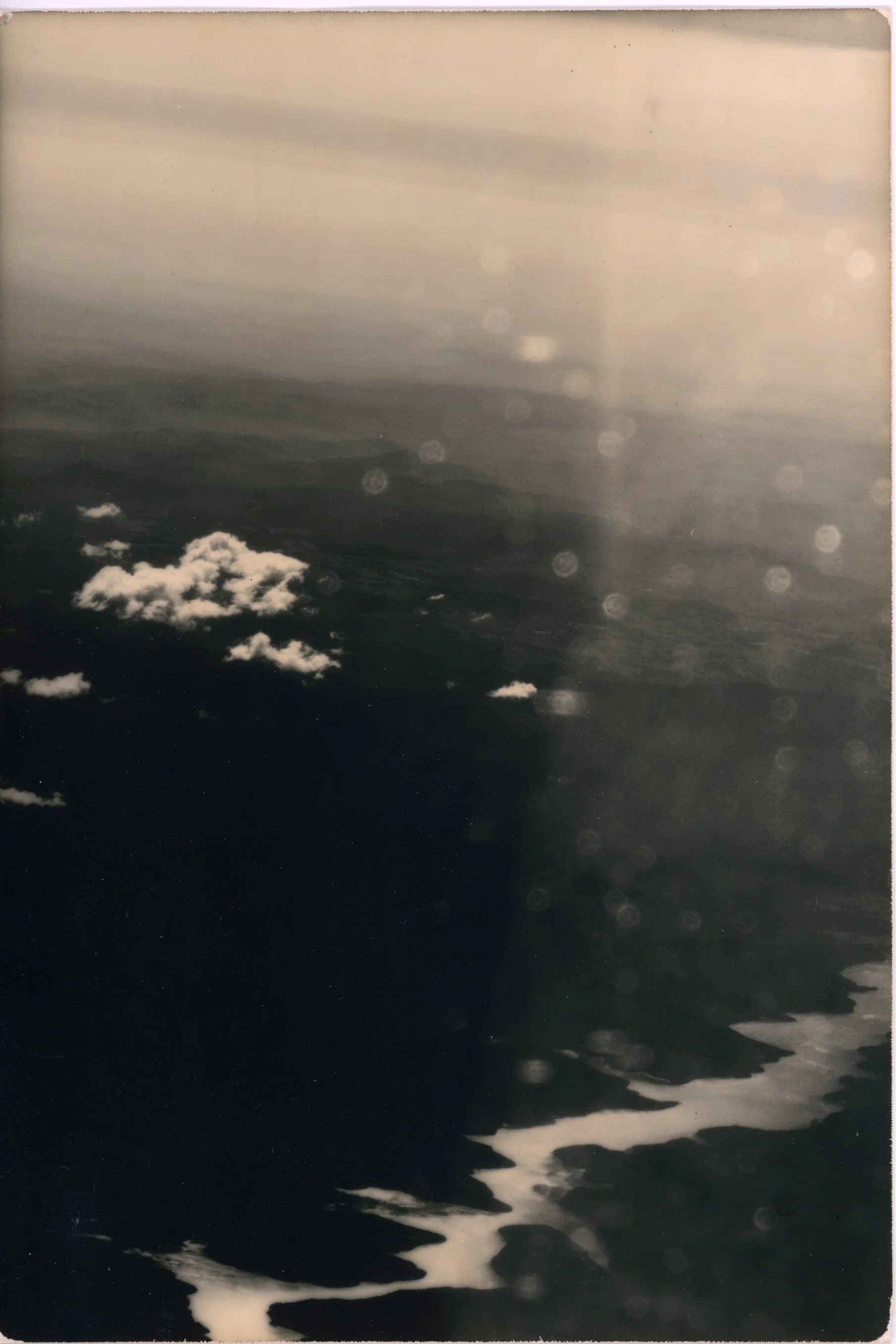
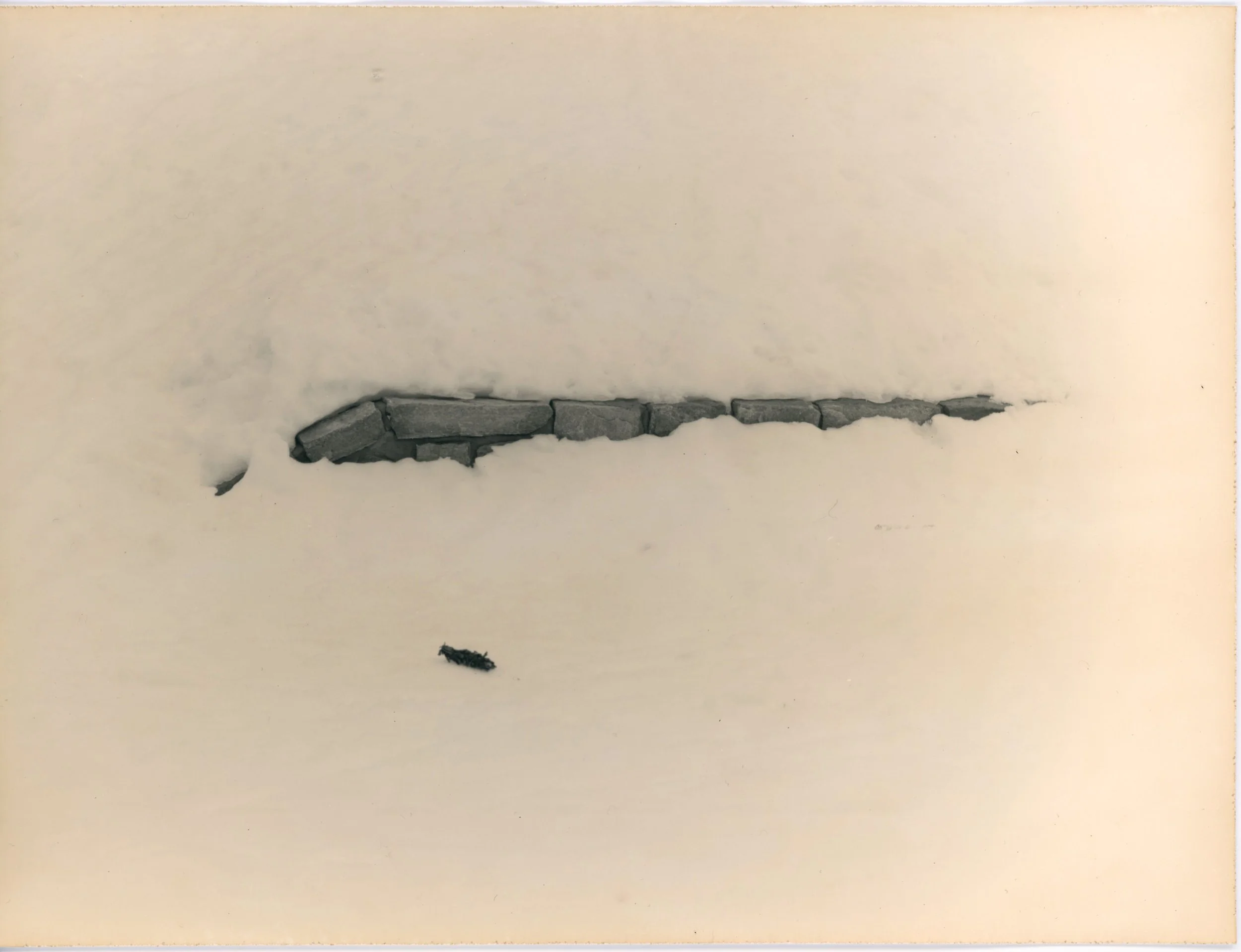
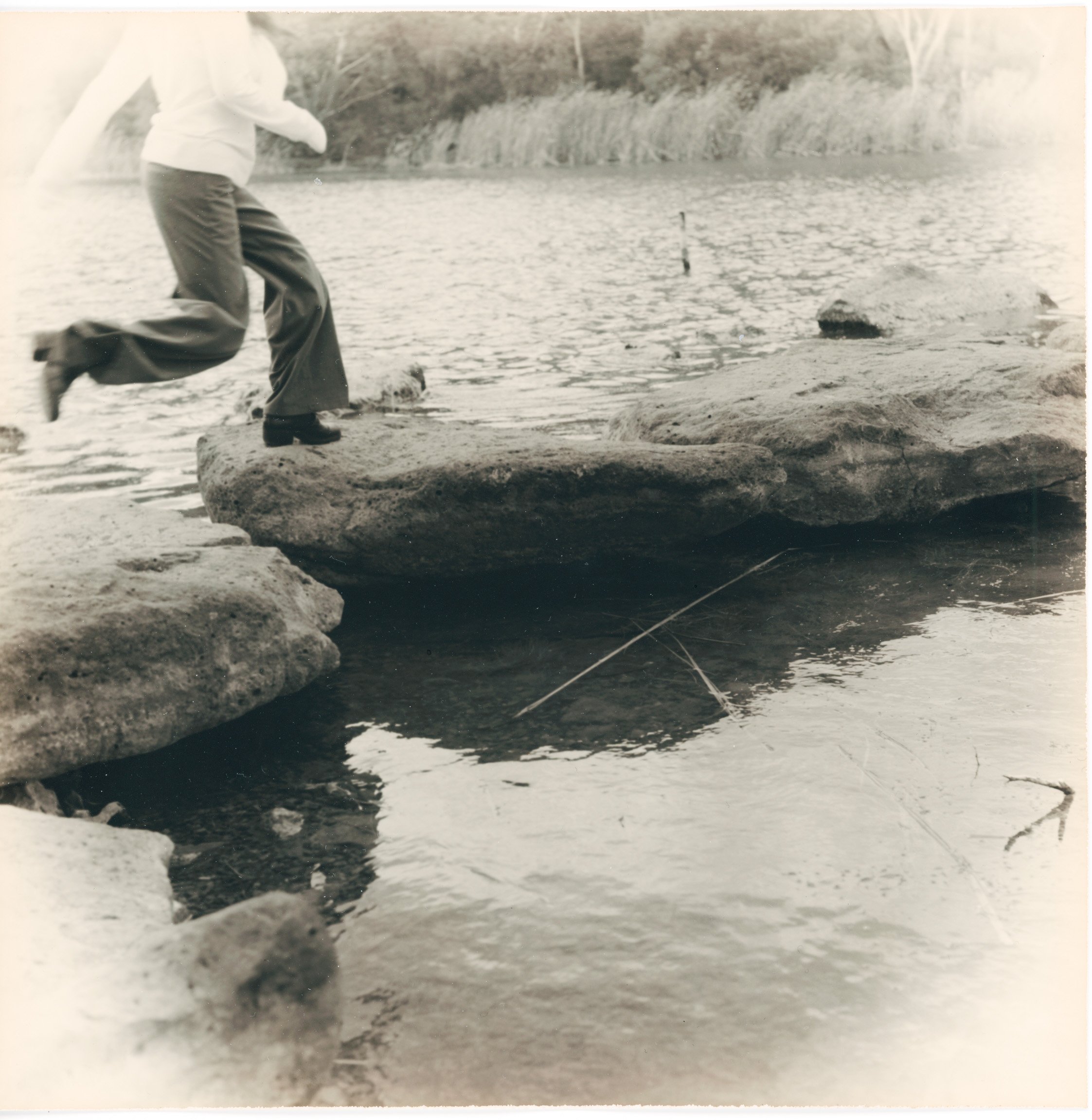
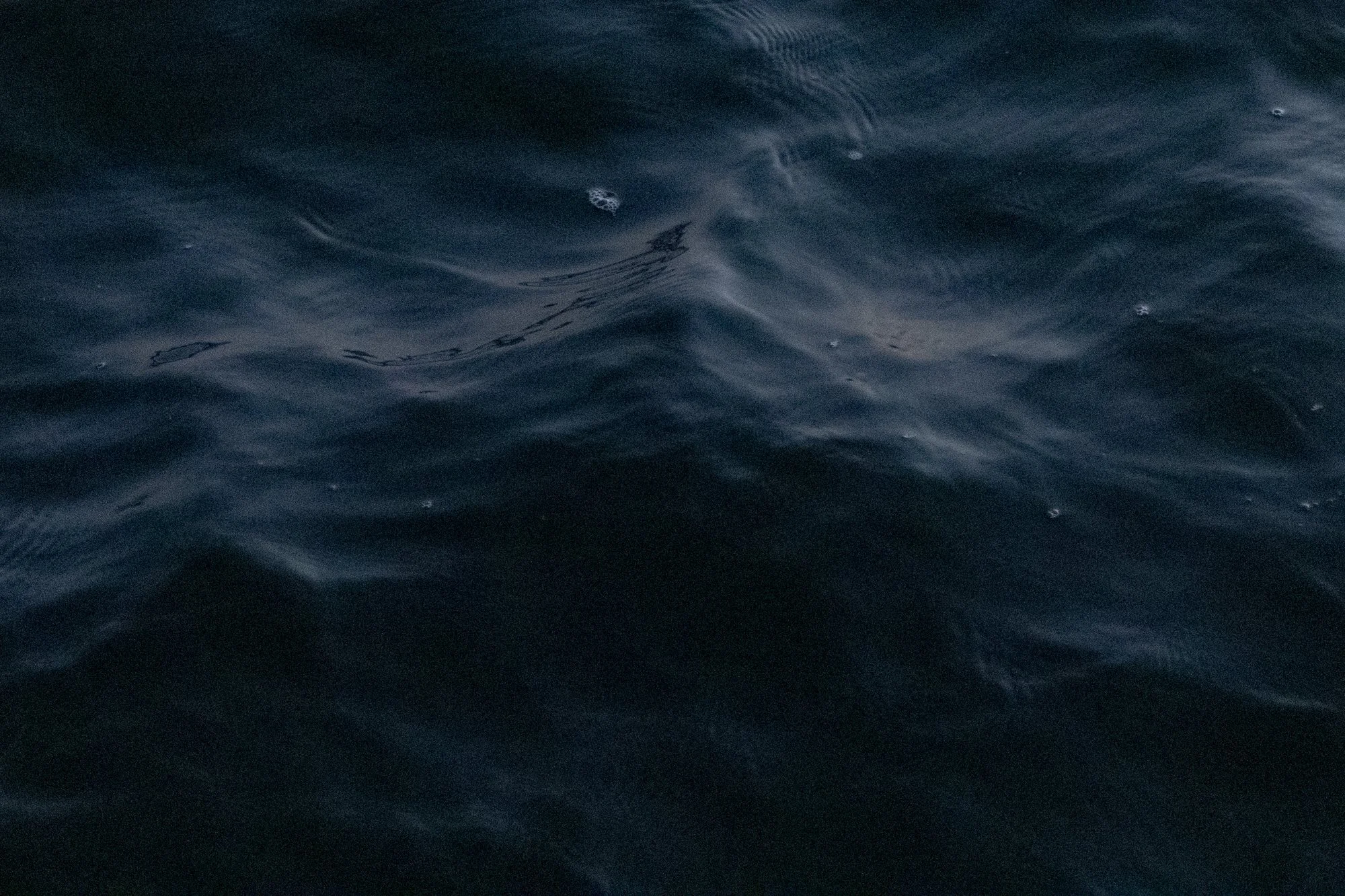
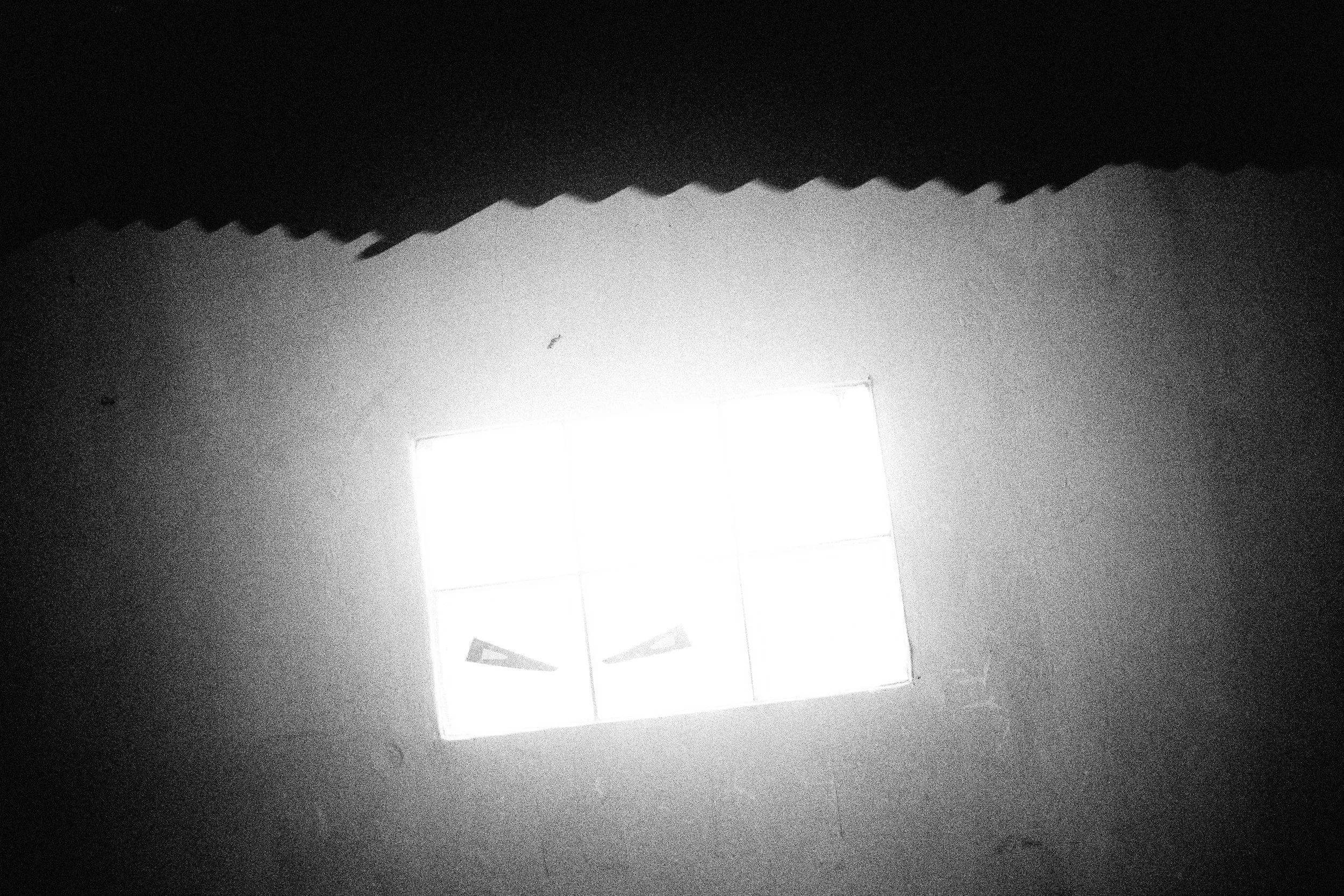
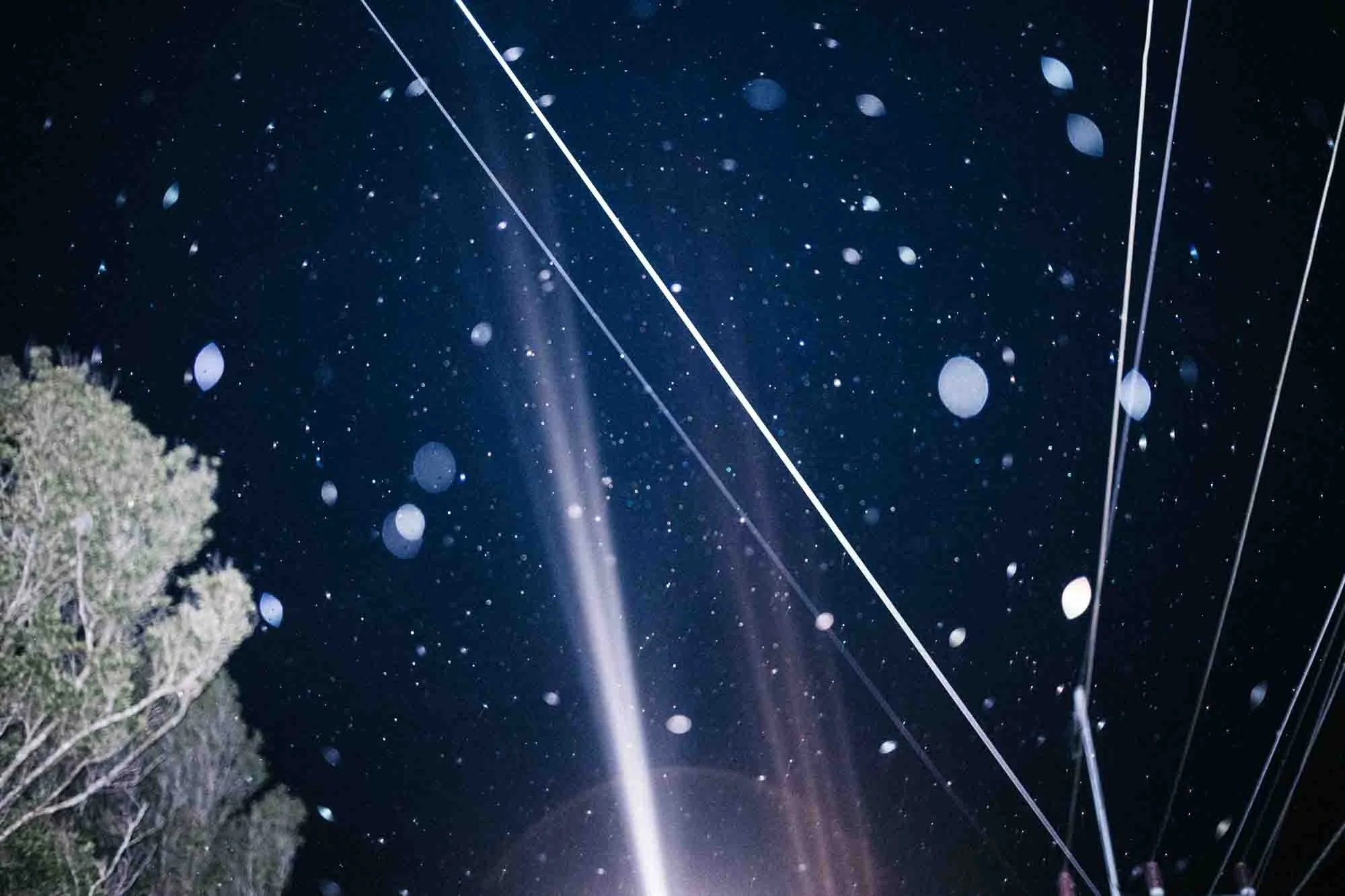
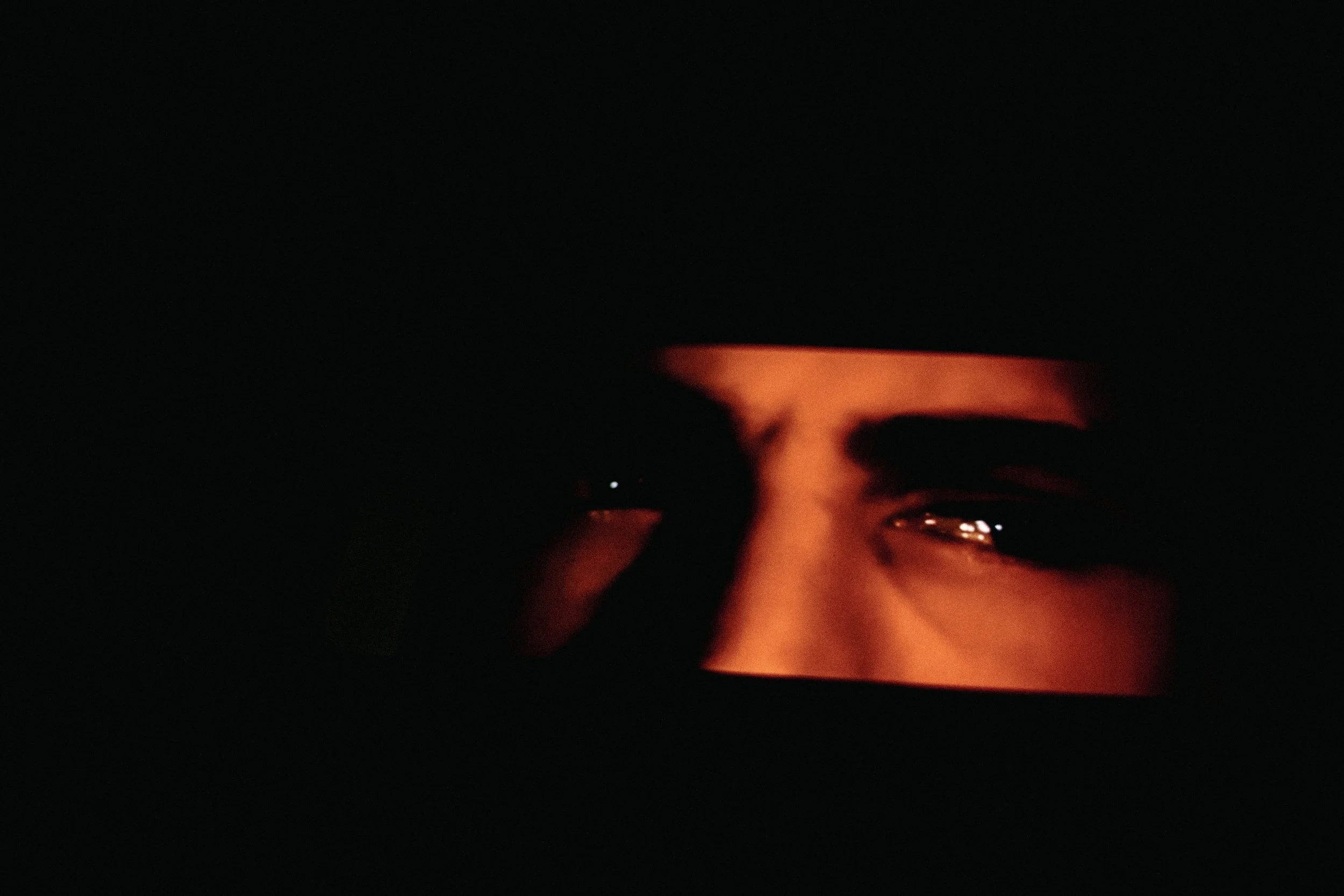
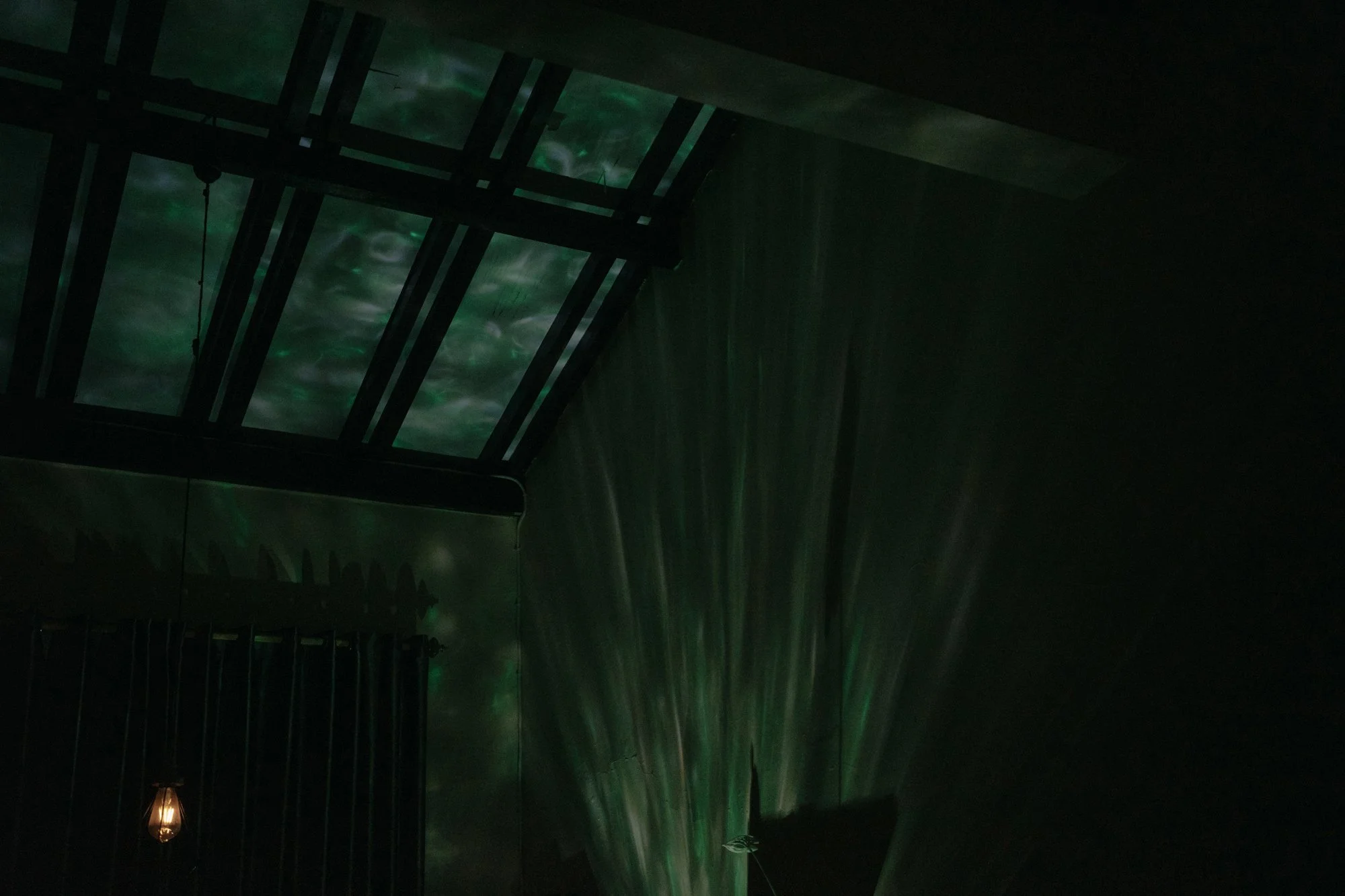
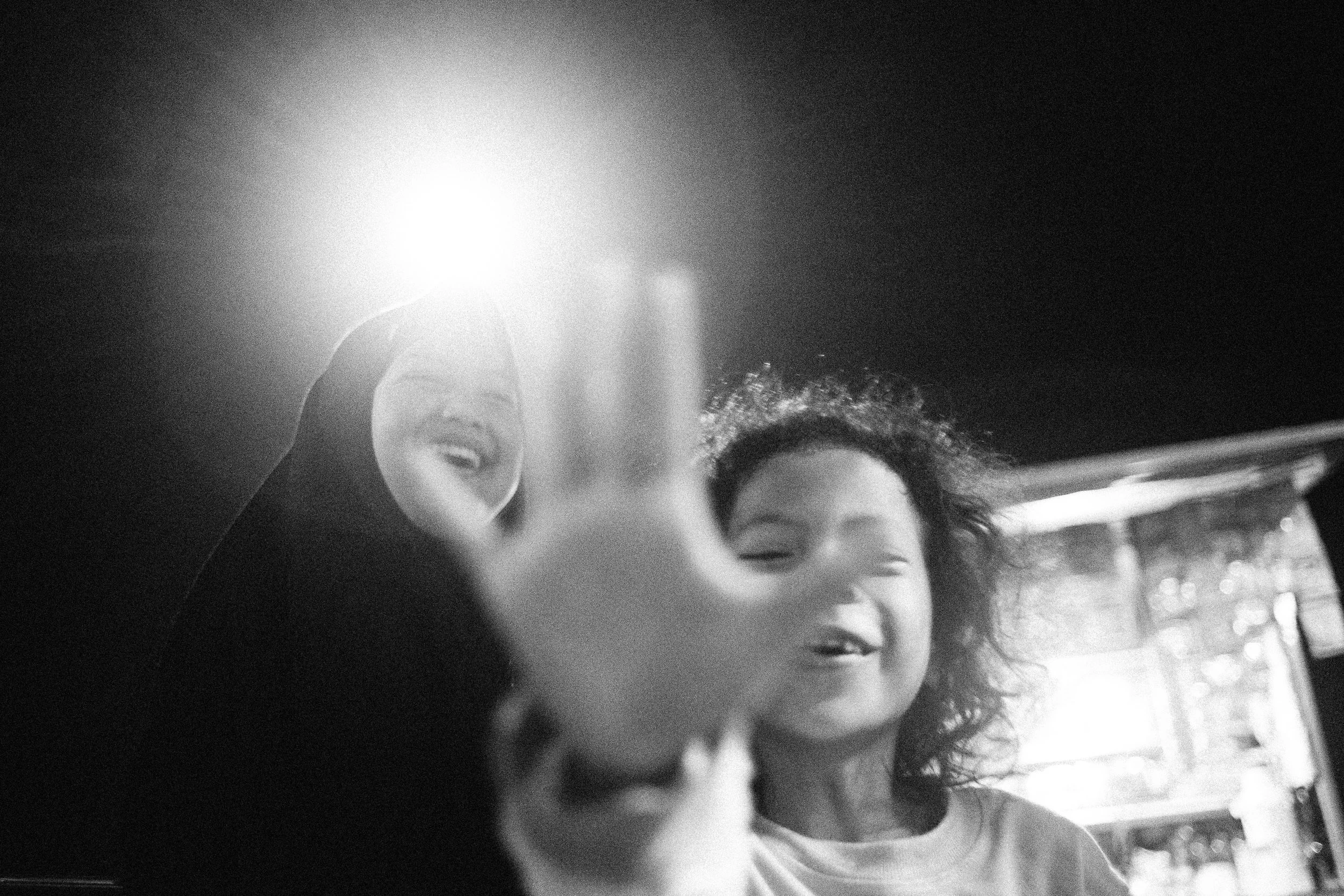
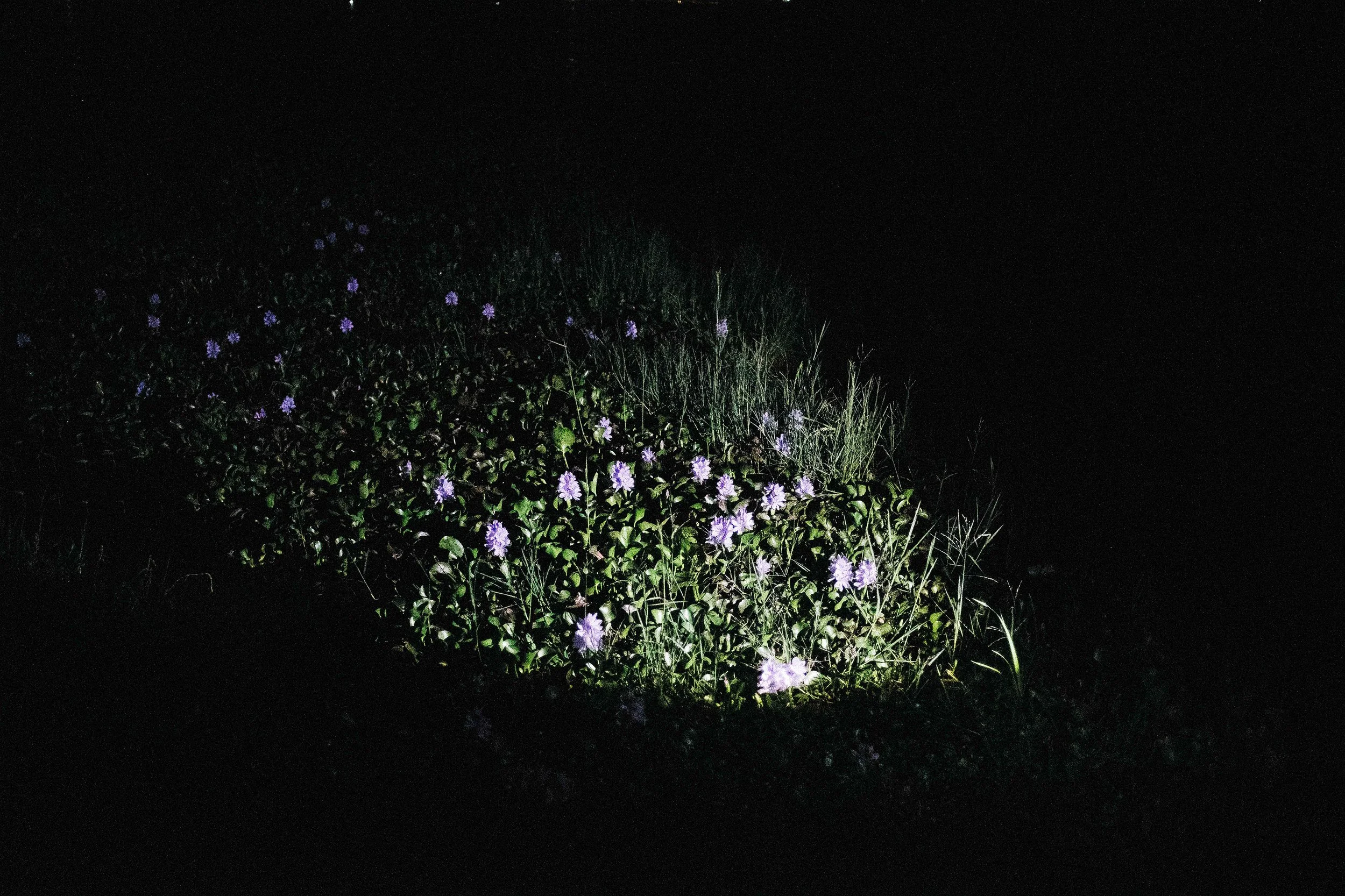
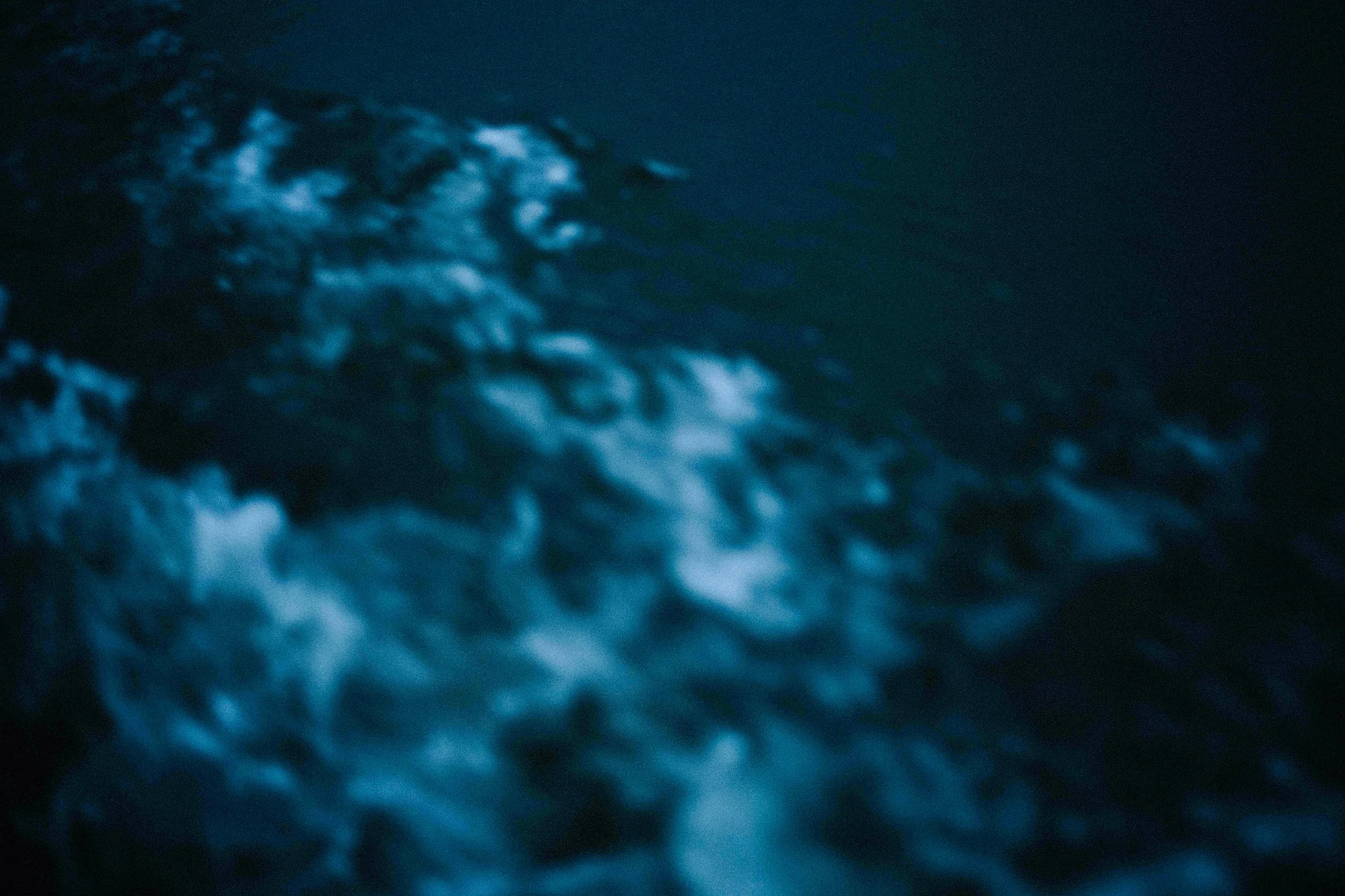
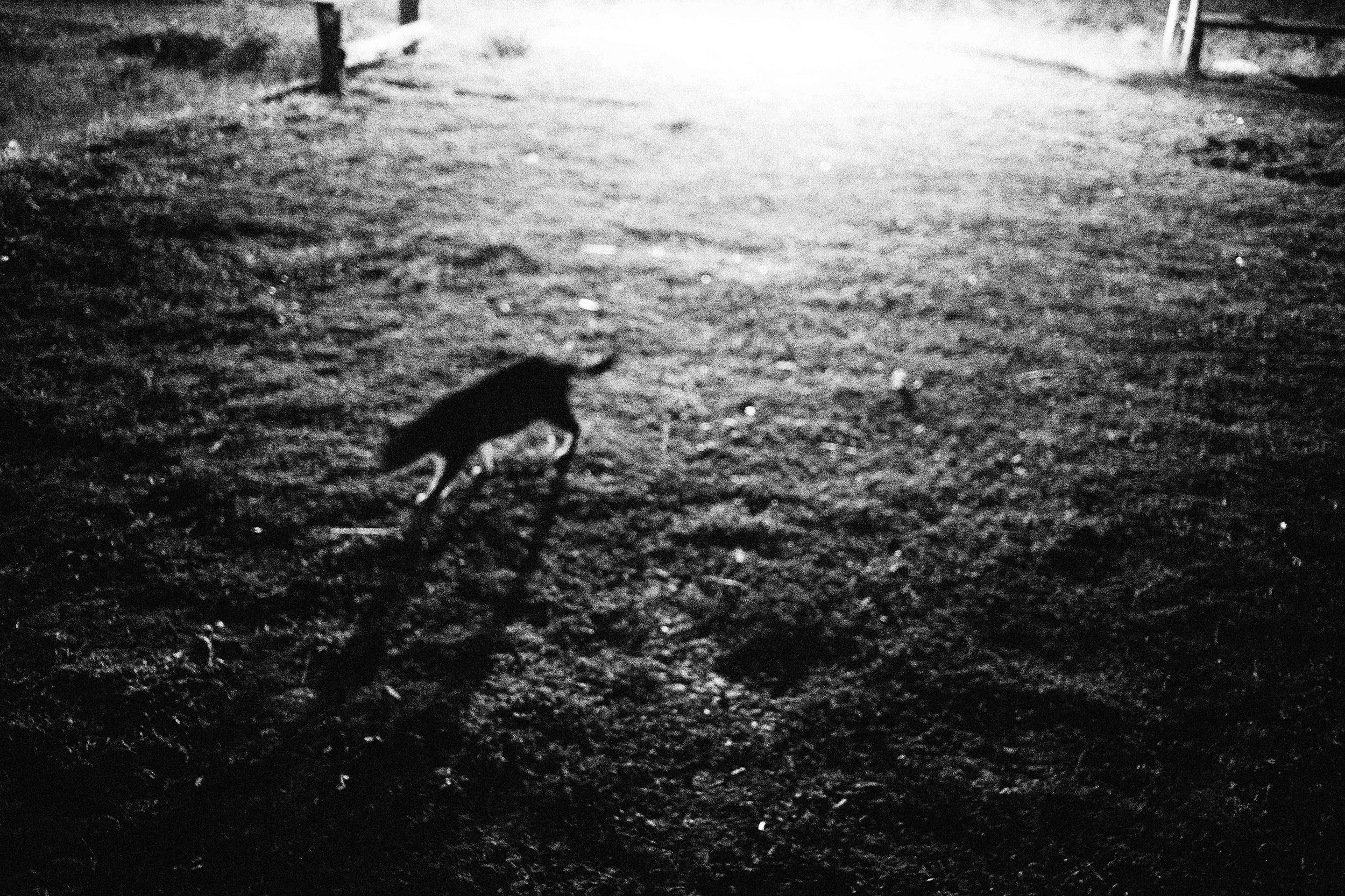
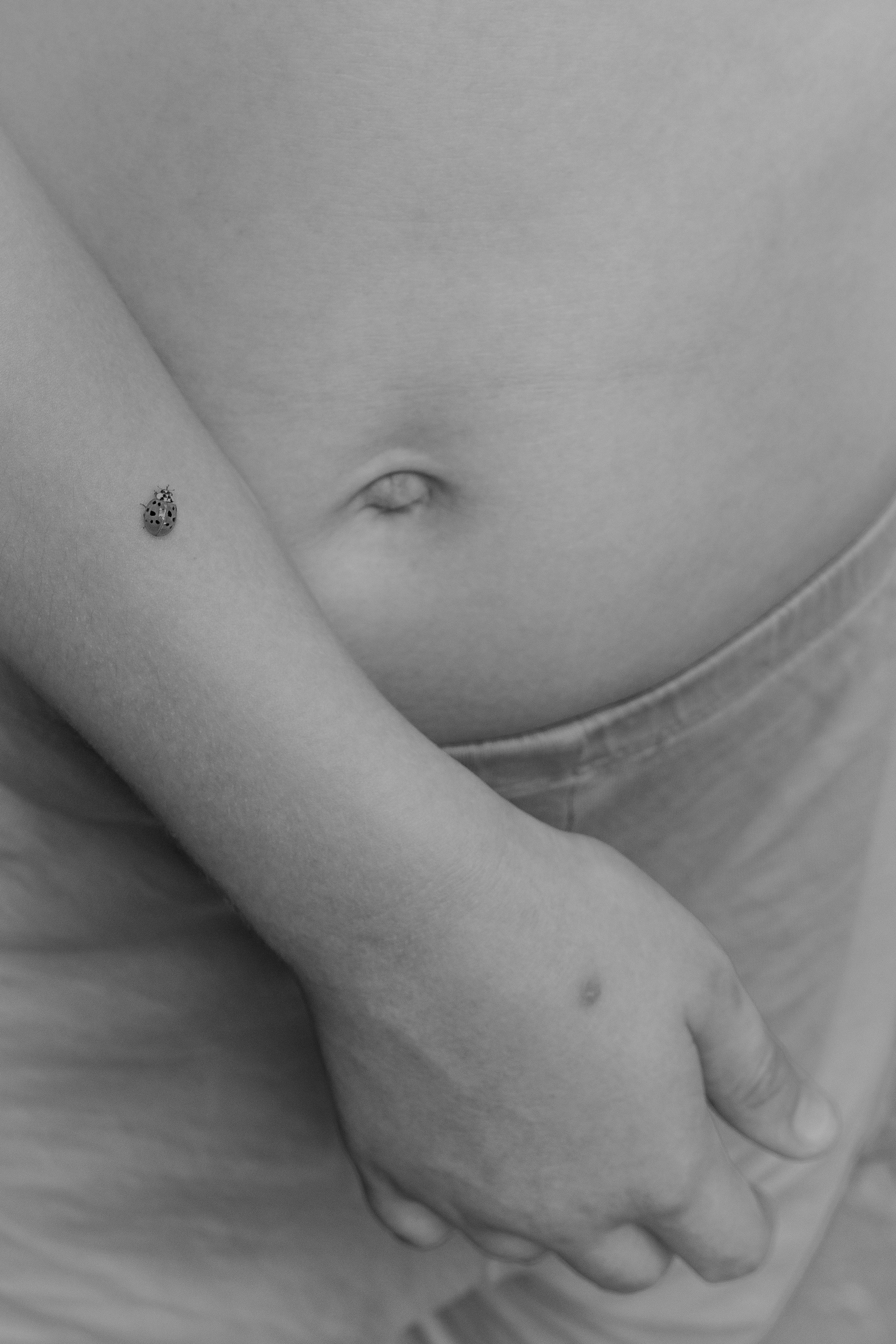
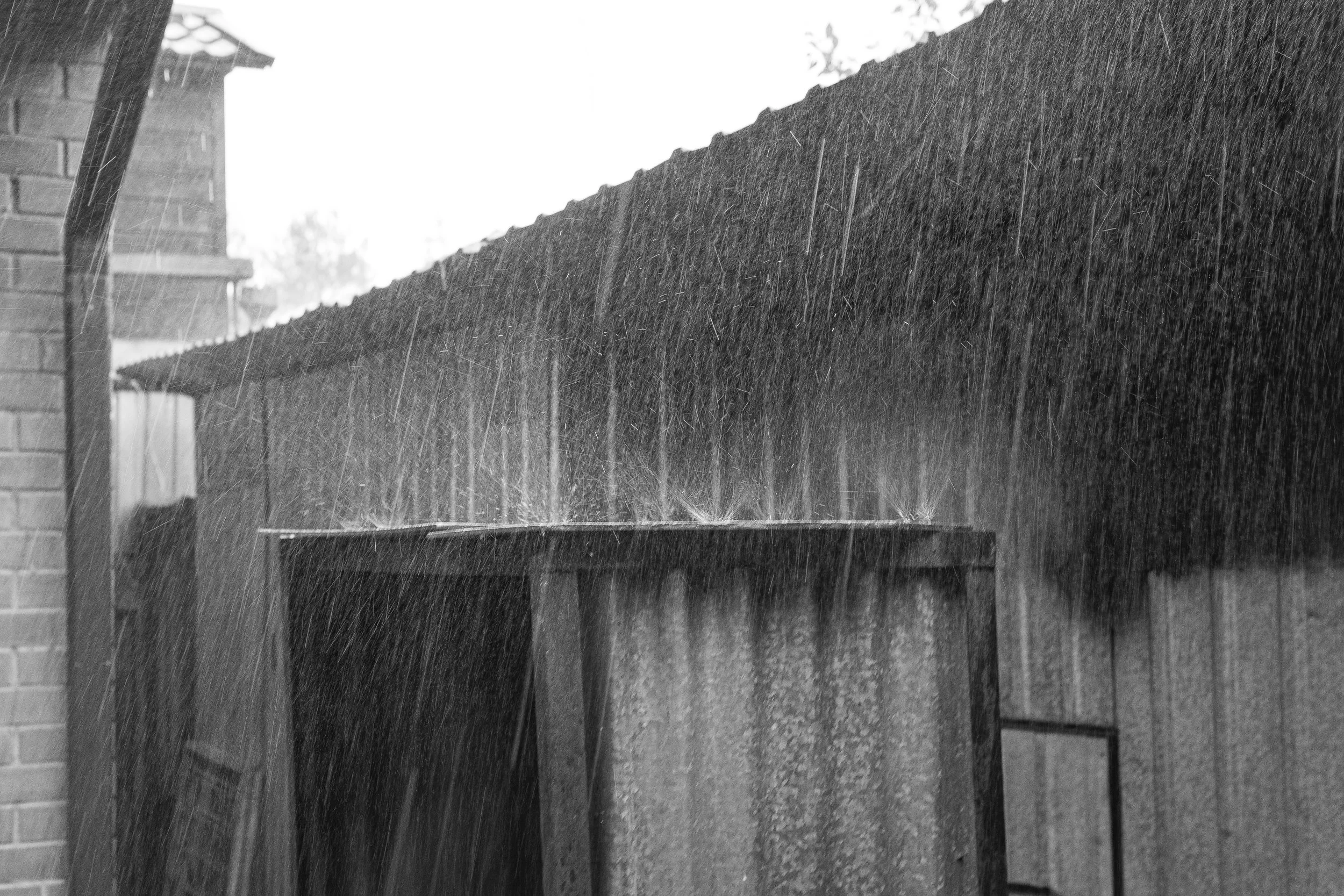
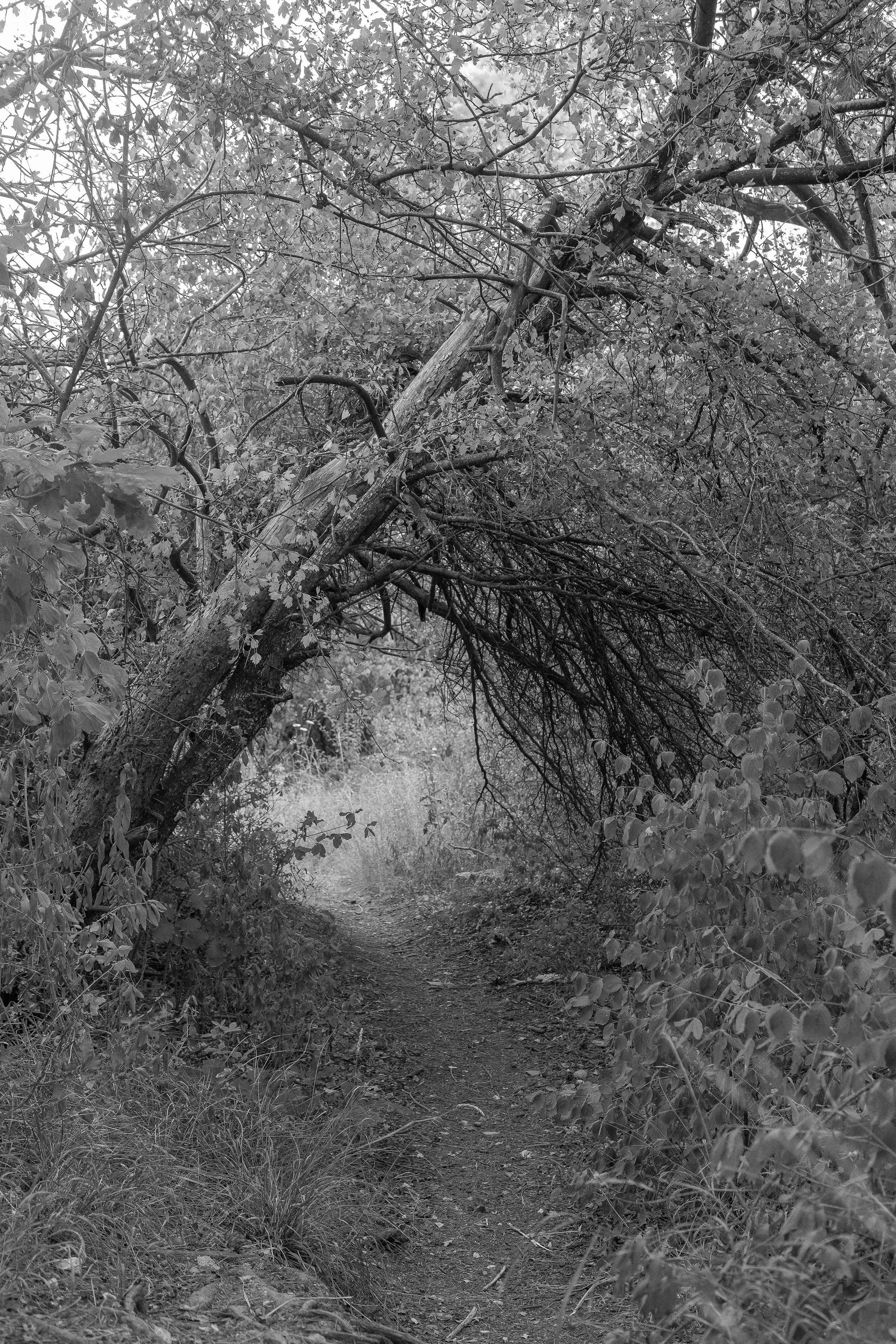
This project centers on the shores of Waduk Darma in Jagara, a tourist village at the foot of Mount Ciremai, Kuningan, West Java — a place I have continuously revisited over the past three years. Emerging from an accumulation of residual failures and trauma, the project traces another form of memory that never fully settles into a whole. Here, loss continues to operate beneath the surface, woven into both the landscape and intimacy.
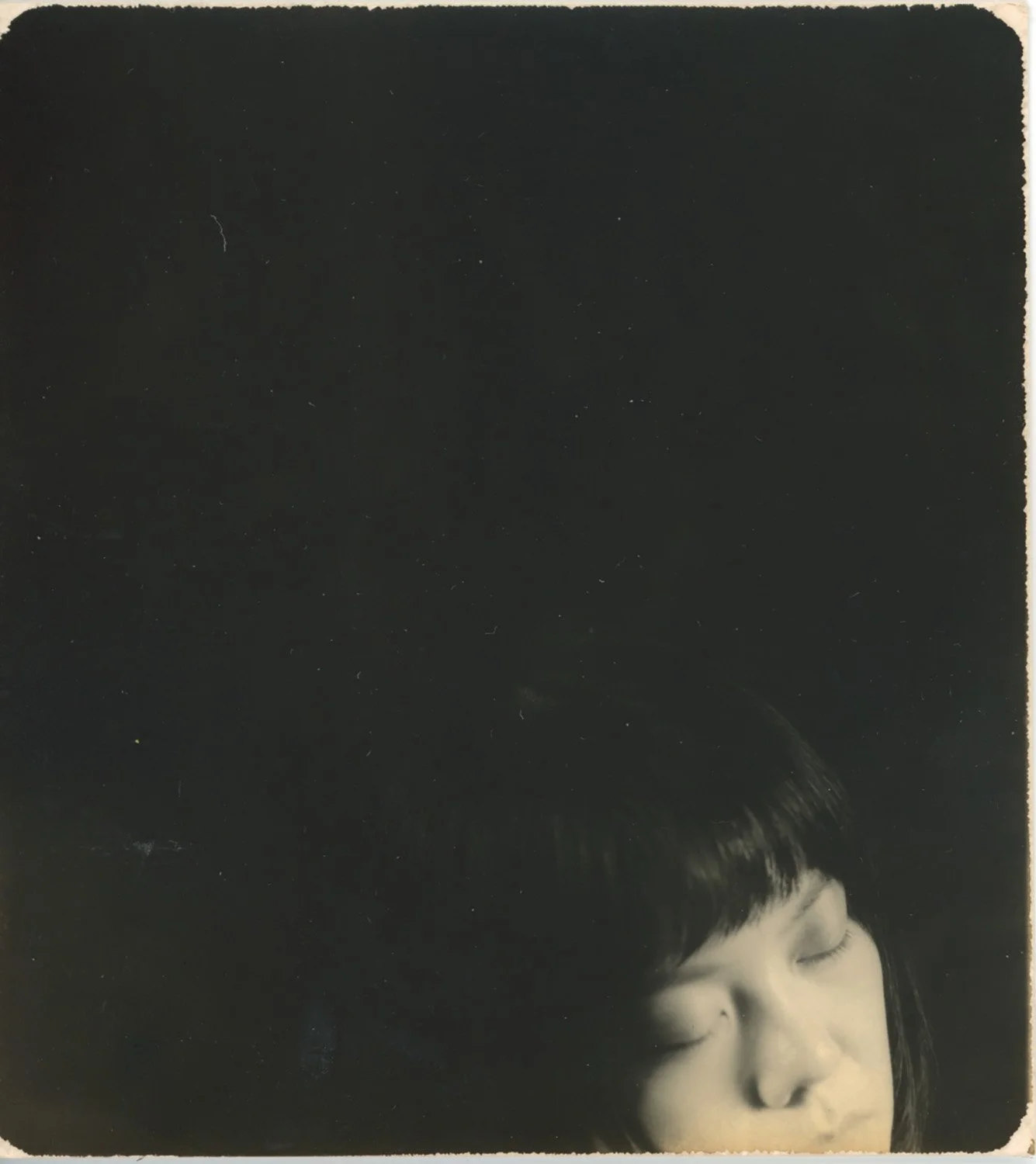
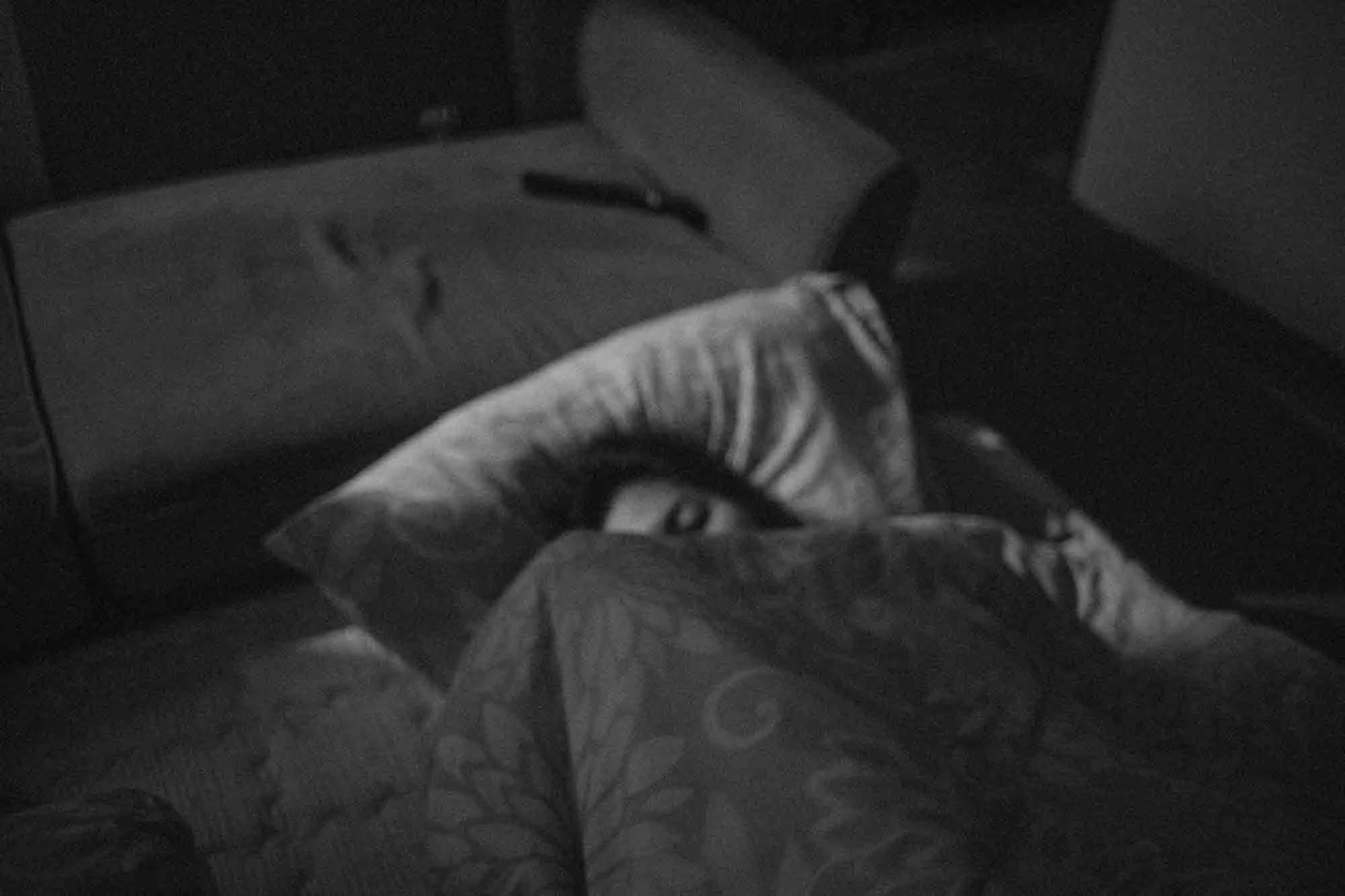
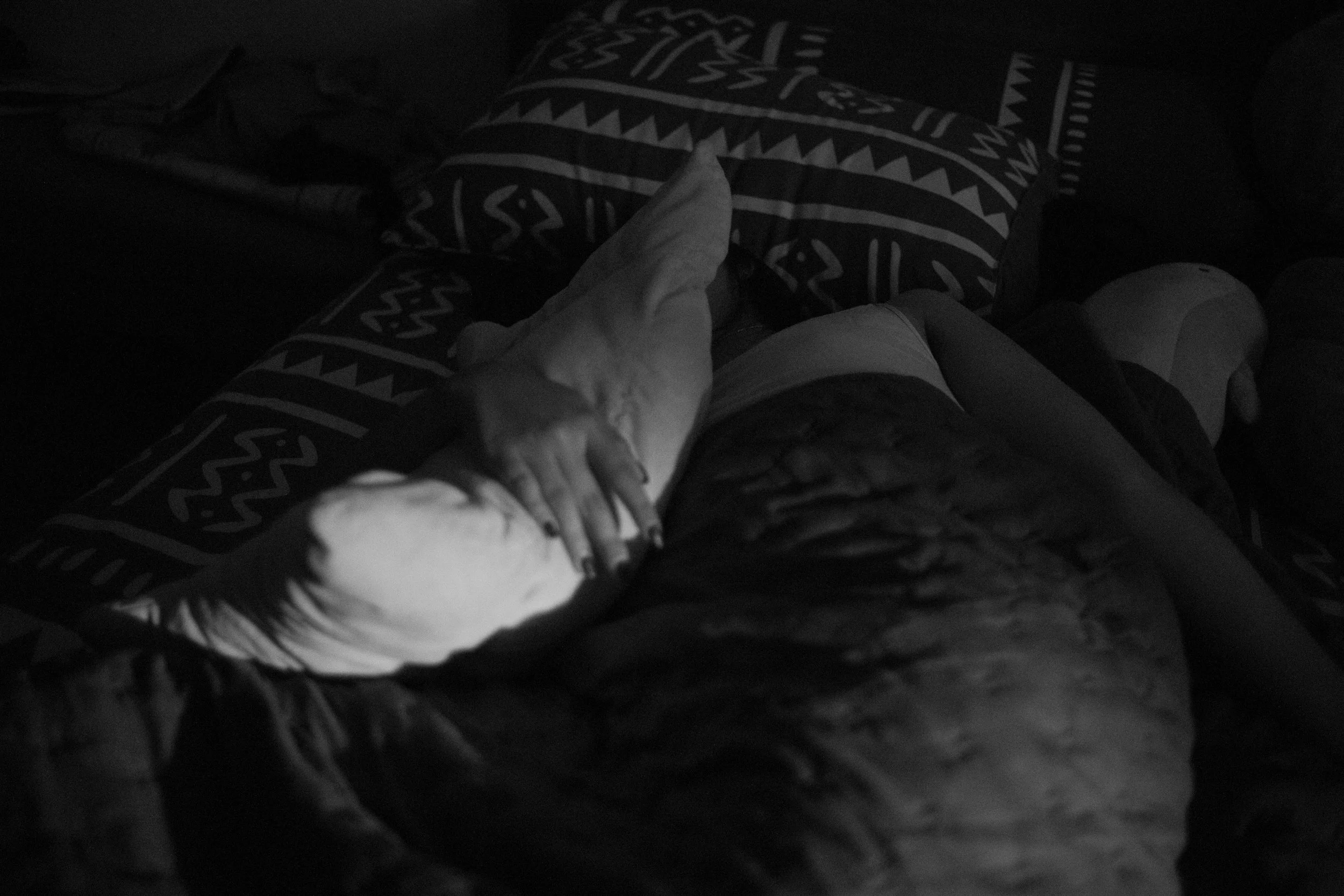
I do not approach Jagara as a tourist destination defined by visibility, but rather as a space shaped by its openness and its function as an evacuation route, embodying a state between escape and sanctuary. This spatial tension extends intimately when the camera is turned toward my sleeping wife’s body — a silent moment in which photographing becomes a way of negotiating freedom, closeness, and the fragile boundary of distance.
Through the repeated act of returning to the same places, I follow the persistent traces of loss. In this process, the body often precedes thought, and the resulting images emerge as consequences of a personal attachment between human presence and place.
Jagara and my wife eventually become two parallel landscapes that carry a similar atmosphere, yet without offering any promise of recovery. At this point, photographing becomes a way of remaining present within loss without demanding its resolution — a space of holding, where wounds are simply cared for without needing to be constantly foregrounded.
















Matthew Kenneth Hendricks
-
Using photographs as echoes of memory and experience, these digital collages remix fragments of works from a variety of sources to reveal new narratives that explore identity, belonging, and personal truth. This is centered on the belief that the things we find beautiful, interesting, or ugly are not random, but reflections of ourselves and that a broken, disrupted image allows more 'honest' reflection.
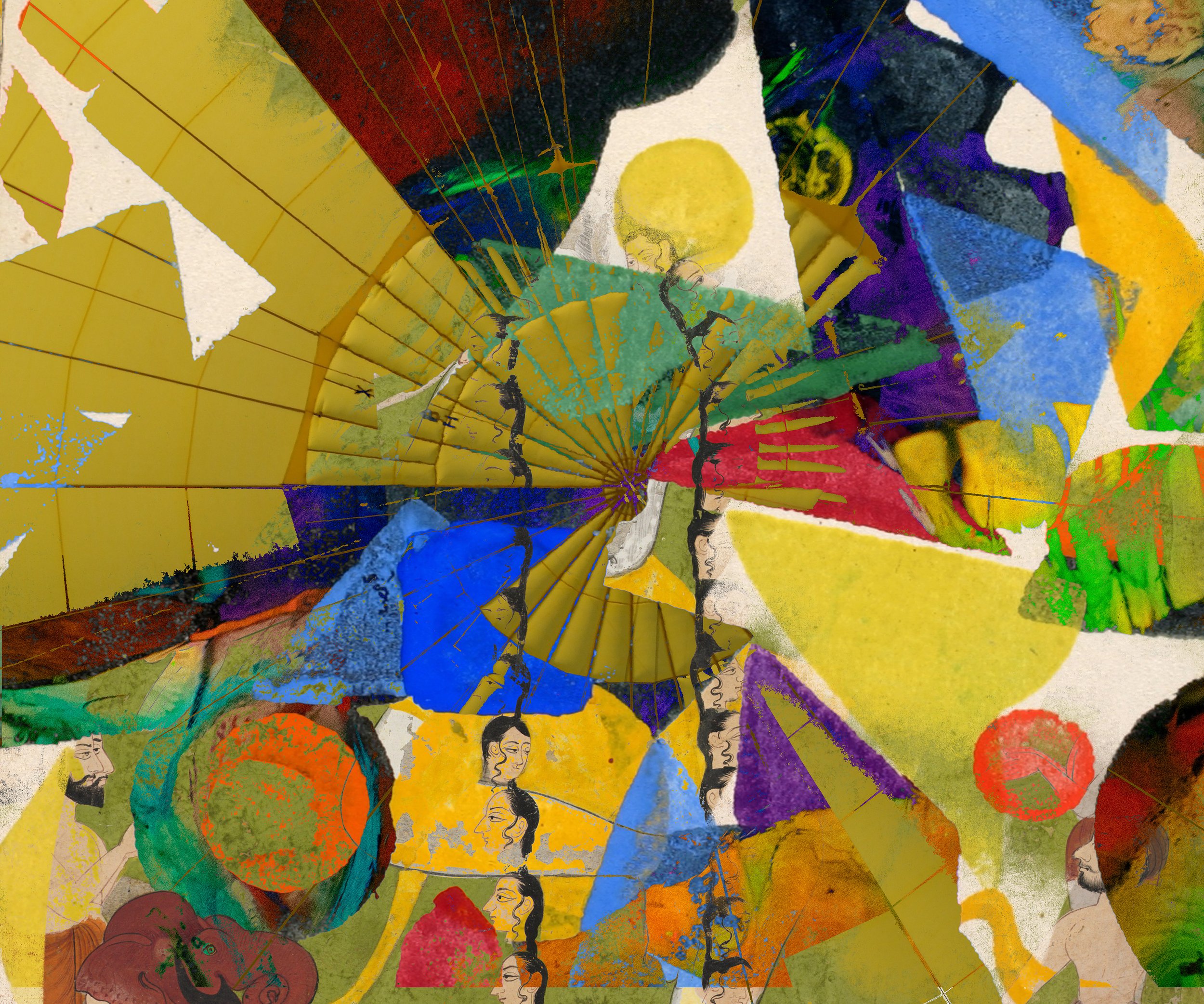
'Ballon'
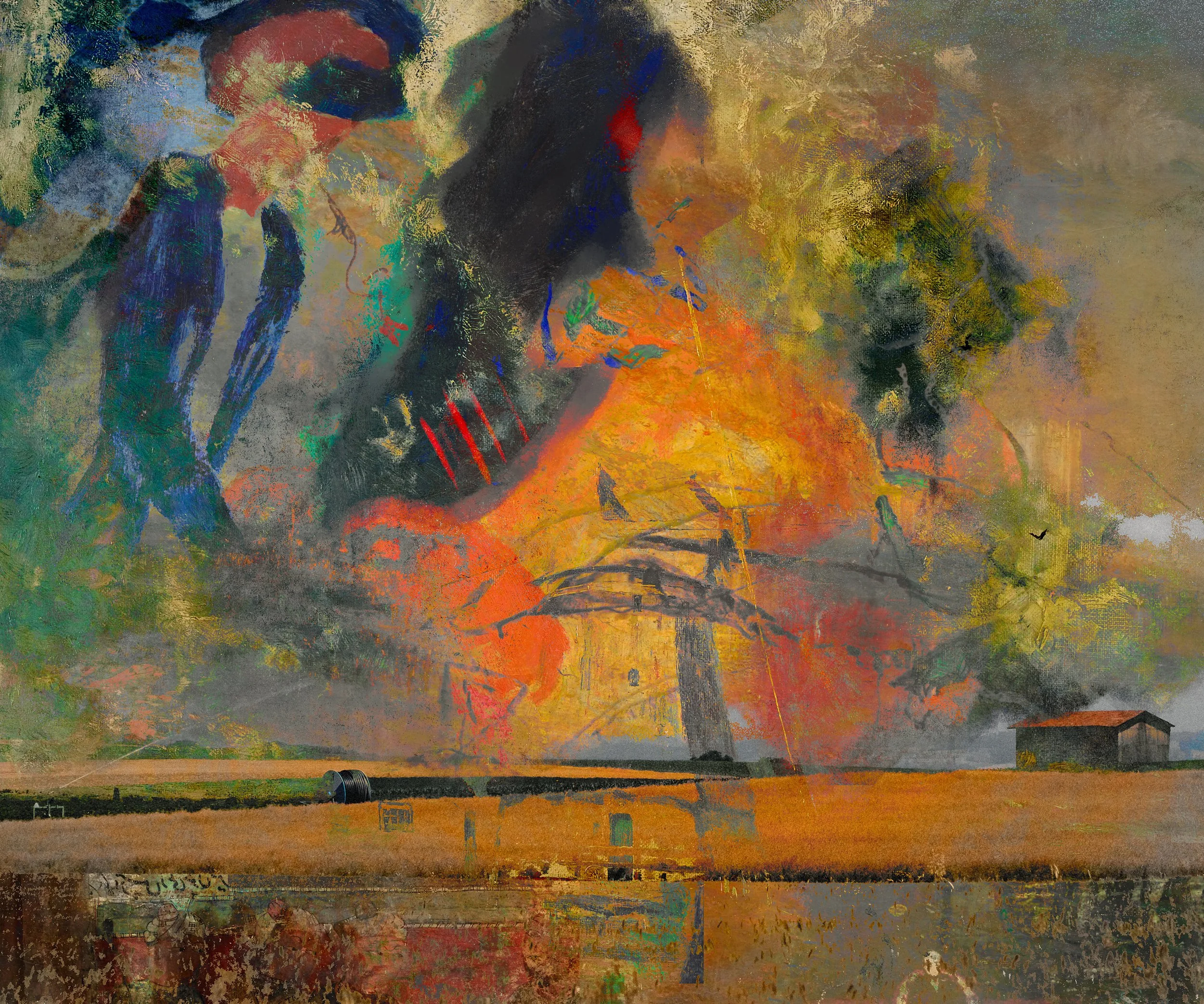
'Dreaming of Môtier'
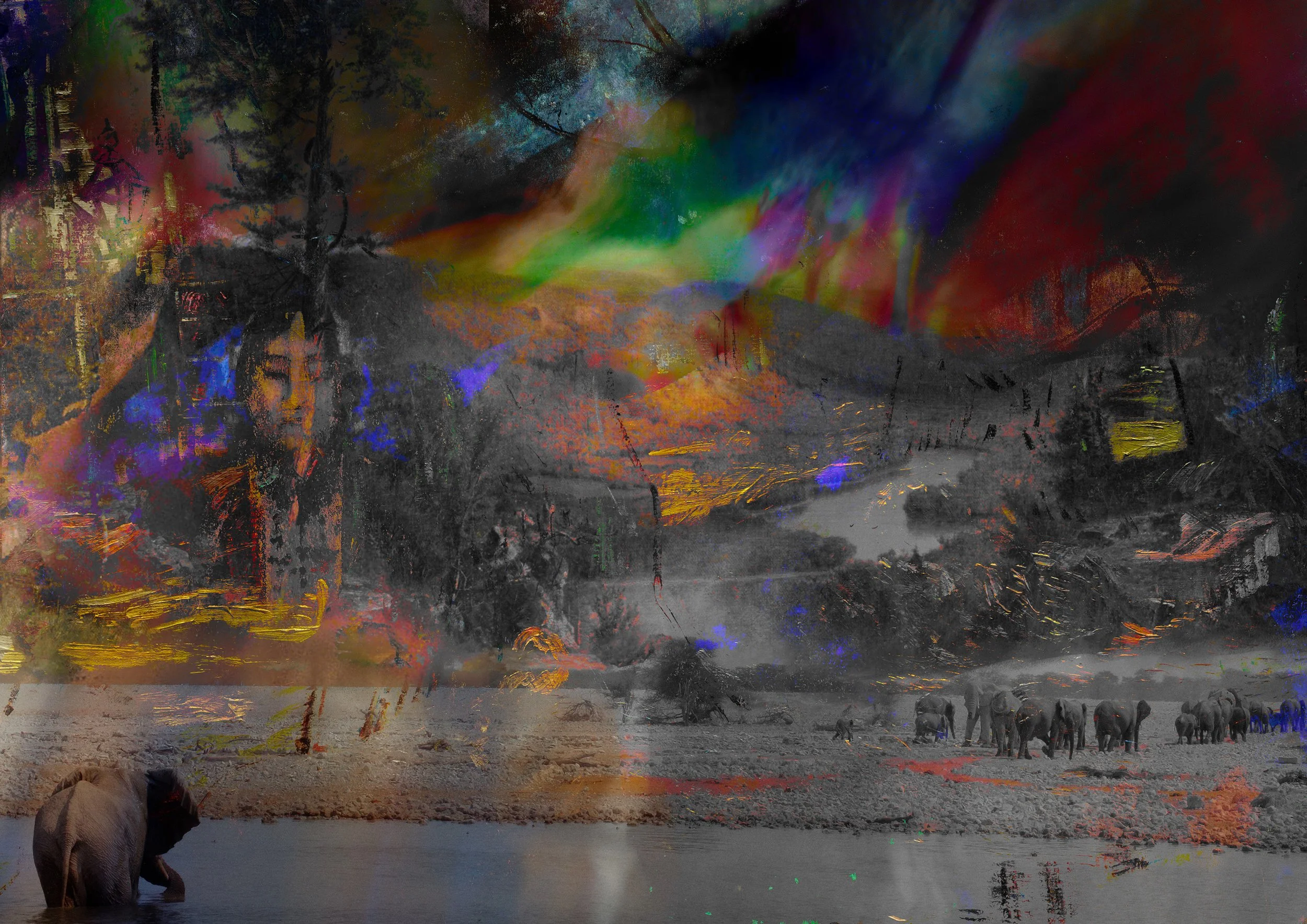
'Left Behind'
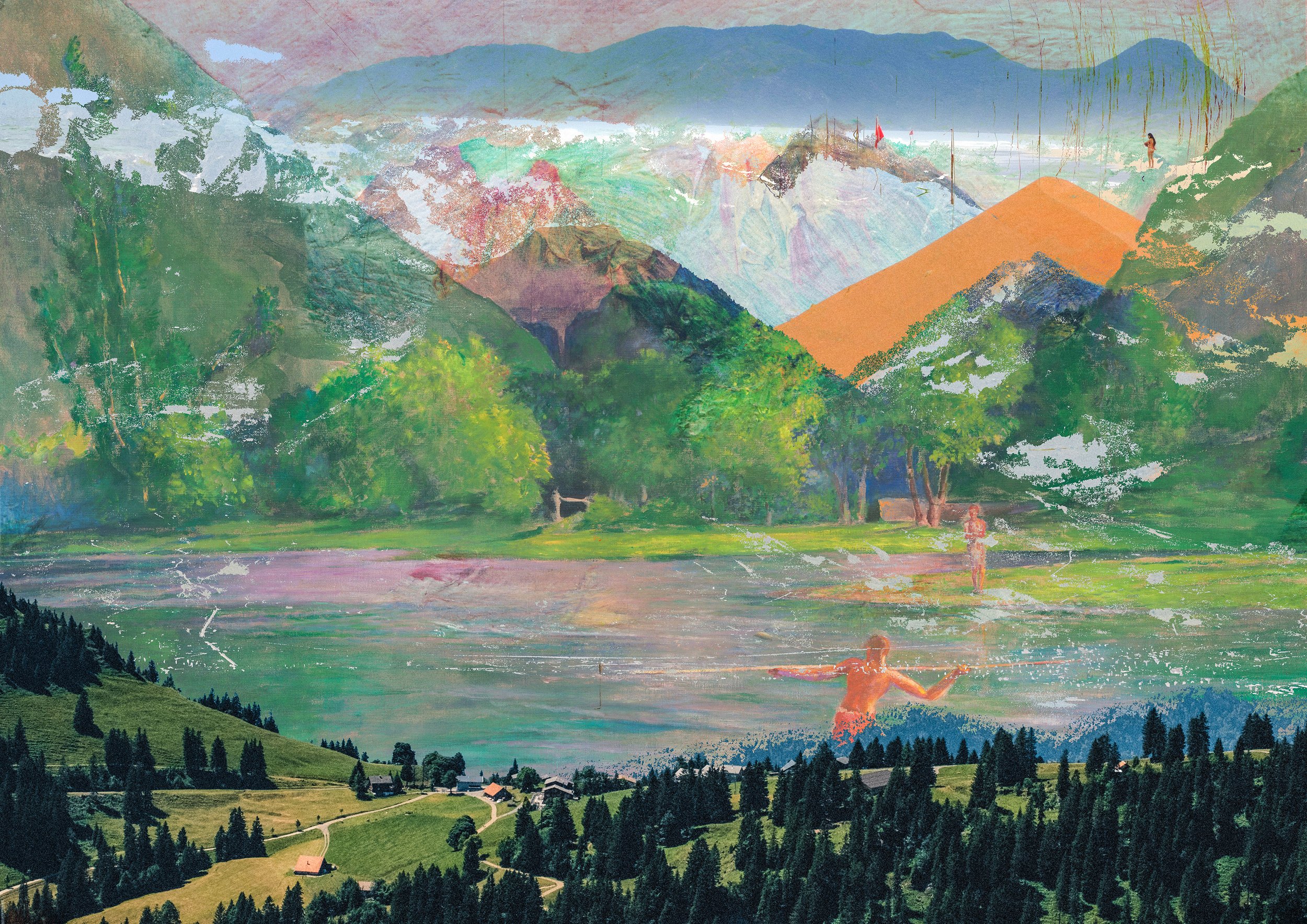
'The earth doesn't recognise borders'
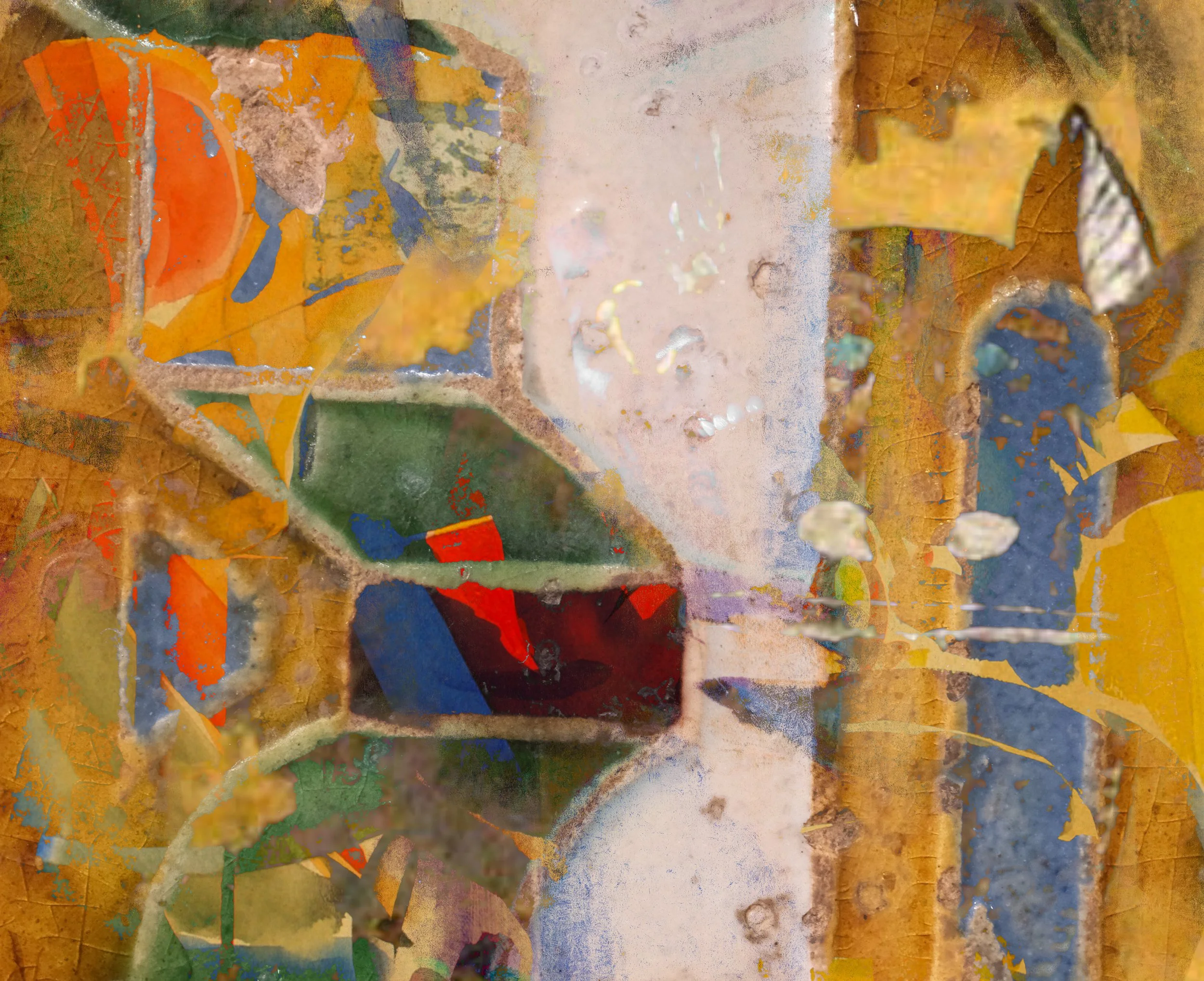
'Tilish'
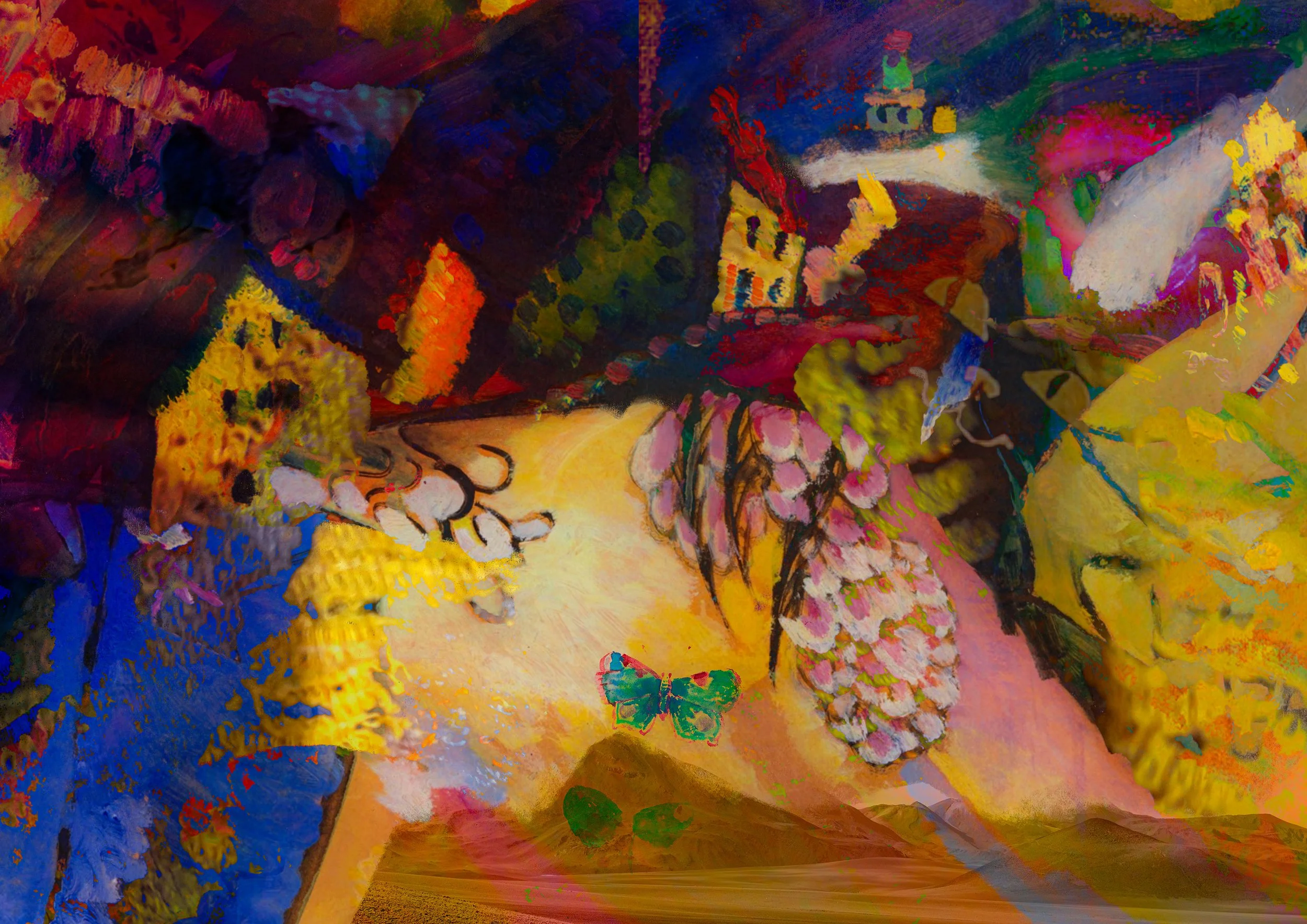
'Vast dreams in a desolate place'
Mantinieri
-
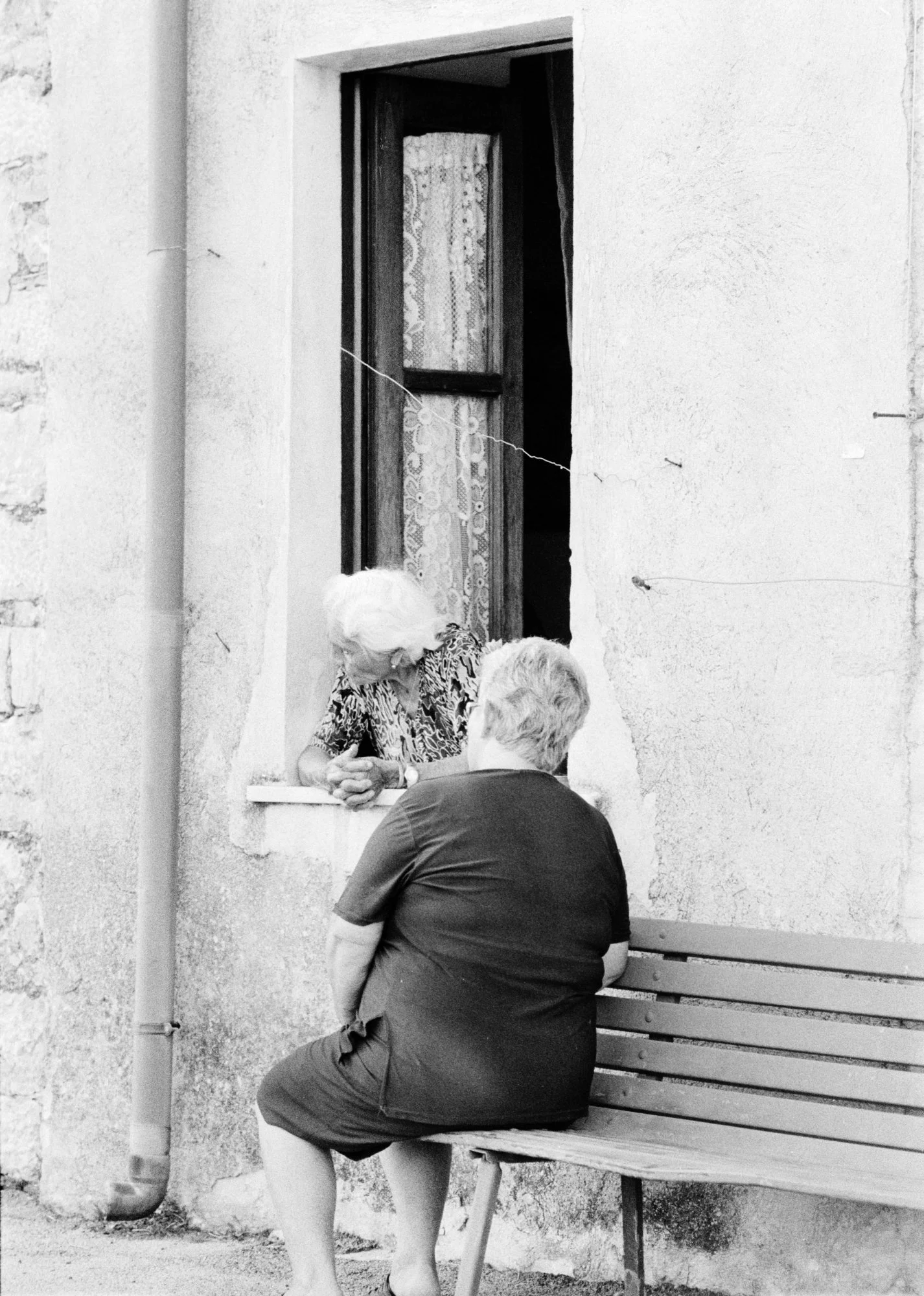
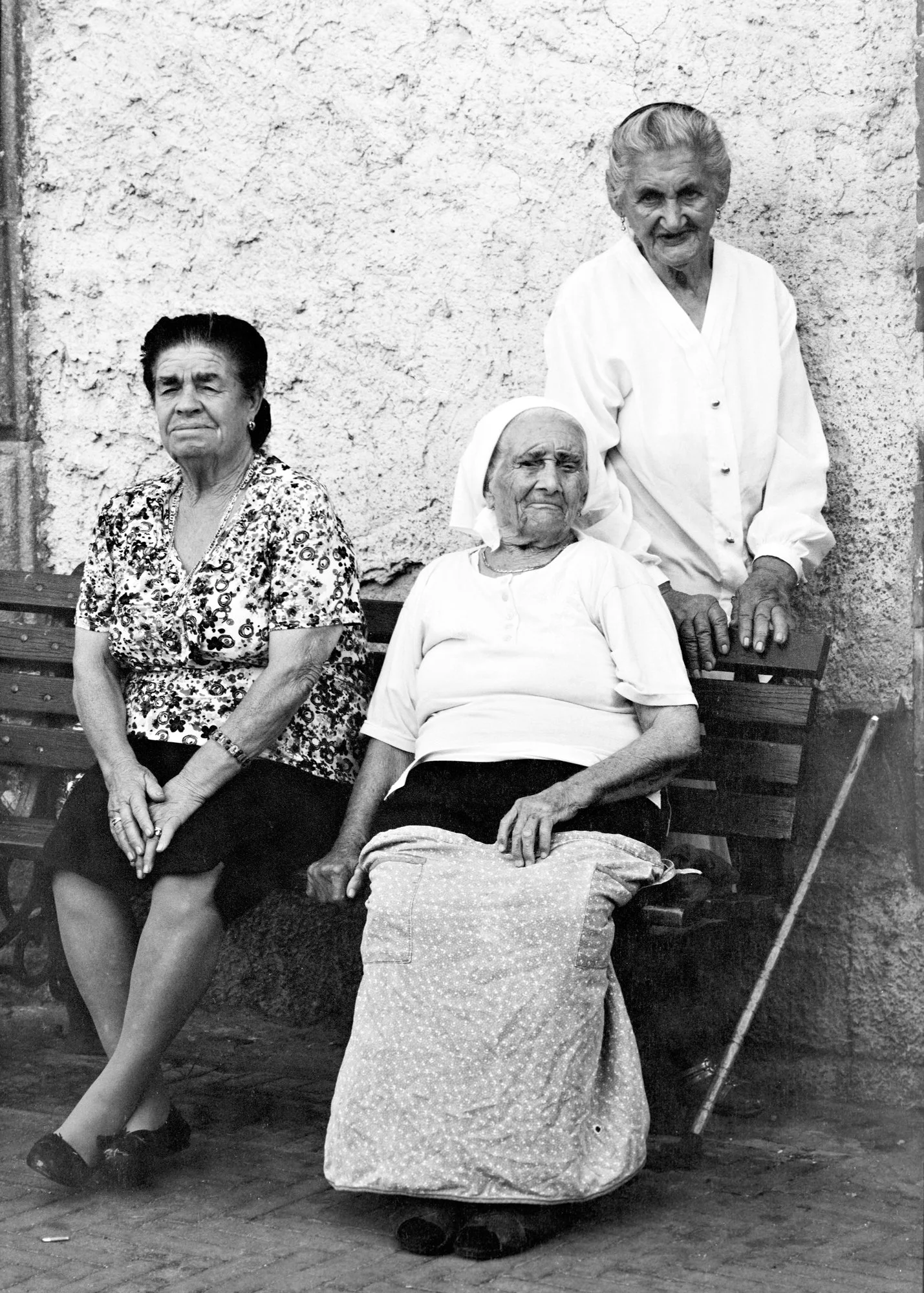
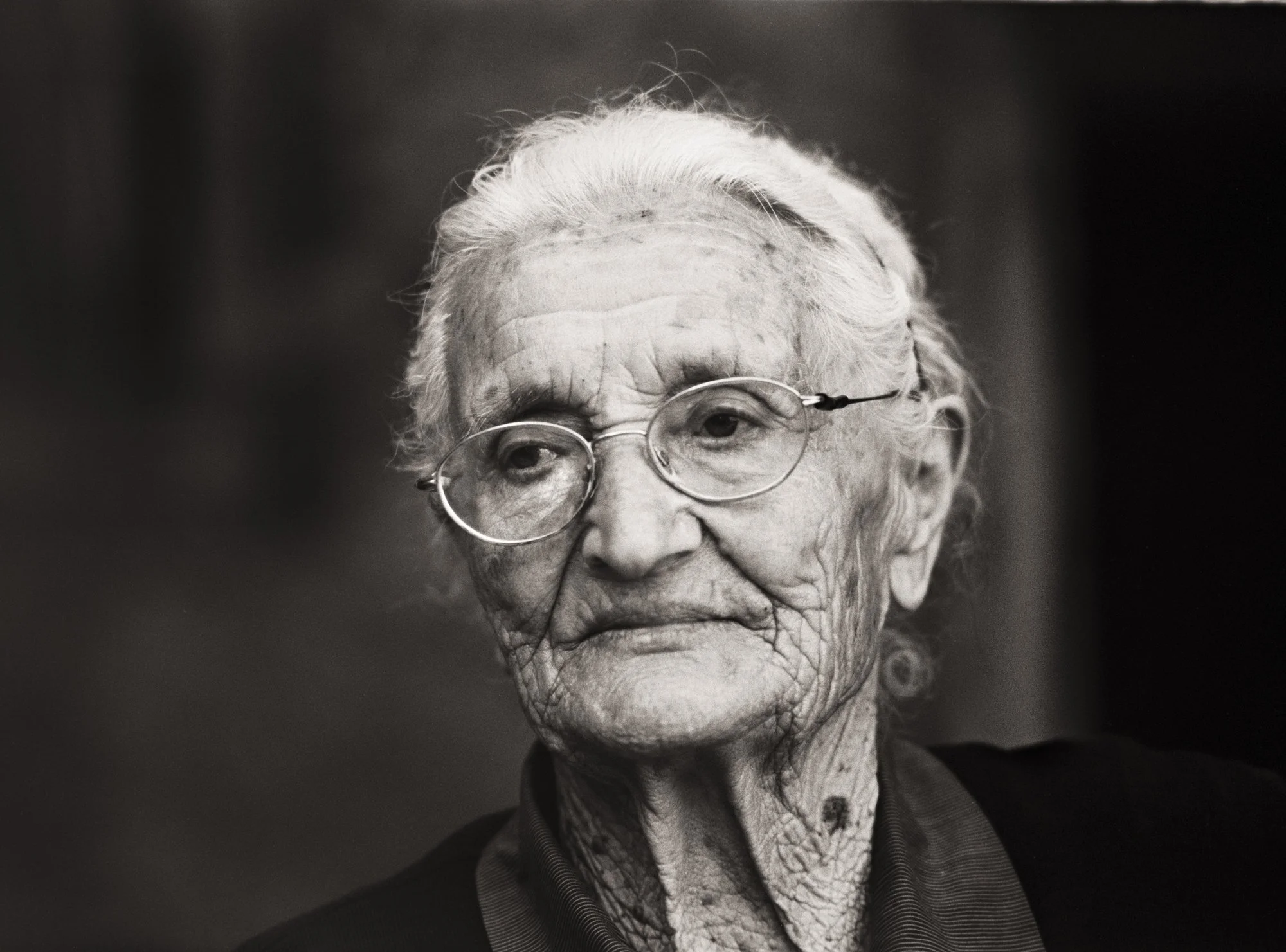
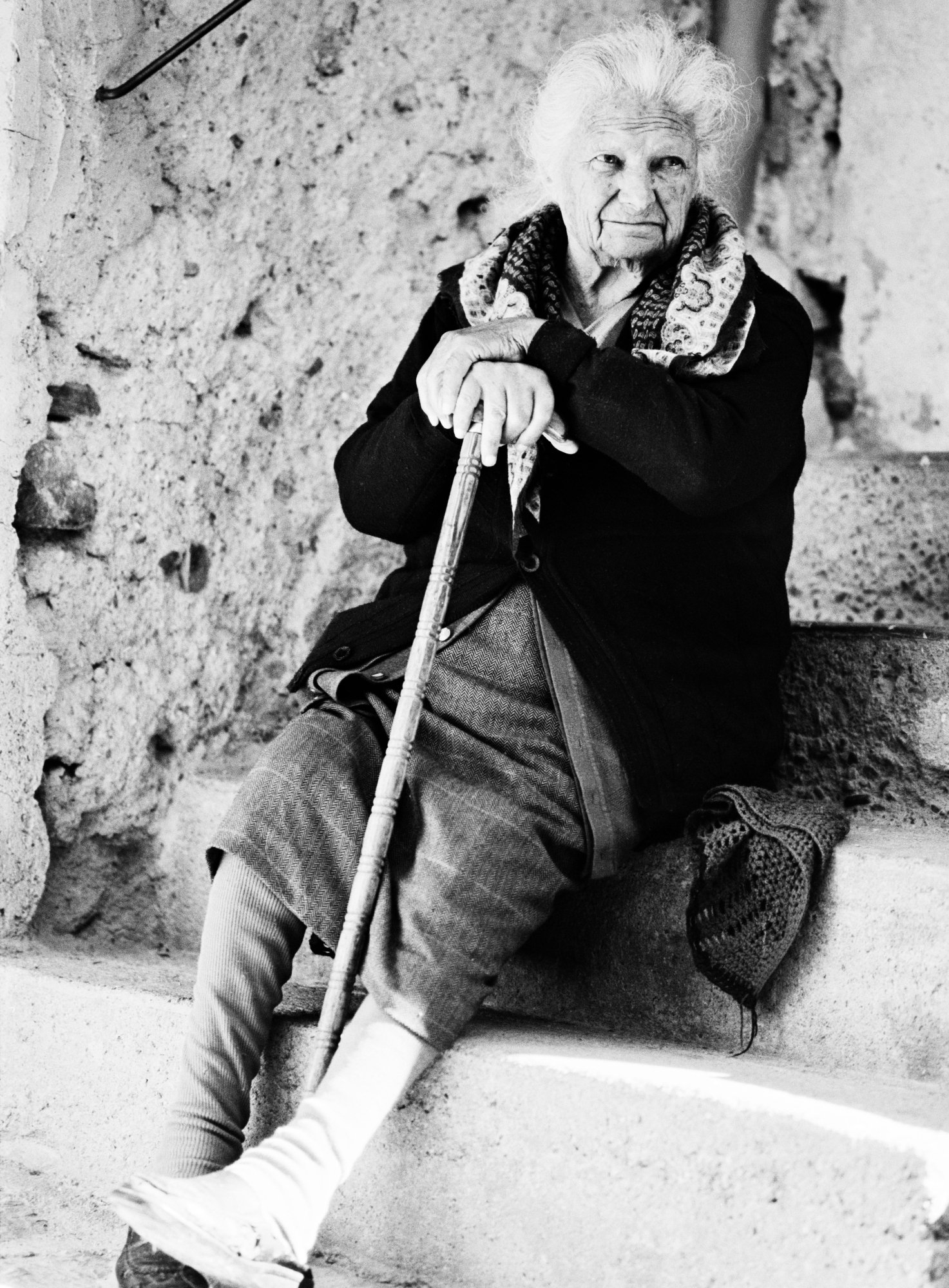
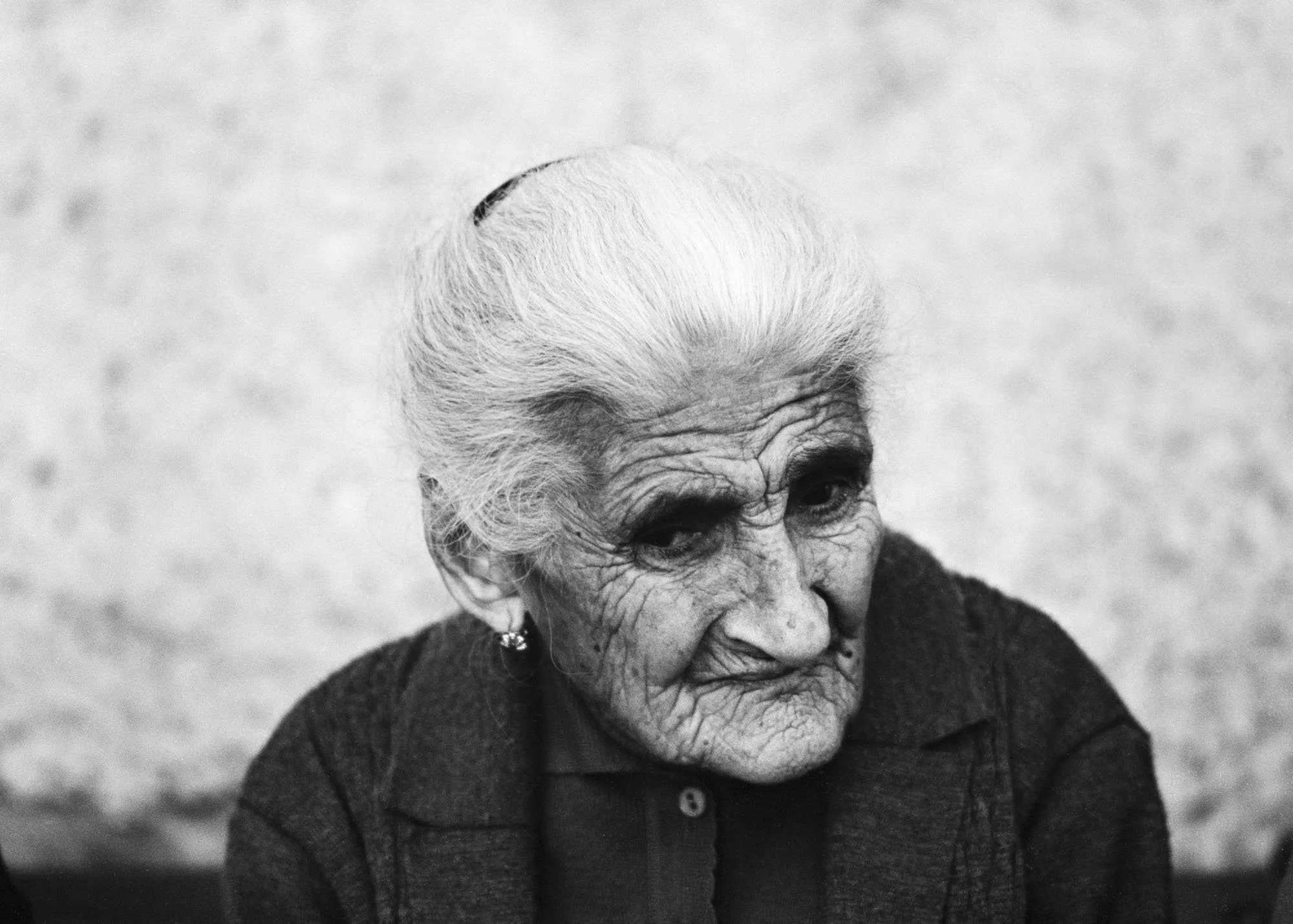
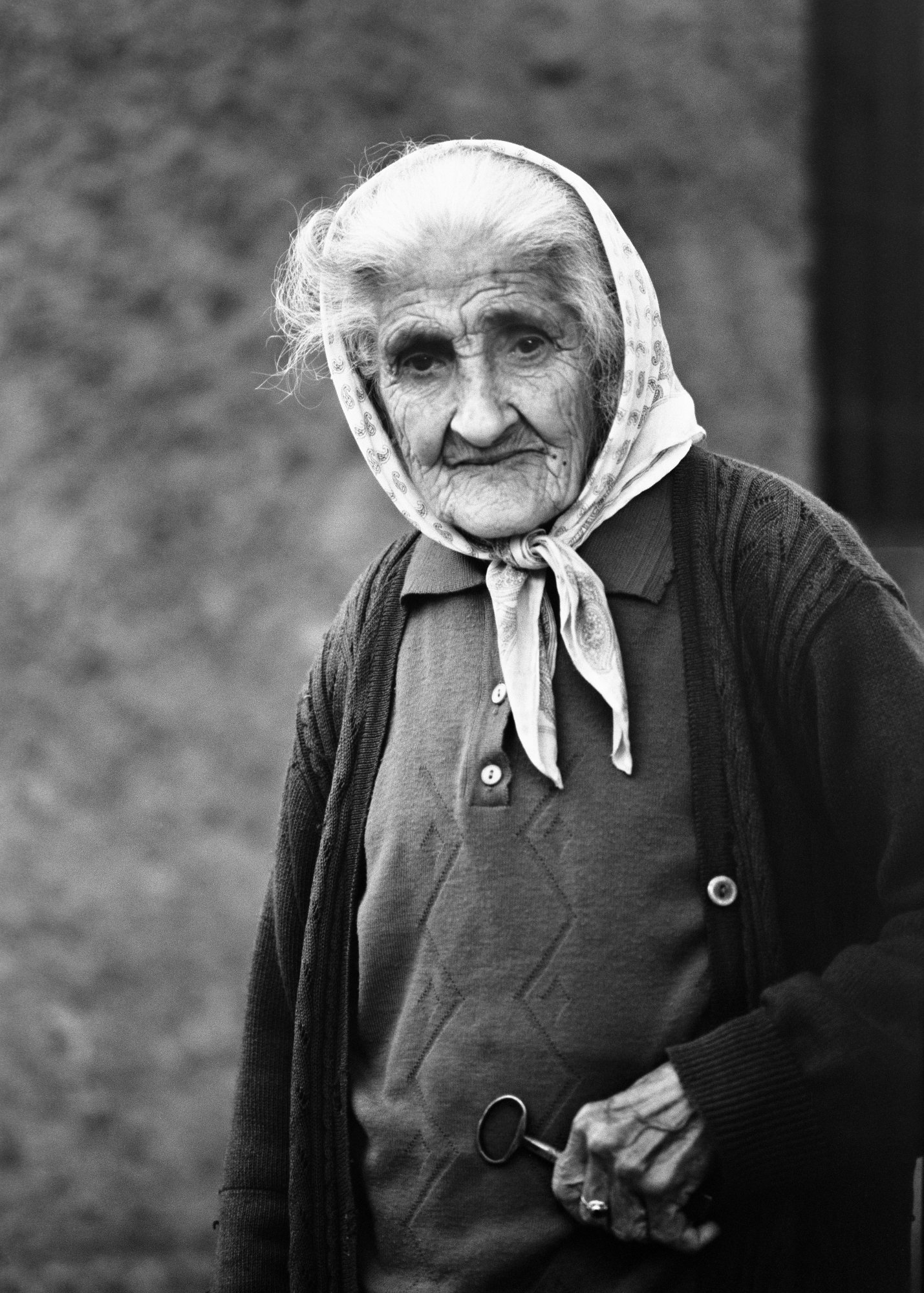
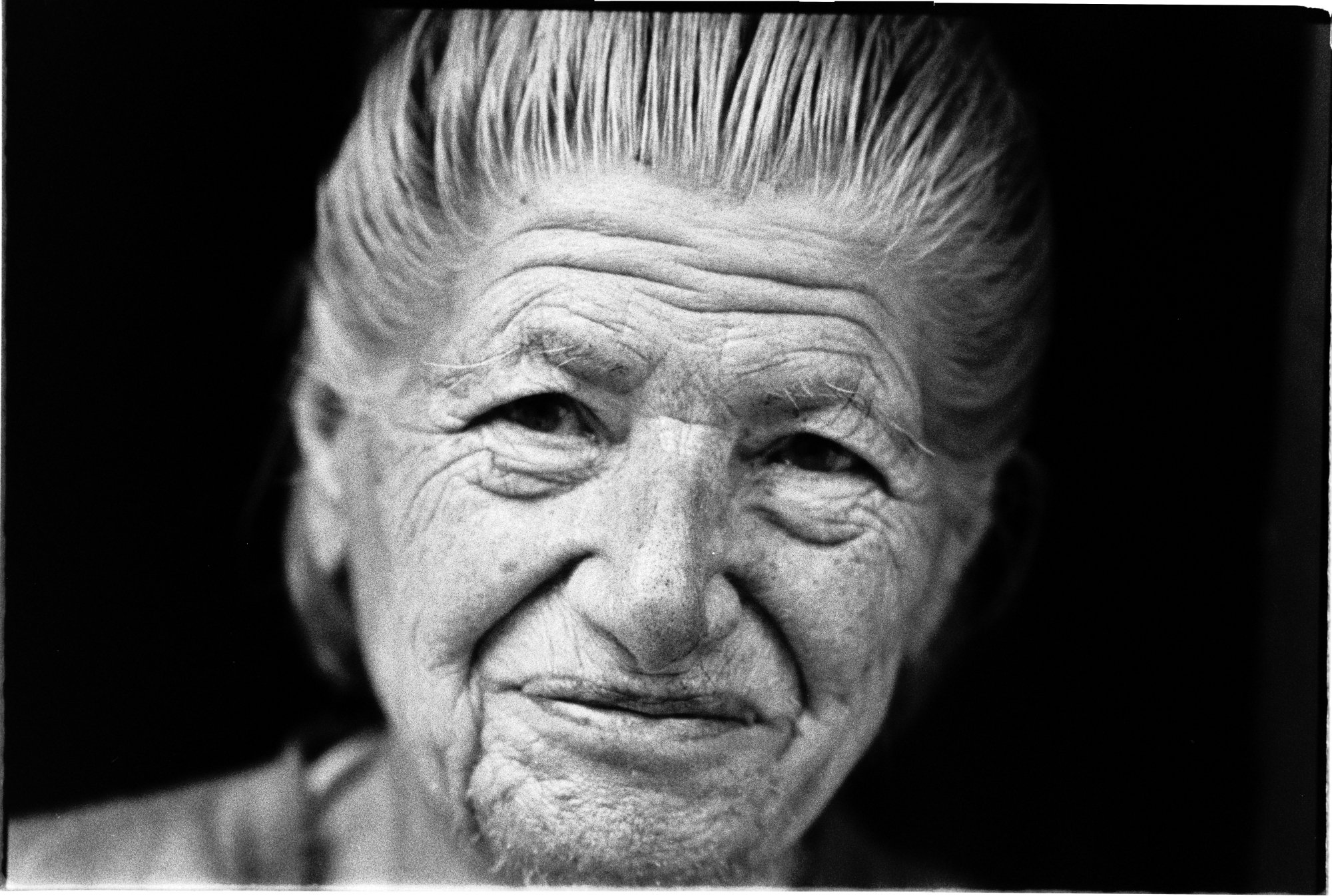
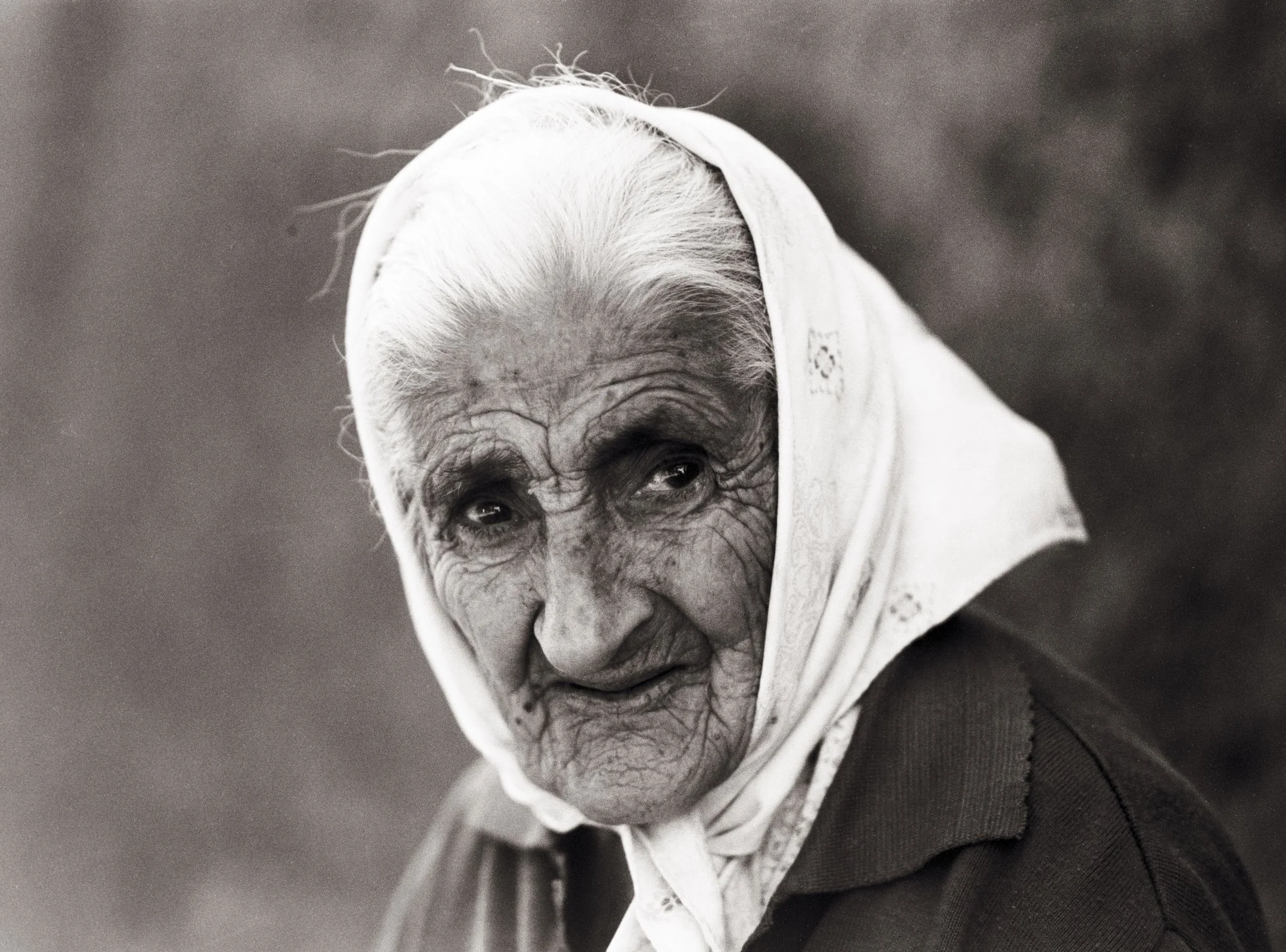
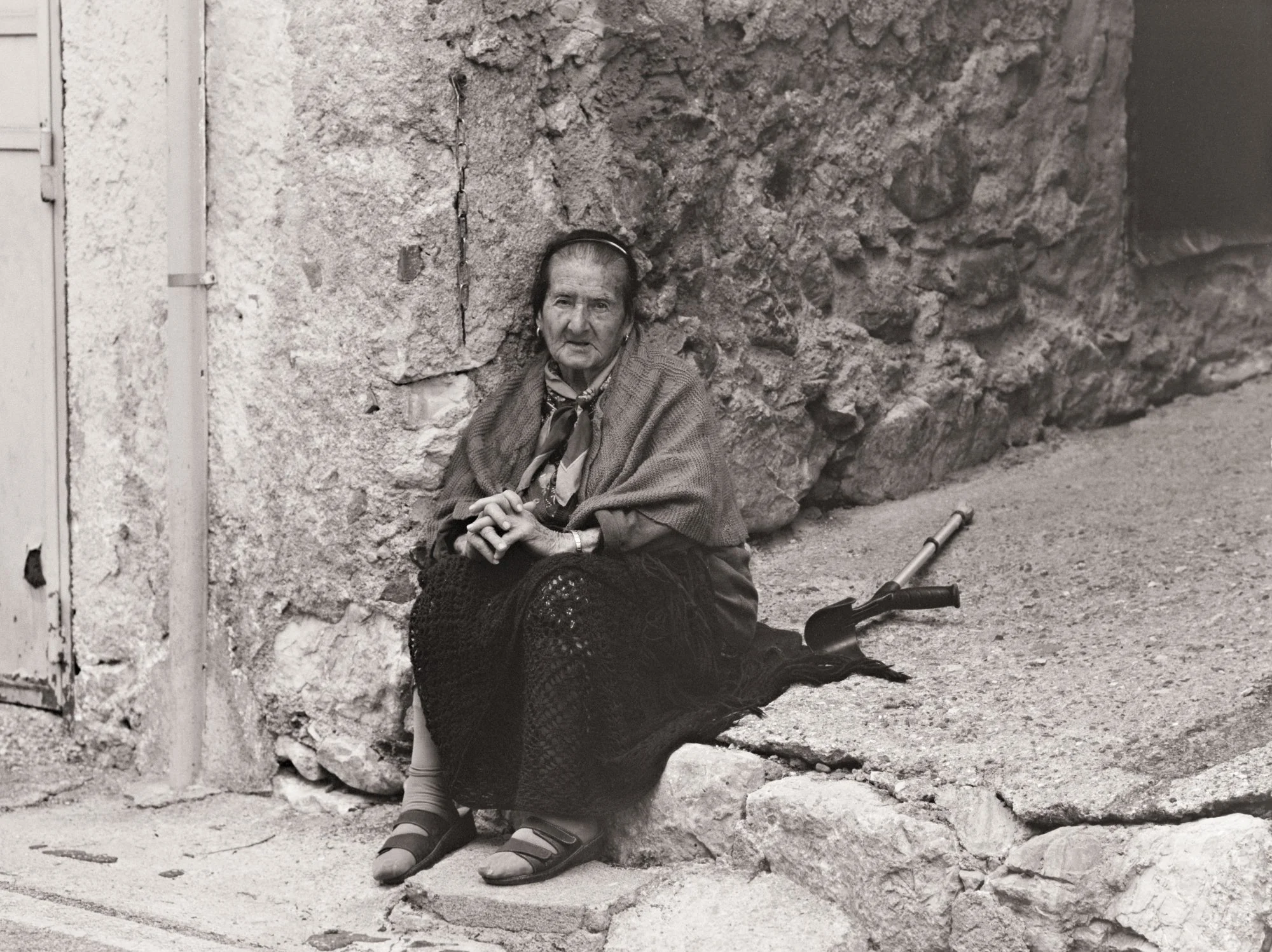
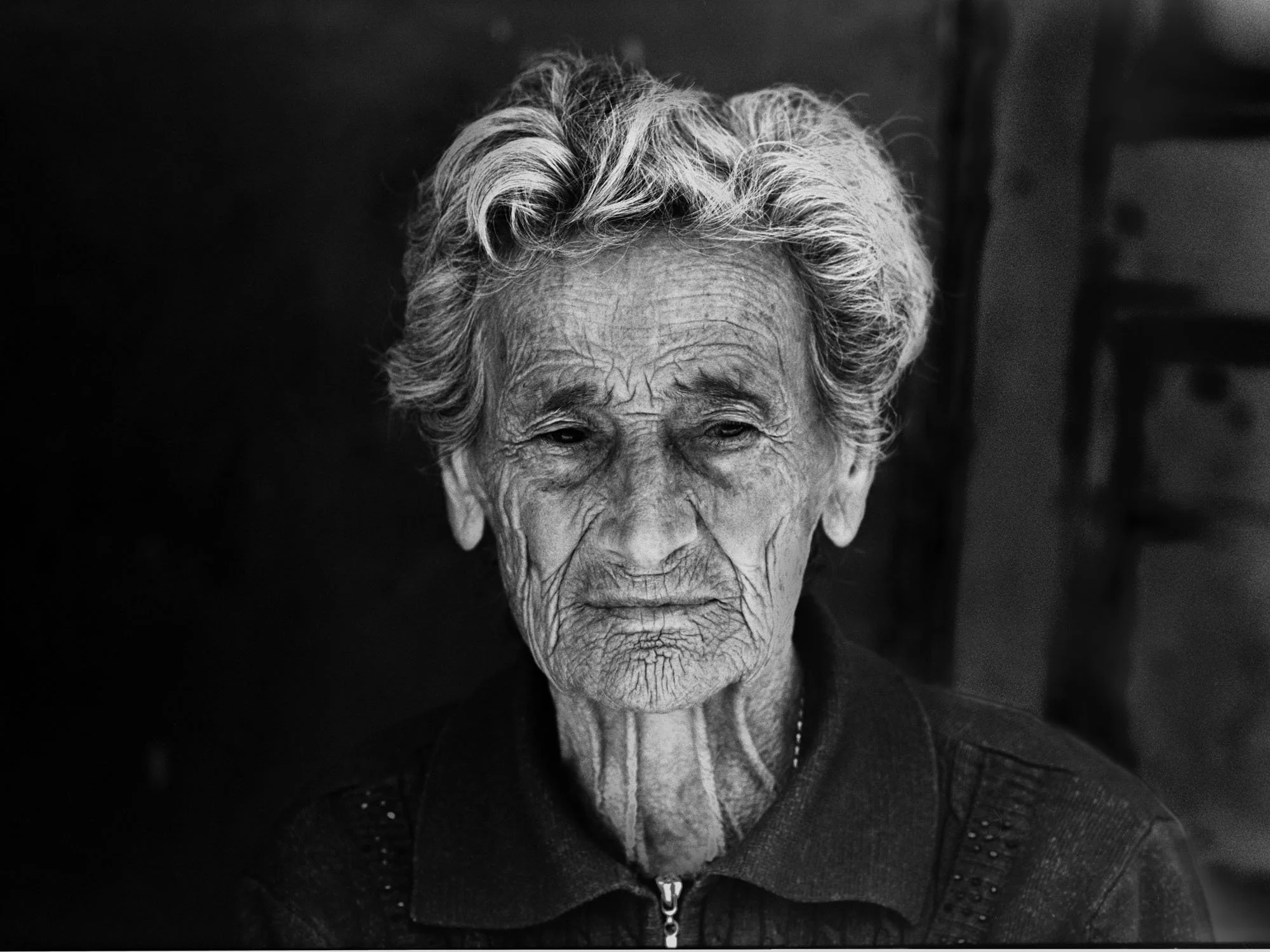
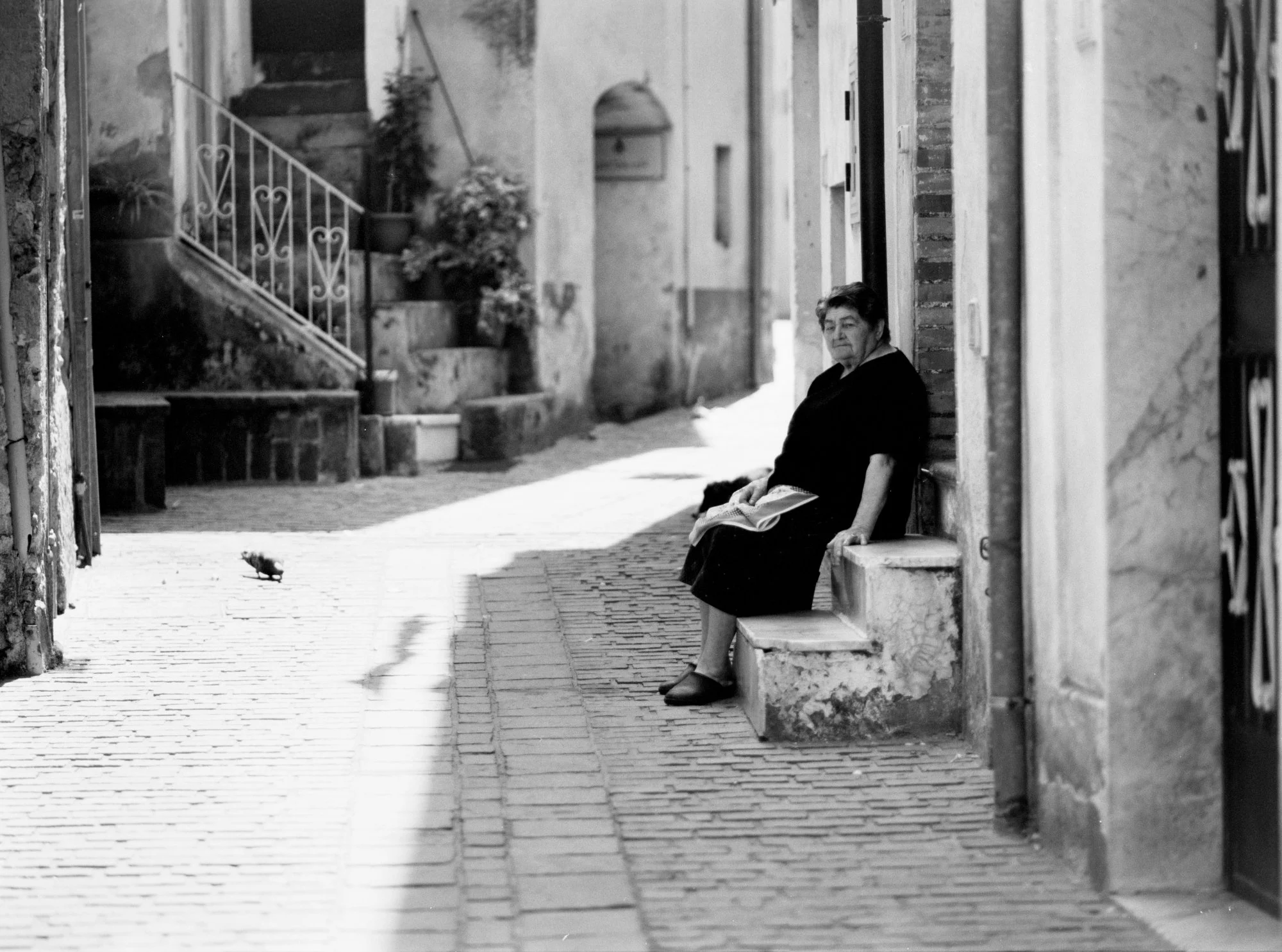
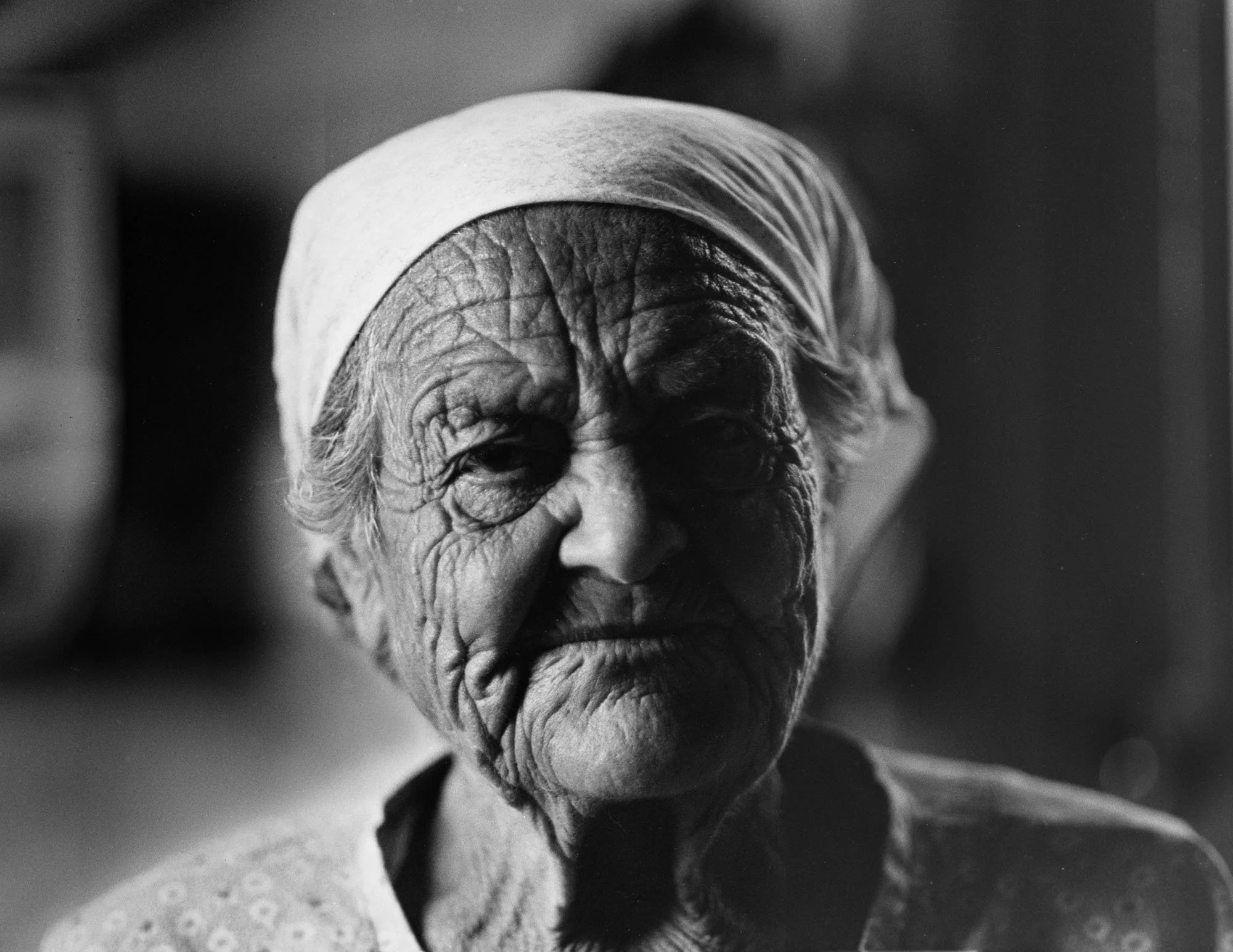
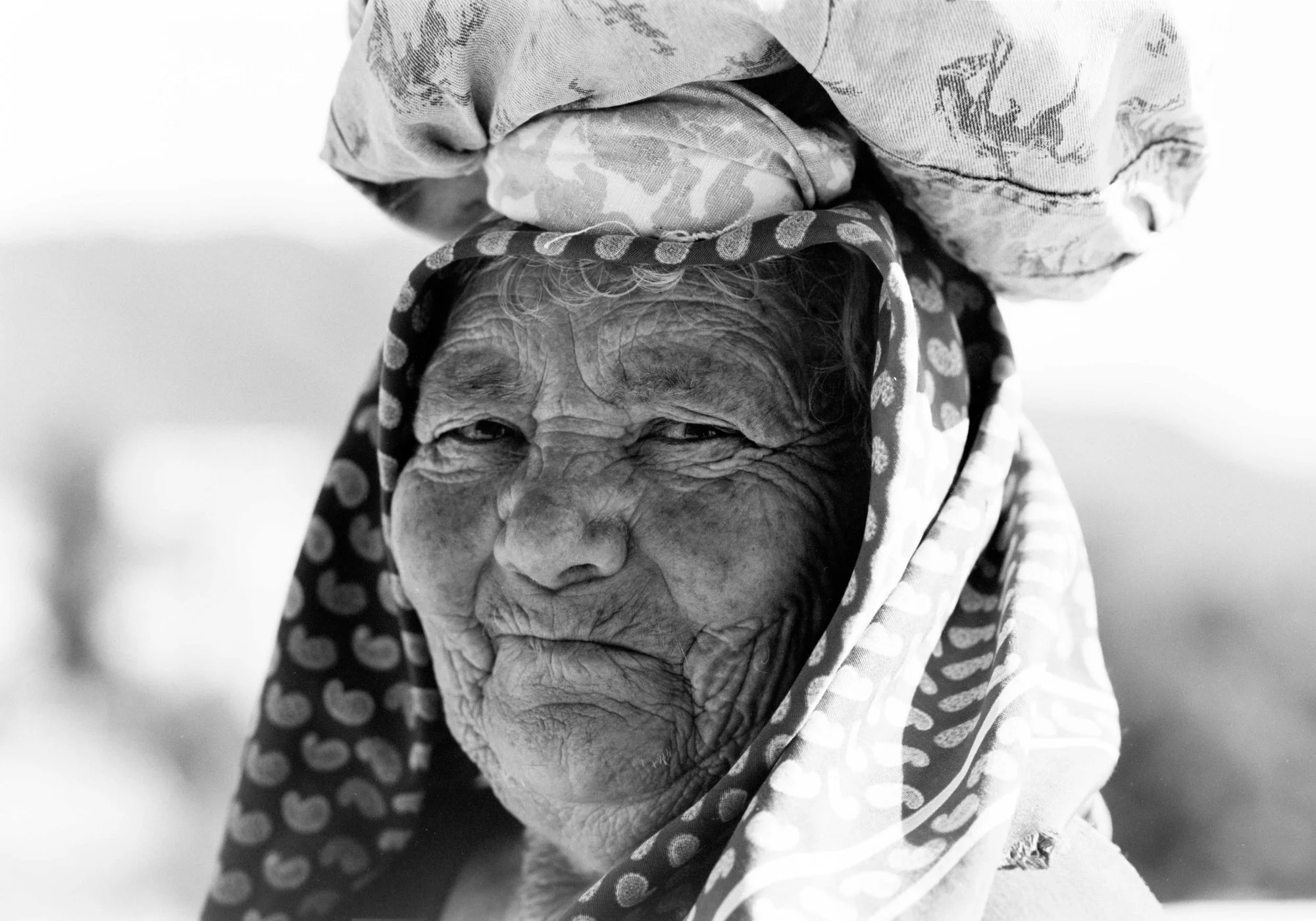
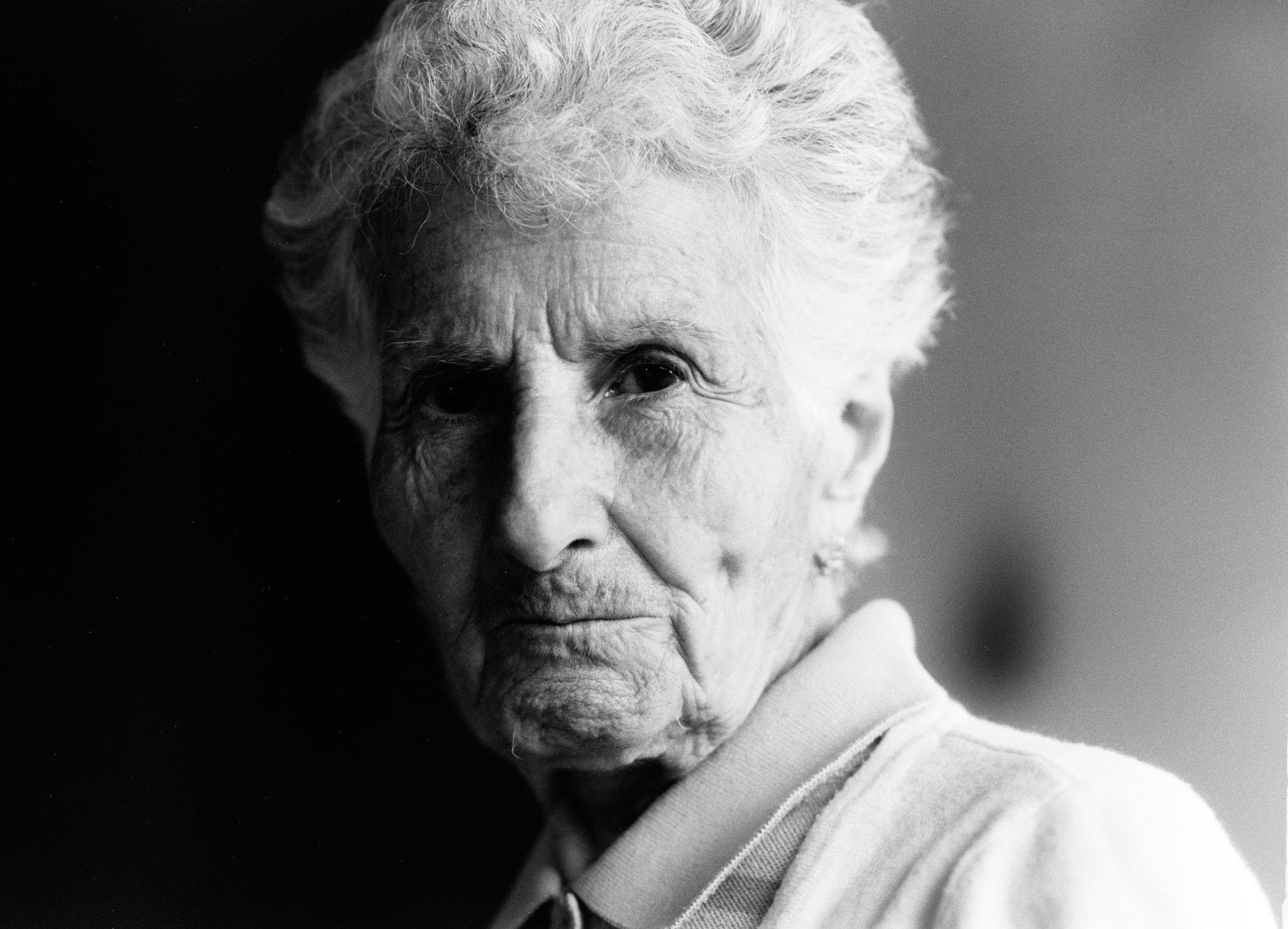
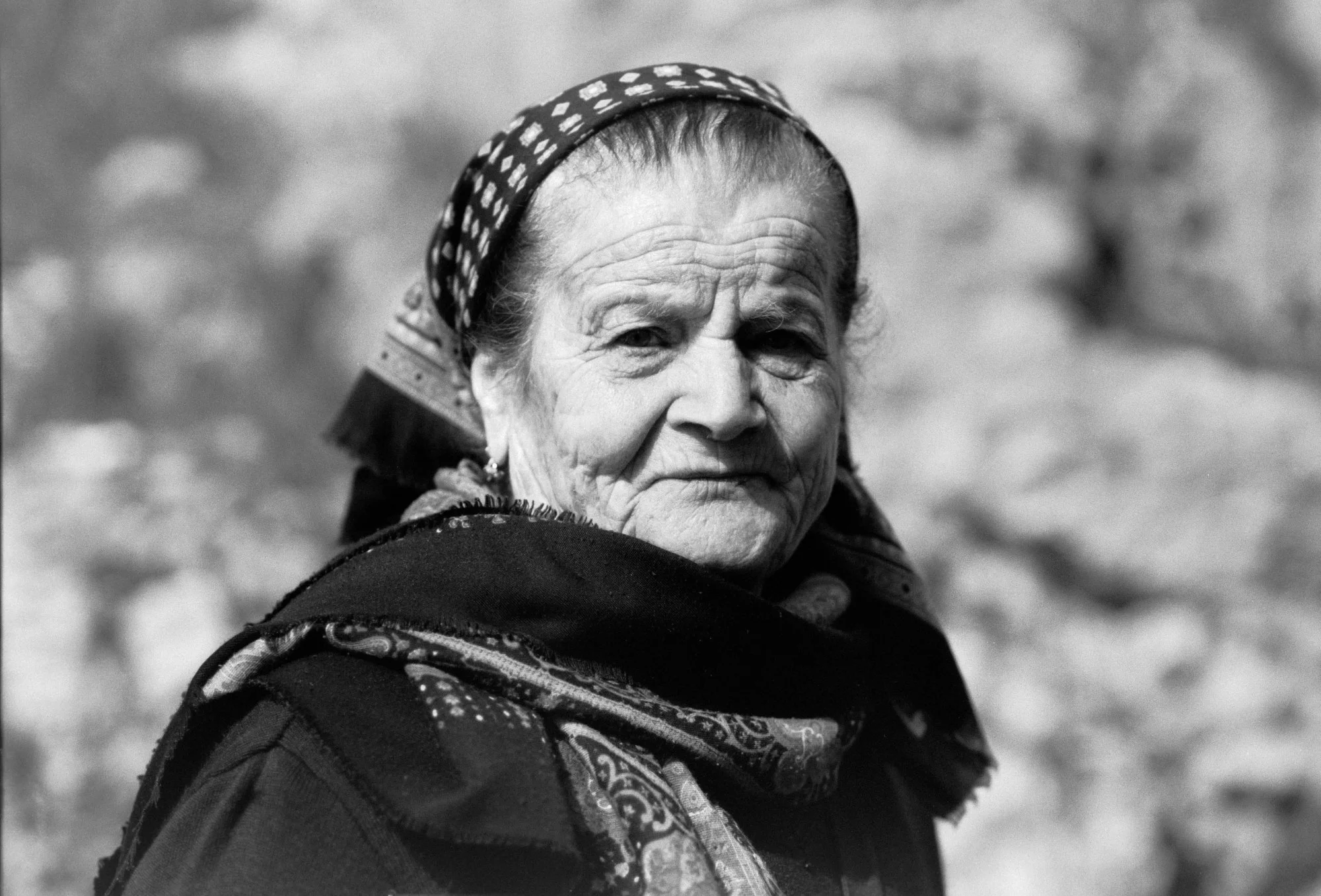
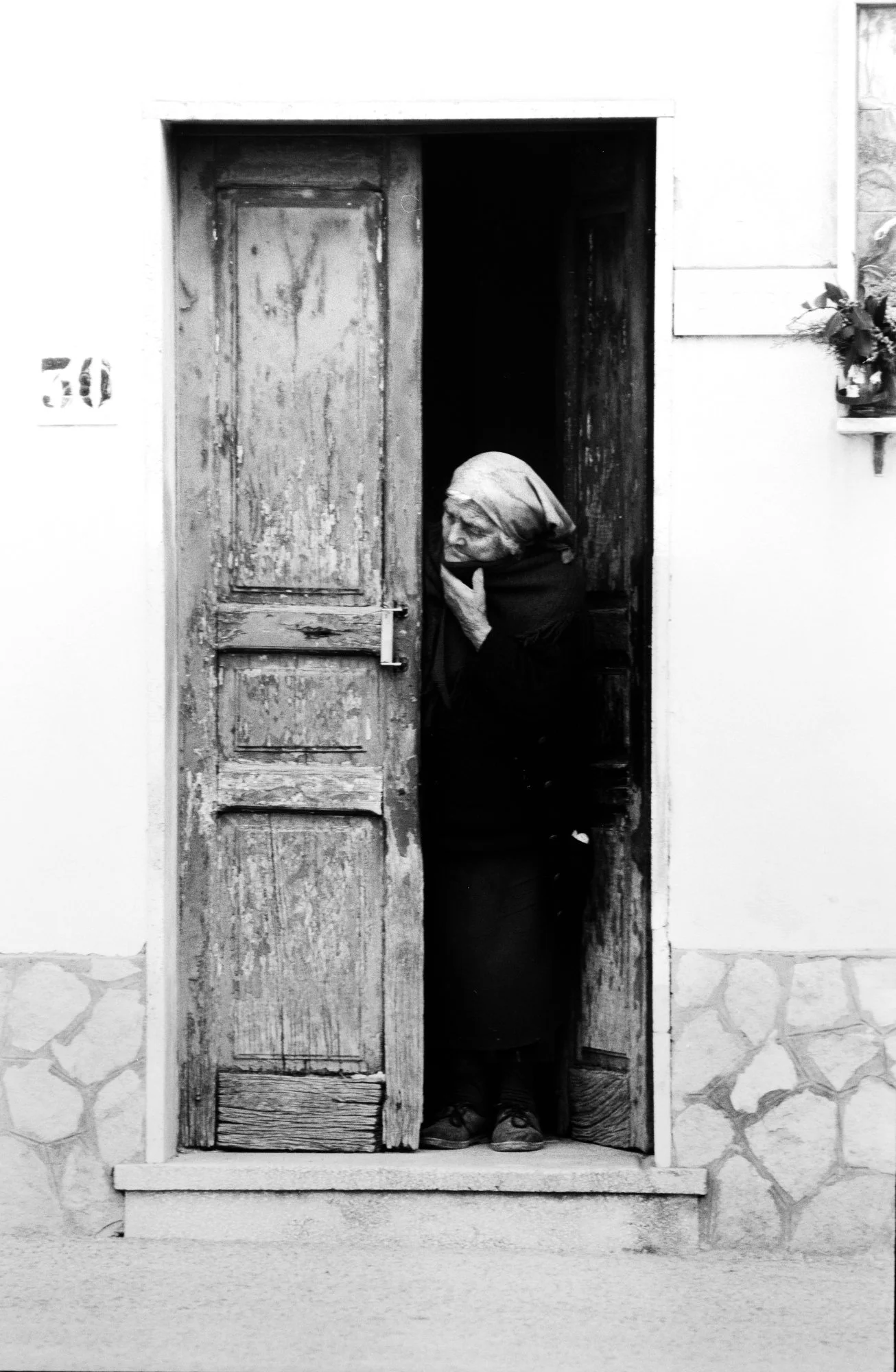
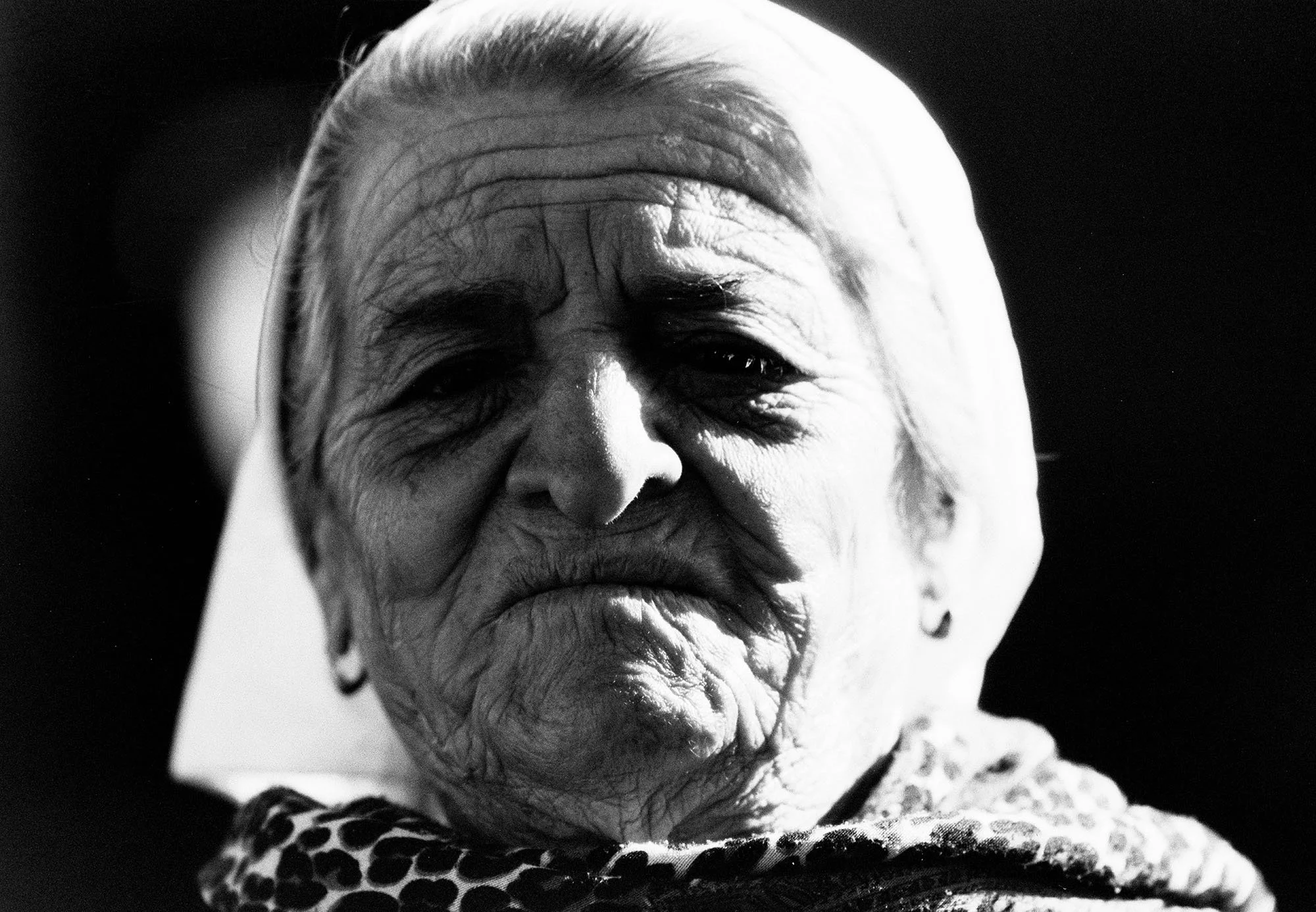
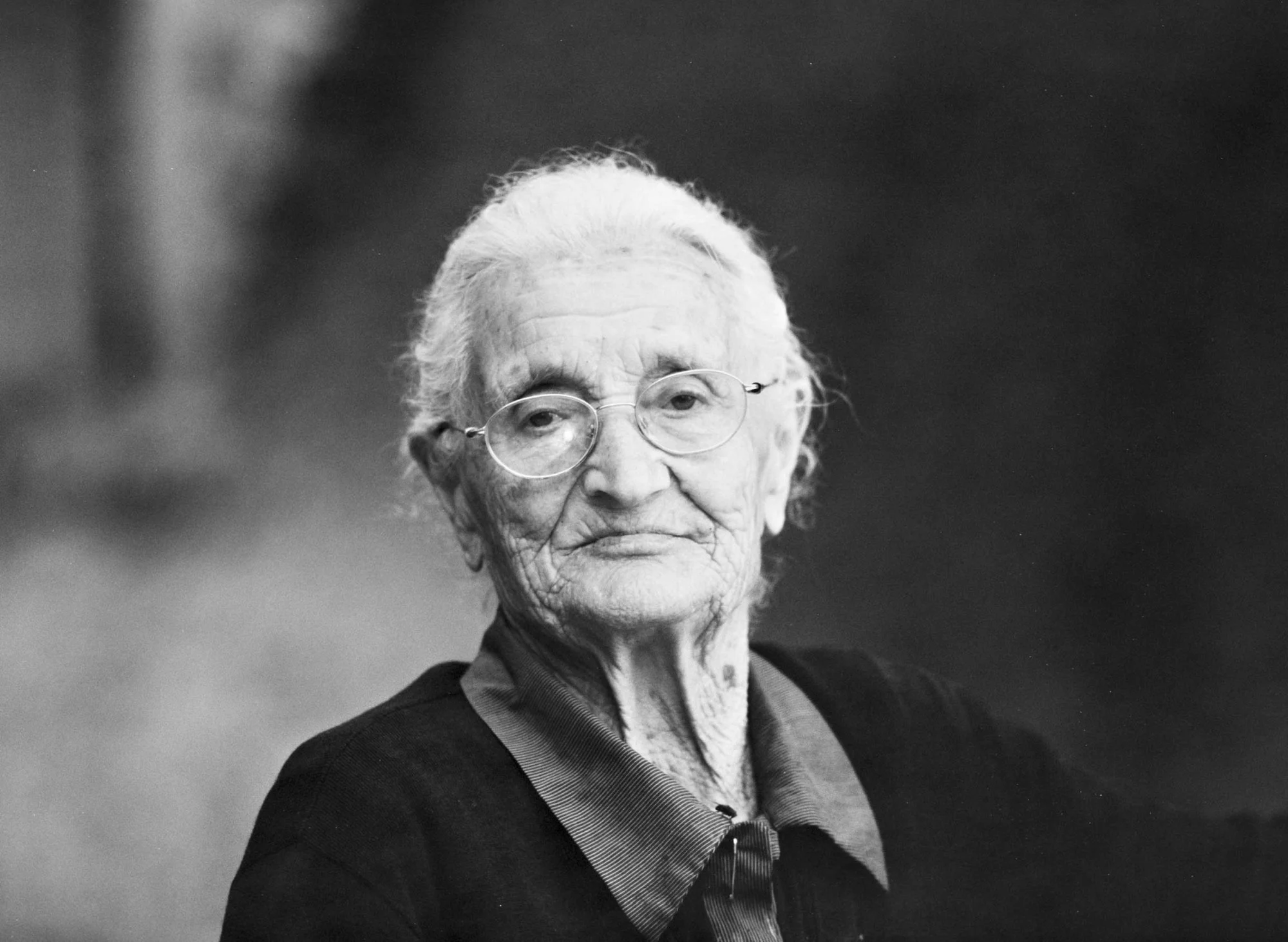
These portraits were captured over many years of research into the culture of an area in Southern Italy called Cilento. Many of the women pictured have since passed away. They remain an echo of a past culture, one that continues to be passed down through new generations. All photographs were taken on black-and-white silver film and hand-processed in the darkroom.
I was drawn to the woman's face immediately —the tired eyes, the deep lines, the quiet intensity that seemed to carry an entire life within it.
Black and white felt essential for this image. Without color, every wrinkle, shadow, and texture becomes part of the story. The grain of the film and the softness of the focus create a sense of intimacy, as if the portrait exists somewhere between memory and presence.
Rather than documenting a person, I wanted to capture a feeling: the fragile dignity of time passing, and the silent depth that can exist in a single human gaze.
Sivan Swisa
-
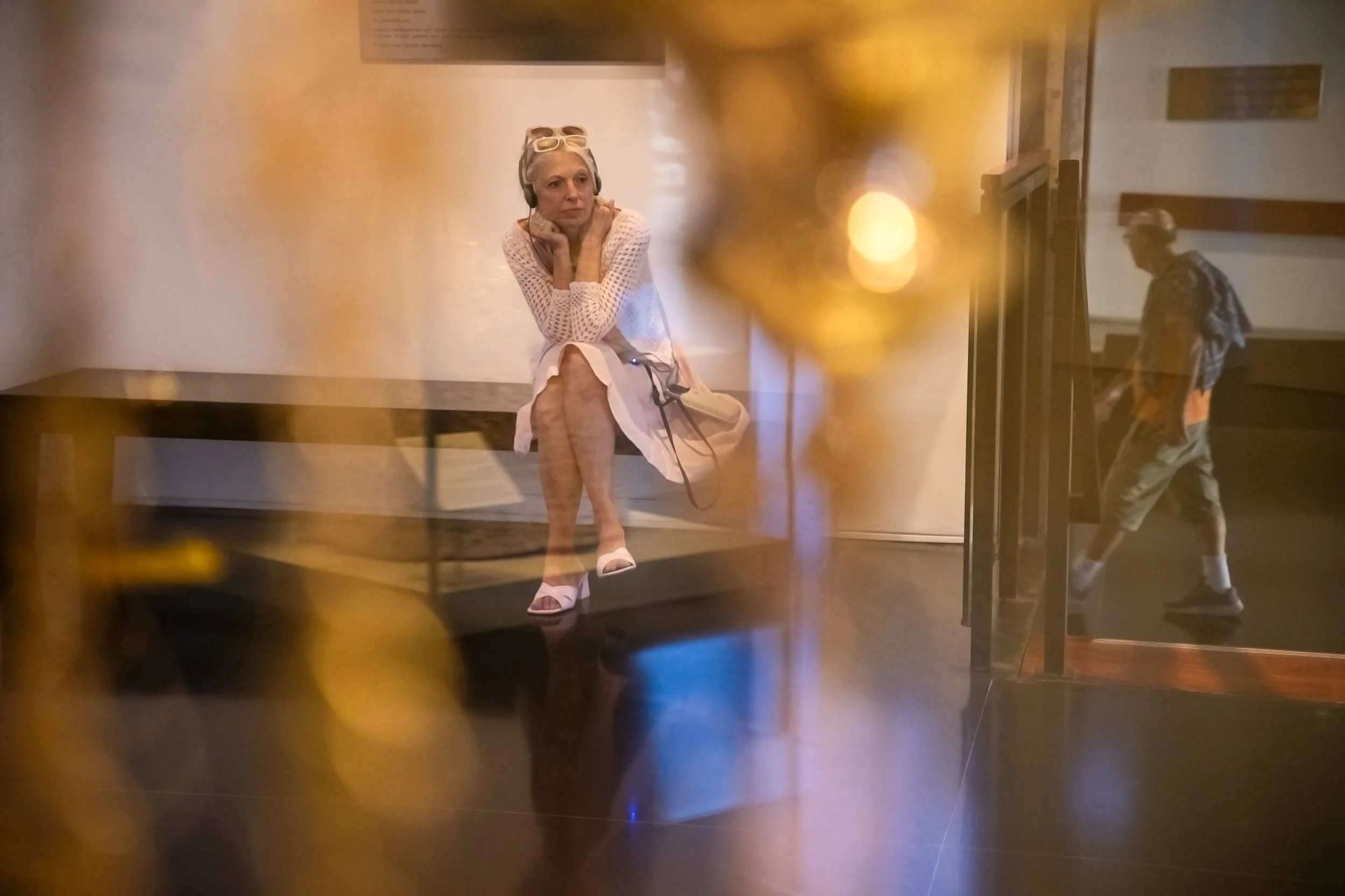
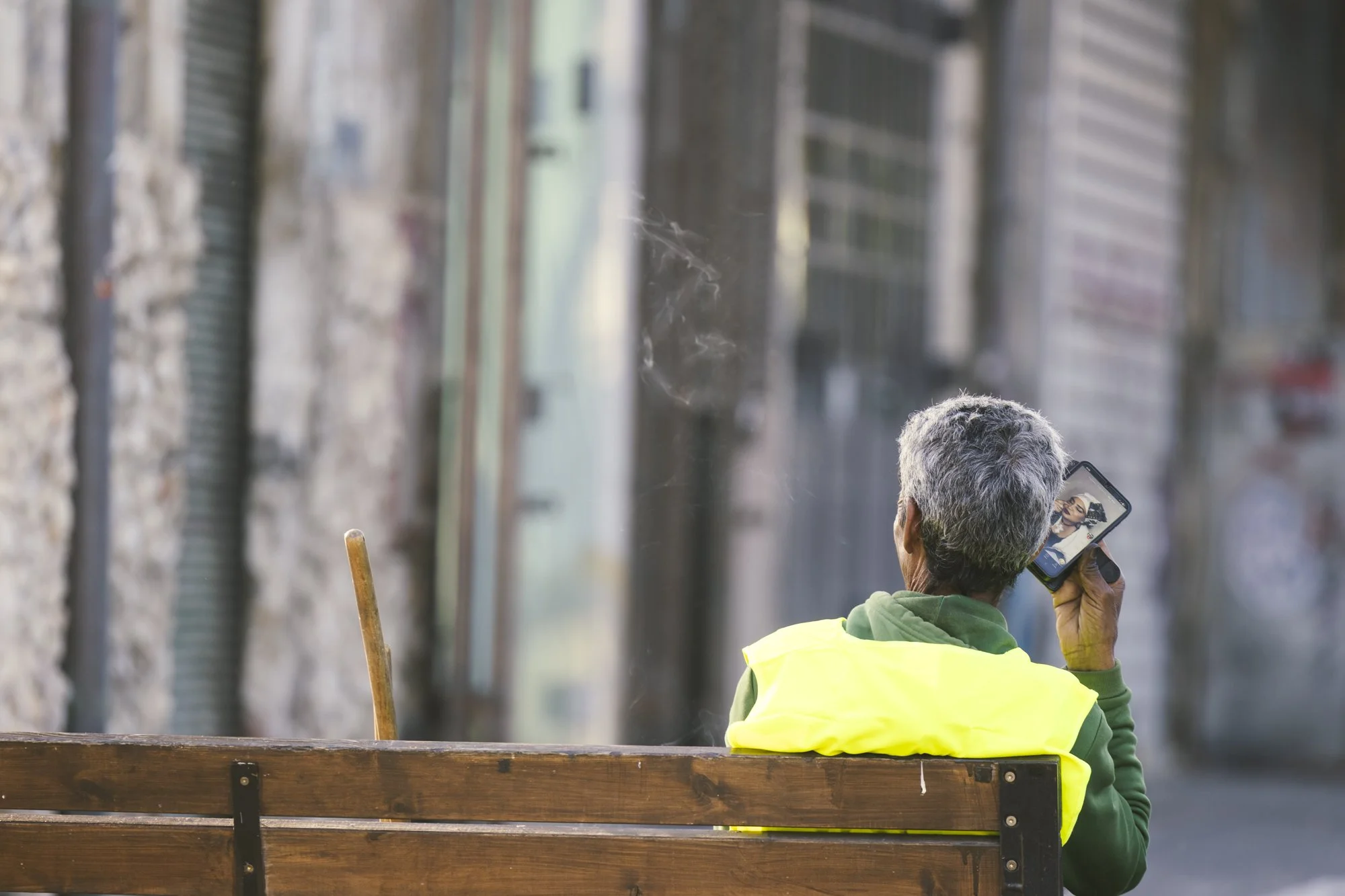
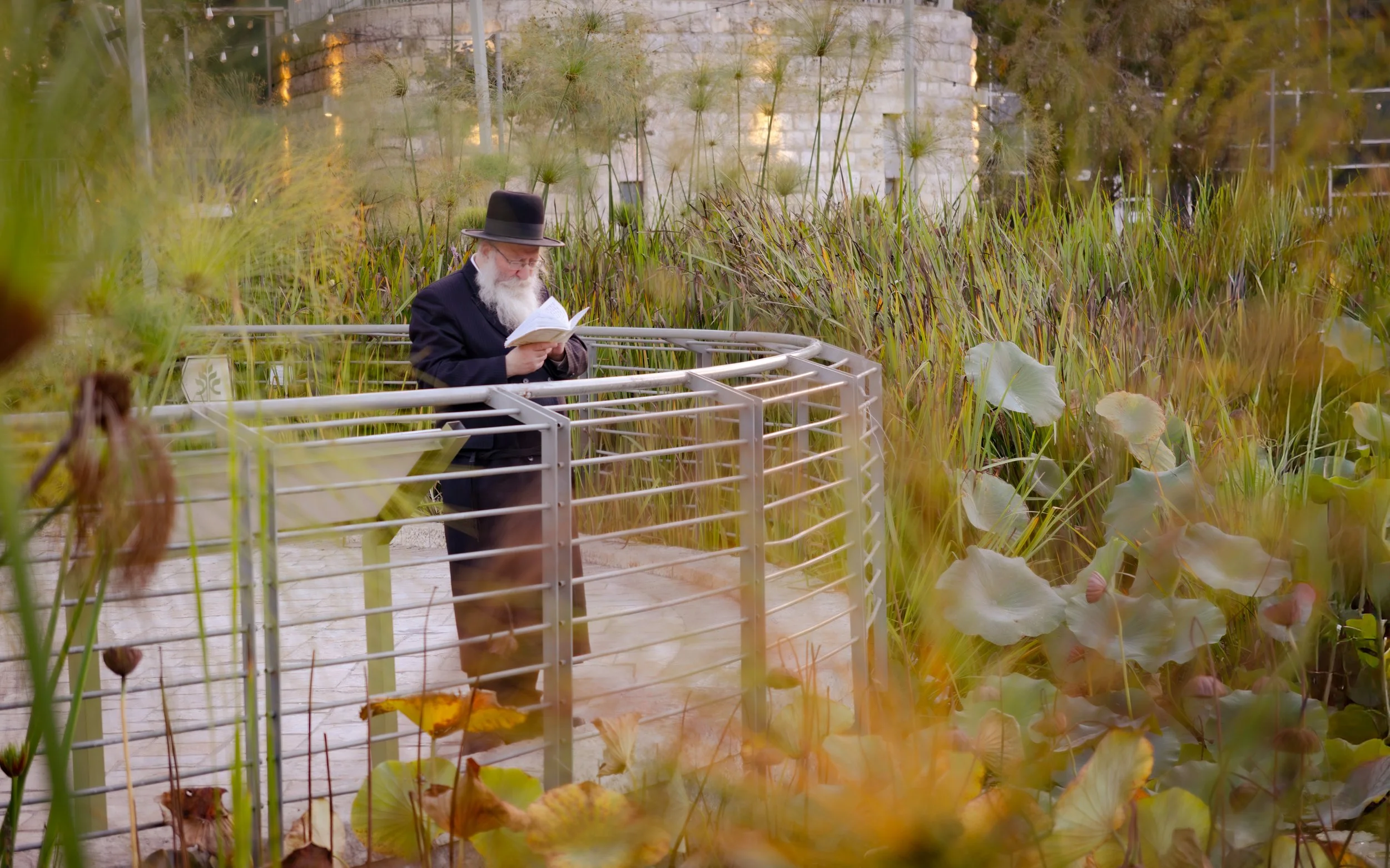
These photographs explore moments that linger beyond their immediate presence. Through obscured figures, quiet encounters, solitary reflections, and traces of absence, each image becomes an echo of a story only partially revealed. Some recall memories, others suggest imagined narratives or unspoken connections. Together, they invite the viewer to contemplate what remains after a moment has passed.
'Love Around the Corner'
'Echo Call'
'Prayer'
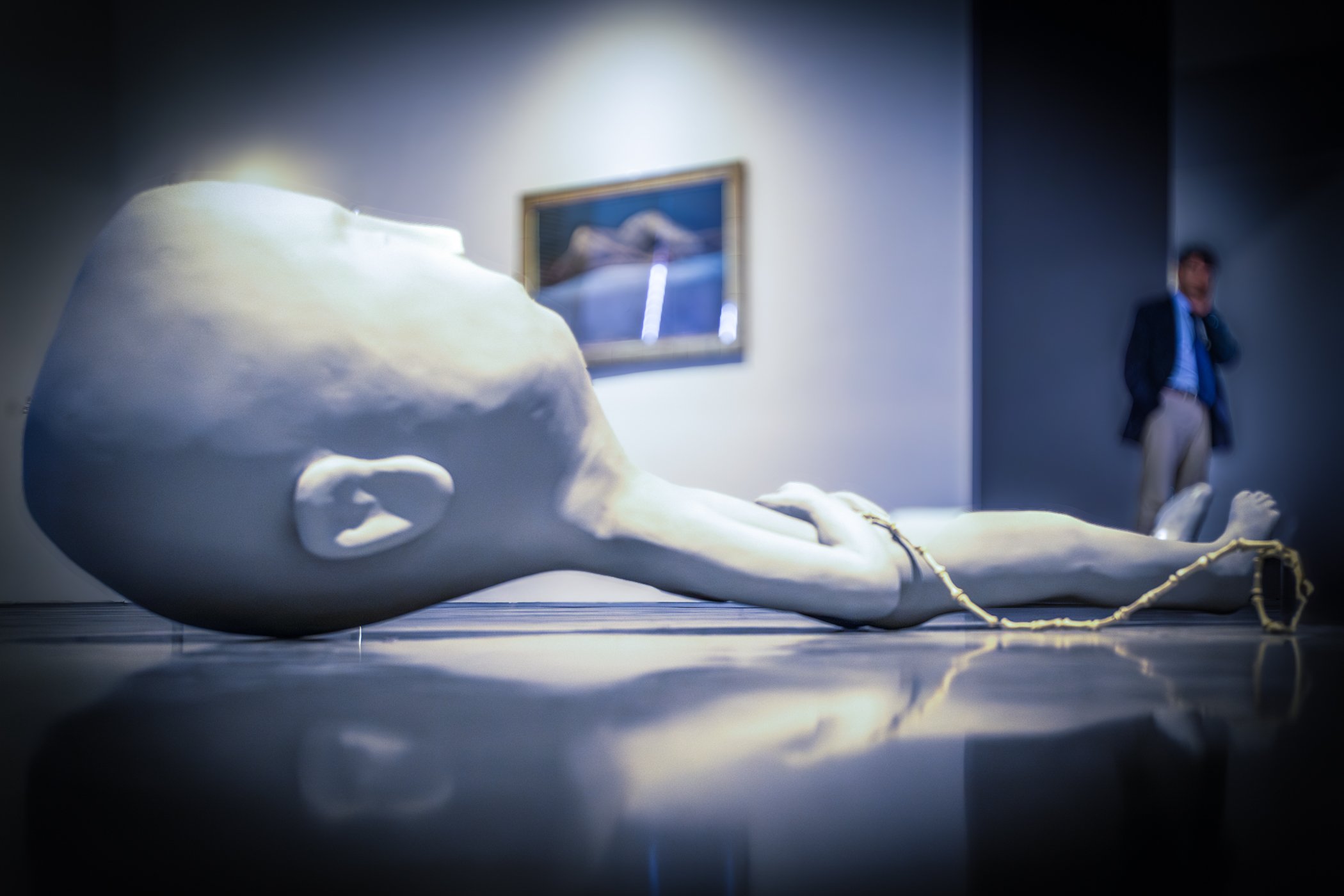
'Anxiety'
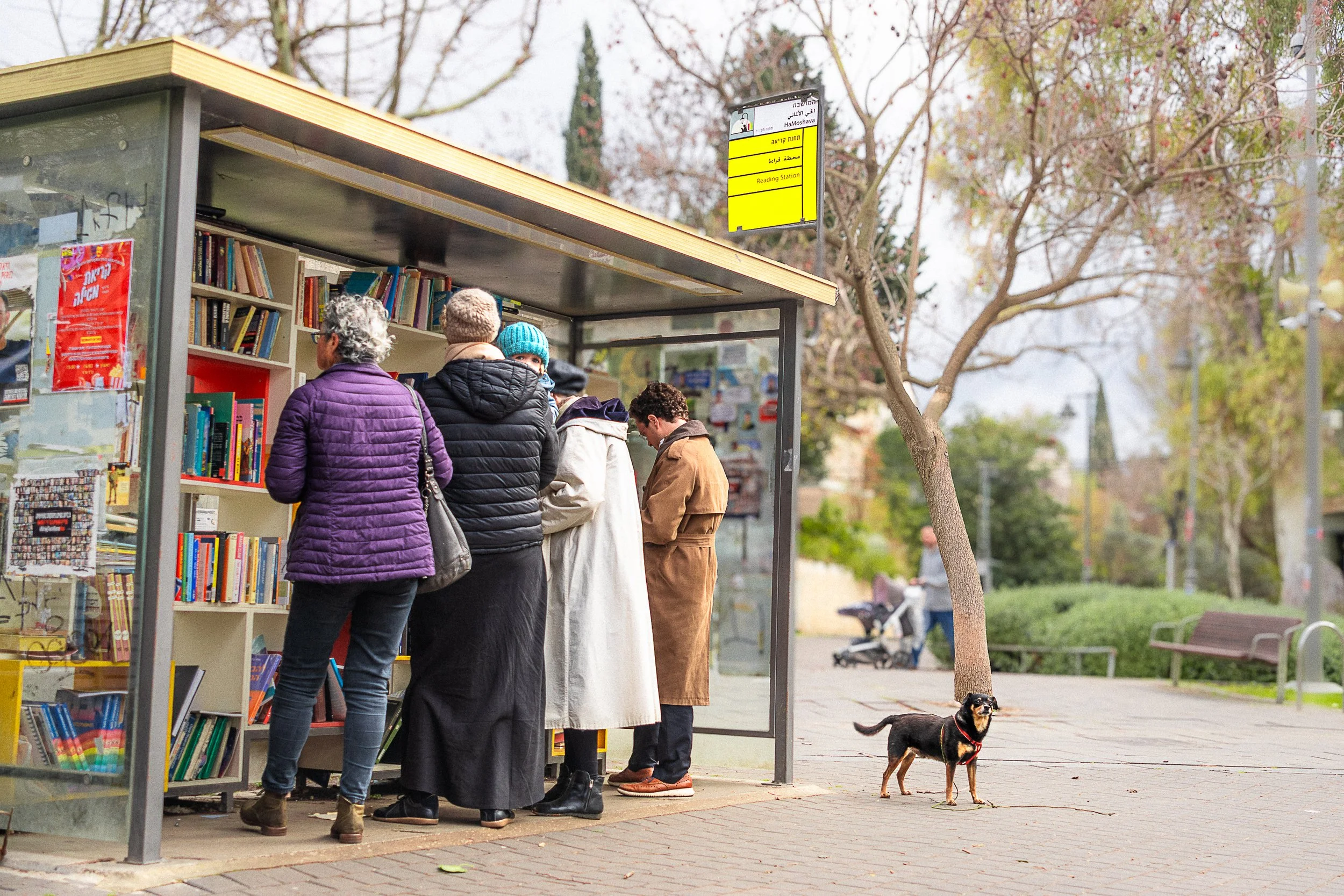
'Reading Station, Jerusalem'
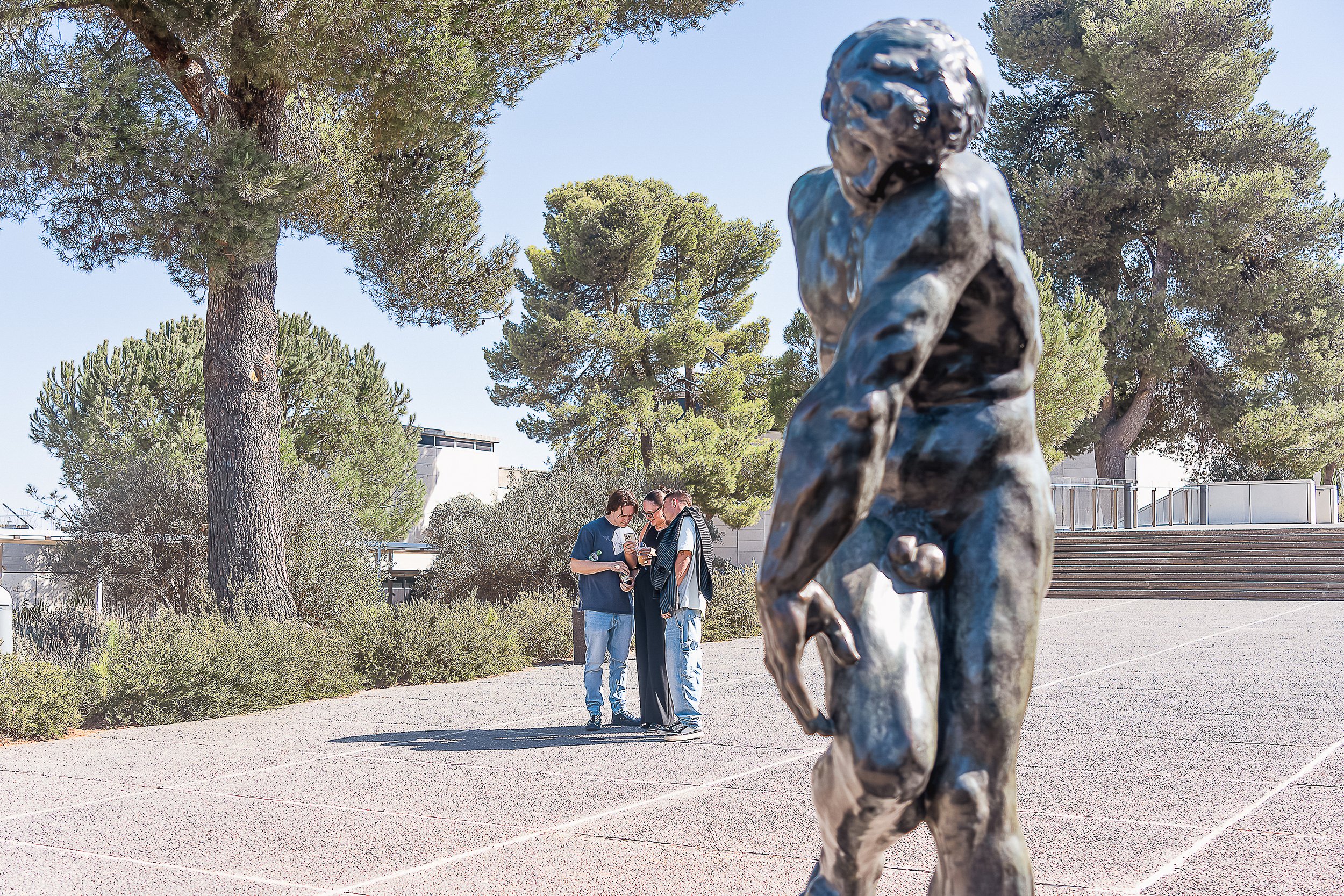
'The Shy Statue'
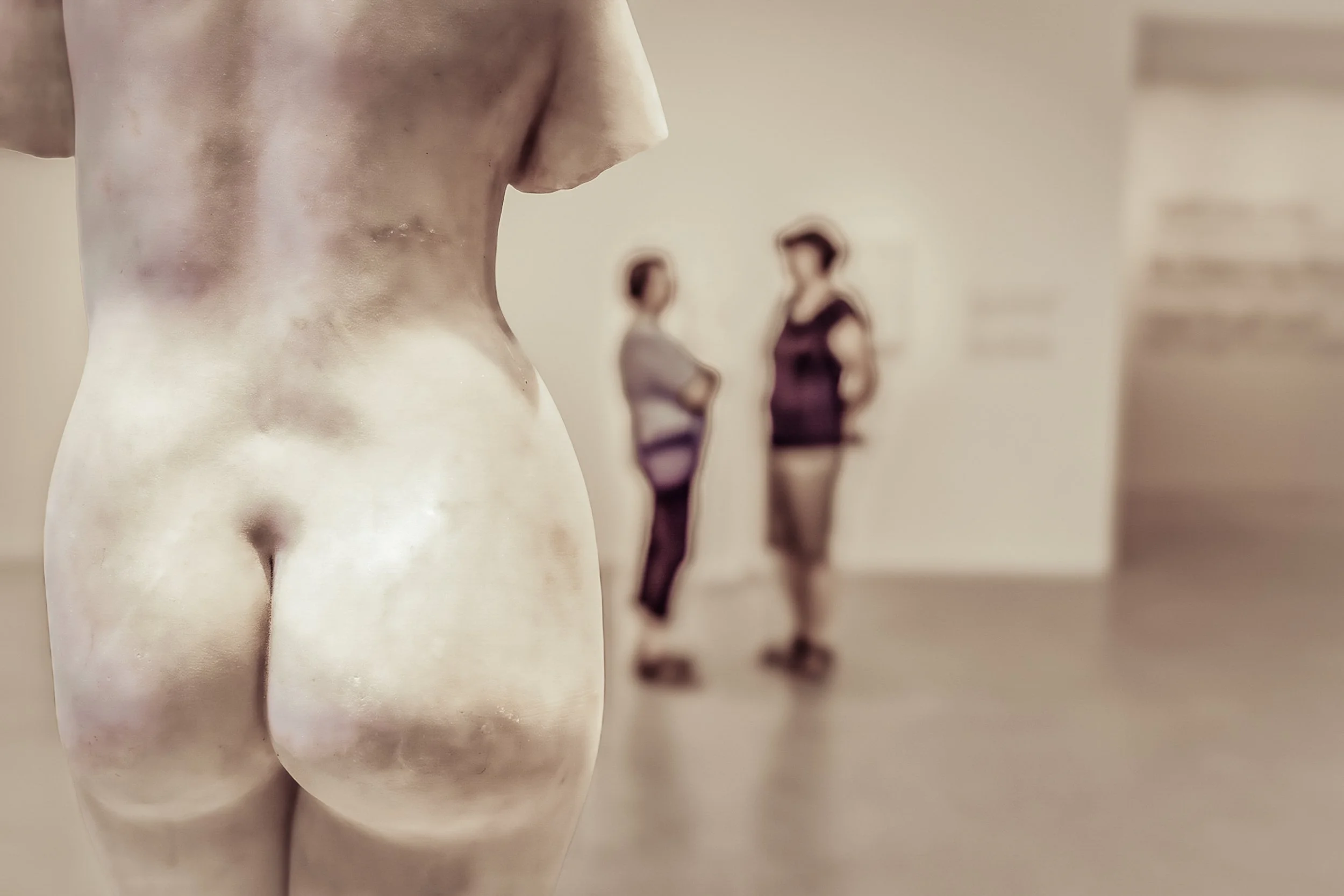
'Venus Revisited'
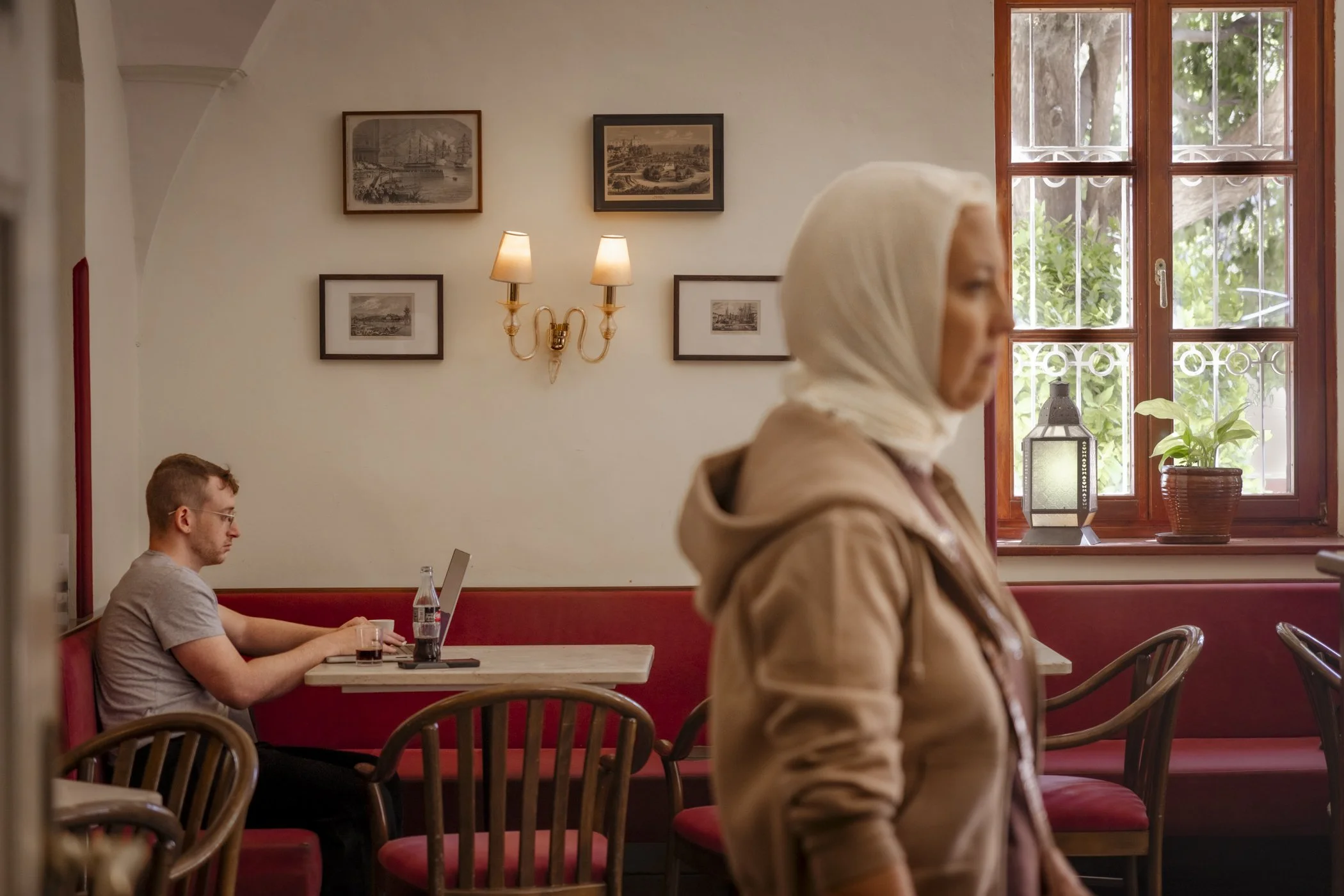
'The Space Between'
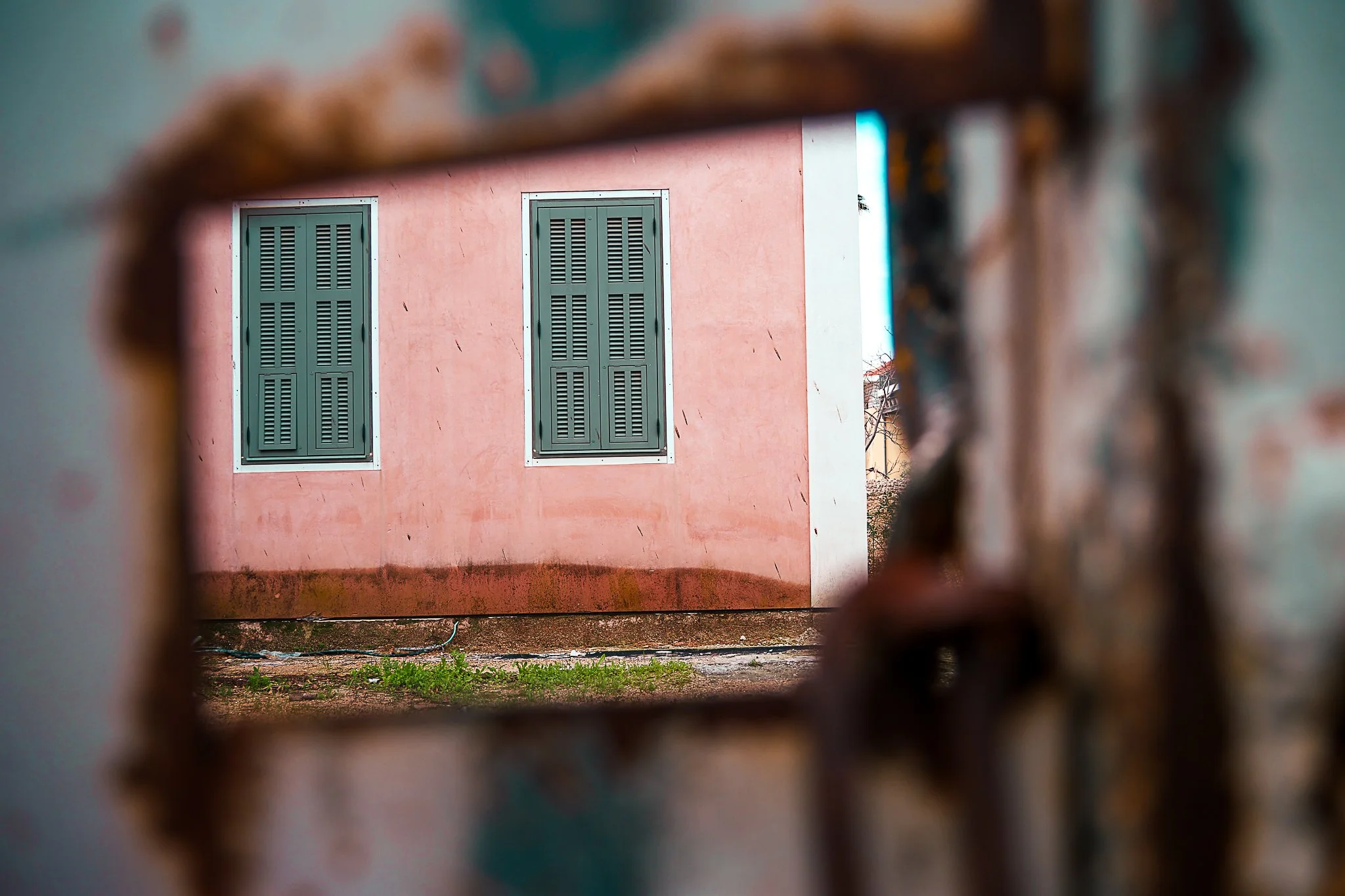
'The Window'
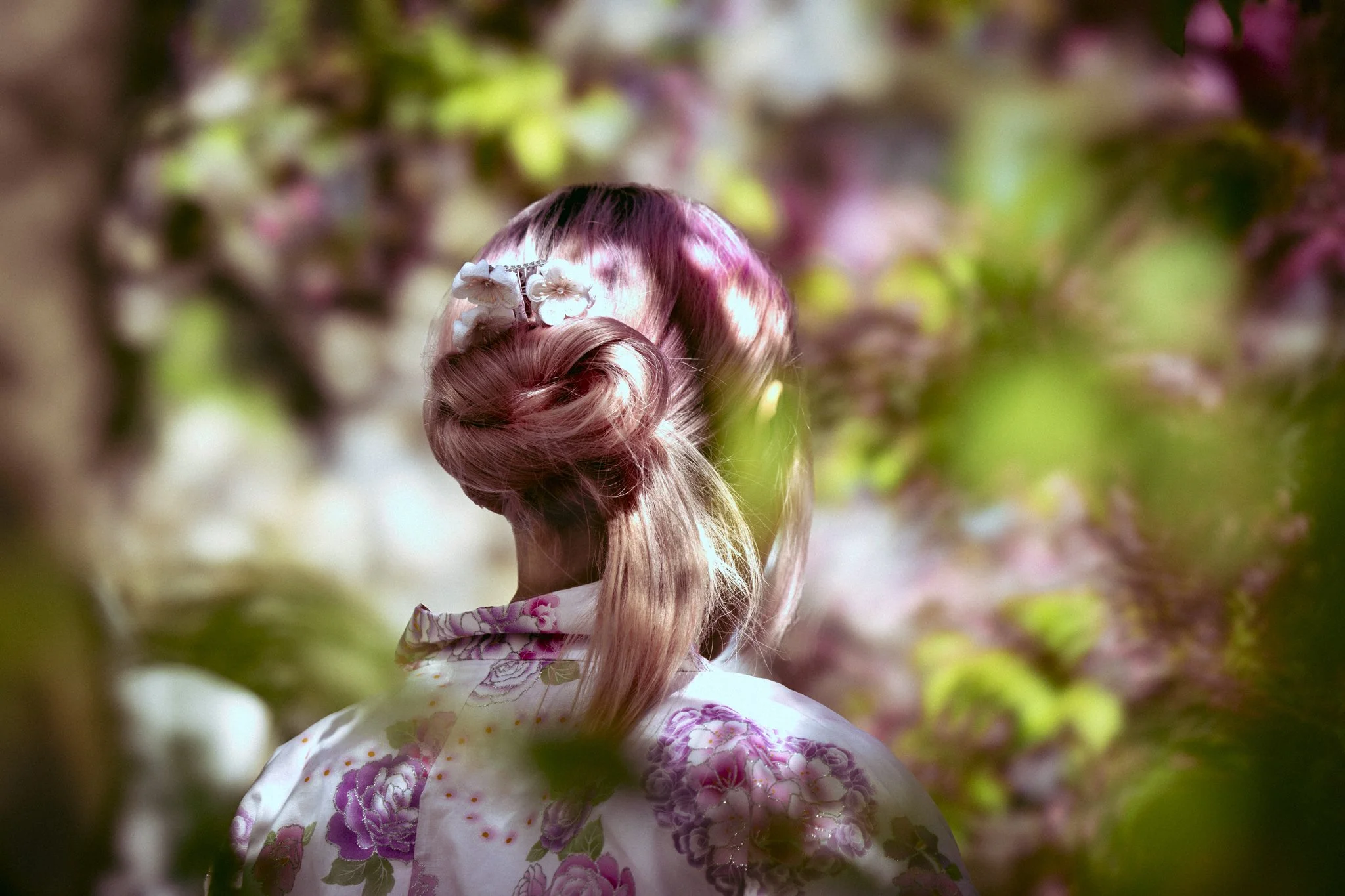
'Veil of Bloom'
Elena serafimova
-
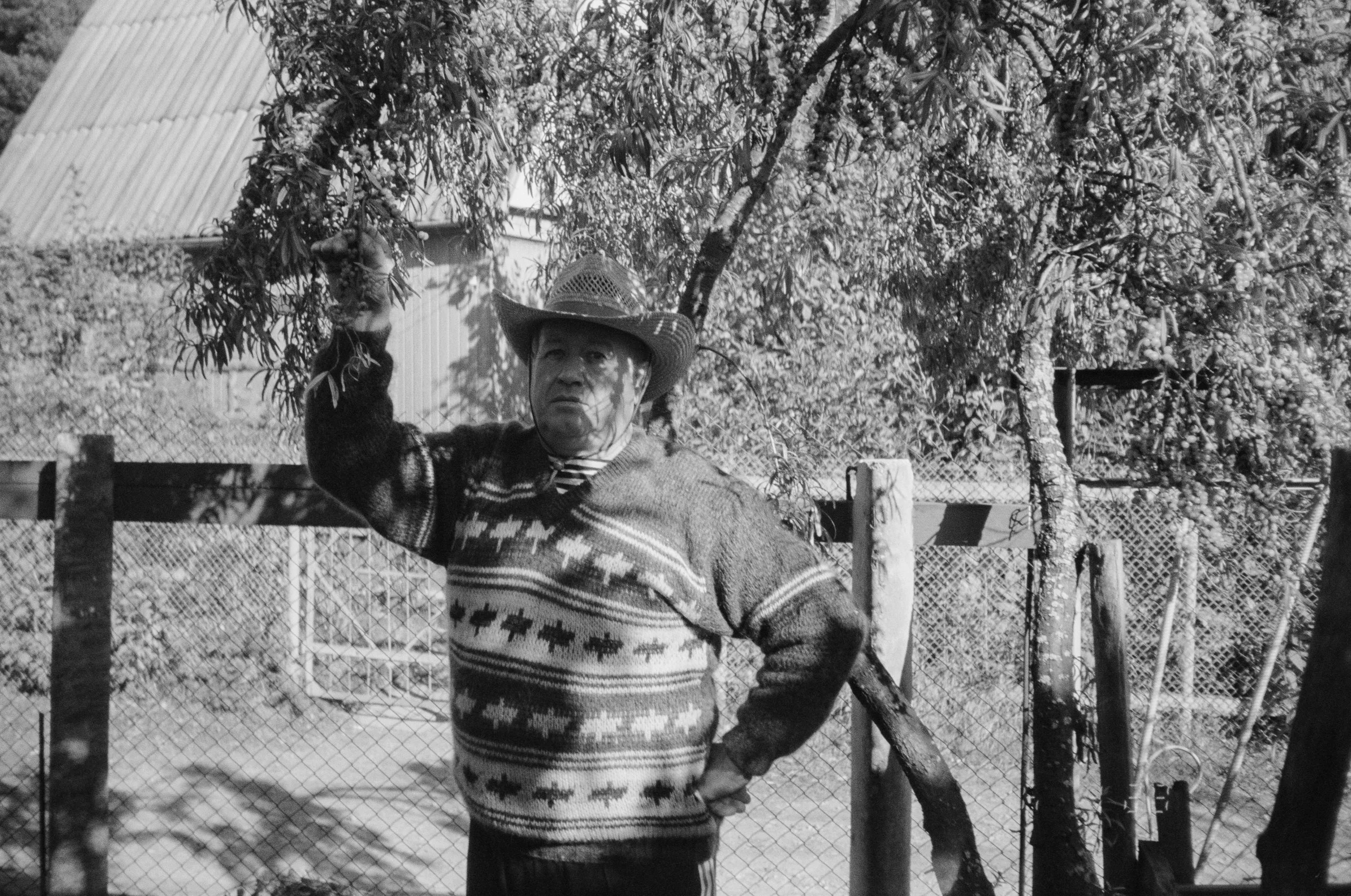
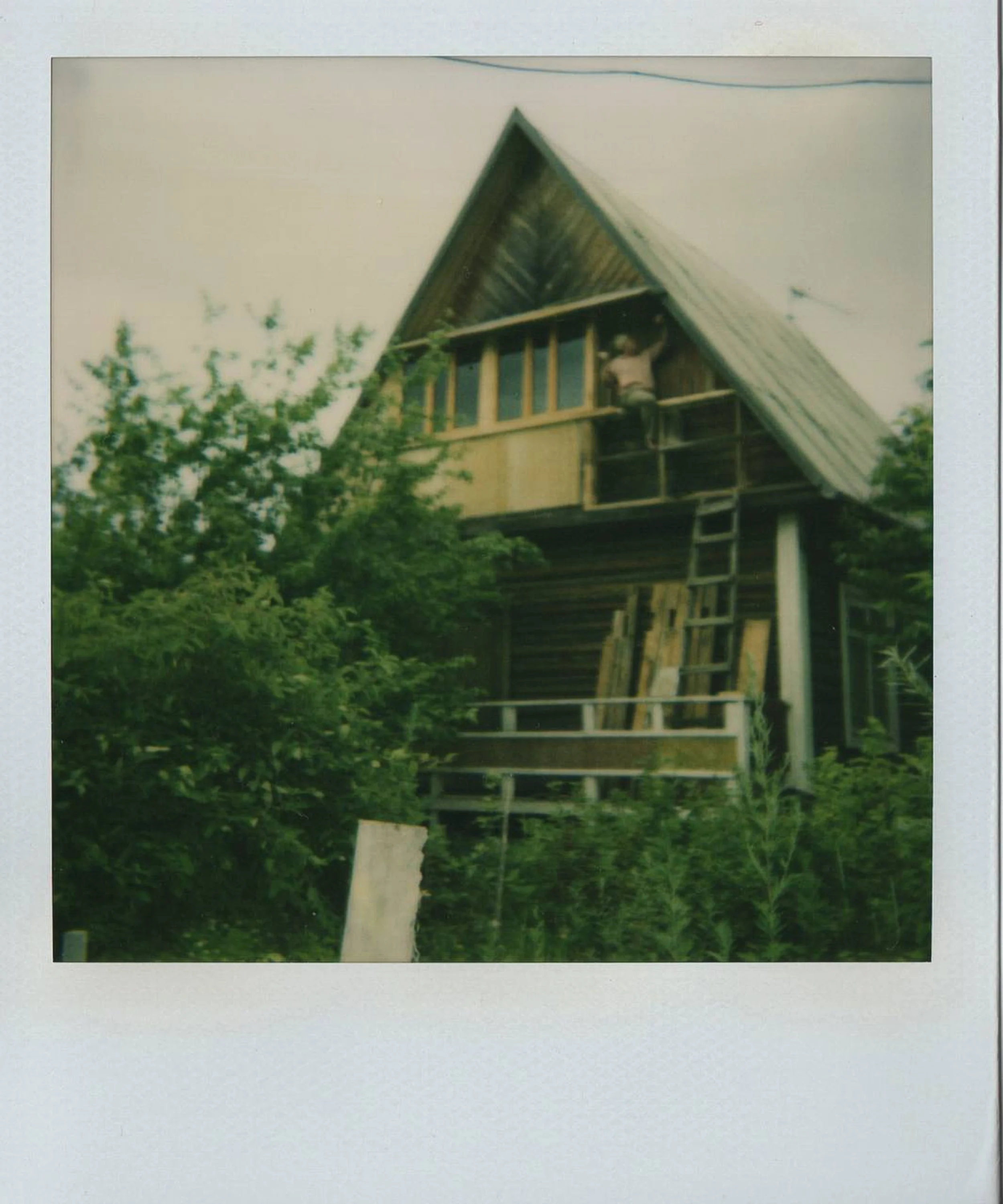
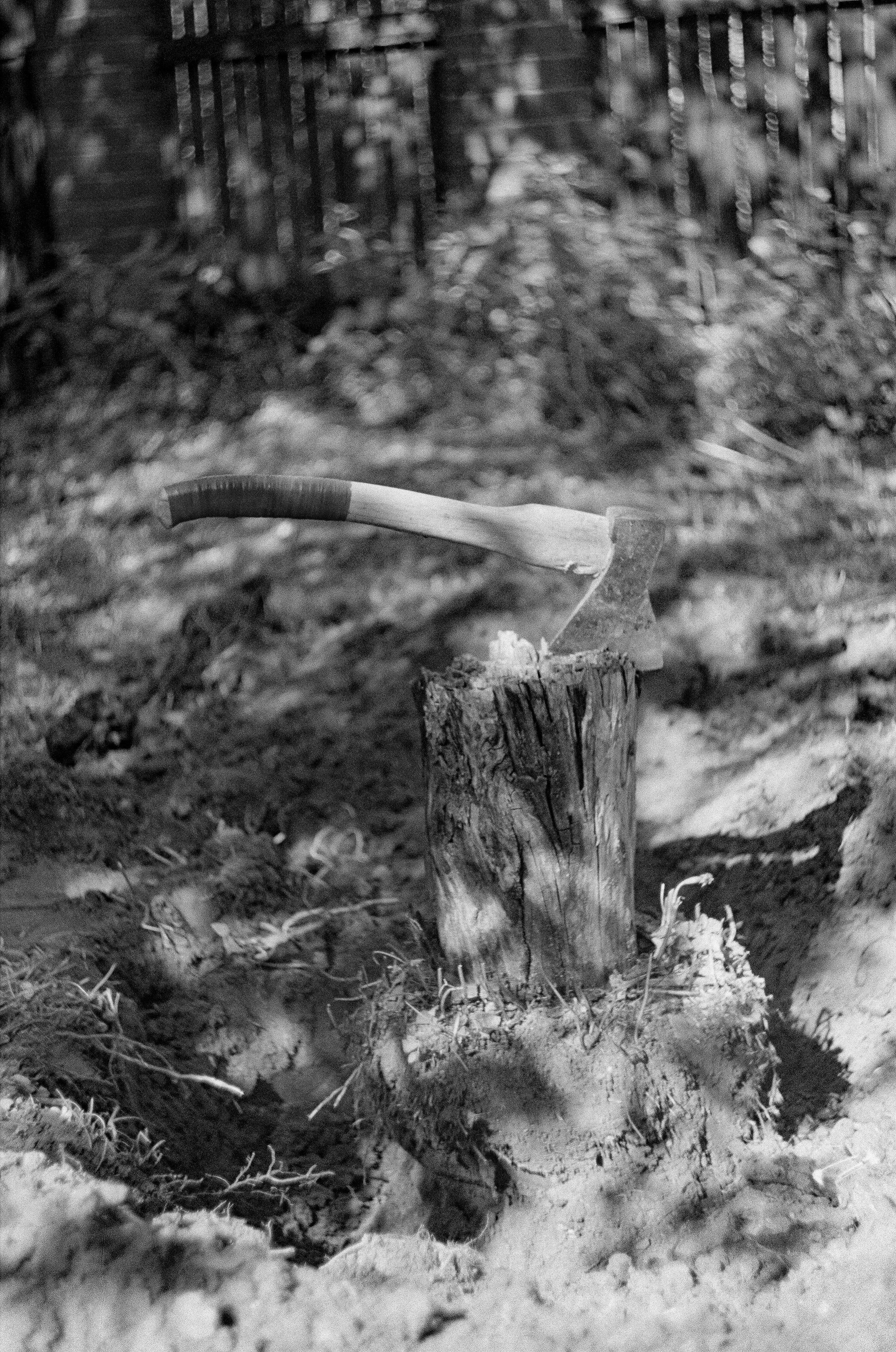
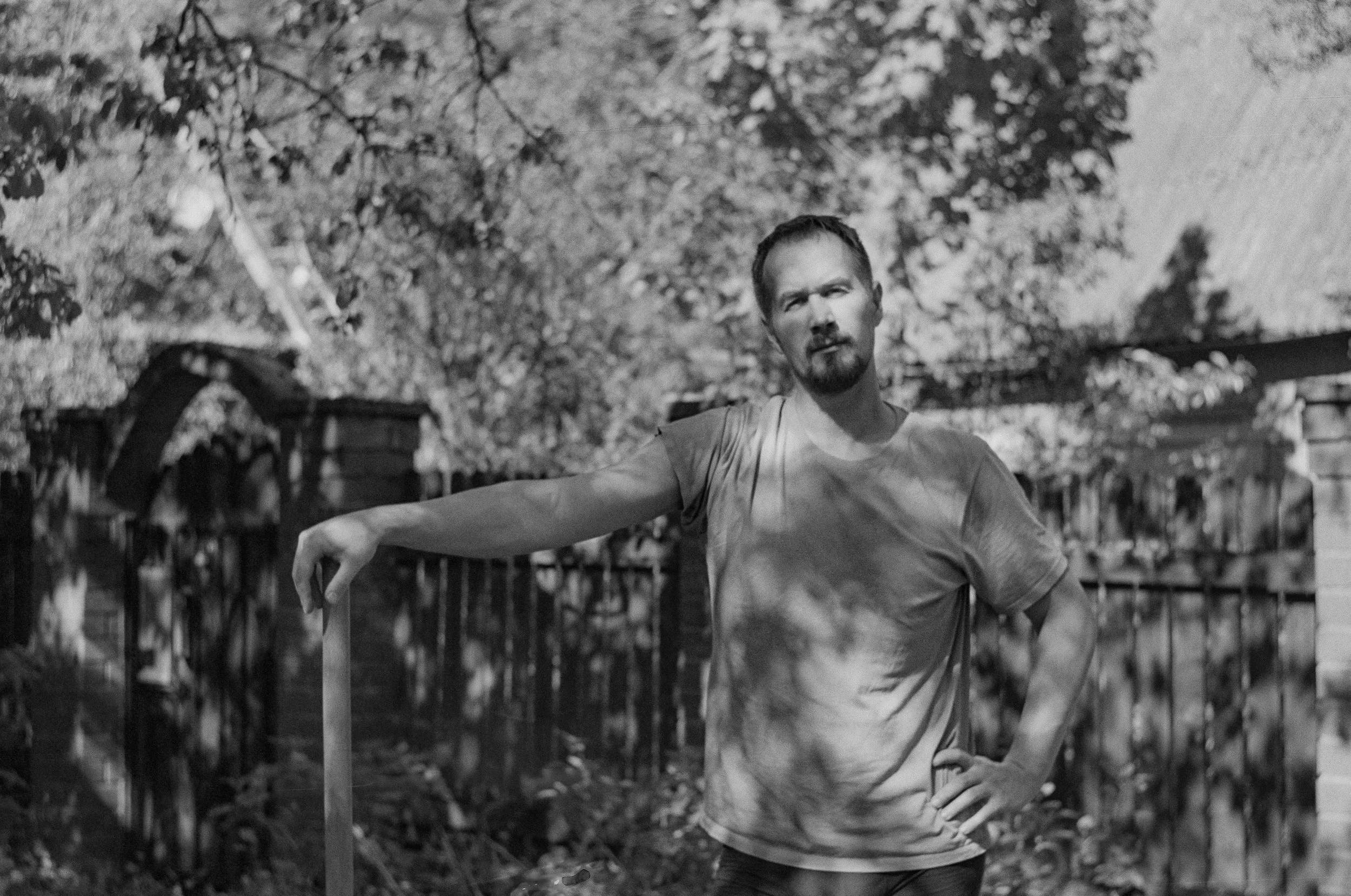
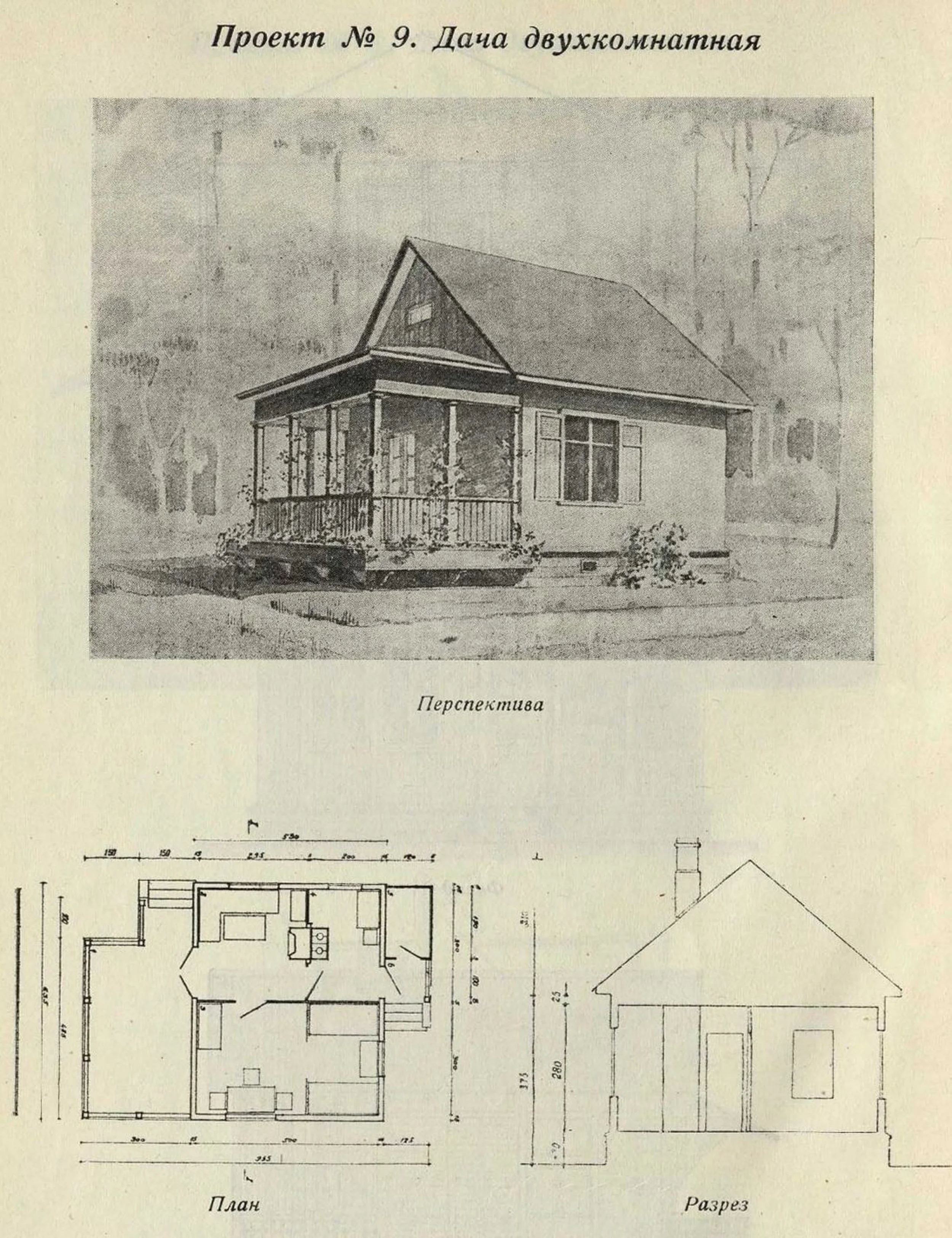
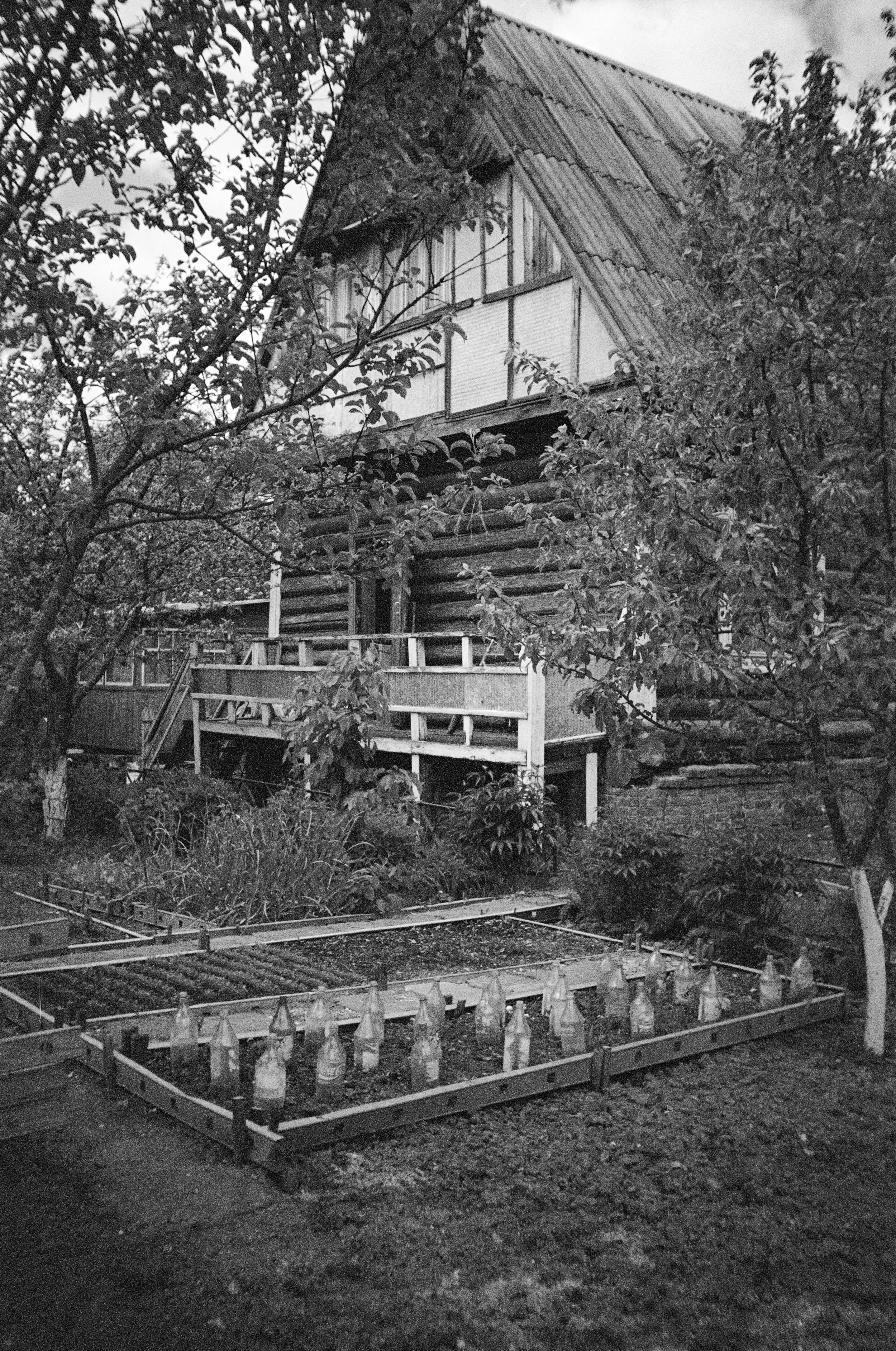
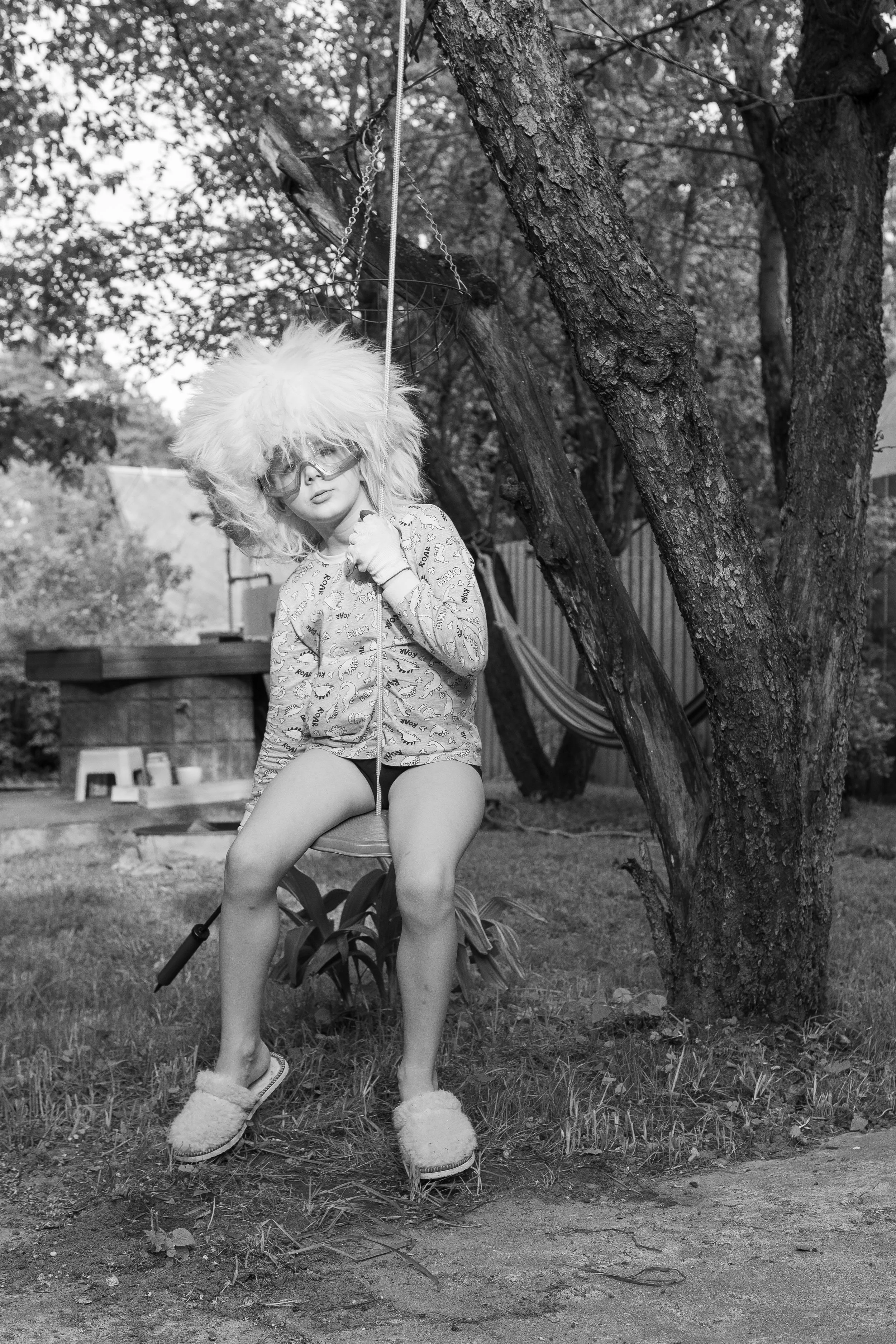
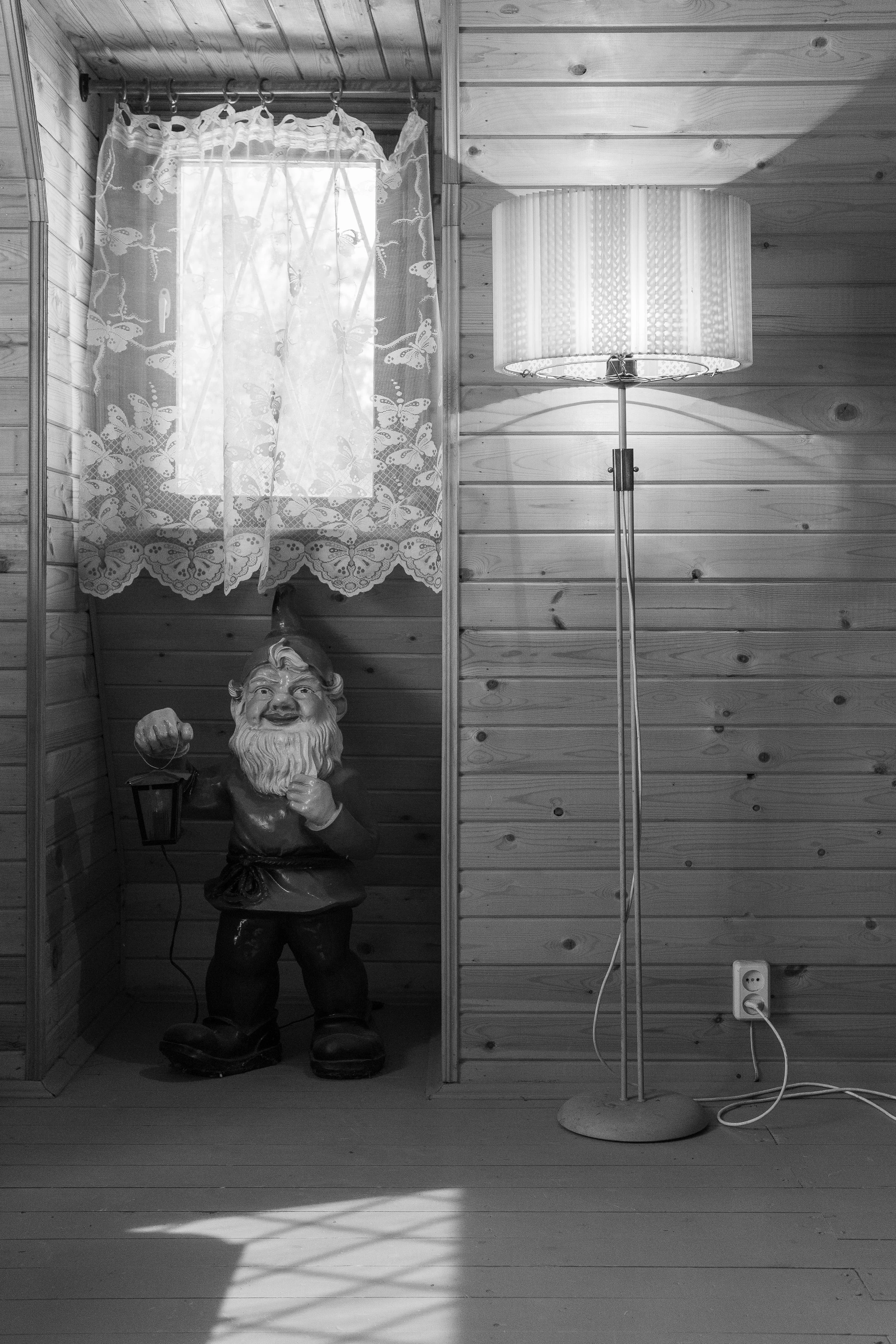
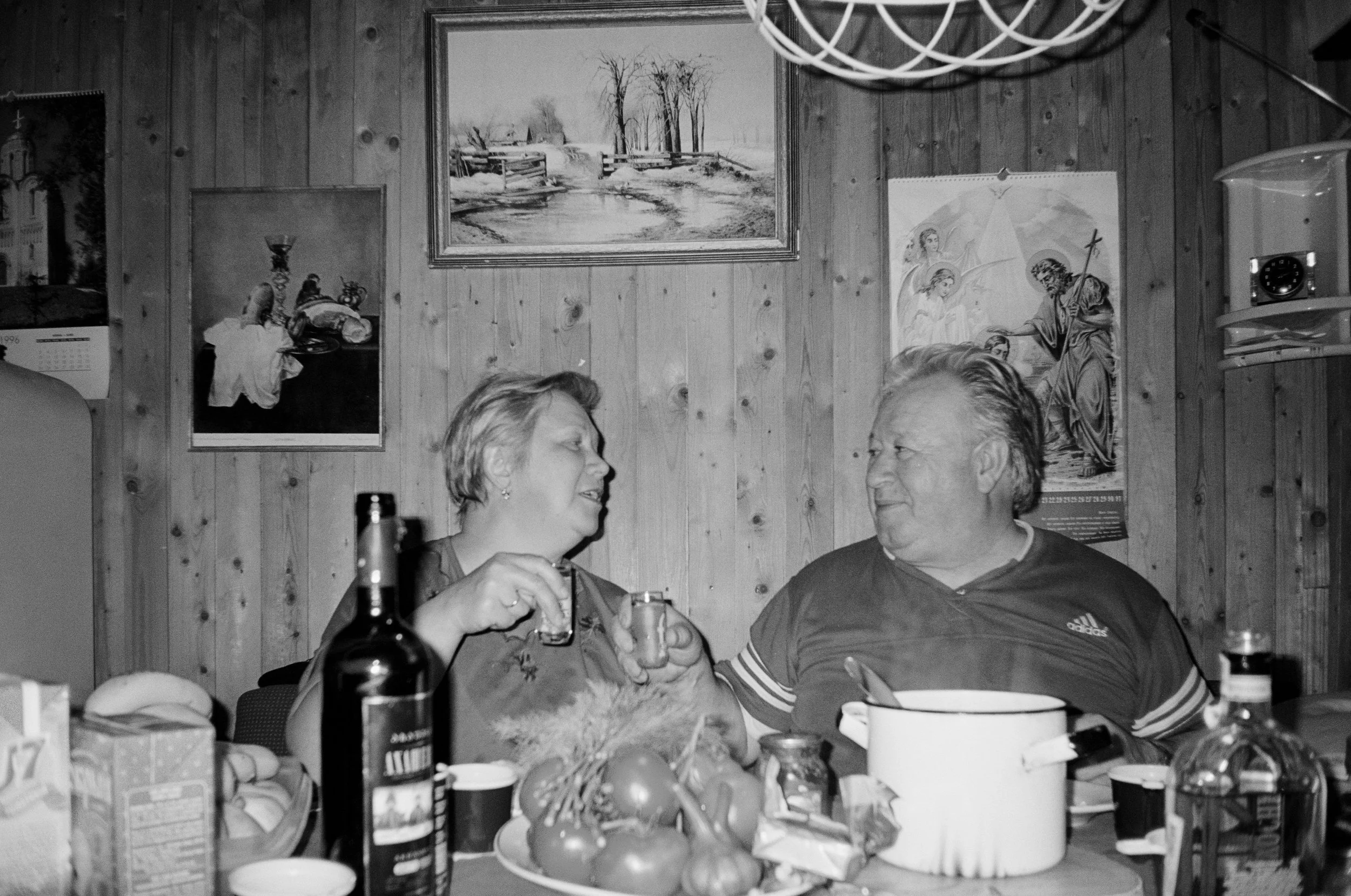
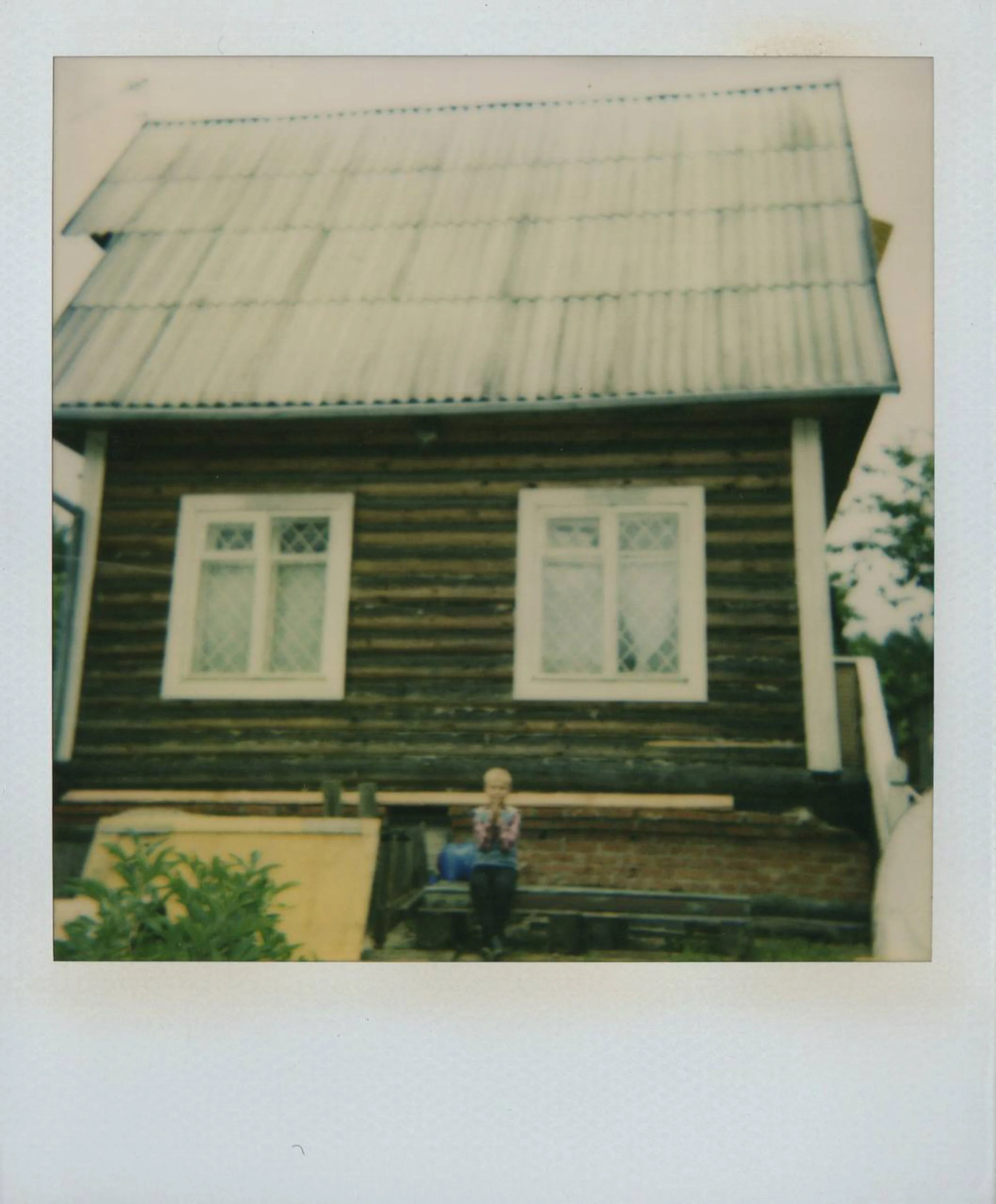
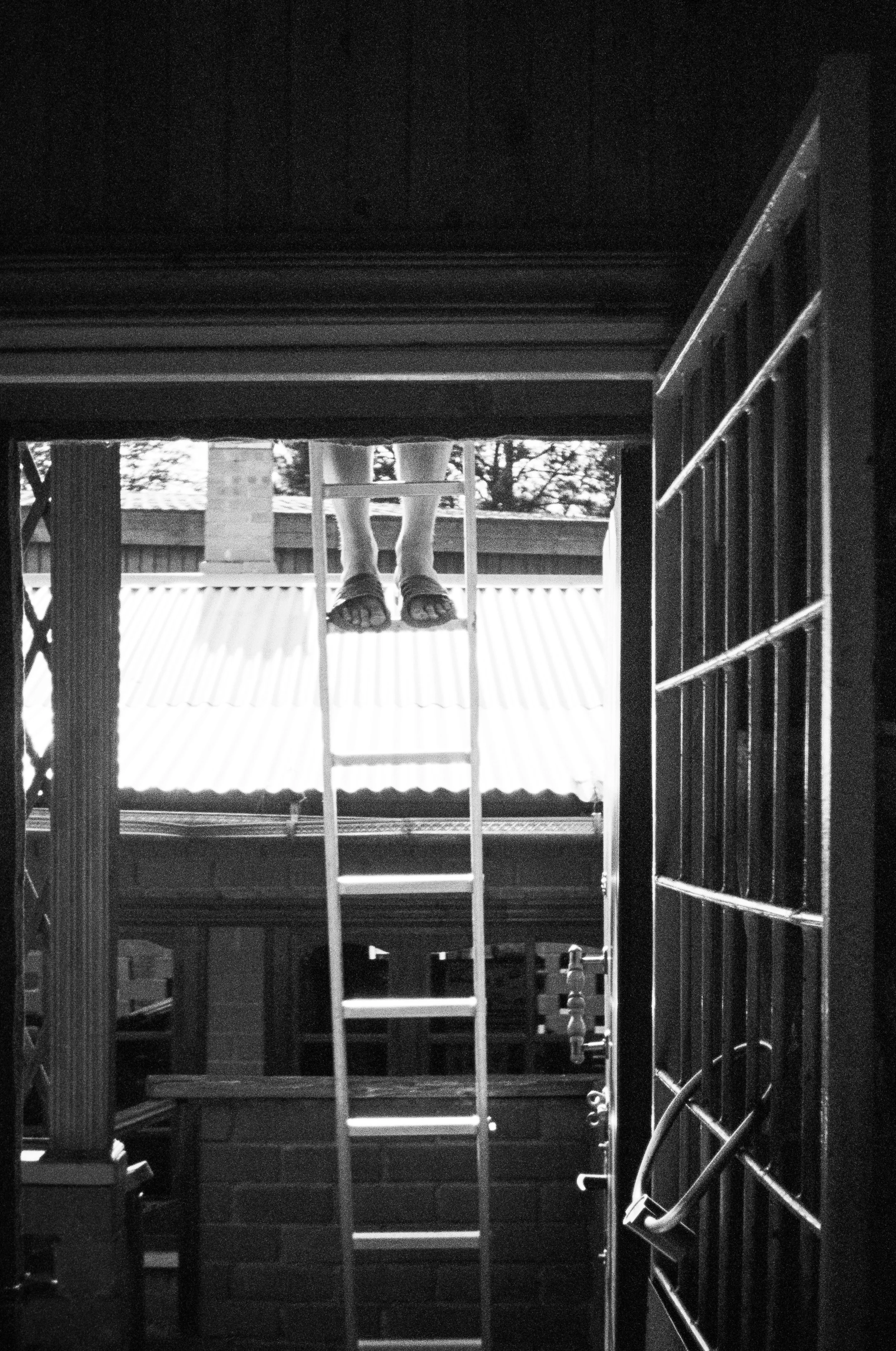
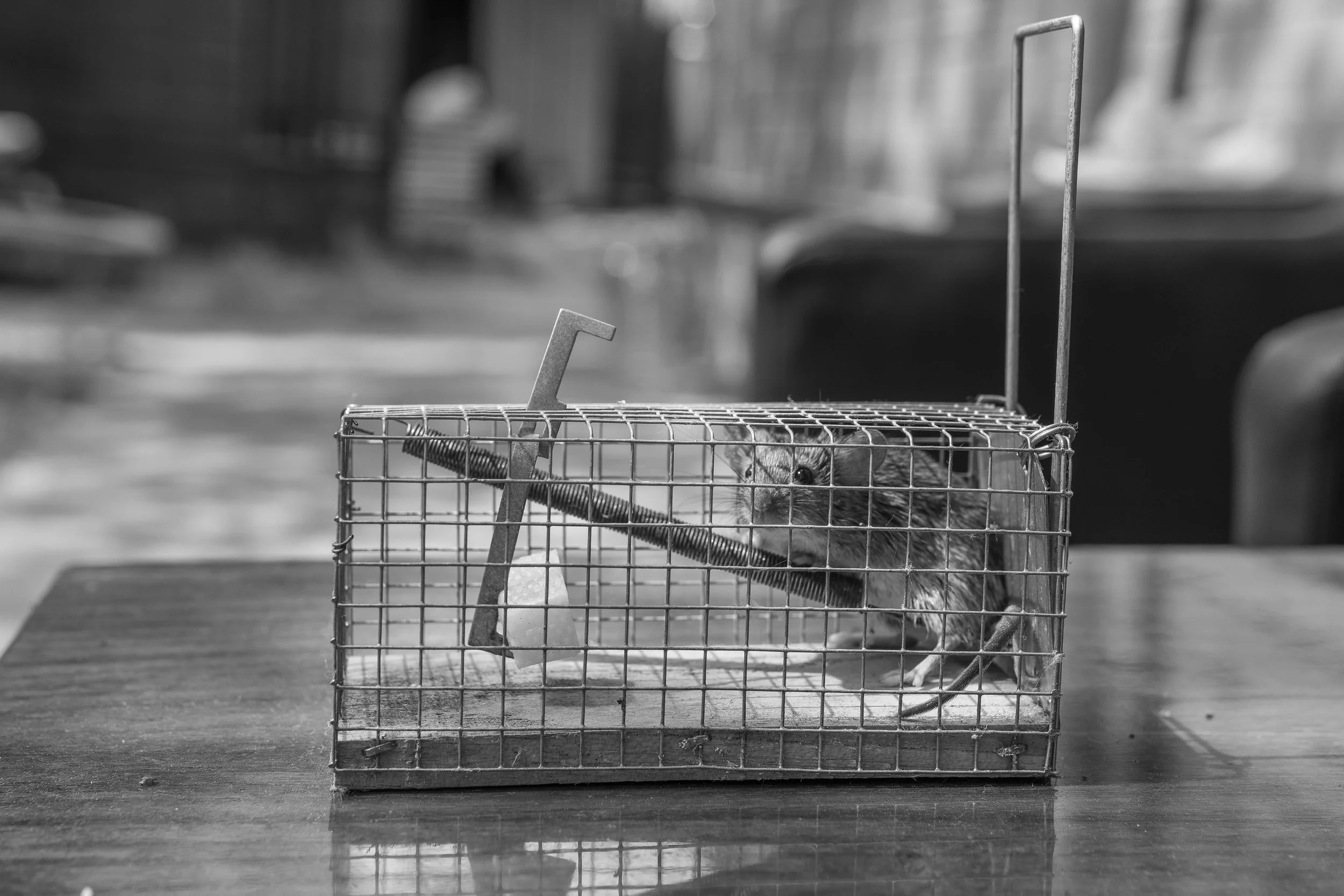
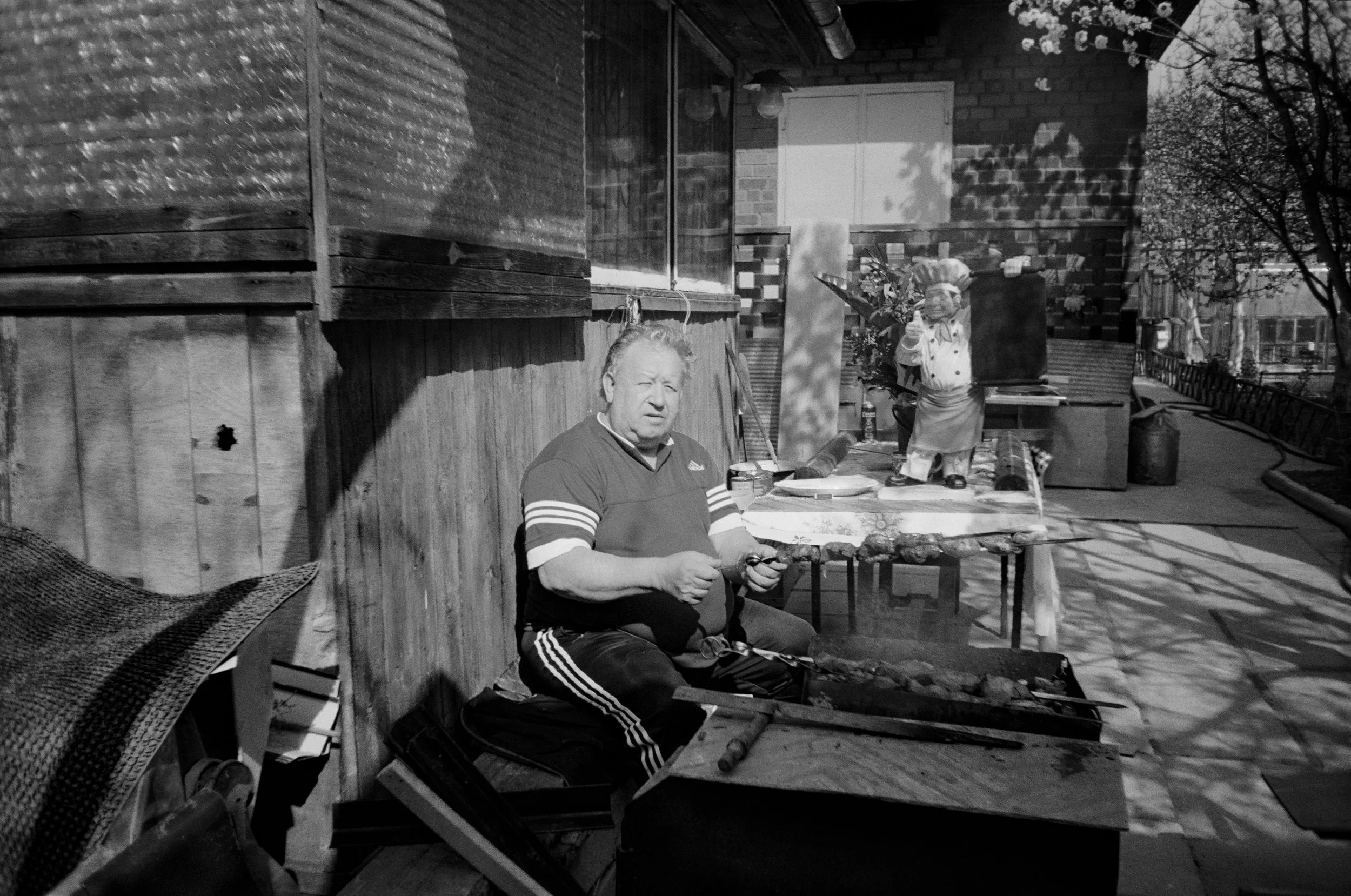
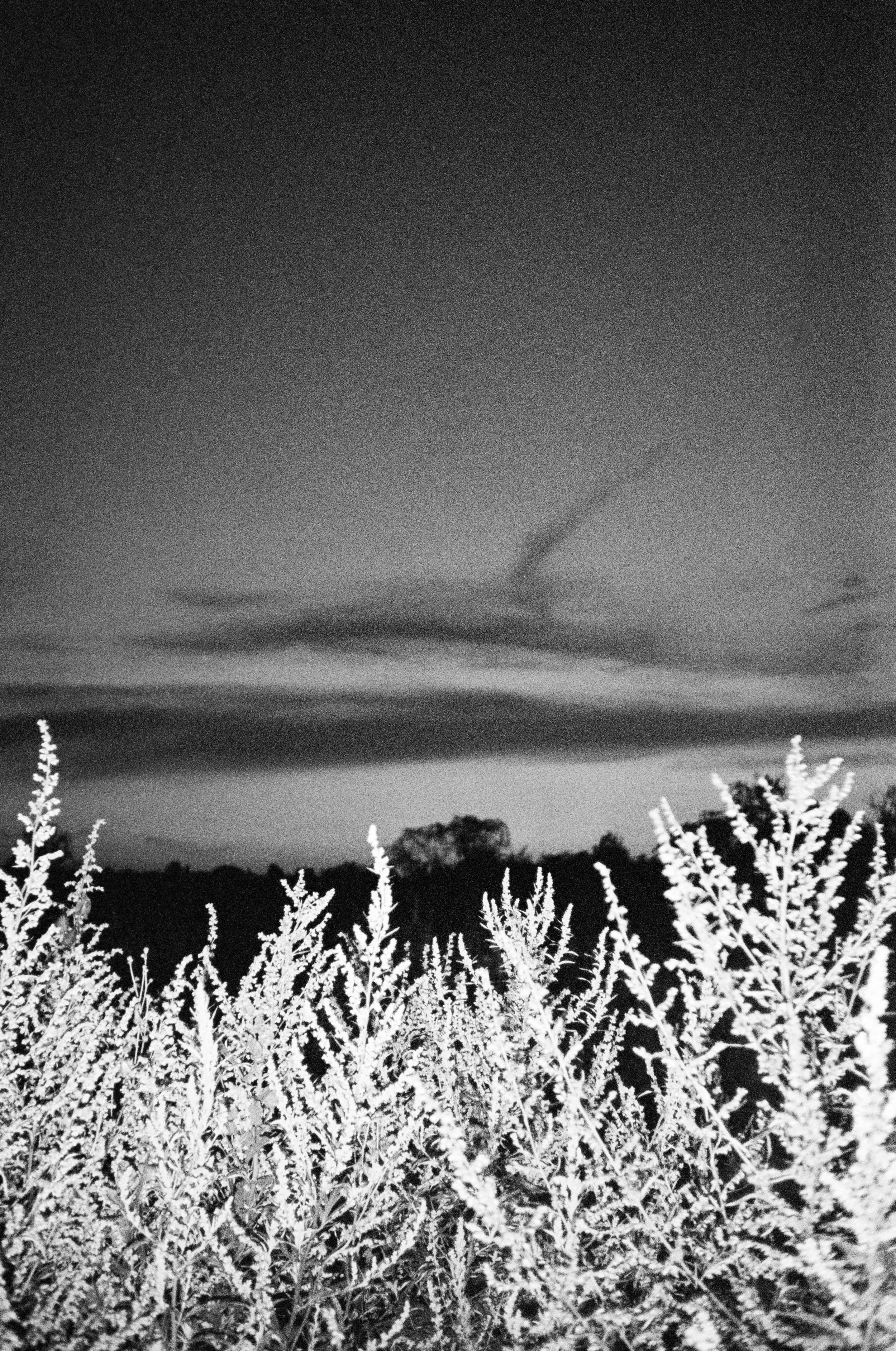
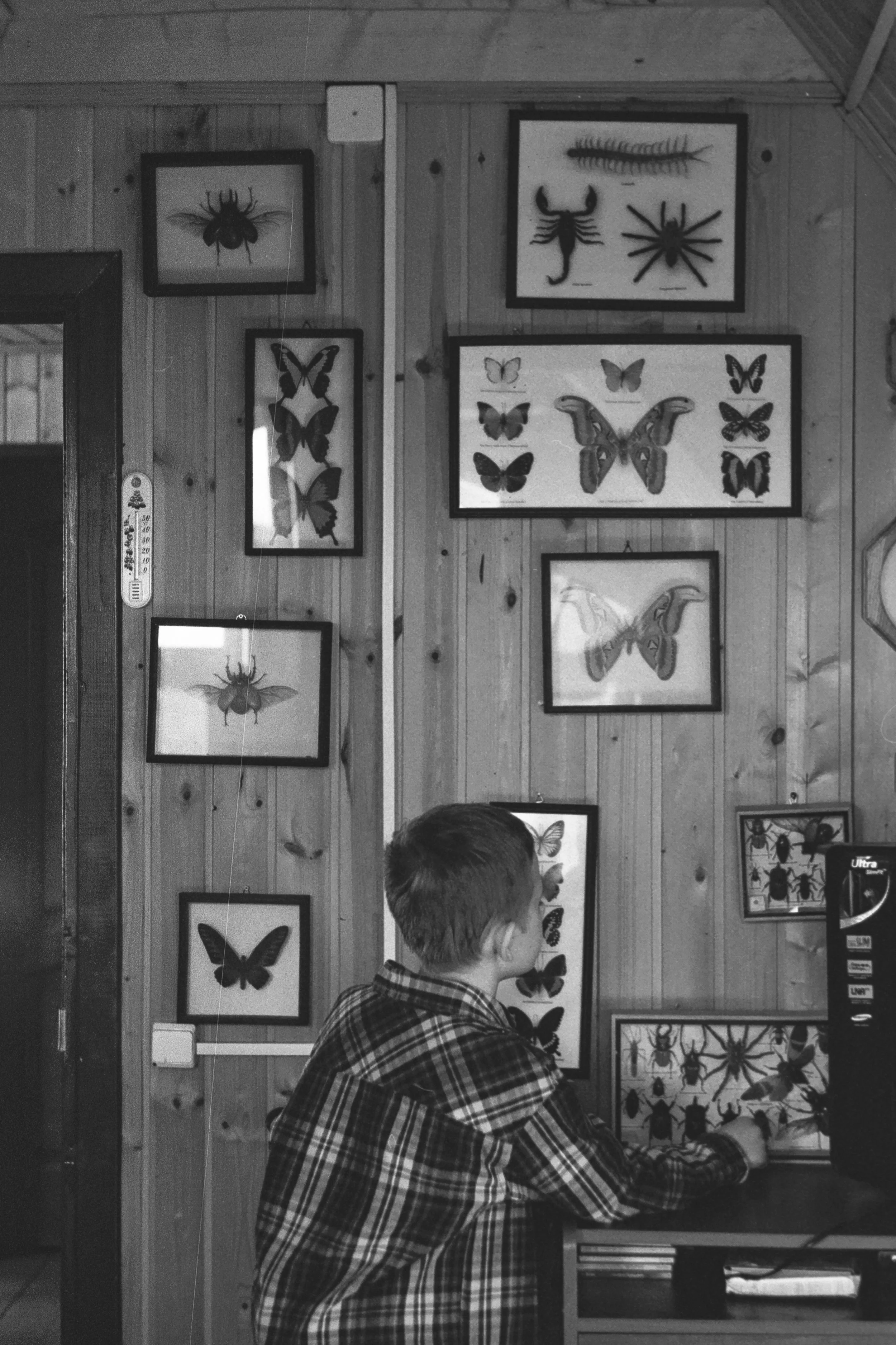
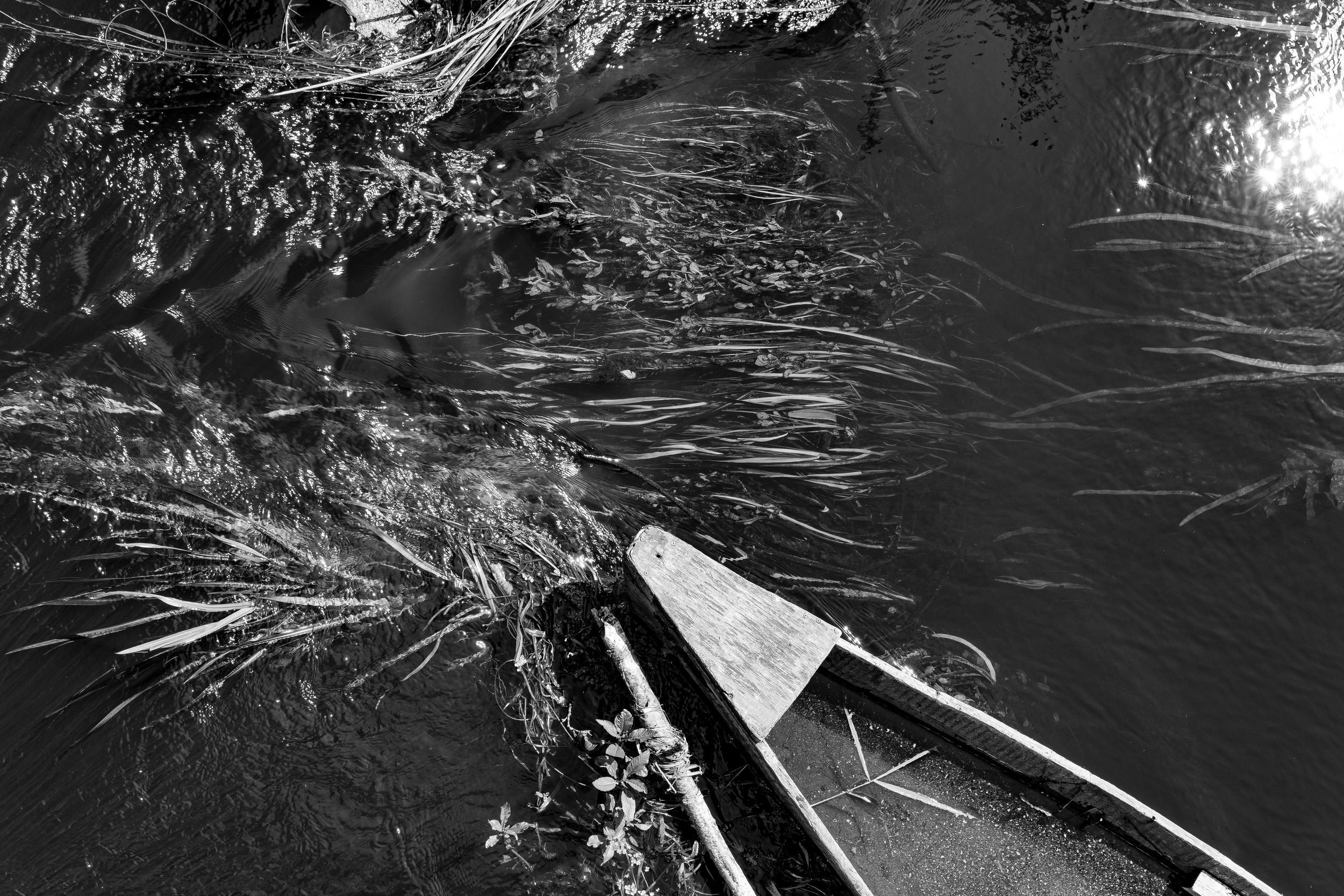
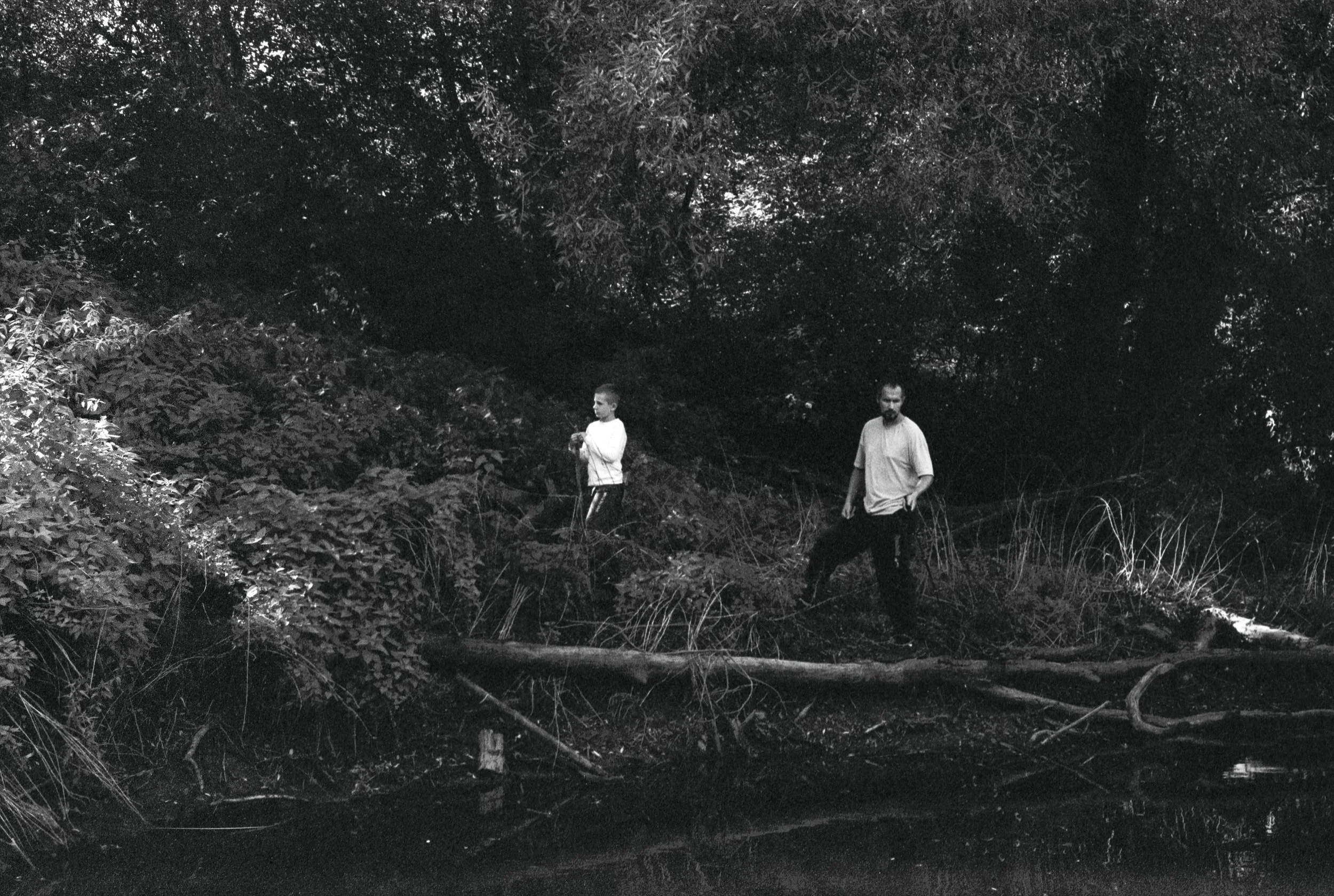
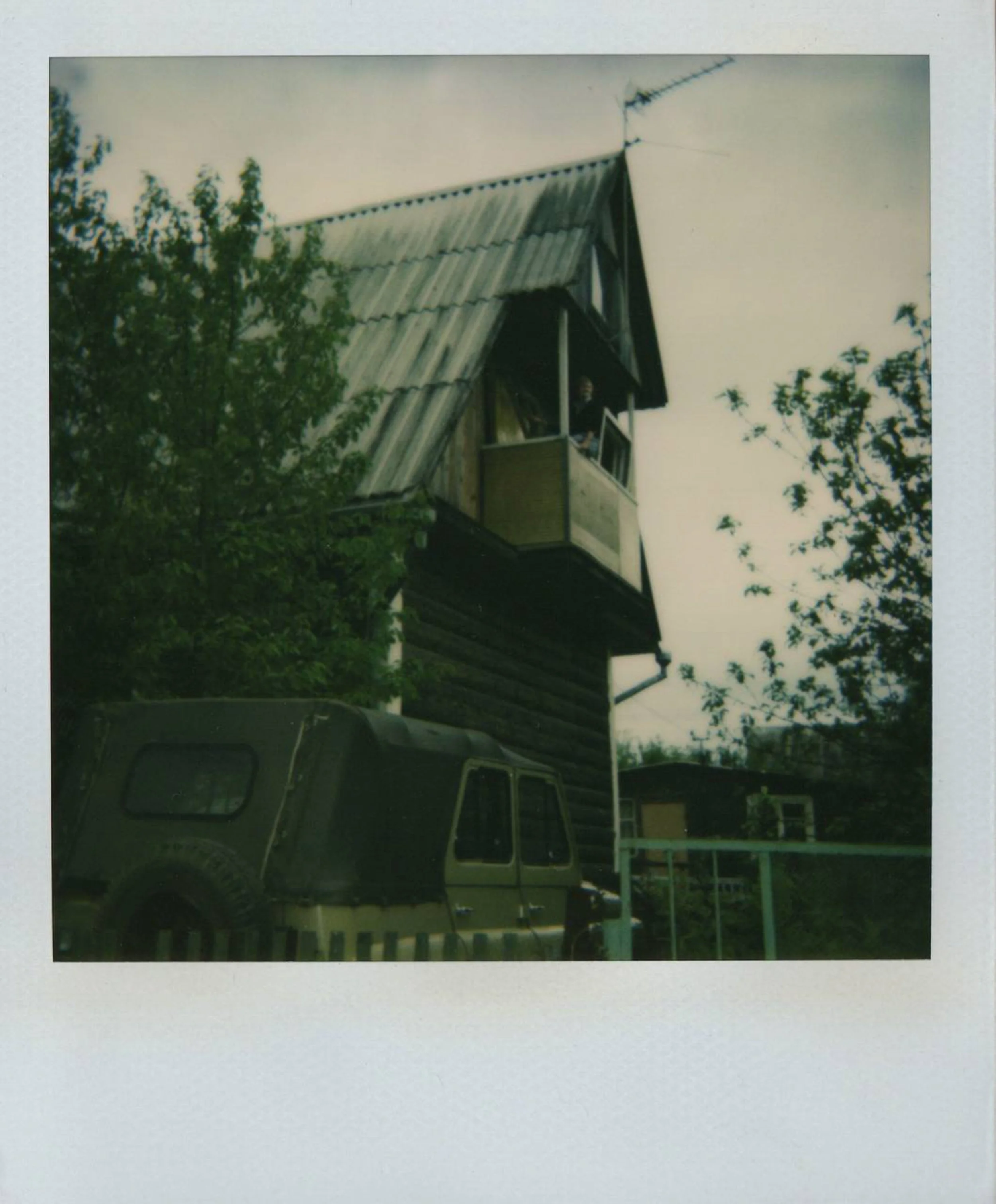
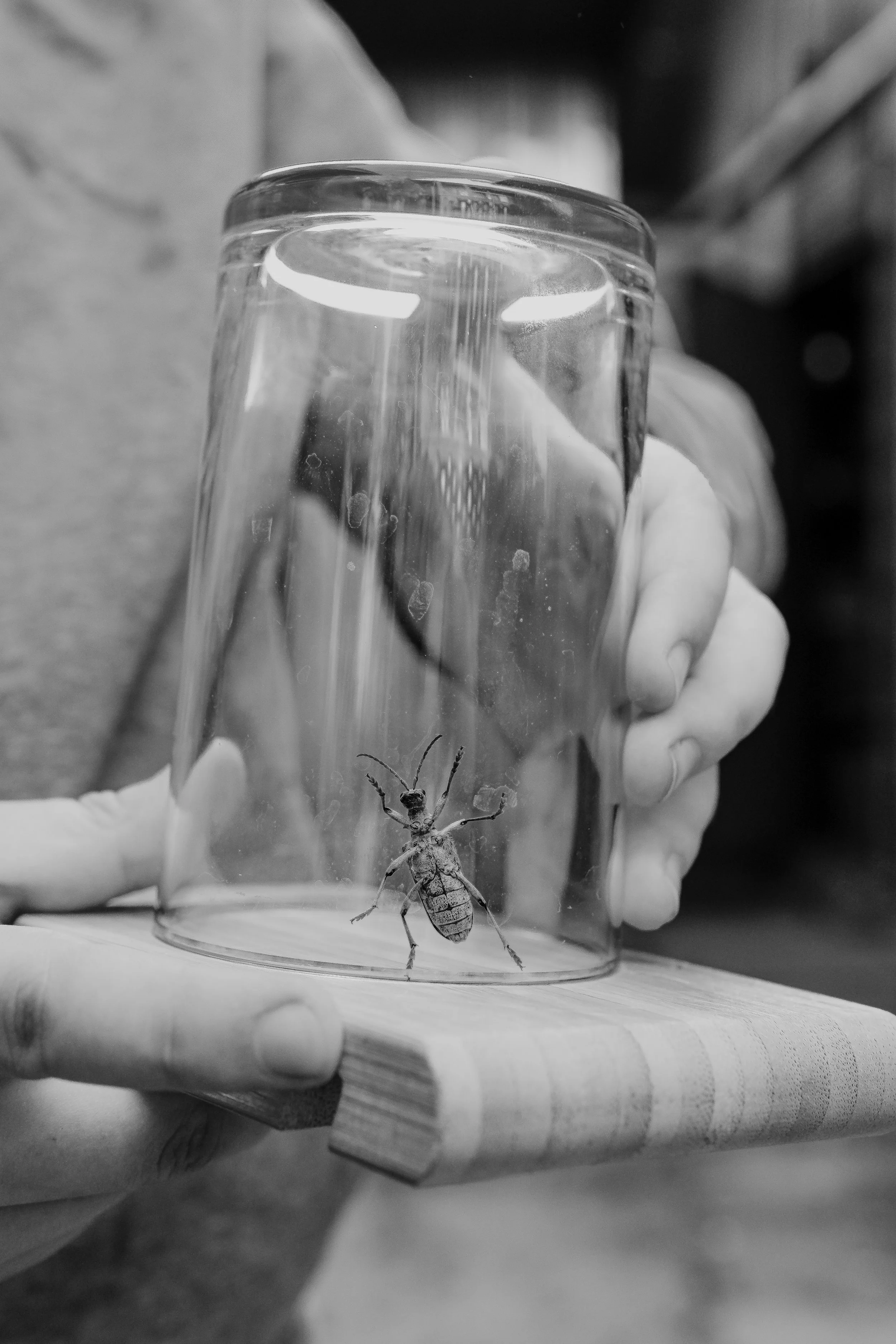
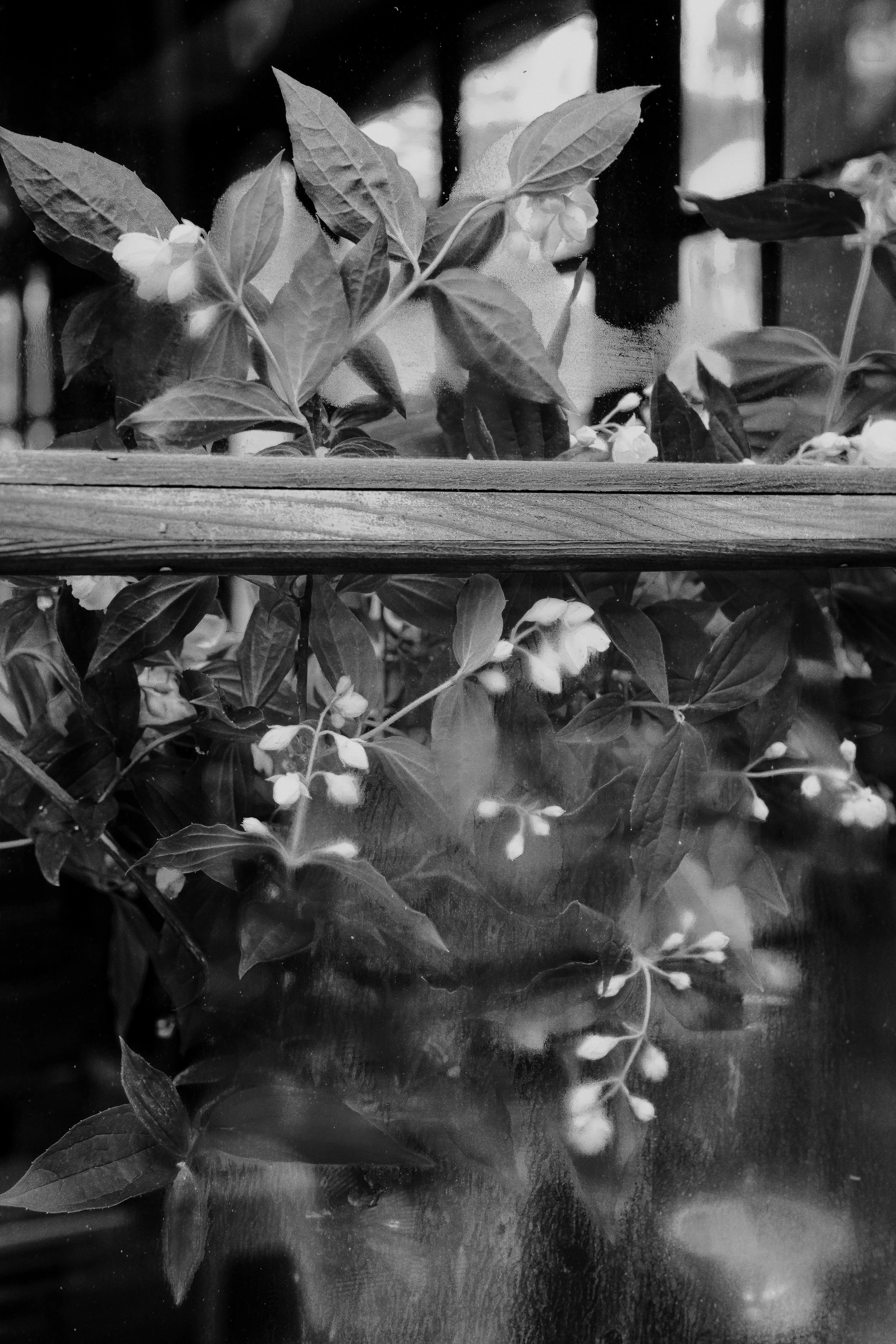
"Apple Tree Shade" is a photographic research project that explores the phenomenon of the dacha as a unique sociocultural space for the modern post-Soviet individual. Combining archival family observation with contemporary film and digital photography, the project investigates how a simple plot of land, once a tool for physical survival in the Soviet era, has transformed into a psychological sanctuary today.
Through the prism of personal memory and three generations of family life, "Apple Tree Shade" examines the tension between history and the present. It captures the dacha not merely as a nostalgic relic of the Soviet legacy, but as an ongoing act of quiet resistance. In an era of escalating systemic pressure and state control, this space remains a vital pocket of autonomy—a domain where individuals reclaim their time, their labor, and their freedom, if only for a fleeting moment.
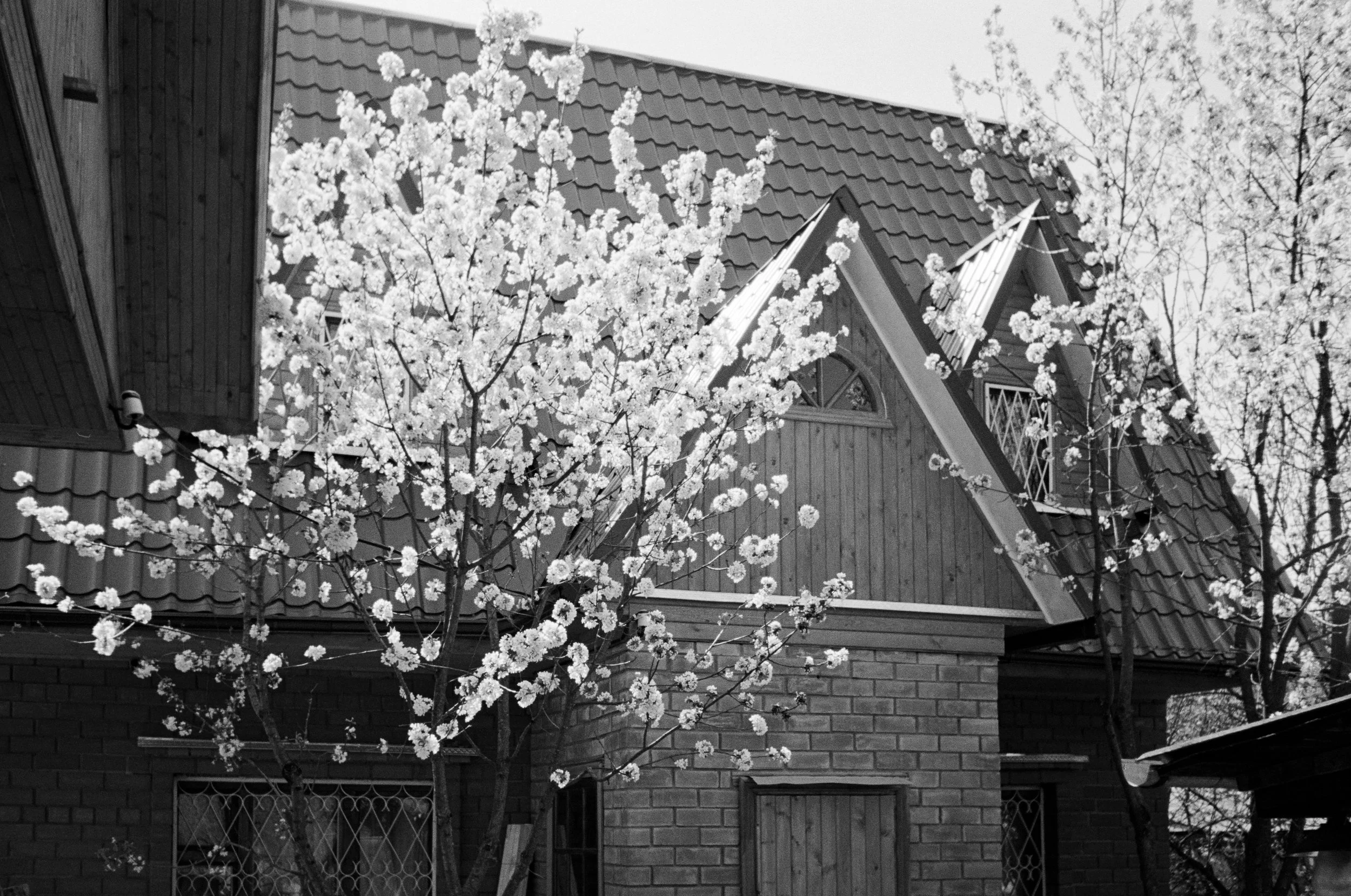

Naiyue Zhang
-
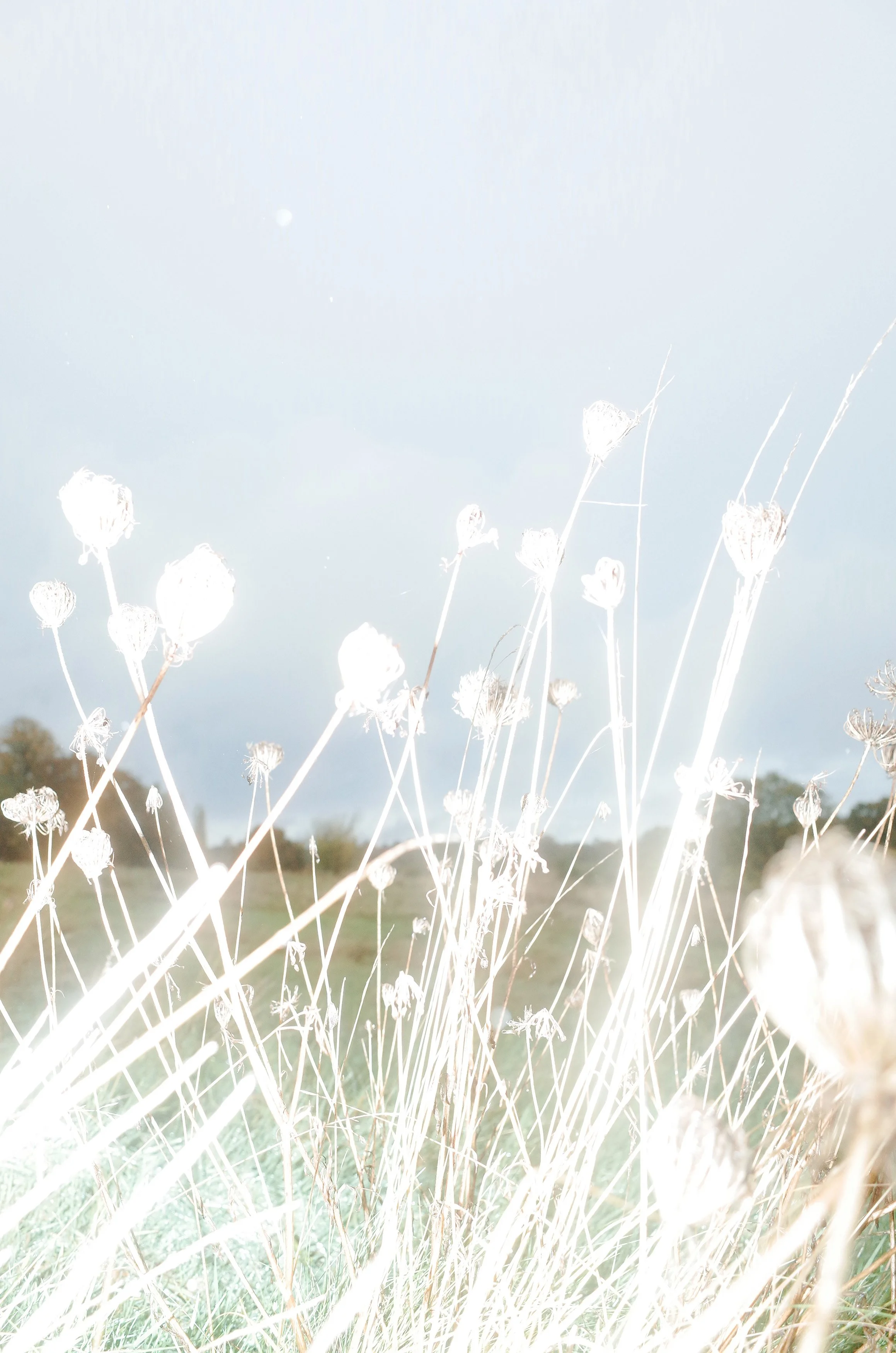
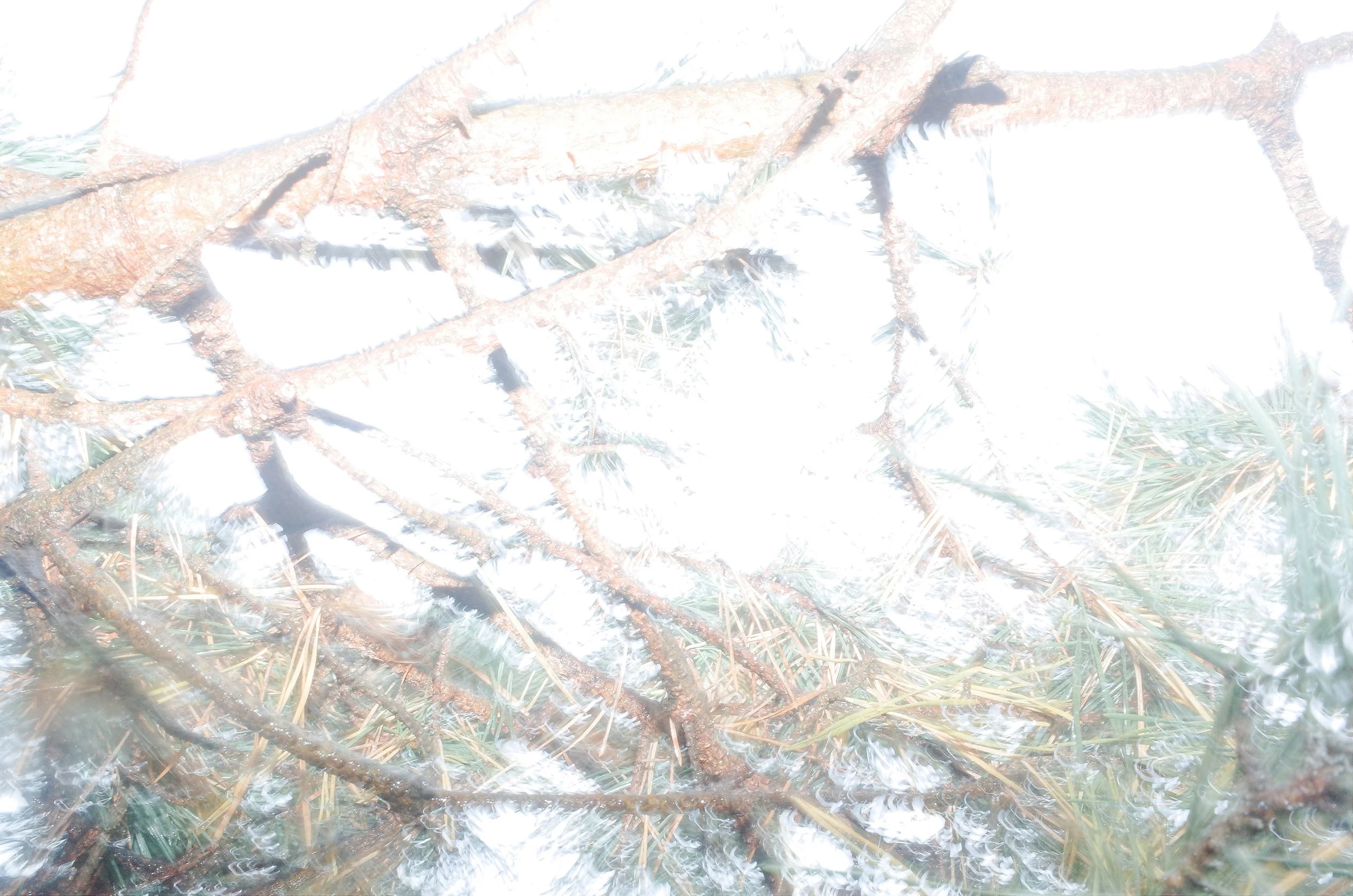
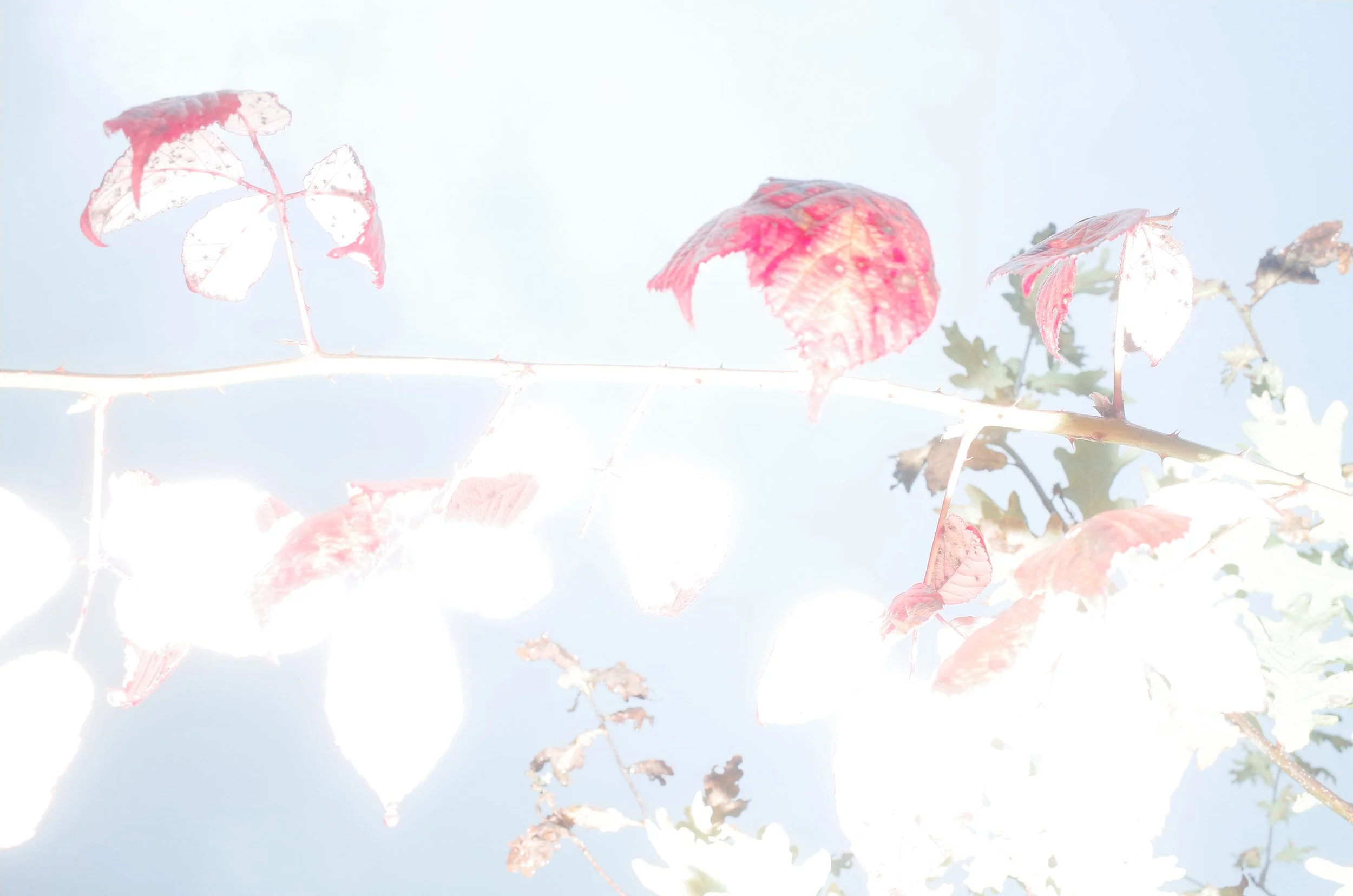
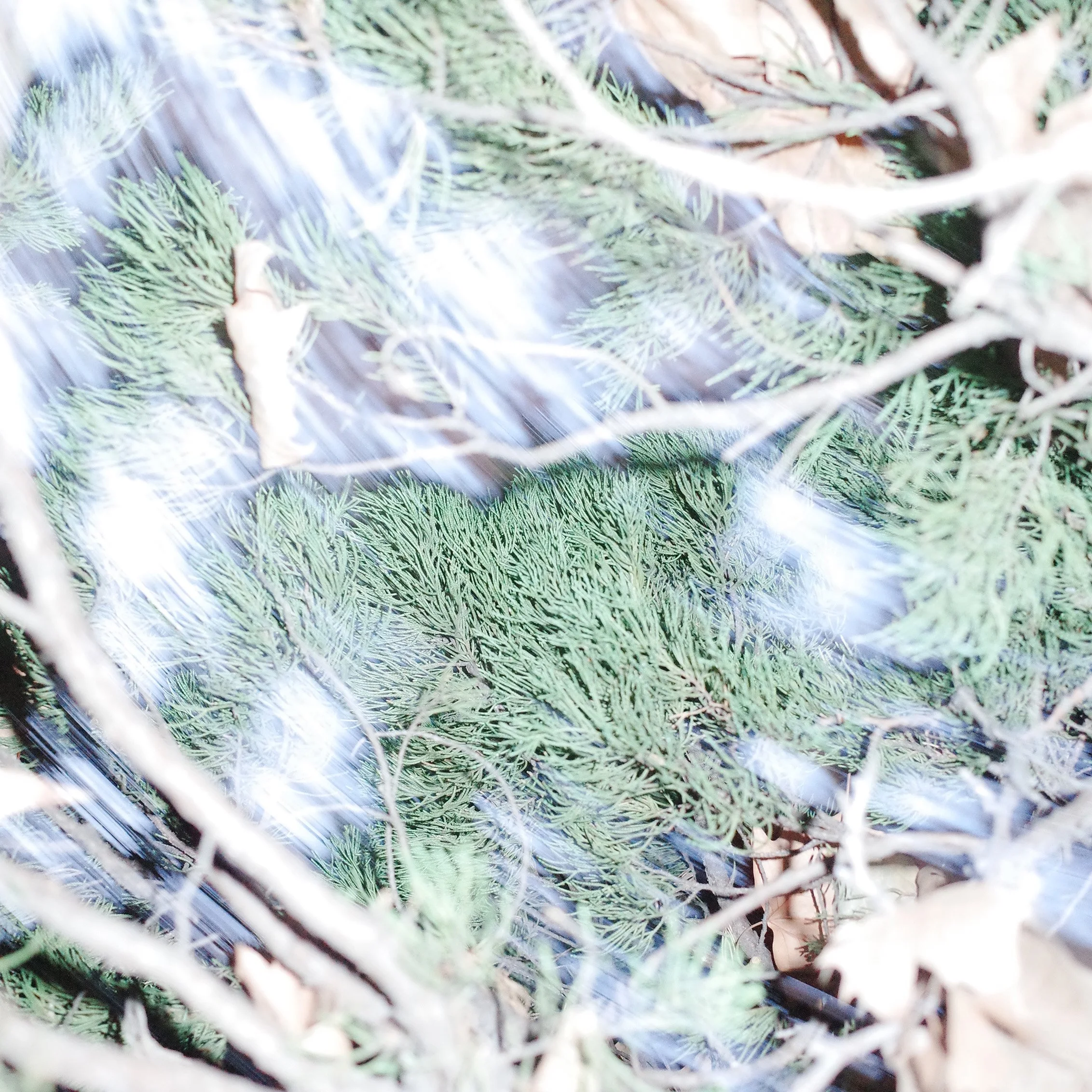
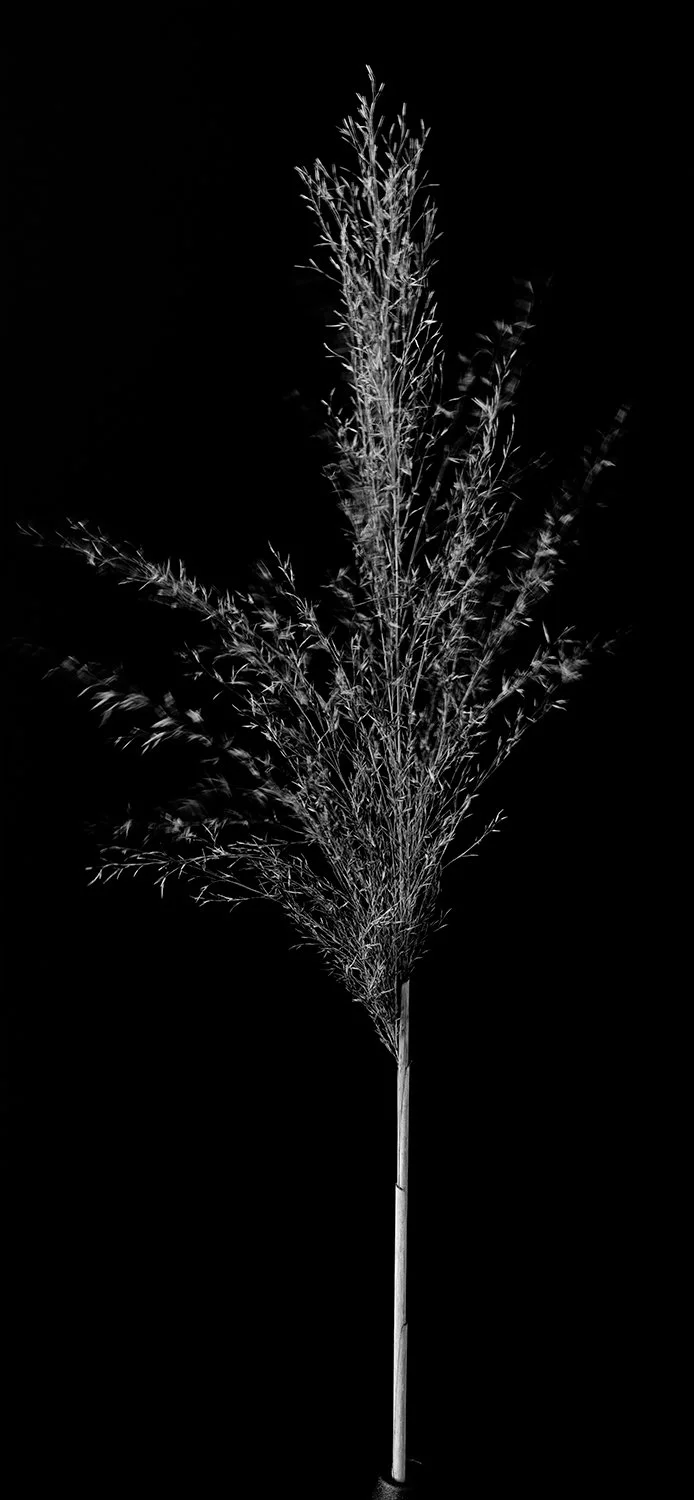
FOLDS is an ongoing photographic project, a stroll guided by plants and the echoes they carry.
When I walk outdoors and turn my lens towards plants, my attention settles on their minutiae, while my consciousness drifts through the shadows between branches and leaves. When only plants and I share the same space, with only the sound of wind and the scent of earth, I converse with them in the stillness.
Through this immersive process, I situate myself within a broader ecological context, listening to the echoes of the plants and forging a subtle connection with them.
Rina Inache
-
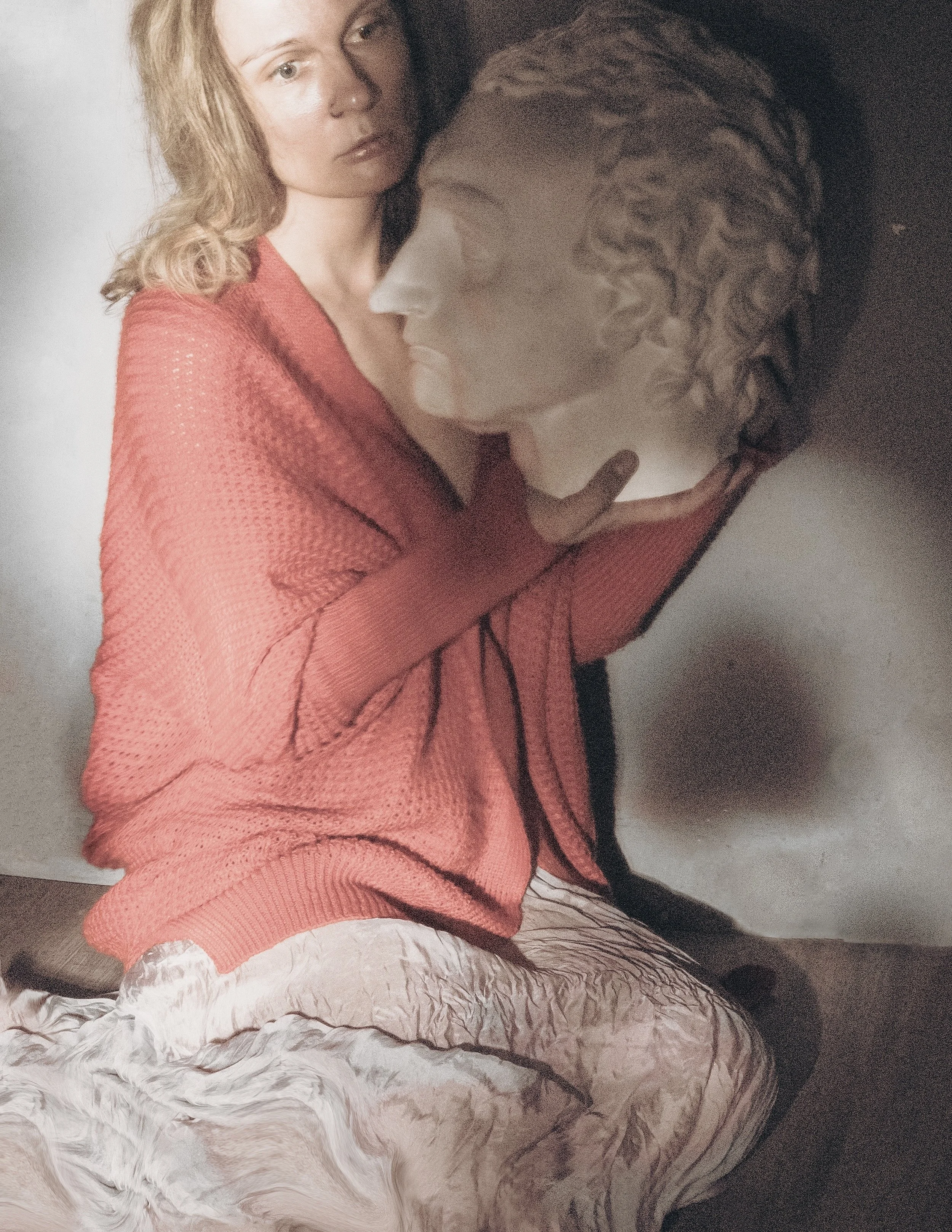
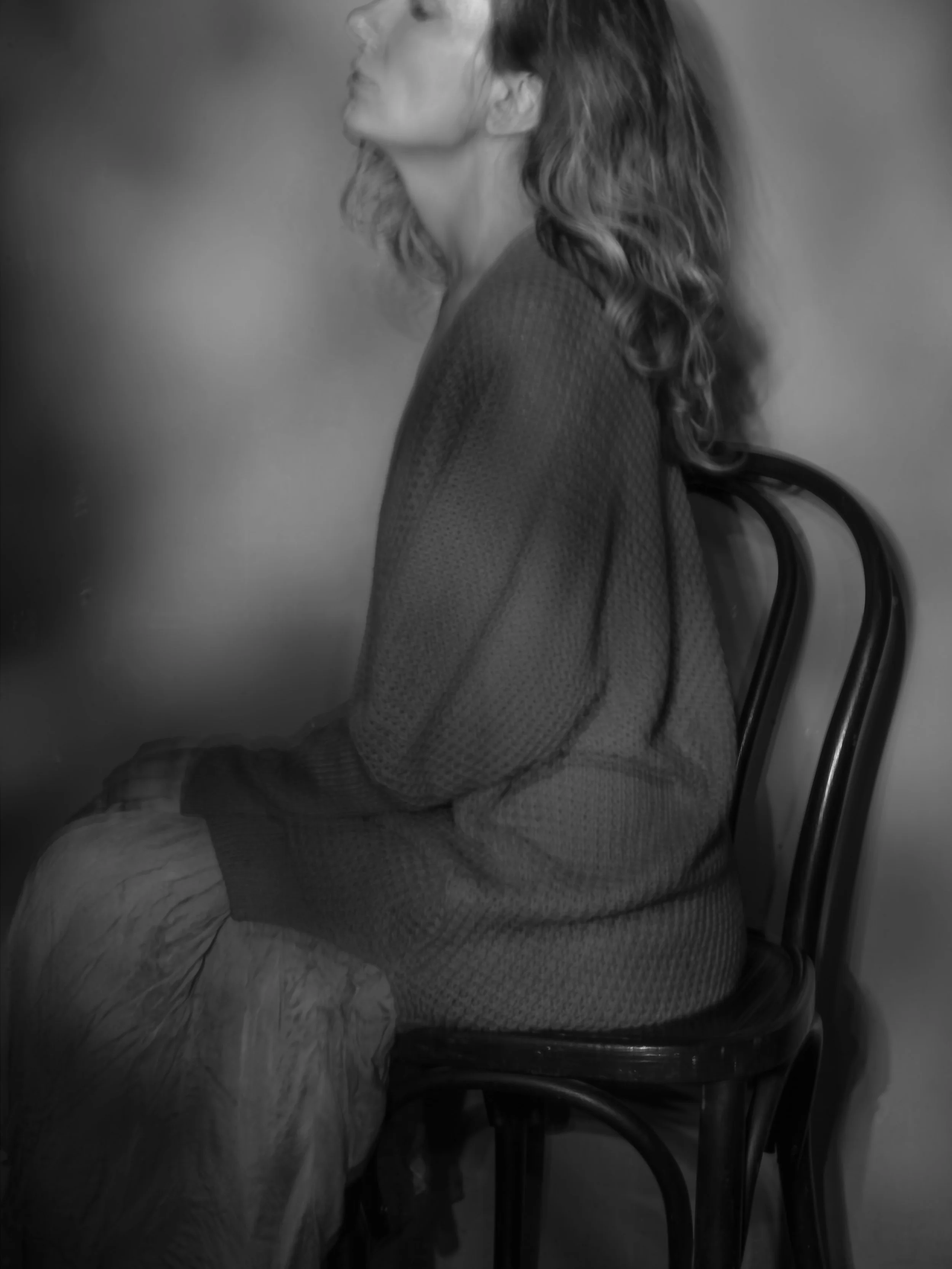
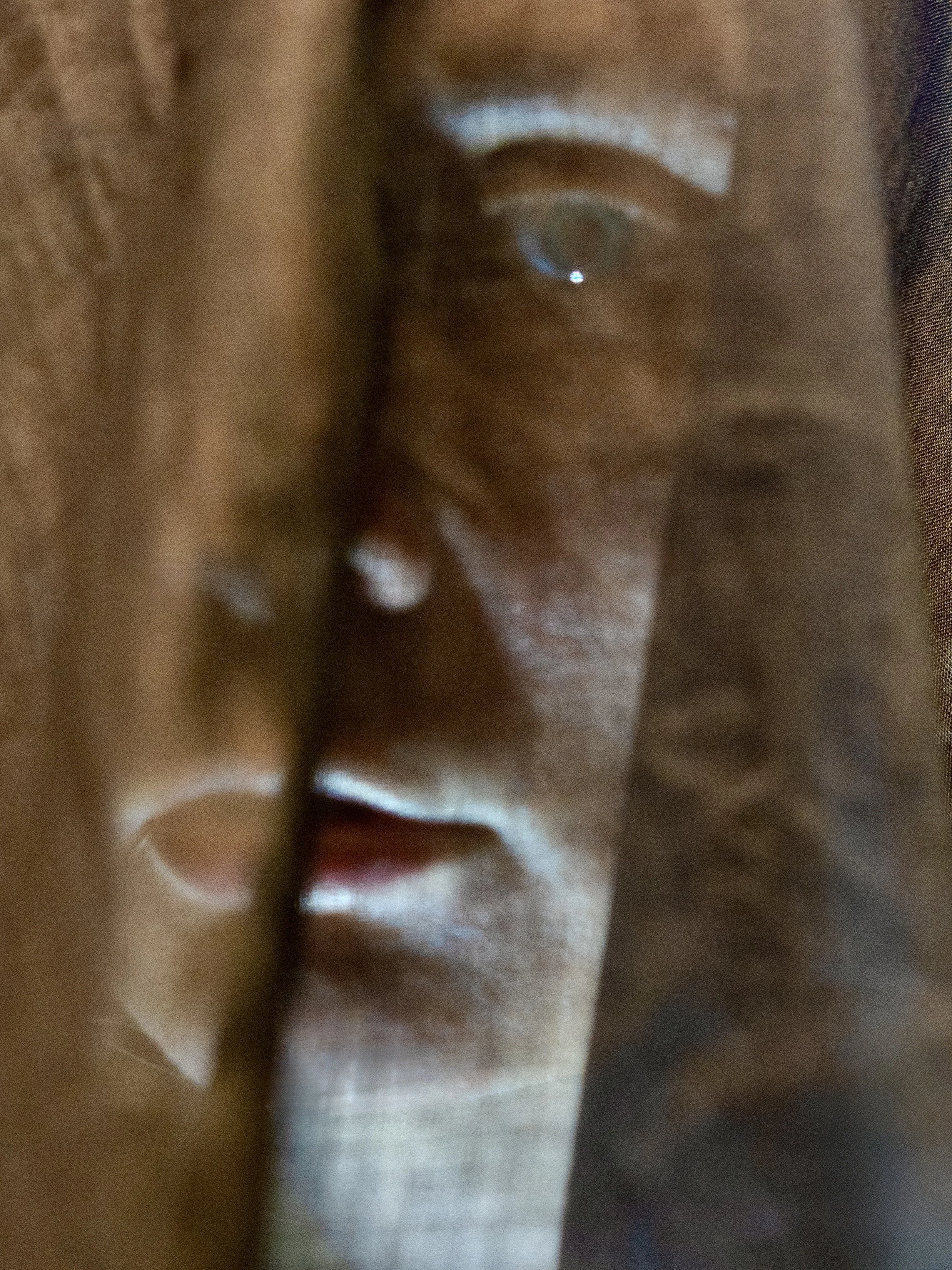
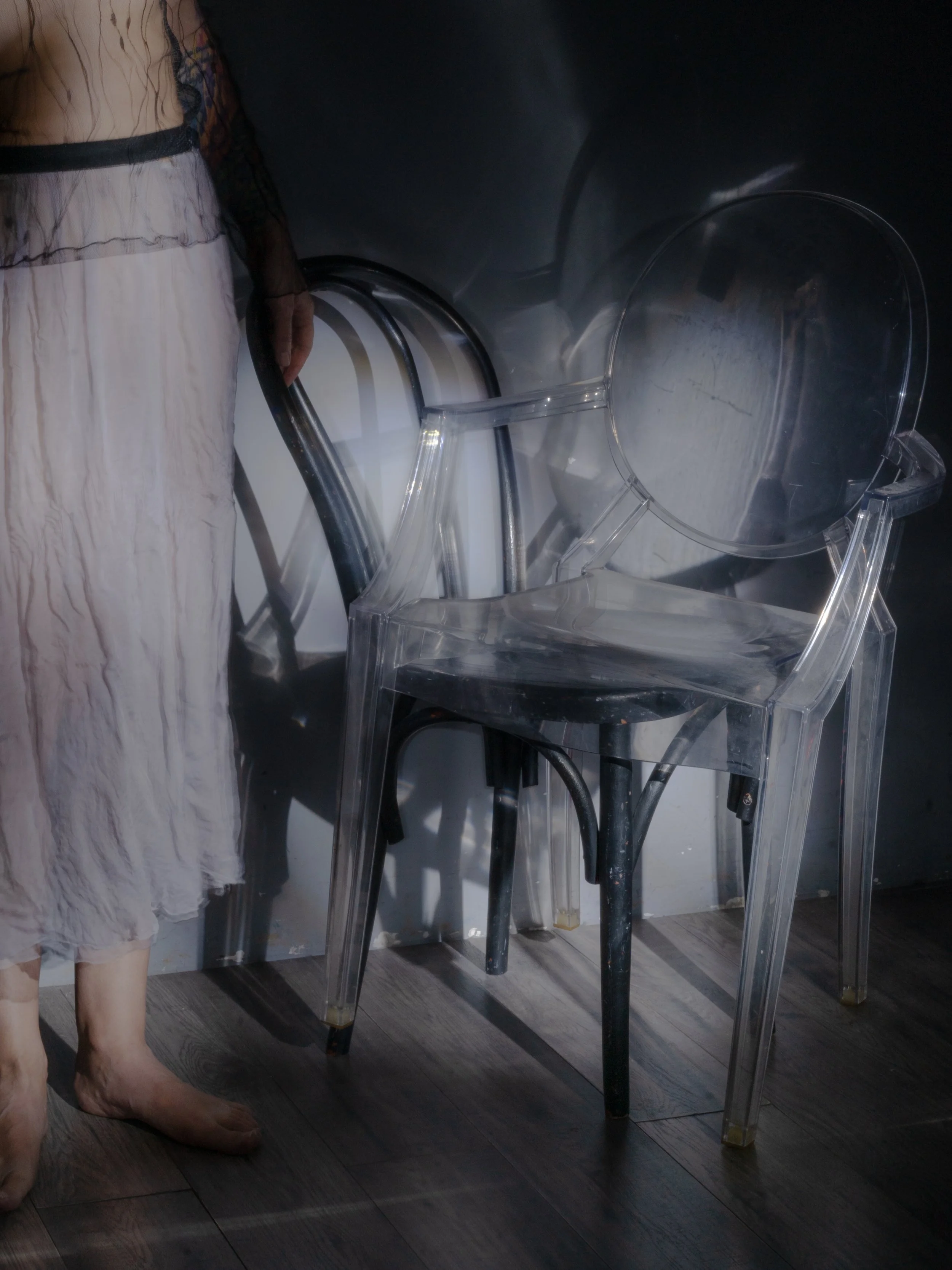
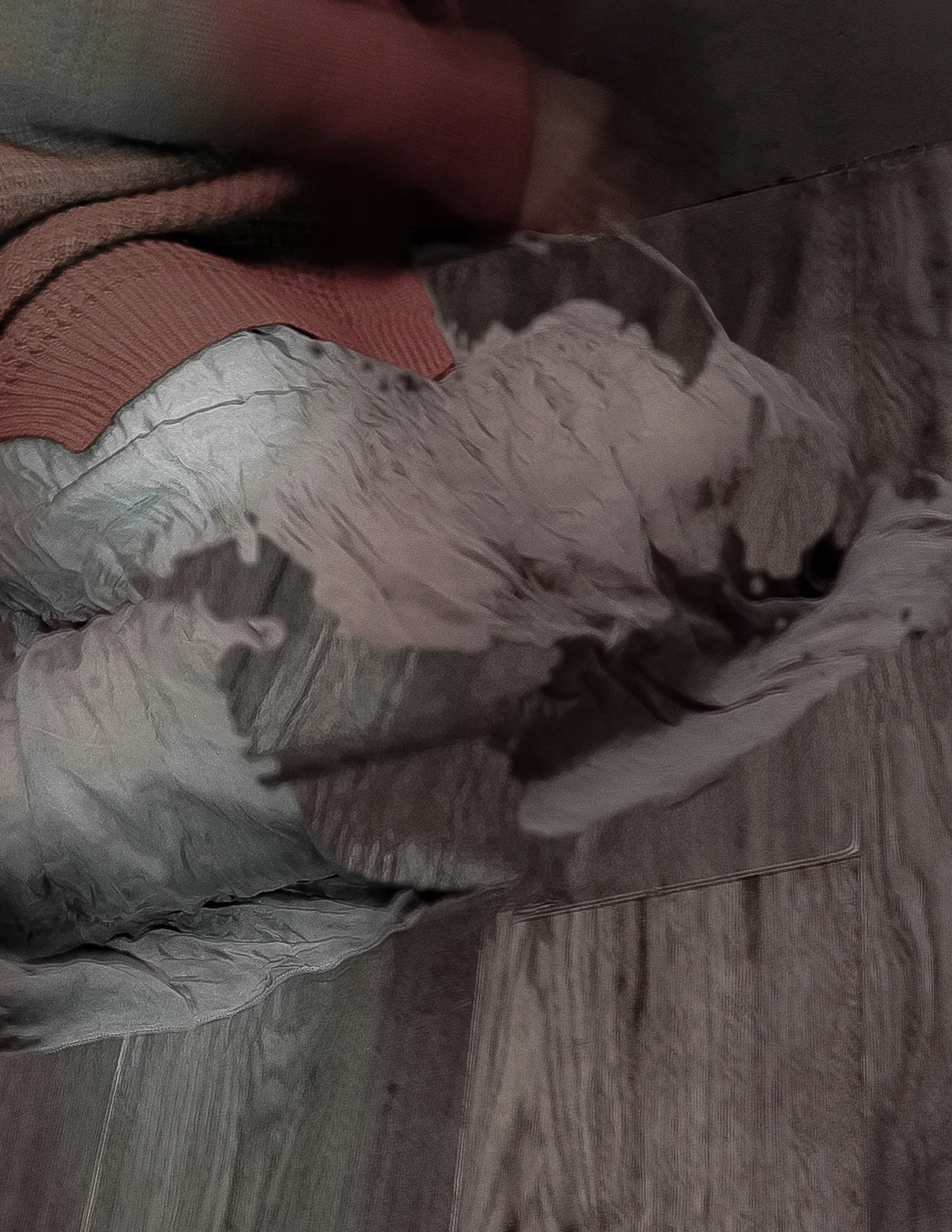
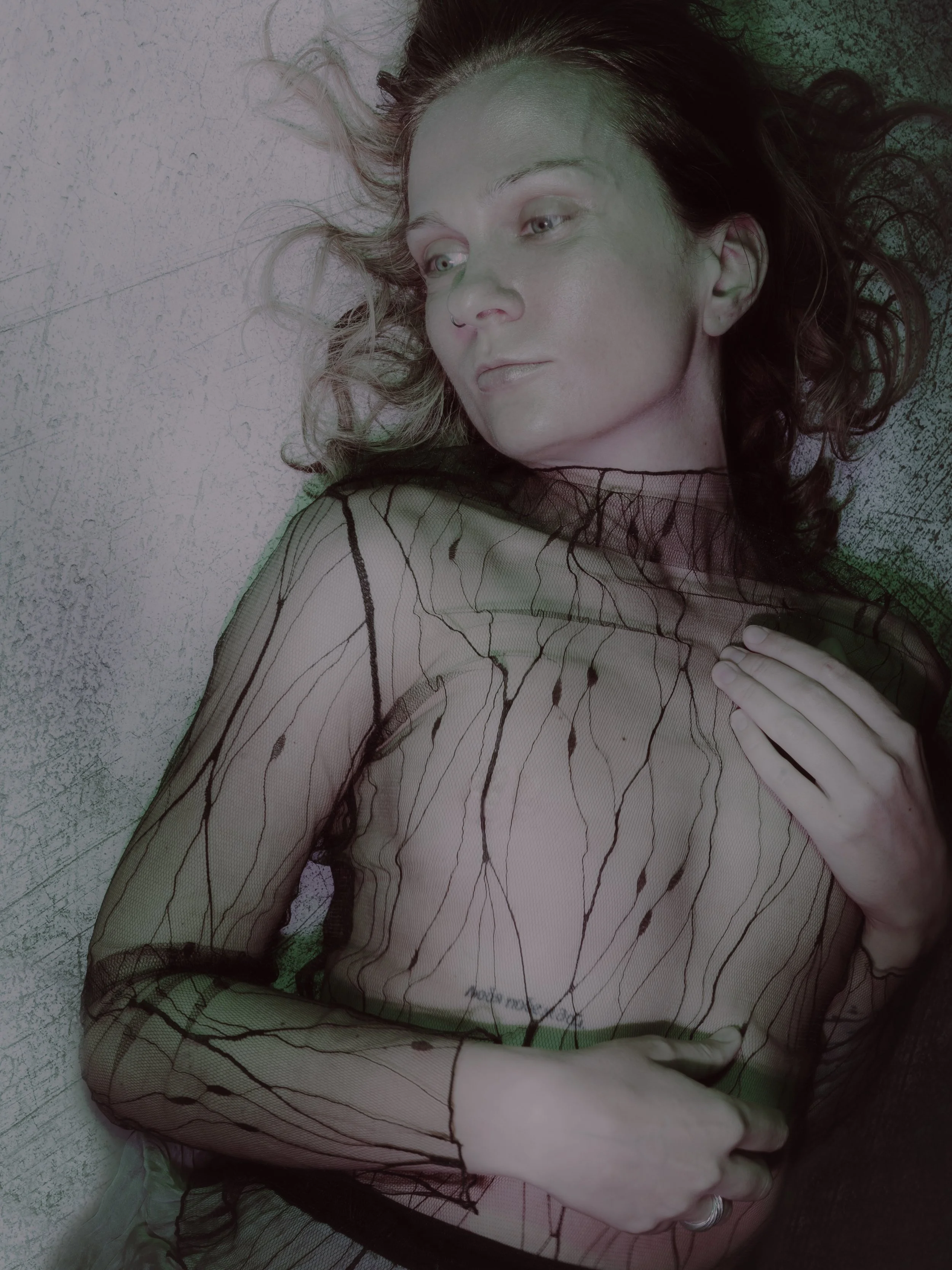
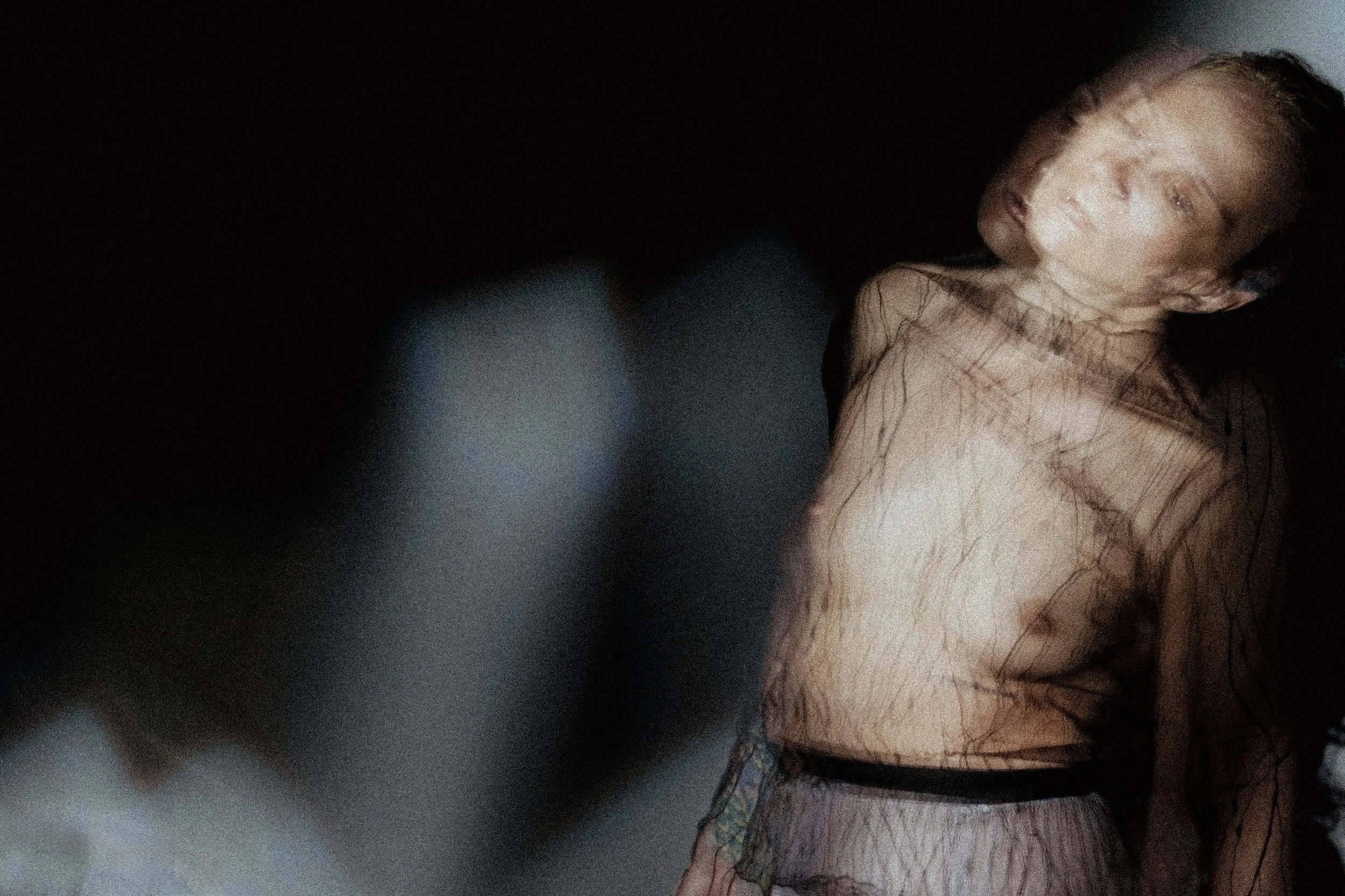
Some experiences cannot be recognized while they are happening. They exist as unresolved sensation long before they become action or narrative. Arise a sense of holding in condition of waiting without certainty, movement without conviction, and anticipation without resolution.
Through long exposures and light painting, the body becomes fluid, unstable, and difficult to locate , like it is suspended between presence and absence, stillness and motion.
Familiar surroundings lose their solidity and overthinking is exhausting, while gestures of self-comfort and endeavours to restraint recur throughout.
Not Yet is not a story about change. It is a study of ongoing state of becoming: a space where nothing has happened yet, and yet everything has already begun. It is like an echo of unlived experience. The narrative remains deliberately unresolved. It offers no arrival, no reassurance, and no final answer.
Jean-Michel DAUBA
-
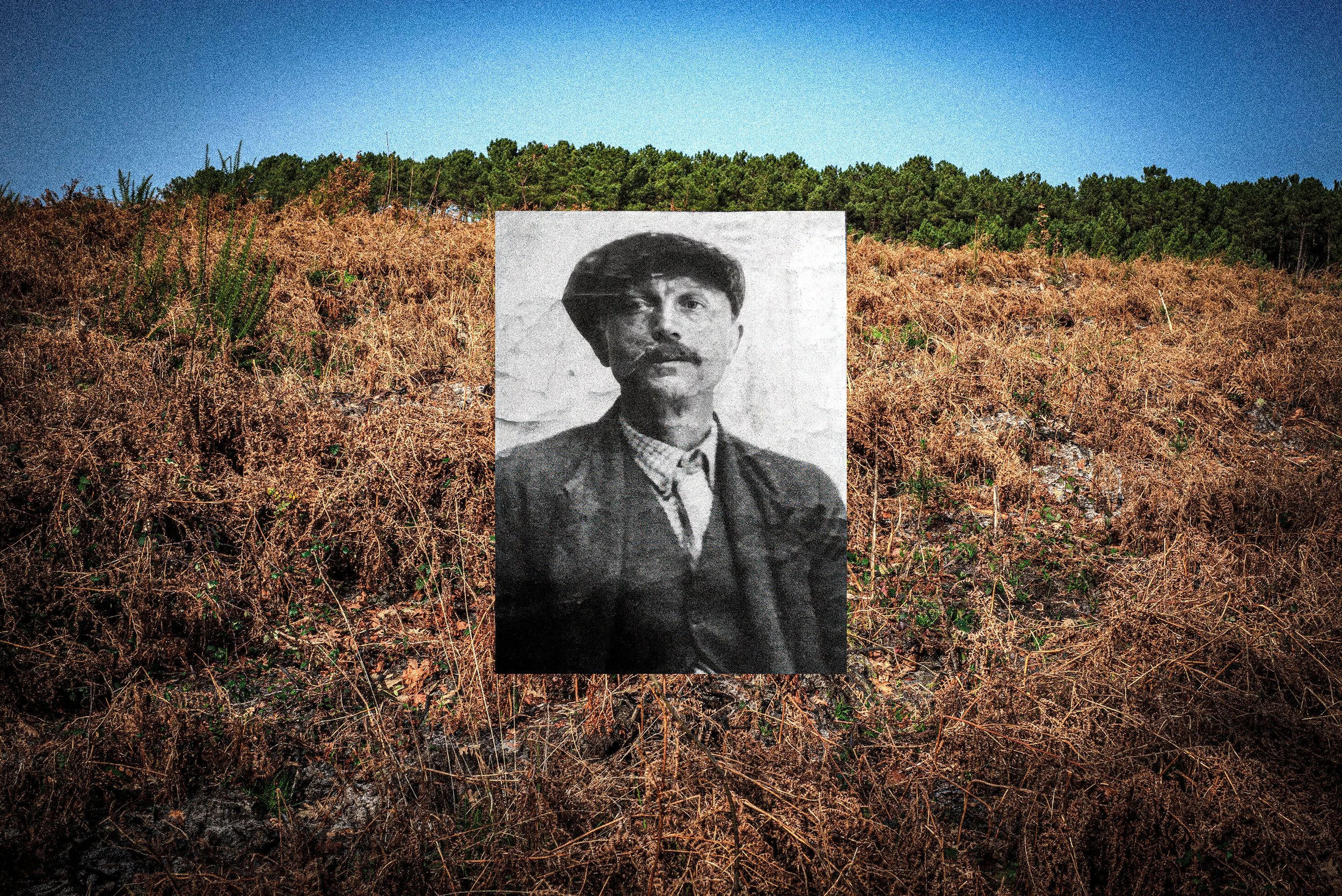
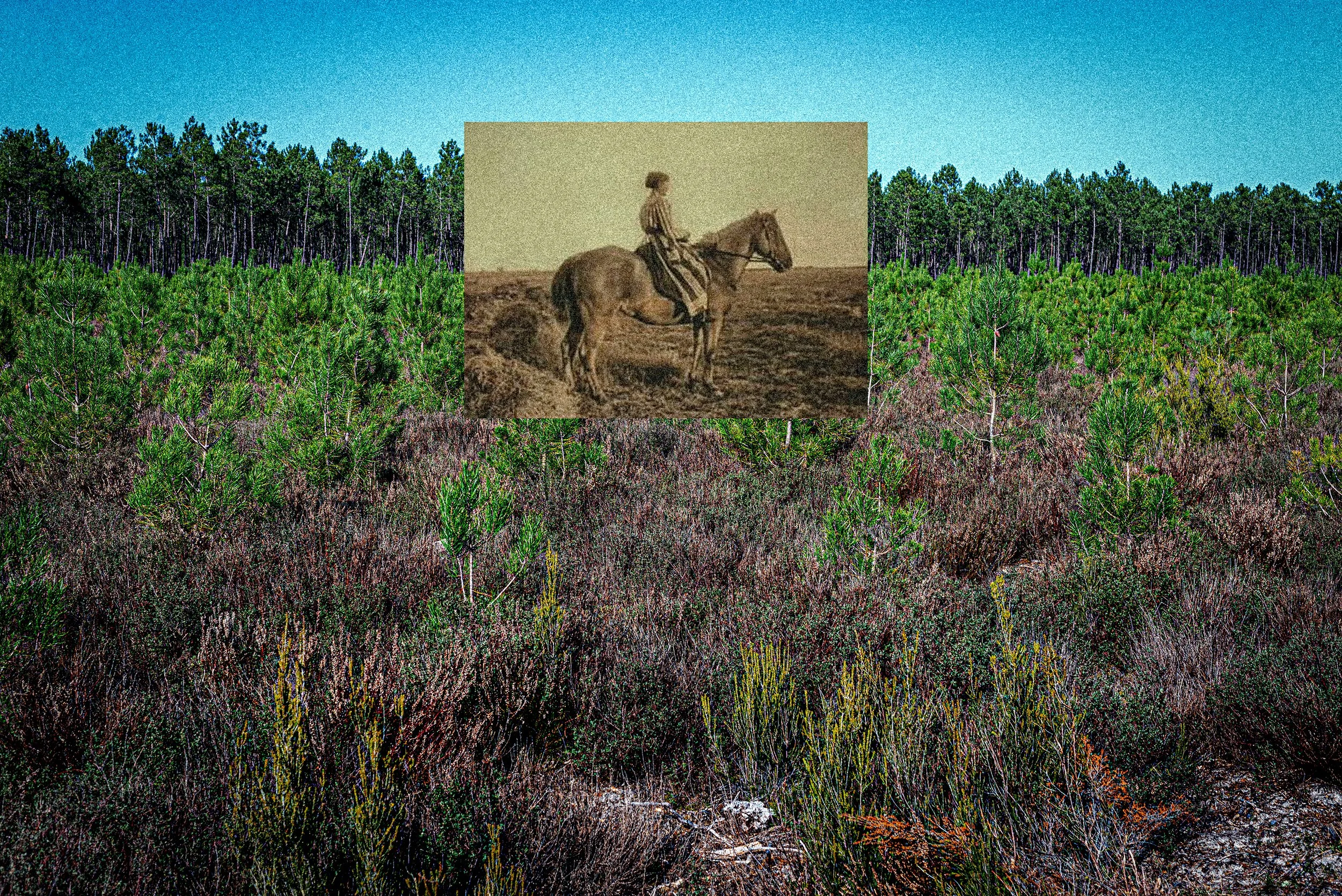
what remains of the past: a feeling, an idea...
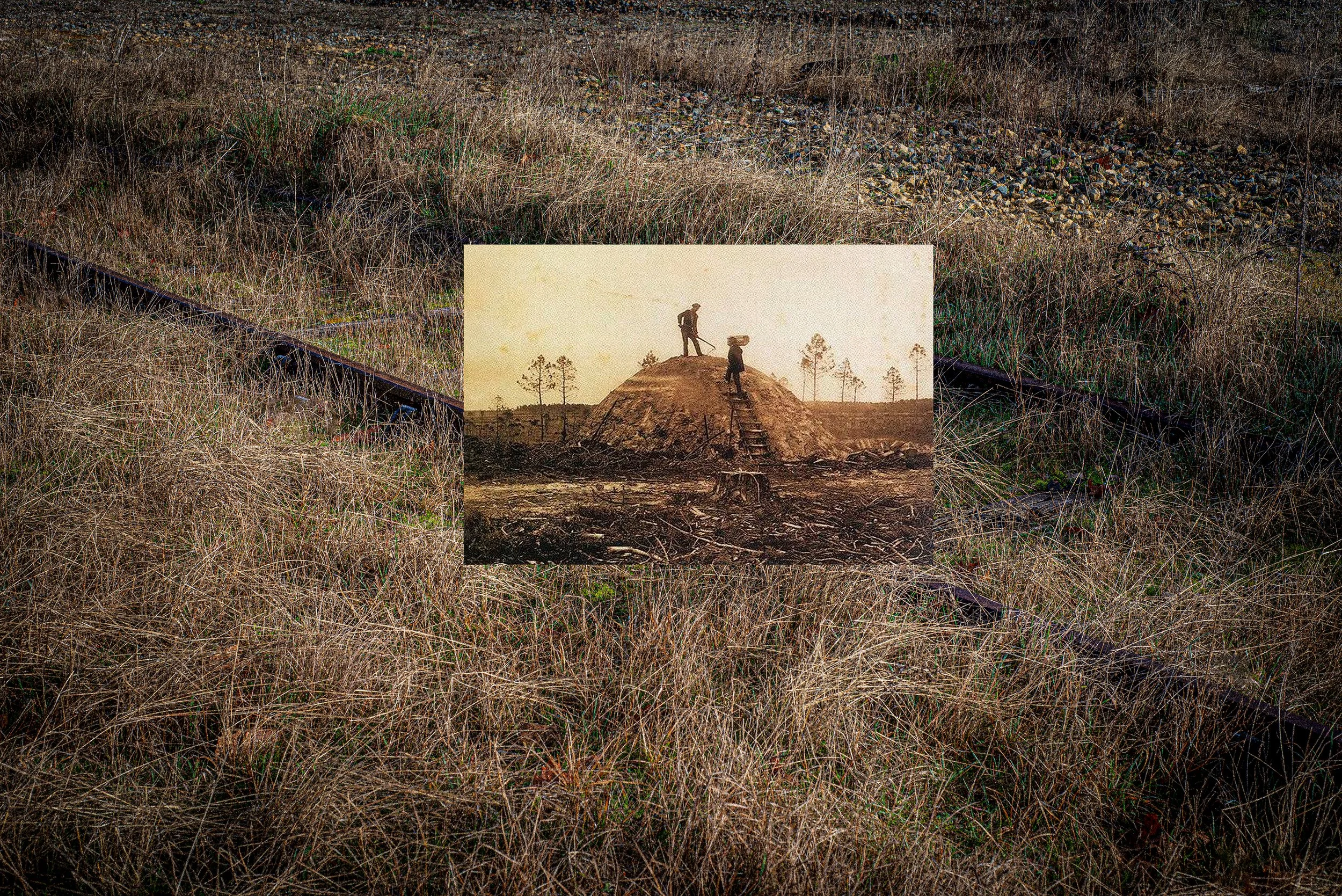
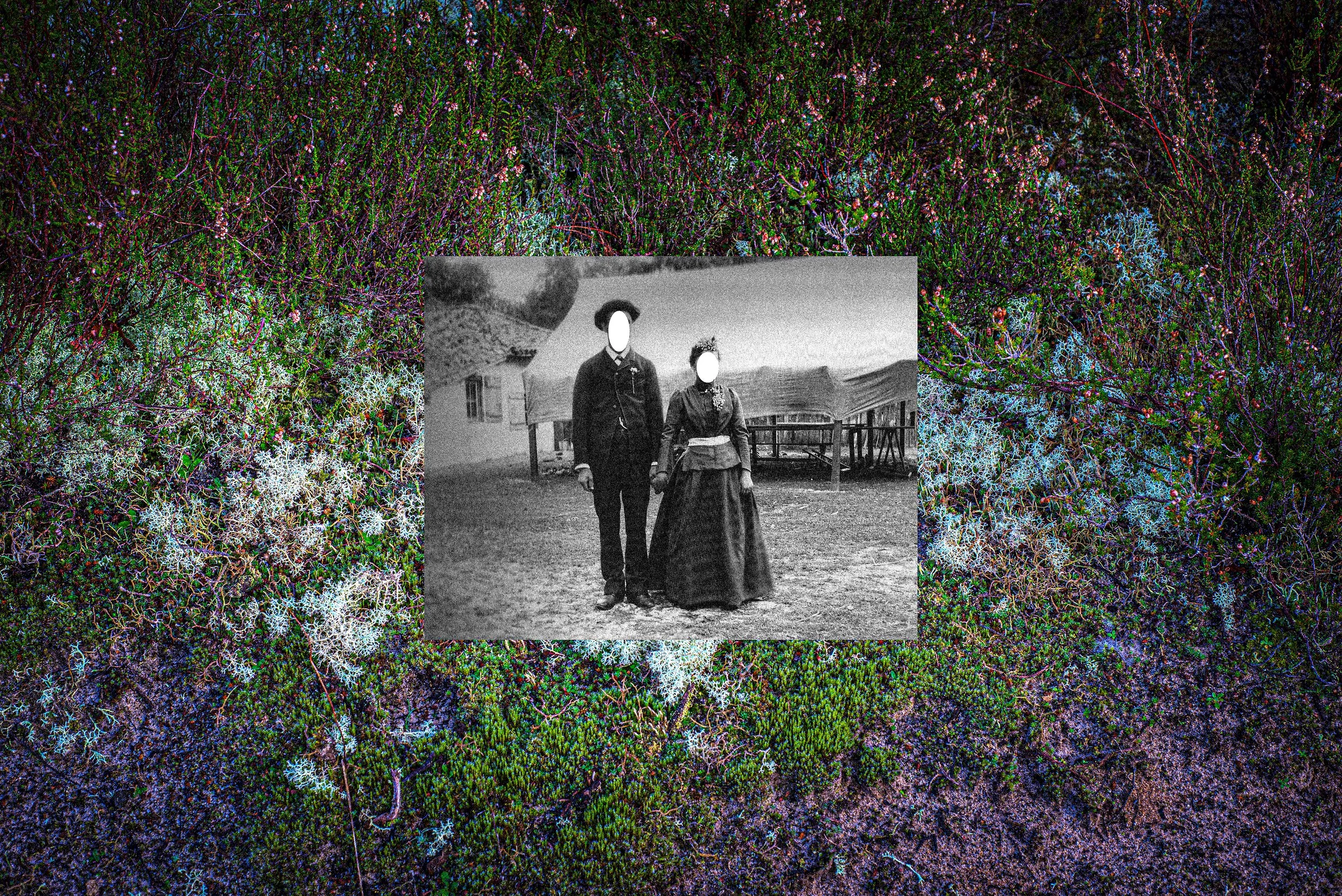
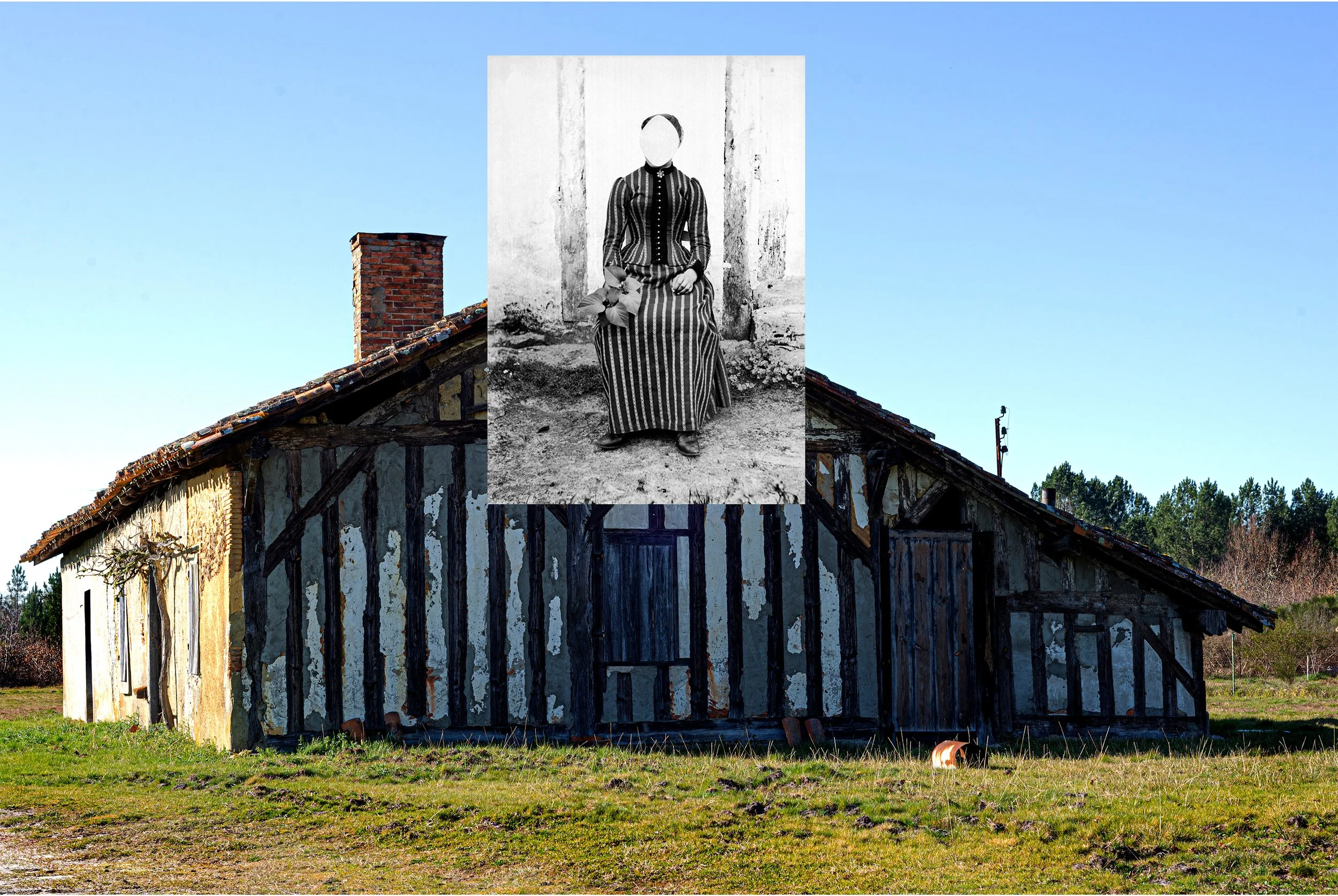
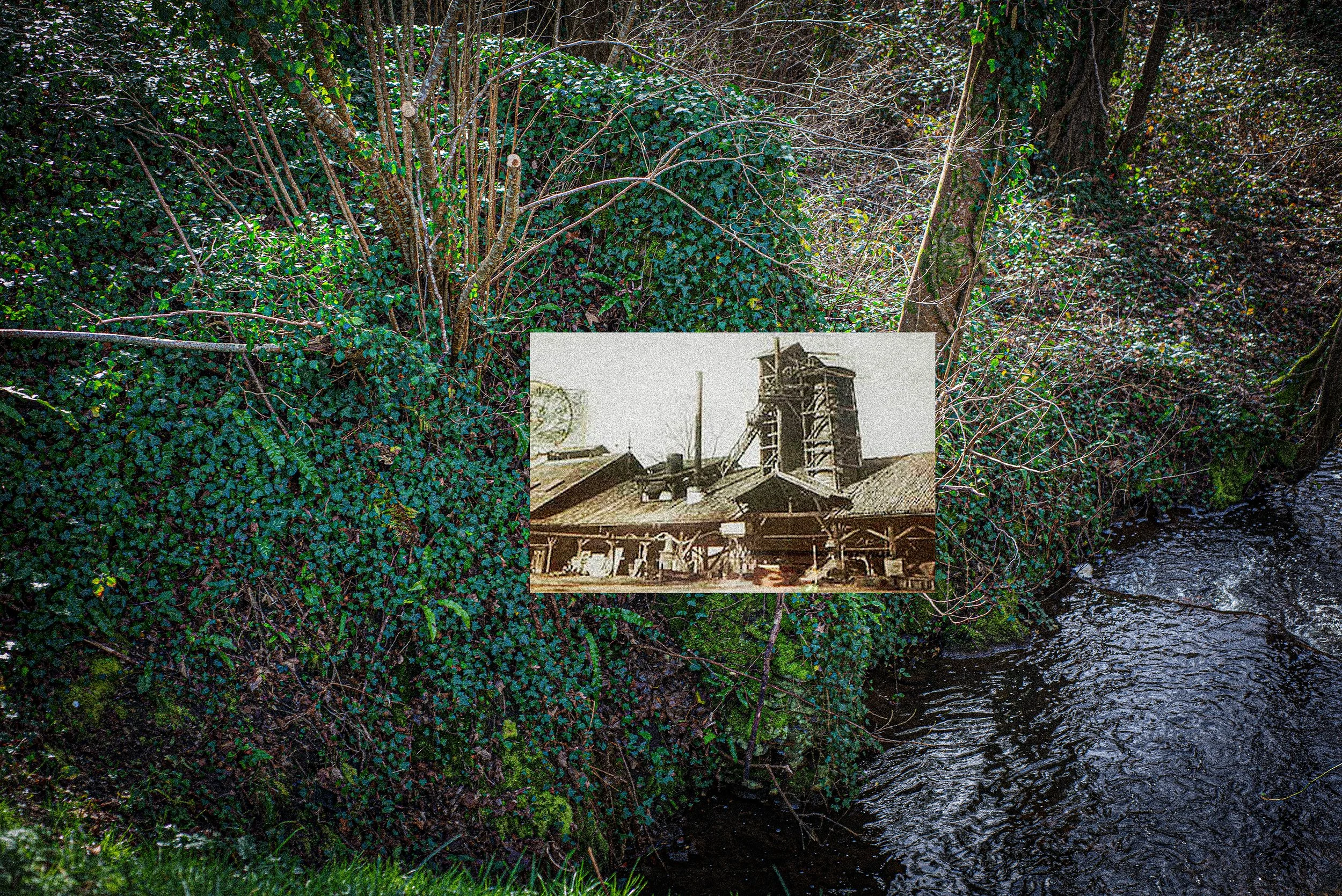
In 1707, Pierre was born in a remote village in the Landes called Liposthey. A few years later, he married and founded the oldest cradle (according to our current knowledge) of the family in direct line. The photographic project consists of capturing places that have been the setting of the activity and presence of my ancestors. The views leave a share to the imagination but are rooted in the idea that it happened there, they constitute a visual archaeology, explore and cross the history of the territory and personal history dating back to the origins between reality and fiction. They construct a constant exchange between the past and the present for trying to build a link. No decisive moment here, but rather a moment Suspended. The contemporary photographs are associated with photos by Félix Arnaudin who, at the end of the 19th century, photographed the region in an ethnographic way.
Elen Reflecta
-
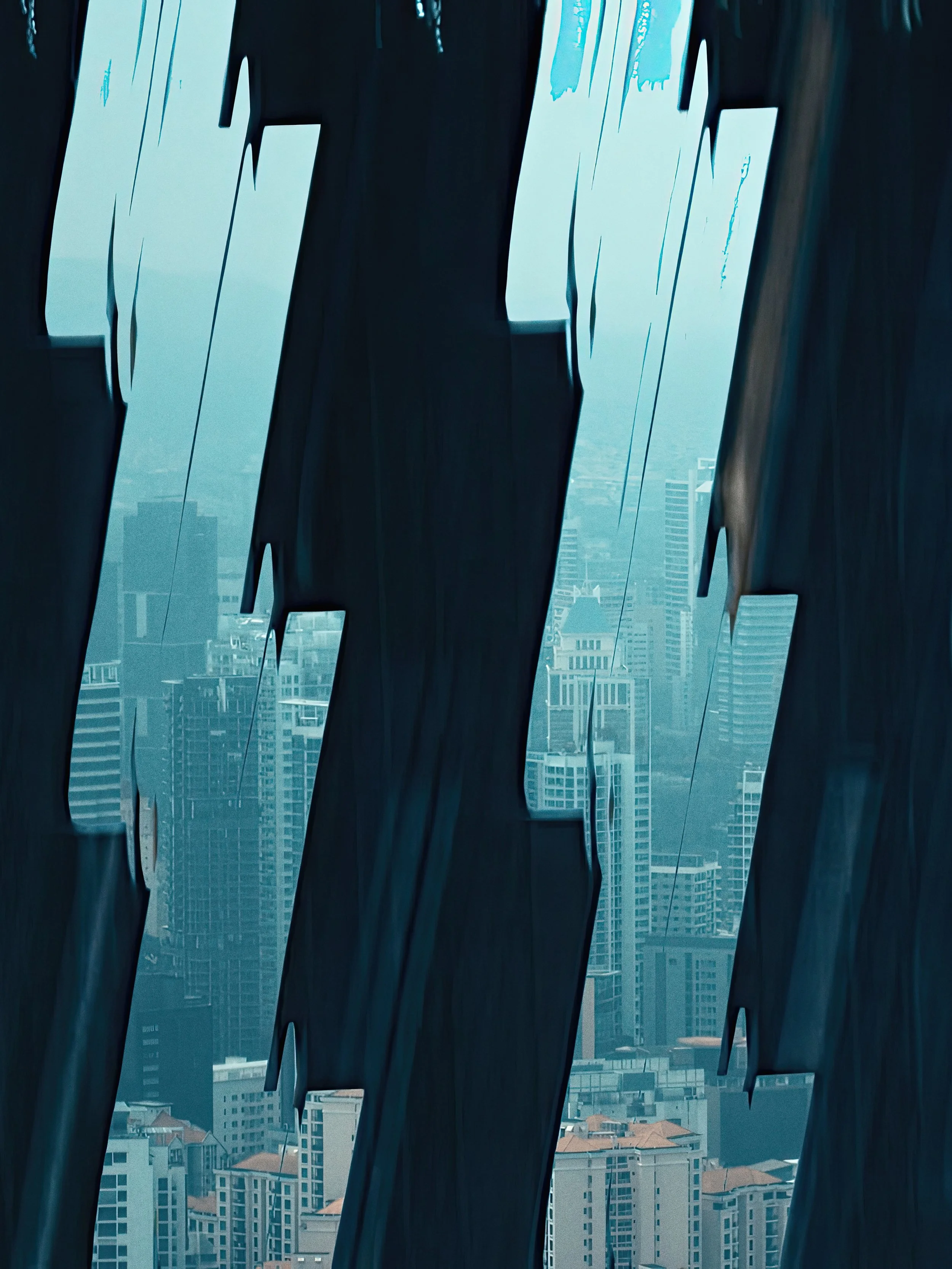
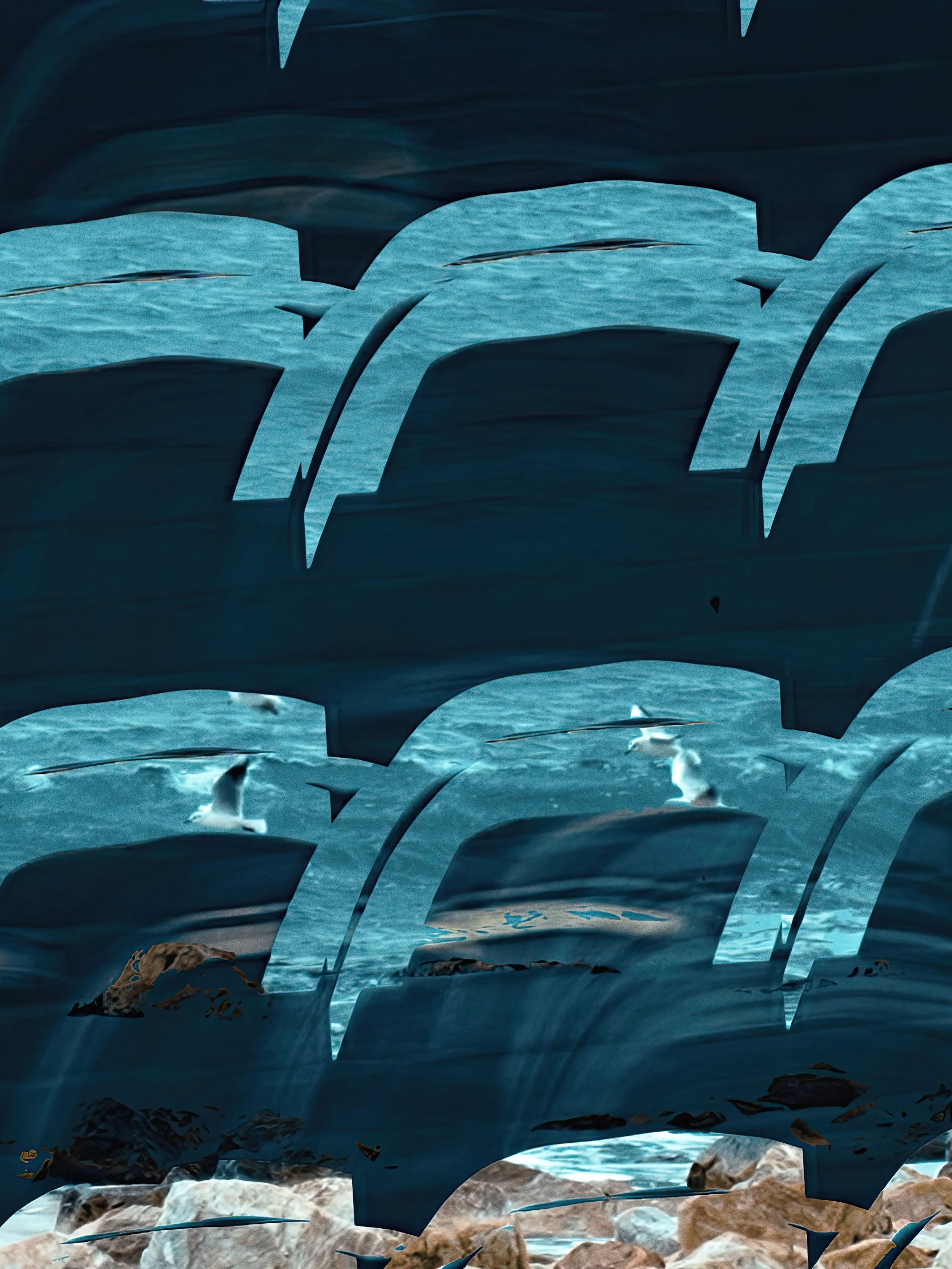
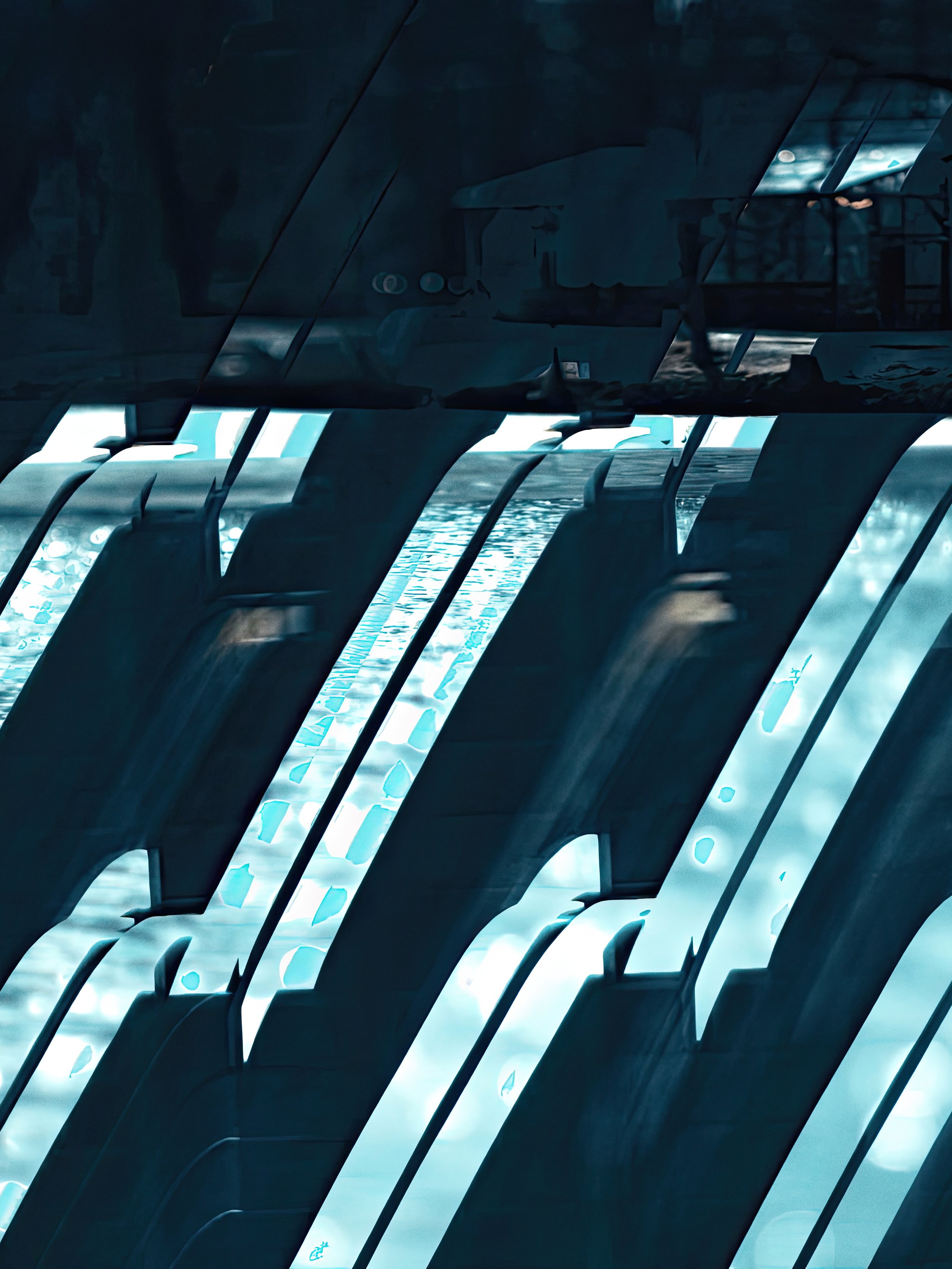
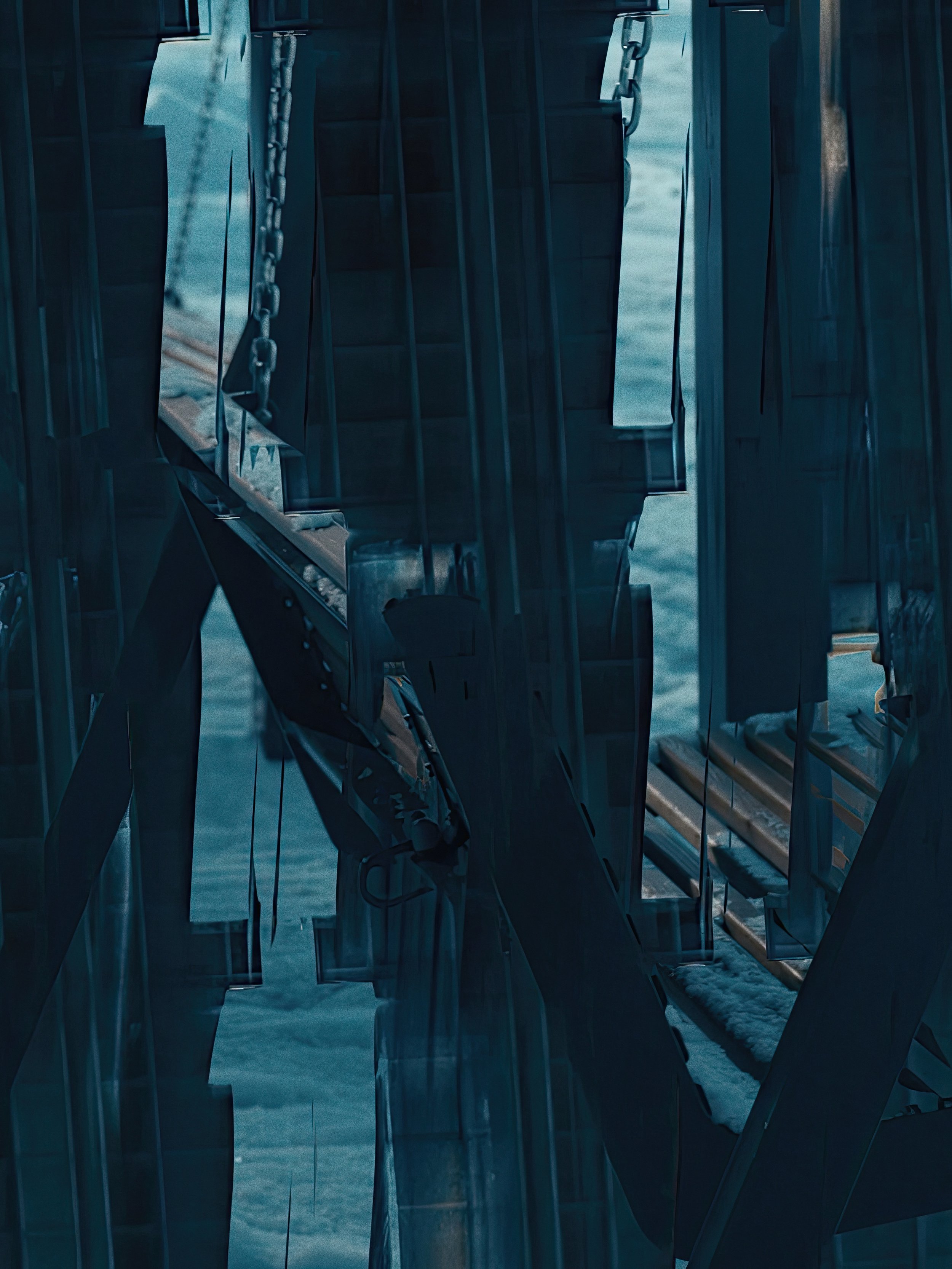
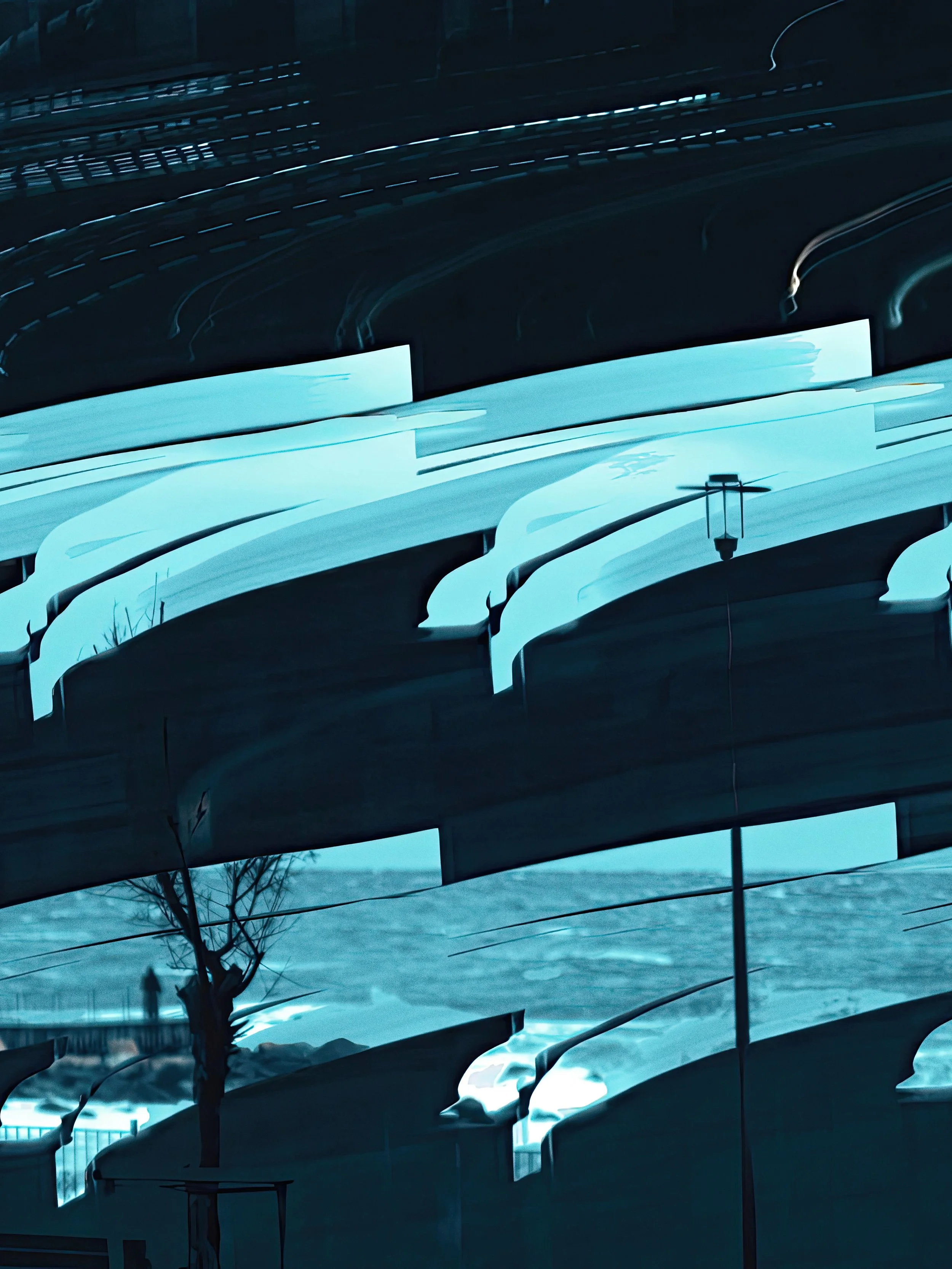
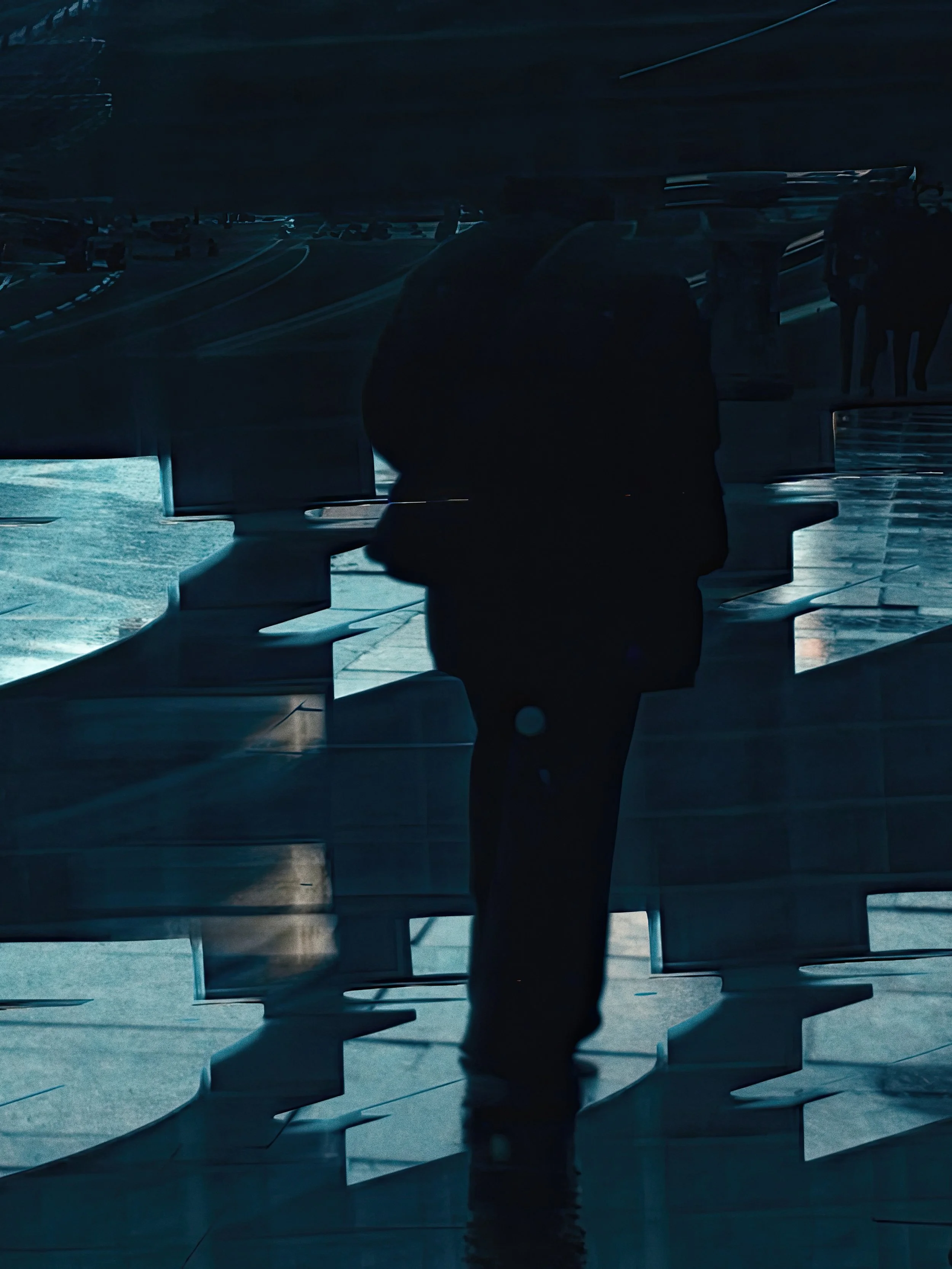
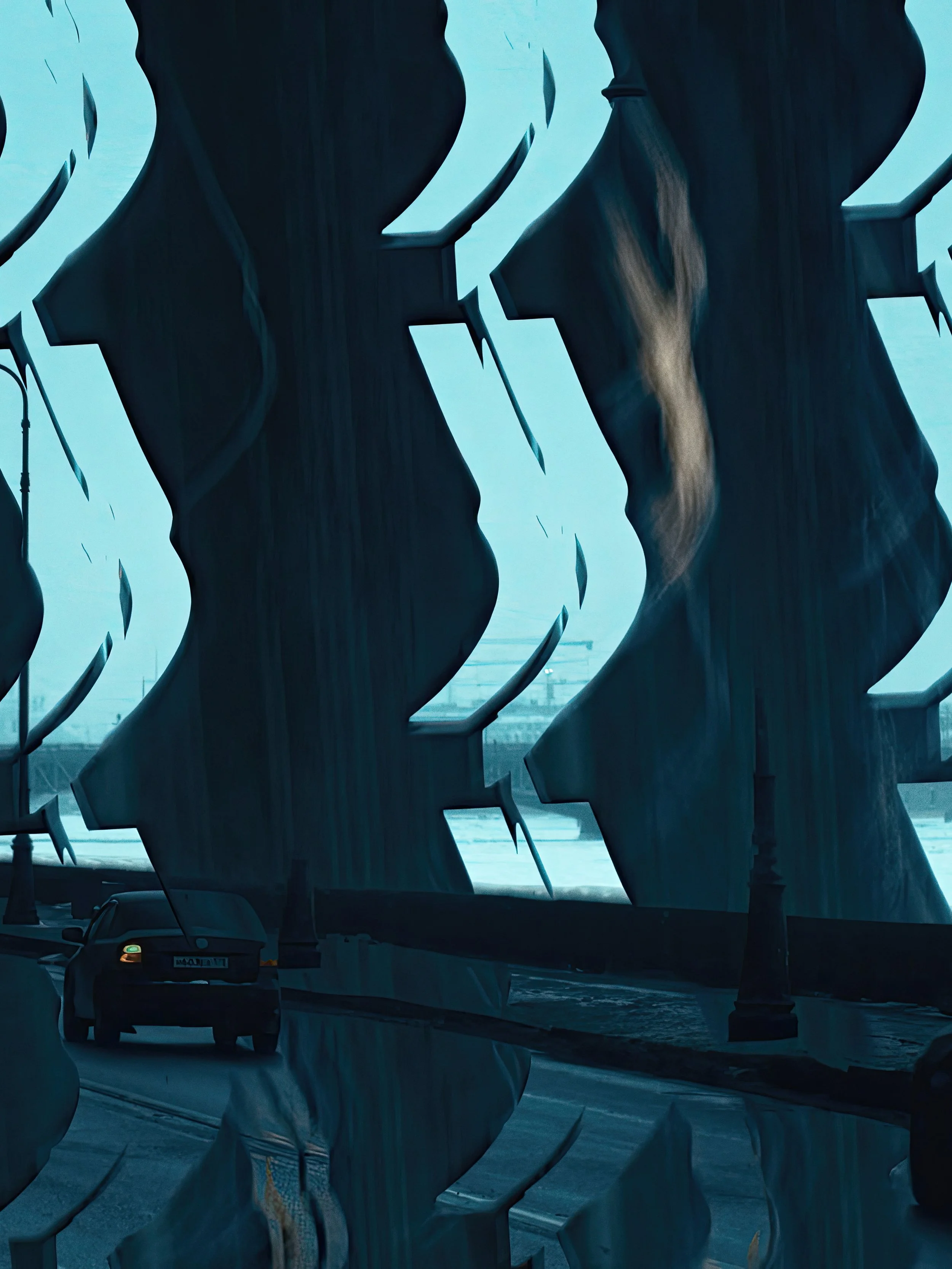
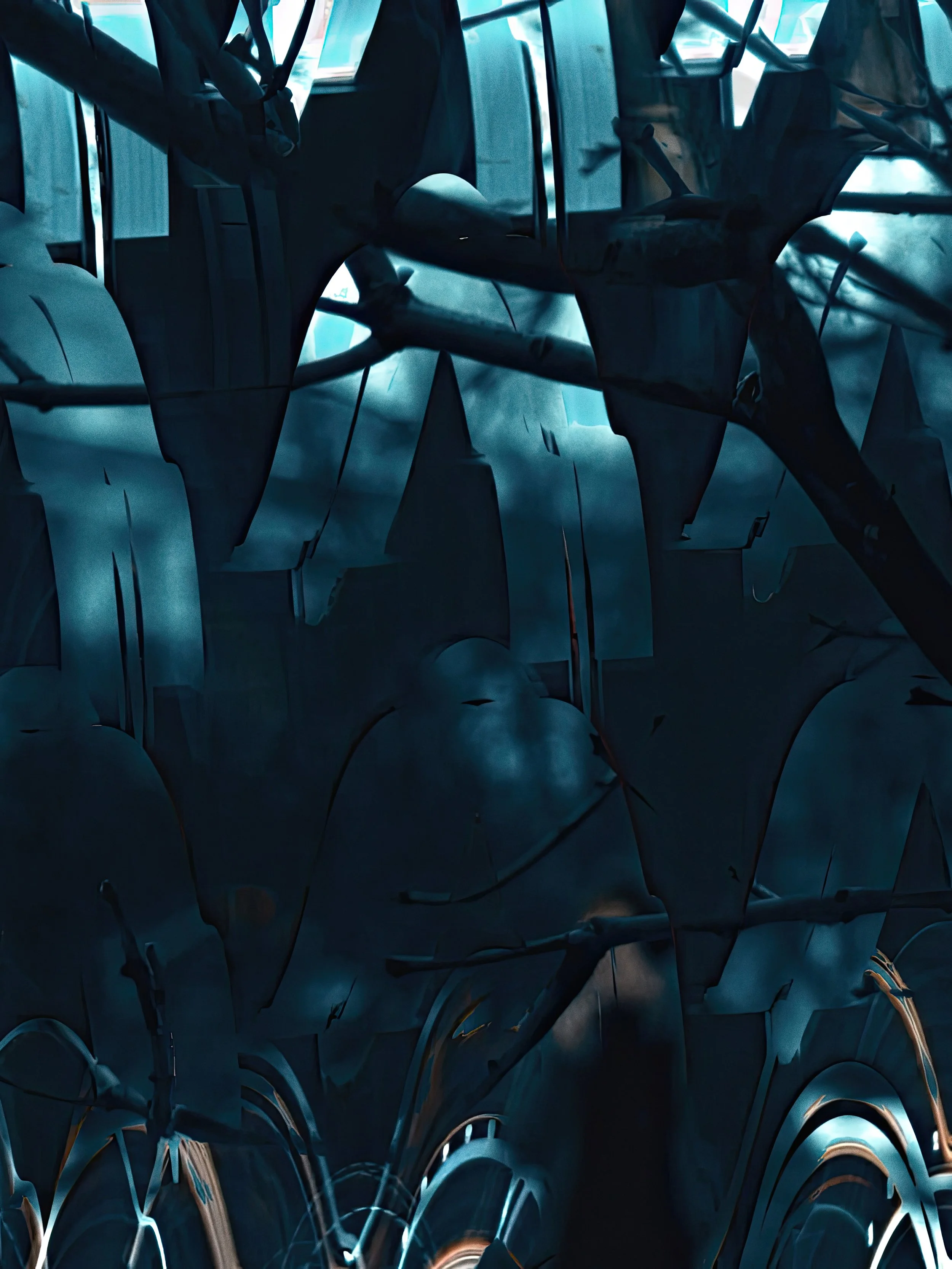
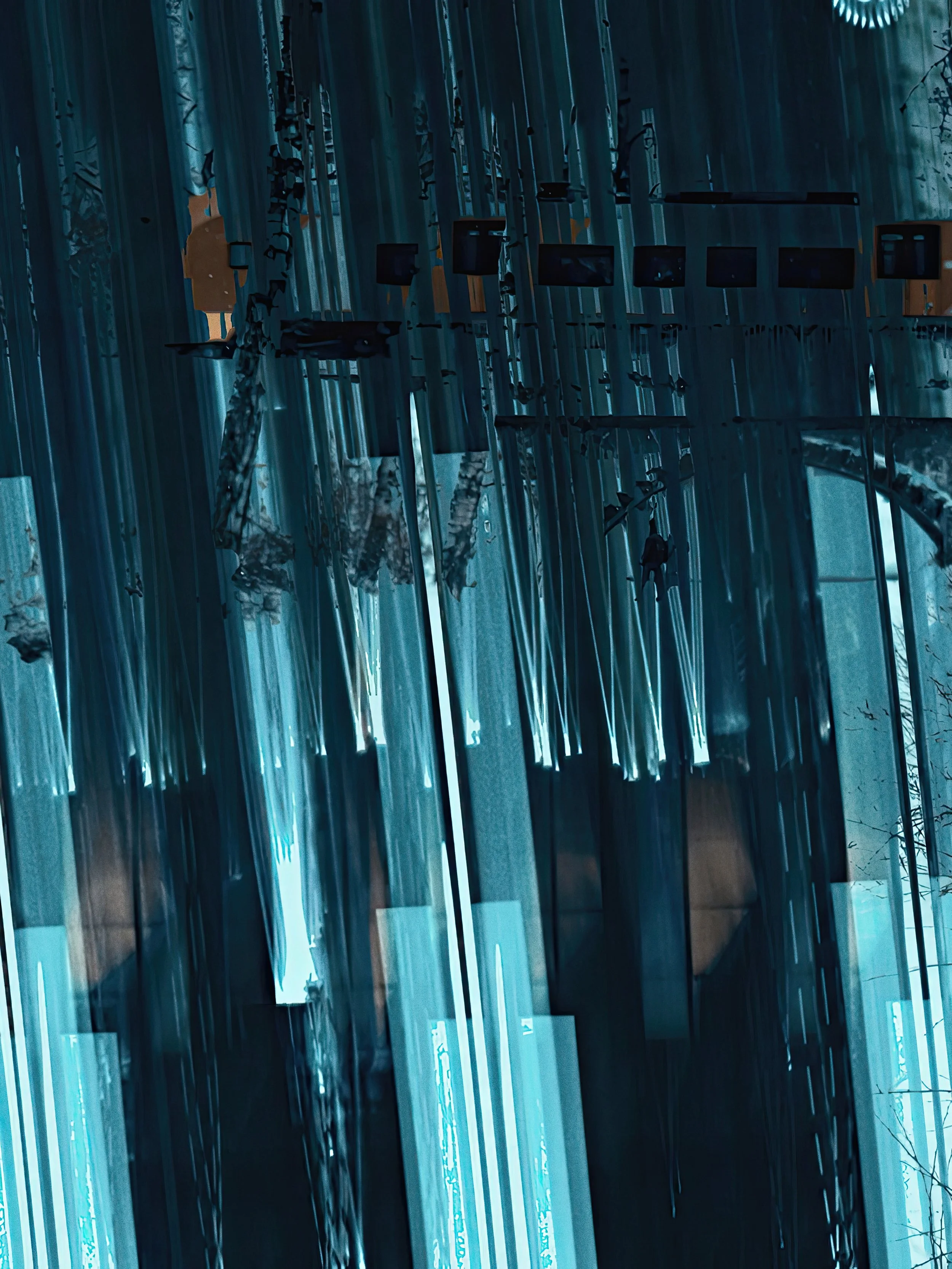
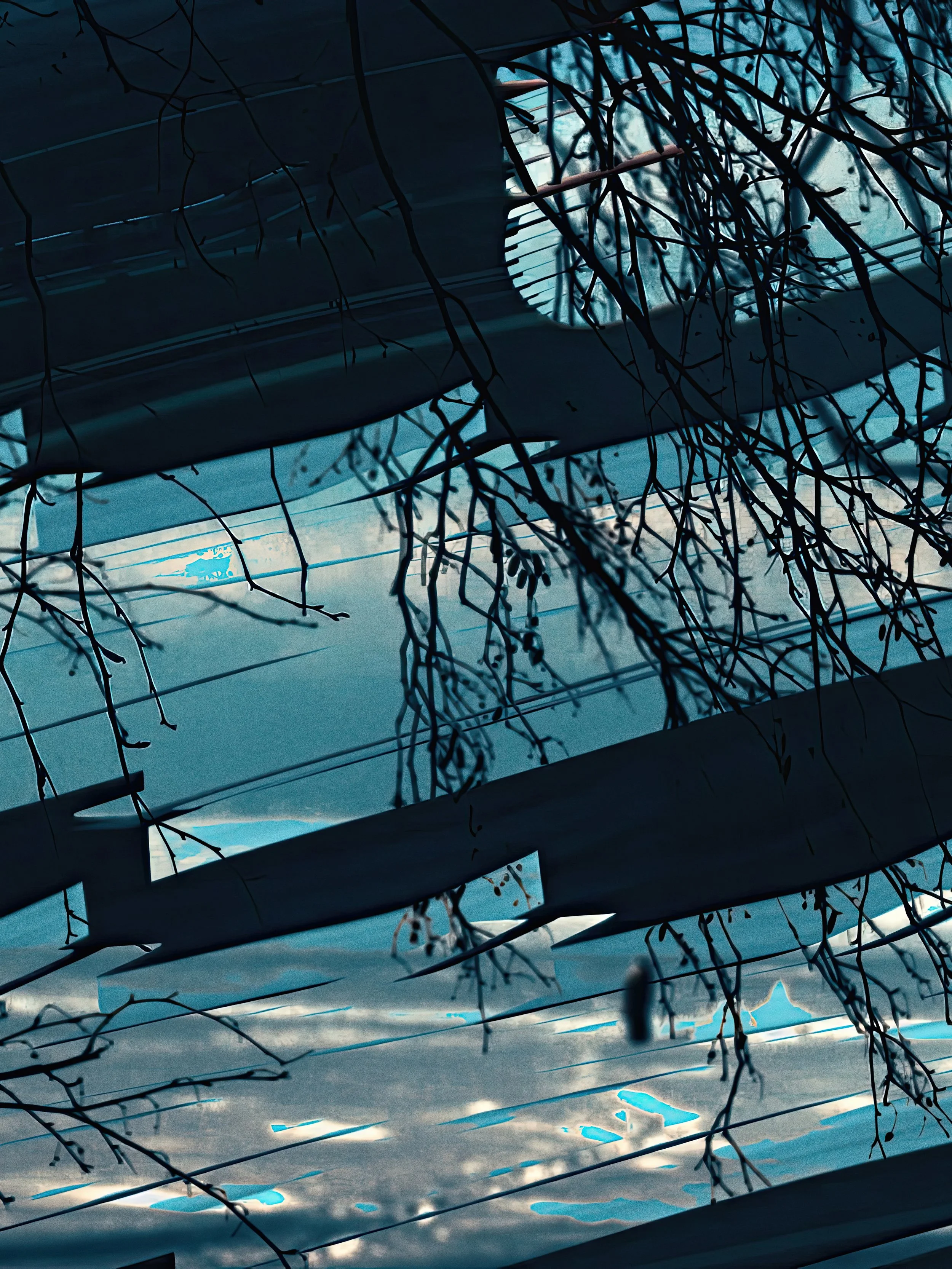
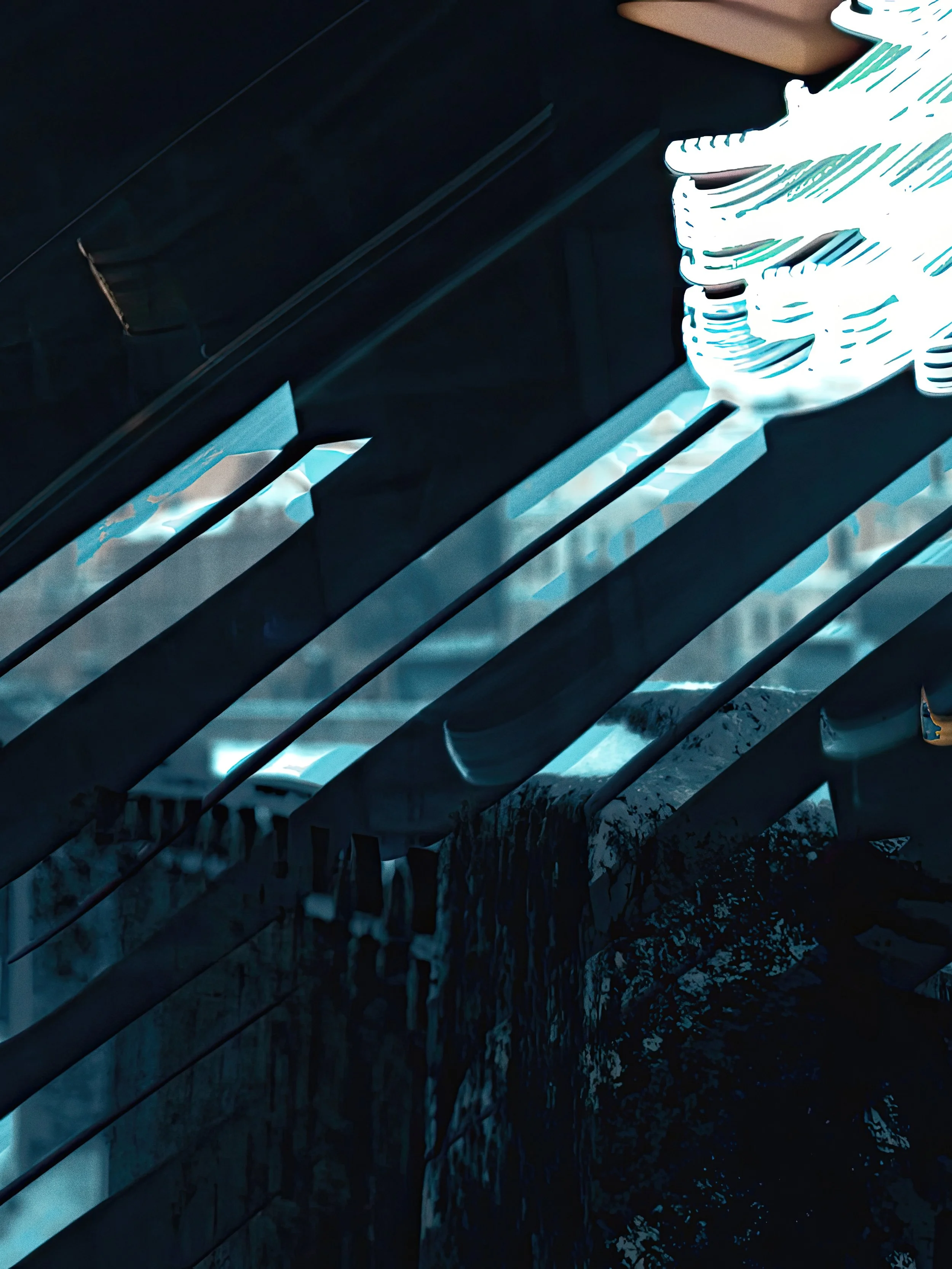
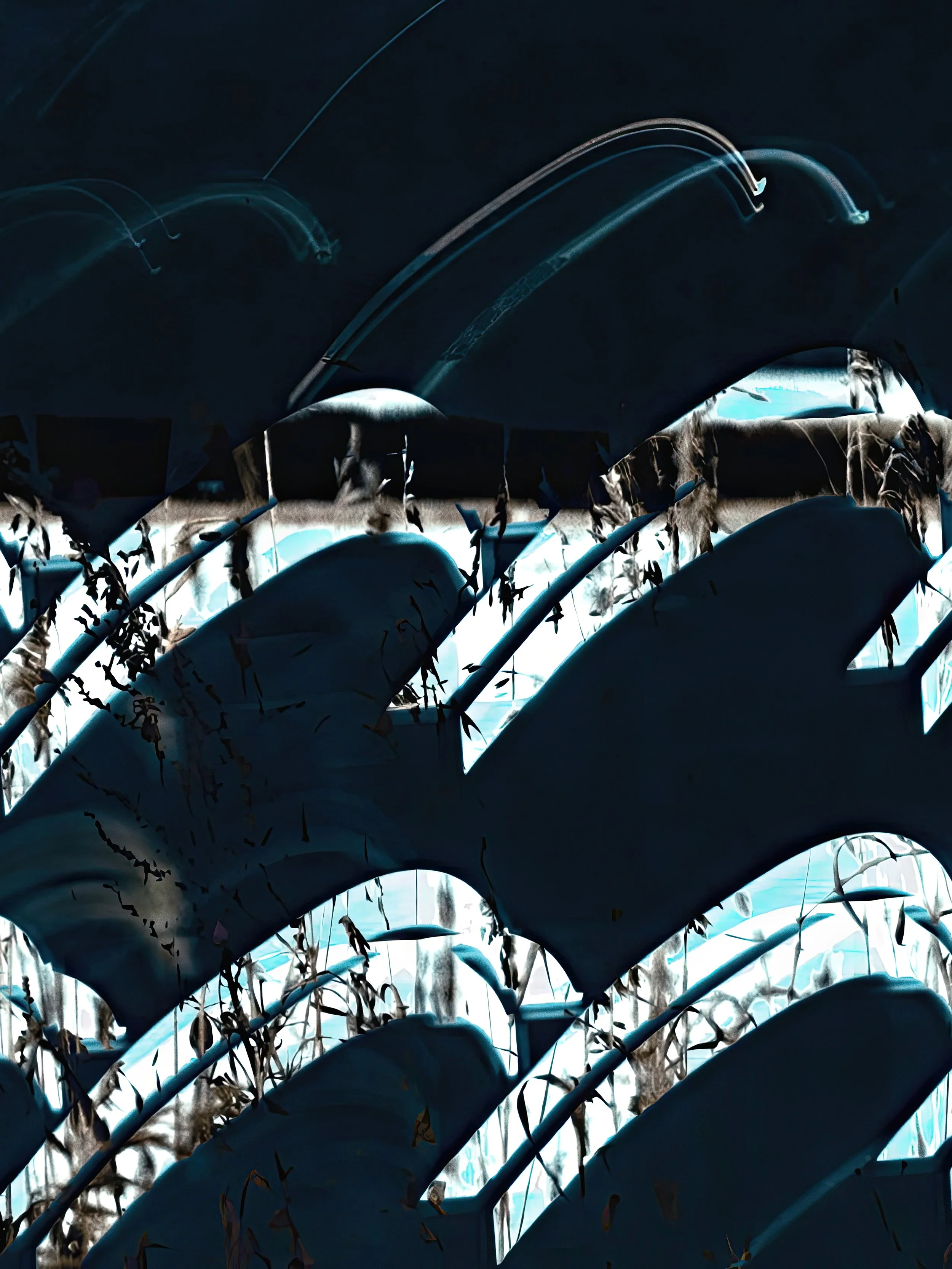
"Memories of Memories: The Original" explores how memory is rewritten each time we revisit it. A single memory unfolds into multiple versions of the same moment, none of which is definitive. The work invites the viewer to slow down and pay attention to the details in which the memory constantly persists and fades away.
Barb Donovan
-
Captured at the historic Suizenji Jōju-en Garden in Kumamoto, Japan, this image frames a meticulously pruned Japanese black pine tree mirroring a lush, grass-covered hill. The distinctive mound is a centuries-old, scaled-down artificial recreation of Mount Fuji. The composition highlights a striking dialogue between the sculpted living tree and the manicured land, illustrating the title, "The Living Echo."
Tianhe Zhang
-
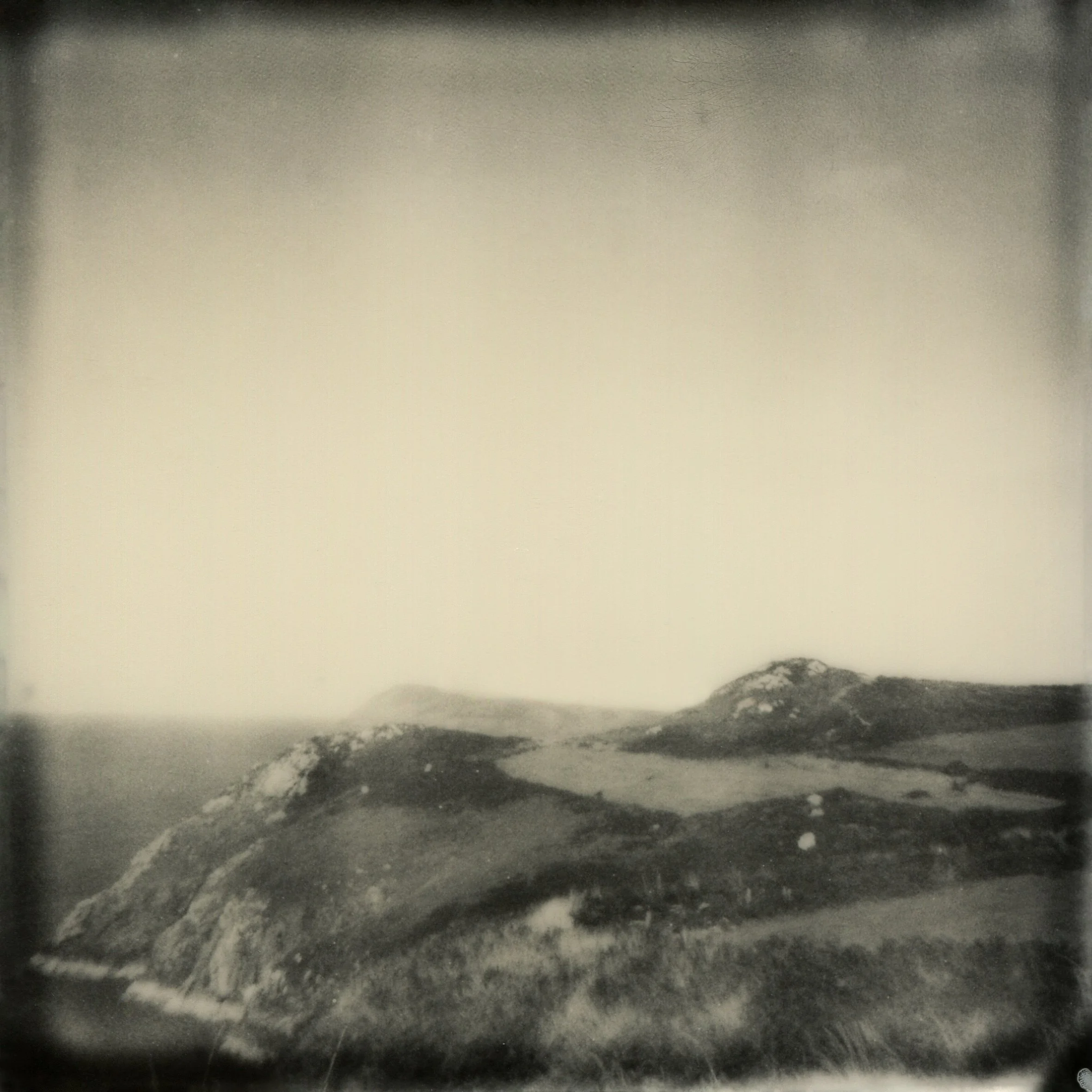
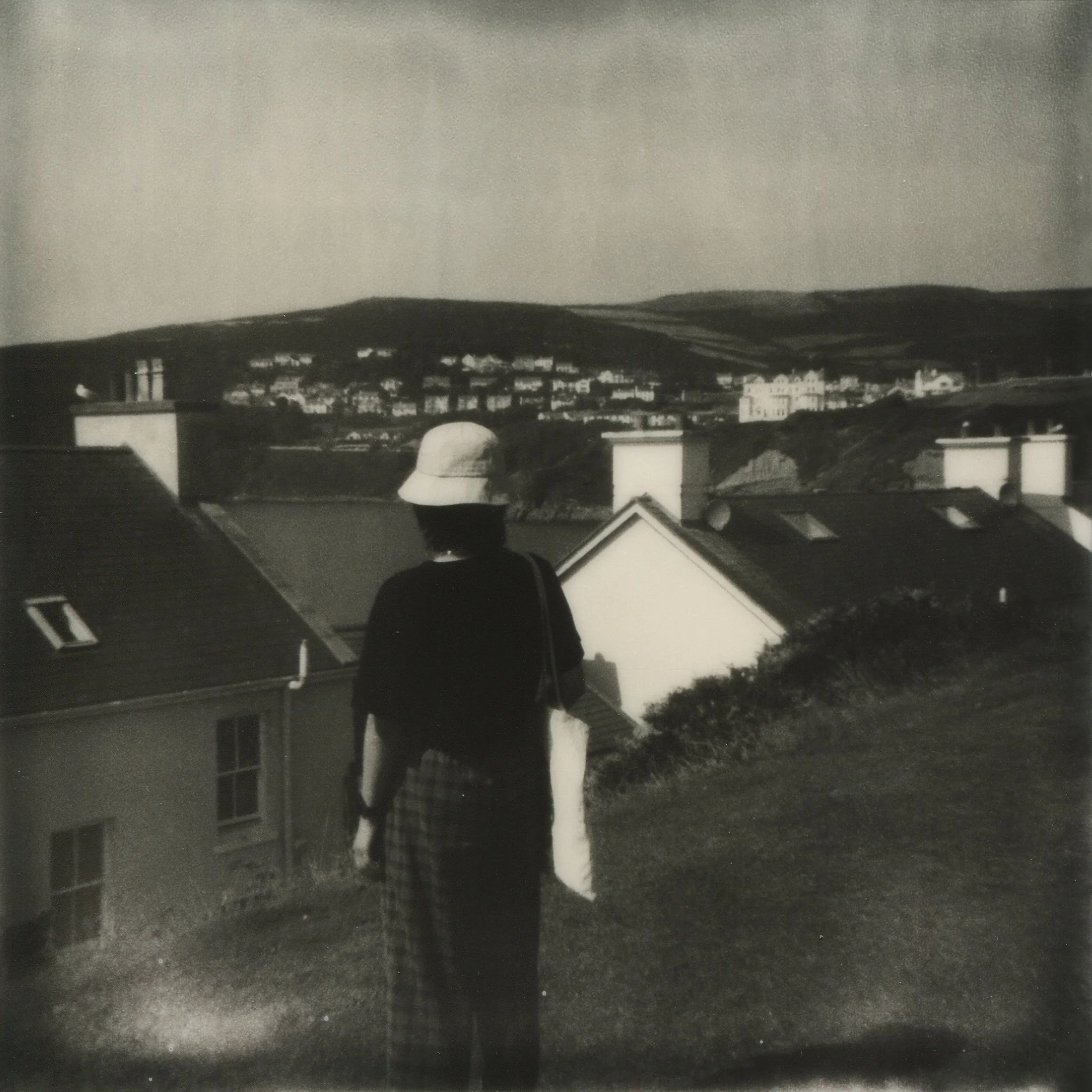
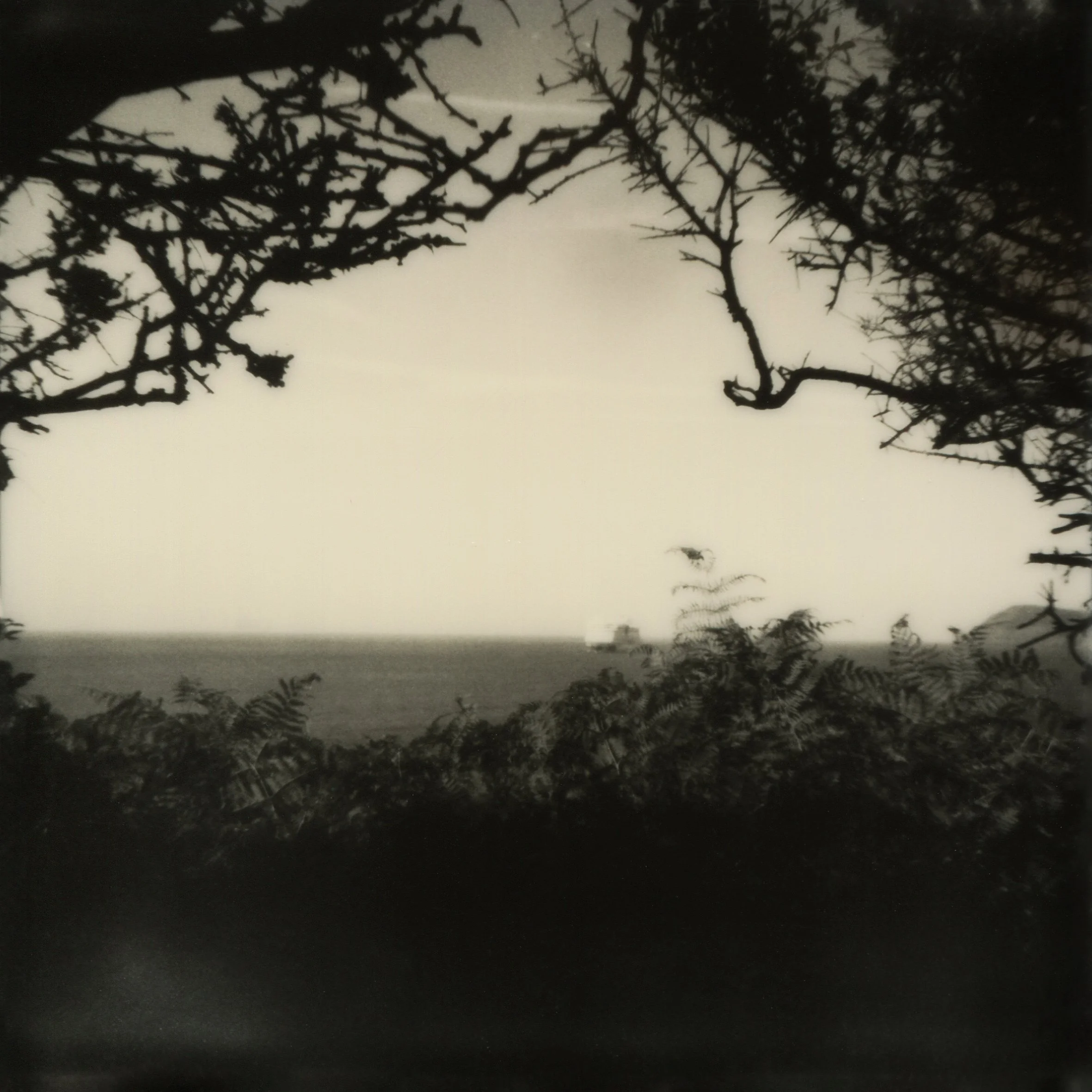
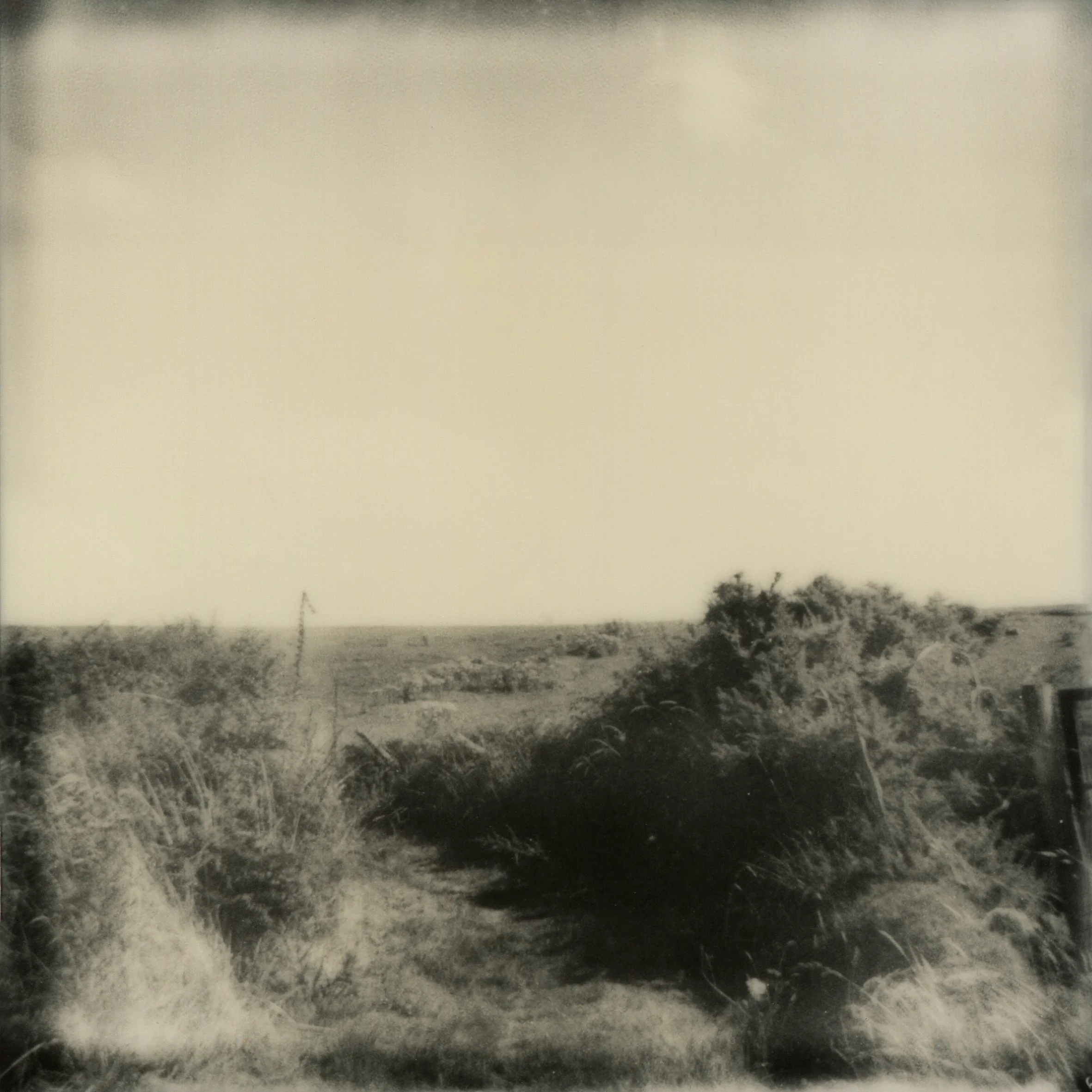
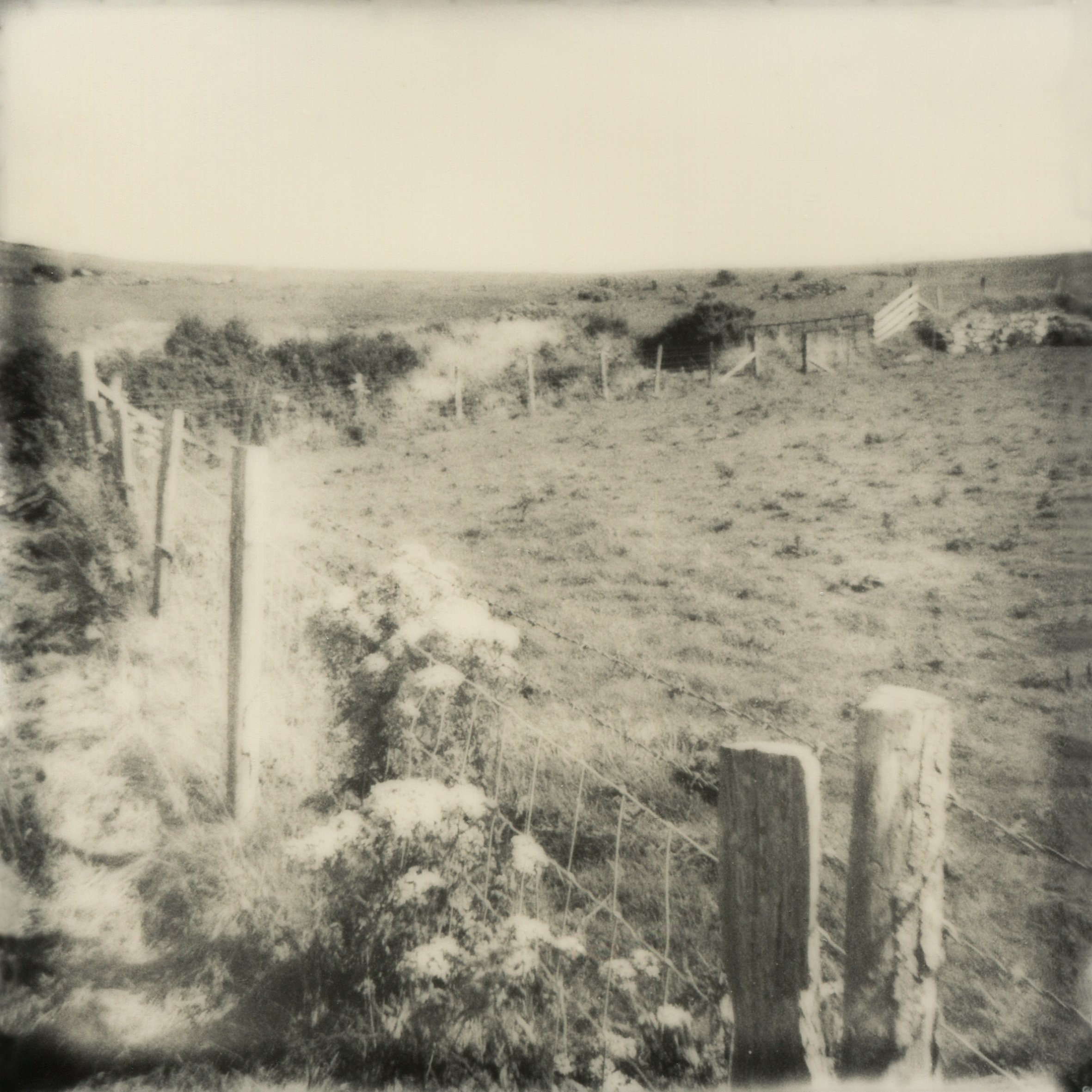
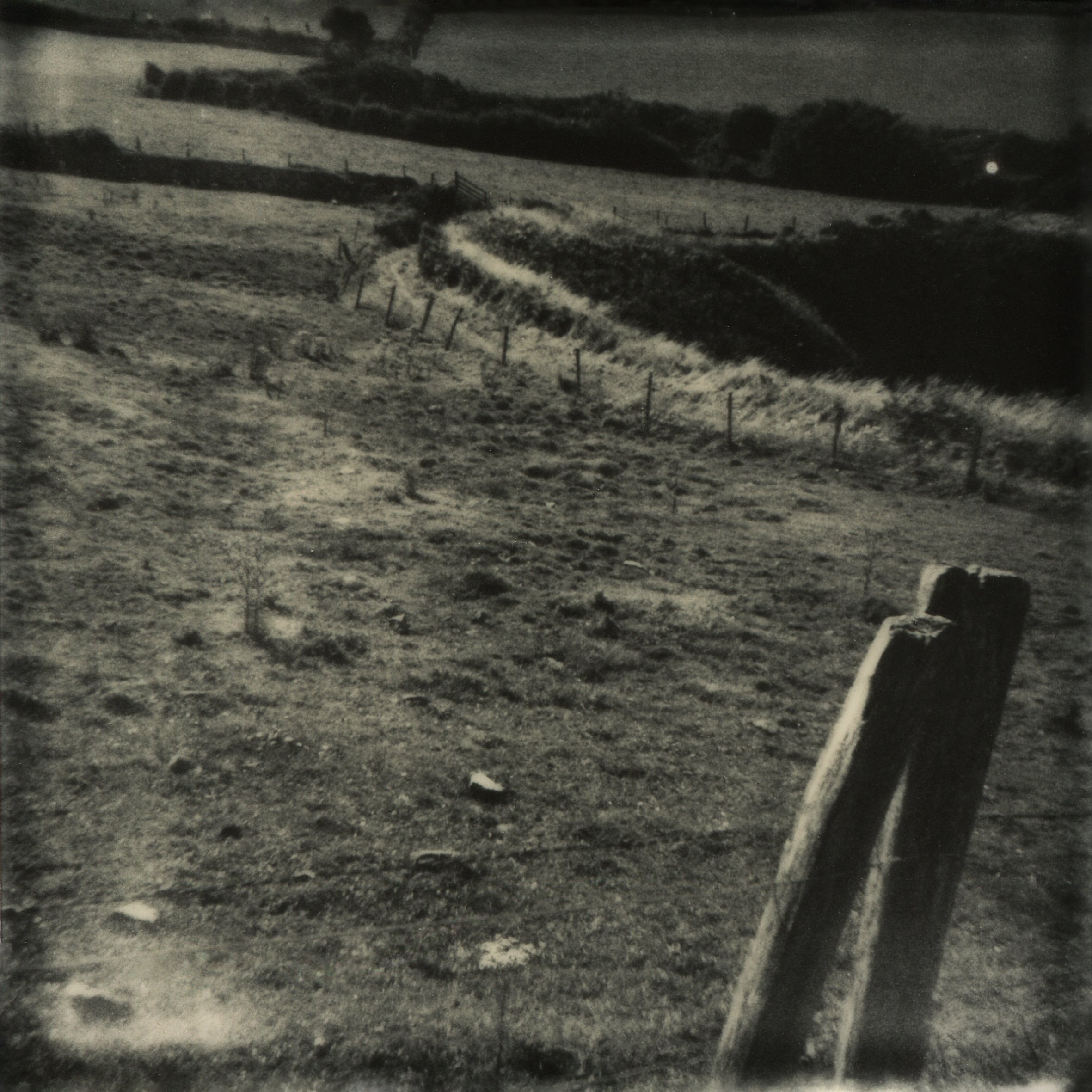
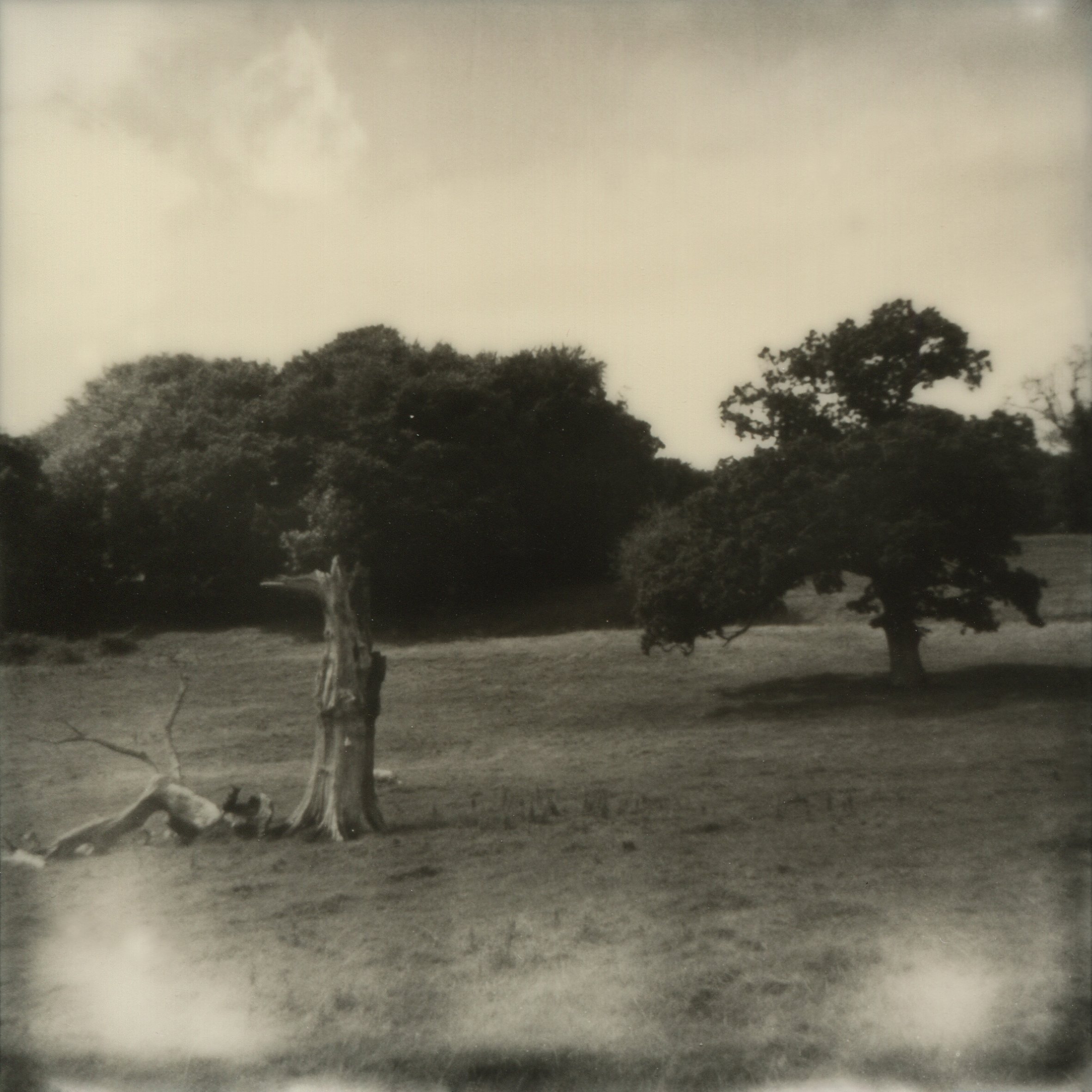
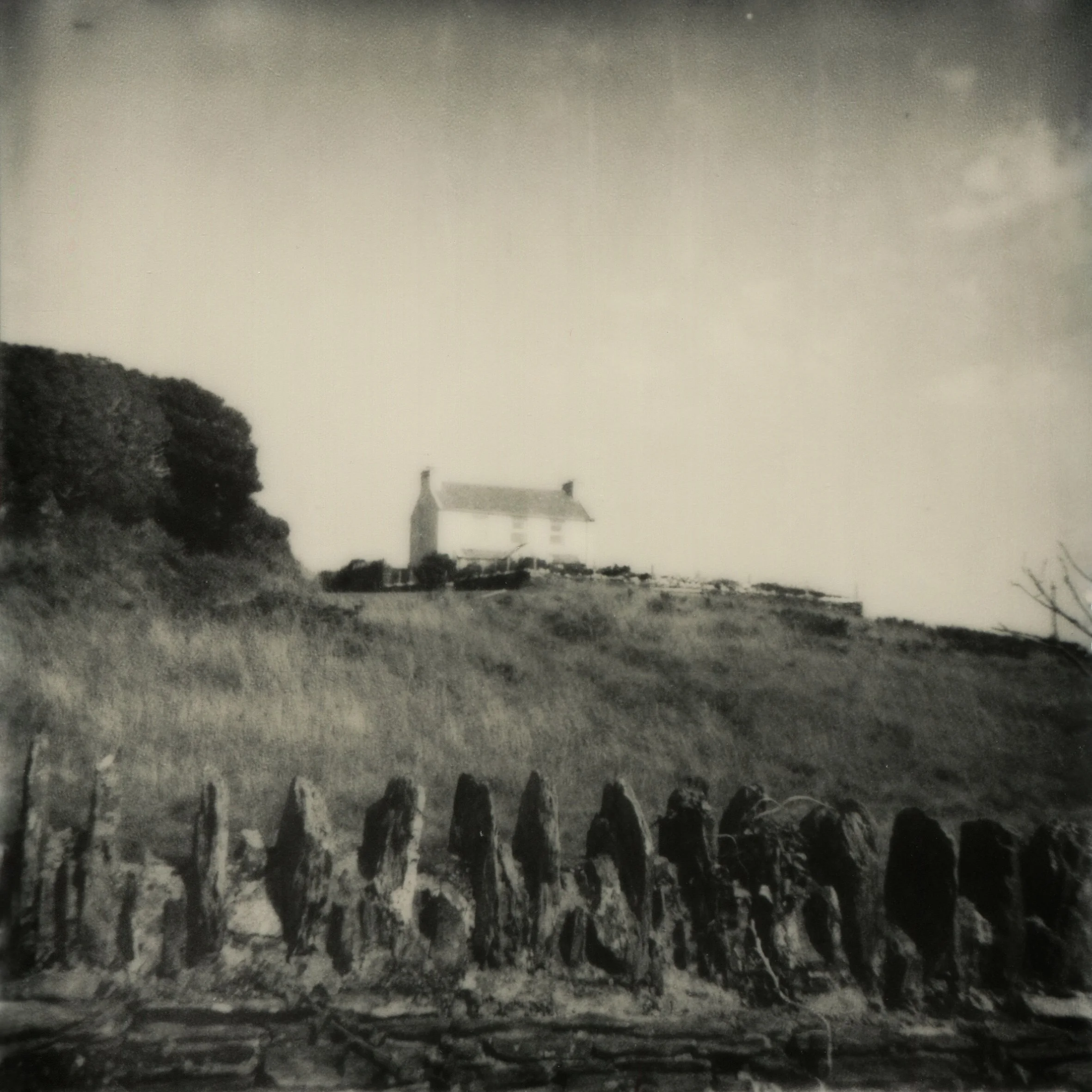
I saw the isle from a distance.
The isle of my heart, appearing again and again in my dreams, emerged slowly through the milk-white dawn.
The closer I came, the less certain I became whether I was arriving or returning to a faint memory.
Sebastiano Casella
-
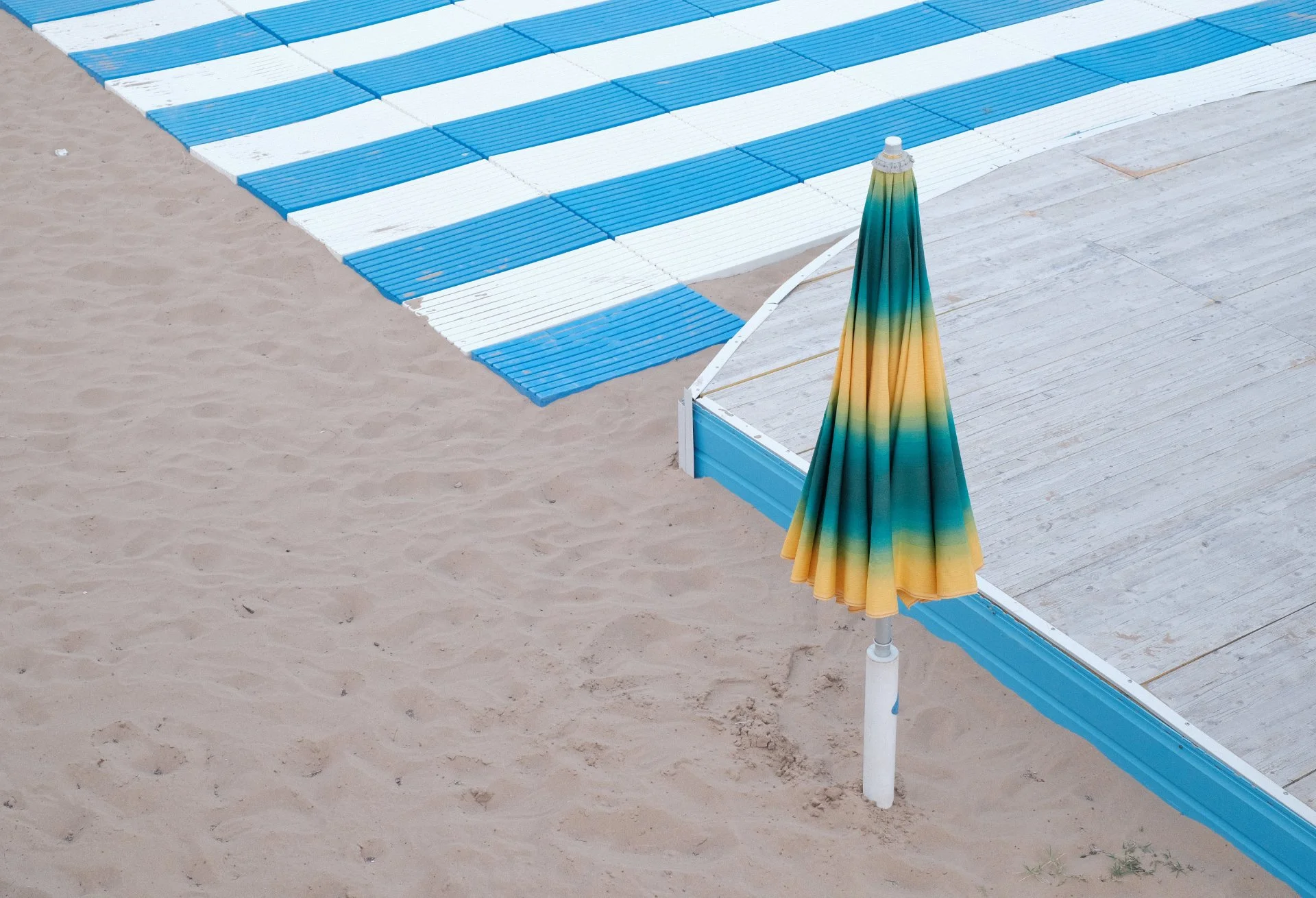
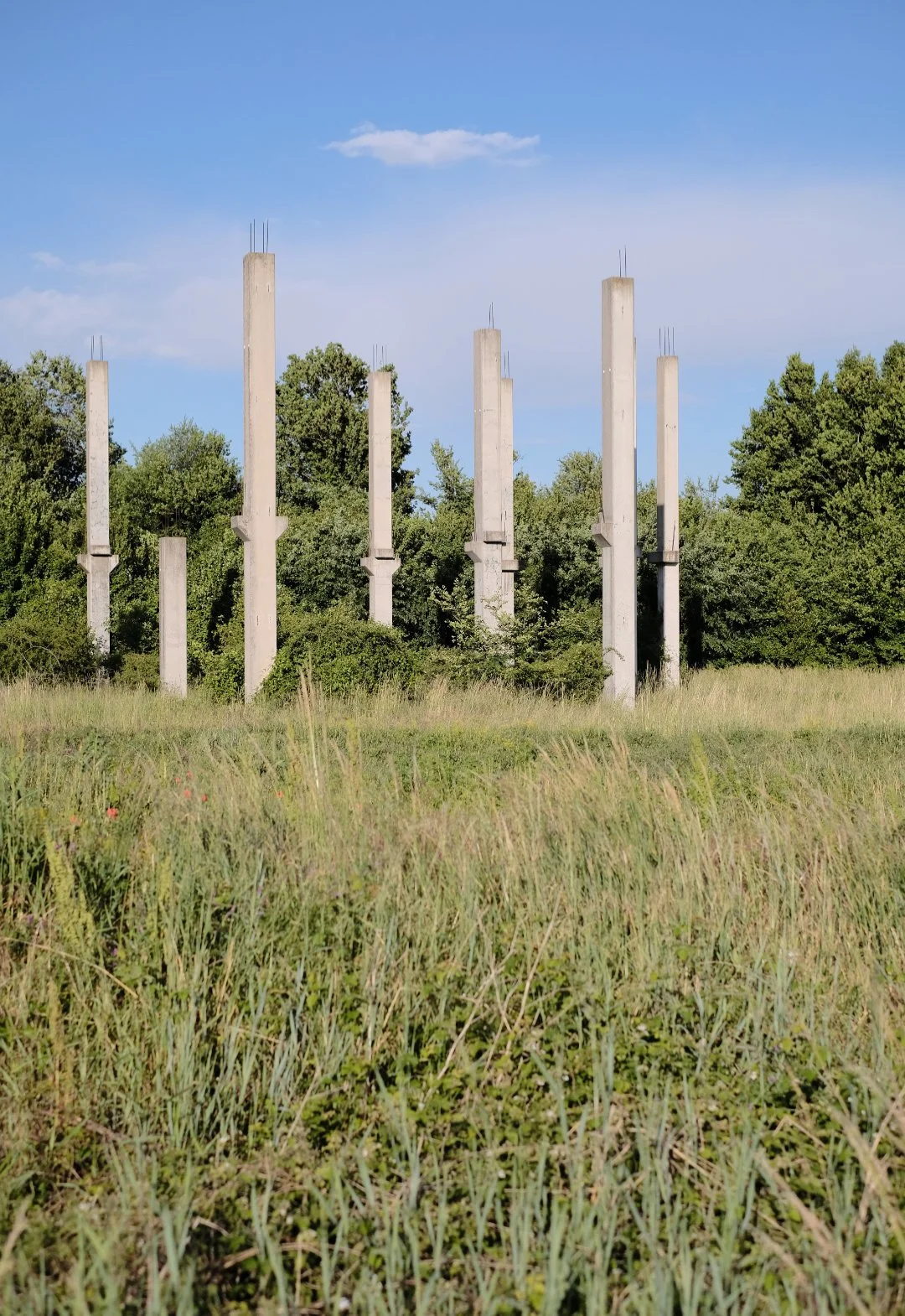
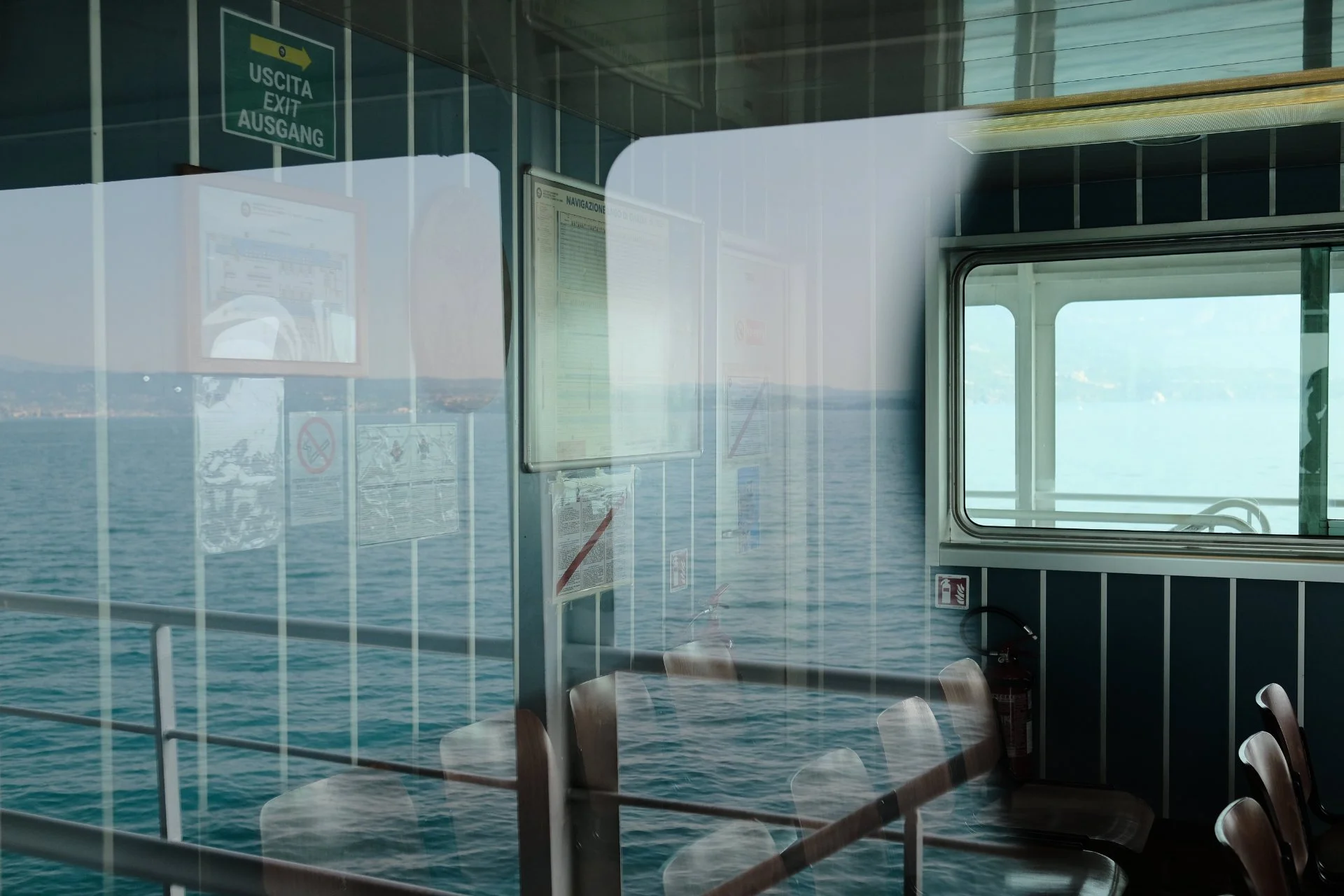
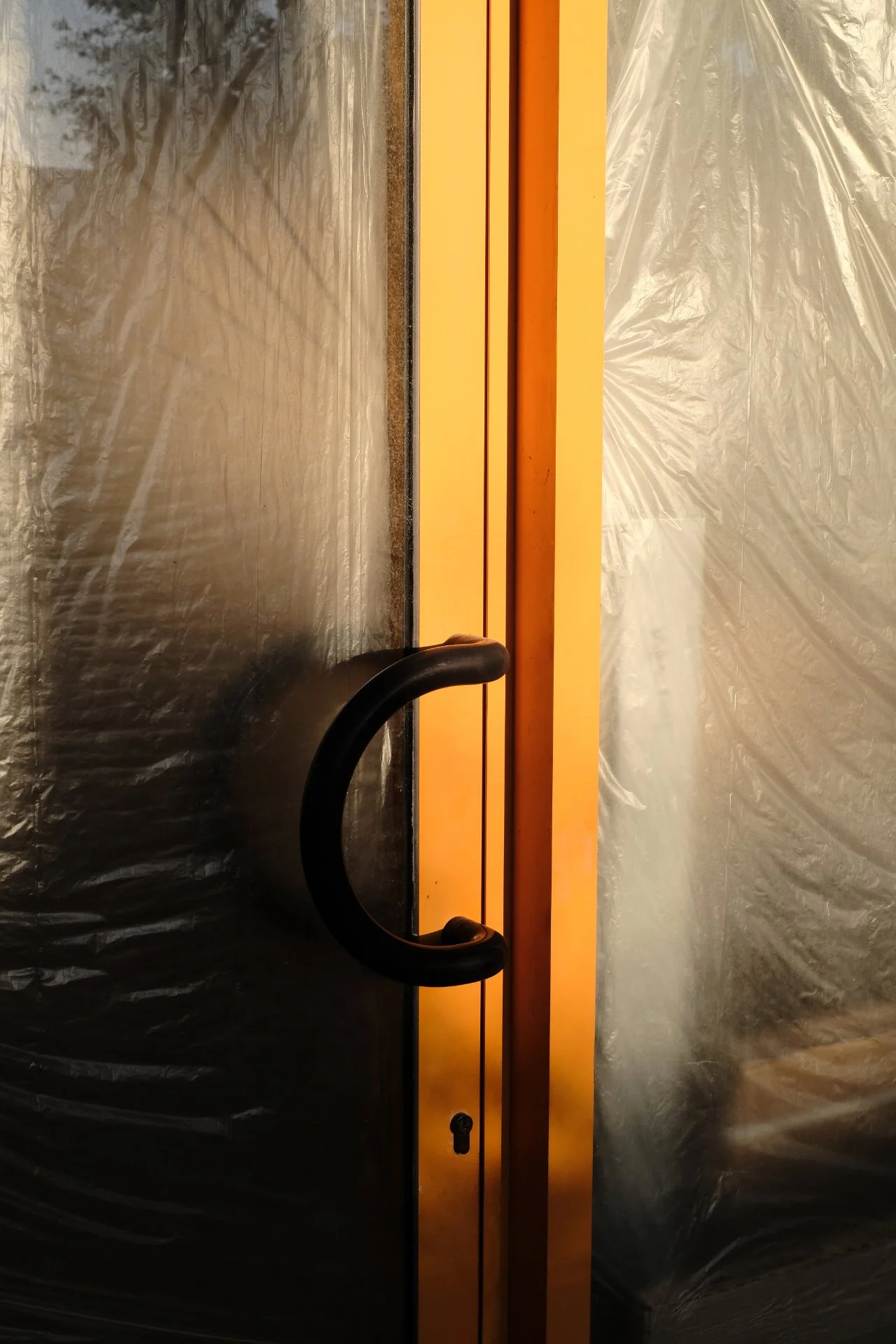
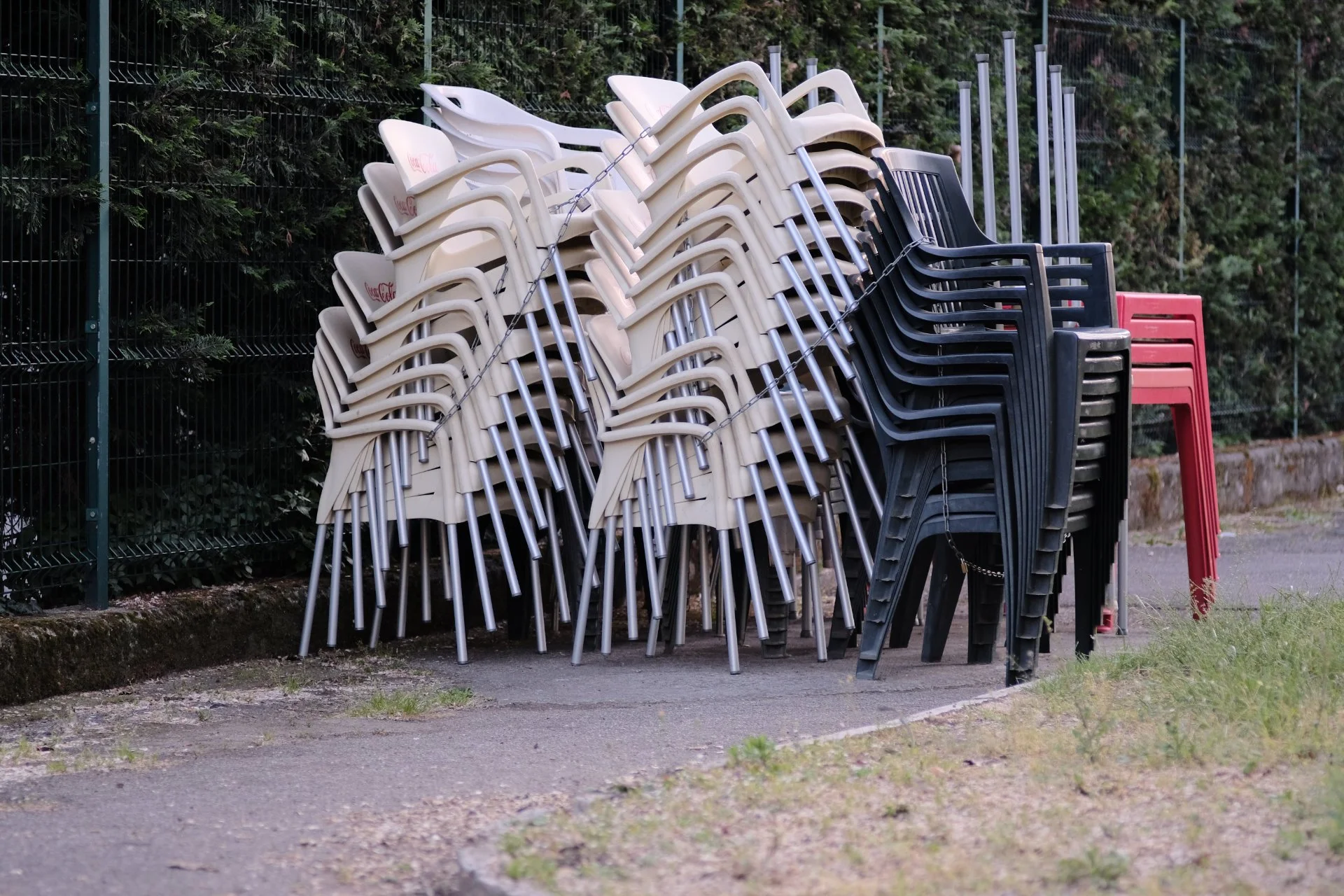
"An acoustic phenomenon in which a sound, upon reflecting off an obstacle, is heard again at the point of origin—clearly separated from the original sound and perceived all the more distinctly the farther away the obstacle is."
This is the definition of the word "echo," and what I am most interested in capturing in these photos is that specific condition where a sound becomes audible again—with clarity that increases in proportion to the distance of the reflecting obstacle.
In these photographs, the echo is clear, distinct, and powerful, yet all that remains for us is absence and emptiness, precisely because what happened—or could have happened—is extremely distant in time and space.
Perhaps that distant obstacle, upon which the echo of our daily actions reverberates, is life itself—composed of common, banal deeds and chance occurrences that grow all the more significant the better we grasp their deepest essence precisely when they are absent; so many small pieces that, in their startling simplicity, shape our lives.
'Untitled'
'Untitled'
'Untitled'

'Untitled'
'Untitled'
'Untitled'
Melinda Thompson
-
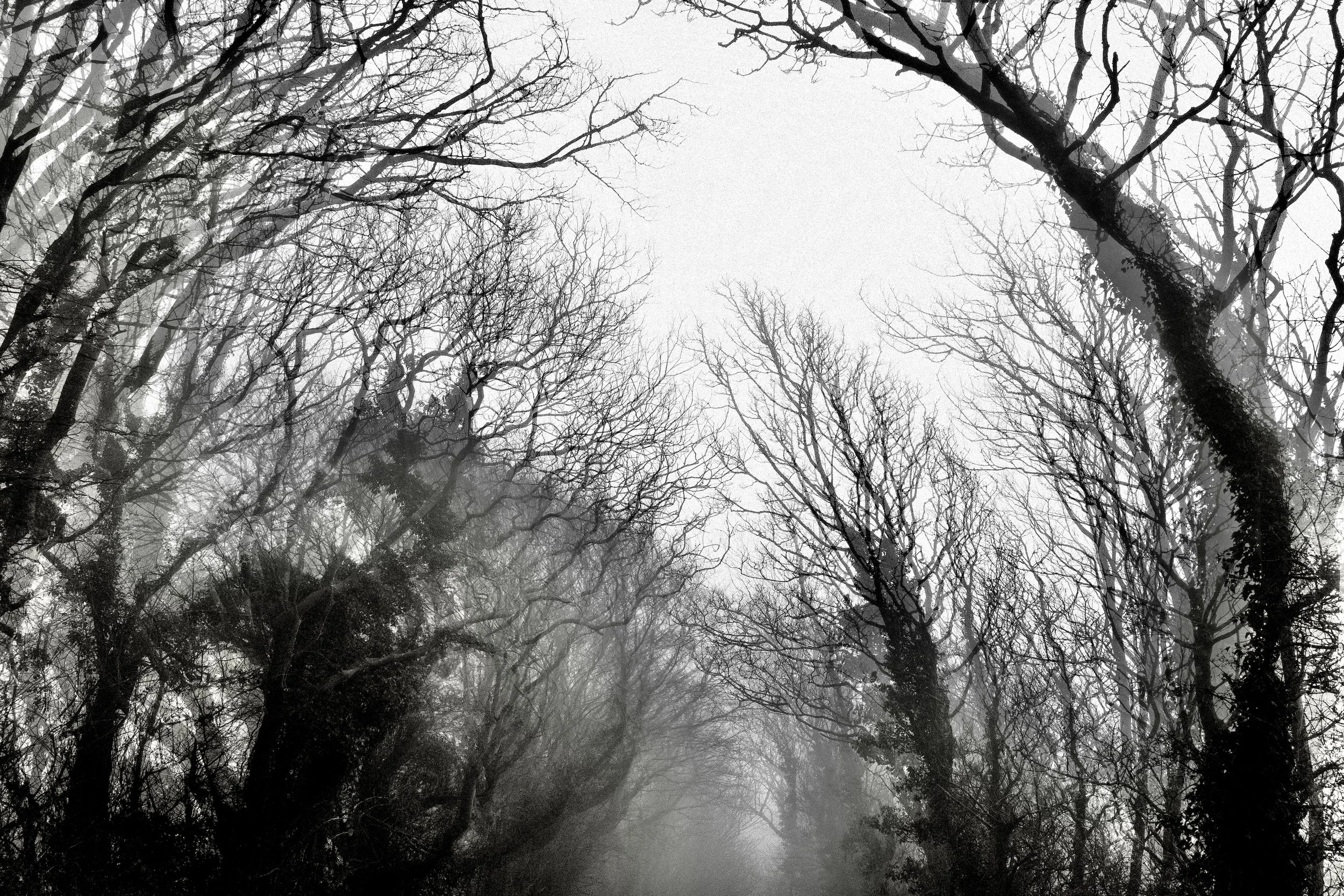
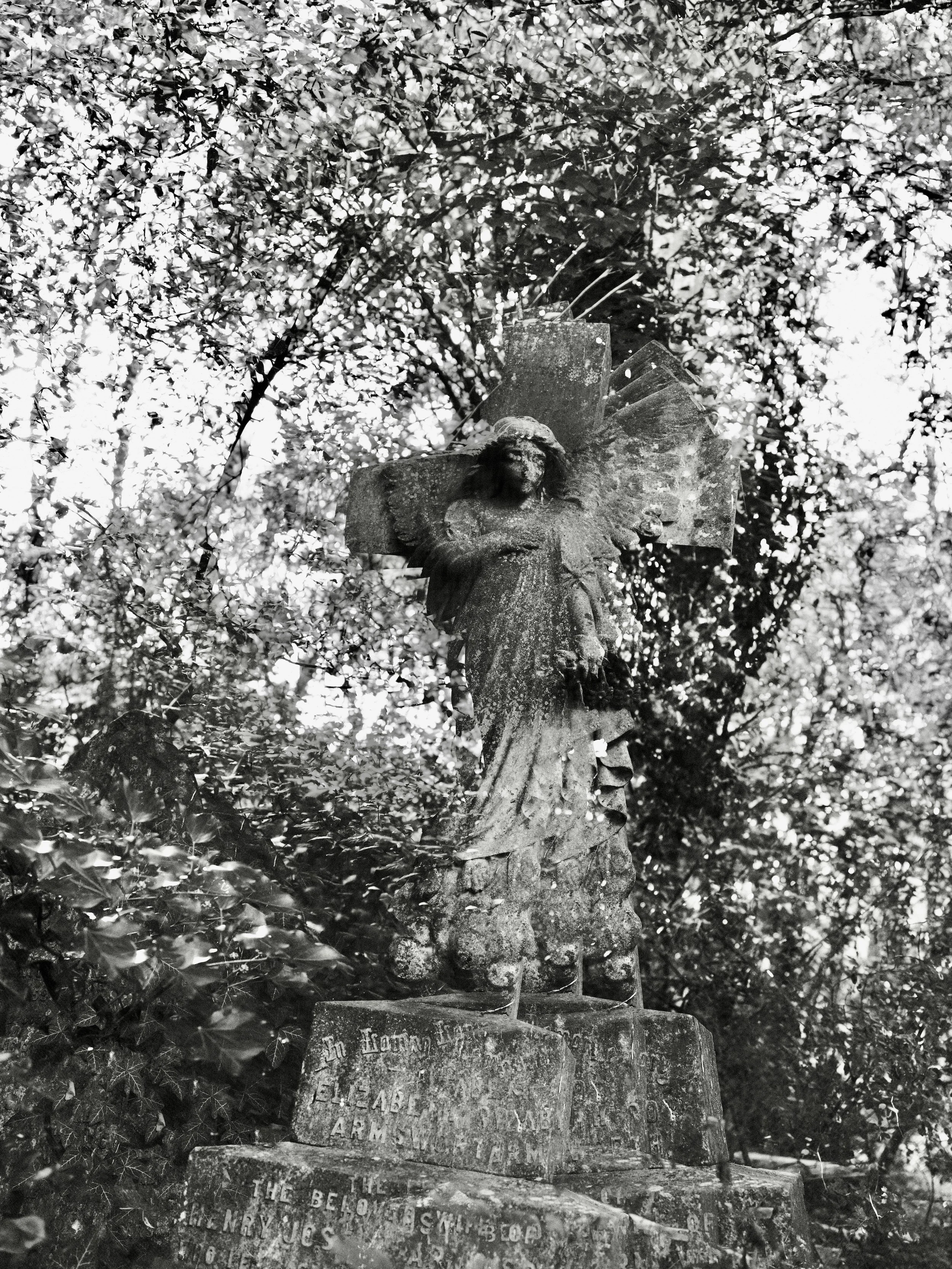
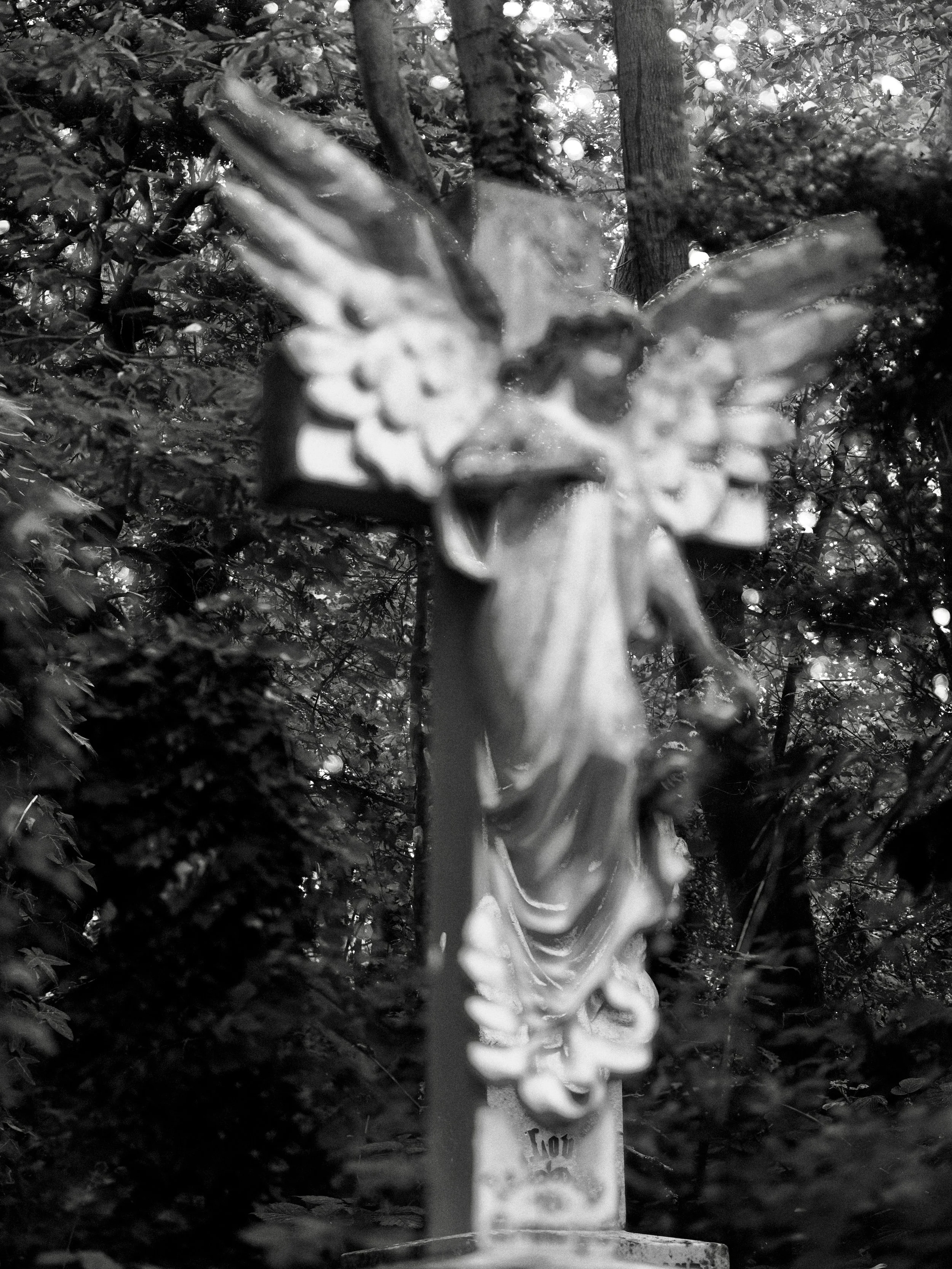
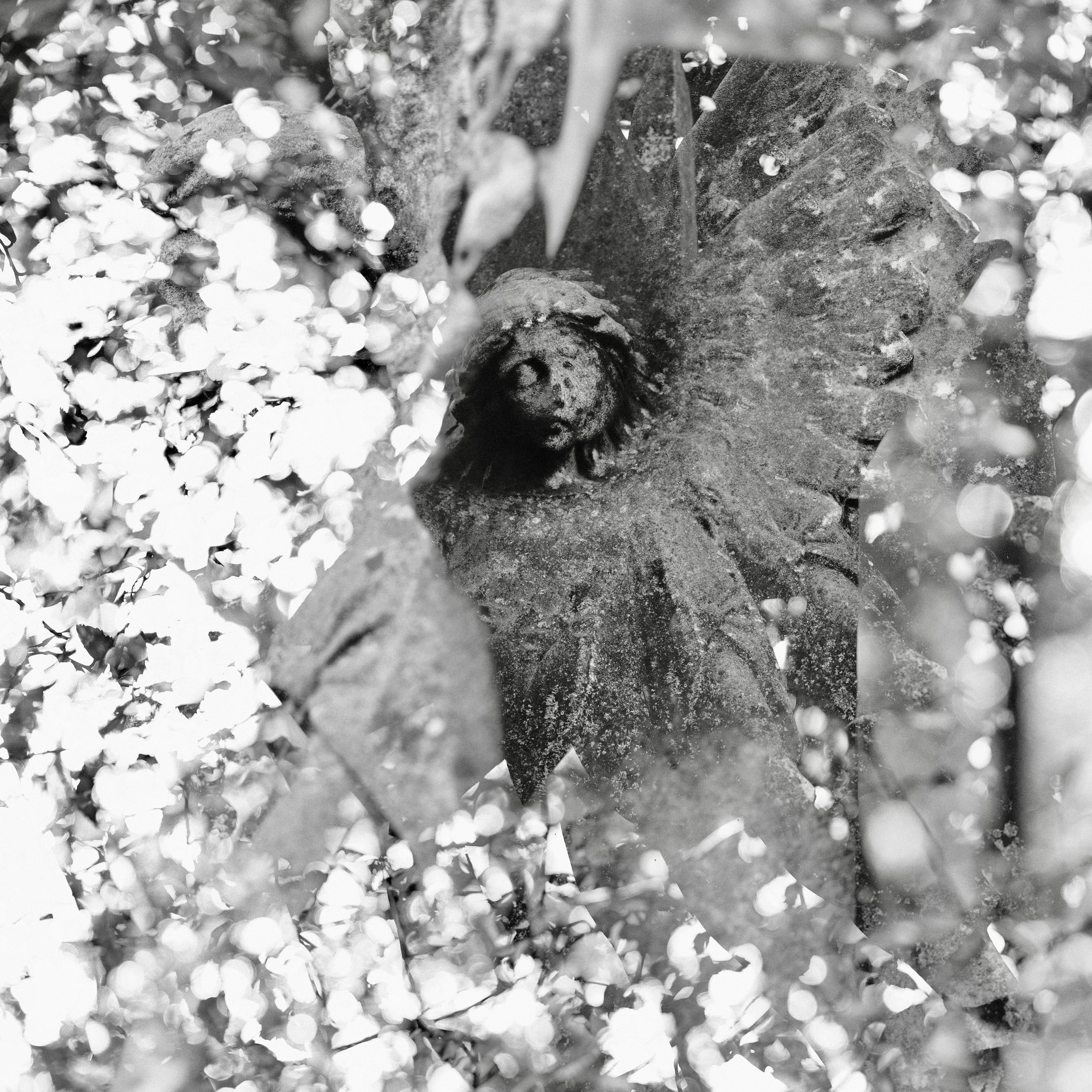
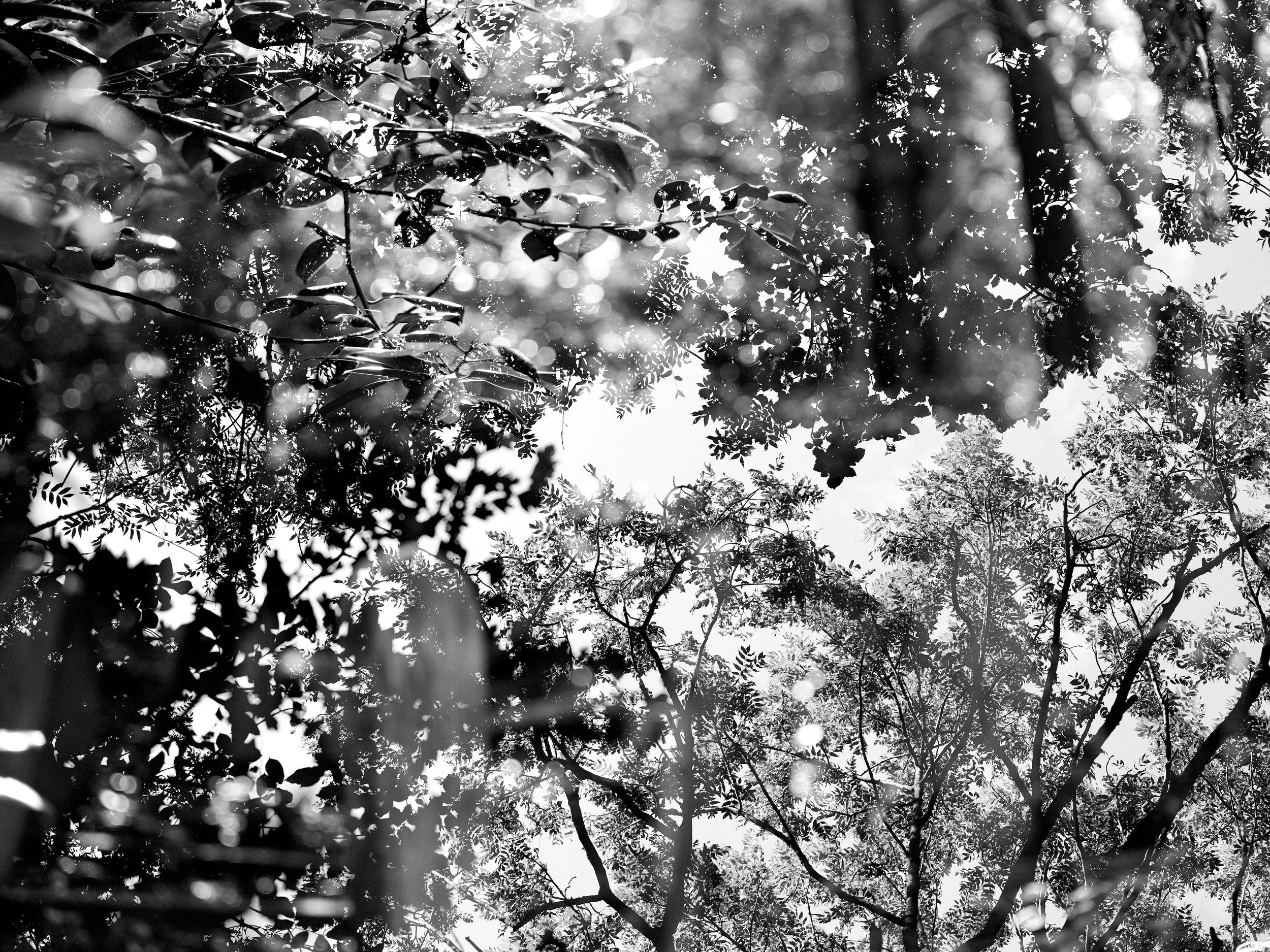
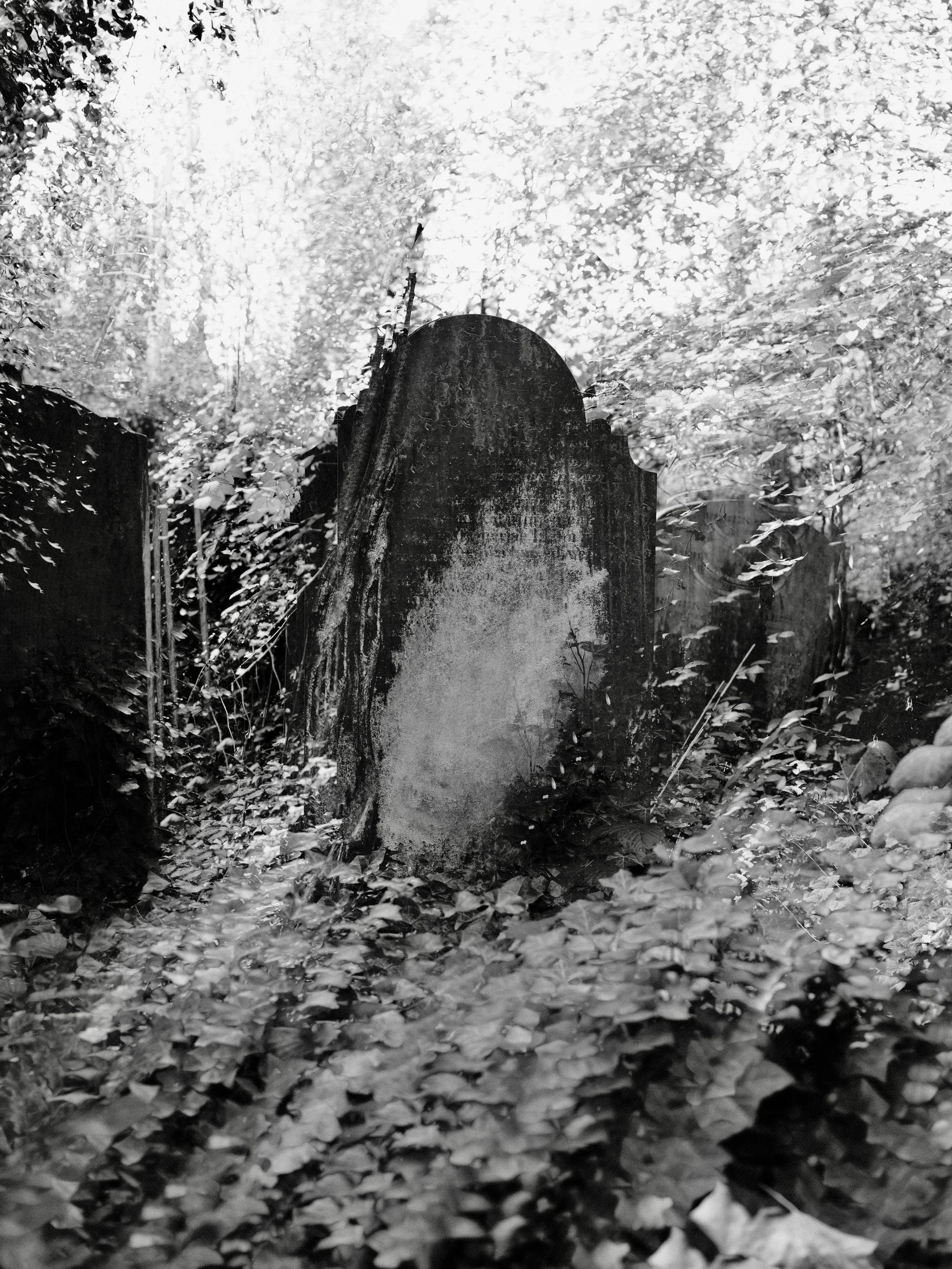
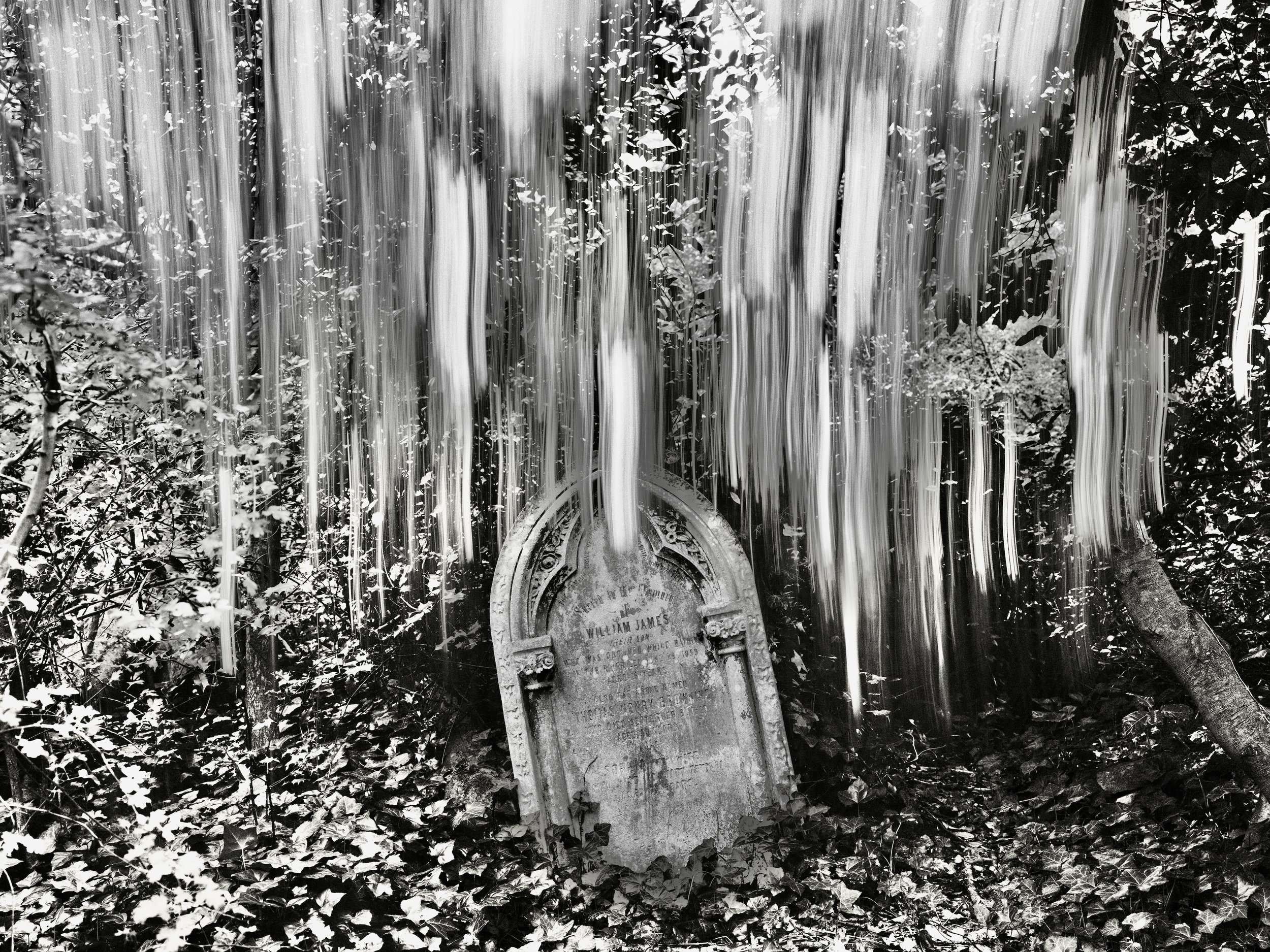
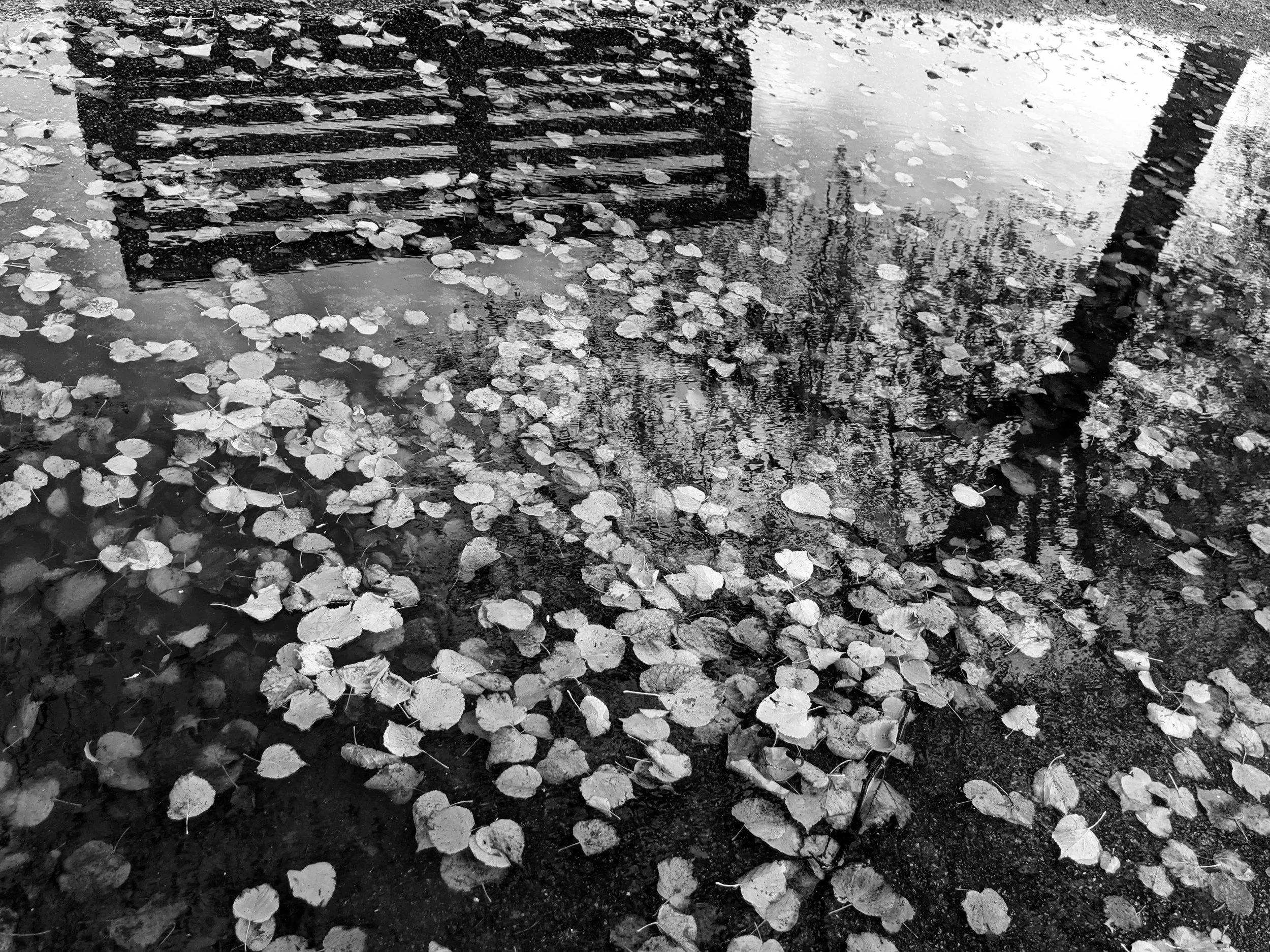
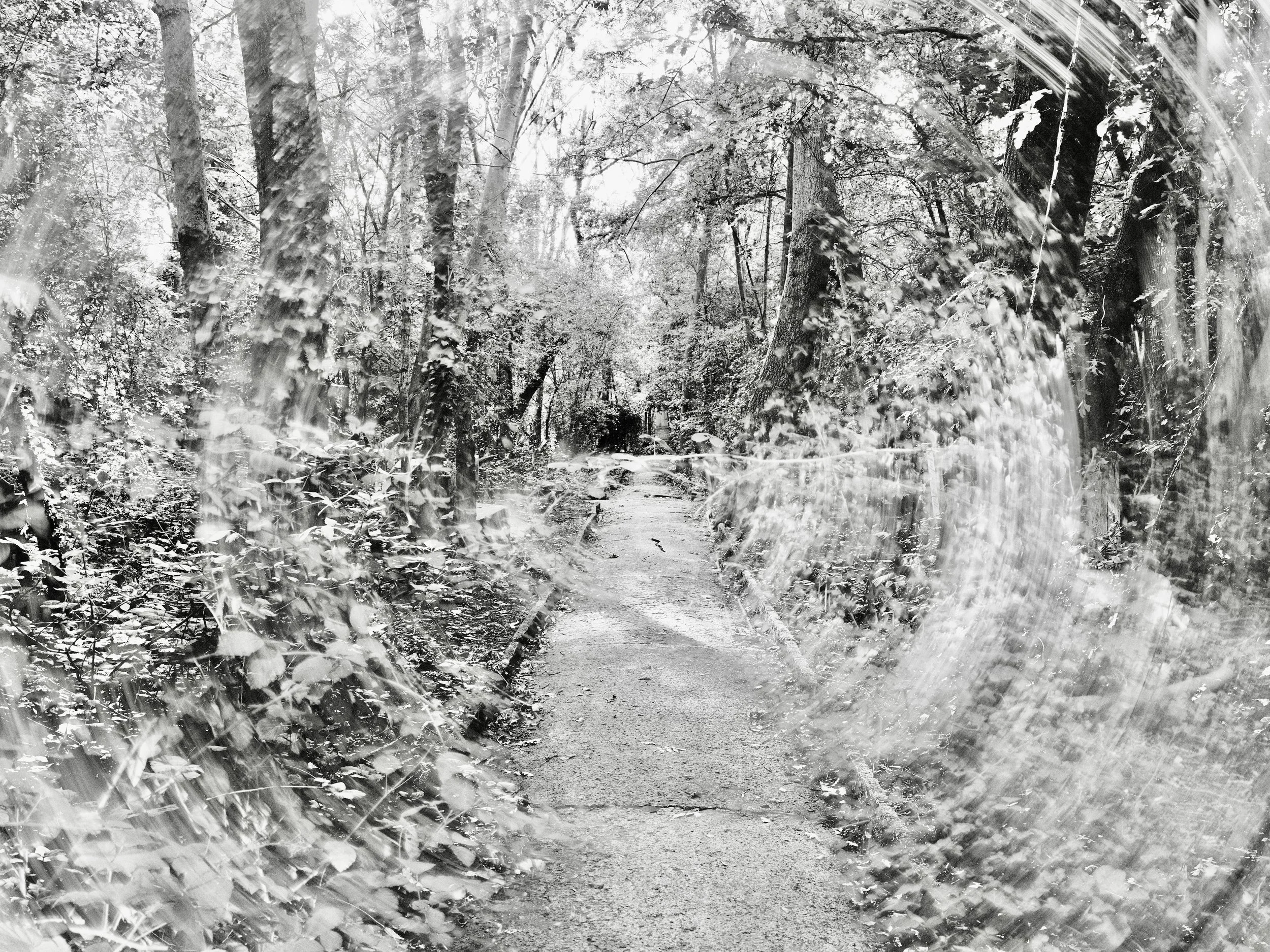
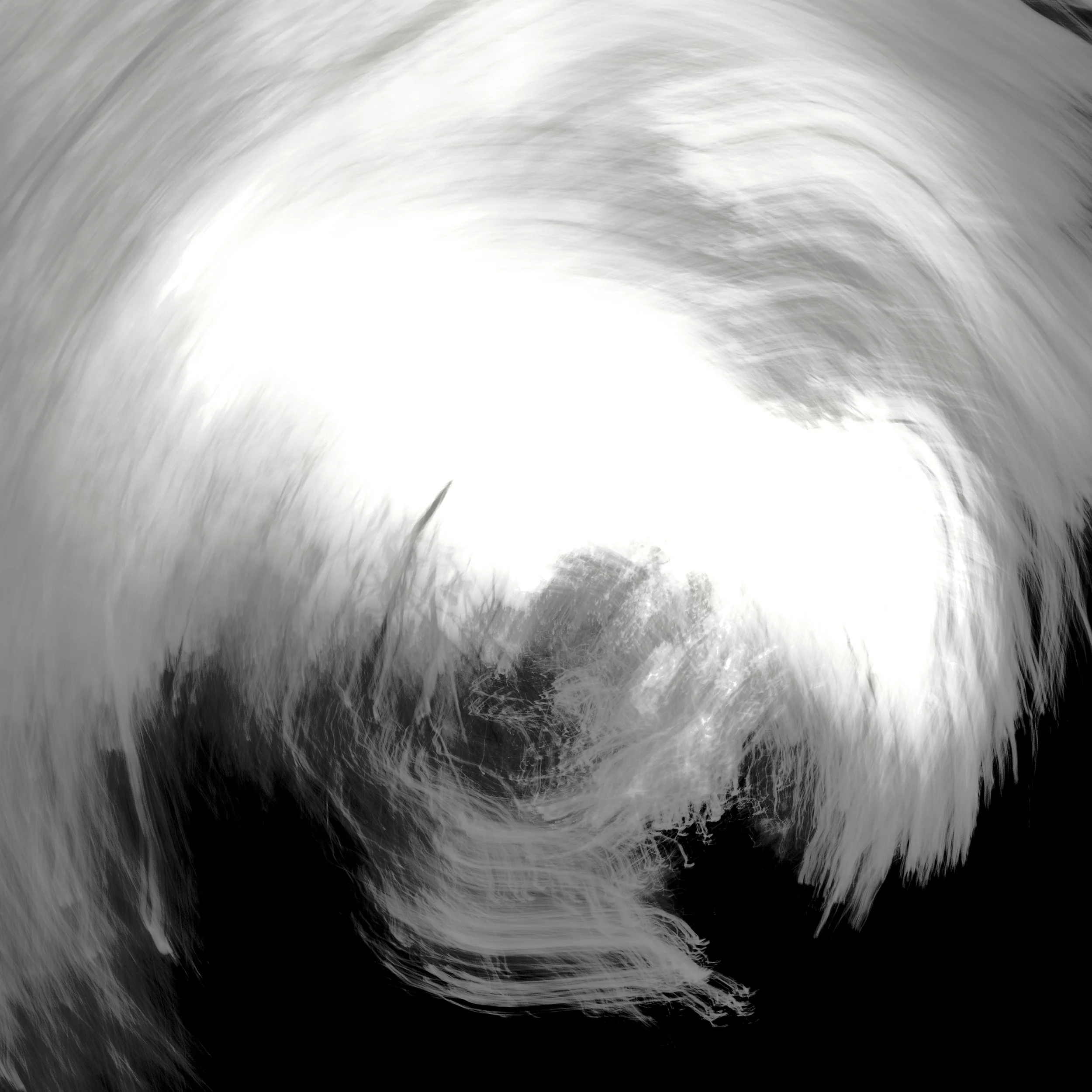
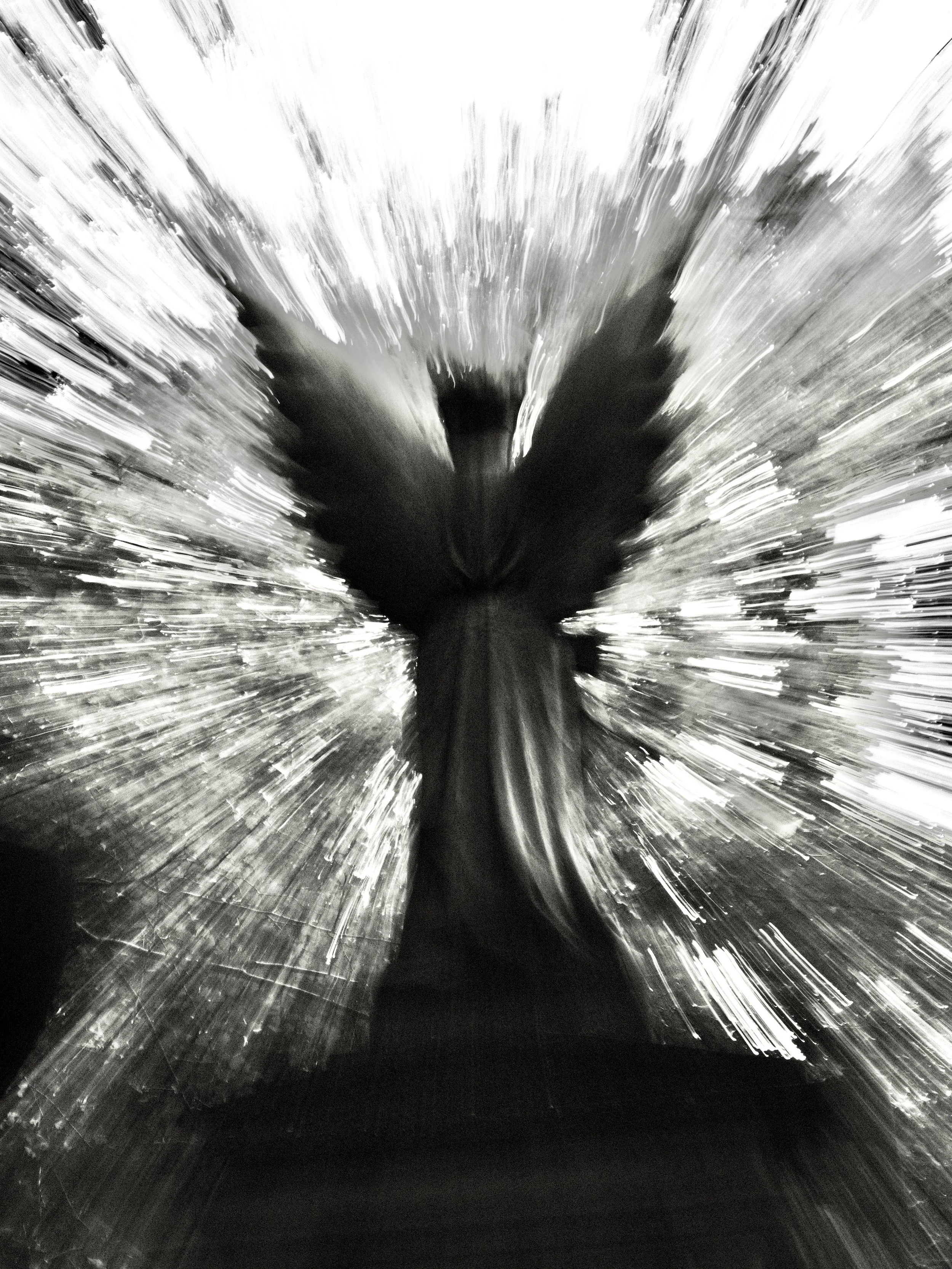
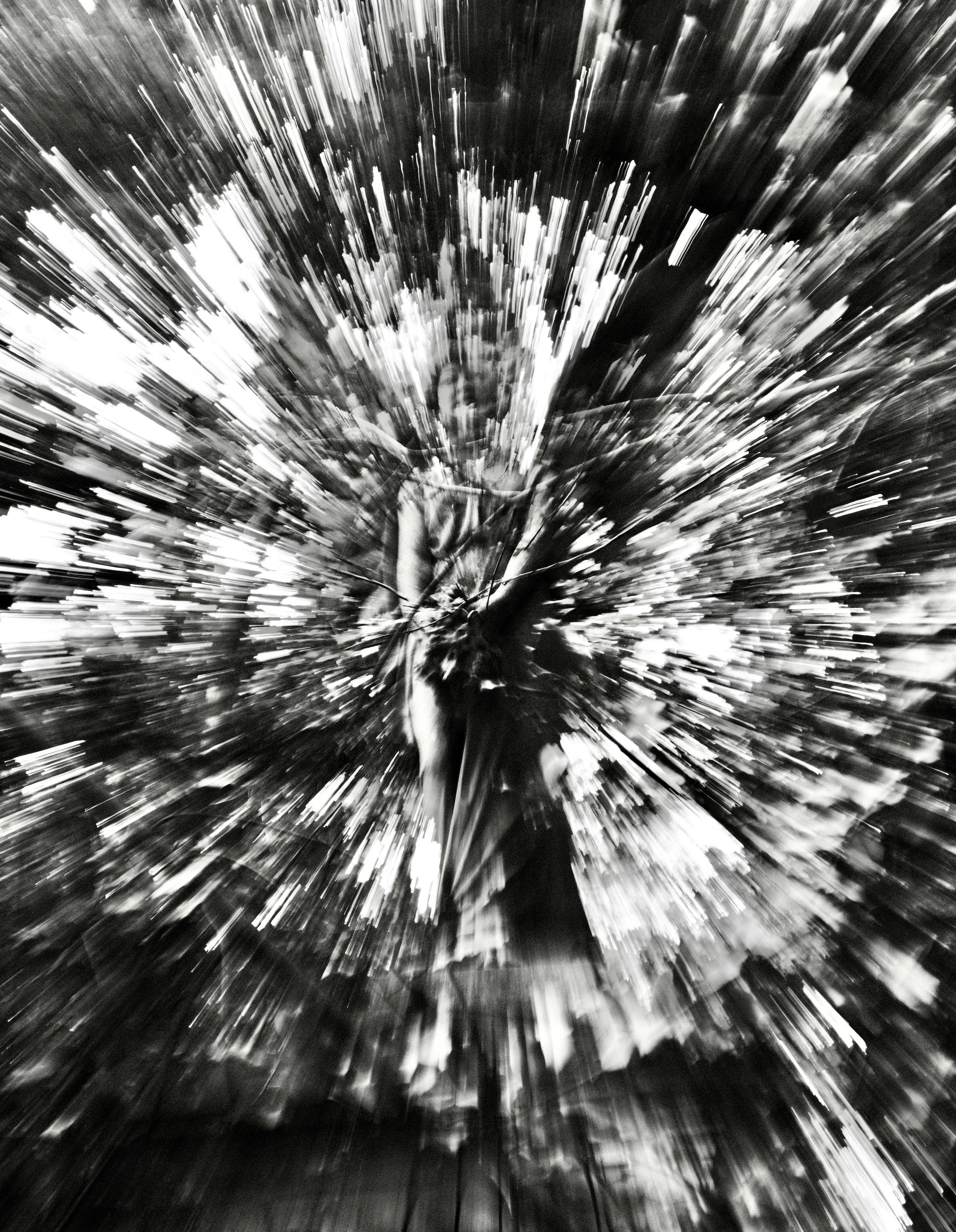
In focusing on the commemorative objects we find in cemeteries, these relics are filled with an essence of the past. In this project the funerary angels, whilst signifying divine protection of the graves they safeguard, invoke a reminder of Victorian ghost photography, a technique using both long and multiple exposures to create the illusion of the presence of the deceased which became widely used in the late 19th Century, often exploiting the families of the bereaved looking for comfort. However, even now these ritual signifiers in our graveyards have a profound influence within the landscape.
Rhune Bervoet
-
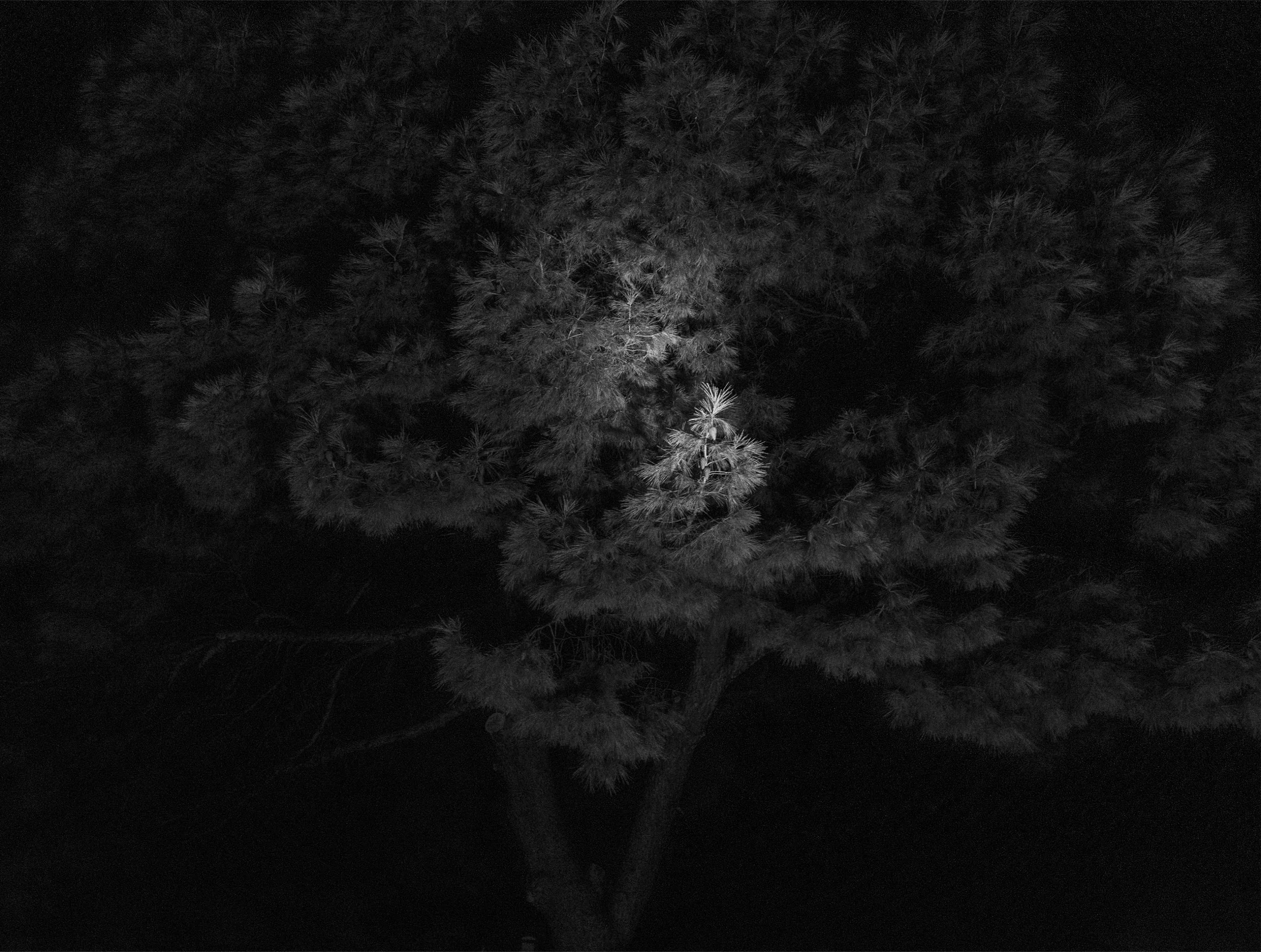
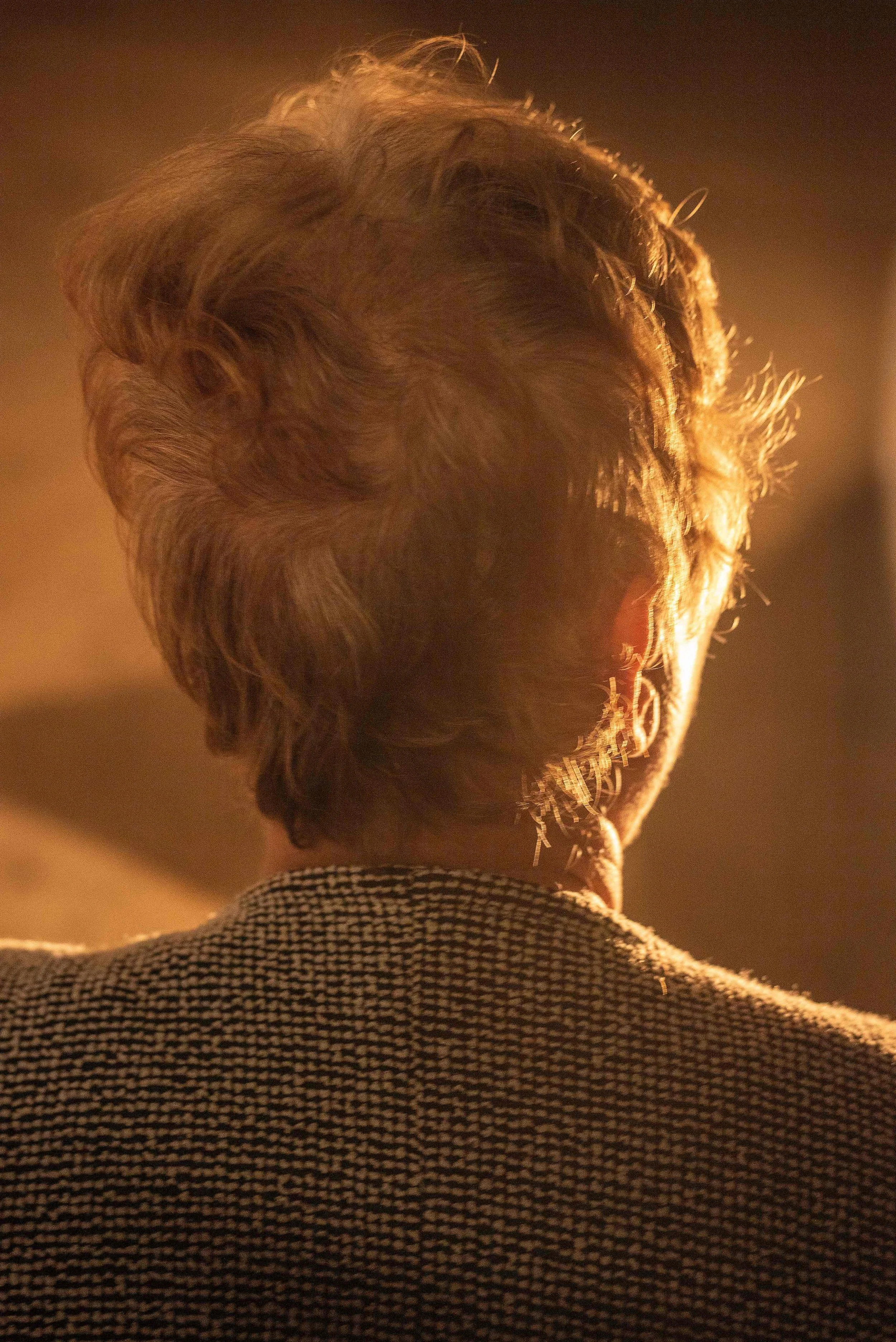
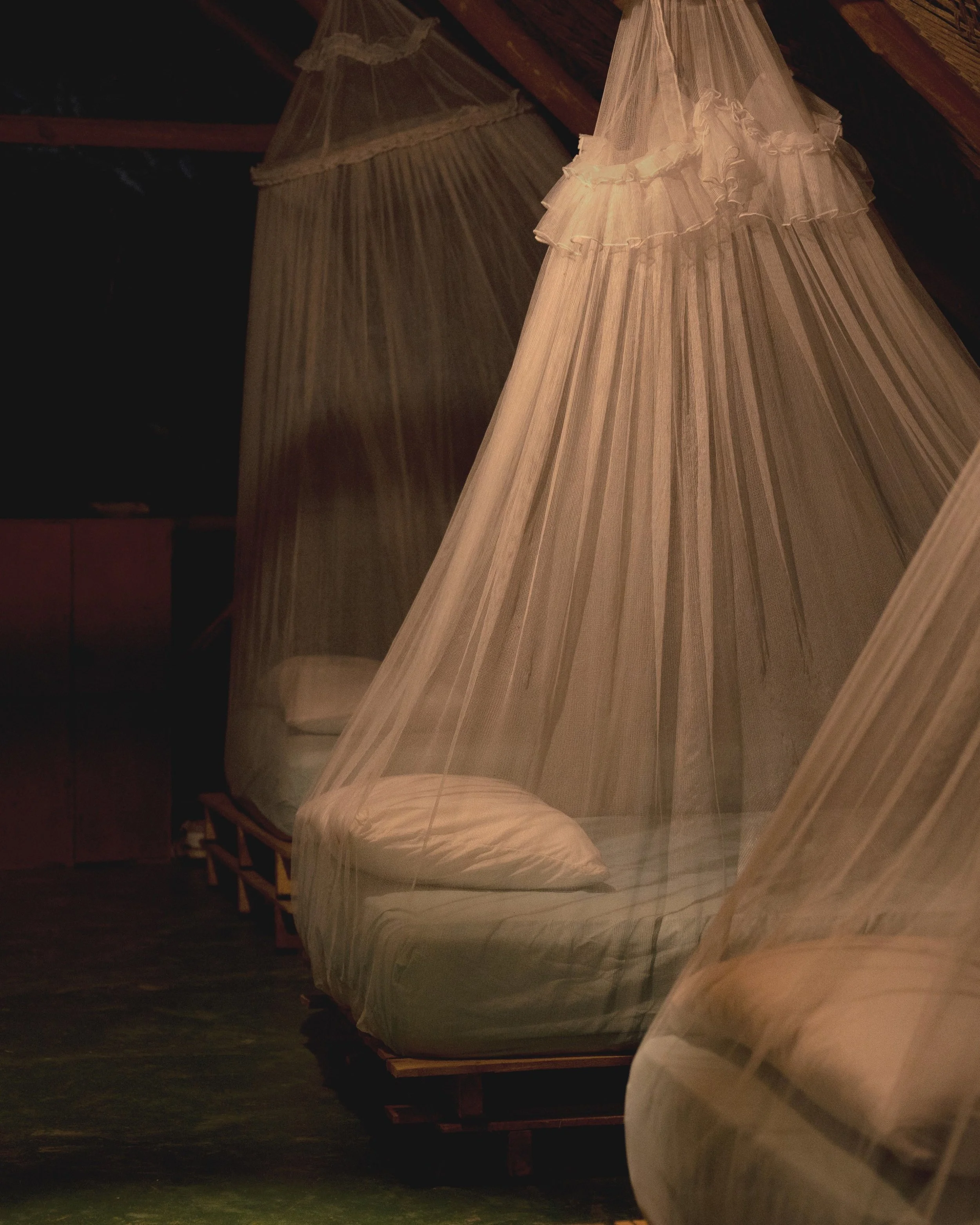
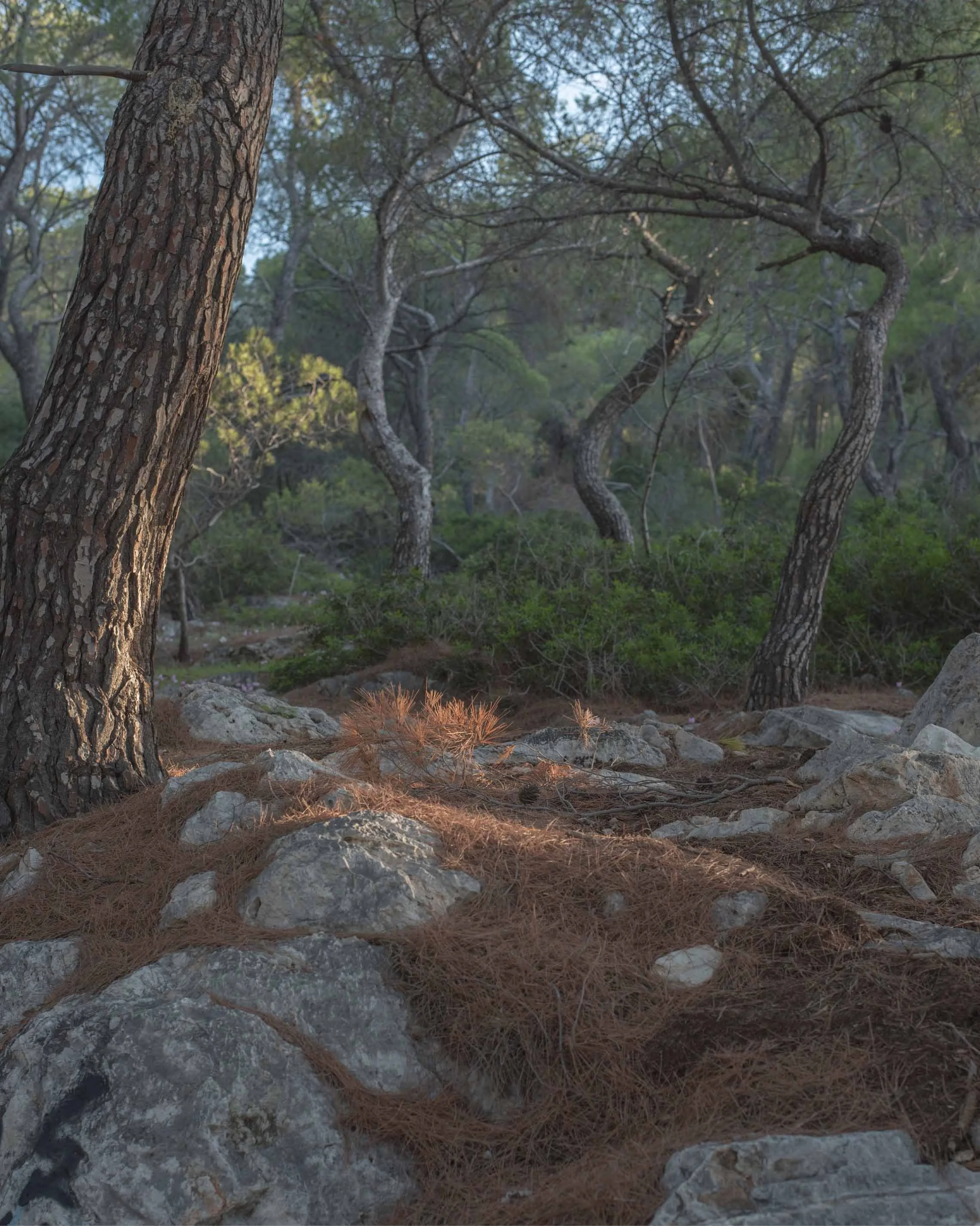
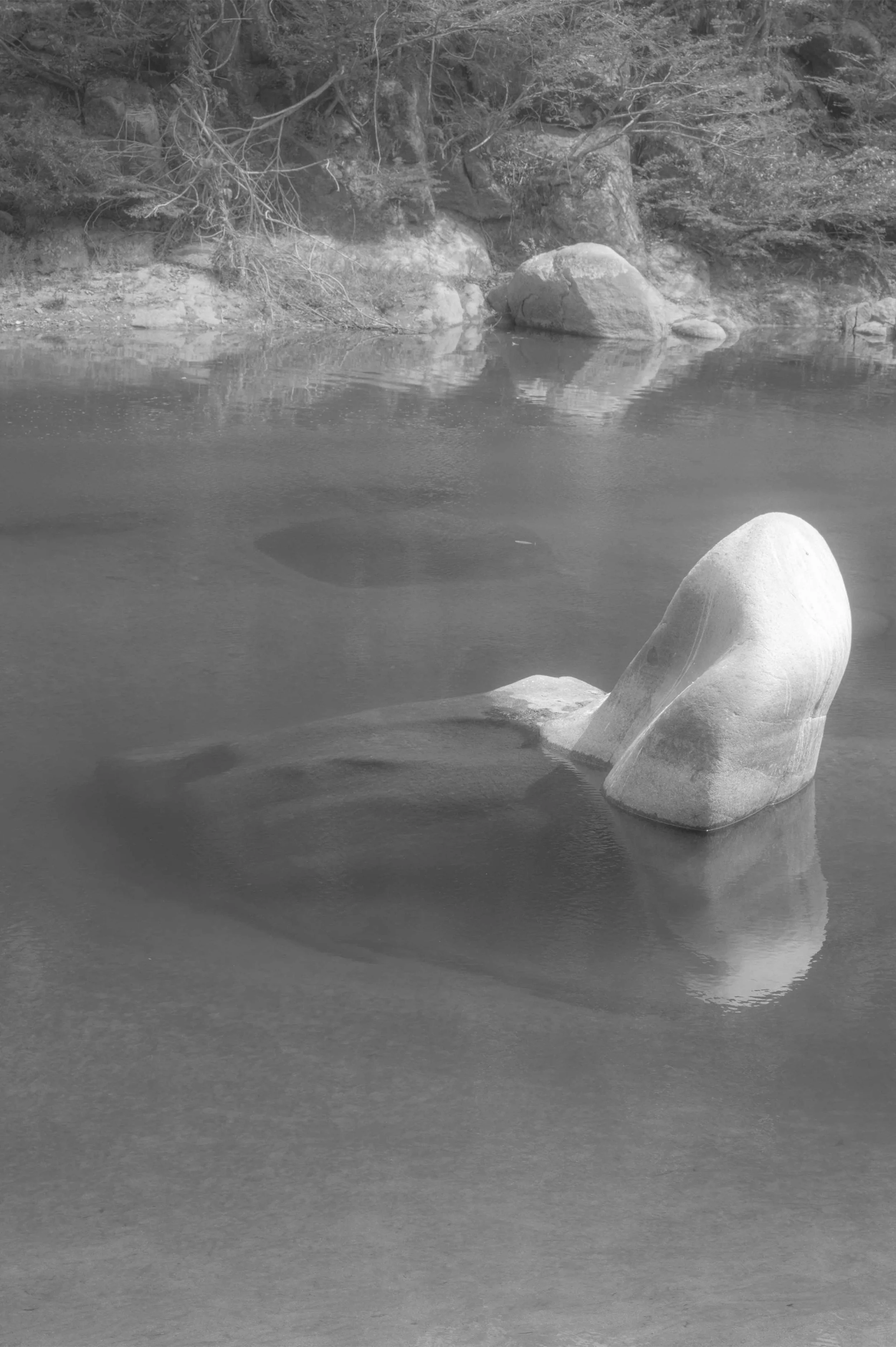
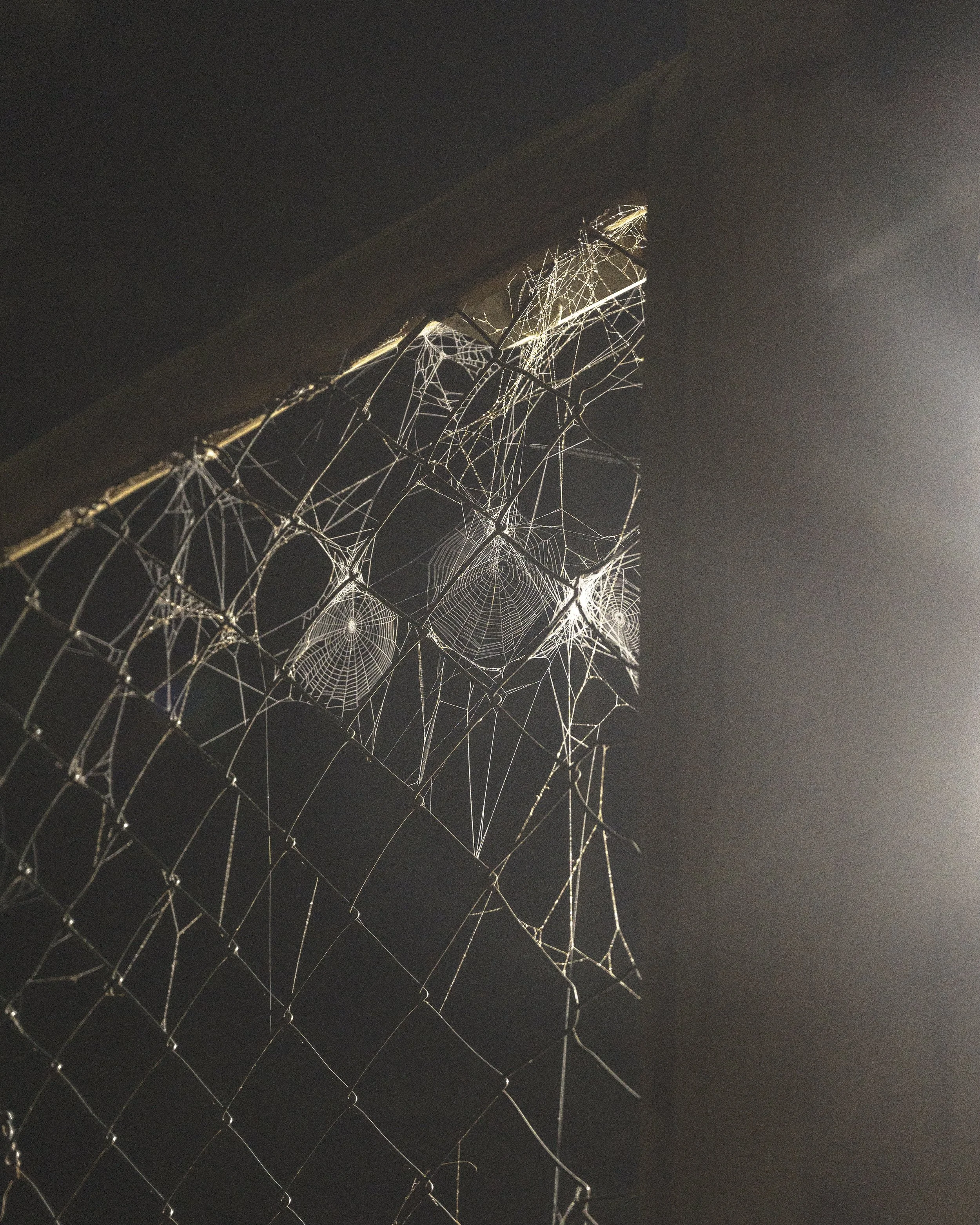
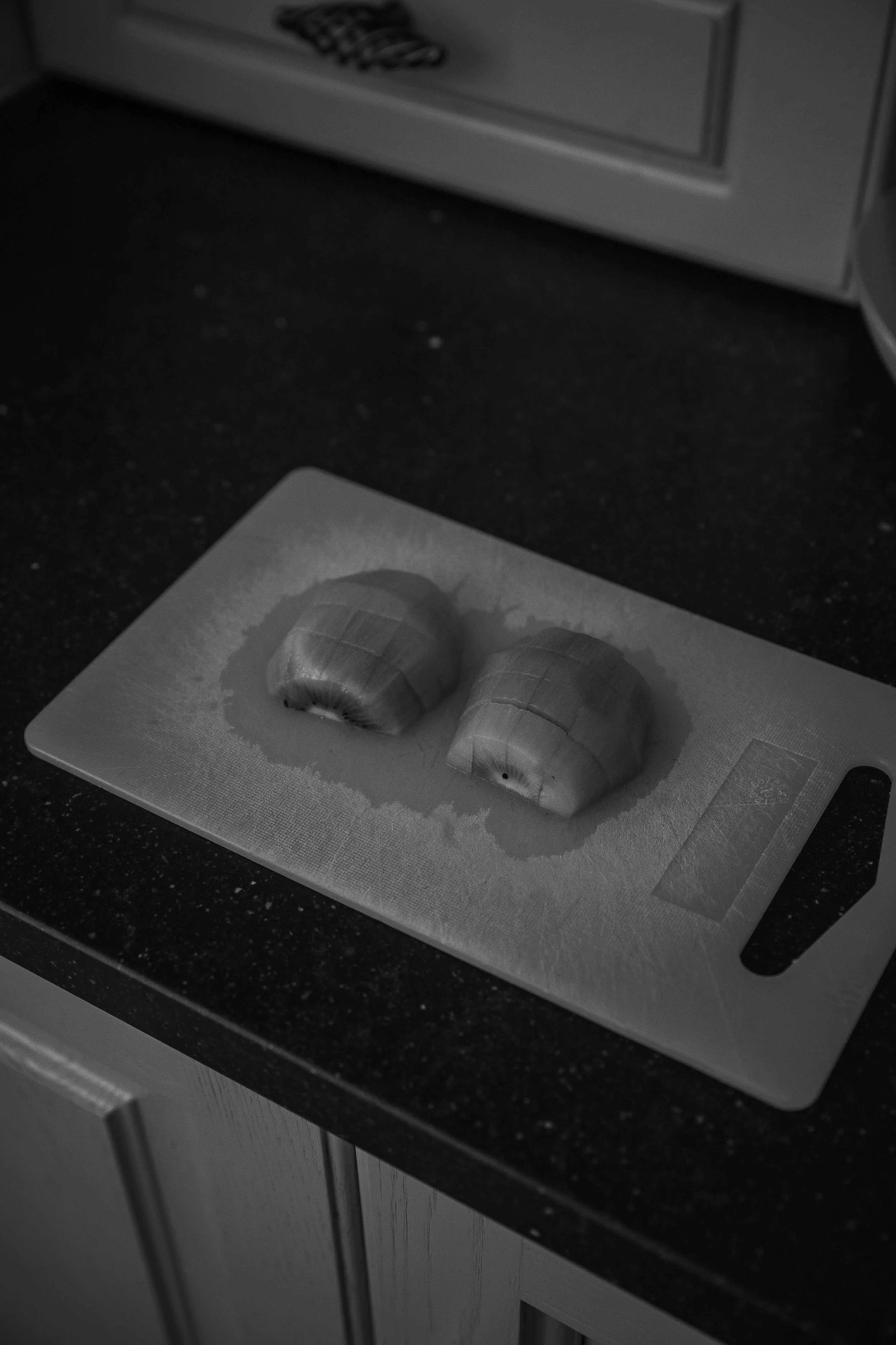
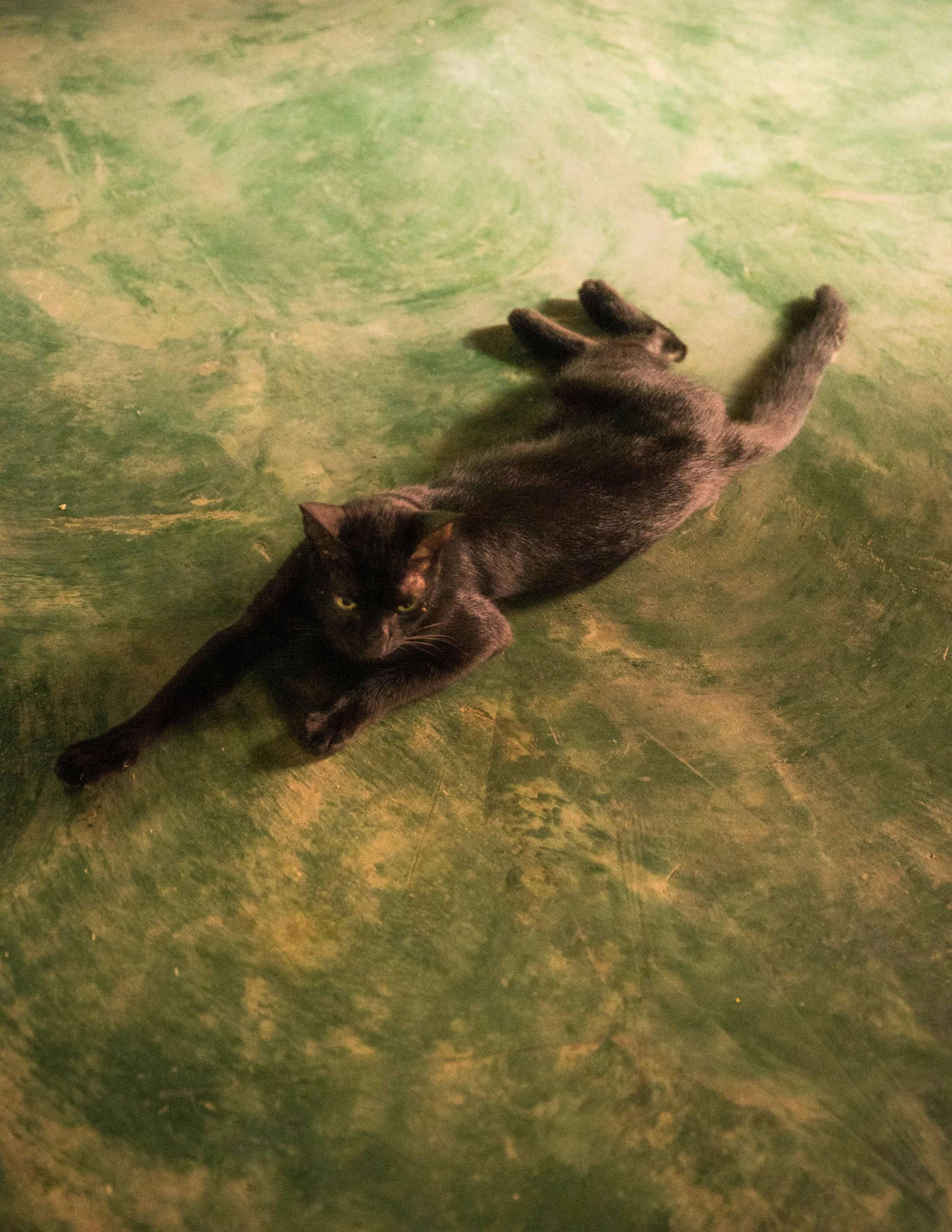
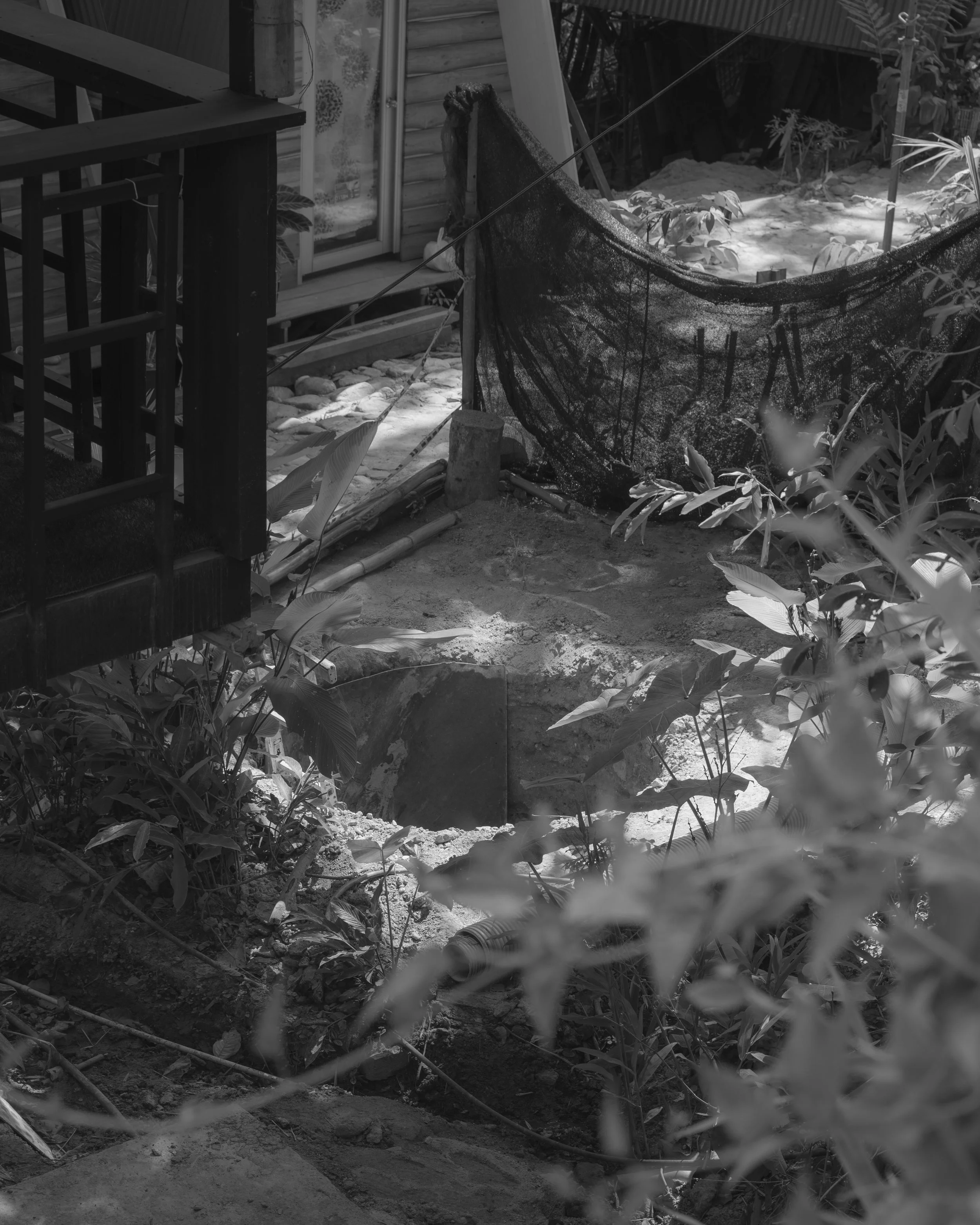
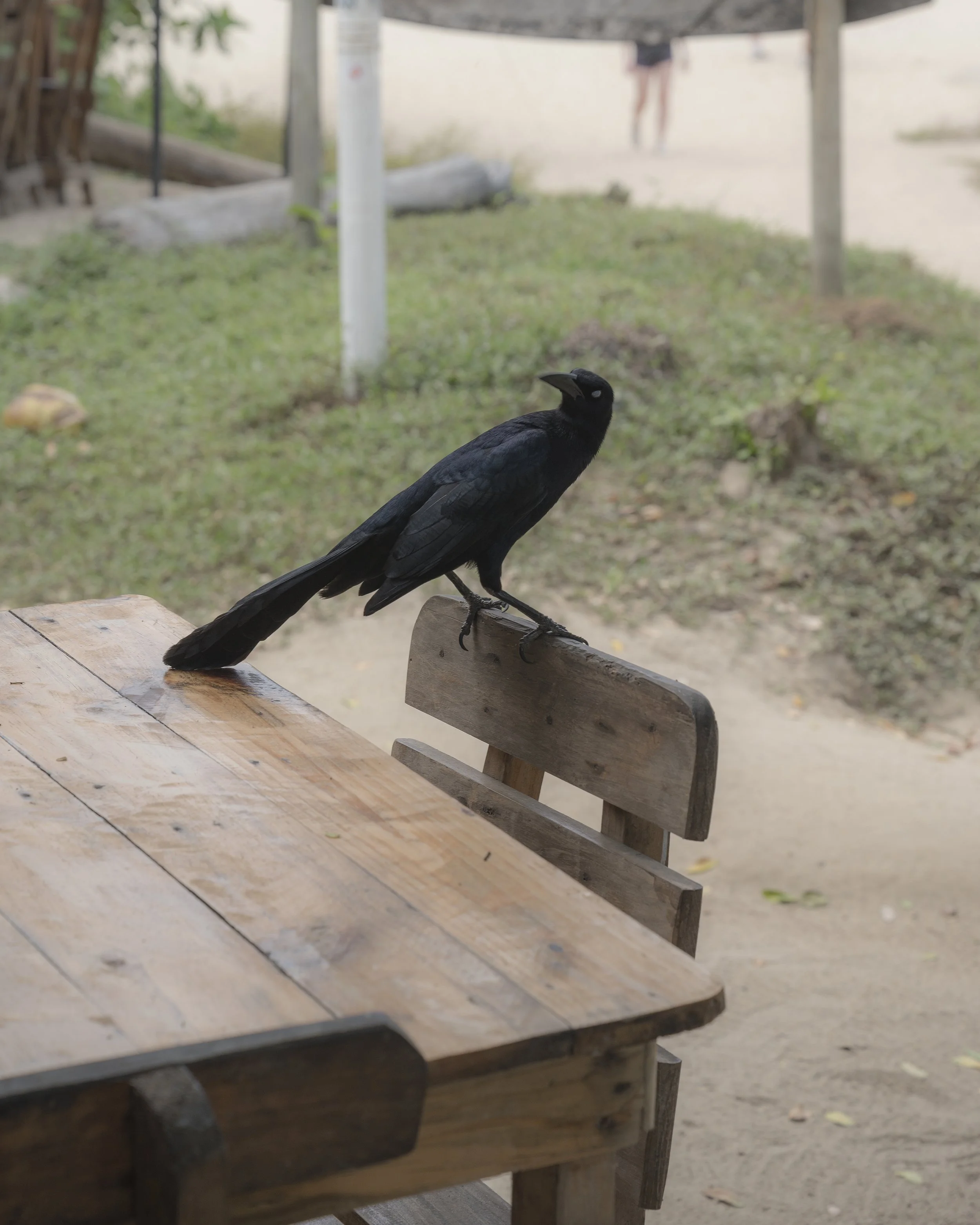
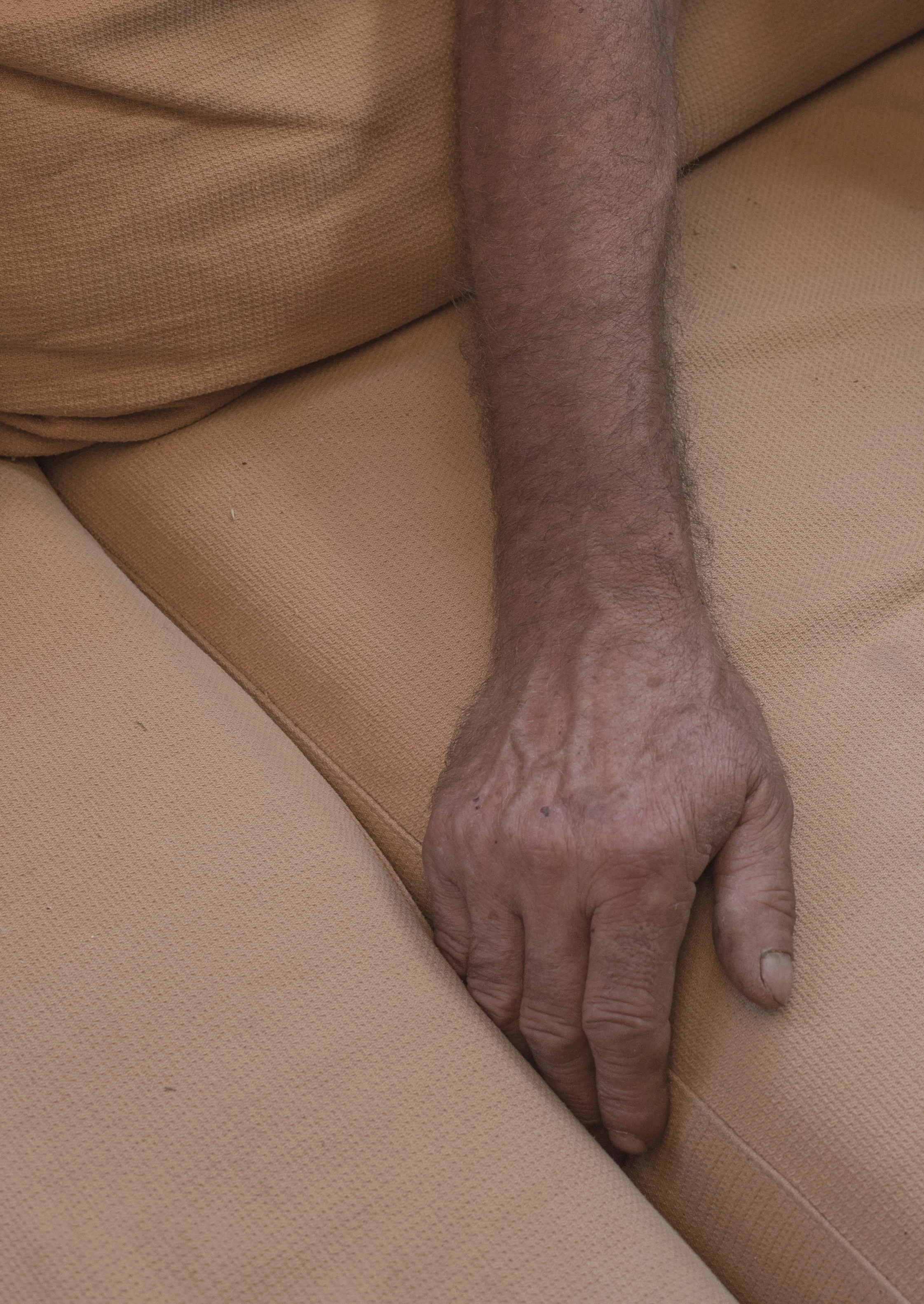
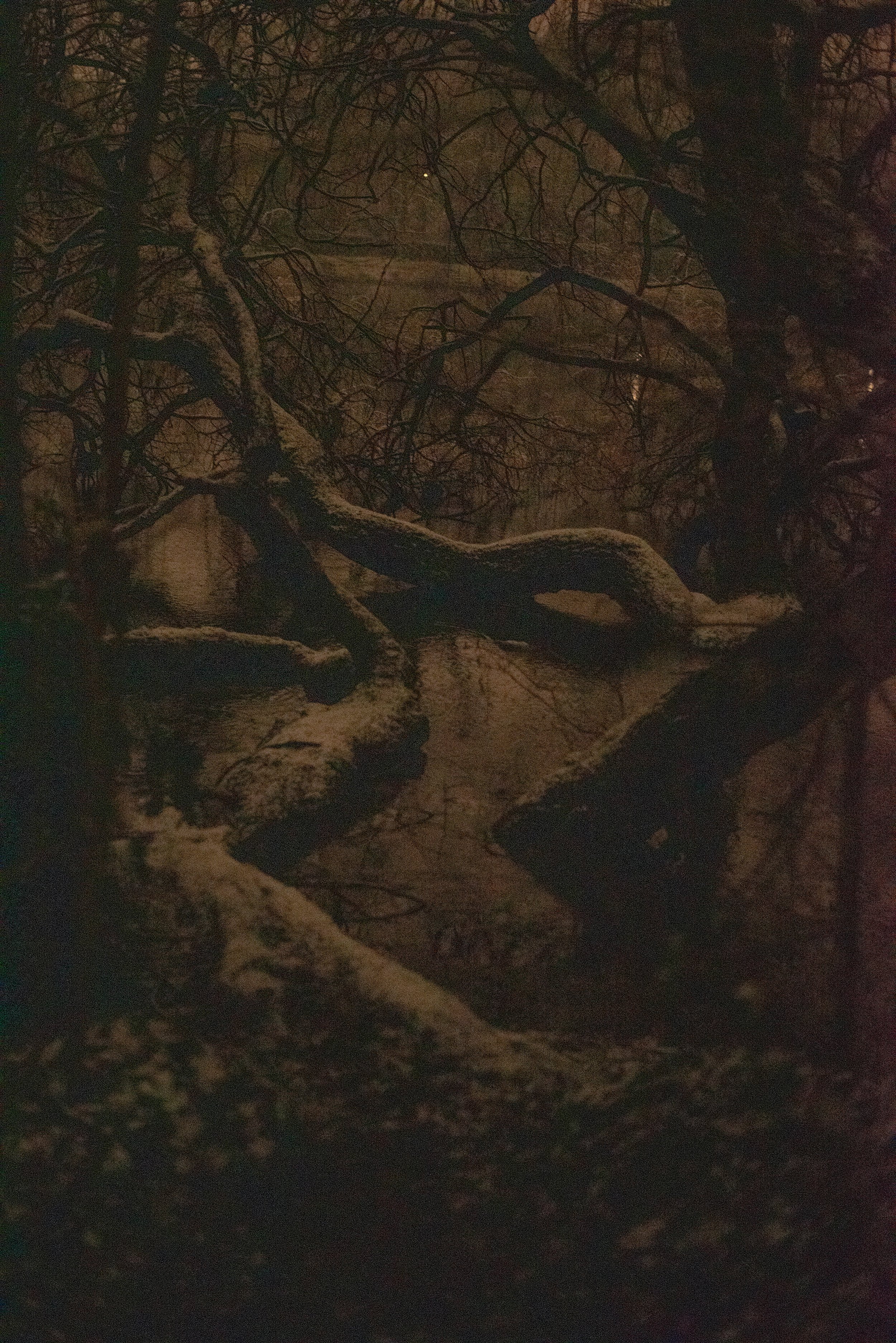
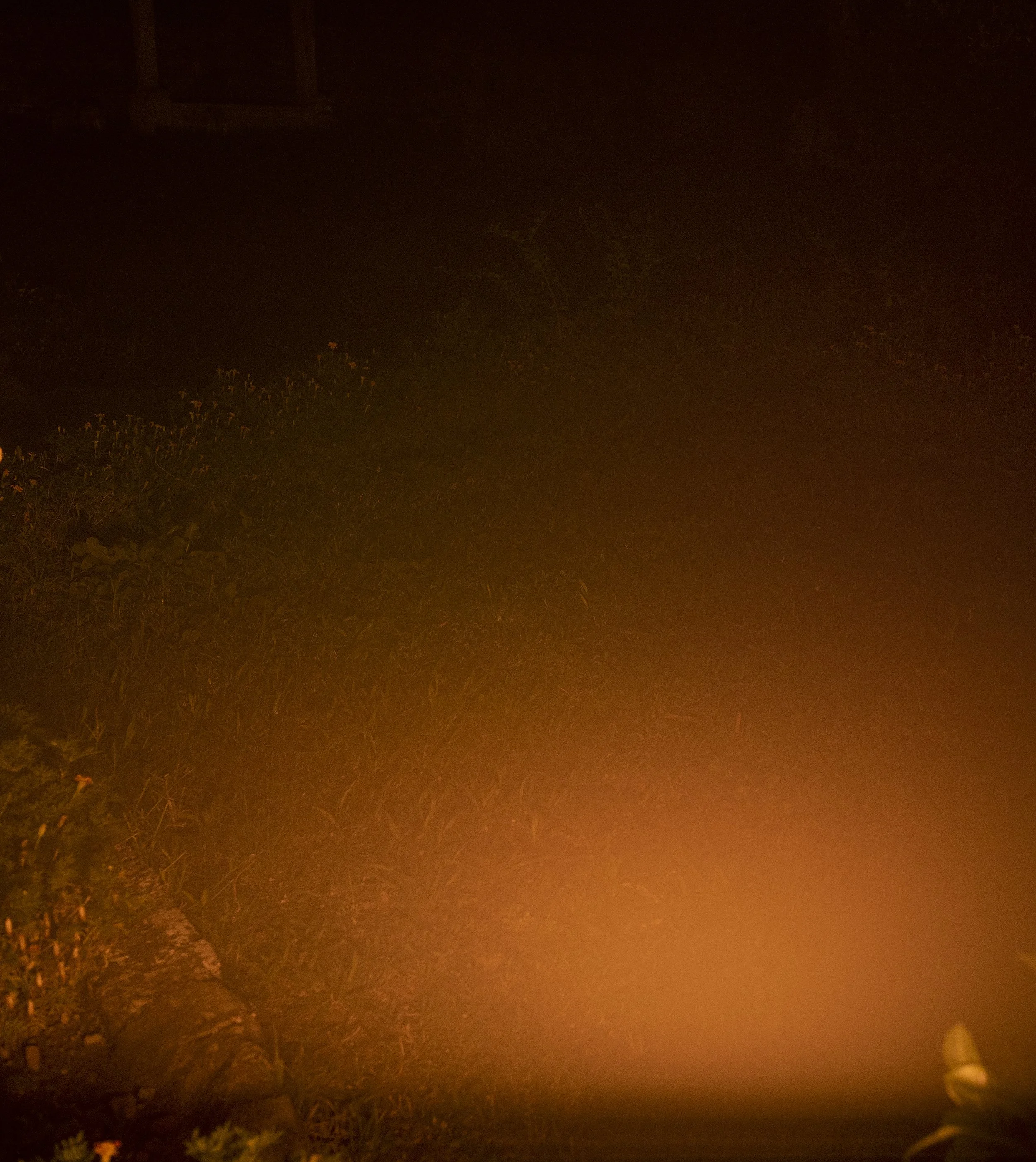
The title refers to the French expression entre chien et loup, which describes the in-between moment between day and night—a metaphorical time when forms blur and certainties begin to shift.
In this project, I explore this transitional zone as both a mental and visual space. It is a moment in which light and darkness, recognition and estrangement, flow into one another, and where the boundary between the familiar and the threatening becomes unclear. “Between dog and wolf” symbolizes this ambiguity: a state in which safety and danger can no longer be clearly distinguished.
As a viewer, one is left in a state of hesitation: do these images offer comfort, or do they unsettle? Do they reveal a place of shelter, or suggest a latent threat? At the same time, this in-between space holds the potential for transformation and possibility.
My work is rooted in photography as a means of exploring what lies beneath the visible. Images function as a membrane between inner and outer worlds, revealing not only what can be seen, but also creating space for the subconscious to emerge.

Ros Pach
-
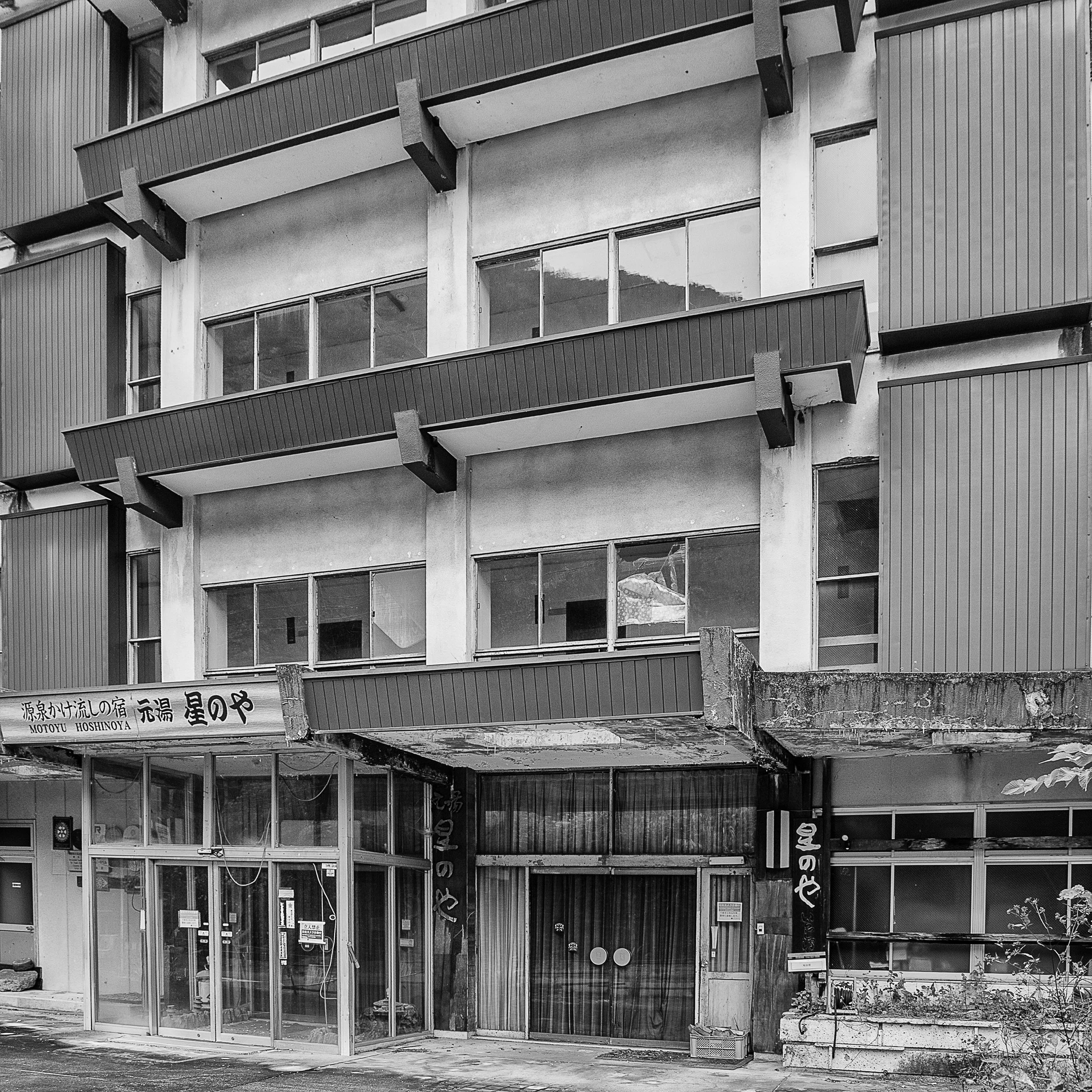
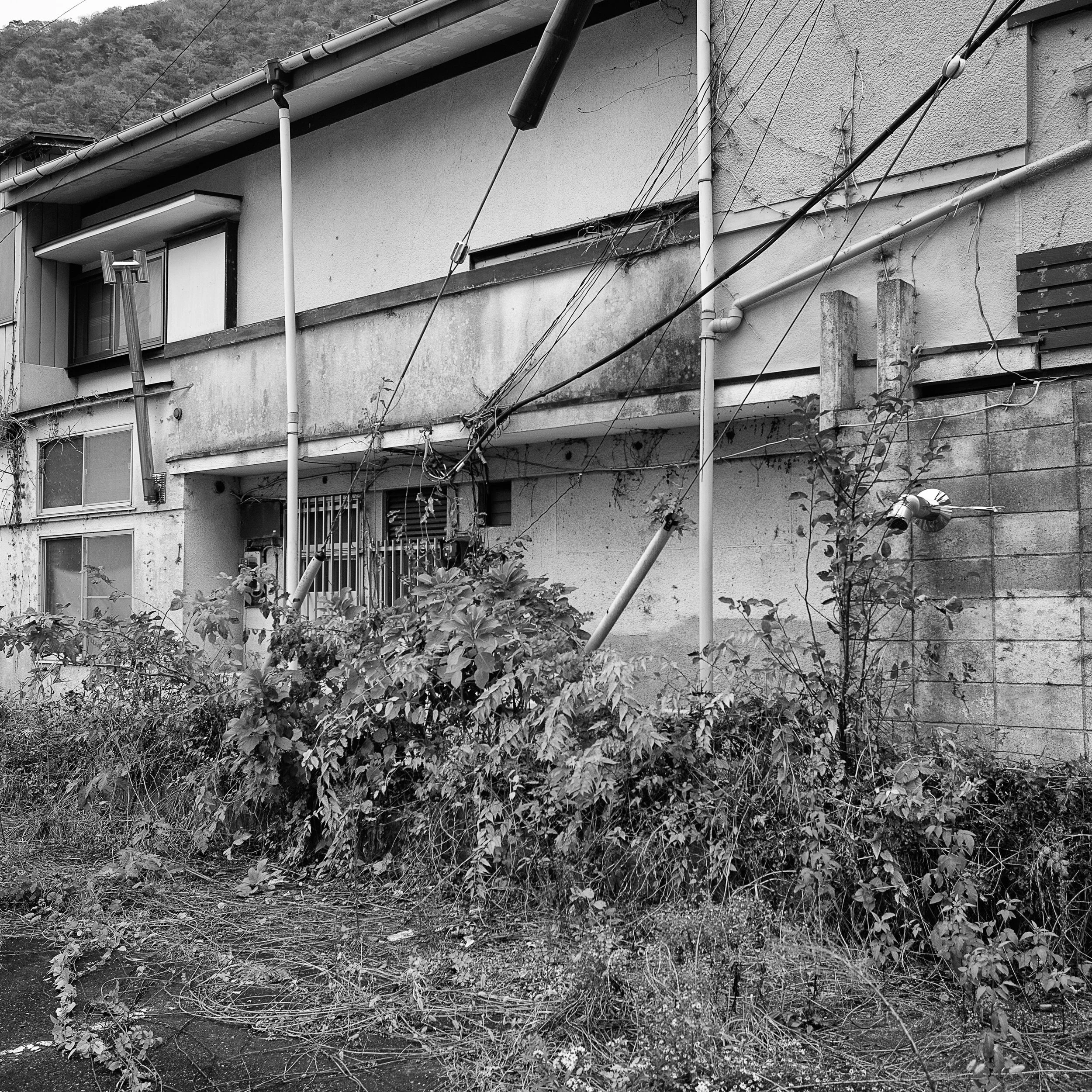
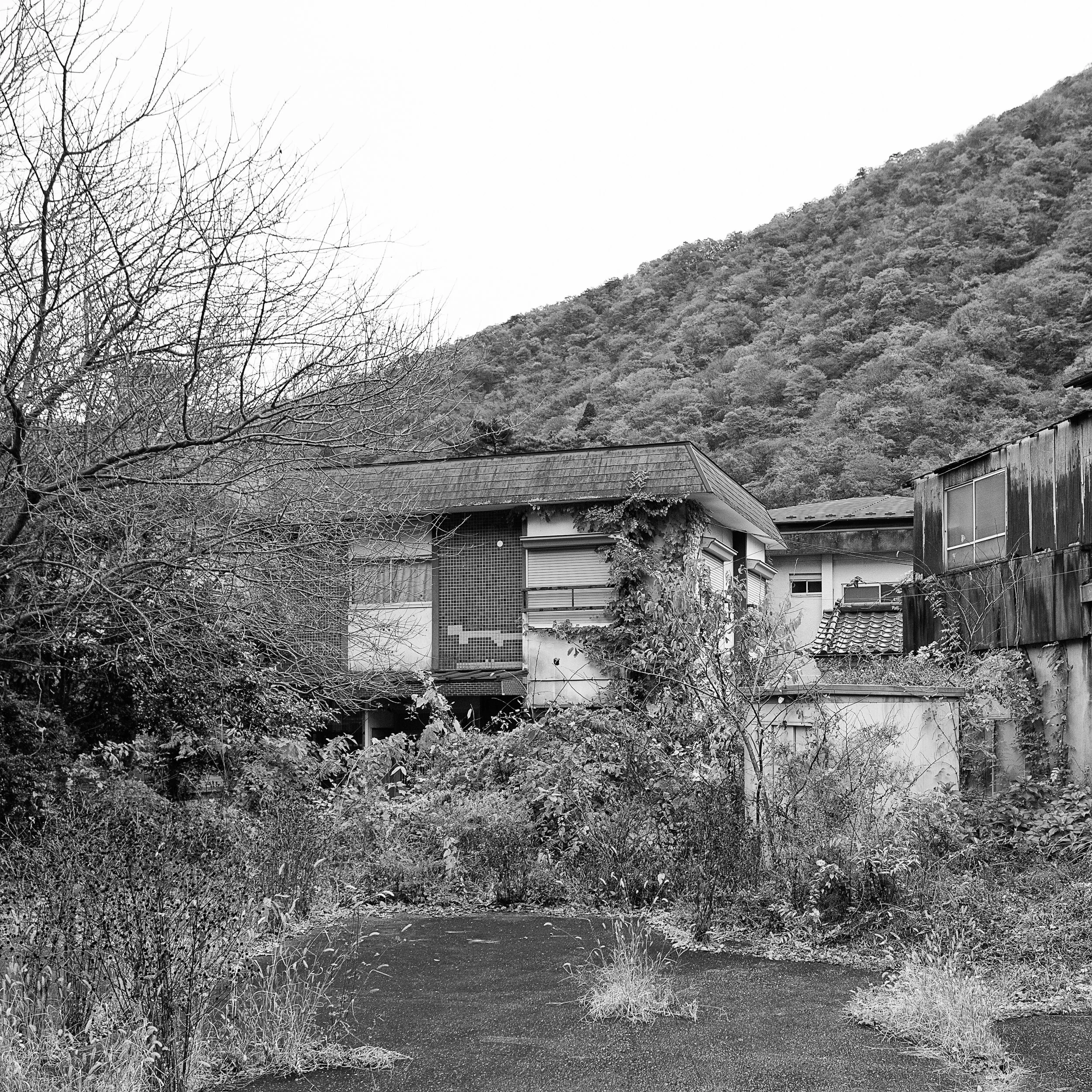
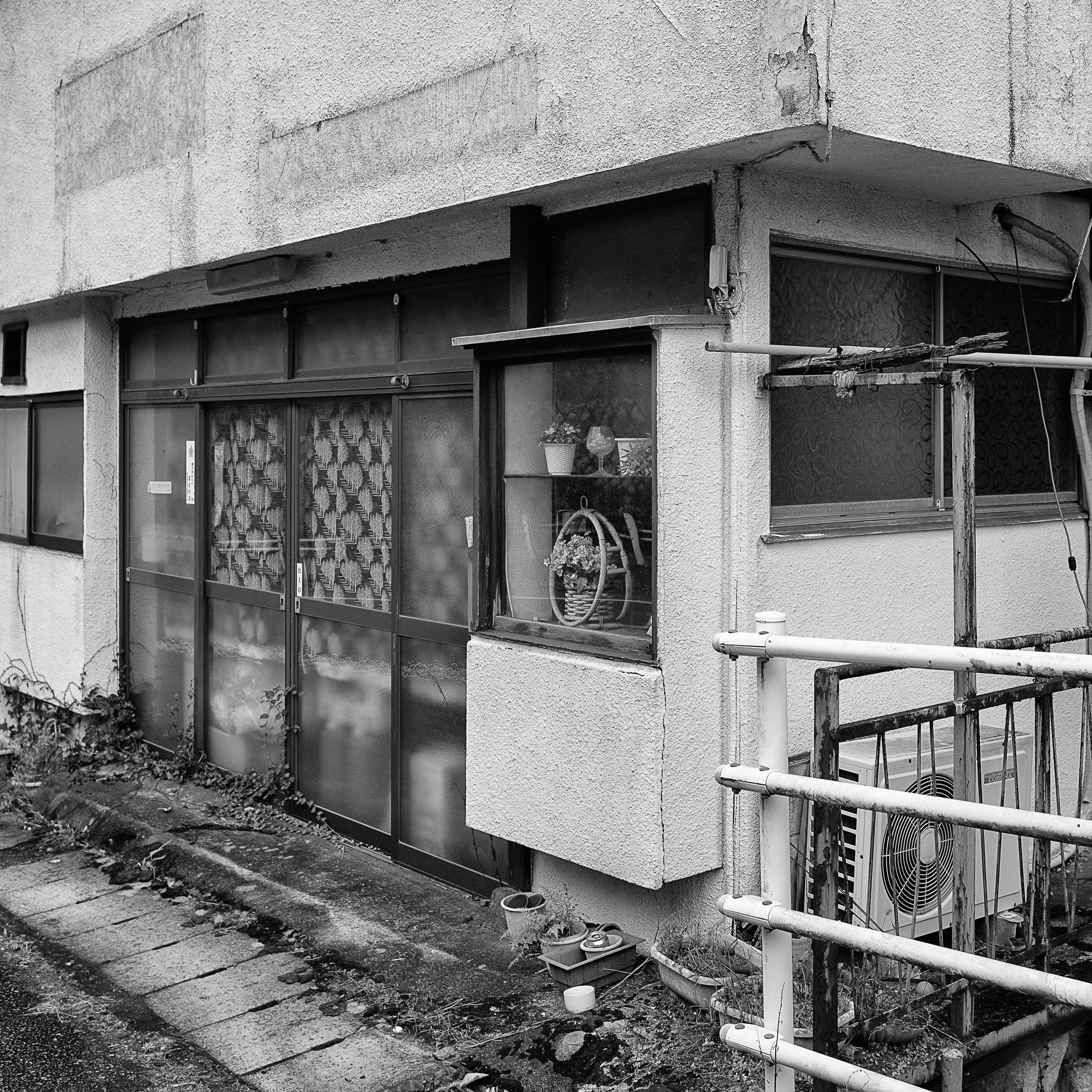
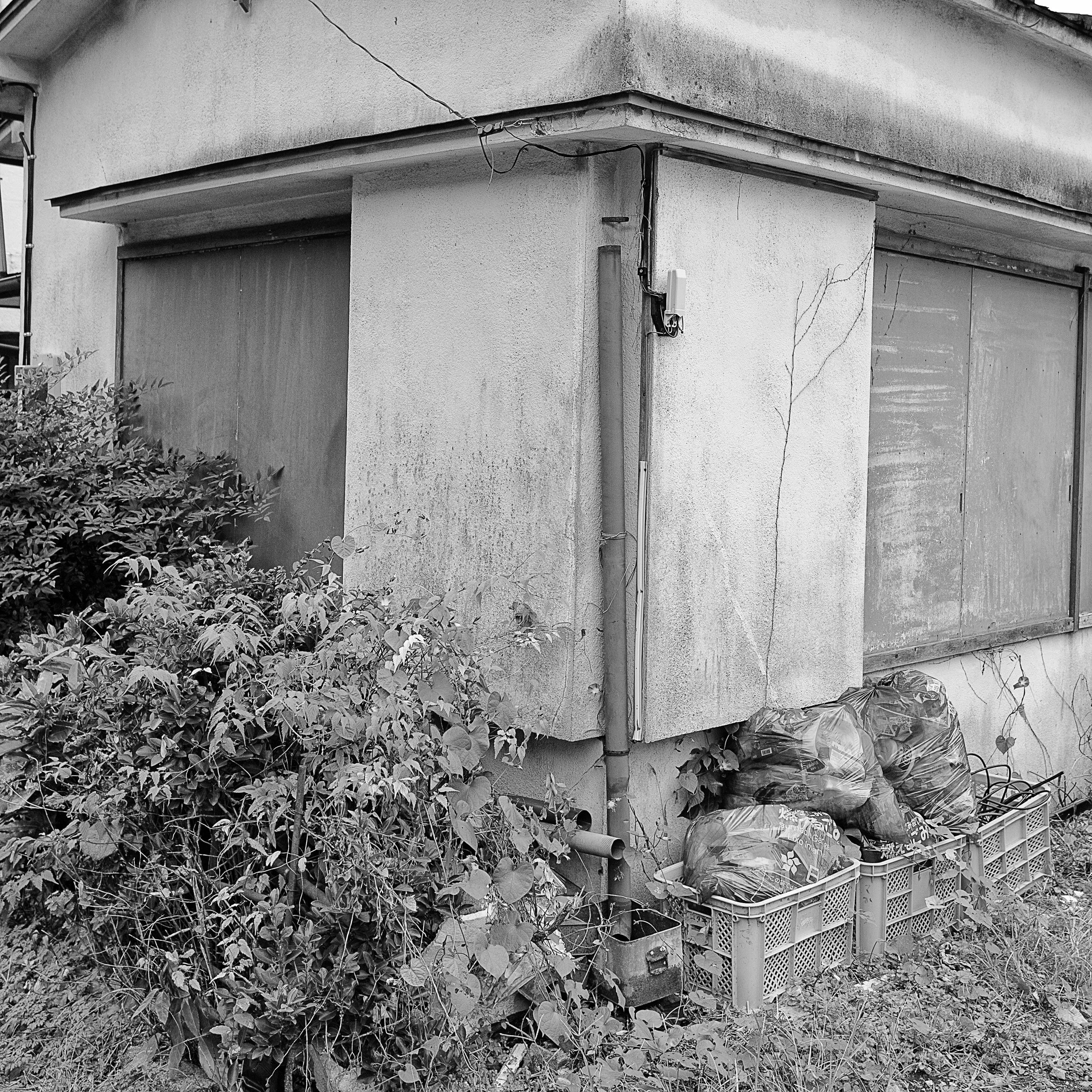
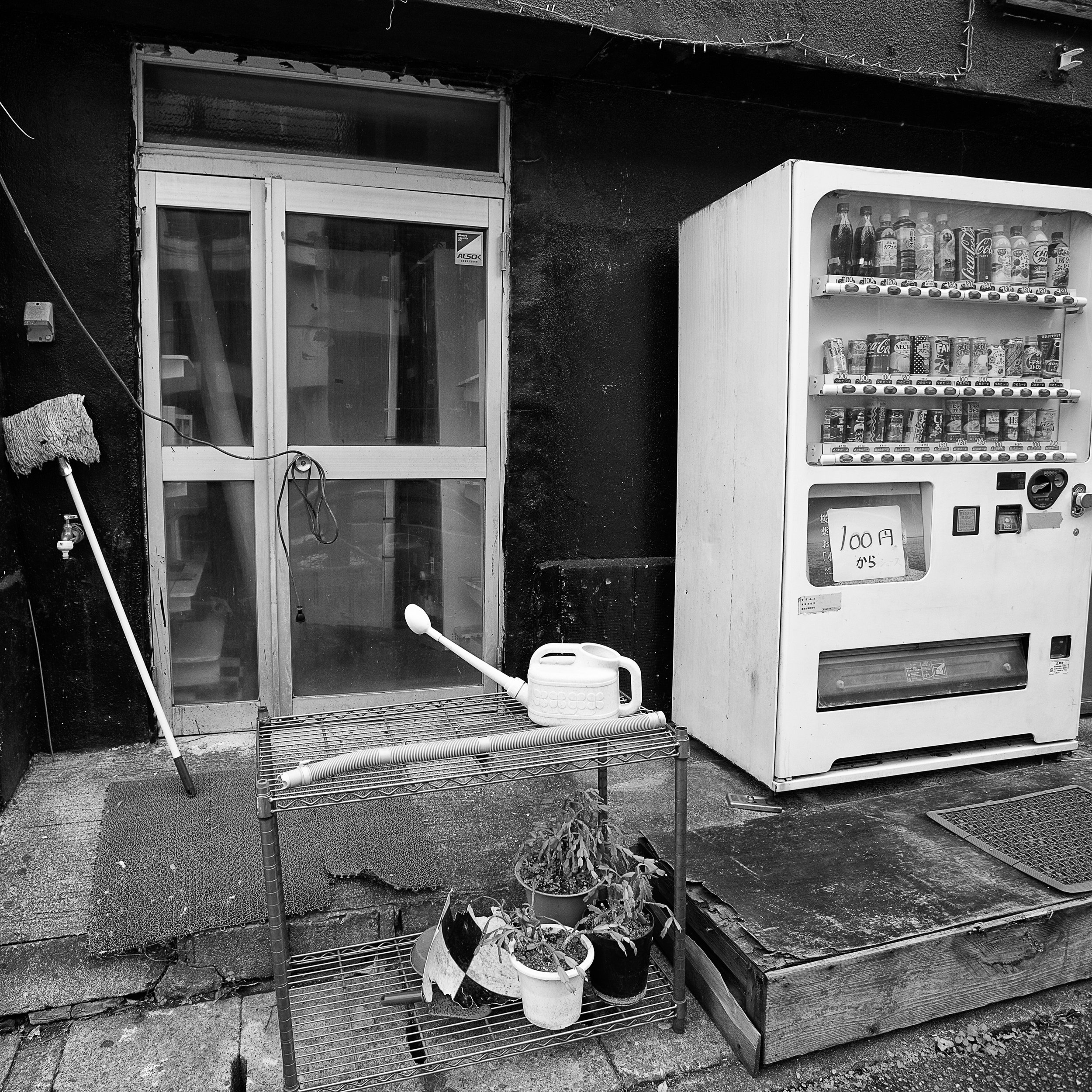
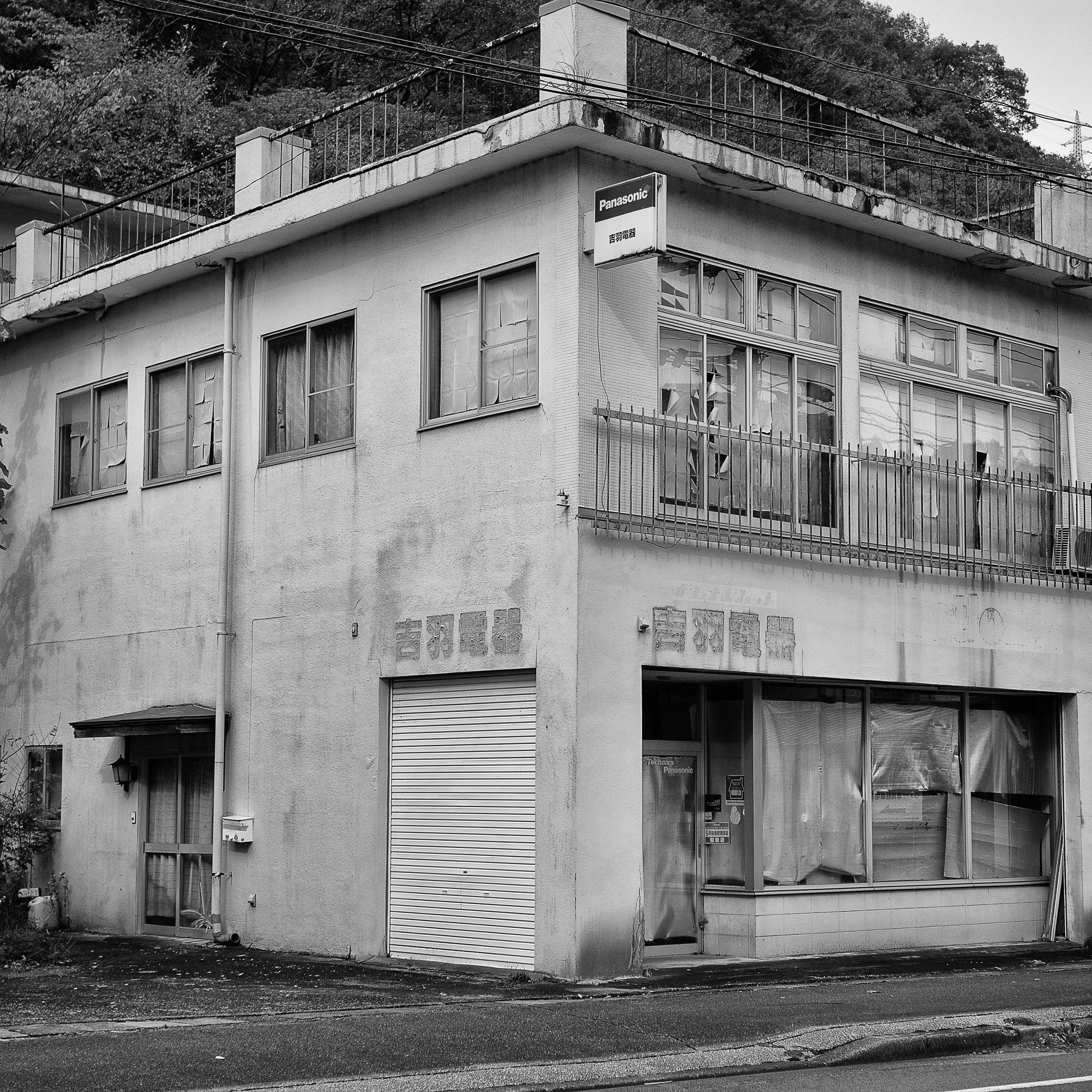
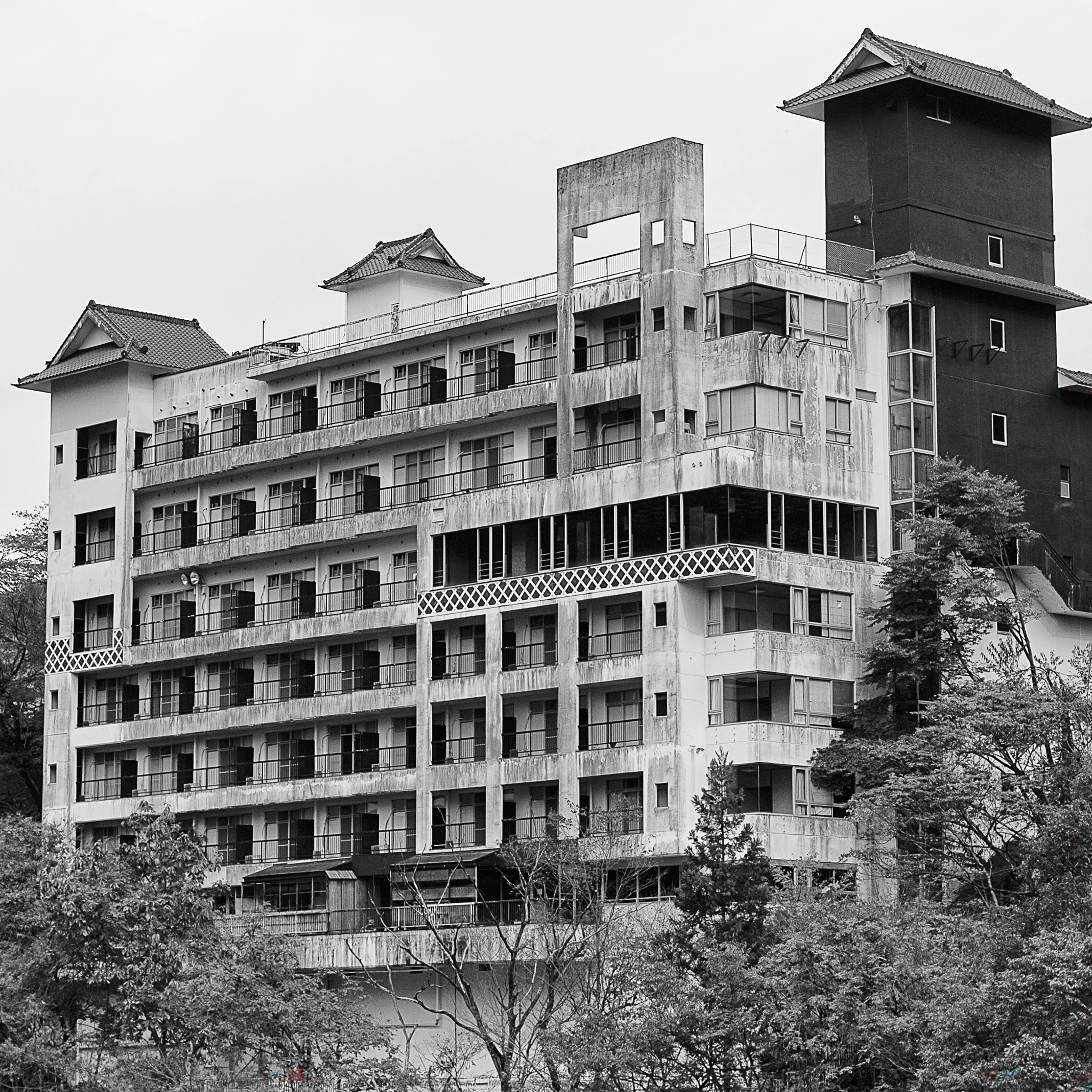
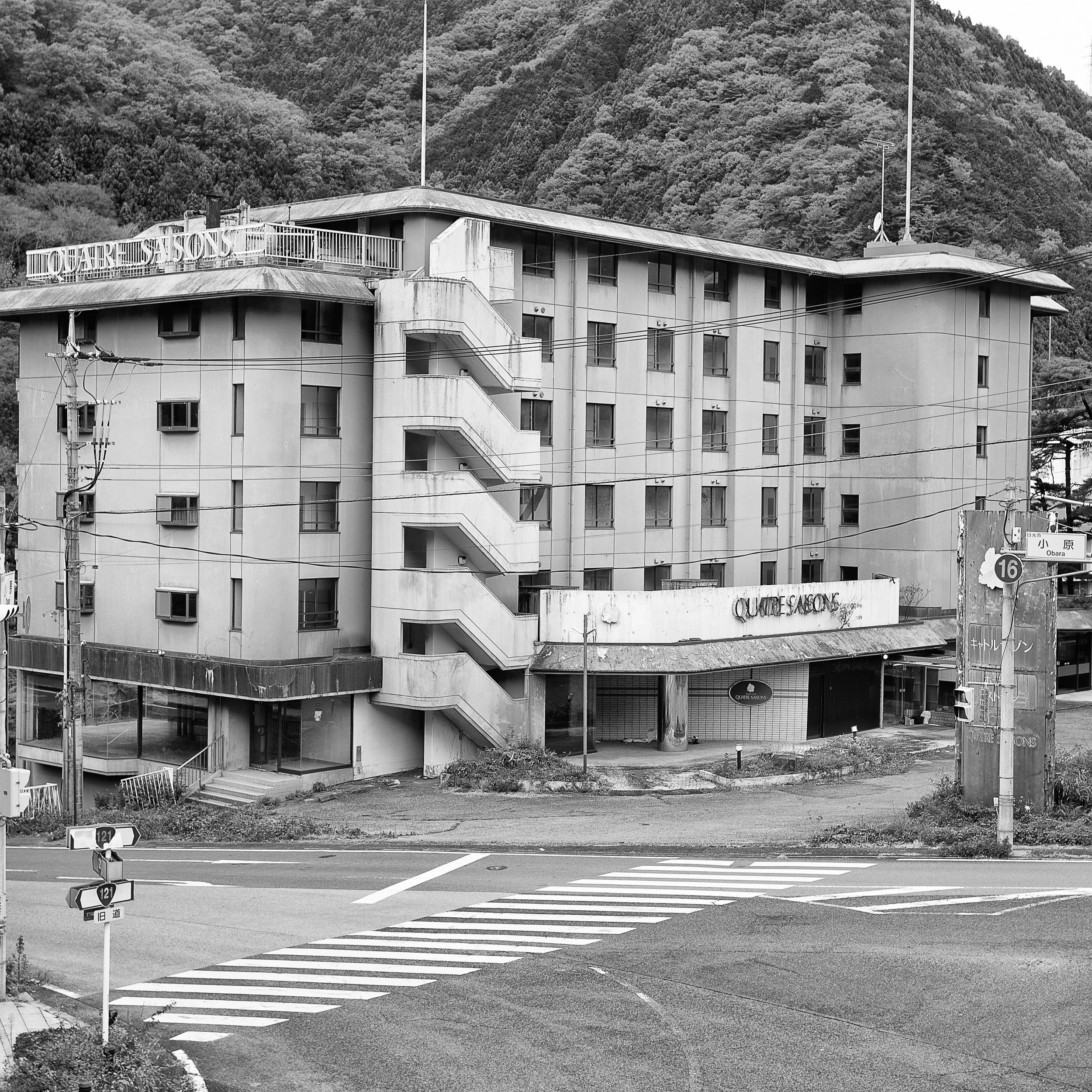
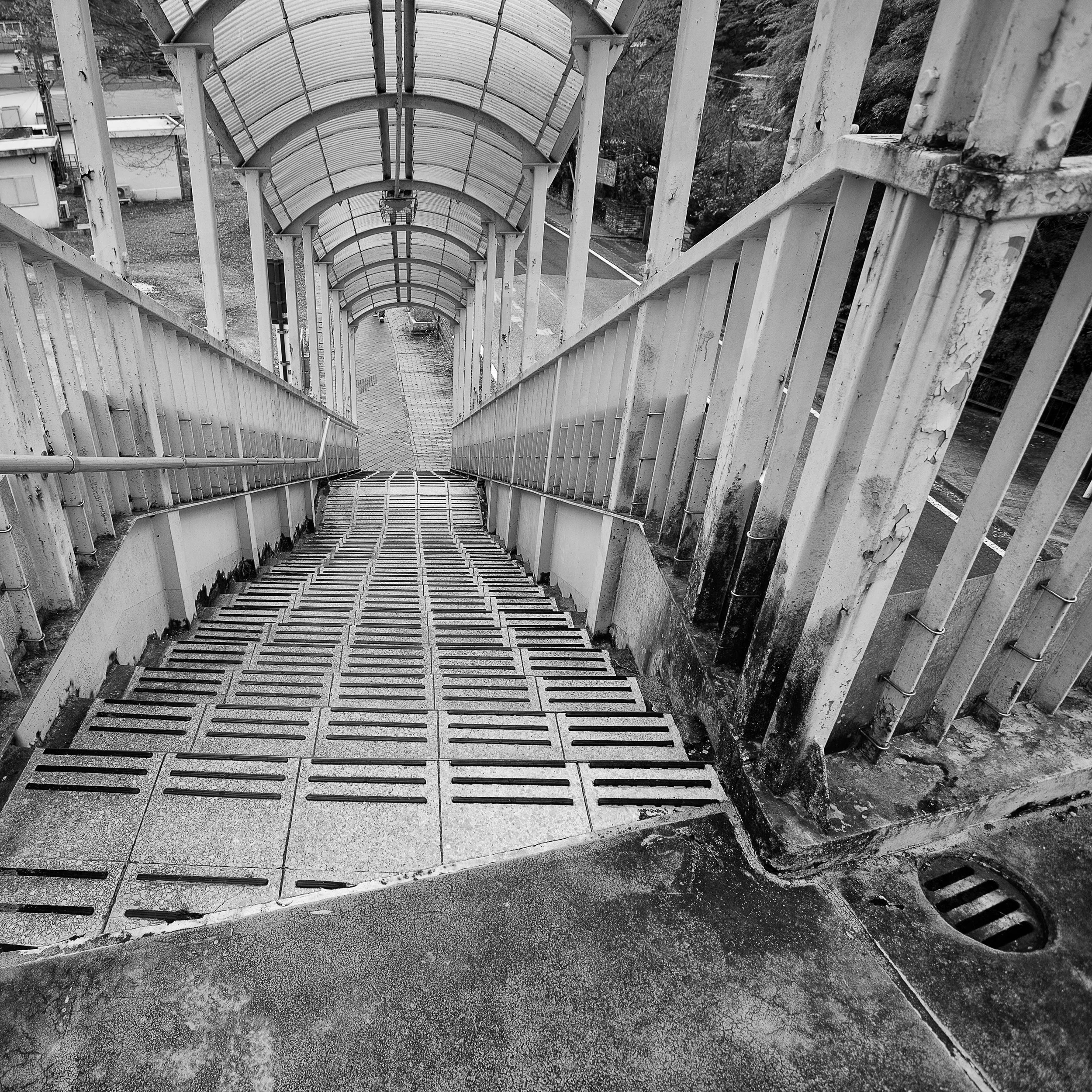
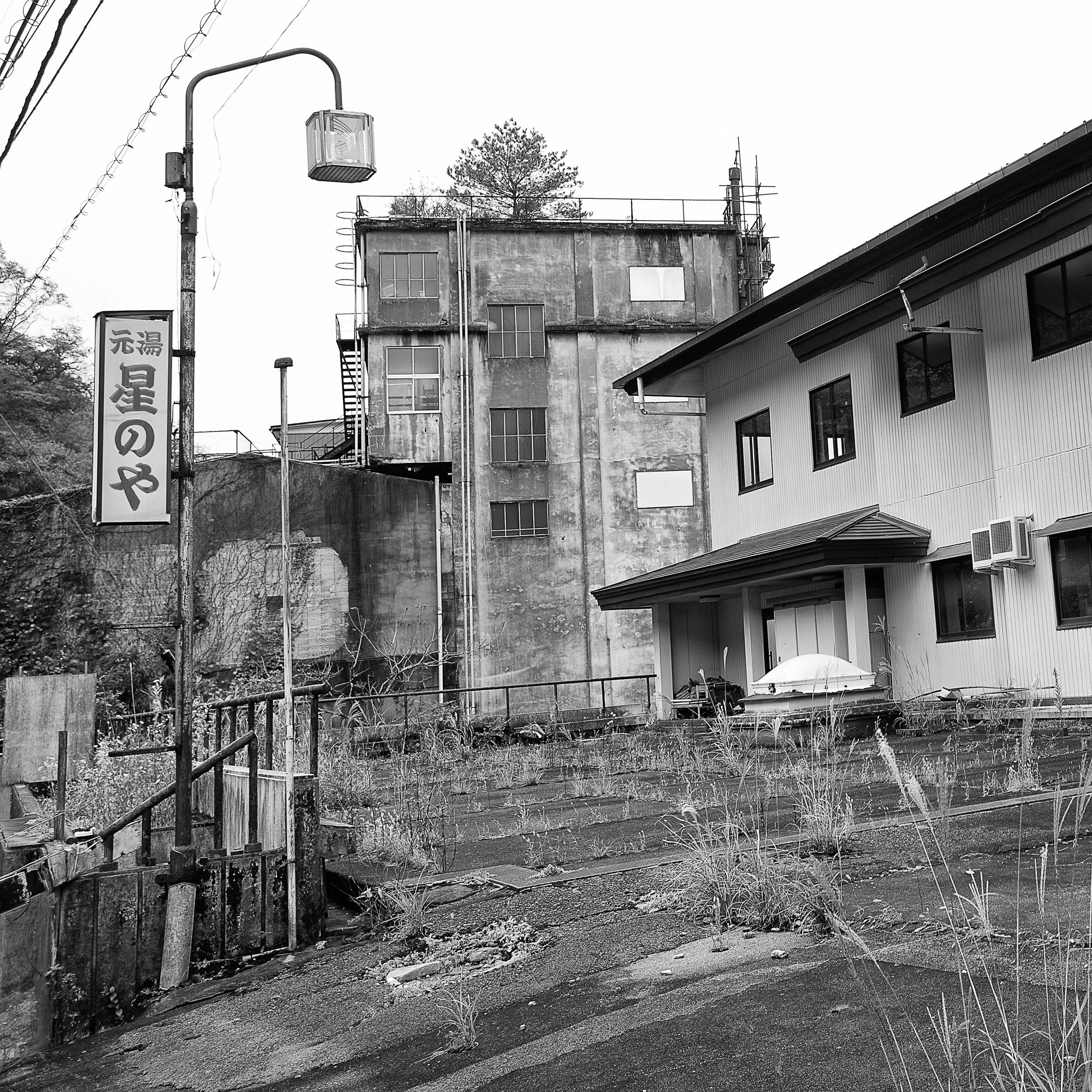
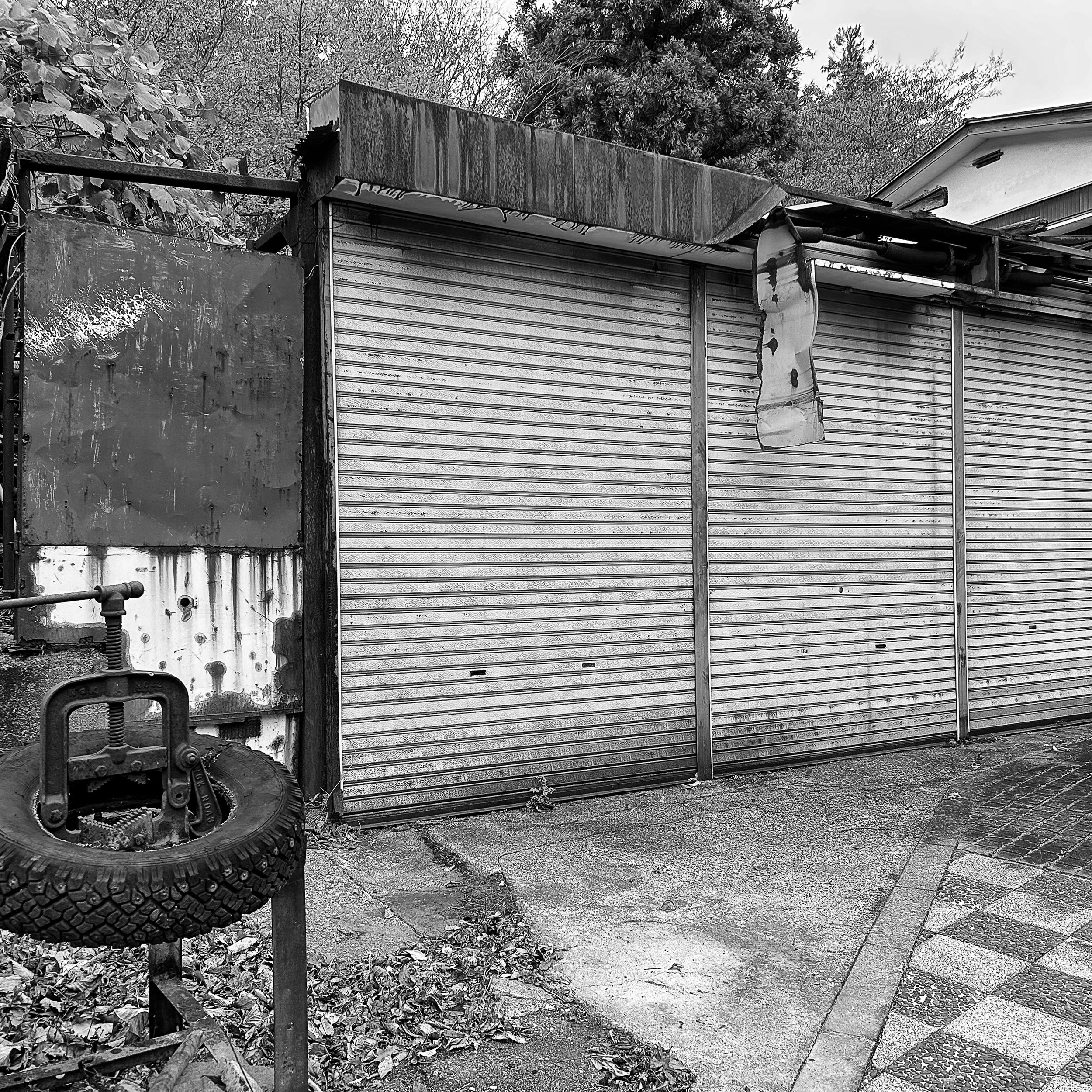
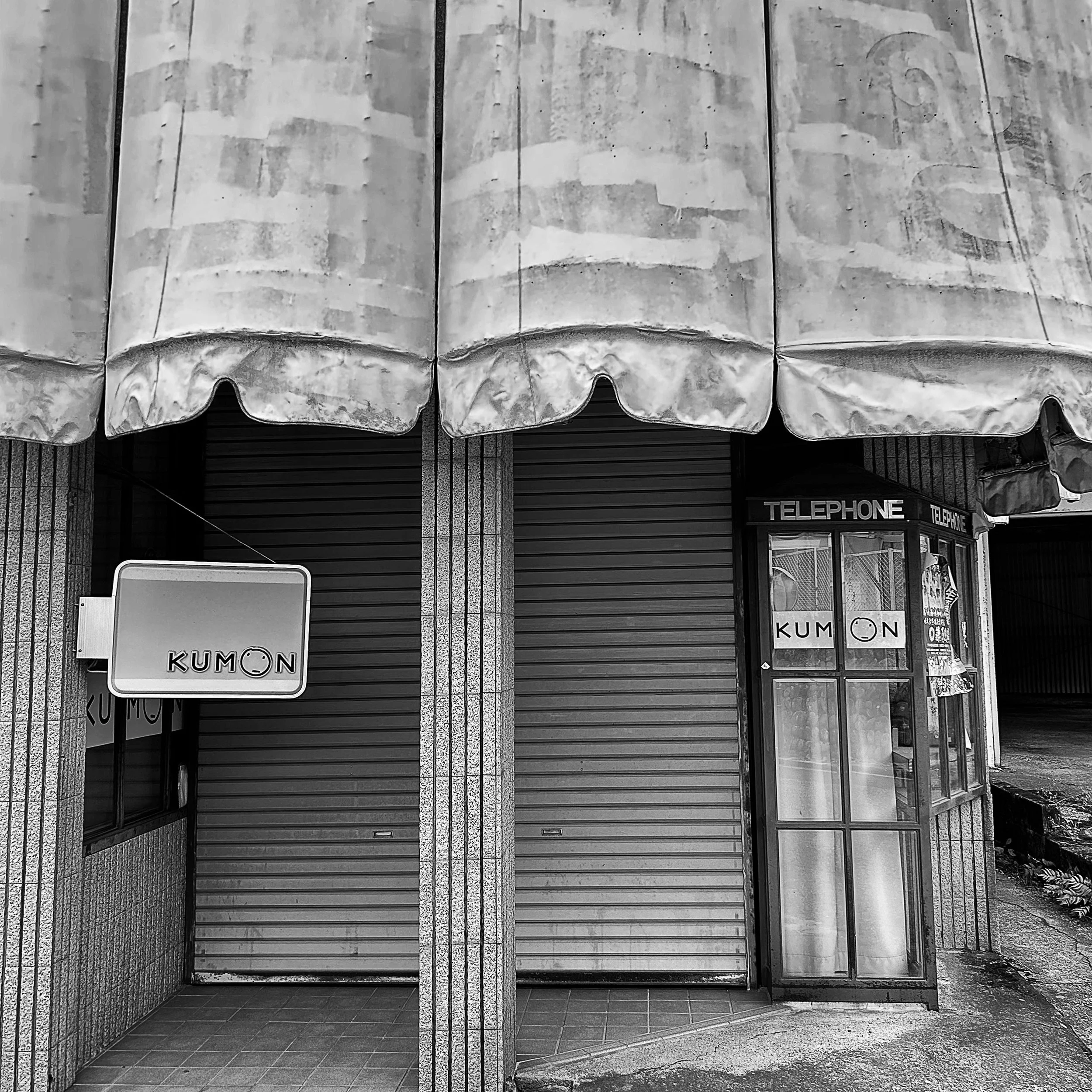
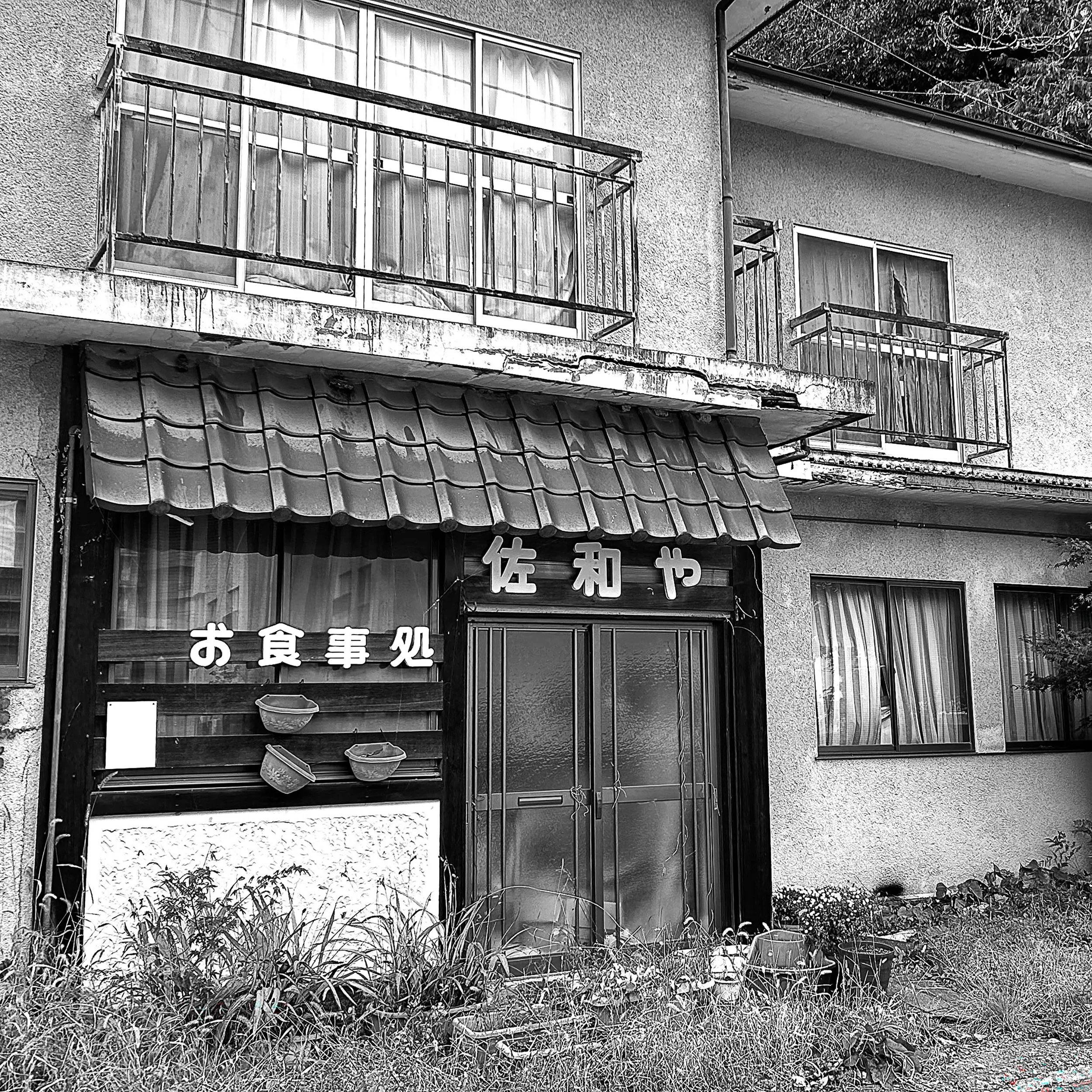
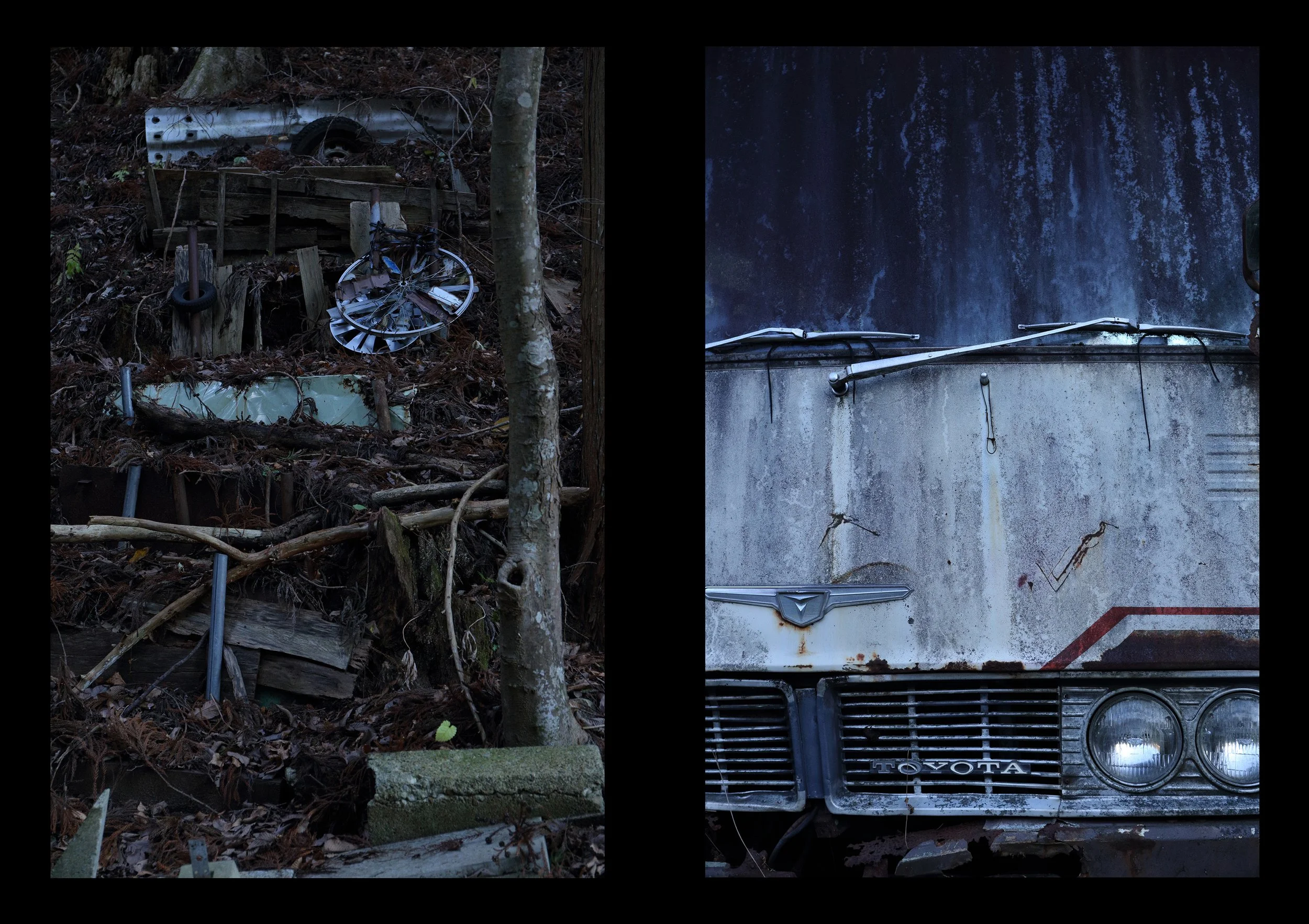
On a recent trip to Japan with my husband, we chose Kinugawa as a pause from Tokyo; close enough to linger, distant enough to feel removed. It was recommended as a quiet hot spring town, a place to slow down, and an opportunity to experience a traditional ryokan. What we encountered was something entirely different. We never made it to the nearest tourist town Nikko, our original intention. Instead, Kinugawa became the work.
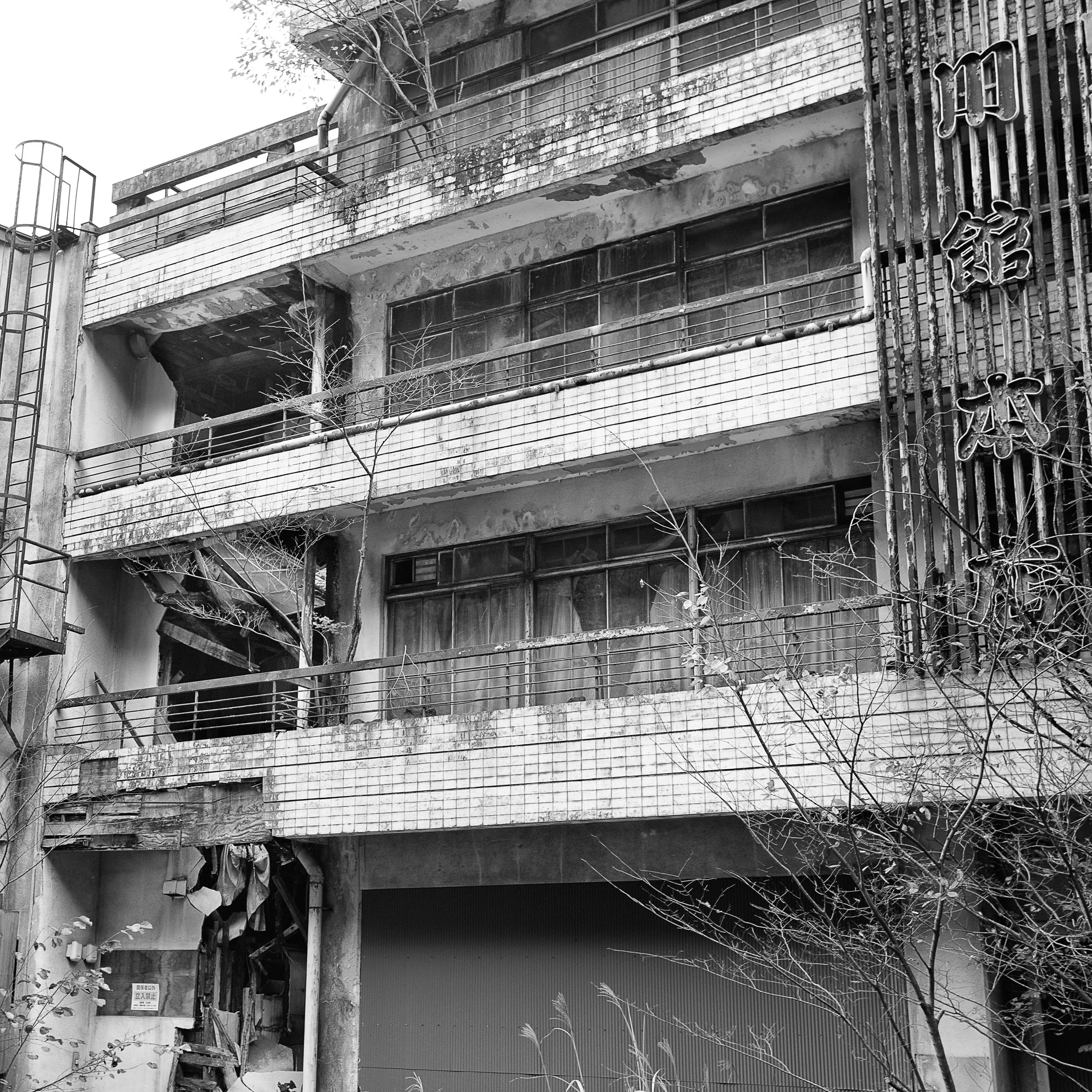
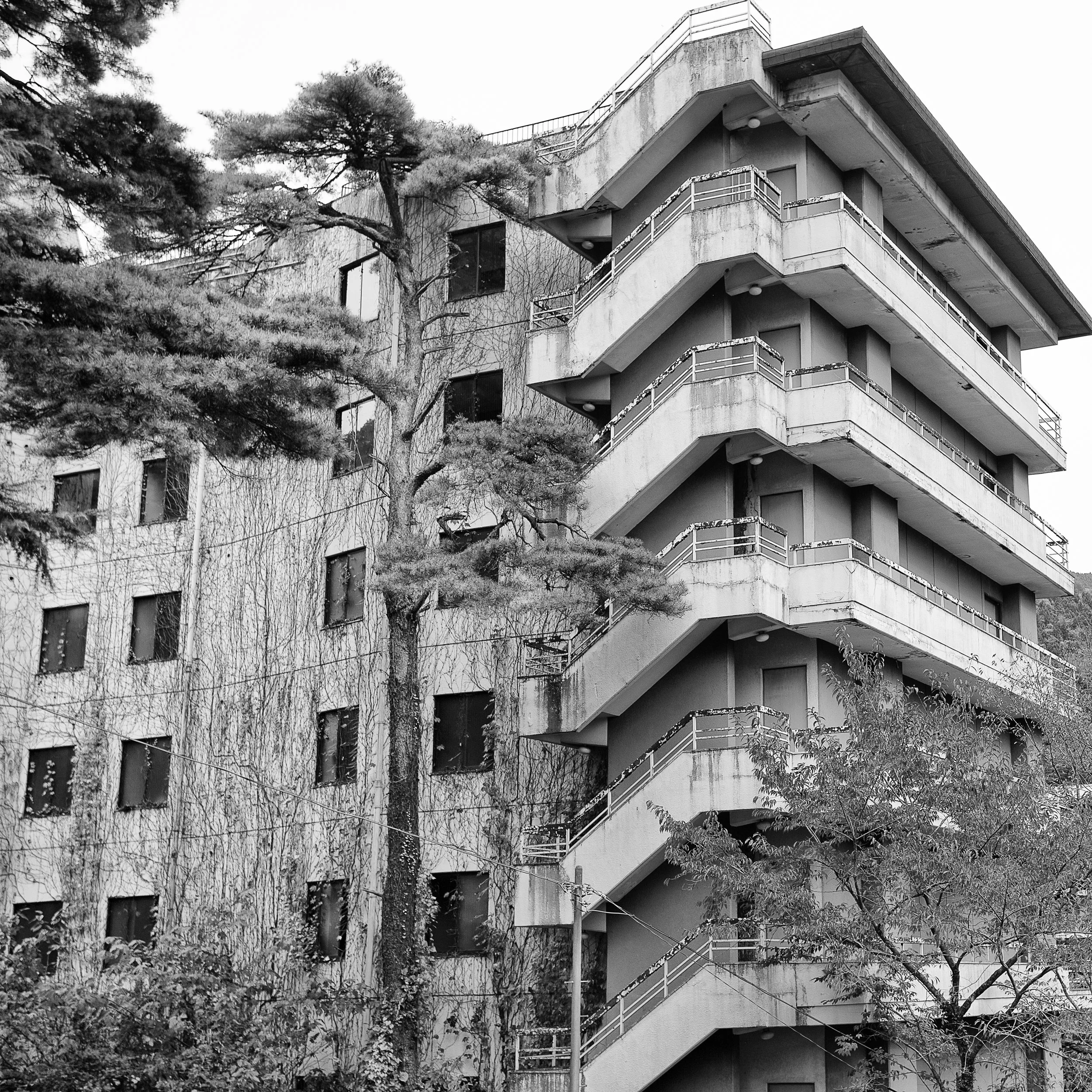
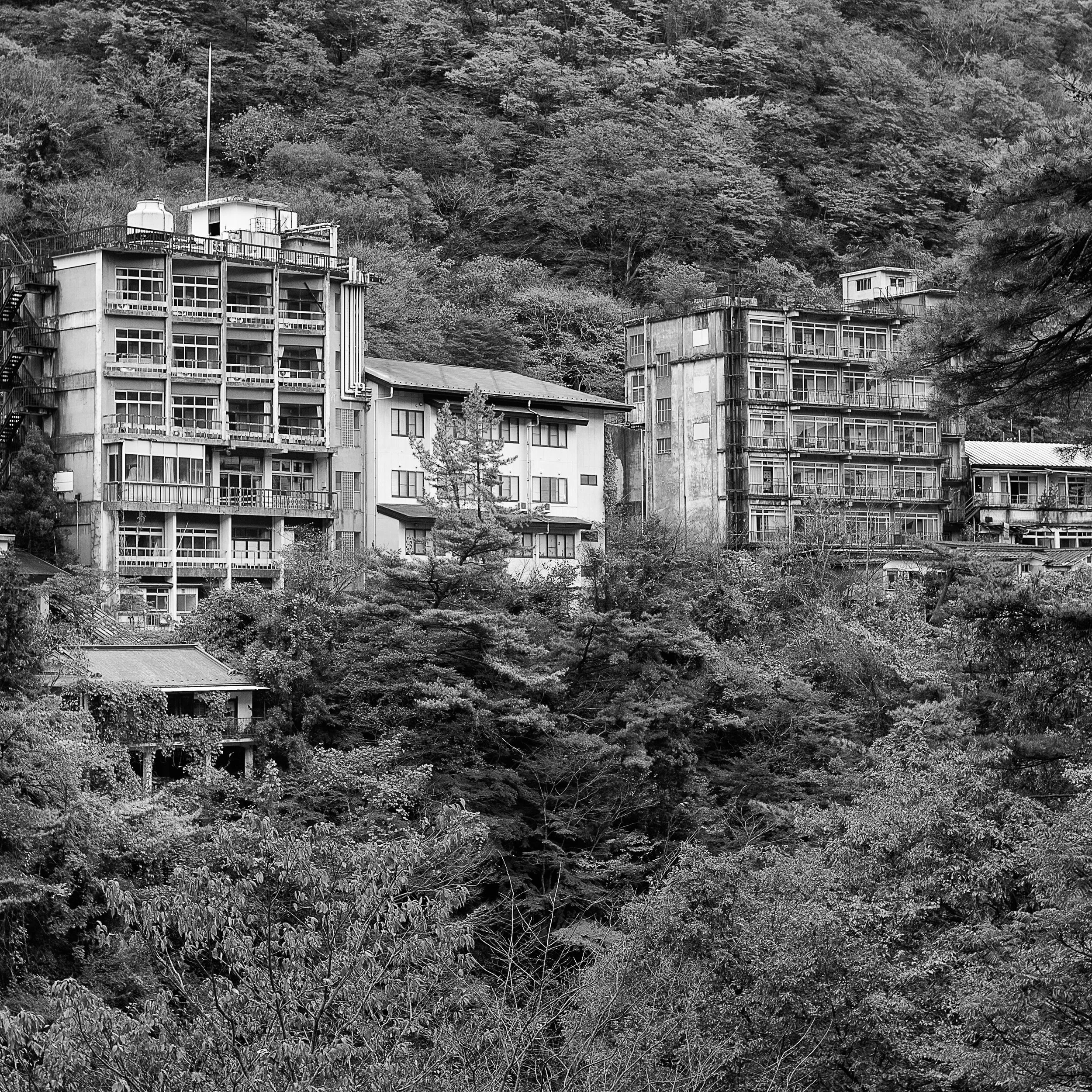
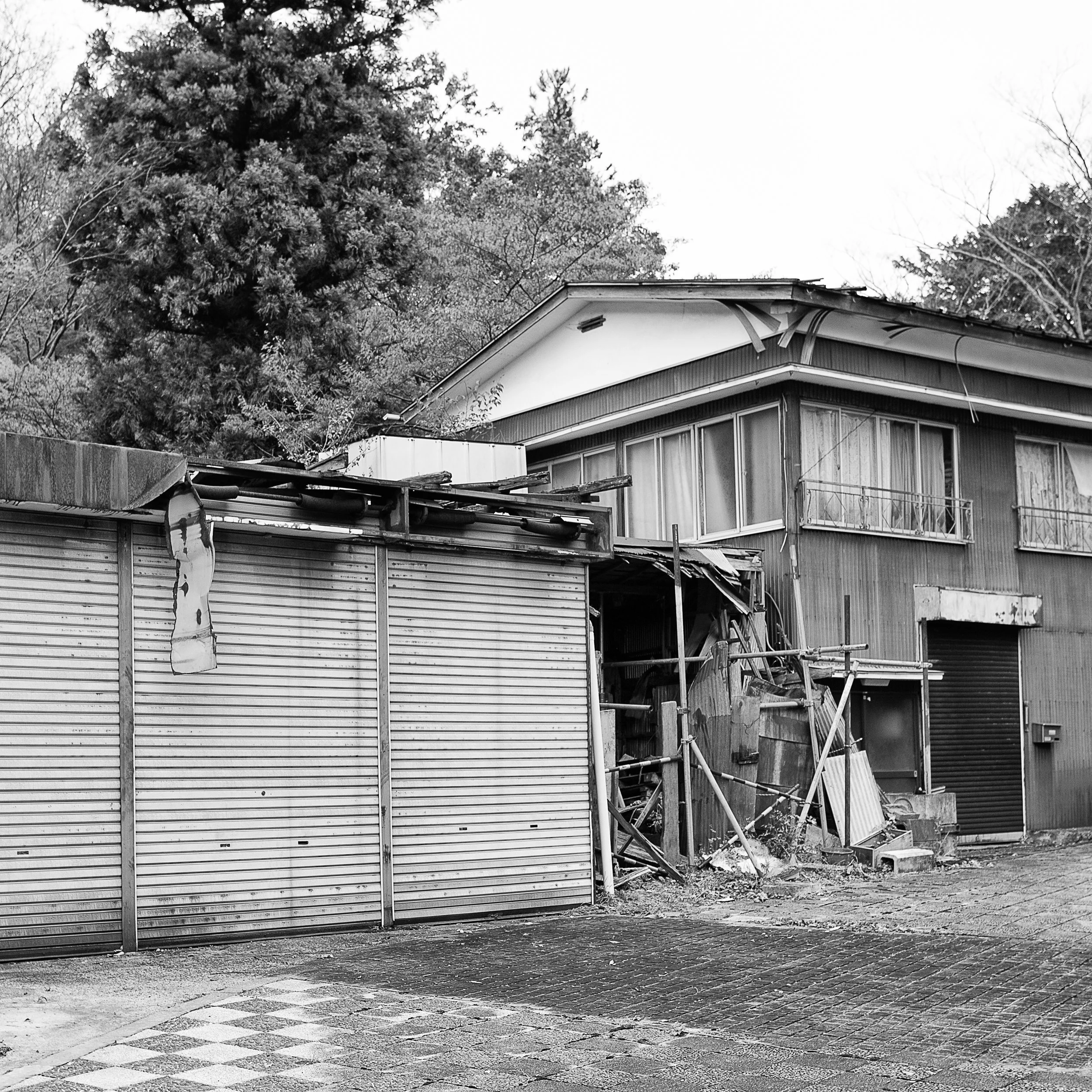
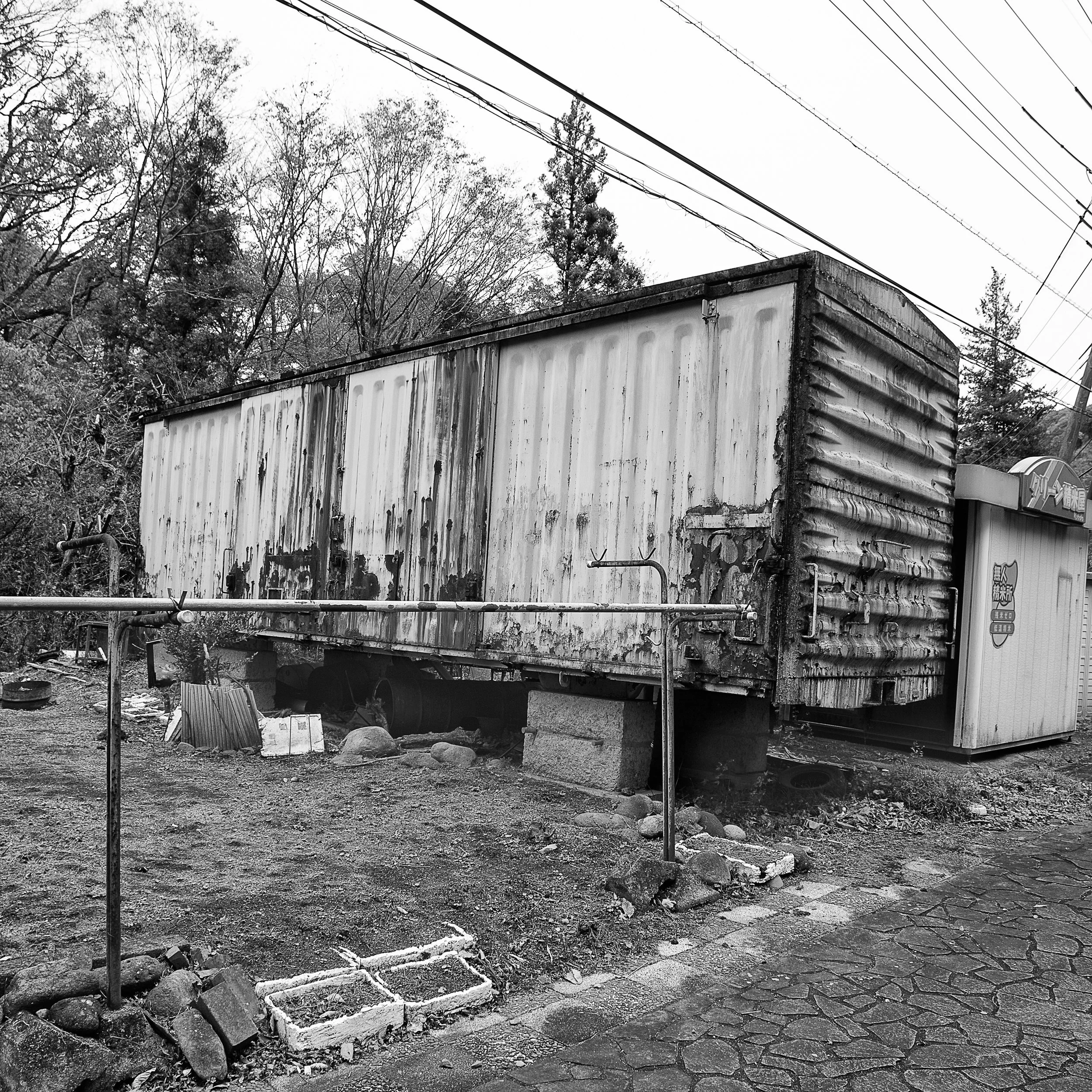
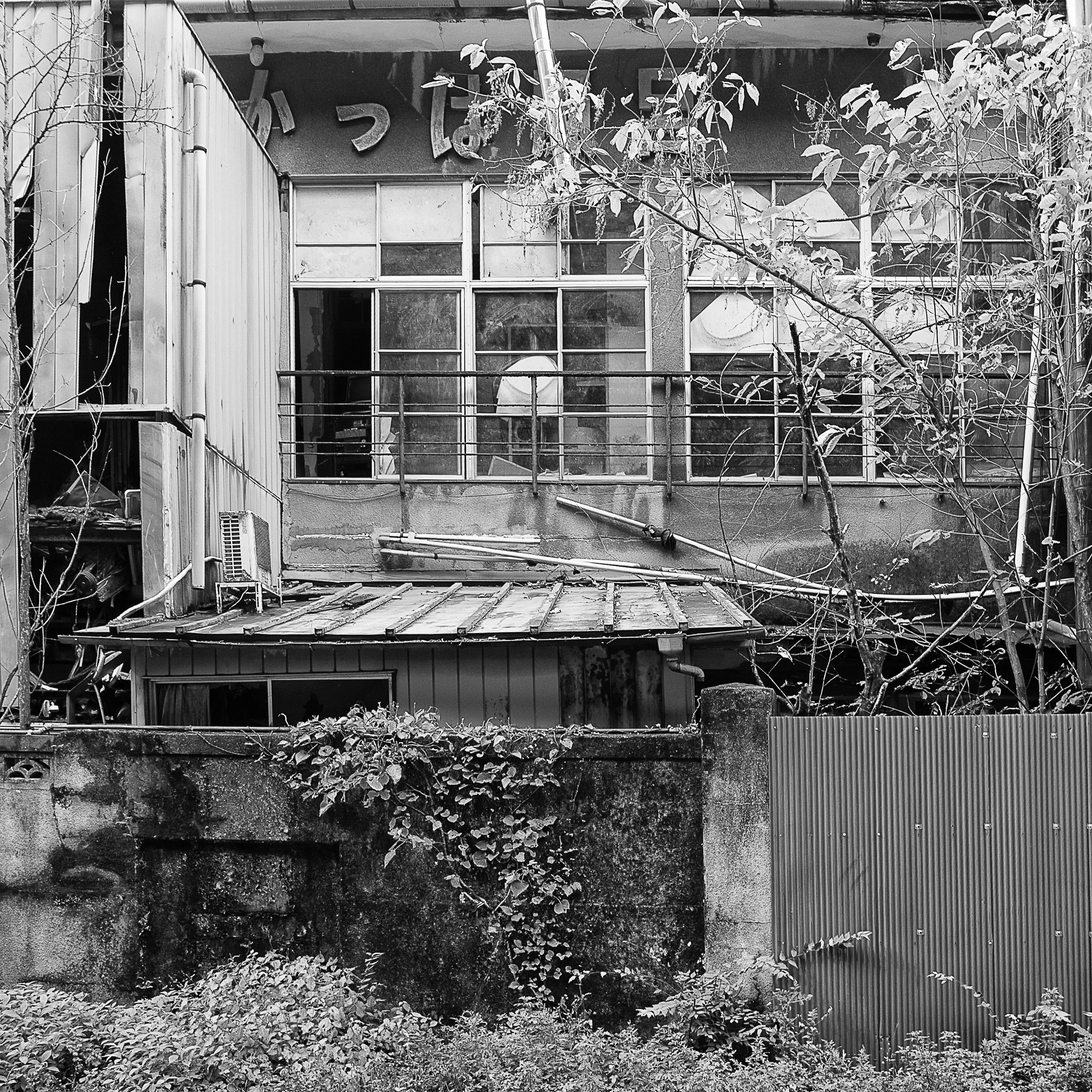
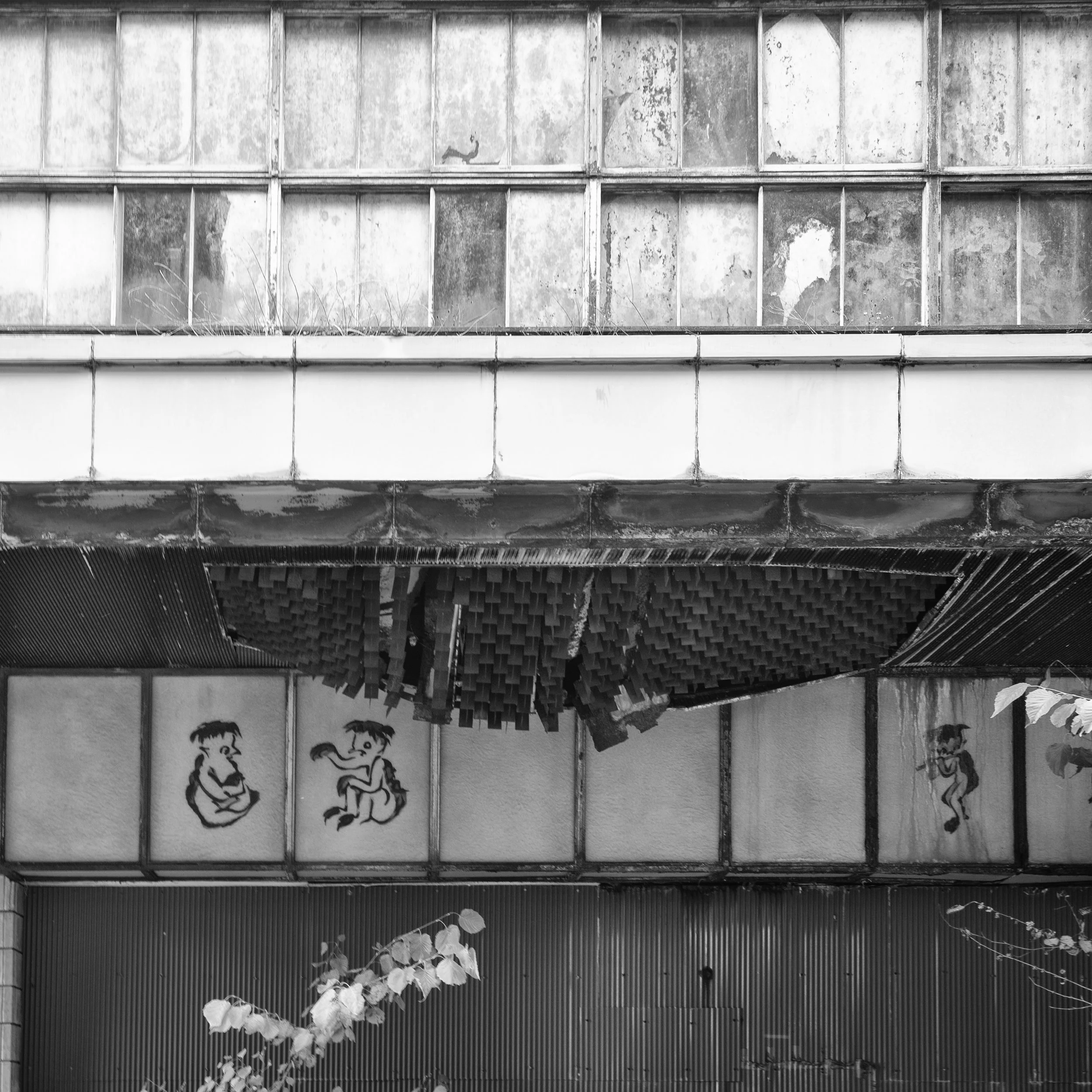
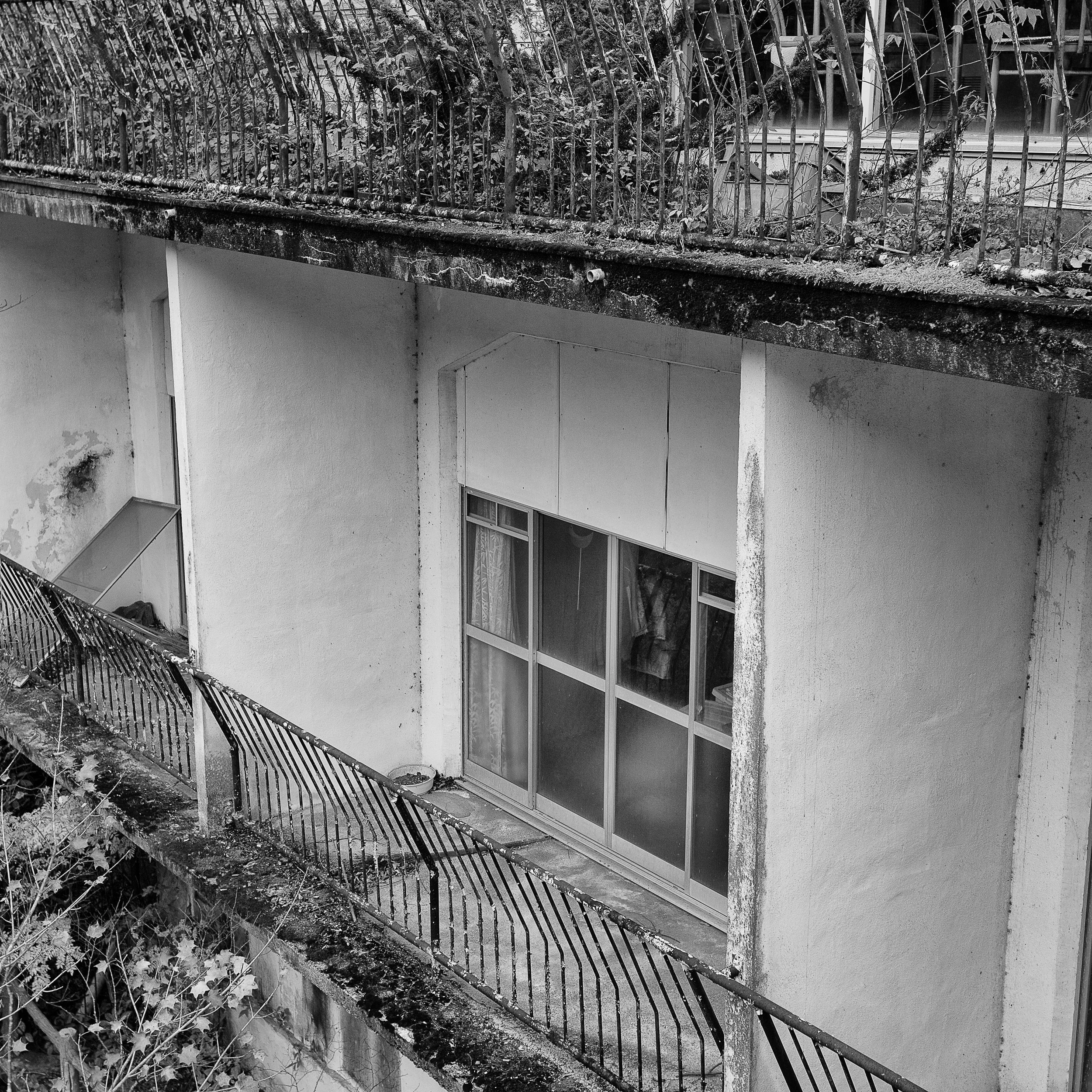
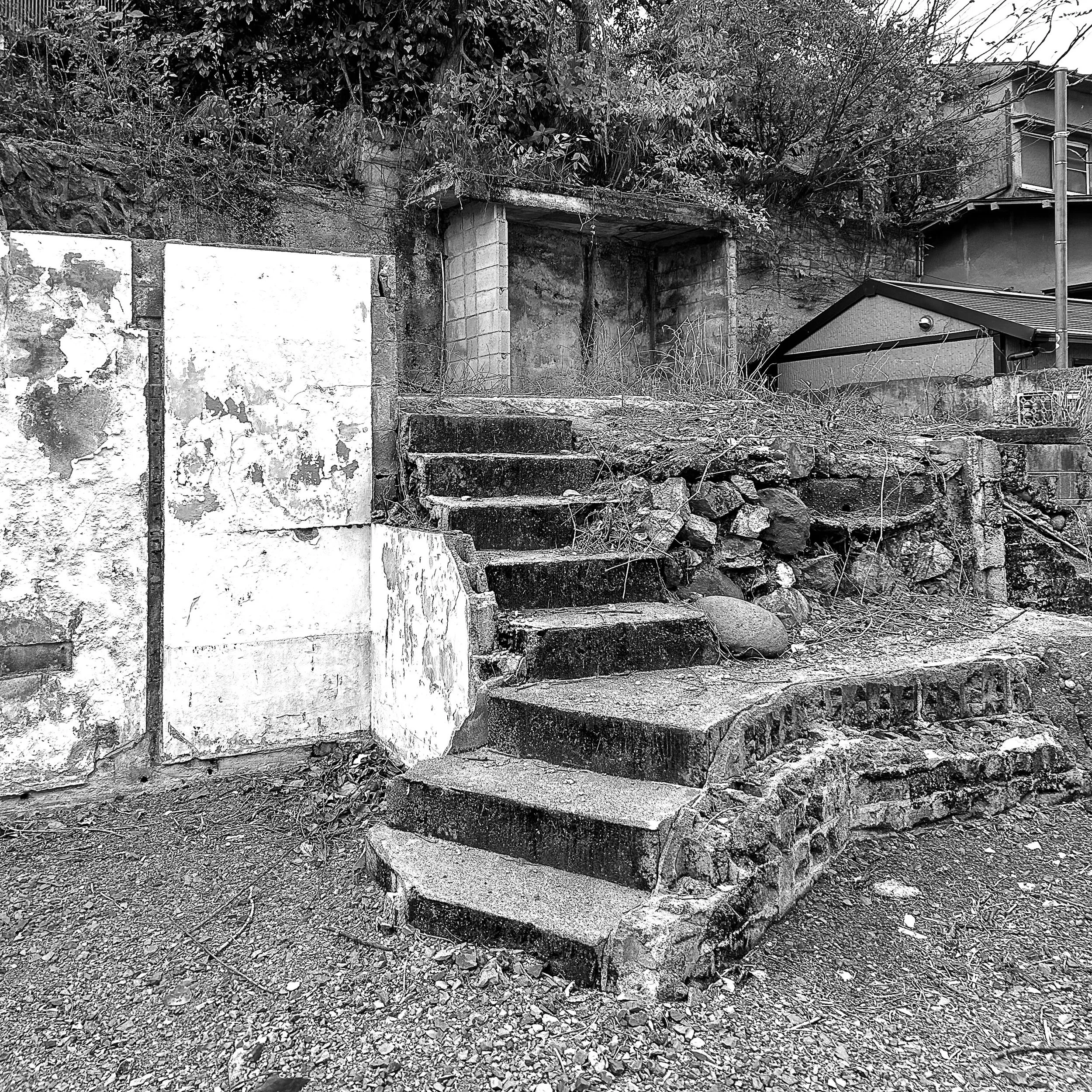
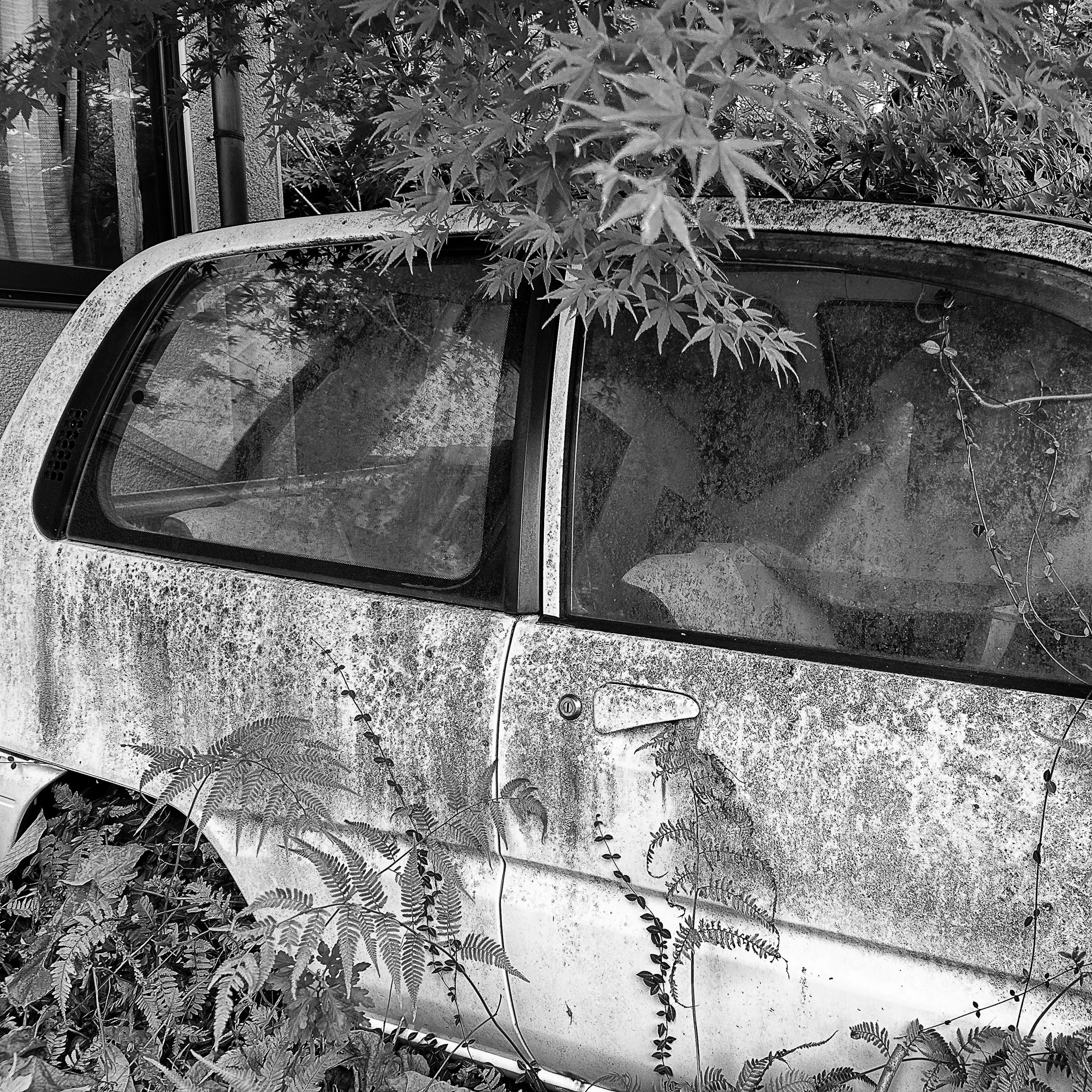
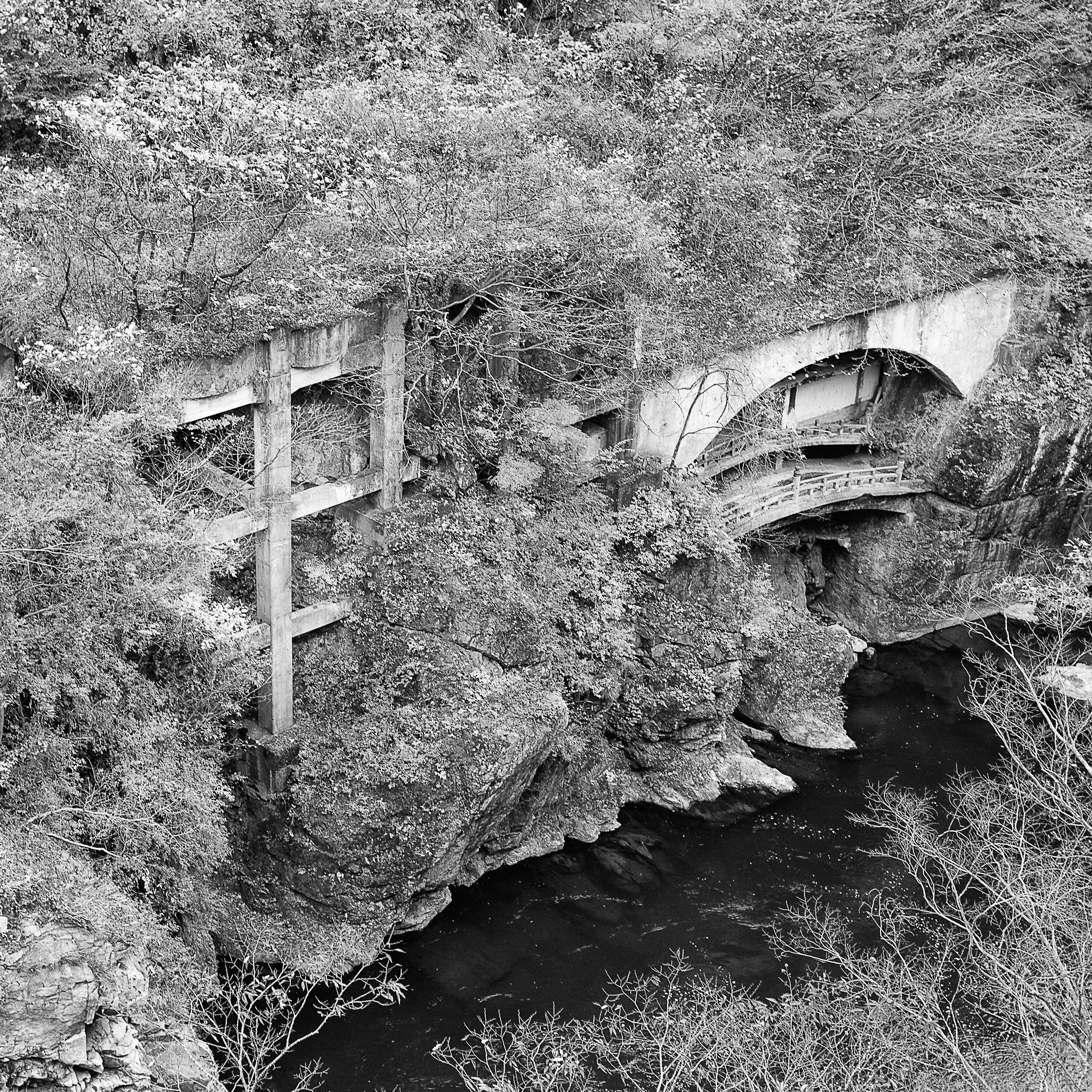
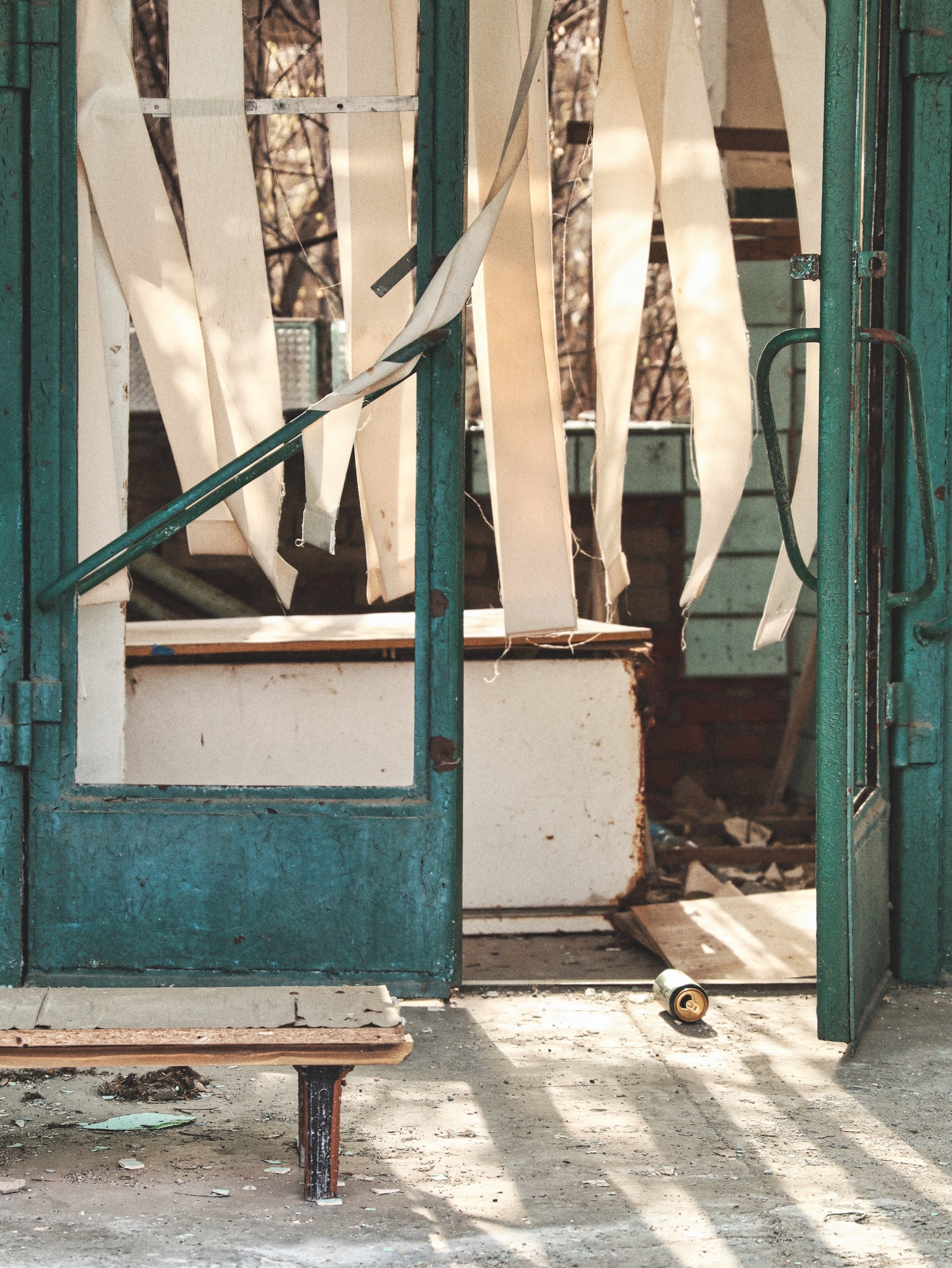
Once a thriving resort town during Japan’s economic boom of the 1980s, Kinugawa now exists in a state of suspension. The collapse of the bubble economy left behind hundreds of hotels and ryokans, abandoned and decaying. These structures cling to cliffs and riverbanks, gradually overtaken by vegetation. Inside, furniture and personal effects remain, as if time stopped abruptly. Doors are locked. Lives have vanished. Some owners disappeared, some died without heirs, and the economic, logistical, emotional price of demolition proved too great. Thirty years on, the town remains largely untouched.
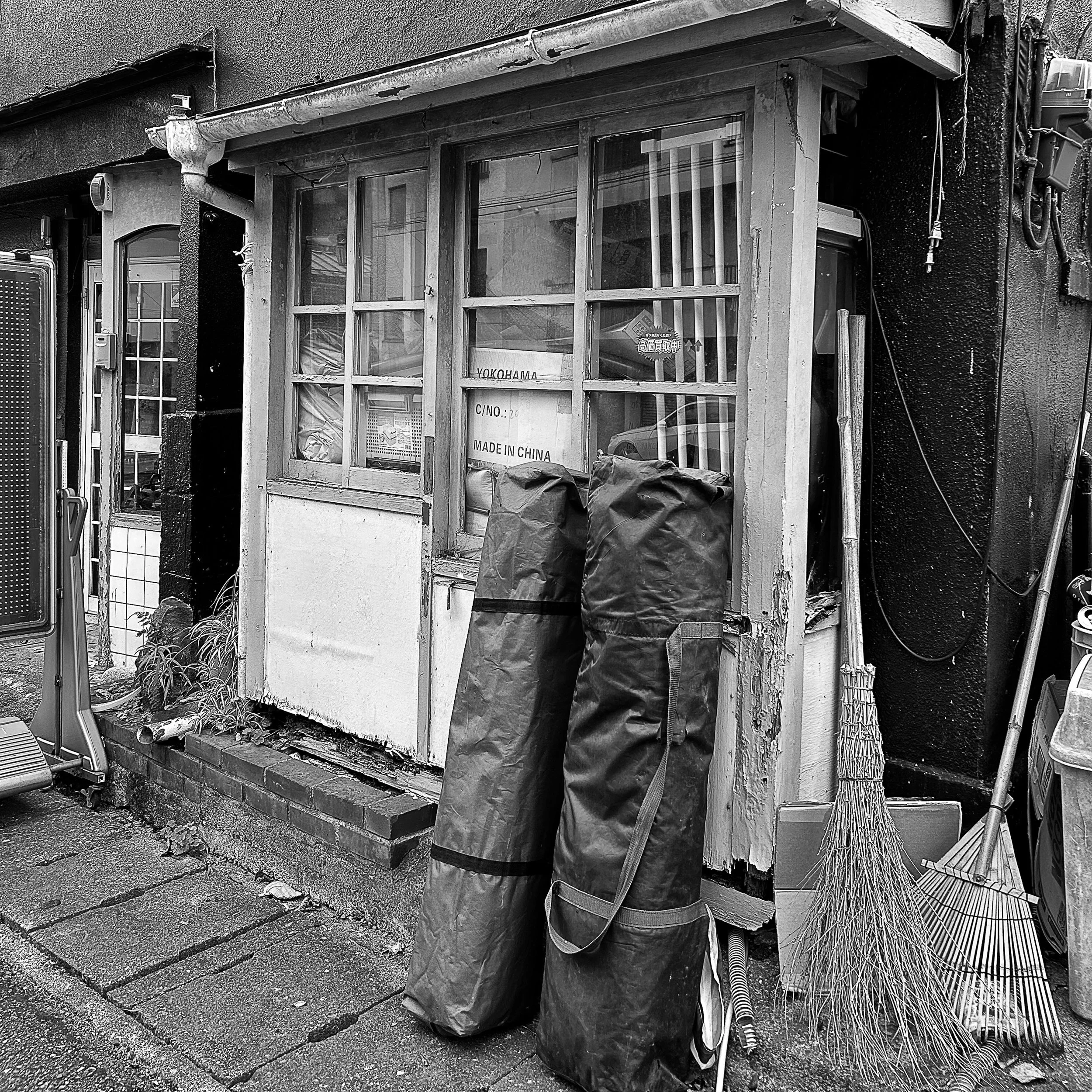
Walking through Kinugawa feels surreal. Active businesses are nearly indistinguishable from derelict ones; even our hotel appeared abandoned until we stood directly in front of it. The route there passed ruin after ruin, evoking the atmosphere of a ghost town. The silence is heavy, punctuated only by warning signs about surveillance cameras and trespassing. Despite the decay, there is little evidence of looting or squatting; an absence of human interference that allows the place to deteriorate slowly, honestly.
Attempts at revitalisation are encouraged via boat rides, attractions and gestures toward renewal but they feel fragile against the scale of abandonment. This makes the setting all the more poignant. The river that cuts through Kinugawa is breathtaking, and in autumn the landscape is luminous. Beauty and loss coexist here without resolution.
This work is driven by questions of impermanence, neglect, and the quiet aftermath of economic collapse. As earthquakes, storms, and vegetation continue their slow reclamation, what will remain of Kinugawa? What will these structures become in one hundred years, or one thousand, or more? The town feels less like a ruin and more like a future archaeological site; one that asks us to consider how societies leave, and what the land remembers after we are gone.
Matthew Lewis
-
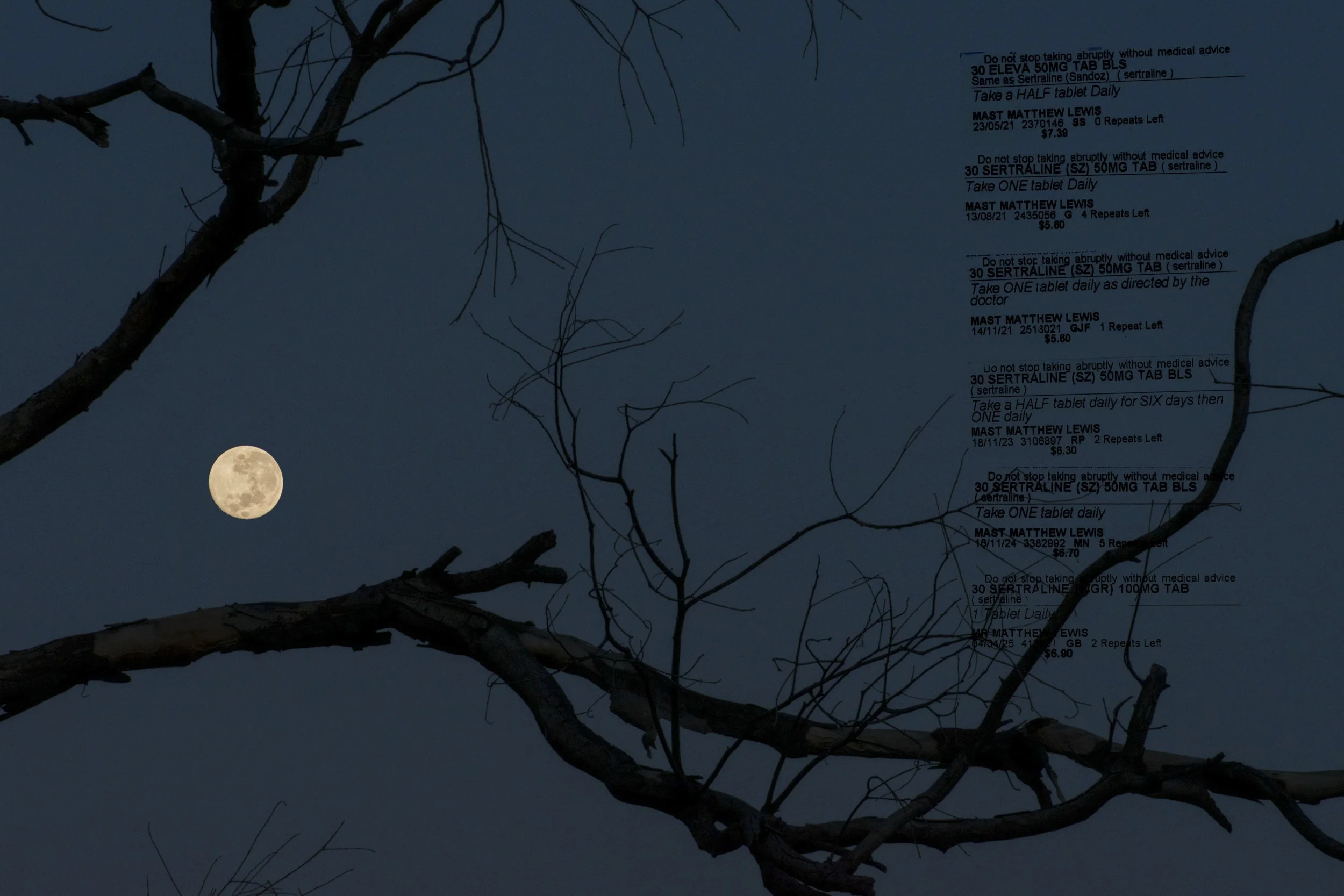
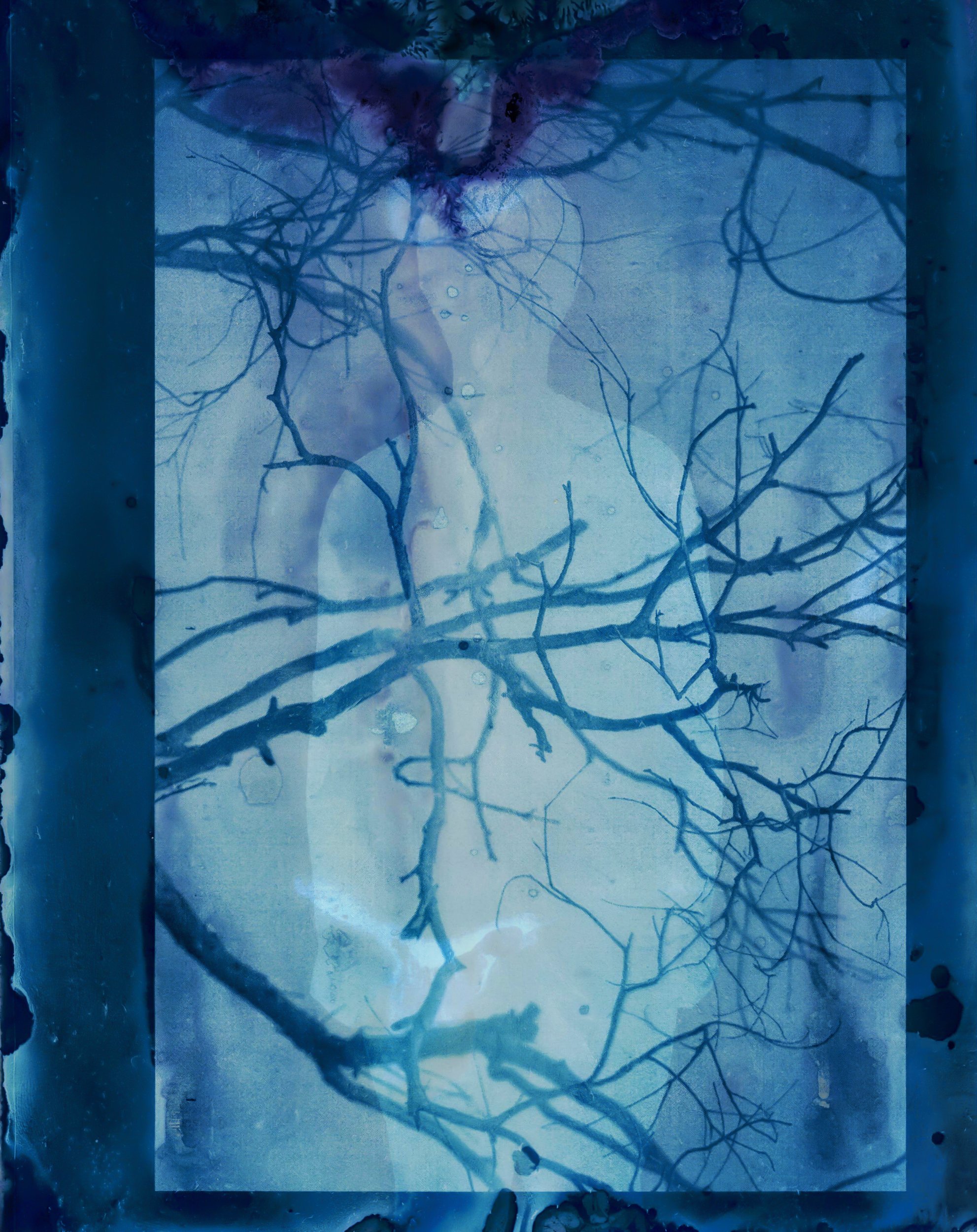
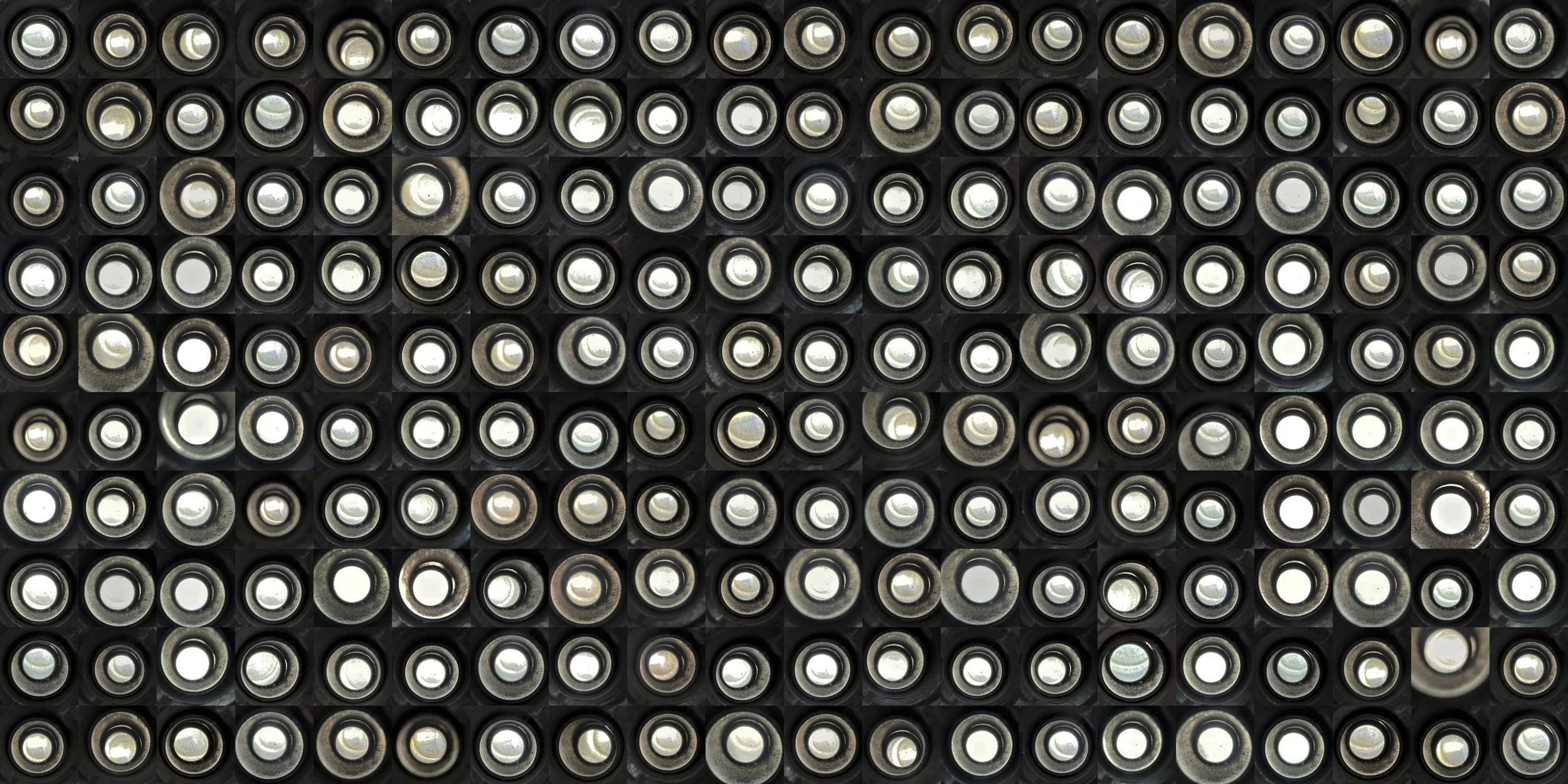
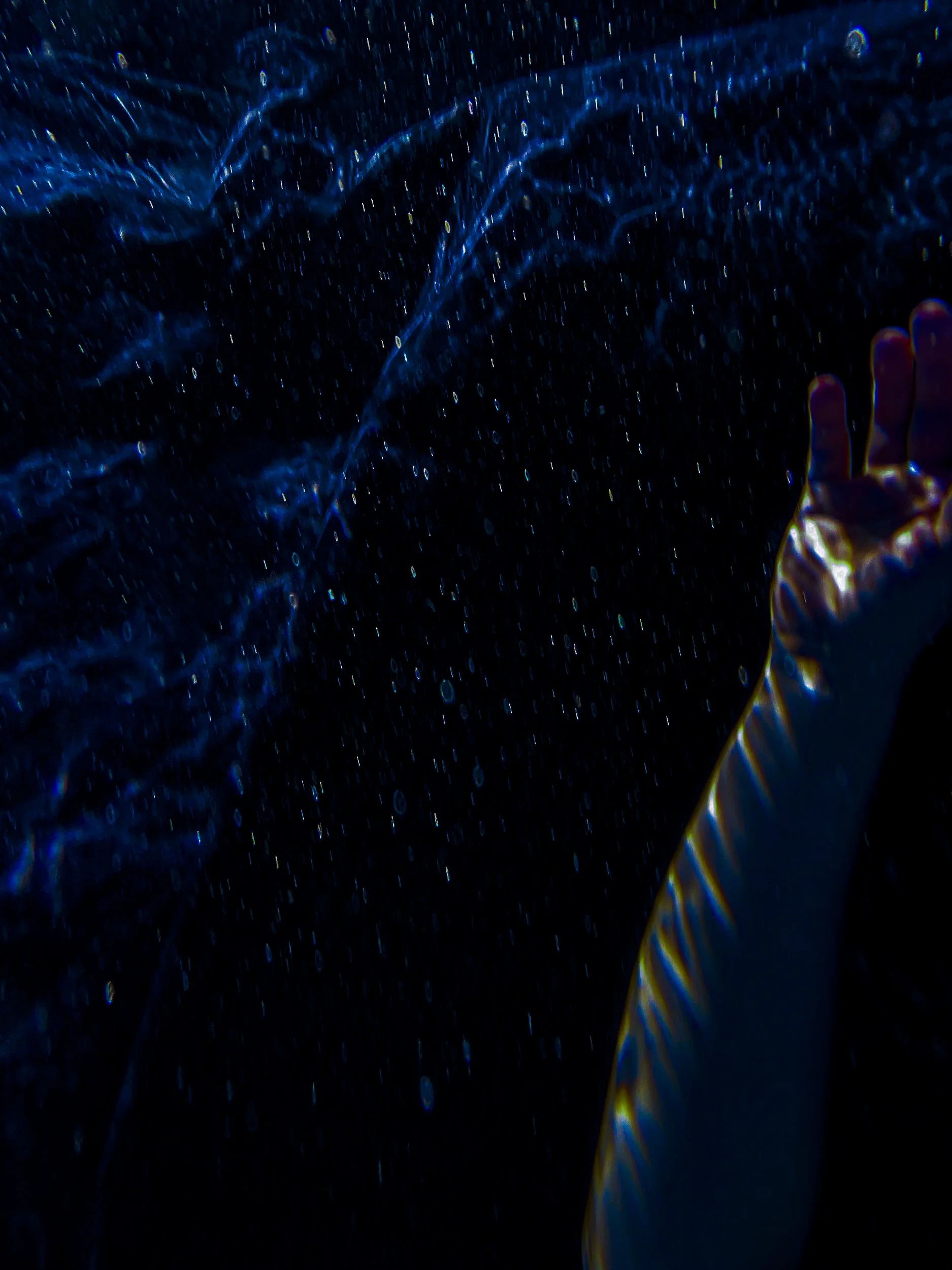
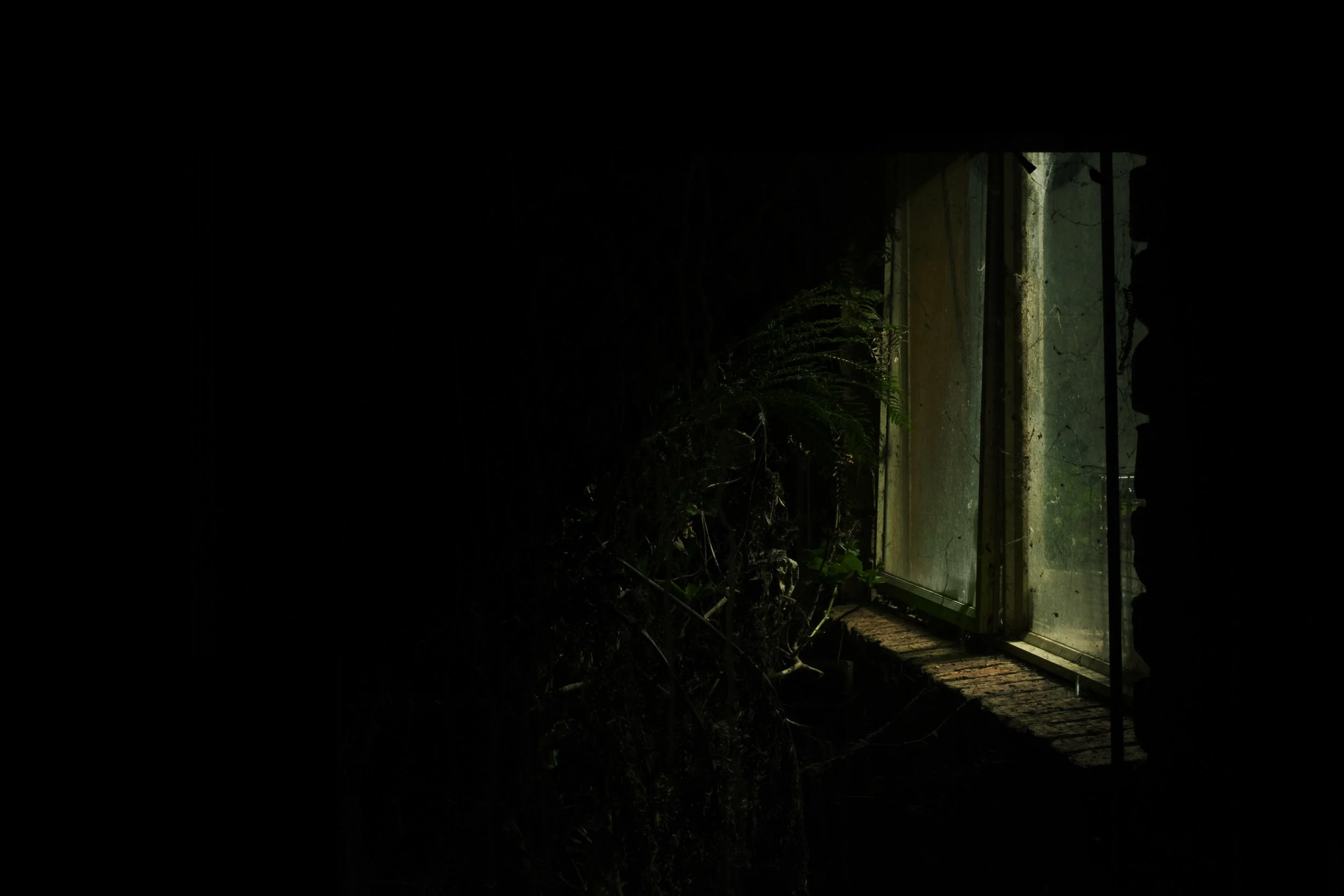
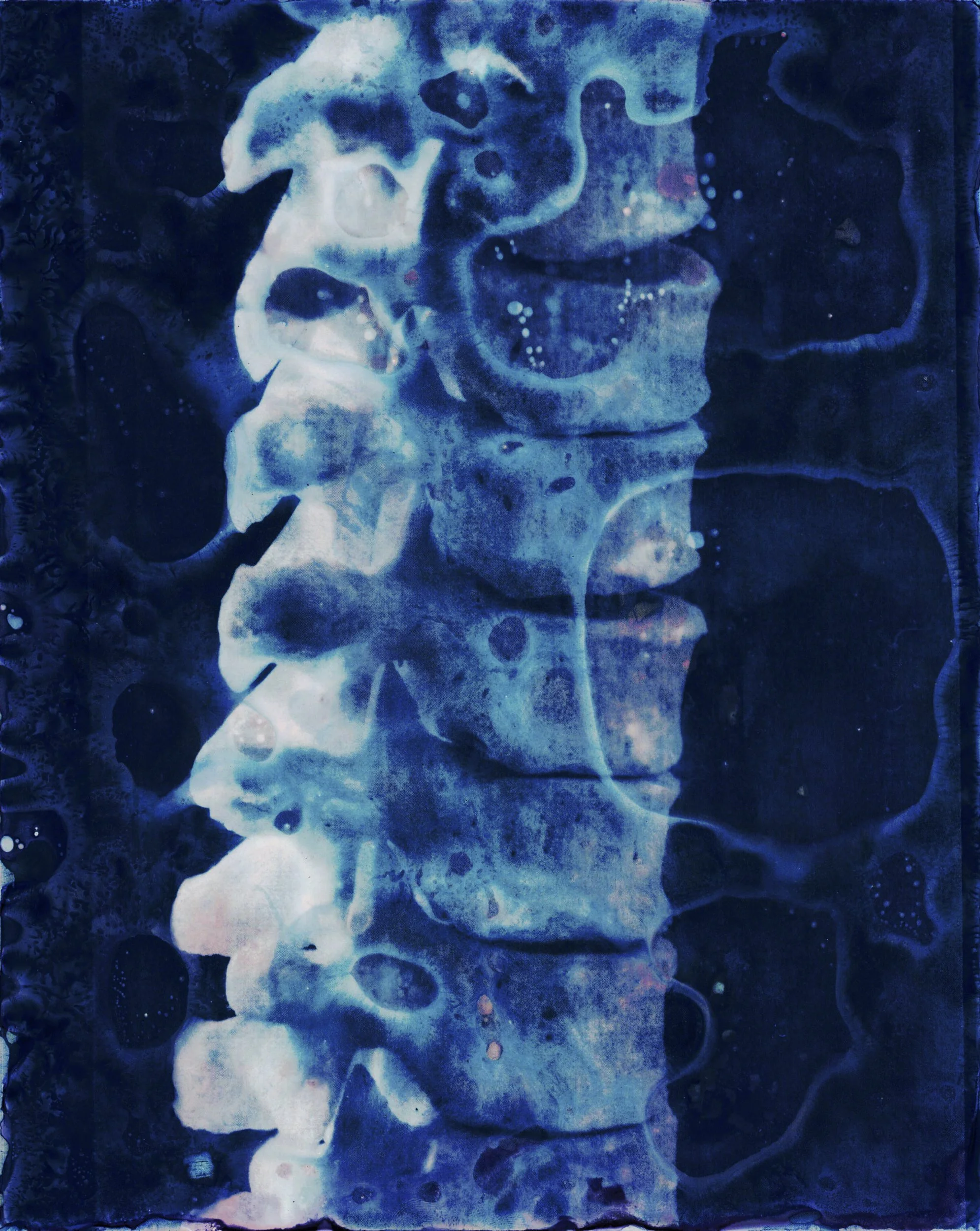
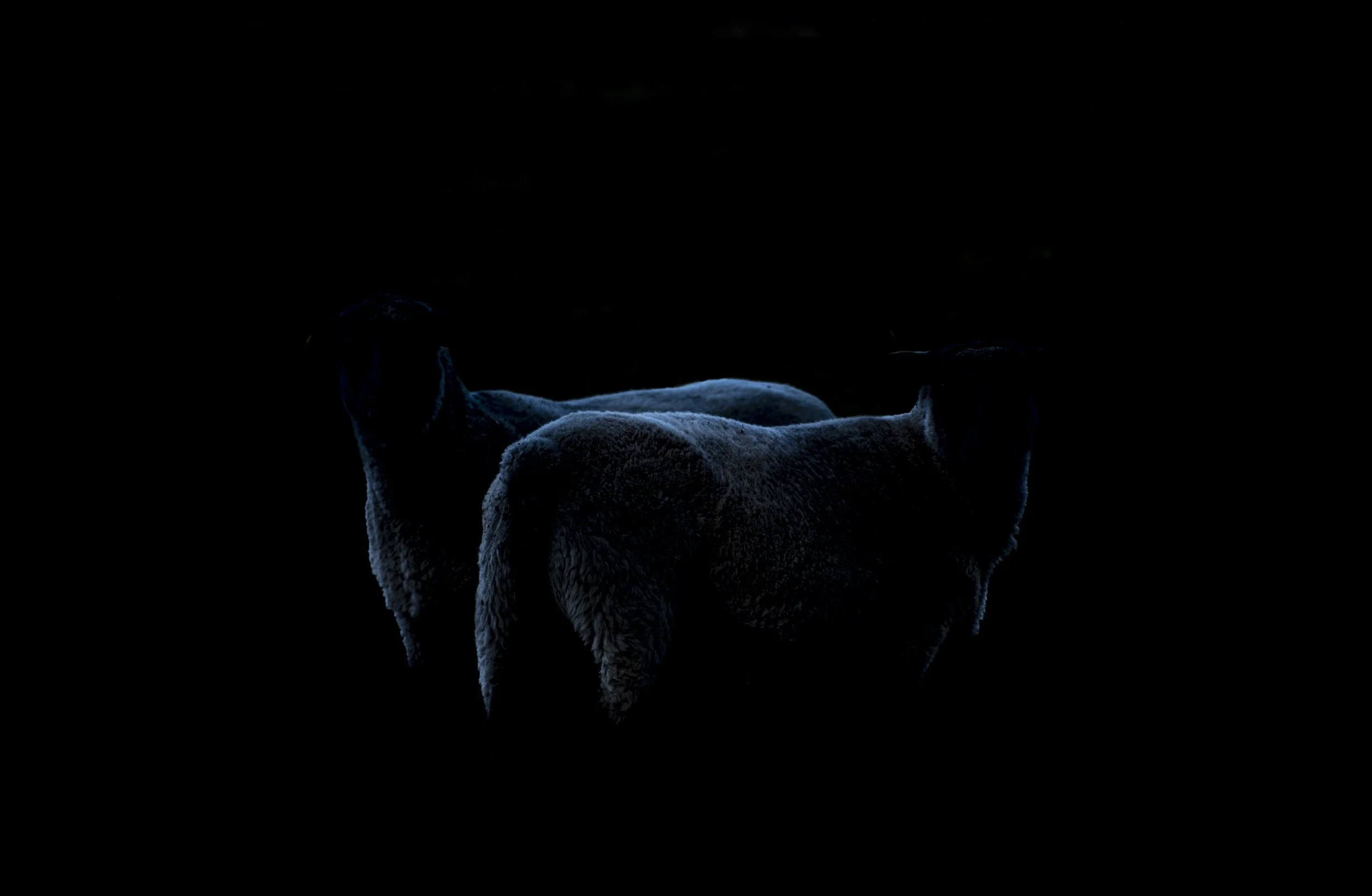
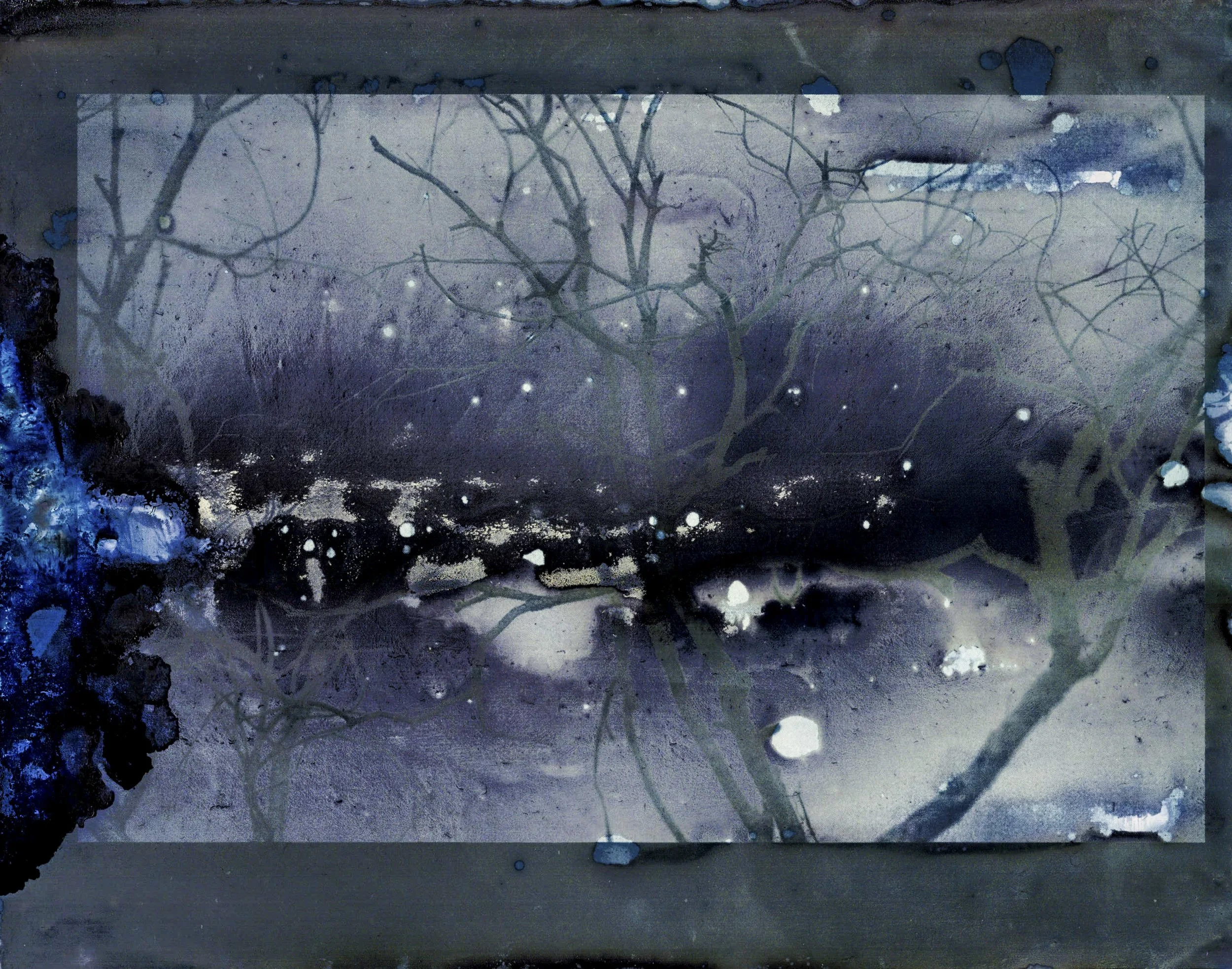
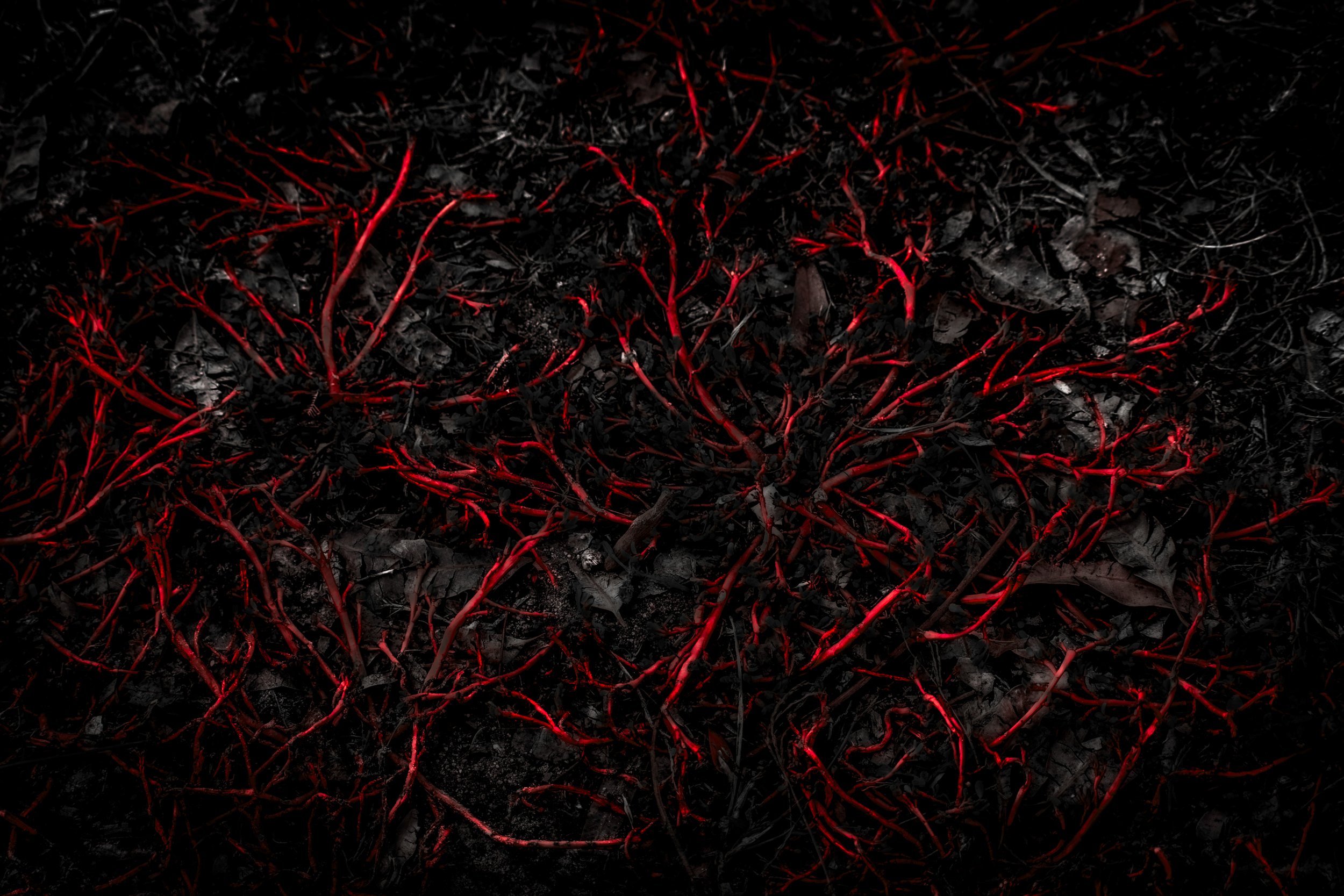
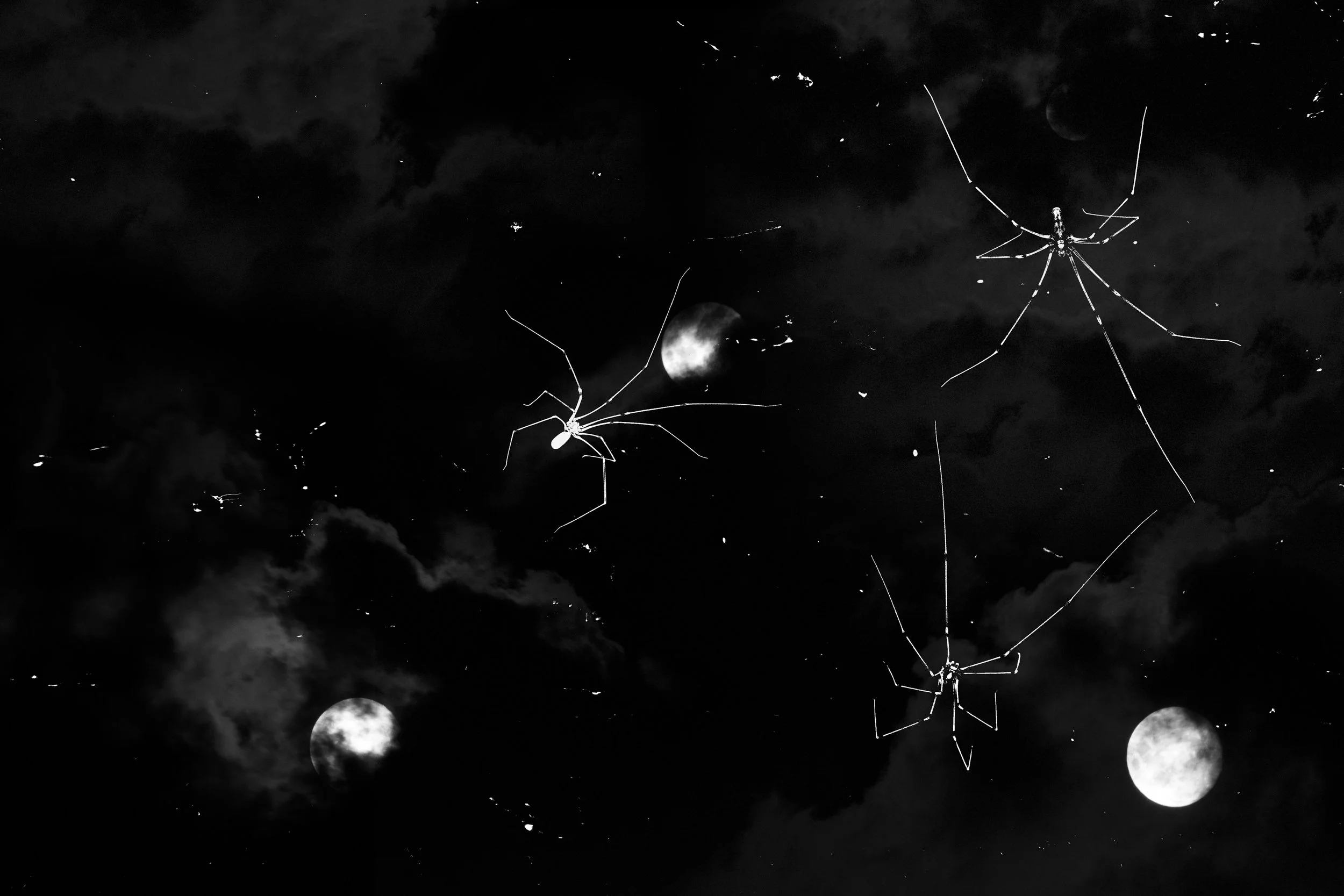
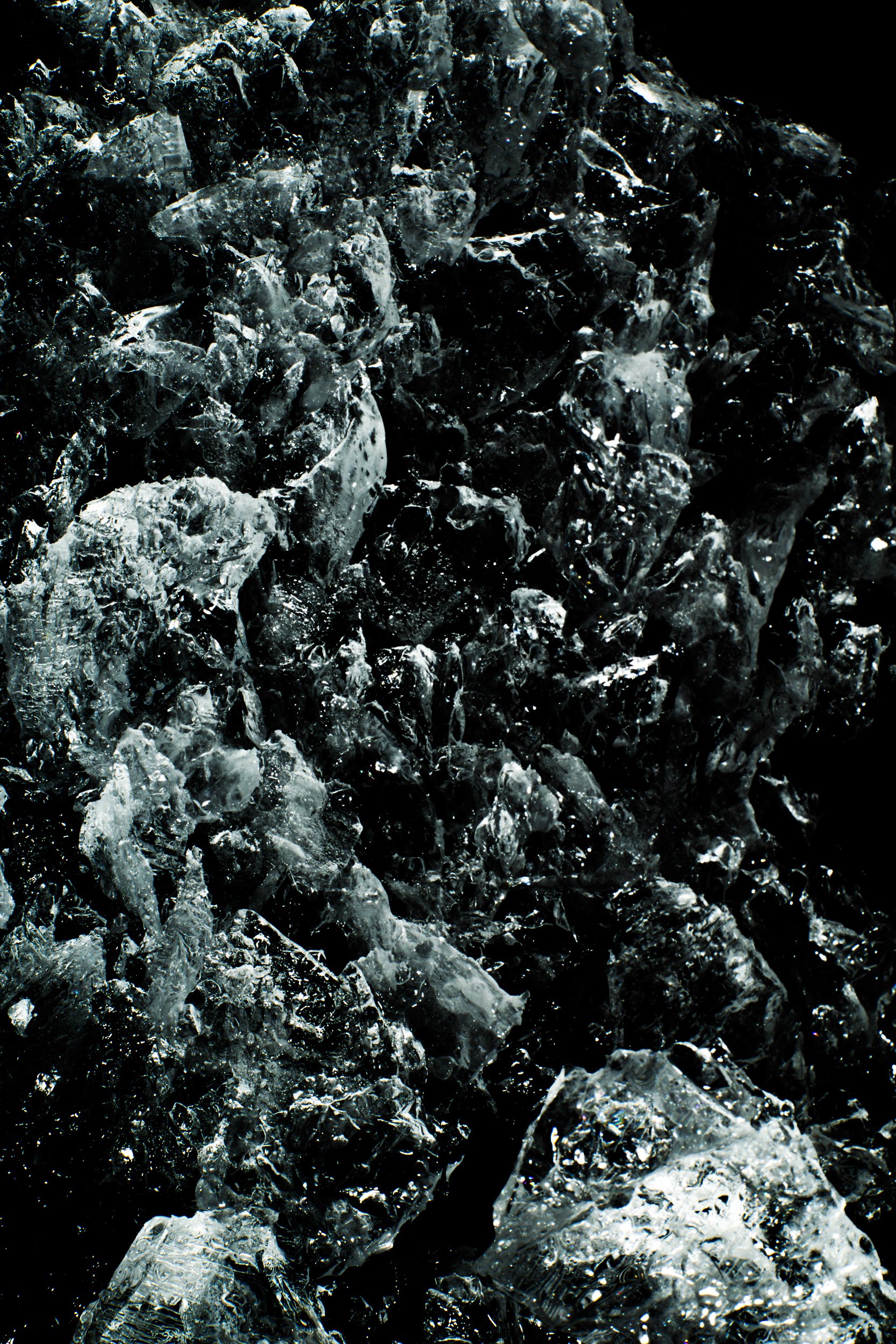
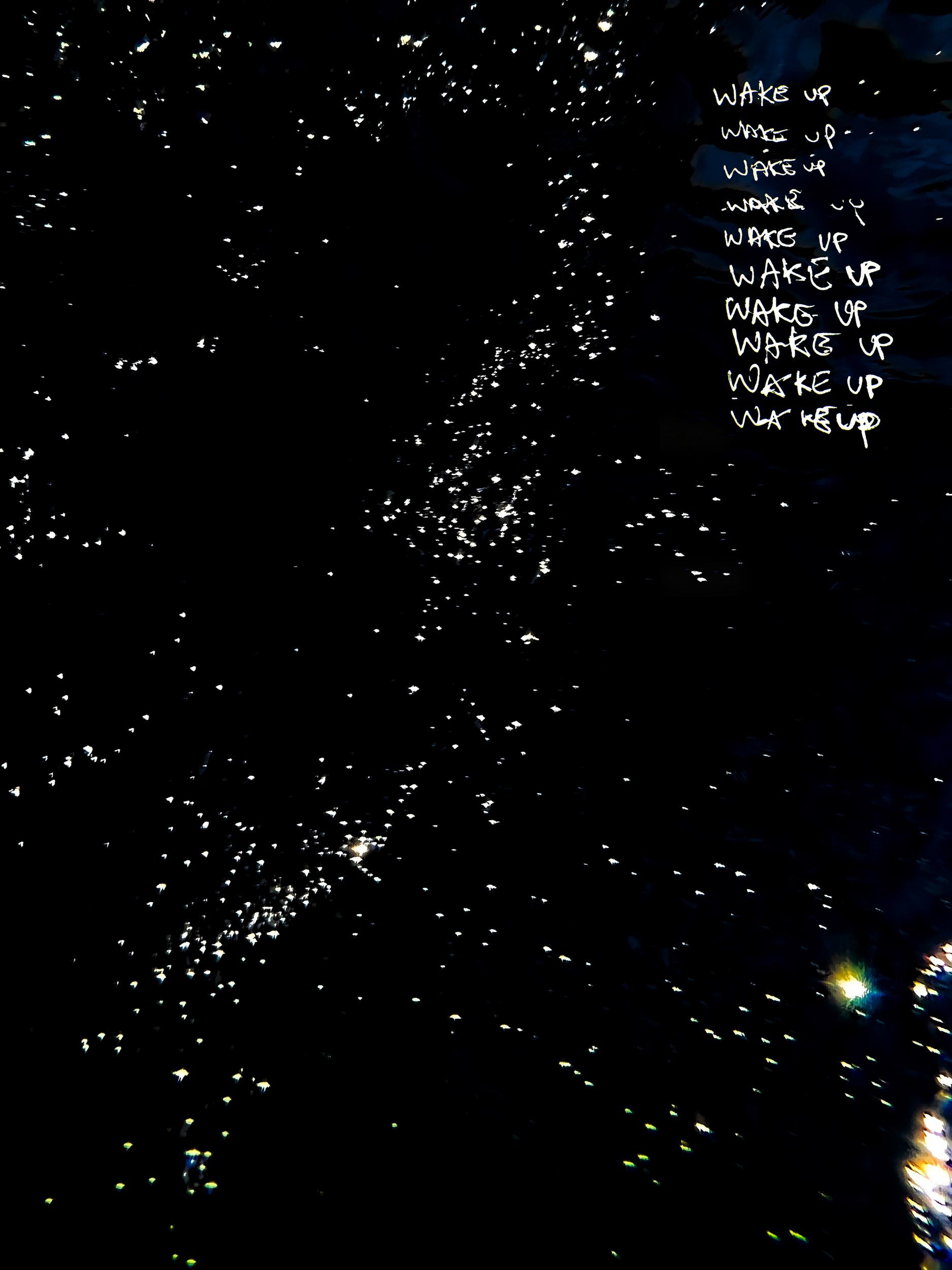
Infinite Wisdom began with a stolen tooth, a piece of someone else pocketed as if it were my own, a secret act of rebellion against the monotony of normalcy.
This moment felt bigger than me, a reclamation, a new foothold amongst the loosening grip I have on life, the result of shifting from adolescence to adulthood and having to reestablish my place in the world.
Jungian philosophy states that from a young age, we are divided in two. The Ego, encapsulating our socially acceptable characteristics, and the Shadow, where we hide the rest. The dark side of the moon.
Infinite Wisdom is the result of obscuring the boundaries. A shadow is inescapable, and I am harnessing mine. Facing my internal world without flinching, giving it a face, an existence outside of myself. Trying to piece together the fragmented inner turbulence, the results abstract and restless, resisting clarity the same way my mind does.
I am figuring out how to speak its language instead of trying to translate it.
Irena Jurca
-
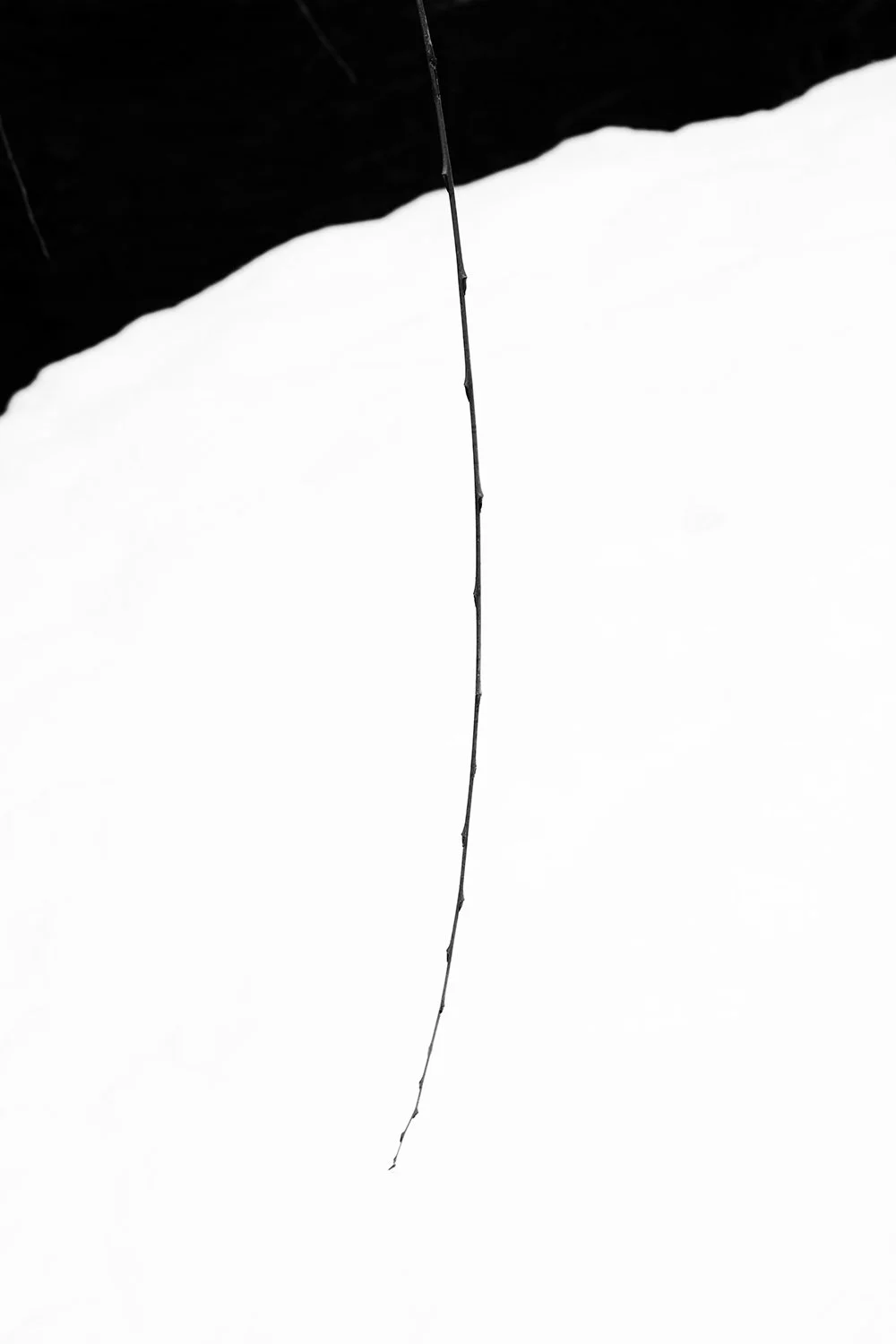
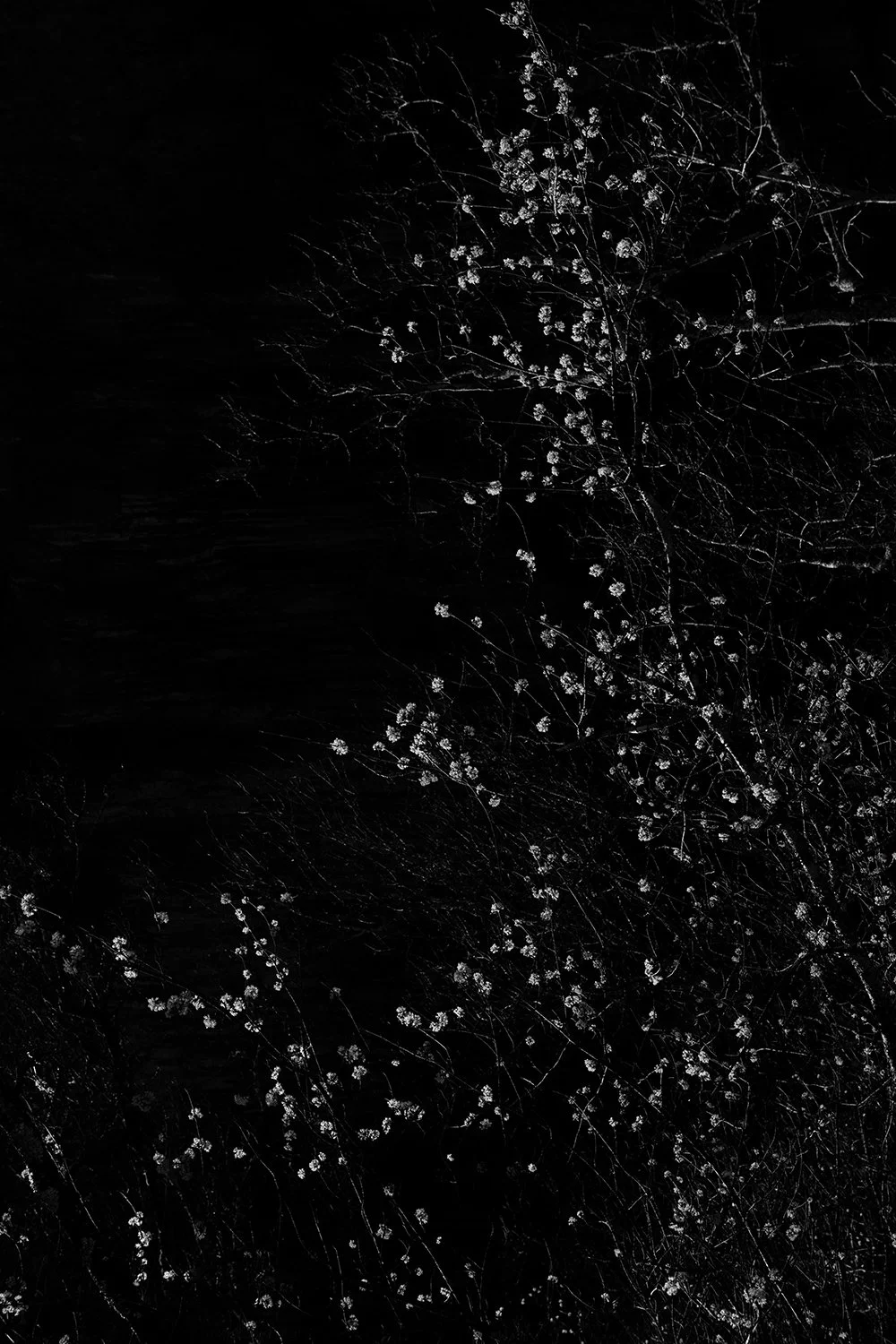
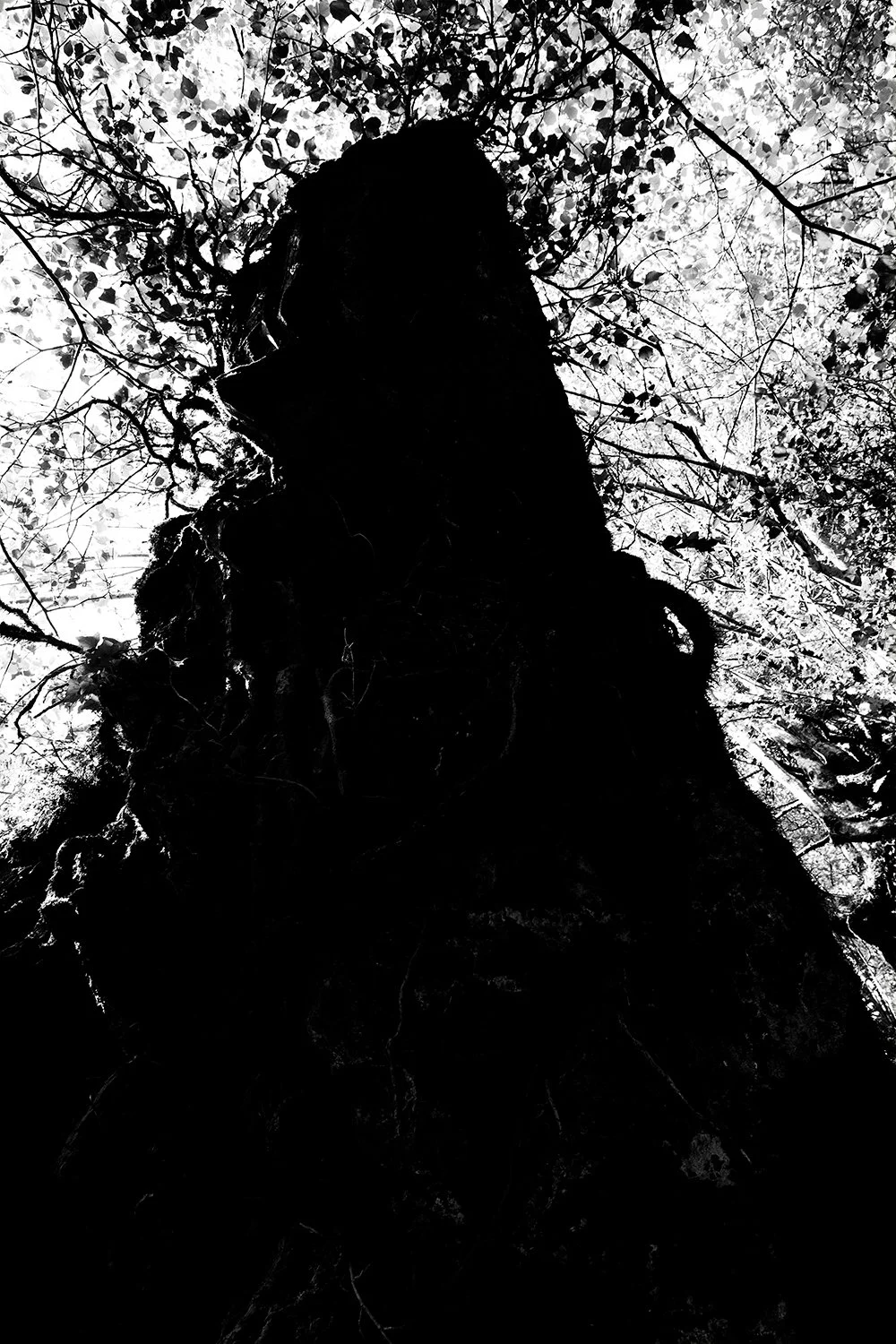
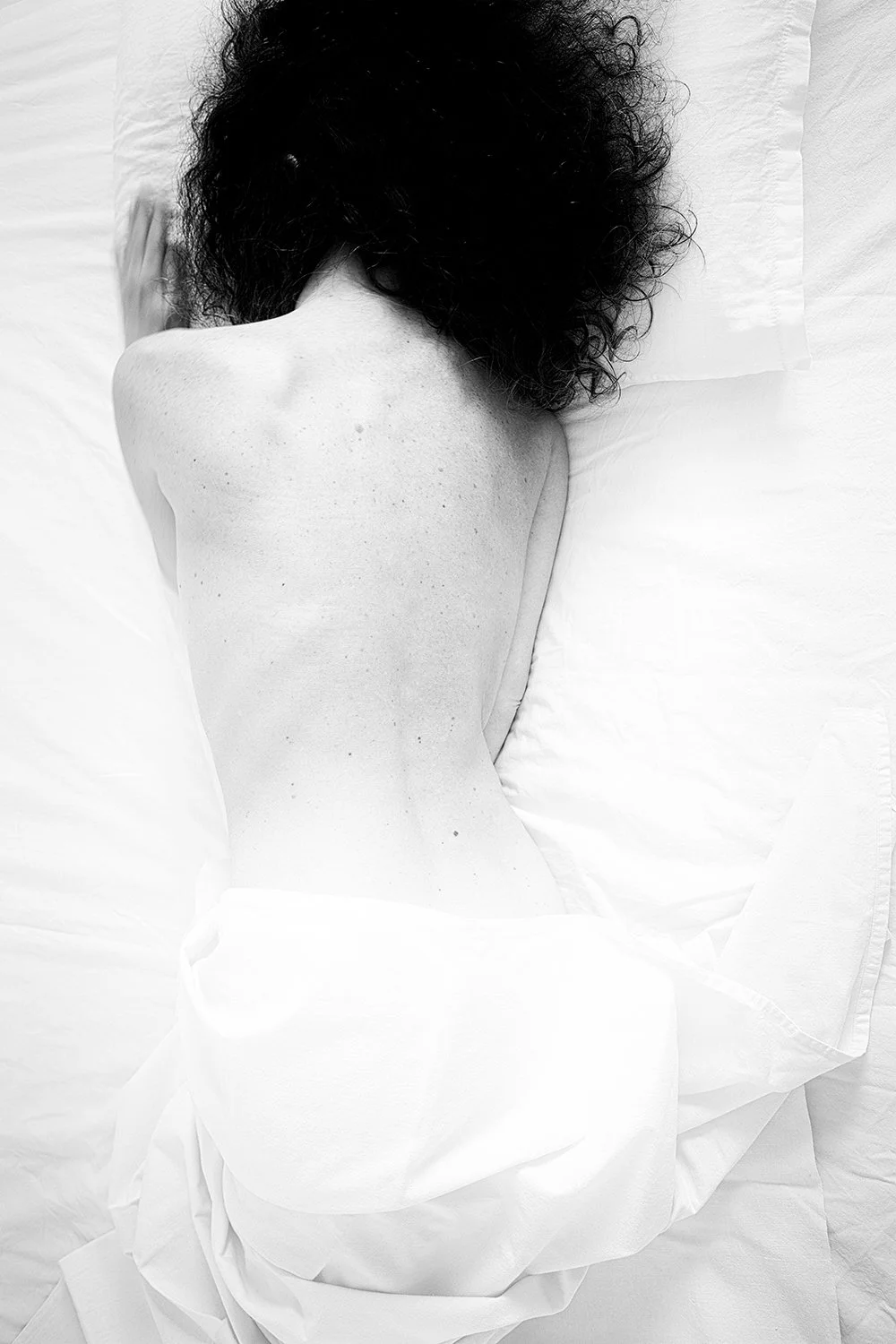
The series Dream a Different Dream reflects on the internal process of transformation that unfolds when familiar identities and worldviews dissolve into the uncertainty of the unknown. It is an echo of the life that was and the new life that is slowly being born.
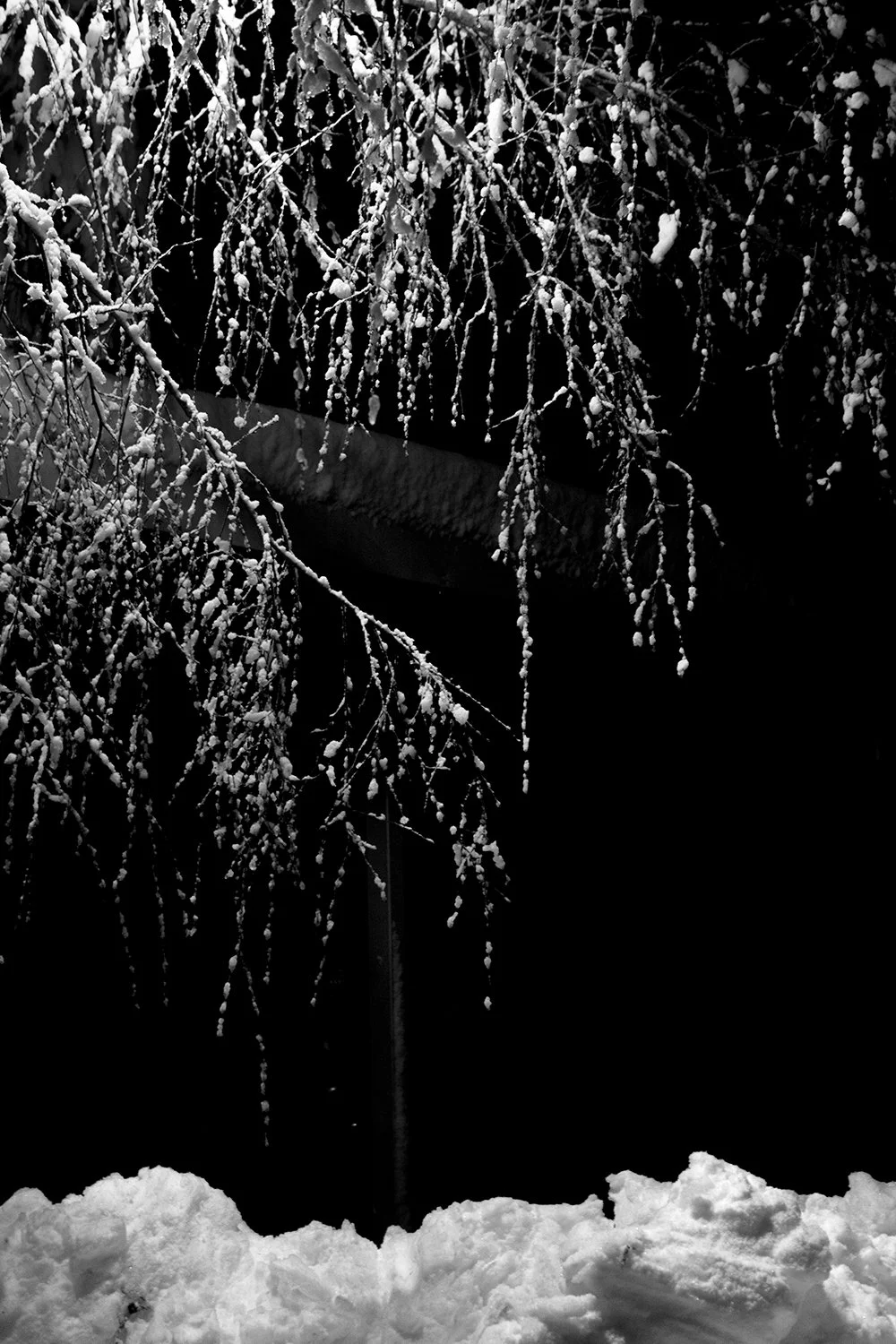
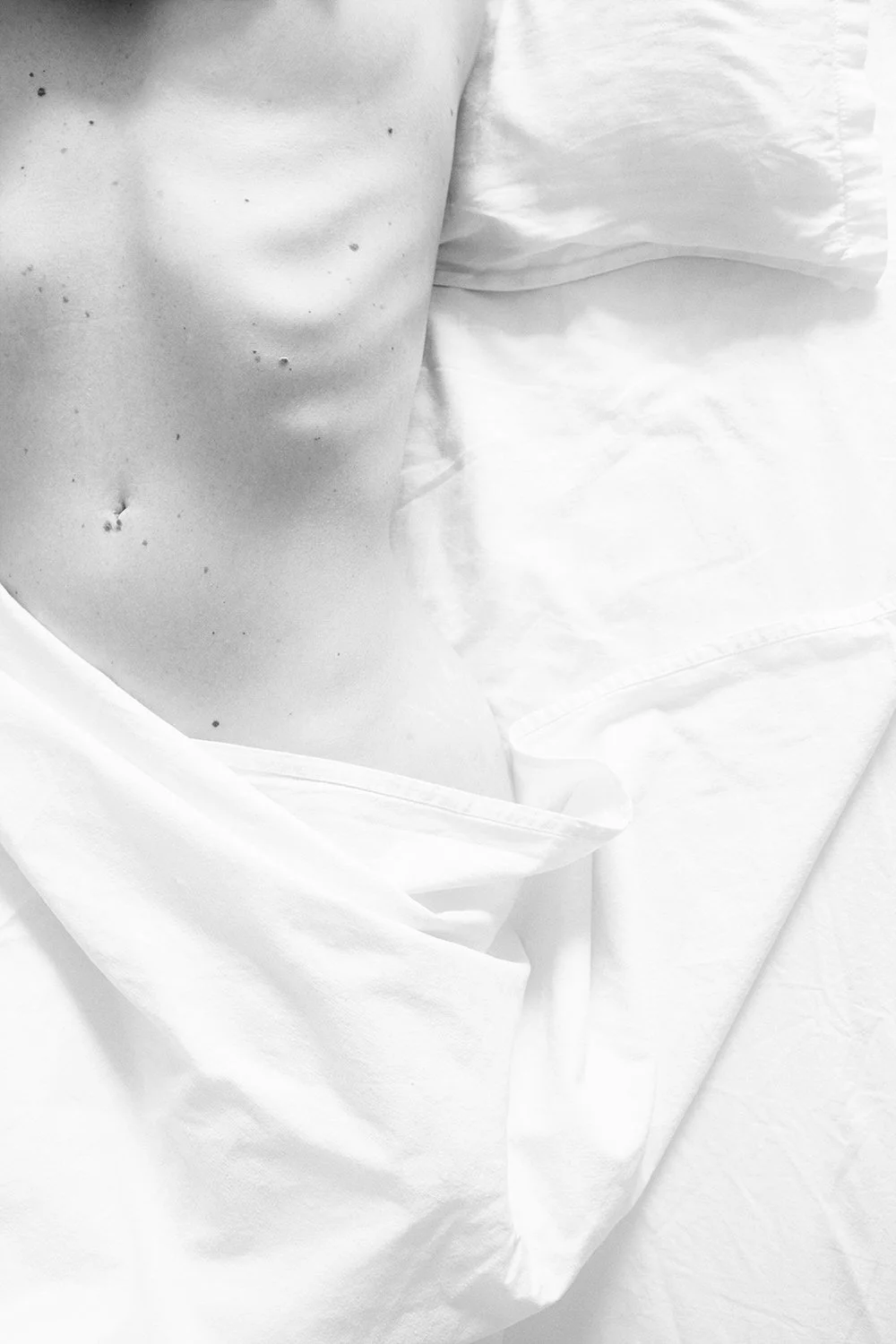
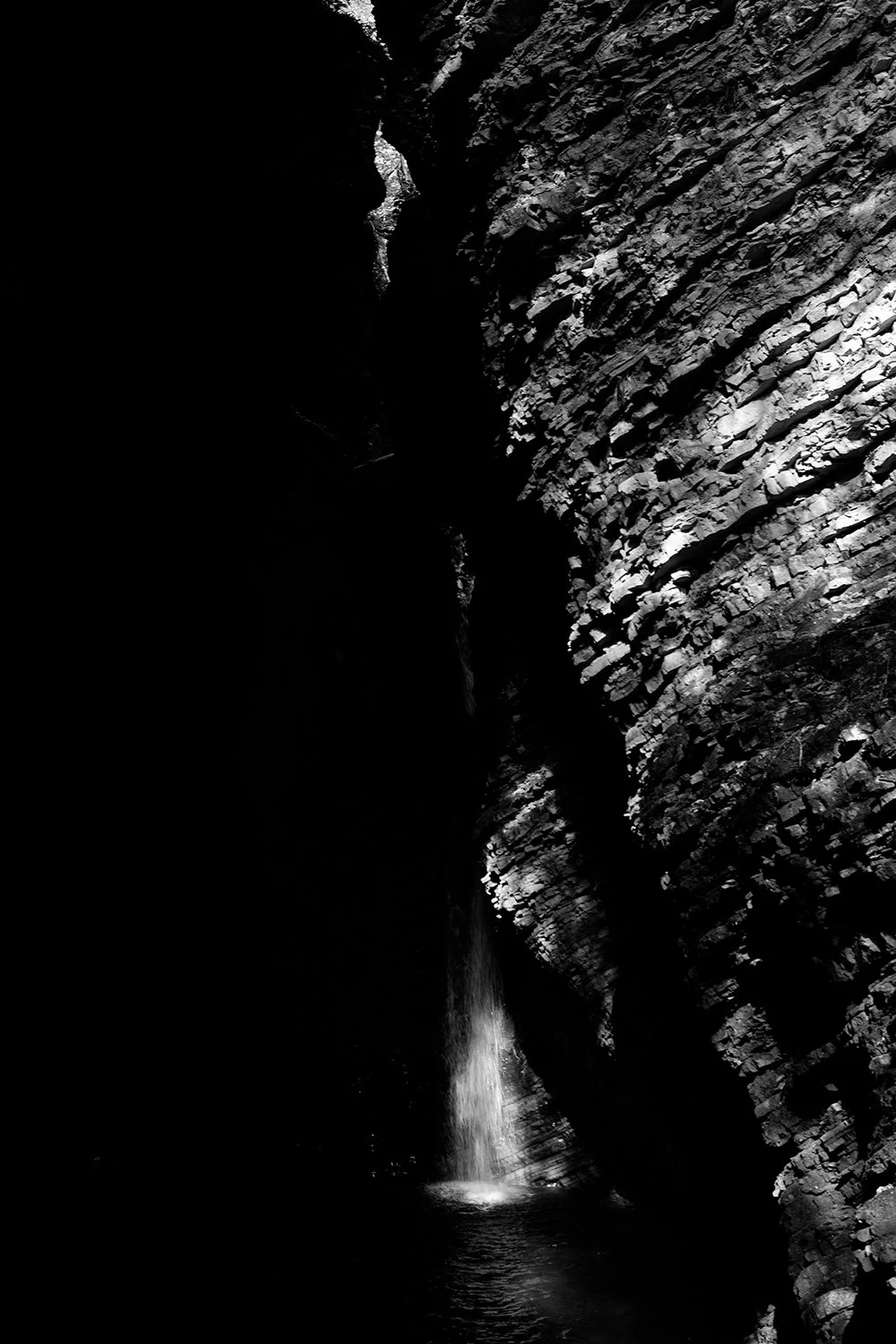
Through self-portrait images of my body and its expressions, I explore my relationship with myself and the role of nature in shaping my sense of self. Nature represents a bridge reconnecting me with my emotions, compassion, meaning, and beauty.
The series is a depiction of intimate realities and the quiet but significant shifts in my life that also influence those around me and the world at large.

Claudia Moszynski
-
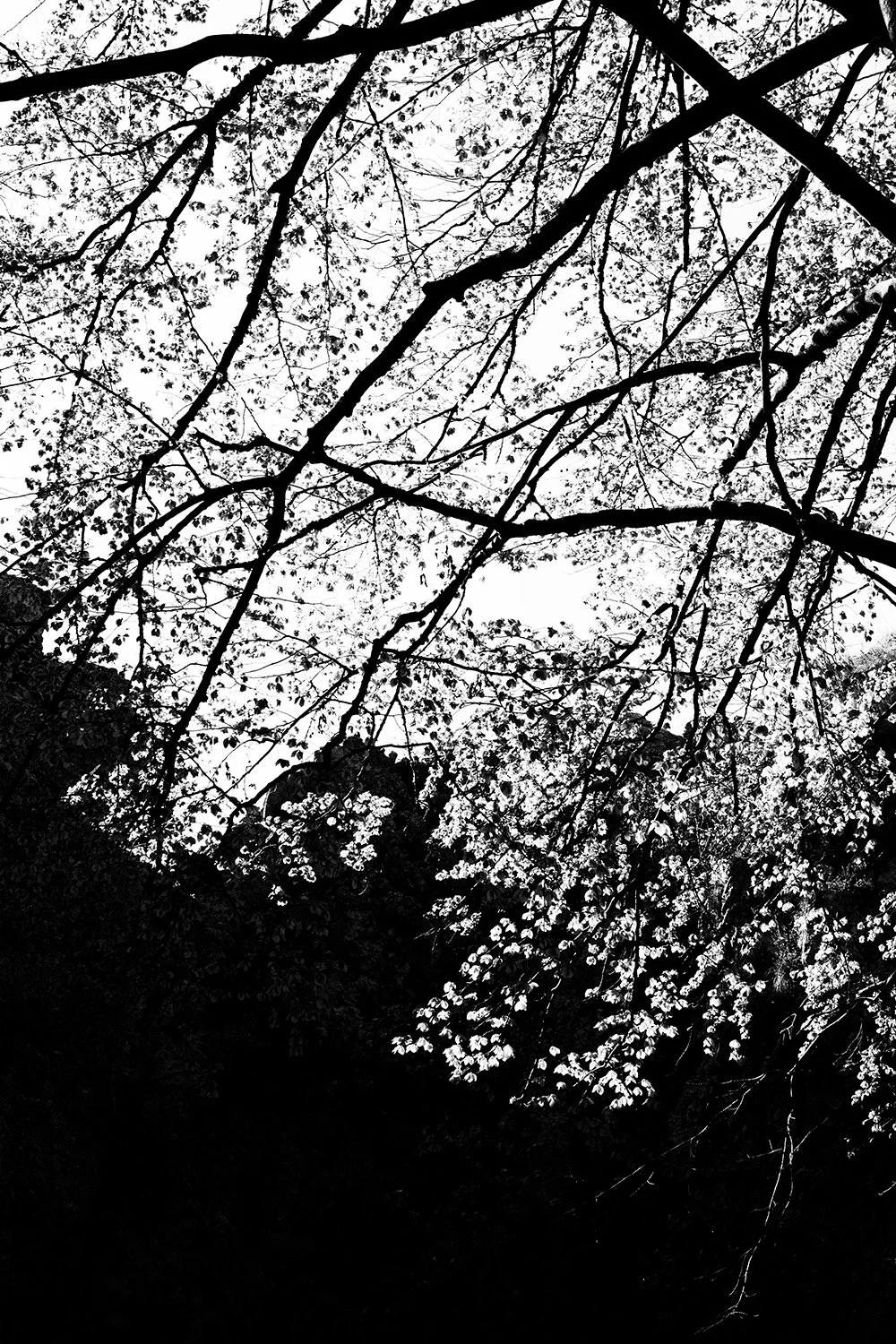
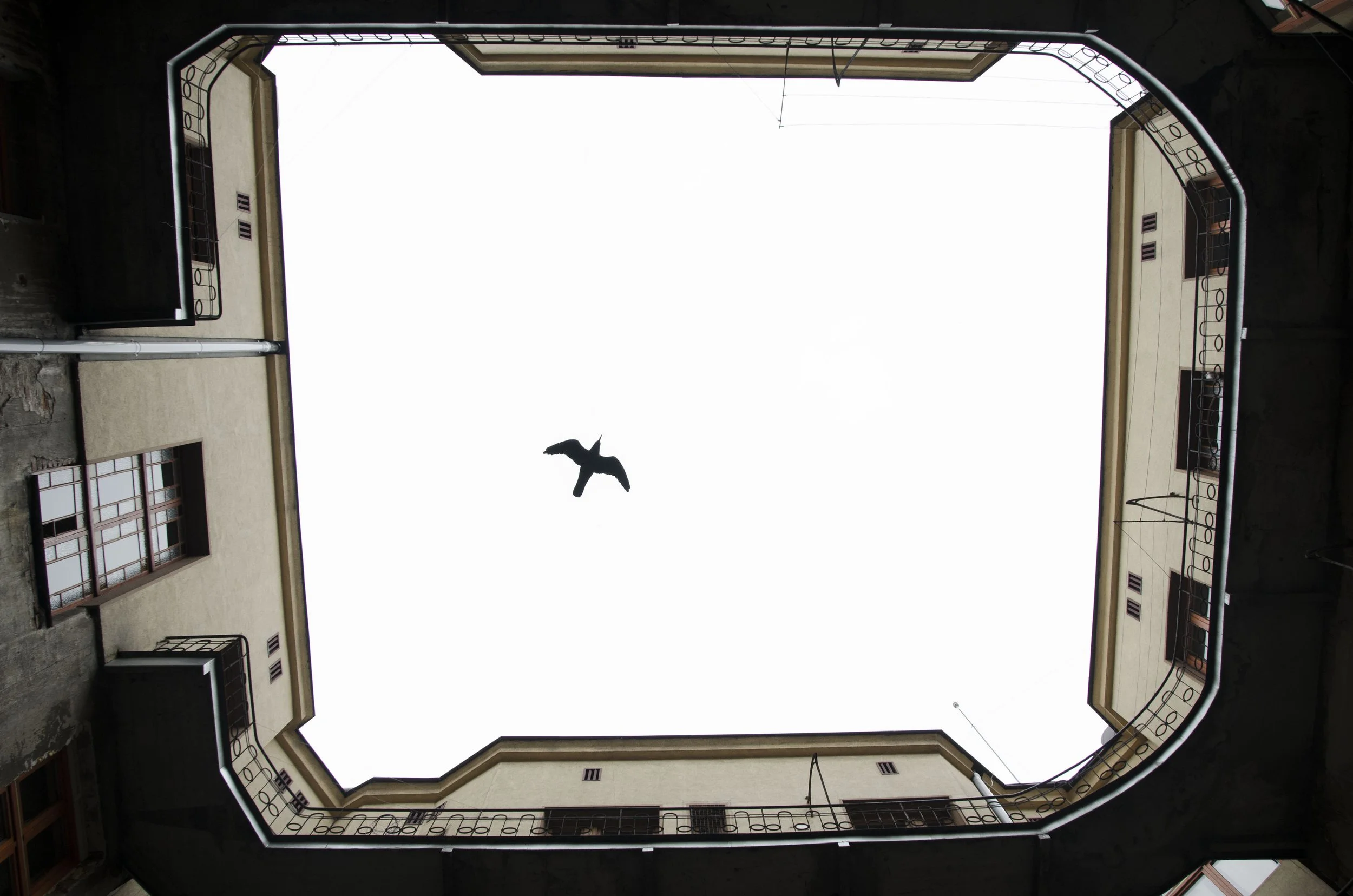
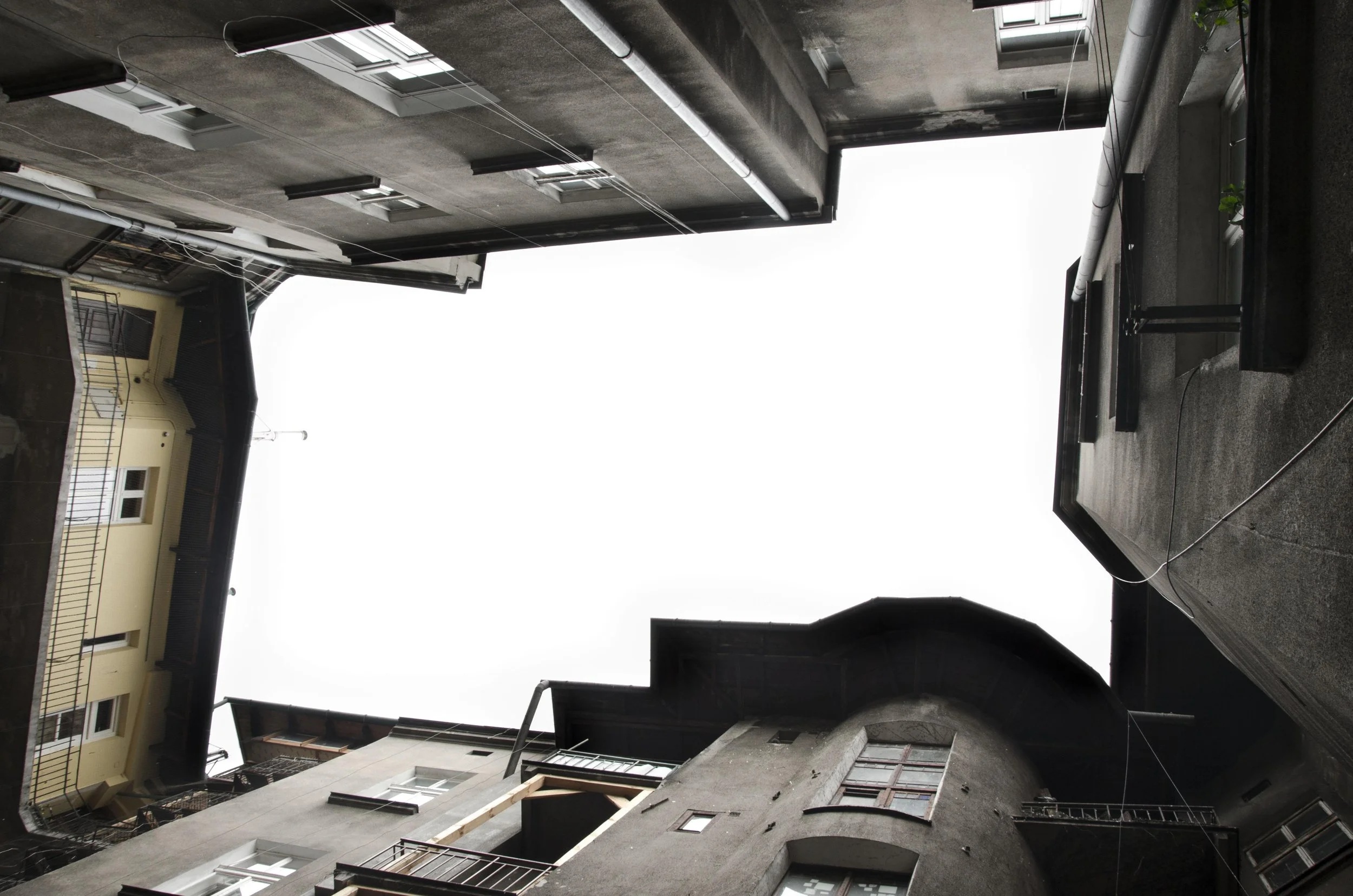
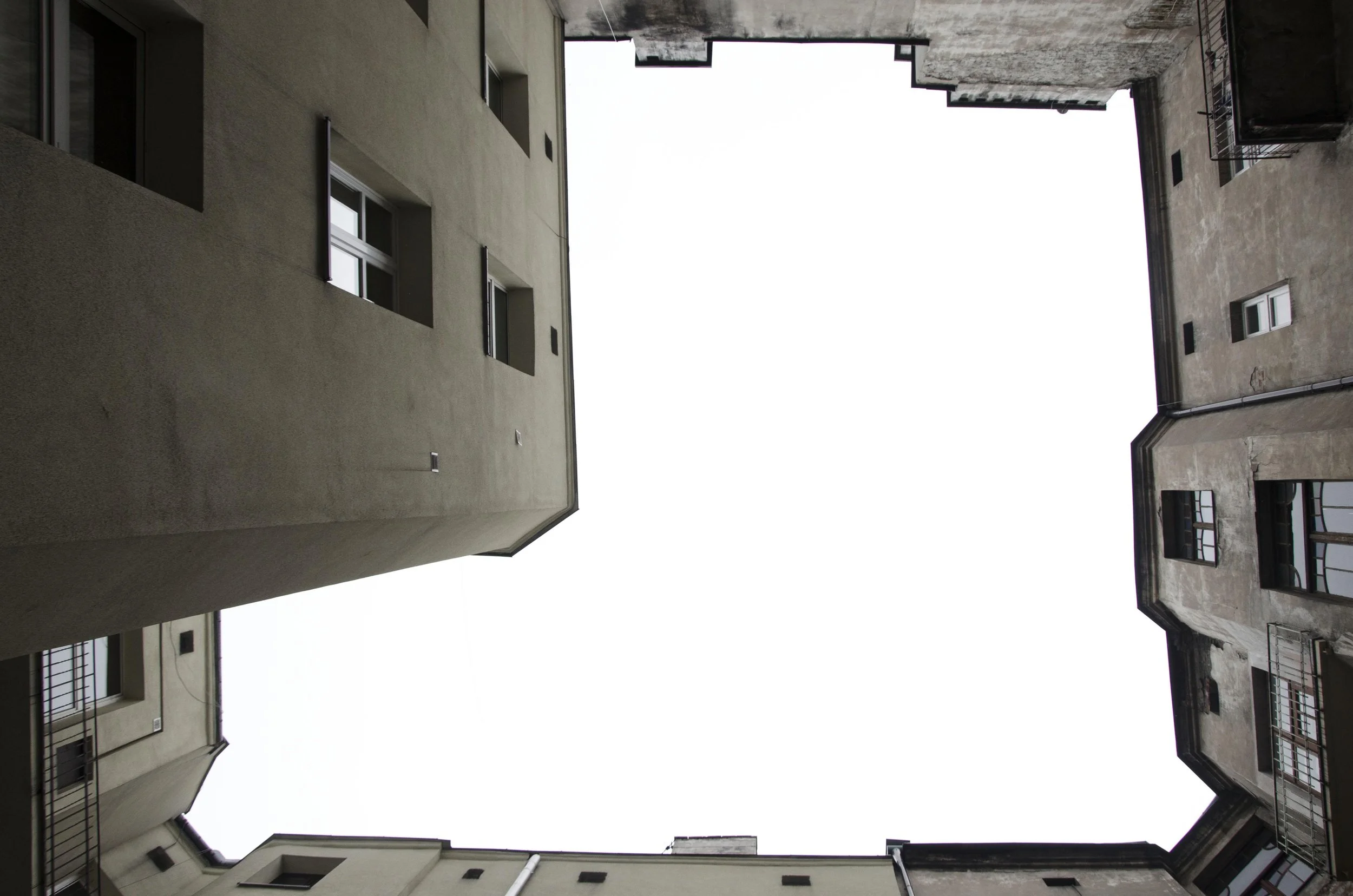
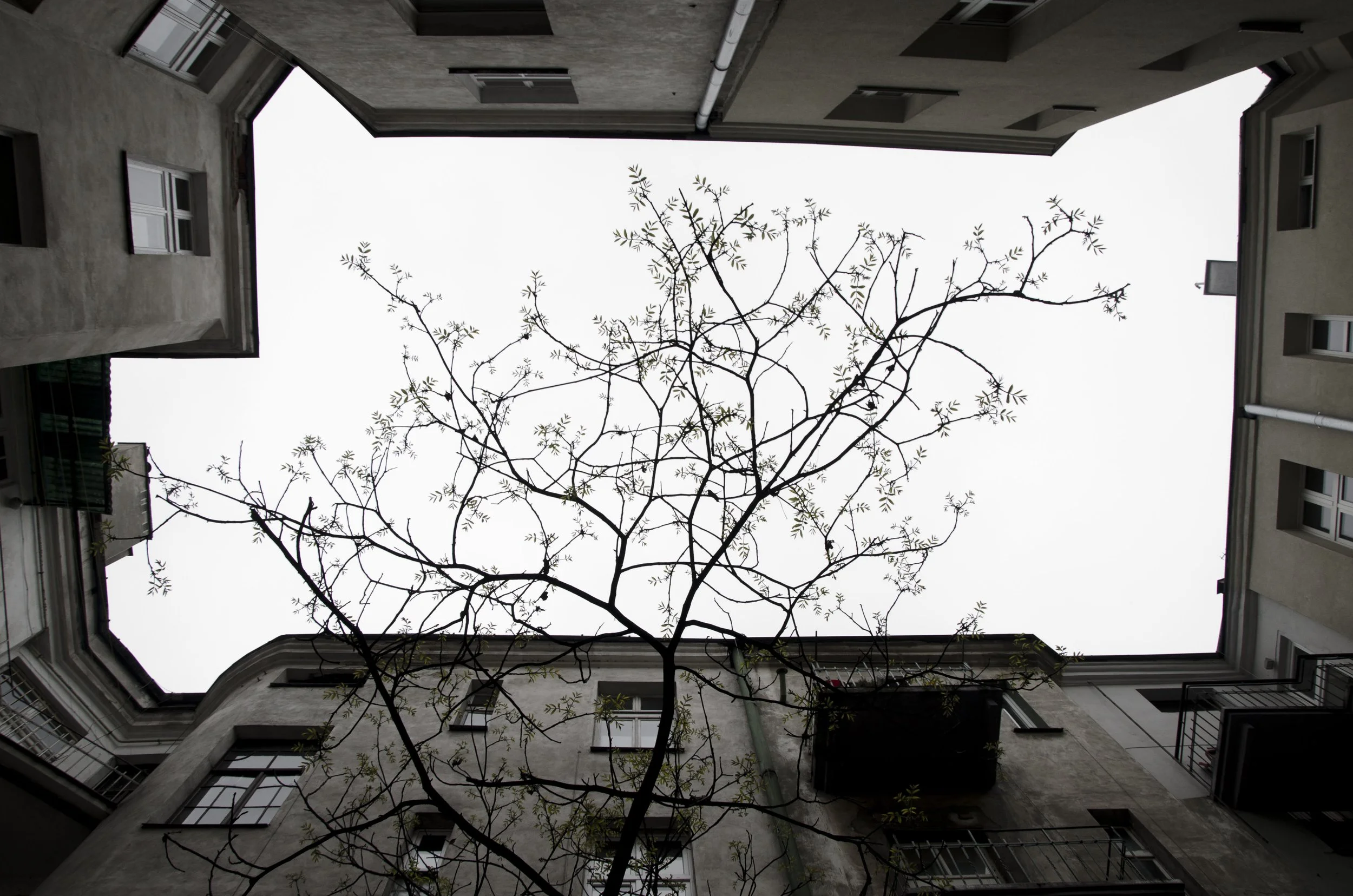
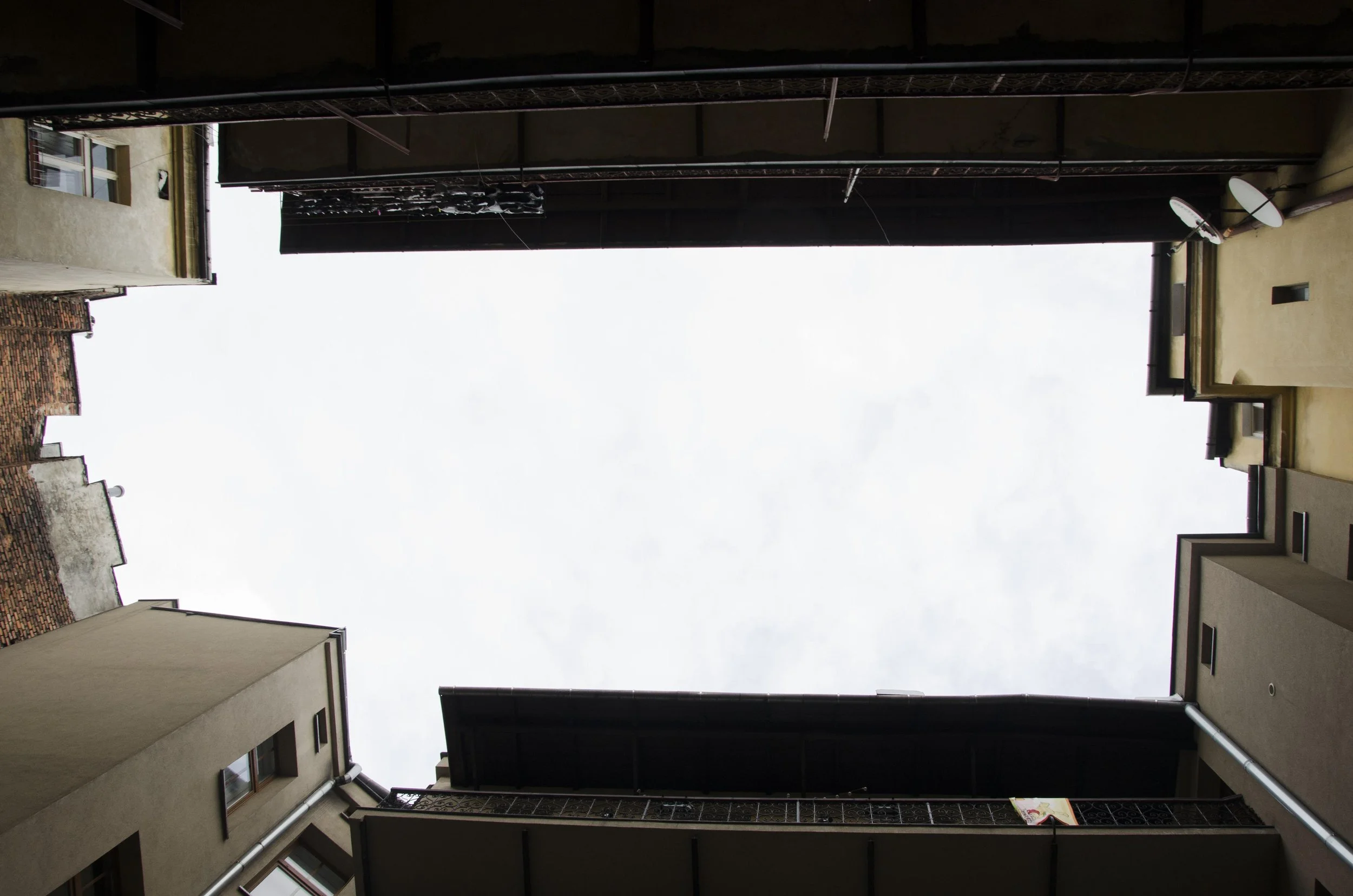
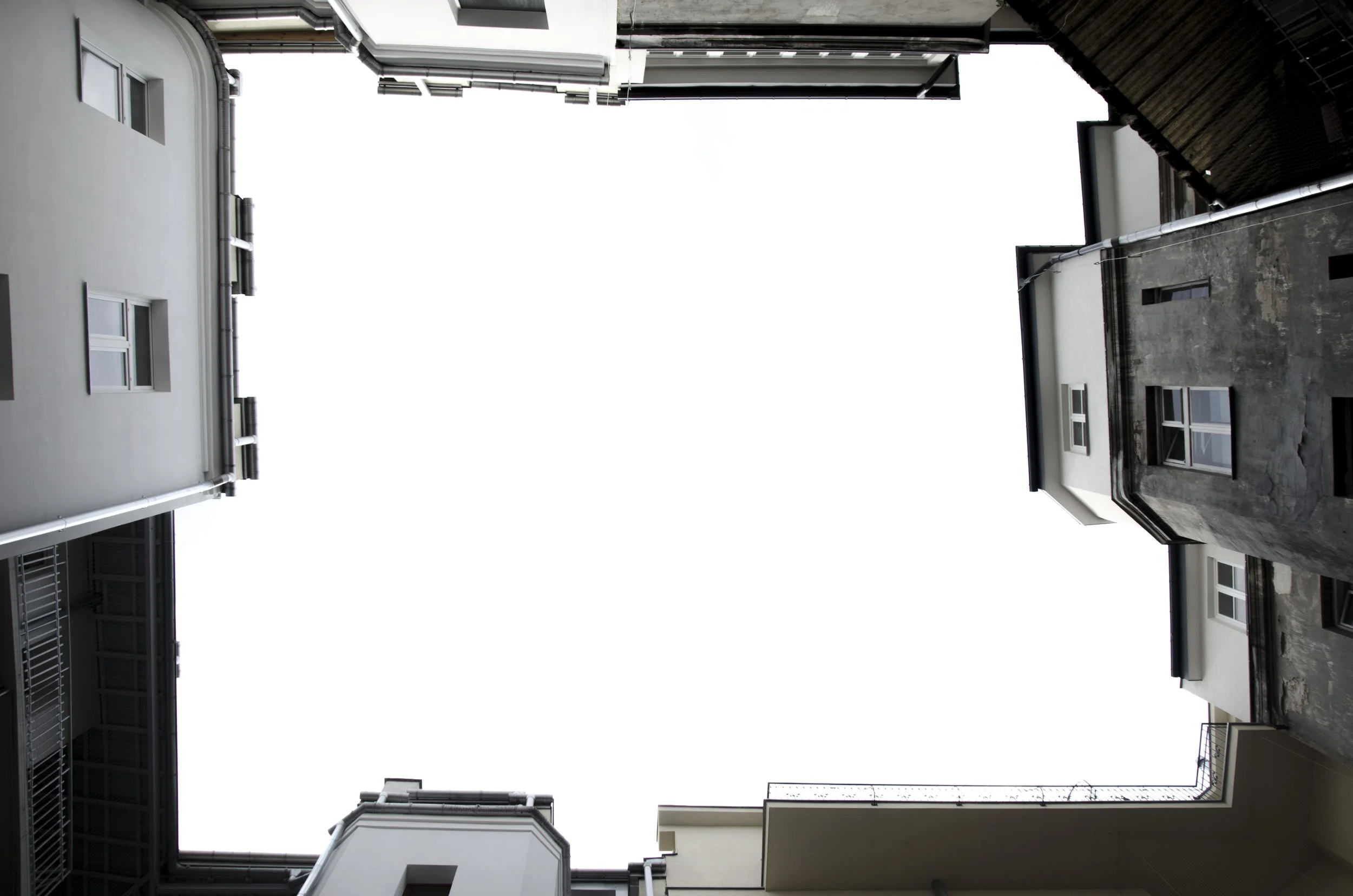
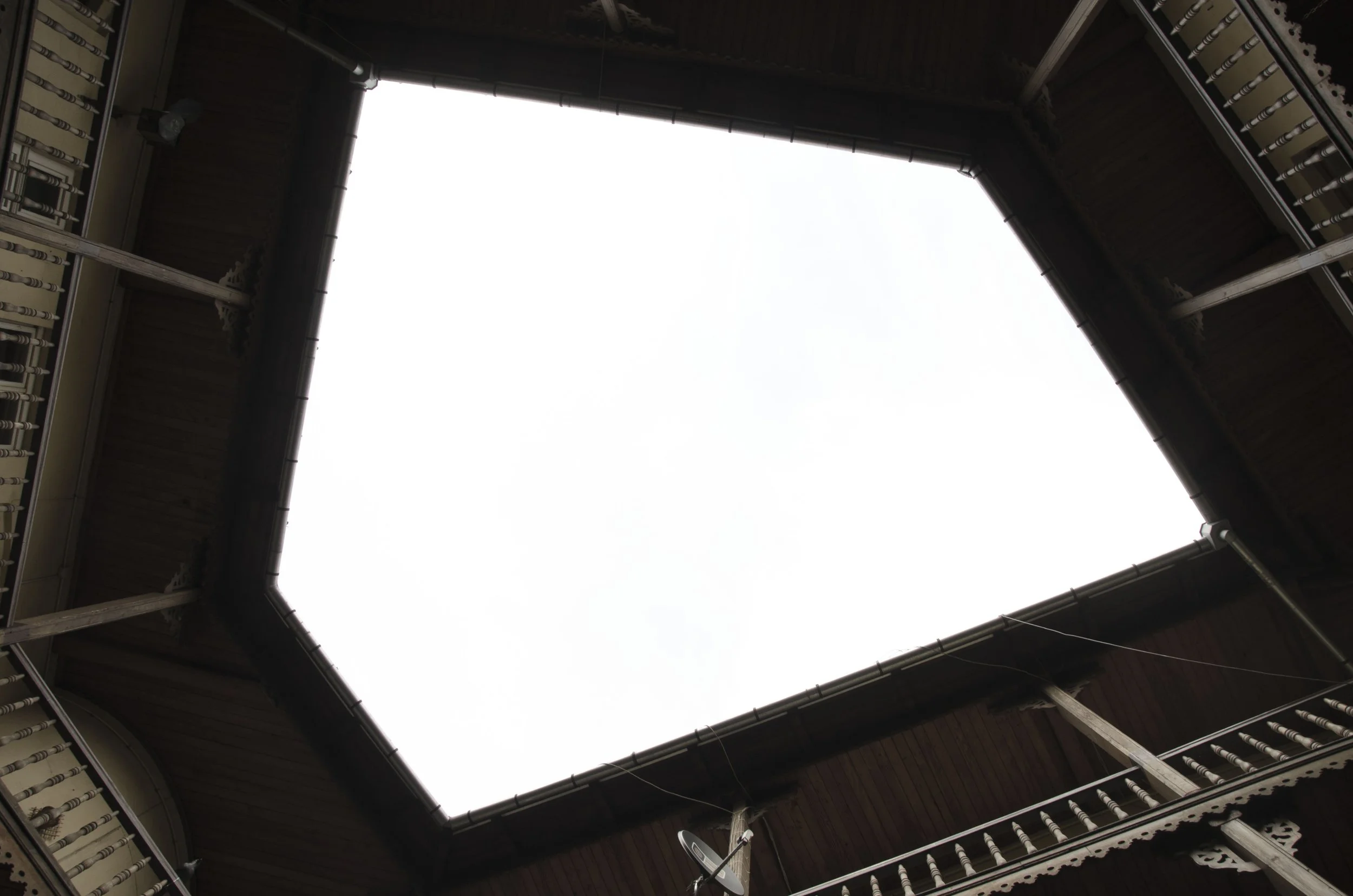
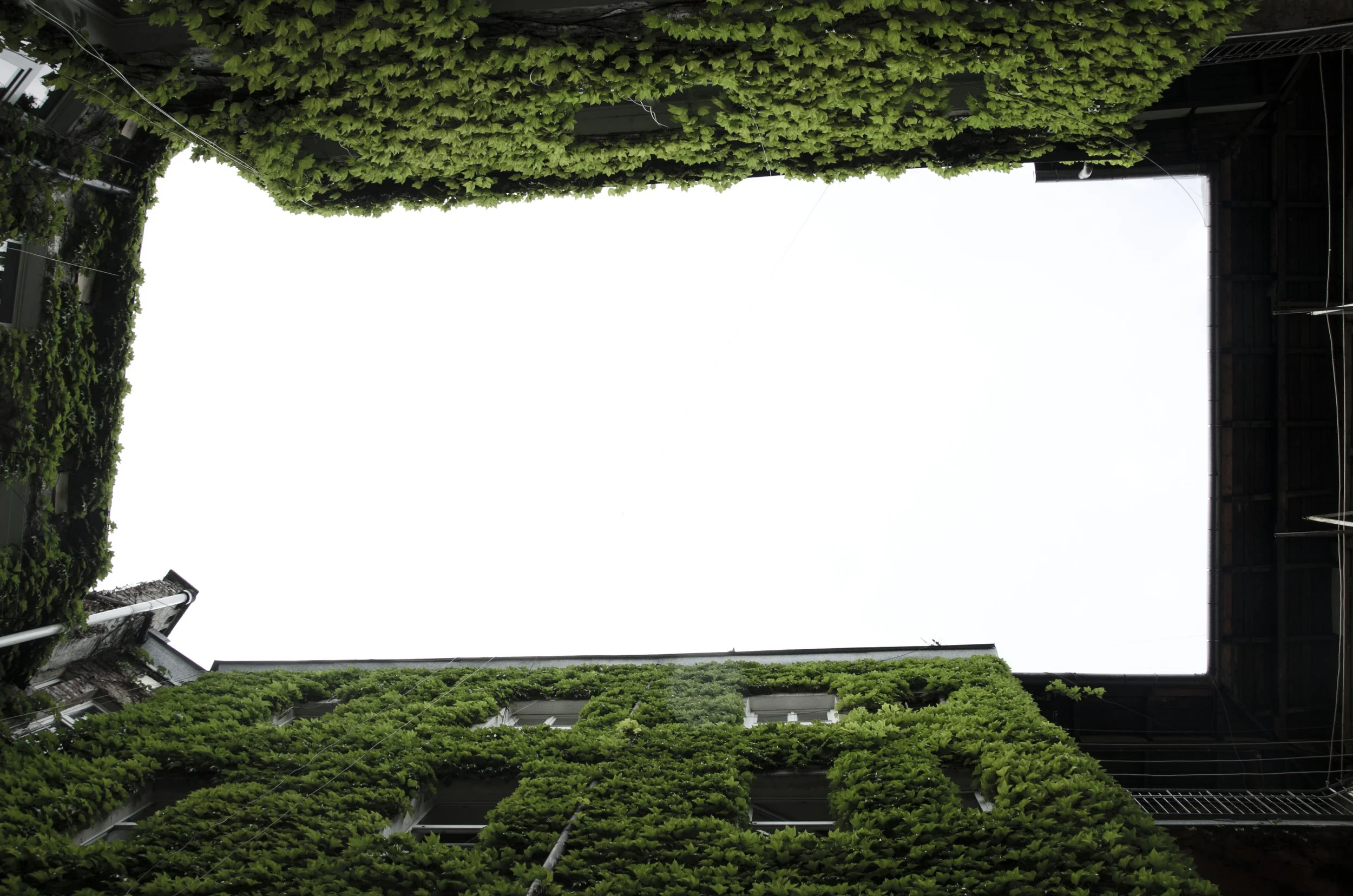
Standing at the centre of enclosed courtyards and looking upward, this series shifts attention from architecture itself to the spaces it creates. Fragments of sky become negative space, their forms shaped by the surrounding buildings.
Photographed in courtyards across Kraków, the images reconsider the courtyard not simply as an enclosed space, but as an opening. By directing the gaze away from the ground and towards the sky, they invite reflection on the relationship between built form, shared space, and the traces of human presence embedded within these spaces.
Paul Battenberg-Cartwright
-
This untitled image is a self portrait; one of many in a collection of works titled ‘Going Home’.
This series of self-portraits were made in the aftermath of a personal rupture—an attempt to navigate the disorientation and devastation of separation. Created during a period of isolation, the works reflect the experience of losing not only a partner, but also a sense of place and meaning.
I used the human body as a way to frame and interact with natural objects and forms - tree branches, shells, fish and bones and amongst others.
At its core, this work is about pain and separation, but also about reorientation. It marks a moment of turning inward and outward at once: a process of re-grounding, of rebuilding identity through contact with something larger and less fragile than human connection, hoping to be absorbed by it and taken away from the pain of separation.
Jonathan Snow
-
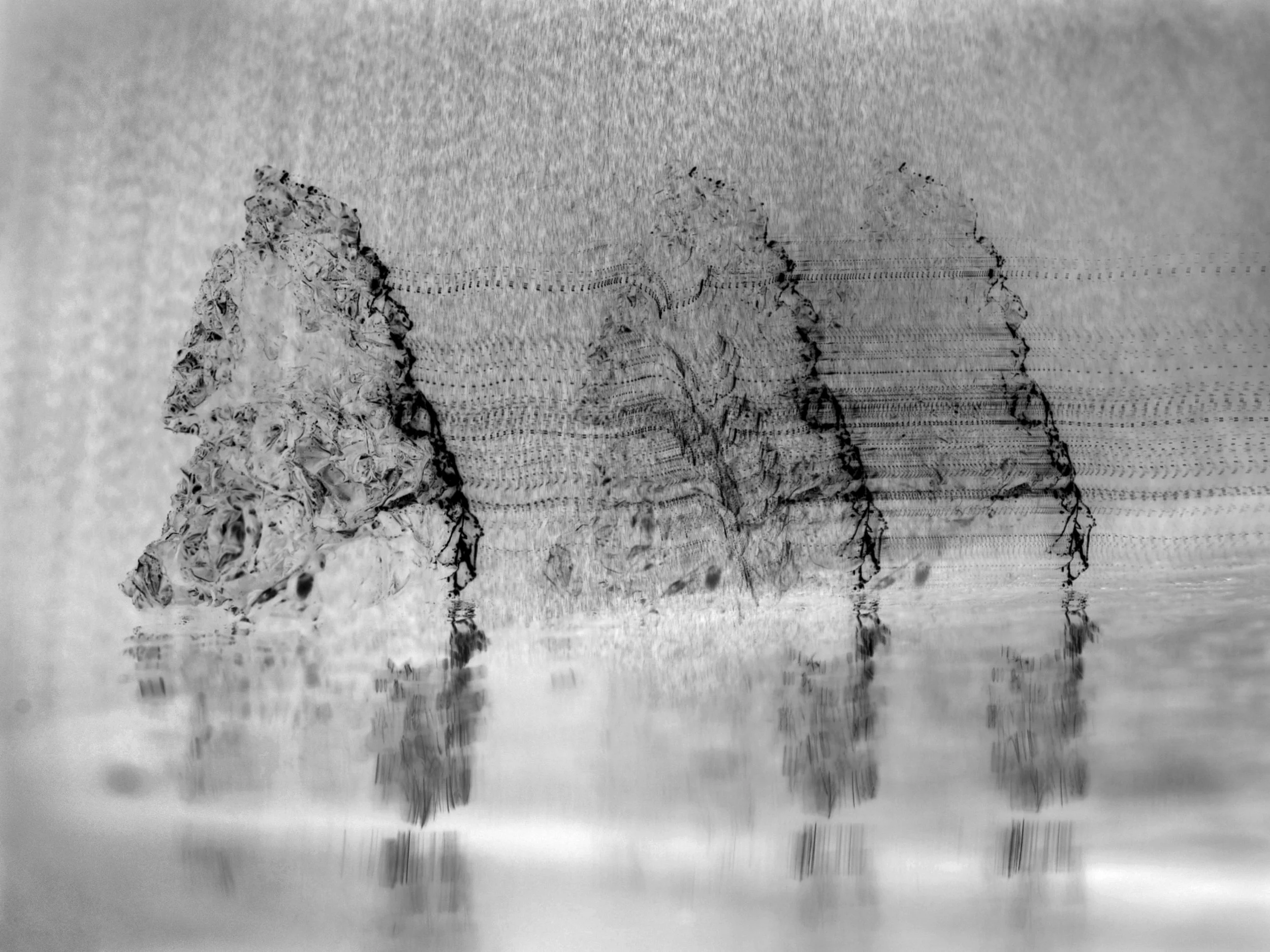
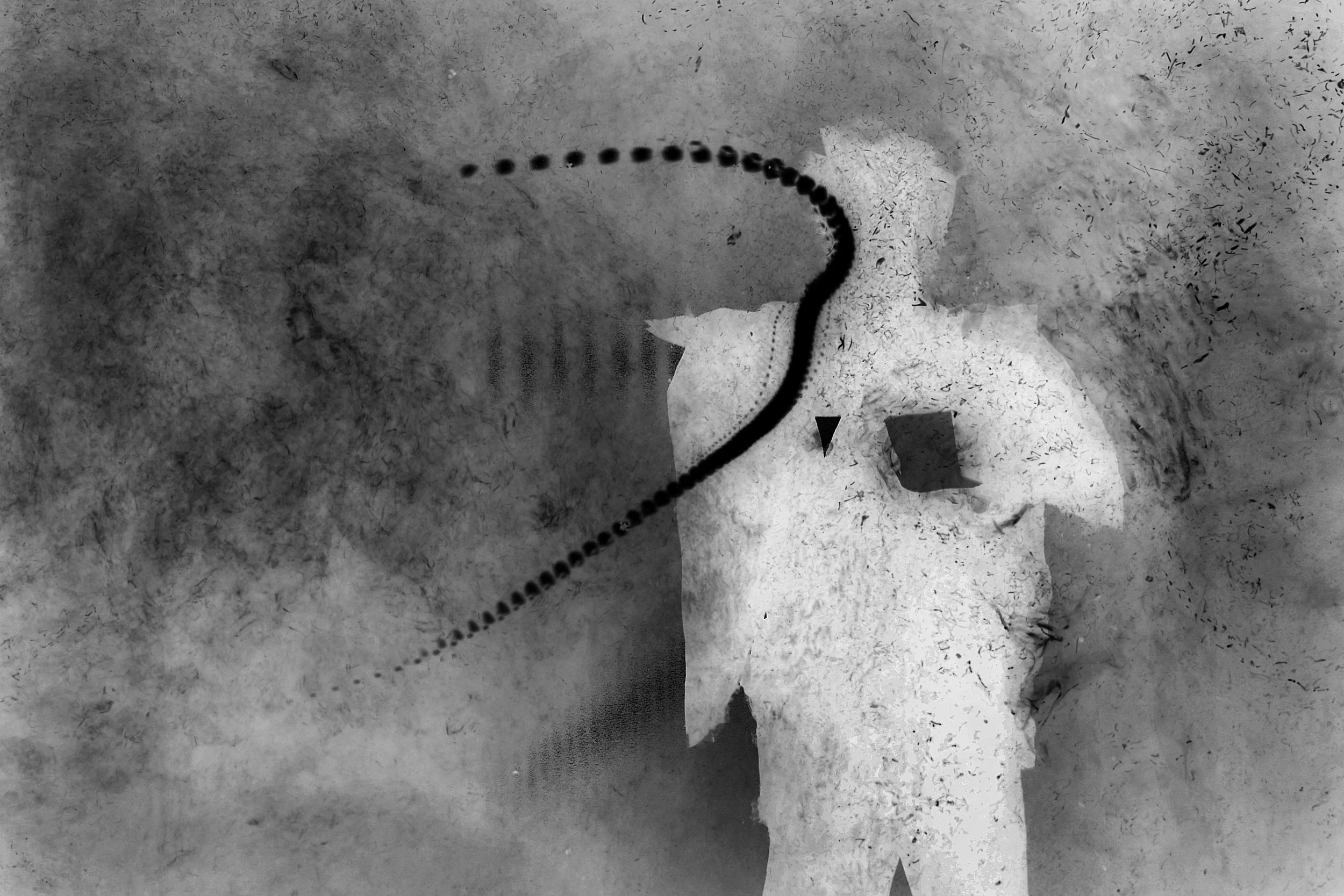
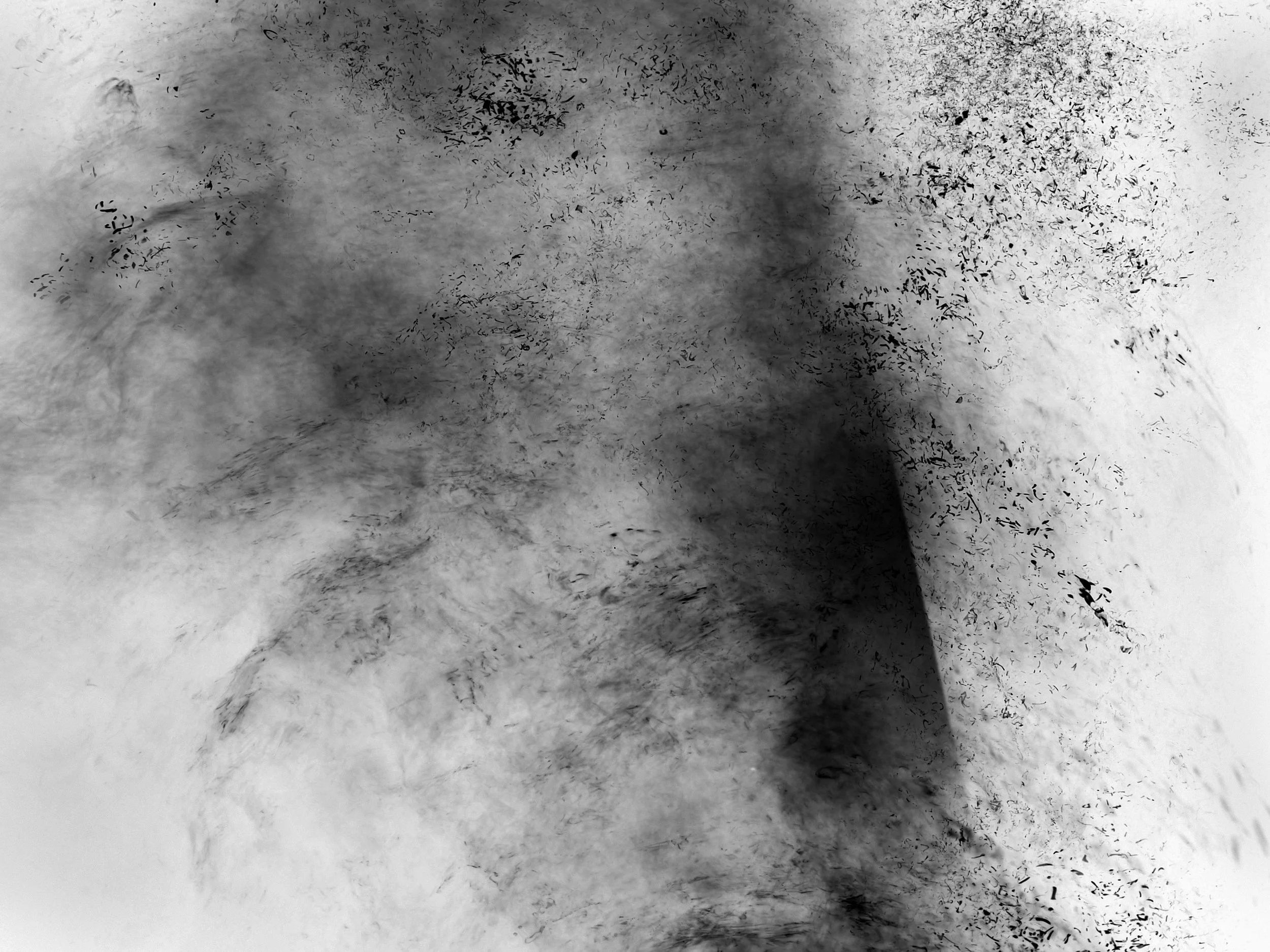
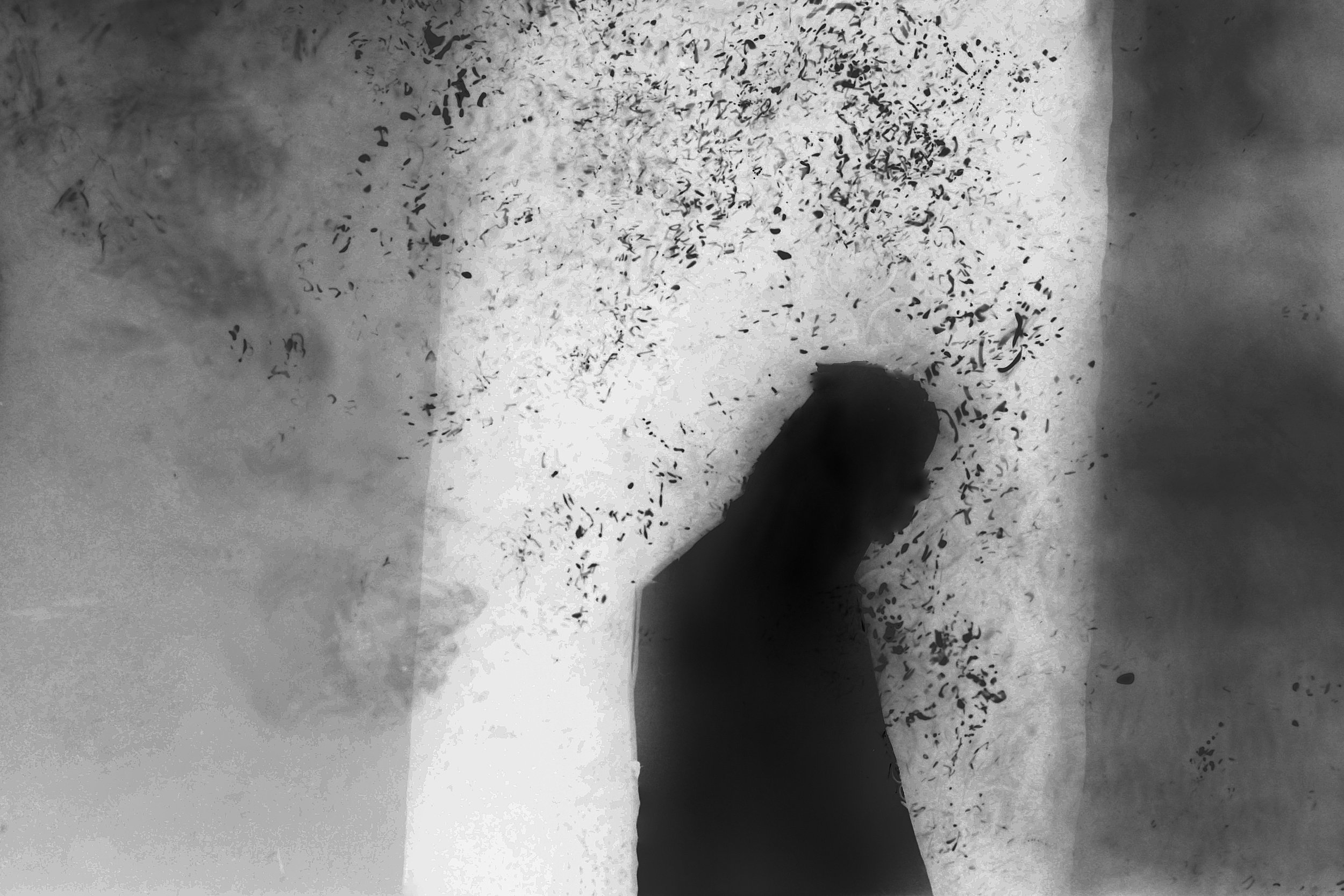
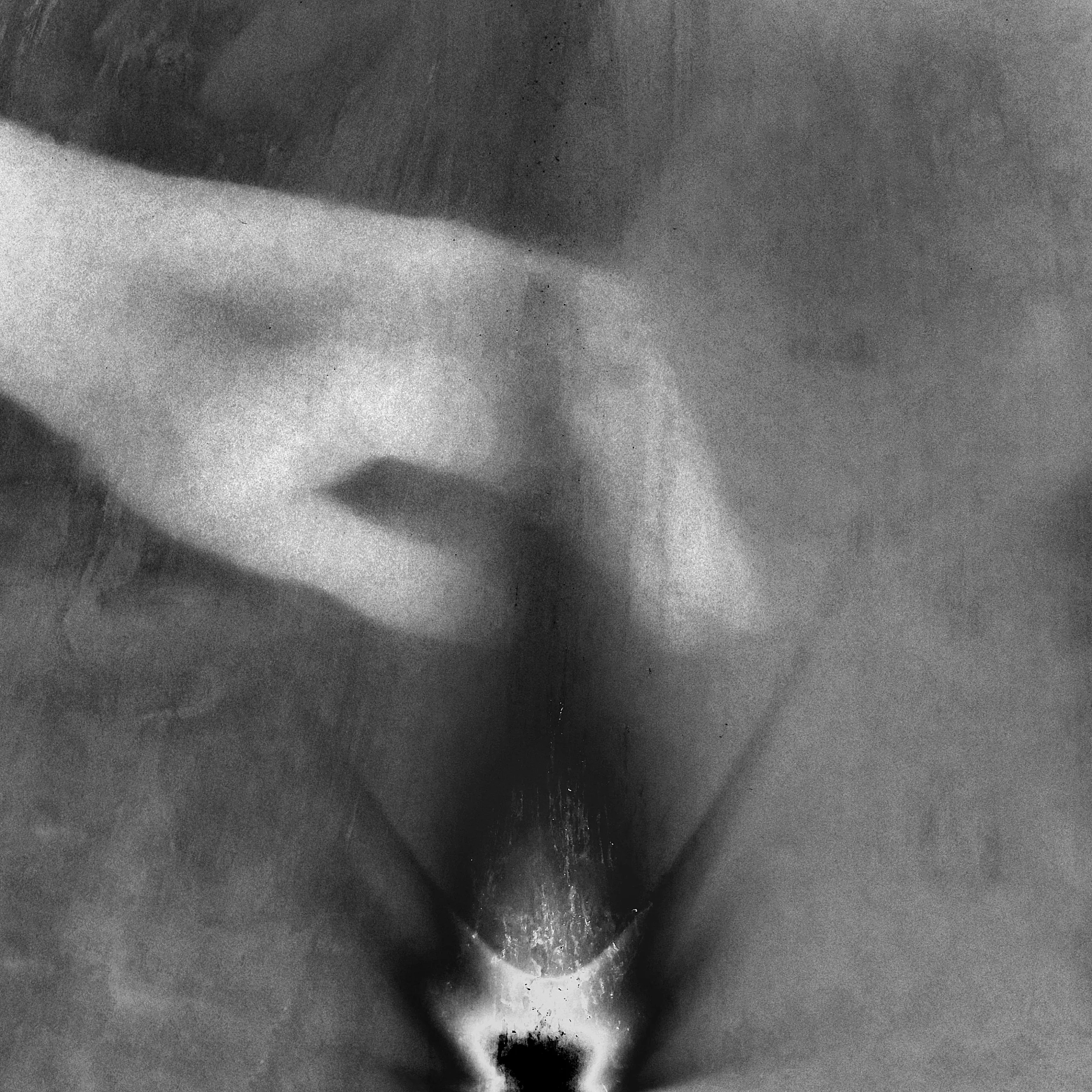
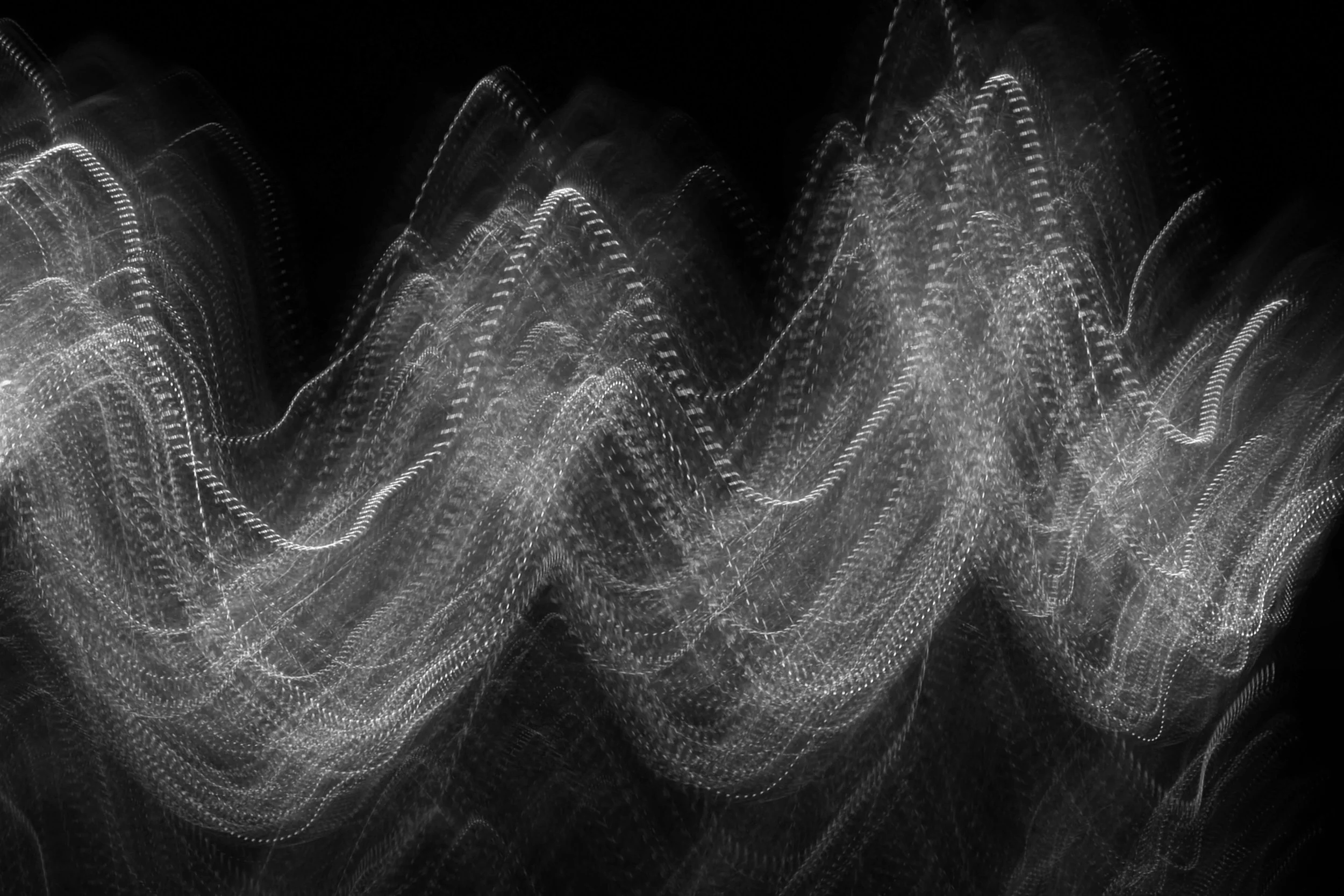
This series is drawn from an ongoing project titled Fallout, which explores conflict and recovery through material surfaces, light, and movement. Here, Echoes is interpreted as both a physical process and a metaphor: scattered debris, emotional residue, and the possibility of transformation after damage.
Yutaka Ogino
-
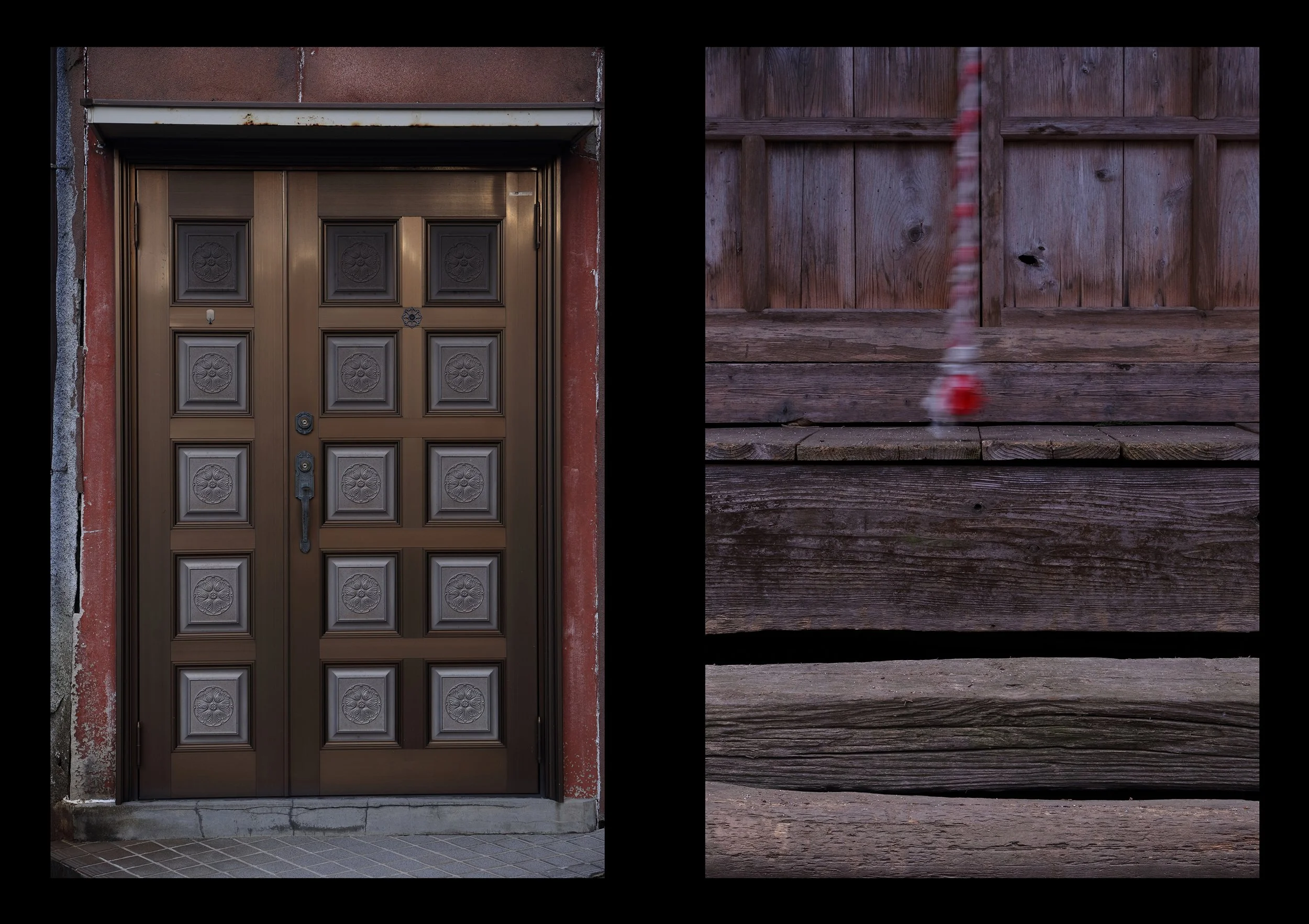
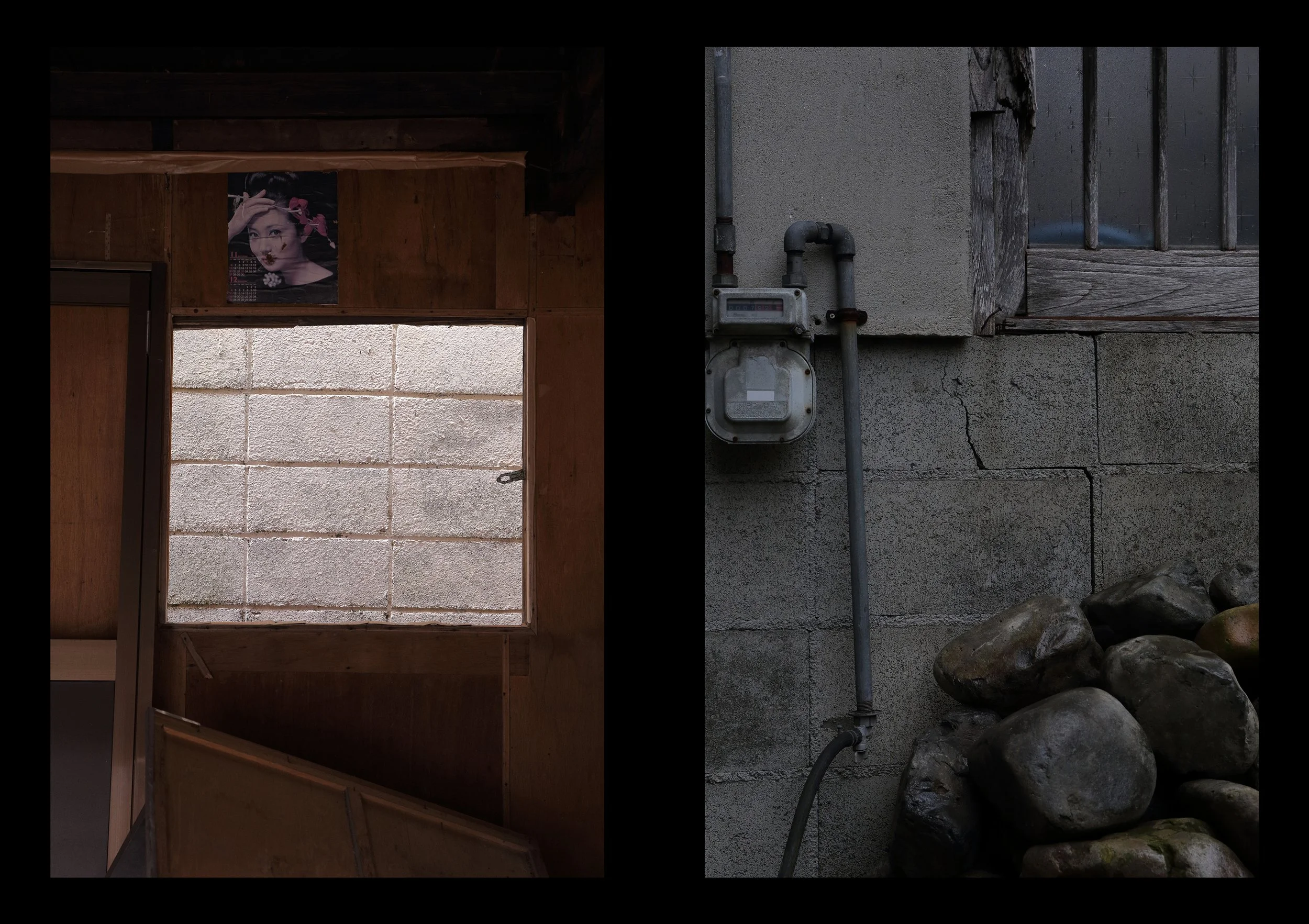
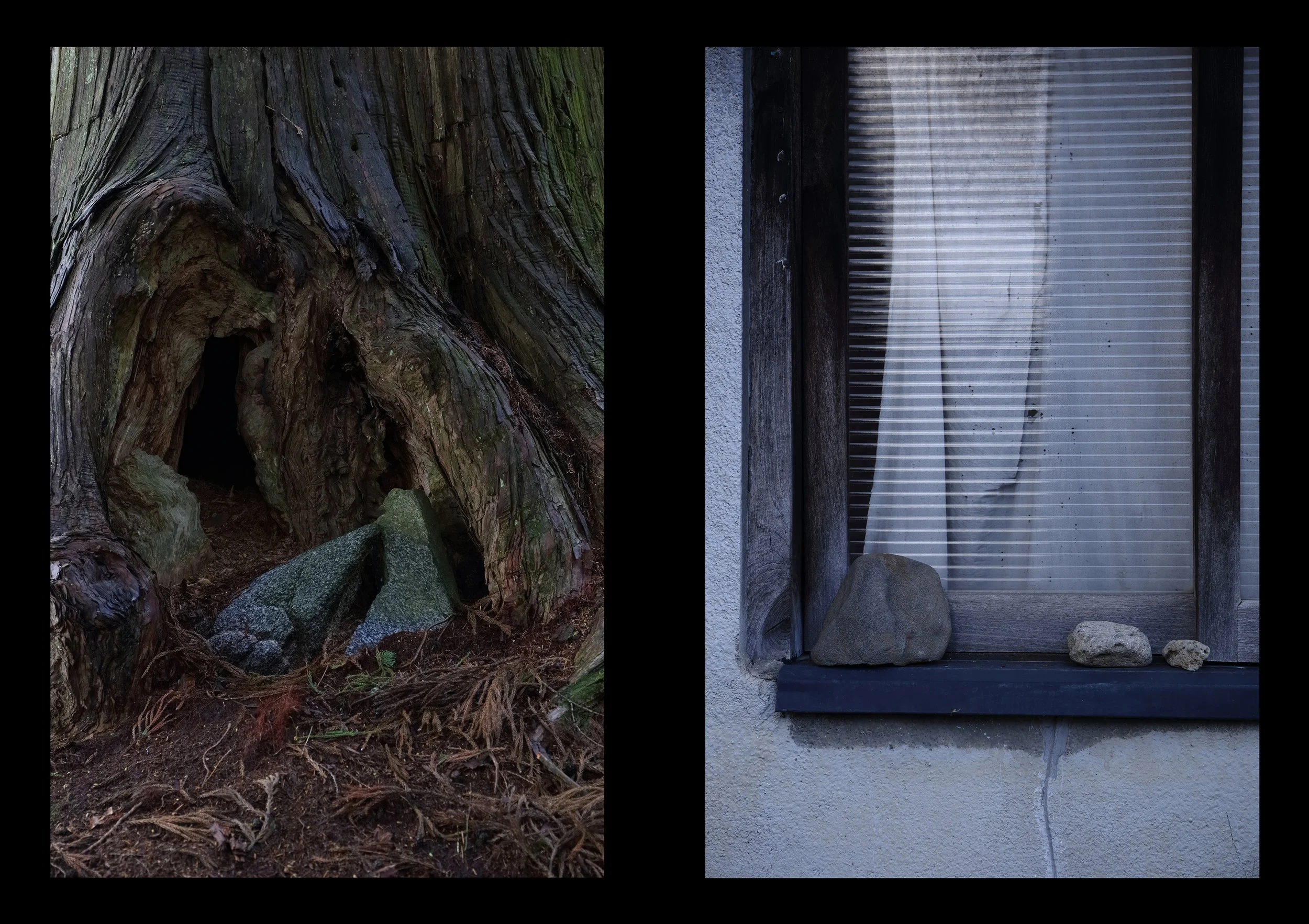
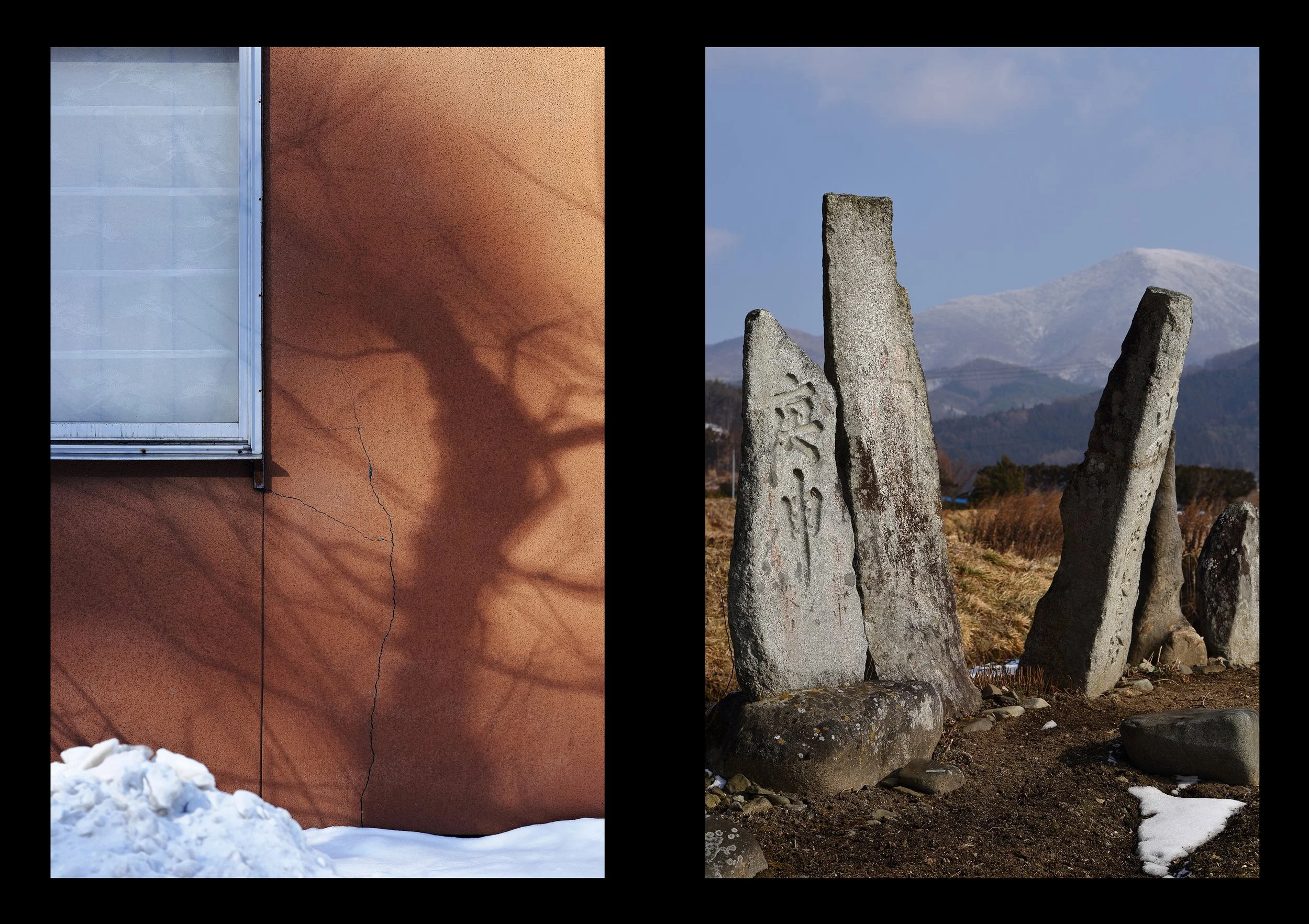
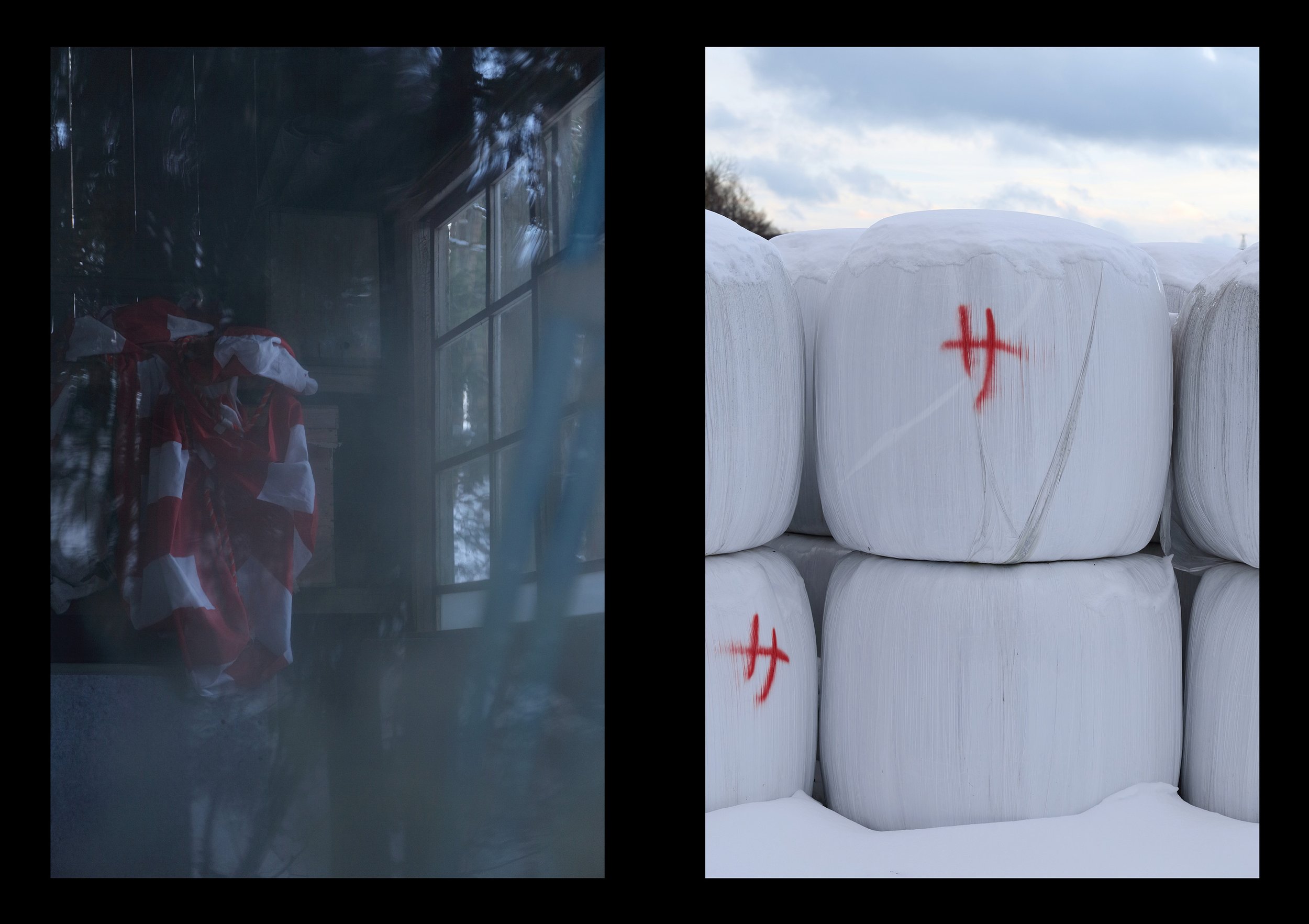
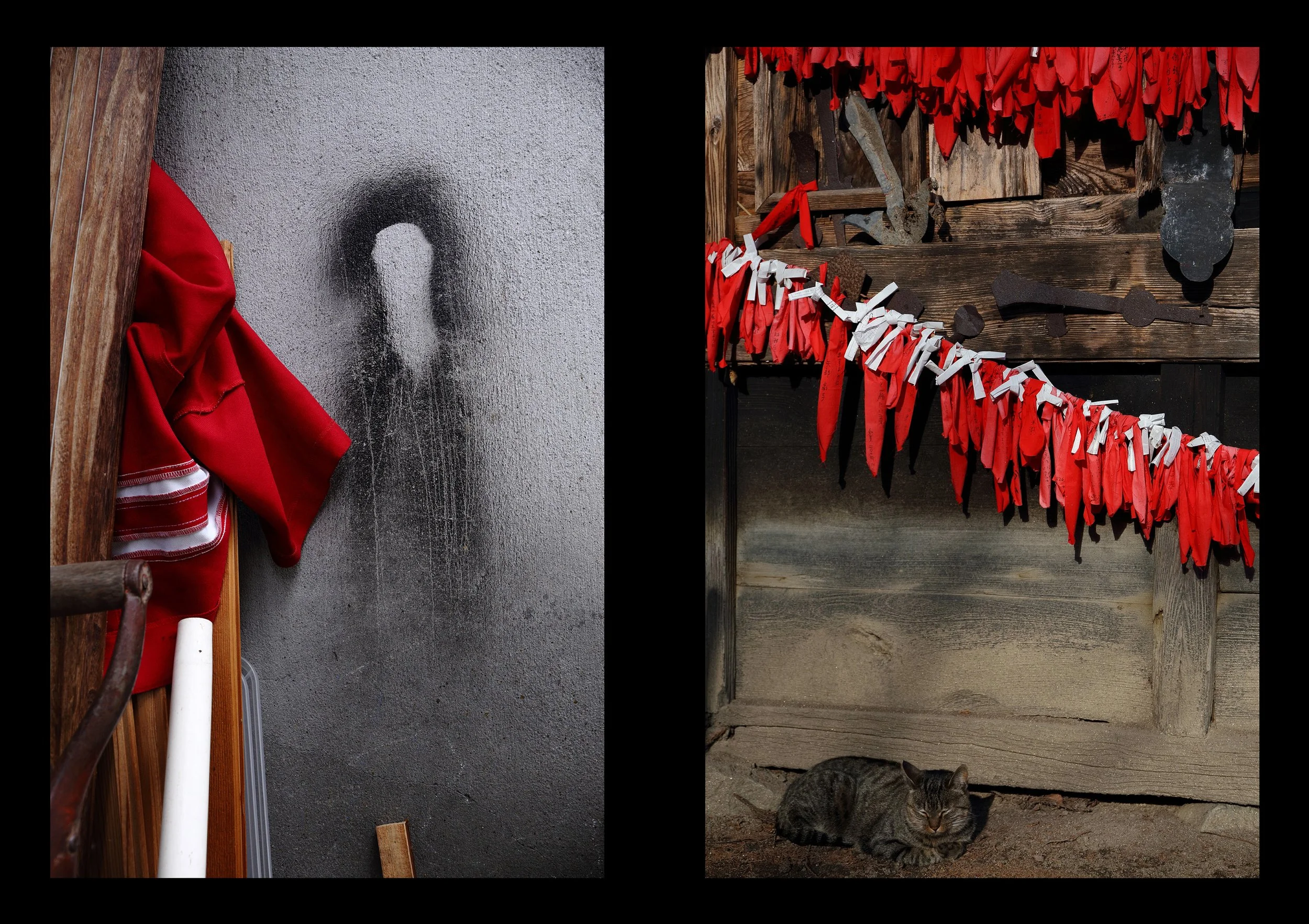
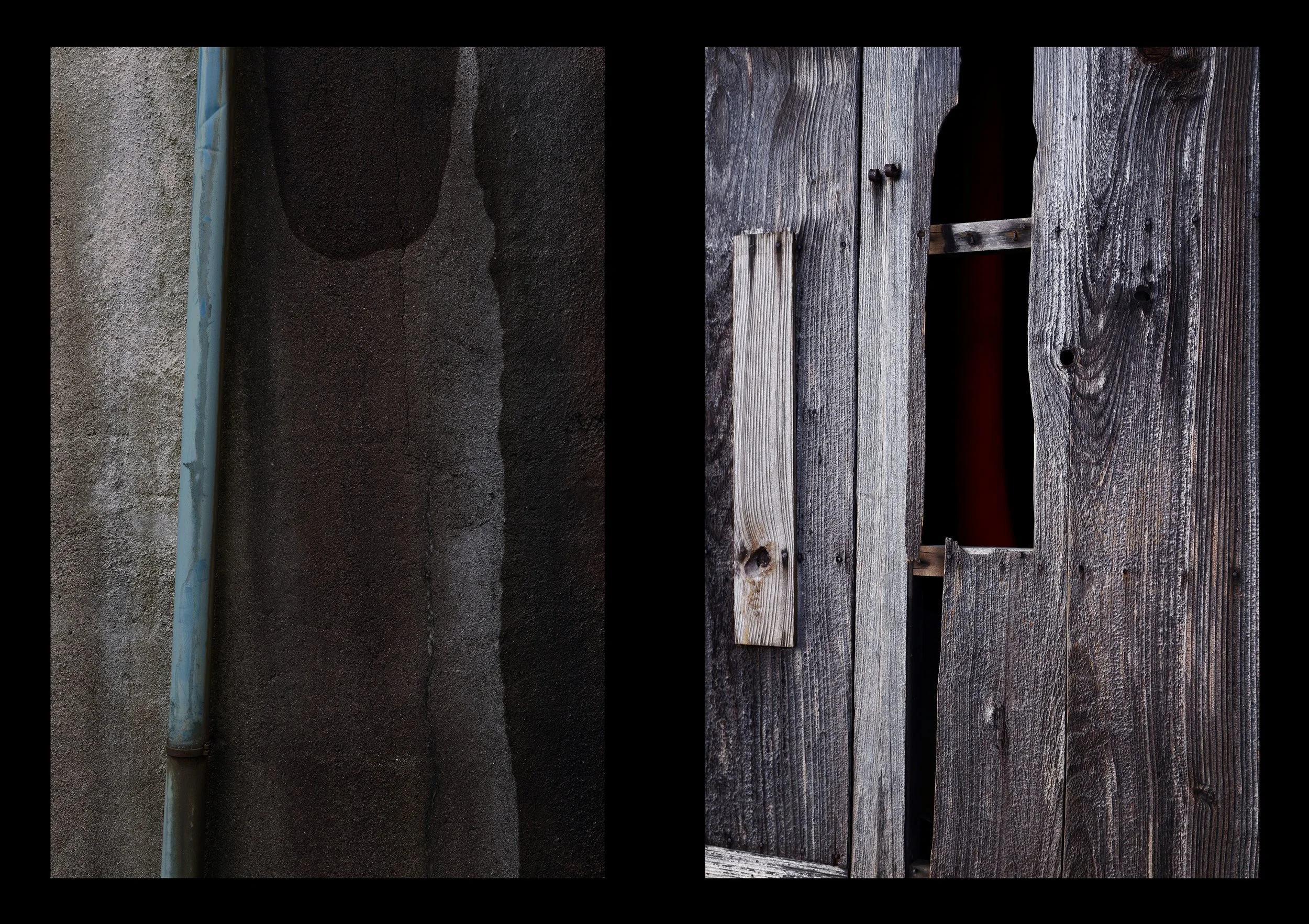
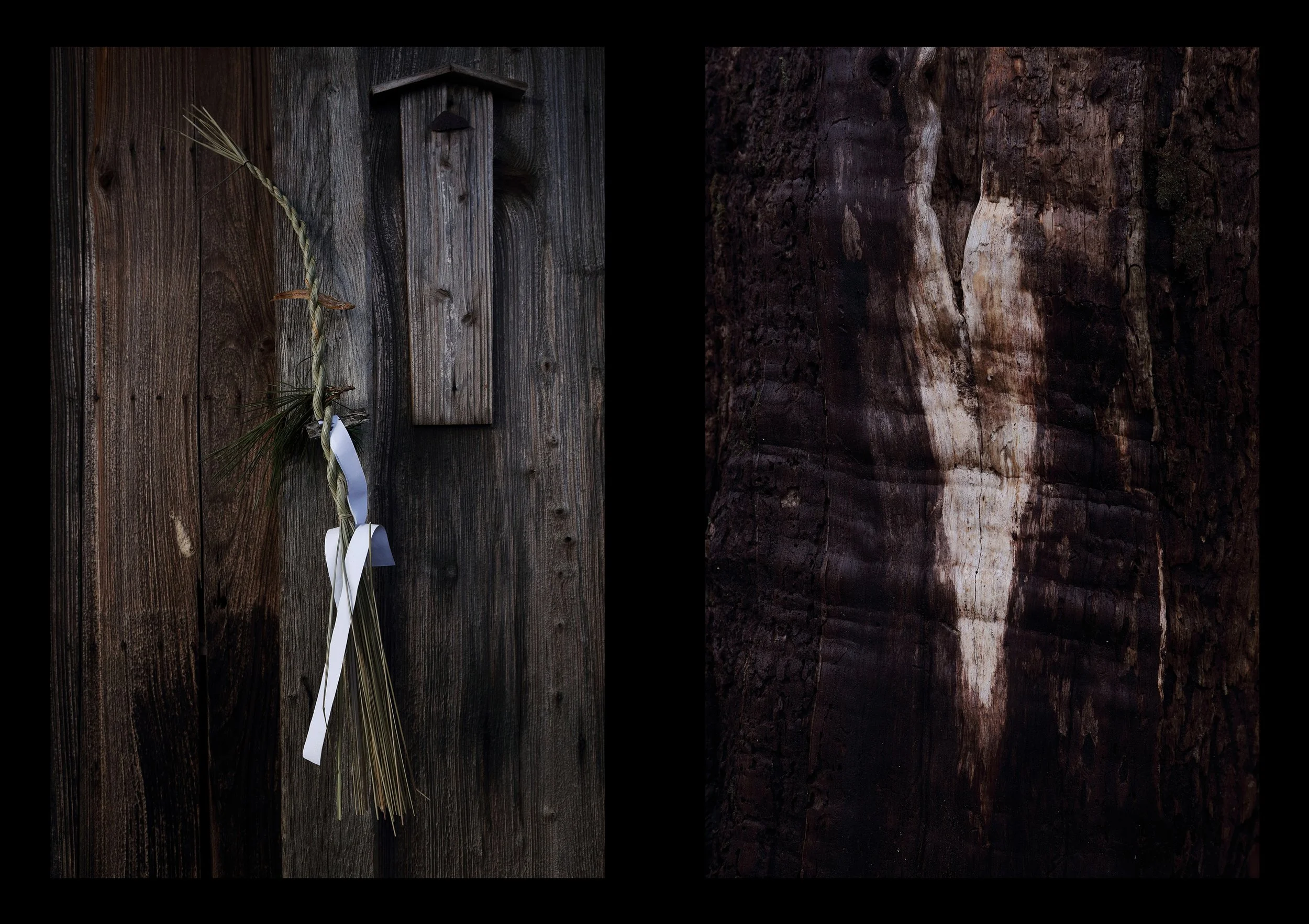
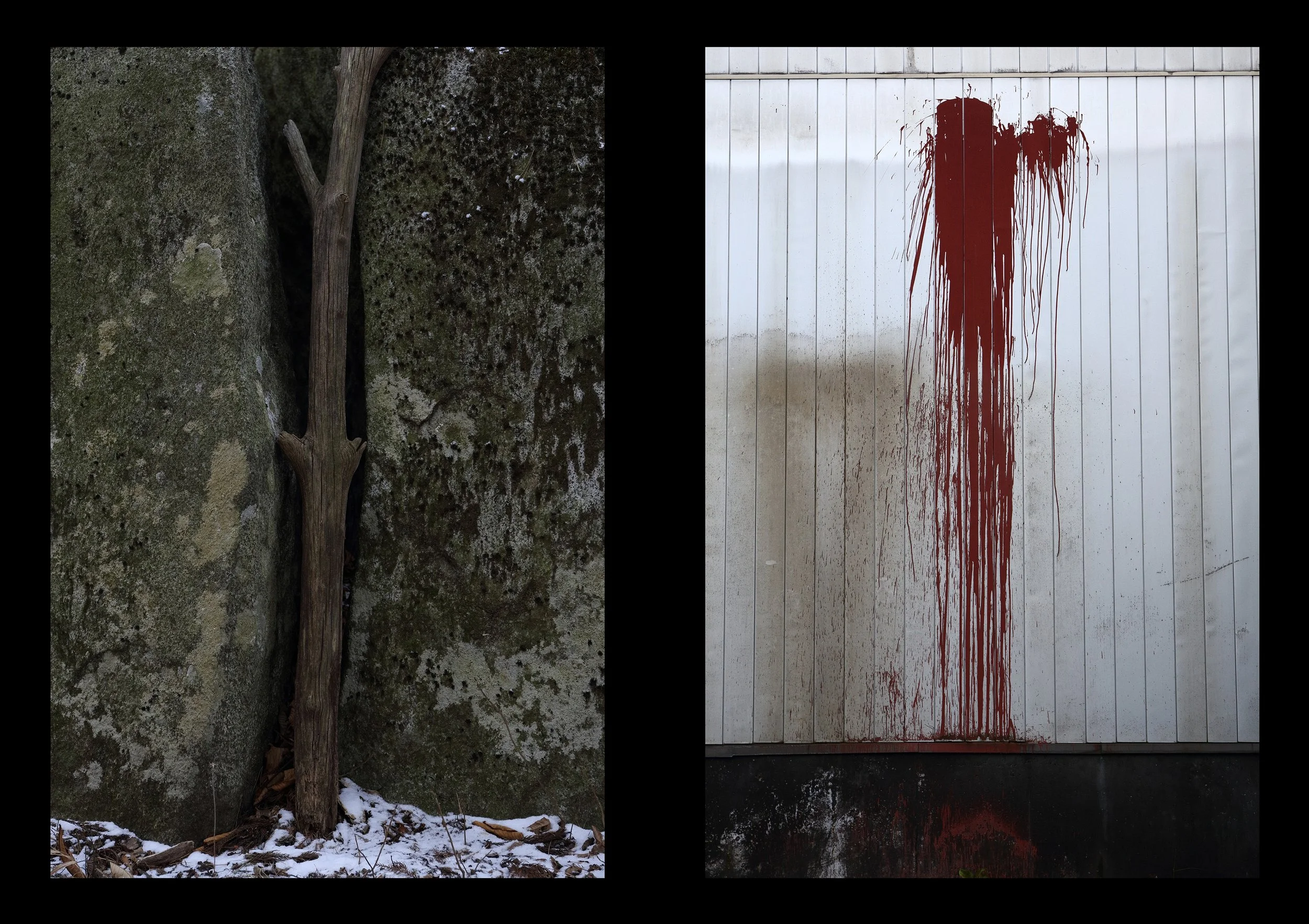
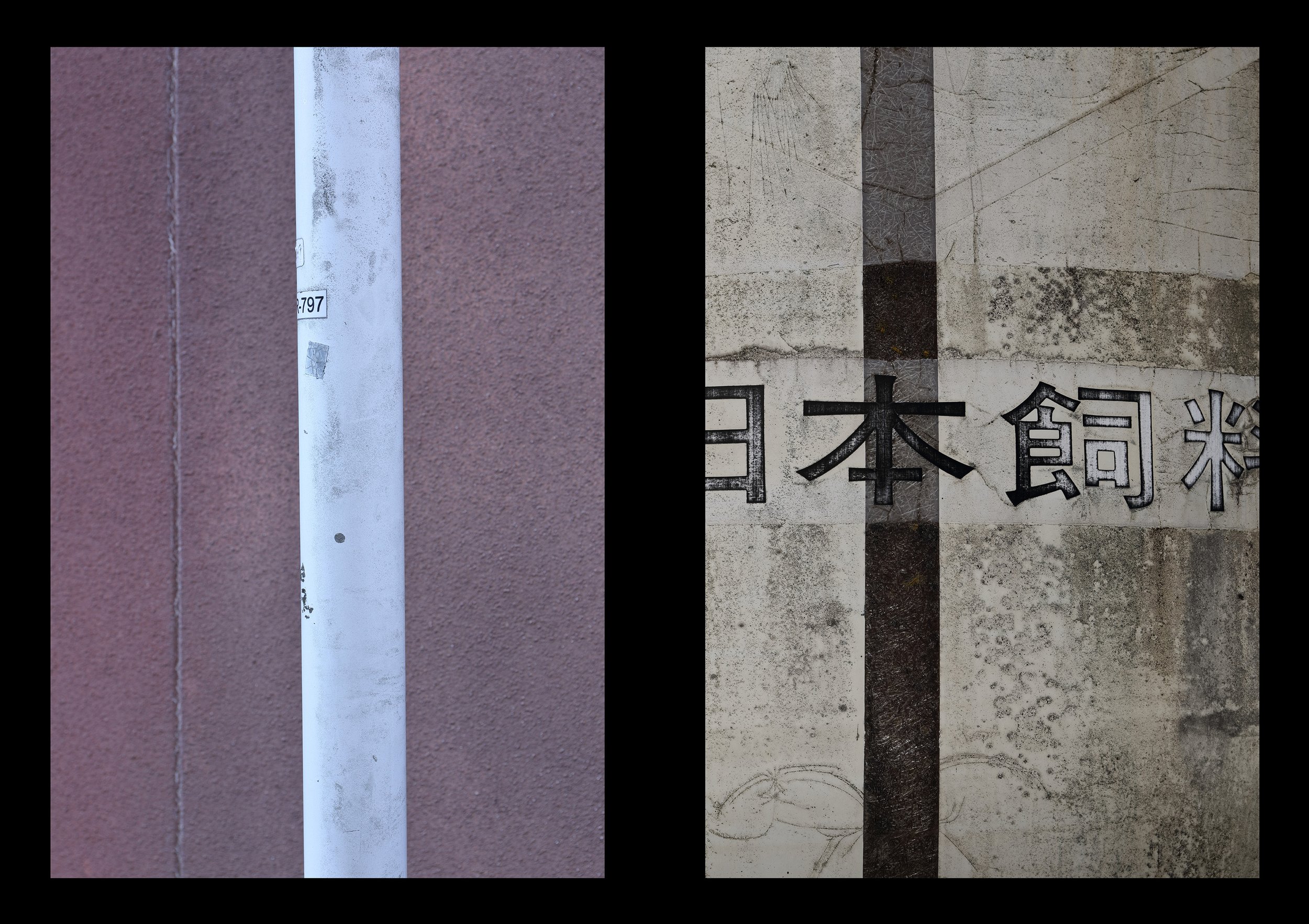
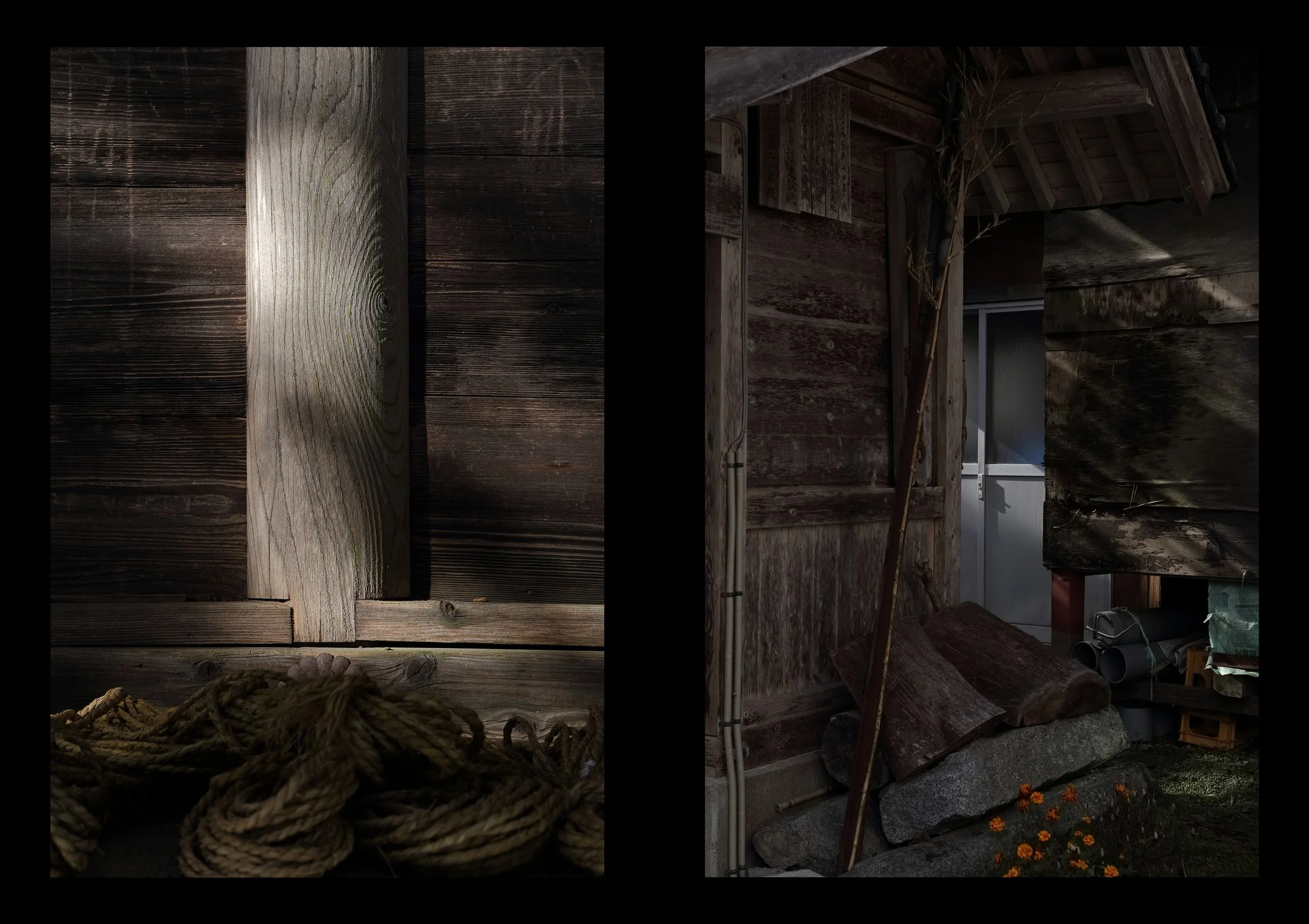
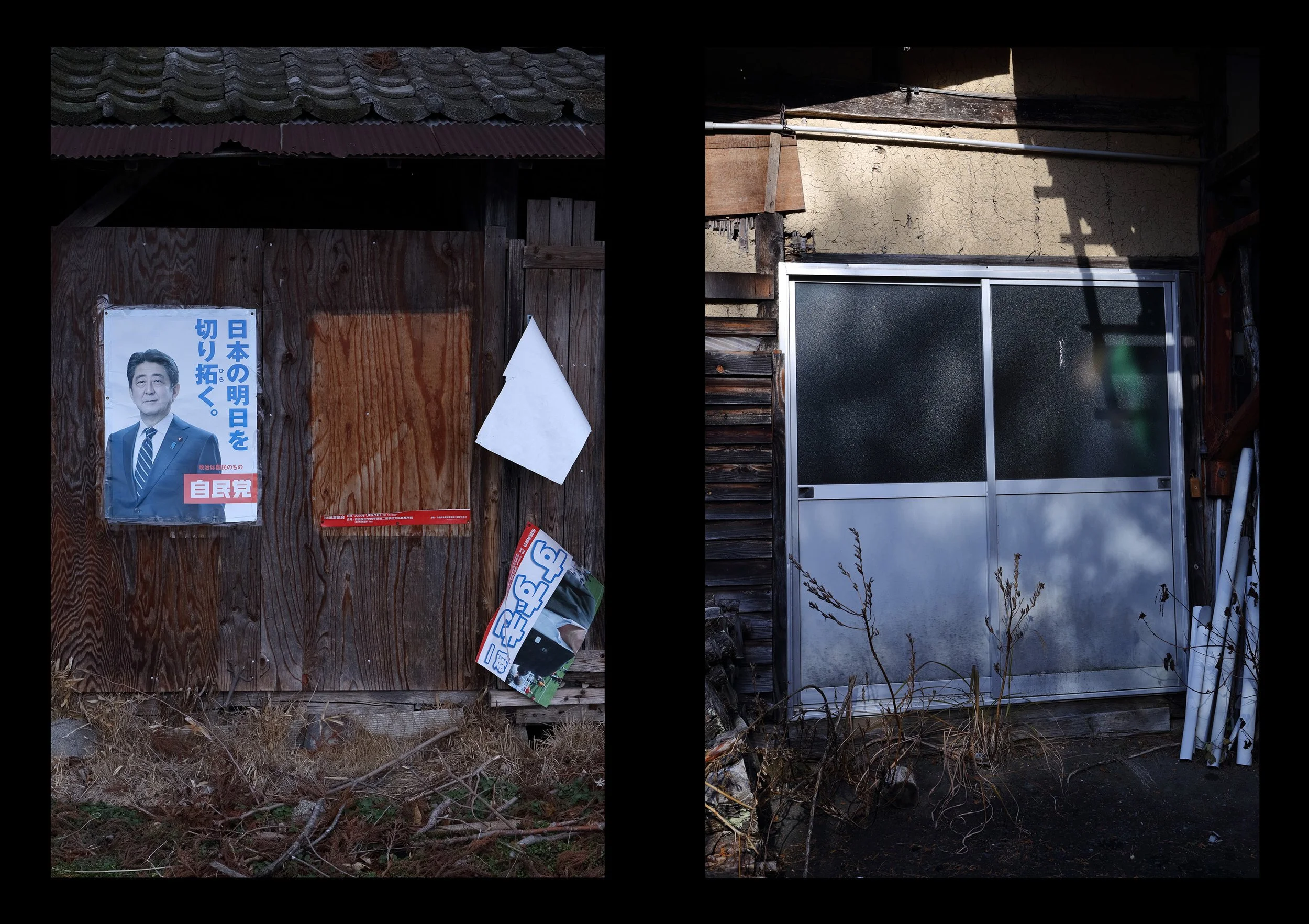
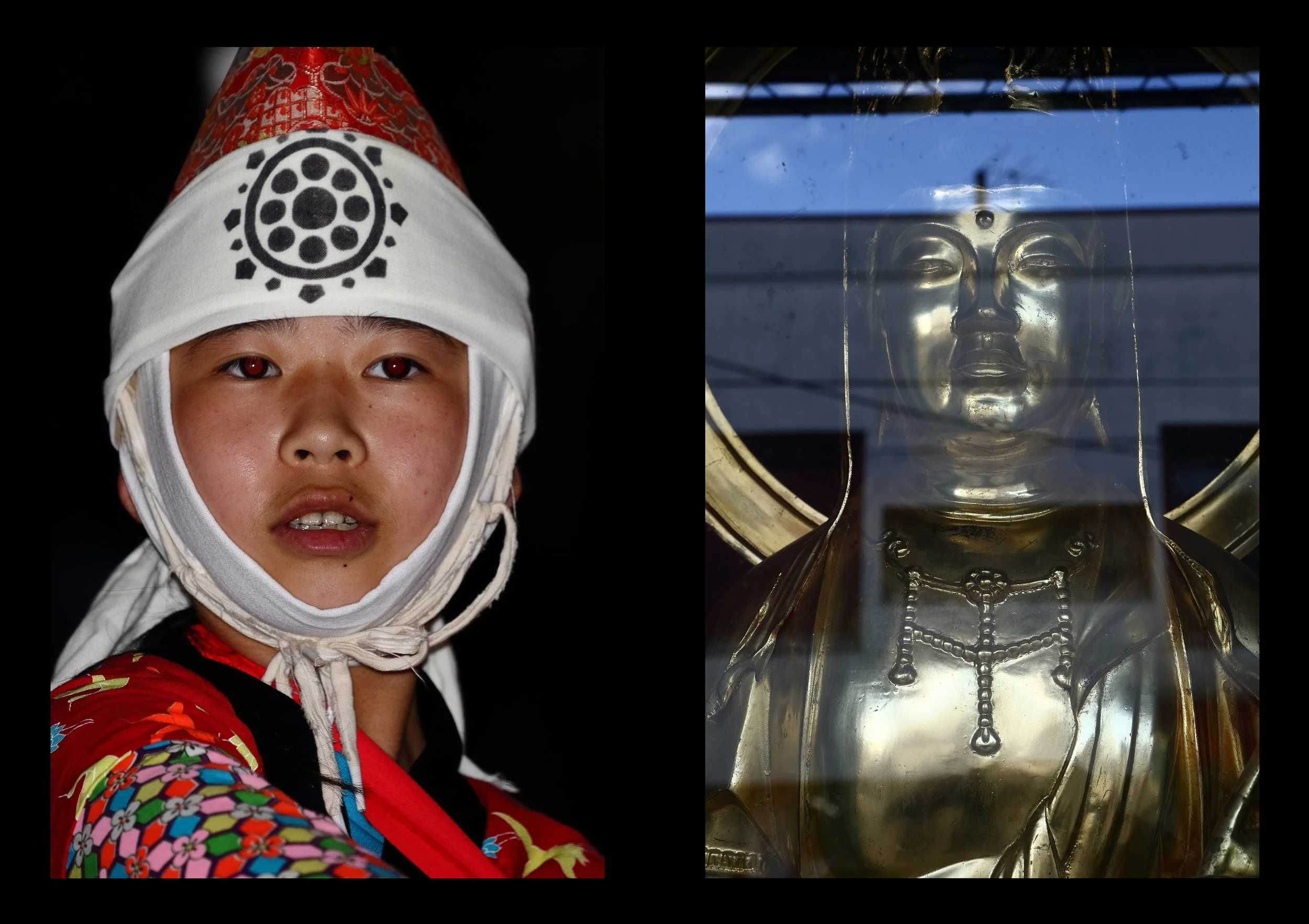
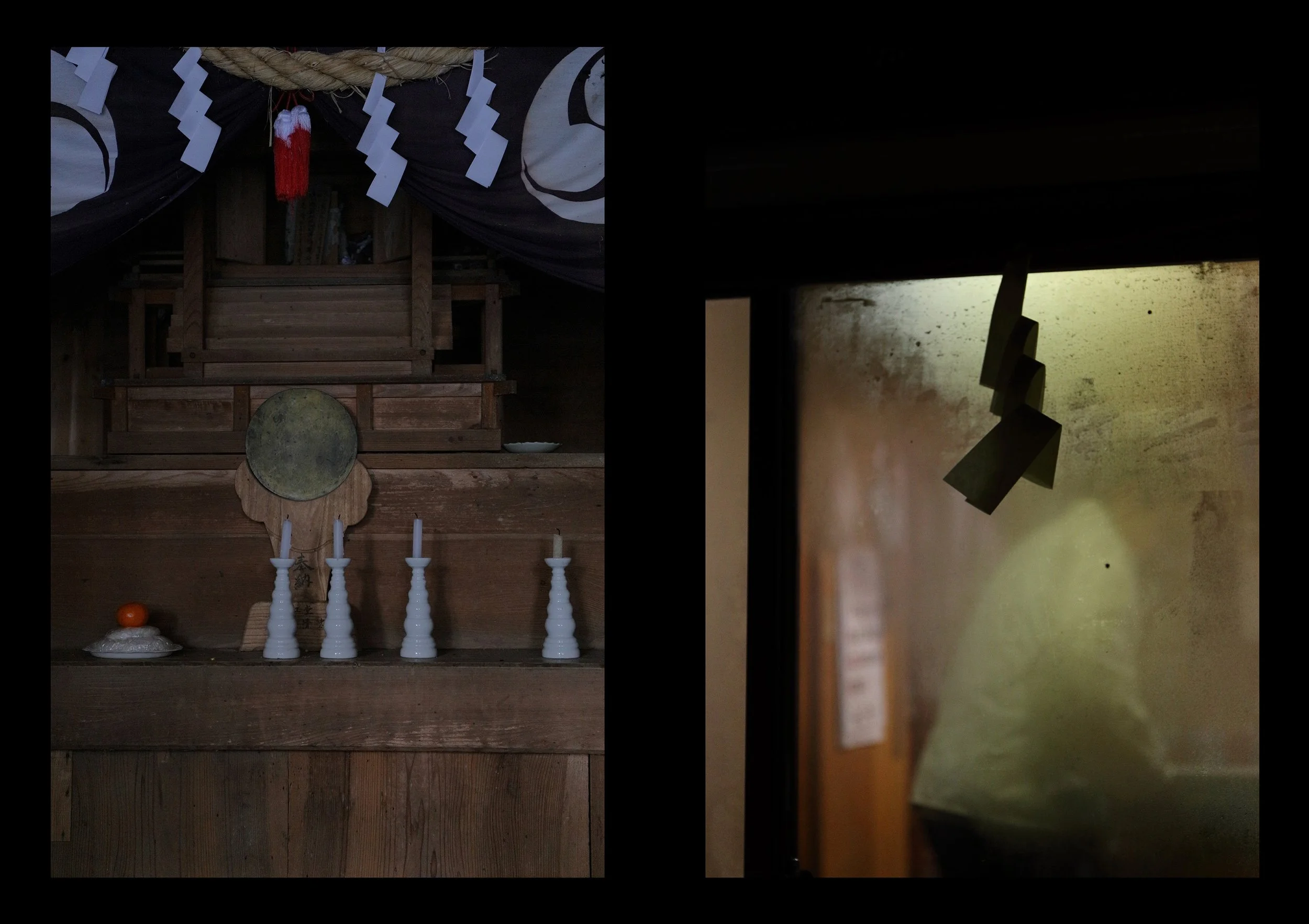
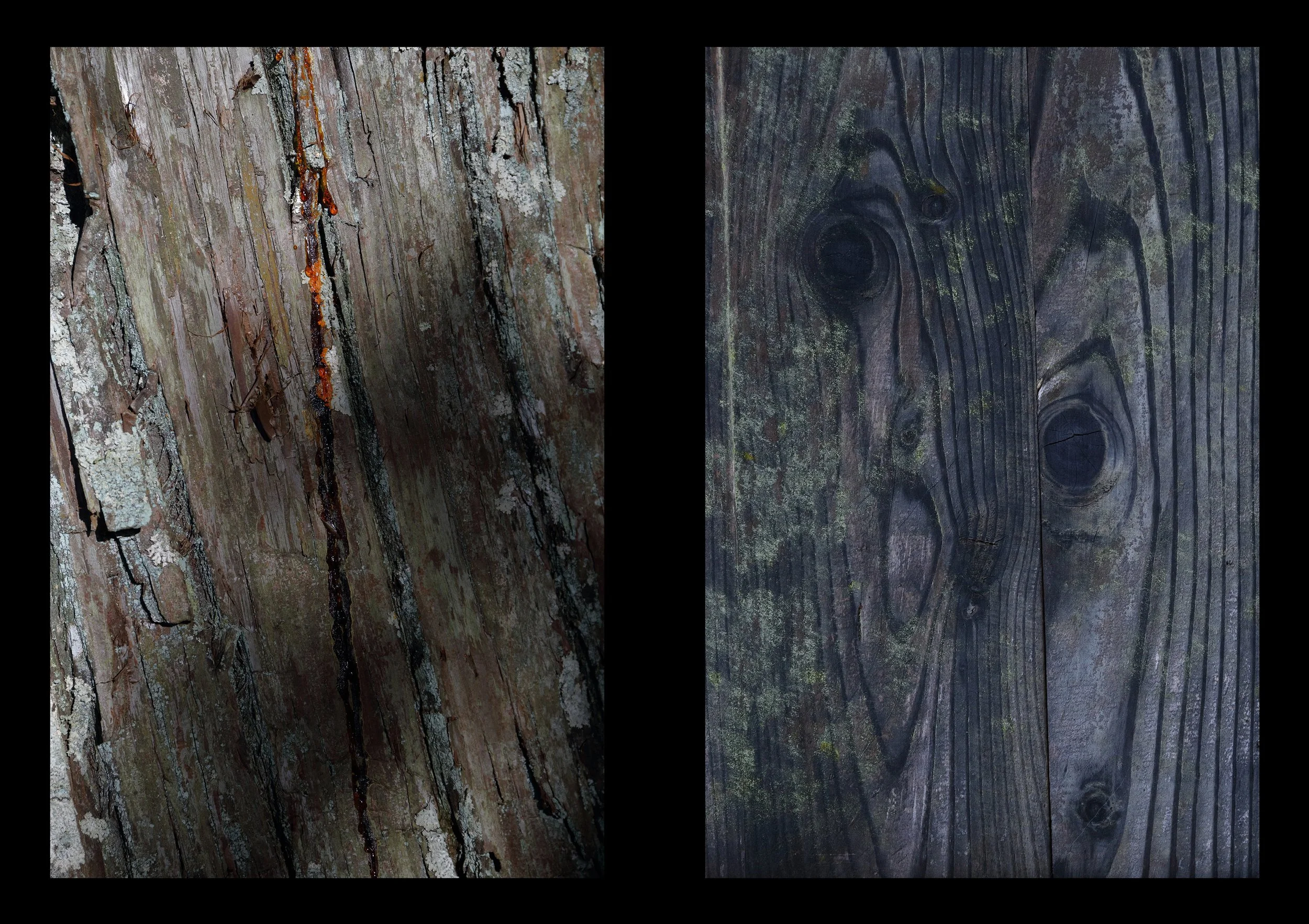
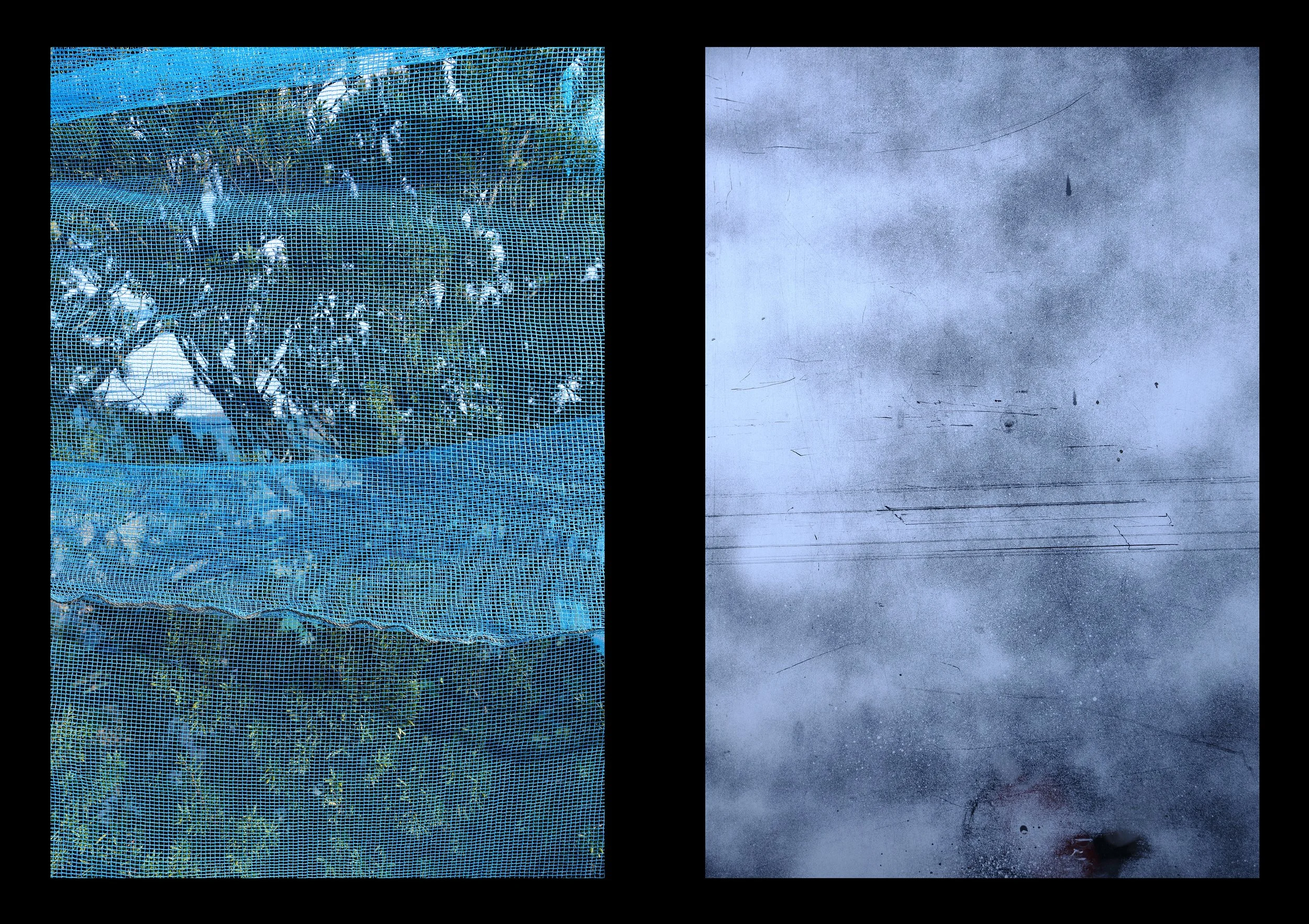
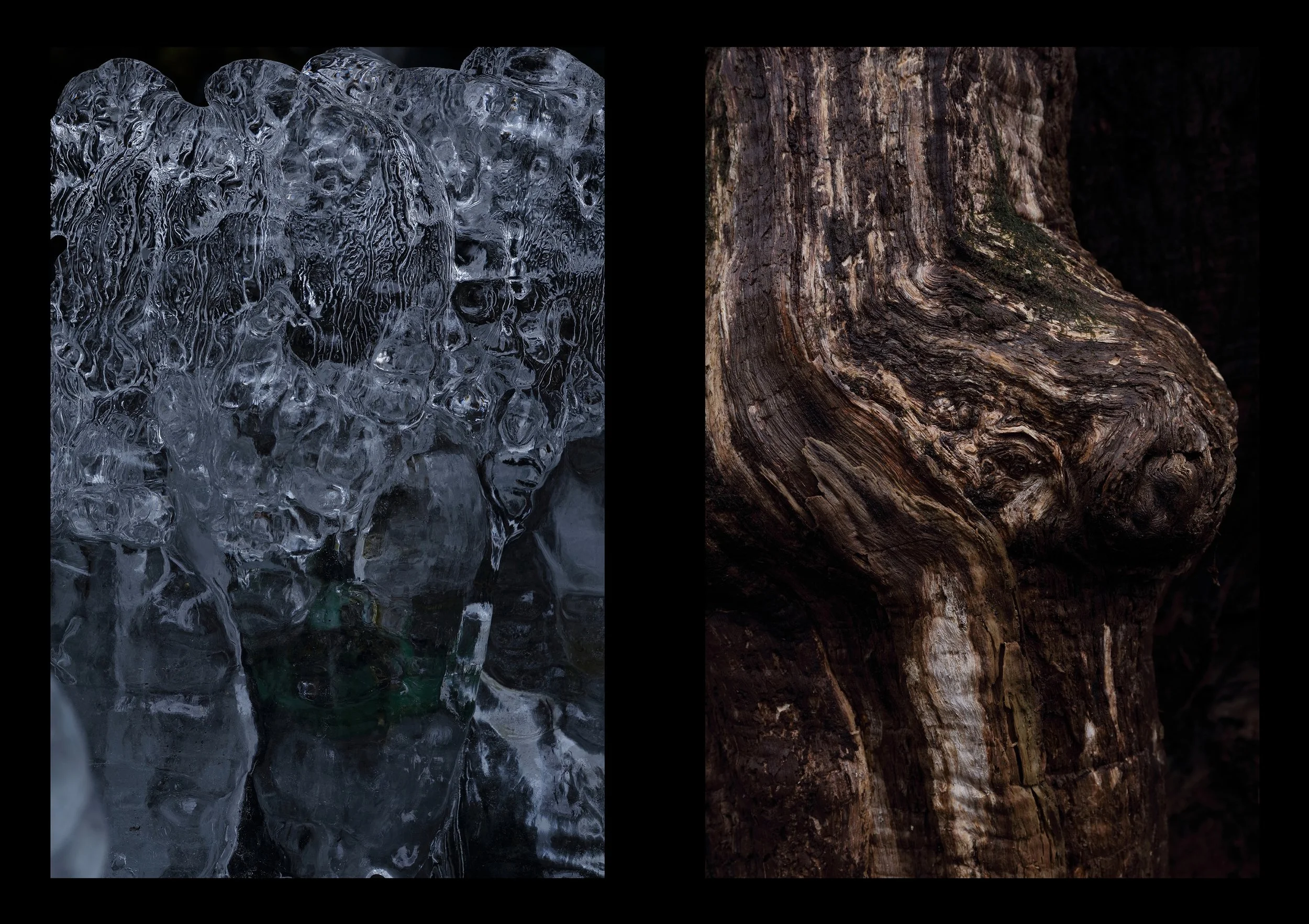
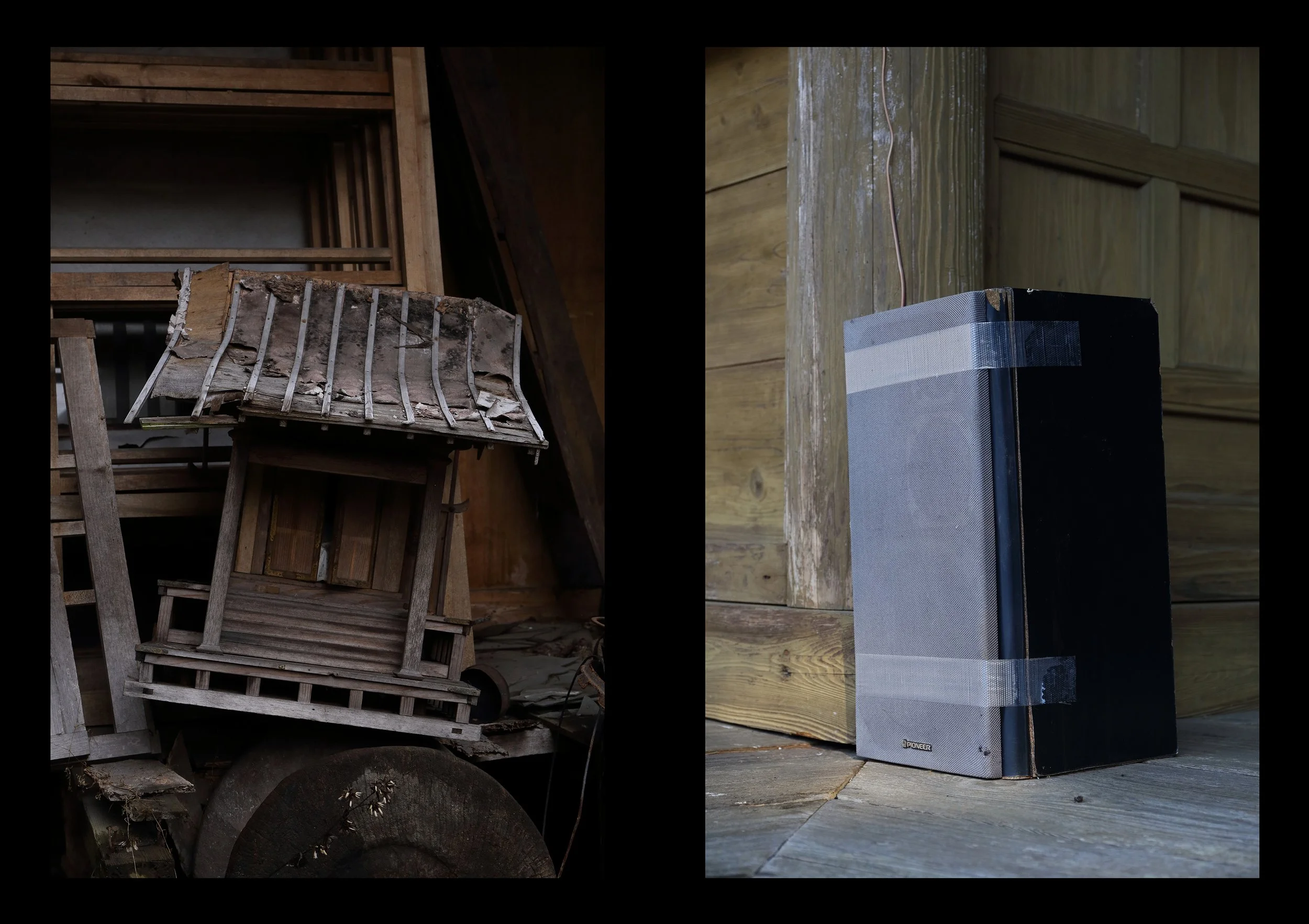
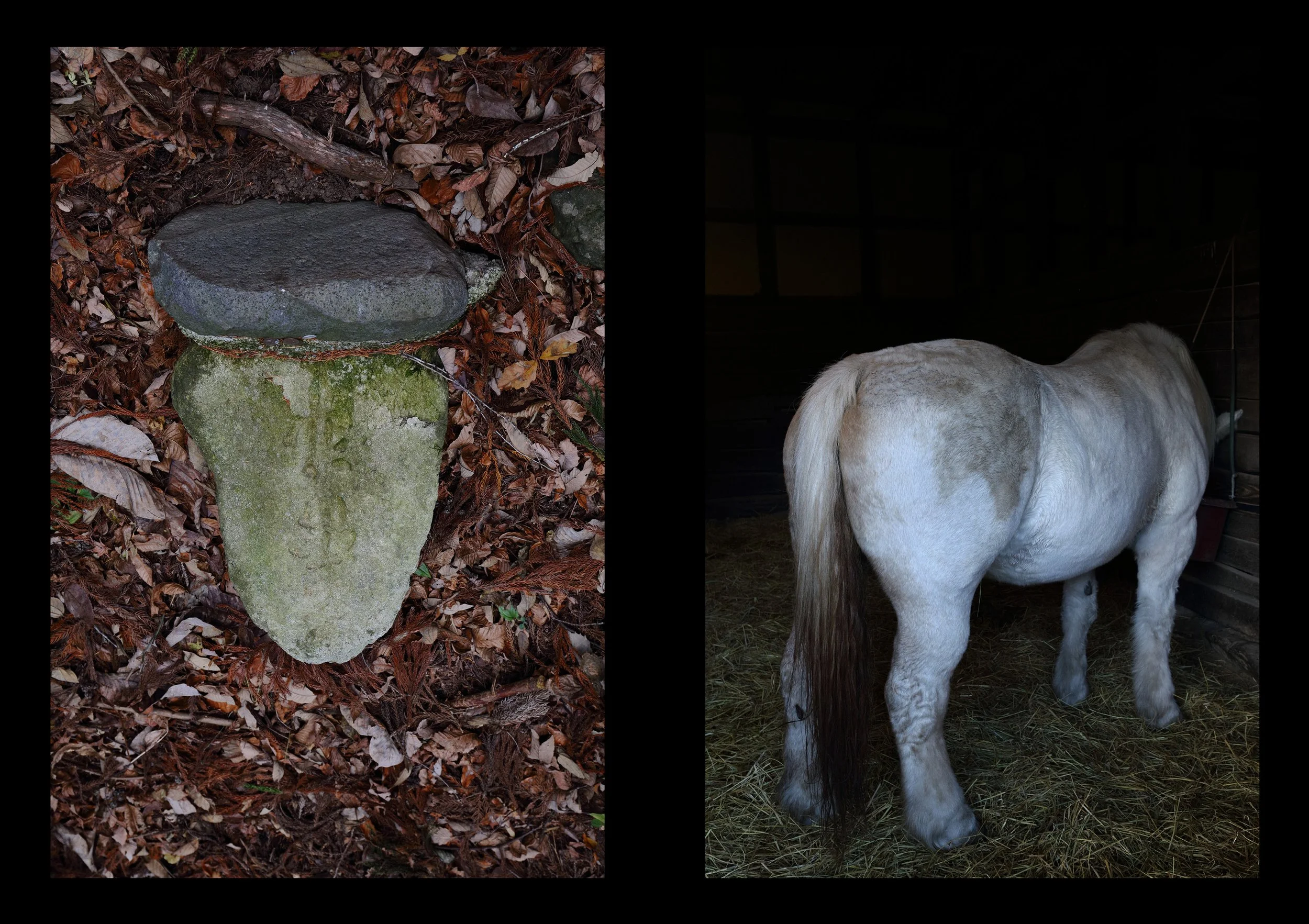
Photography is a means of maximizing the relationship between oneself and the outside world—at least, that is what it is for me. From the moment I was born, I was inextricably bound to the external world that stretches infinitely around my own inner self. Over time, I began to crystallize the distance between myself and that outside world into photographs. Without knowing what results or outcomes might emerge, and following only the dictates of my own consciousness and interests, I began to translate the relationship between myself and a specific place into wordless images. Tono is one such place. Eleven years ago, during my second trip there, the land seized my heart. Even now, the reason remains unclear. Perhaps it is the "Tohoku blood" that flows through half of my veins, or perhaps the rugged, unadorned purity of a landscape that feels nothing like a typical tourist destination. After a decade of photographing Tono, what I have come to sense is a "gaze"—the look I cast upon Tono, and the look Tono casts back at me. At one point, while reviewing ten years' worth of Tono photographs, I discovered a sequence of images that seemed to echo across time and space, like twins calling out to one another. From there, I simply sought to capture those voices and shape them into a body of work. I mentioned earlier that these are "wordless photographs." Words are not needed when taking a picture. Yet, there are times when words or voices seem to emanate from the photograph itself. I felt compelled to capture that resonance. when these records—or memories—of Tono, captured at disparate times and places, manifest before the viewer’s eyes—whether on a sheet of paper, in a book, or on the screen of a television, PC, or smartphone—they transcend the mere nature of a photograph. What emerges is a "whole," an alternative external world. This holds the potential to guide others to the real Tono or to prompt a fresh look at the world immediately around them. That is what I hope will happen.
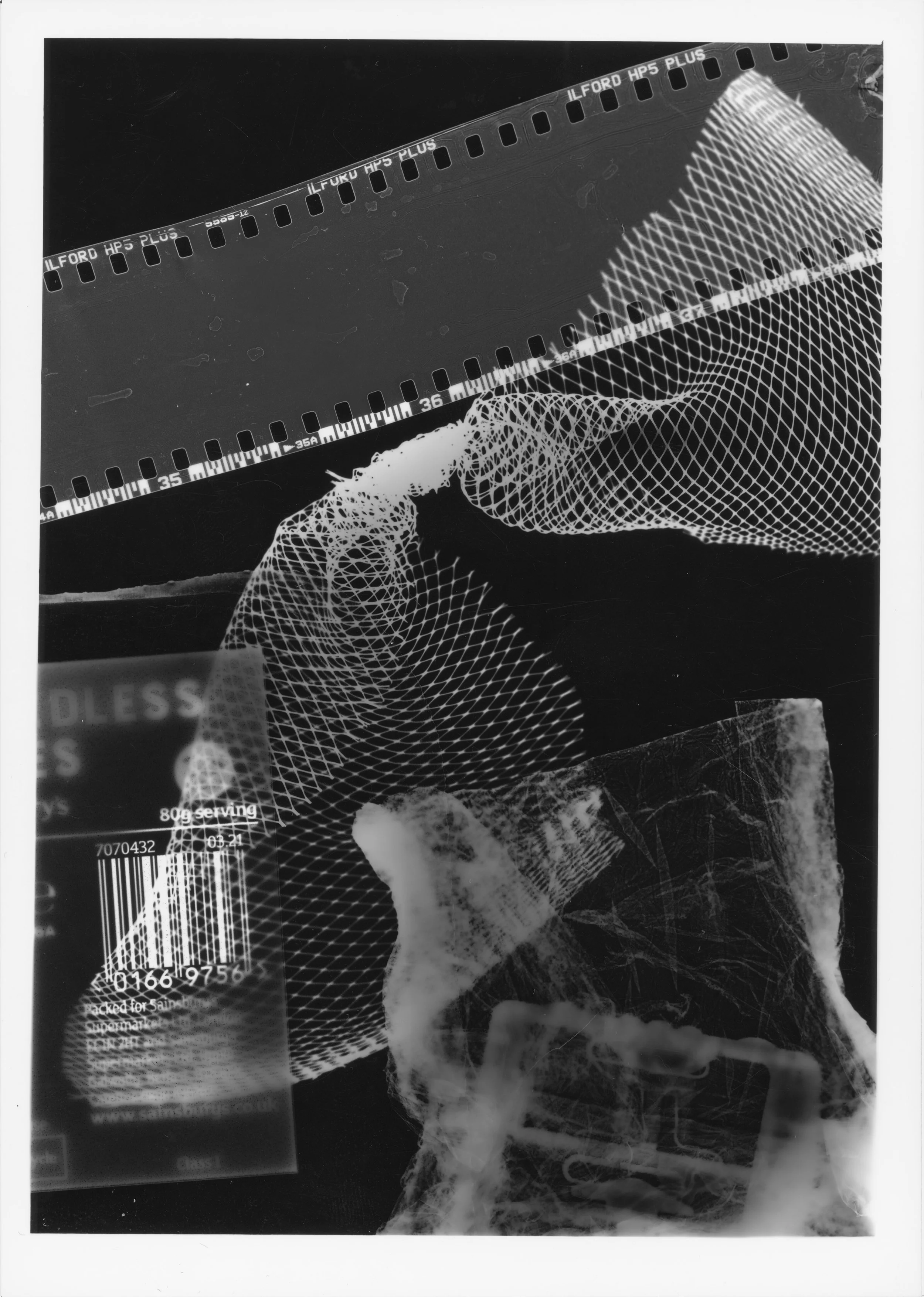
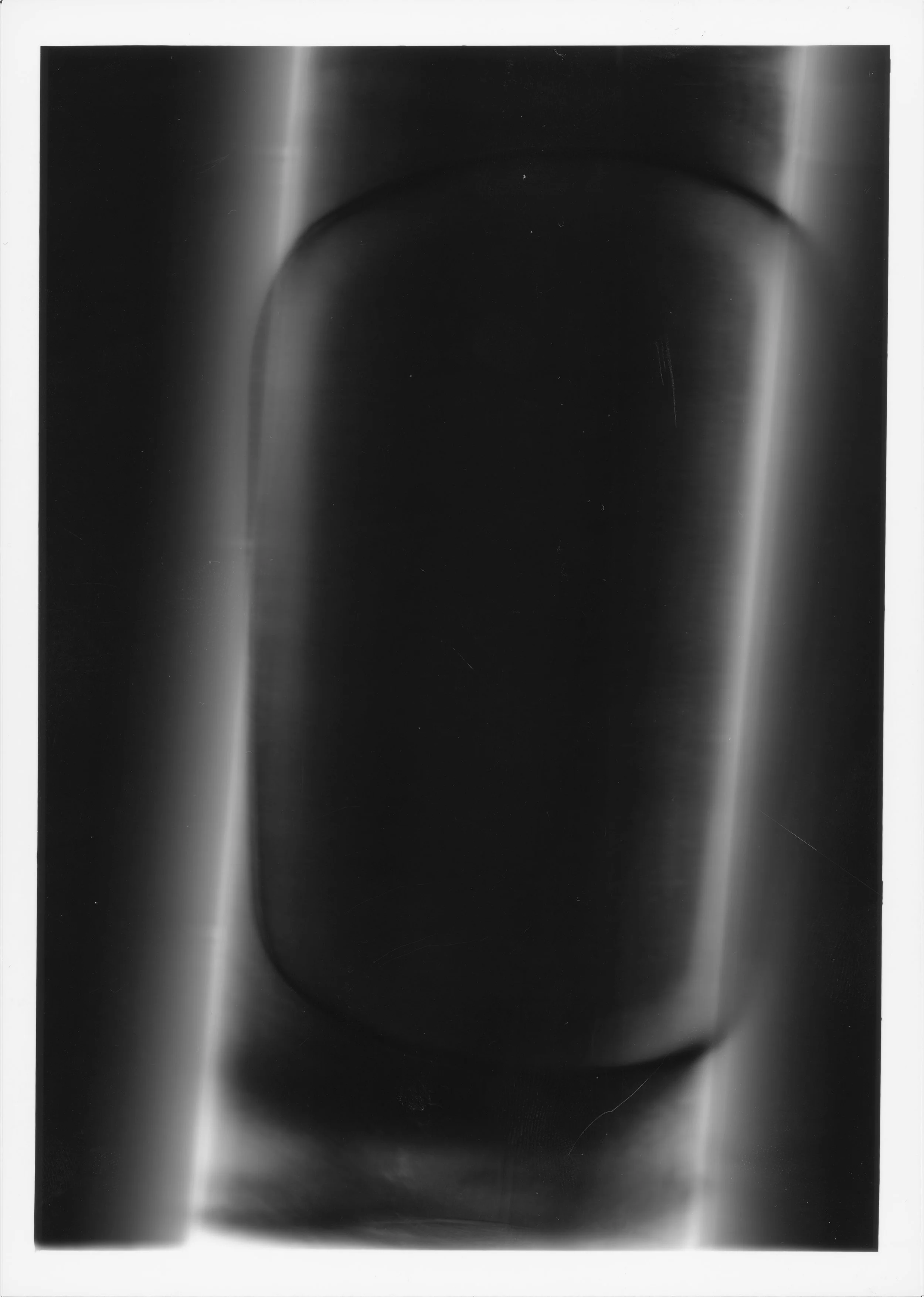
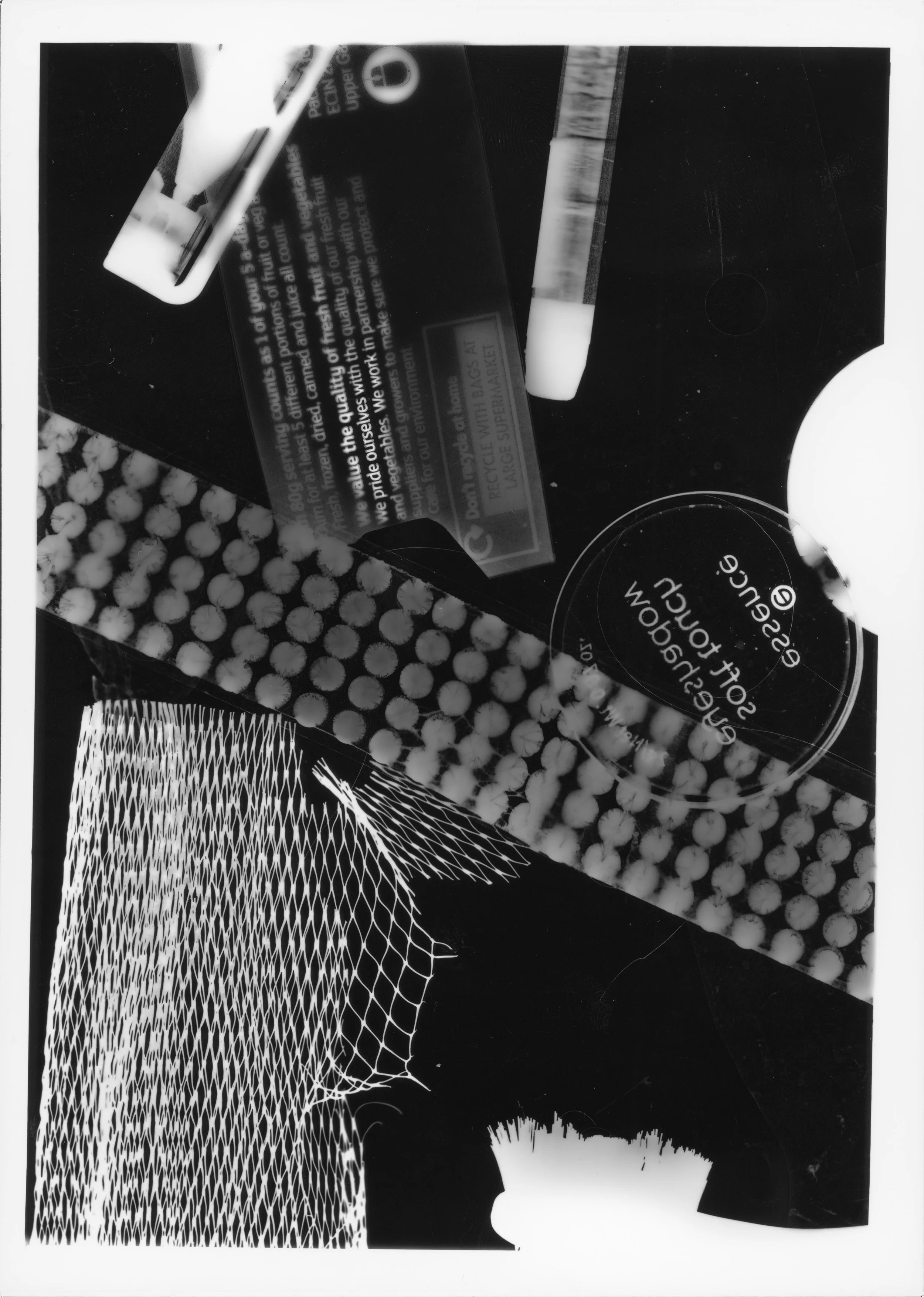
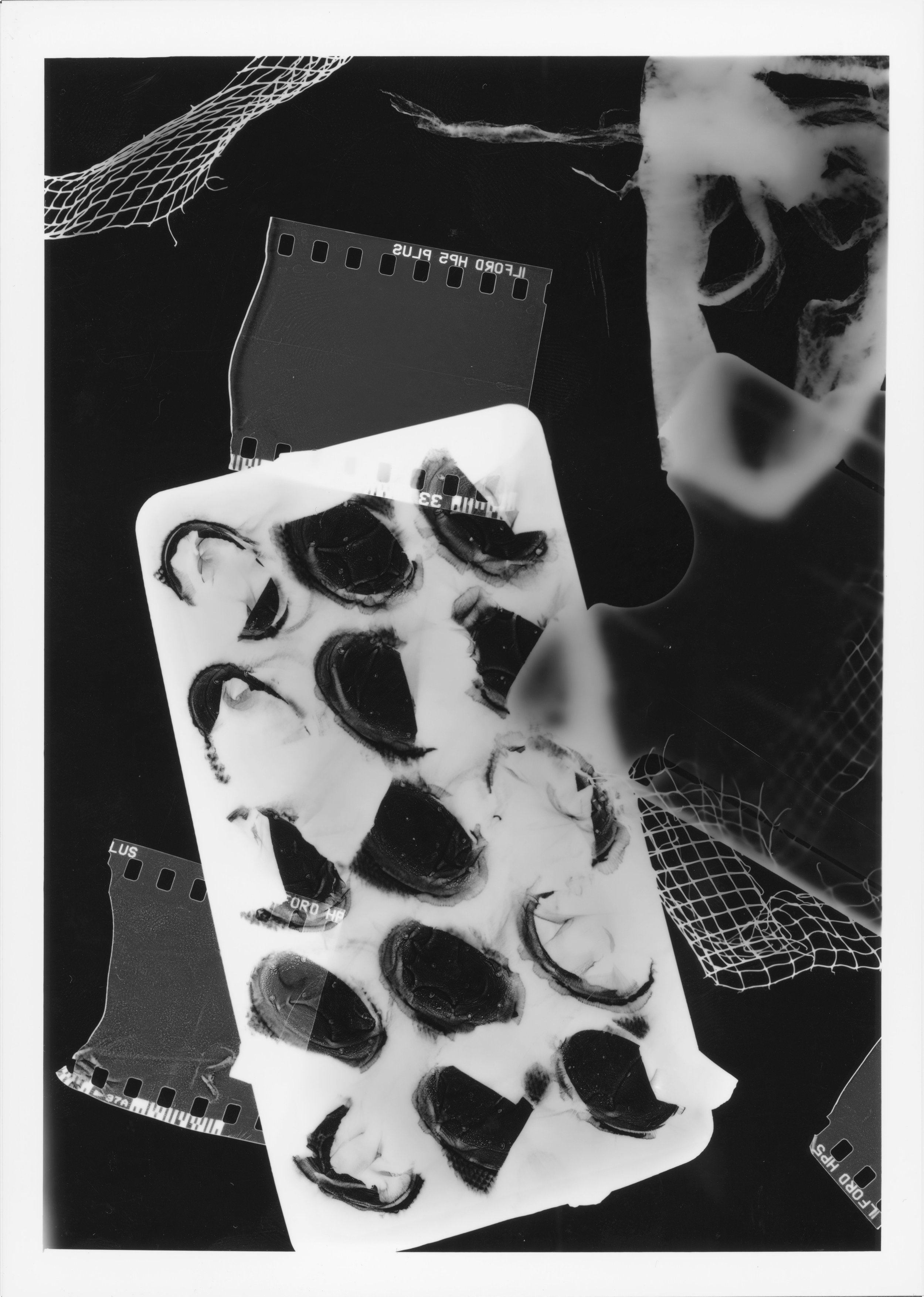
Noir
SUNBURNS
Korbinian Leo Kramer
-
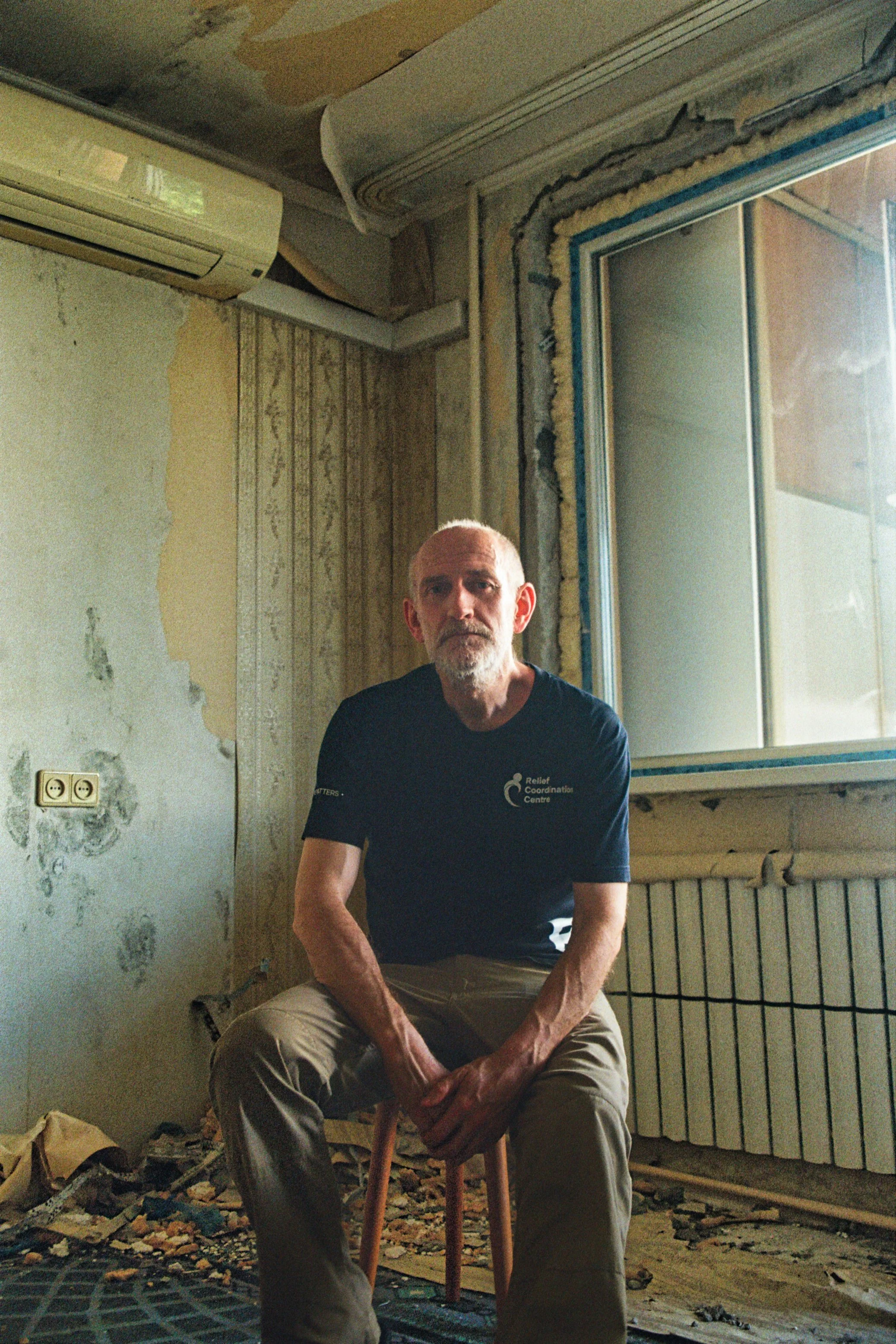
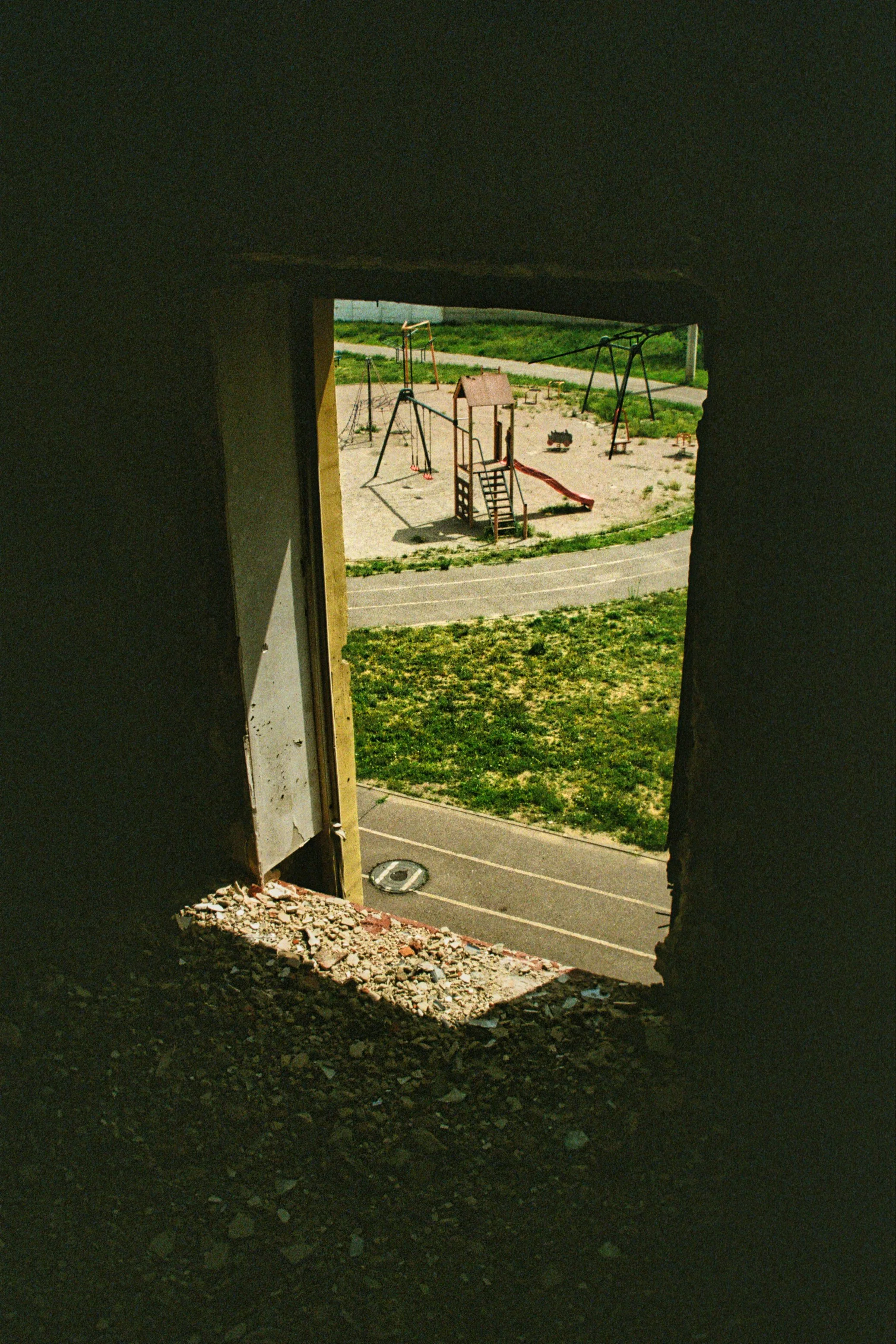
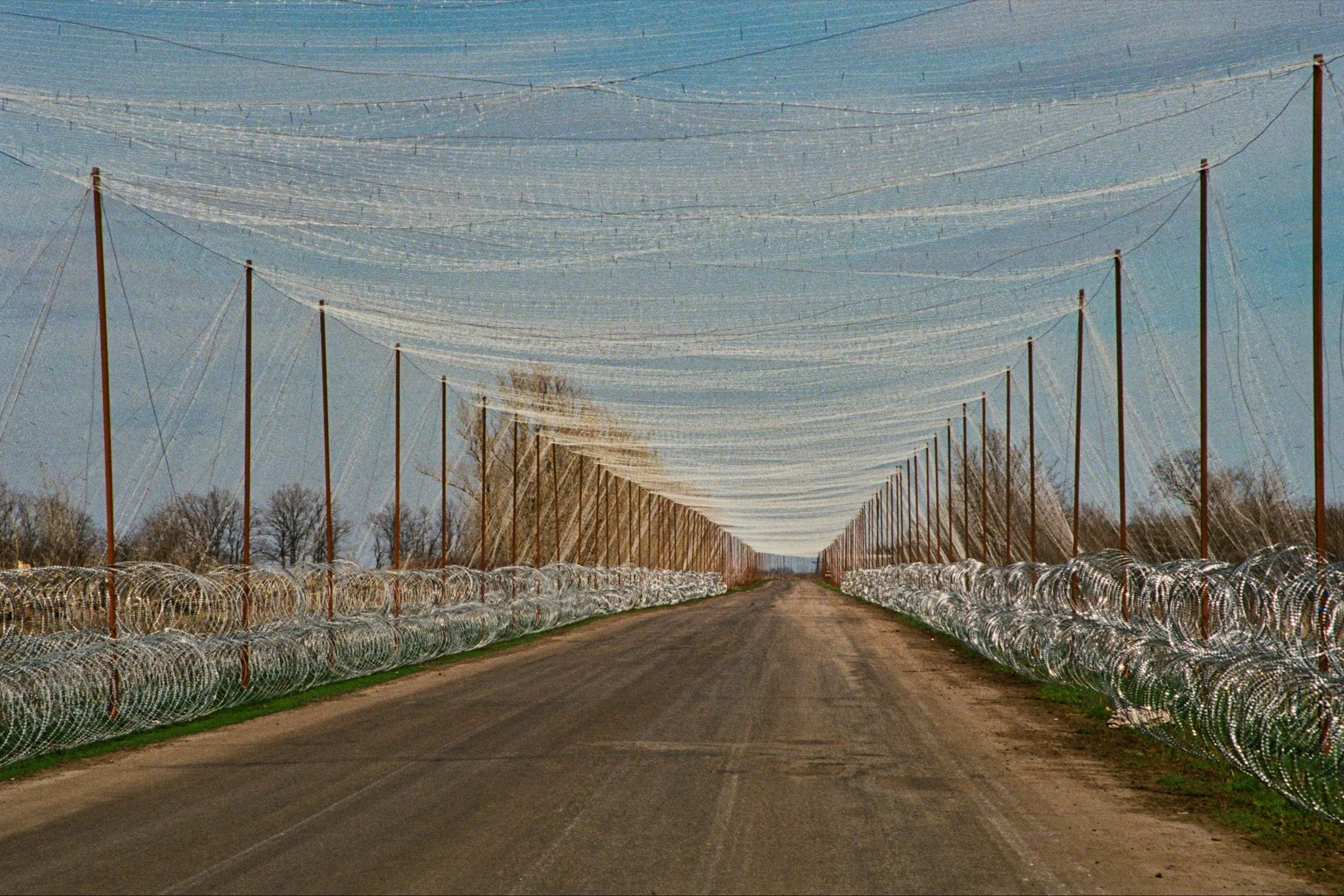
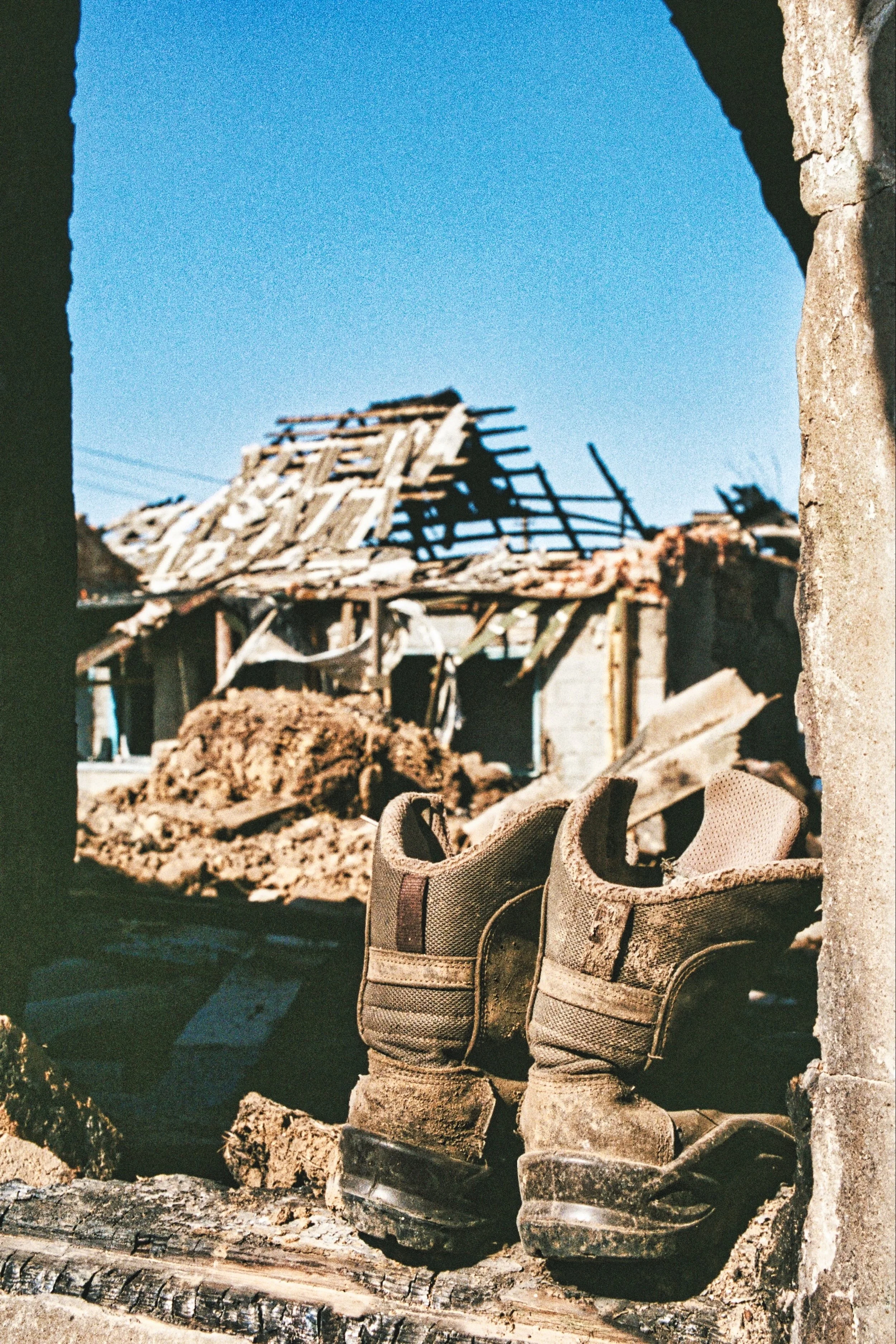
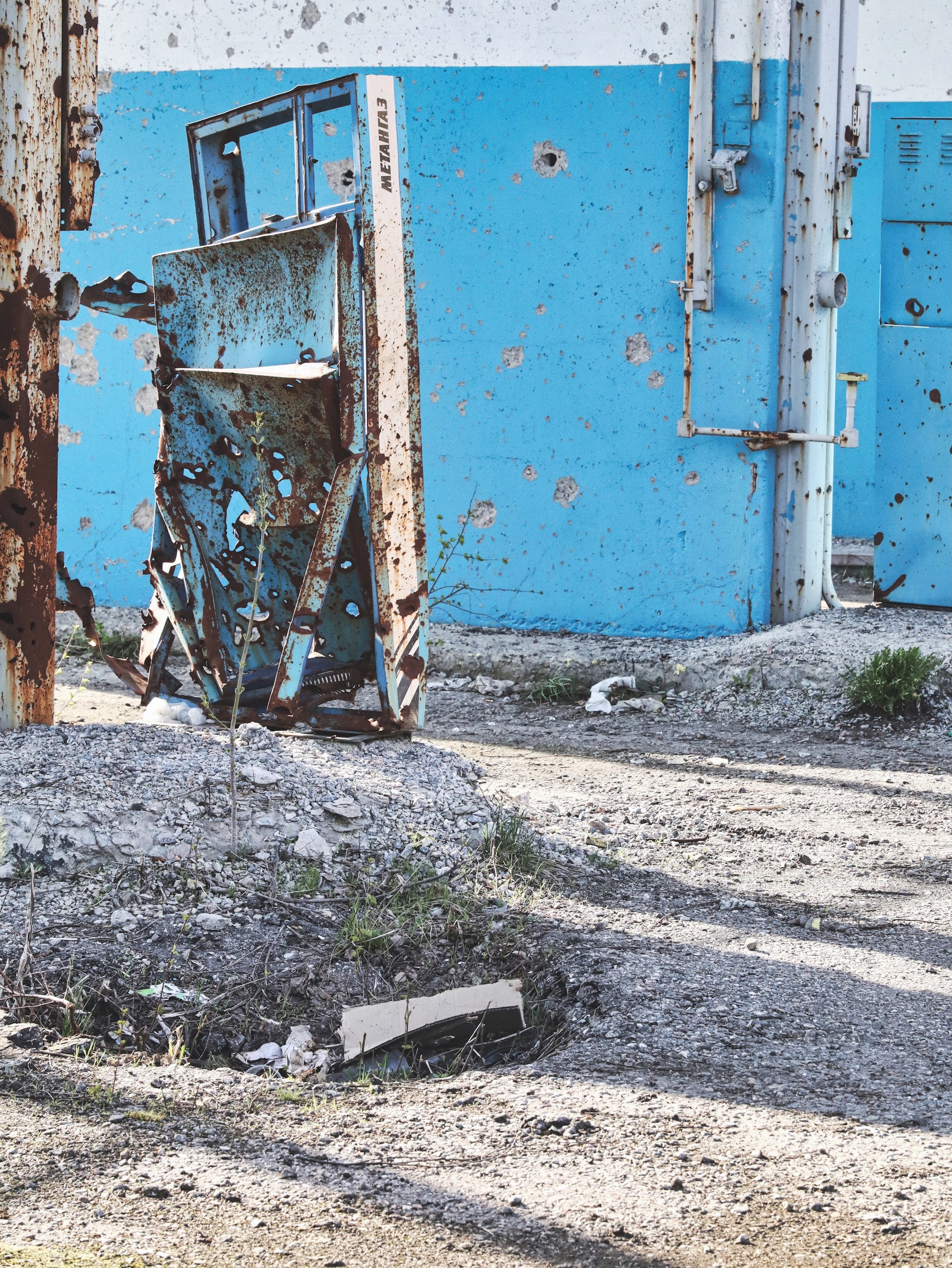
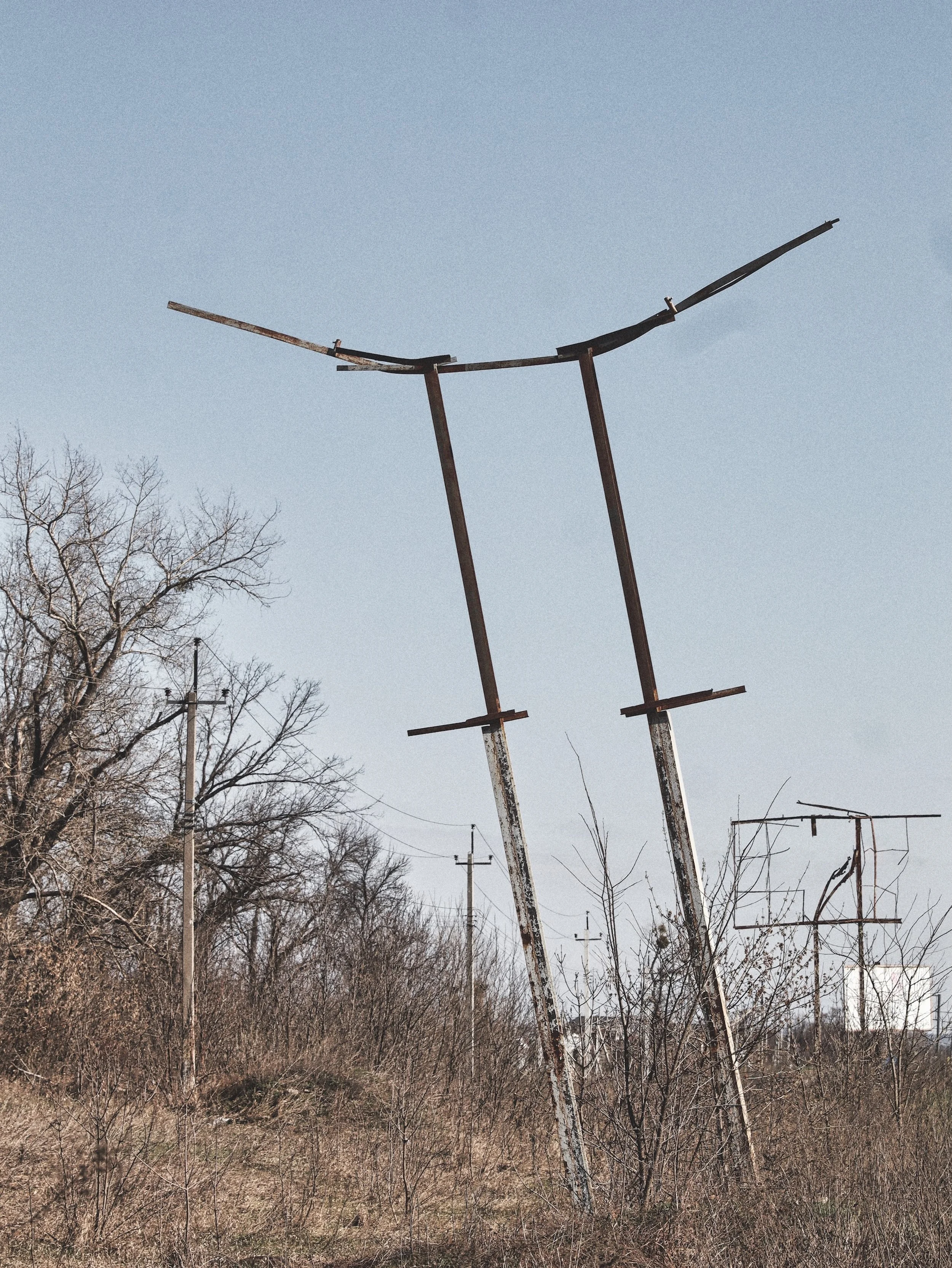
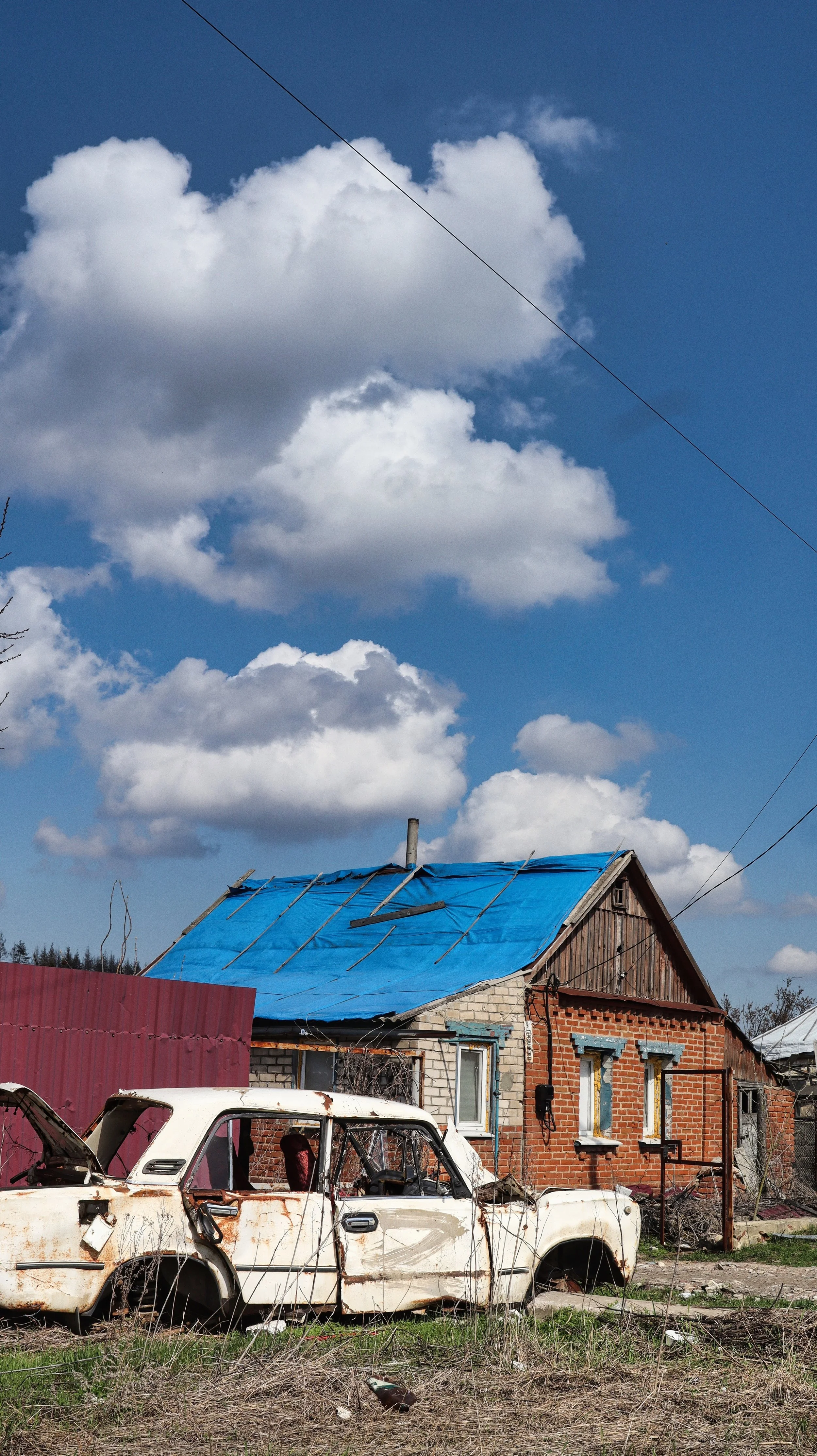
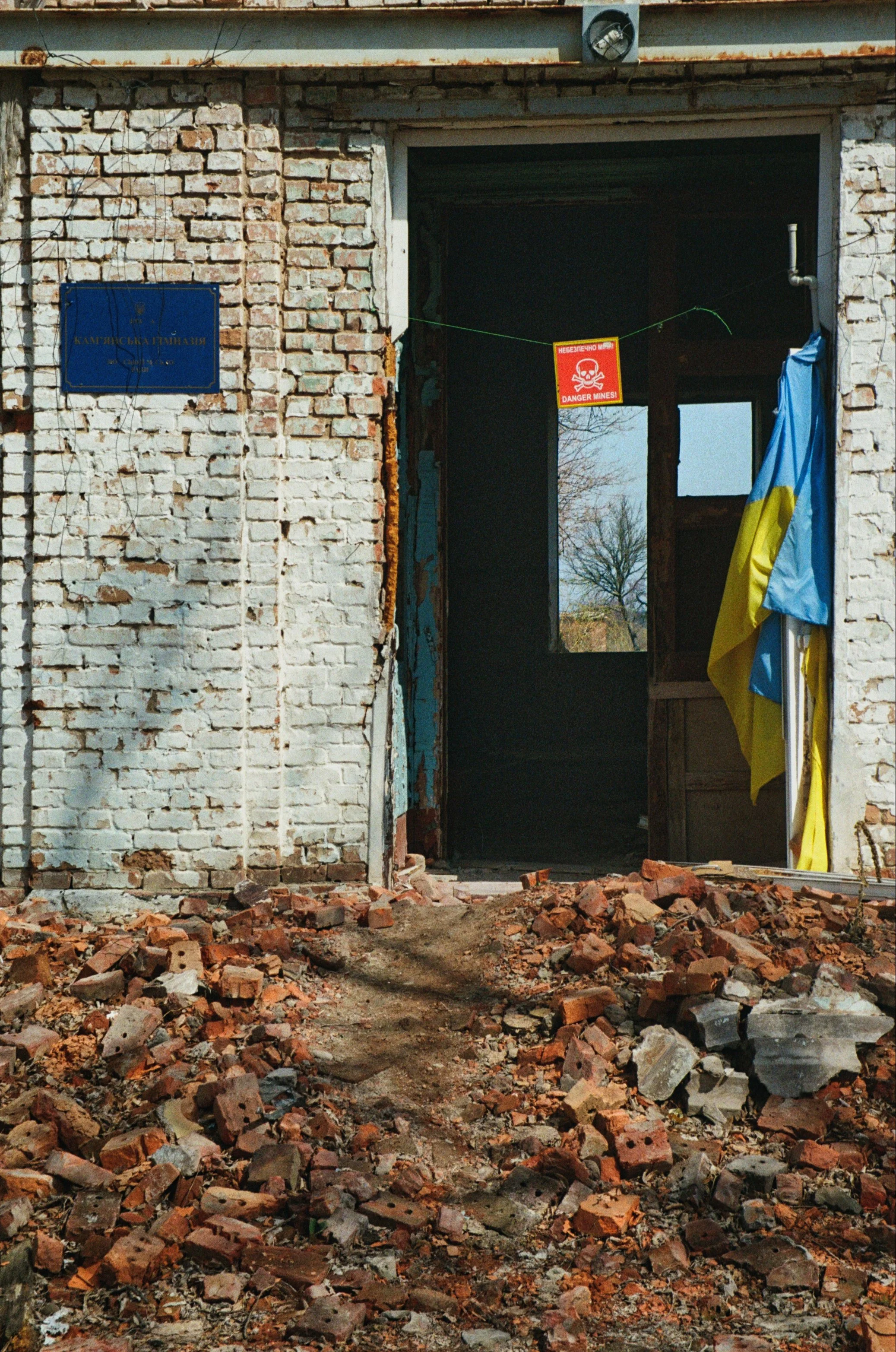
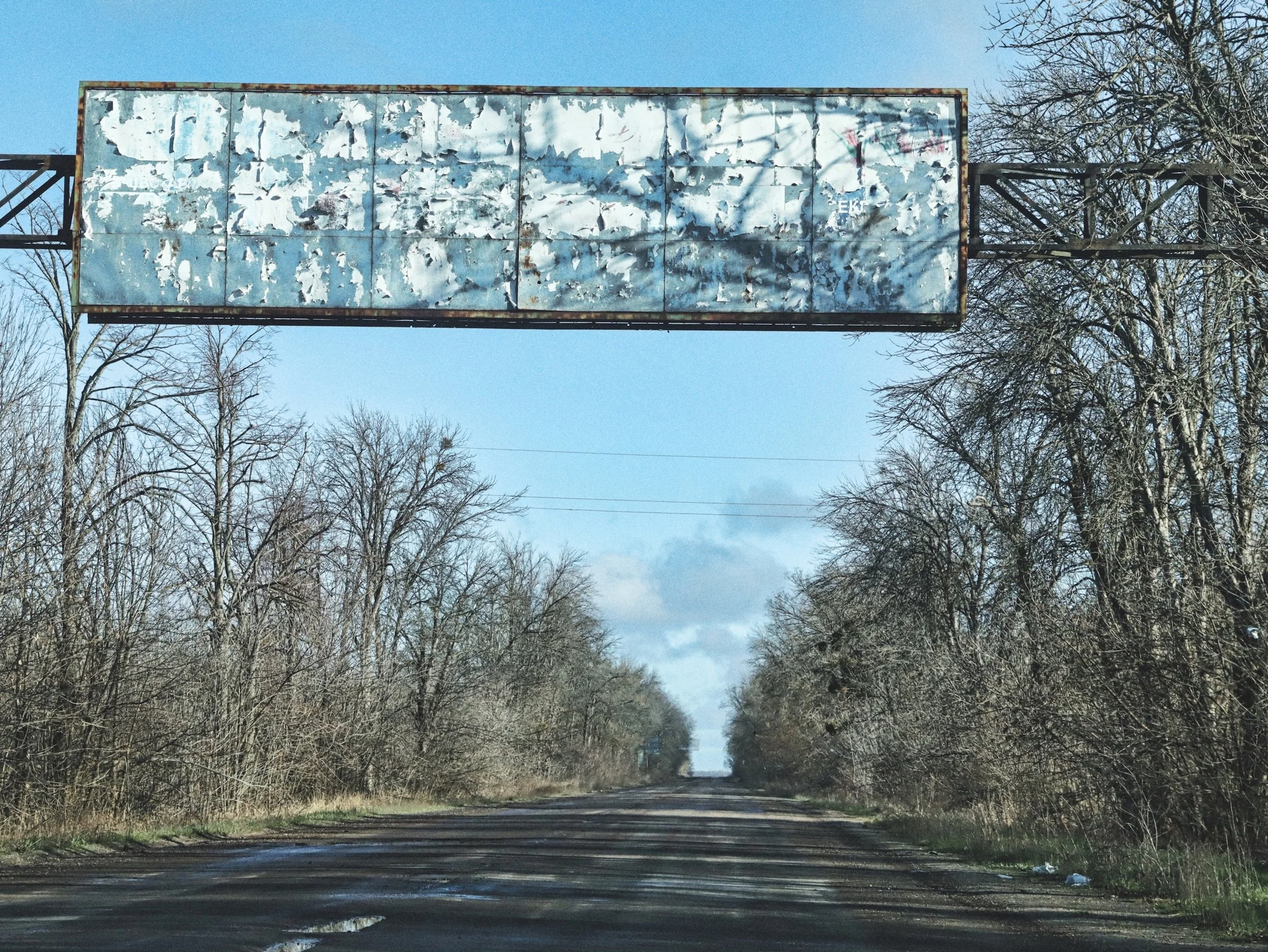
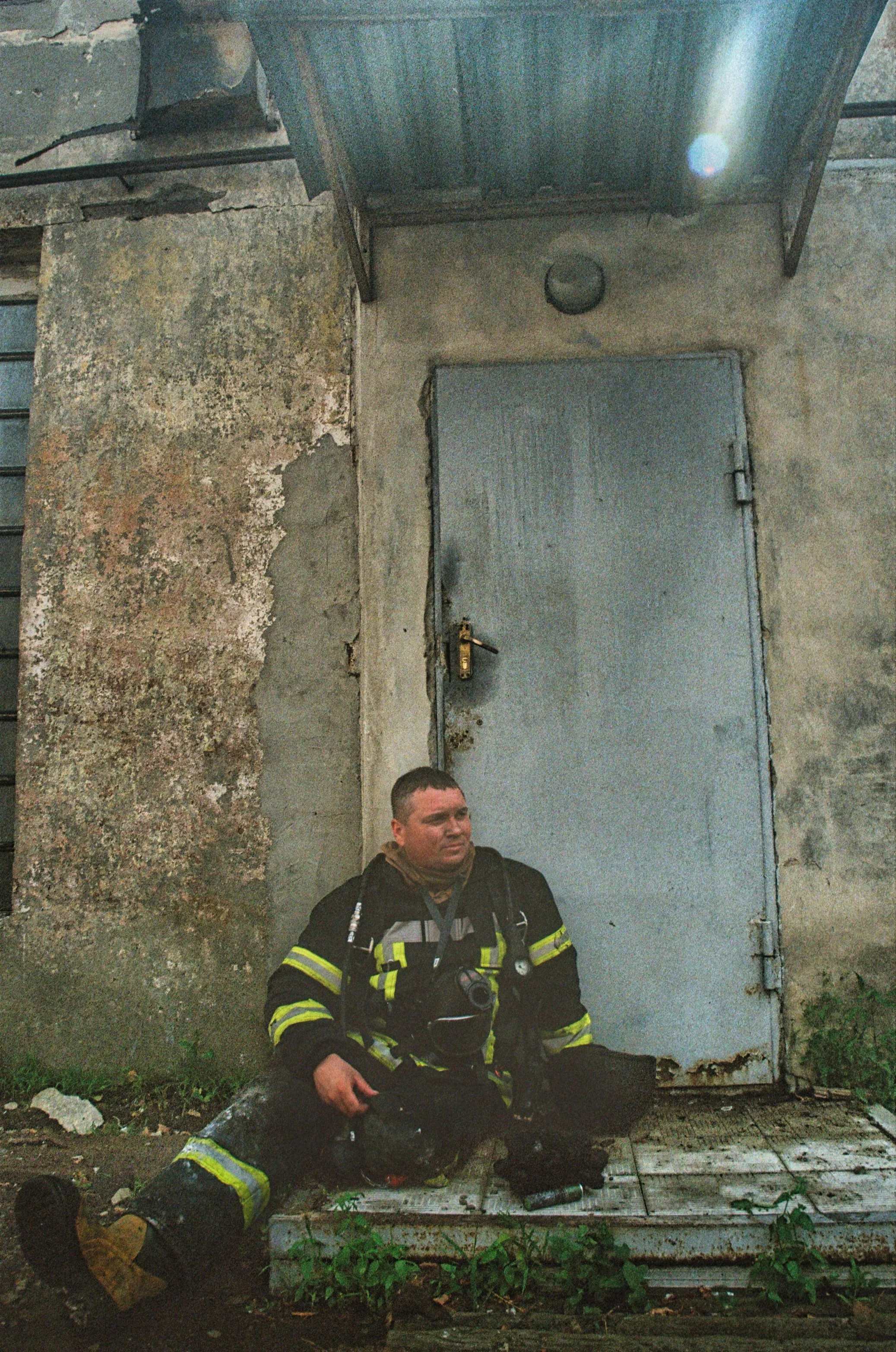
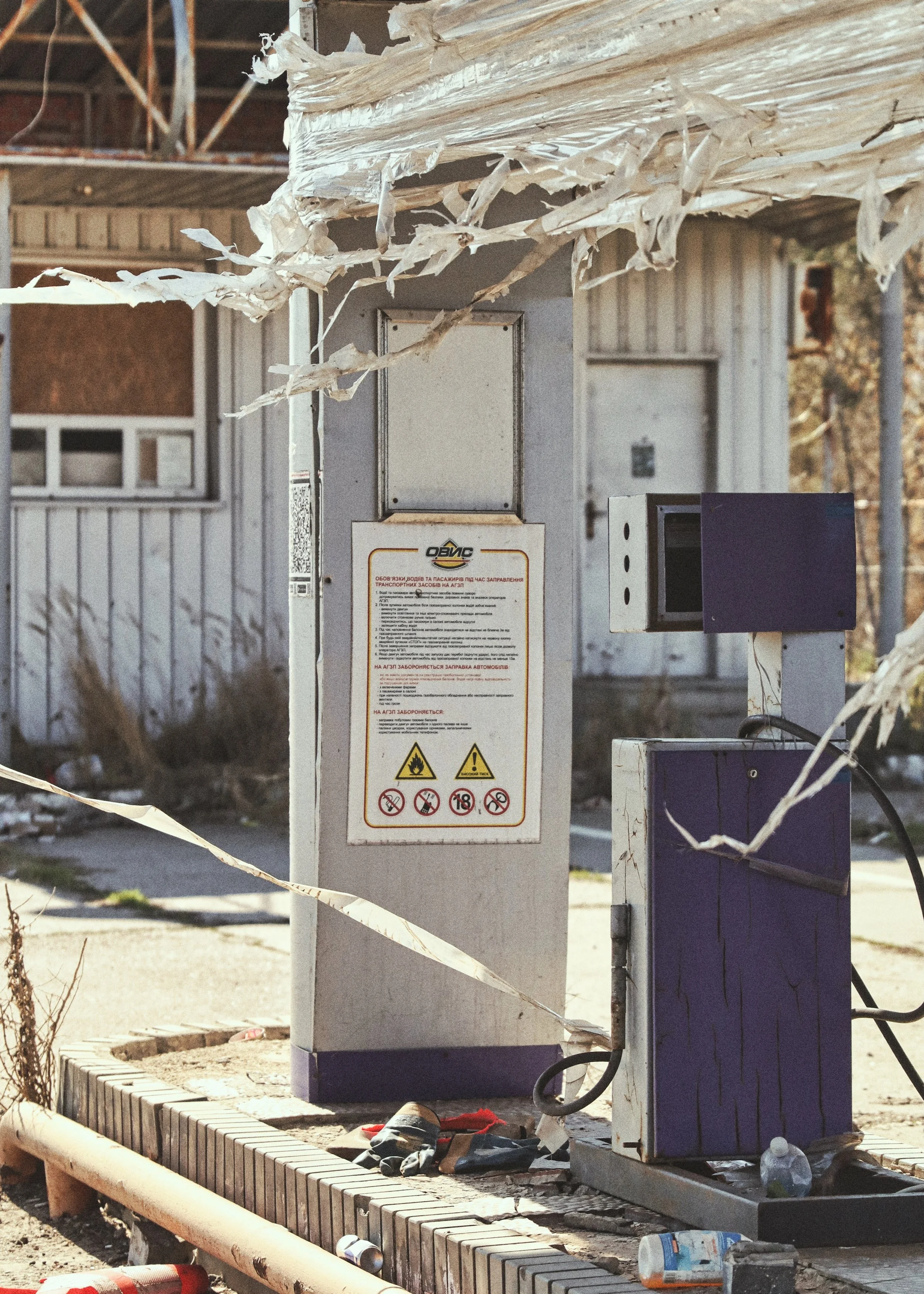
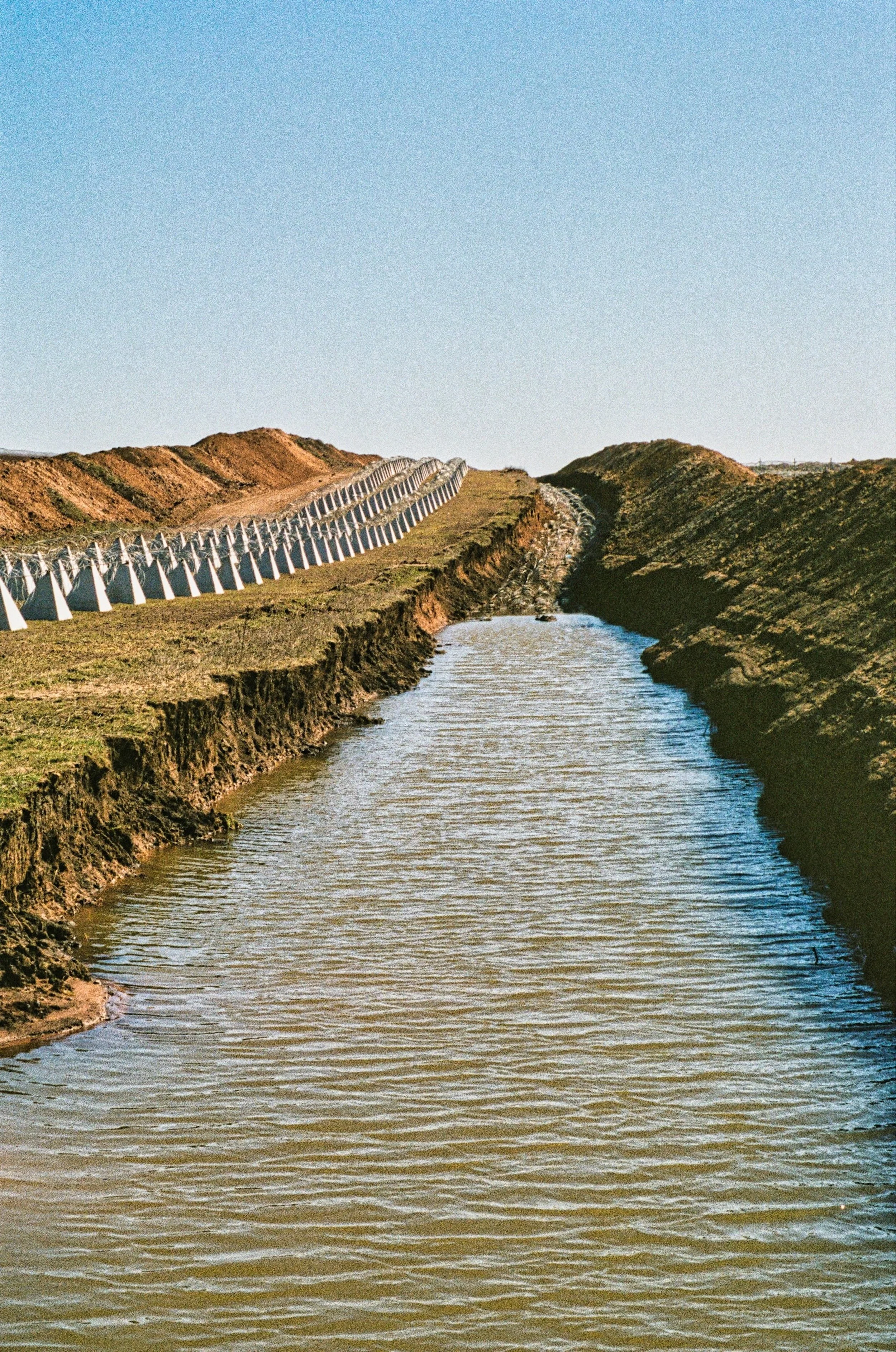
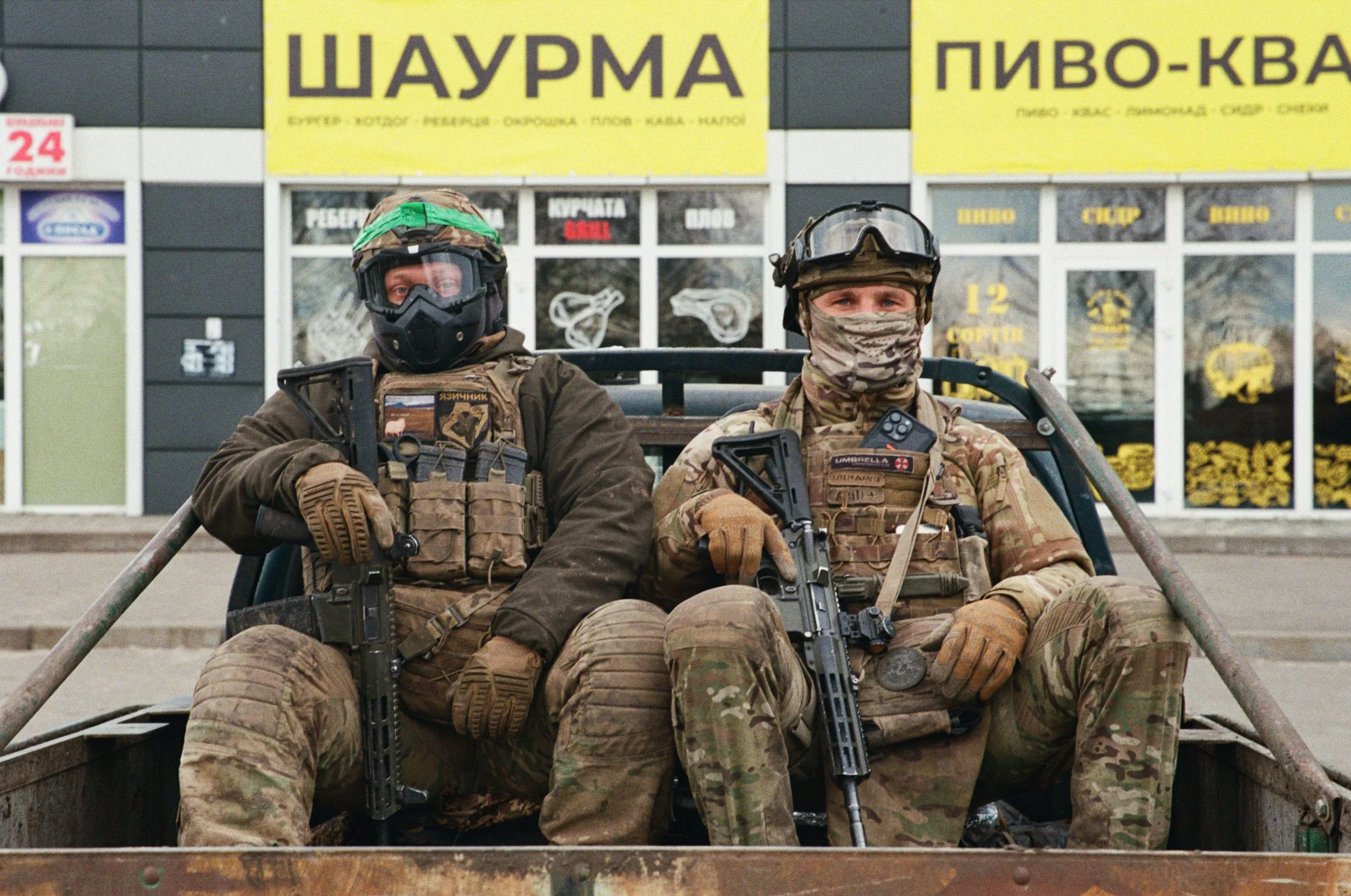
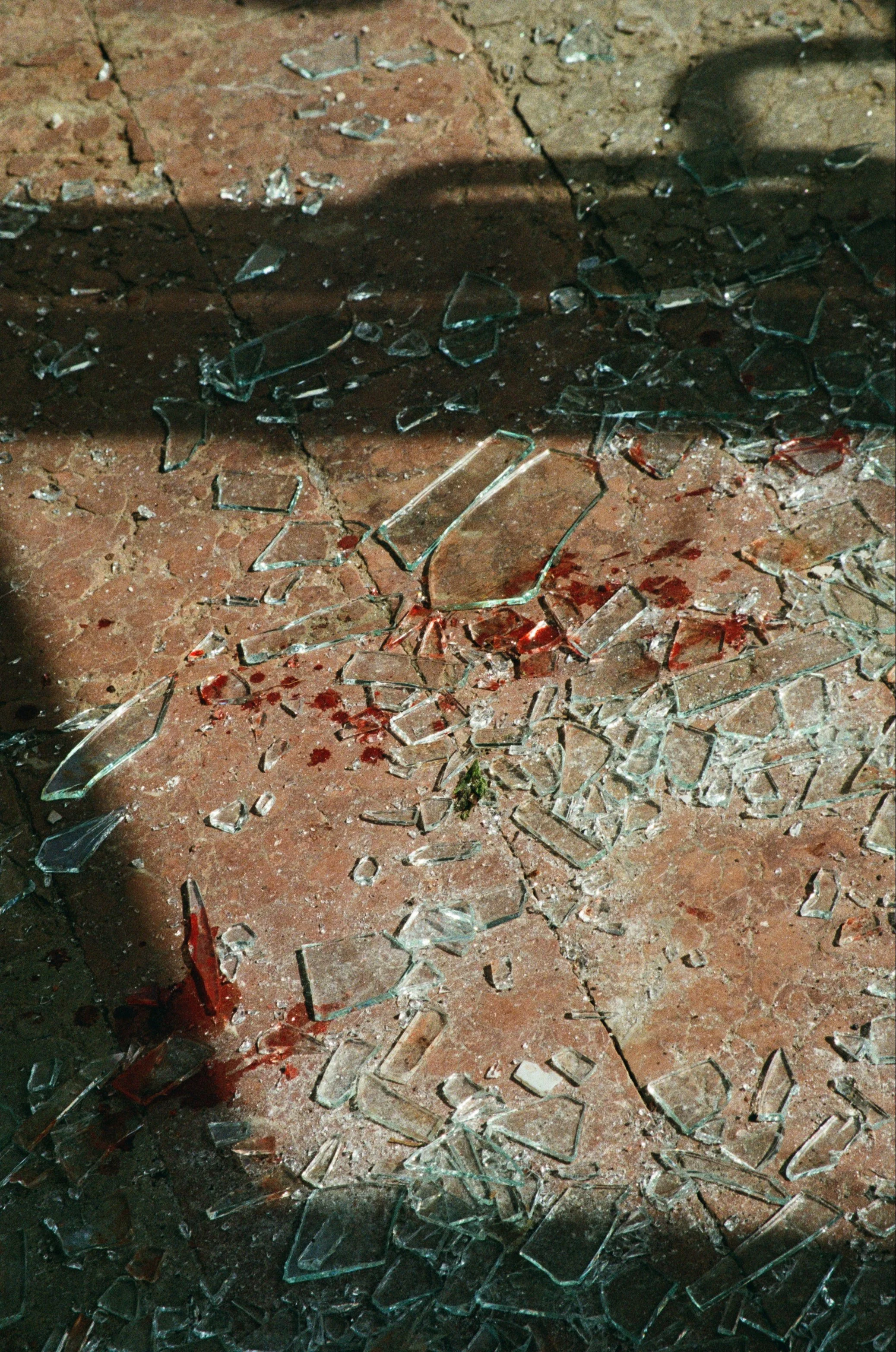
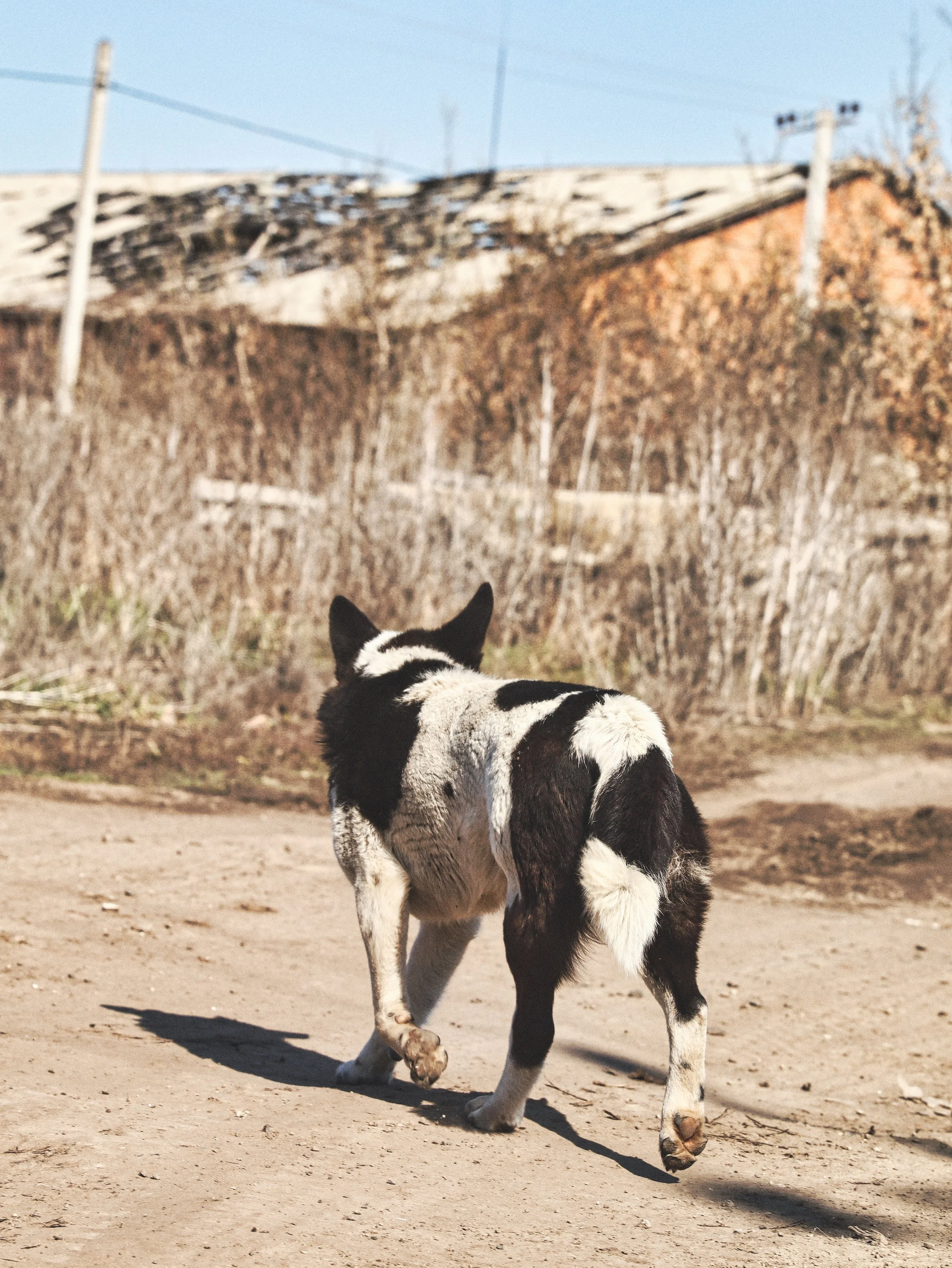
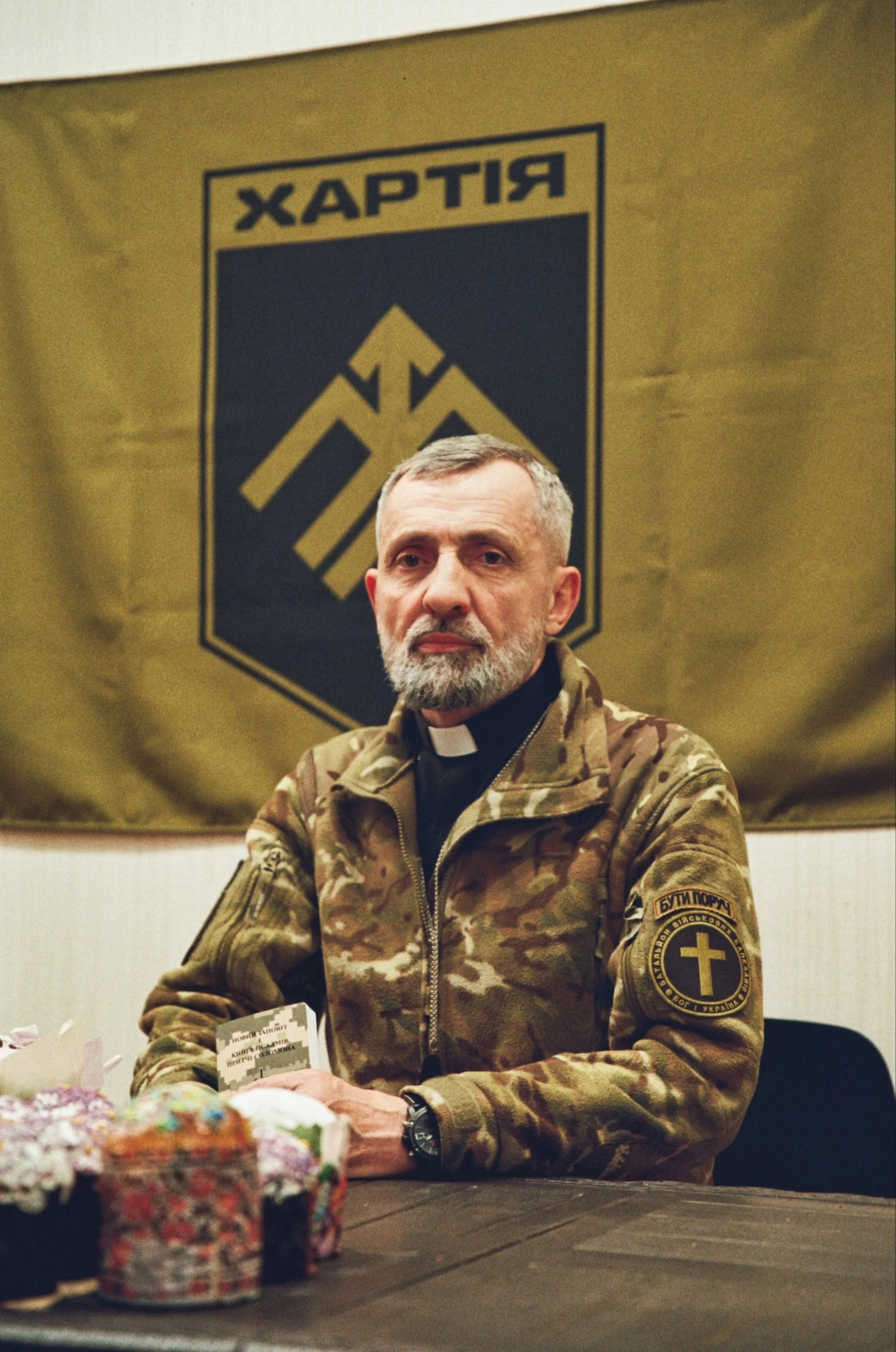
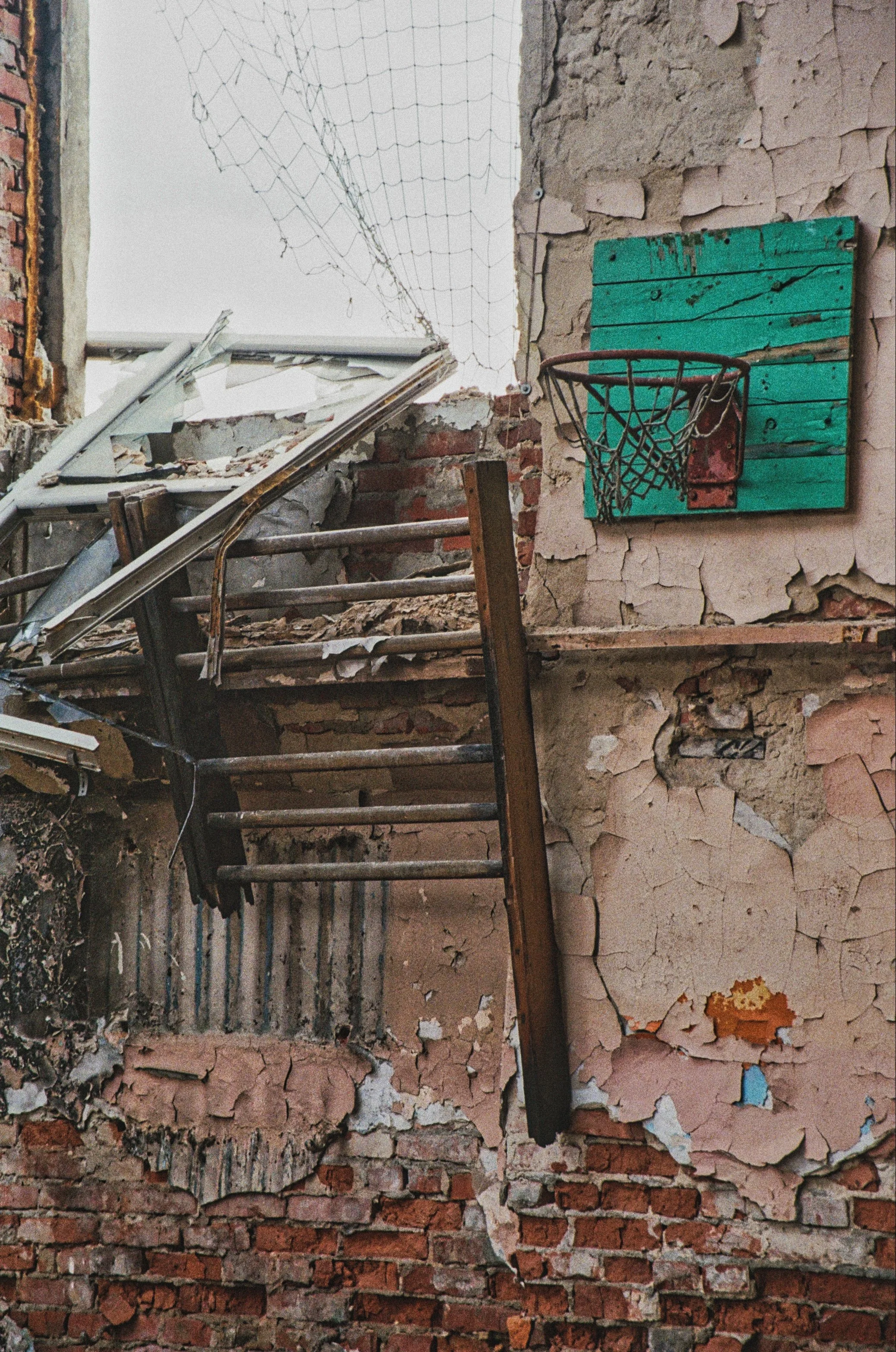
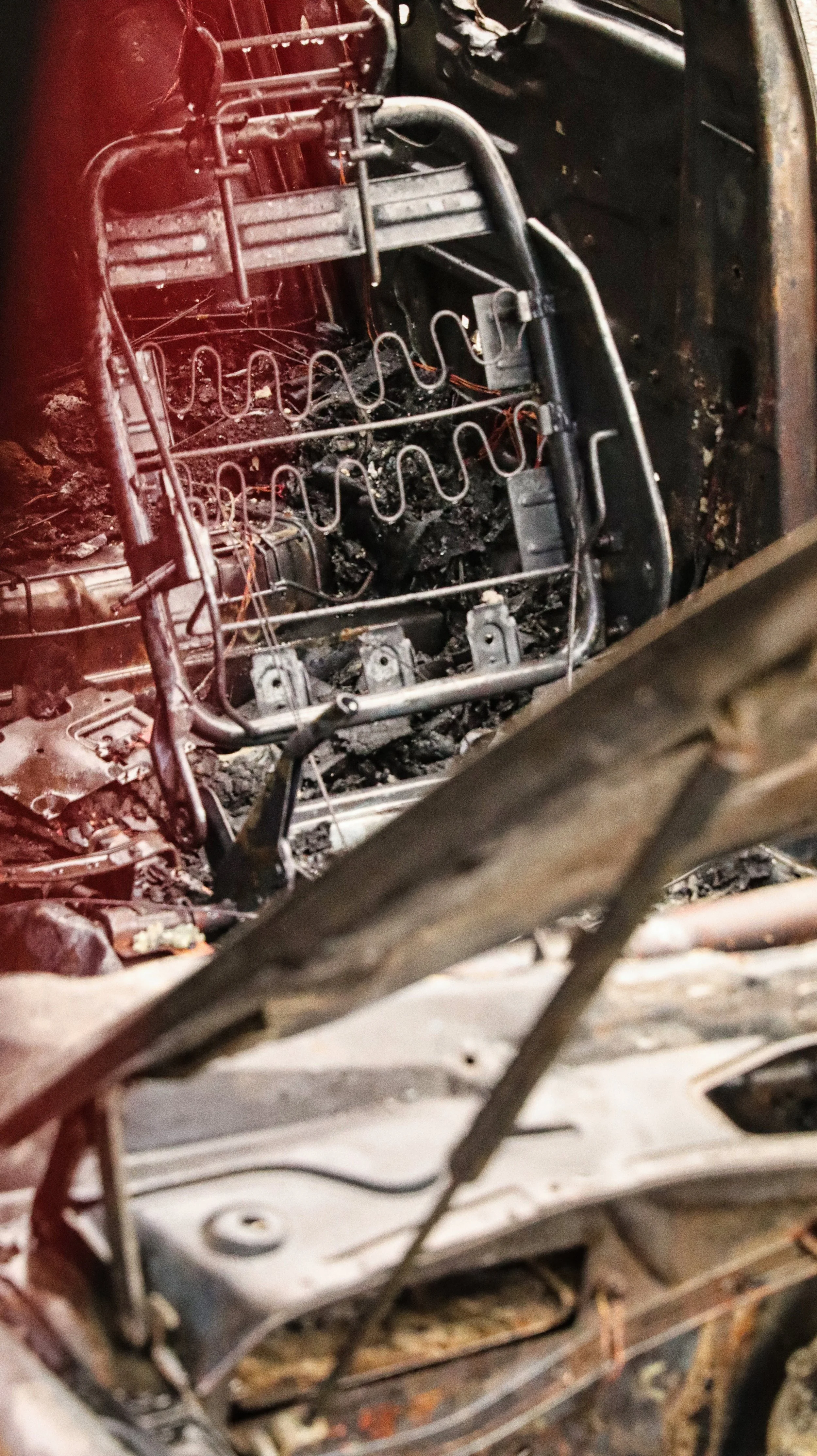
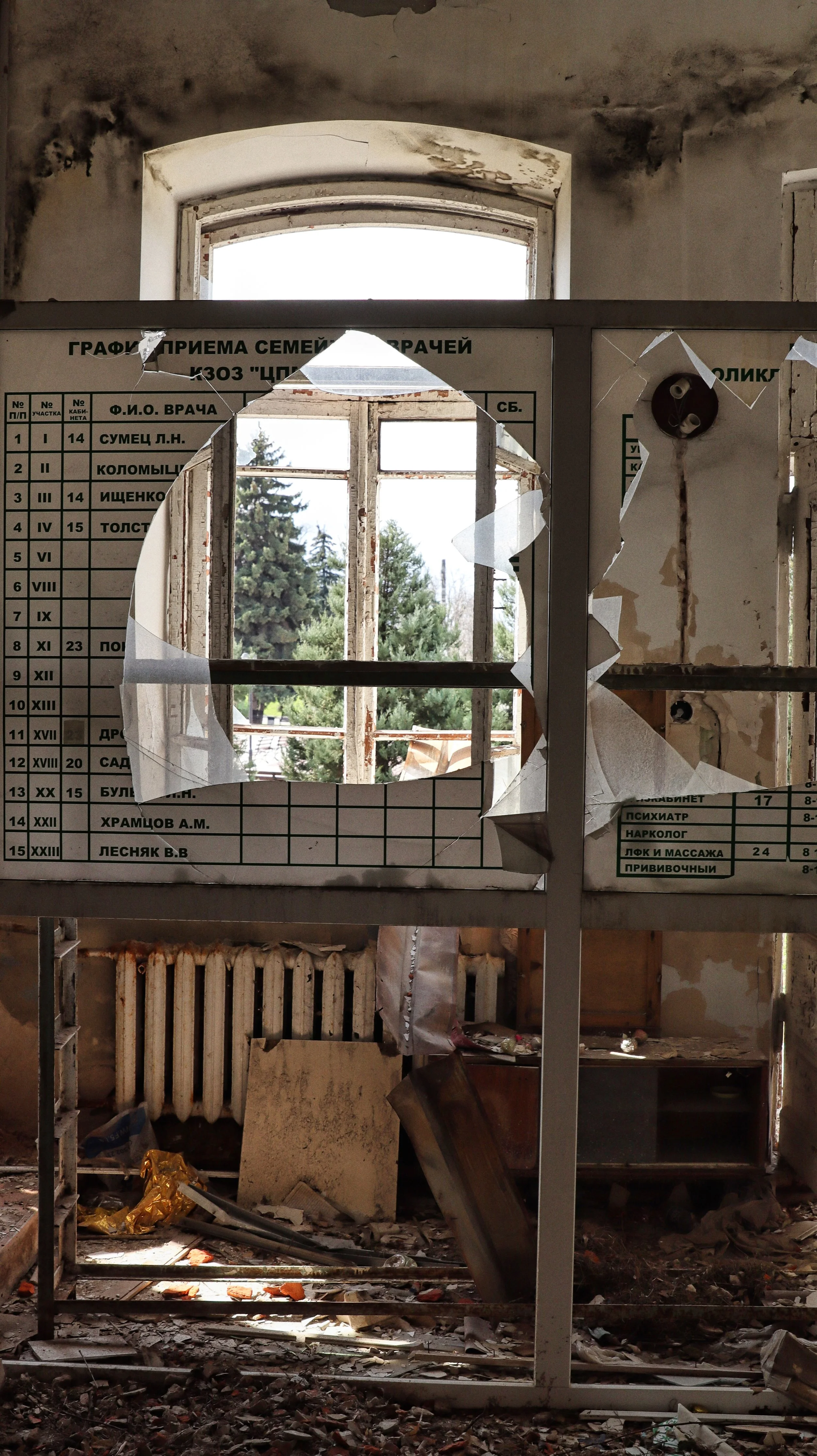
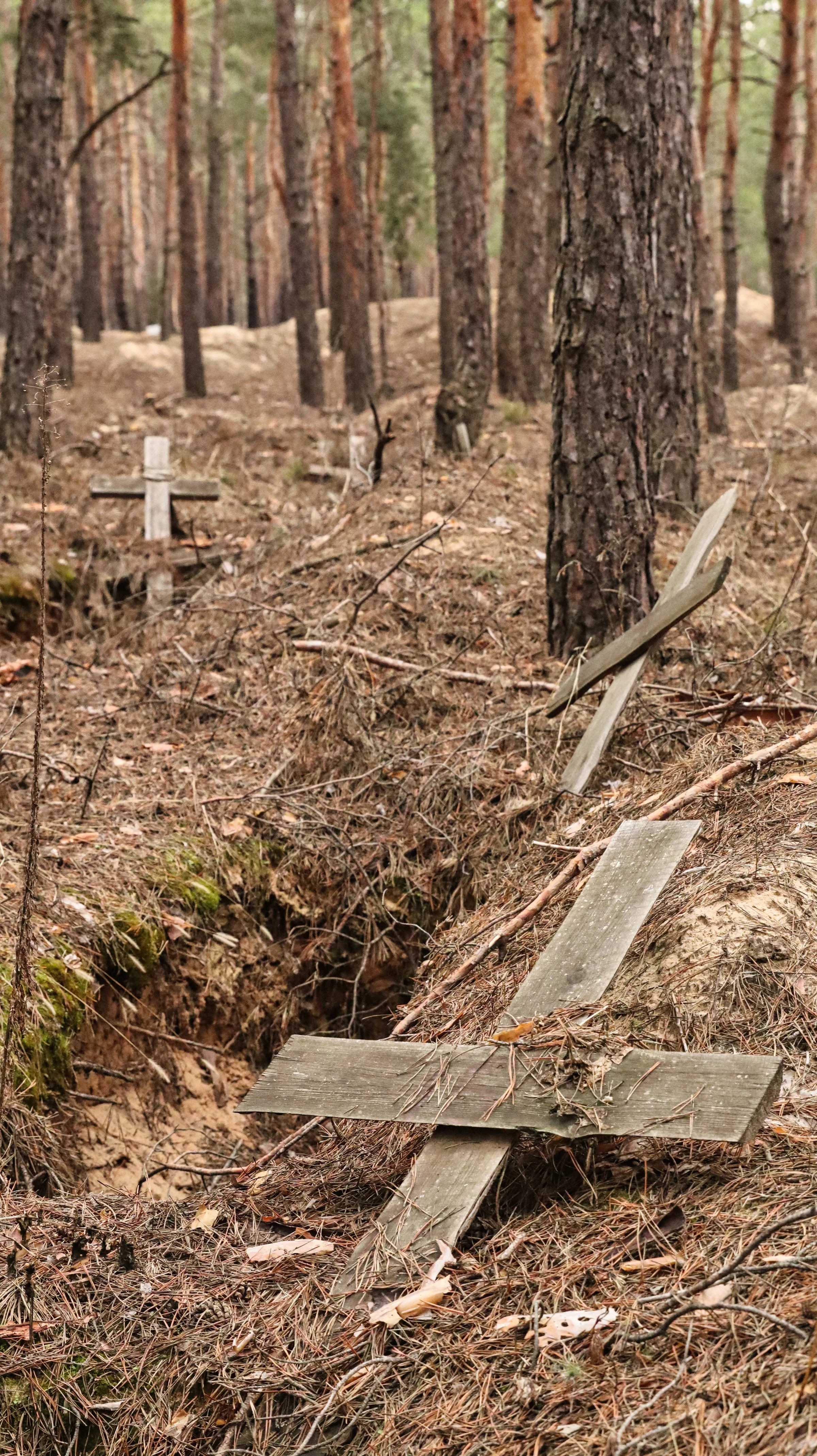
Suspended Terrain was photographed across eastern and southeastern Ukraine during the fifth year of Russia's full-scale invasion, primarily in the regions surrounding Kharkiv, Izium and Zaporizhzhia. Over nearly two months, the work emerged while moving through frontline areas, damaged villages and landscapes shaped by prolonged war.
Rather than focusing on direct combat, the series observes how conflict gradually settles into physical space, everyday routines and the atmosphere of entire regions. Anti-drone nets stretch above roads leading toward the front, defensive structures cut through open terrain, while emptied buildings, abandoned objects and altered environments continue to carry traces of occupation, displacement and absence.
The photographs are less concerned with events themselves than with their afterimages. Many of the people who shaped these spaces remain outside the frame, leaving behind only fragments, interruptions and unanswered questions. Roads continue without destinations, familiar places lose their original purpose, and ordinary landscapes become suspended between memory and uncertainty.
Between these scenes, the series creates pauses that reflect the strange coexistence of danger, routine, exhaustion and adaptation that defines daily life near the front. Rather than presenting war through spectacle alone, Suspended Terrain focuses on the quieter transformations that remain after the event itself has passed – on places that have become echoes of lives once lived there, and of futures that may never arrive.
curated by viktor barkhatov
Share your thoughts
We hope you enjoyed this journey through these echoes as much as we did.
Would you like to share your thoughts? Please leave a few words below. It would mean a lot to the artists to know that their work has been seen and felt.