PLURAL
contemporary photography exhibition
featuring
a word from the curator
One of the things that always amazes me about contemporary photography is the endless diversity of approaches and intra-genre distinctions.
For this open call, we wanted to present photography as plural. We hoped to see a wide range of aesthetics, ideas, and meanings. What we received, however, turned out to be something even bigger.
The selected projects not only represent very different approaches to photography, but each of them, in its own way, also works with the theme of multiplicity itself — from the multiplicity of images to the multiplicity of meanings, from multiple objects within the frame to multiple identities within a single human being. We leave it to you, the viewers, to enjoy discovering this multiplicity from one project to the next.
The exhibition brings together 22 remarkable artists, each with a distinct vision and visual language. You will find collage and documentation, photomontage and street photography; works made with cameras, phones, and even scanners; personal stories, observed stories, and even stories that never truly existed. And to me, all of this together shows just how rich and expansive the photographic universe can be.
How to Experience This Exhibition at Its Best
As always, for the best experience, we recommend viewing this exhibition on a desktop device. While we understand the convenience of smartphones, the works reveal themselves more fully in their intended scale and layout when seen on a larger screen.
Each project is accompanied by a short description. We encourage you to open and read the texts. They often function as small keys, helping you enter the artist’s world and perceive their ideas more clearly. While we value personal interpretations, some projects truly unfold only after engaging with the concept that forms the foundation of the photographic series.
Take your time. Let the images and words unfold together.
Michael Doran
-
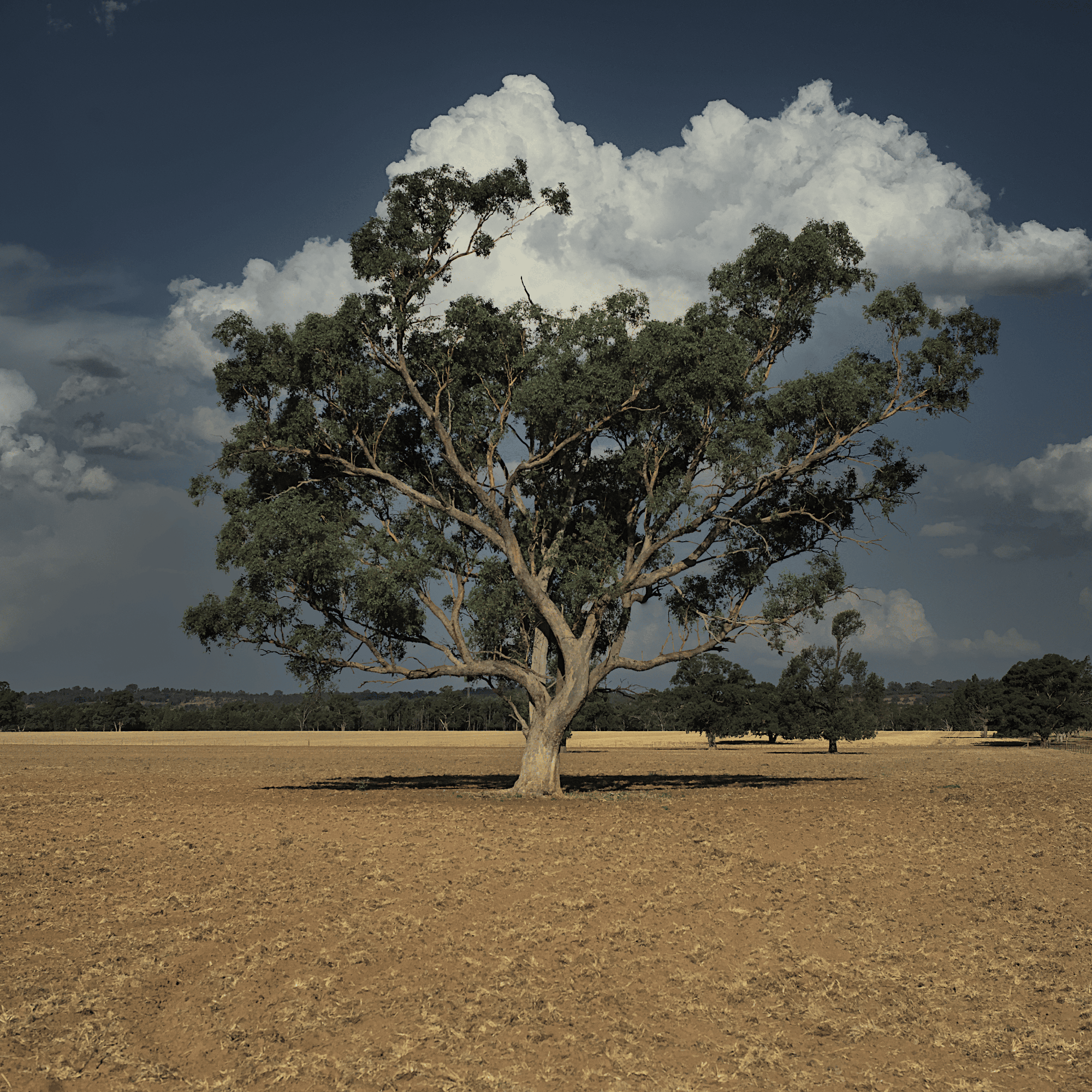
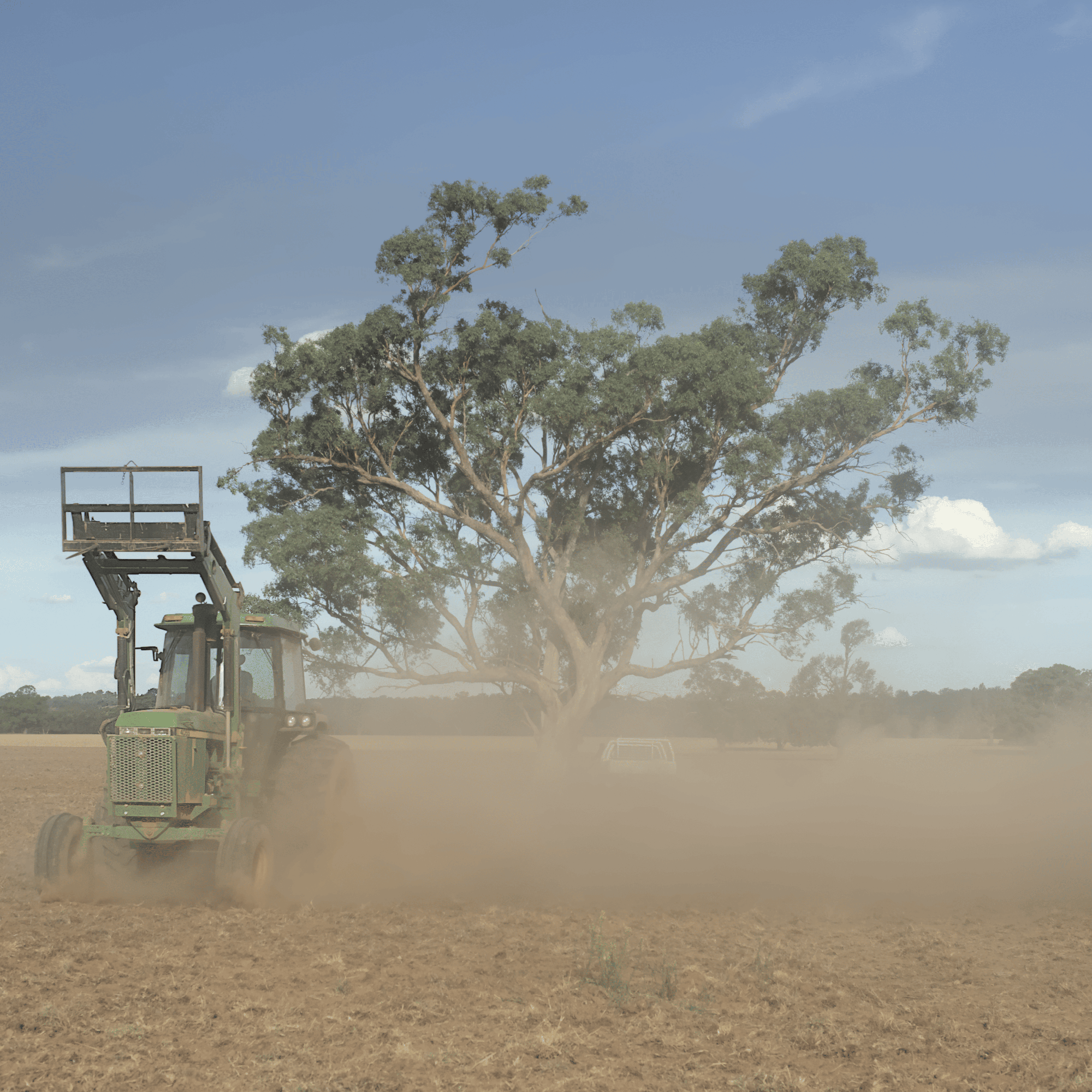
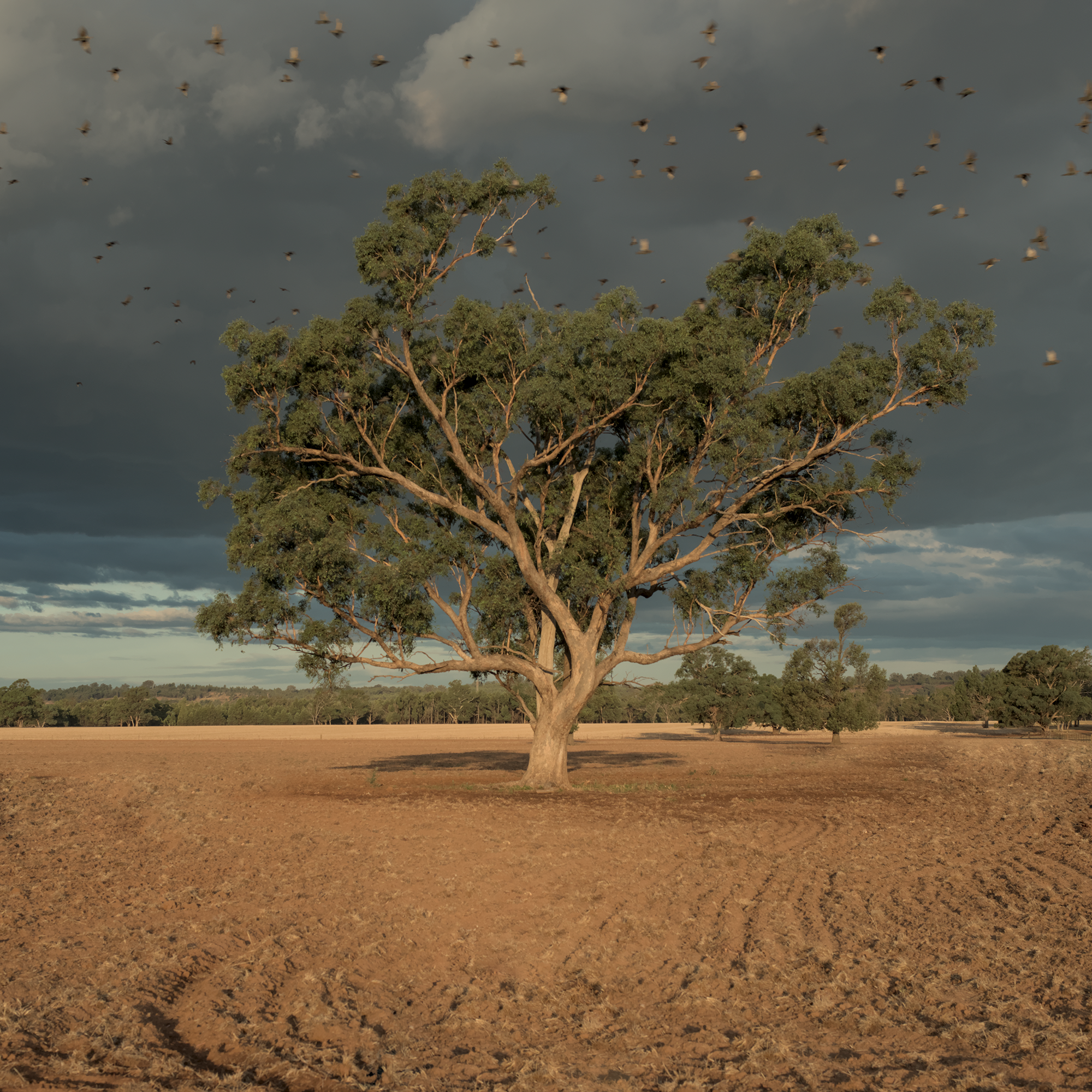
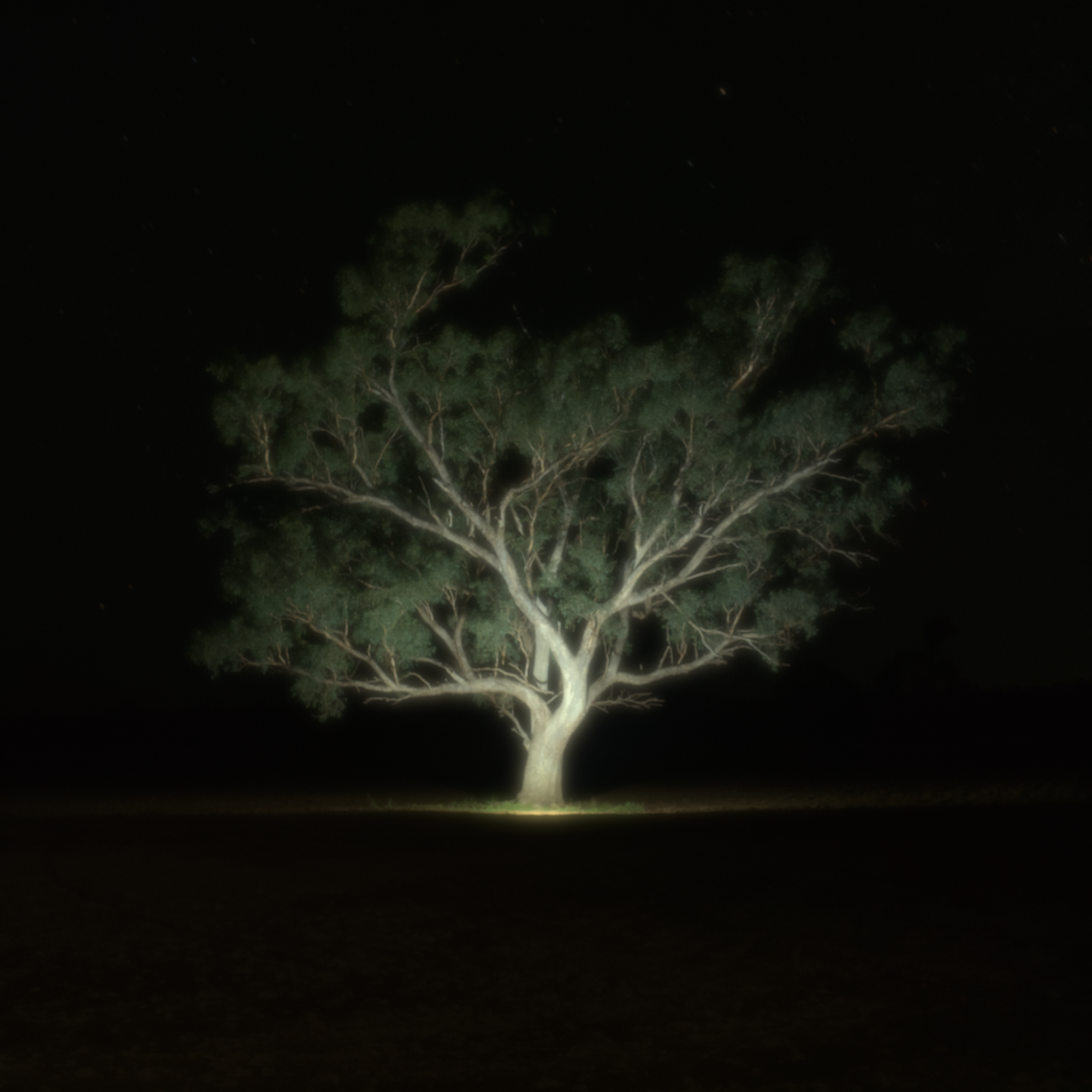
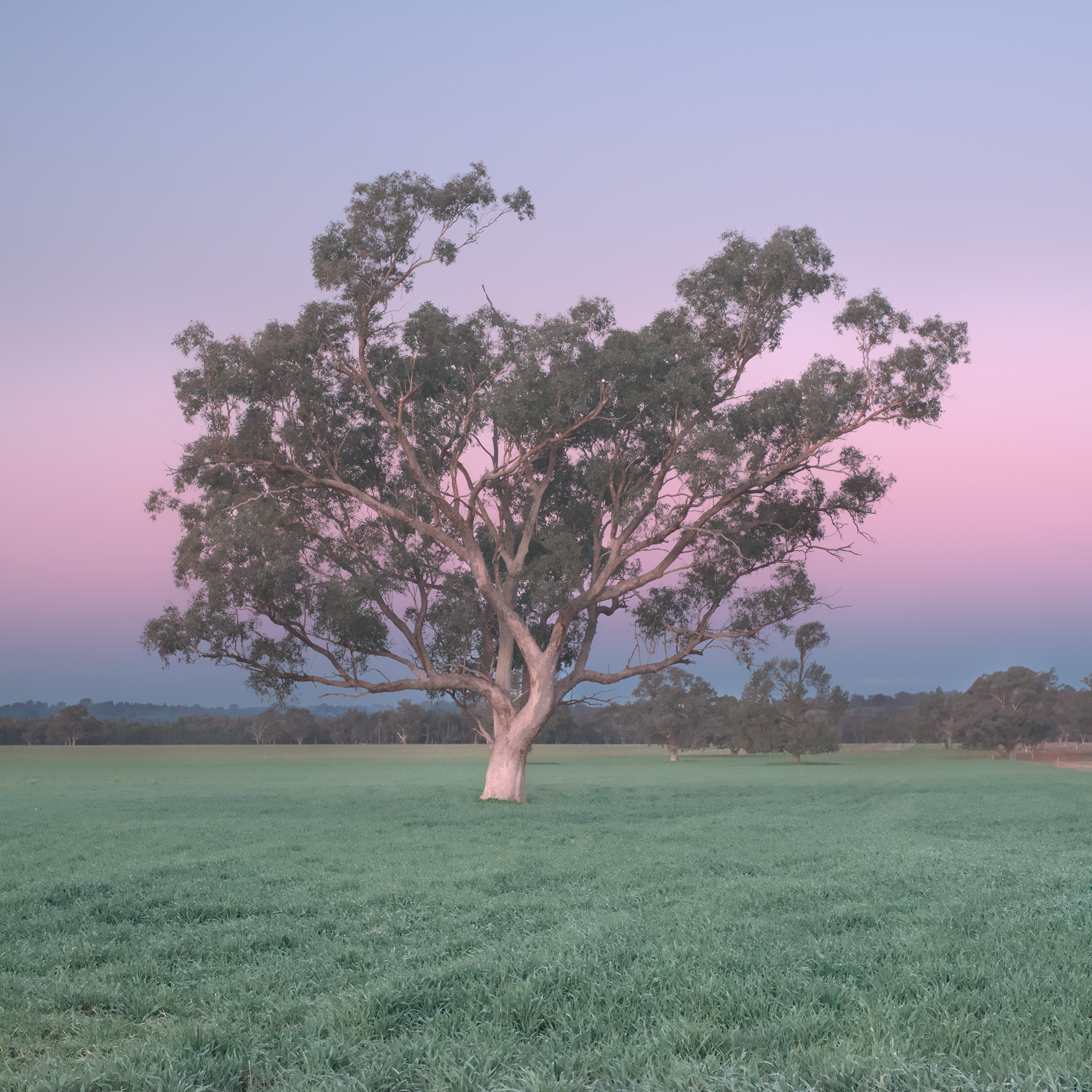
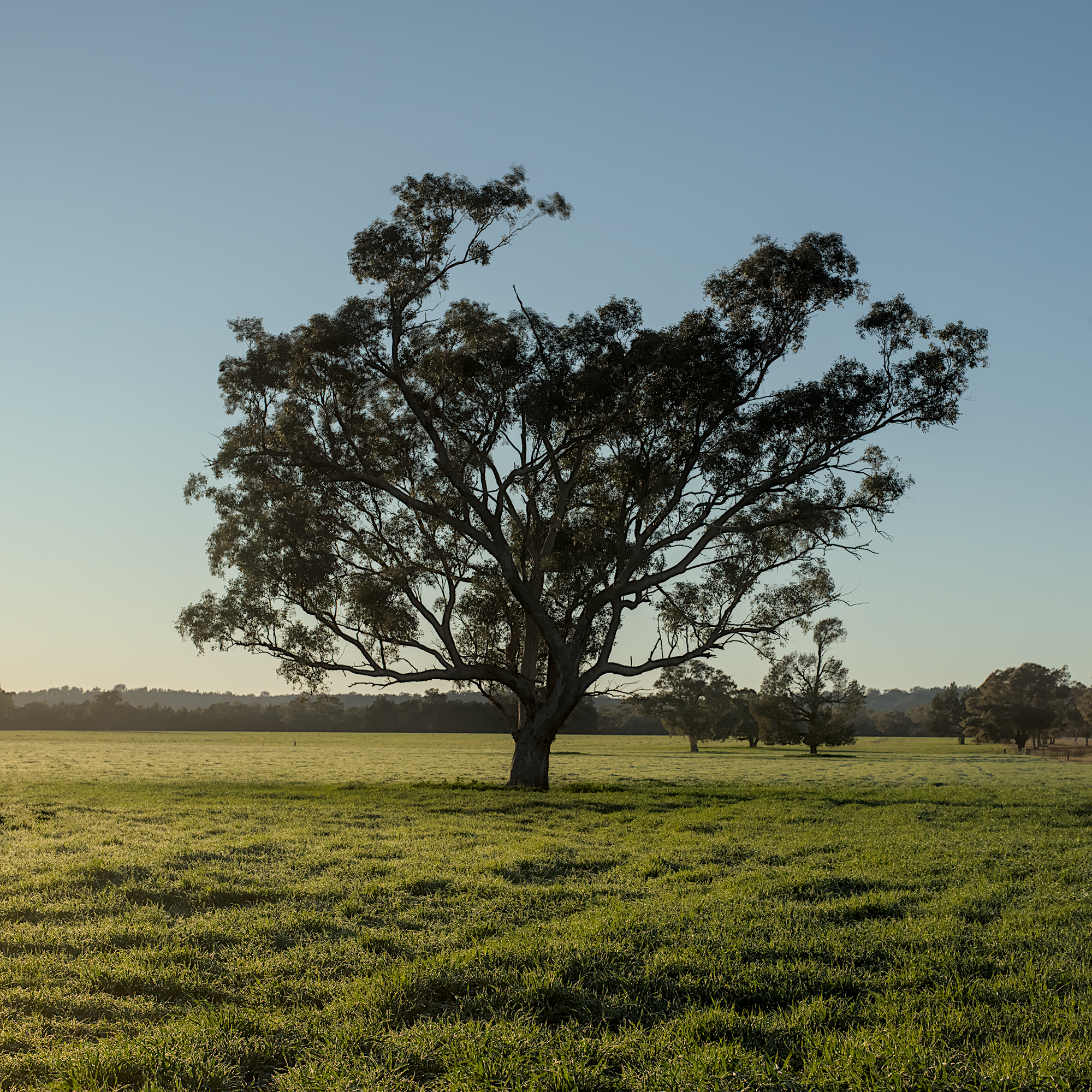
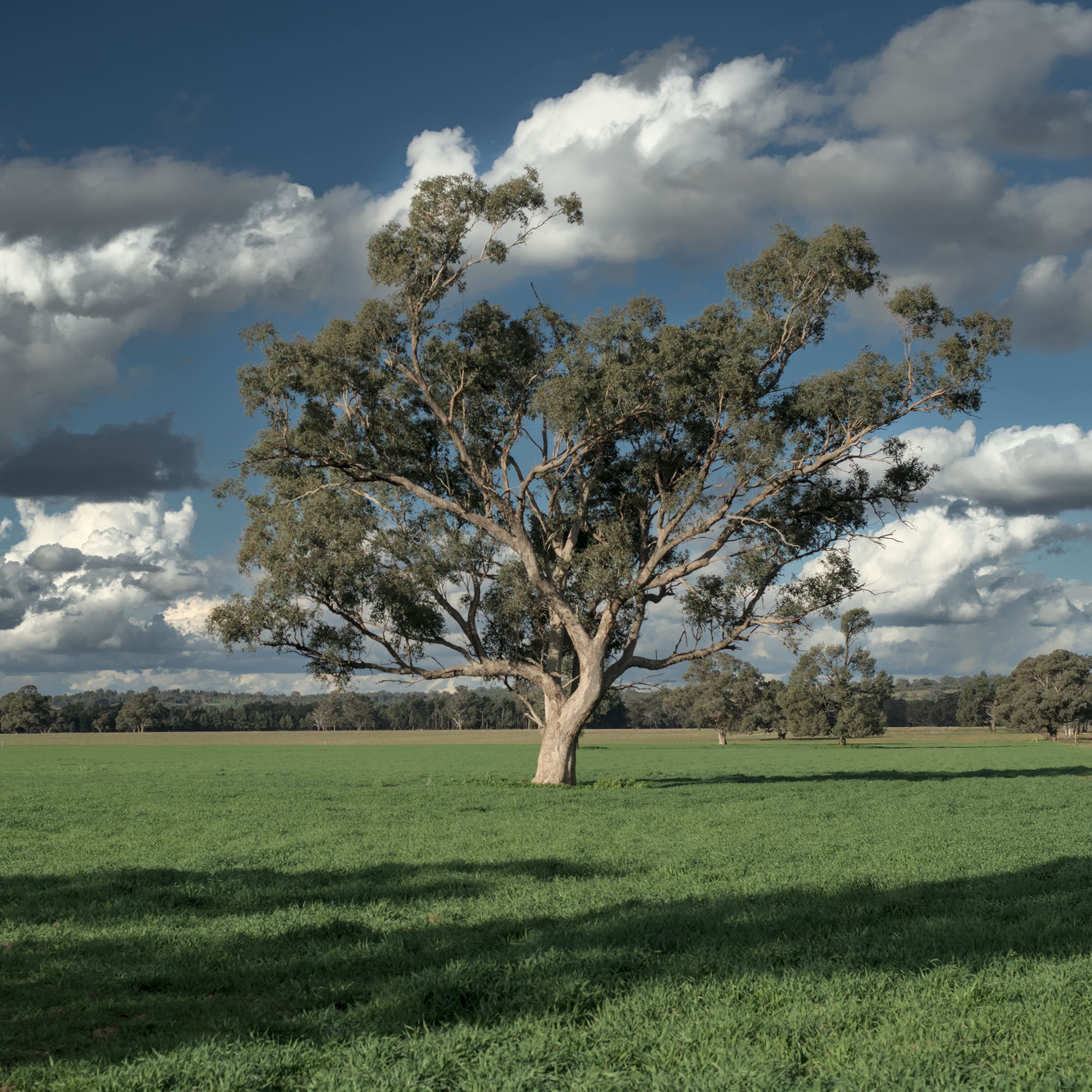
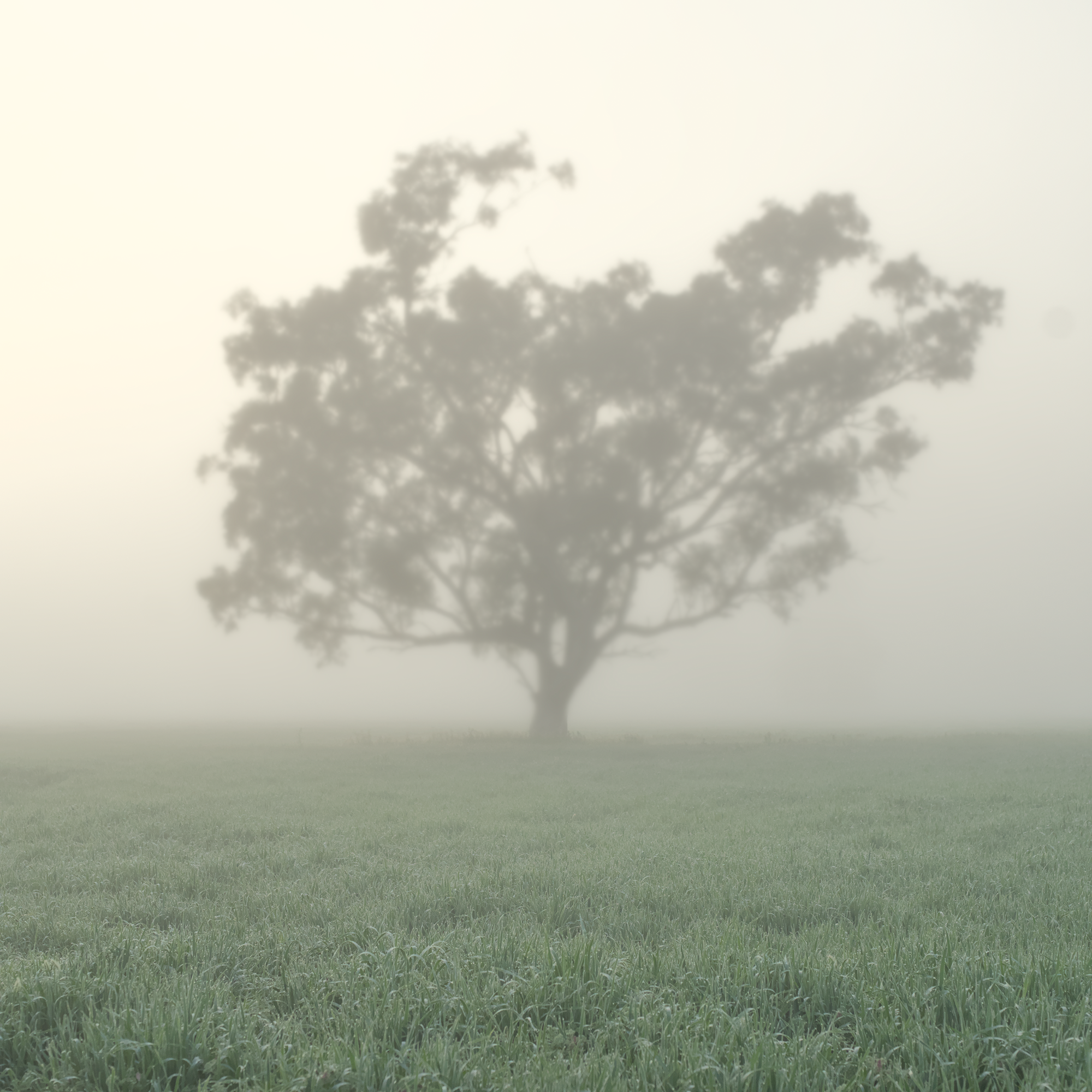
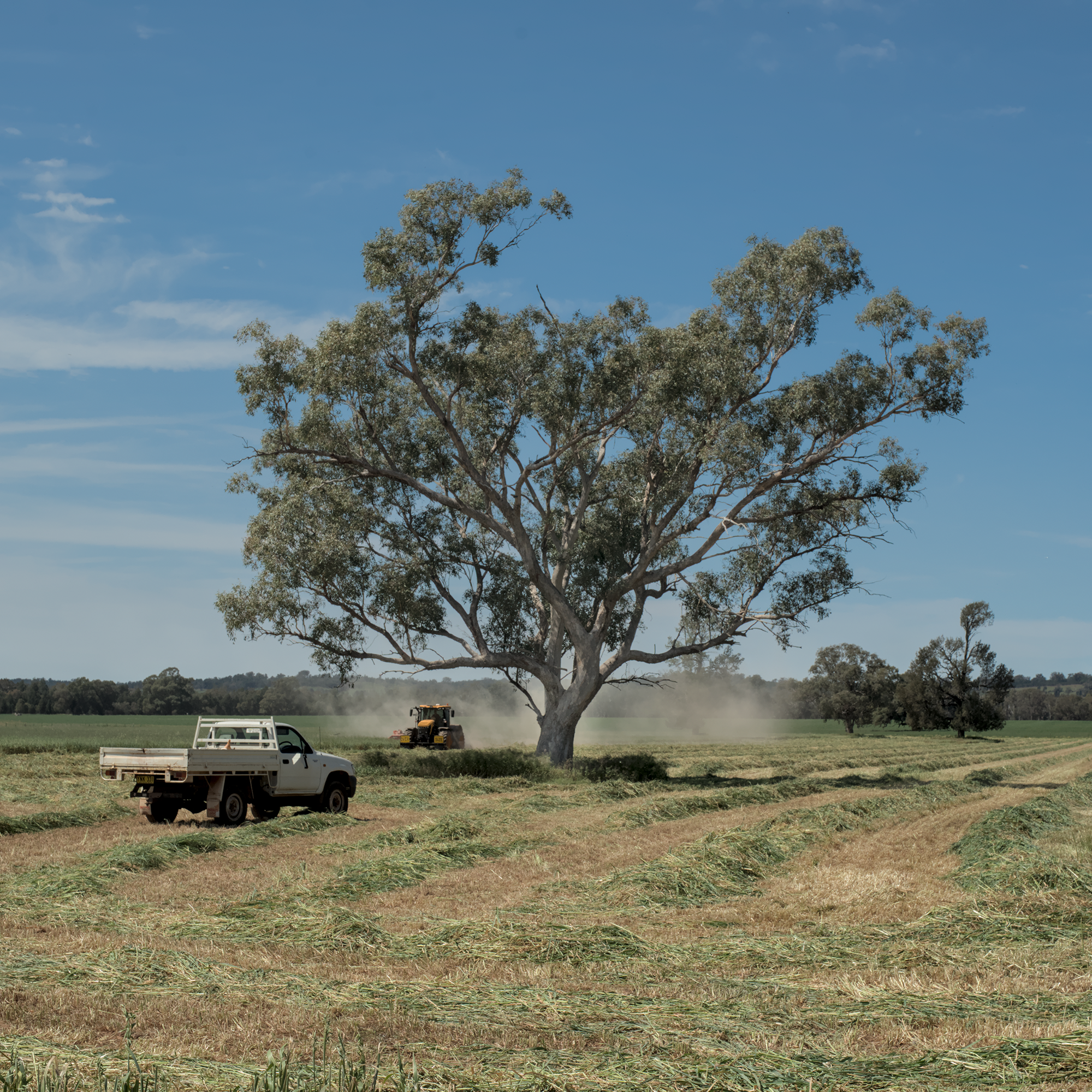
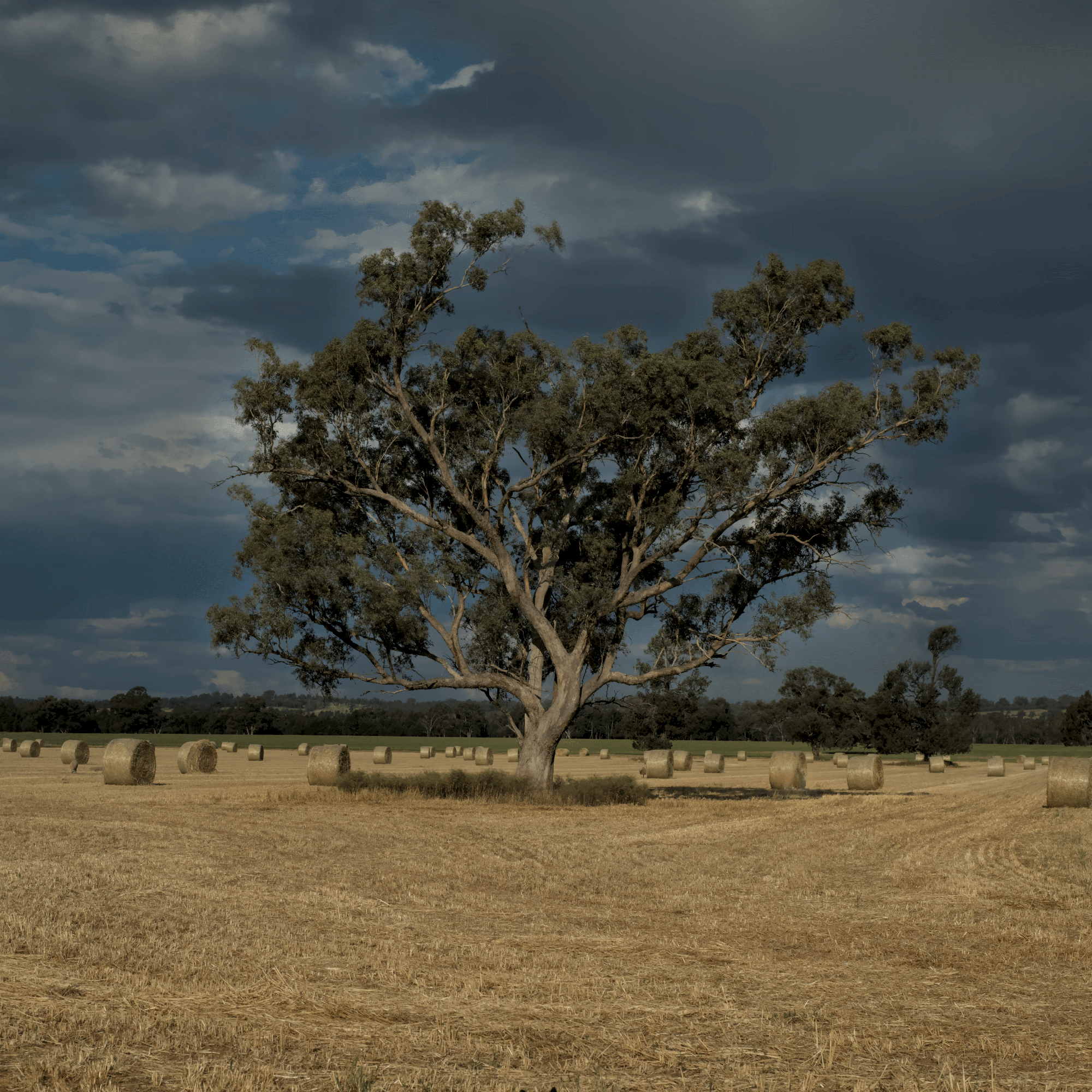
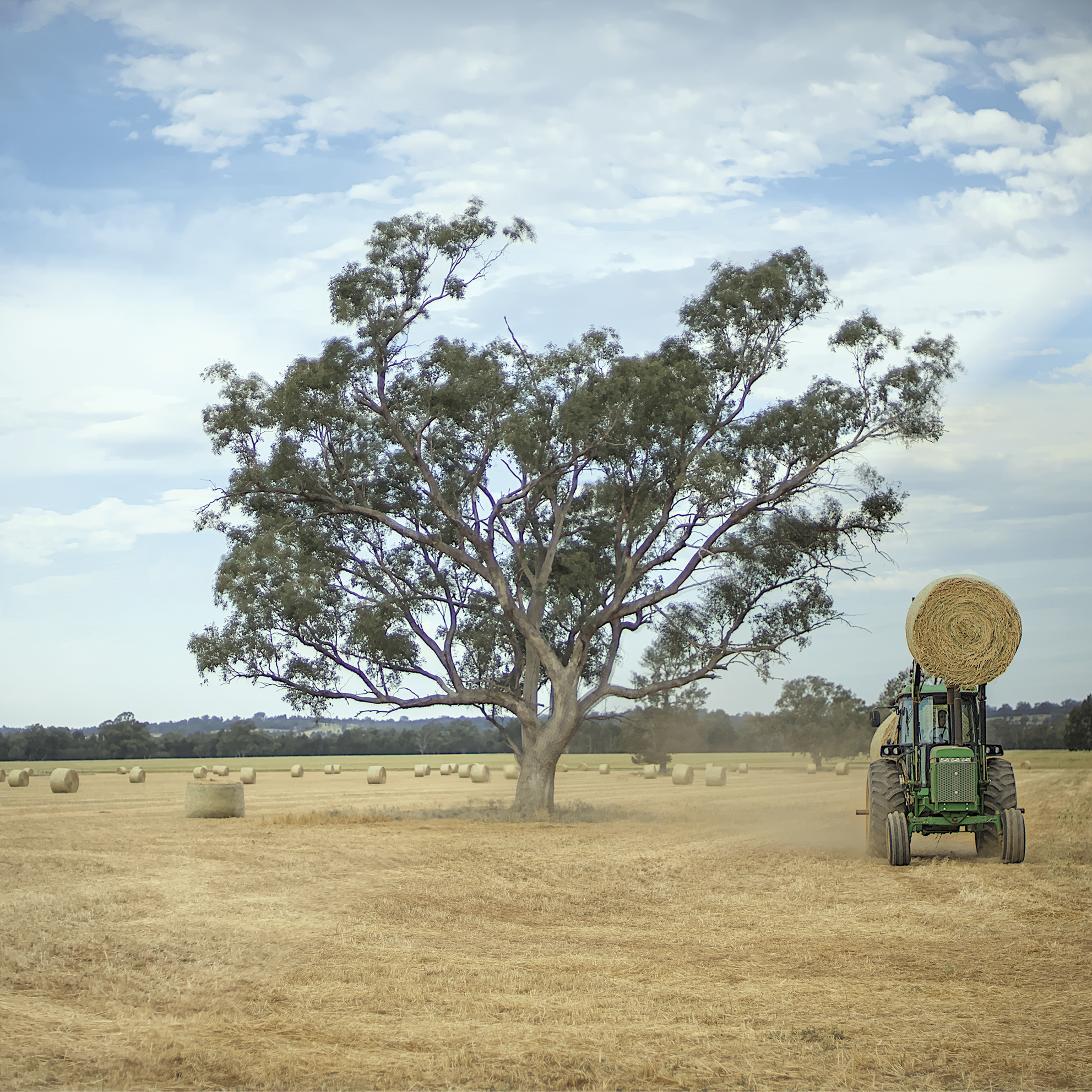
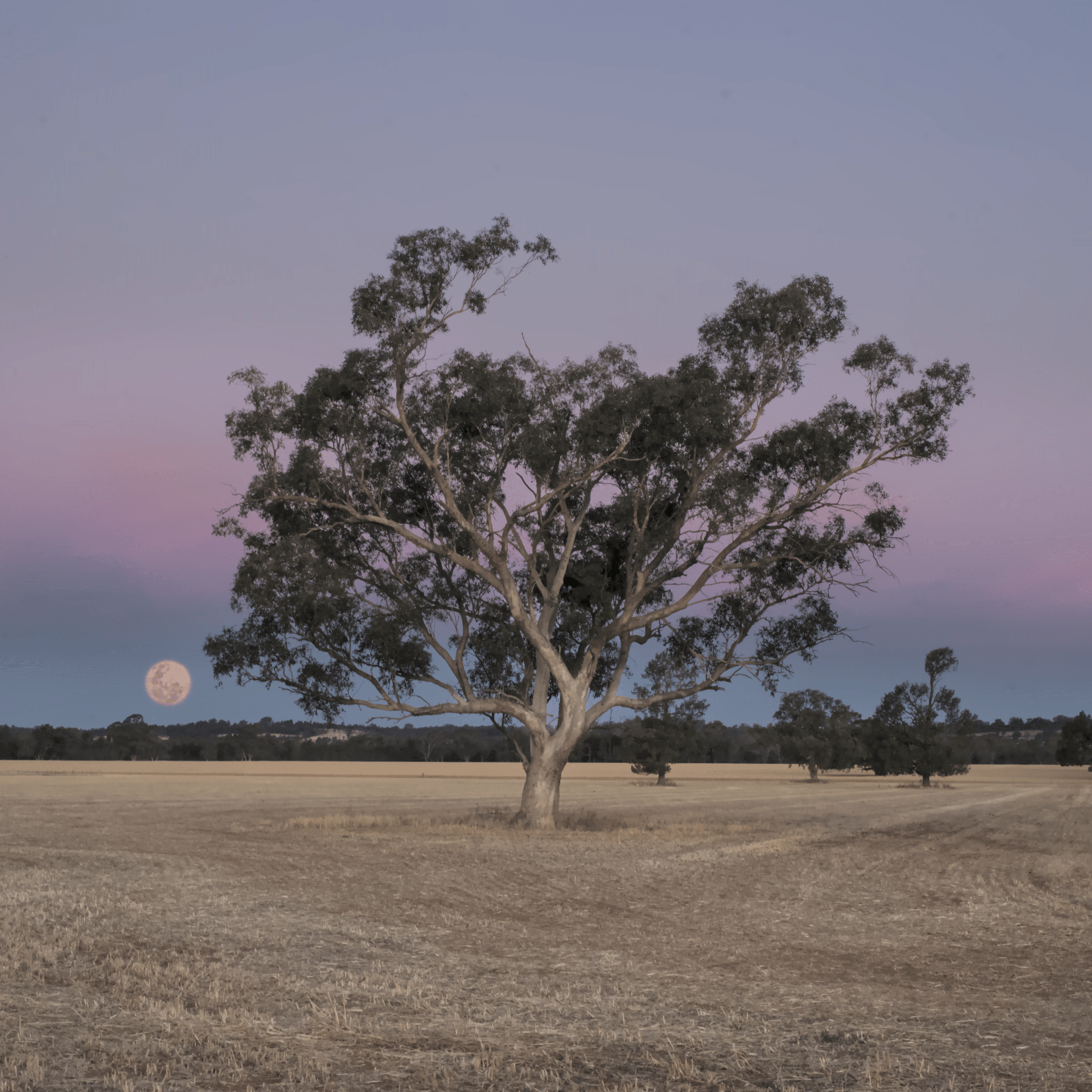
Box’ trees – White, Yellow, Grey etc – make excellent firewood. They are unlike ‘Silver Princess’ (Eucalyptus caesia), the Snow Gum (Eucalyptus pauciflora), or the Rose Mallee (Eucalyptus rhodantha), that are bought and sold in nurseries and planted out for their looks.
The ‘Fuzzy’ Box is unheard of outside of places like Parkes in the central west of NSW. This one stands in the council paddock four hundred metres from our front porch at Mayfair, a remnant survivor of 1850s land clearing. Facing west, these limbs light up in the sun like a toddler does when mum comes home from the shops.
In exhilaration, Claude Monet witnessed the turning of light upon stacks of harvested wheat in his neighbour’s field. On canvas after canvas he recorded the daily transfigurations of that scene to bring forth his 1891 ‘Haystacks of Giverny’ paintings.
Even a box tree has its glory. One afternoon, cross the ramp at the end of Akuna Road, stop there for a moment, and look.
William Joe Josephs Radford
-
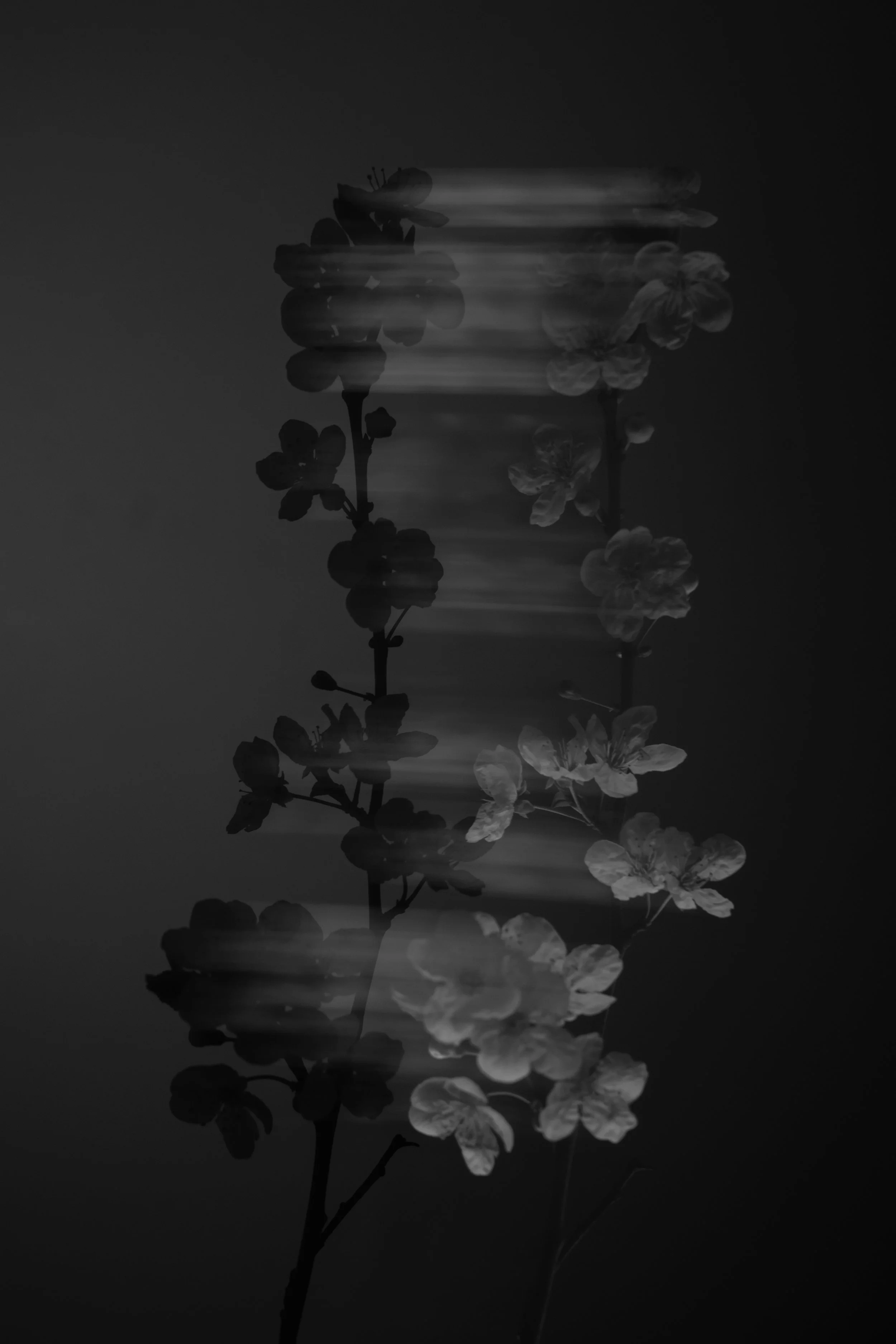
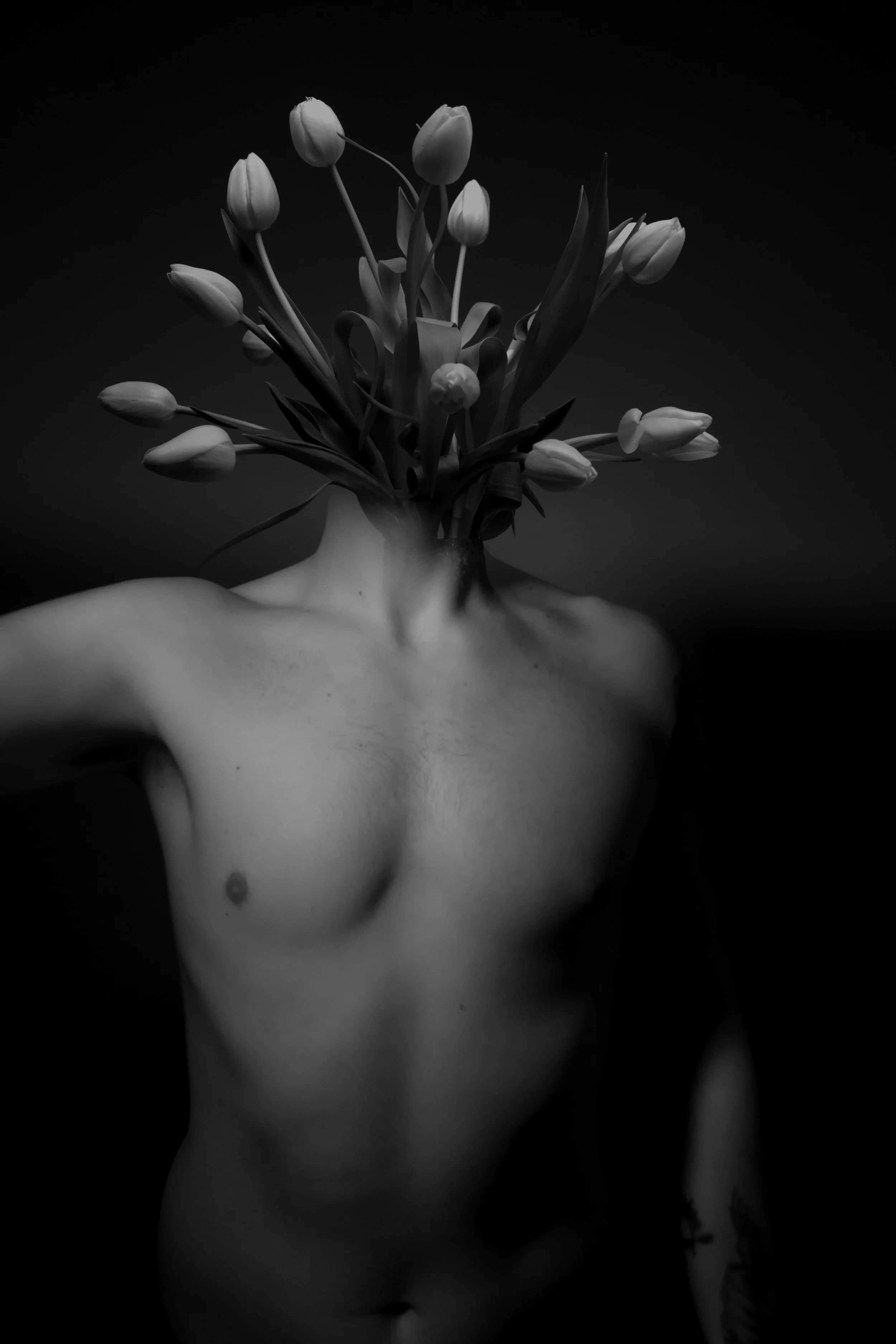
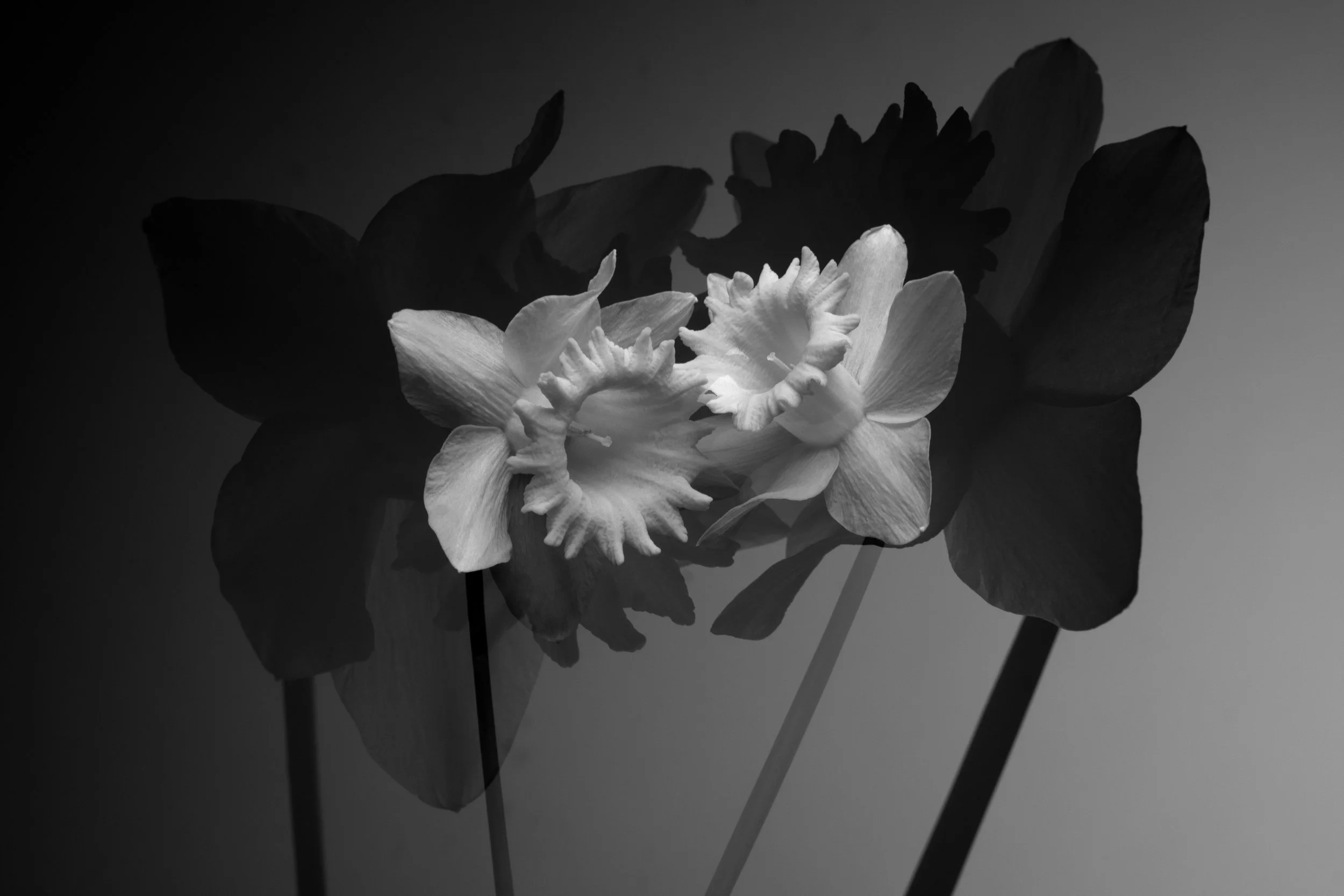
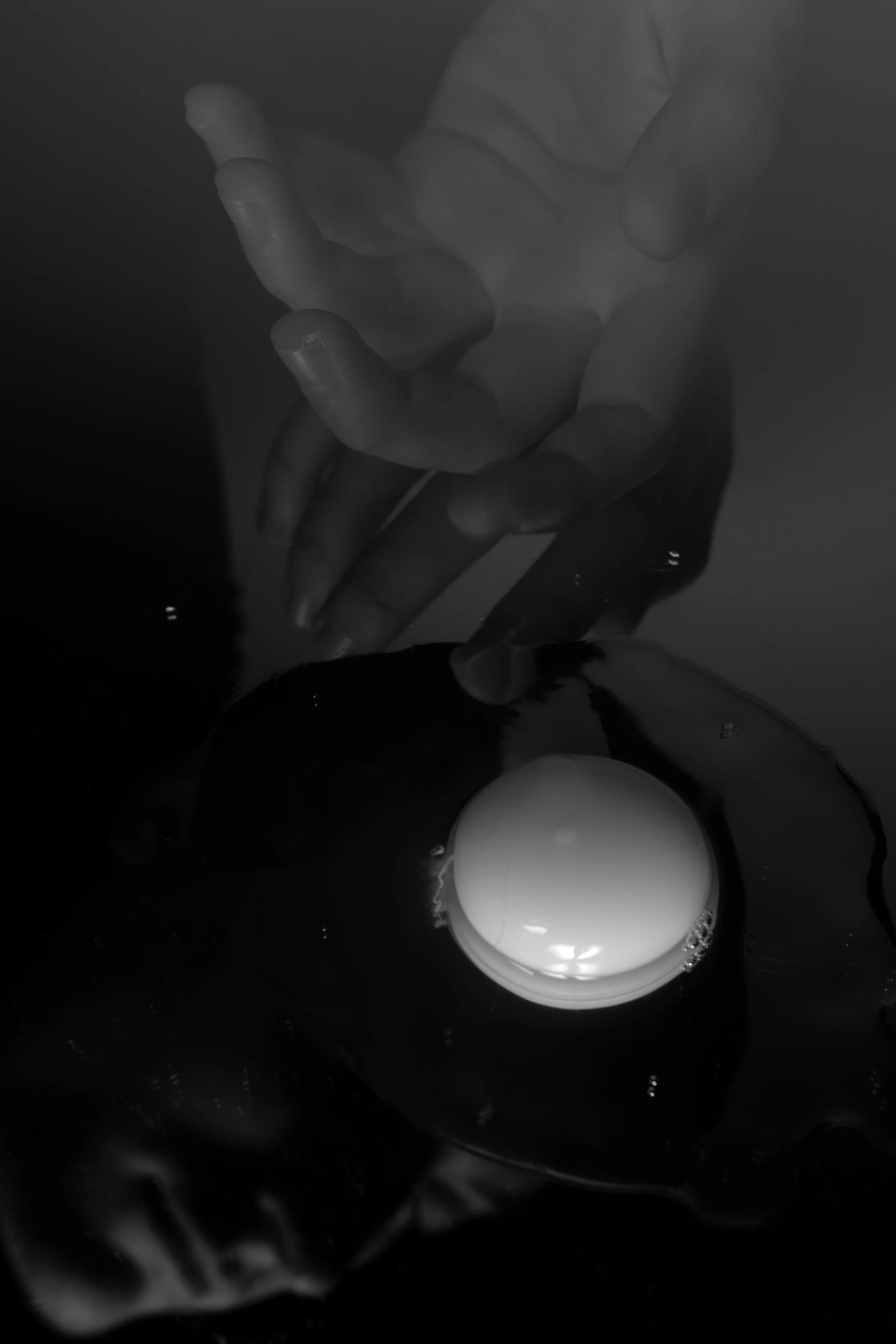
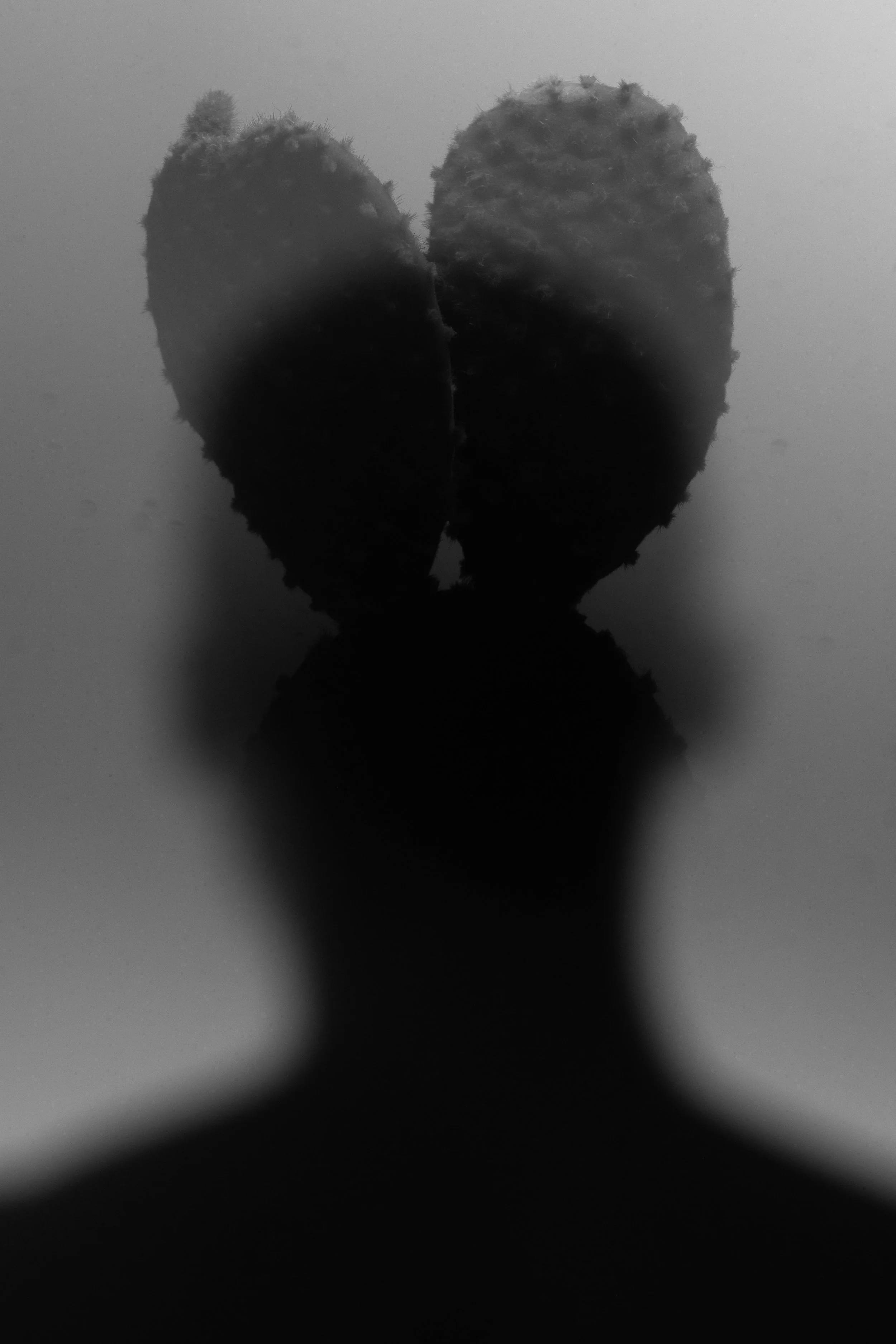
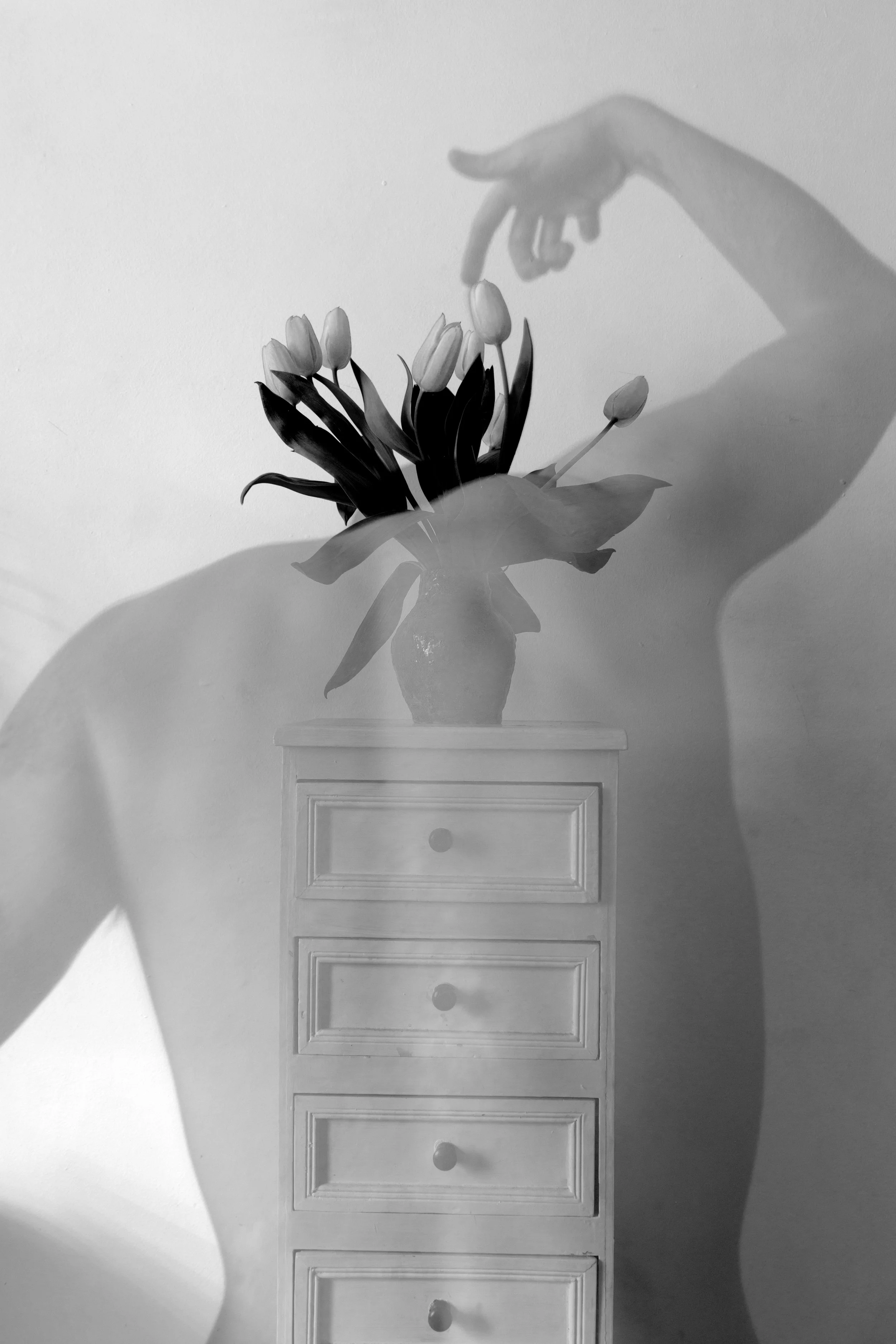
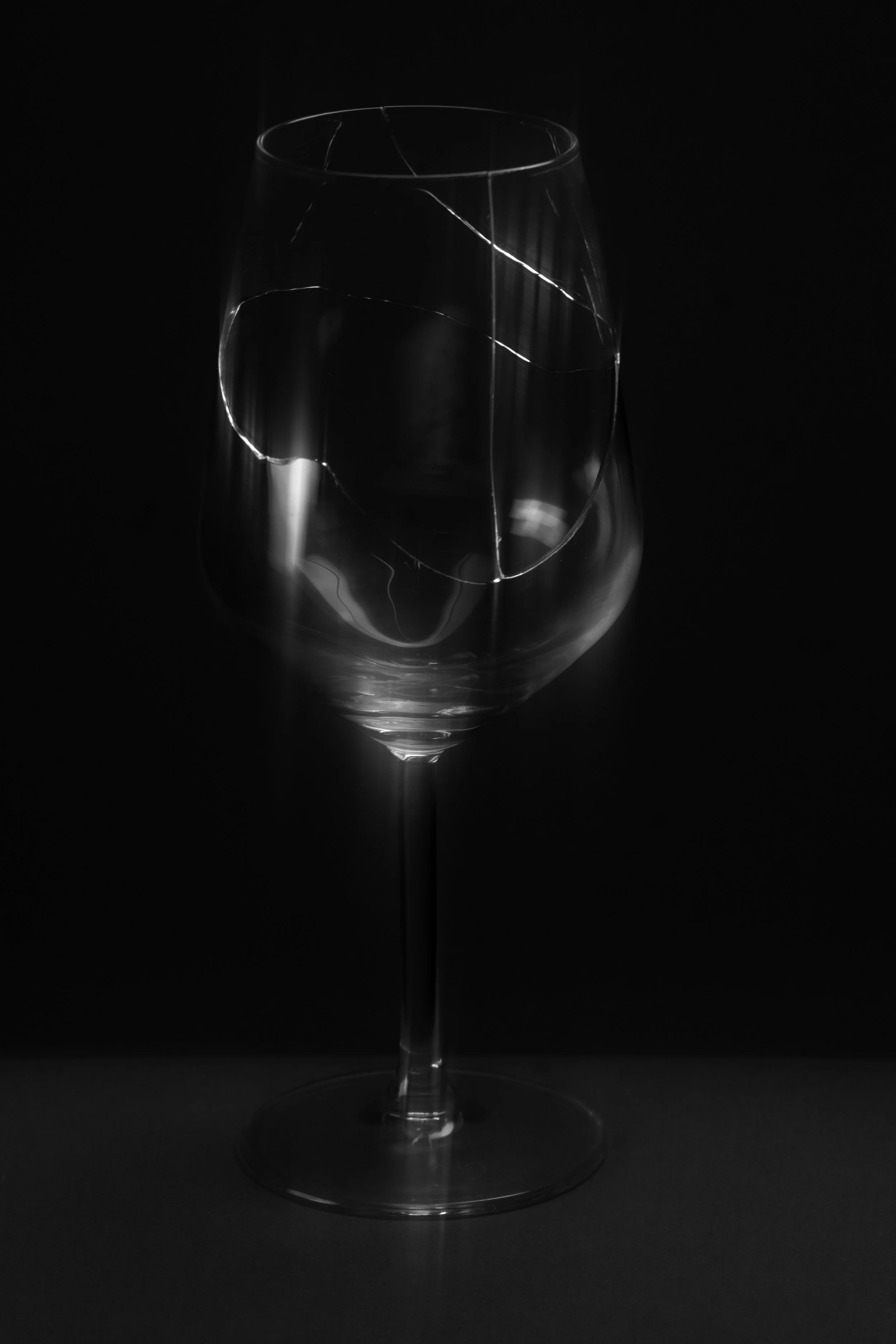
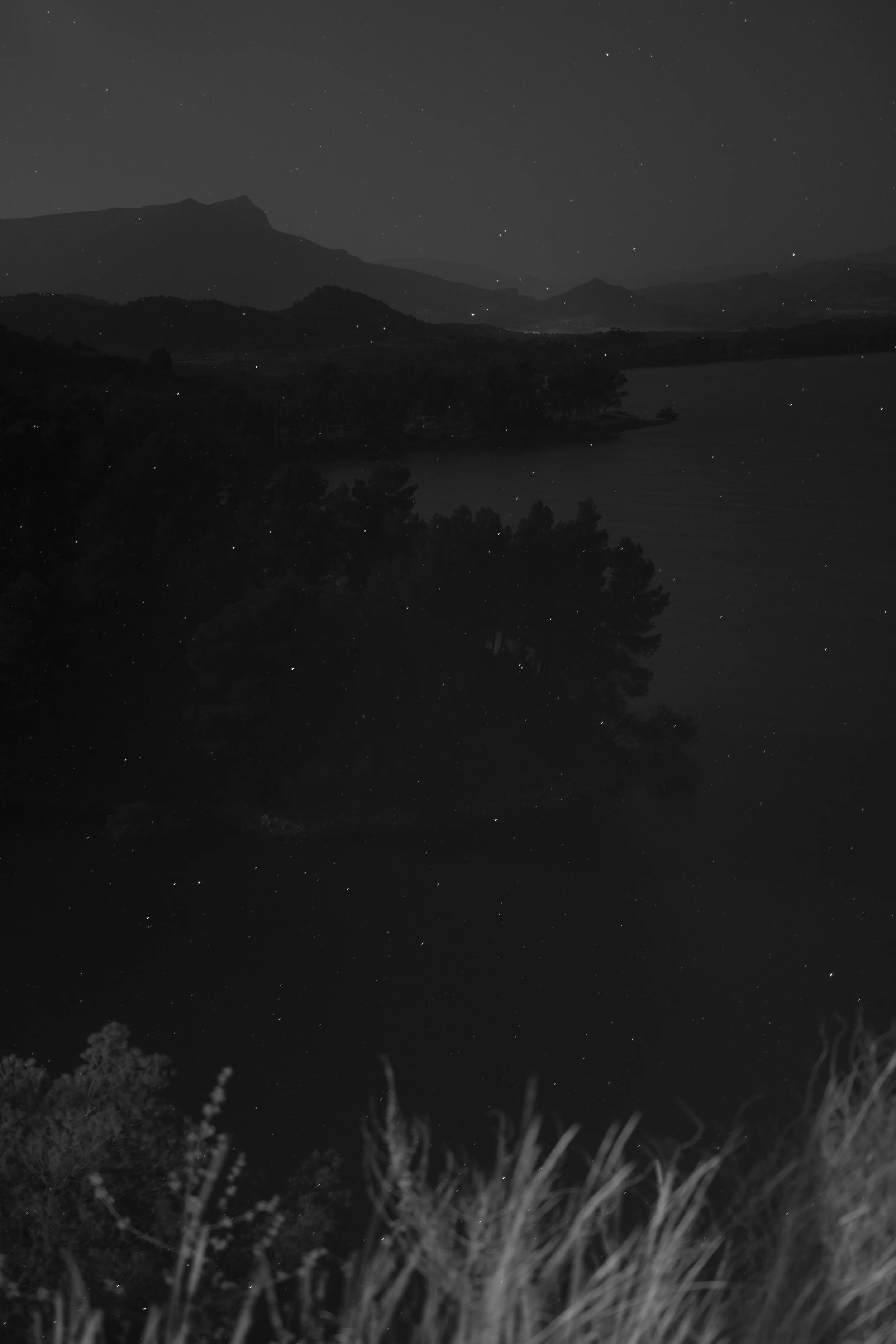
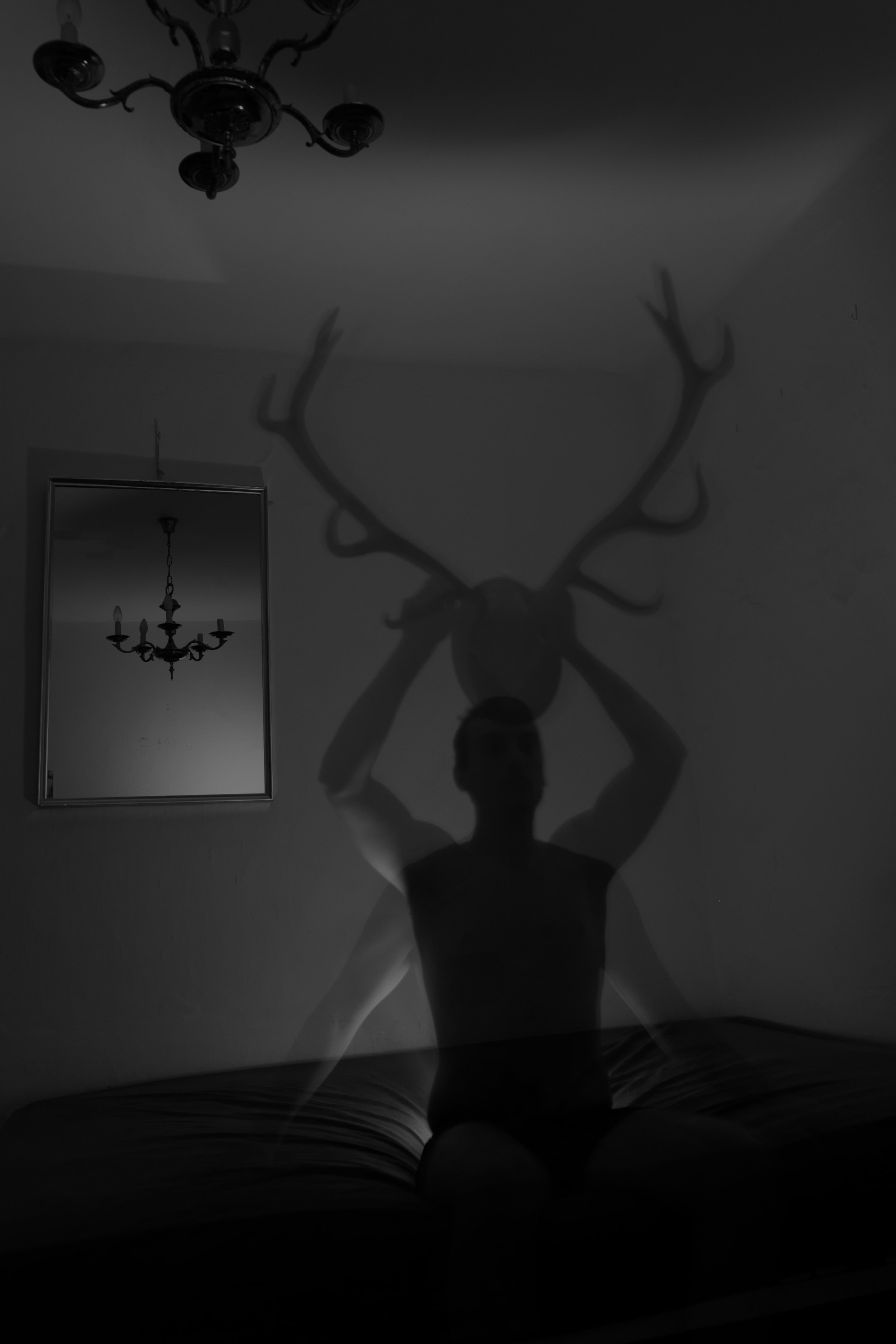
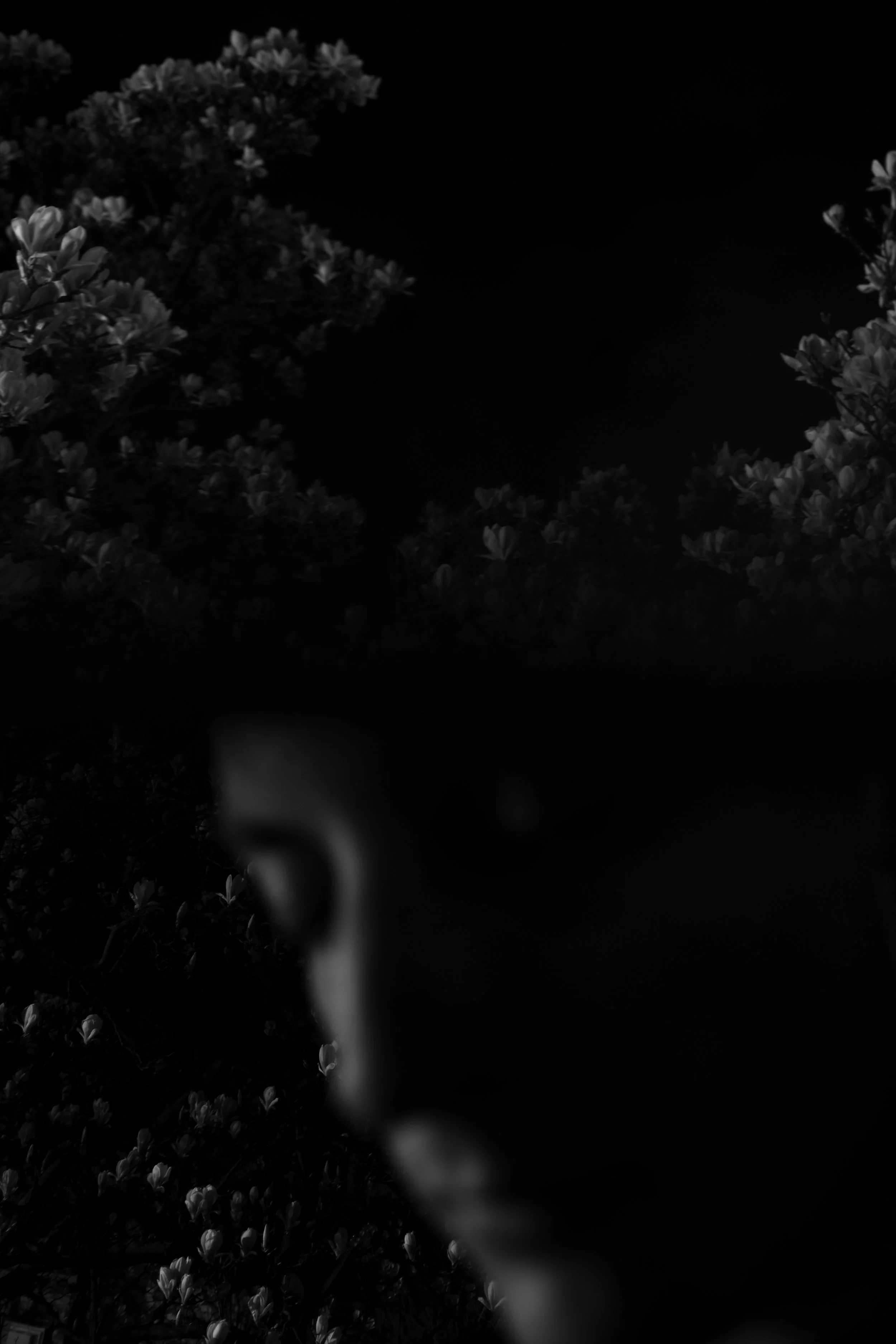
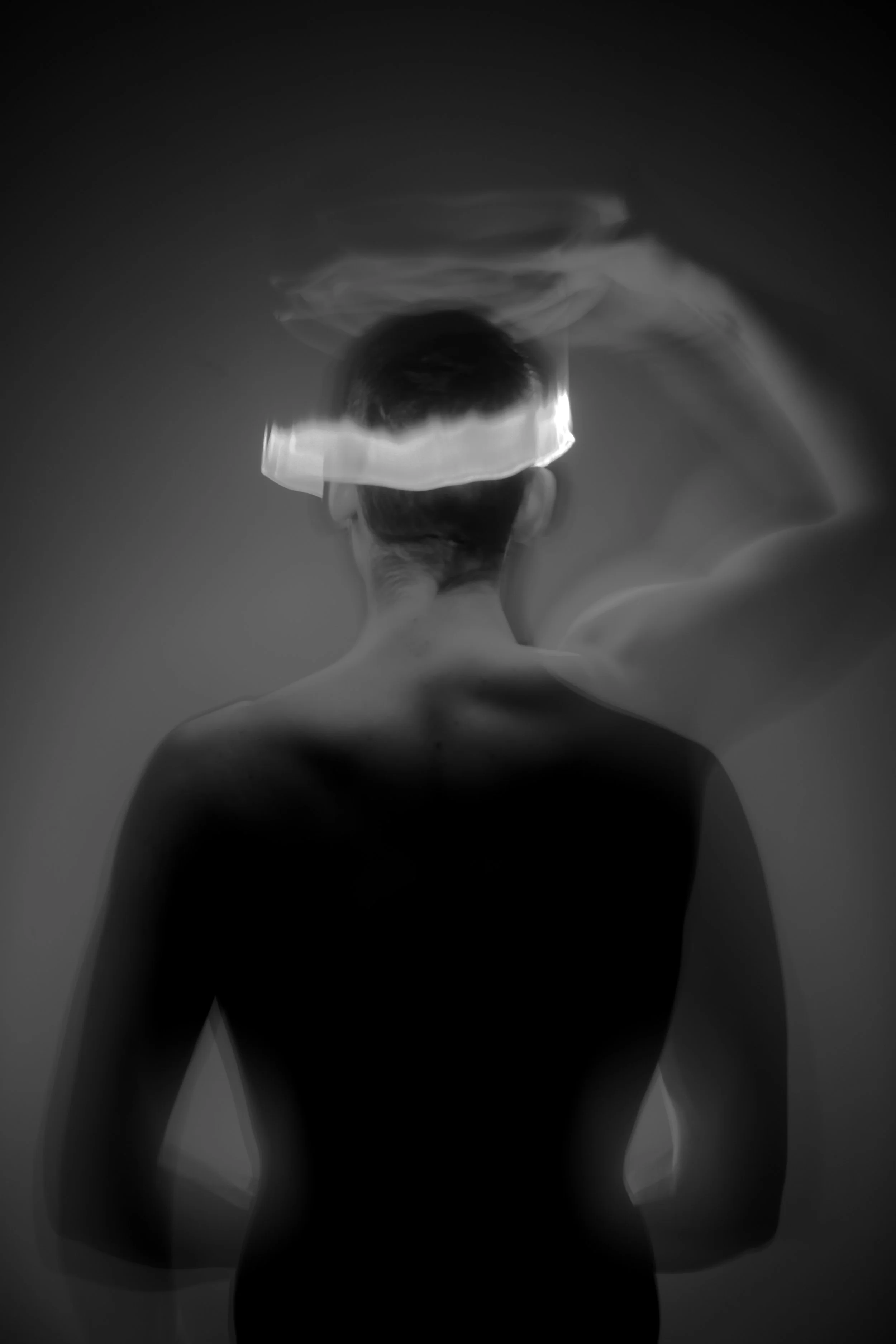
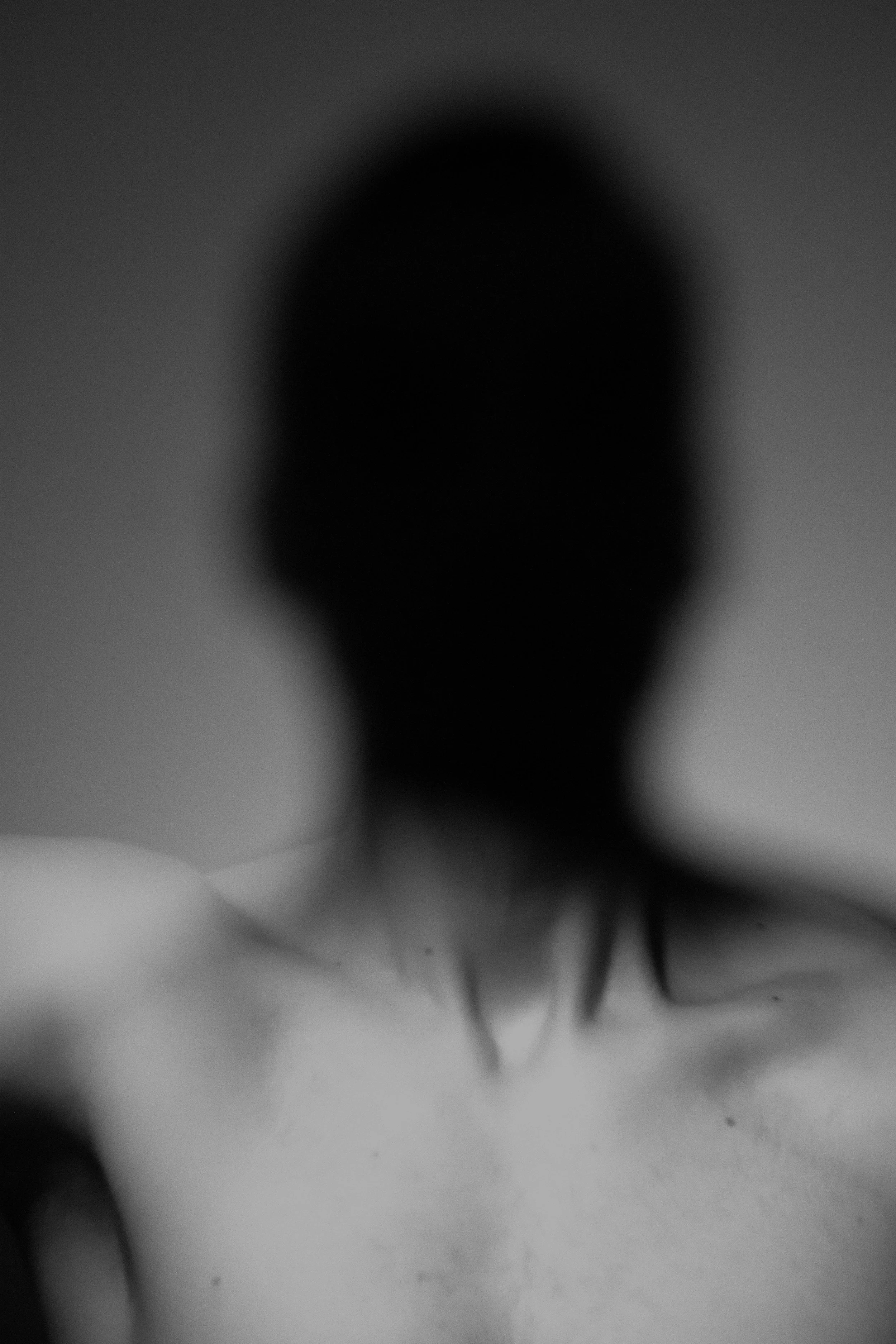
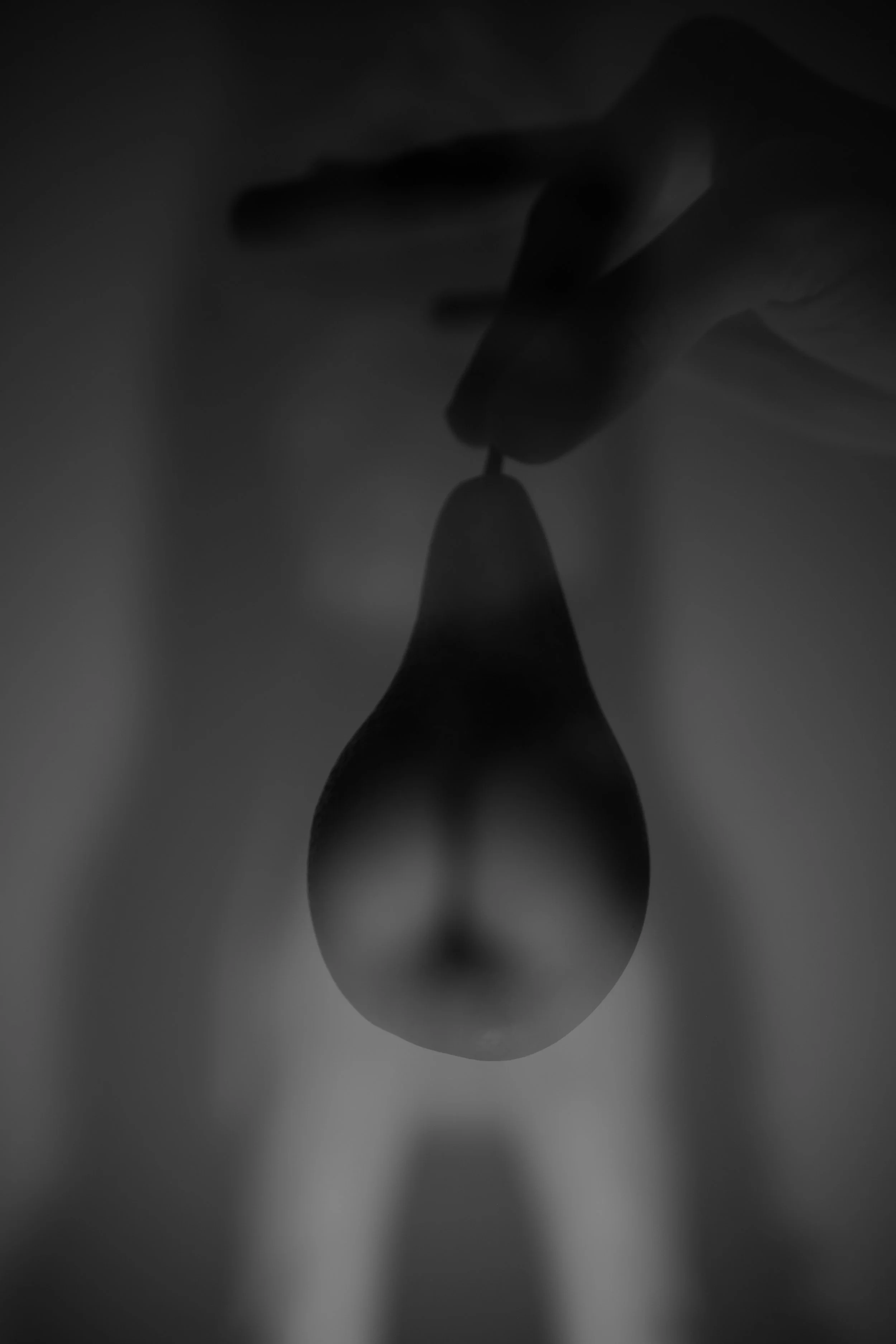
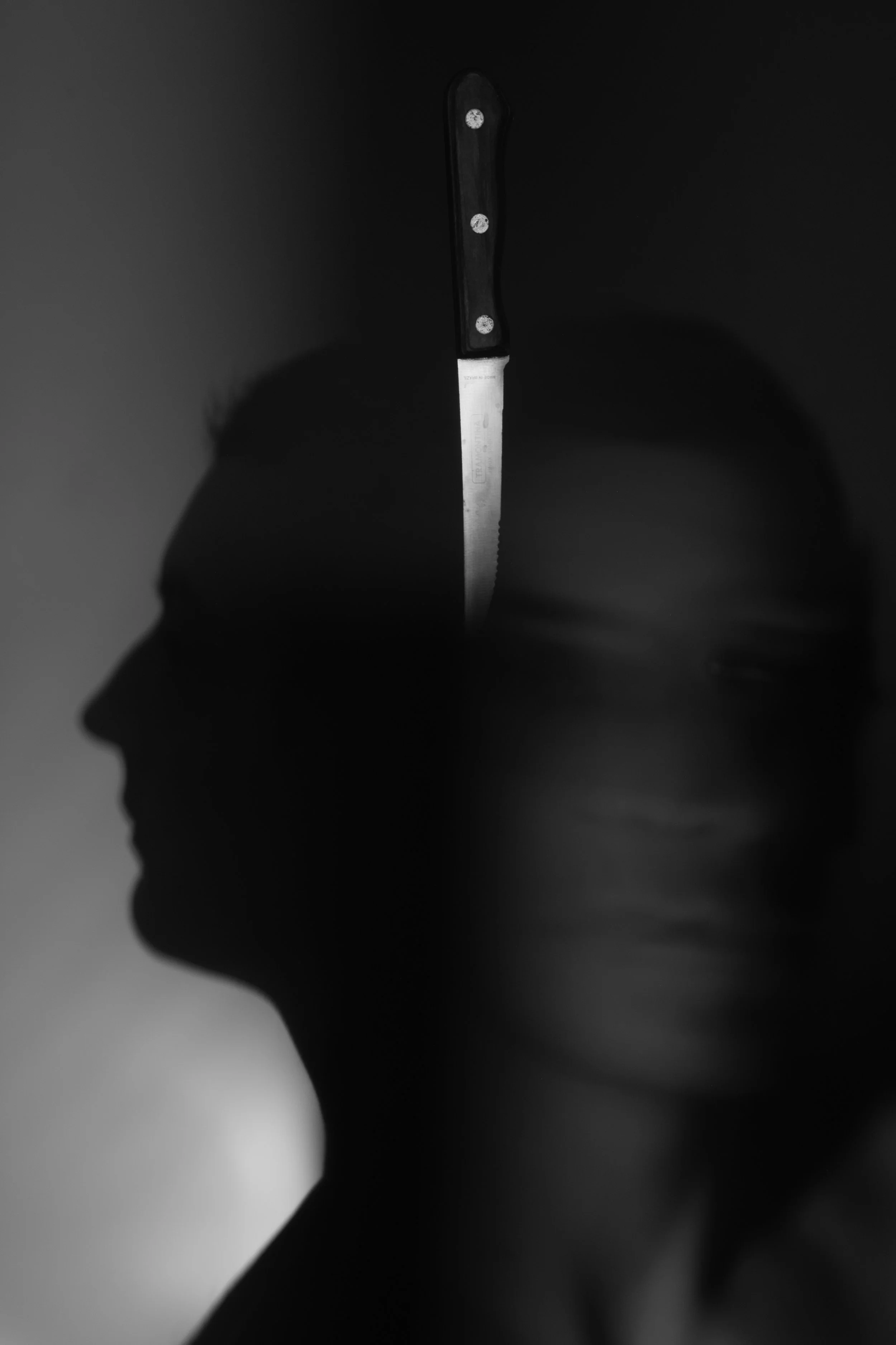
Gradient Loss, part of my Trilogy on Loss, is a series that explores grief through monochrome abstraction, using experimental techniques such as colored filters, long exposures, and lens manipulation to capture the gradual fading of life and memory. The images are drawn from this series and highlight single exposures that incorporate multiple layers of light through ghosting, lens masking, light painting, and double exposures. By layering diverse techniques within each frame, these works embody photography as plural—a constellation of approaches, tones, and visual voices that together map a complex, fragmented, and deeply personal emotional landscape.
Deborah Weinreb
-
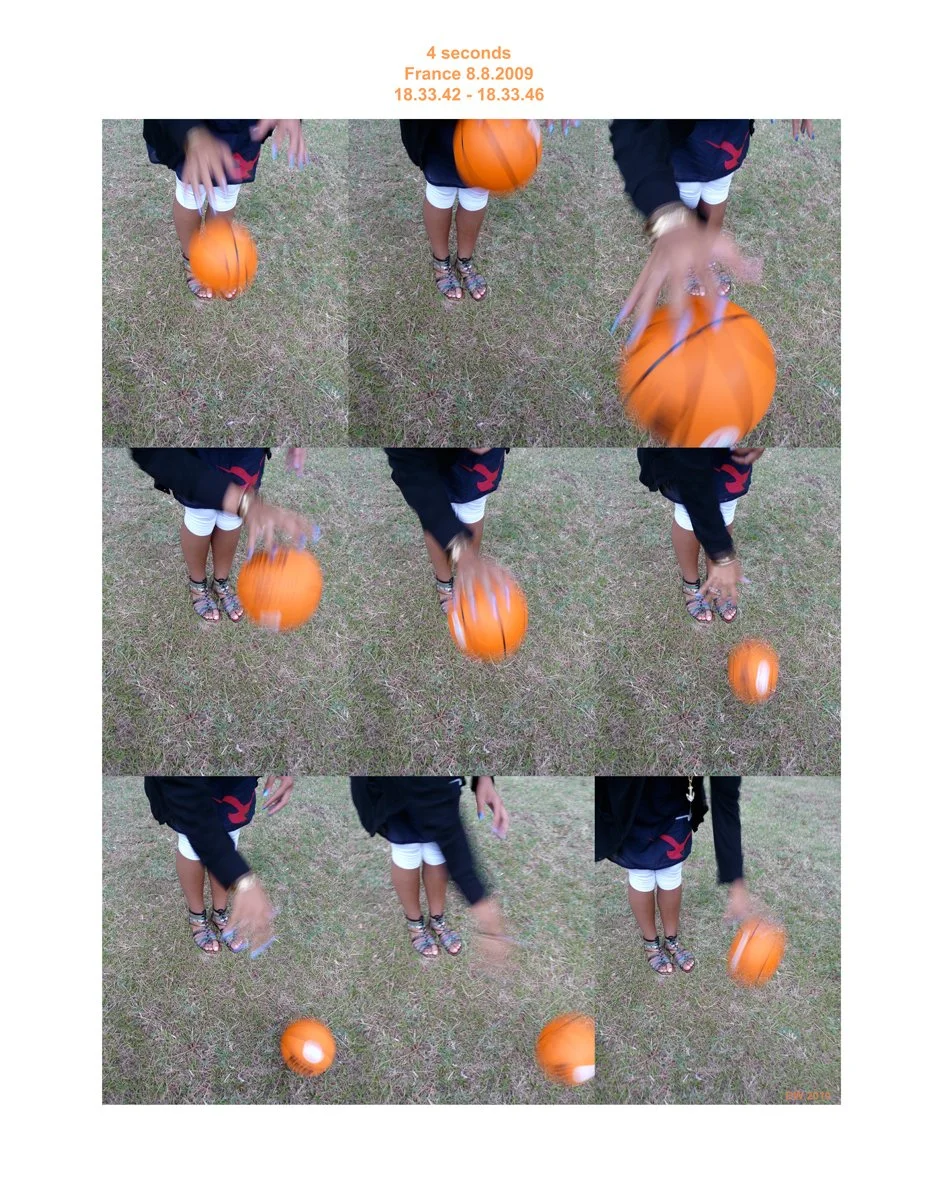
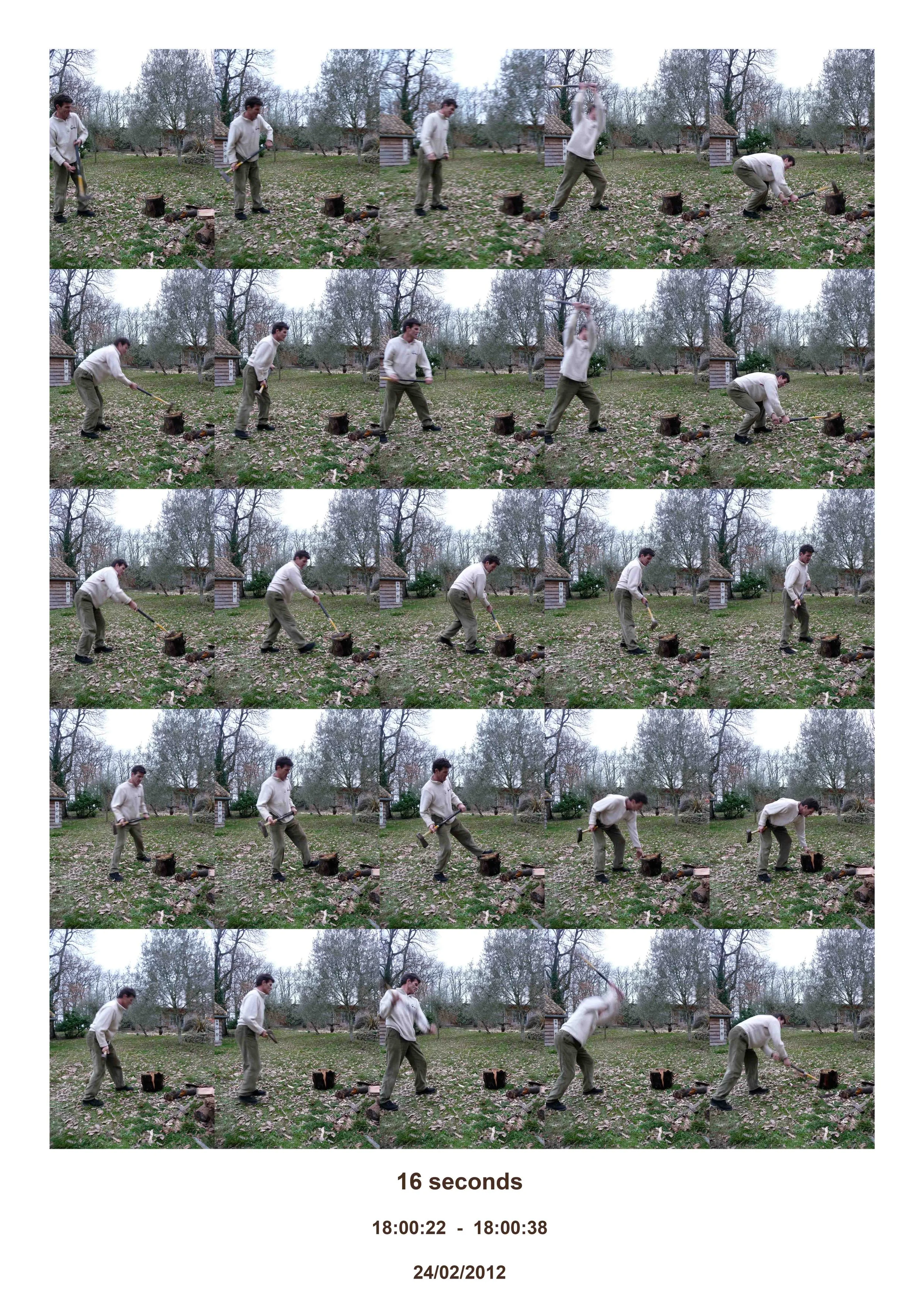
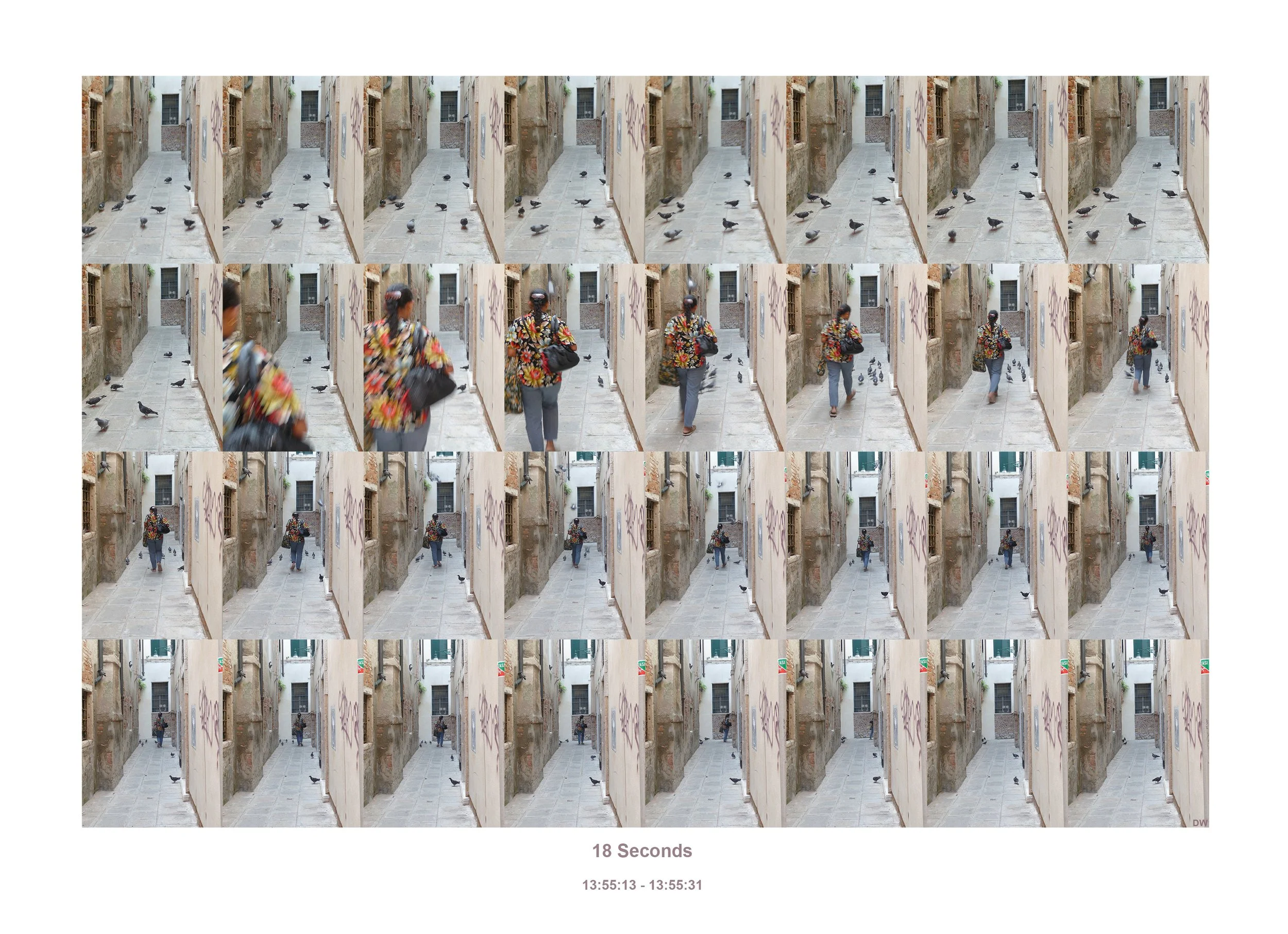
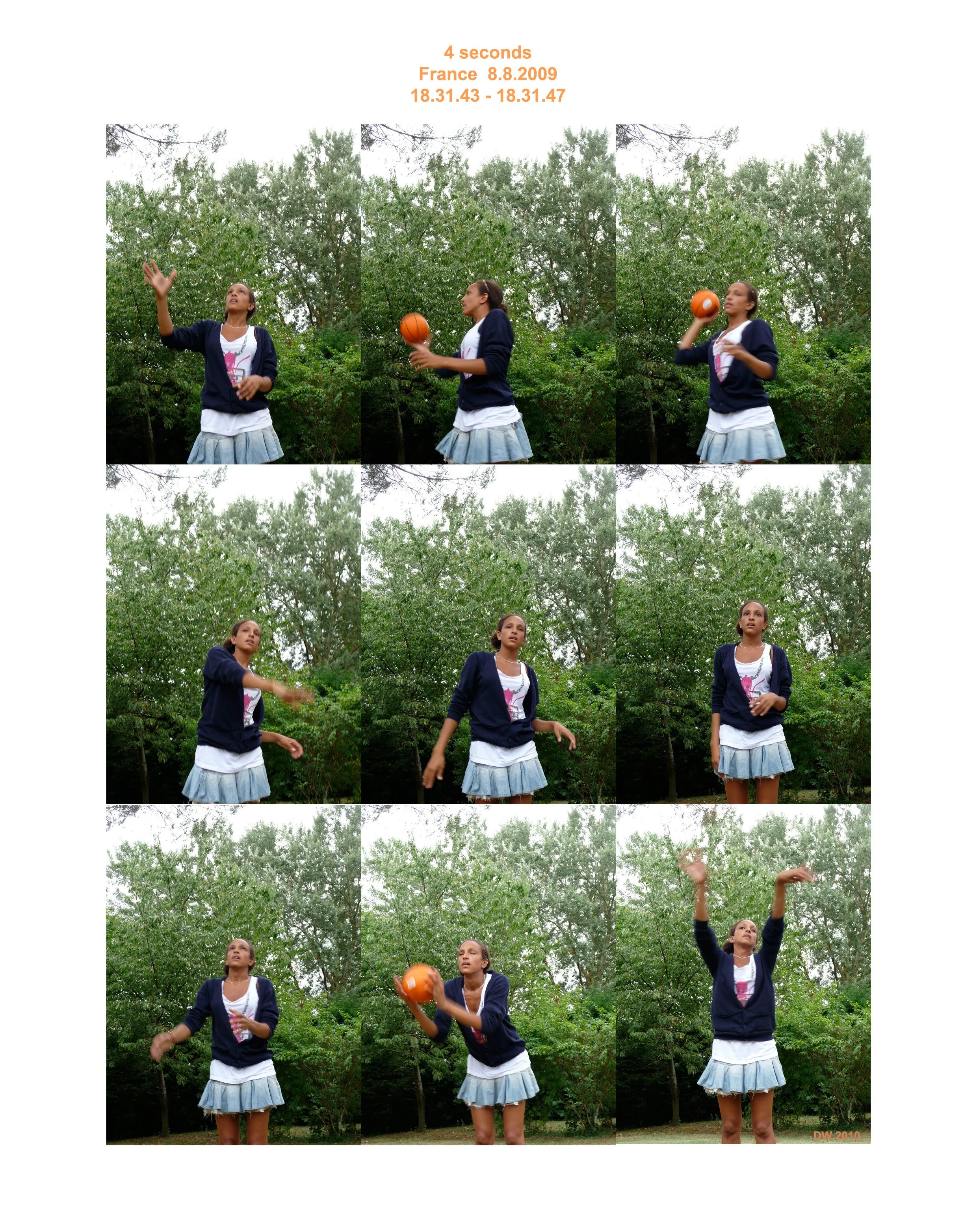
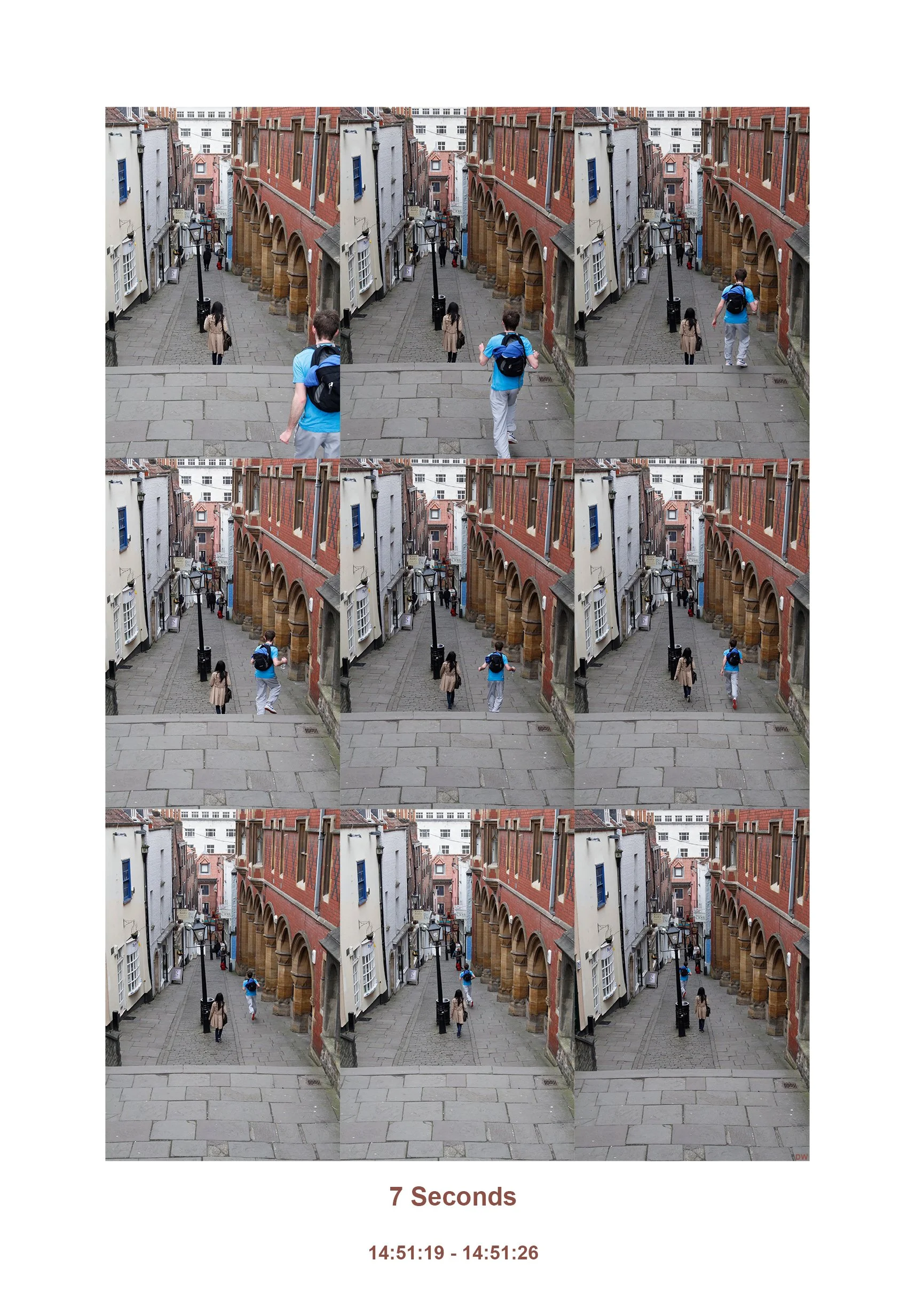
Somewhere between the movement of film and the frozen stillness of photography, detail emerges, the unnoticed and the unseen. The very small but necessary actions and interactions of the everyday.
We tend to take short periods of time for granted. We also often forget how amazing the body is, how flexible, how functional.
Payam Akramipour
-
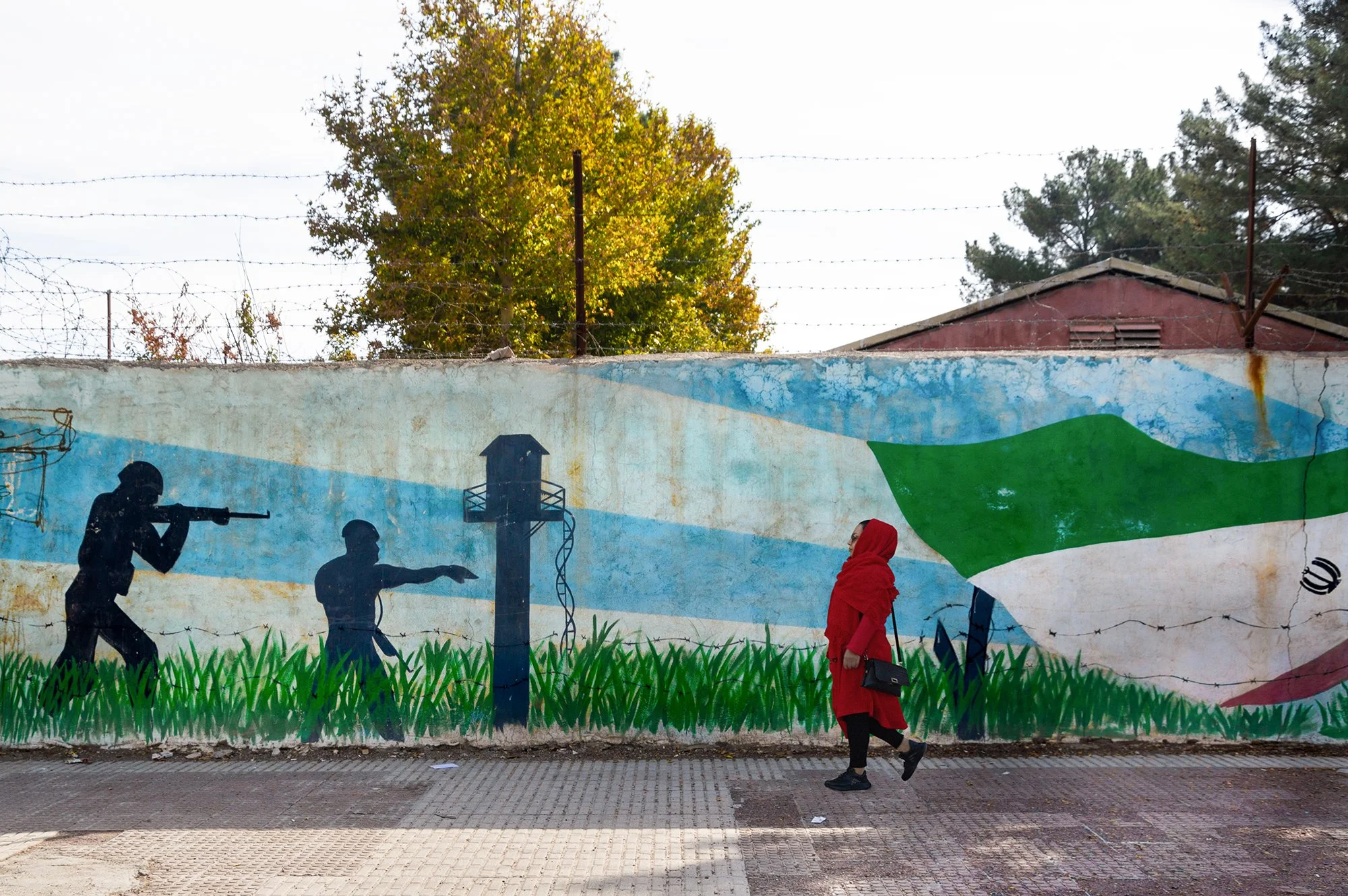
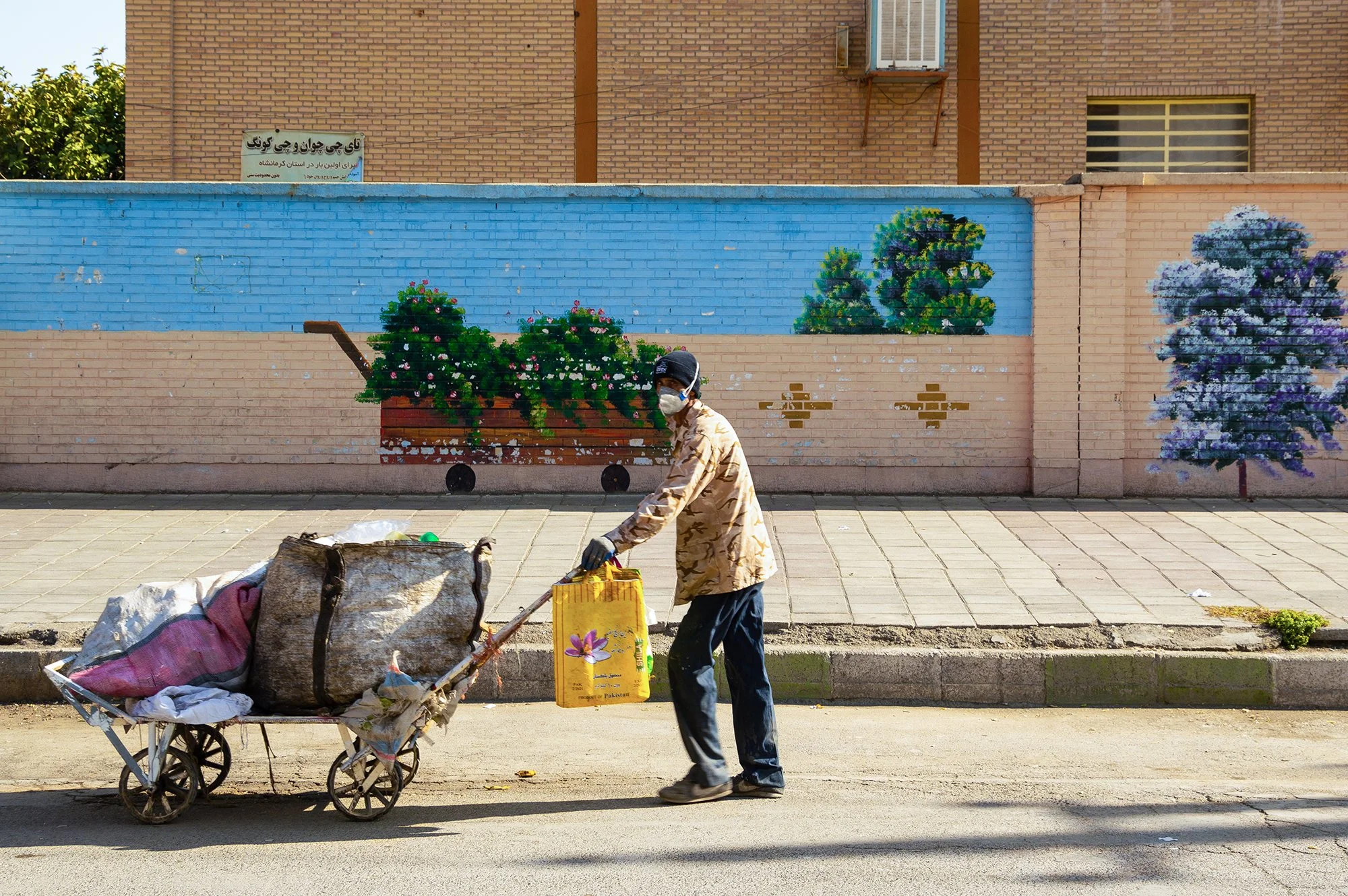
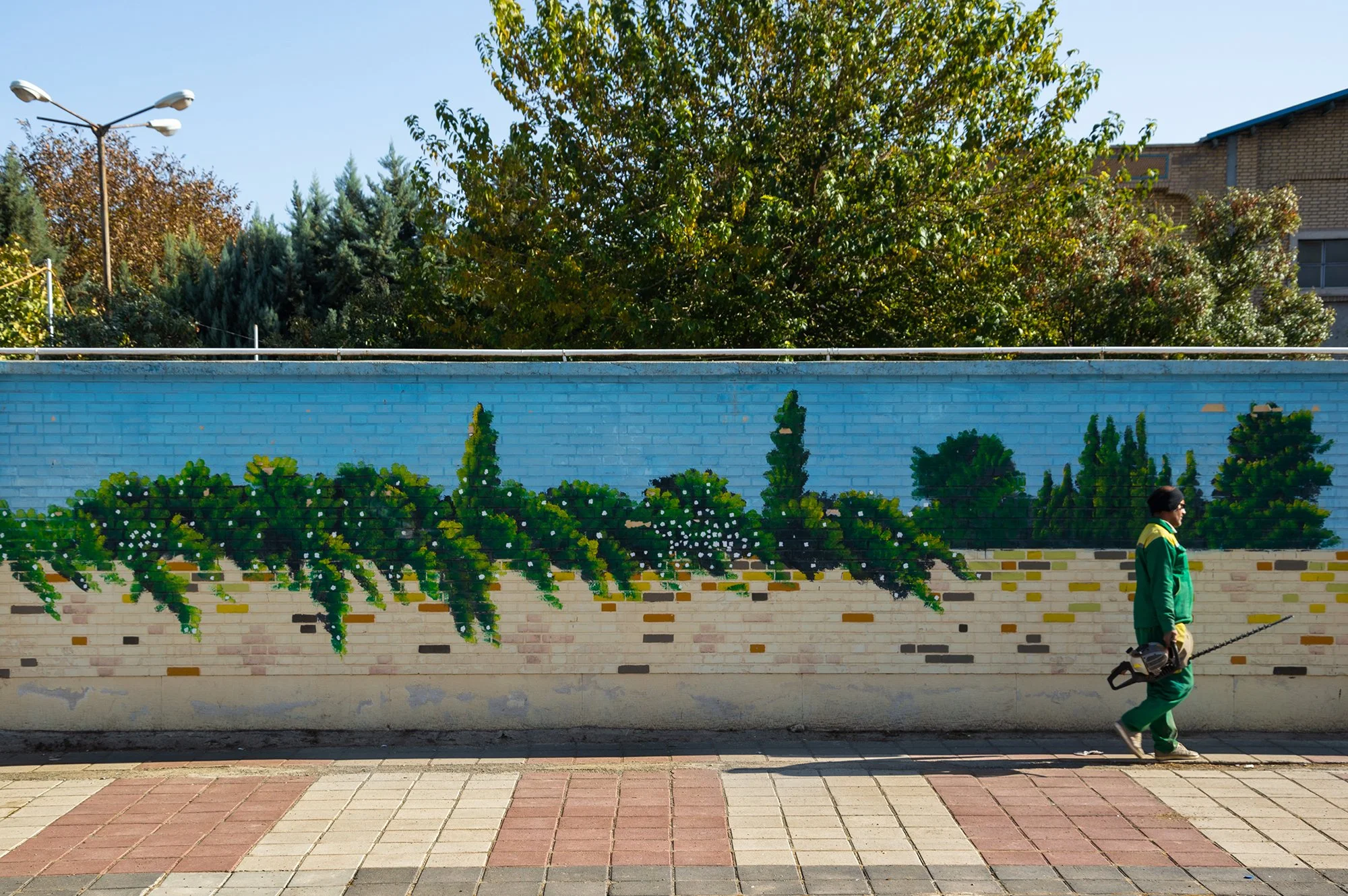
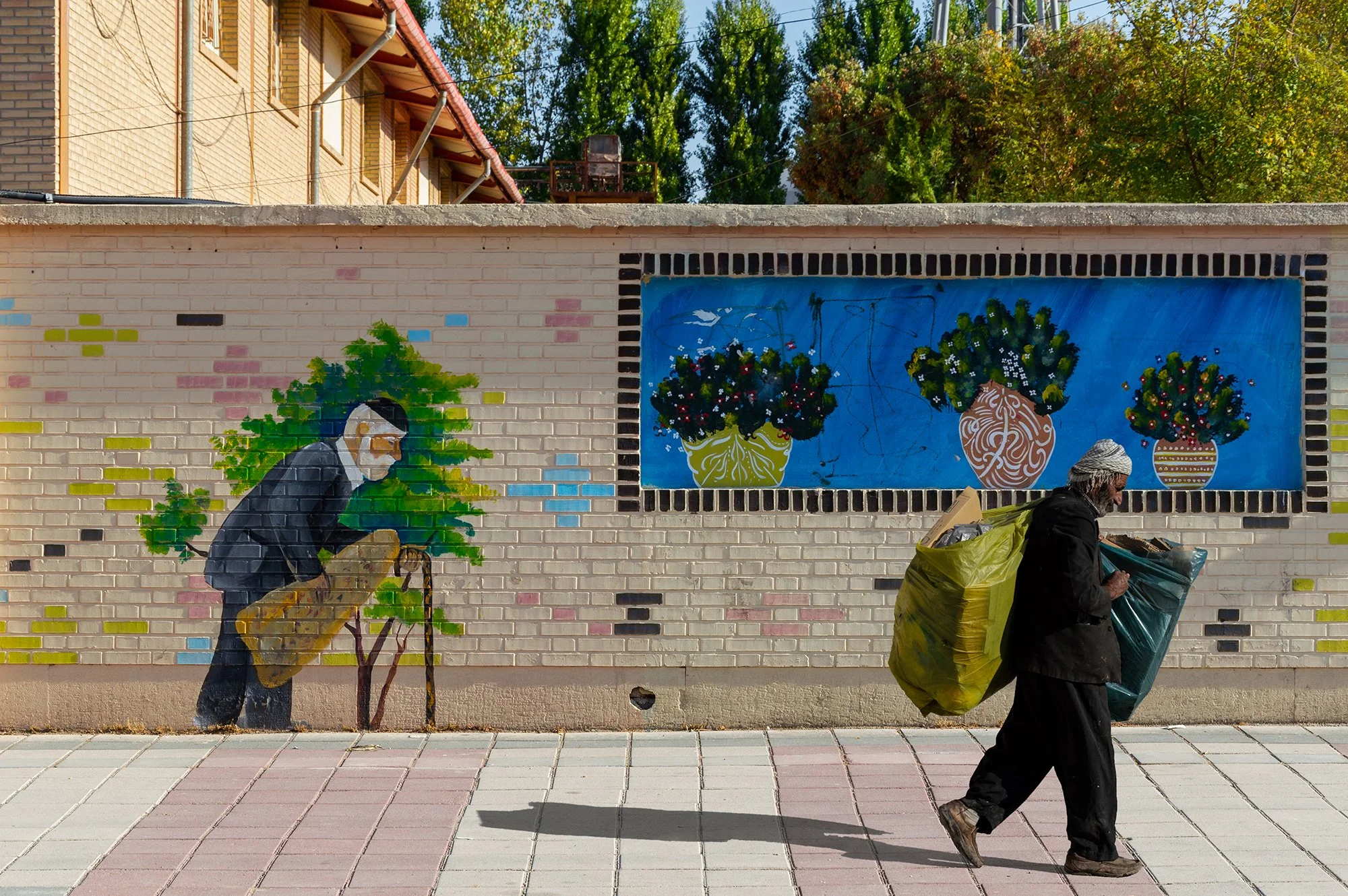
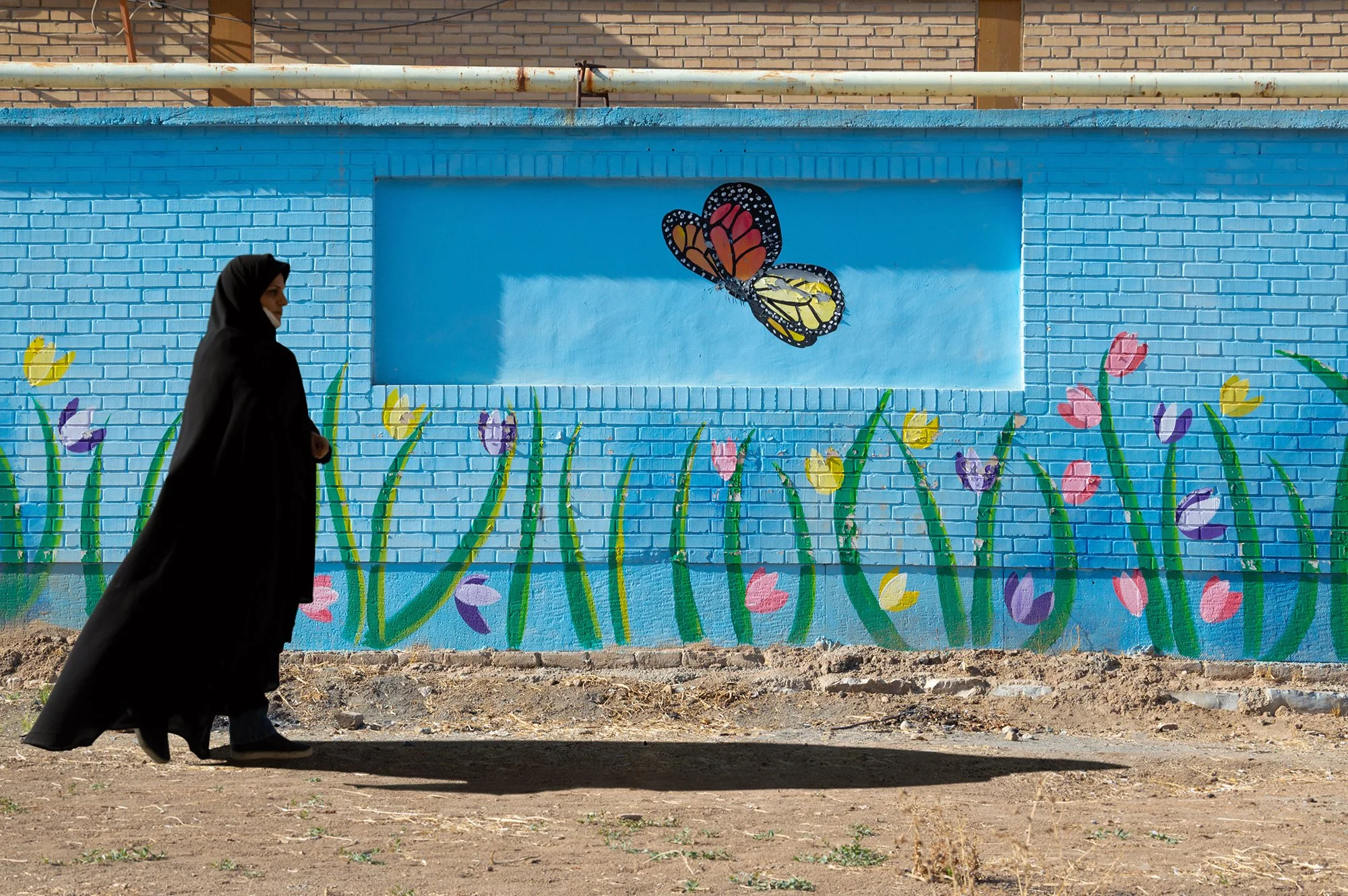
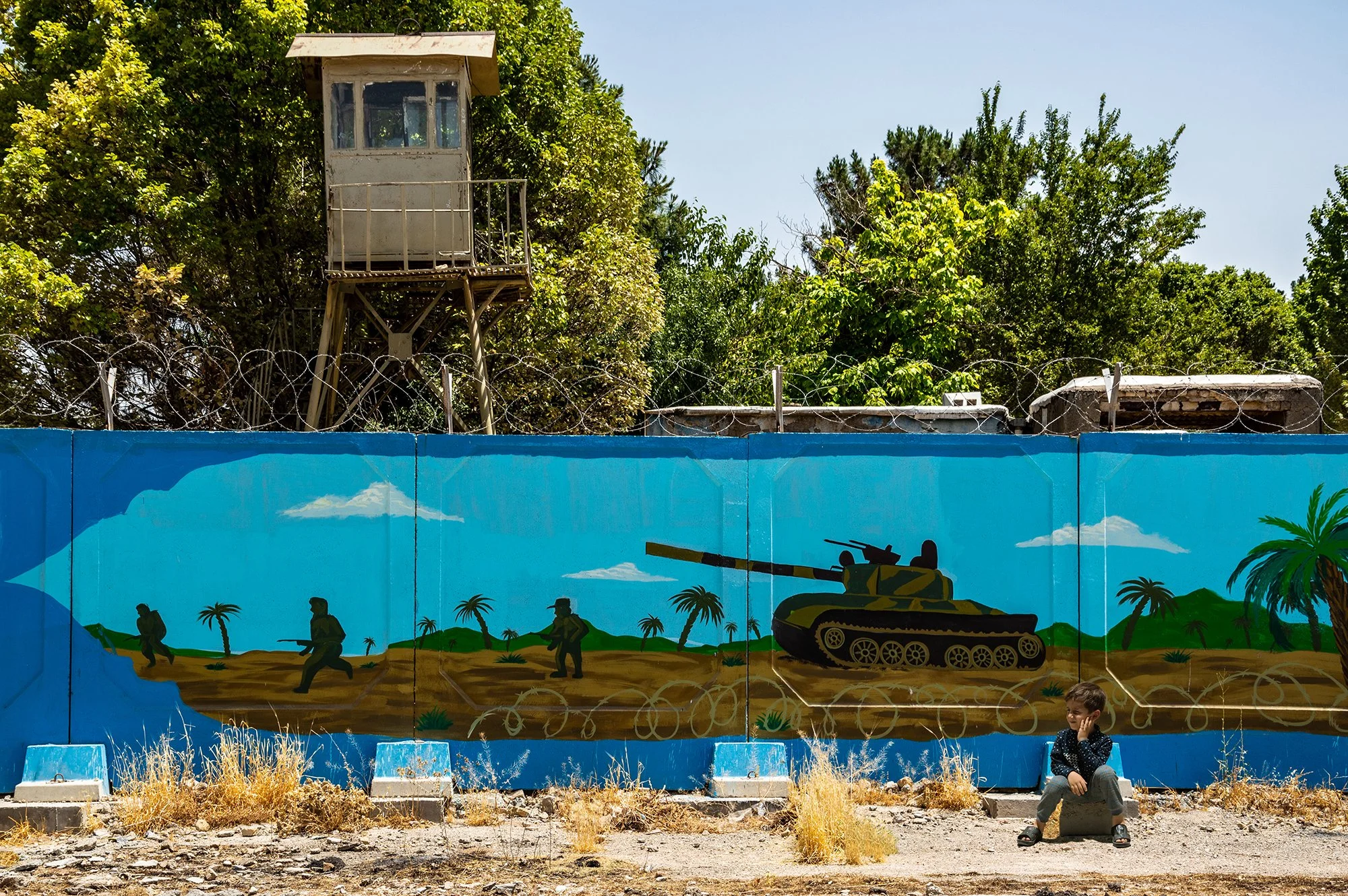
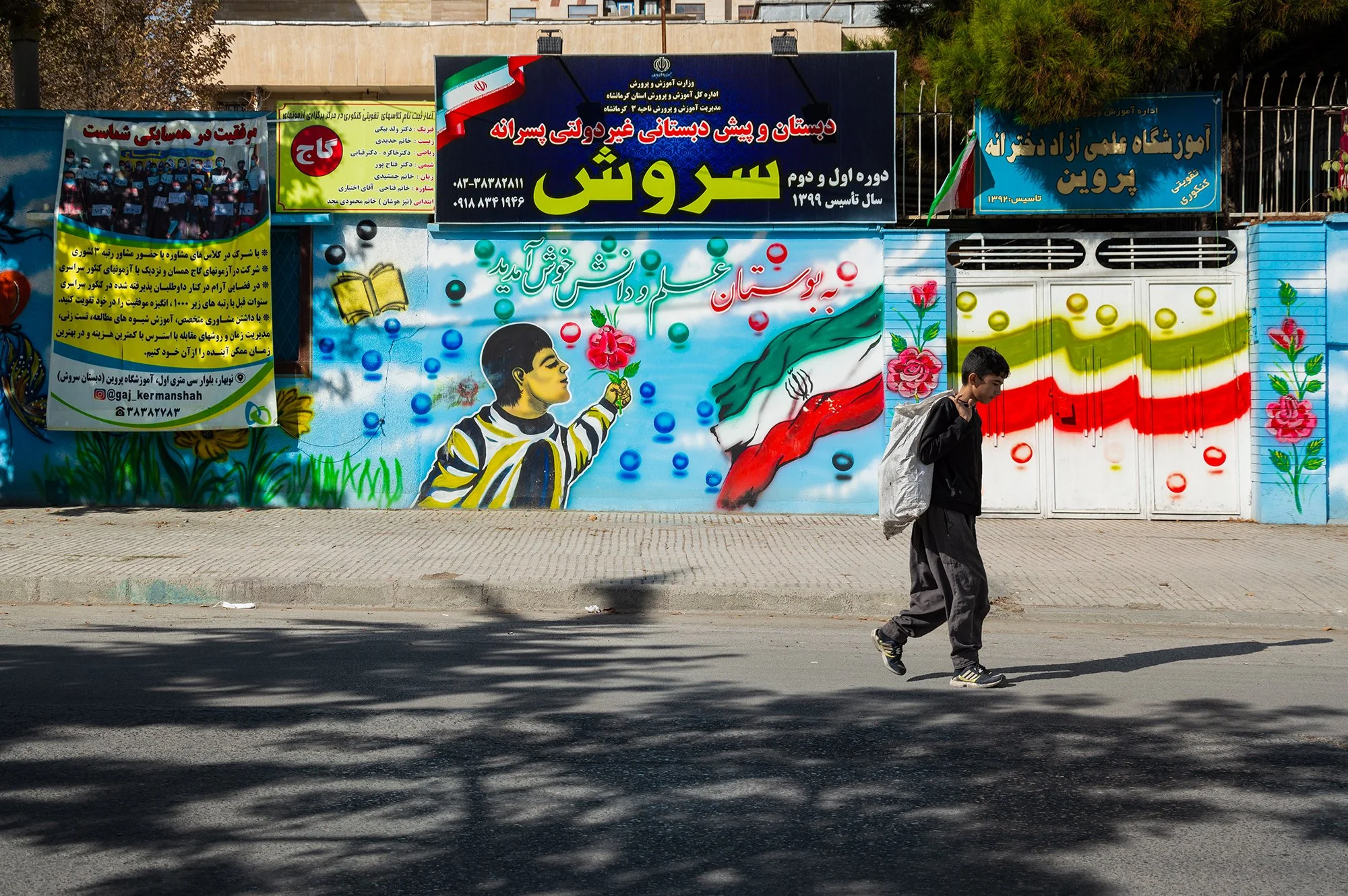
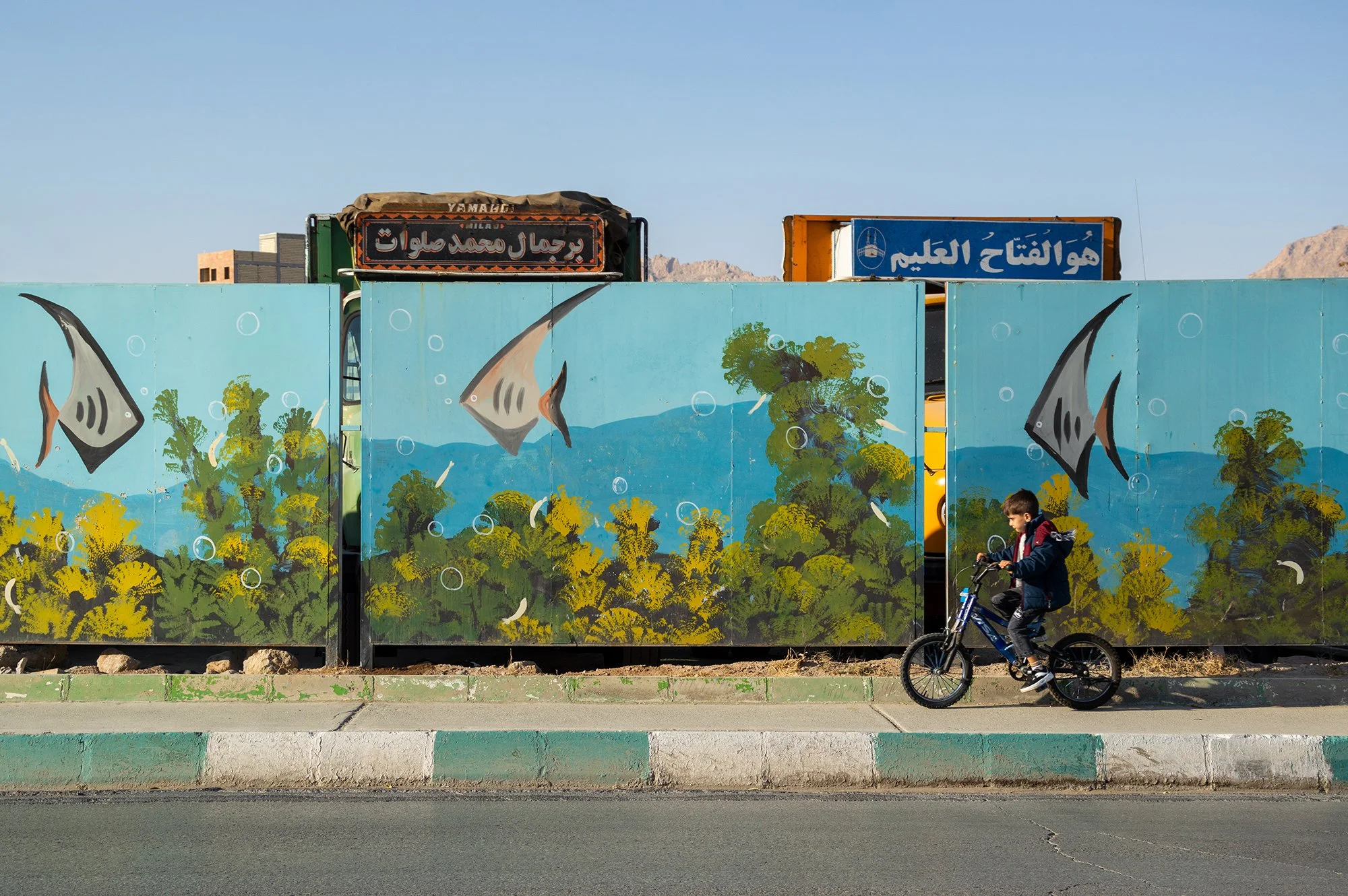
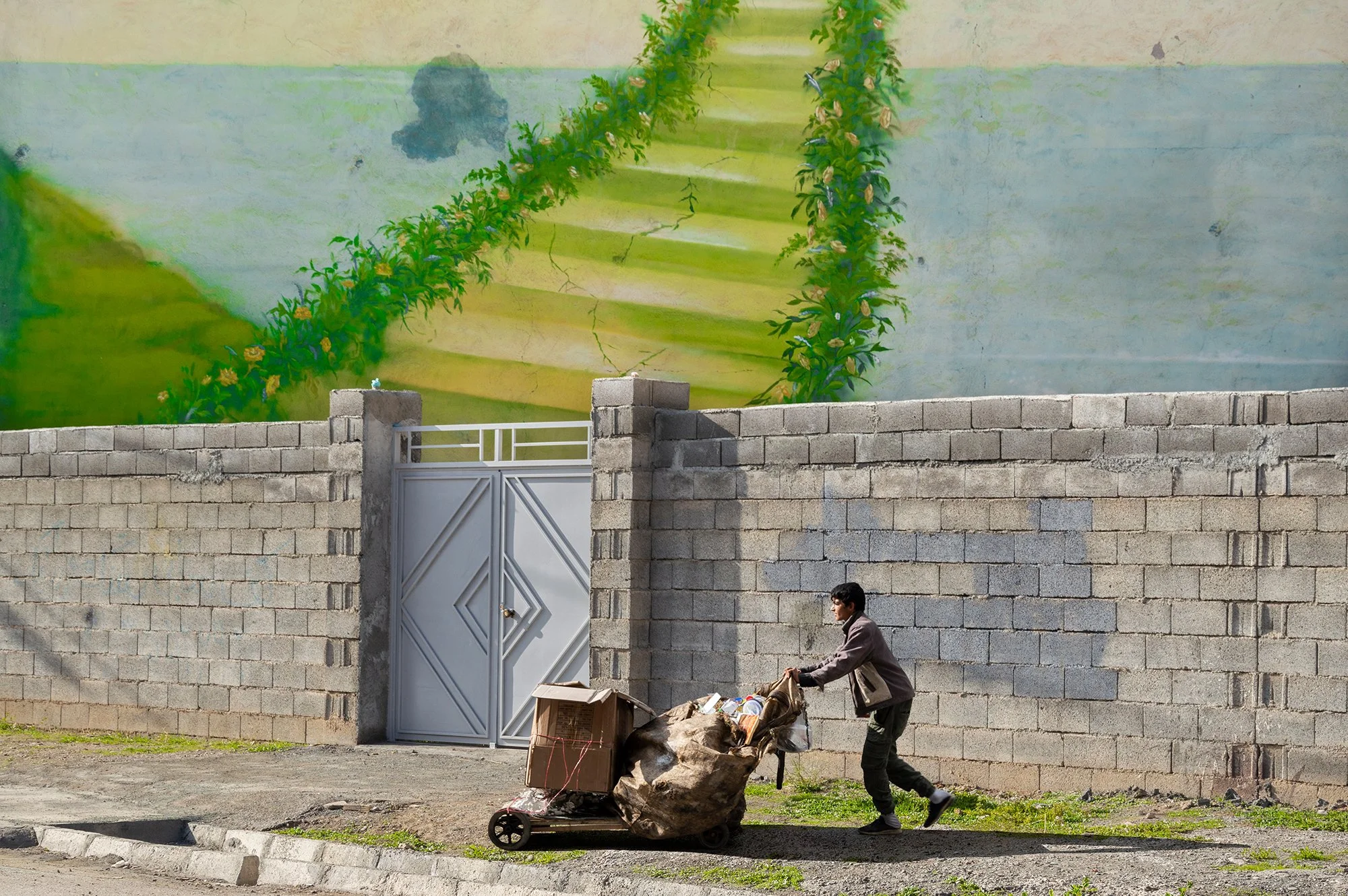
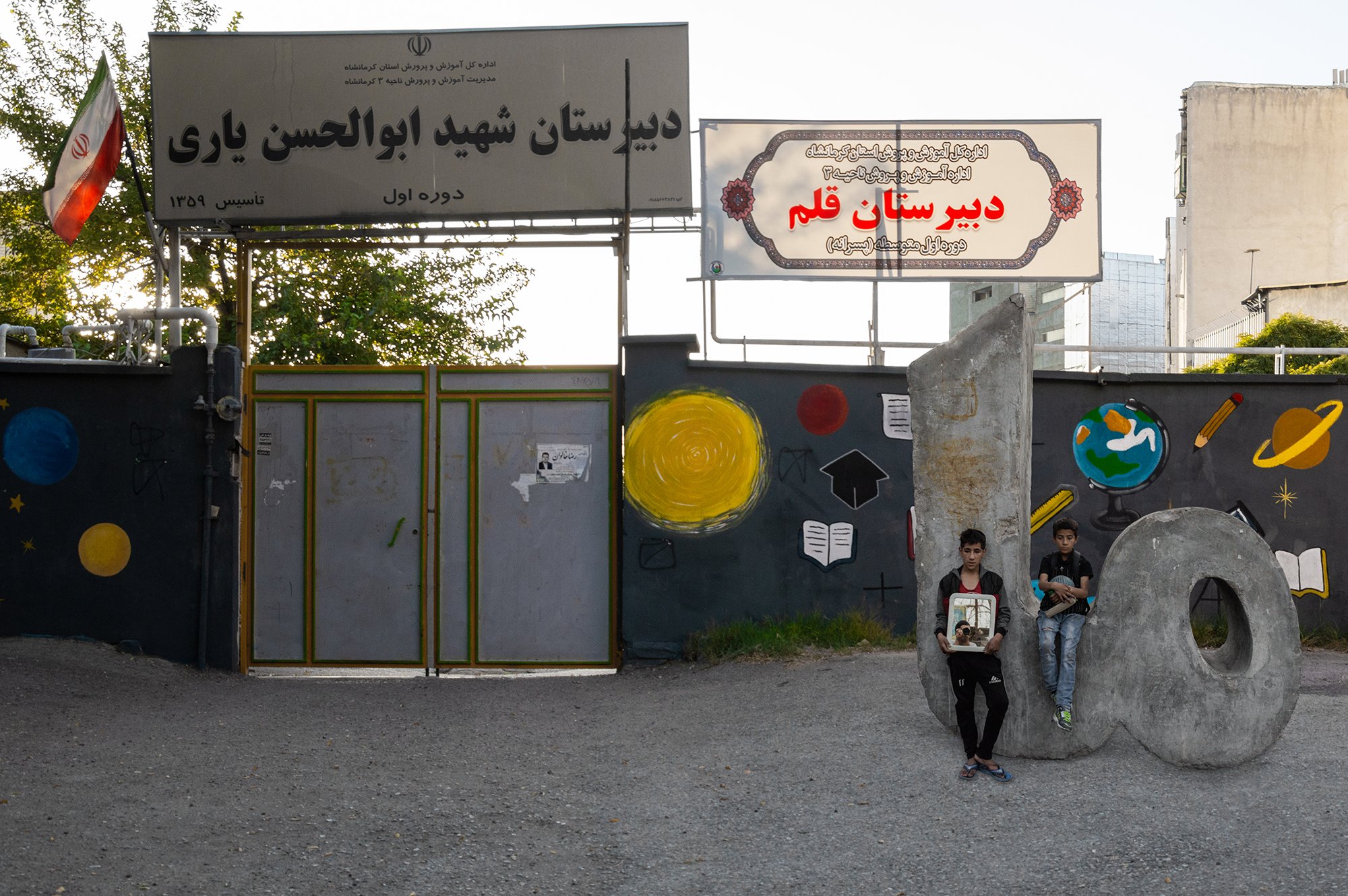
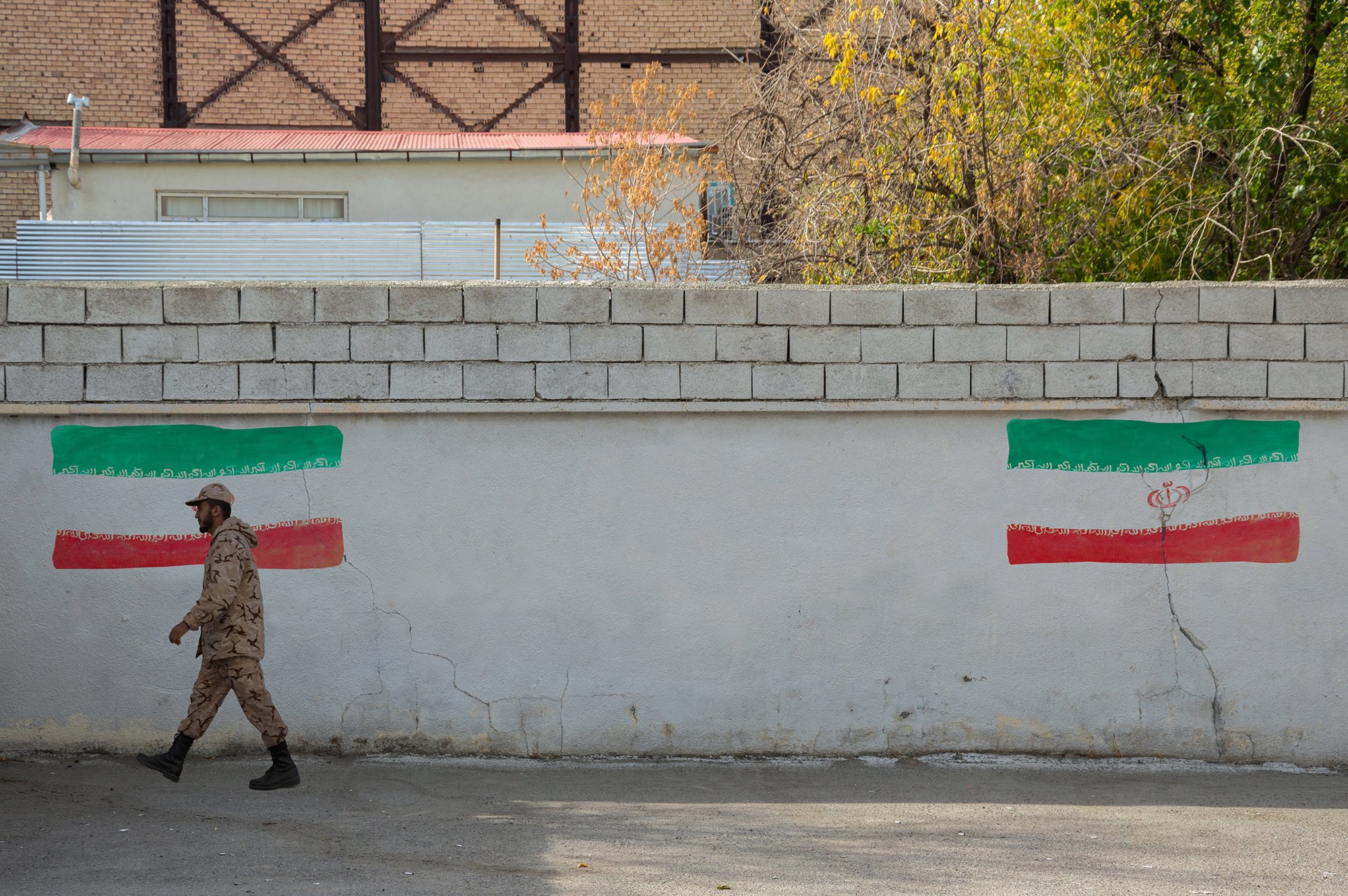
For more than forty-five years, rulers and Shia clerics who have held power in Iran have drawn an image for the people of this country in which both their worldly life and their spiritual life would be improved. They have long decorated the walls of the nation with vivid and glowing murals and promises, images whose meaning can only be completed and understood through the presence and condition of the Iranian people today.
Alongside murals that proclaim security, freedom, prosperity, and a path leading to paradise, there are exhausted and weary citizens who pass by without paying any attention to these imagined displays, for the reality in which they live is far more immediate and tangible than the wall paintings beside them. For those citizens who pass by them with indifference, these murals function on the one hand as documents of widespread social experience, and on the other as visual traces of their lost aspirations.
This body of work engages directly with this lived reality. It brings together images shaped by experiences I have witnessed and, to some extent, felt myself: children forced to abandon education and work at street corners in the sweltering heat of summer or the freezing cold of winter, their eyes seeking money or food from passersby; the wheezing breath of an elderly person struggling with asthma while collecting waste; the dirt-stained feet of a child whose bare soles reveal the harshness of daily survival; the oppressive environmental degradation that affects the air we breathe; and the precarious position of women, constantly monitoring their own attire under the gaze of authorities, aware that a misstep could bring them to police stations or cause shame within their families. These photographs do not merely illustrate events; they trace conditions, gestures, and quiet moments through which social pressure and endurance become visible.
What remains for the people is the present reality and a crude and endless illusion.
Allison O'Connor
-
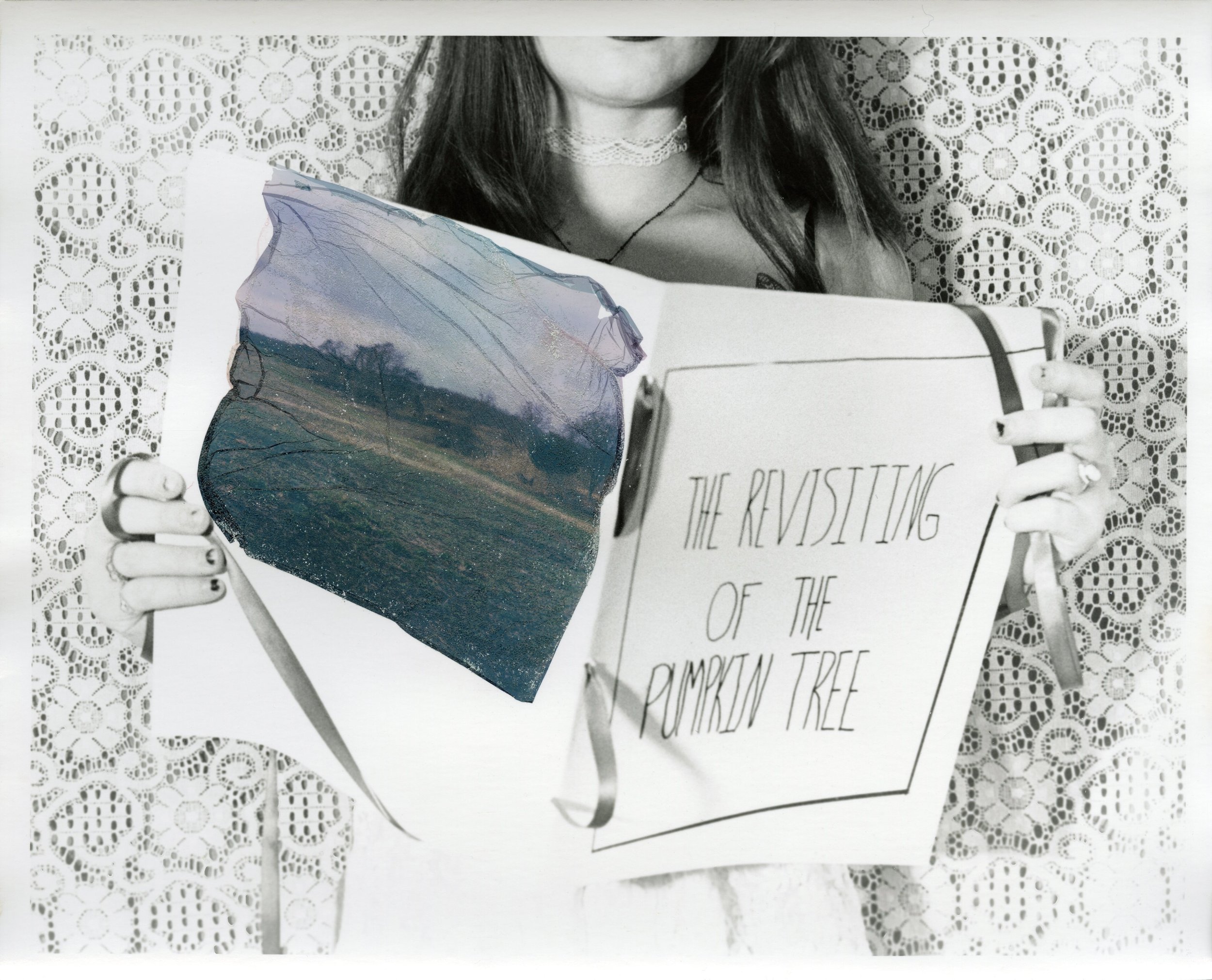
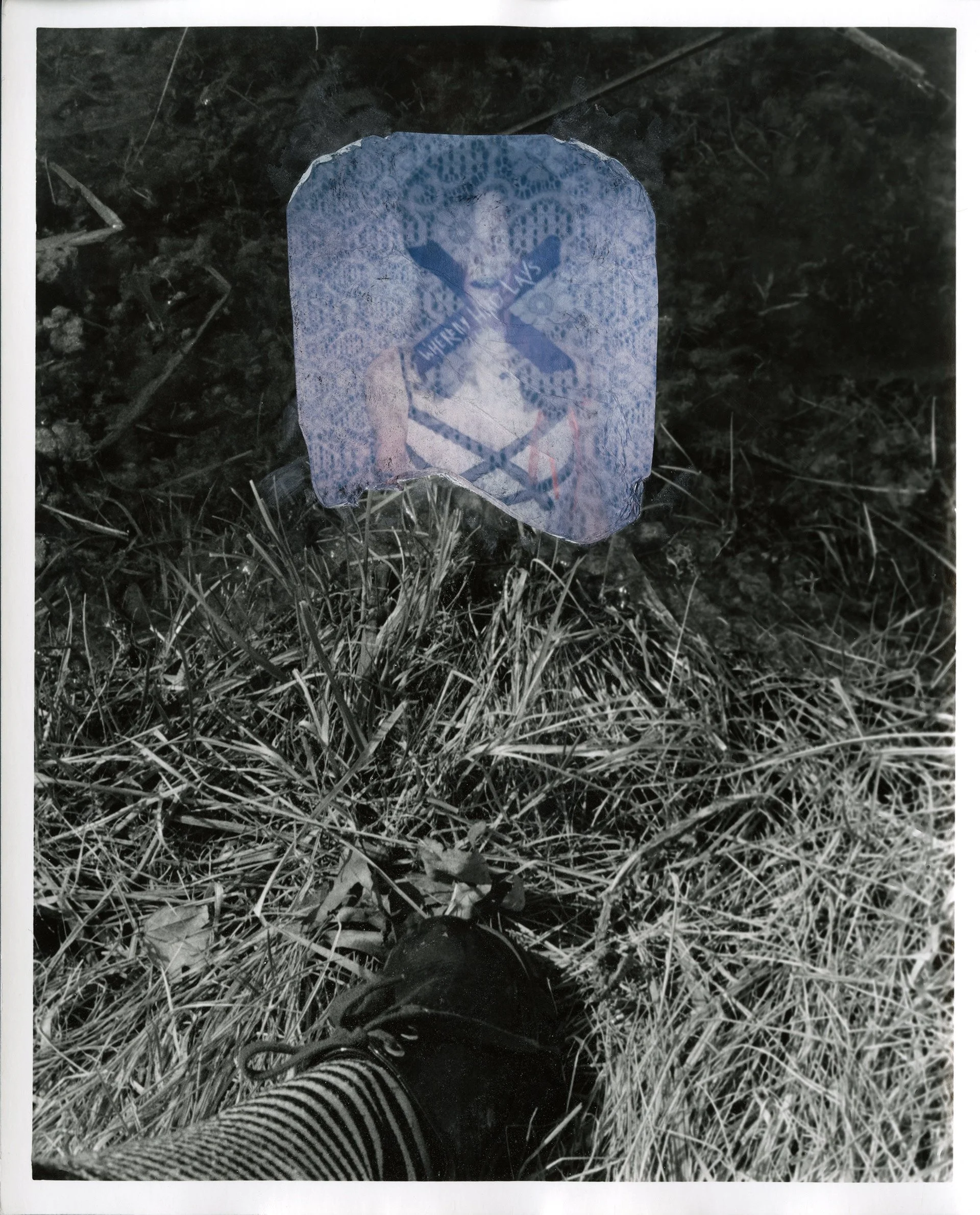
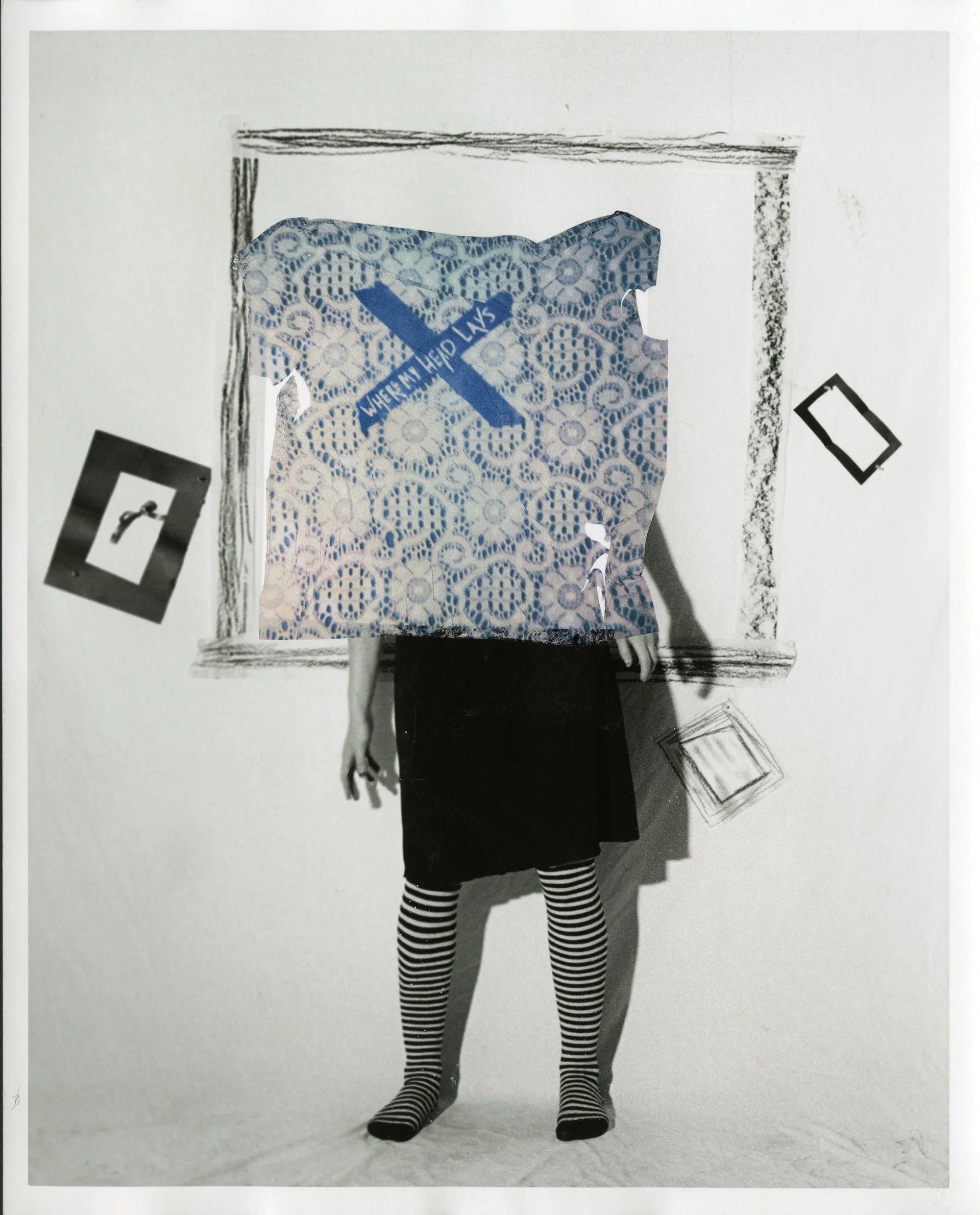
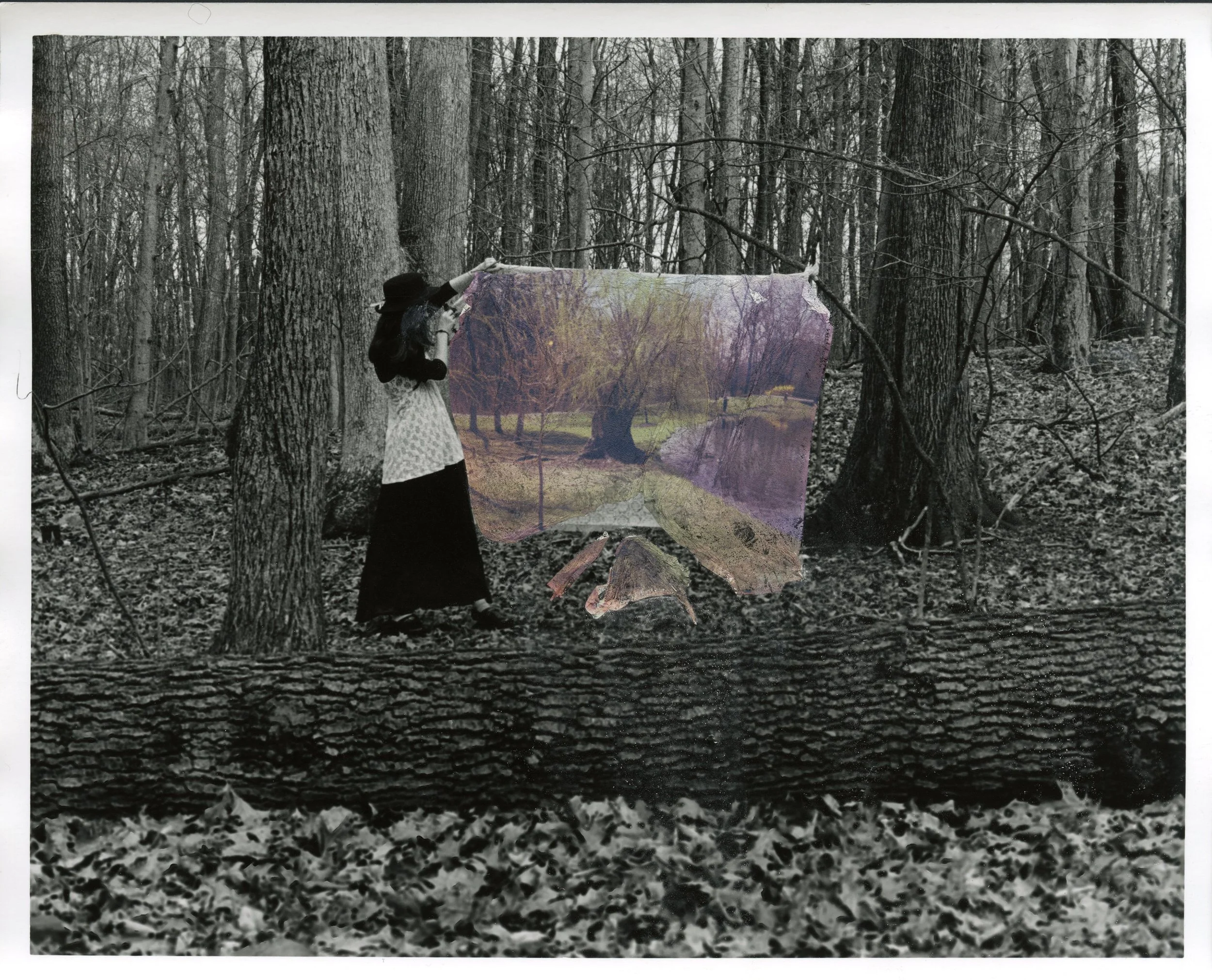
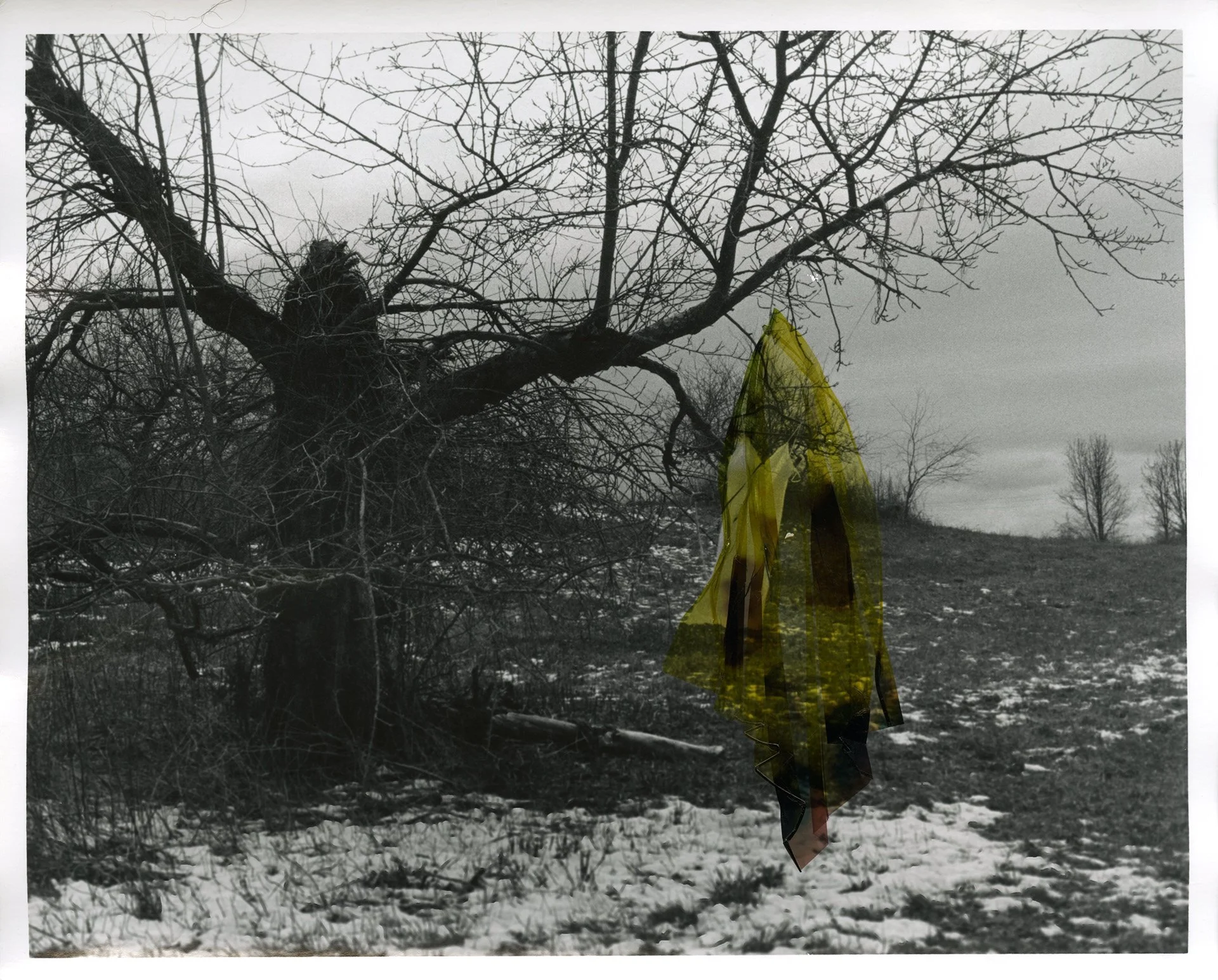
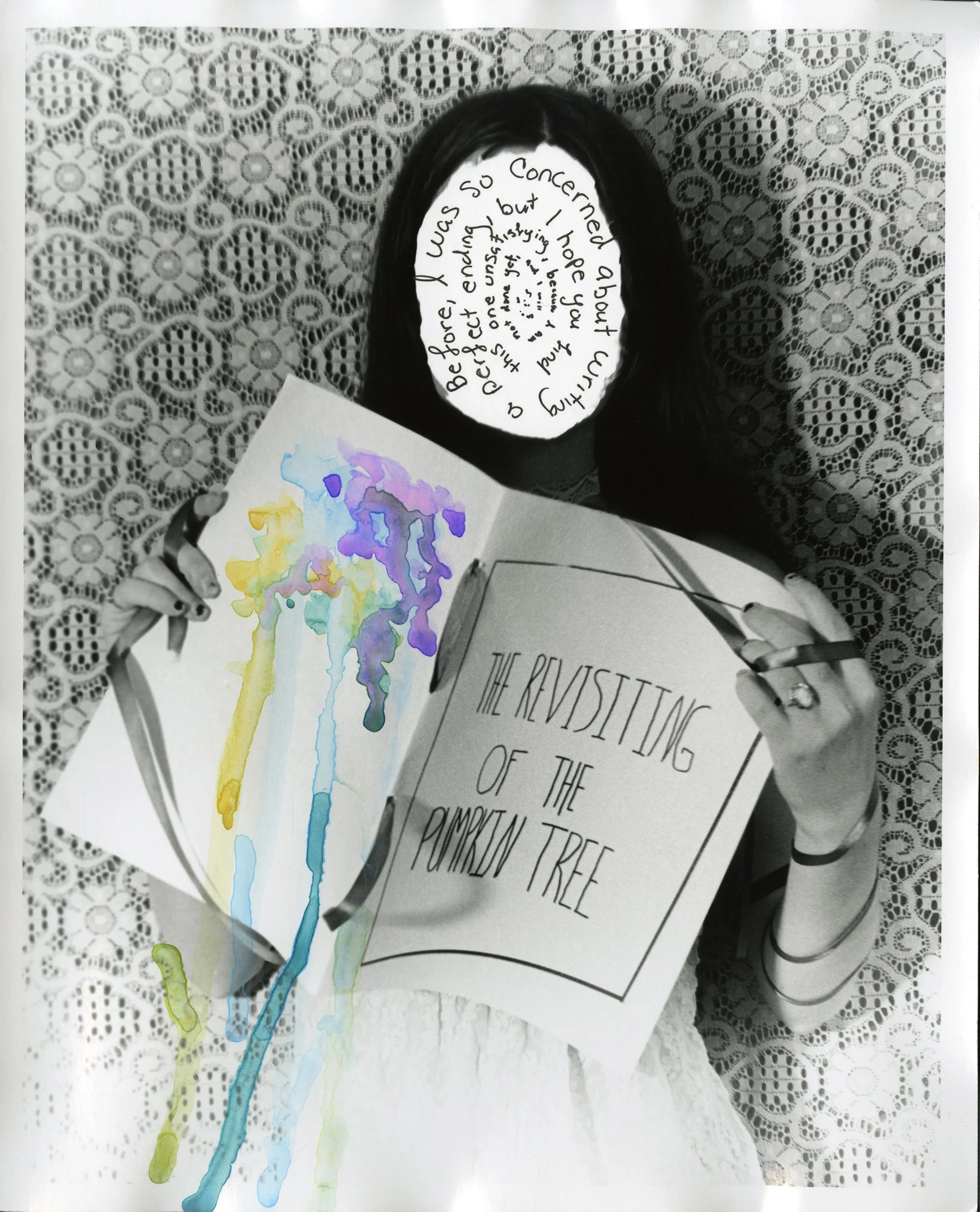
In 2024 I created my first narrative project using analog photography as the medium. The narrative was inspired by the creative ambition one possesses when they are younger; the exciting journey the character goes on is only a dream. The Revisiting of the Pumpkin Tree is a continuation of the narrative. The character revisits some of the same locations and poses. She is no longer in a dream, but she is creating a book. Polaroid lifts, an alternative photographic process of lifting the emulsion of a polaroid onto another surface in water, are used to extend the black and white environment into another realm. The shooting and placement of the polaroids are intentional as I dodged the area in the darkroom print to ensure the color of the polaroid is bright. The multimedia prints are symbolic of my work at New Paltz coming to an end, but my plans for future projects.
Jo Sergeant
-
We Trans, We Rise is a documentary project that follows transgender rallies and LGBTQ+ Pride events across the UK, created in response to a recent legal ruling that narrowly defined “woman” and “sex” within the Equality Act 2010. This decision has had far-reaching consequences, generating fear, uncertainty, and anger among many transgender and non-binary people whose rights and lived realities are directly impacted. In response, communities have mobilised through protest and celebration, filling streets, town centres, and public squares with visible acts of resistance and solidarity. By focusing on placards and hand-made messages, the project amplifies voices that are often marginalised or misunderstood. These signs function as both personal declarations and political tools, carrying expressions of grief, hope, humour, and defiance. Together, they speak to the strength and resilience of those who live beyond traditional gender norms and who continue to assert their right to safety, dignity, and self-definition. This image is not solely about opposition or struggle; it is equally about joy and imagination. It captures moments of pride, creativity, and shared belonging—reminders that trans existence is not defined only by hardship, but by connection, love, and the courage to be seen. Through documenting these moments, We Trans, We Rise affirms the presence, humanity, and collective power of trans communities across the UK.
Shirley Finlay
-
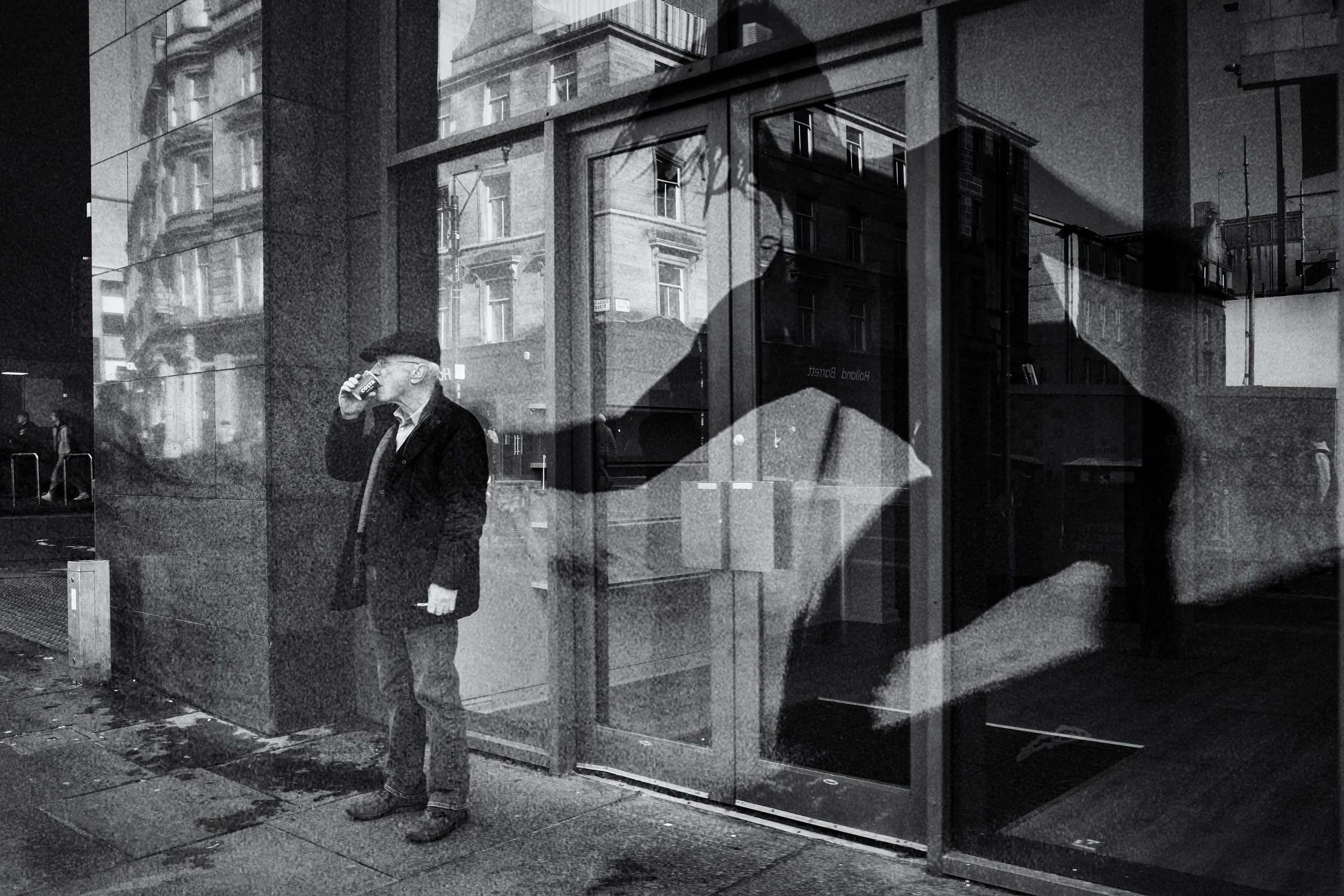
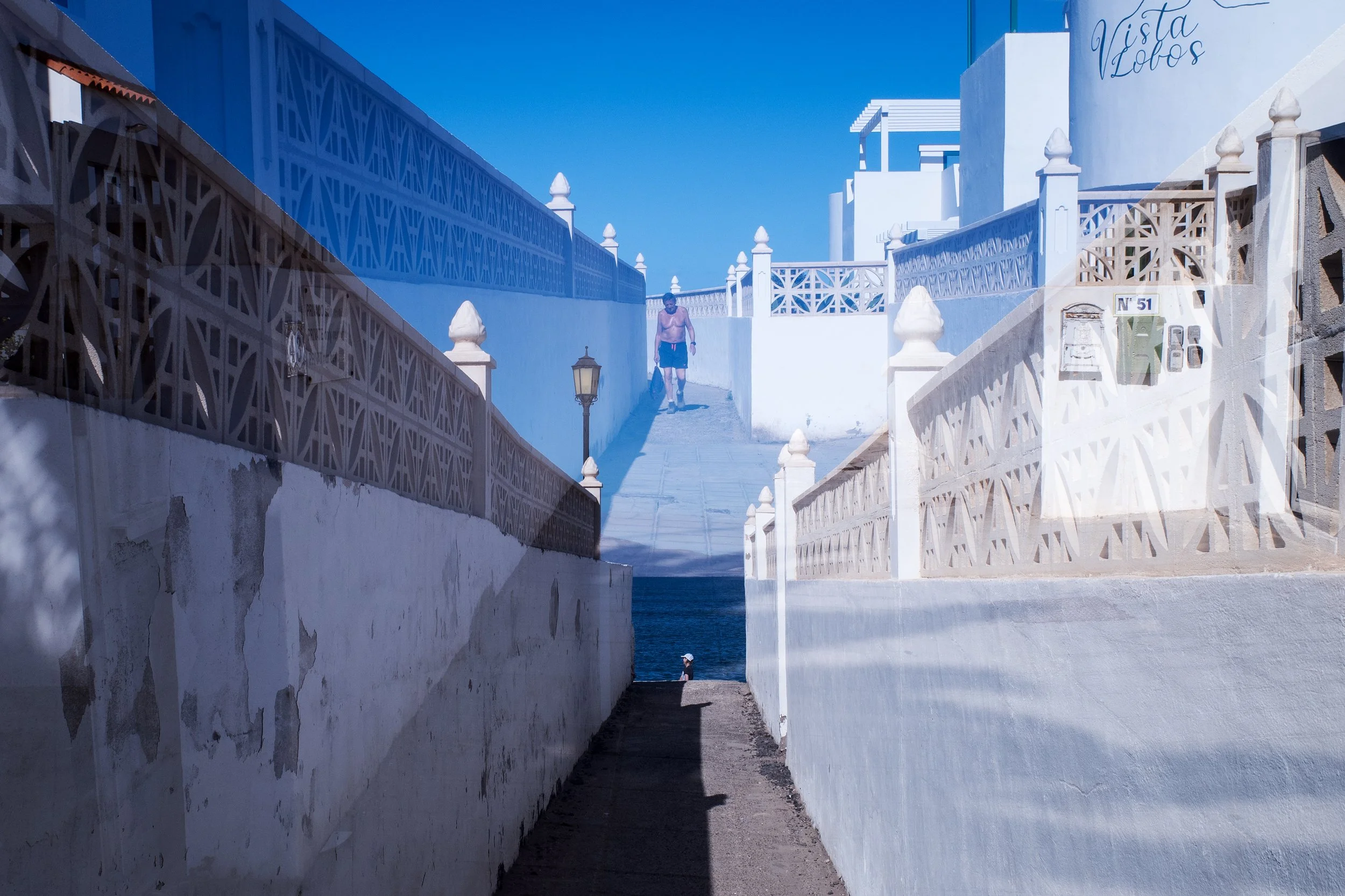
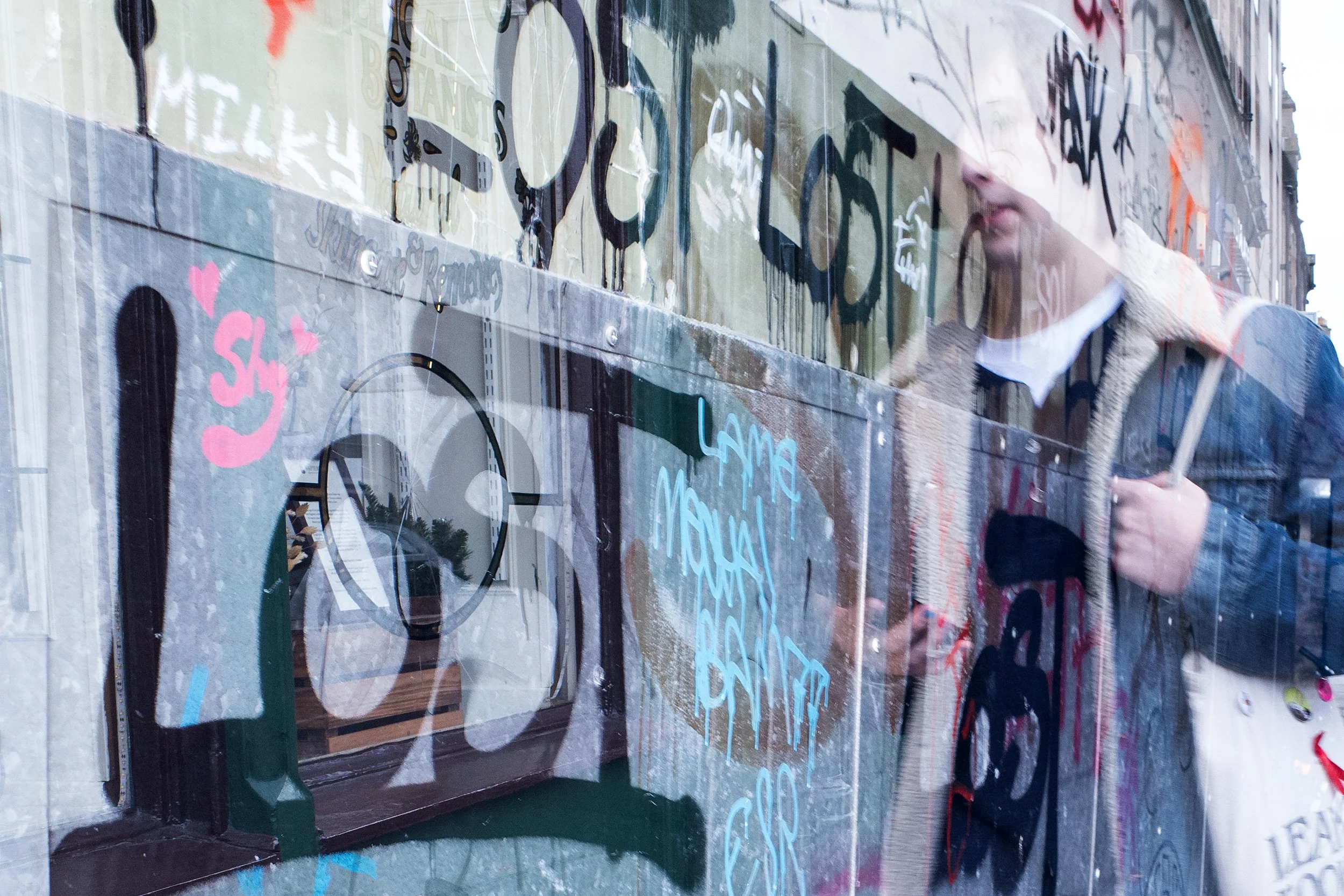
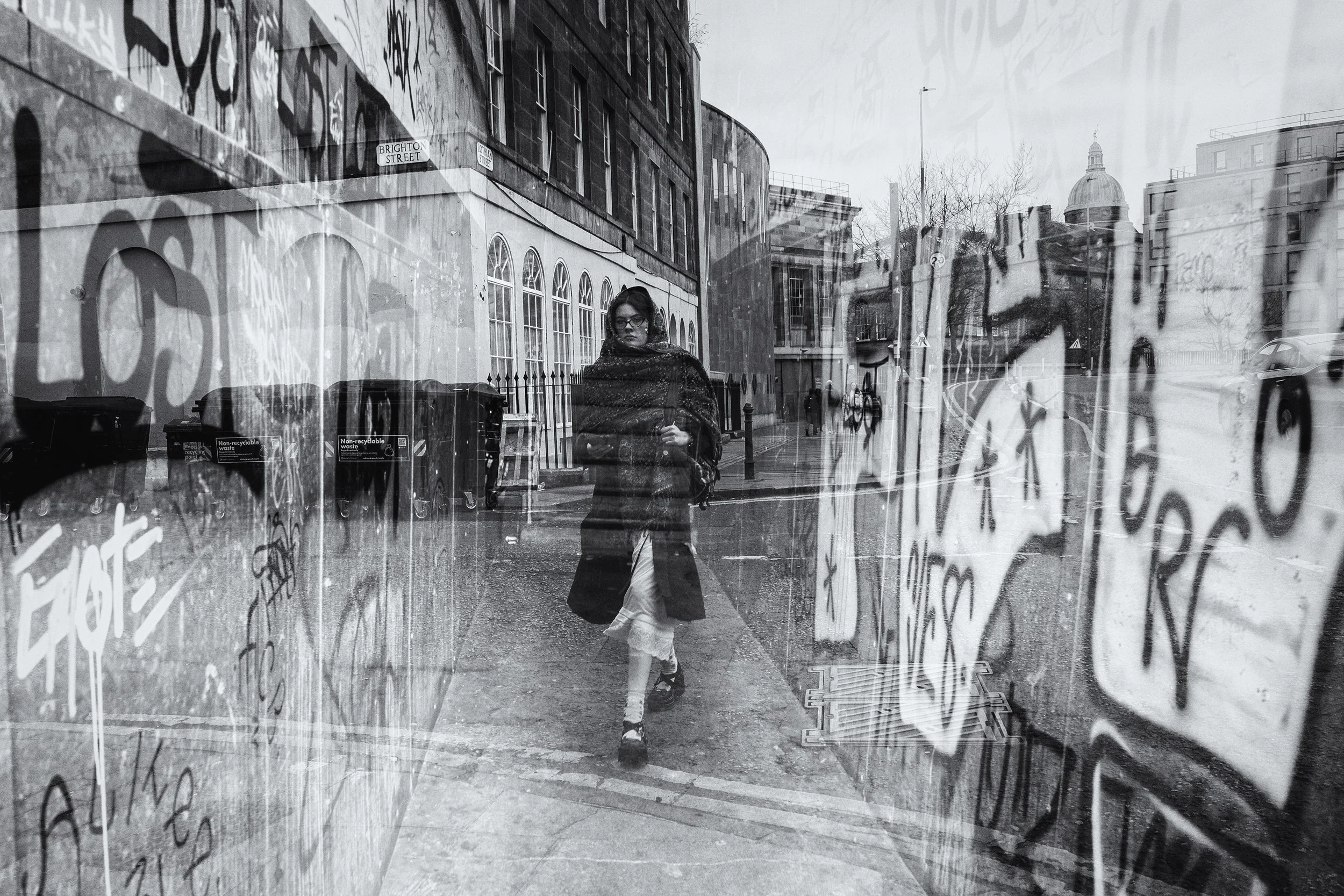
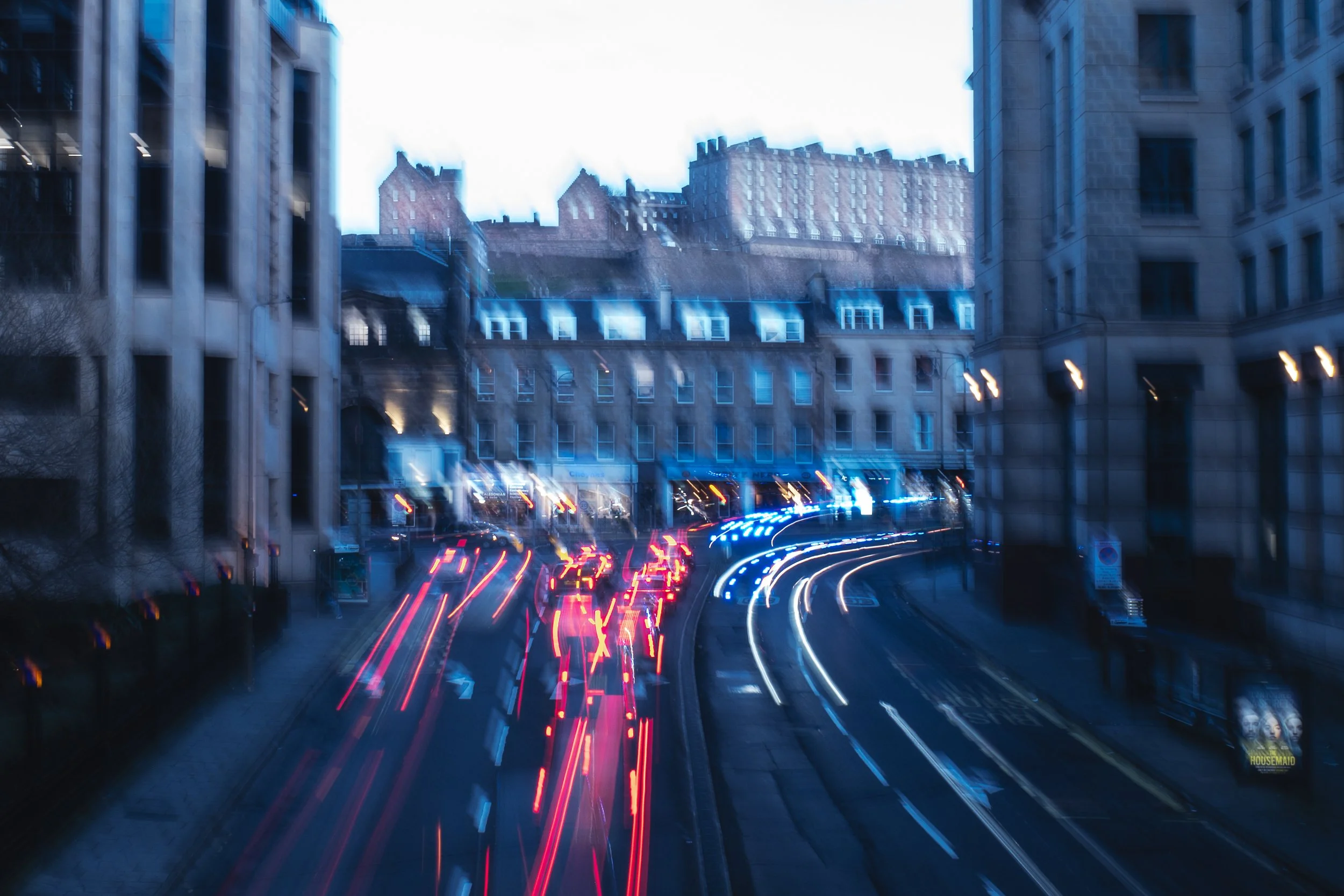
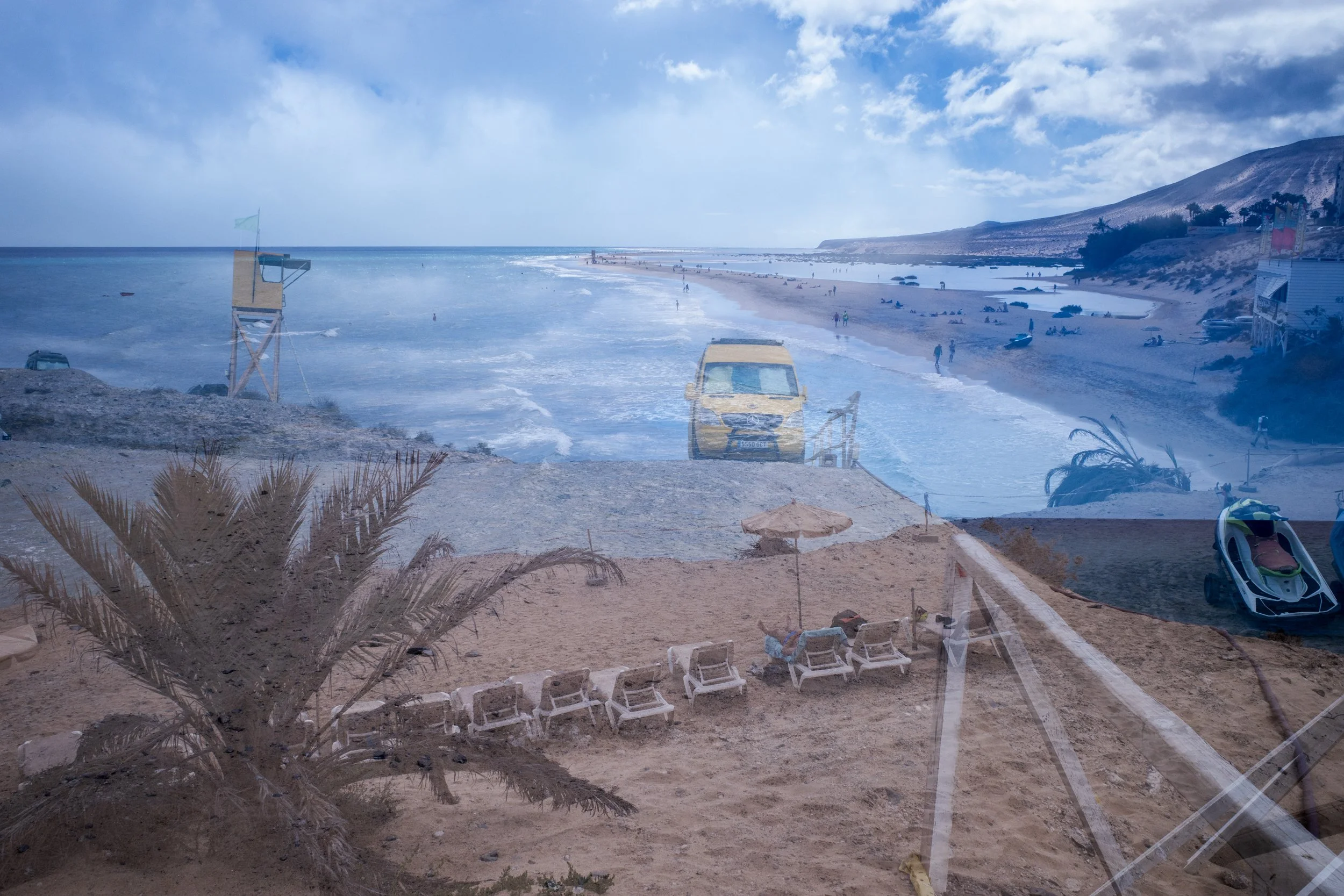
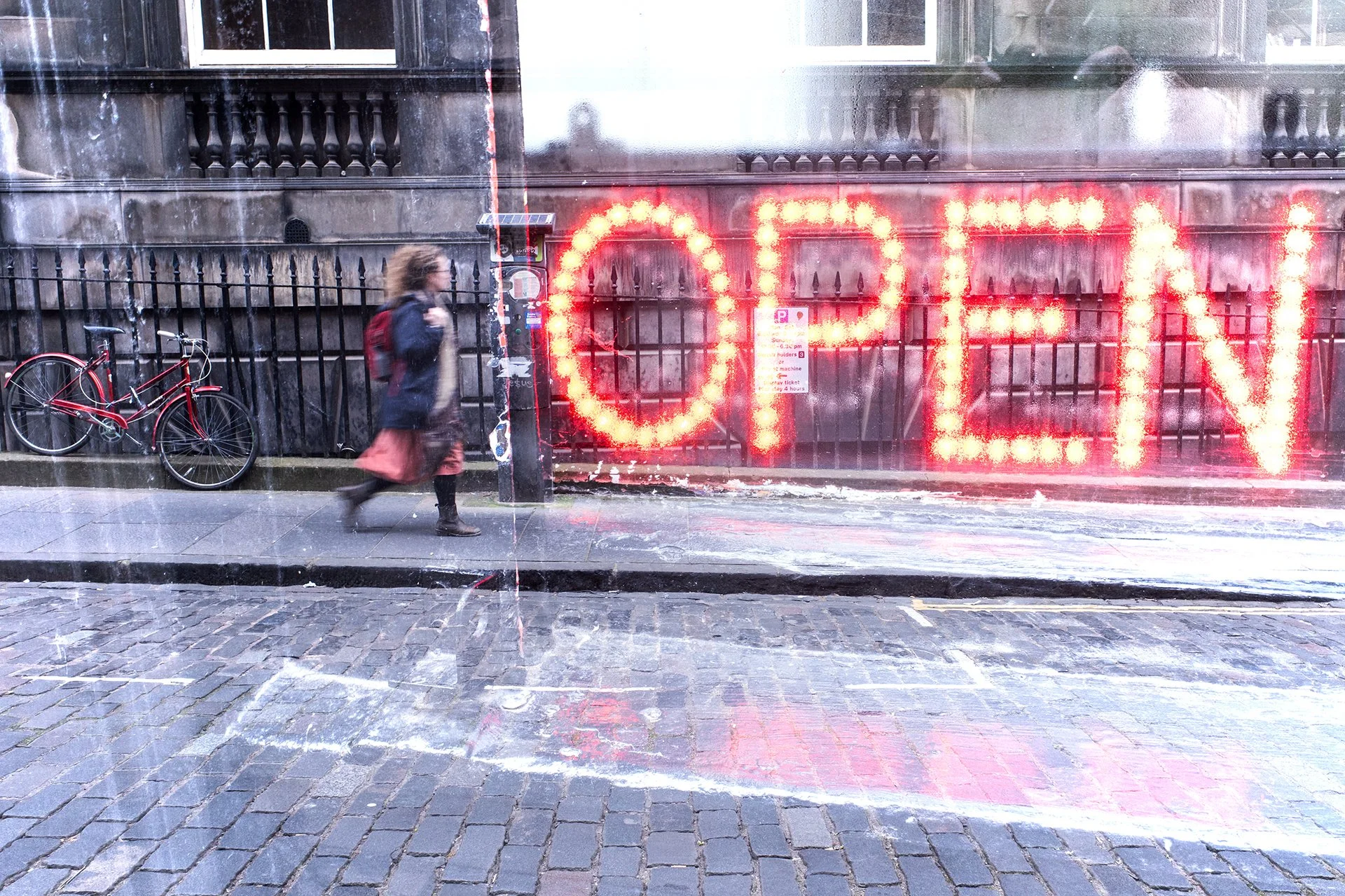
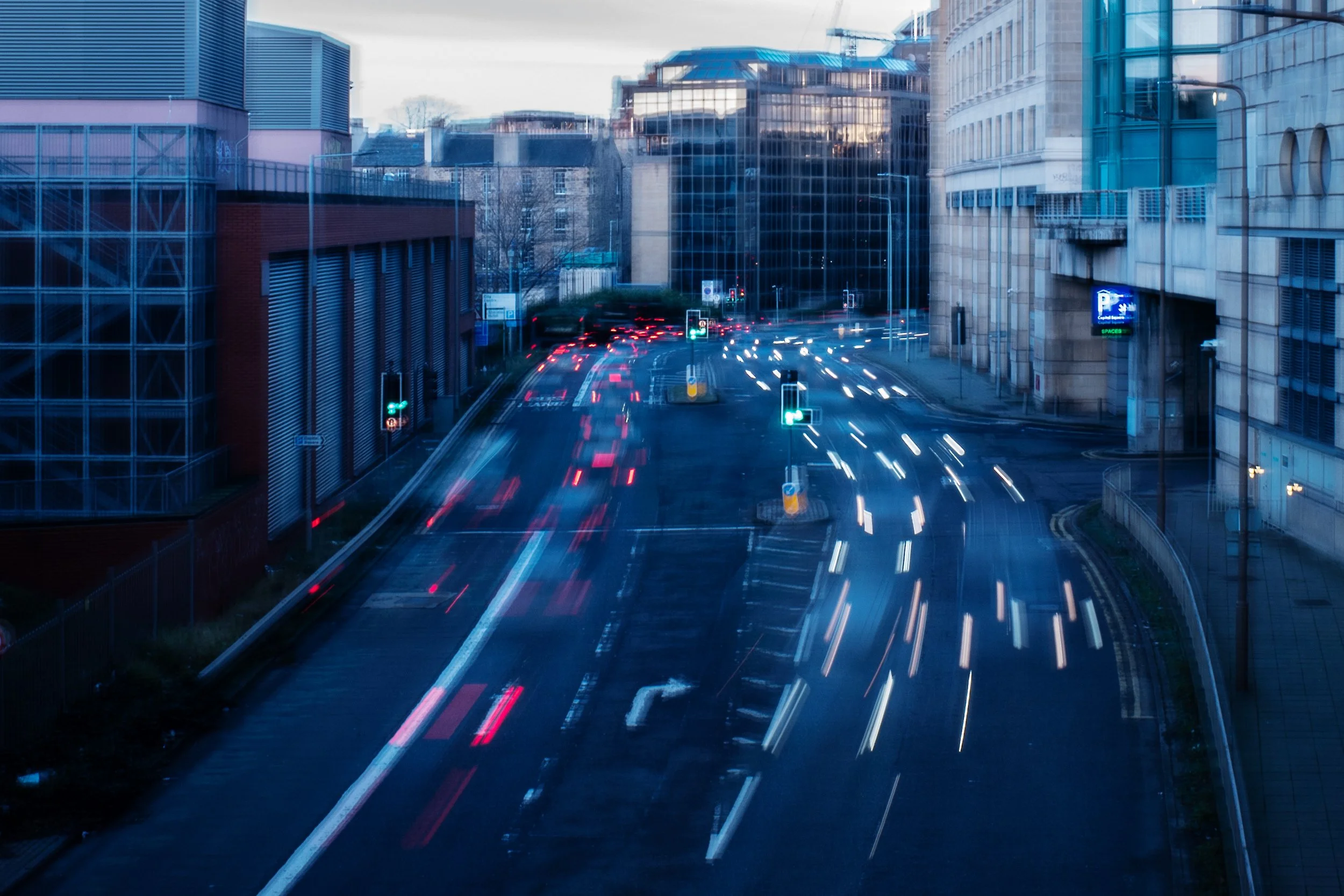
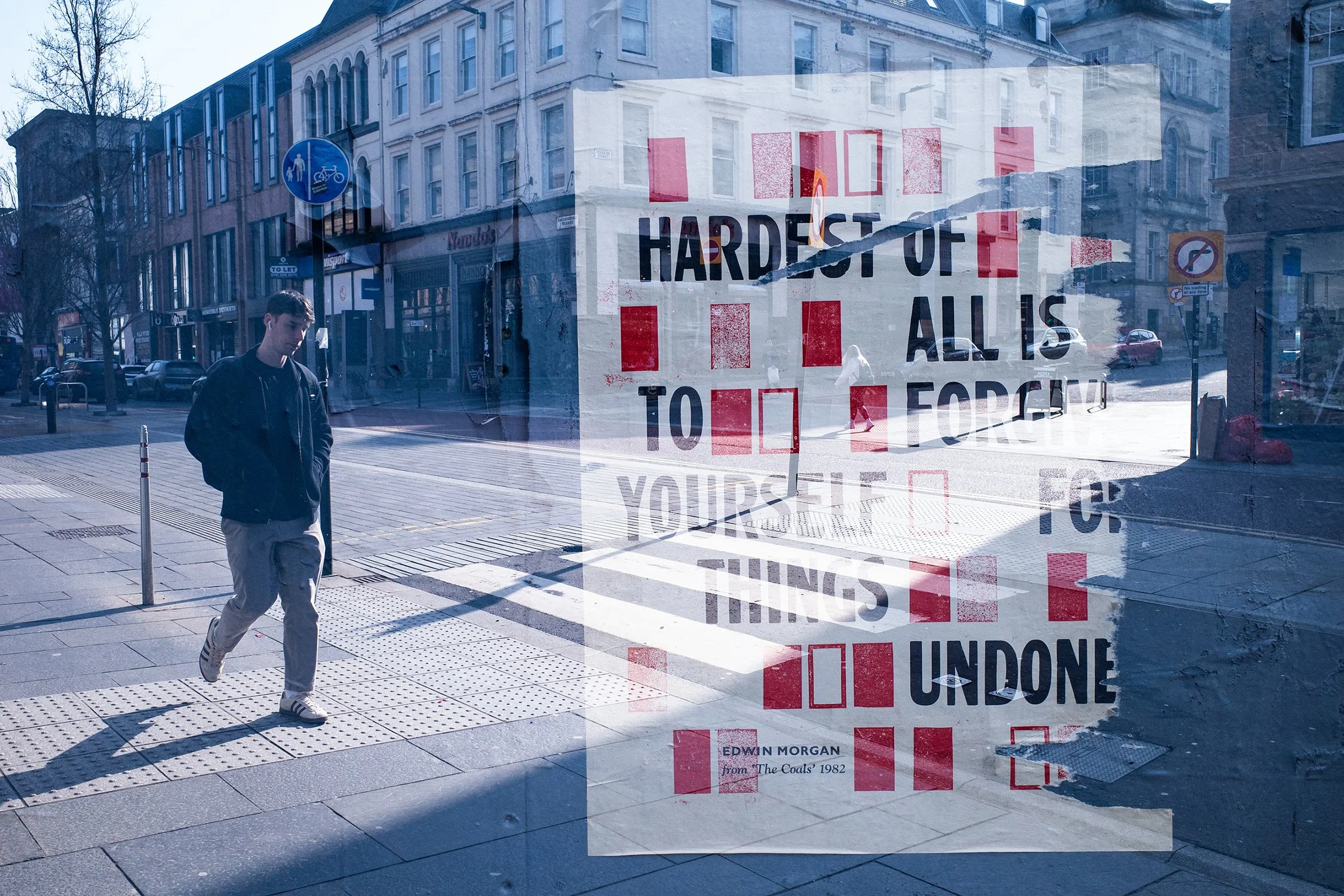
I have been experimenting with in camera multiple exposure using a Ricoh GR III camera. Scenes seen simultaneously and combined in one frame to explore moments of intertwined reality with only a few seconds between each shot. Much of the project is about space and placement of elements within the one frame. This resonates with the way we allocate time and space in our daily lives to create our whole social structure.

ADAM KING
-
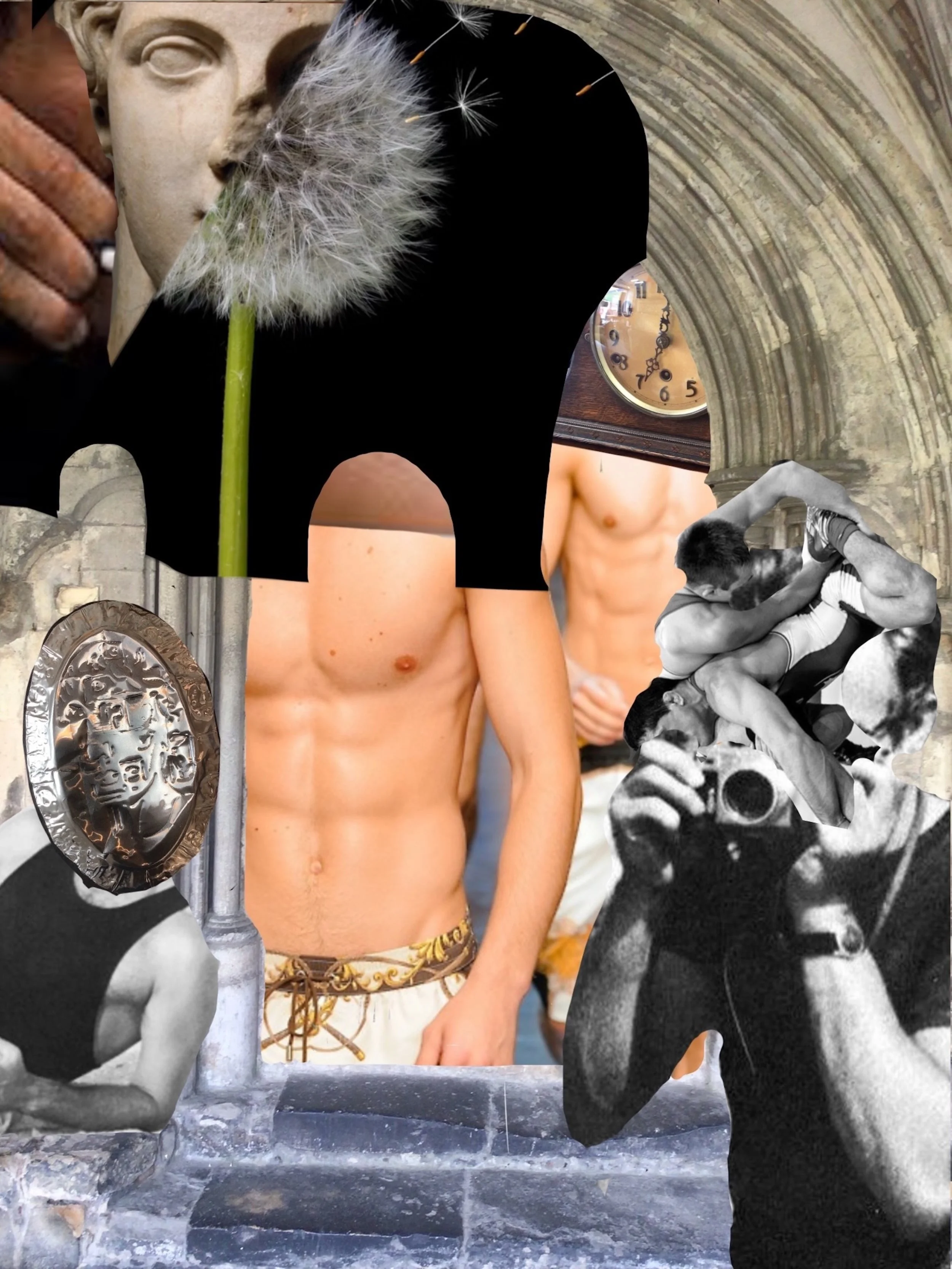
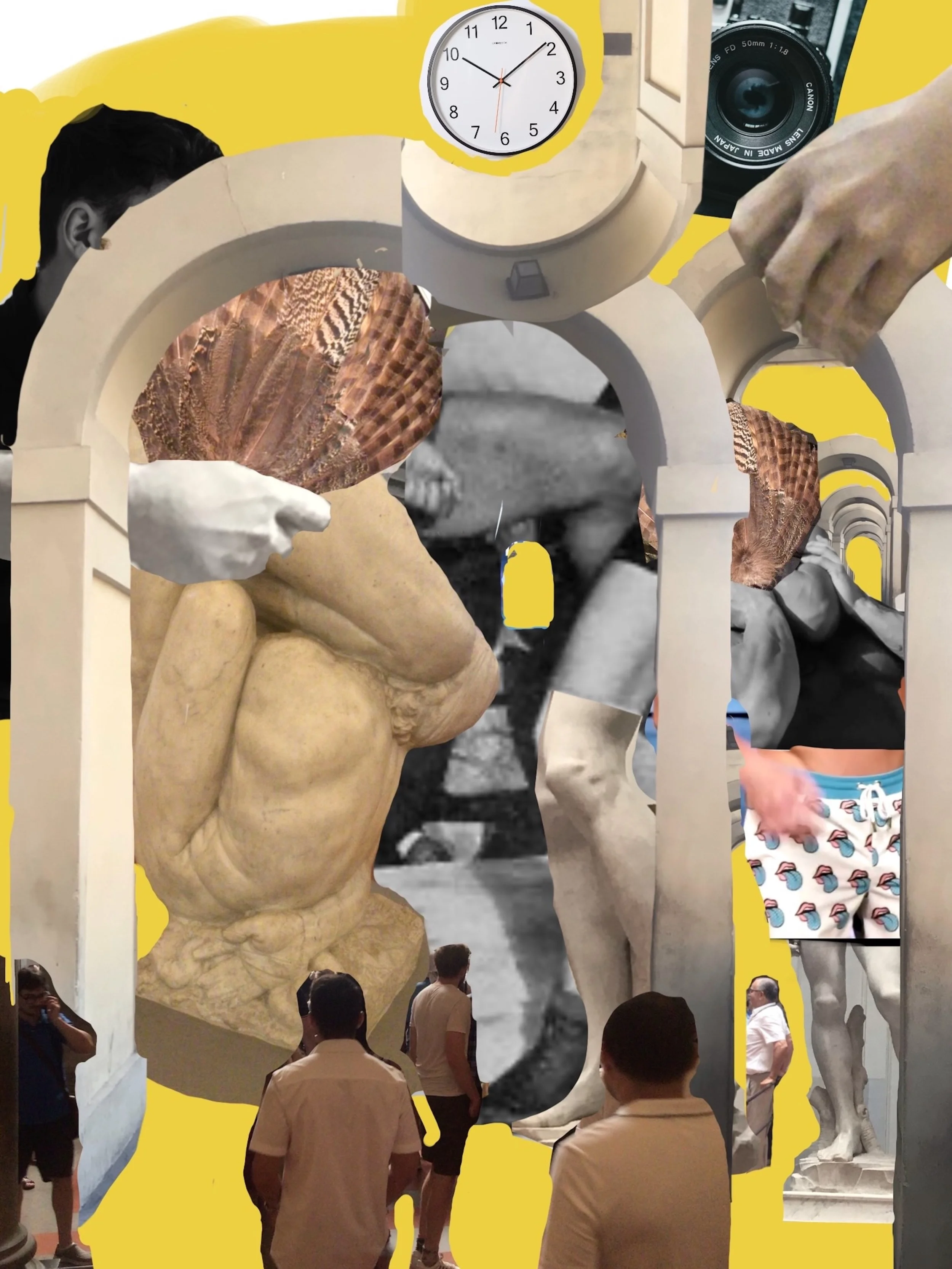
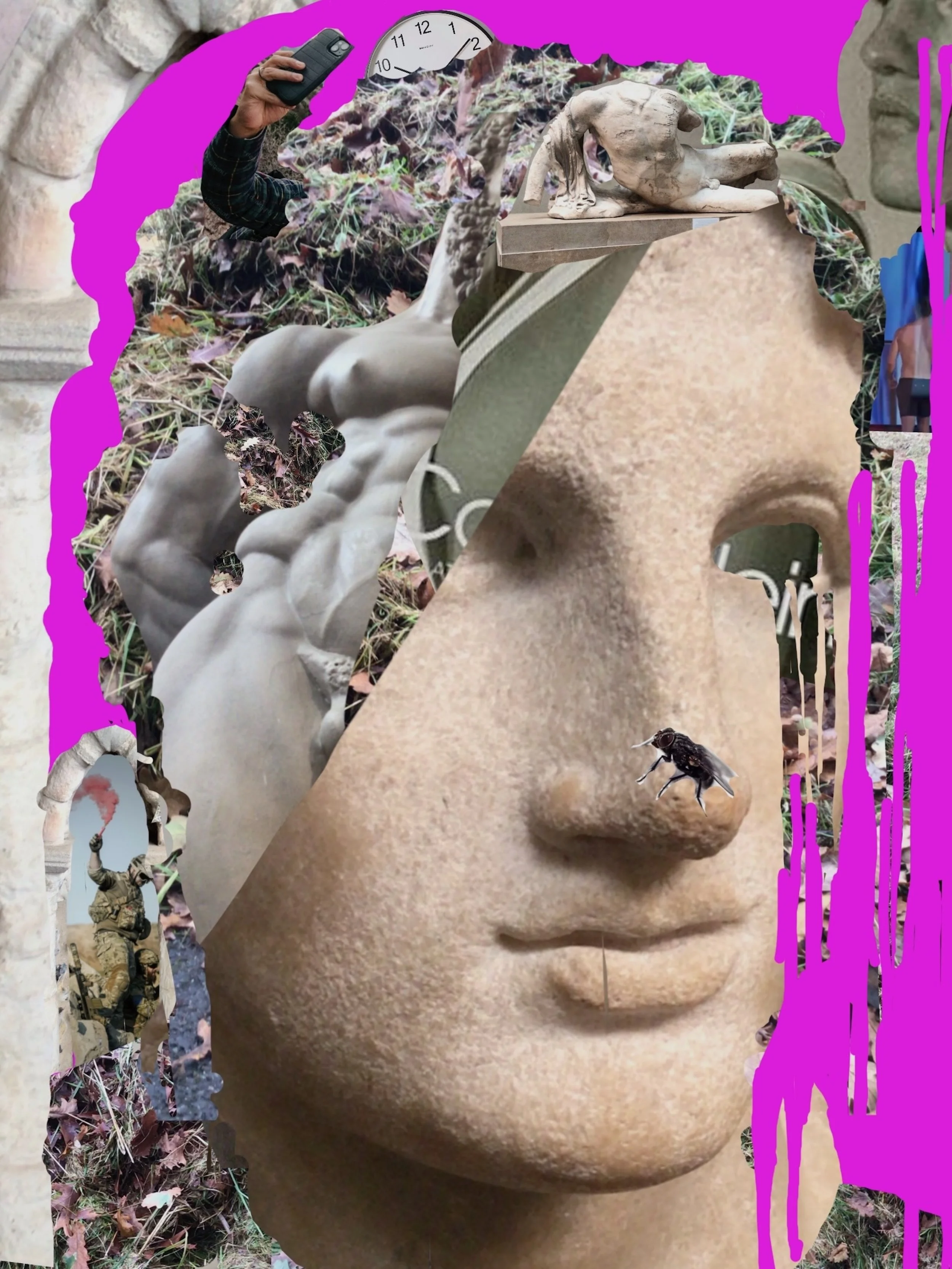
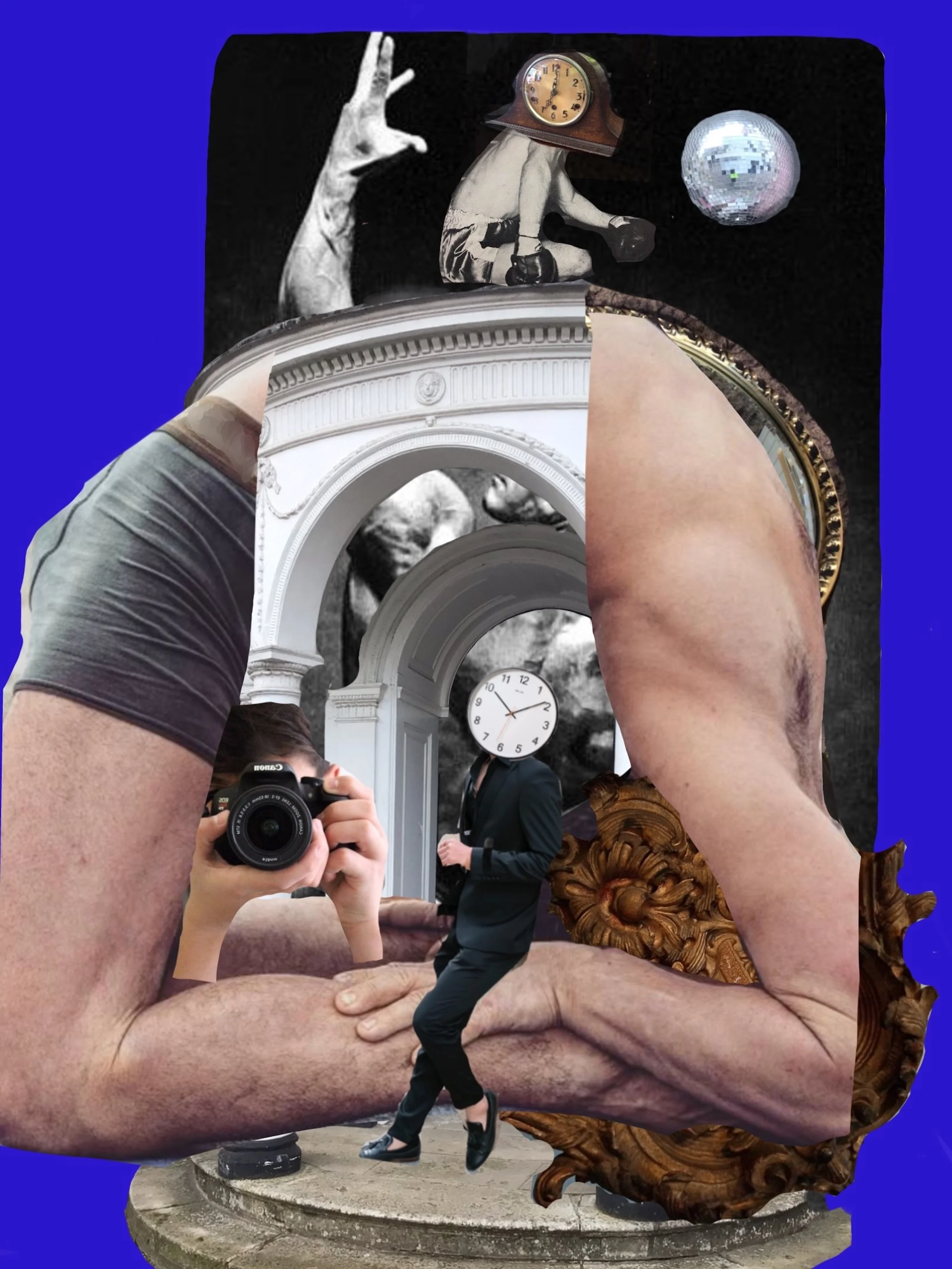
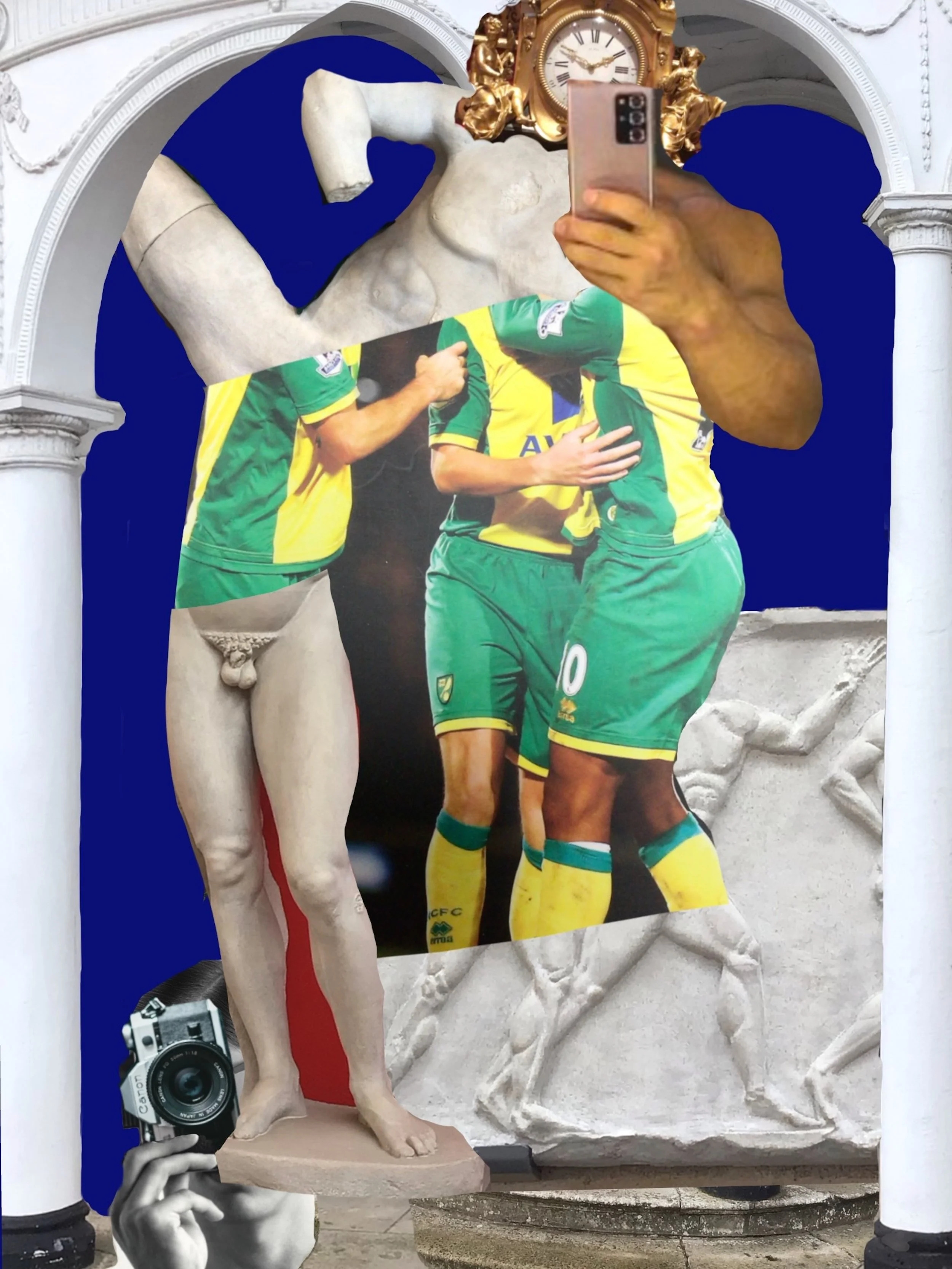
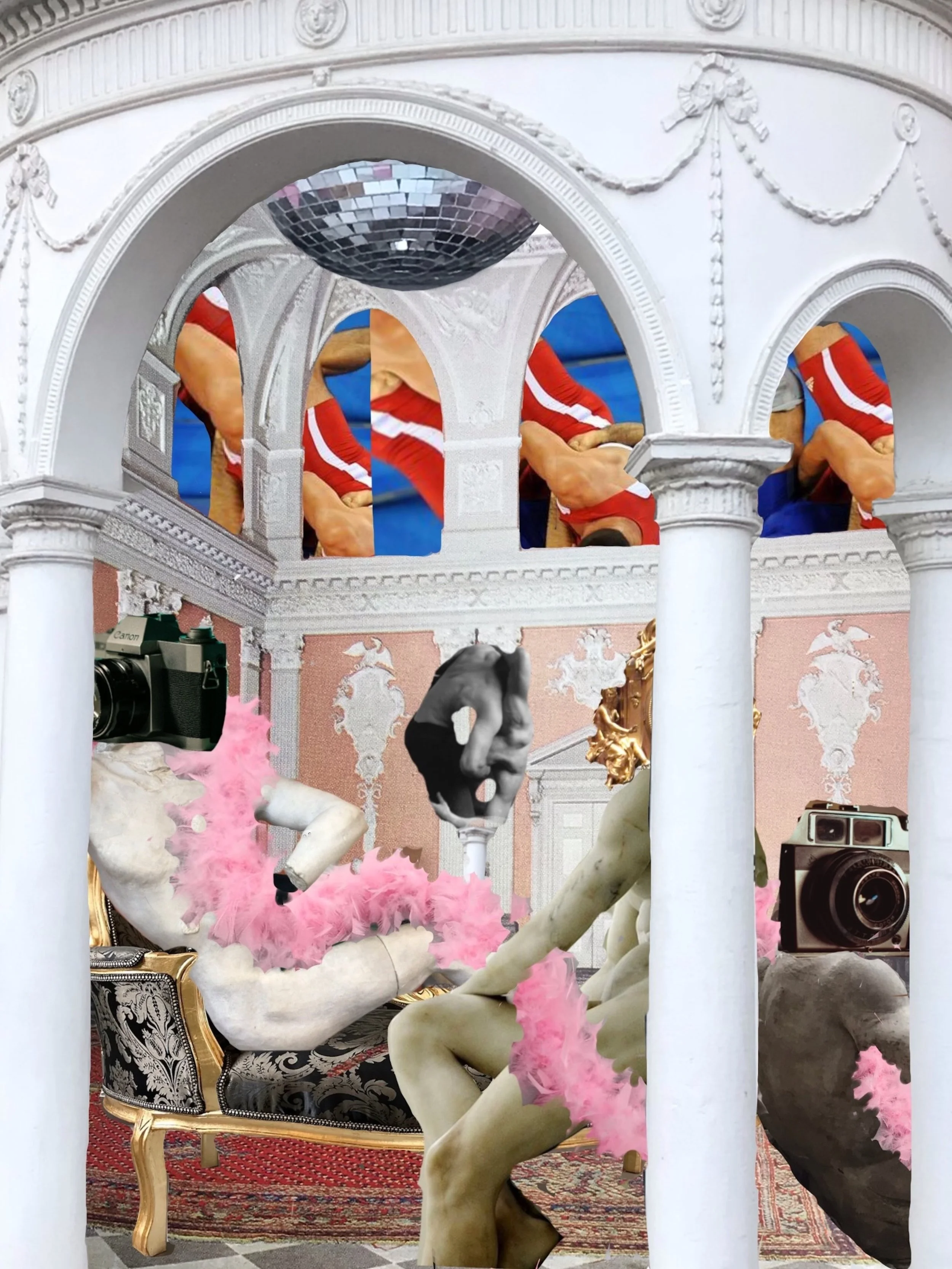
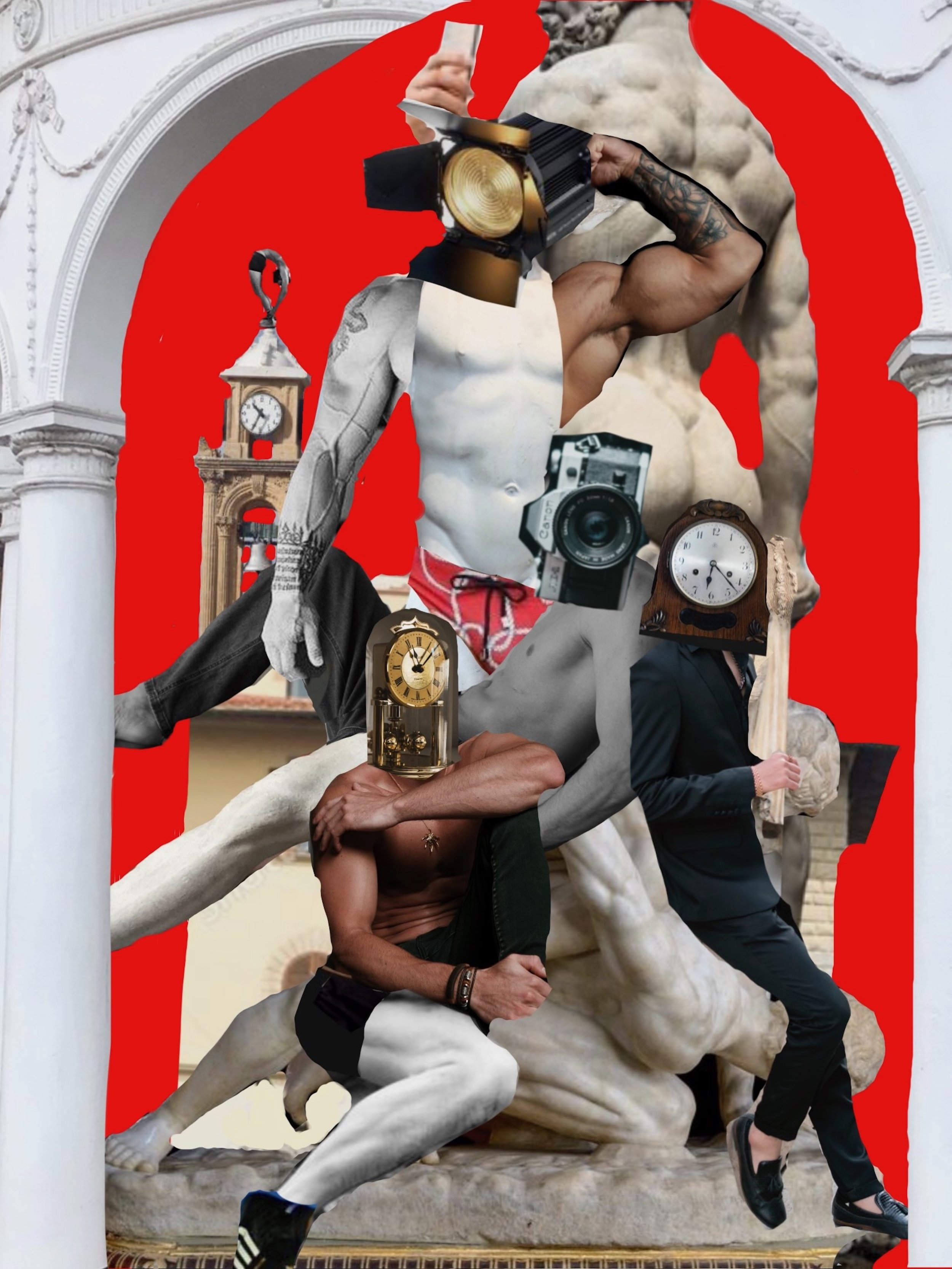
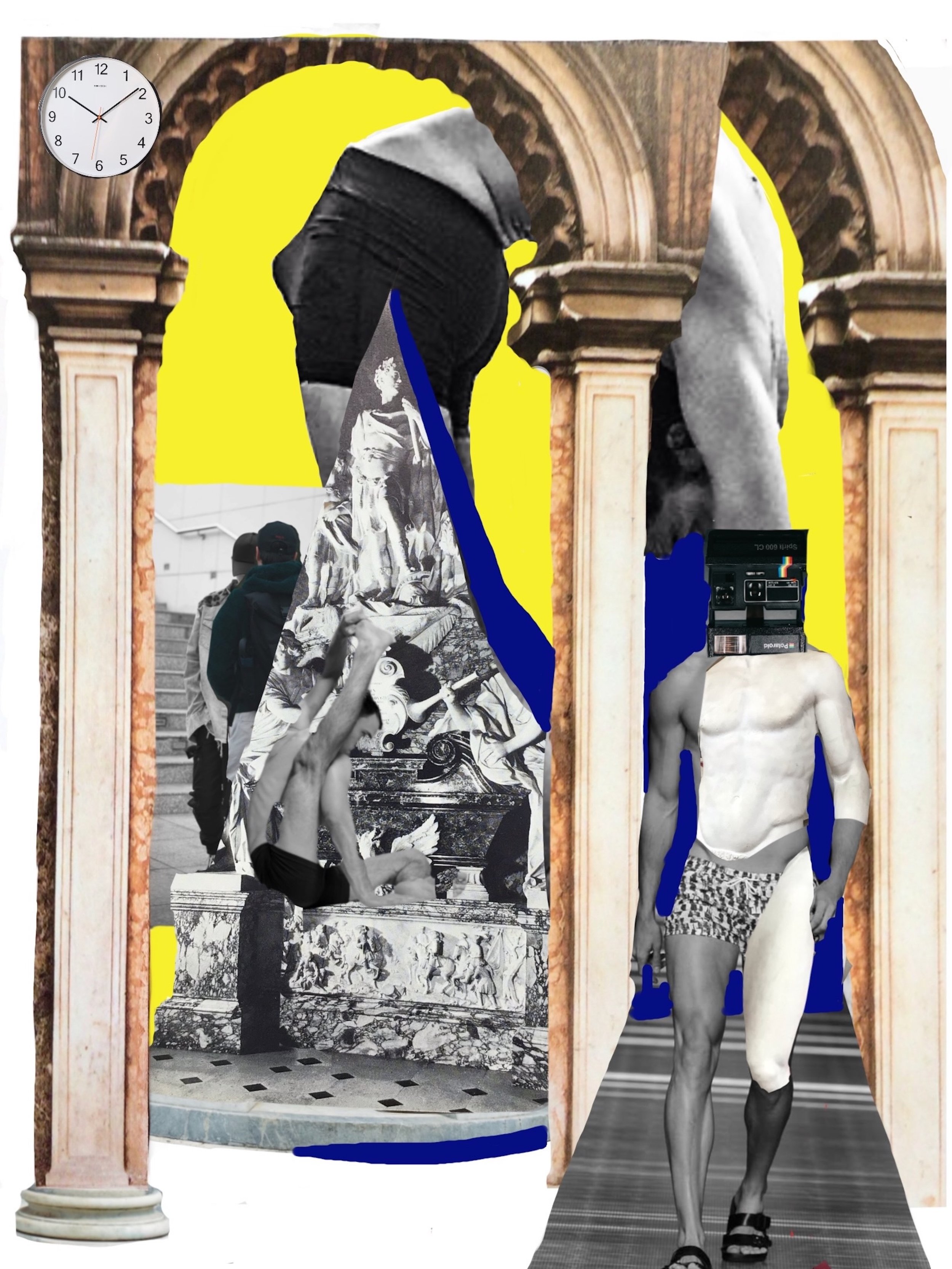
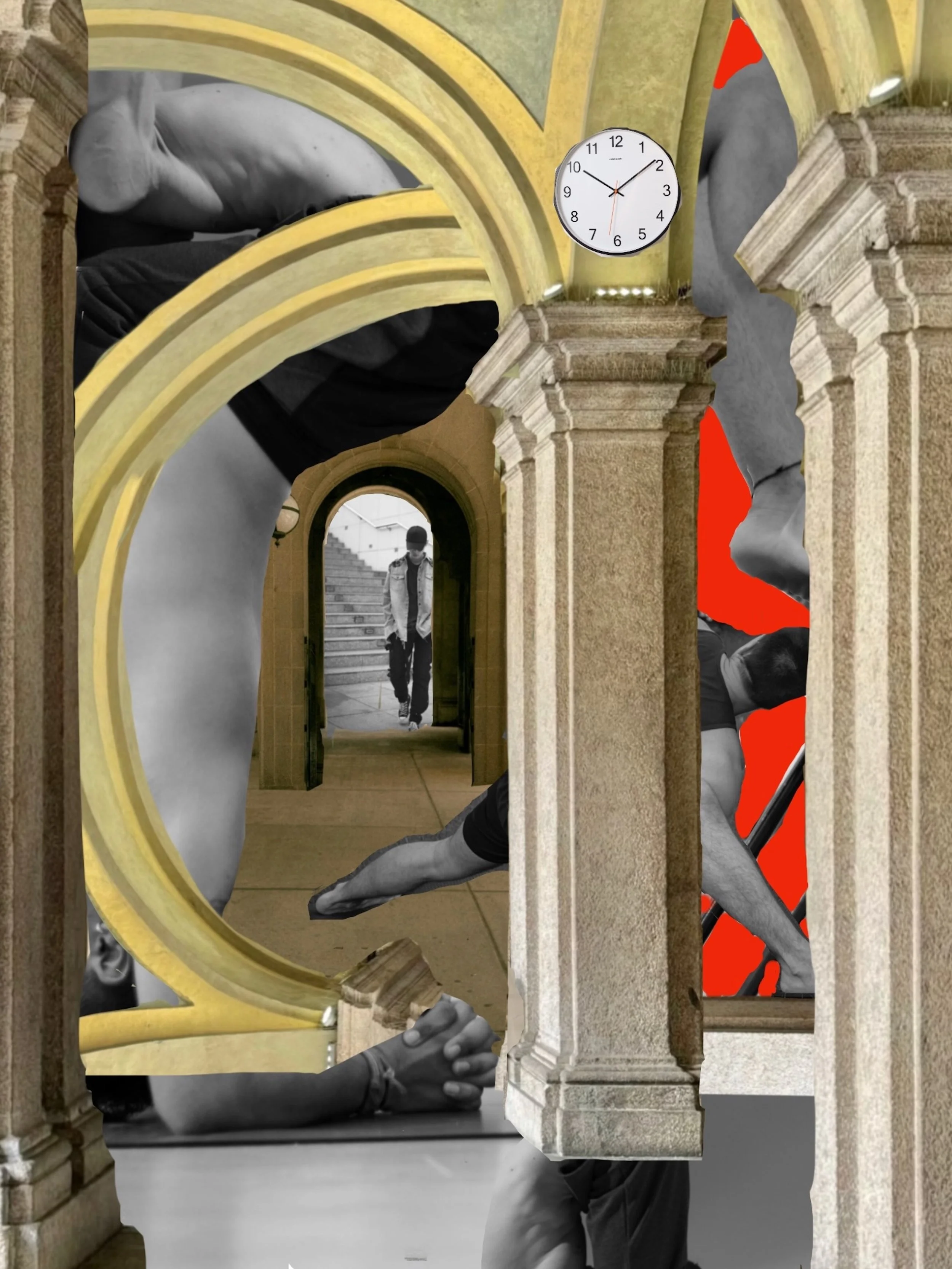
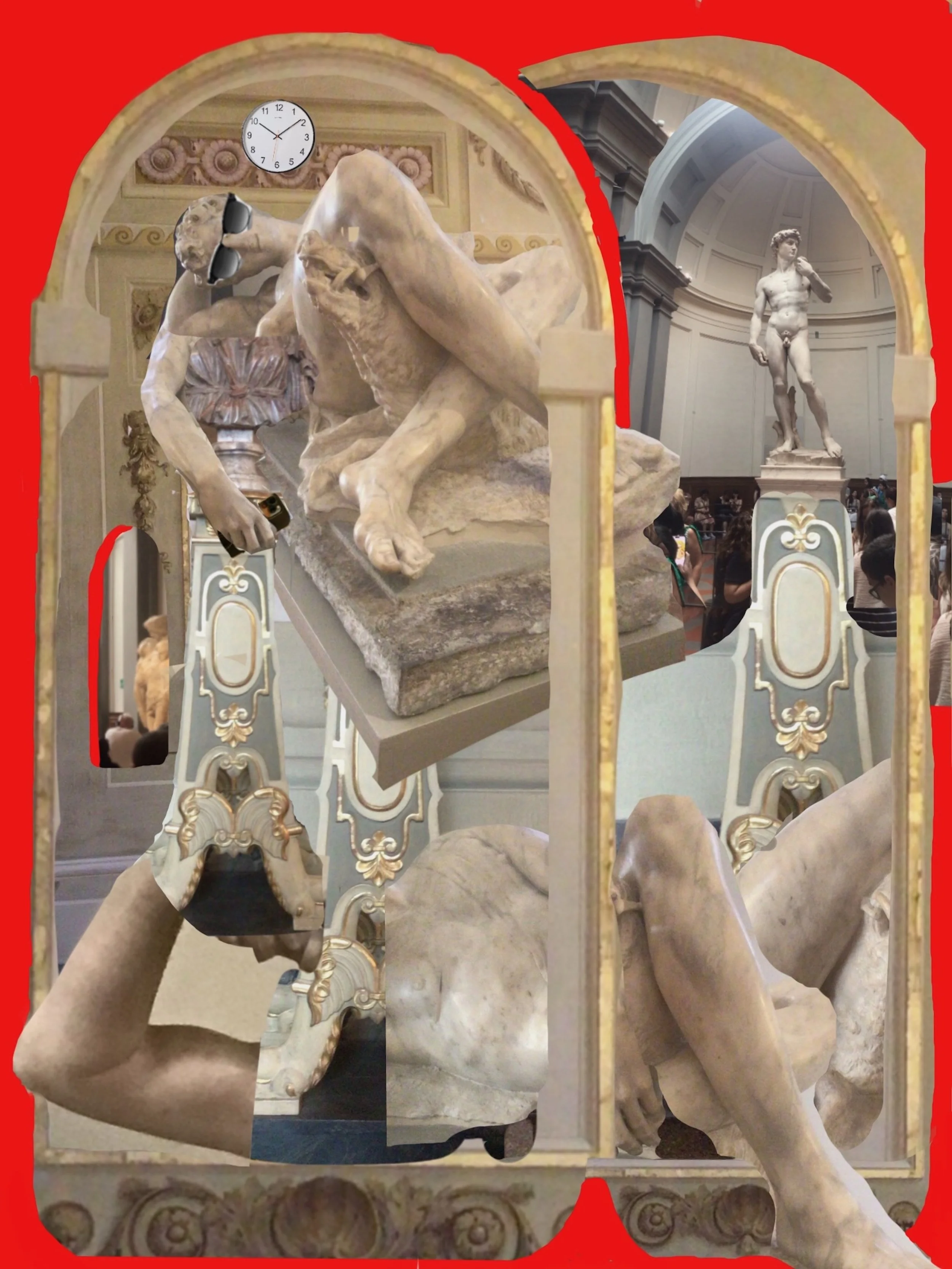
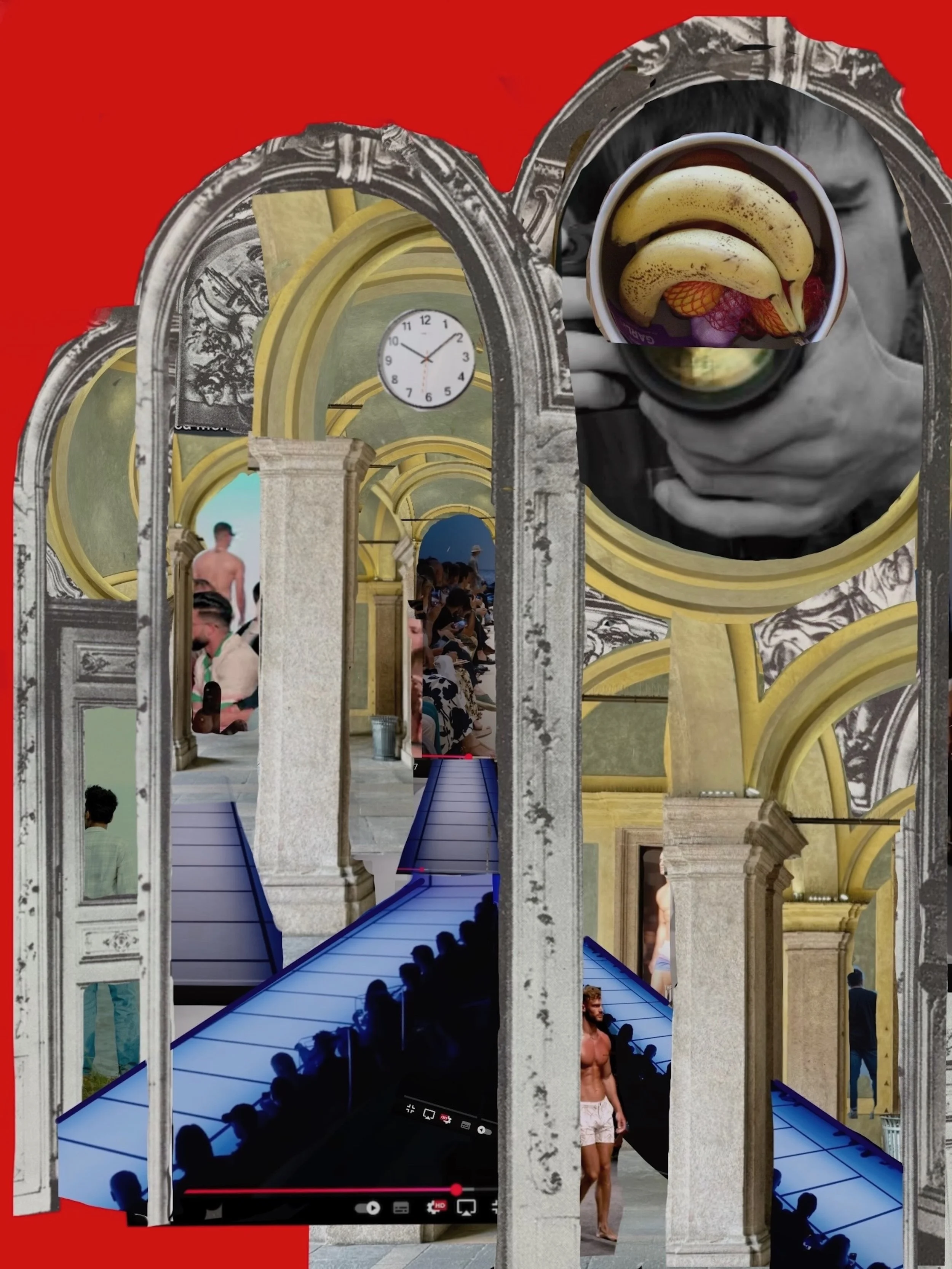
In these digital montages, classical imagery from antiquity merges with contemporary pop culture, creating a dialogue between past and present.
Symbols of a traditional, idealized masculinity are recast in fractured vistas, including Greek gods, models, and wrestlers sourced from museums, the internet and magazines. Digital software is used to cut, layer, and reposition imagery, leaving contours intentionally rough and transitional, while recent drawings employ bleach applied with bamboo sticks.
A surreal sensibility and wry humour invest the resulting scenarios with subverted perspectives.
A group of male tourists-perhaps on a stag do-pose on statuary, their heads replaced by clocks and cameras, symbolizing the relentless passage of time and the omnipresence of surveillance. The figures stare back out of the frame, meeting the gaze of the viewer. The work After hours draws on a range of classical and neoclassical references. Its restrained atmosphere cultivates a sense of ambiguity, while elements such as the feather boa and chaise lounge introduce softness and coded femininity. In the upper section, architectural forms frame and fragment the wrestlers’ bodies, producing an abstract frieze, while two other wrestlers recede into the background, their intertwined forms reconfigured as a modernist sculptural configuration.
Kumar Bishwajit Sutradhar
-
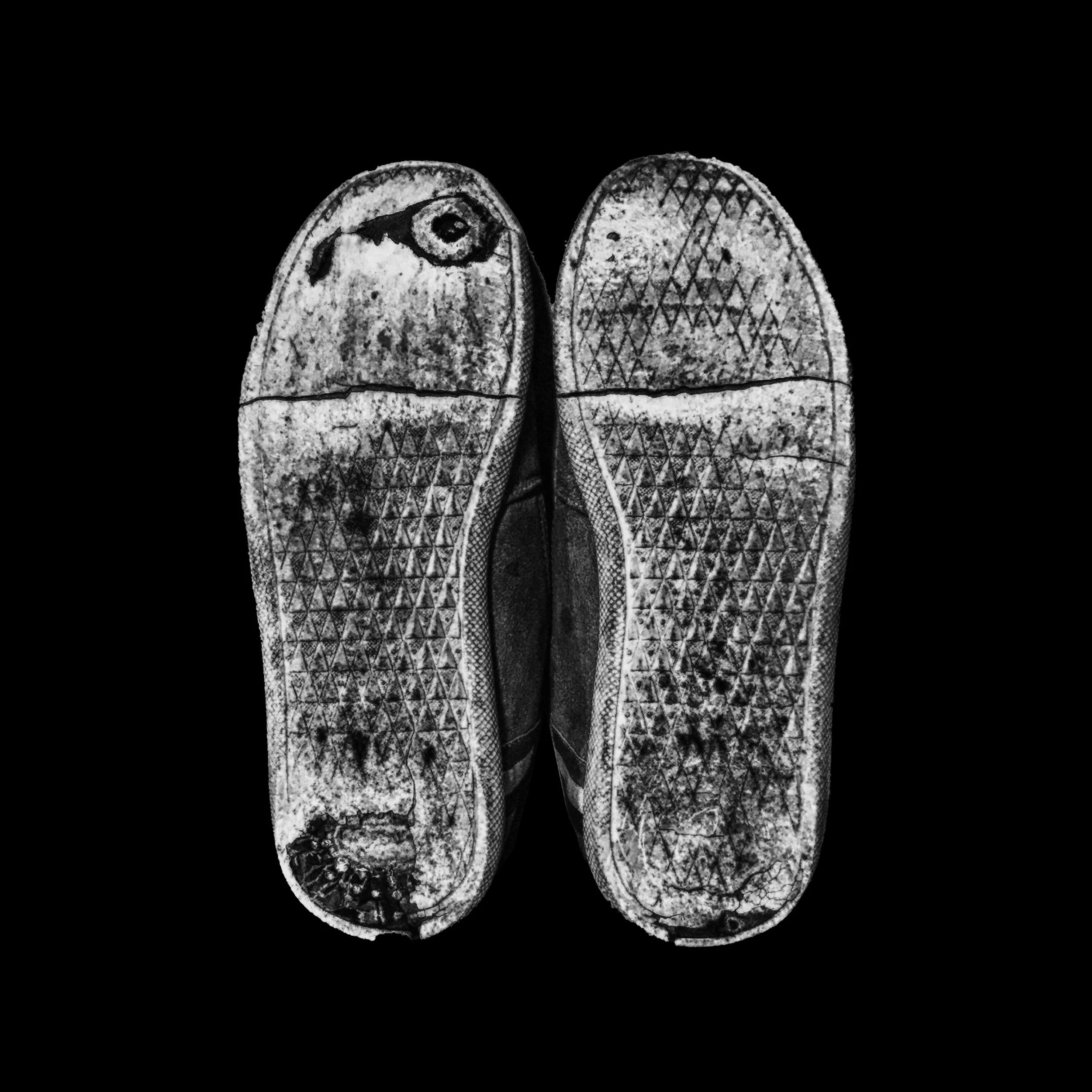
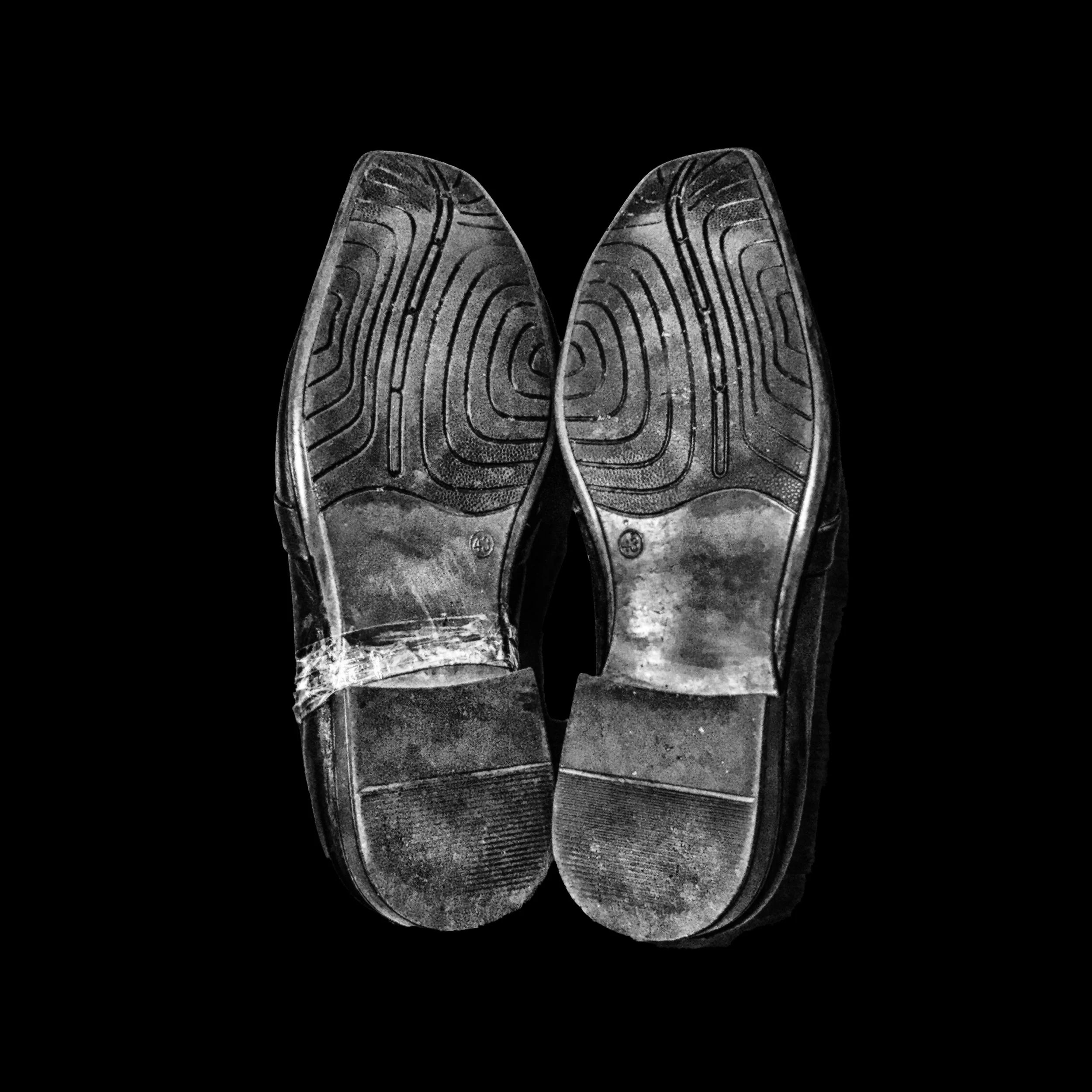
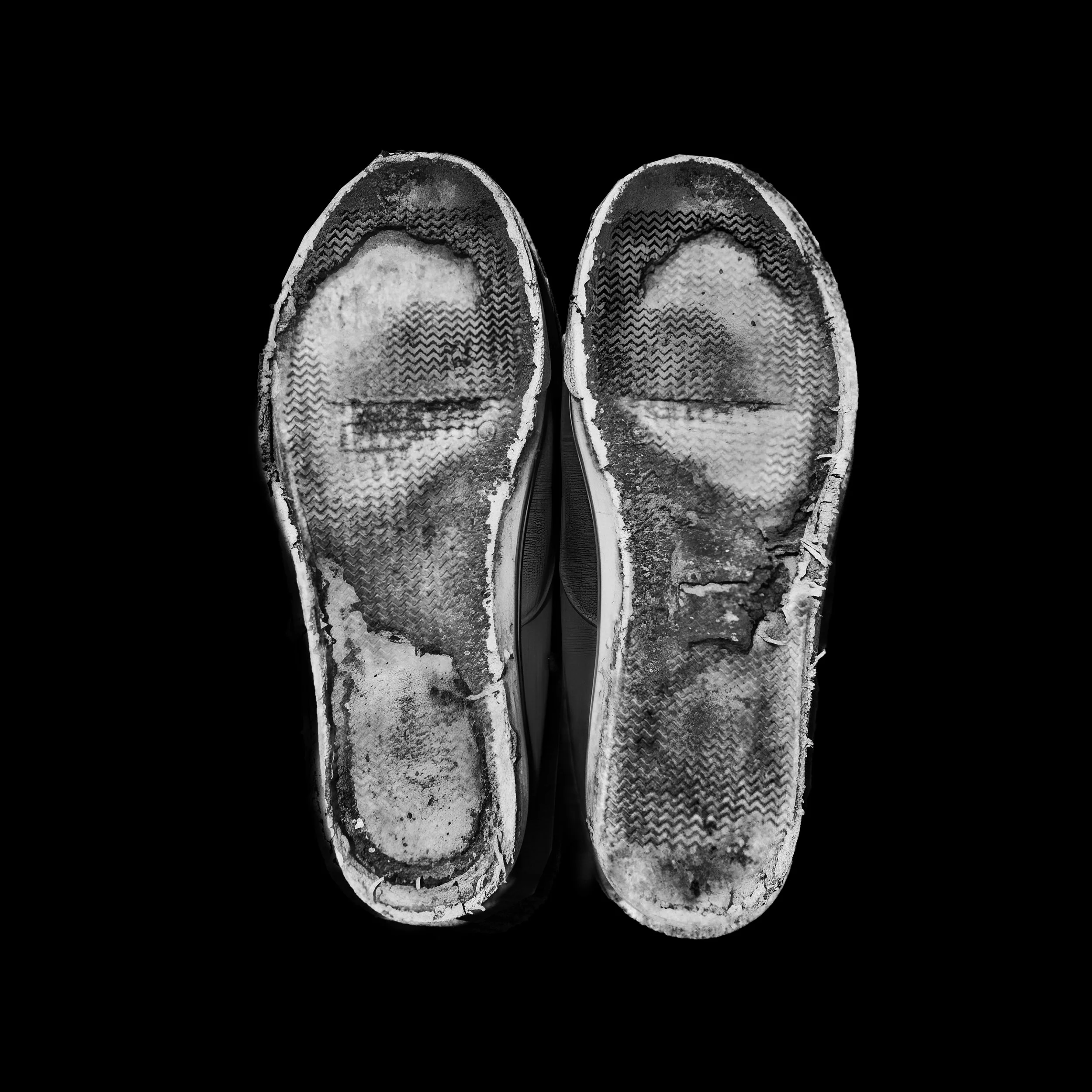
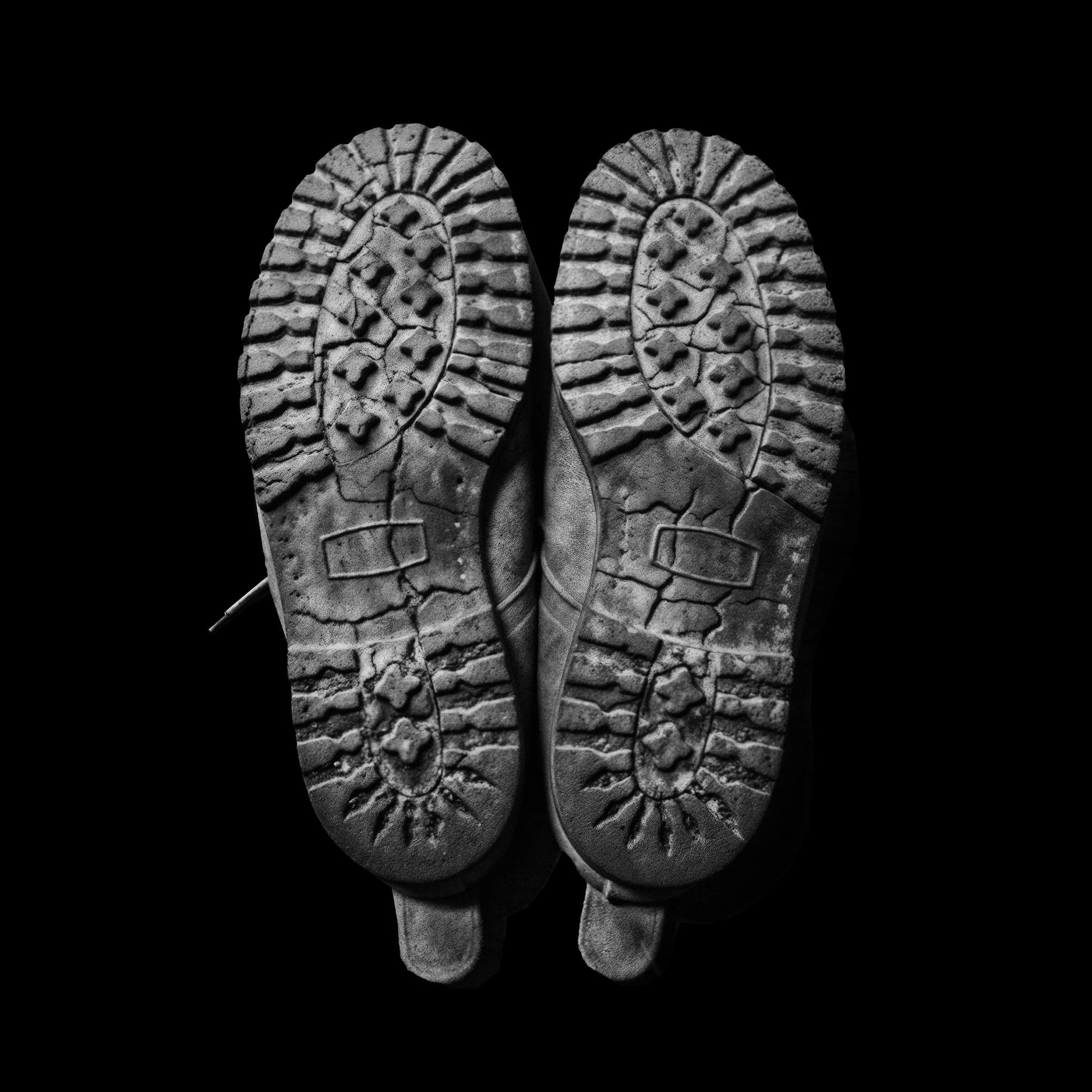
This series is an archive created without intention to archive. It is made not of photographs, but of the objects that carried me toward them.
Over seven years, I wore seven pairs of shoes — walking and hiking across kilometers of terrain in Australia. From desert heat to mountain peaks and valleys, through forests and along beaches, down alleys and across city streets, I chose walking as my primary way of moving through places. Not out of necessity, but as a method.
I walked to slow myself down, to observe, to sense the rhythm of everyday life. Before I photographed people, I walked among them. Before I framed stories, I learned their pace.
Each pair of shoes in this series carries the marks of that process. The wear on the soles is uneven, broken, and eroded differently — shaped by terrain, climate, routine, and time. Together, these seven pairs form a quiet archive of distance, attention, and lived experience. There are no maps here, no measured routes, no counted steps. Only evidence.
Seven Pairs is a personal record of how photography begins long before the camera is raised. It is shaped by walking, by looking, and by choosing proximity over speed.
The ground remembers what the body forgets — and these soles hold the memory of years spent learning how to see.



Yoanna Walden
-
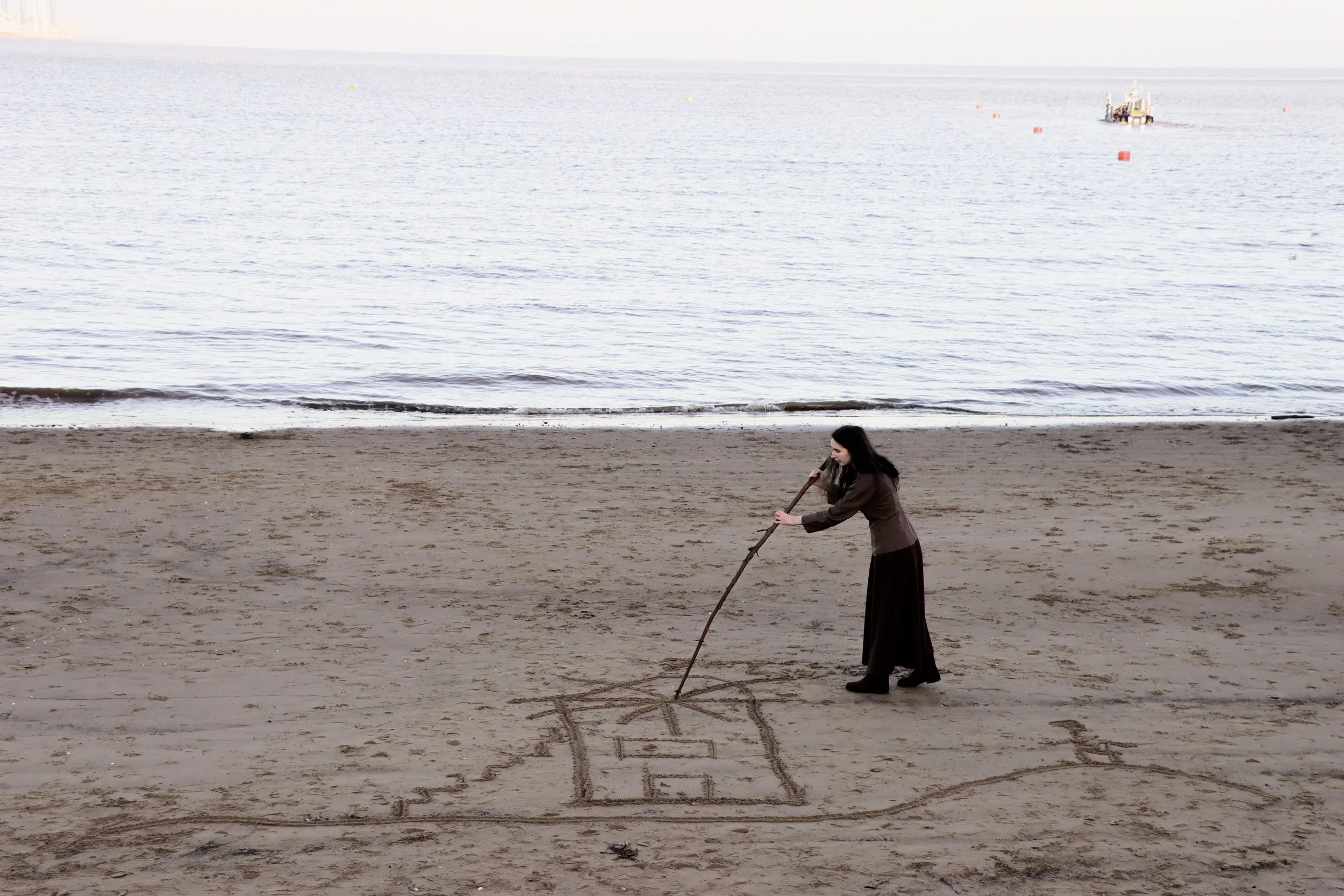
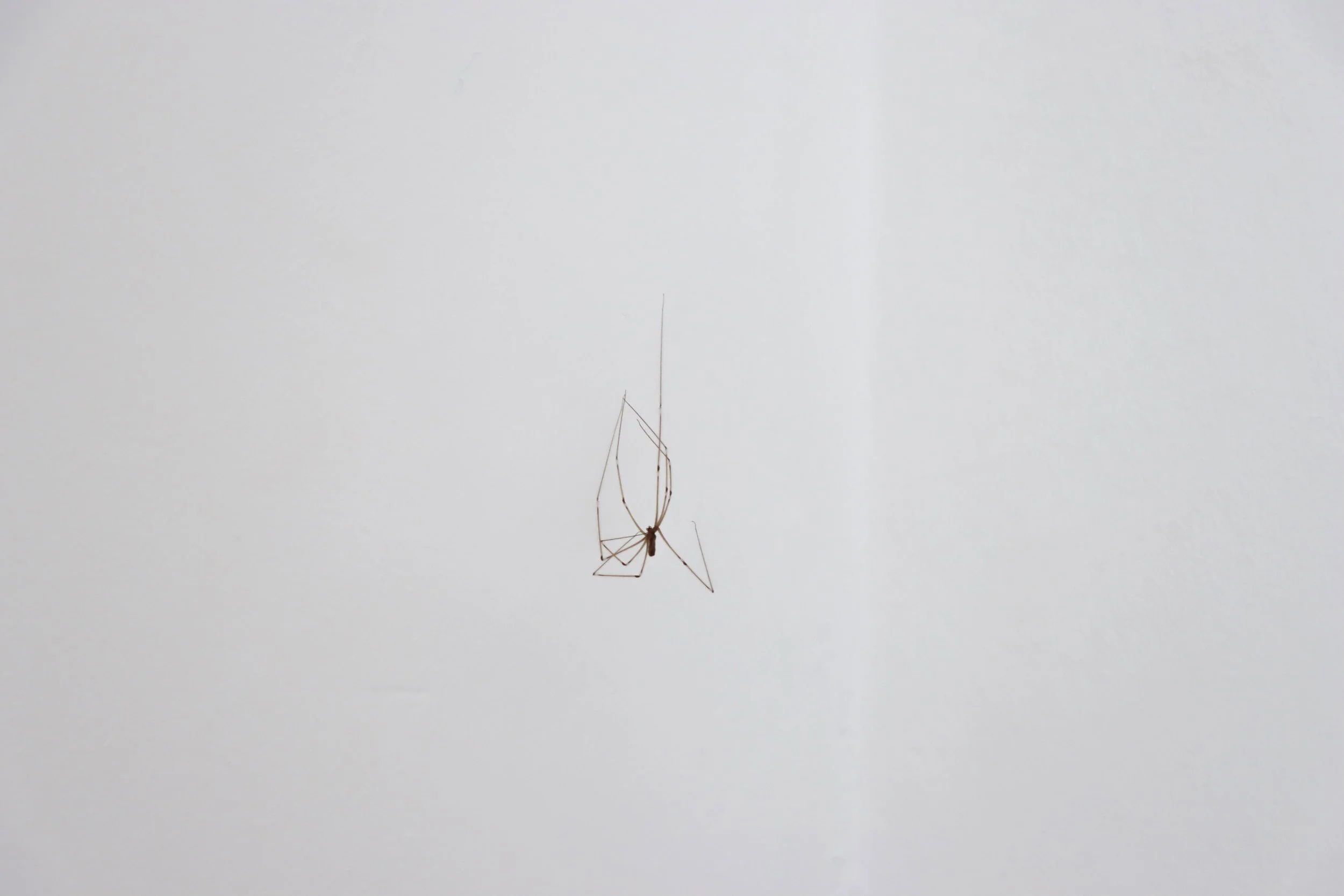
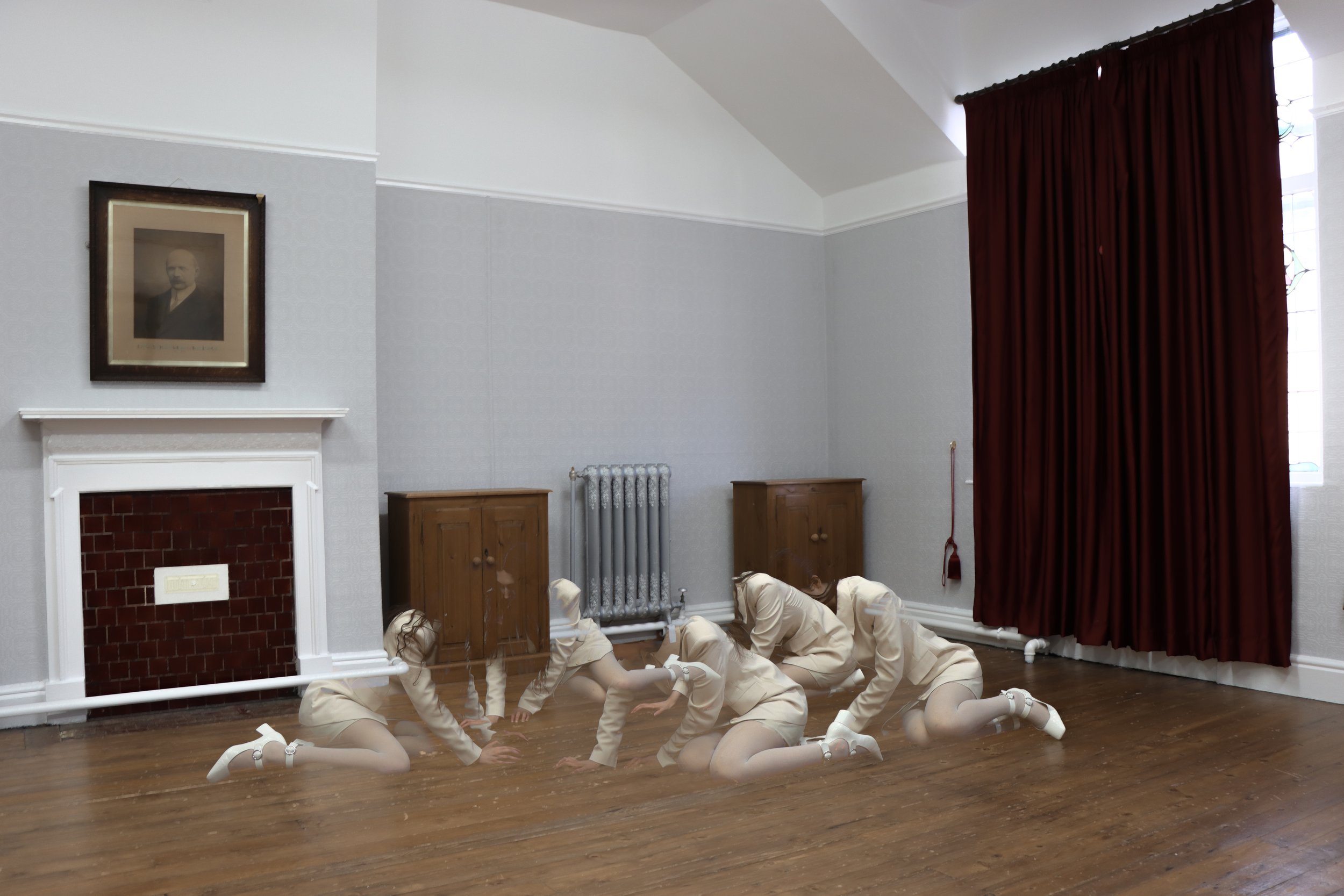
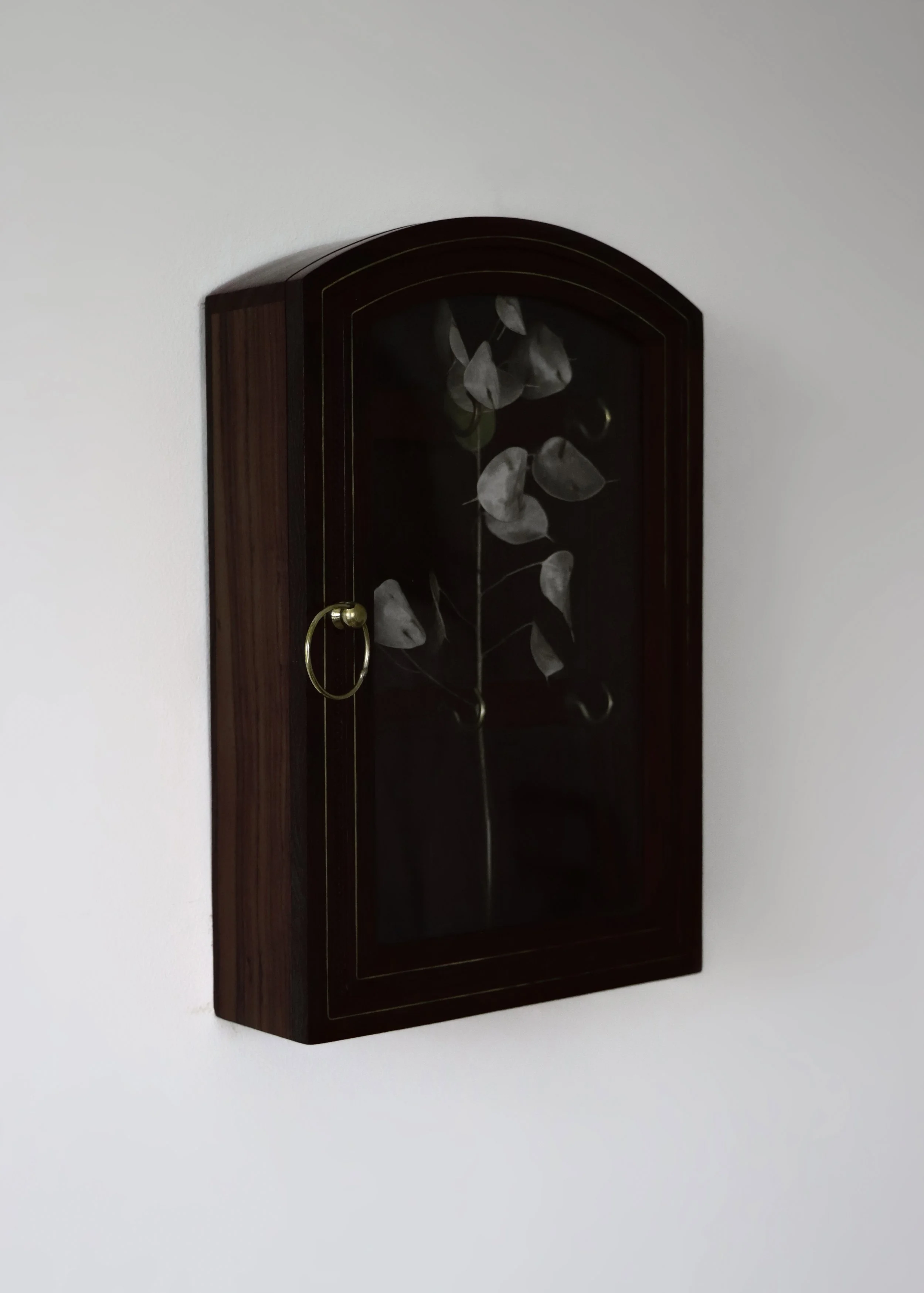
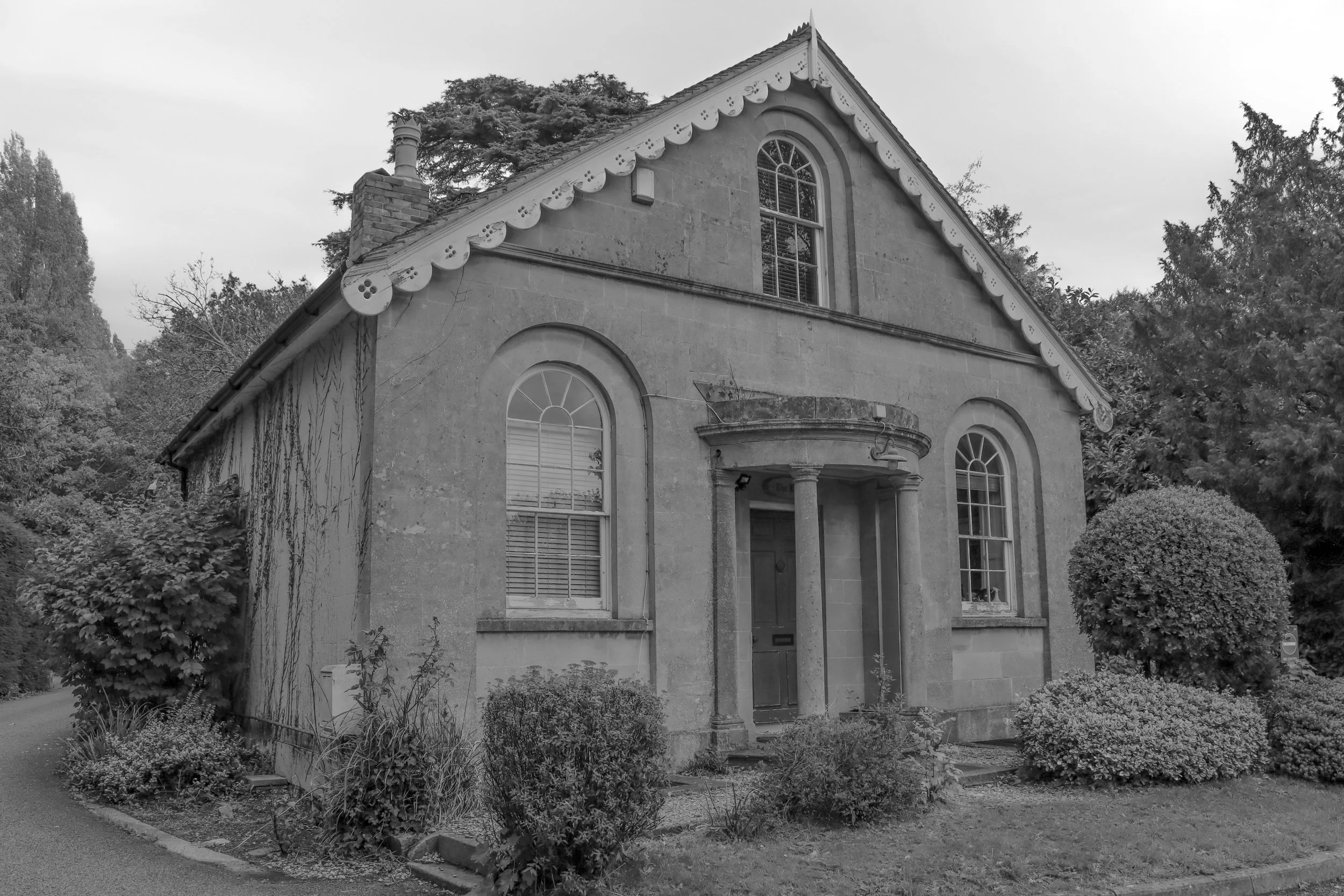
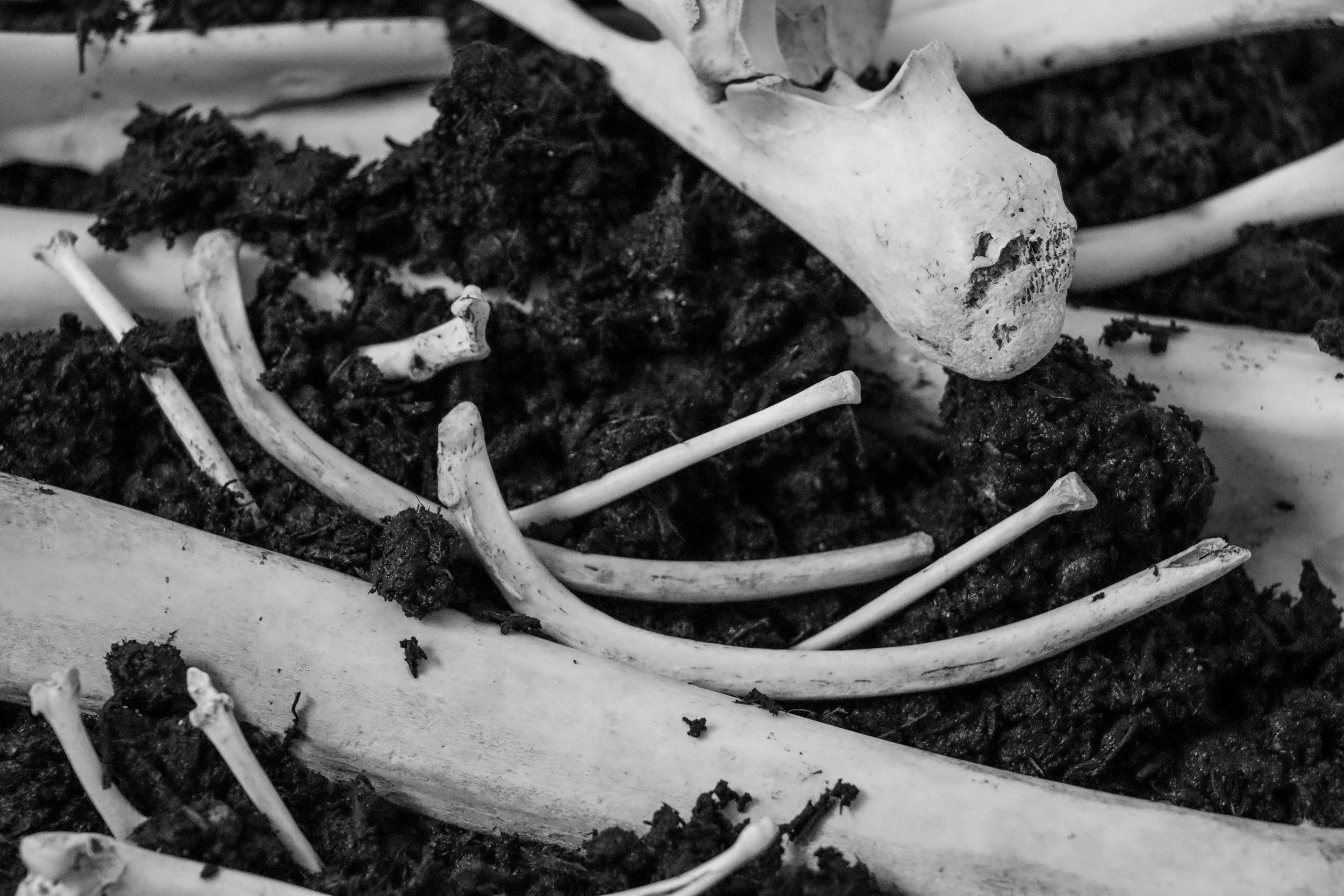
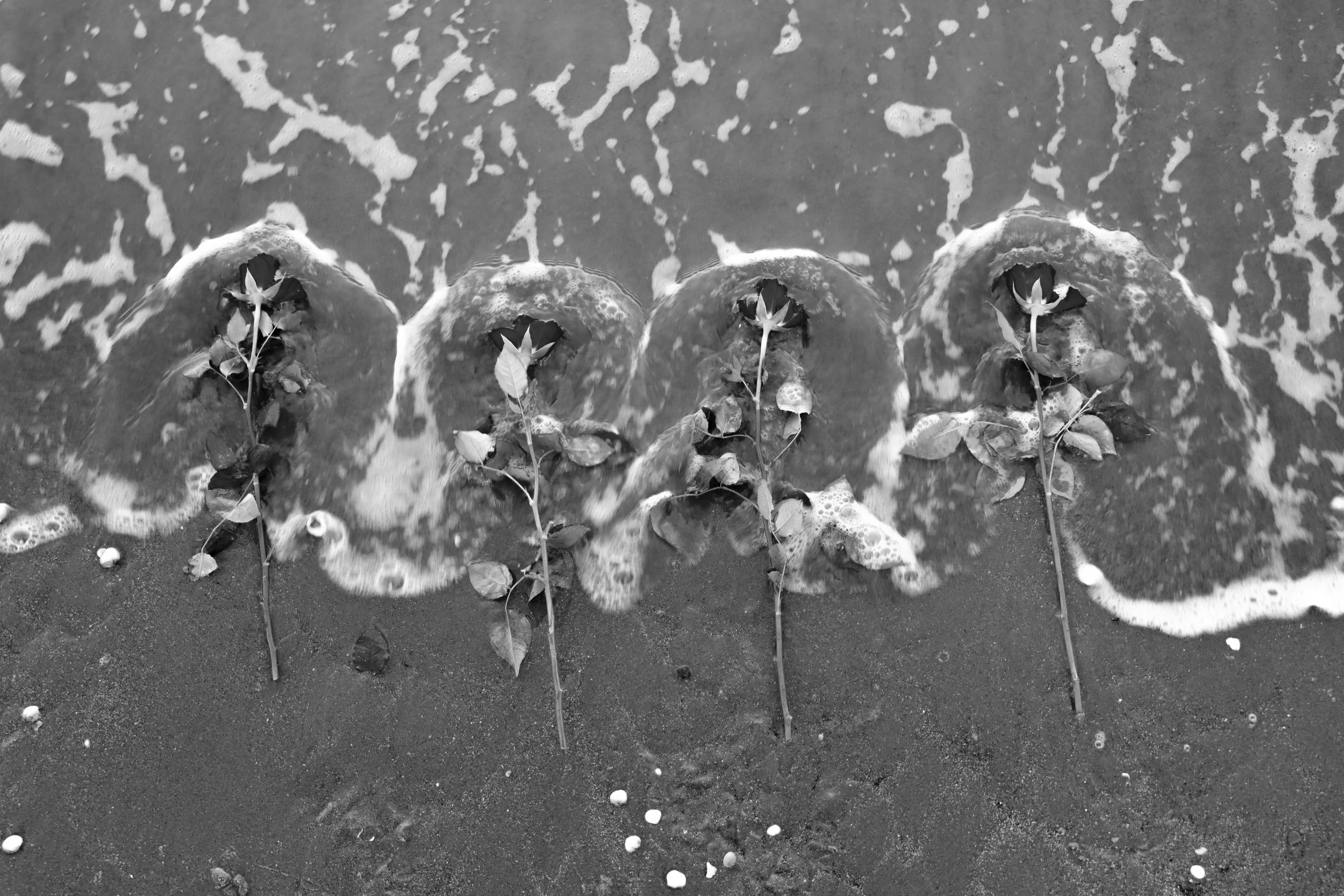
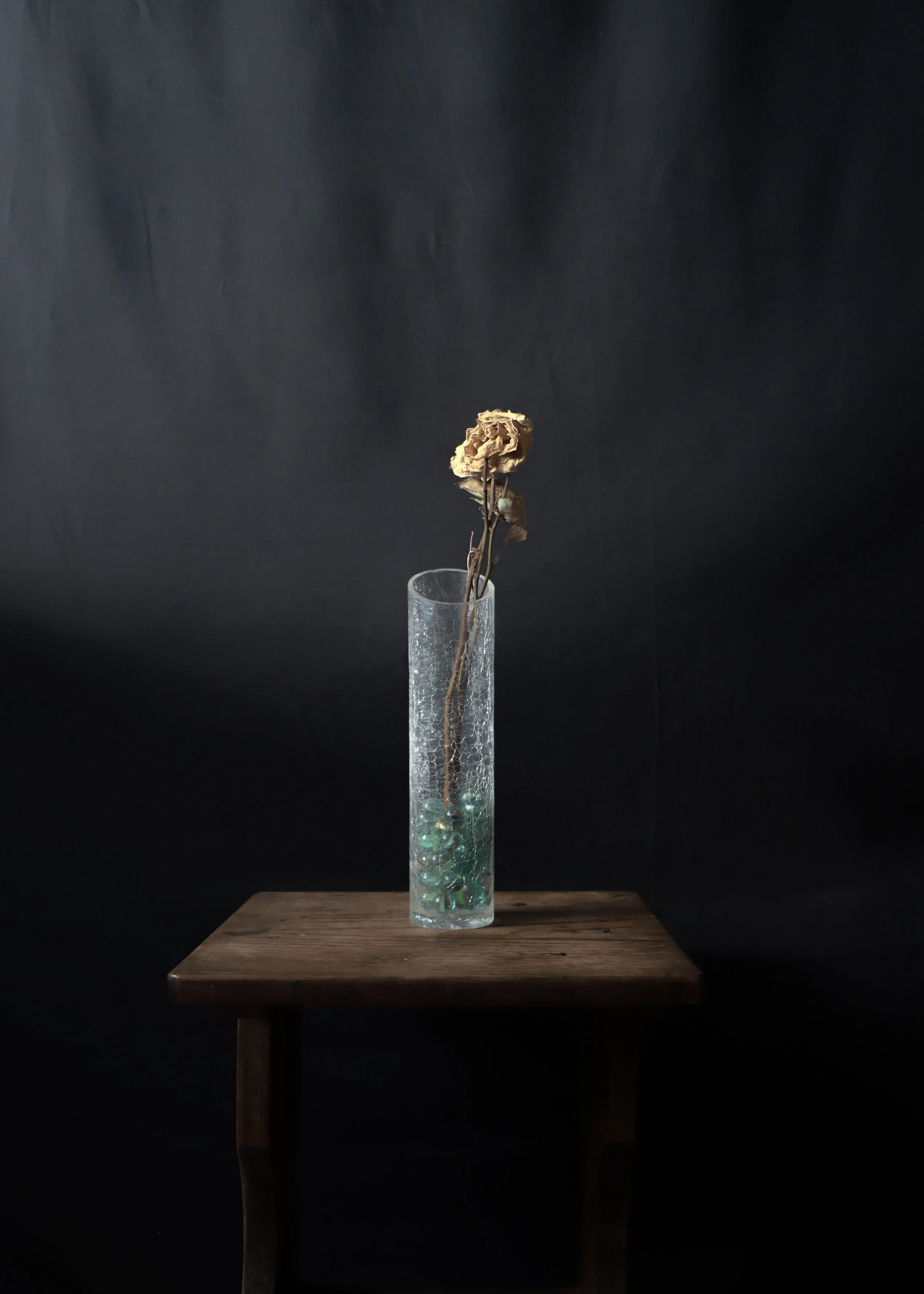
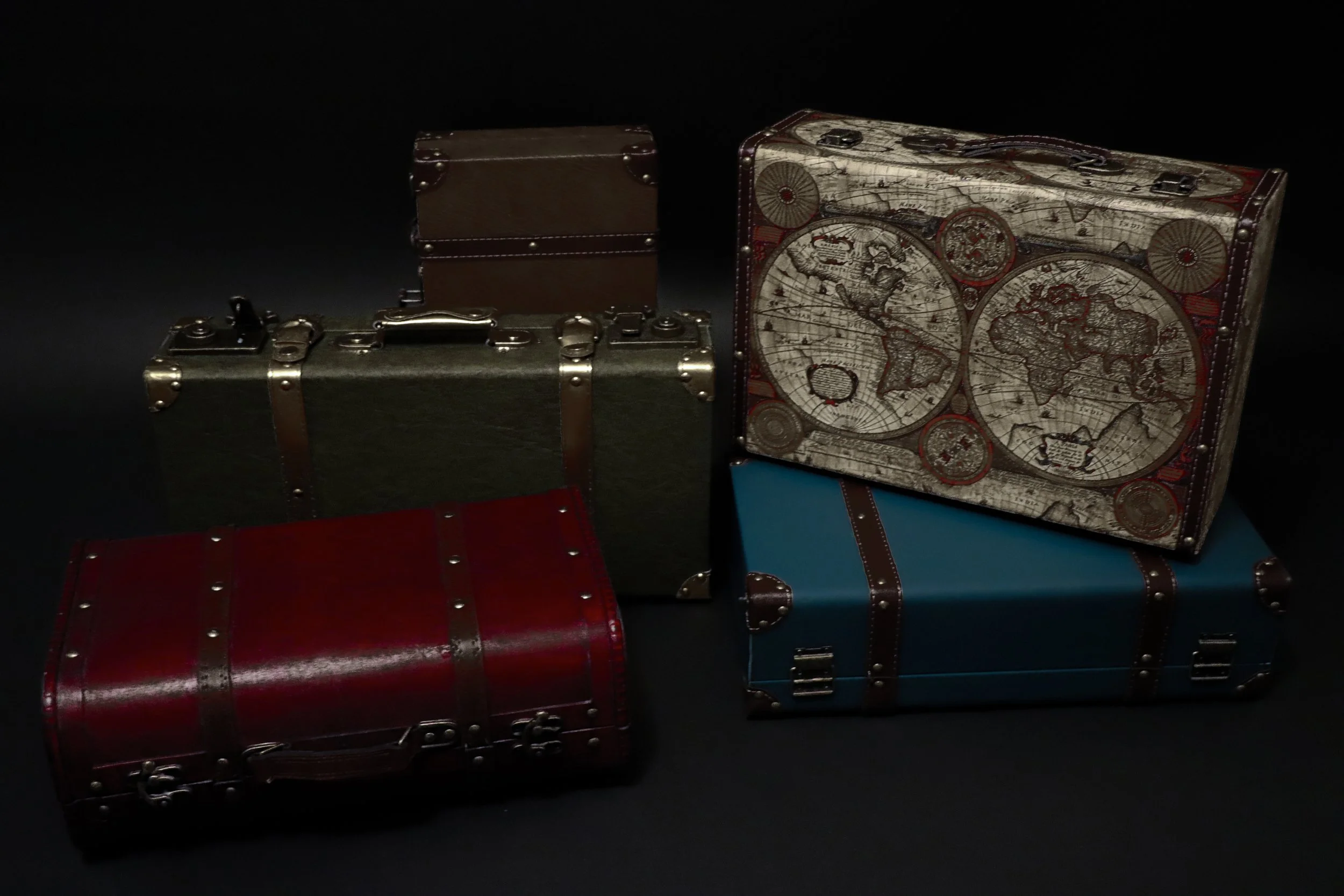
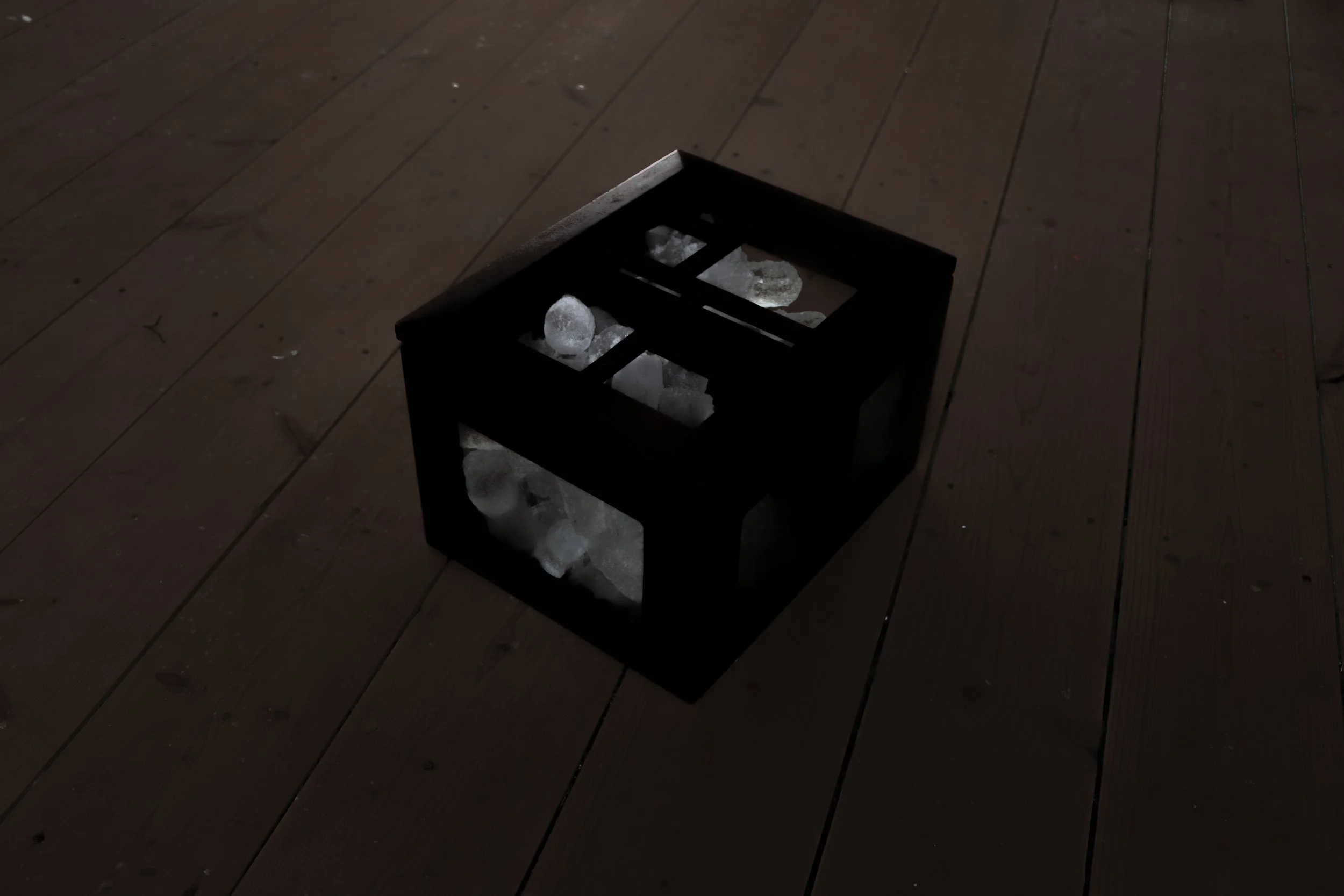
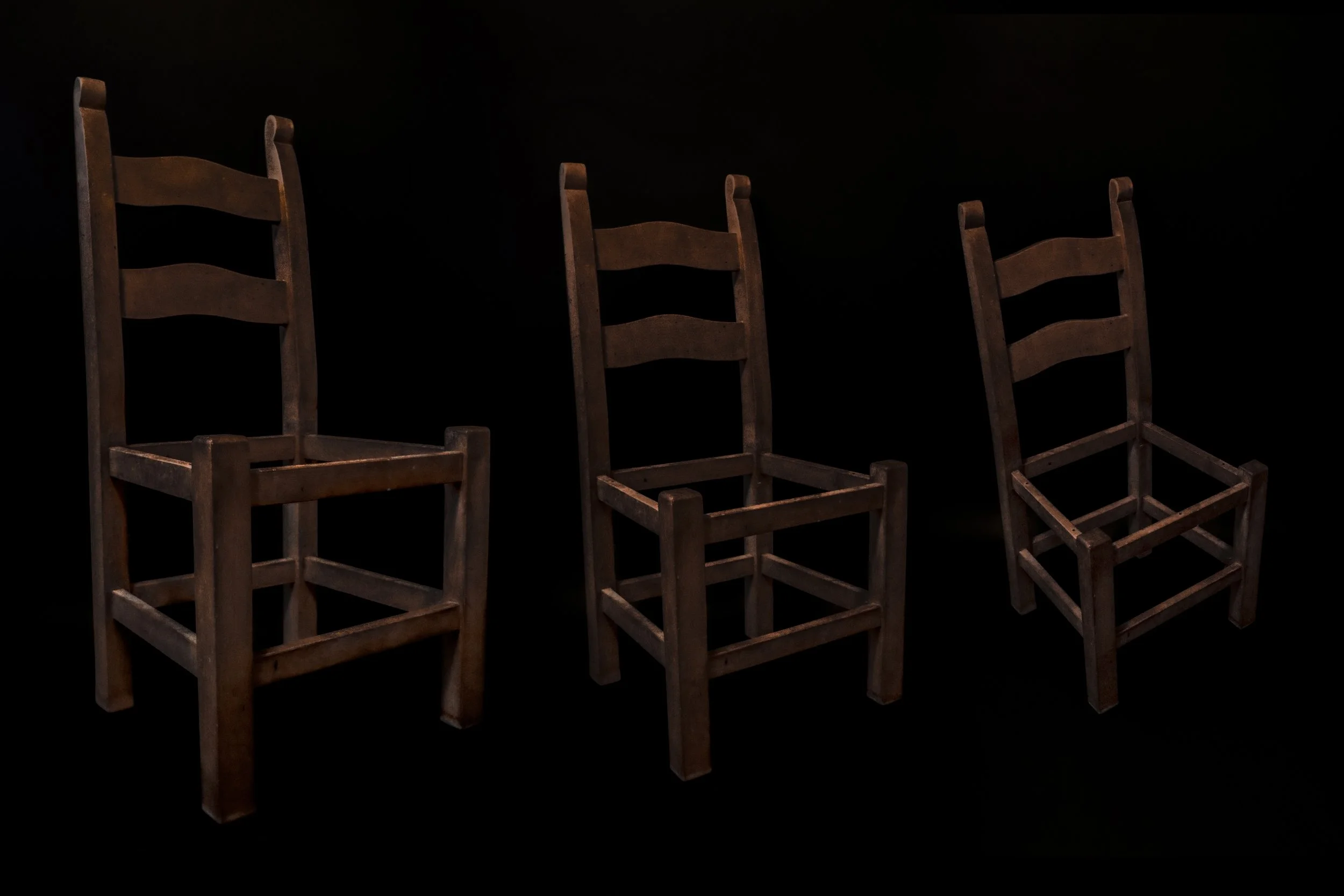
The series "The Lunatics’ Common Room” is an artistic engagement with the lives of those who found themselves deprived of their personal autonomy in mental asylums over the past three centuries. In defiance of attempts to simply reduce or limit them to the role of madman / madwoman, it explores them as unique individuals who have something to say to us now. The imagery draws upon the life, writings, and art of historic individuals, including John Thomas Perceval, Antonin Artaud, Unica Zürn, Bessie Head, Osamu Dazai and Valérie Valère, as well as the experiences of my uncle, and myself.
The photographs are not attempts at reconstruction / diagnosis, but acts of witness, acknowledging the traces left behind and the realities still lived today. The series is driven by the need to rehumanize what has been dehumanized, to bring connection to those who have been severed from one another. I envisage "The Lunatics' Common Room" as a shared space outside institutional boundaries, an imagined ‘room of our own’. In bringing fragments of the past into dialogue with the present, I aim to challenge the viewer to reconsider what it means to define someone as “mentally ill", “mad,” and “other” and invite reflection on the experiences and treatment of those deemed so, then and now.
Anfisa Denysenko
-
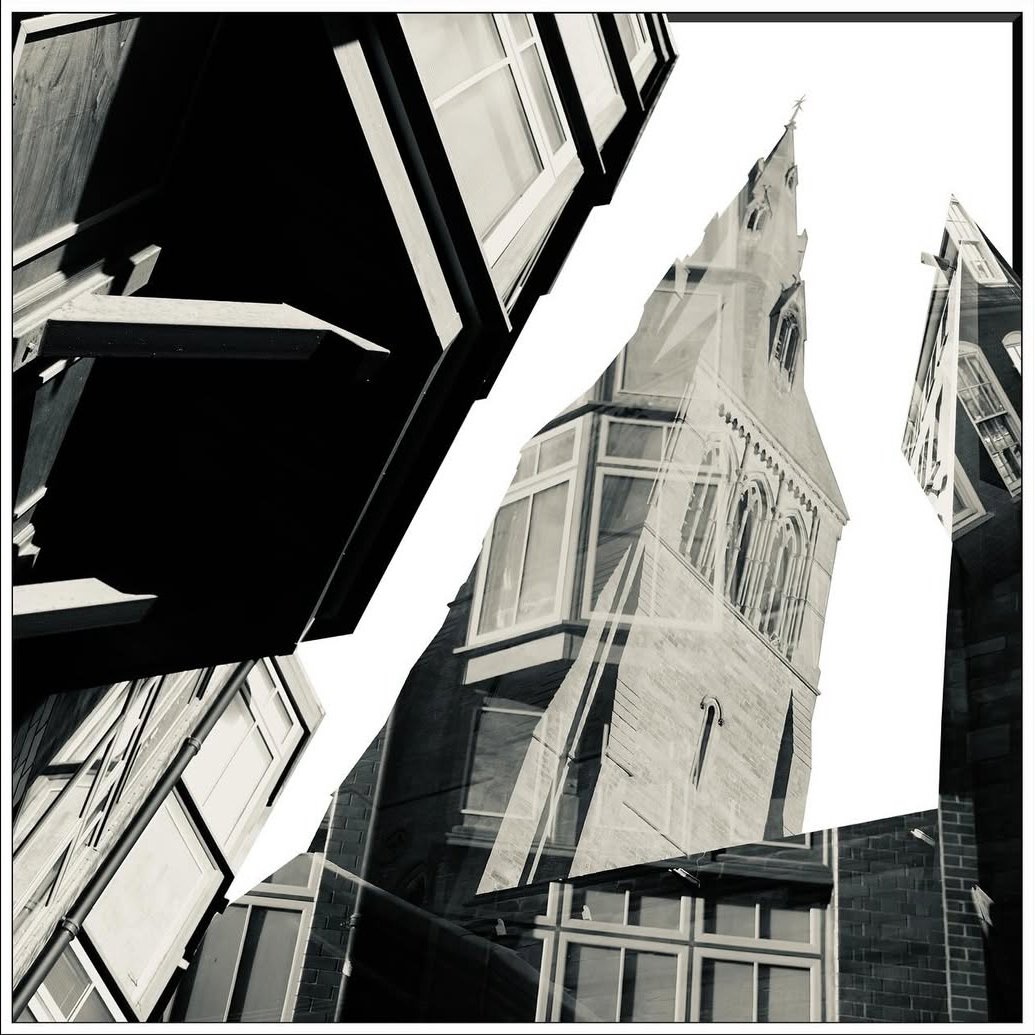
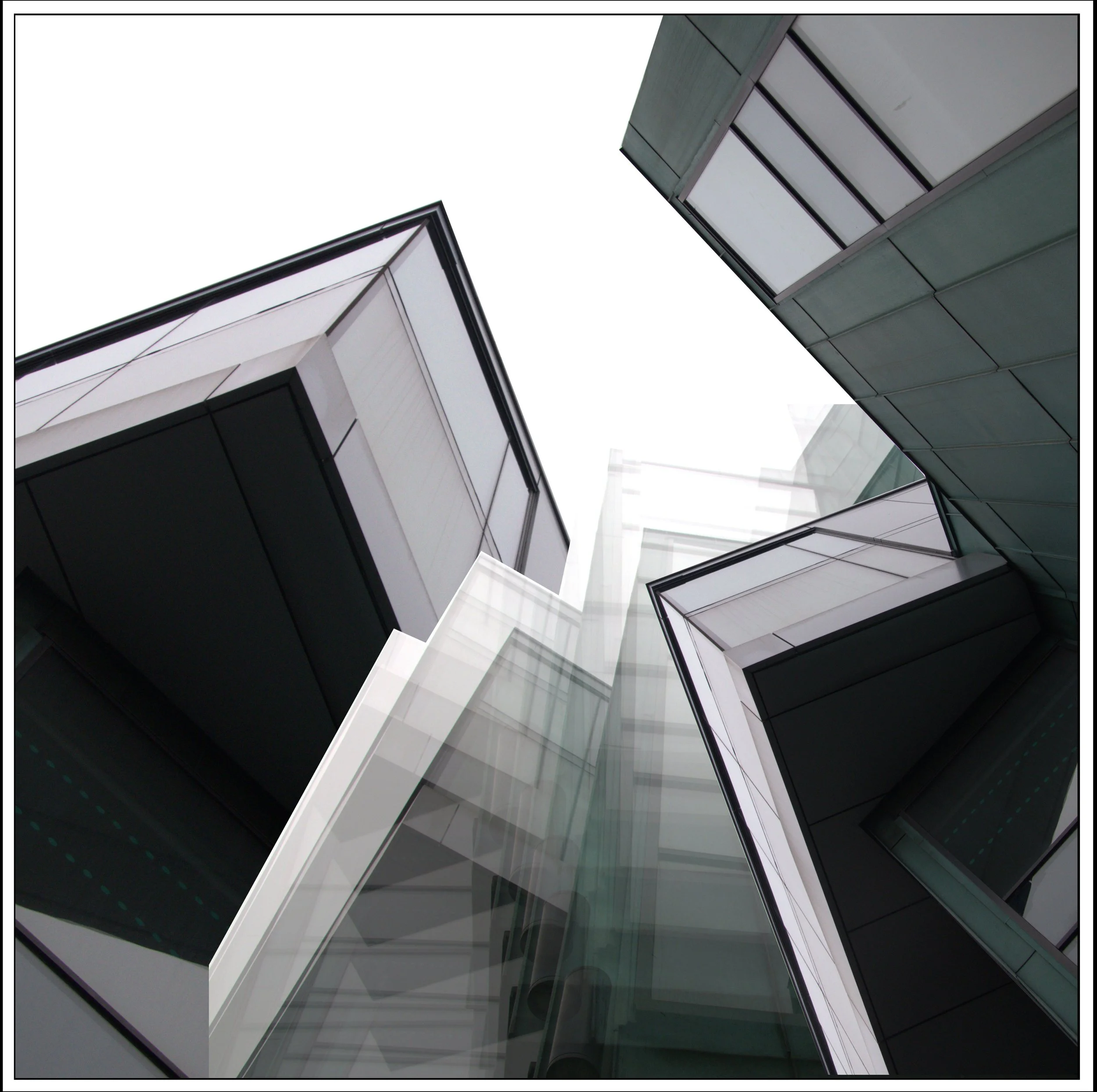
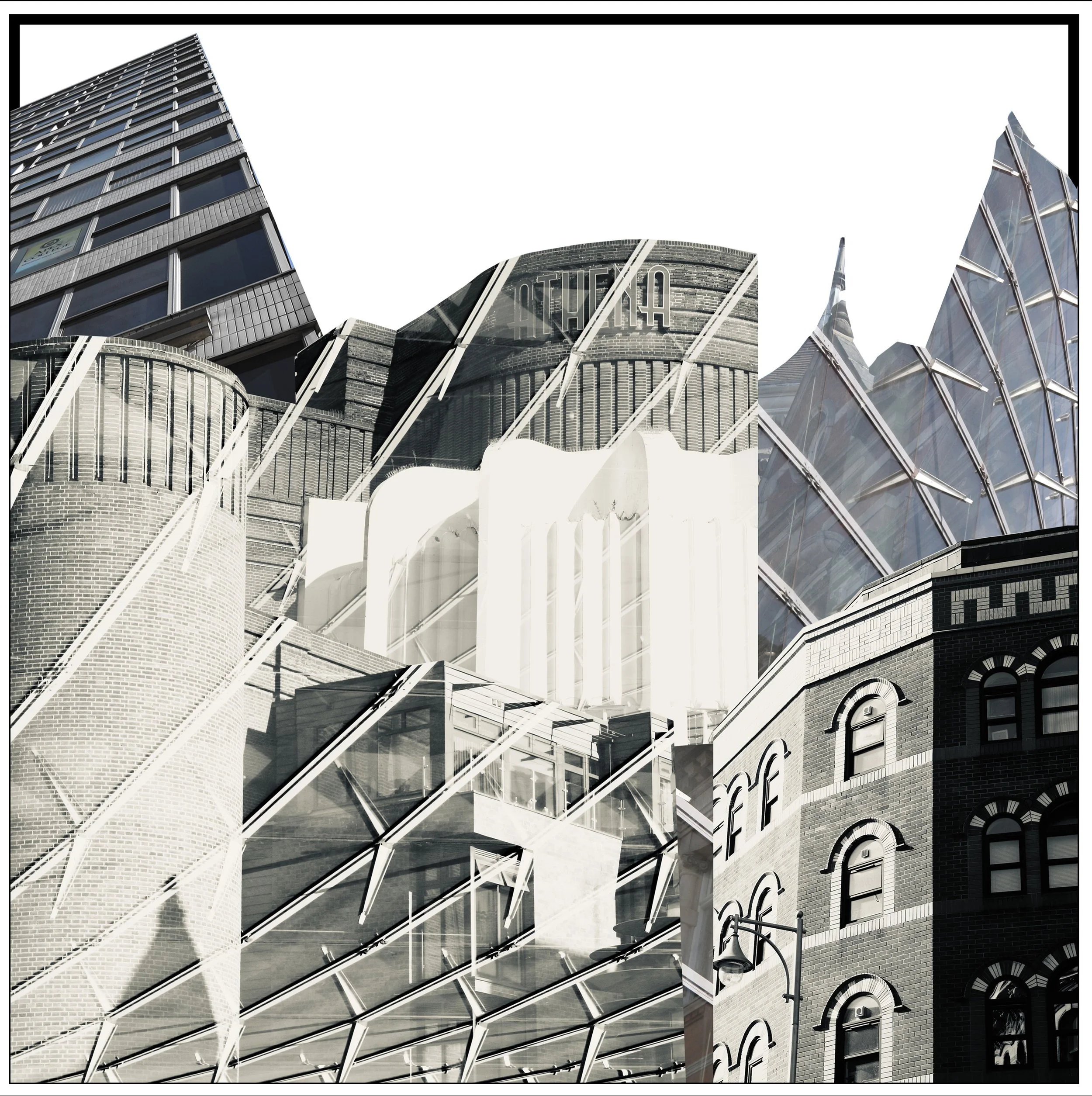
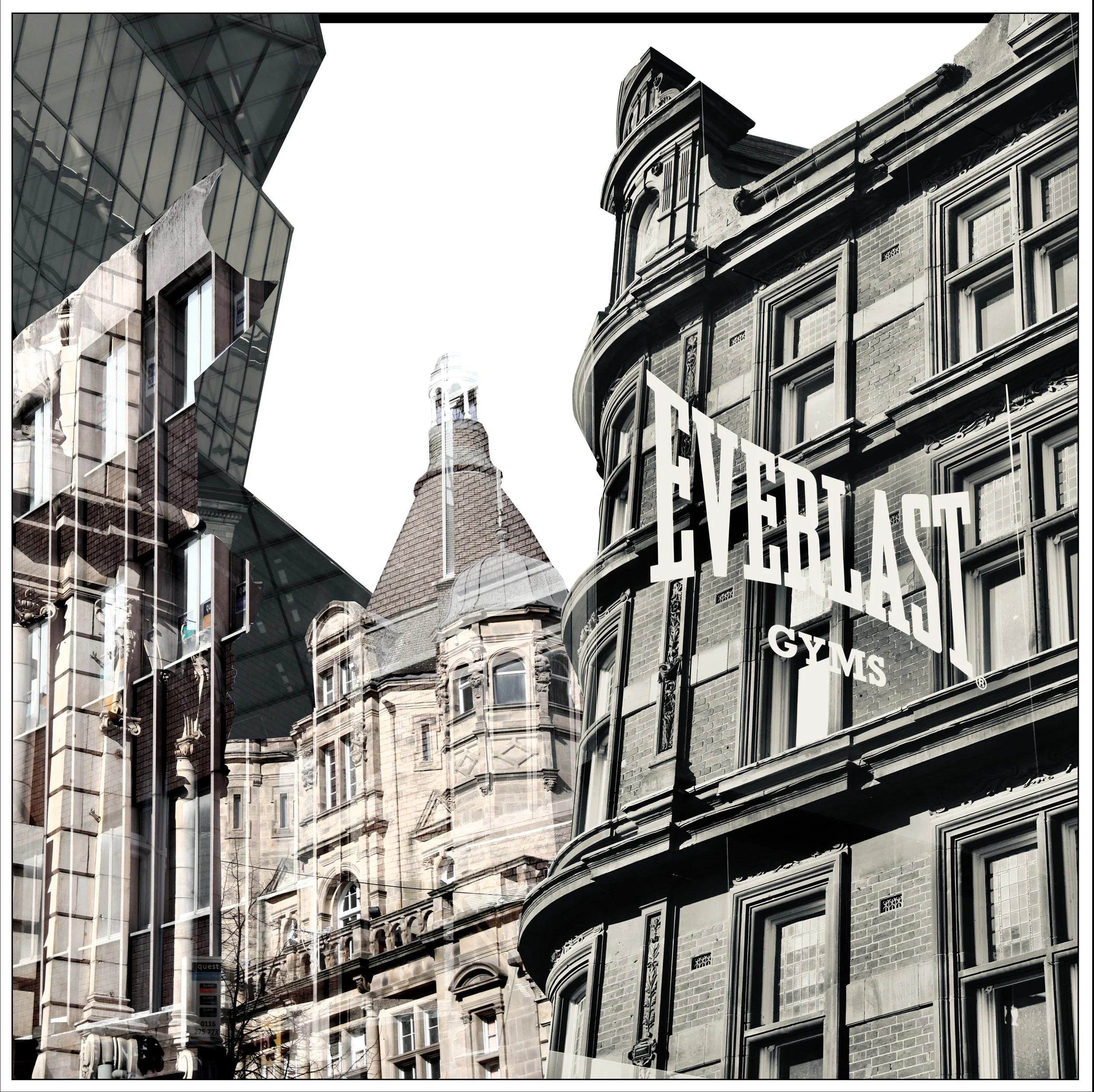
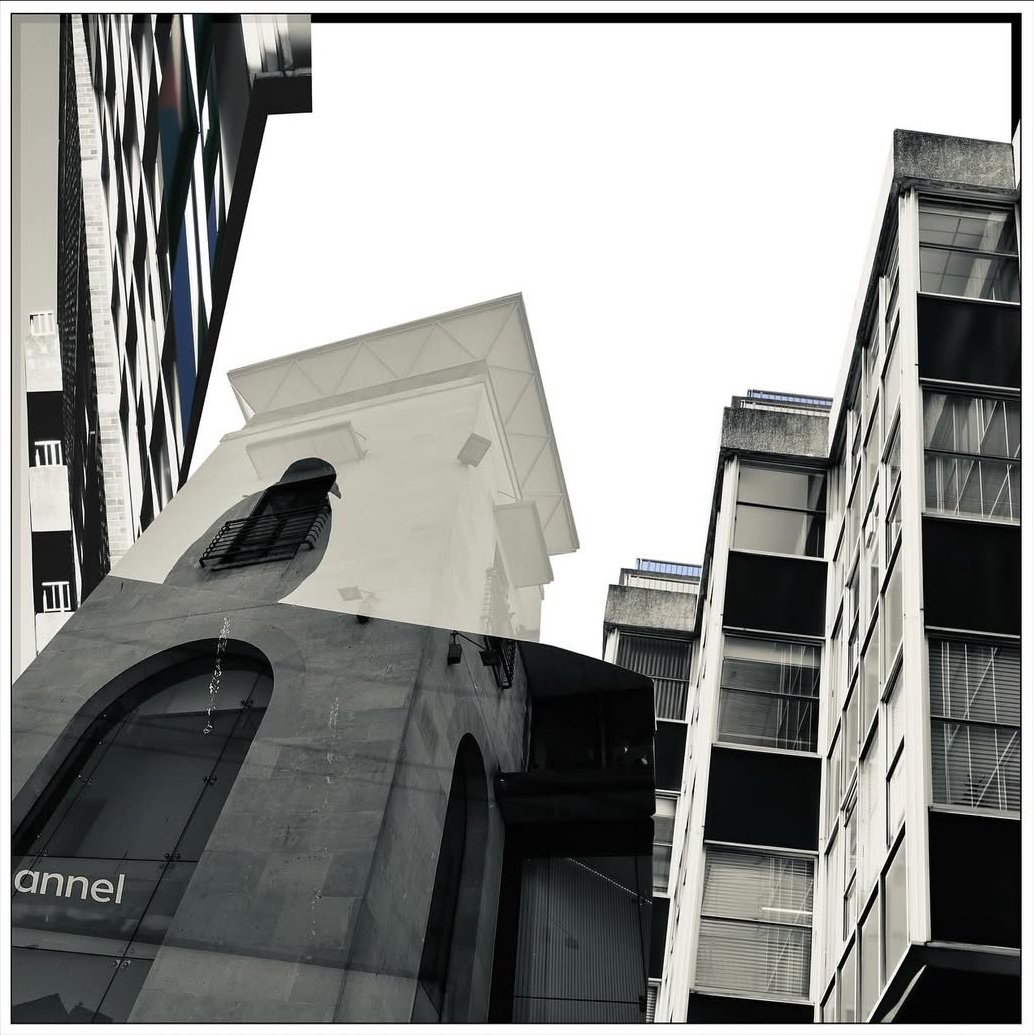
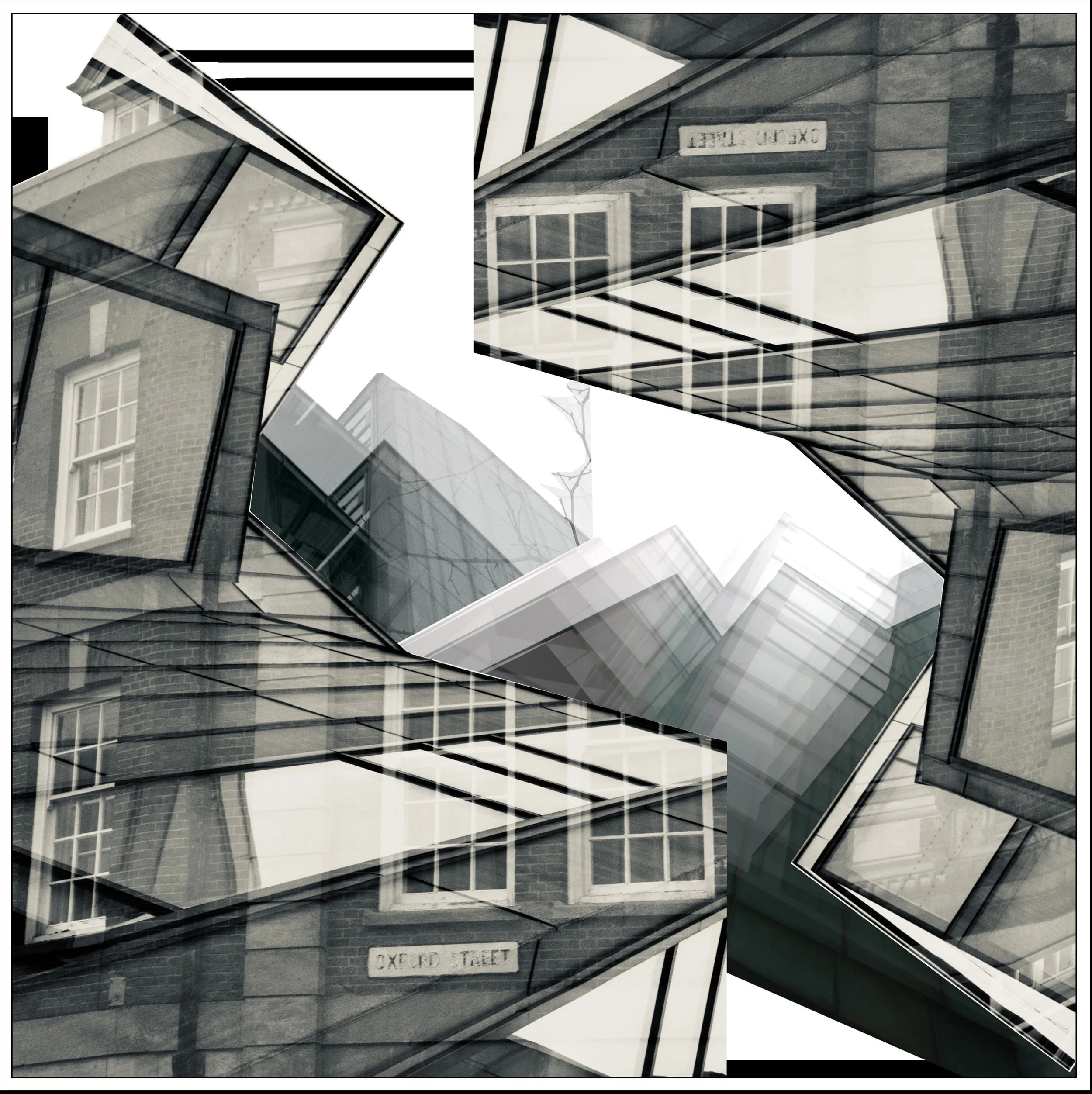
This series of architectural collages explores the coexistence of historical and contemporary architecture within Leicester’s urban landscape. Using collage and double-exposure techniques, the images layer fragments of old and modern buildings, allowing different architectural eras to occupy the same visual space simultaneously.
Rather than presenting the city as divided by time, the work reveals how contrasting styles harmoniously overlap, forming a plural architectural identity. Gothic façades, Victorian structures, and modern glass surfaces merge into unified compositions, reflecting how layers of history continue to shape the present environment.
The collages emphasise transparency, repetition, and spatial ambiguity, echoing the lived experience of moving through a city where past and present constantly intersect. This visual blending suggests continuity rather than rupture — an urban rhythm in which architectural diversity contributes to a sense of balance, familiarity, and belonging.
By collapsing temporal boundaries, the series proposes architecture as a shared memory and a living structure, one that creates spaces where people feel safe, welcomed, and connected across generations.
Chaowu Li
-
This photograph is part of an ongoing project about my grandfather. The project reflects on fading memory and distance in time. When my grandfather was alive, his presence felt abundant; after he was gone, his stories slowly began to disappear.
Much of his past has been erased by history and forgetting. What remains are fragile traces — yellowed photographs, fragmented recollections, and scattered details. In this work, I return to these remnants, re-photographing and re-arranging them as a way of bringing what is distant closer.
The image becomes a quiet conversation with someone I can no longer reach. The fading of his face serves as a metaphor for memory itself — its beauty, its fragility, and the sadness of watching it slowly dissolve.
Federica Lecce
-
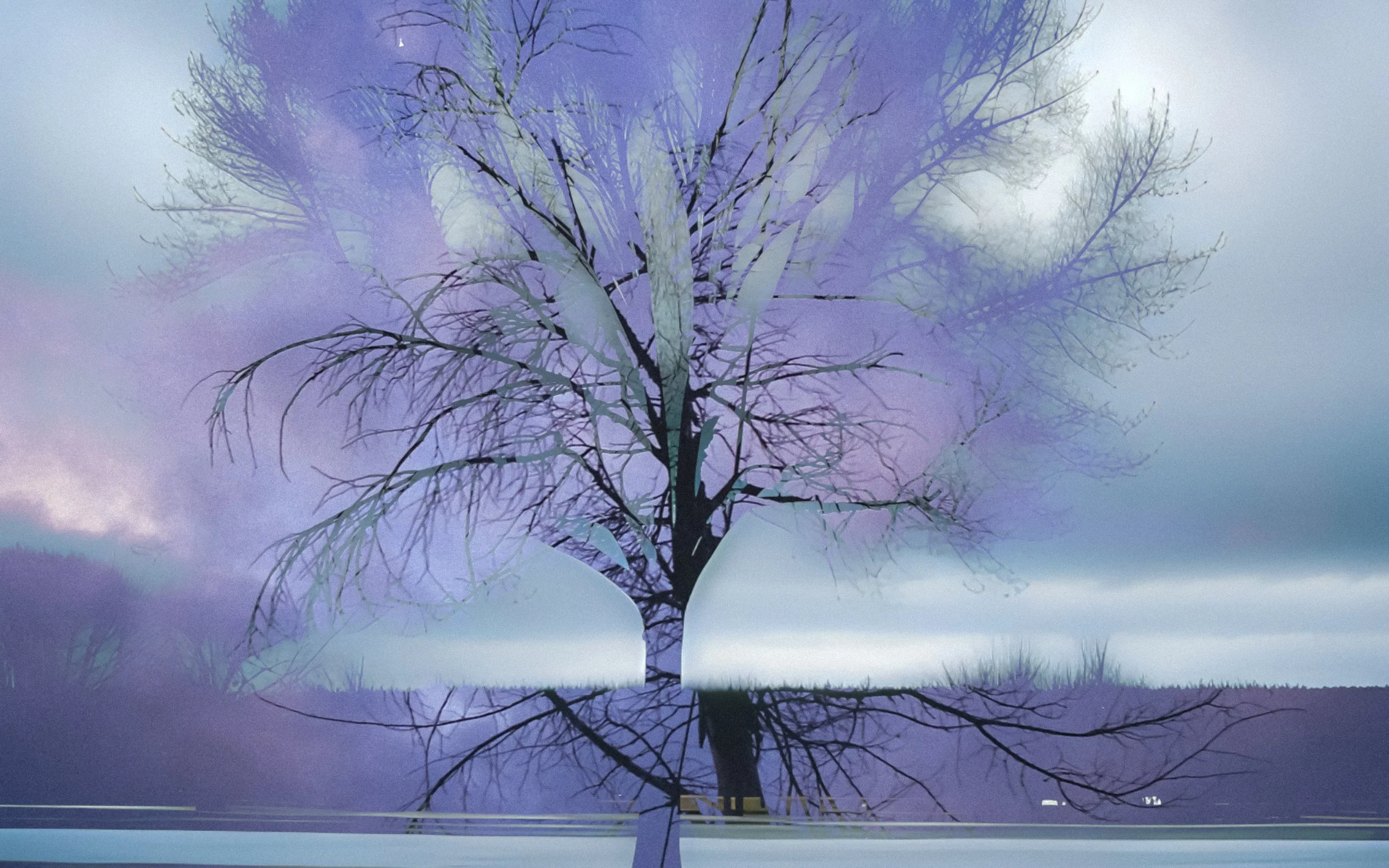
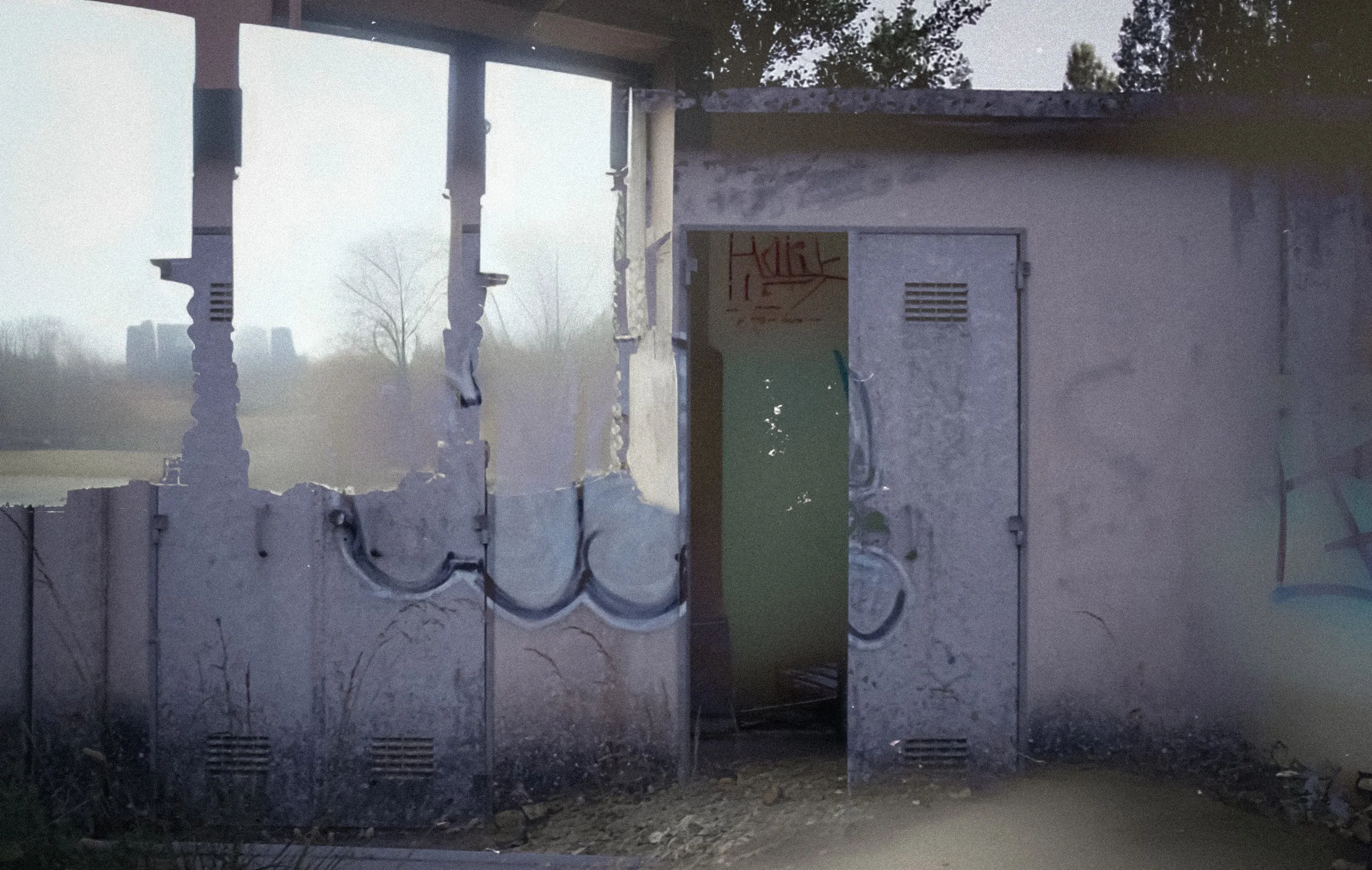
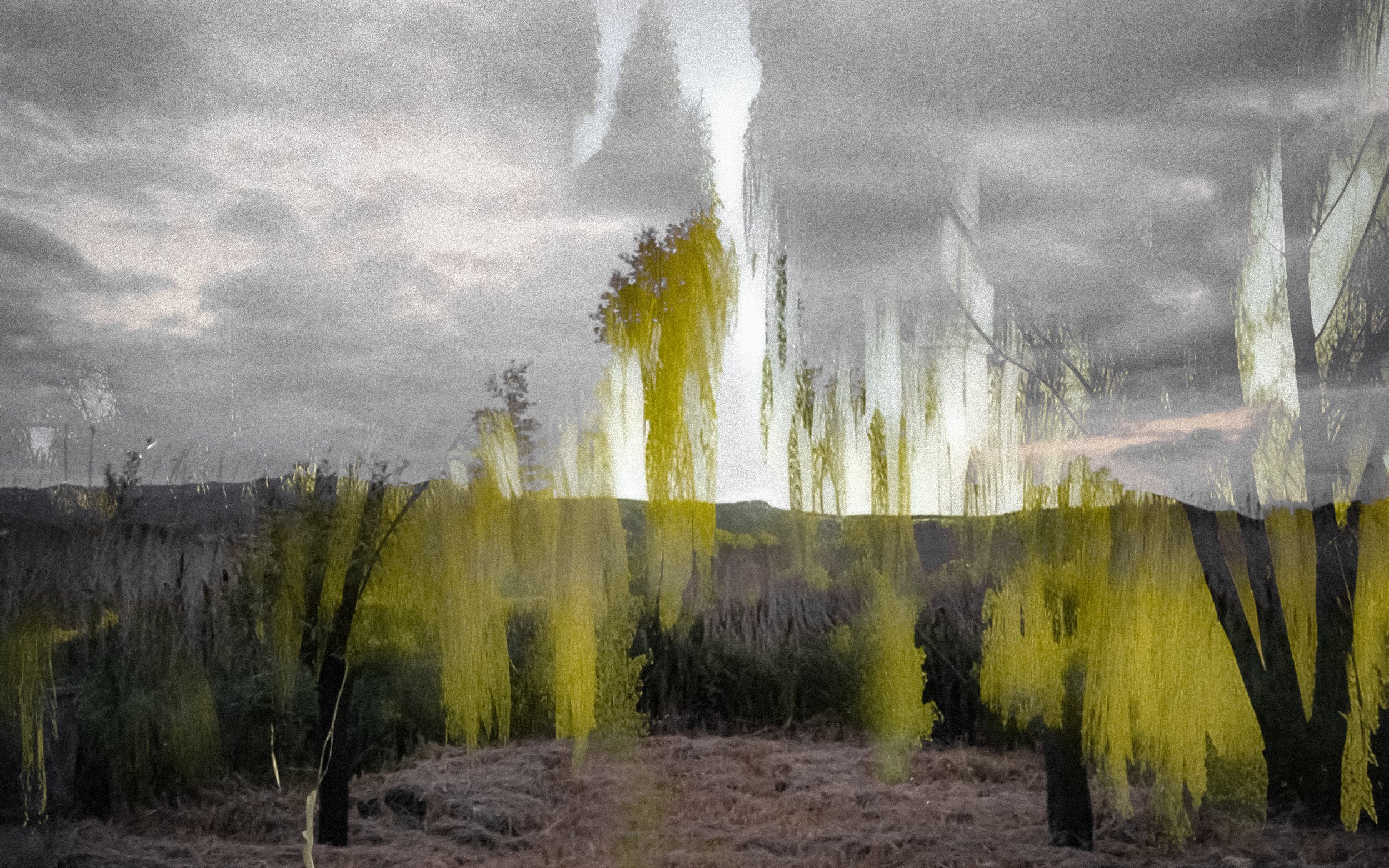
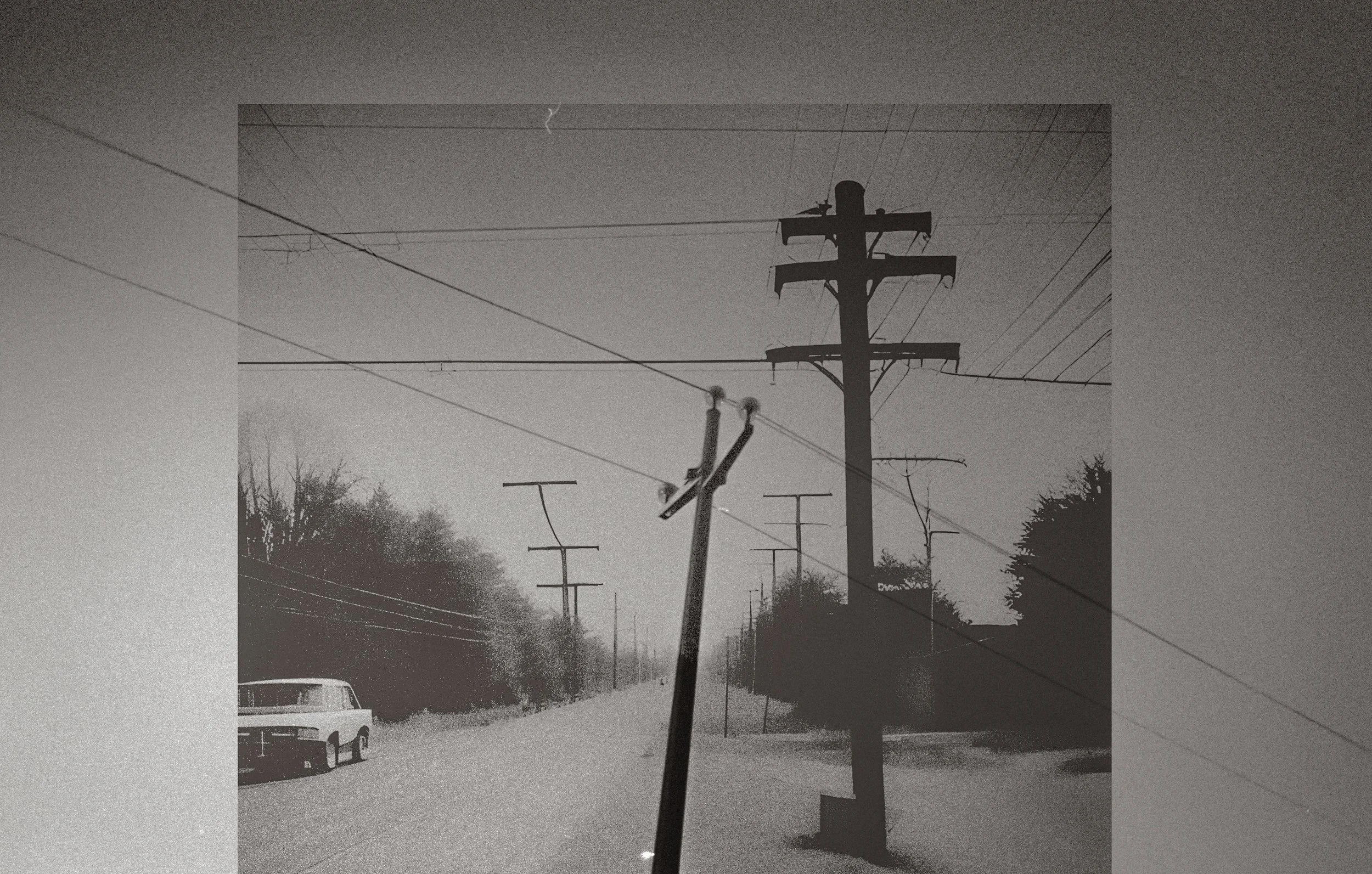
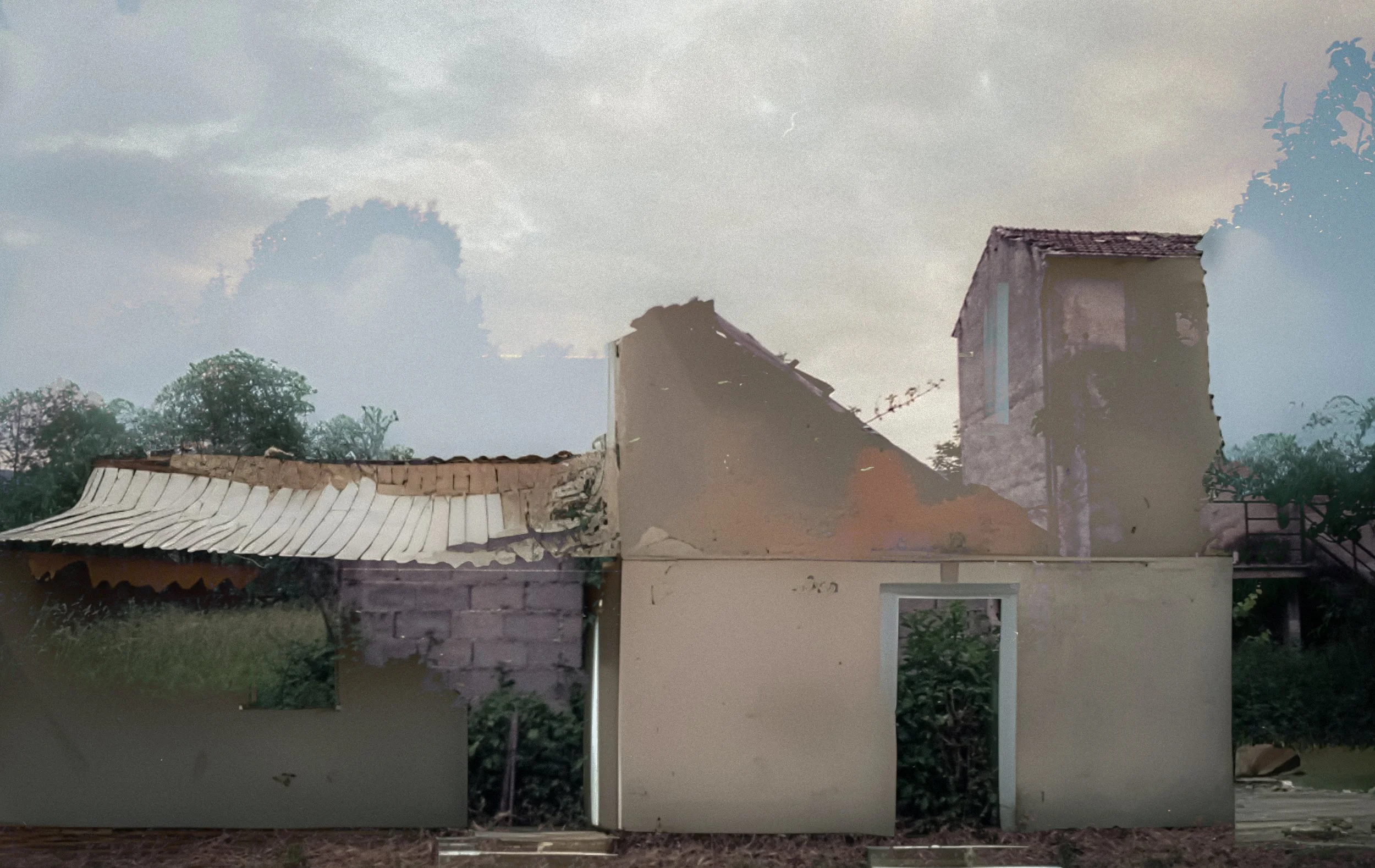
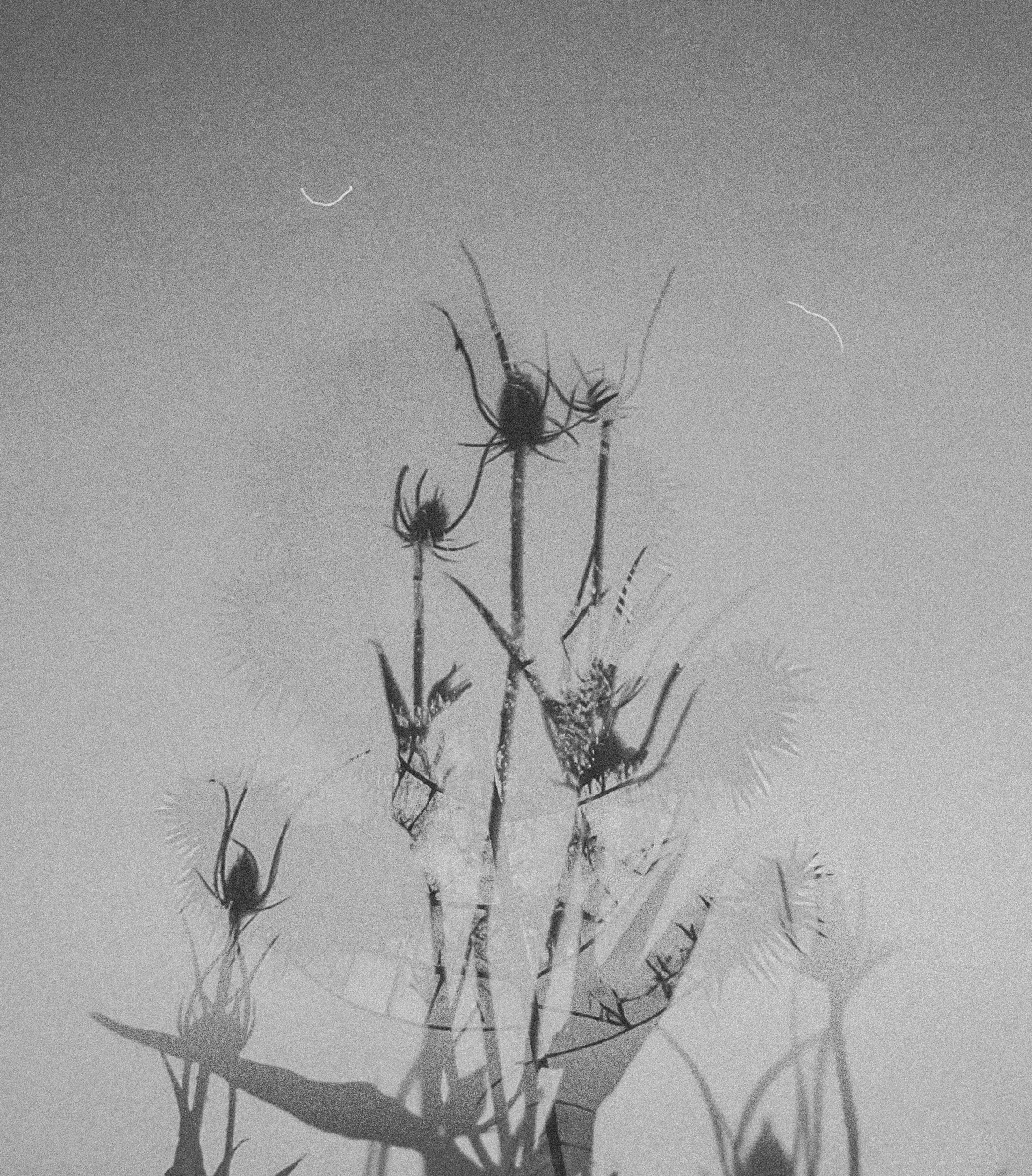
Home handled is an ongoing project started in 2021, conceived as a potentially infinite body of work. It unfolds through a series of images generated by the juxtaposition and superimposition of analog photography and artificial intelligence–generated imagery, exploring themes of authorship, memory, and the idea of home and belonging.
The project originates from a personal archive of analog photographs taken by the artist with her father’s old Nikon FE, depicting the place where she was born and grew up before eventually leaving: a very small rural village near Rome (Italy) called Posta Fibreno. The place functions both as a physical landscape and as an emotional territory shaped by memory, distance, and transformation.
The analog photographs are first digitized and then fed into an AI image-generation system. The system is asked to analyze the images and produce textual descriptions based on their visual content. The descriptions are subsequently used as prompts to generate new, artificial photographic images. The final works result from the overlapping – through superimposition and digital layering – of the original analog photographs and their AI-generated counterparts, followed by further visual processing.
Two main lines of self-reflection emerge from this process.
The first concerns plurality and authorship: the encounter between a human author and an artificial one. The process generates a visual space in which analog and artificial imagery merge into an ambiguous, almost dreamlike reality, where the distinction between human and artificial authorship becomes uncertain. The coexistence of two photographic techniques positioned at opposite ends of the technological timeline—analog photography and AI image generation—produces a visual reality that appears at times augmented, at times abstract, almost dreamlike. In the images, the boundary between what is real and what is artificially generated becomes blurred and often indistinguishable. This ambiguity is intended to destabilize the viewer’s gaze and perception, and to provoke questions about identity, agency, and authorship within contemporary photographic practice: where does the author reside, and who is actually producing the image?
At the same time, Home handled reflects on the concept of home as a mutable and emotionally charged space. The second reflection revolves, in fact, around the concept of home and the melancholic manipulation of the place where one is born and grows up. The birthplace is revisited not as a fixed or nostalgic representation, but as a mutable space filtered through memory, absence, and emotional distance. The AI-generated images act as a metaphor for the way memory reshapes places over time – altering, idealizing, or distorting them. The superimposition of artificial imagery onto the original photographs mirrors the artist’s own estrangement from a place that once defined her identity but was later perceived as limiting and lacking stimuli. It transforms the artist’s place of origin into a layered landscape shaped by distance, nostalgia, and detachment. In this sense, home becomes a plural construct: simultaneously real and imagined, intimate and alien, preserved and transformed. Through this plural visual language, Home handled explores how personal history, technological mediation, and emotional displacement intersect in the contemporary experience of belonging.

Mohammad Rakibul Hasan
-
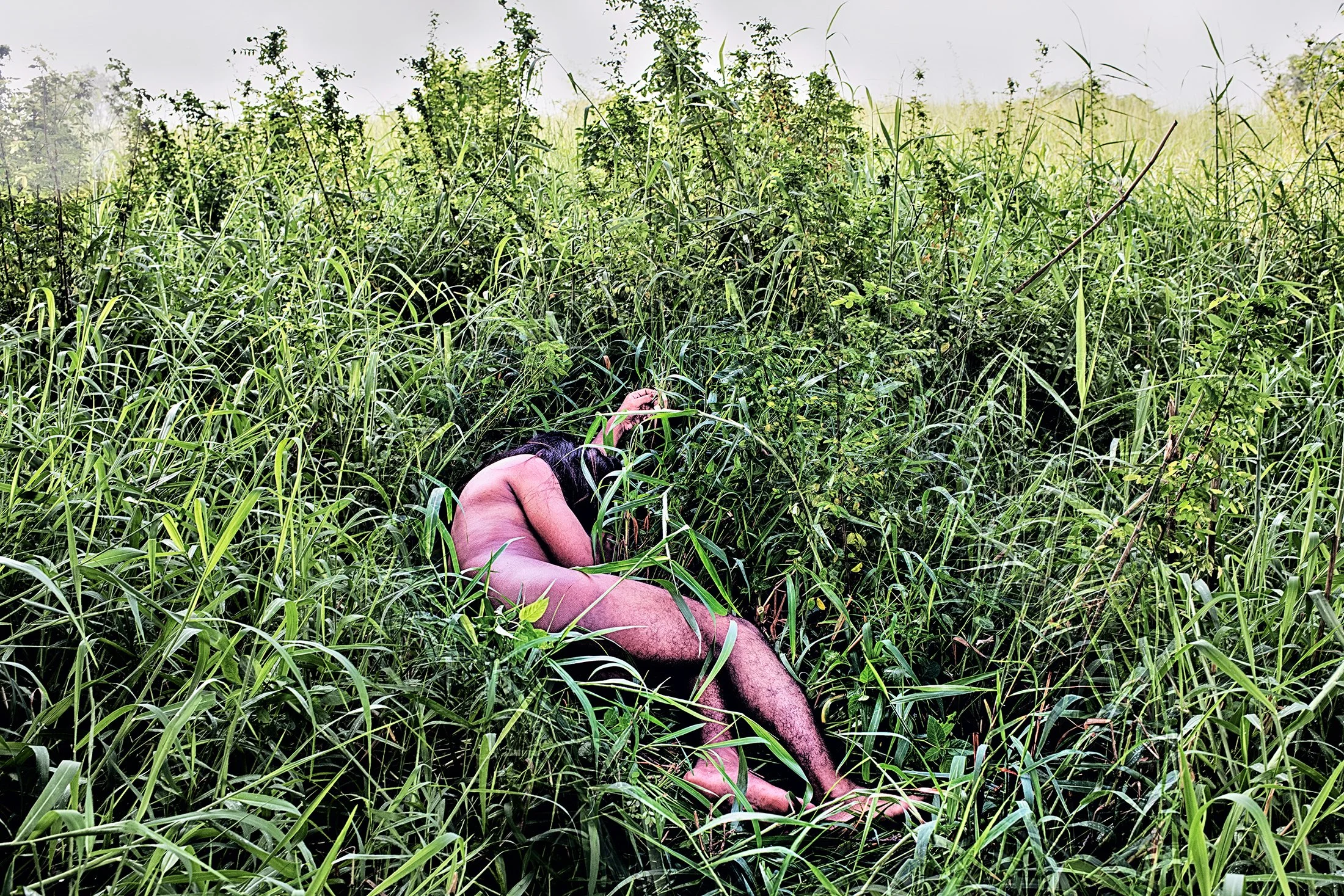
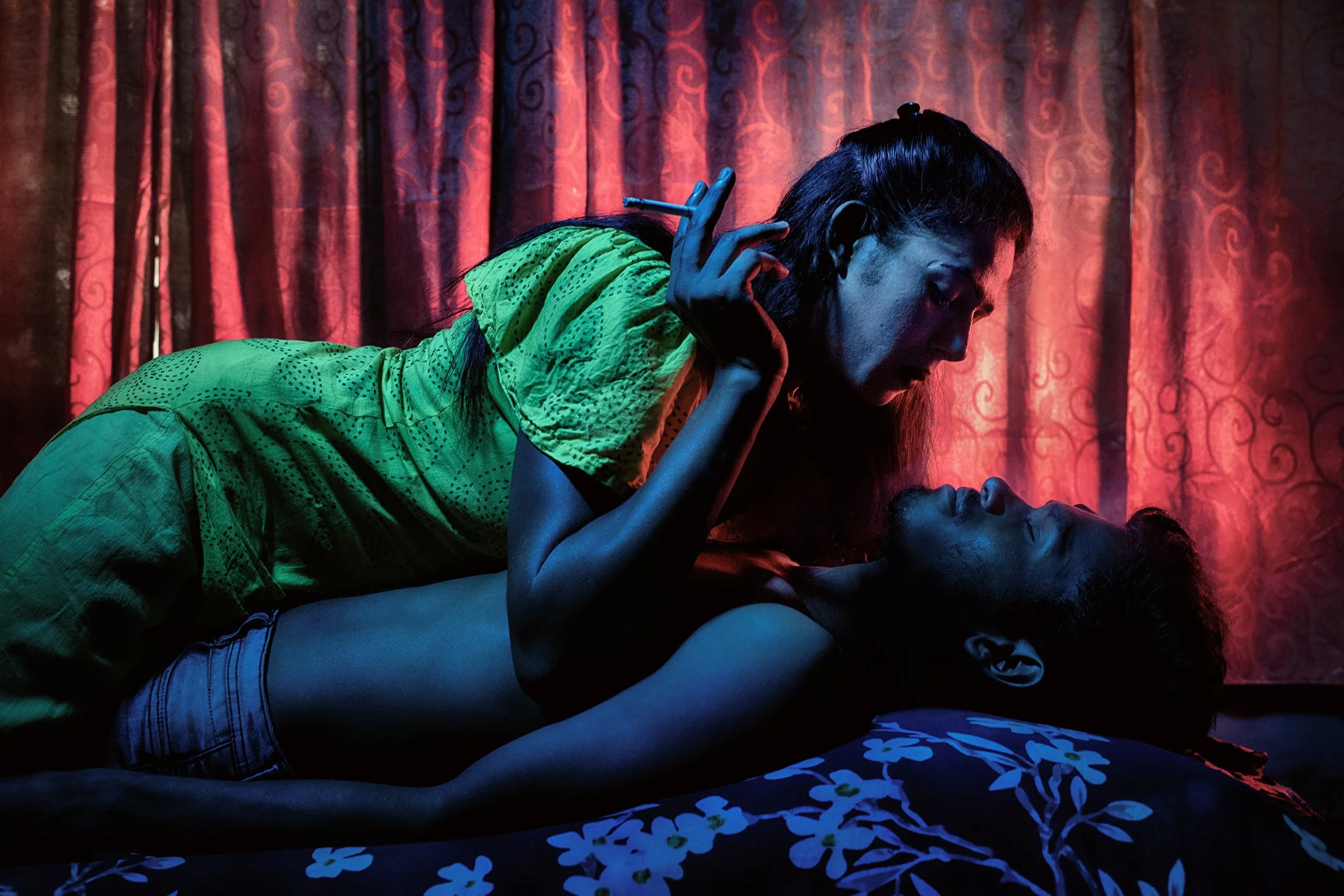
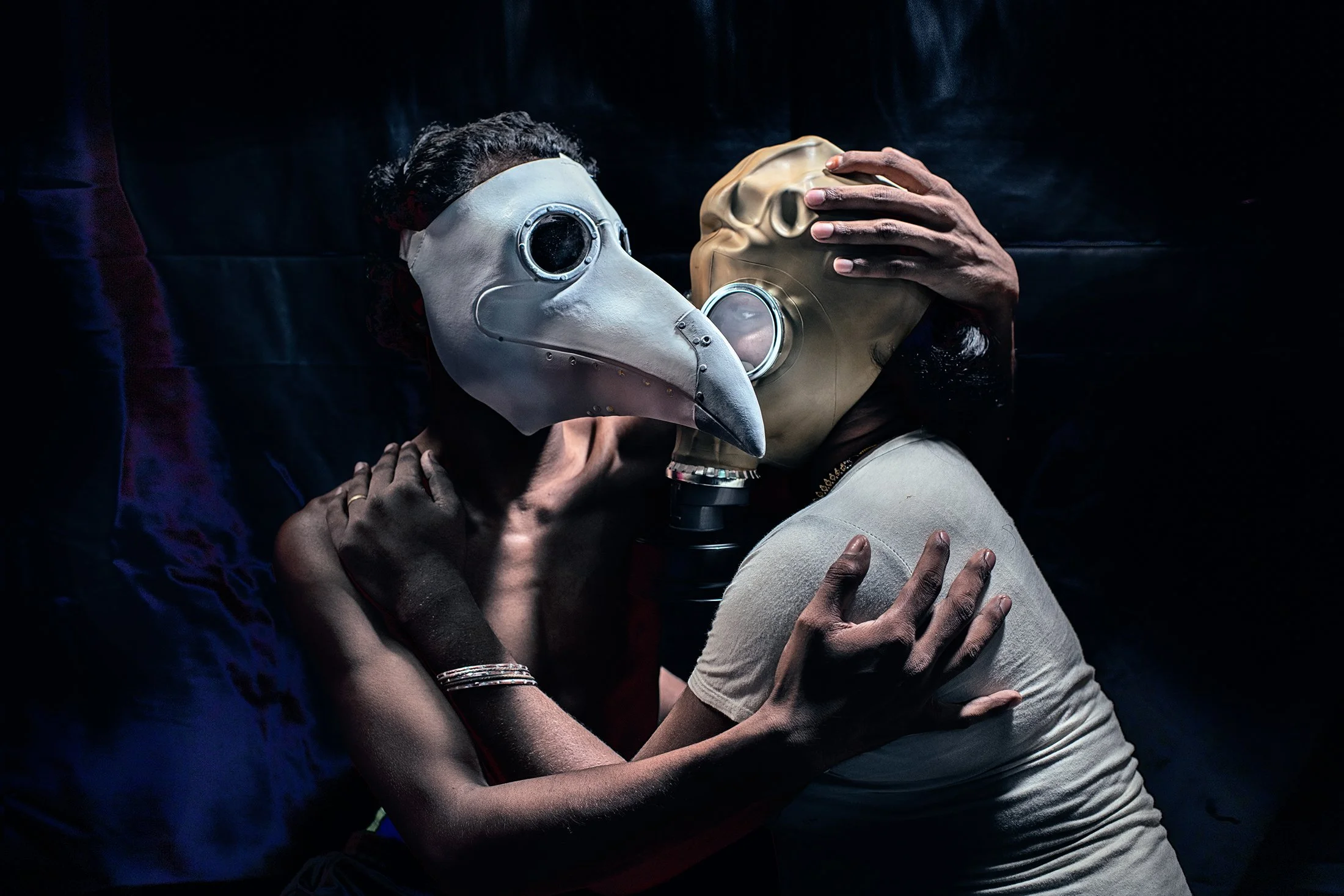
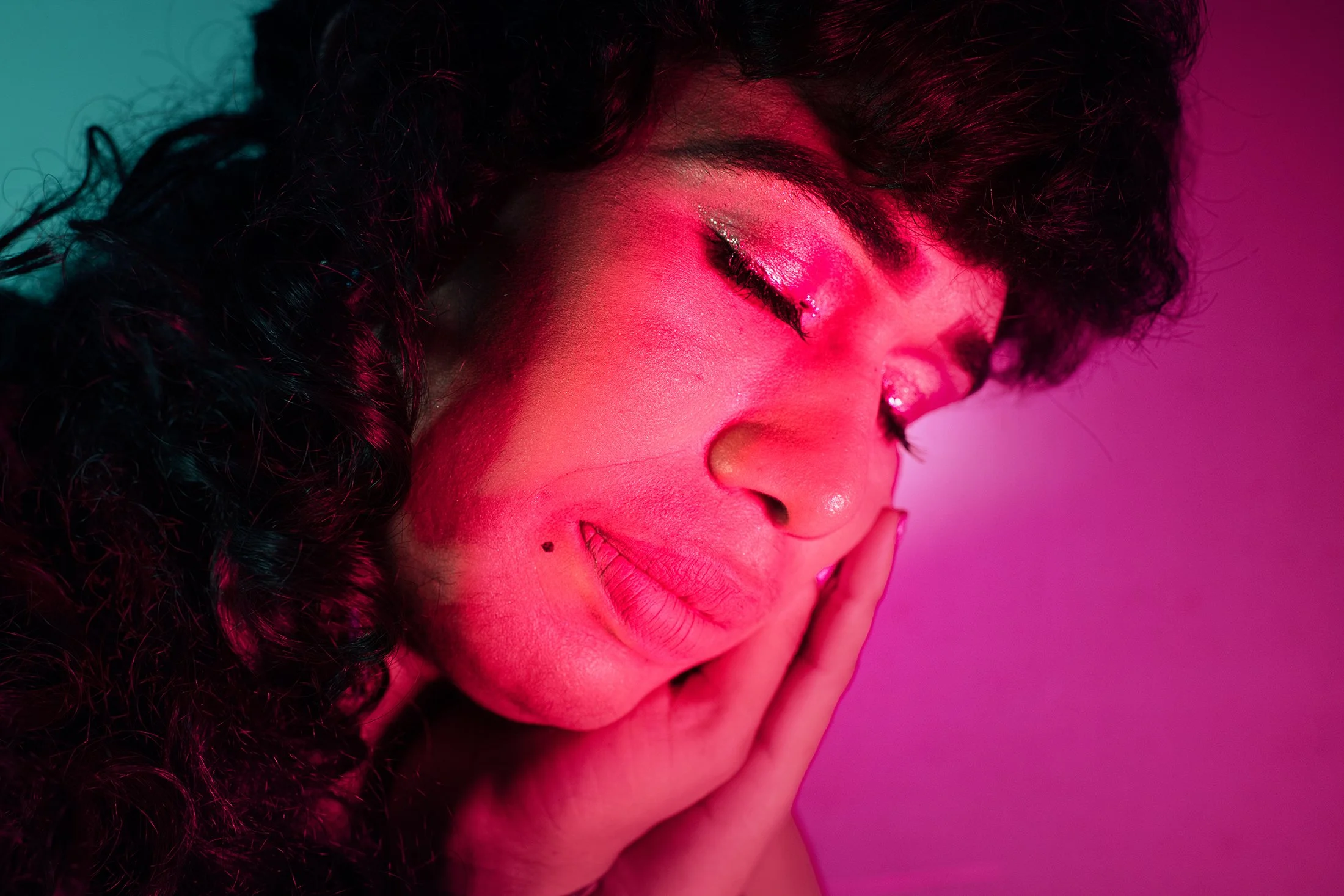
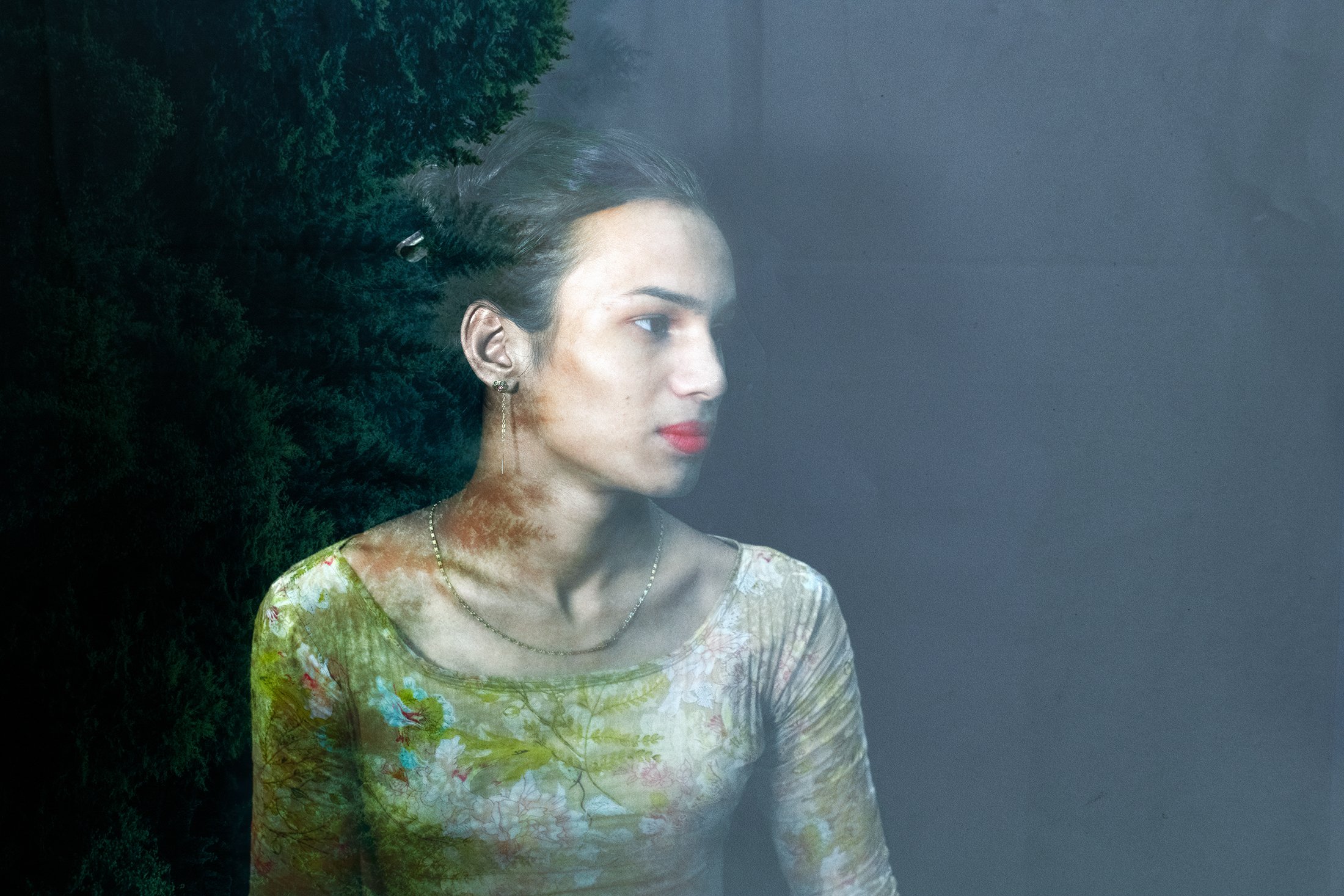
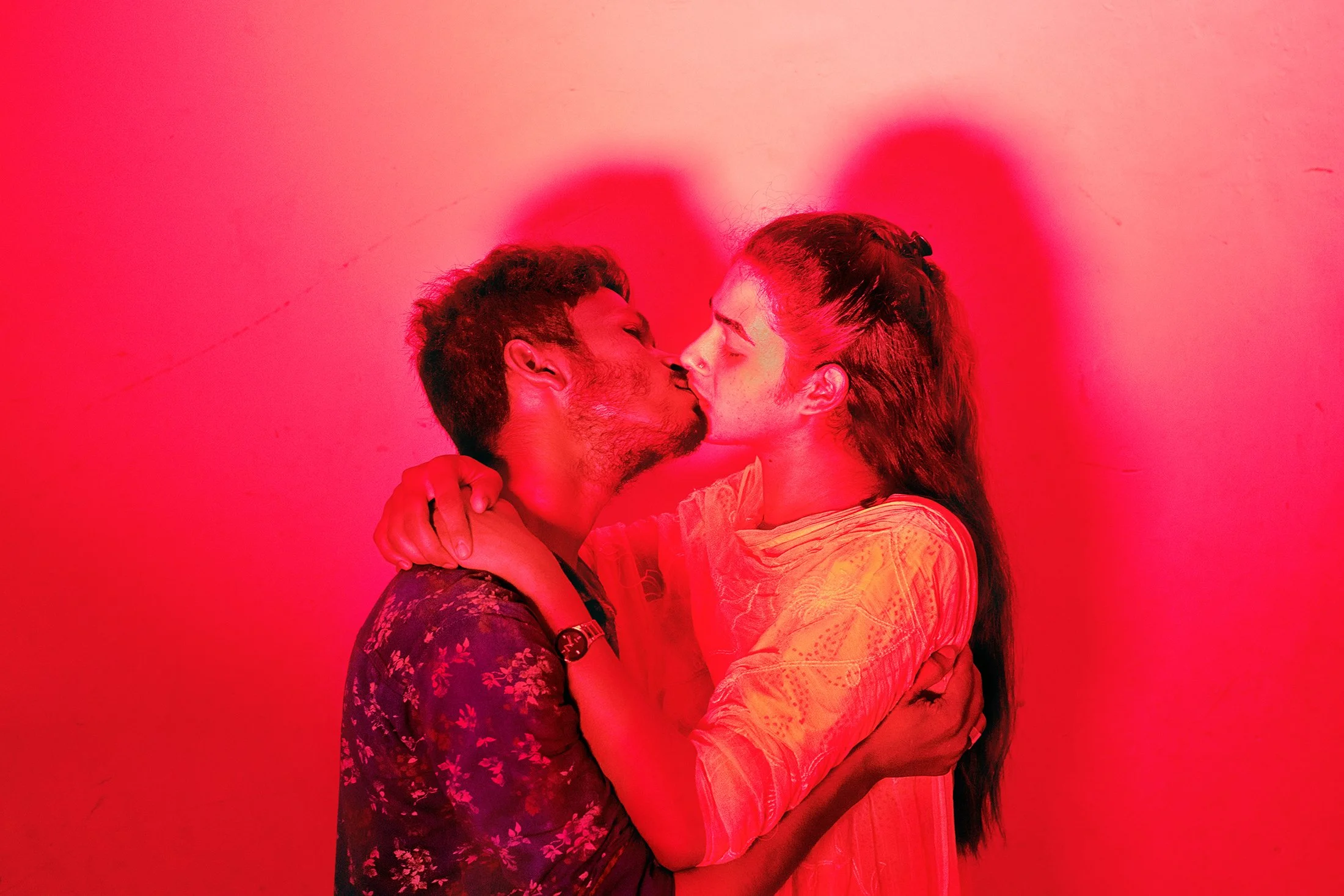
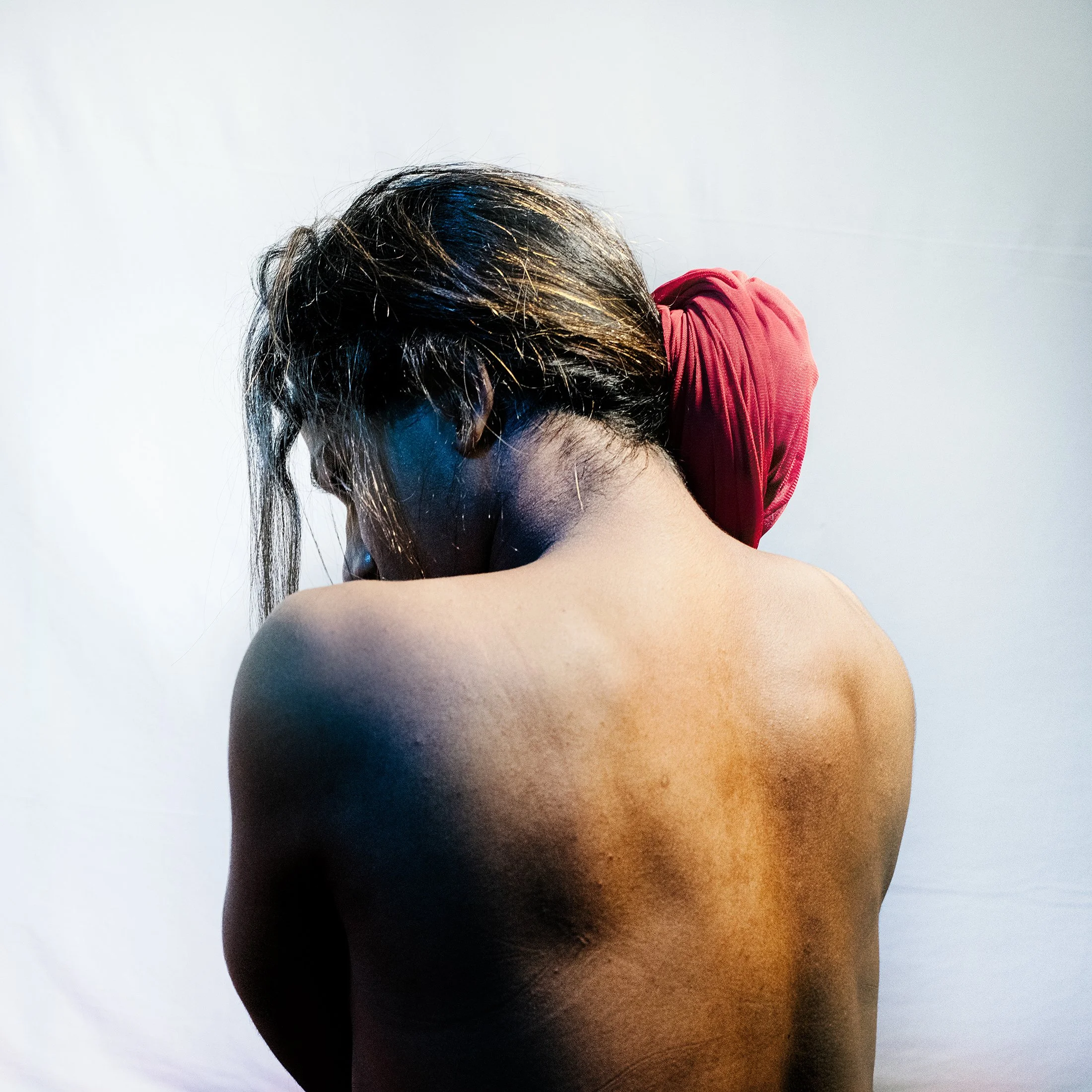
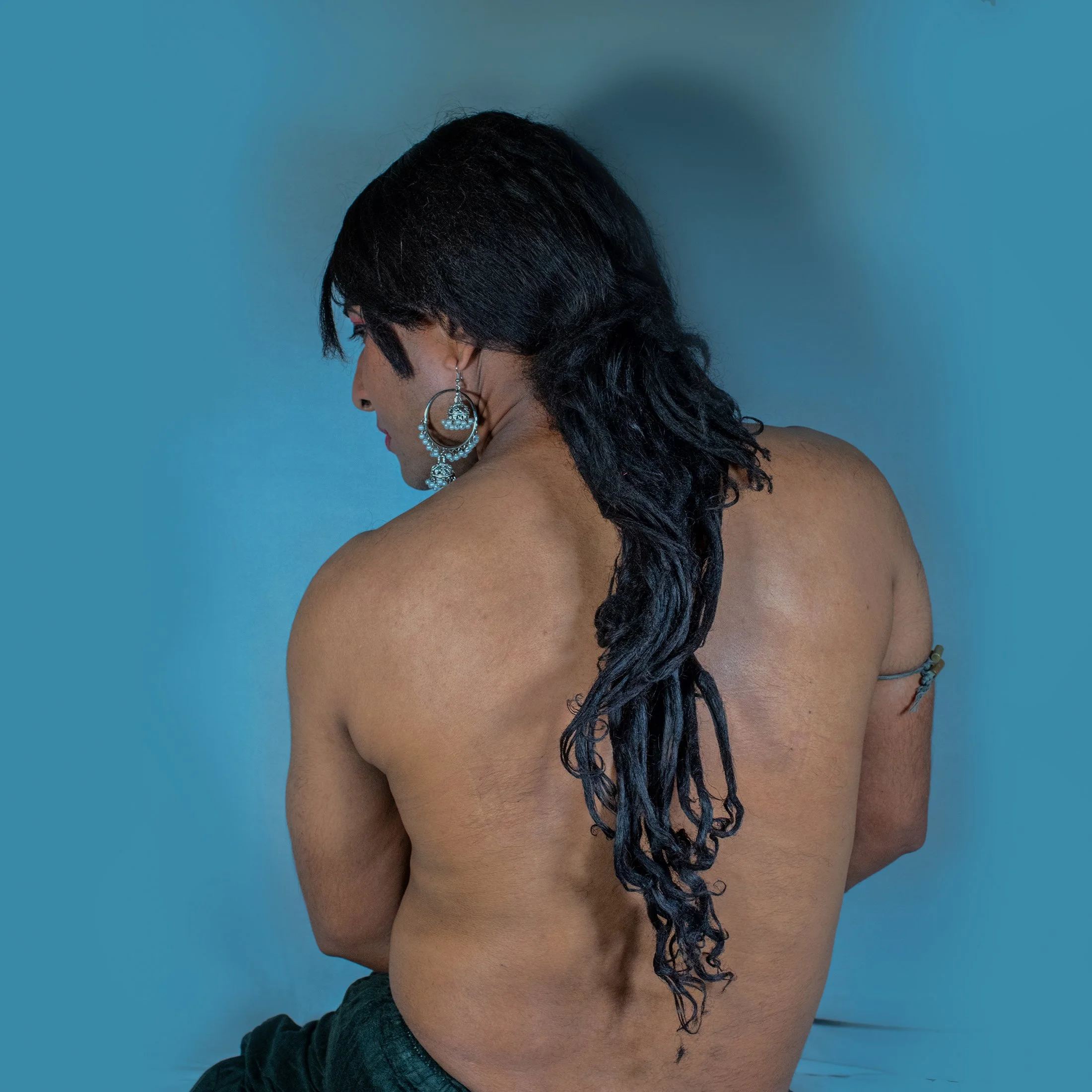
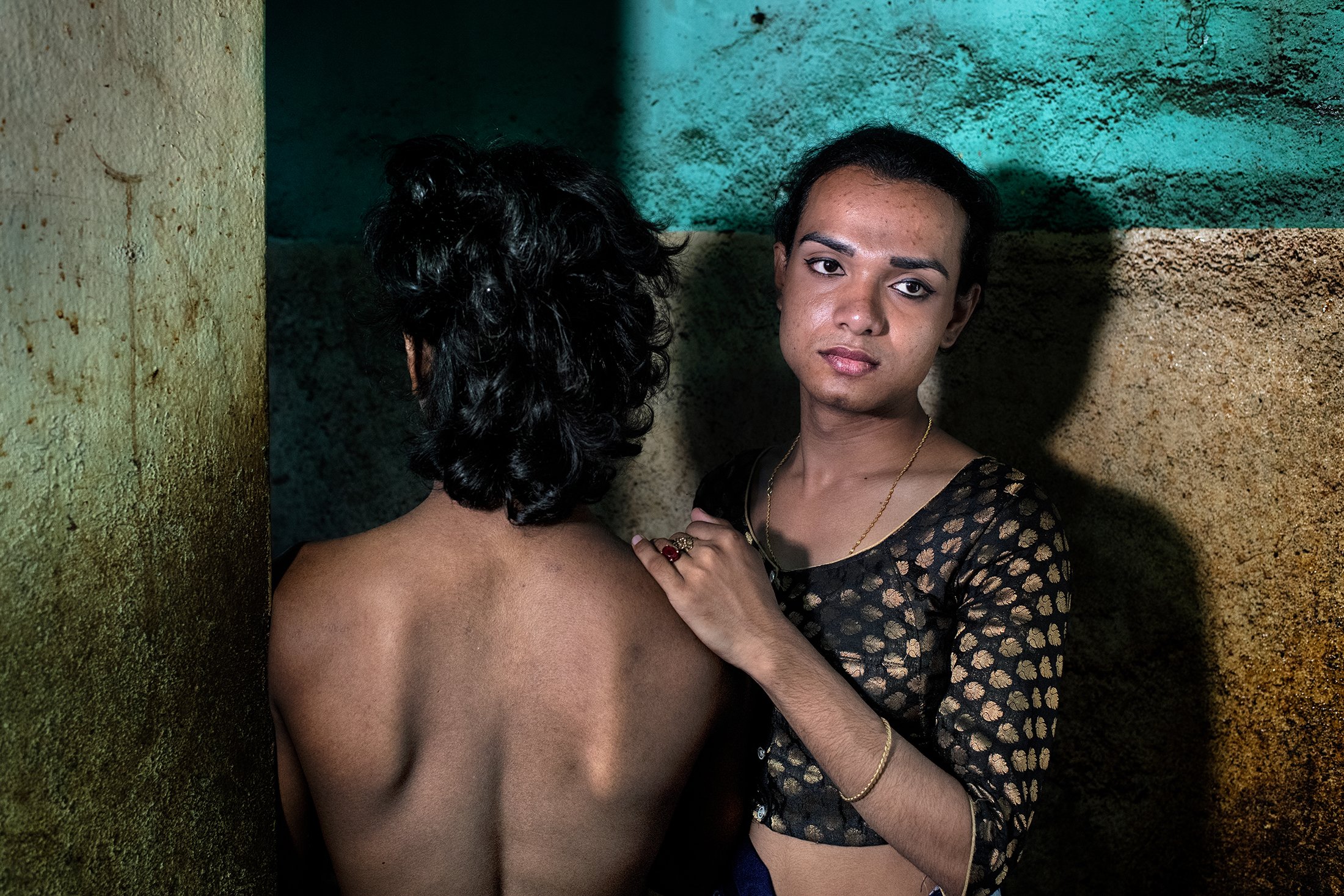
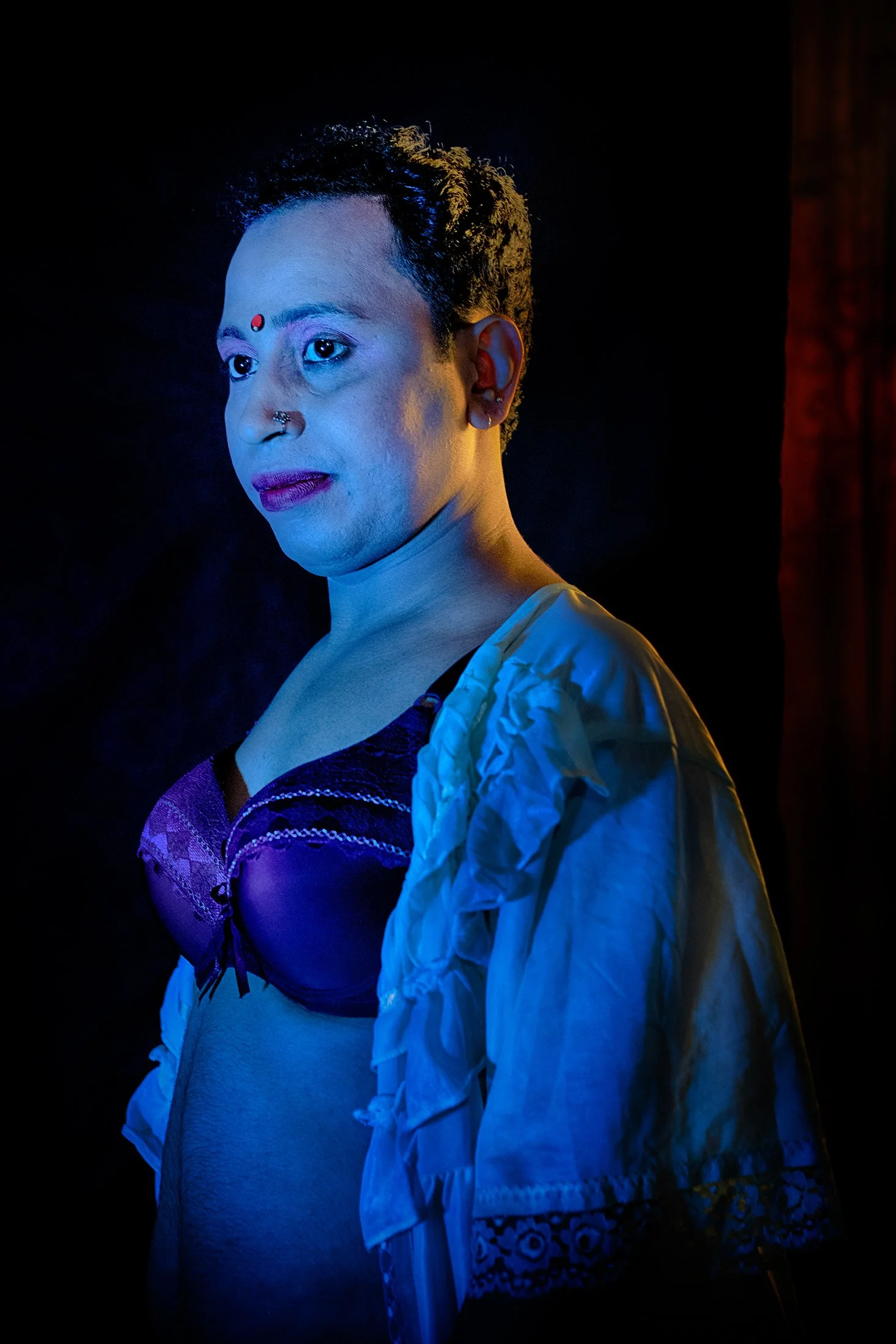
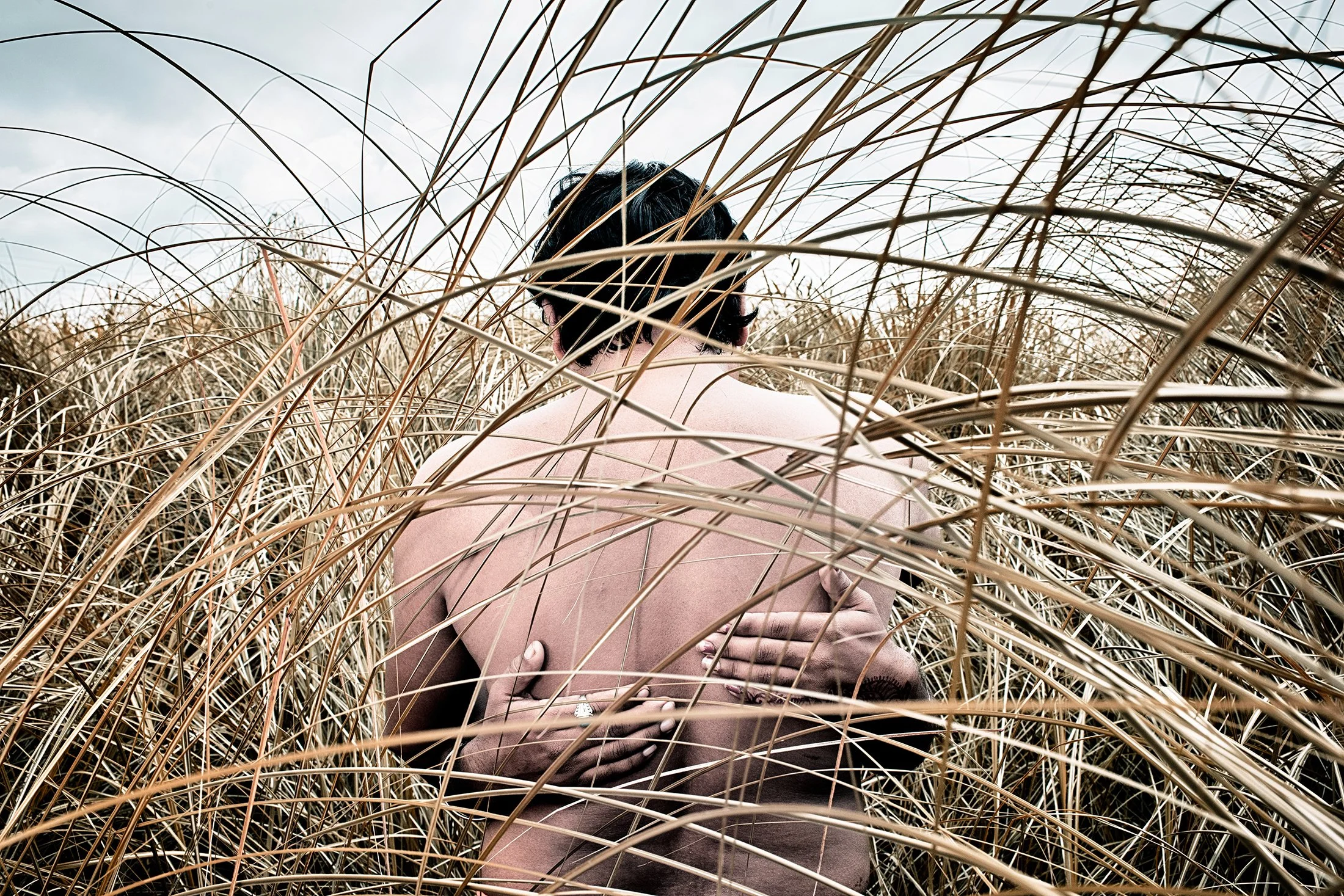
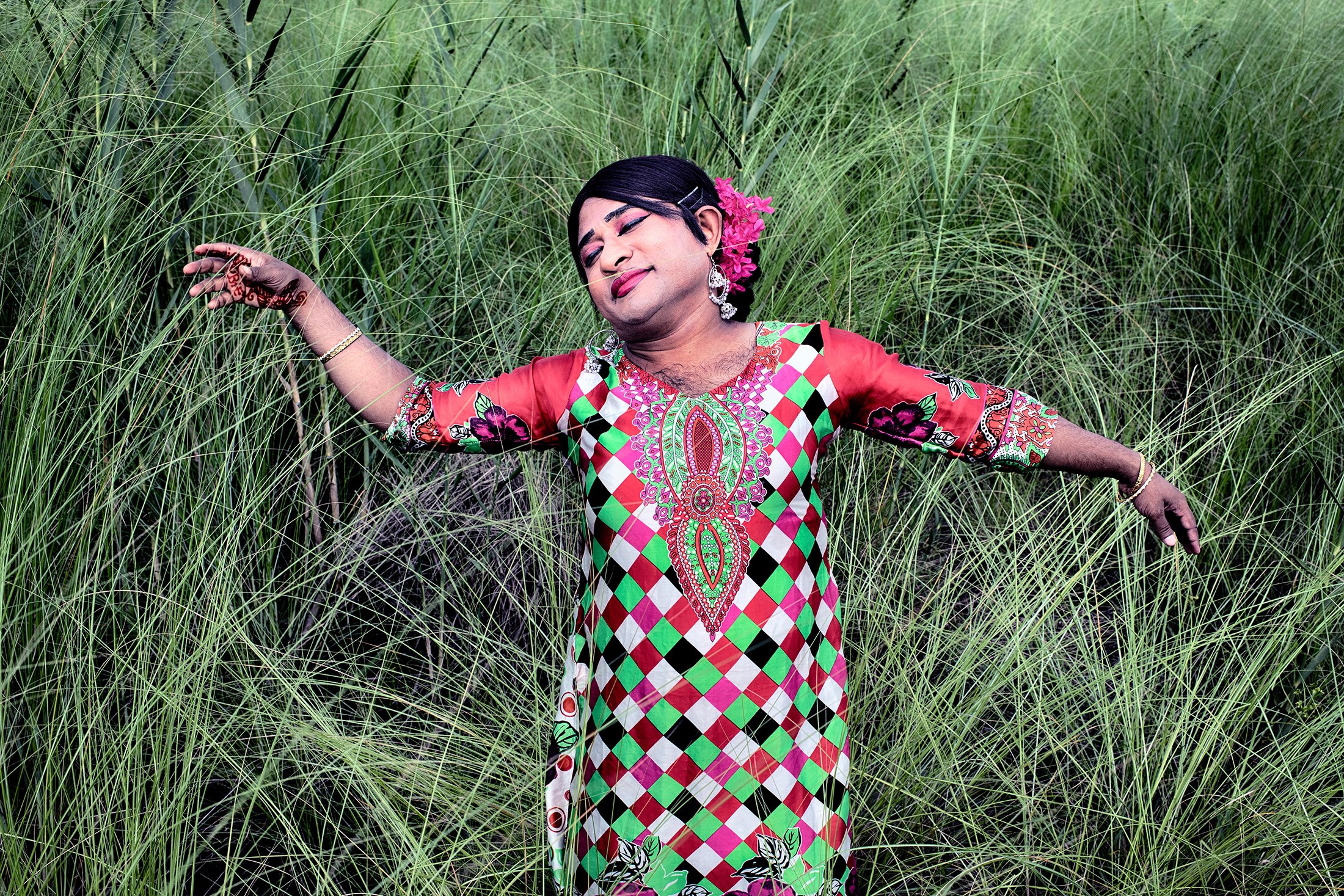
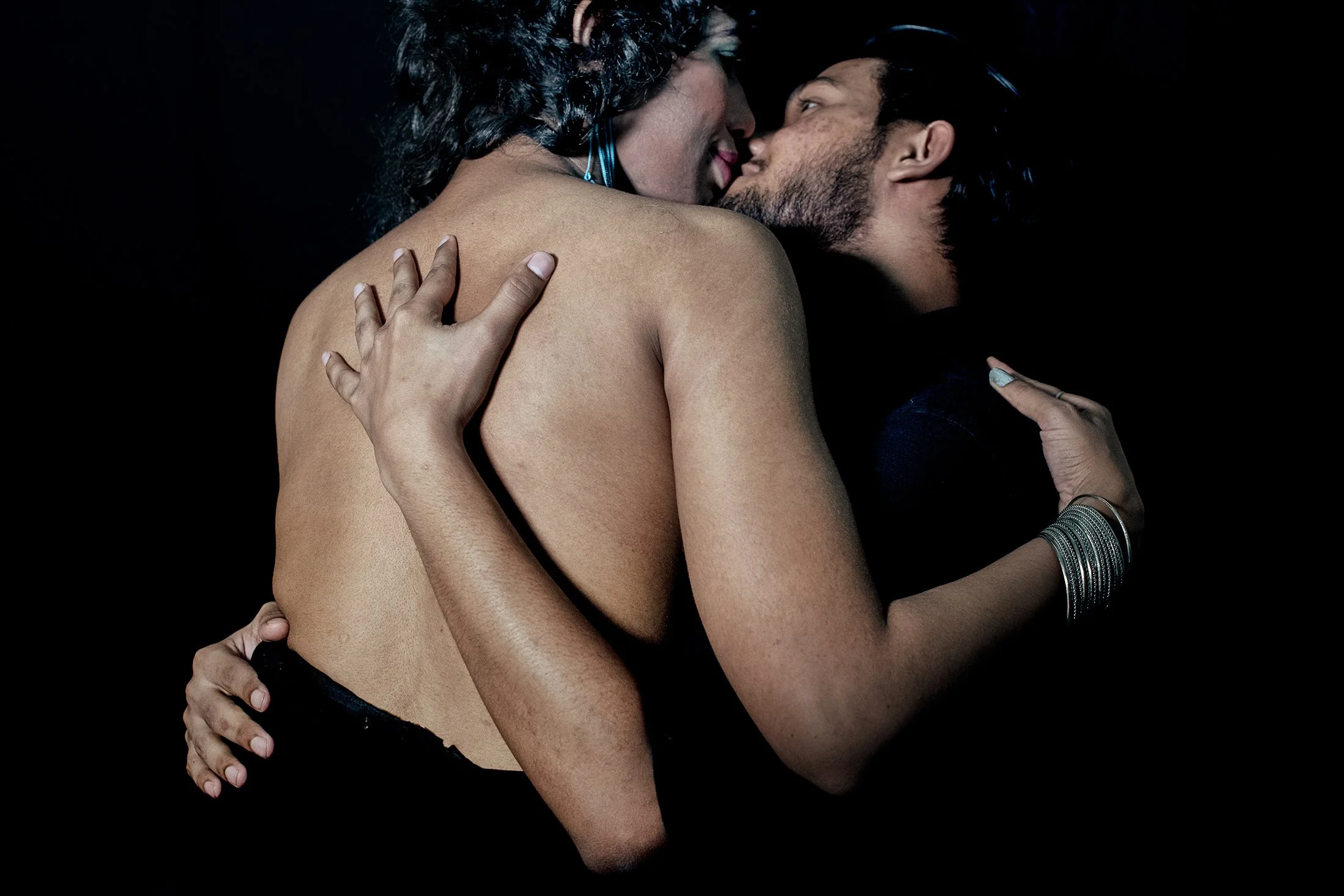
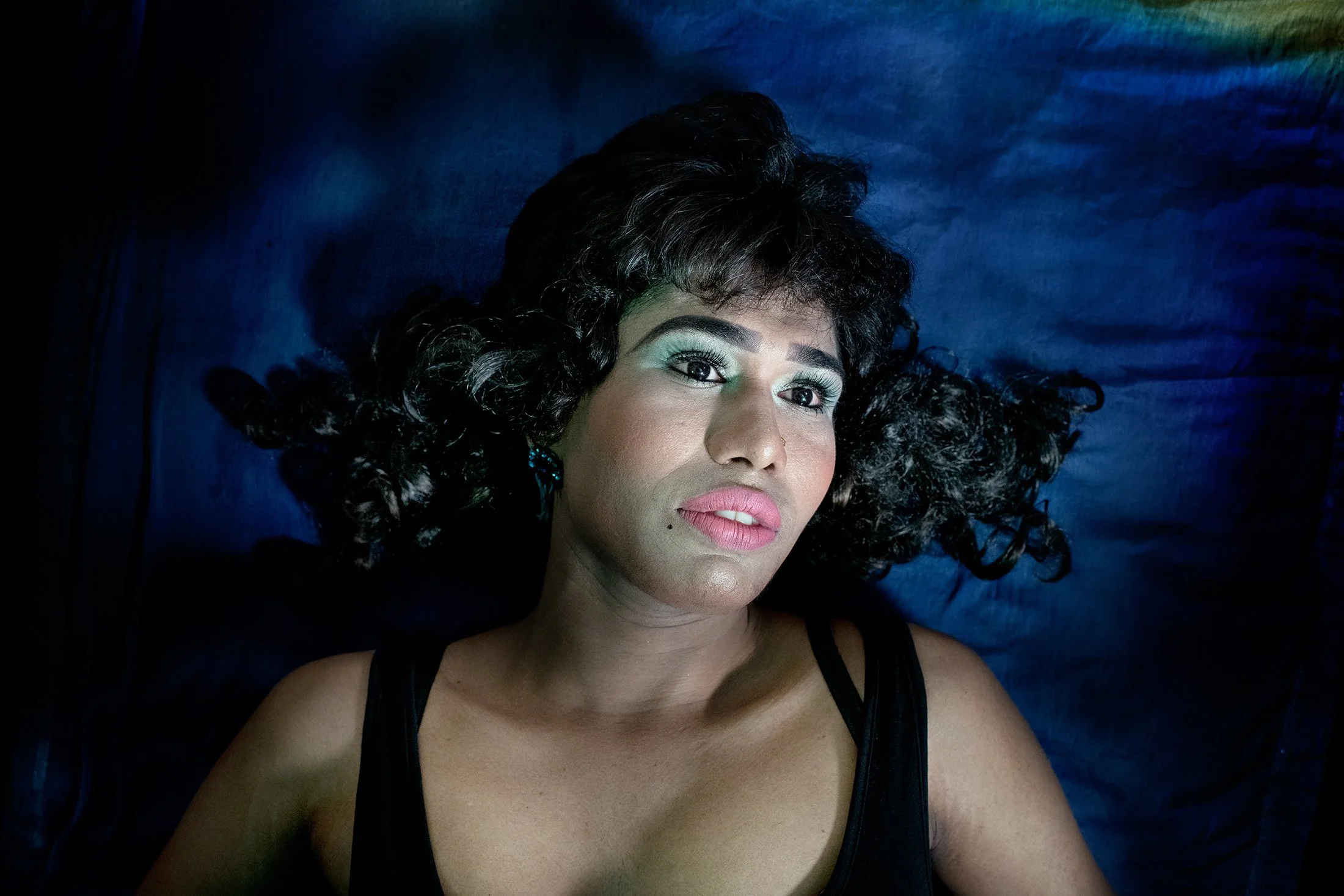
In Bangladesh, transgender individuals face profound isolation and abandonment by family and friends, enduring relentless daily abuse. Societal transphobia and homophobia, deeply ingrained and continually intensifying, hinder their journey toward personal enlightenment and acceptance. The diverse narratives shared by featured members of the LGBTQ+ community vividly illustrate the realities and complexities of their lived experiences.
"The Forbidden Love," a photo story, seeks to uplift and celebrate love by visually portraying the community's profound yearning to exist openly and authentically. The vivid expressions, captivating partner bonds, and sincere simplicity captured in these photographs challenge and dismantle entrenched stereotypes. This project invites audiences to explore the infinite spectrum of love's representation, aiming to redefine its essence beyond traditional gender identities and societal stigmas. "The Forbidden Love" serves as a compelling medium for this crucial dialogue, authentically reflecting their personalities and emotions.
This collaborative photo project features the LGBTQ+ community in Bangladesh, who continue to courageously fight for their fundamental right to love freely and live equally. Using in-depth interviews with community members as a foundation, their poignant memories and personal stories are recreated as photographic montages that amplify their voices and validate their experiences through powerful visual narratives.
Augusto Citrangulo
-
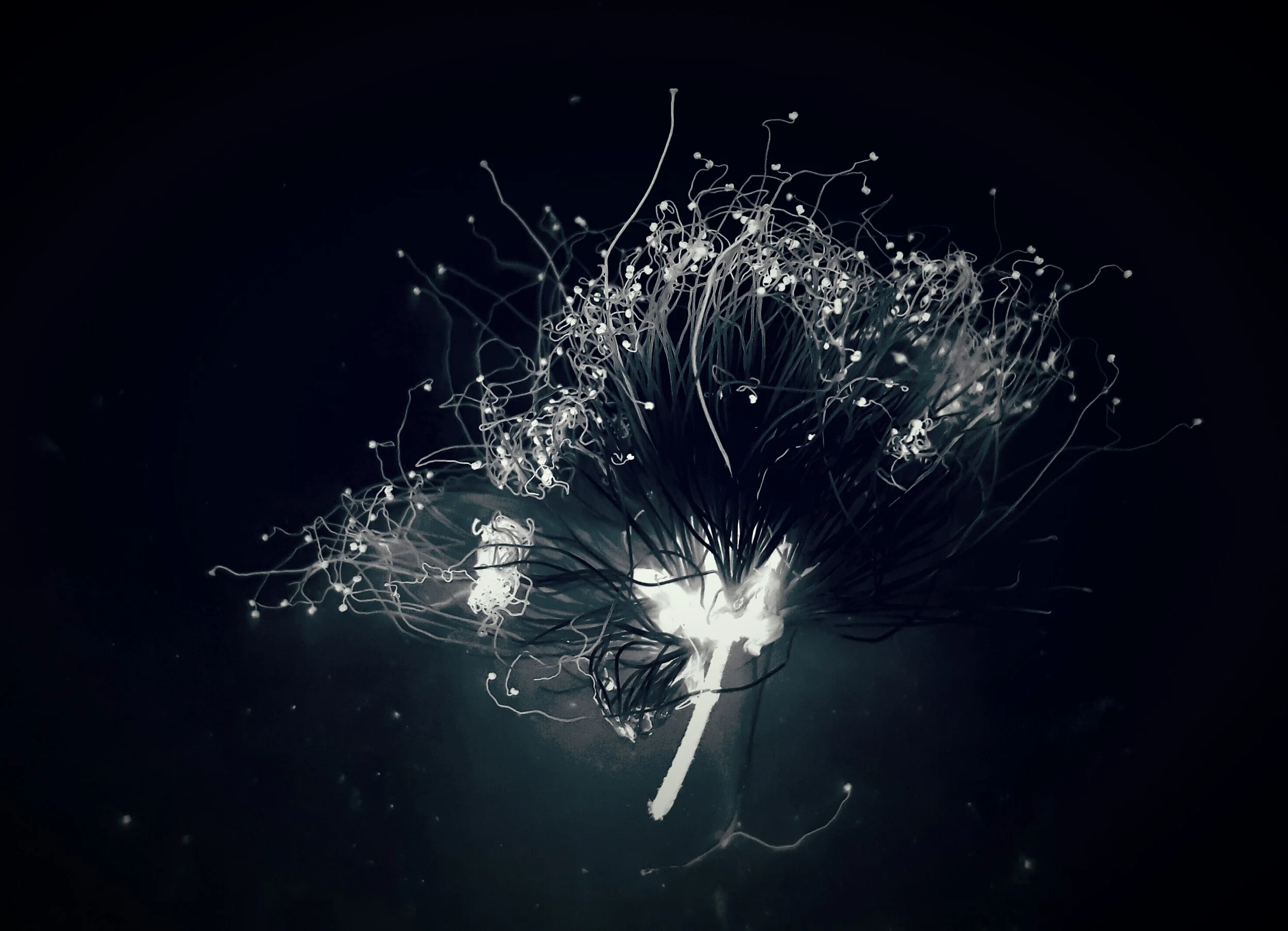
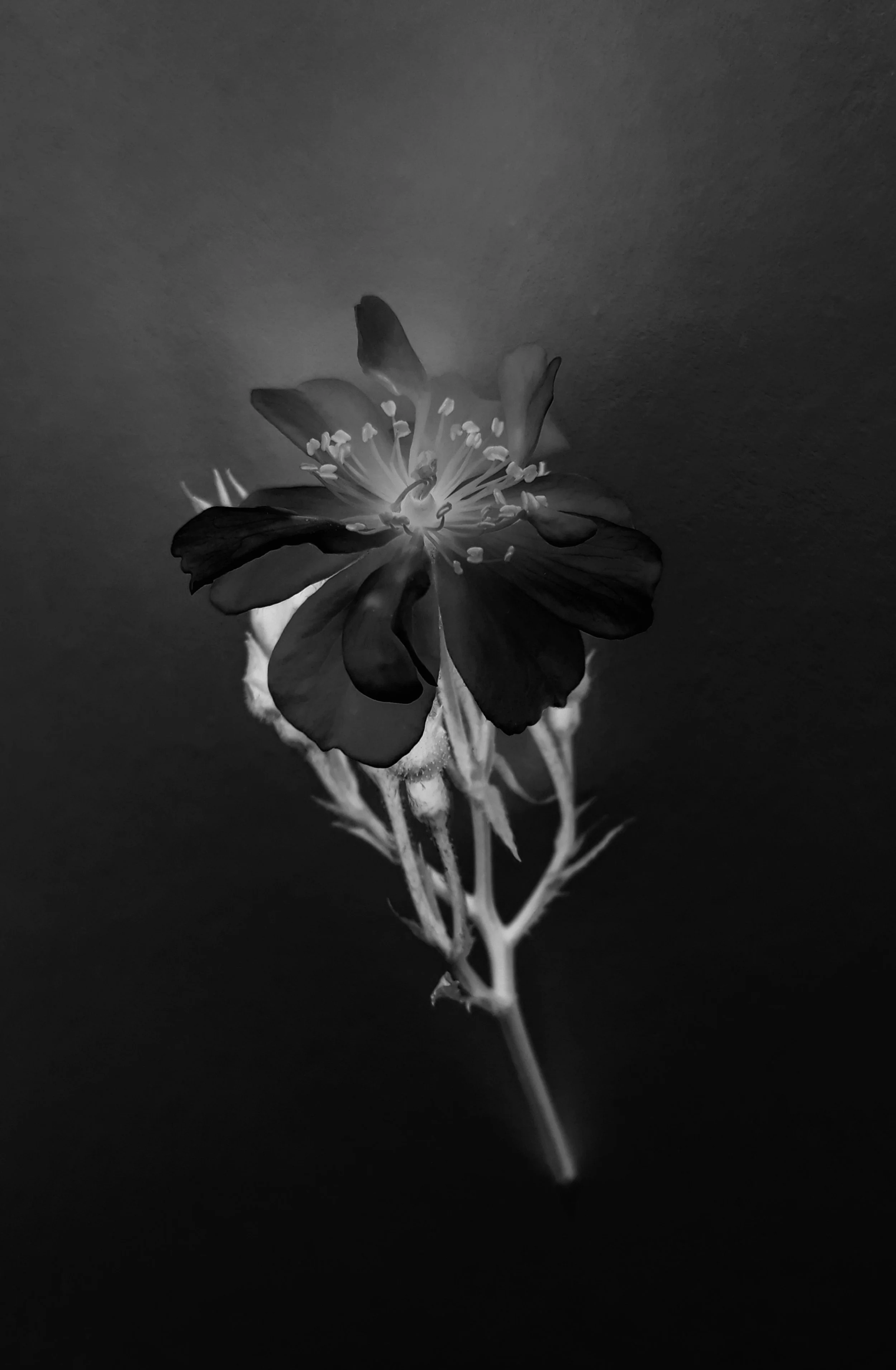
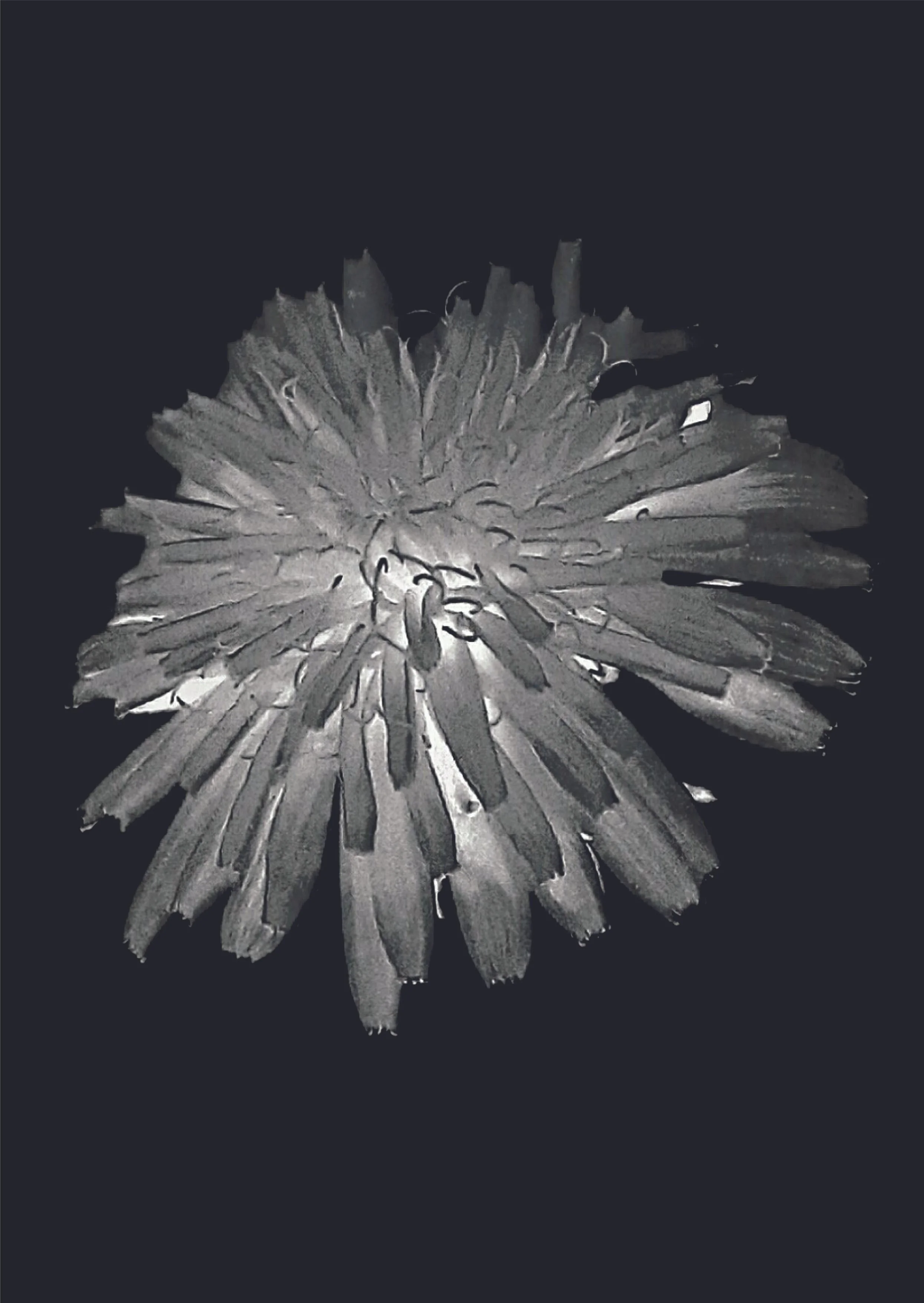
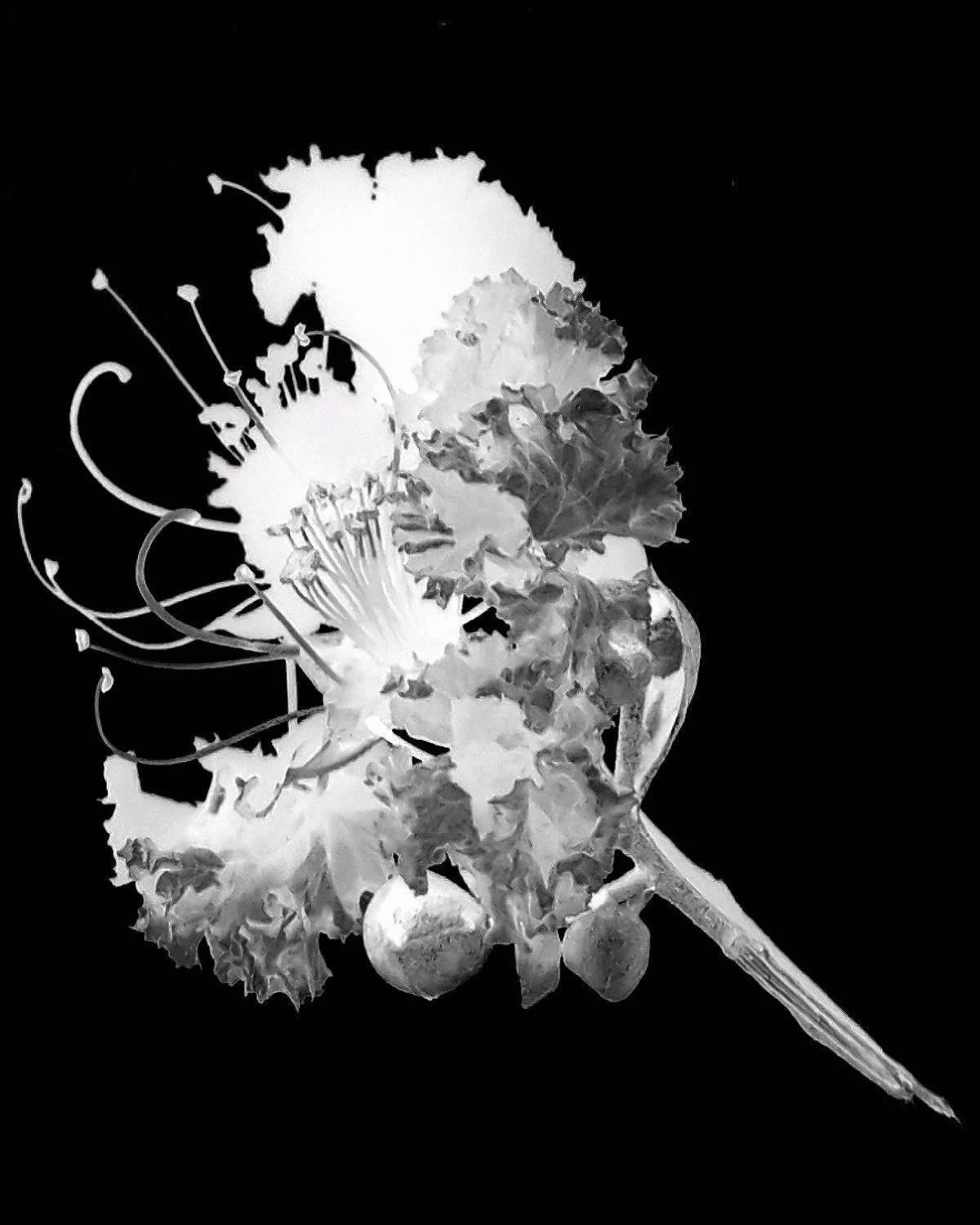
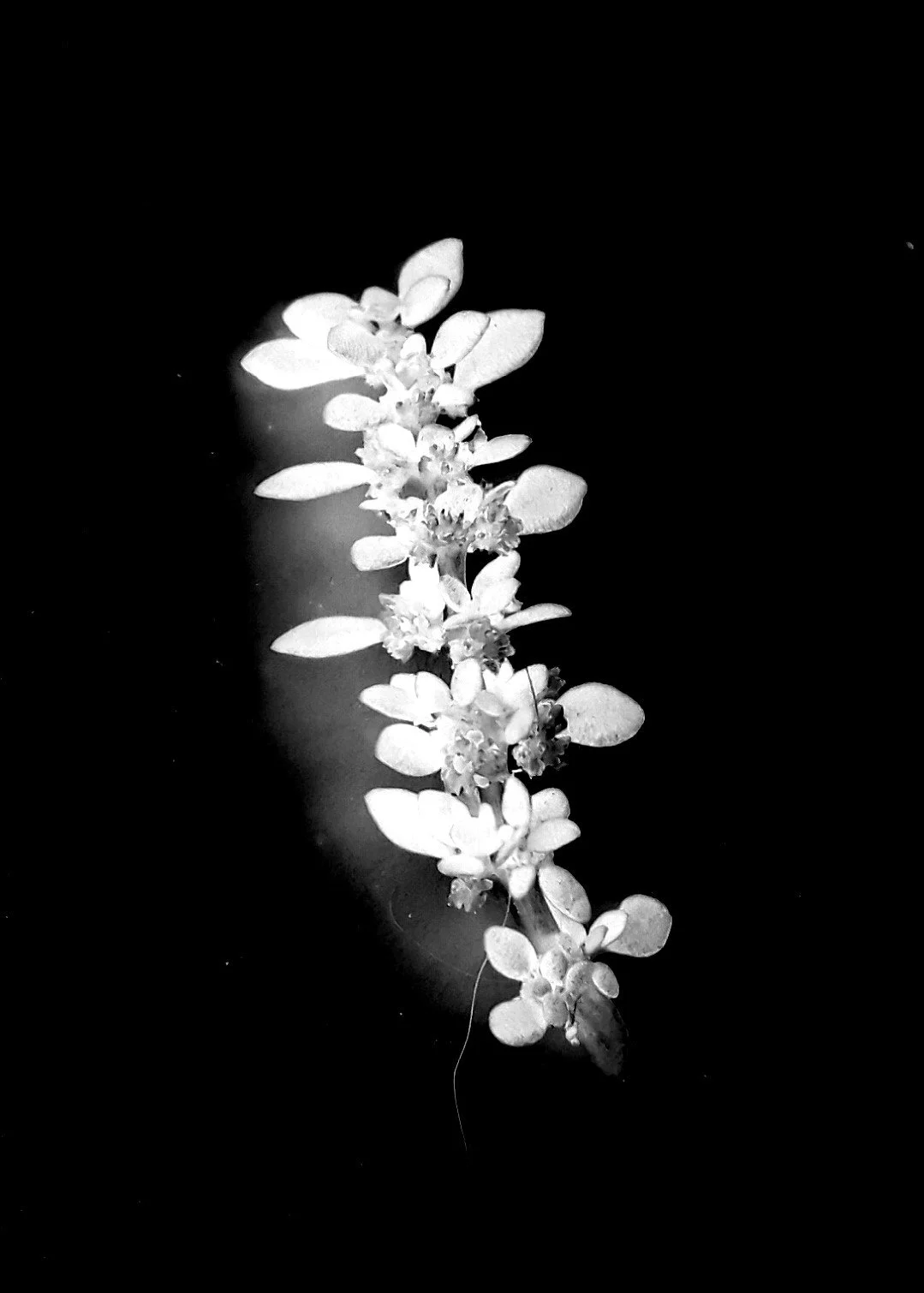
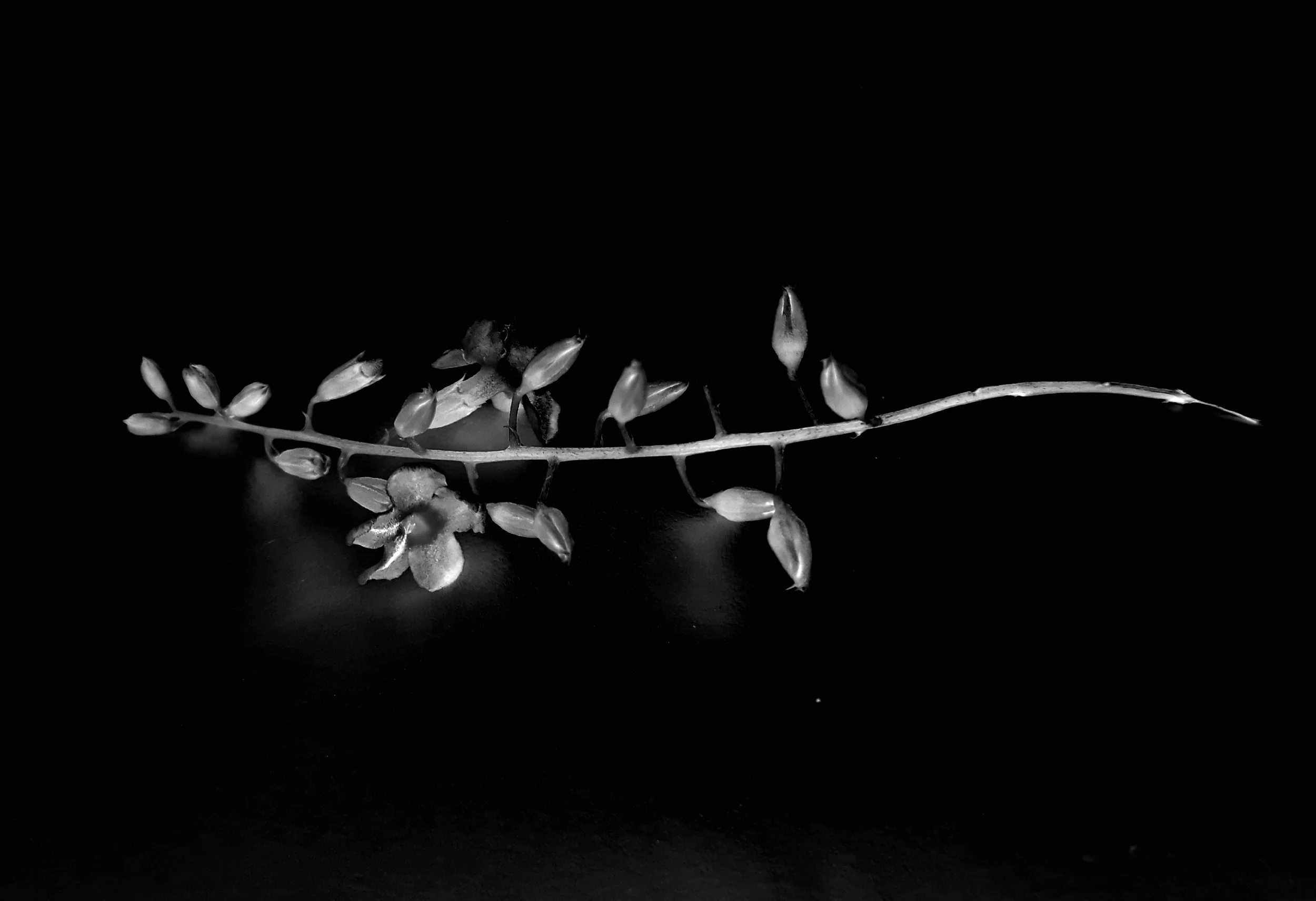
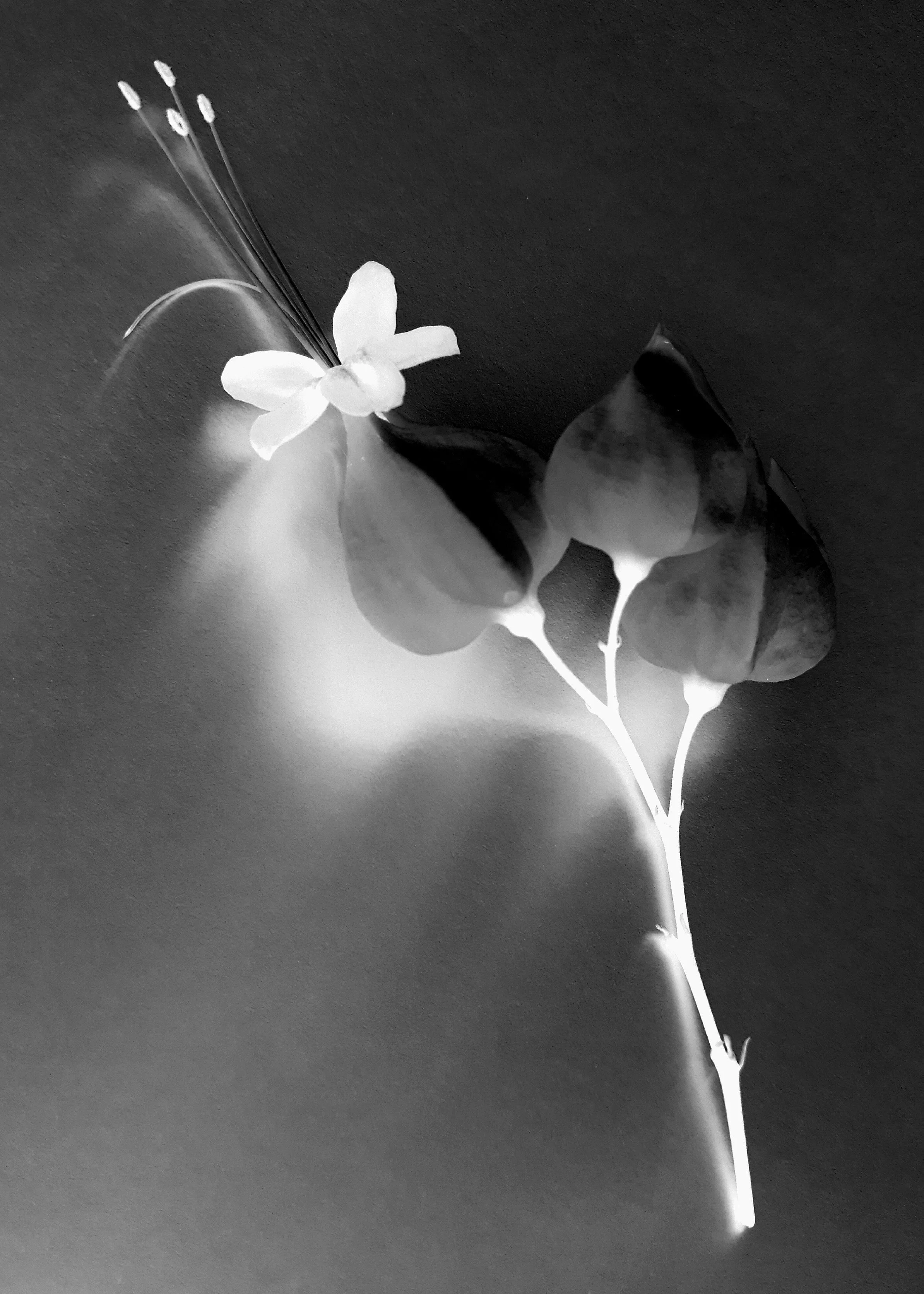
I have been developing a photography project since 2018 entitled “Tribute to Talbot”, in reference to this master of the history of photography. Today, I have more than 350 shots of small fragments of life that I quite literally encounter along the way: delicate little flowers, branches and leaves arranged in miniature natural bouquets. I always photograph using a smartphone, following the same method, and edit the images on the smartphone itself, using the same technical parameters, until I achieve the light, focus and contrast I require. I then transform the images into negatives in order, paradoxically, to highlight light — an essential element of photography. Some of these results are what I am sharing with you.

Judita Juknele
-
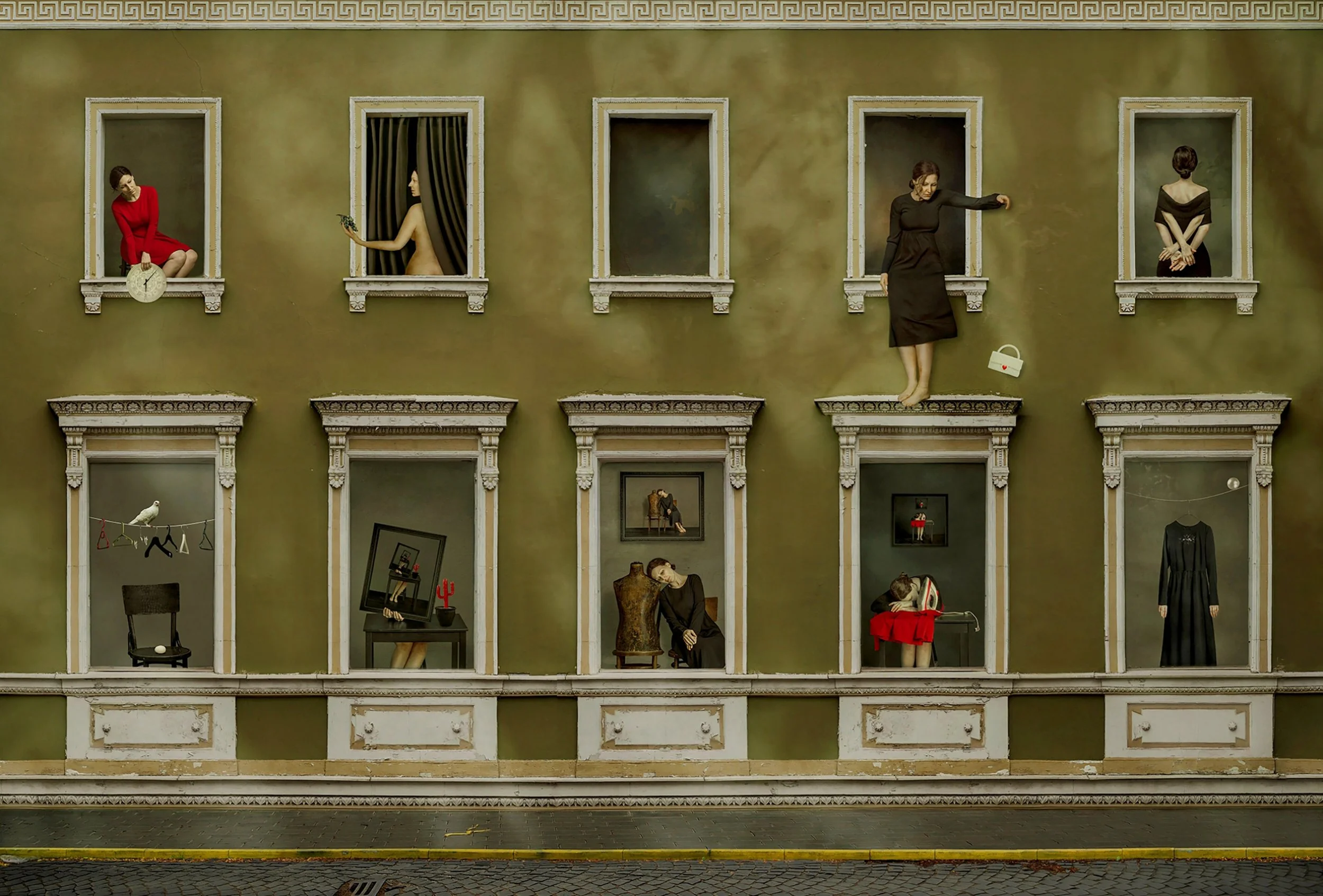
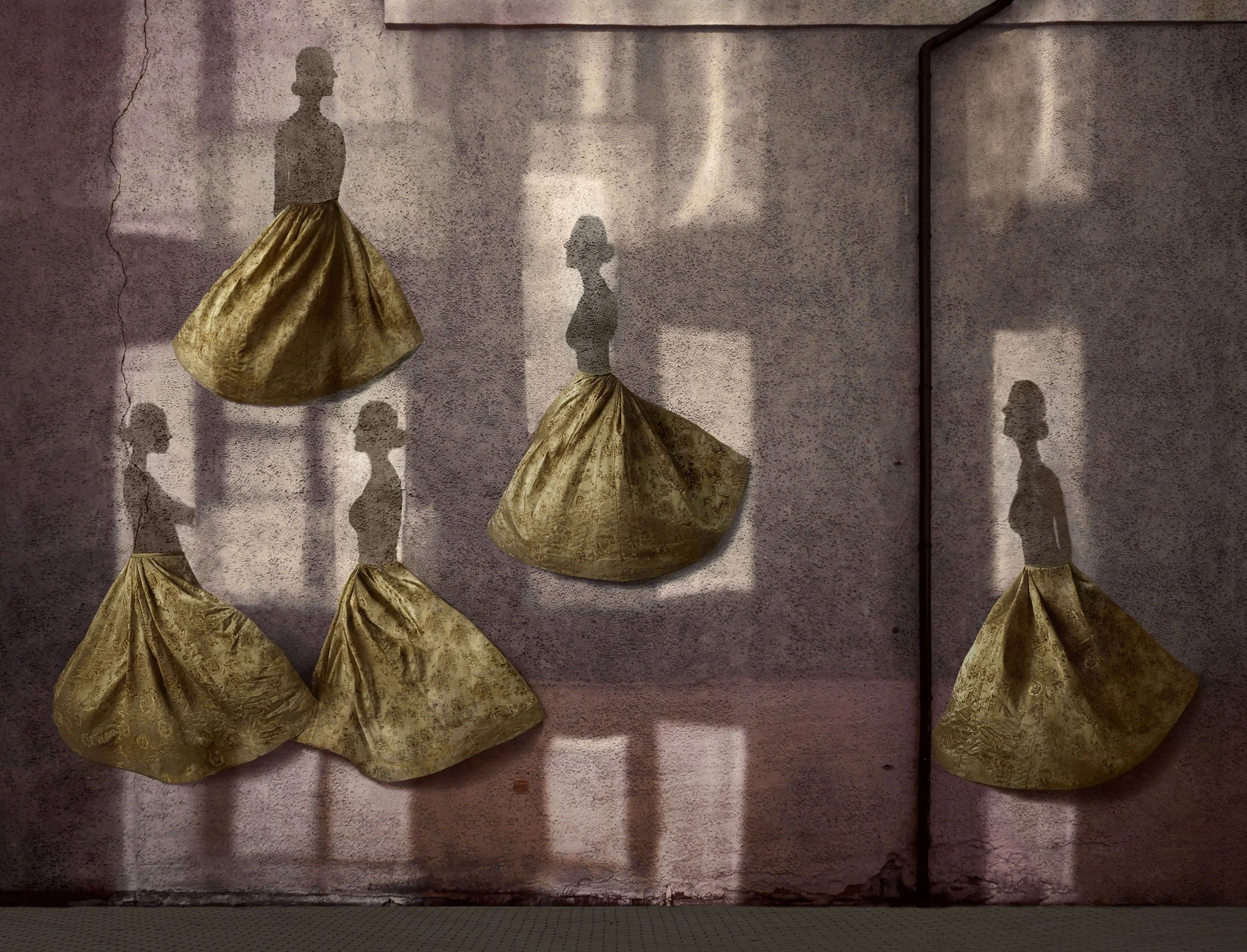
In my works “The story of one house”, I explore the weight of memory, the invisible emotions, and the silent stories that are placed behind the windows.
These images I see as psychological spaces created from the shadows of dreams, from the cells of inner life.
In the first picture I created the fading silhouettes and selected fabrics for the skirts to invite the ghostly ladies from ancient epochs. And you never know whether they are real or just created by your imagination. They are passing through your dreams. These ladies are symbols of nostalgia, hanging in the in-between reality and blurred vision.
In another picture, the windows are corridors between the inner and outer worlds. Each scene arising through frames is surreal but at the same time full of intimate stillness. The house is a metaphor for something that is deep and unraveled in us. I invite you to recognize yourself through feeling. Stop for a moment and discover yourself, hiding behind the curtains.
Claire-louise Pitman
-
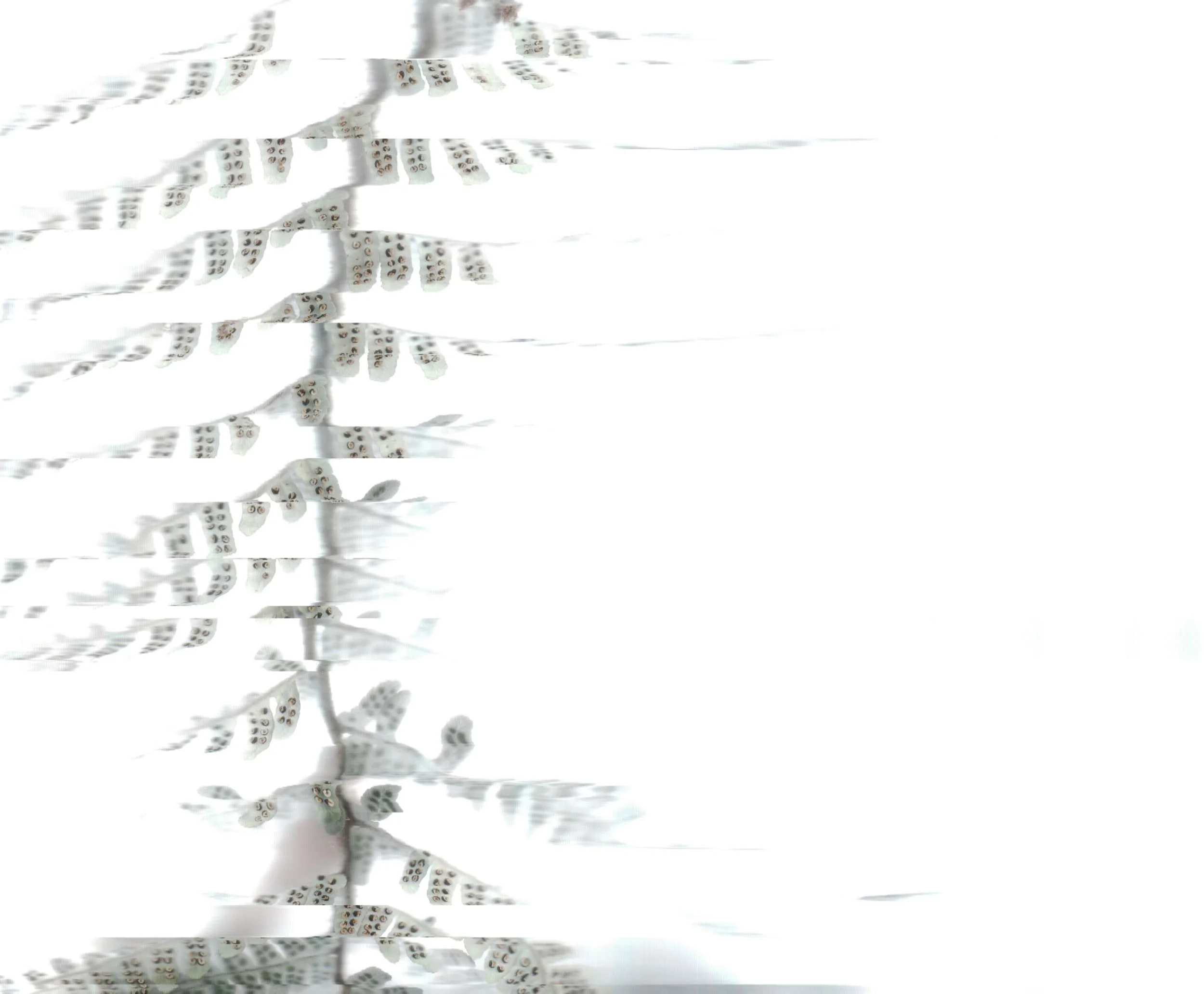
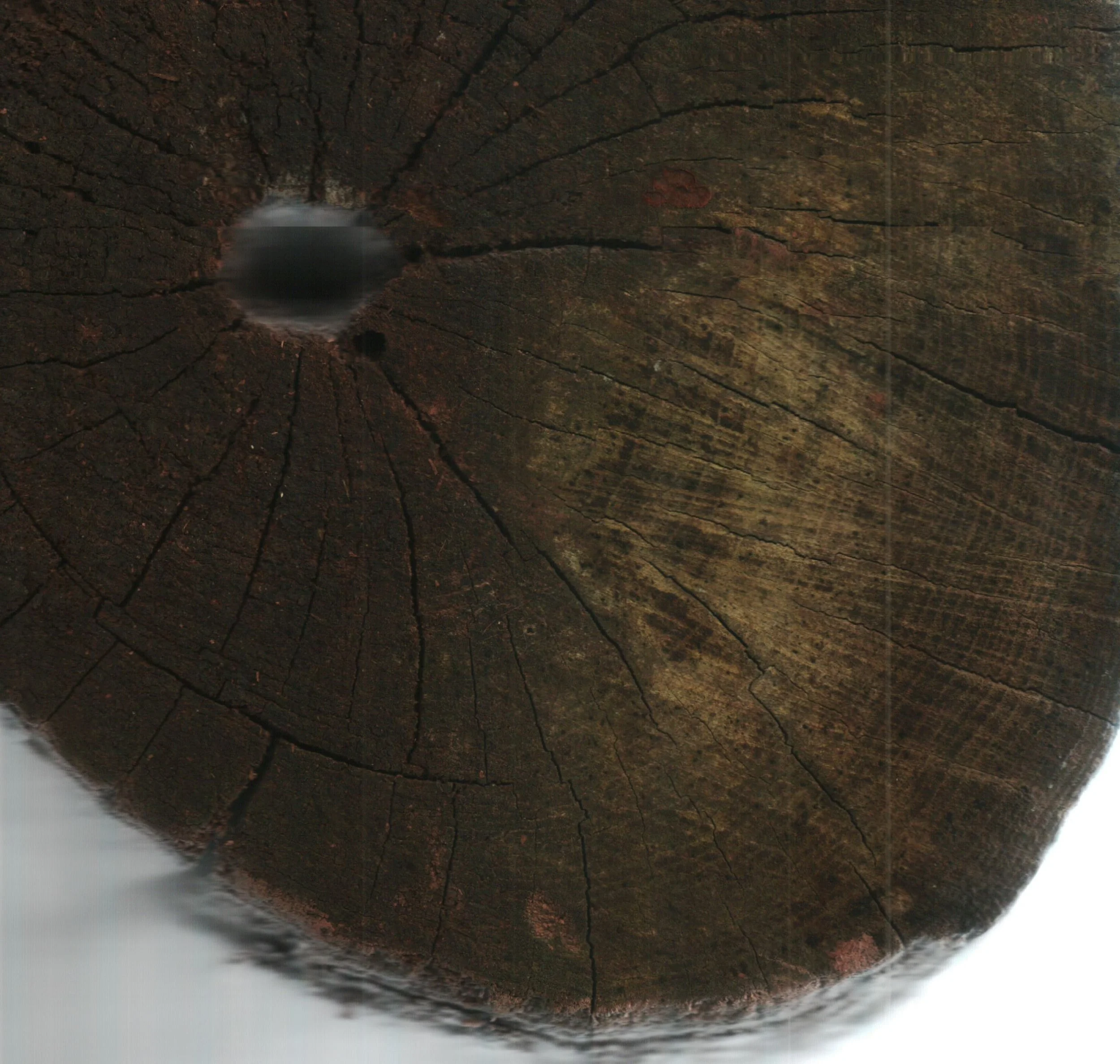
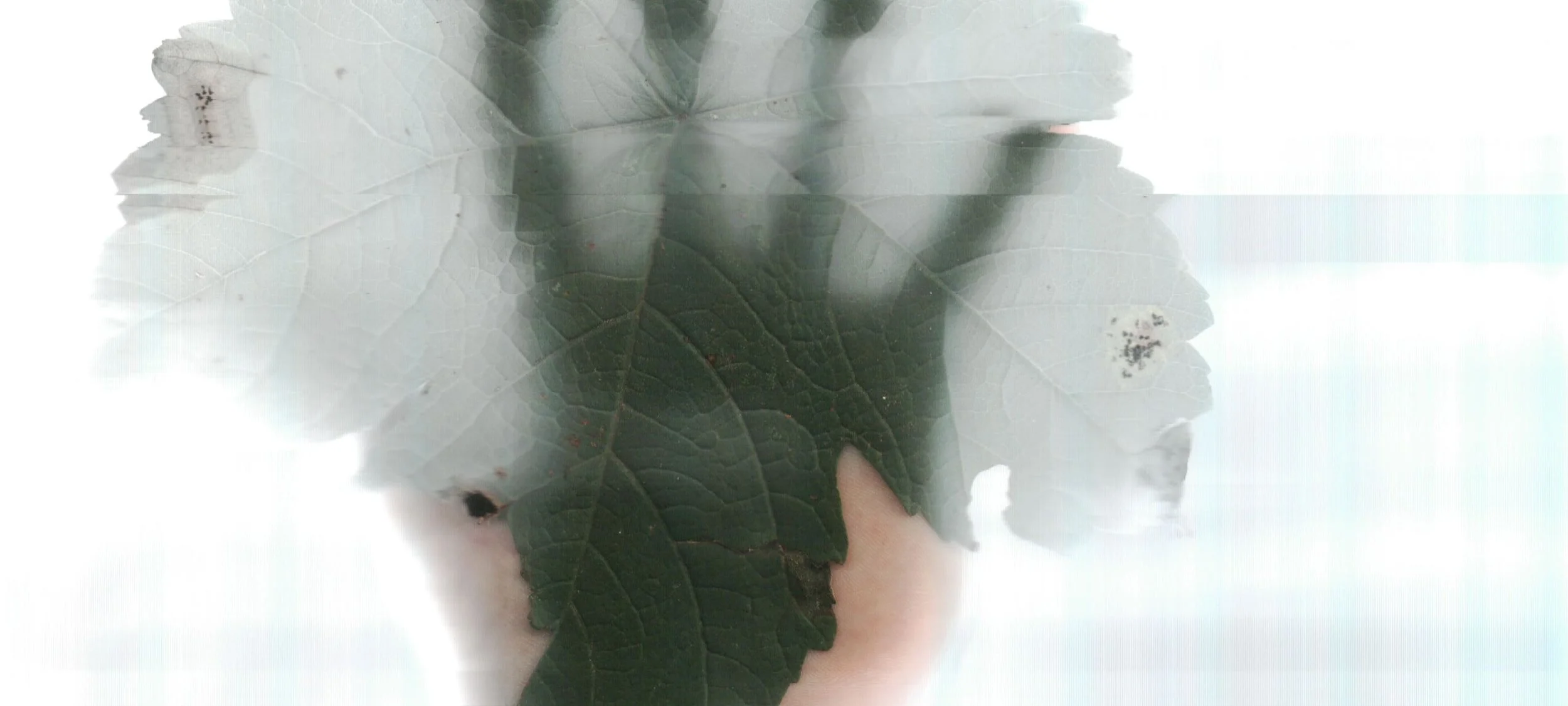
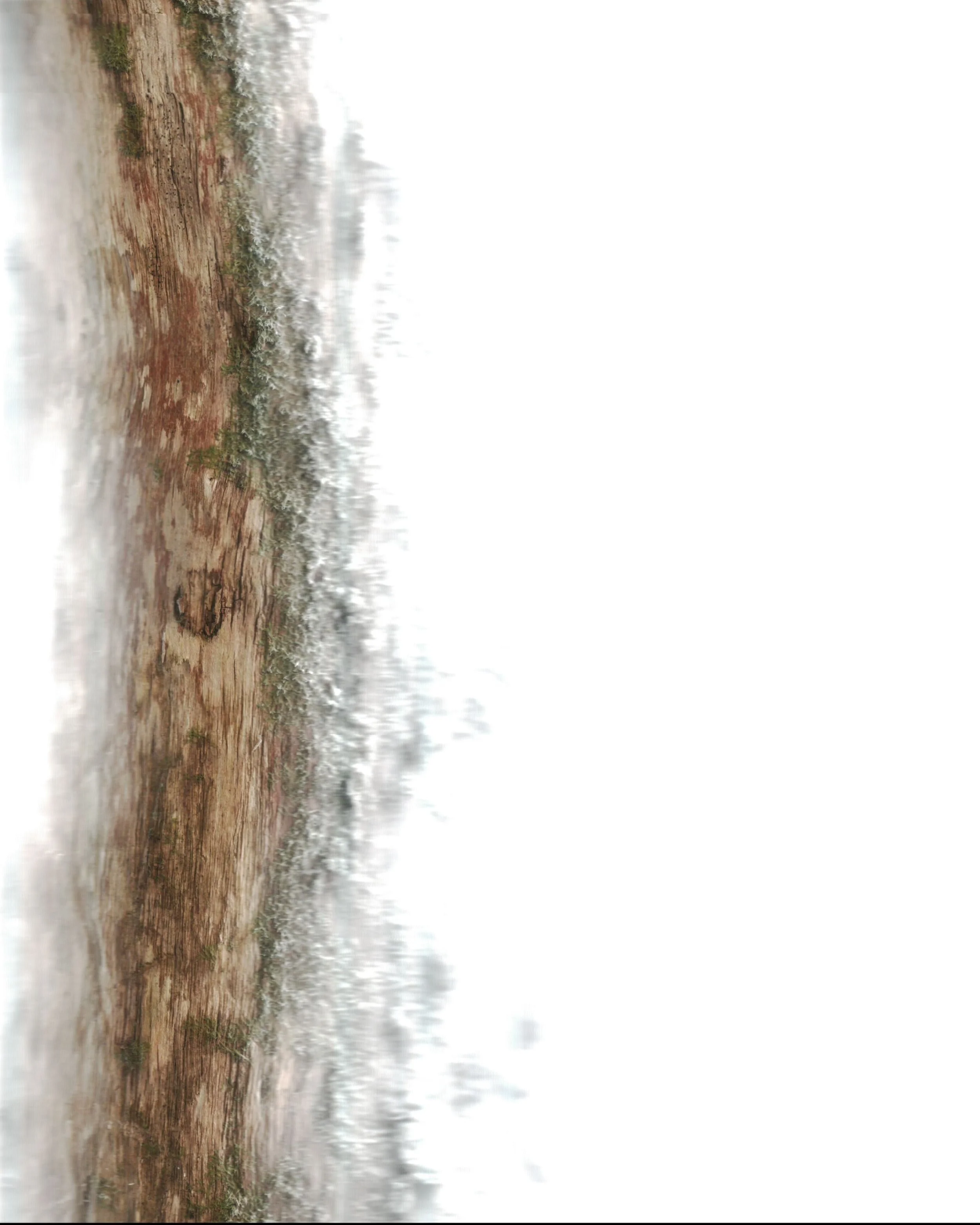
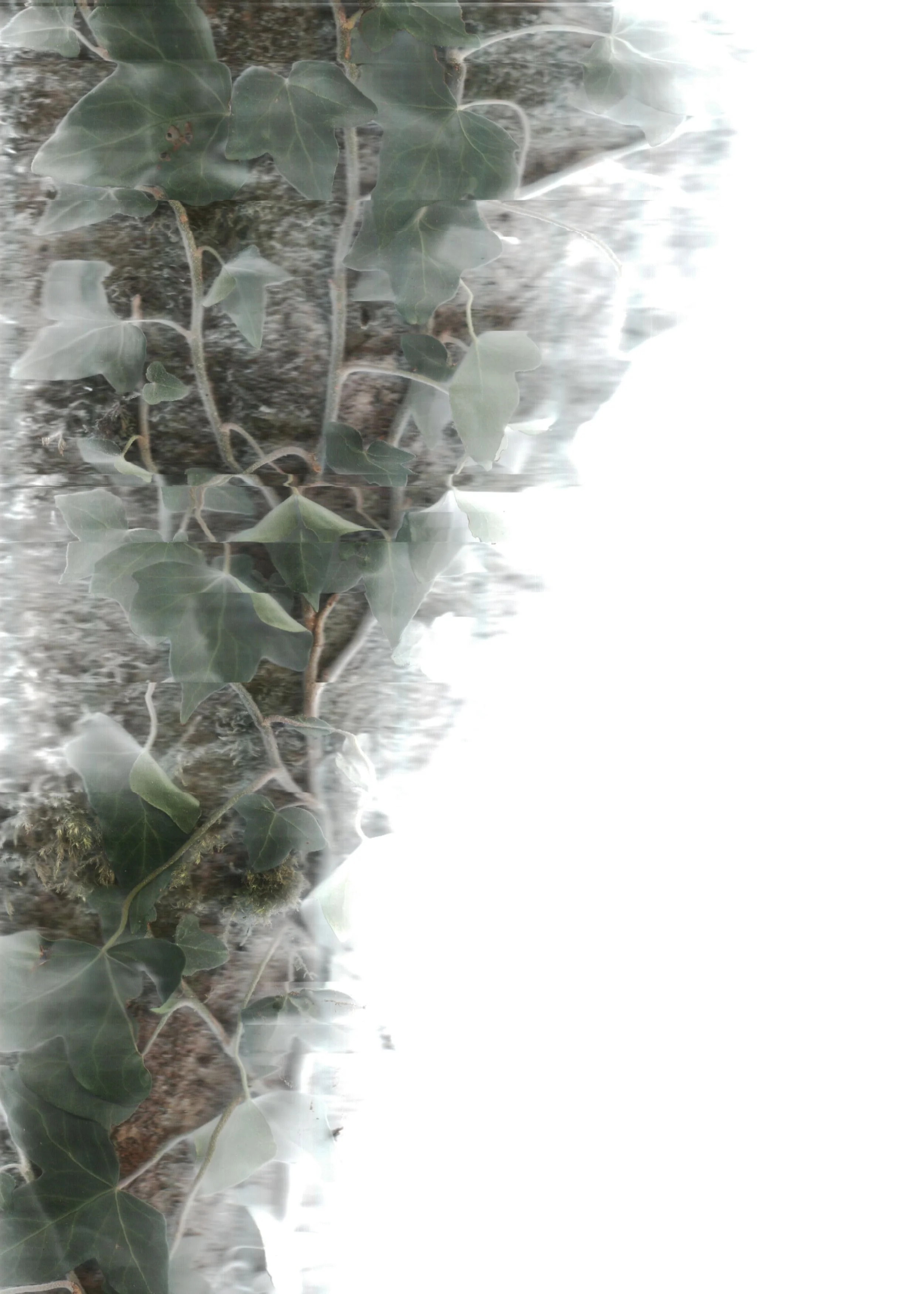
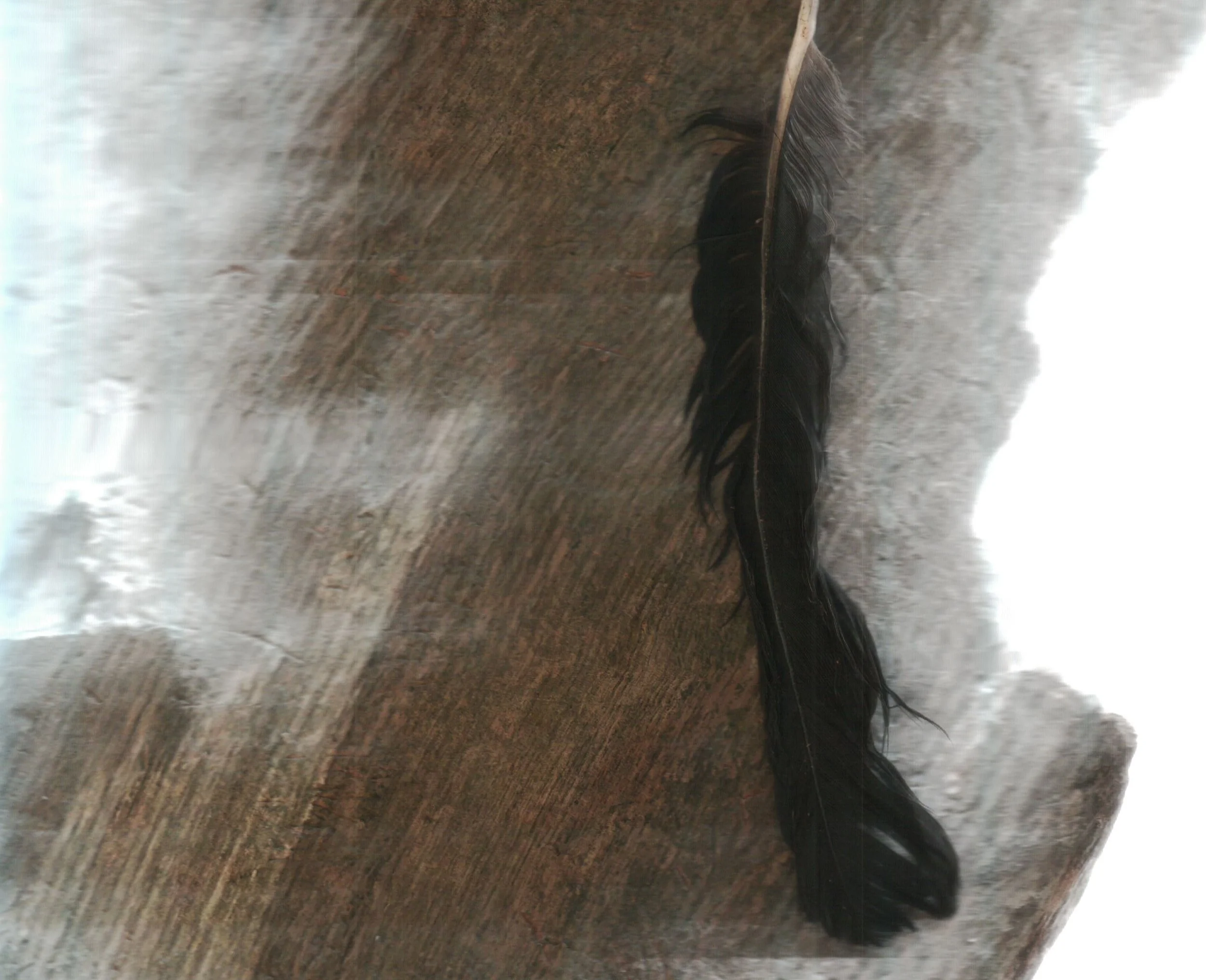
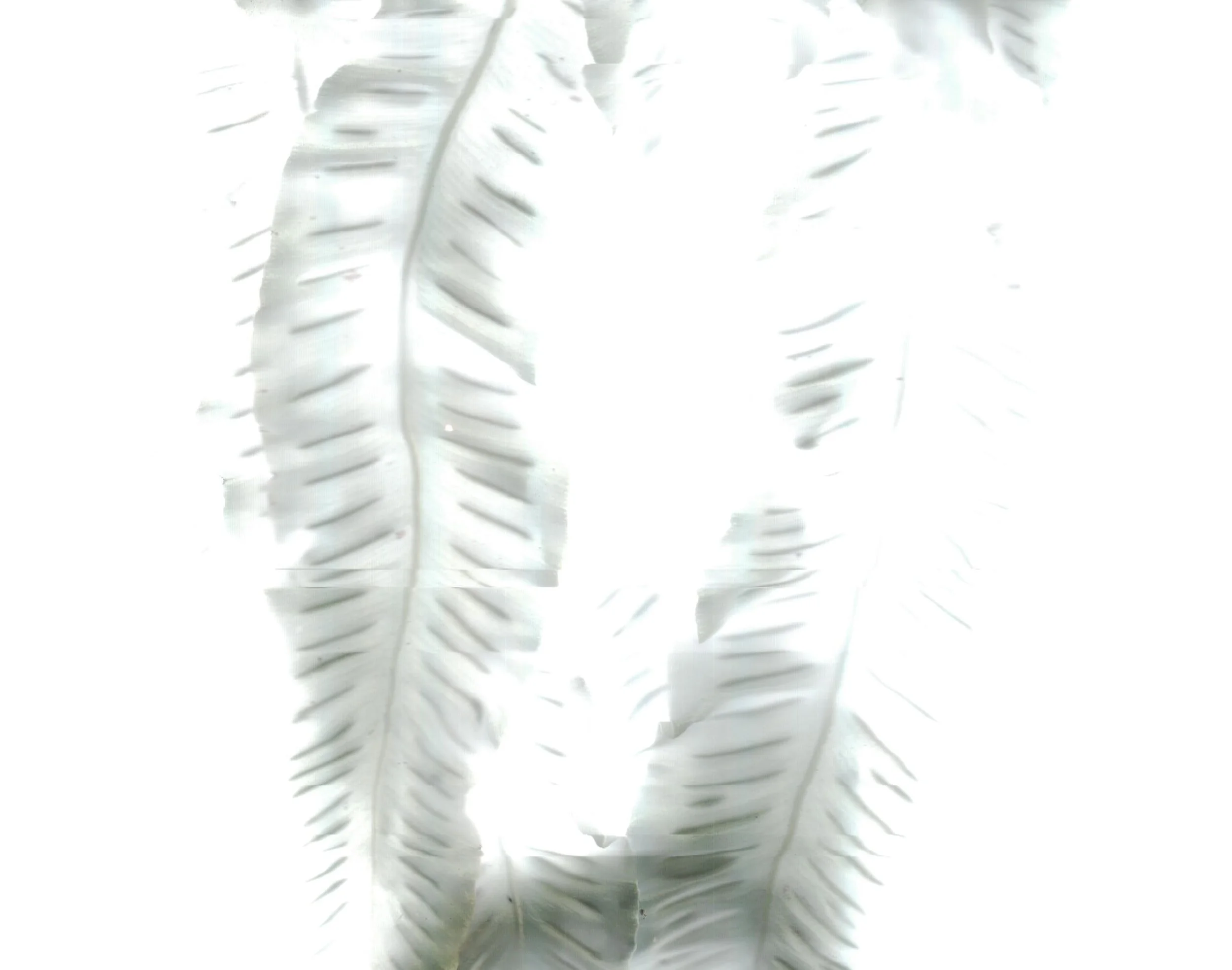
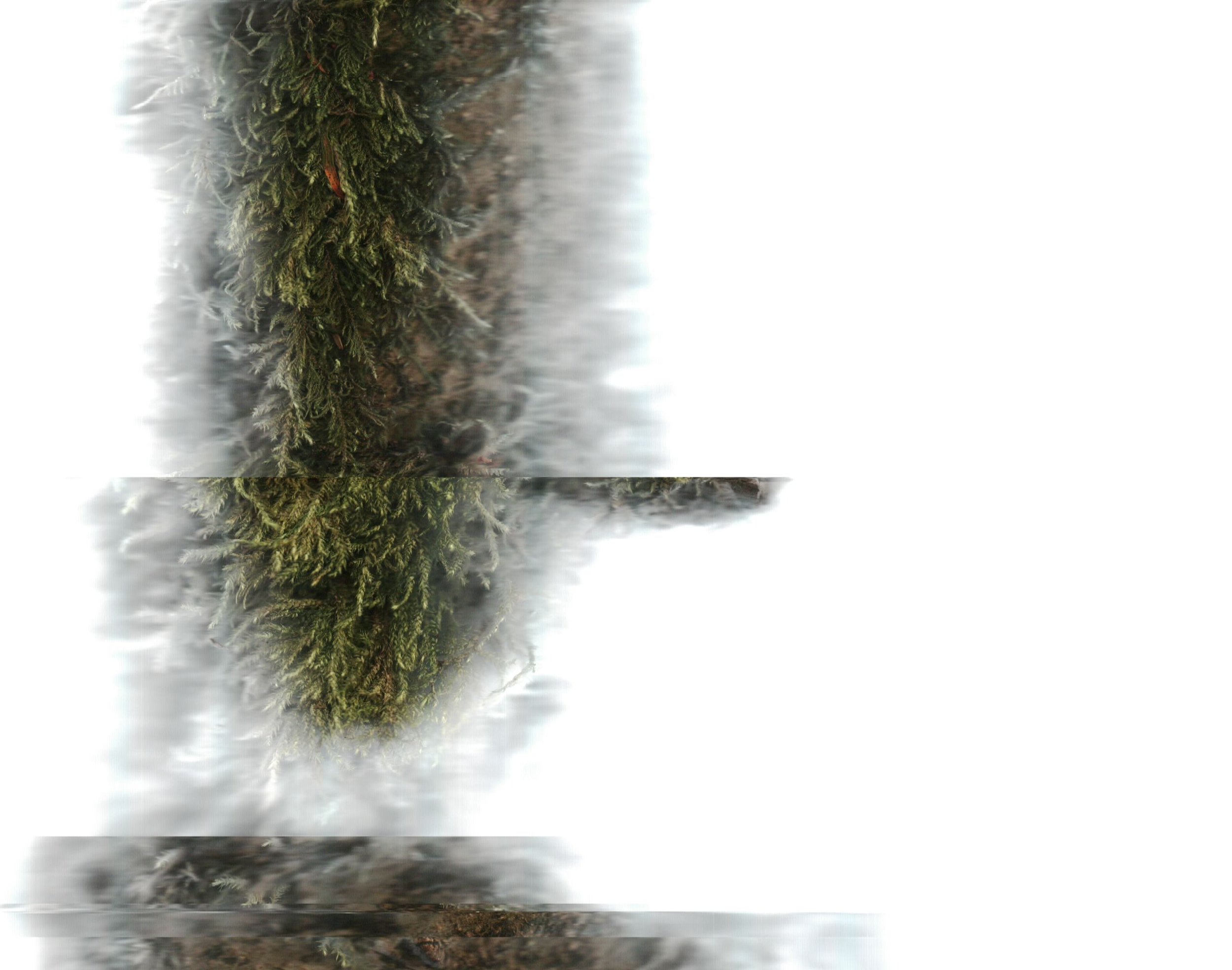
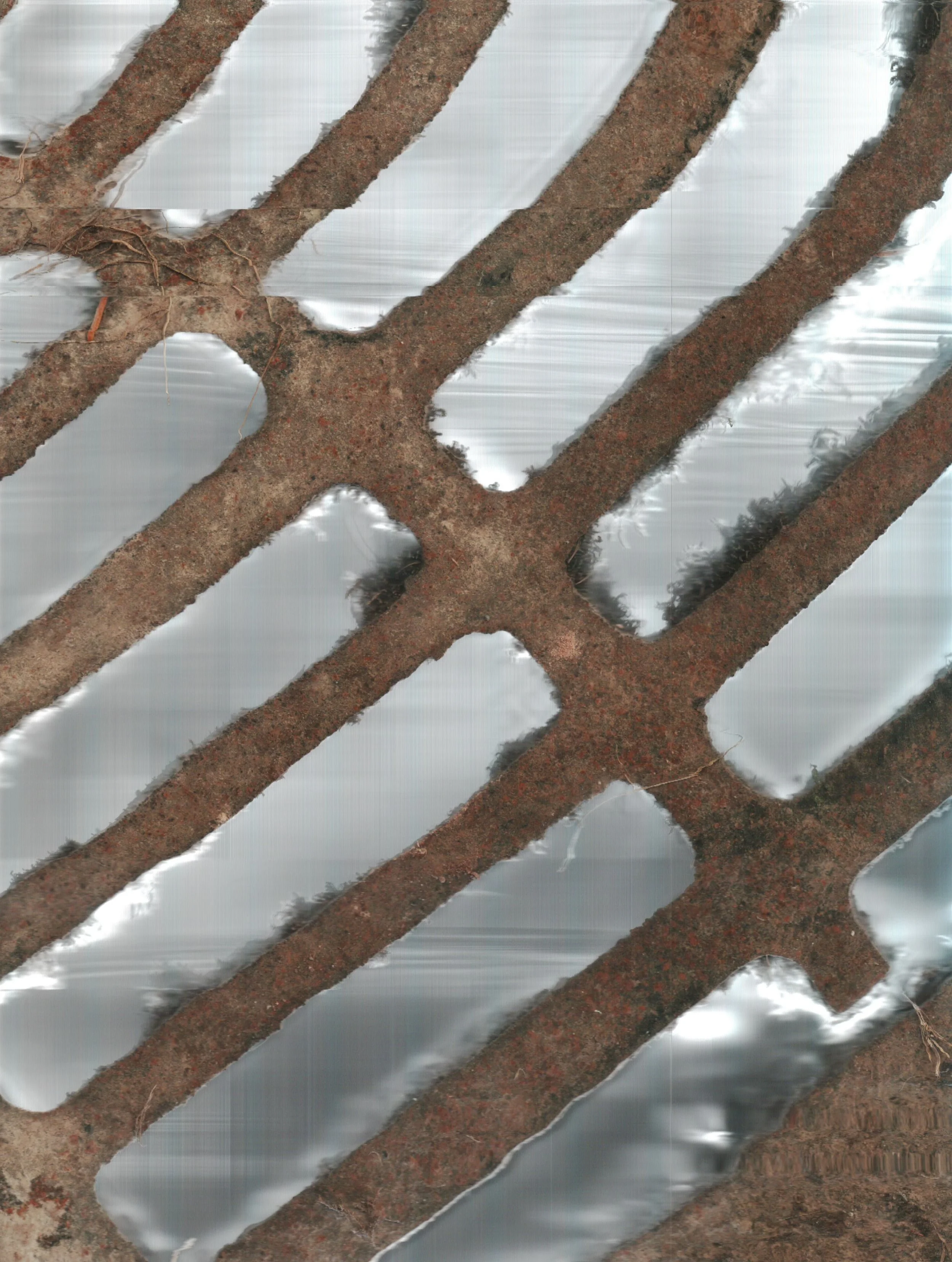
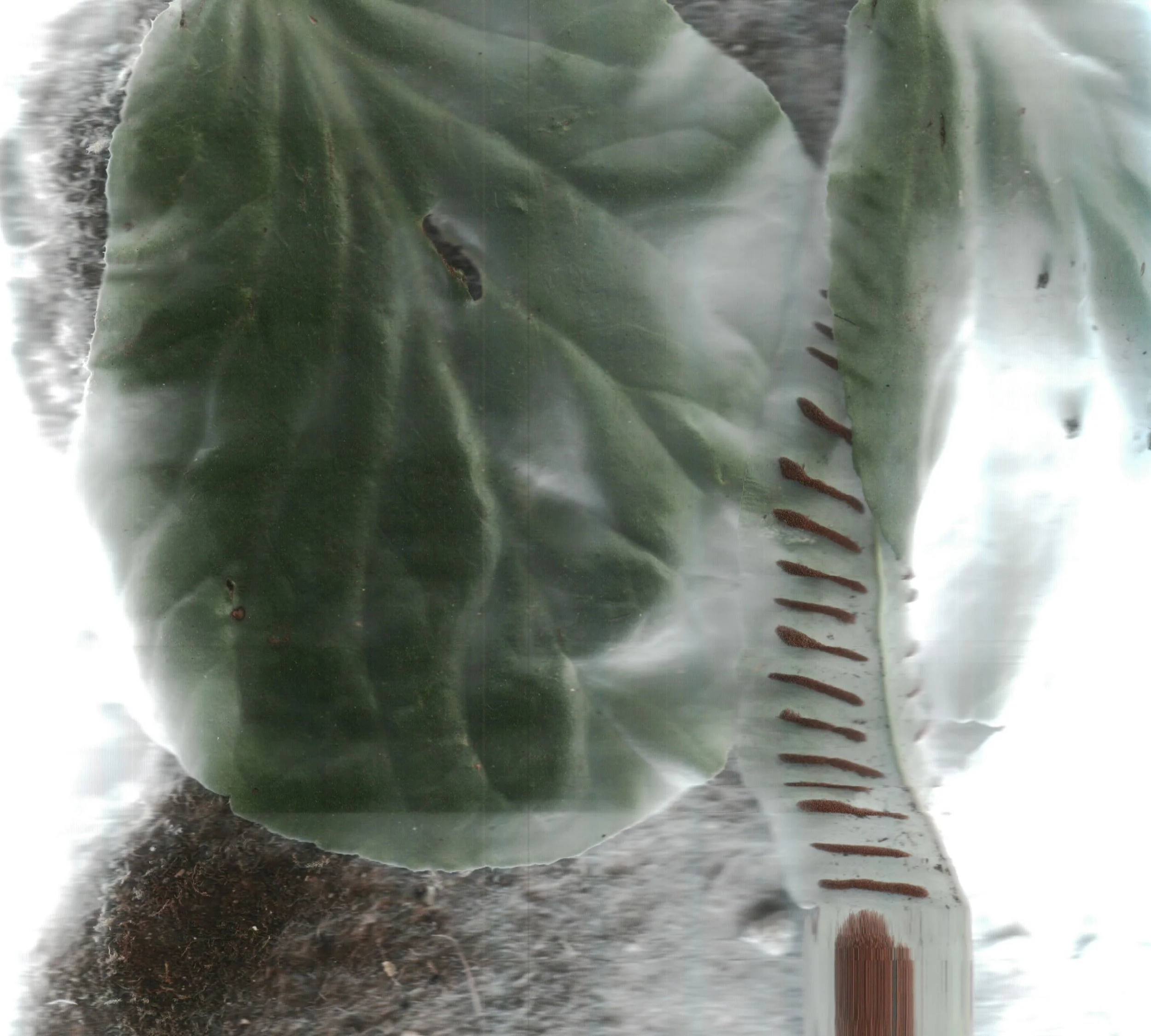
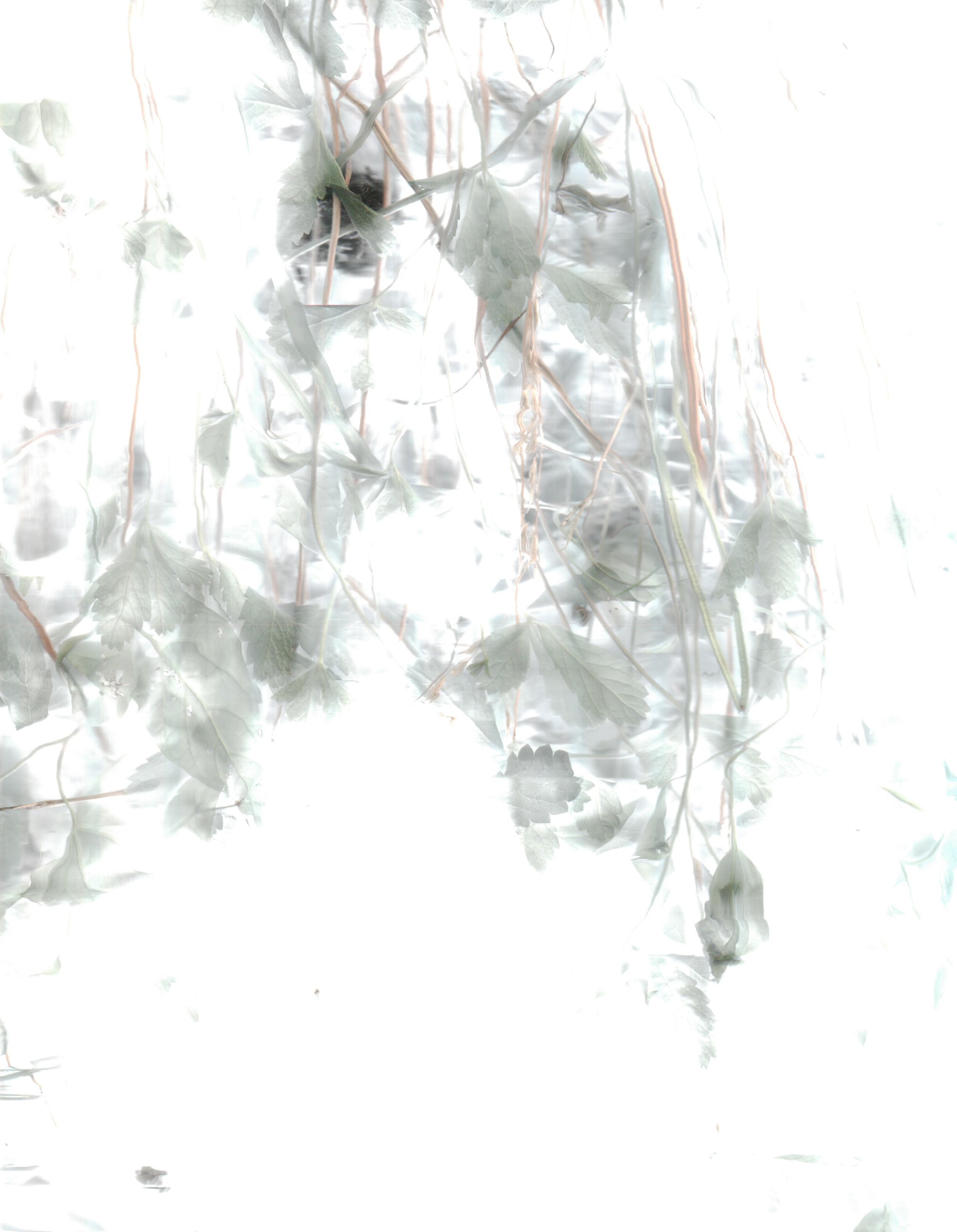
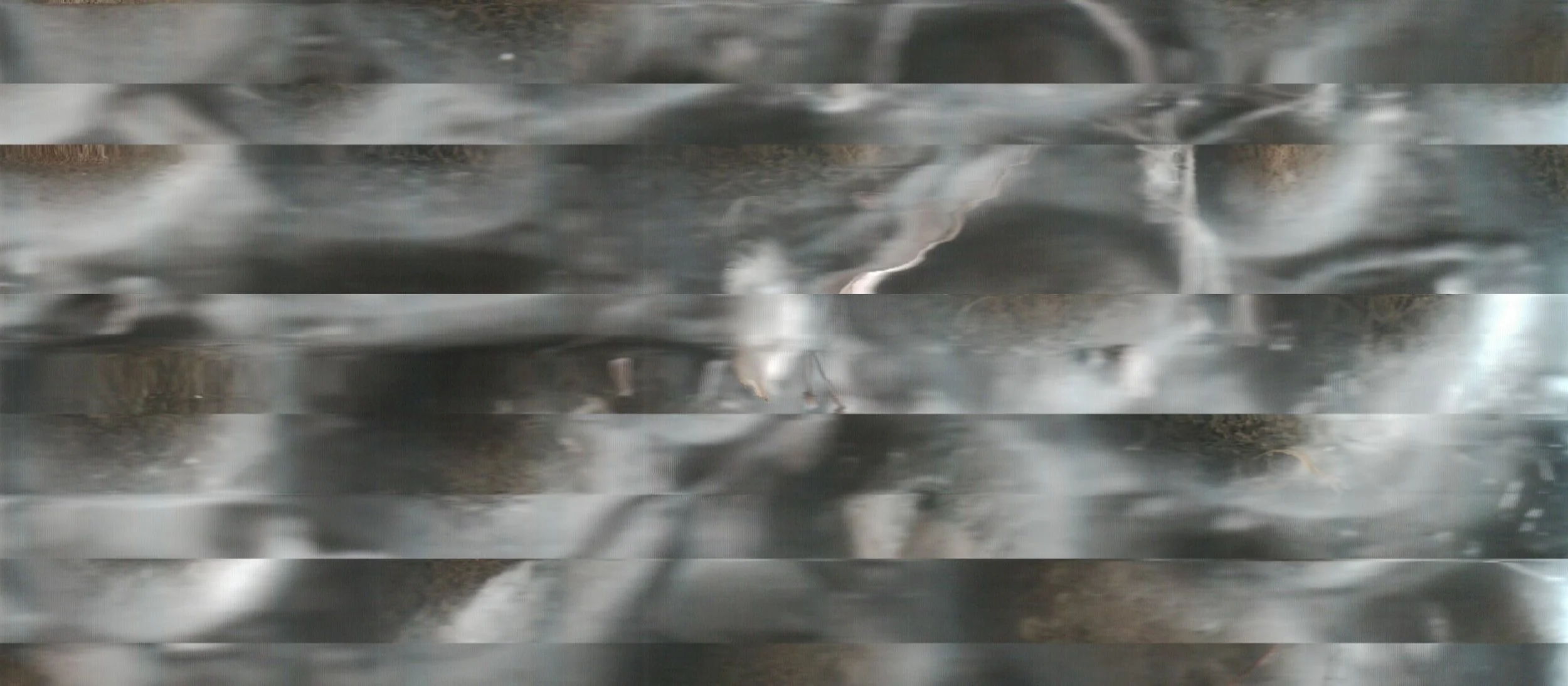
This body of work emerged through experimentation with a handheld scanner, without a desired outcome or fixed goal. The images were made as a way of learning the device through use; allowing accidents, distortions, and interruptions to guide the process rather than correcting them.
Created on a sunny day at Fyne Court, the scanner was used outdoors, moving across surfaces but mainly plants where I thought had potential. Light, motion, and speed are element's that the photographers hand are embedded directly into the image, making the act of scannography.
You're unsure of really what has been captured until the files are downloaded, this is what adds suspense.
StreetMax21
-
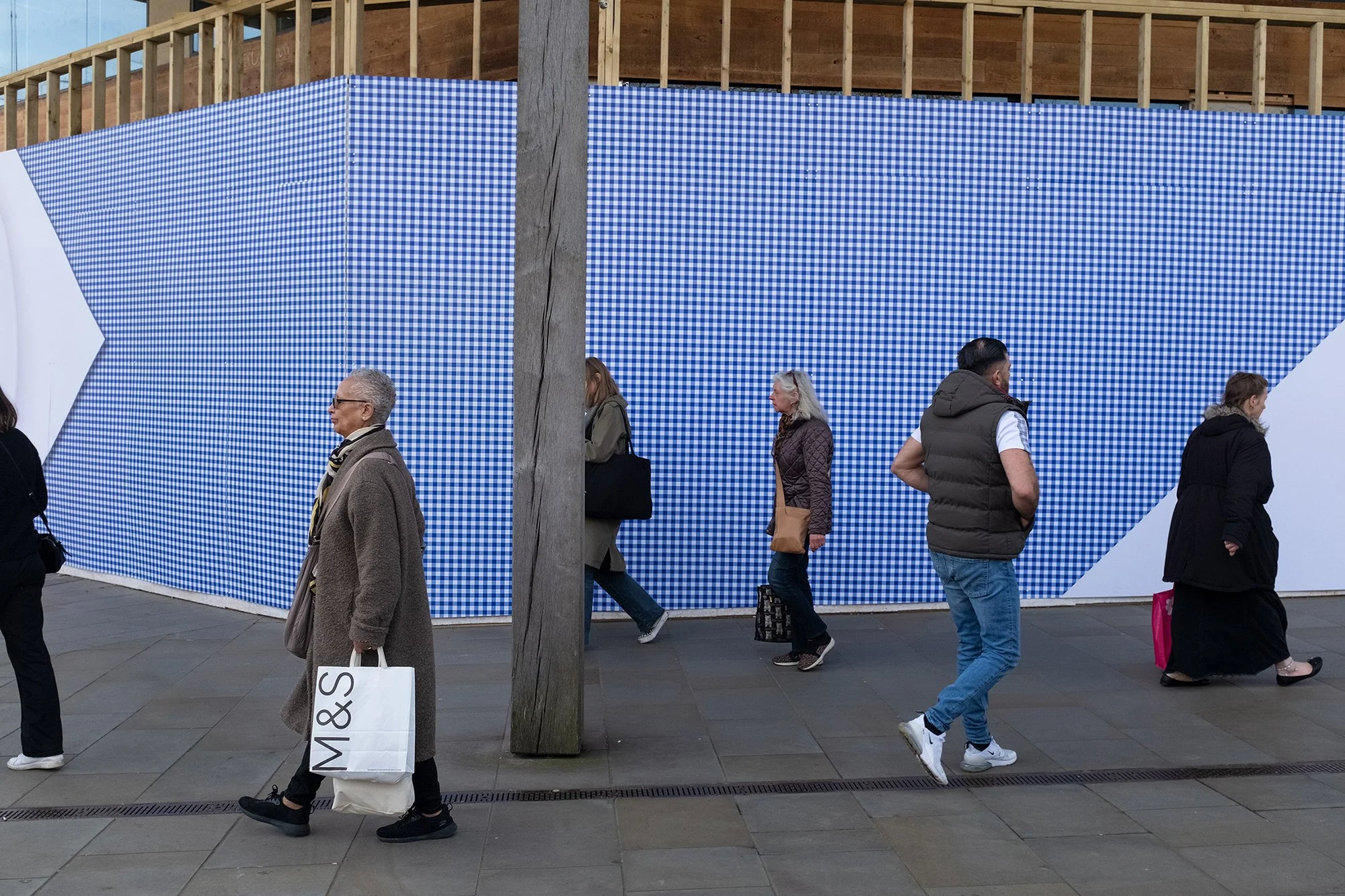
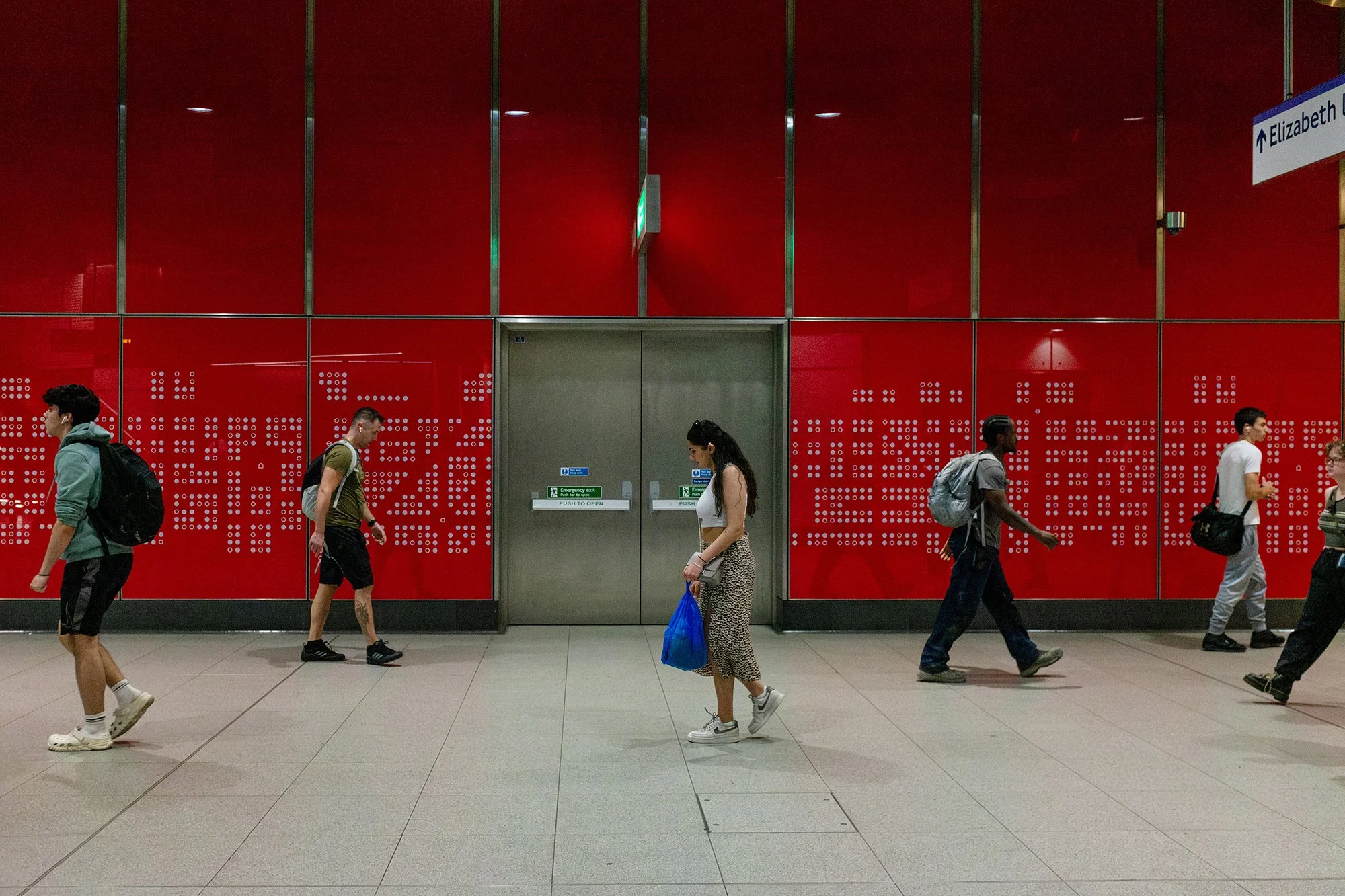
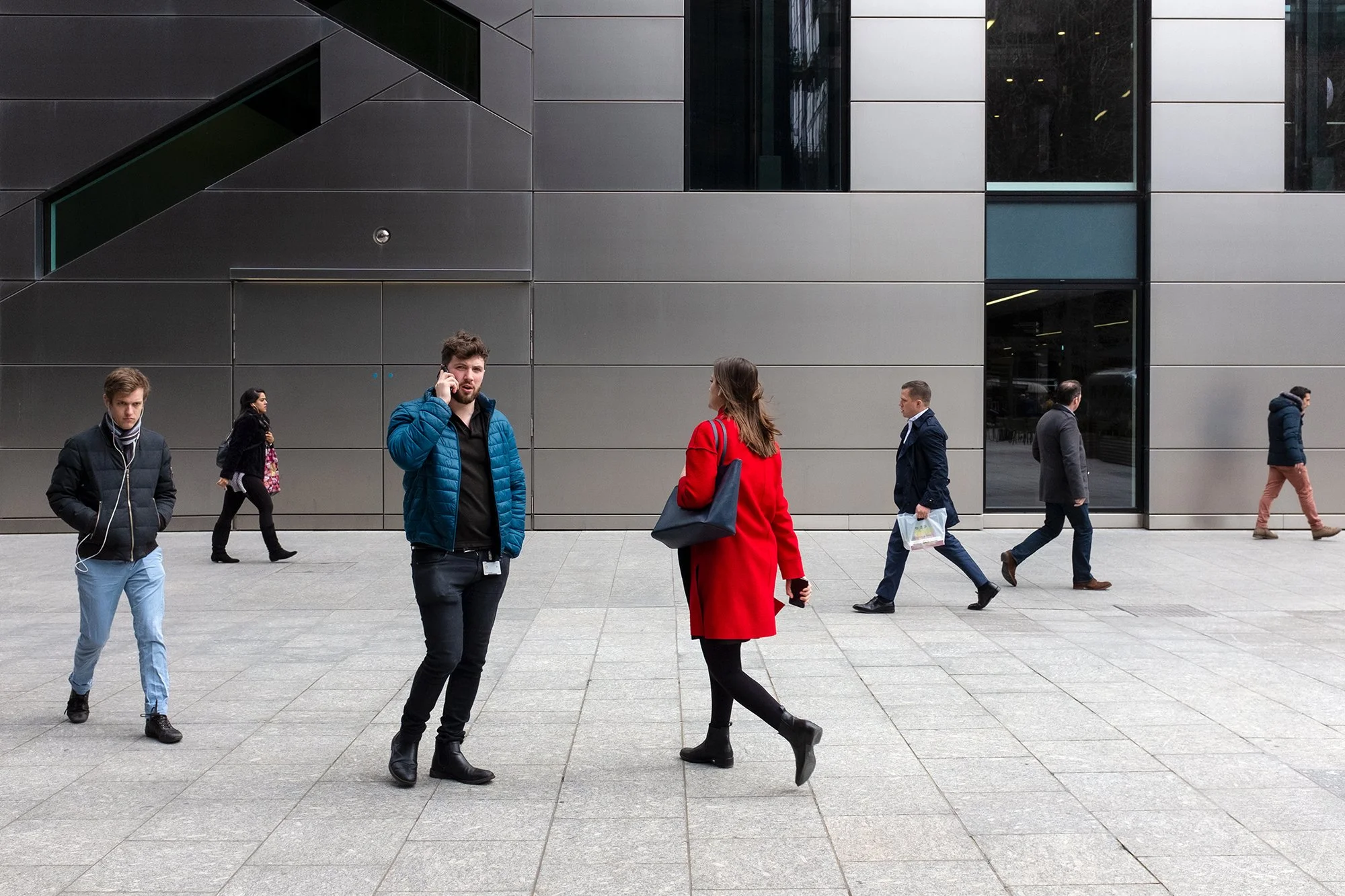
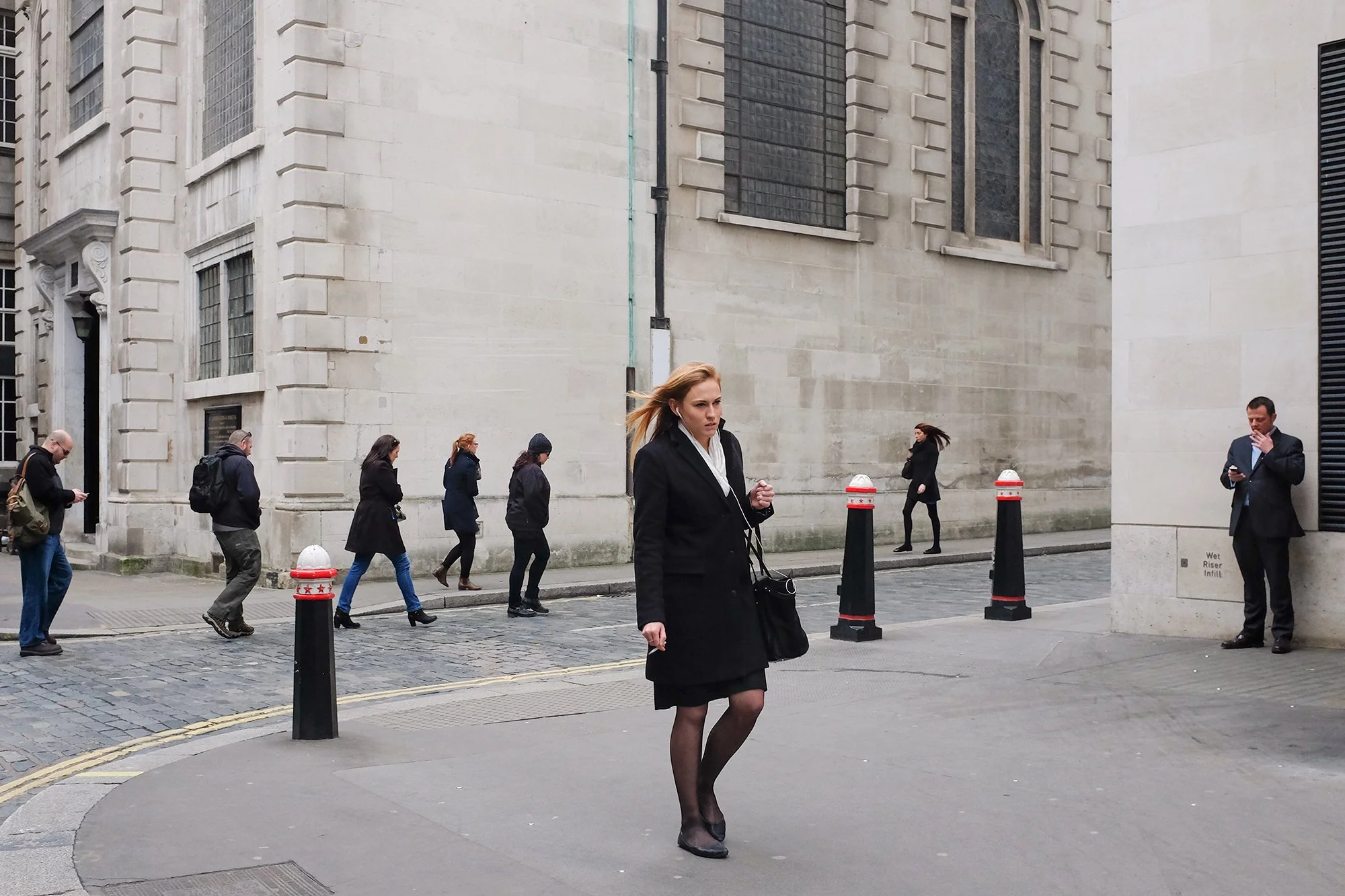
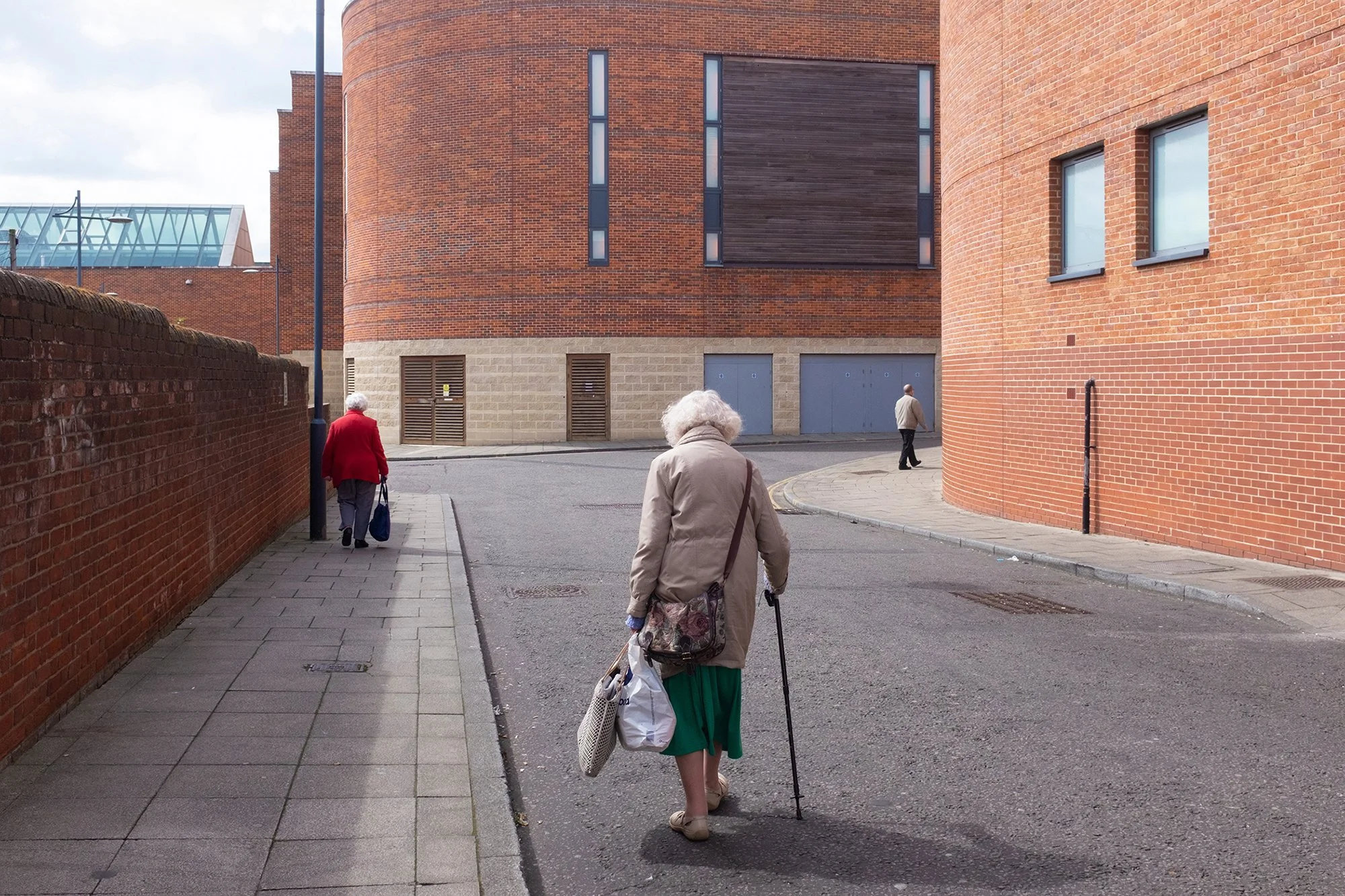
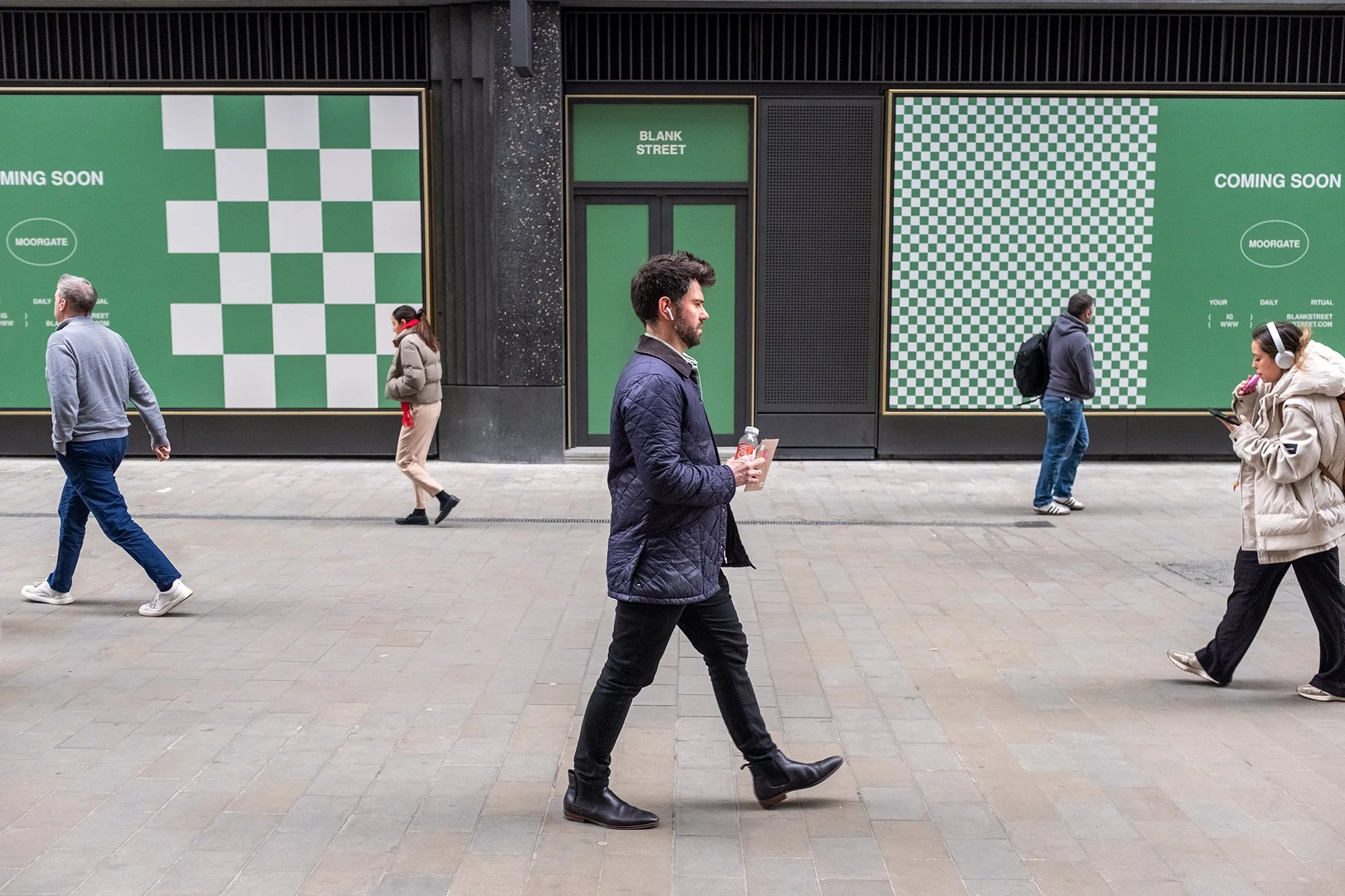
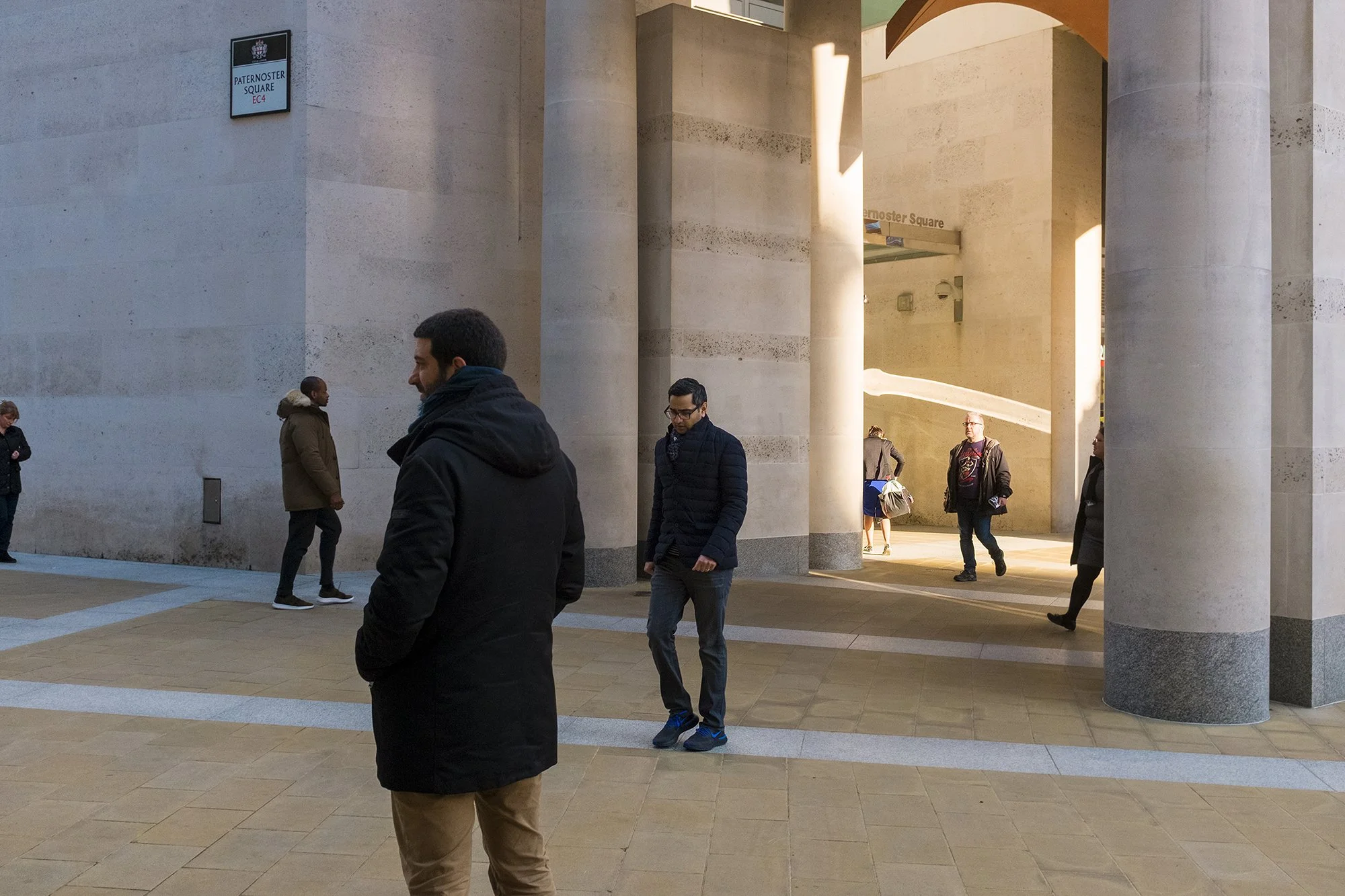
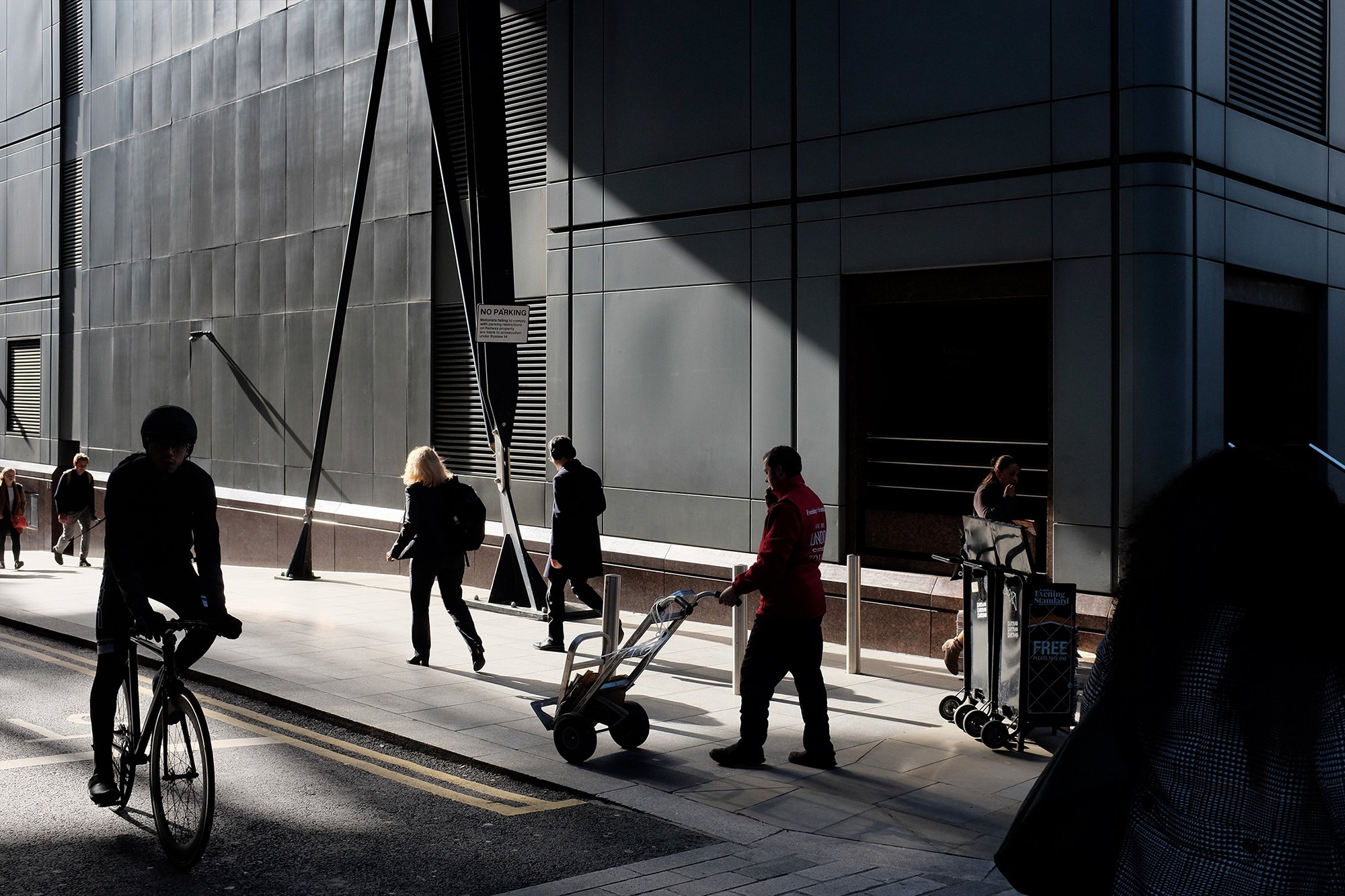
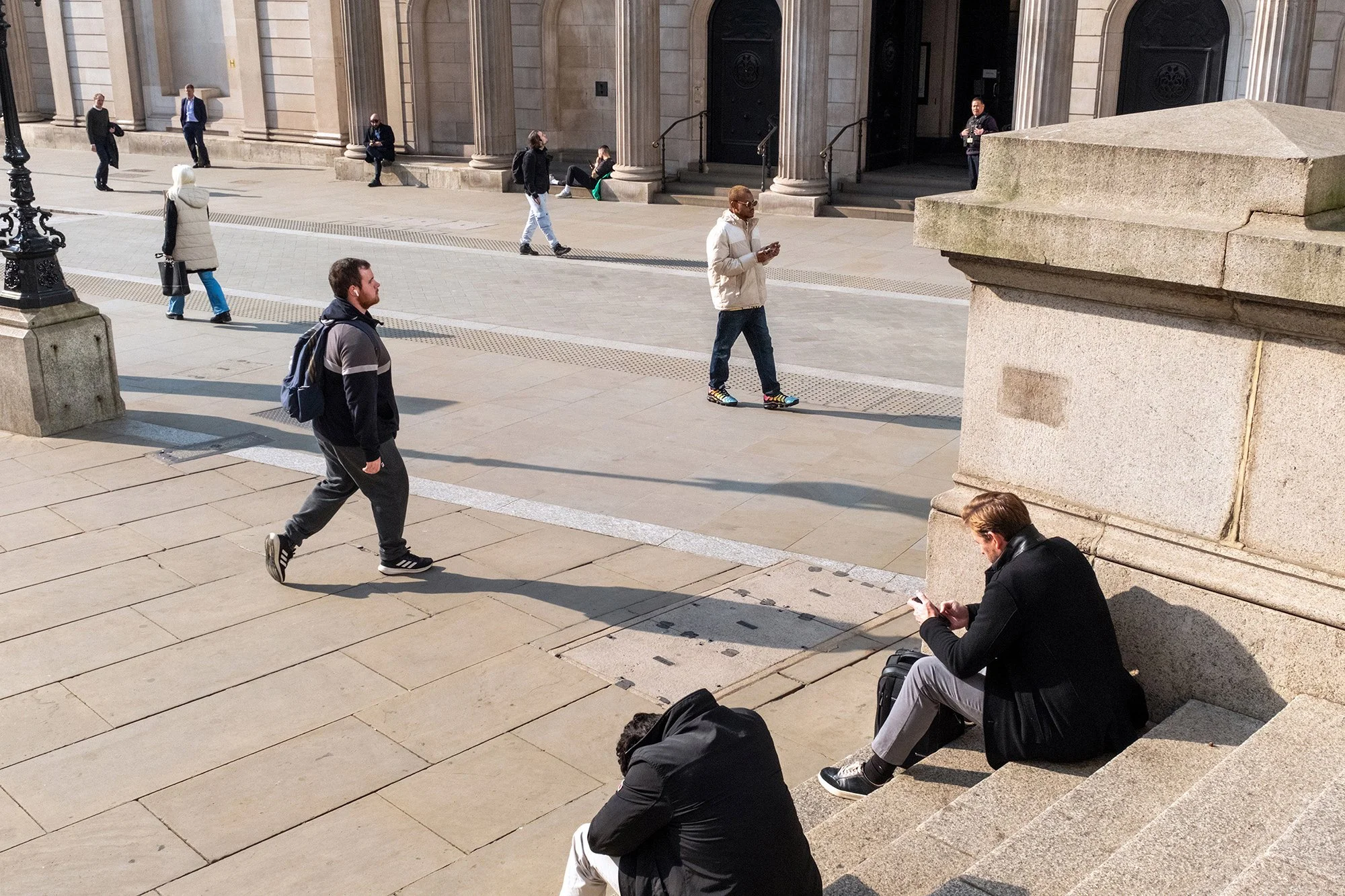
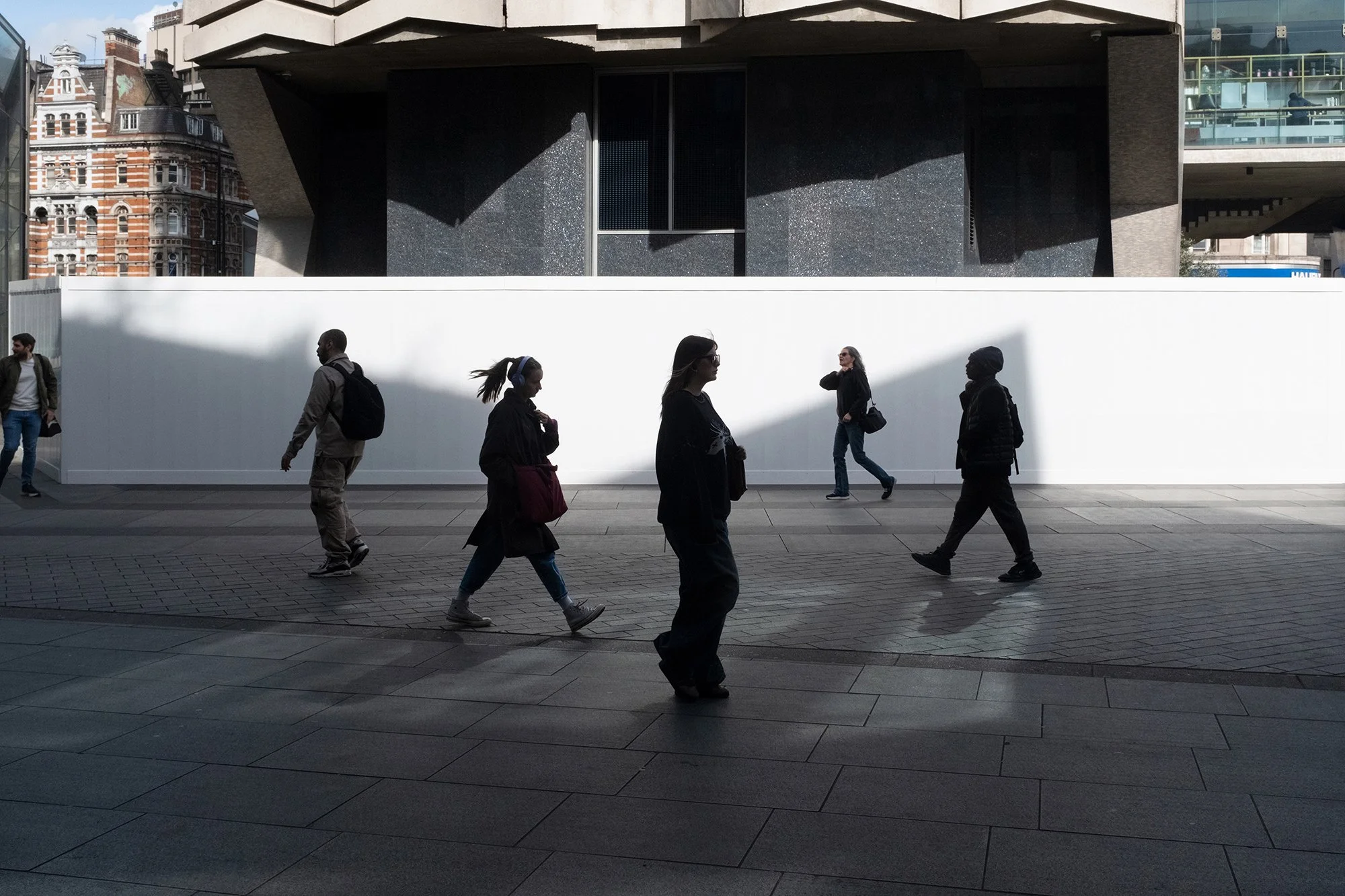
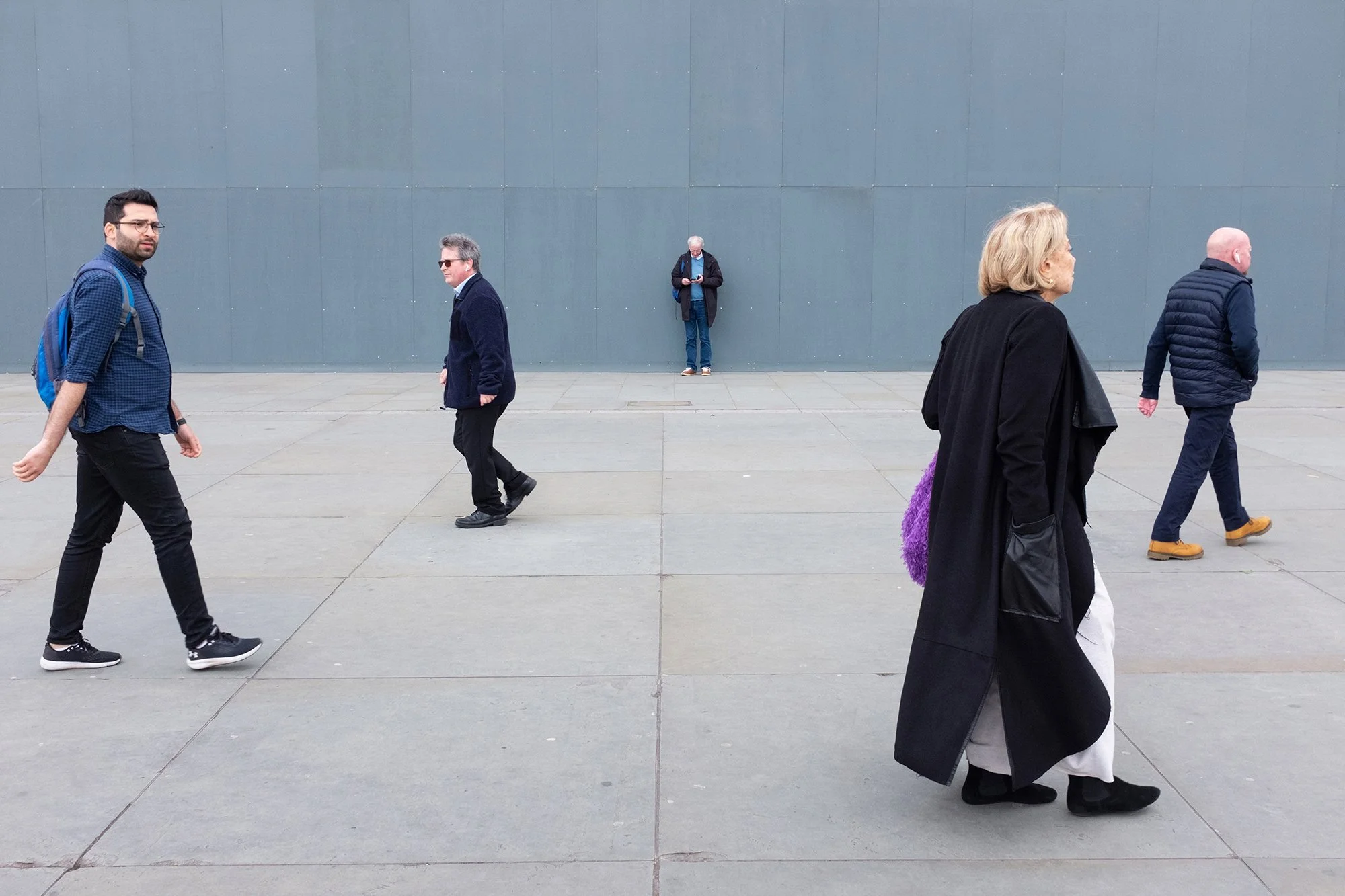
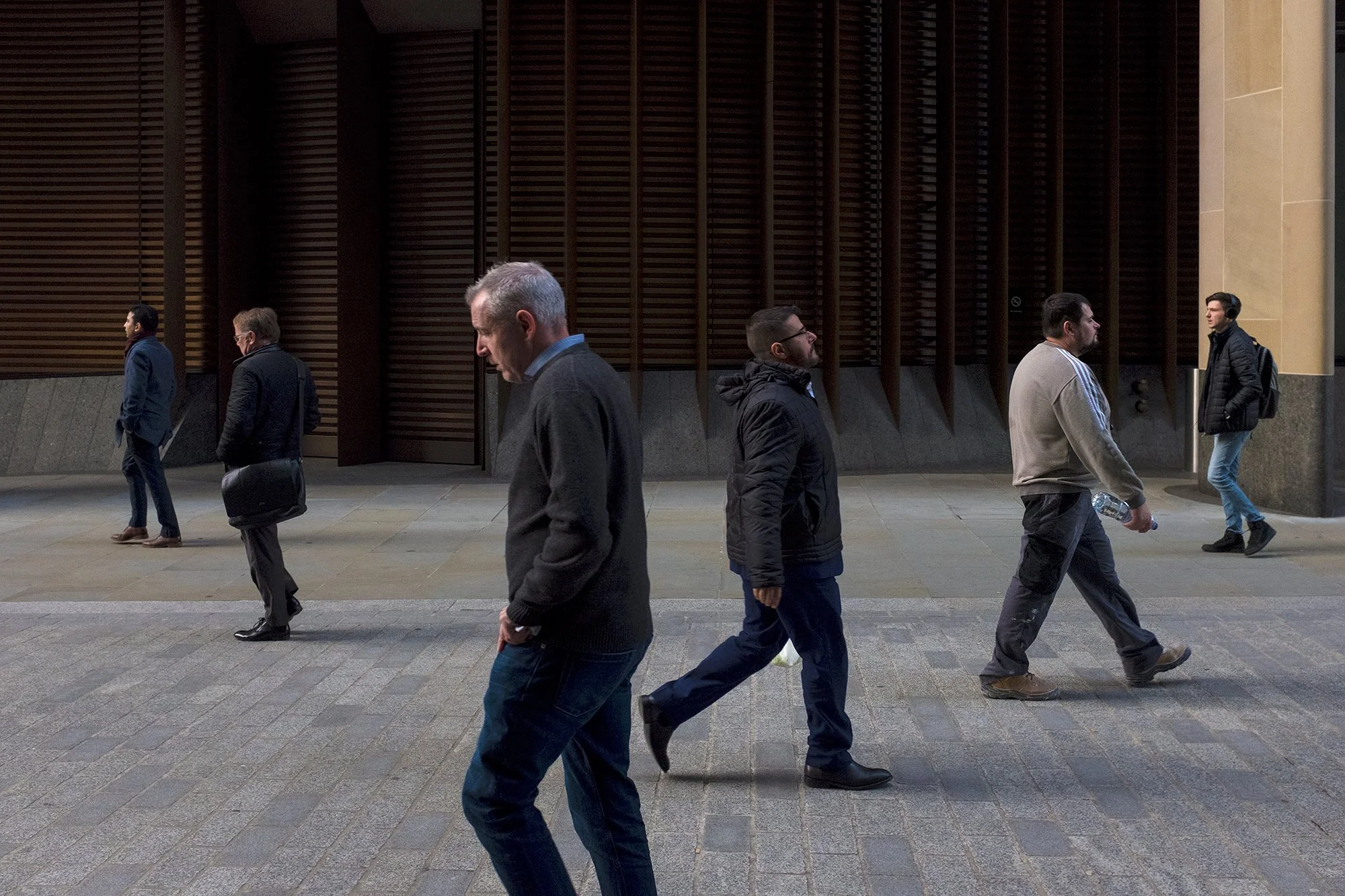
These images form part of a larger project. They attempt an other-worldly street scene designed to create tension between appearance and reality. They are intended to challenge how we interpret photographic evidence and where we place the boundary between artifice and observation. By waiting, often for long periods, for the right organic distribution of people, the images are made to appear fictitious and constructed but are nevertheless shot in real time.
Non-speaking city dwellers are spatially arranged as if carefully directed. They appear as ciphers preconditioned to act like self-absorbed passersby, connected by no means other than where they were when the photograph was taken. Conceptually, these are simple recordings of people walking with undisclosed purpose, isolated in seemingly choreographed but otherwise uninteresting tableaux. Perhaps, by making a real city look like a science fictional one, they mark a time when we began to question what was and wasn't human.
Feliks Sokolov
-
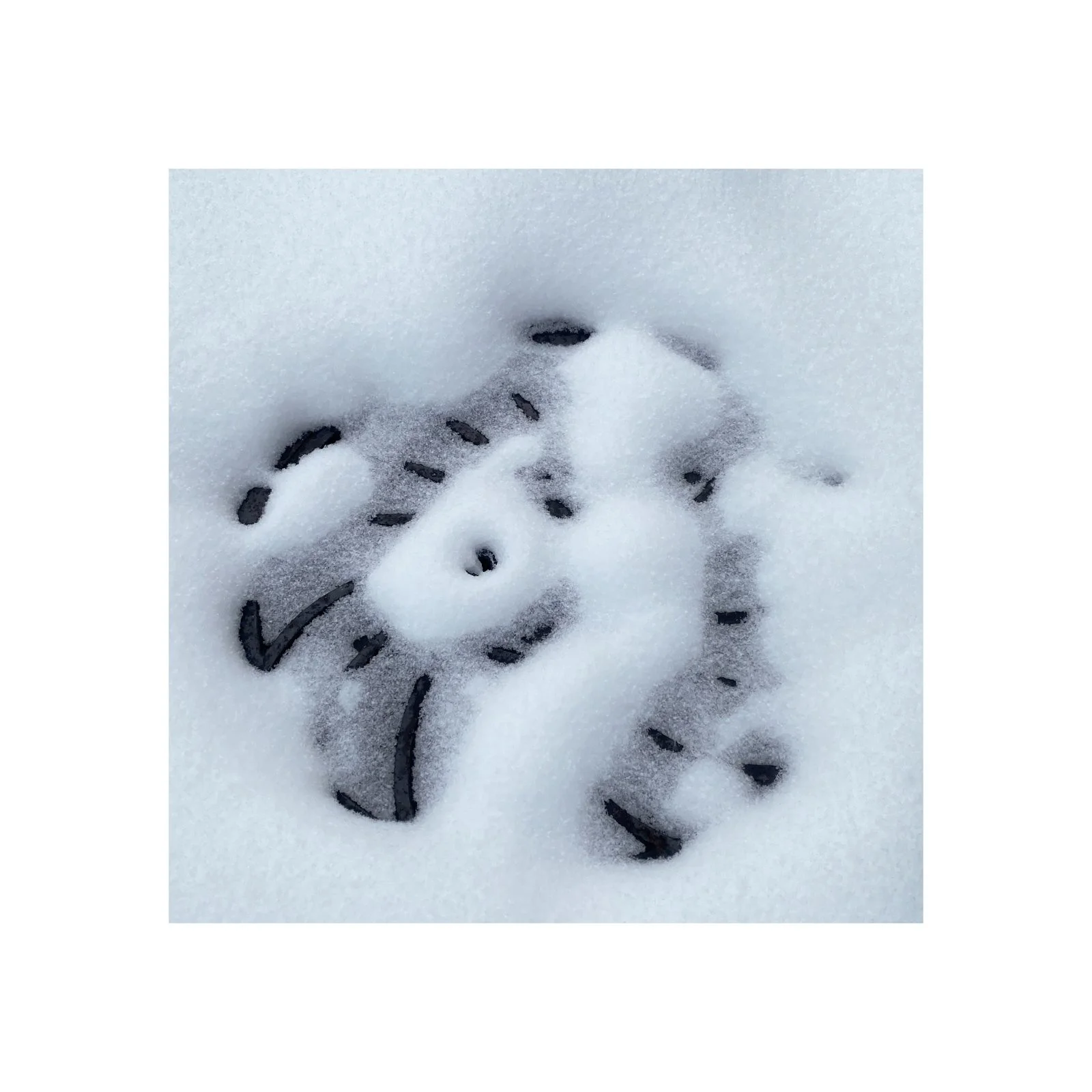
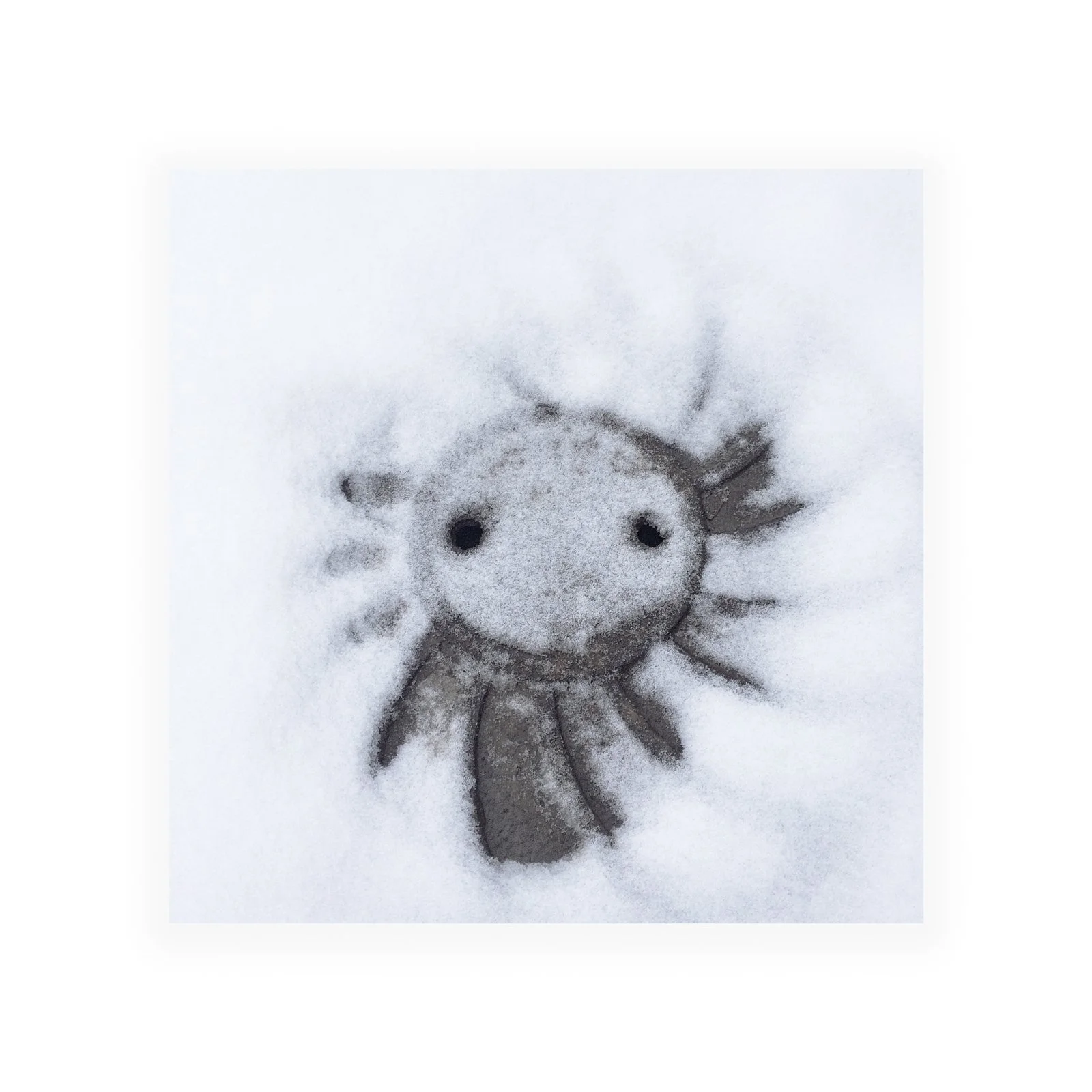
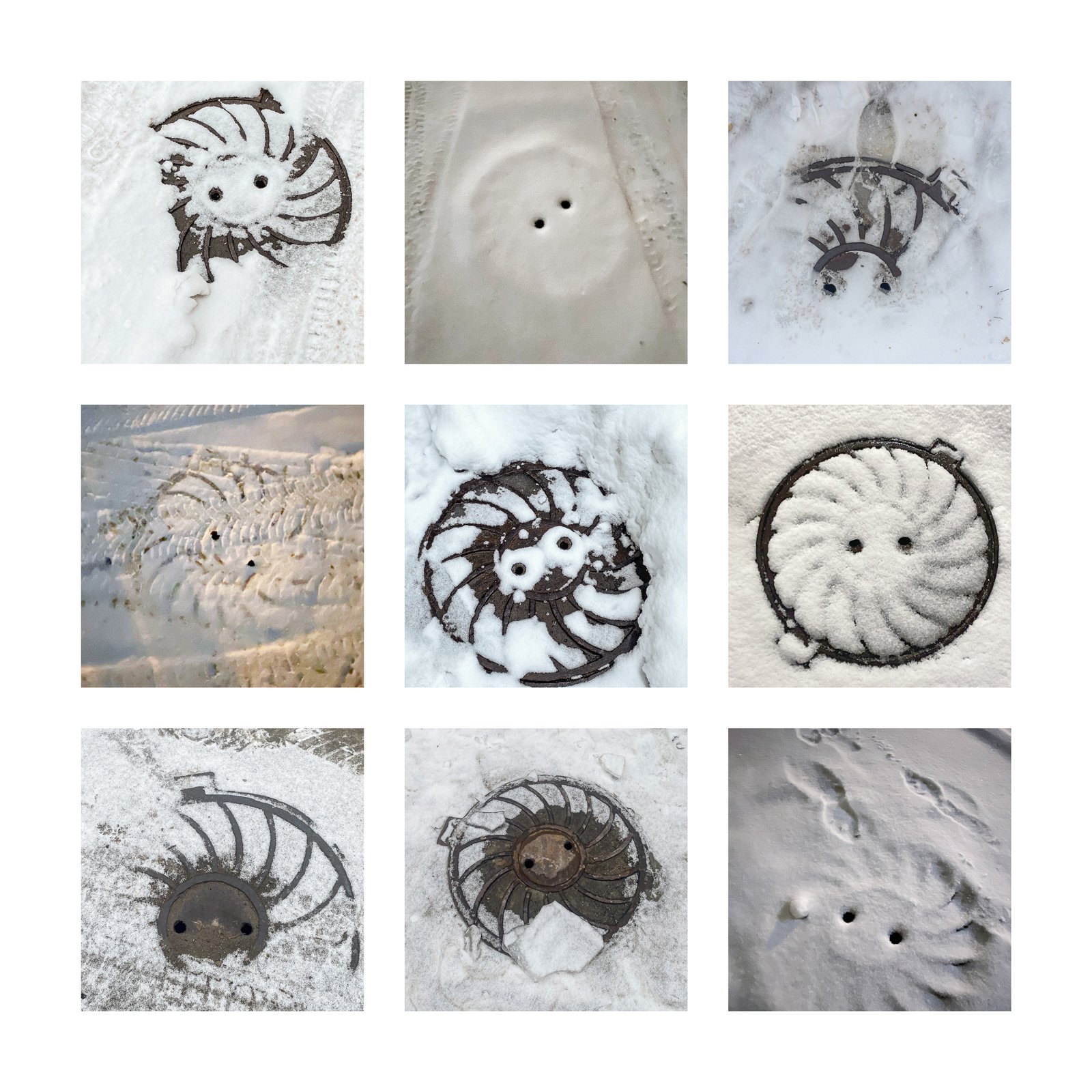
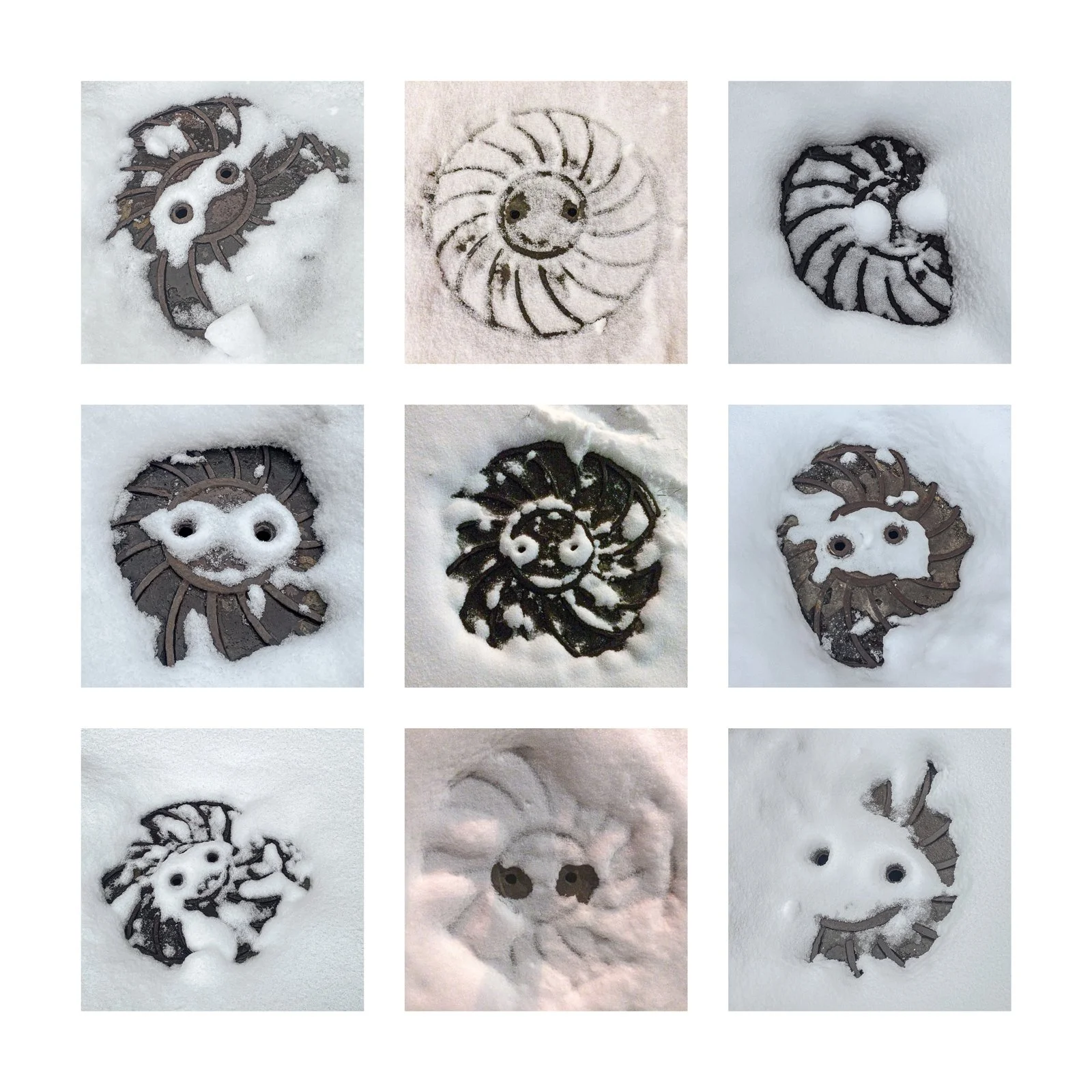
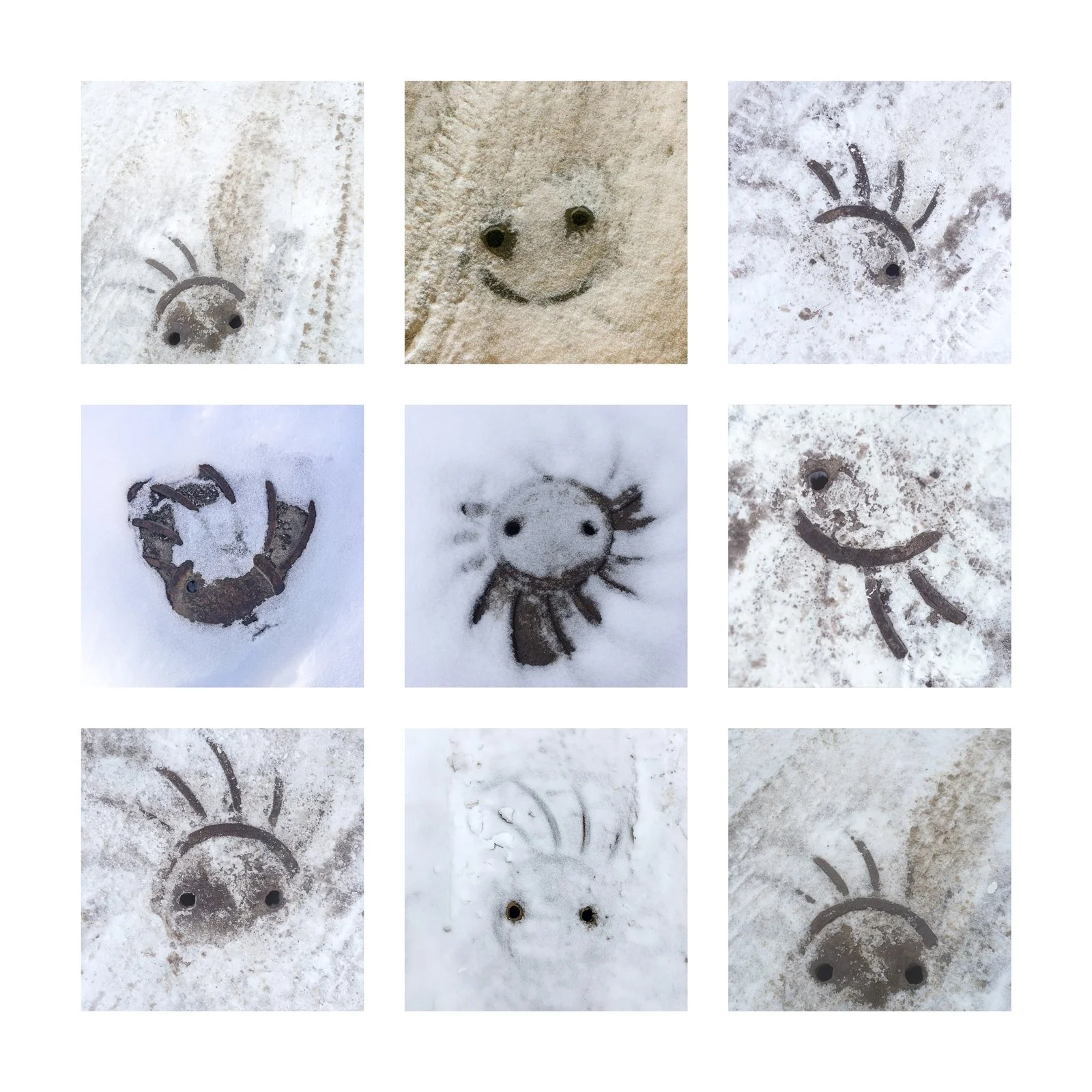
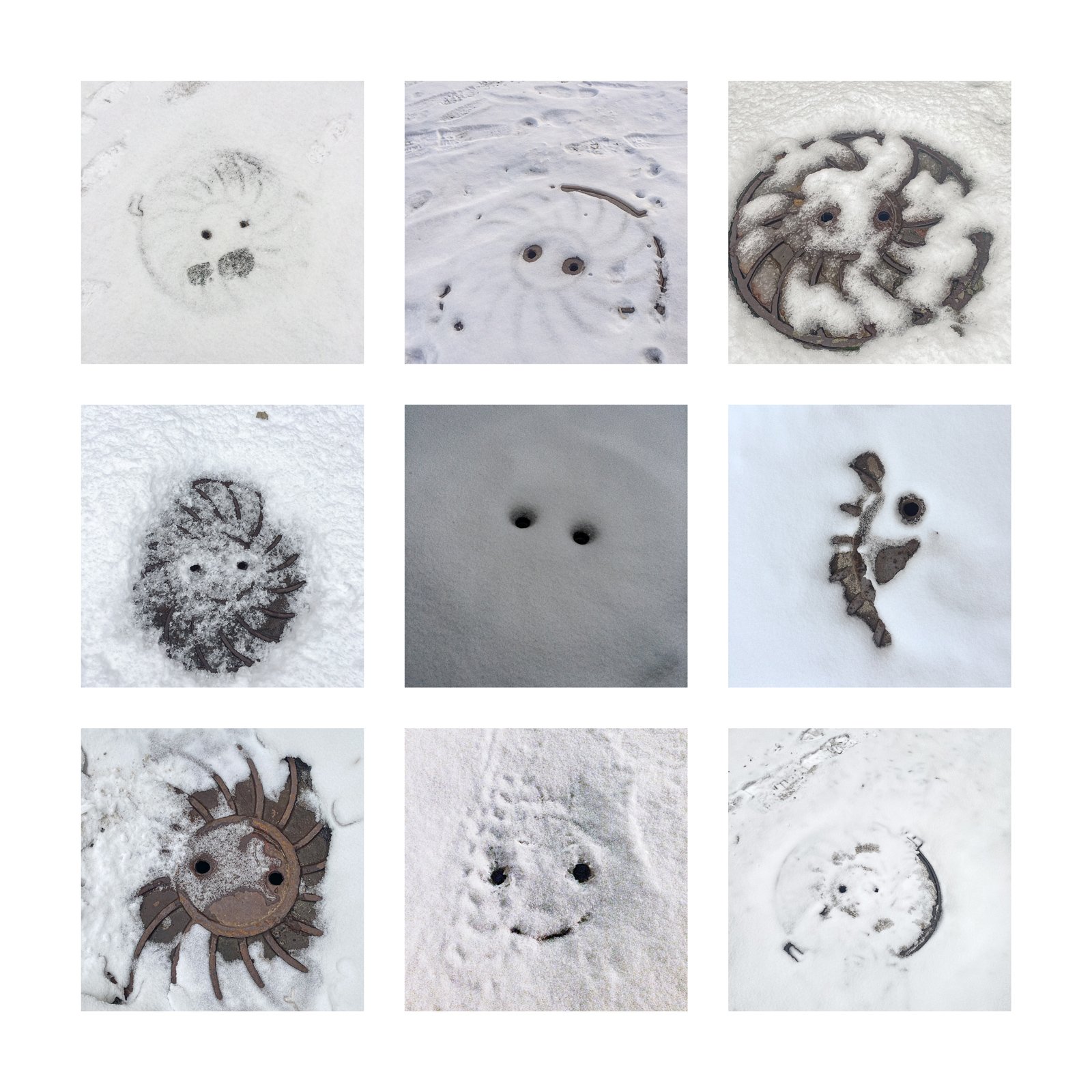
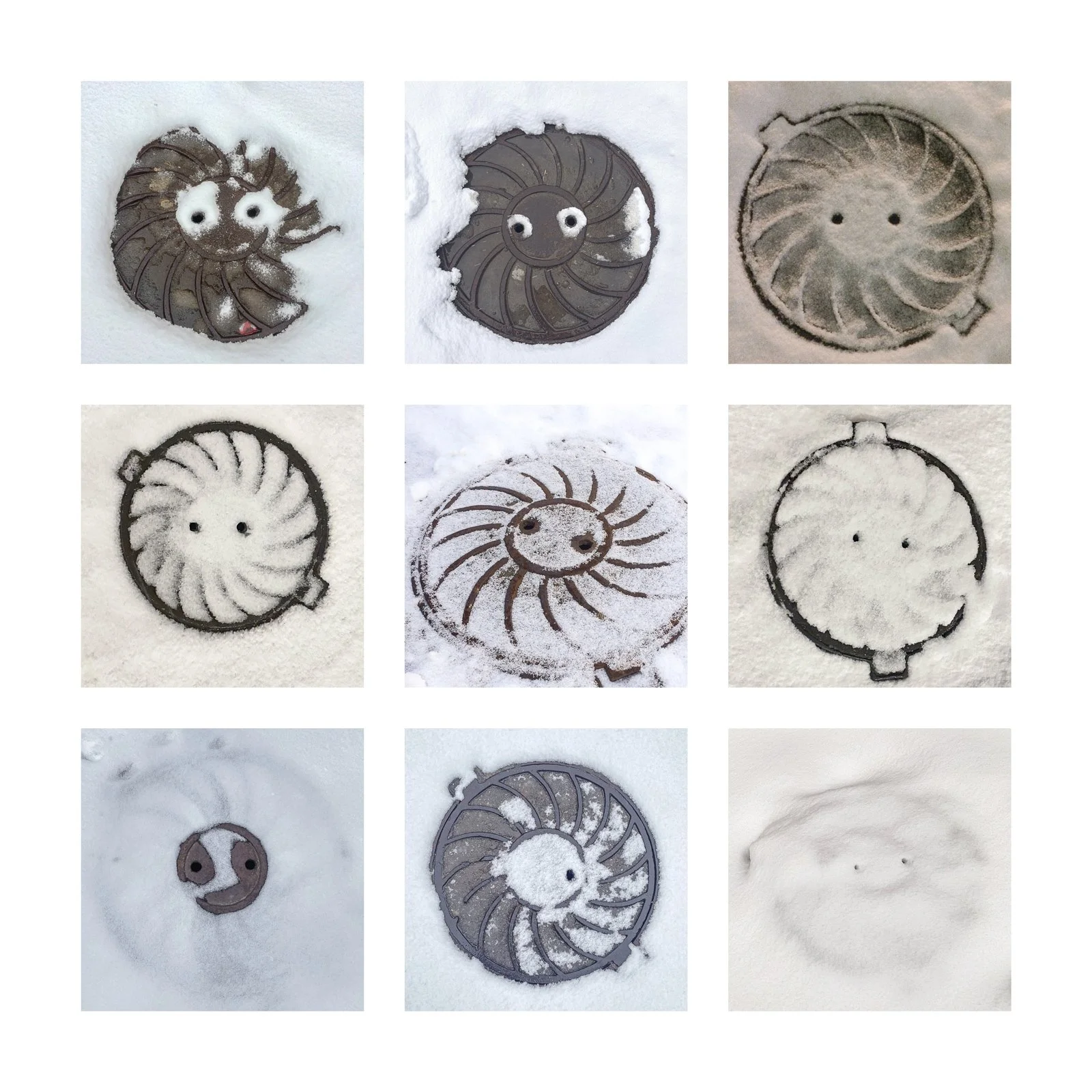
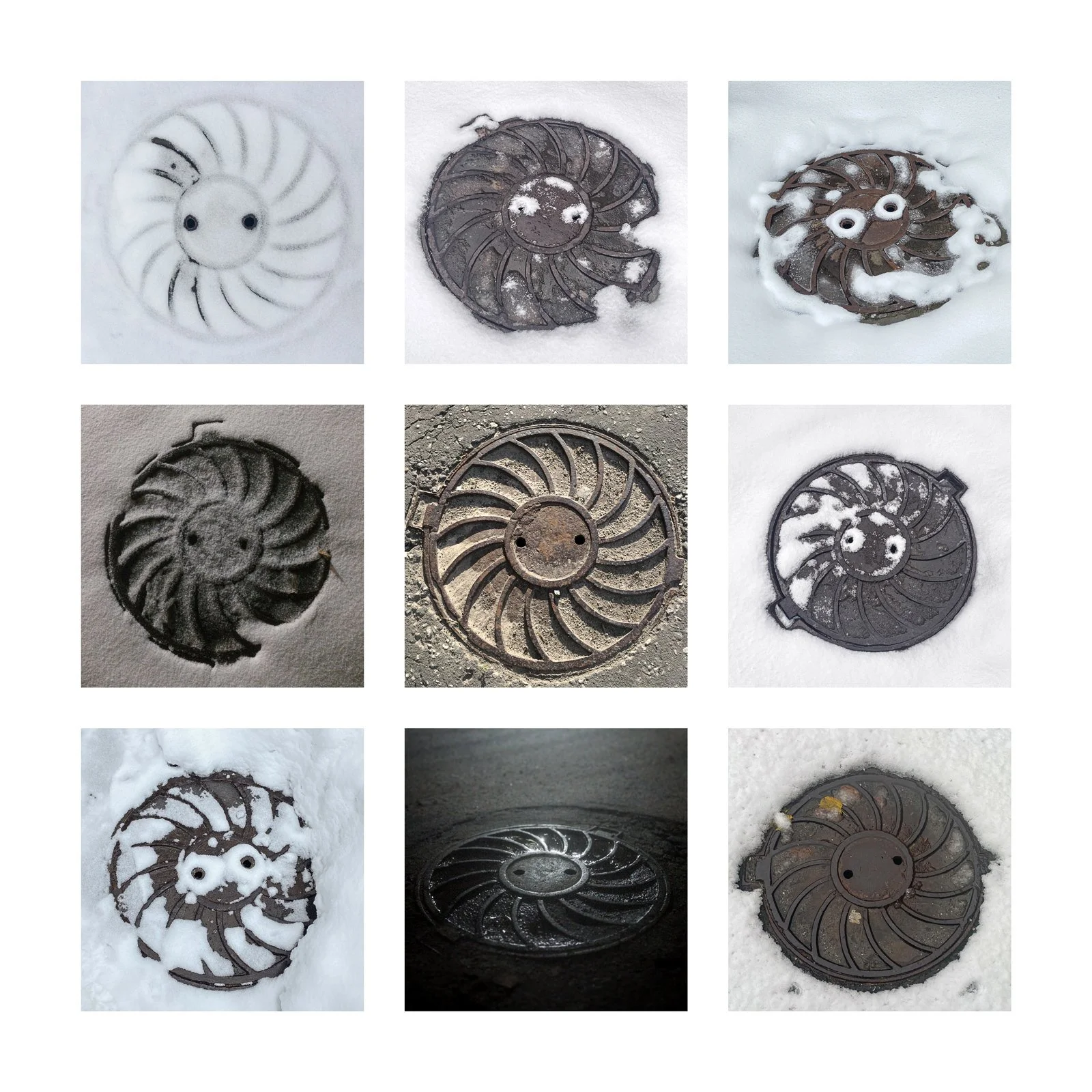
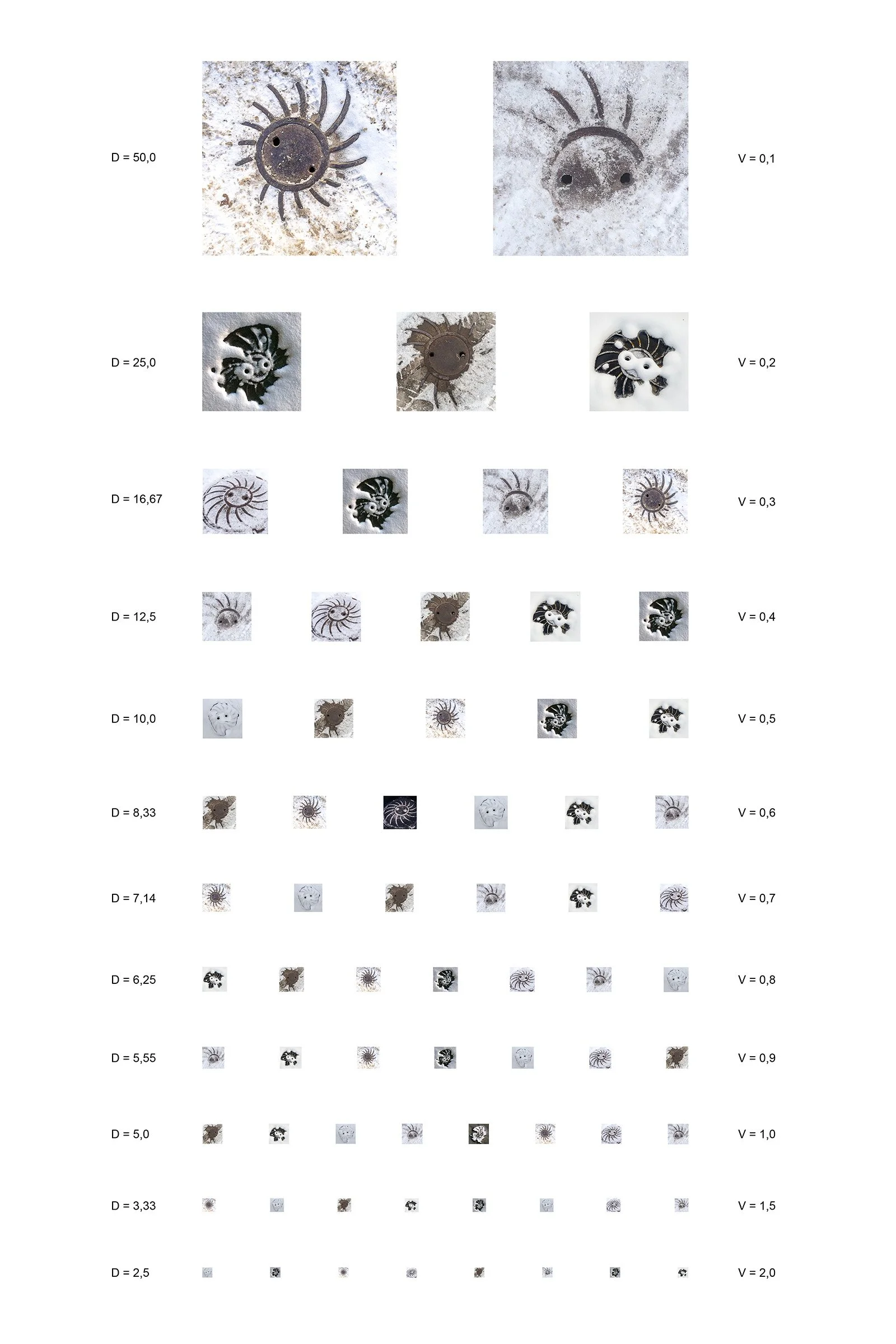
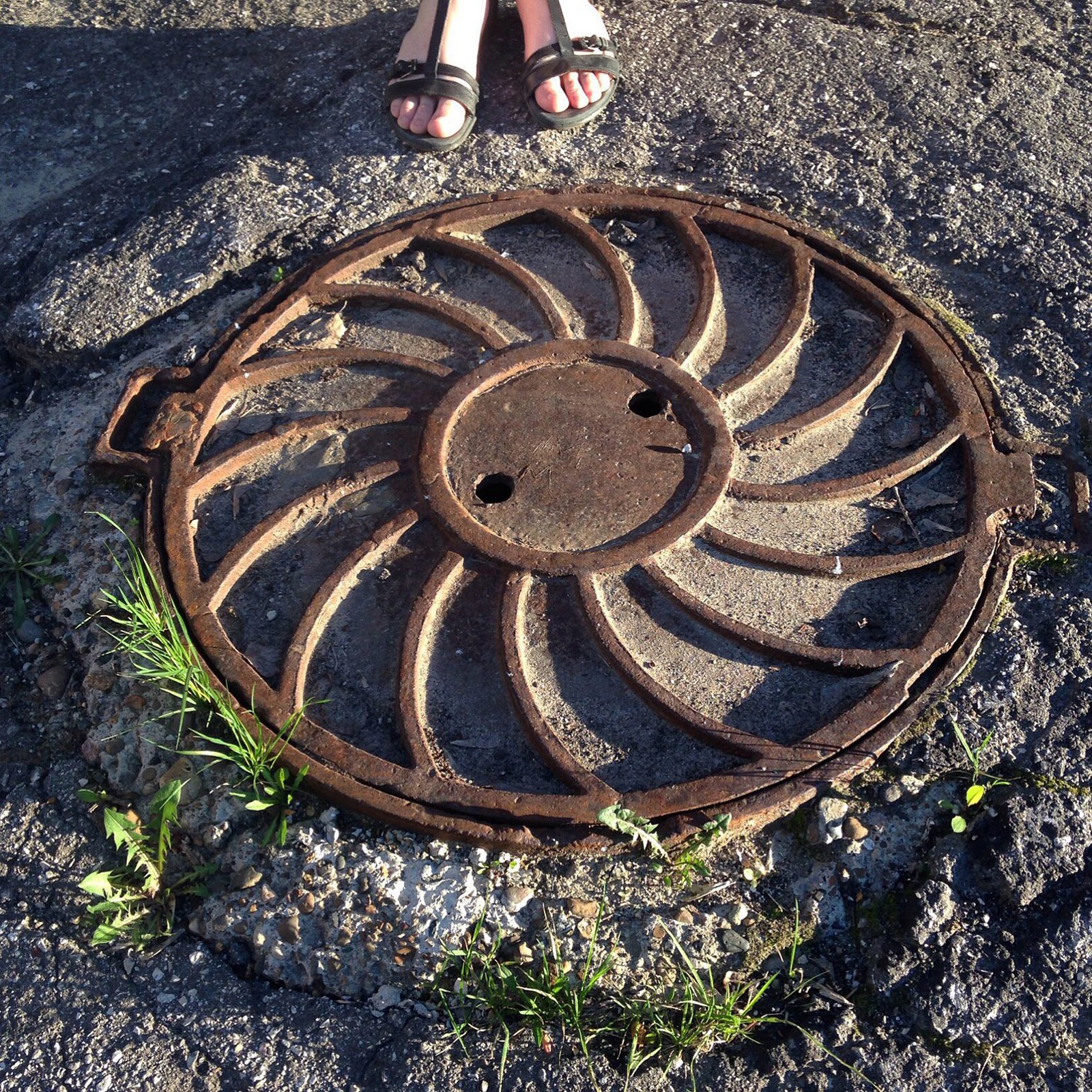
“Just the place for a Snark!”
Lewis Carroll
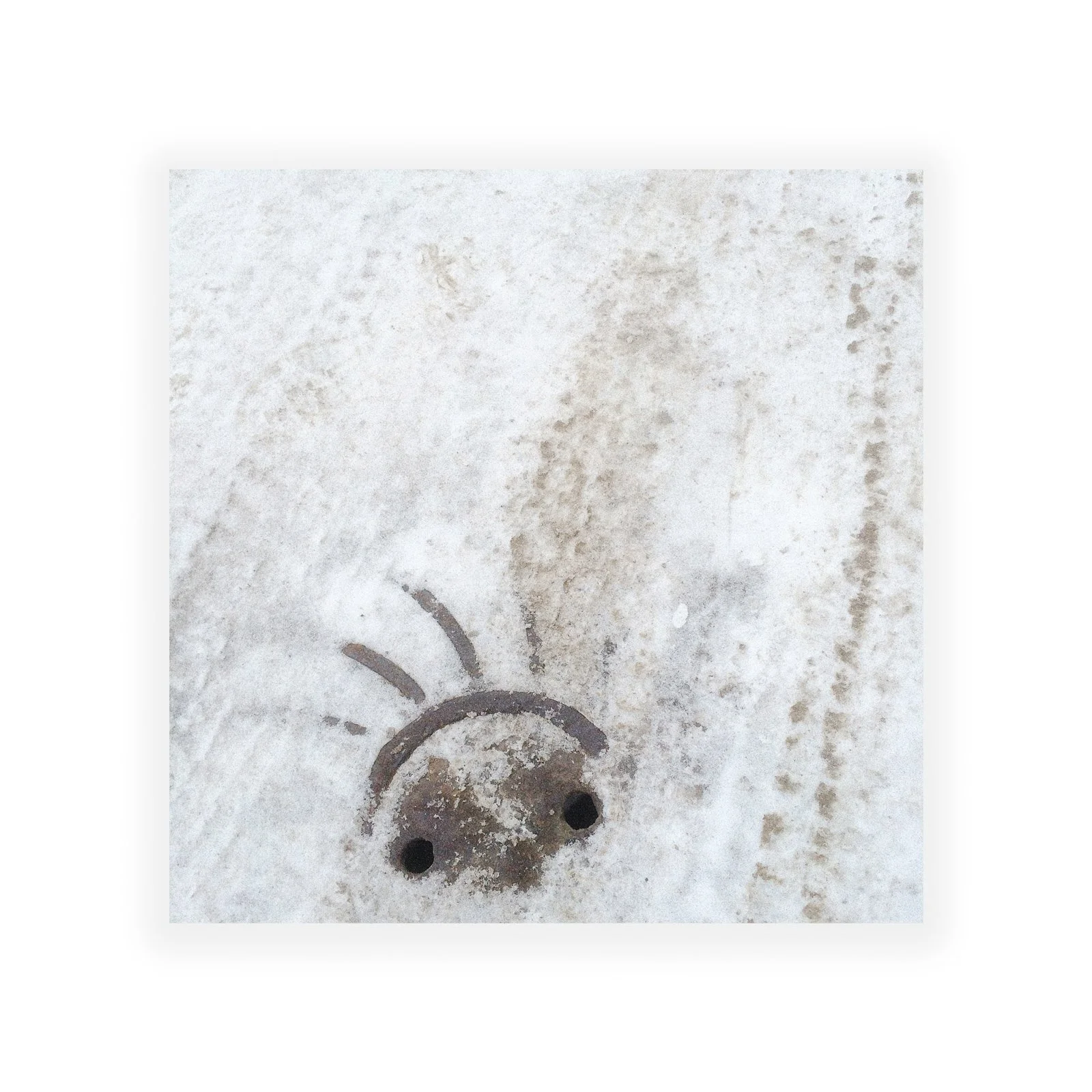
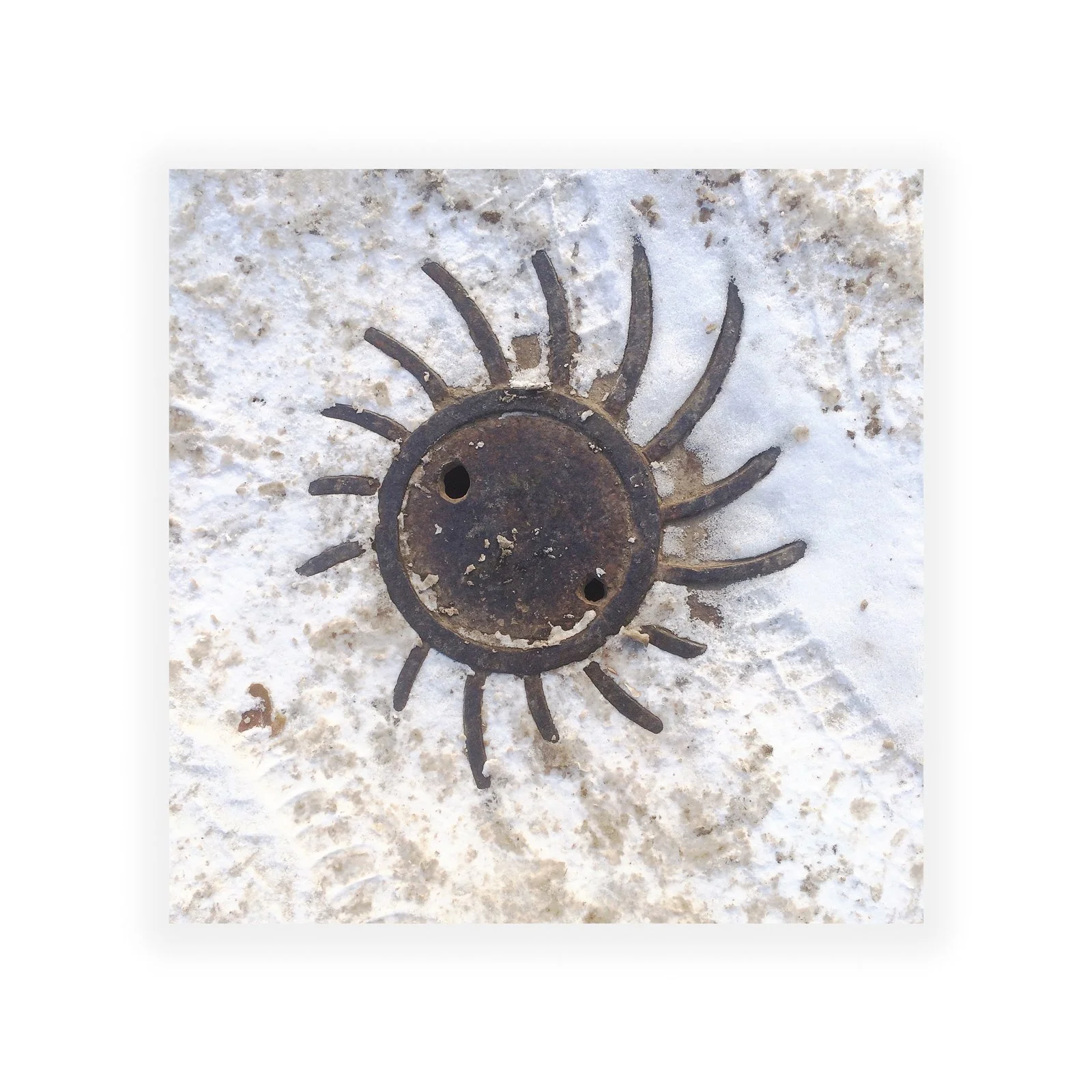
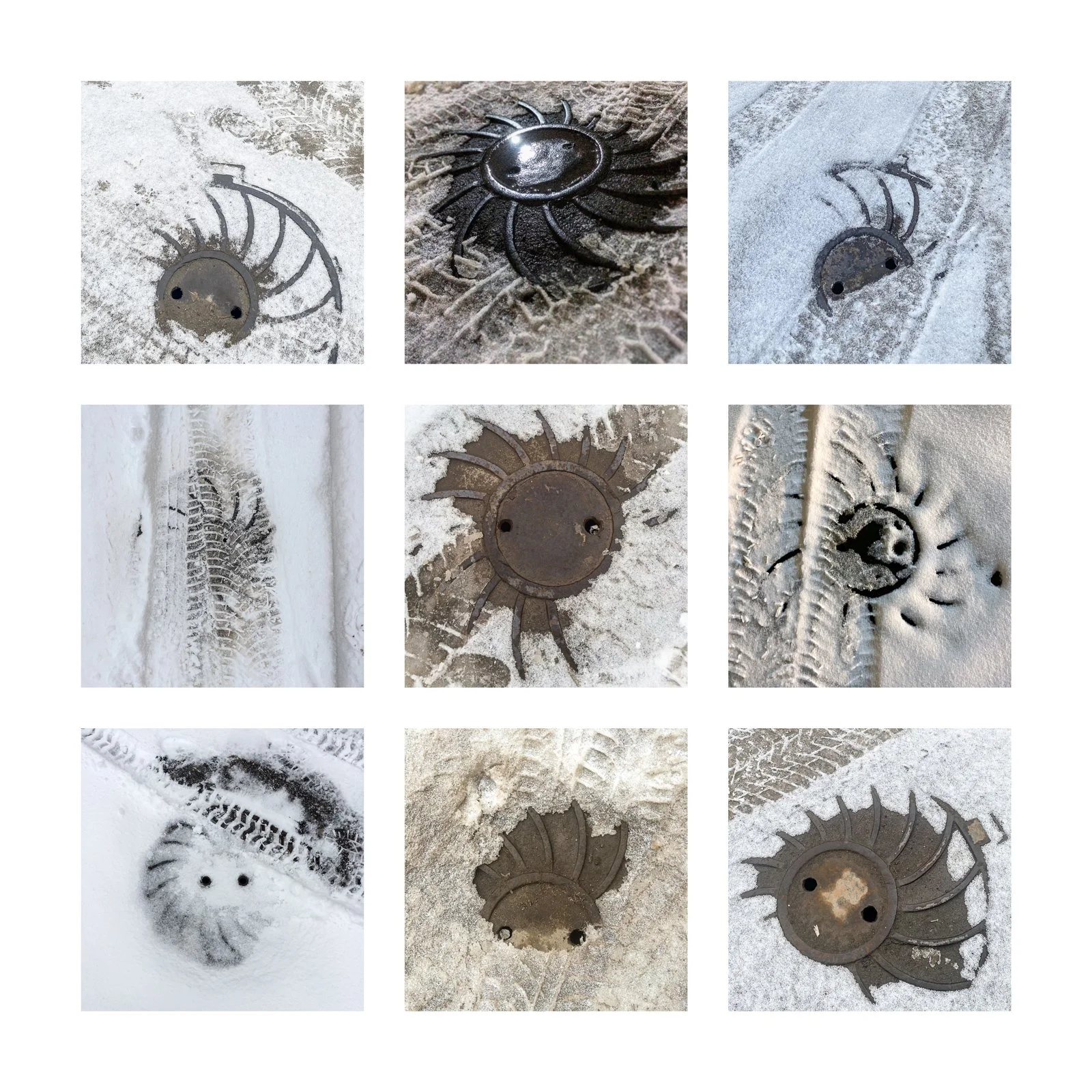
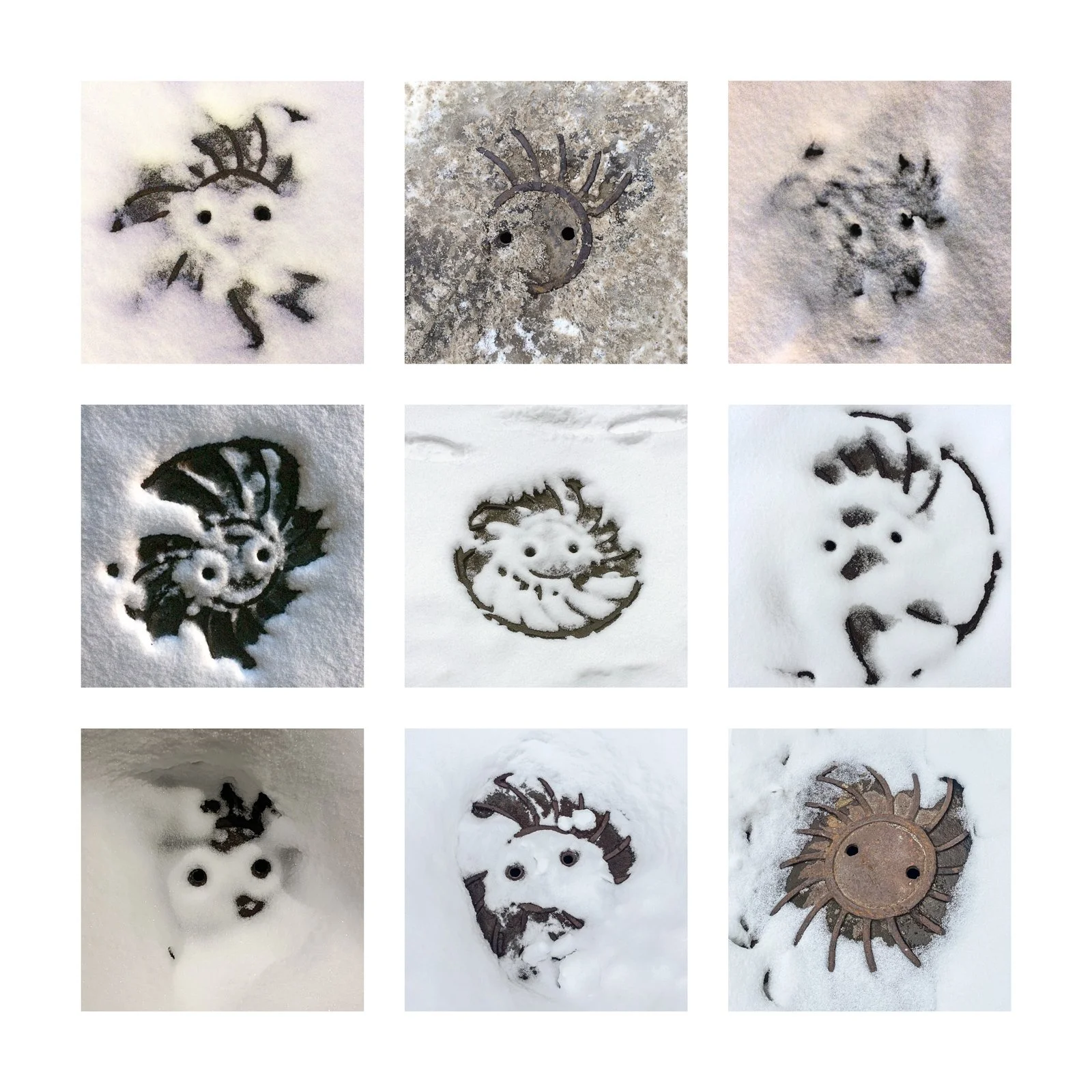
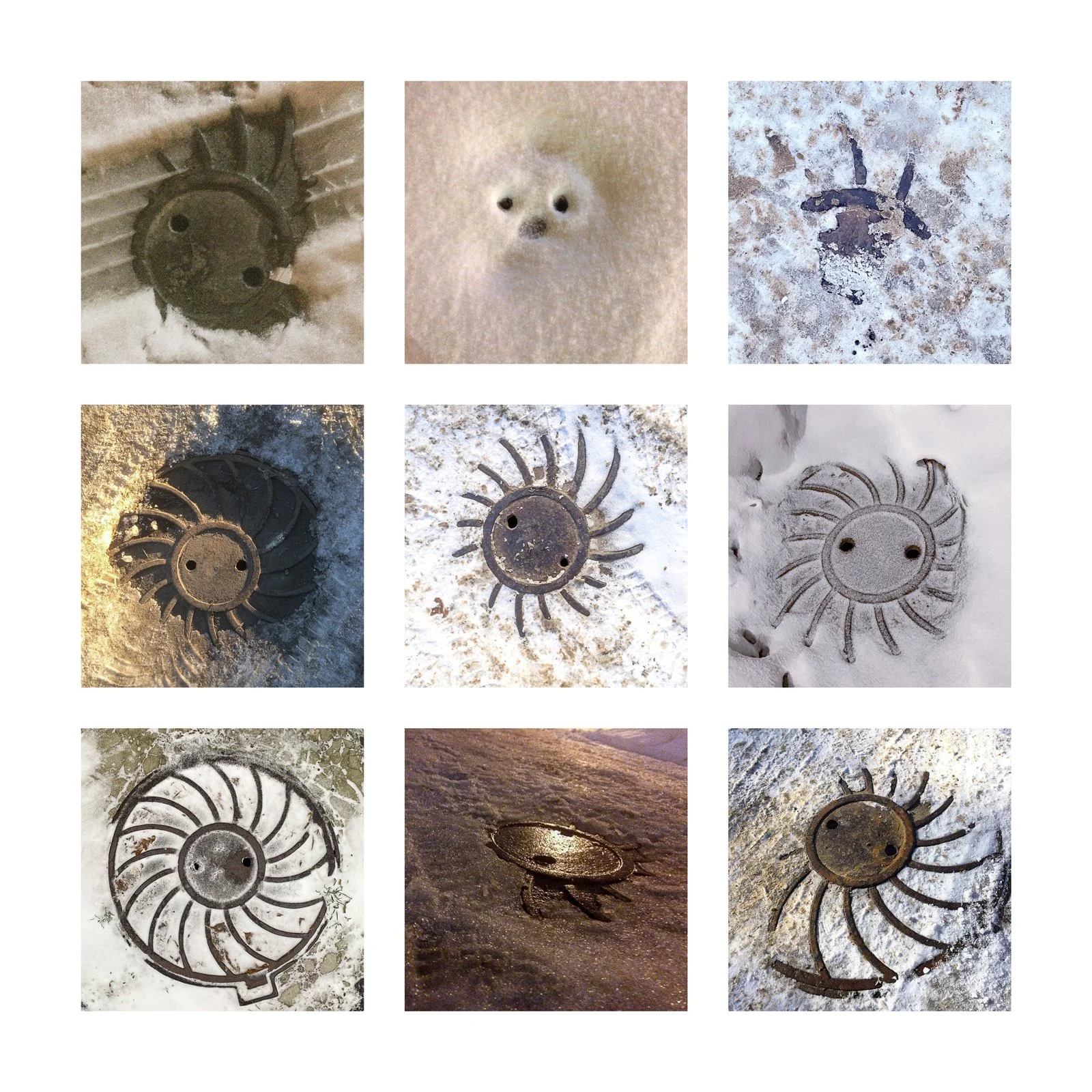
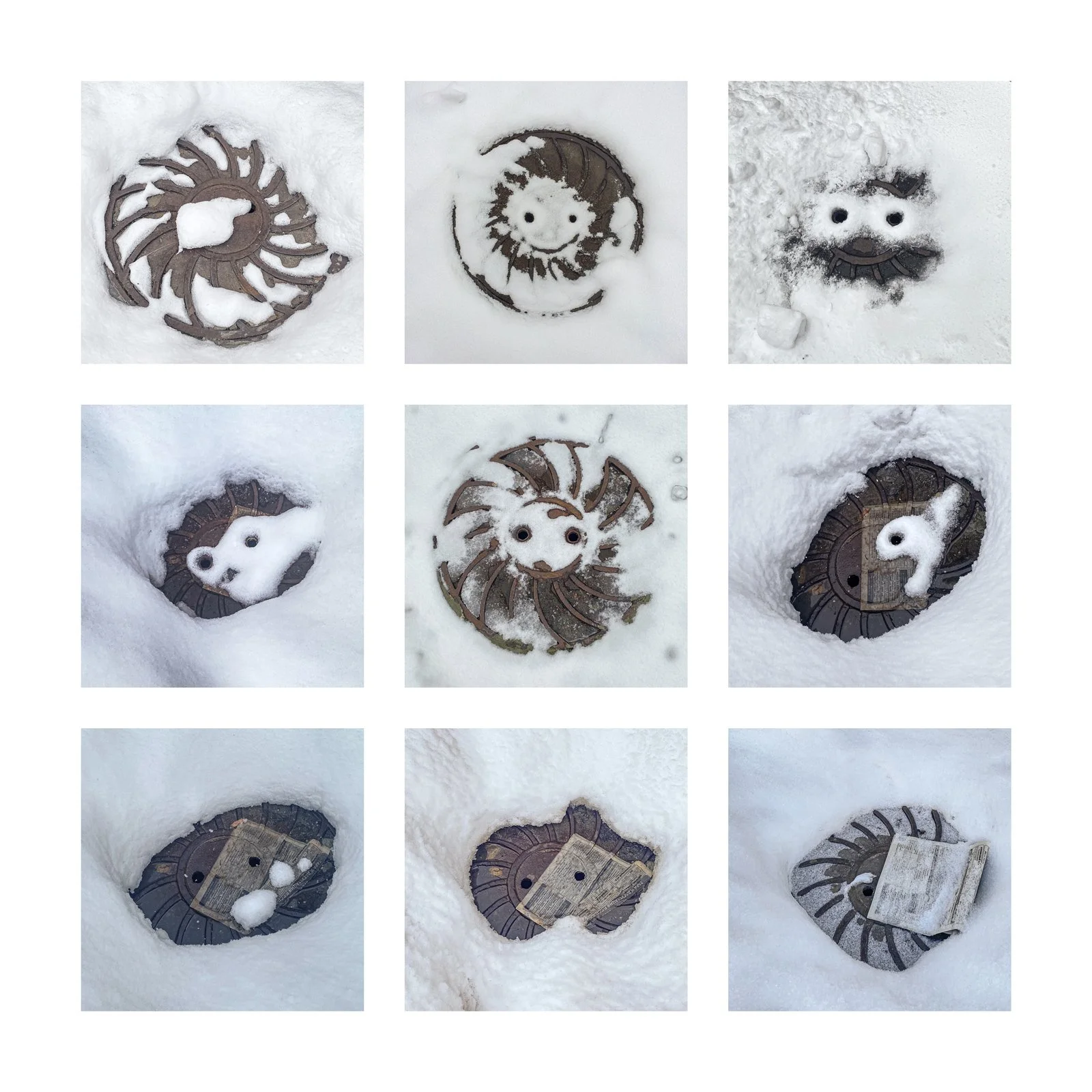
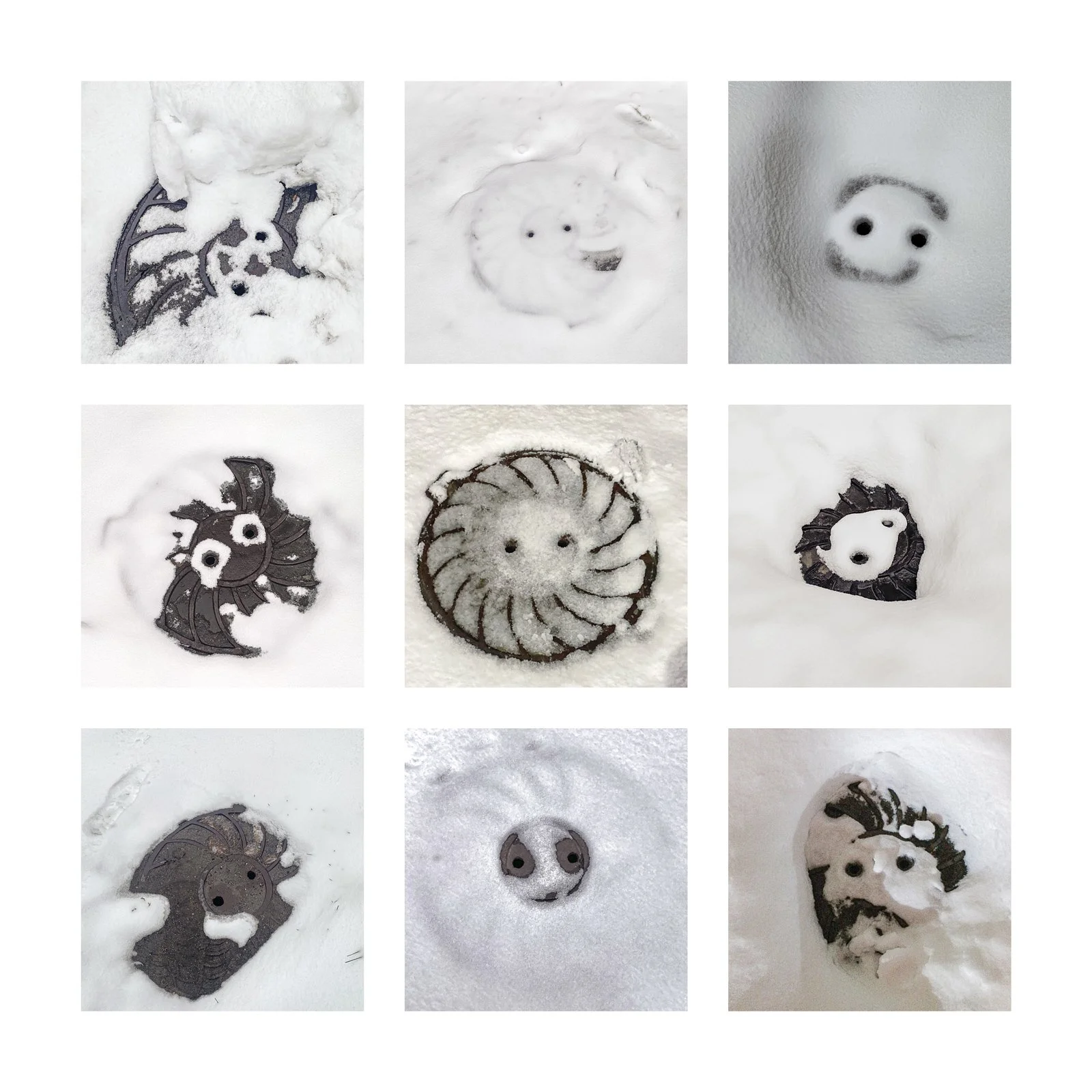
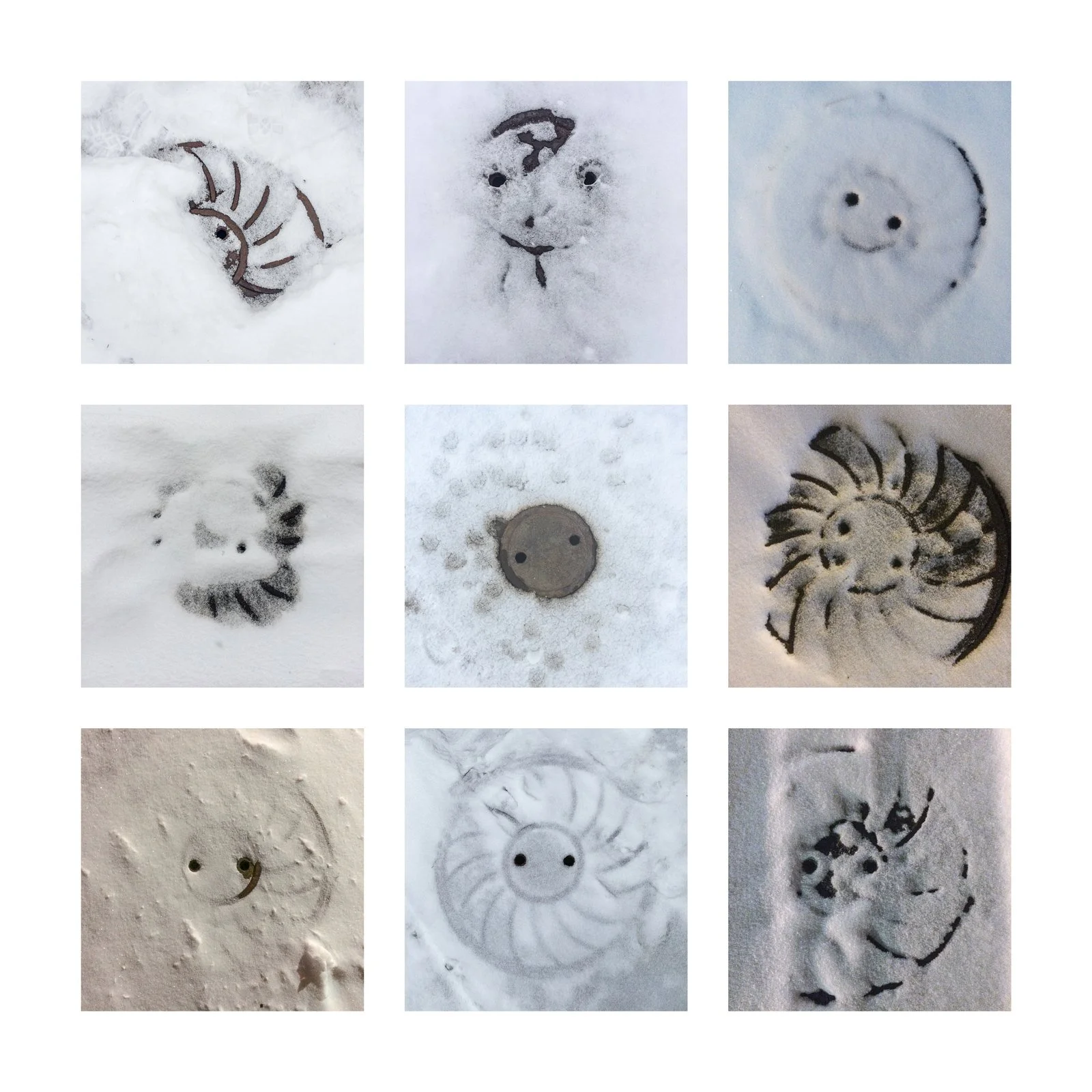
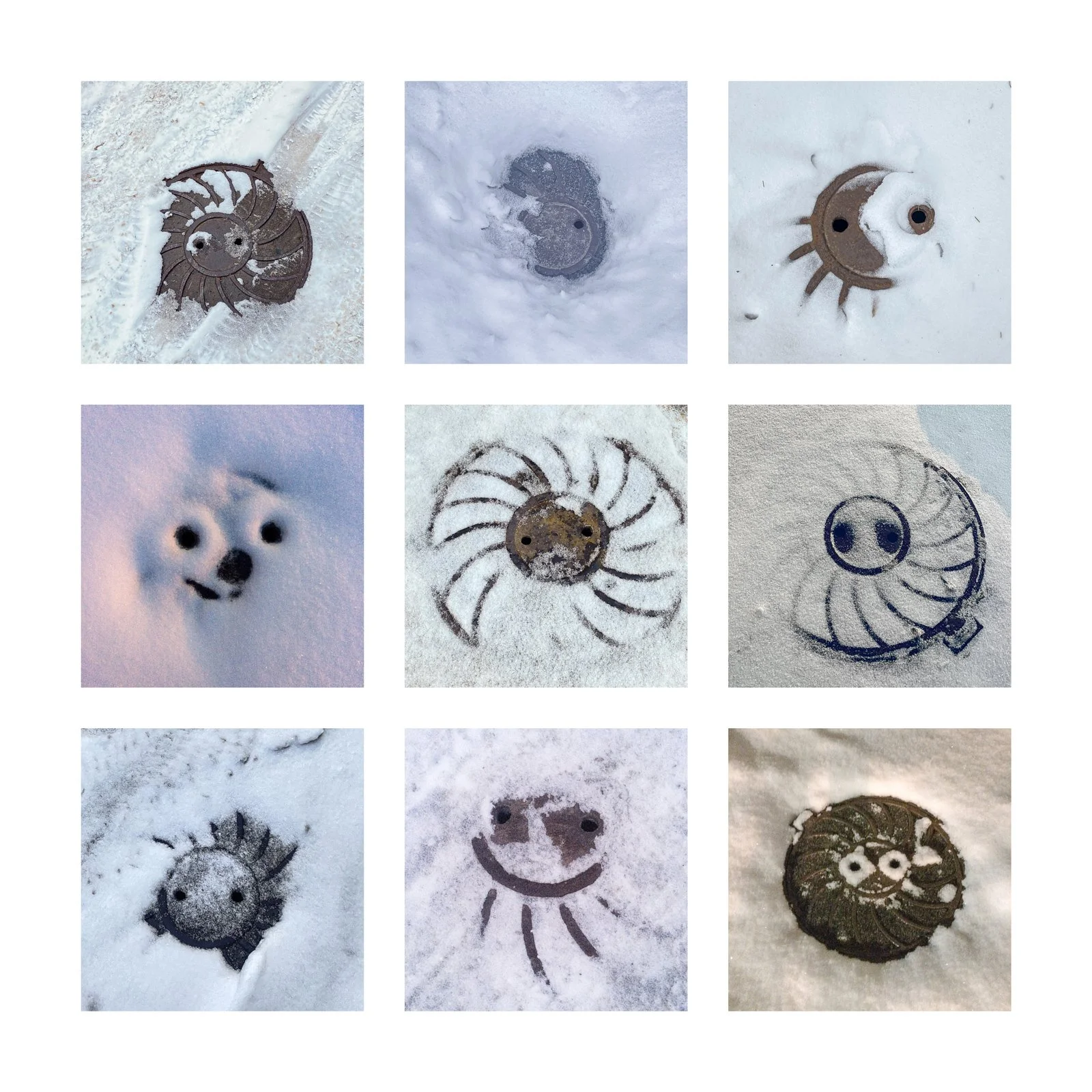
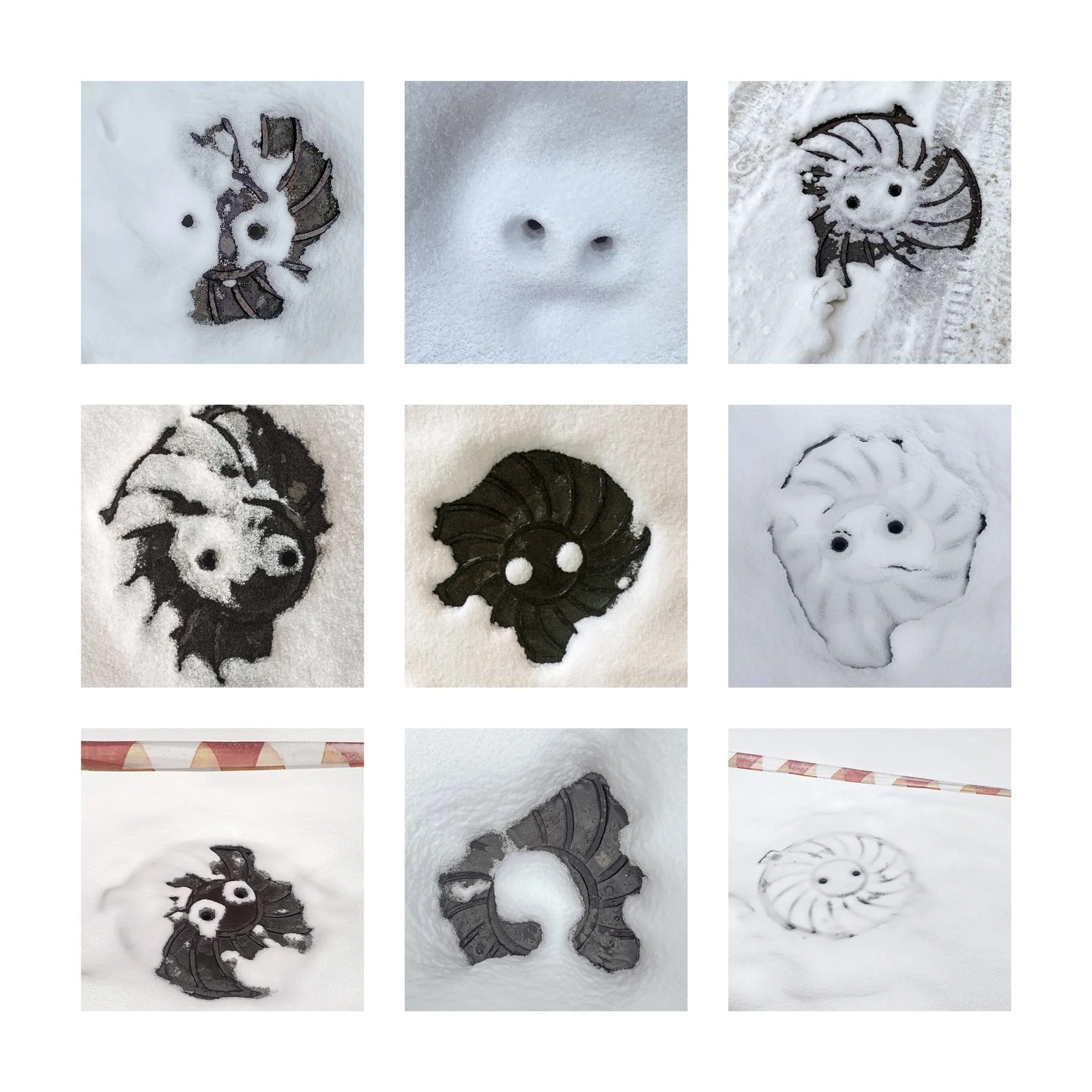
Winter is cold. And slippery. If you don't want to fall, you keep your eyes fixed on the ground. A head heavy with a cold only drags your gaze further down, toward the untidy, messy surface of the courtyard. It was there that I was lucky enough to encounter my first Snark.
Since the days of Lewis Carroll, this curious creature has been the object of intense hunting, bordering on barbaric extermination, which brought it to the brink of extinction. I decided to show a little care and attention toward this strange being instead. It turns out that this approach works much better than the "hope, soap, forks, and smiles" Carroll once mentioned.
Later, I discovered that these creatures are responsive and pleasant to be around. They are easily tamed and help you keep your chin up even in the coldest, slushiest weather.
Of course, among the Snarks, there are also Boojums. But perhaps we should save that conversation for another time
Victor Lévy
-
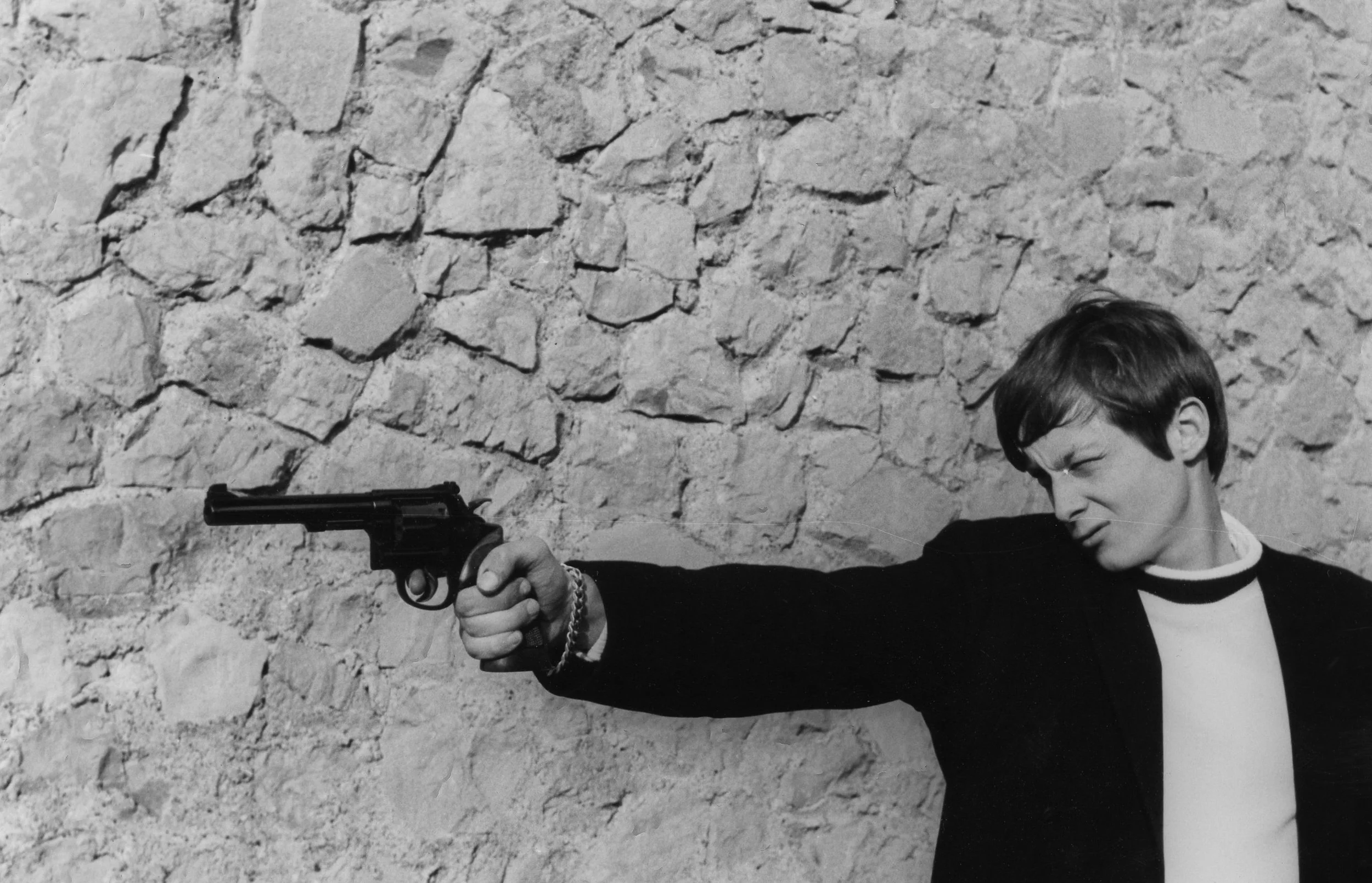
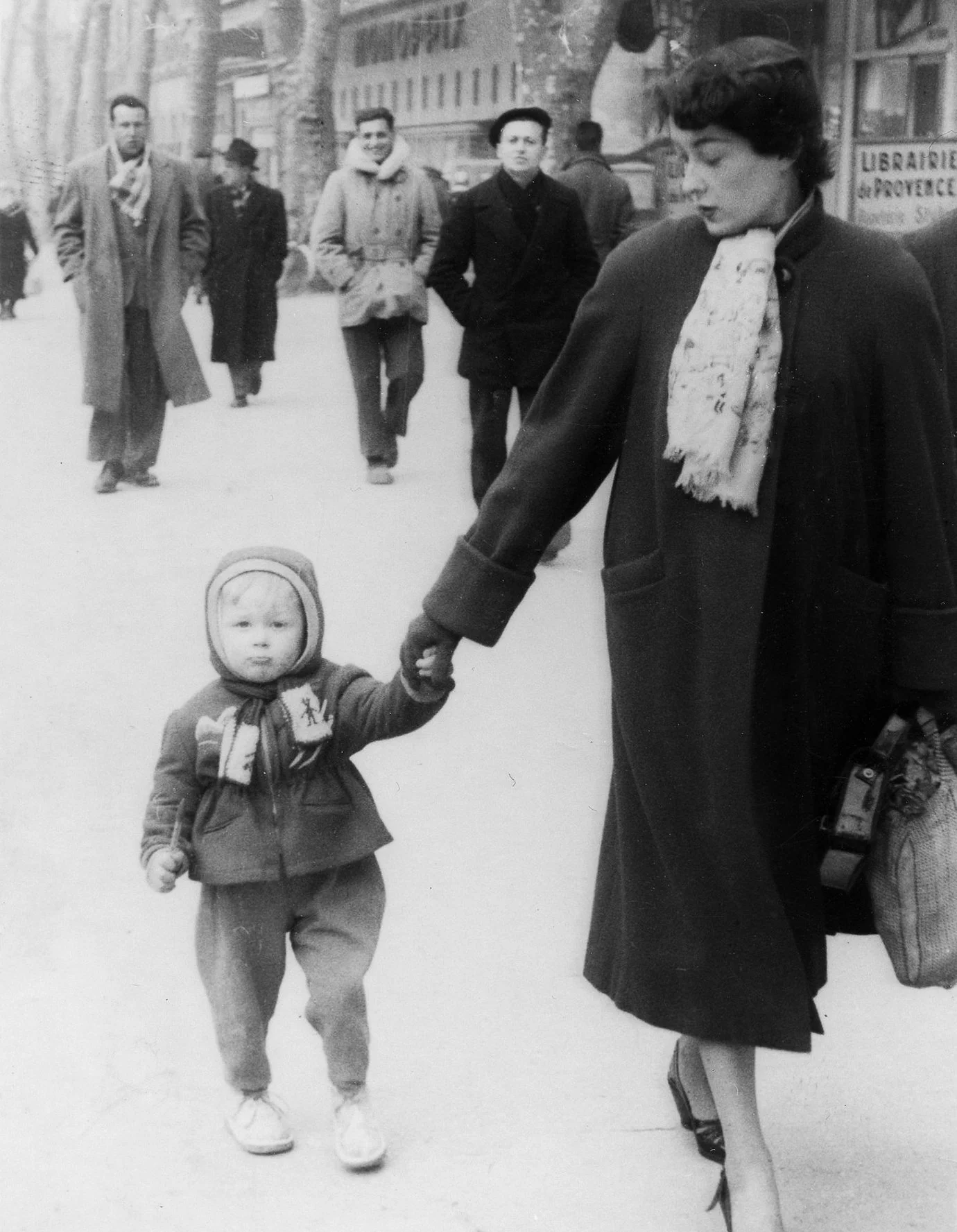
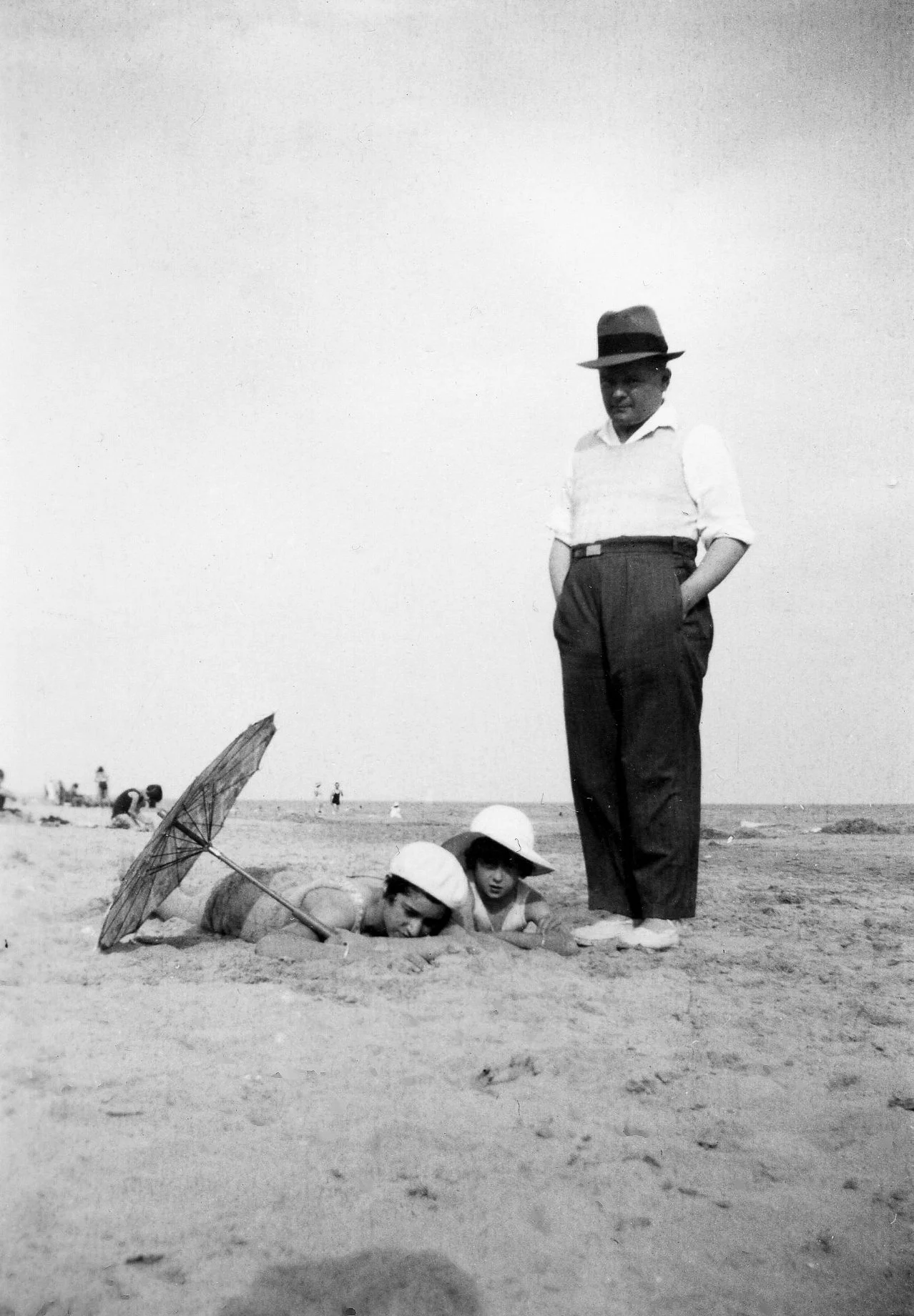
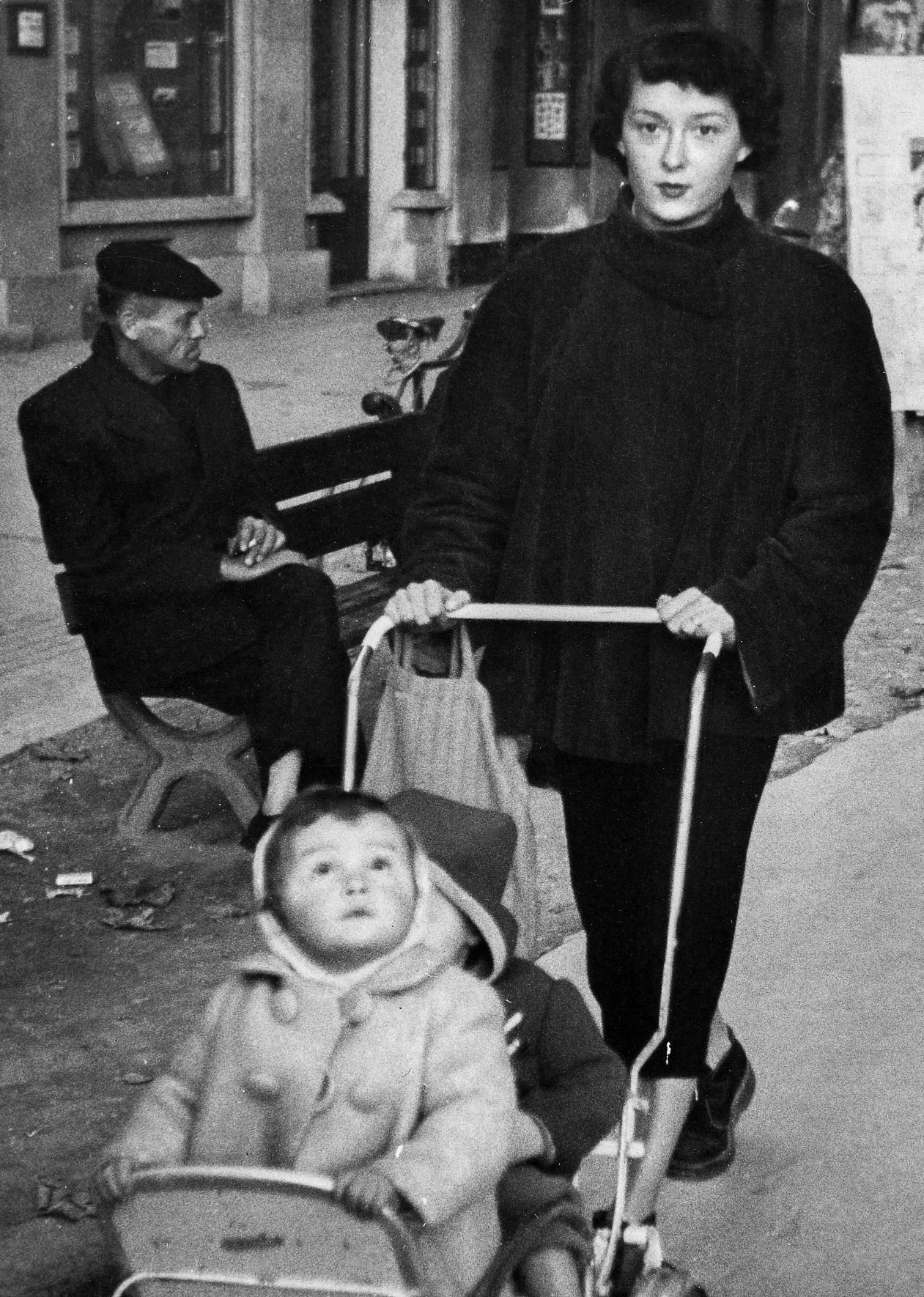
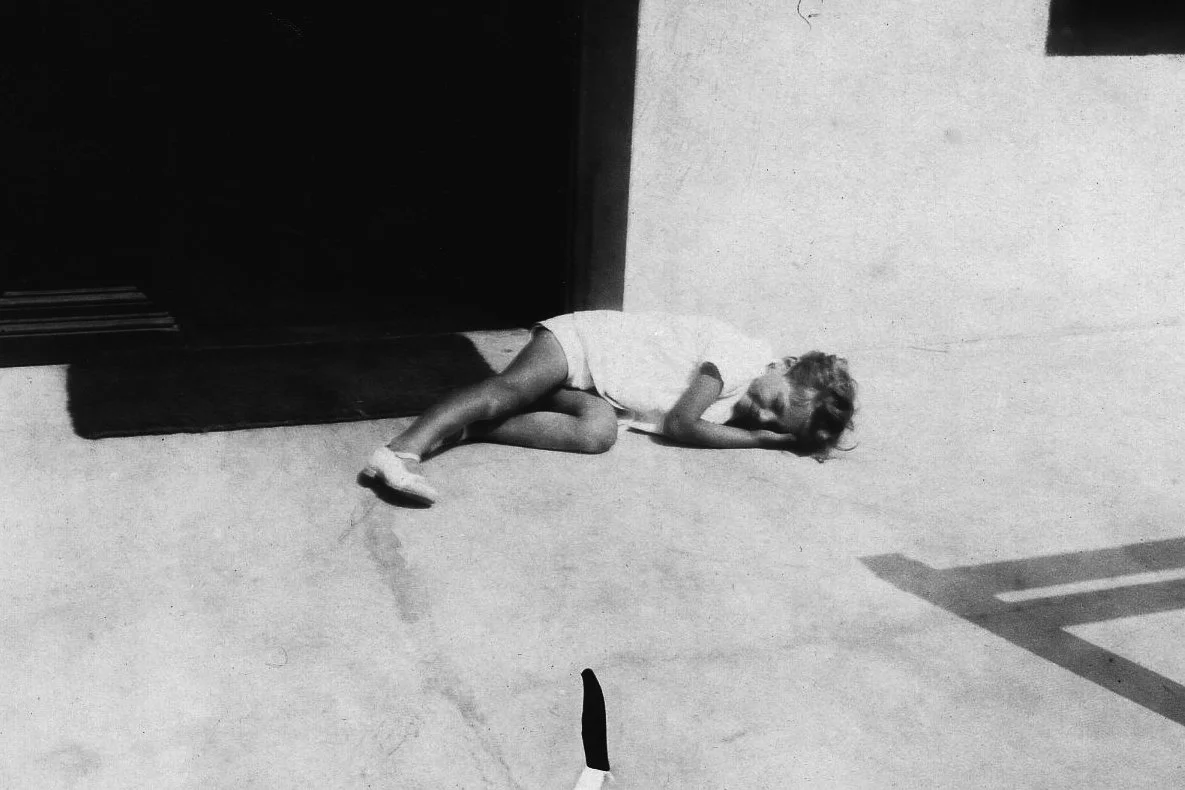
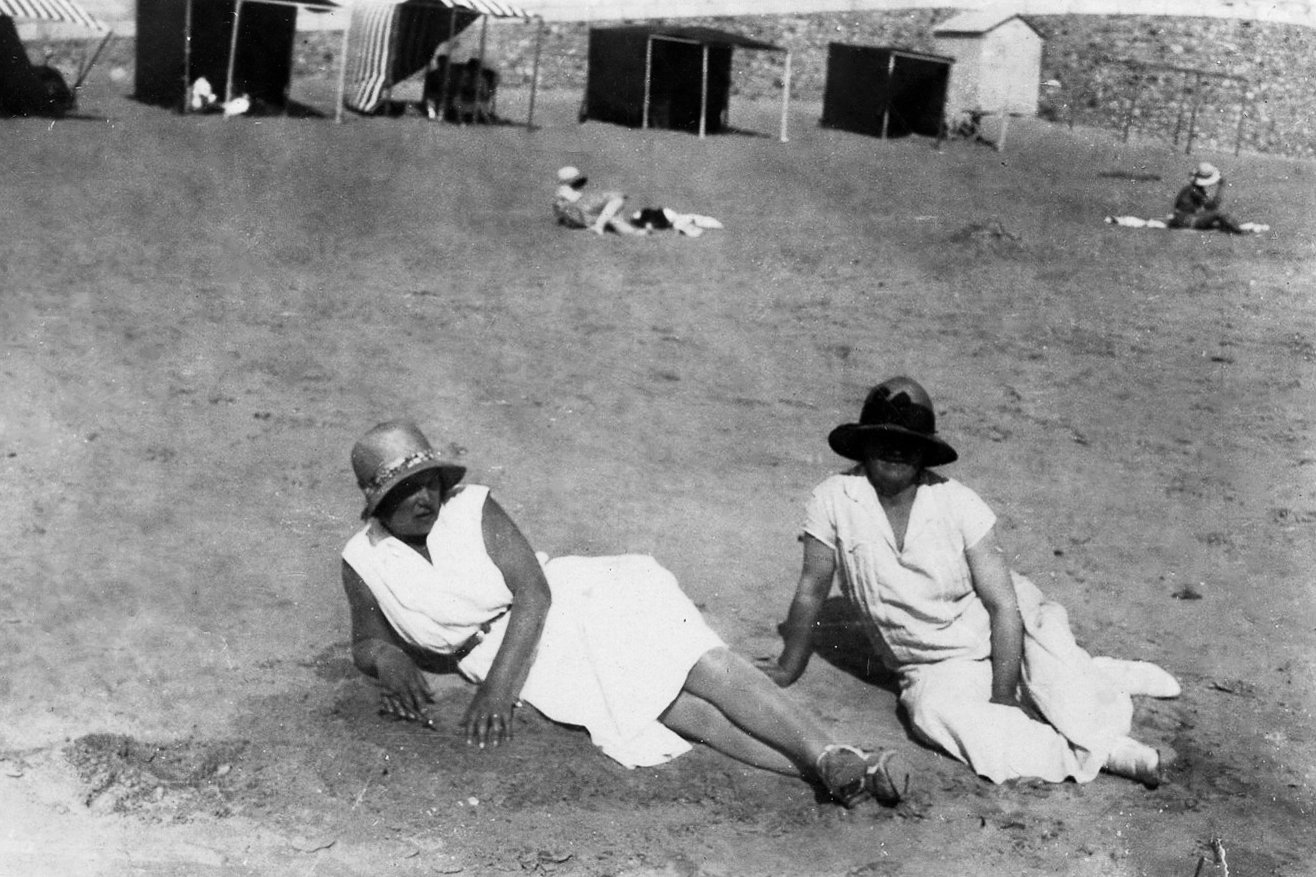
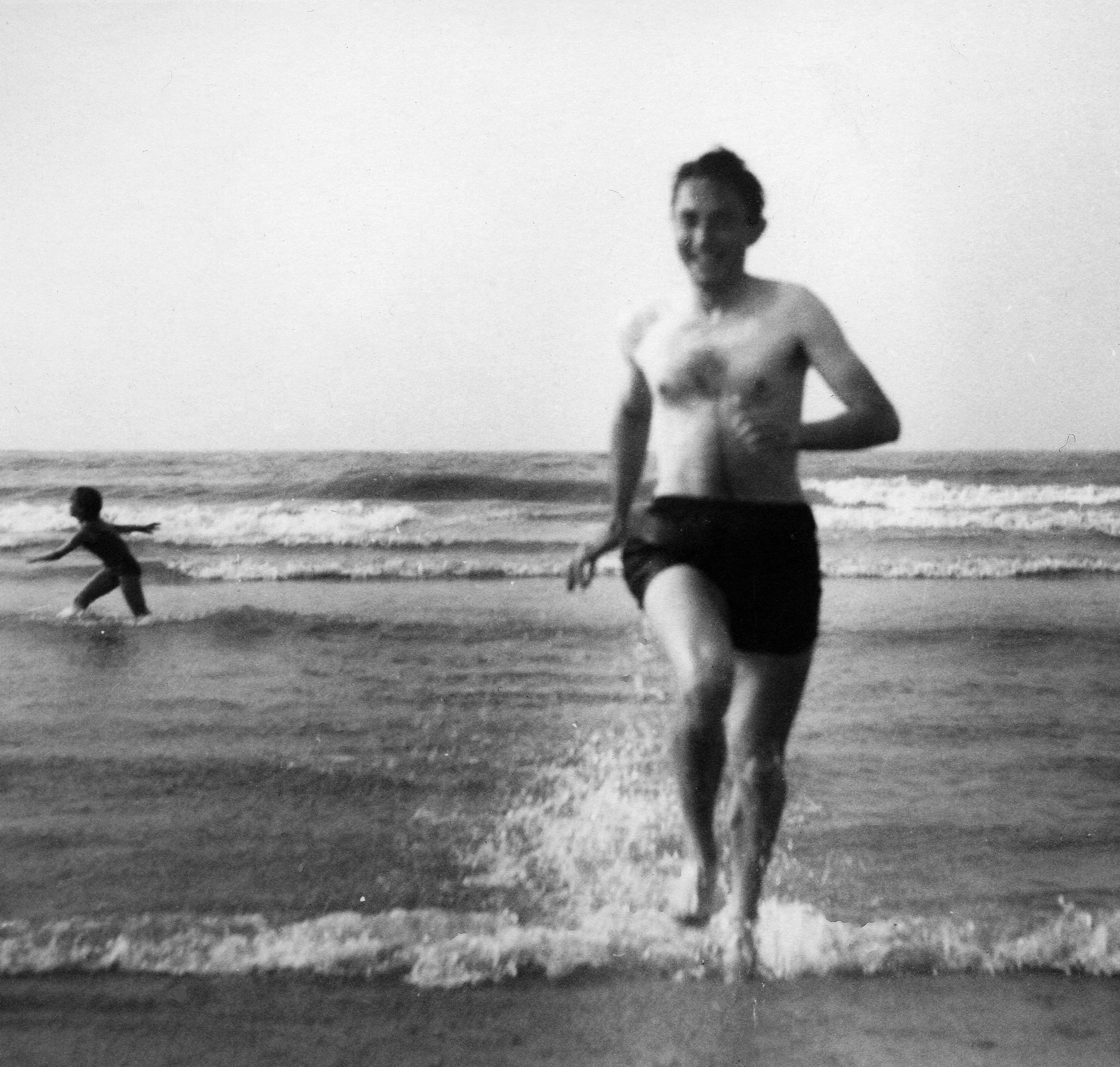
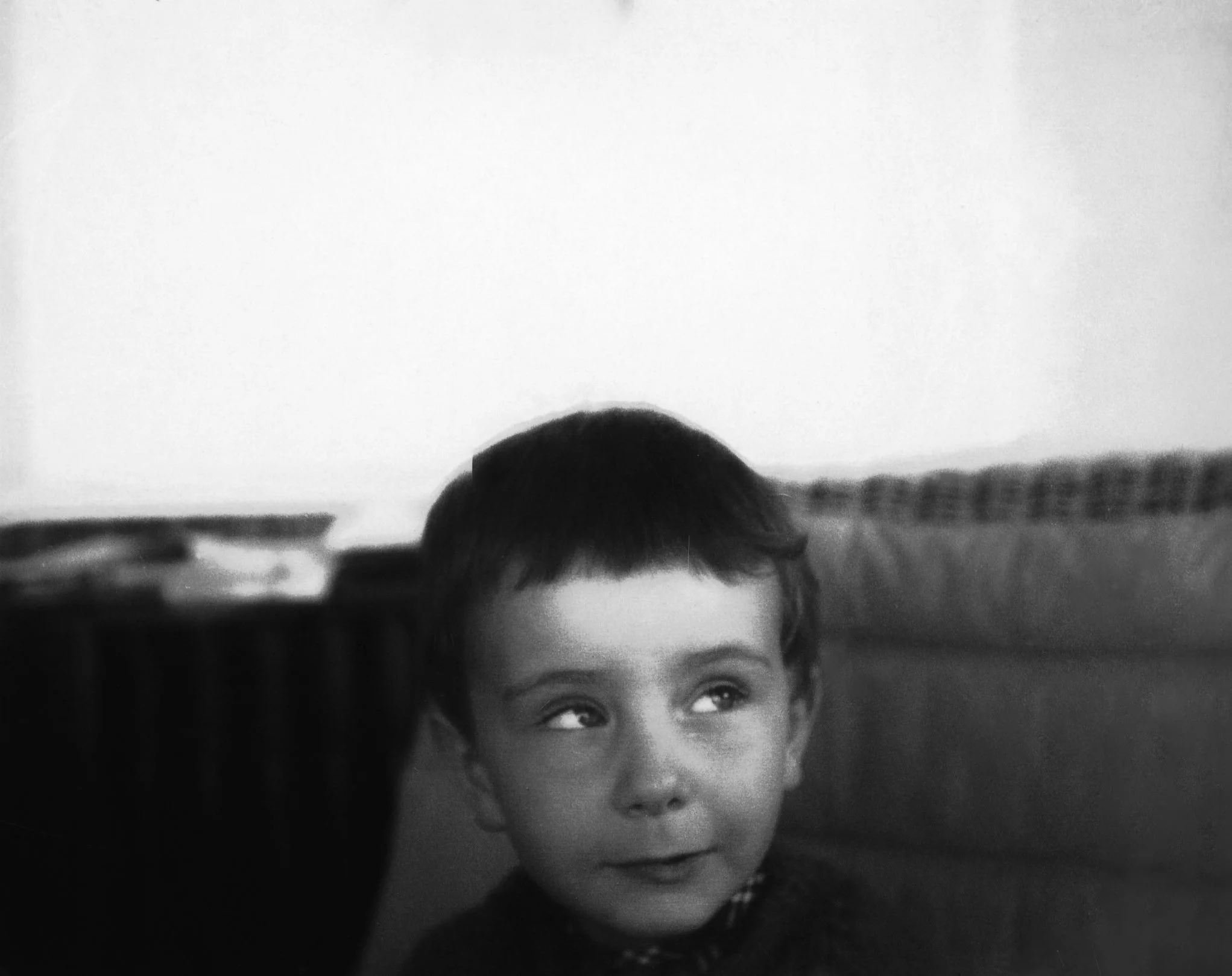
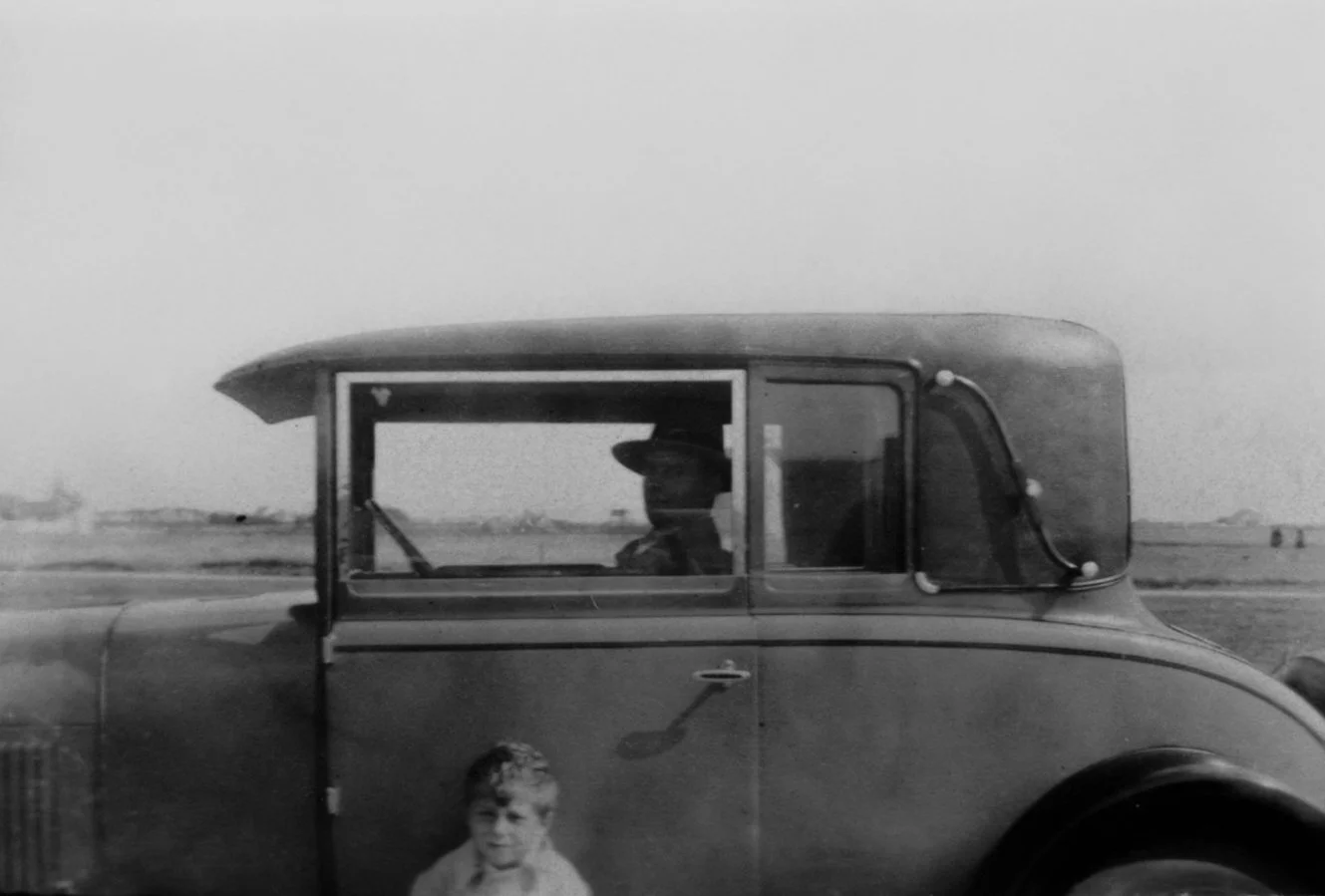
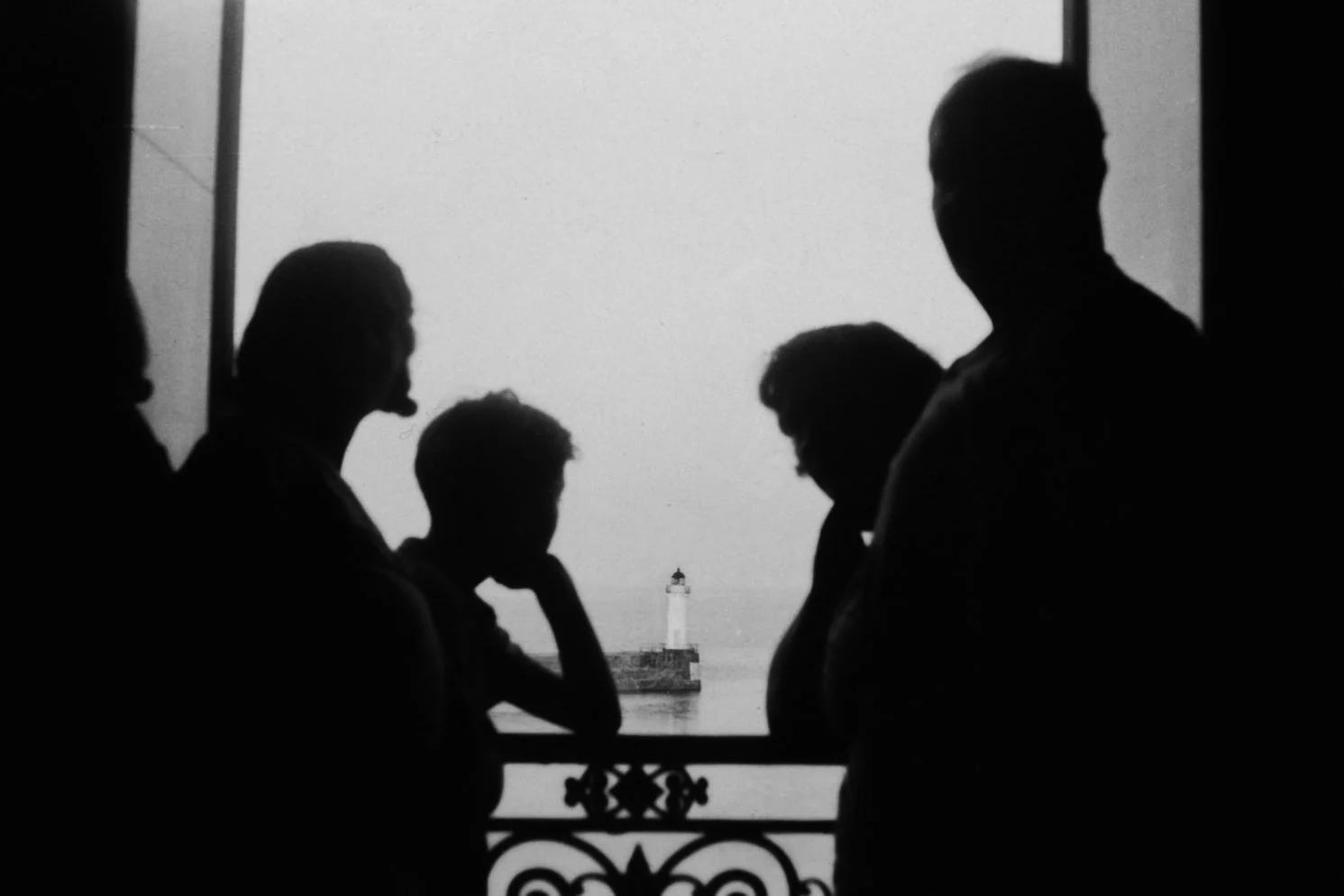
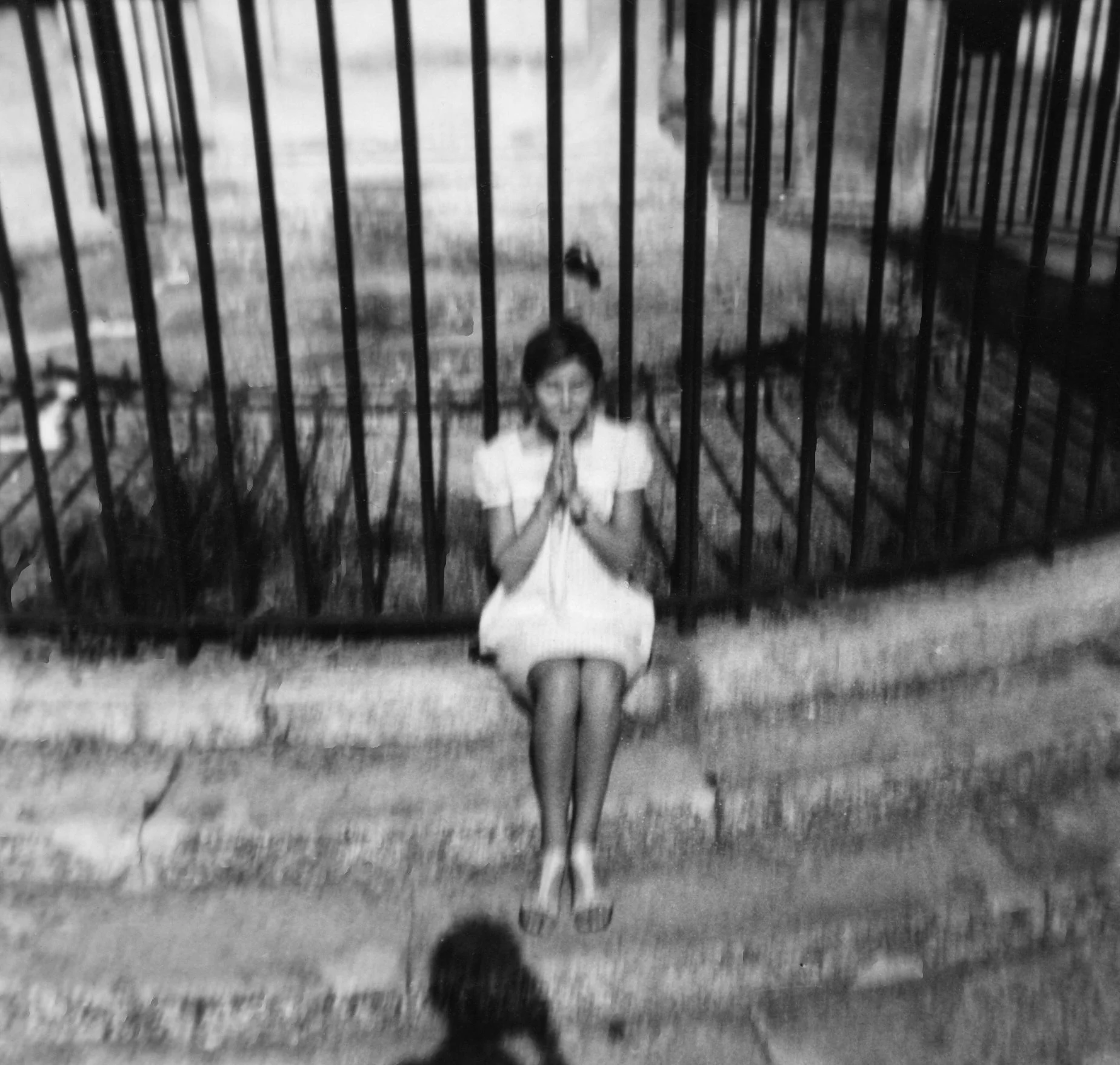
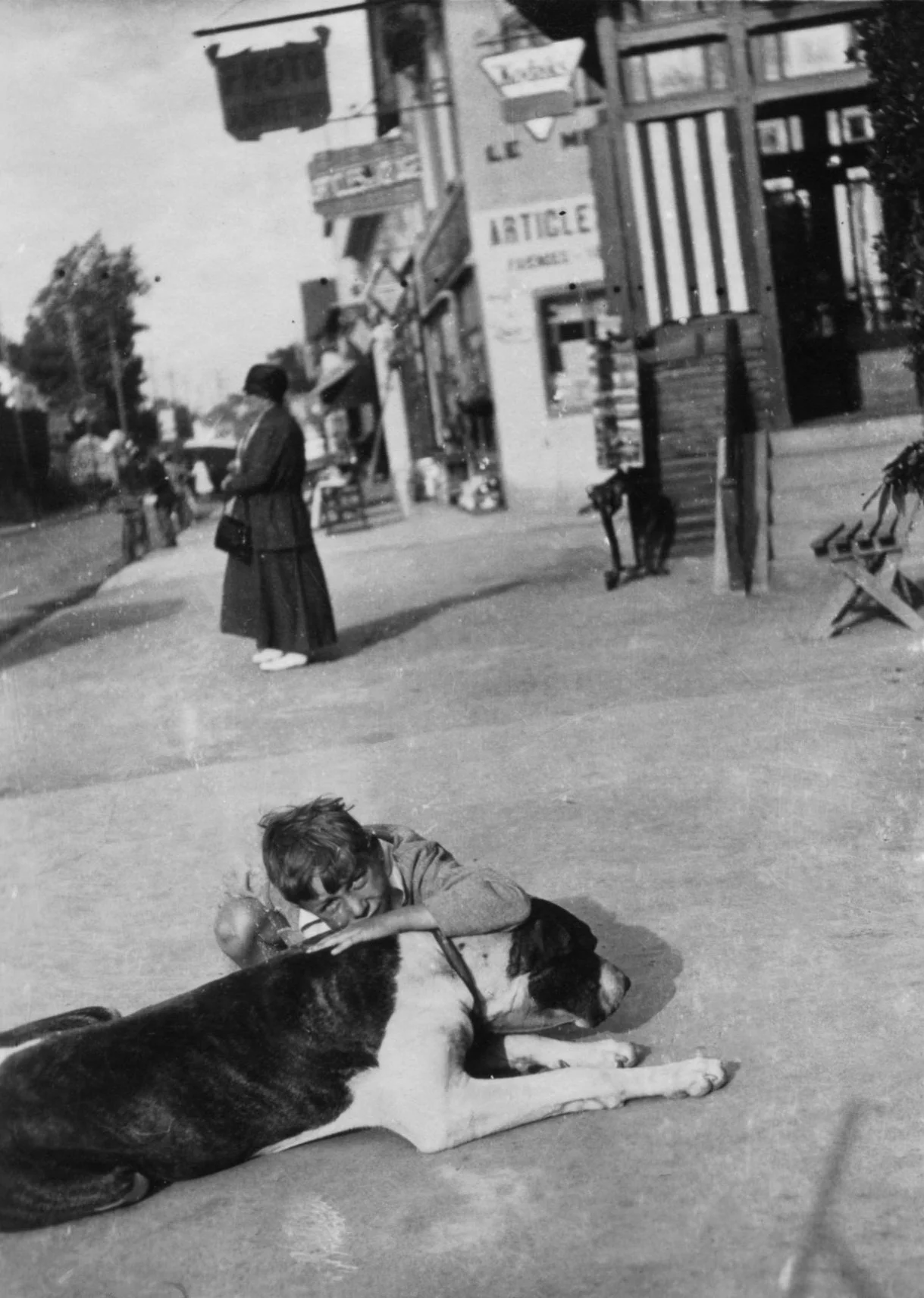
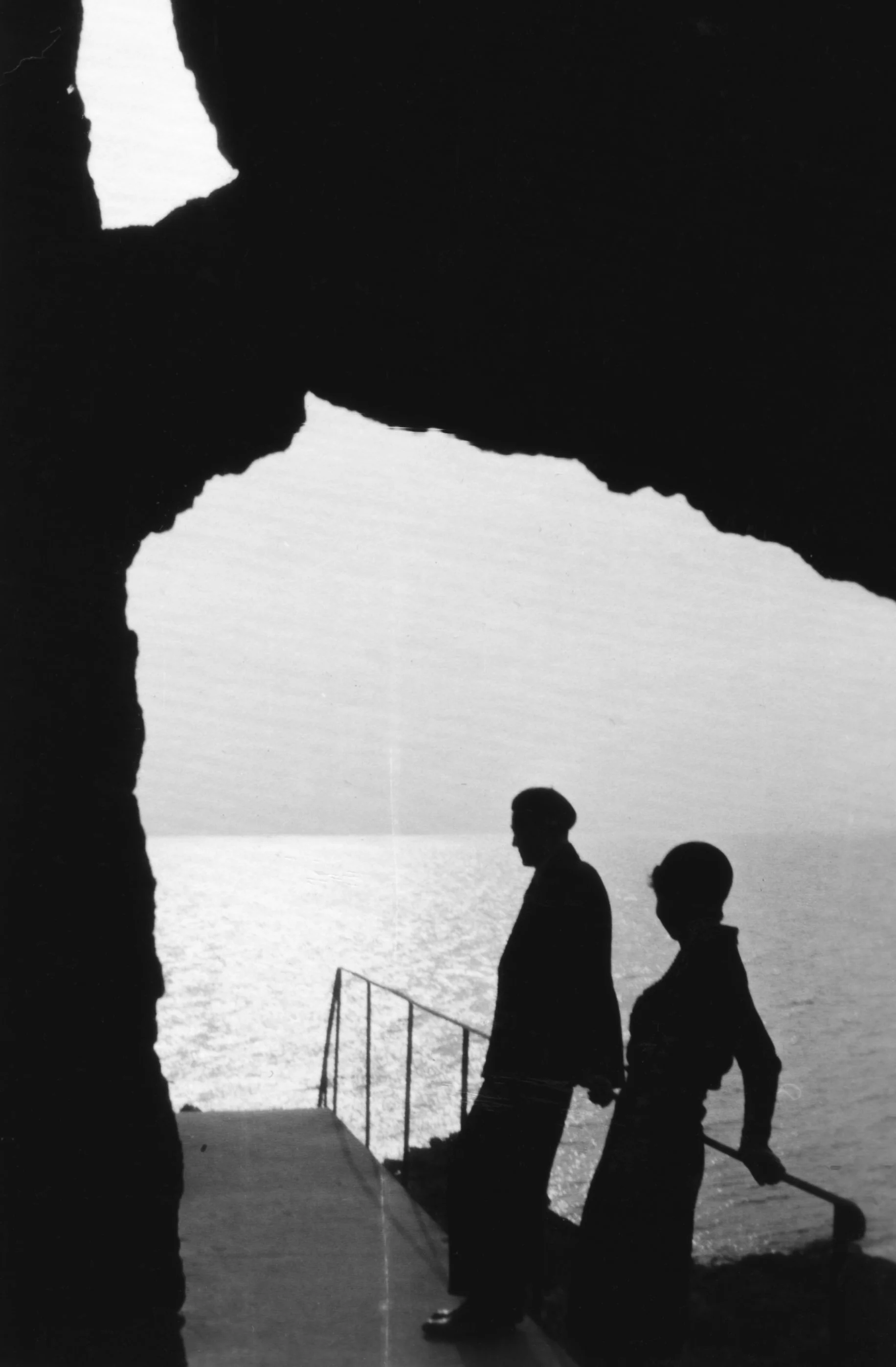
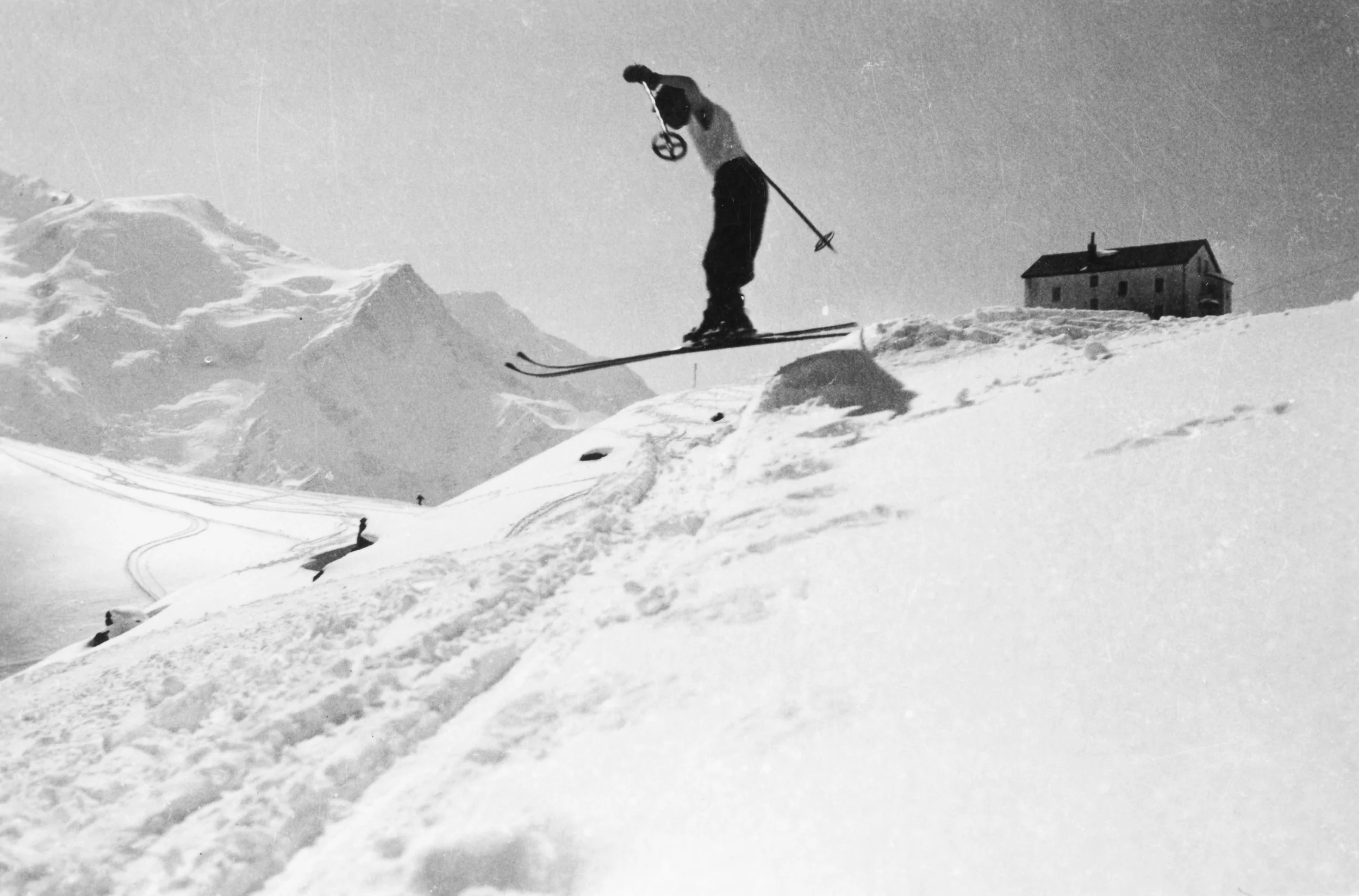
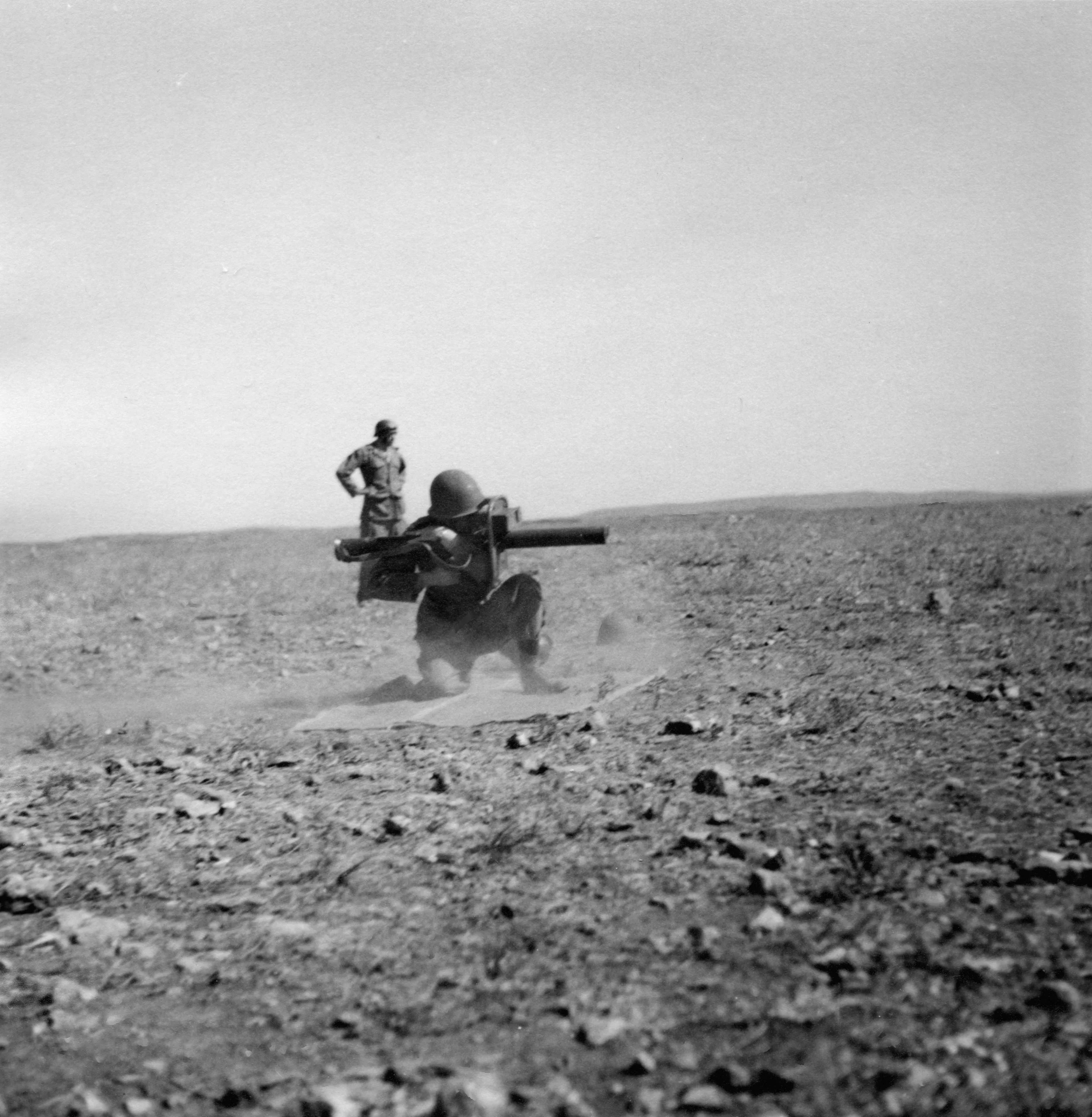
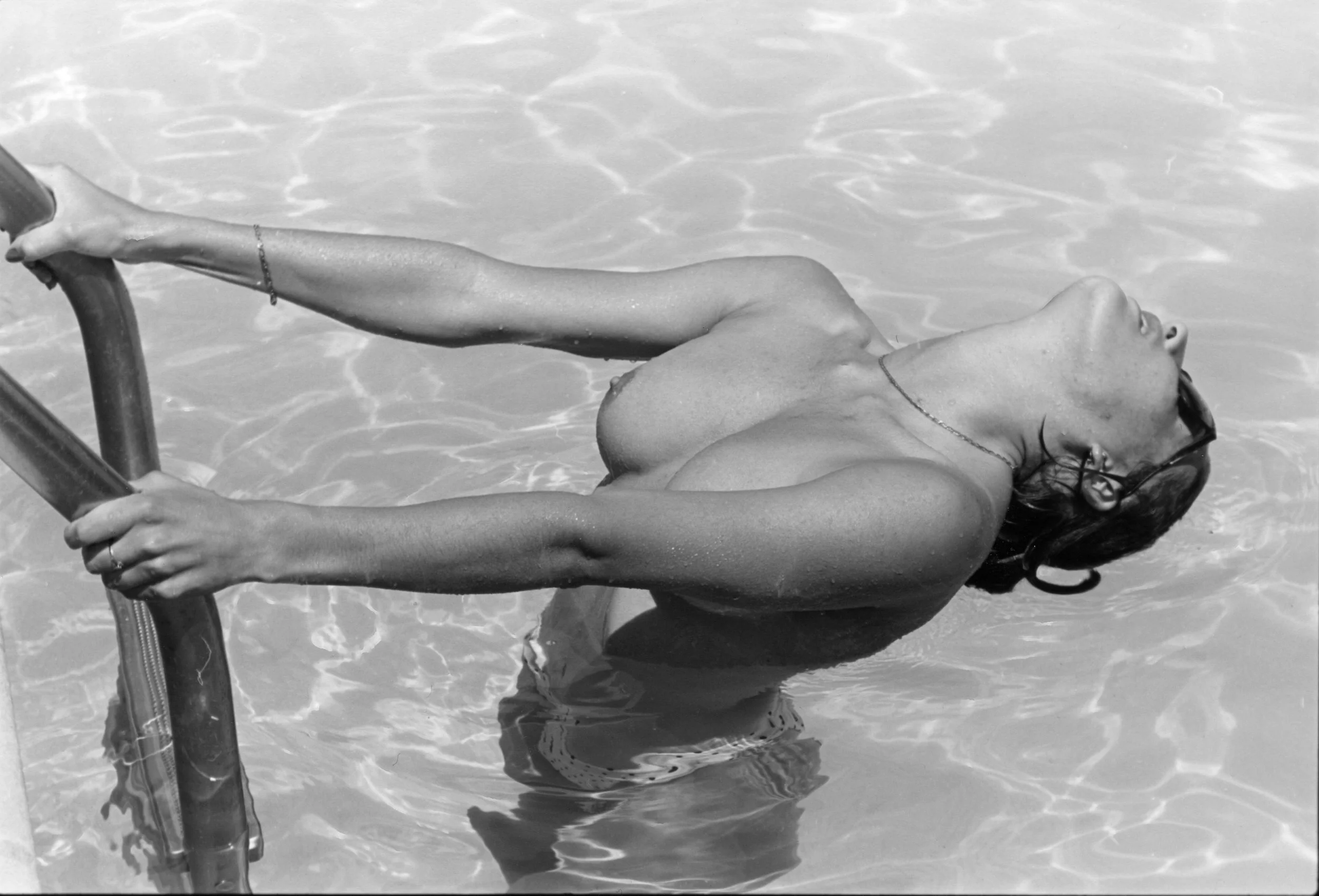
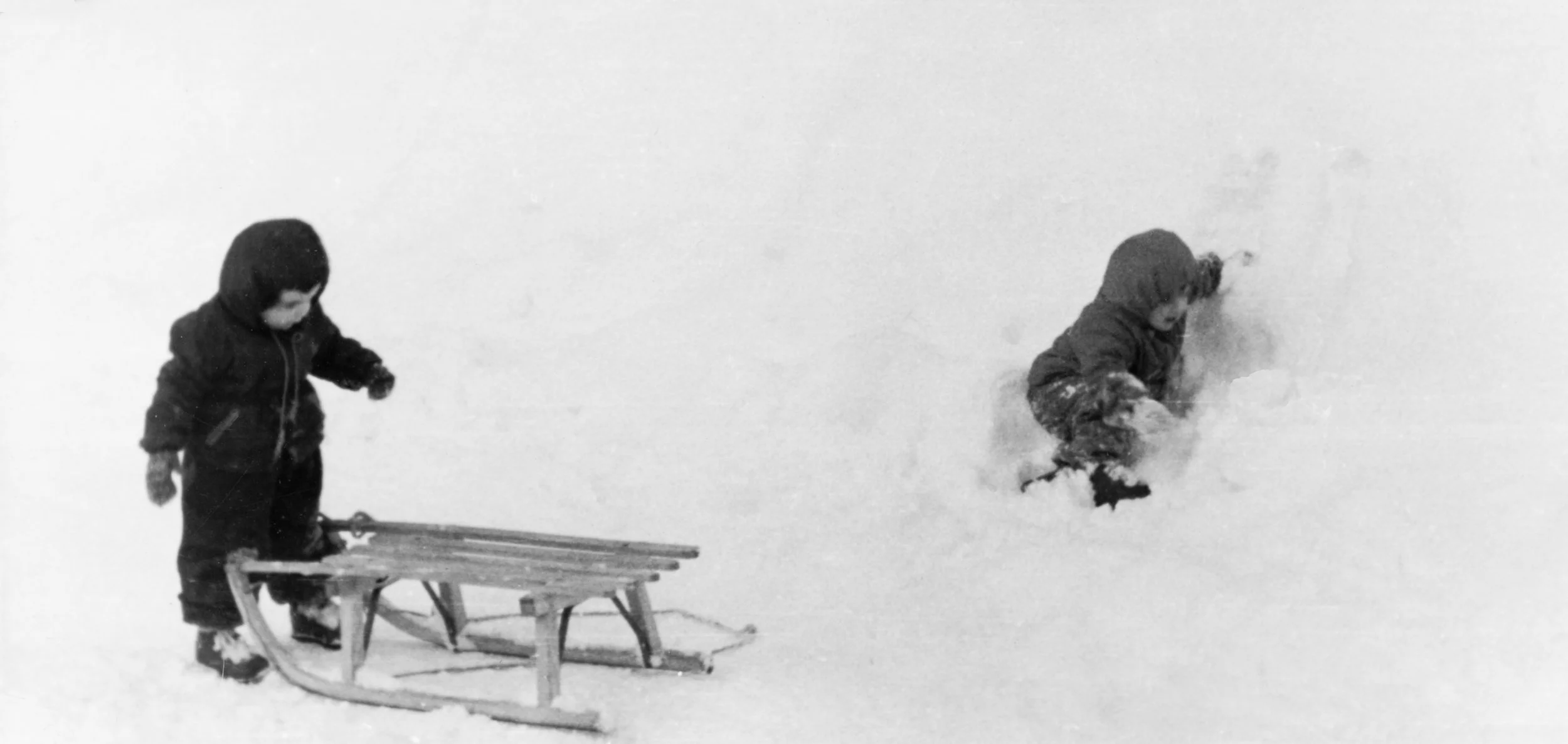
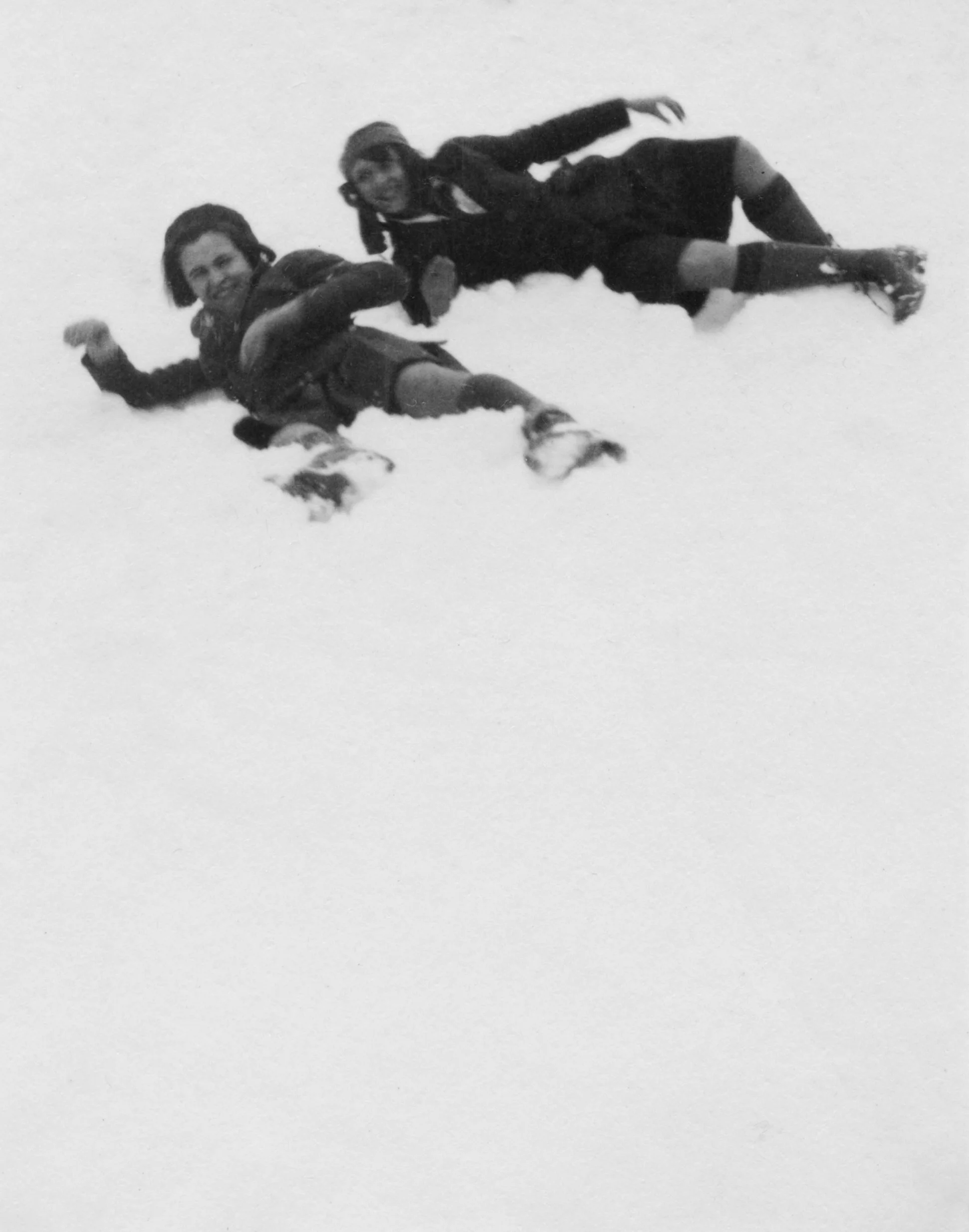
Armand Le Songe never existed. He is a pure narrative creation, a fictional character I built to serve as an allegory for all the amateur photographers whose images have fallen into the dustbin of oblivion. This project involves gathering fragments of anonymous lives condemned to disappearance and unifying them under this imaginary identity, thus offering them a shared destiny.
My intention is to transform the act of collecting into a radical artistic gesture: by attributing these anonymous snapshots to this character, I fight against definitive erasure. Since photography is an act of resistance against time, Armand Le Songe becomes the guardian of this resistance. He embodies that promise of immortality which, without our gaze, would remain a dead letter.
Through this work as a curator and creator of fiction, I seek to wrest from time a little of its fleeting nature in order to honor these invisible authors who, through the name of Armand Le Songe, finally begin to exist again.
Syona Cheng
-
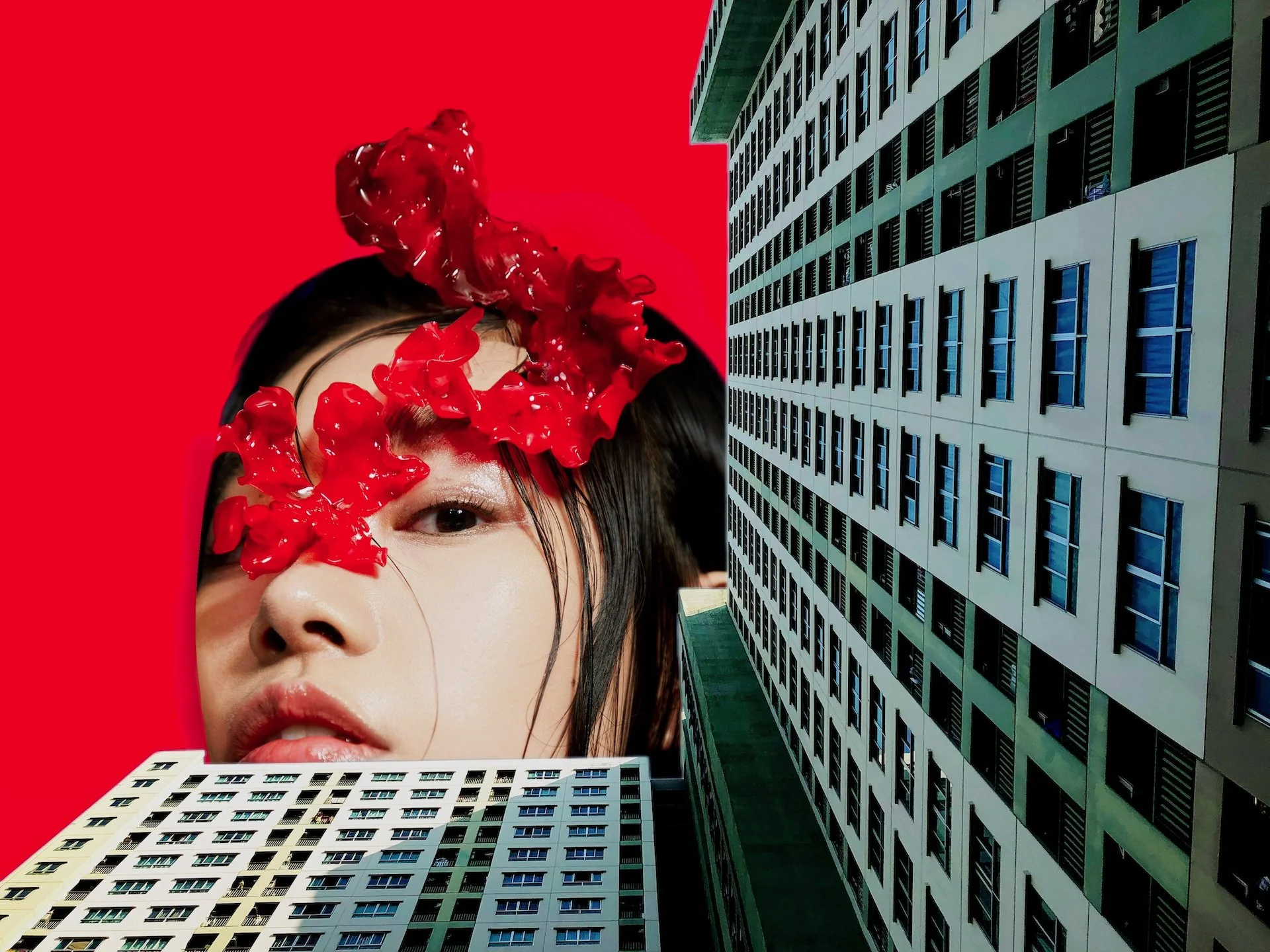
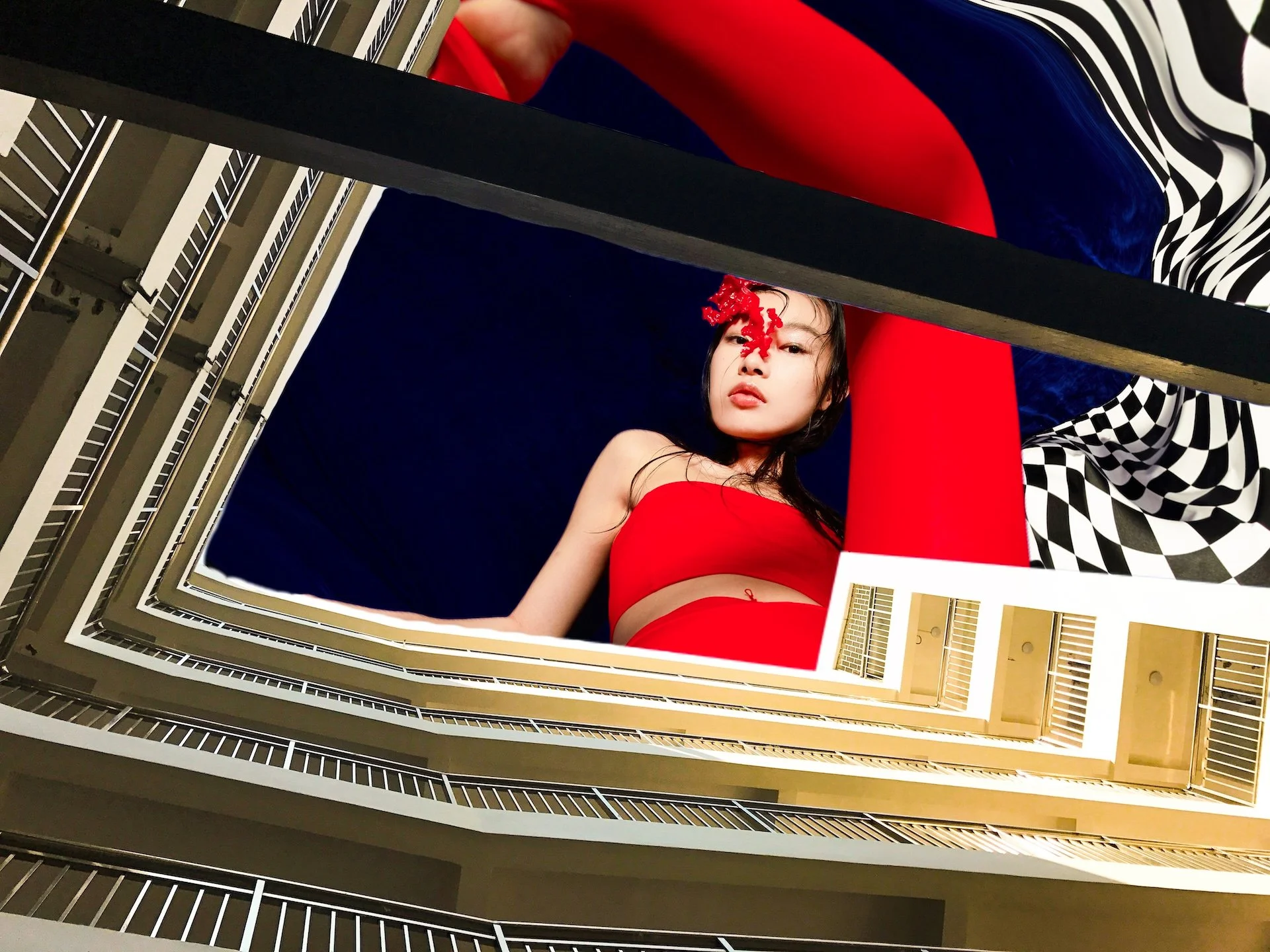
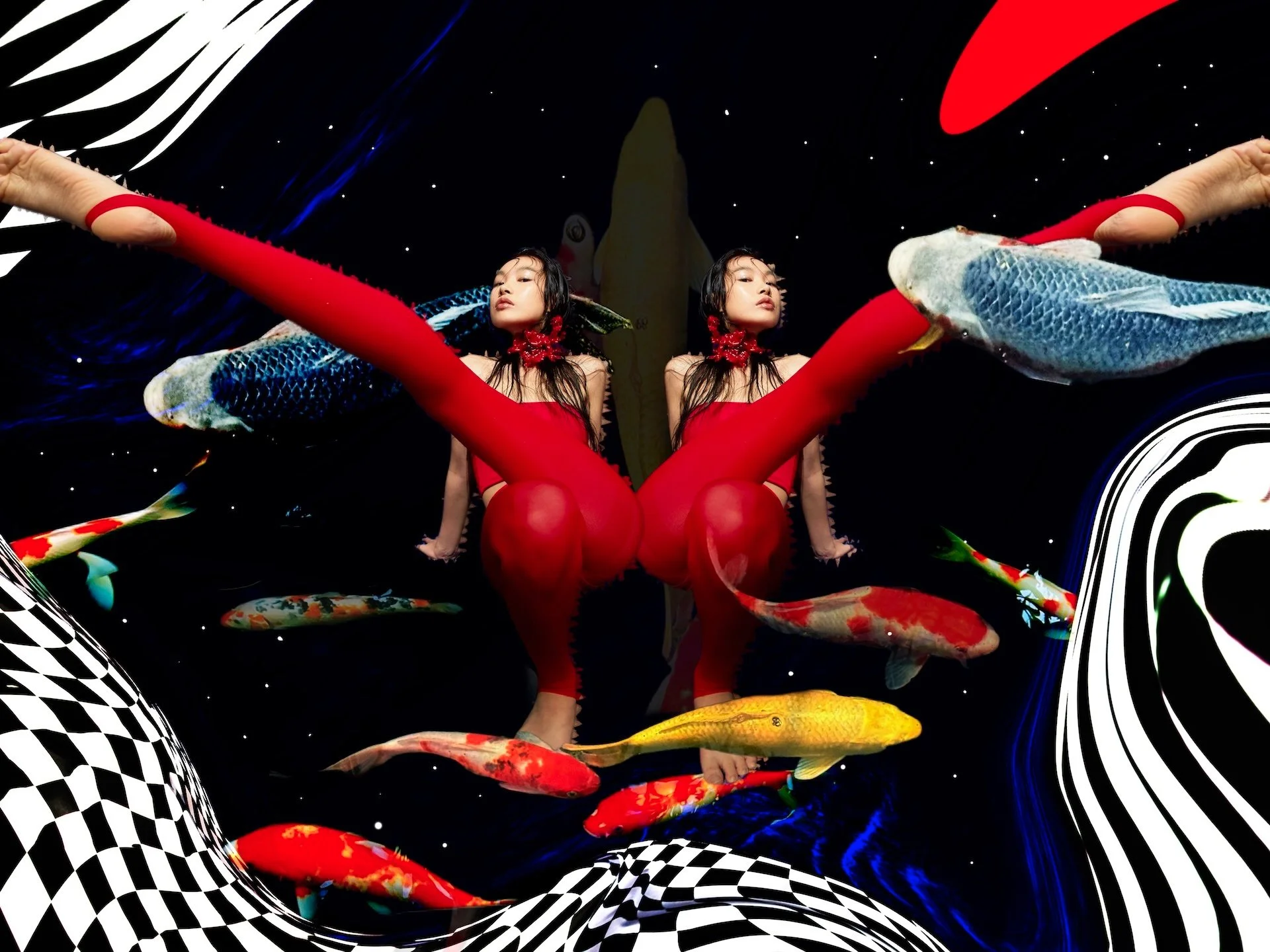
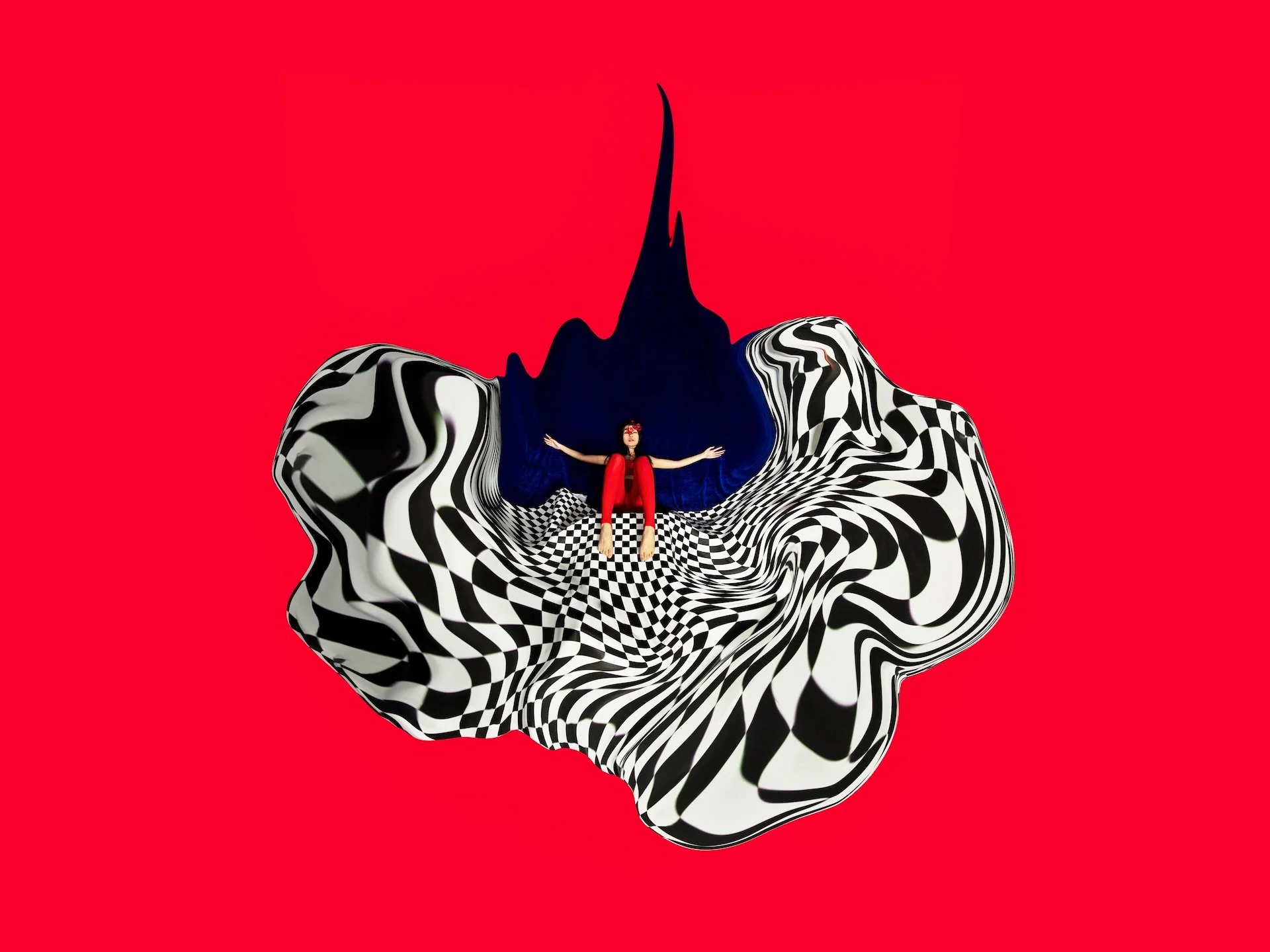
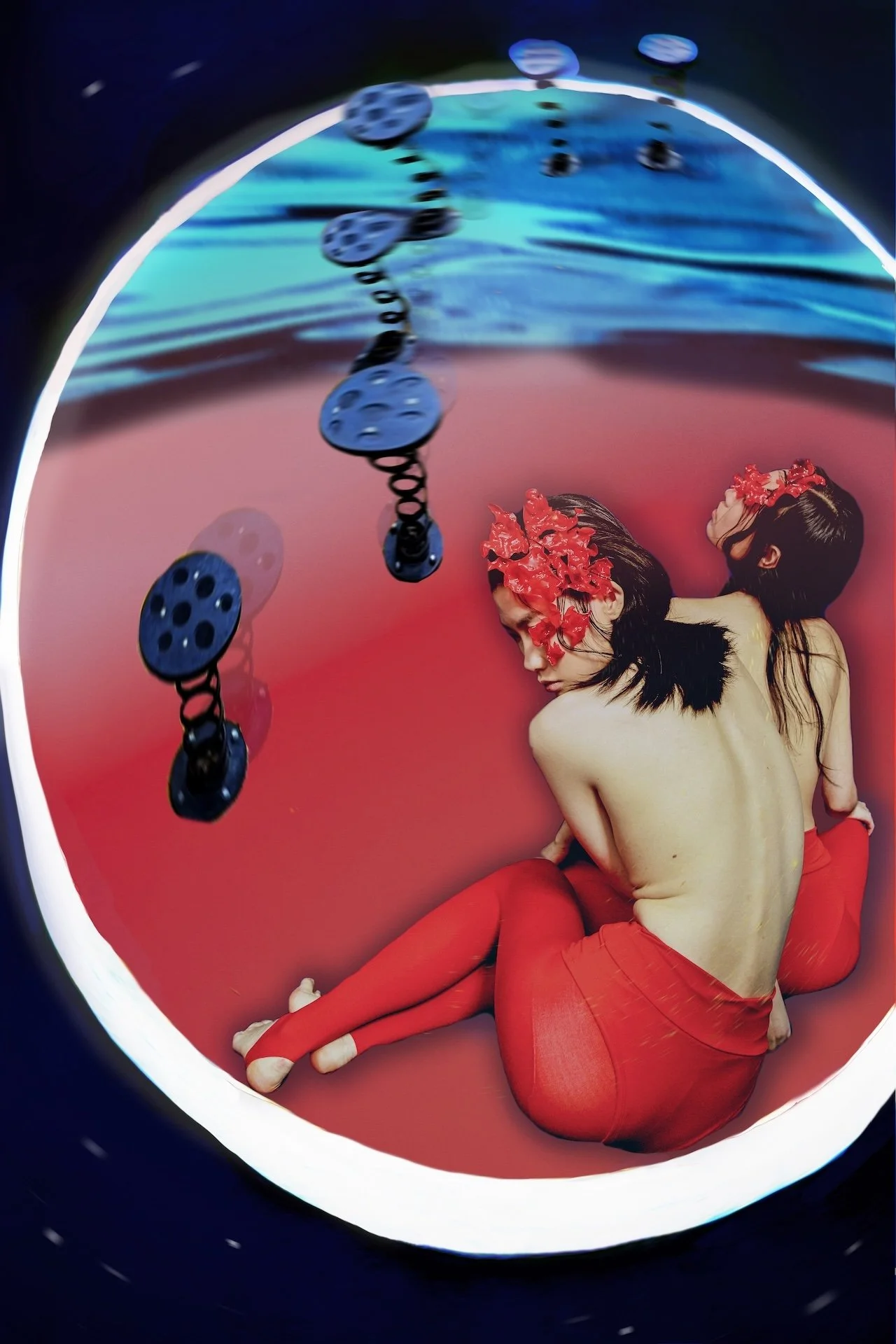
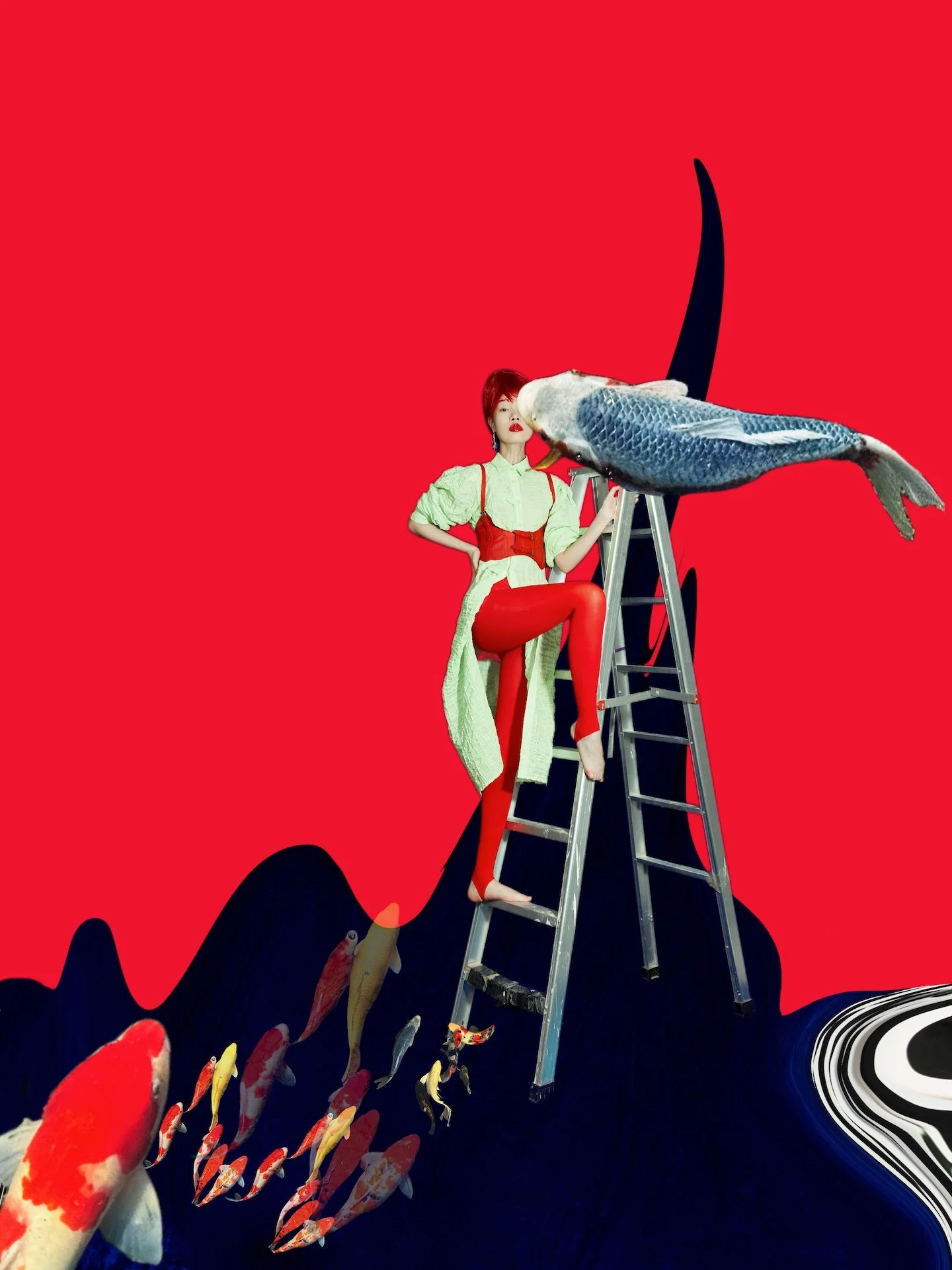
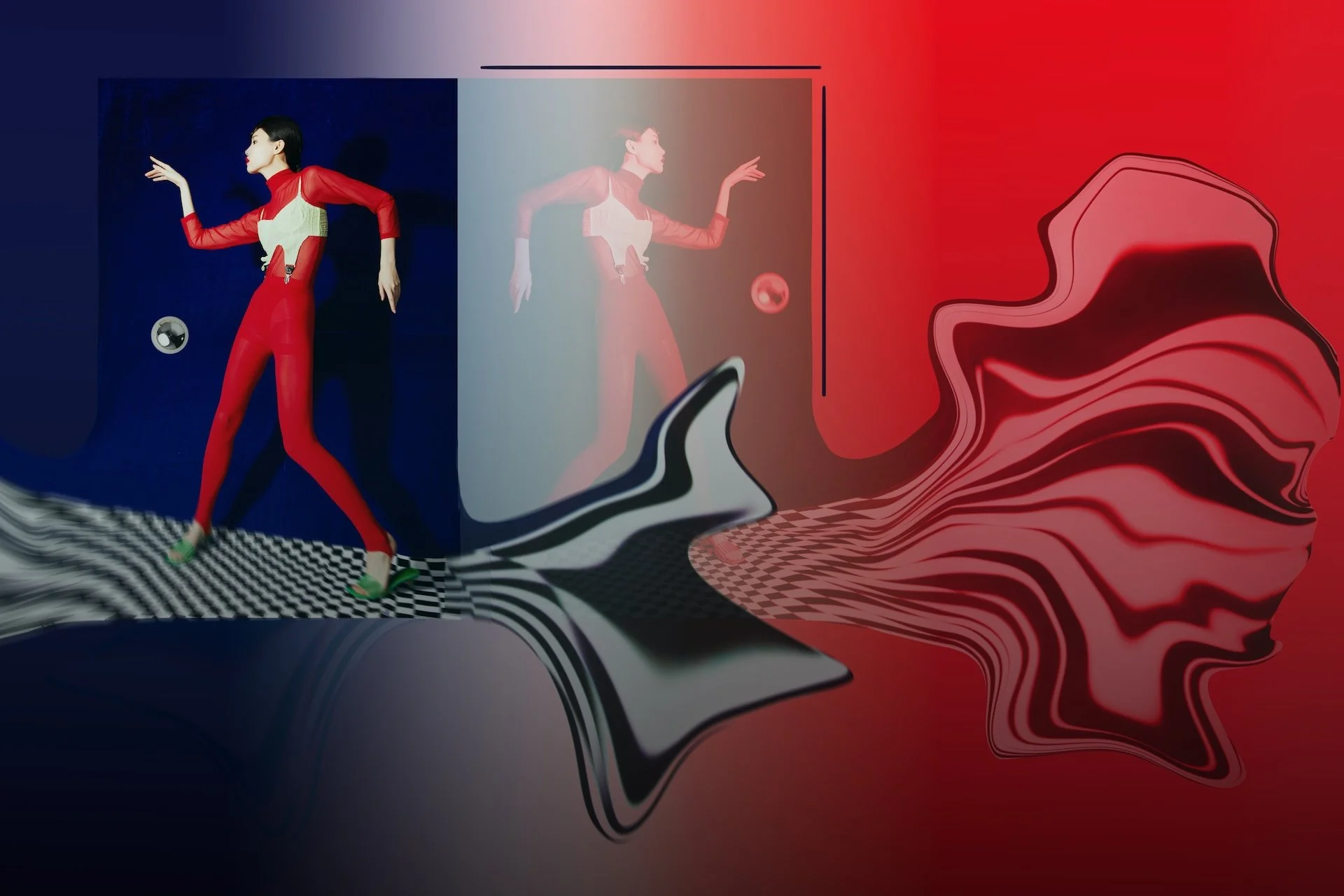
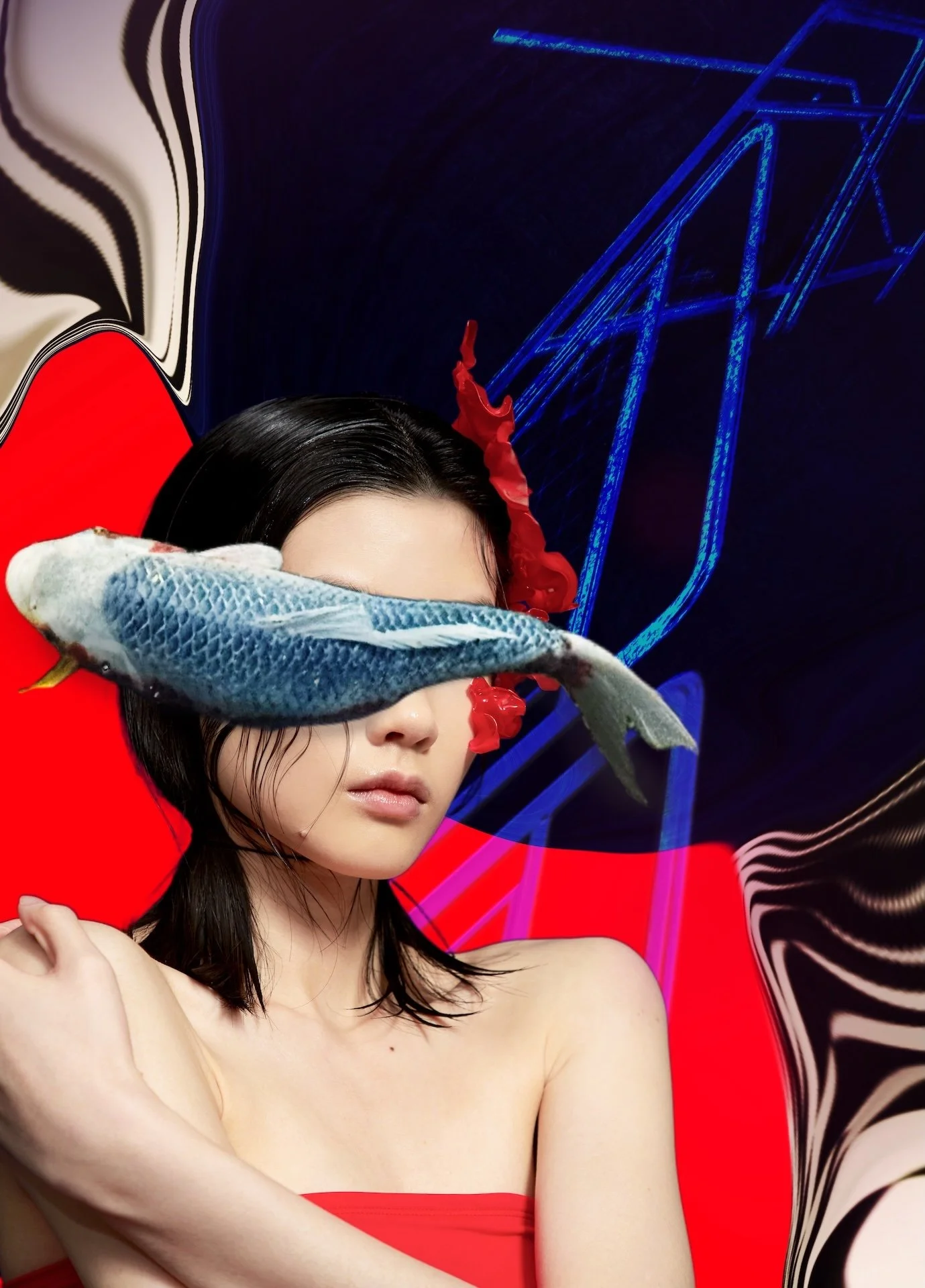
This project explores the body as a dislocated and plural presence within both architectural and psychological spaces. It was inspired by my interest in how identity is never fixed, but constantly shaped by the environments we inhabit, the systems that contain us, and the internal emotions we carry.
Through digital collage and surreal composition, I fragment and multiply the body, placing it within distorted urban structures, fluid spaces, and symbolic environments. These constructed spaces reflect states of tension, isolation, and transformation. The body becomes suspended between control and vulnerability, visibility and disappearance, stability and collapse.
Rather than presenting the body as a unified subject, I treat it as something that exists across multiple realities at once. This project responds to a feeling of being in-between — between physical and psychological space, between external structure and internal perception. It proposes plurality not as a visual effect, but as an emotional condition of contemporary existence.
Yevhen Samuchenko
-
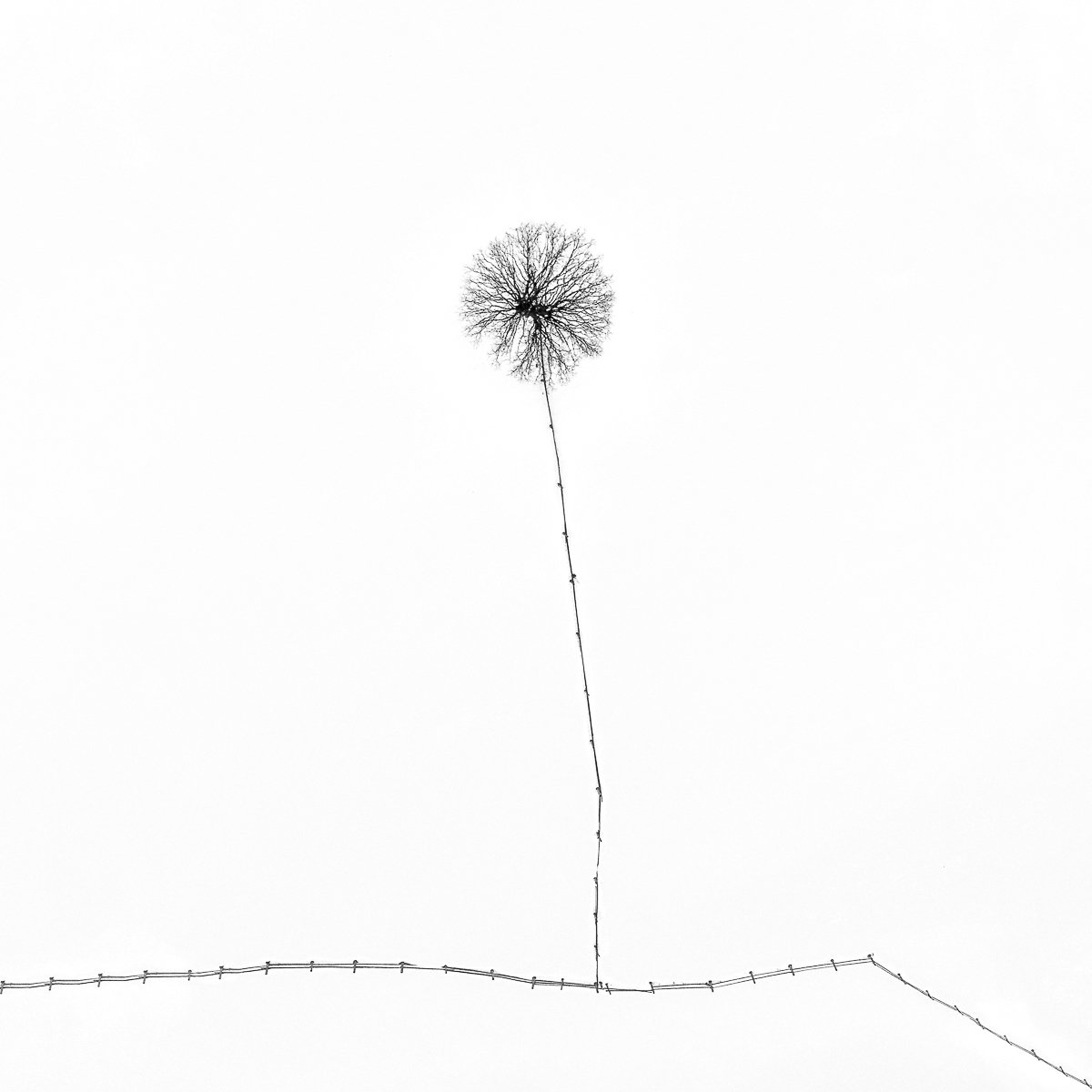
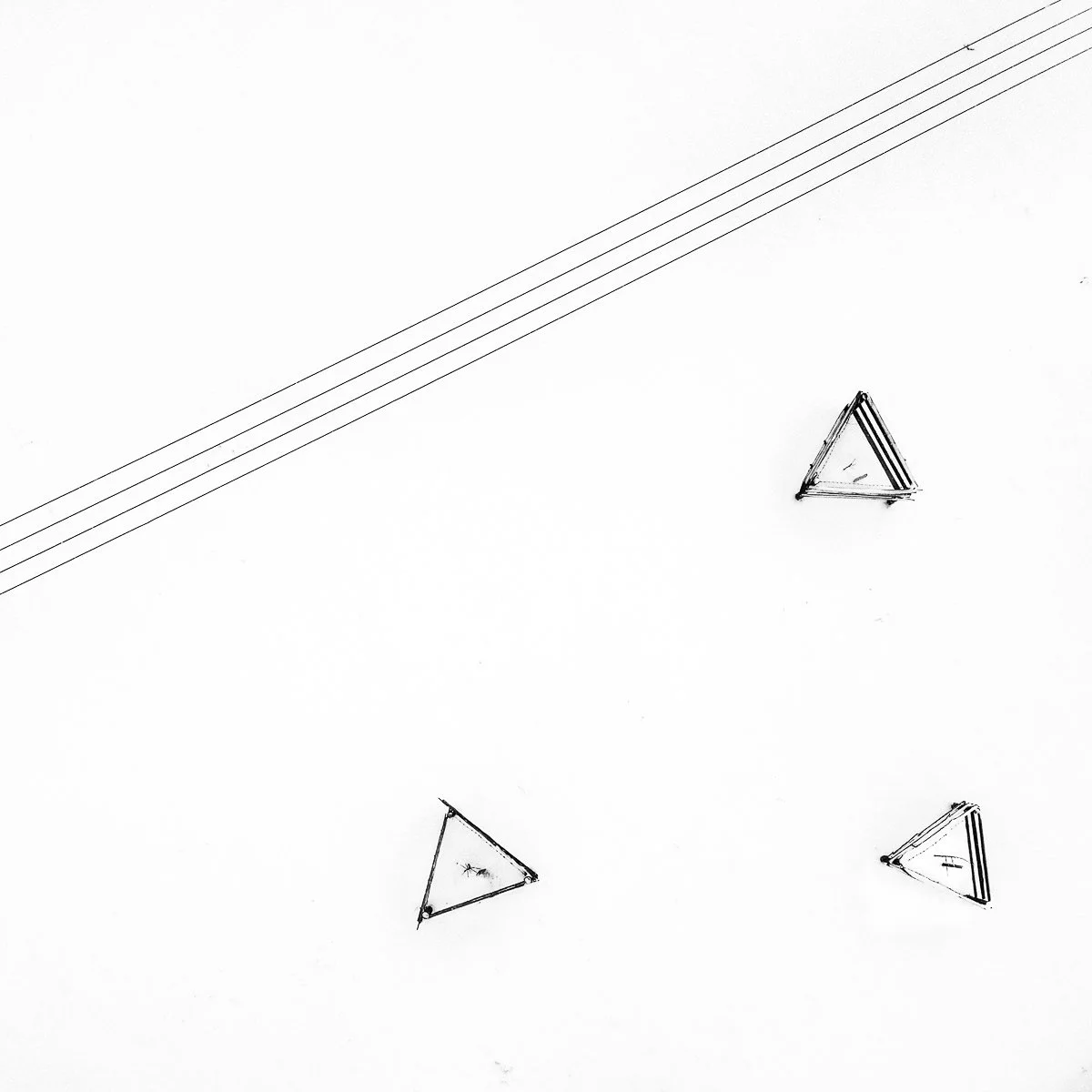
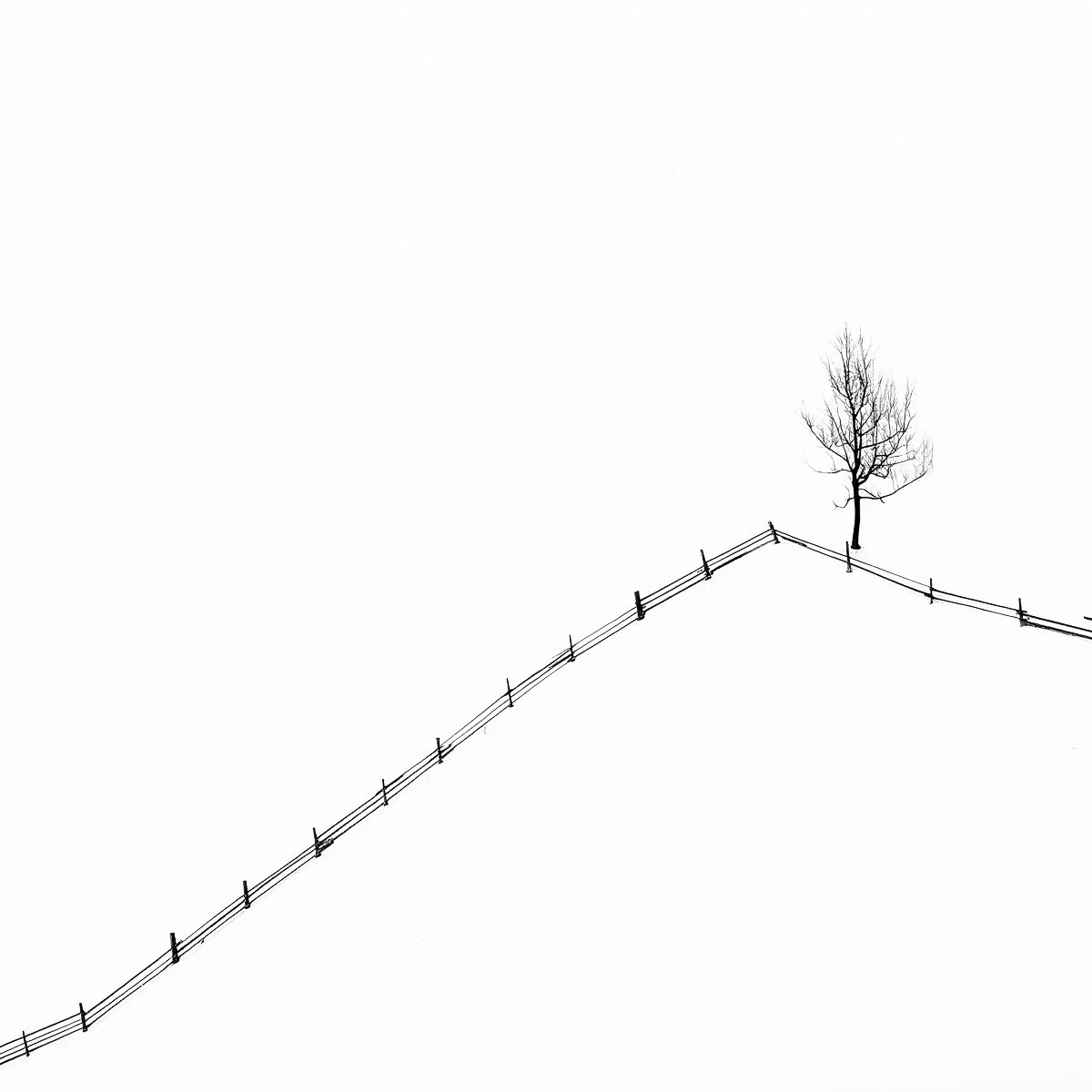
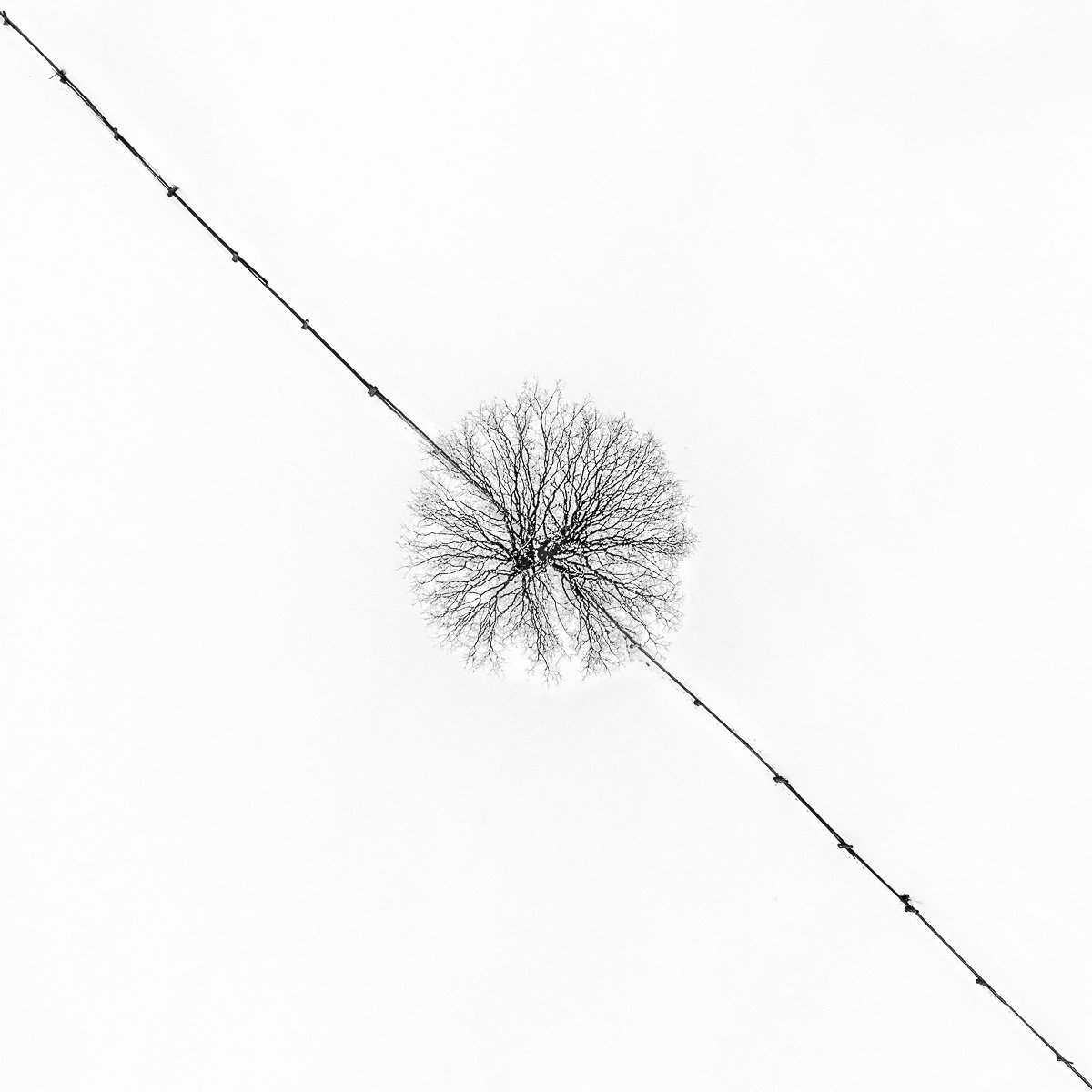
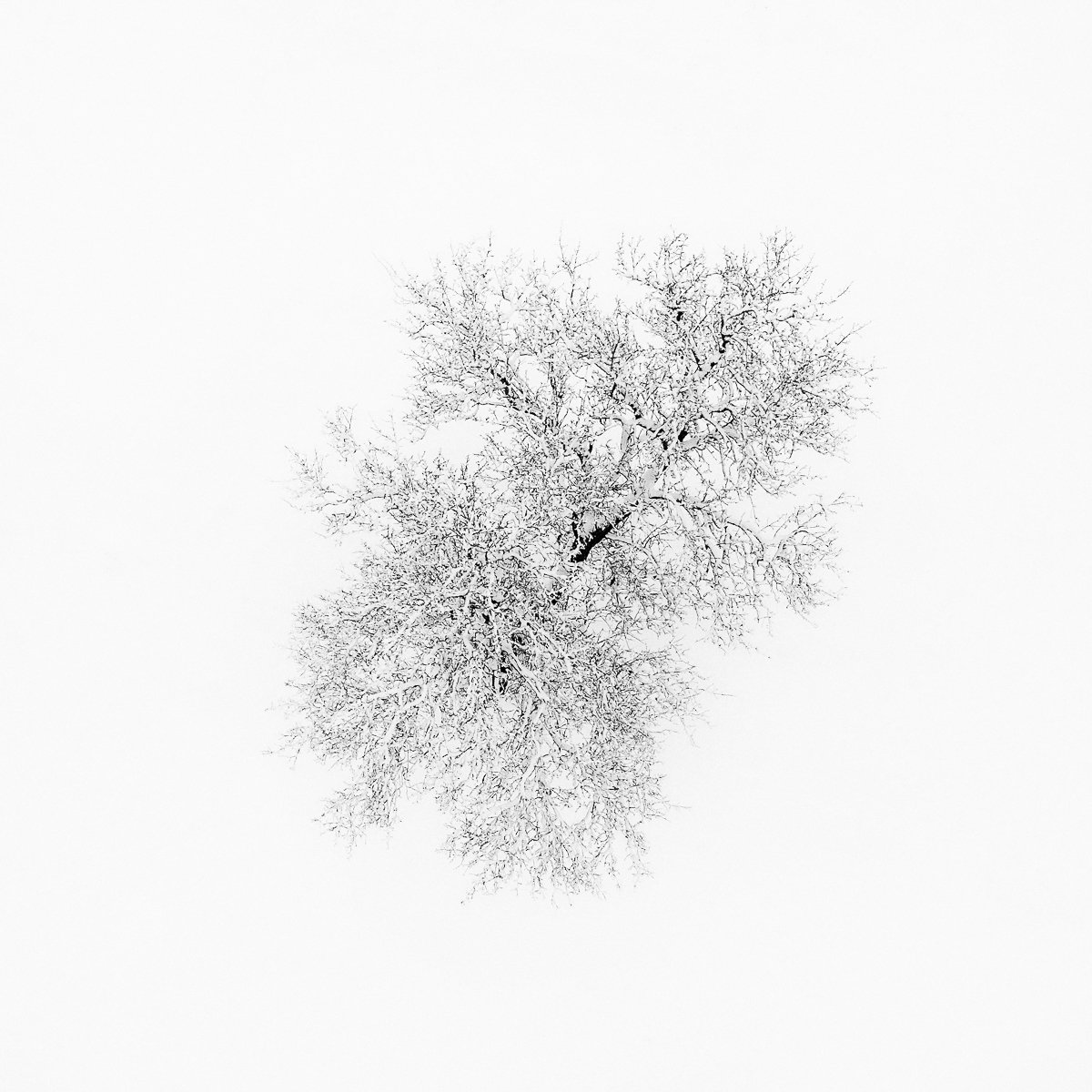
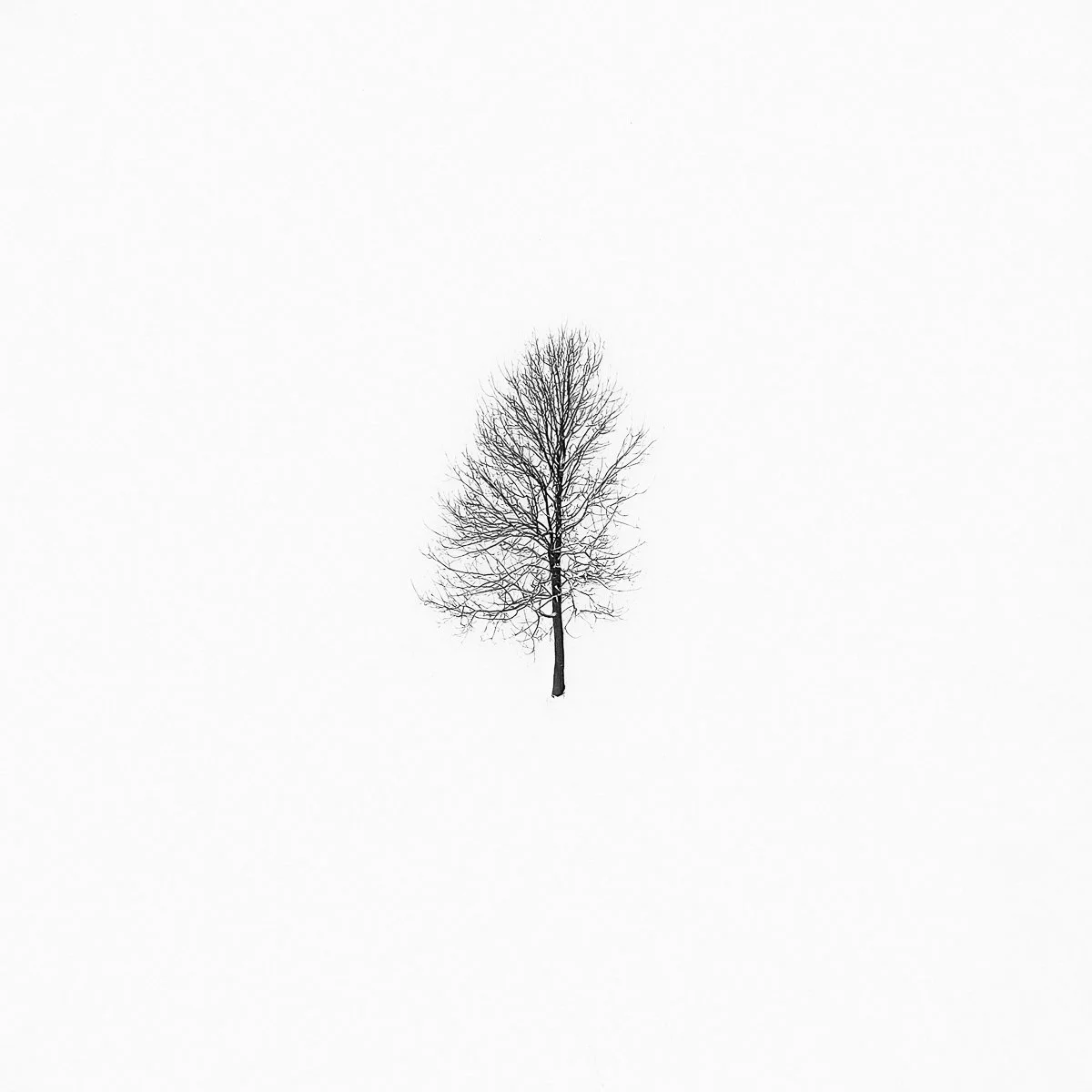
I created this aerial series in the Carpathian Mountains in the Ivano-Frankivsk region of Ukraine. In these parts of Ukraine, the houses are sparsely placed on low mountains, sometimes close to the forest. This allows me to see more minimalist scenes of rural life.
The snow-covered mountains resemble a blank sheet of paper, and a combination of elements of rural life and nature creates simple but no less amazing sketches resembling pencil drawings. This is especially noticeable from above, which is why I chose to work with a drone for this project. I spent many days hiking in the winter Carpathian Mountains looking for interesting subjects for this series.
curated by viktor barkhatov
Share your thoughts
We hope you enjoyed this exhibition as much as we did!
At the end of your visit, it would mean a lot if you could leave a few words of feedback below.
Every artist values being seen and heard and a few heartfelt lines are worth far more than a dozen emoji reactions.